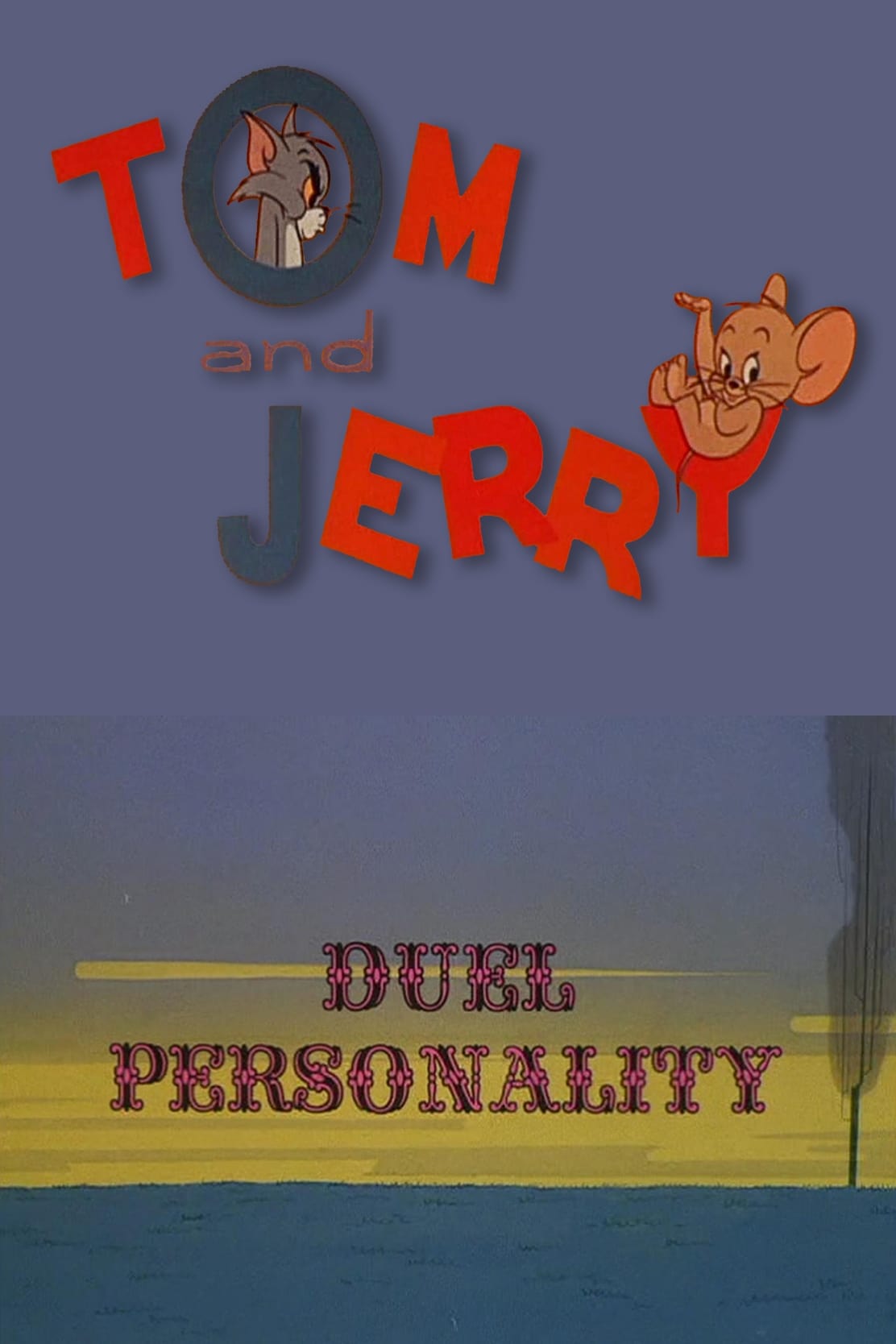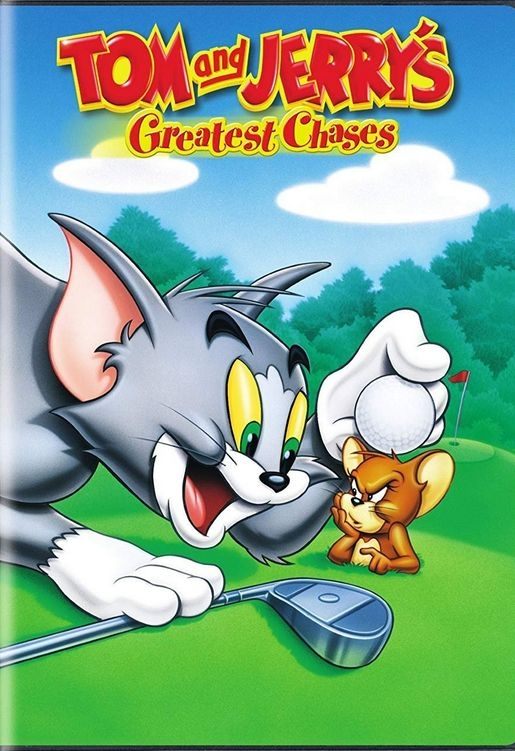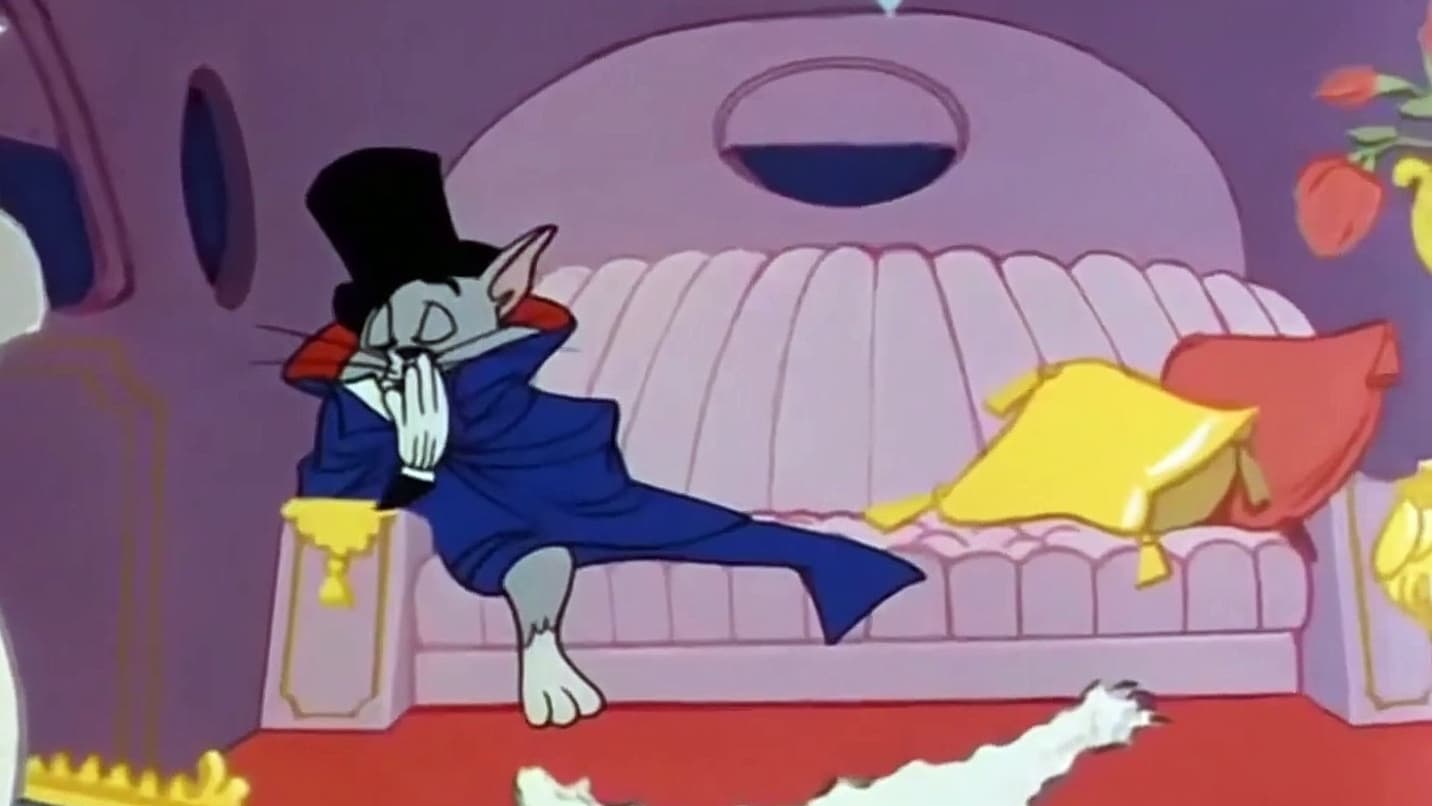
Tom, famous baritone Signor Thomasino Catti-Cazzaza, enthralls a concert audience with his rendition of "Largo al factotum", from Rossini's "Il Barbiere di Siviglia", while Jerry strives for sleep under the stage.

Social & External
Tom (singing voice)
An anthology of four abbreviated operas: "William Tell" by Rossini, "The Marriage of Figaro" by Mozart, "Don Pasquale" by Donizetti, and "Carmen" by Bizet. Filmed in Italy with major opera stars, and accompanied by English narration.
Kristine Opolais is the young woman whose conflicting desires for love and luxury lead to her tragic end, and Roberto Alagna plays the man who falls for her in Puccini’s early hit. Richard Eyre’s elegant production, which sets the action in 1940s occupied France, was one of the highlights of the Met’s 2015–16 season. Massimo Cavalletti as Manon’s brother and Brindley Sherratt as her aging admirer co-star, and Principal Conductor Fabio Luisi is on the podium.
Bill Morrison’s experimental short features decayed film reels from the lost, German silent film Pawns of Passion (1928).
When a beautiful young woman in rural Moravia becomes unexpectedly pregnant, she learns that love is sometimes only skin-deep. Janáček took Gabriela Preissová's grim tale of infanticide and redemption, and condensed it into a masterful, spine-chilling drama. The tragic plight of the protagonists is presented with unsentimental realism that cannot help but trigger a response of deep compassion. Premiered at the National Theatre in the composer's hometown of Brno 115 years ago, the opera took him nine years to complete and is the first in which his distinctive voice can clearly be heard.
Directed by Max Urban.
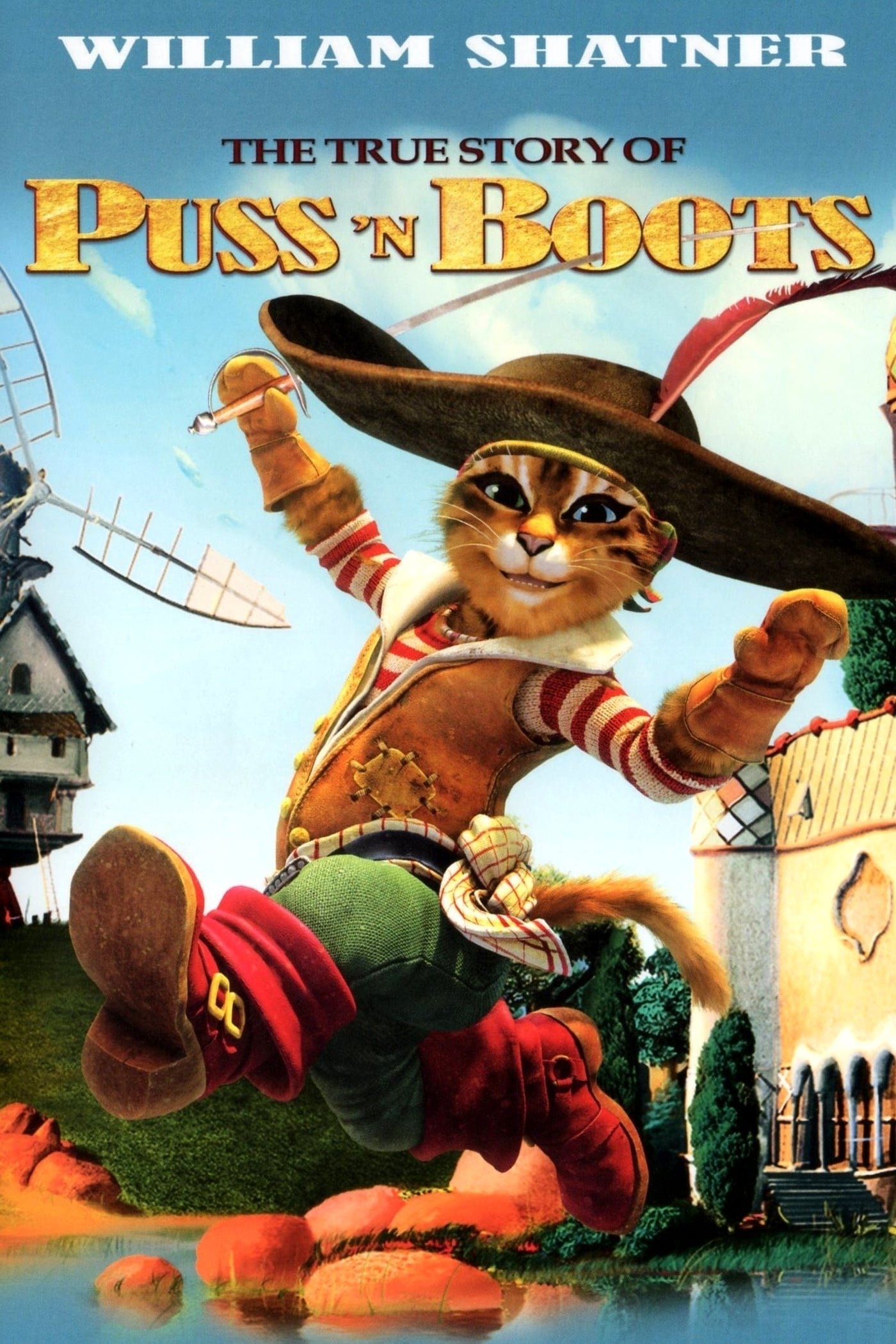
Following the death of their miller father, his eldest son inherits the mill, the middle one a donkey, and the youngest a cat. While initially disappointed, the lad soon learns not only that the cat can talk but is quite resourceful.
Long ago in a land with an ailing king, there was a pair of boys who looked exactly alike, a pauper called Mickey and the other, the Crown Prince.
Ten short pieces directed by ten different directors, including Ken Russell, Jean-Luc Godard, Robert Altman, Bruce Beresford, and Nicolas Roeg. Each short uses an aria as soundtrack/sound, and is an interpretation of the particular aria.
In a small Japanese town, Ko-Ko is appointed to the unenviable position of executioner. Knowing he must successfully perform before the appearance of the Mikado in a month's time, Ko-Ko finds a suitable victim in Nanki-Poo, who is distraught over his unrequited love for the maiden Yum-Yum. Nanki-Poo agrees to sacrifice his life if he is allowed to spend his remaining days with Yum-Yum, who is betrothed to Ko-Ko. Opera Australia production filmed at The Arts Centre Melbourne.
Officers Ferrando and Guglielmo are certain that their lovers Dorabella and Fiordiligi are faithful to them, but the cynical Don Alfonso challenges them to a bet that the women will be unfaithful given the chance. The officers thus pretend to go off to war, and return in disguise as Albanian strangers, to woo Dorabella and Fiordiligi incognito. The ladies are initially frosty, but soon warm to their new suitors, spurred on by their maid Despina. Performed at the La Scala Theatre in Milan.
Get ready to join Mickey and friends on their most amazing adventure ever -- a new movie classic inspired by Disney's ALICE IN WONDERLAND. It's Daisy Duck's birthday, and, in preparation, Mickey Mouse and Donald Duck have arranged a surprise party and bought a cuckoo clock as a present. However, the bird inside the clock escapes, leading Donald and Mickey into a strange fantasy world, modeled after Lewis Carroll's Wonderland. Some friends tag along for the journey, and some even appear as characters from the original tale. Goofy becomes the Goofy Hatter and Clarabelle Cow becomes Queen Clarabelle.
A production of Mozart's opera recorded live at Zurich Opera House in 2000. Cecilia Bartoli leads an all-star cast including Roberto Saccà, Liliana Nikiteanu, and Agnes Baltsa. The conductor is Nikolaus Harnoncourt. Filmed live at the Zurich Opera House in February 2000 on a set which visualises the subtitle "The School for Lovers", the plot revolves around two army officers arguing about the fidelity of their brides, then setting out to test their chastity. Despite the often playful humour, this is not only psychologically telling music-making, but reveals Mozart exploring the structure of opera, discarding convention to mix large ensemble sections with arias for as many different combinations of singers as possible. With Liliana Nikiteanu attractively contrasted with Bartoli, and thoroughly convincing performances by Roberto Sacca (Ferrando) and Oliver Widmer (Guilelmo), this Così has a freshness and flow which, coupled with the timeless romantic themes, feels very contemporary.
In the awe-inspiring Teatro Olimpico,Vicenza, Cecilia Bartoli, recognised as one of the best singers of our time, gives the most outstanding recital of work from a variety of composers such as Caccini, Schubert, Handel, Vivaldi, Bellini, Donizetti,Mozart, Rossini, Viardot and Bizet.
This is the 2004 version of Kaija Saariaho's opera performed by the Finnish National Opera and conducted by Esa-Pekka Salonen.
Performed live at the Royal Opera House, Covent Garden, Gluck's opera in three acts is conducted by Hartmut Haenchen. Performers include Jochen Kowalski, Gillian Webster and Jeremy Budd, alongside the Royal Opera Chorus and Orchestra. When Orpheus mourns for his late wife Eurydice, the god Cupid offers him the chance to descend into the underworld and lead her back to the land of the living, on the condition that he does not look at her face. He sets out on his journey, but his path to the Elysian Fields is blocked by the fierce Furies.
Viva Vivaldi! is a concert by the Italian mezzo-soprano Cecilia Bartoli interspersing arias from the 20 surviving operas of Vivaldi with two concertos. Given with the early music ensemble Il Giardino Armonico before a very appreciative audience in the Théâtre des Champs-Élysées, the performance is part of Bartoli's exploration of the Venetian composer's opera music which also includes The Vivaldi Album. There is a startling dynamic energy, which contrasts powerfully with the more restrained interpretations by singers such as Emma Kirkby. Bartoli's natural Italian and the live atmosphere of Maria Grazia d'Alessio's oboe gives her interpretation of the quietly haunting and melodically rich "Non ti Lusinghi la Crudeltade" from Tito Manlio a particular piquancy. The Flautino Concerto is a most attractive interlude, while the more famous Lute/Violin Concerto beguiles with its exquisite lyricism.
Drama lyrique in five acts, after the play by Maruice Maeterlink
The celebrated mezzo-soprano Cecilia Bartoli joins Bryn Terfel for a recital of arias and duets recorded at Glyndebourne Opera House in 1999. The programme features favourite pieces from Mozart, Rossini and Donizetti, with the London Philharmonic Orchestra conducted by Myung-Whun Chung.
John Eliot Gardiner conducts Gluck’s 1776 French version of “Alceste” at the Théâtre du Châtelet in Paris. Soprano Anne Sofie von Otter takes the title role of Alceste, Queen of Thessaly, who offers to die at the hands of the gods in place of her husband, Admète (Paul Groves), so that the people will not lose their king. Alceste is then saved from the underworld by Hercule (Dietrich Henschel).
Behind the Hollywood Bowl stage which is playing the opera The Barber of Seville, Bugs Bunny flees into the backstage area with Elmer Fudd in close pursuit. Seeing his opportunity to fight on his terms, Bugs raises the curtain on Elmer, trapping him on stage. As the orchestra begins playing, Bugs comes into play as the barber who is going to make sure that Elmer is going to get a grooming he will never forget.
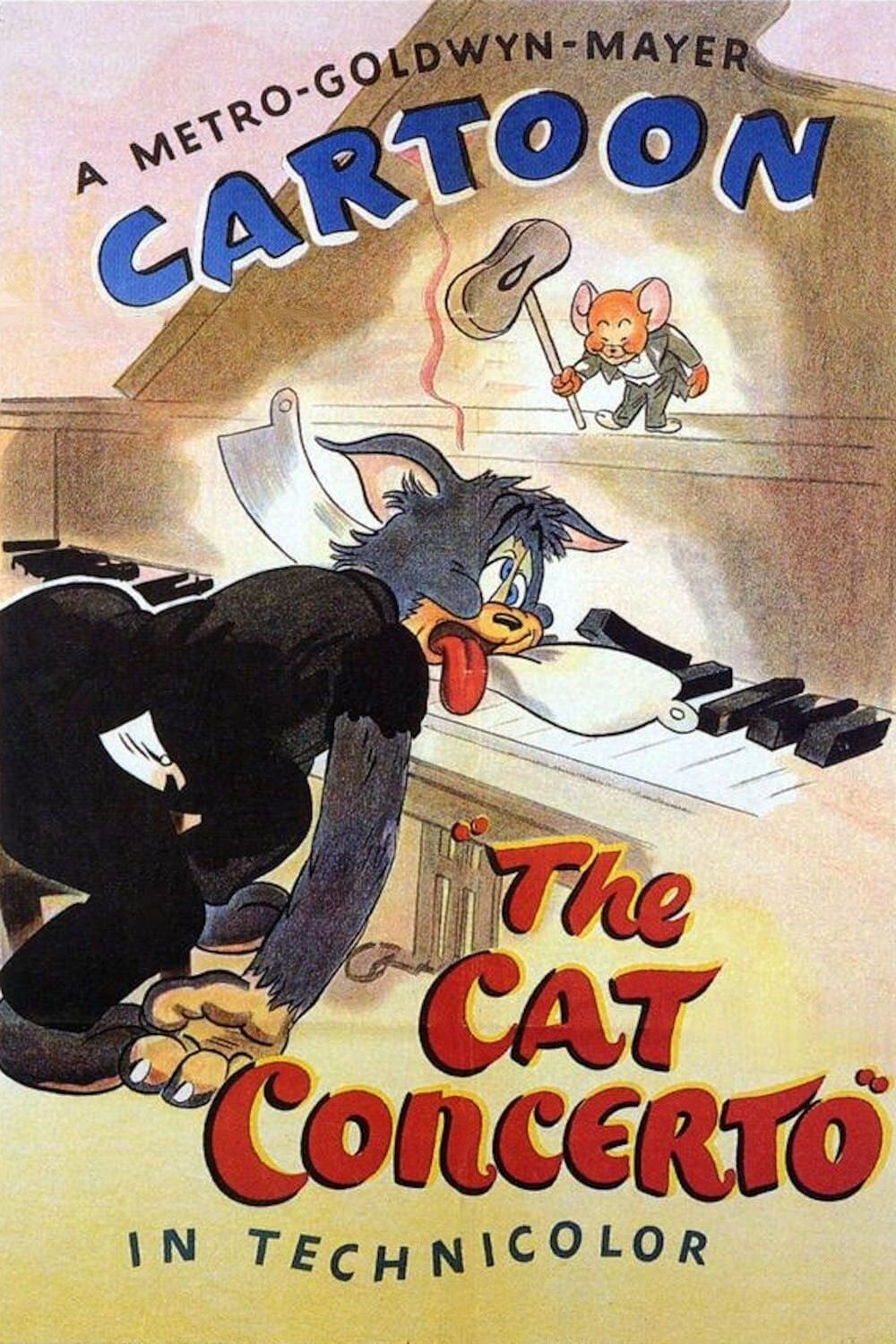
Tom Cat is a concert pianist who plays beautifully until he is interrupted by Jerry Mouse.
After he is rejected by the Great Poochini as an opening act, Mysto the Magician gets his revenge by conducting his next operatic performance.
At the home of Viennese composer Johann Strauss lived Johann Mouse. Whenever the composer played his waltzes, the mouse would dance to the music, unable to control himself. One day, when Strauss was away, the house cat played his master's music. When word got out about a piano-playing cat and a dancing mouse, they were commanded to perform for the emperor.
Bugs Bunny vs. a famous opera singer at the Hollywood Bowl.
Bugs conducts the Warner Brothers Symphony in Franz von Suppé's "Morning, Noon, and Night in Vienna" while reacting to a bothersome fly.
Mickey guest-directs a radio orchestra. The sponsor loves the rehearsal, but come the actual performance, Goofy drops all the instruments under an elevator, so they sound like toys. The sponsor hates it, but the audience loves it anyway.
When Bugs Bunny attempts to perform Liszt's Second Hungarian Rhapsody, he is troubled by a mouse.
Elmer Fudd is again hunting rabbits - only this time it's an opera. Wagner's Siegfried with Elmer as the titular hero and Bugs as Brunnhilde. They sing, they dance, they eat the scenery.
Tom is conducting a symphony at the Hollywood Bowl when Jerry comes out to co-conduct.
Mammy steps out for the evening. While she's away, the cats - in this case Tom and three of his alley cat friends - play. Play and perform rollicking jazz, that is.
Tom has been out late carousing with his chums. When he gets home, Mammy won't take any excuses, and insists he stay awake; Jerry, overhearing, thus tries a number of schemes to get Tom to sleep.
A stern classical music teacher becomes a father of four musically-inclined sons, but when one of them demonstrates a preference for jazz music, his father kicks him out of the house.
The one-hour animated special, packed with the vocal talents of some of your favorite CBS stars and the King of Pop's most memorable hits, follows Vincent and Victoria, as they embark on a magical journey of self-discovery.
Tom, a castle soldier in 16th century France, is assigned to guard the food laid out on a banquet table. Jerry and a smaller mouse companion, two wandering "mouseketeers", make the situation miserable for Tom as they abscond with (and occasionally eat) all the food they can.
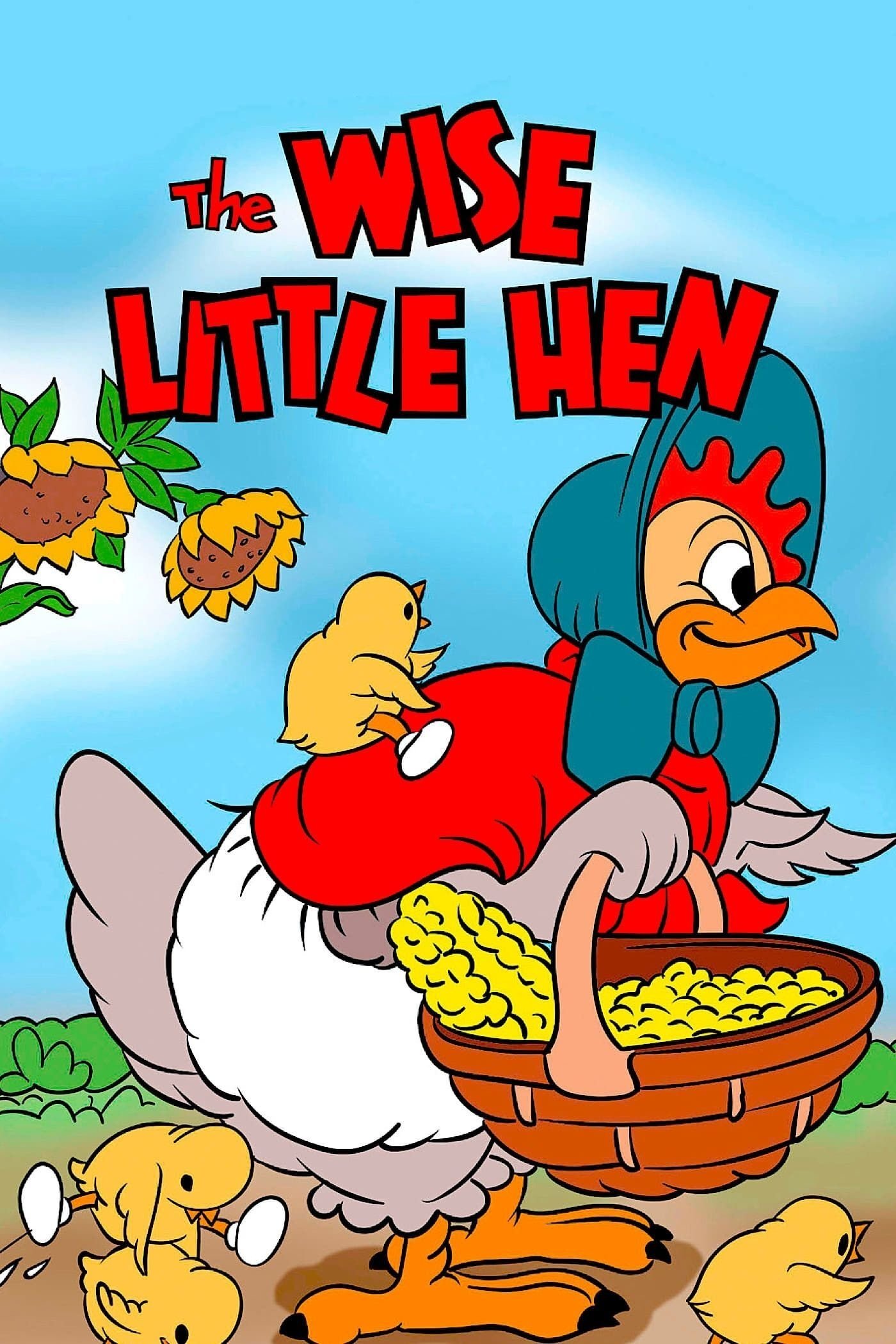
Join Donald Duck in his debut in the classic animated short The Wise Little Hen. The Little Hen is planting corn and would like to have help from Peter Pig and Donald Duck, but they refuse stating they each have a "tummy ache." When it comes time to harvest the corn, Peter Pig and Donald still refuse to help the Hen, so she and her chicks do the harvest by themselves. Finally, the hen cooks the corn and offers some to Donald and Peter Pig, but when they look more carefully they discover a surprise.
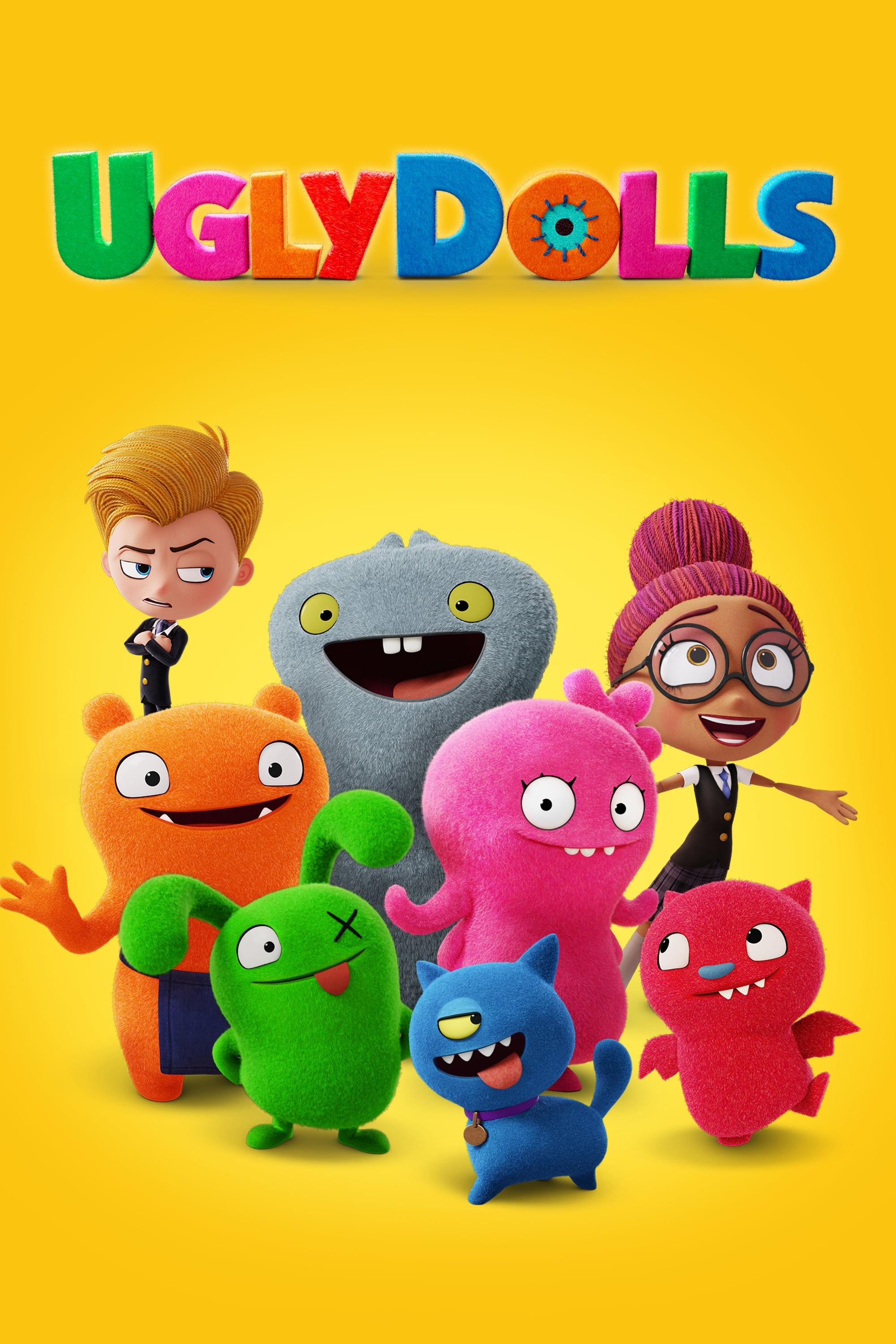
In the adorably different town of Uglyville, weirdness is celebrated, strangeness is special and beauty is embraced as more than meets the eye. After traveling to the other side of a mountain, Moxy and her UglyDoll friends discover Perfection -- a town where more conventional dolls receive training before entering the real world to find the love of a child.
The people of Hamelin, overrun with rats, offer a bag of gold to anyone who can get rid of the rats. A piper offers to do the job, and successfully lures the rats into a mirage of cheese, which disappears. The citizens, disappointed that all he did was play a tune, offer only pocket change. The piper, angered, plays a new tune that has all the children of the city follow him, even the new twins the stork is preparing to deliver.
Upon learning that he is from New York City, a wide-eyed boy, who is half human and half alligator, decides to leave his sheltered life in the swamp and search for his long lost father. A musical adventure.
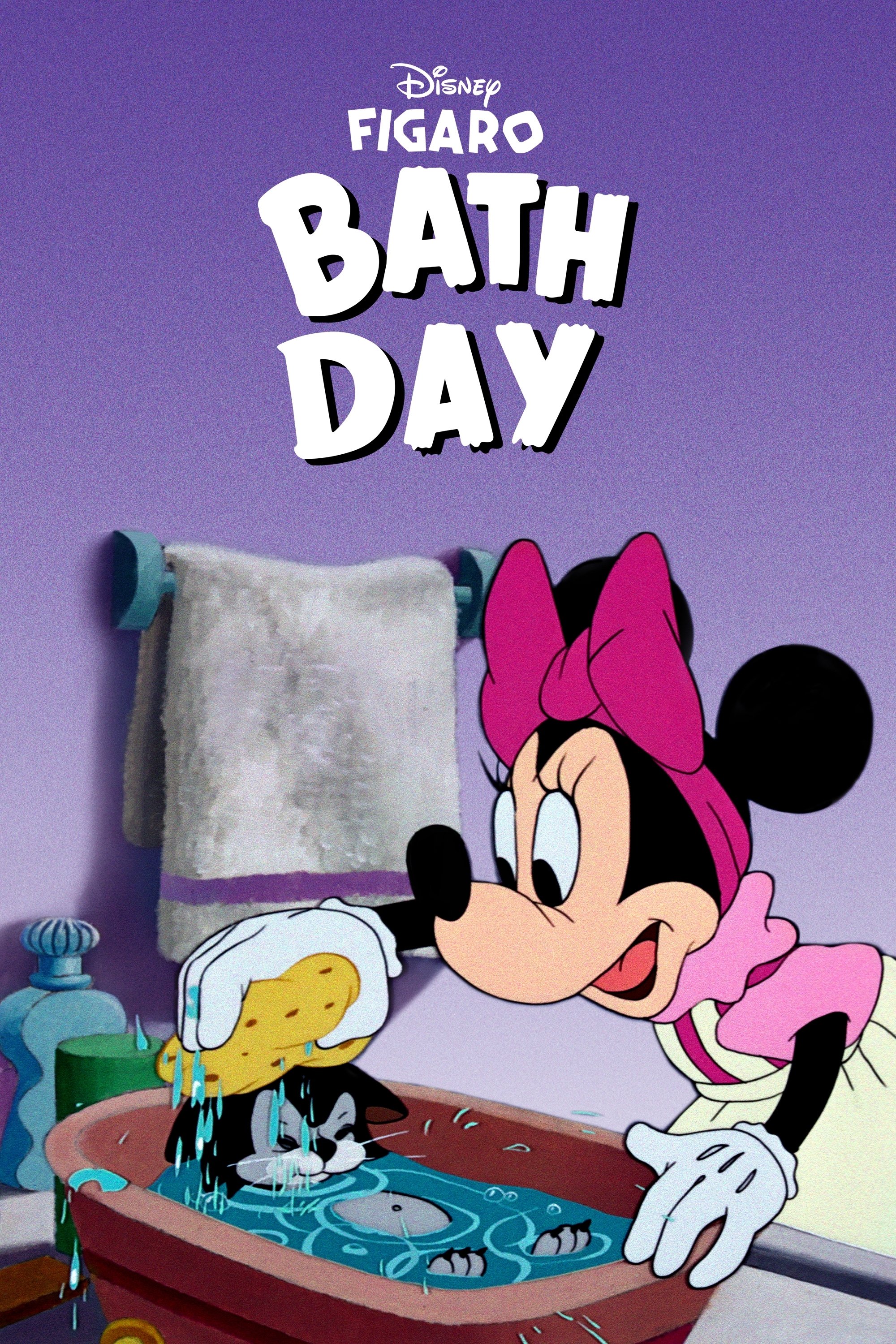
Minnie gives Figaro a bath and ties a ribbon around his neck. Figaro feels like a sissy, and when he mixes it up with some alley cats, they mock him, and the leader attacks. But Figaro is so afraid that his shaking topples a series of trash cans onto the aggressor. The rest of the cats didn't see this happen, and think Figaro defeated their leader. Of course, now he's all dirty, and he needs another bath.