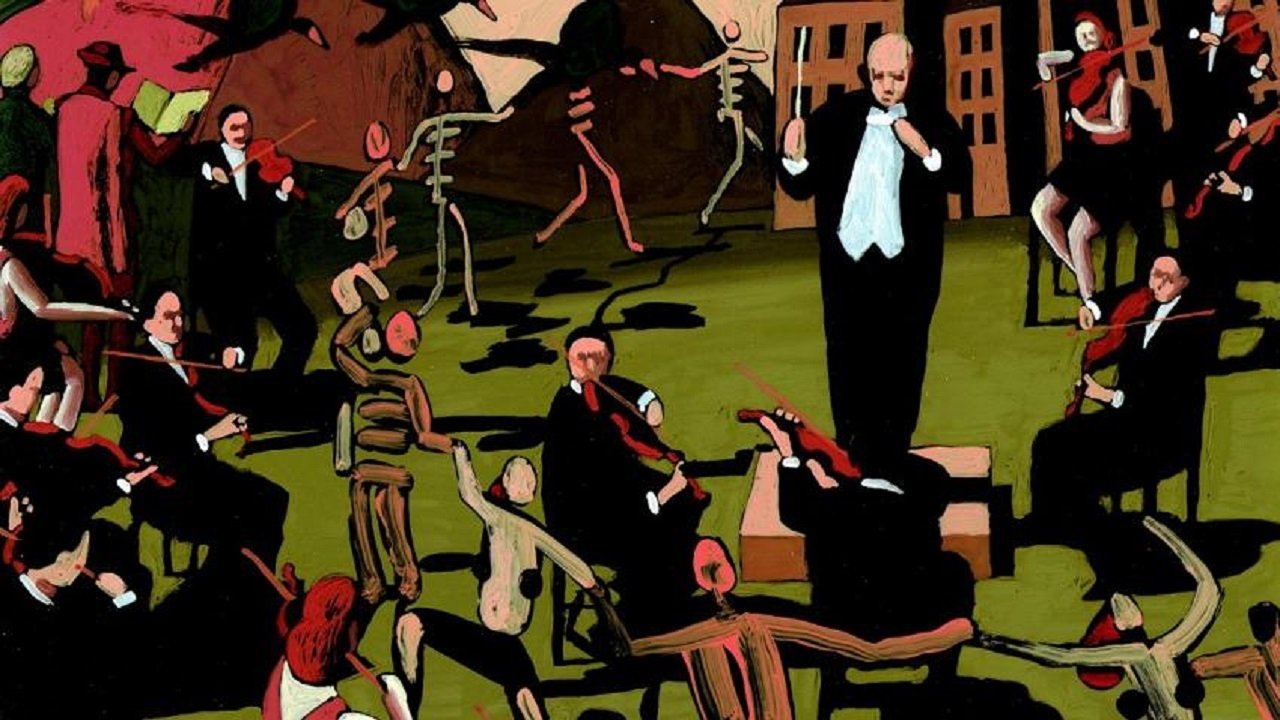
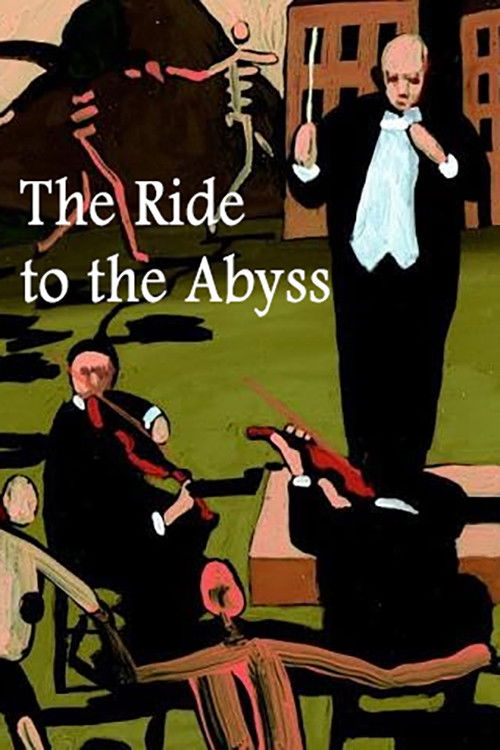
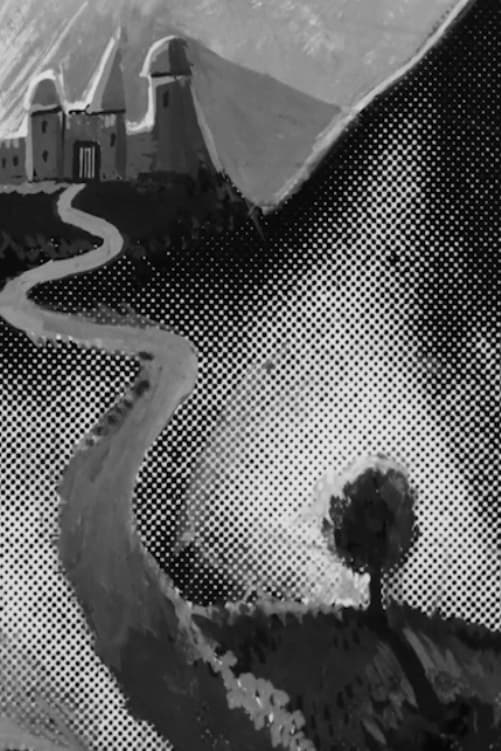
‘La course à l’abîme’ is a depiction of the final ride into hell from ‘La Damnation de Faust’ (1846) by Hector Berlioz.
Social & External
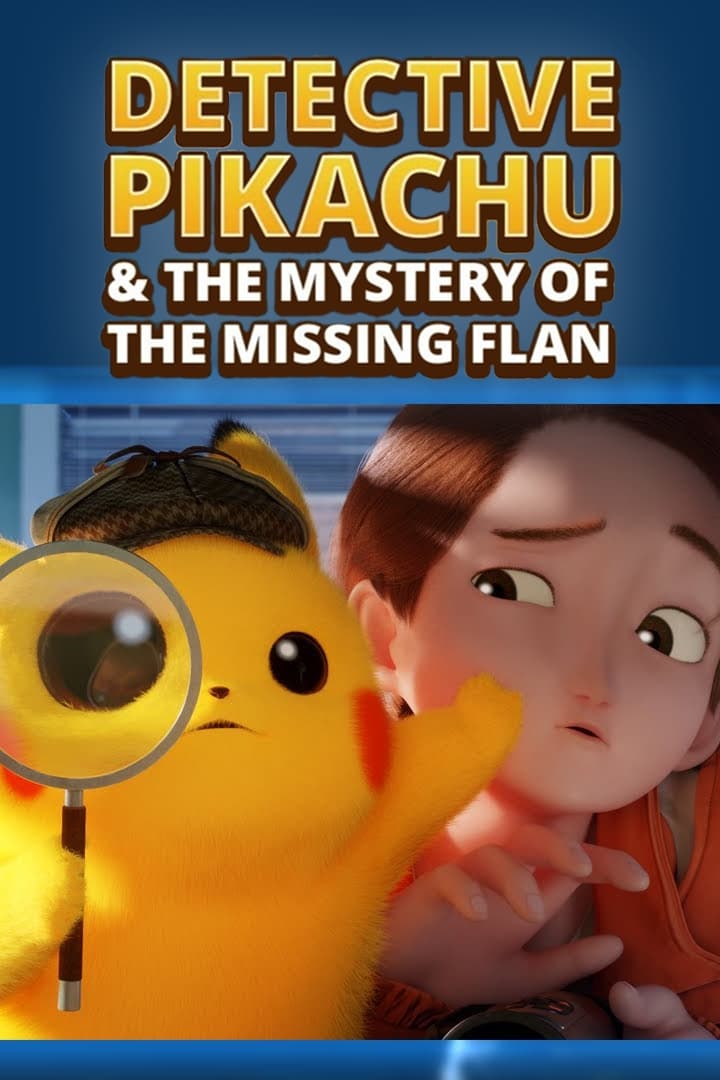
Detective Pikachu just wants to film his morning routine, but Tim has a bigger problem: his flan has disappeared from the fridge! It’s definitely a mysterious case, but if anyone can solve it, this dynamic duo can in the animated short “Detective Pikachu & the Mystery of the Missing Flan”!
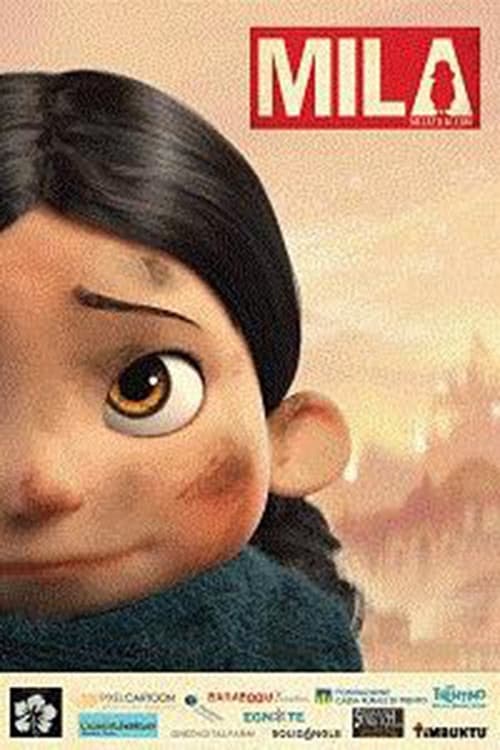
After the Trento bombing in Italy 1943, the CG animated short film is the story is of a little girl named Mila. It focuses on the collateral damage affecting the civilian population, and especially the children.
An anthology of four abbreviated operas: "William Tell" by Rossini, "The Marriage of Figaro" by Mozart, "Don Pasquale" by Donizetti, and "Carmen" by Bizet. Filmed in Italy with major opera stars, and accompanied by English narration.
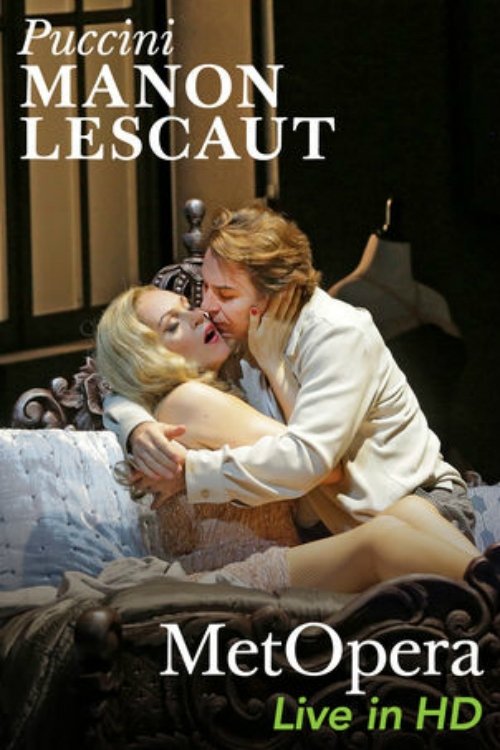
Kristine Opolais is the young woman whose conflicting desires for love and luxury lead to her tragic end, and Roberto Alagna plays the man who falls for her in Puccini’s early hit. Richard Eyre’s elegant production, which sets the action in 1940s occupied France, was one of the highlights of the Met’s 2015–16 season. Massimo Cavalletti as Manon’s brother and Brindley Sherratt as her aging admirer co-star, and Principal Conductor Fabio Luisi is on the podium.
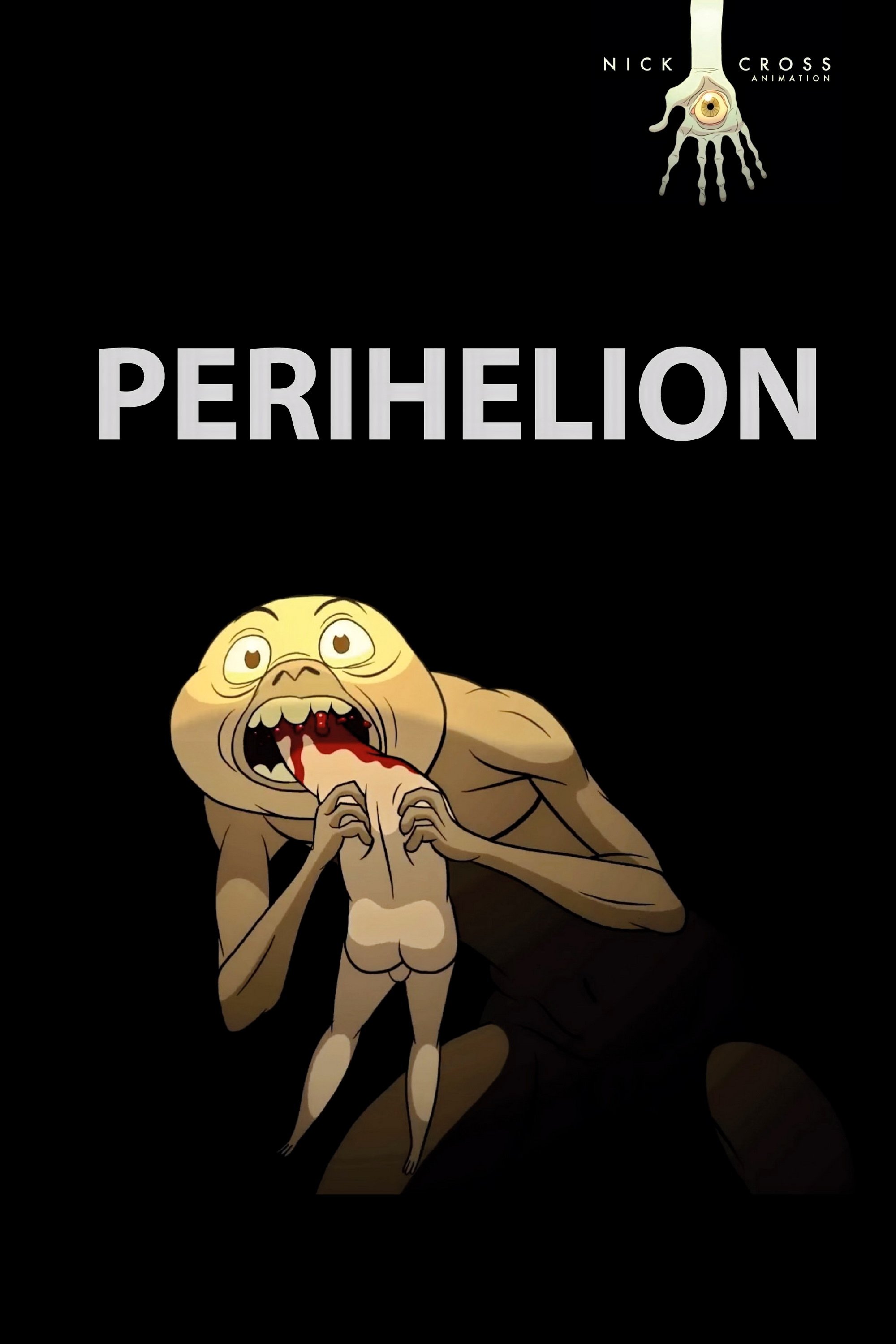
Perihelion is a sort of animated tone poem. It is a short film that toes the line between narrative and non-narrative, essentially having no real beginning, middle or end.
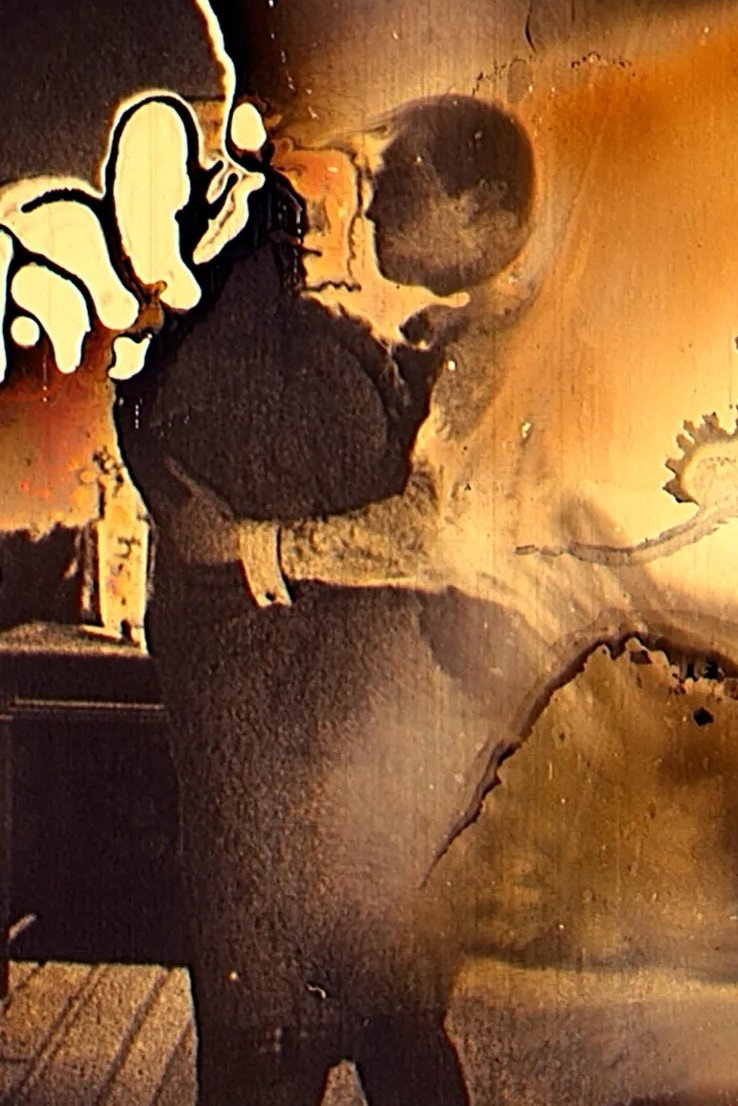
Bill Morrison’s experimental short features decayed film reels from the lost, German silent film Pawns of Passion (1928).
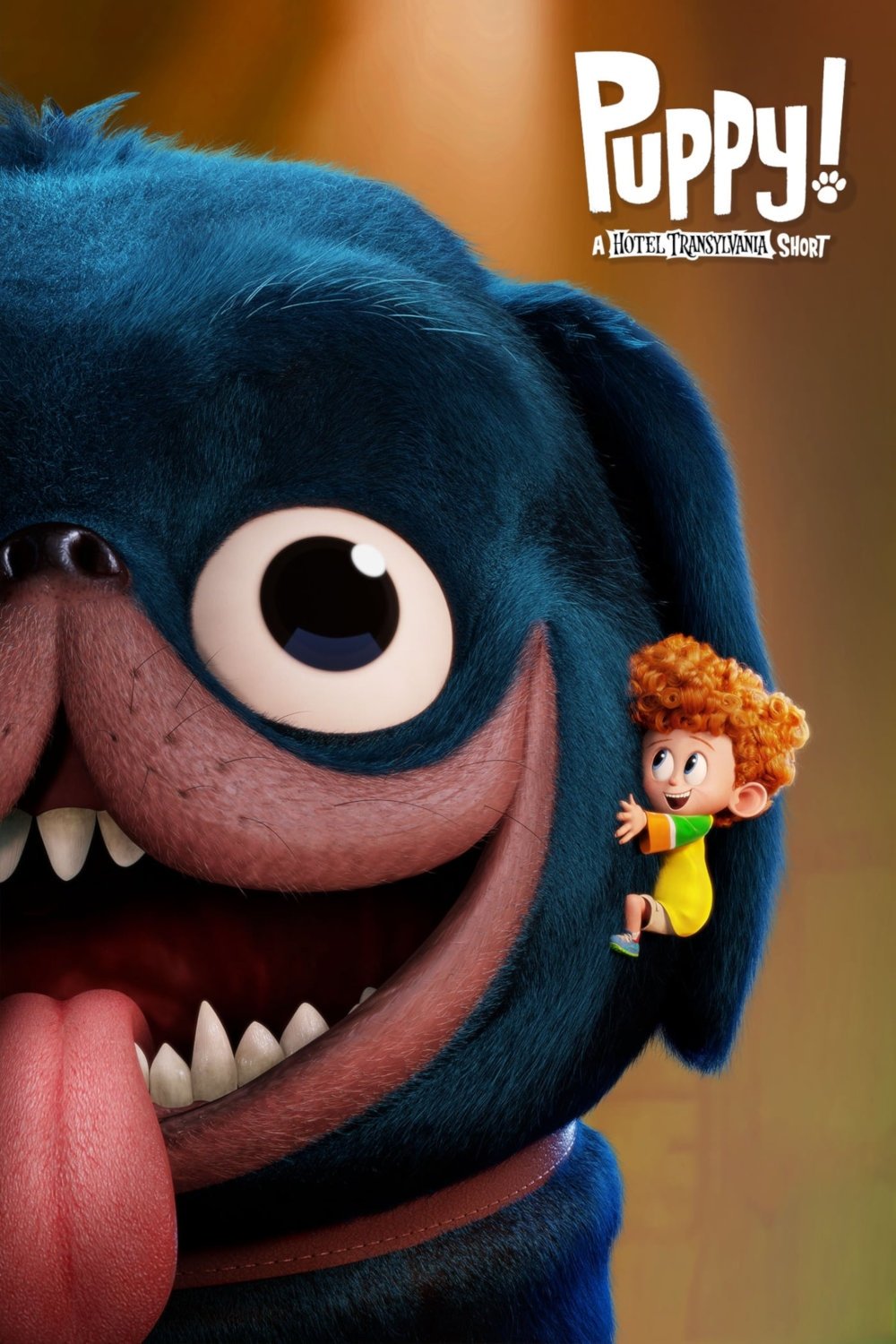
The residents of Hotel Transylvania find their world turned upside-down when youngster Dennis gets a surprise monster-sized pet.
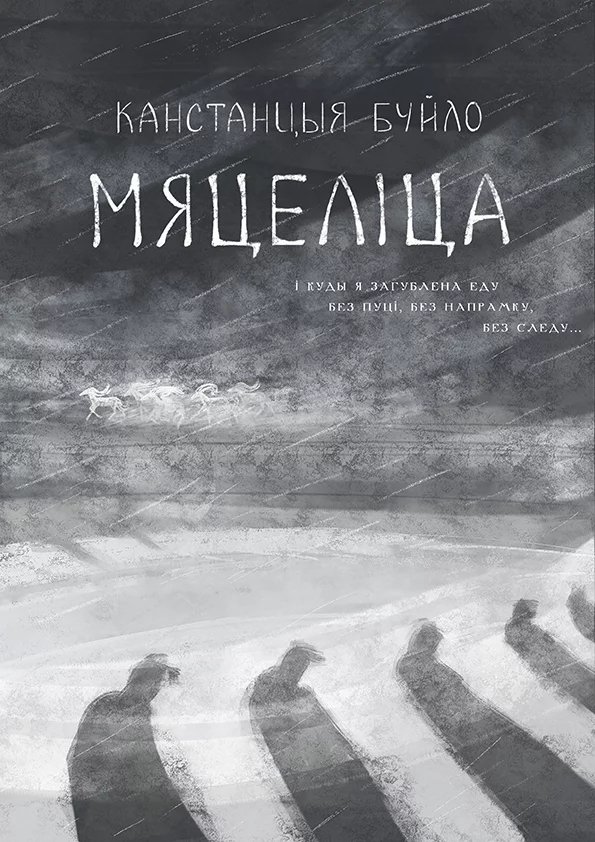
A snowstorm. An endless snowfield. Snow that never ends. A herd of white horses rushes past a chain of prisoners, dragging through the eternal night. As shadow intersects with light, so does death intersect with life. And this spontaneity is never-ending.
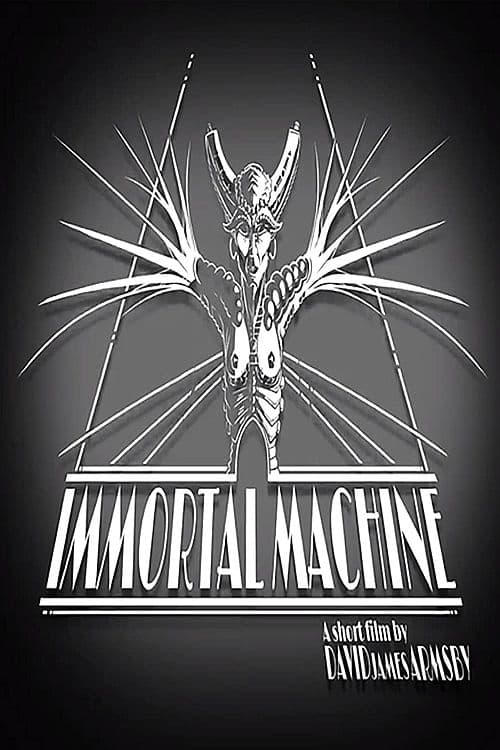
Deep in the heart of Autodale lives their Mayor. As old as the town itself, a once great inventor, now a gangly and decaying but undying thing which the townsfolk have long forgotten, but continue to echo his machine-obsessed beliefs.
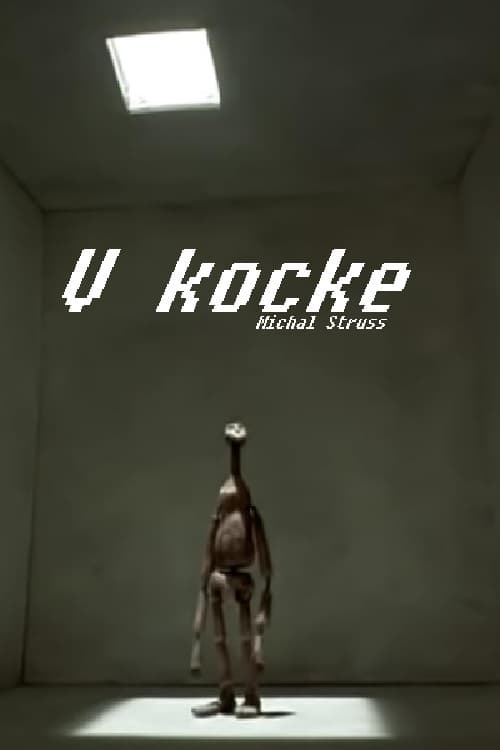
A character is inside a cubical room; there is a hole in the roof, which is too high to reach. But pushing on the walls distorts the room in various ways, always appearing to bring the hole closer while still leaving it tantalizingly inaccessible.
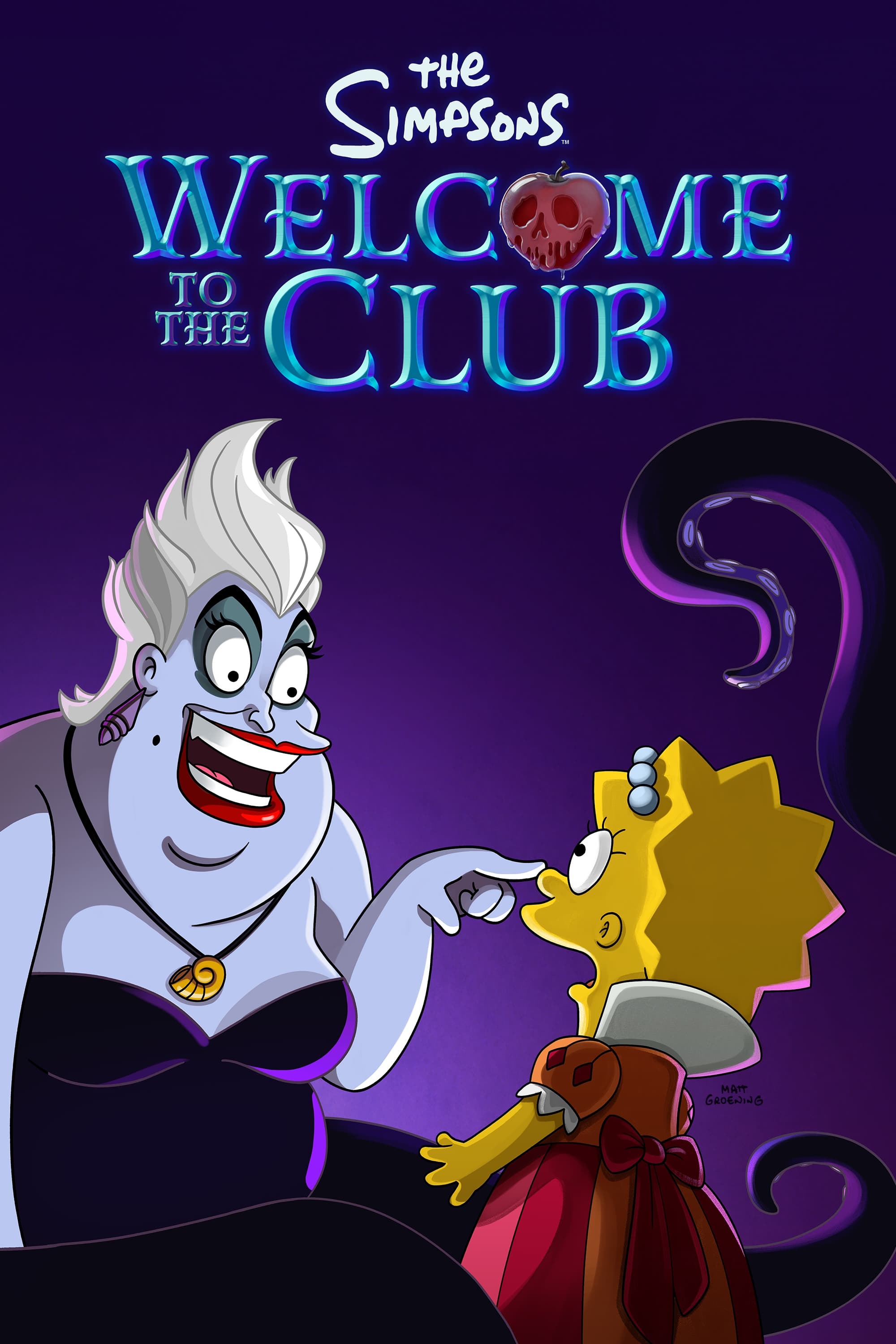
Heart set on becoming a princess, Lisa Simpson is surprised to learn being bad might be more fun.
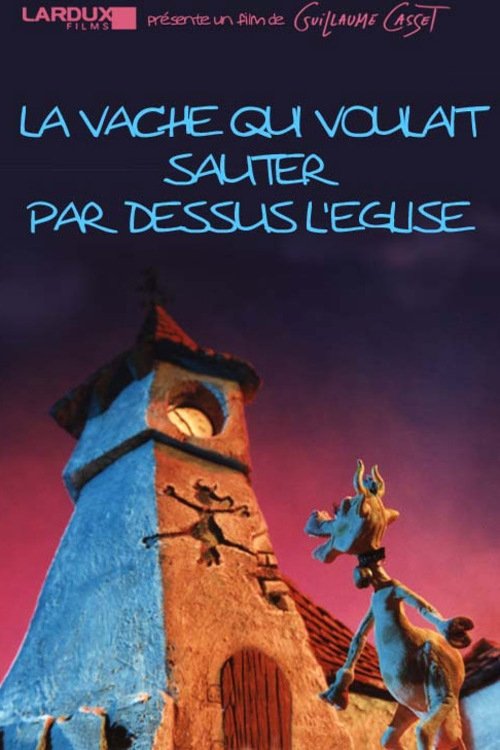
A farmer has computerised his farm but hasn't counted on bugs in the system ... and the cow wants to jump over the church.
Water Lily, an invented japanese tale about the birth of the lotus flower, made in Supinfocom Valenciennes (2015) !
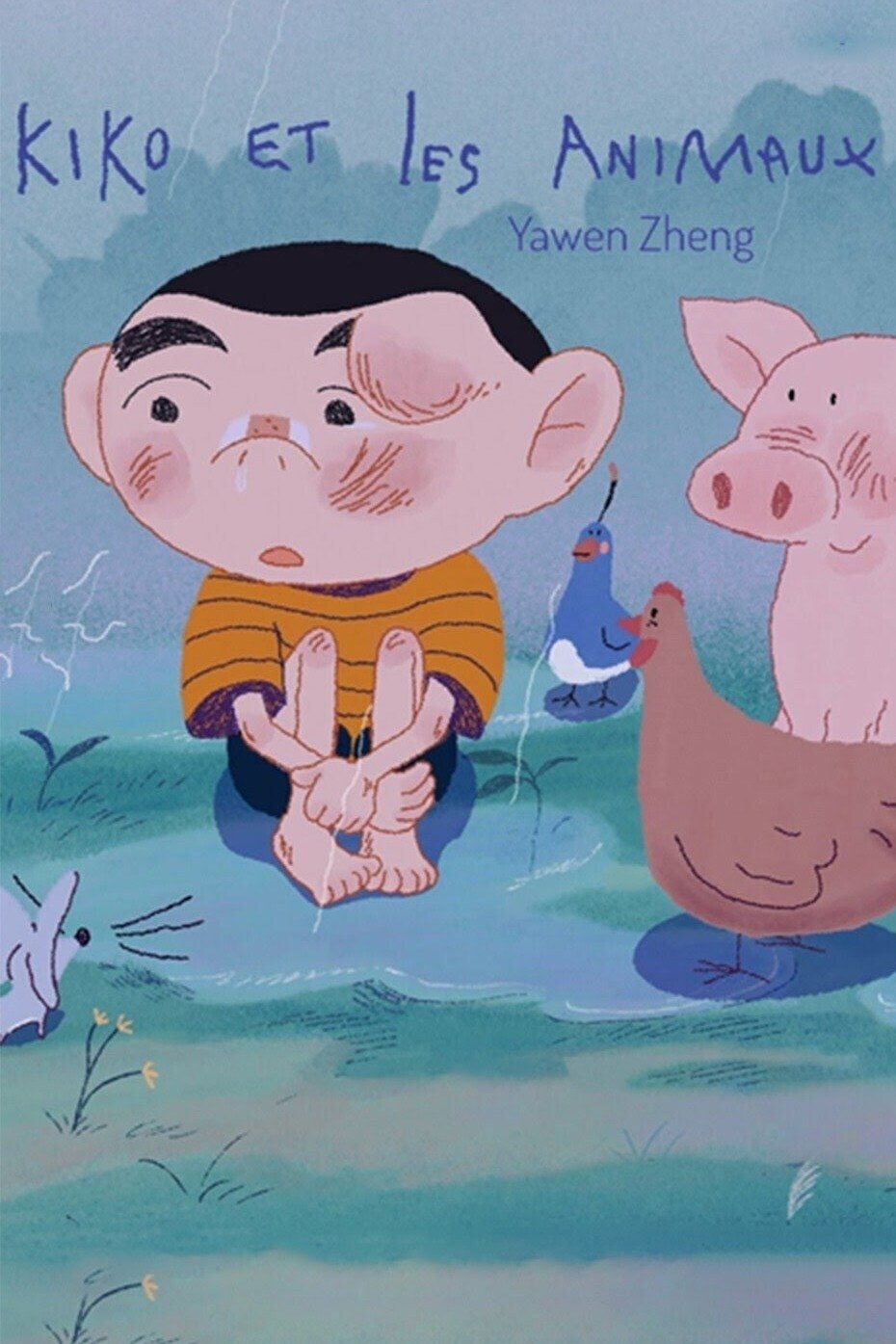
Kiko is a nightmare for all the animals. He bullies them all the time, even the smallest mouse can't escape from him! How could the animals stand out and make him understand that they are just like him, capable of emotions, love, and deserve respect?
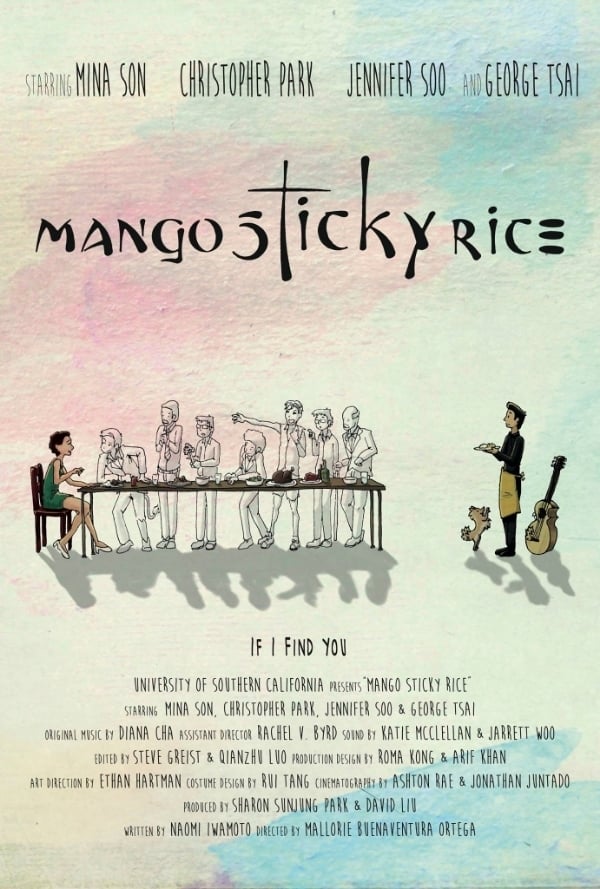
Katie is a dog loving foodie who is very content with her single life. Soon, she finds herself being pressured to find love. Meanwhile, Chris, the delivery boy just wants to get her attention. Will Katie find someone who will love her for who she is? Will Chris finally win her over?
As technology accelerates, our species' collective imagination of the future grows ever more kaleidoscopic. We are all haunted by temporal distortion, perhaps no more than when we attempt to remember what the future looked like to our younger selves. As the mist of time devours our memories, the future recedes; each of us burdened by the gaping mouth of entropy. Yet, emerging technology provides a glimmer of hope; transhumanism promises a future free from mortality, disease and pain. Does our salvation lie in digital simulacra? We're here to sell you the answer to that question, for the low, low price of four hundred and seventy seconds.
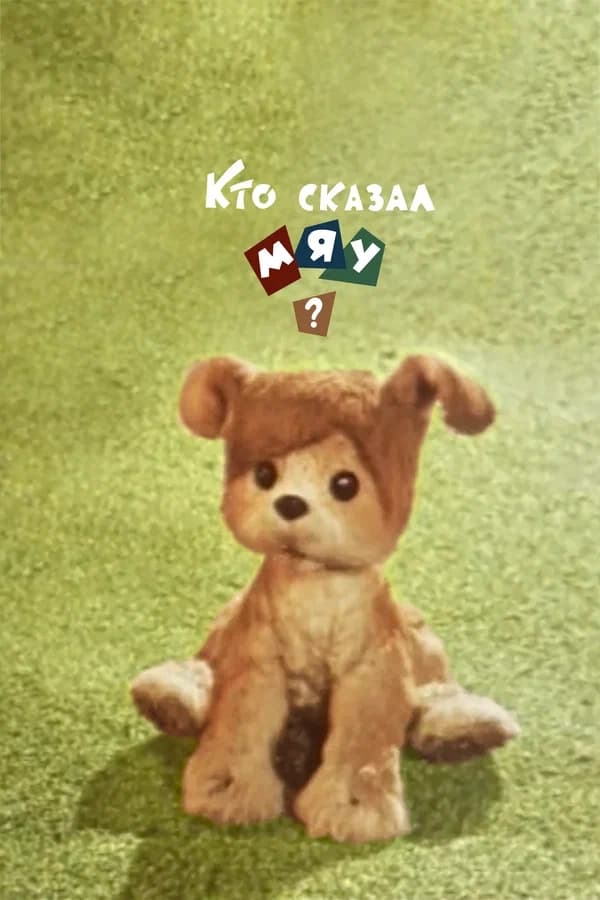
After hearing someone's "meow" for the first time in his life, baby puppy goes in search of the unknown beast and meets various inhabitants of the house and yard. On children's curiosity and the first acquaintance with the world.
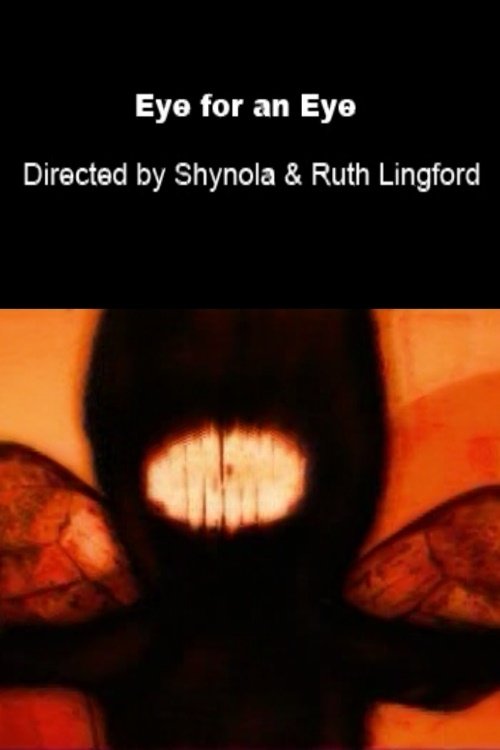
Short animation by Shynola & Ruth Lingford
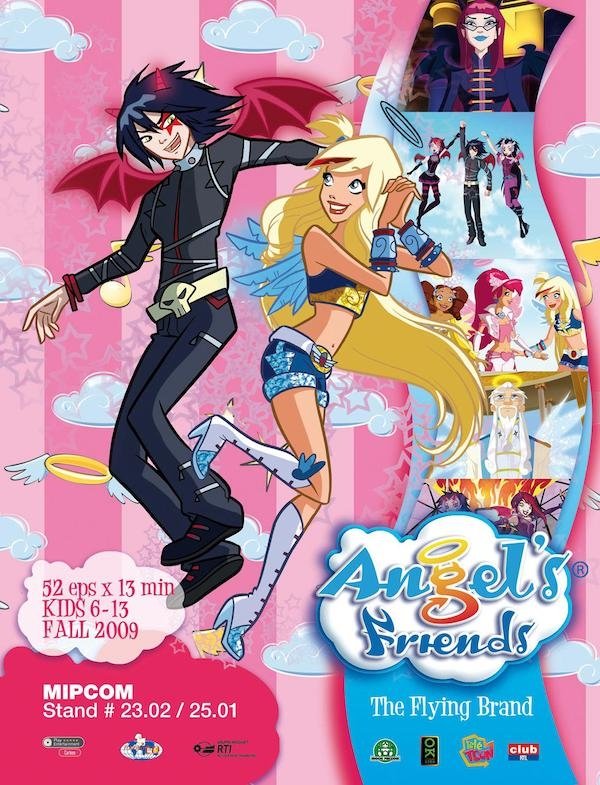
A television movie based on the animated series and settled between the first and the second season aired, in Italy, on 23 April 2011. The movie focuses on the Angels attending the Summer School at the Sunny College in Alpinville, where Raf hopes she will not meet Sulfus. The Devils show up at the school and Raf tells Sulfus she has fallen in love with someone else. Meanwhile, the Earthly ones receive the task of refurbishing the Theatre of Princes (Italian: Teatro dei Principi) and organising a play, Romeo & Juliet by William Shakespeare. However, they are attacked by a mysterious hooded man who wants them to leave the theatre. The Angels and the Devils decide to investigate and find out the truth about Tyco and Sai's fate. At last, Raf and Sulfus conclude that they'll decide what to do about their future together once returned to the Golden School for the new term.
An artistic short film directed by Stan Vanderbeek.
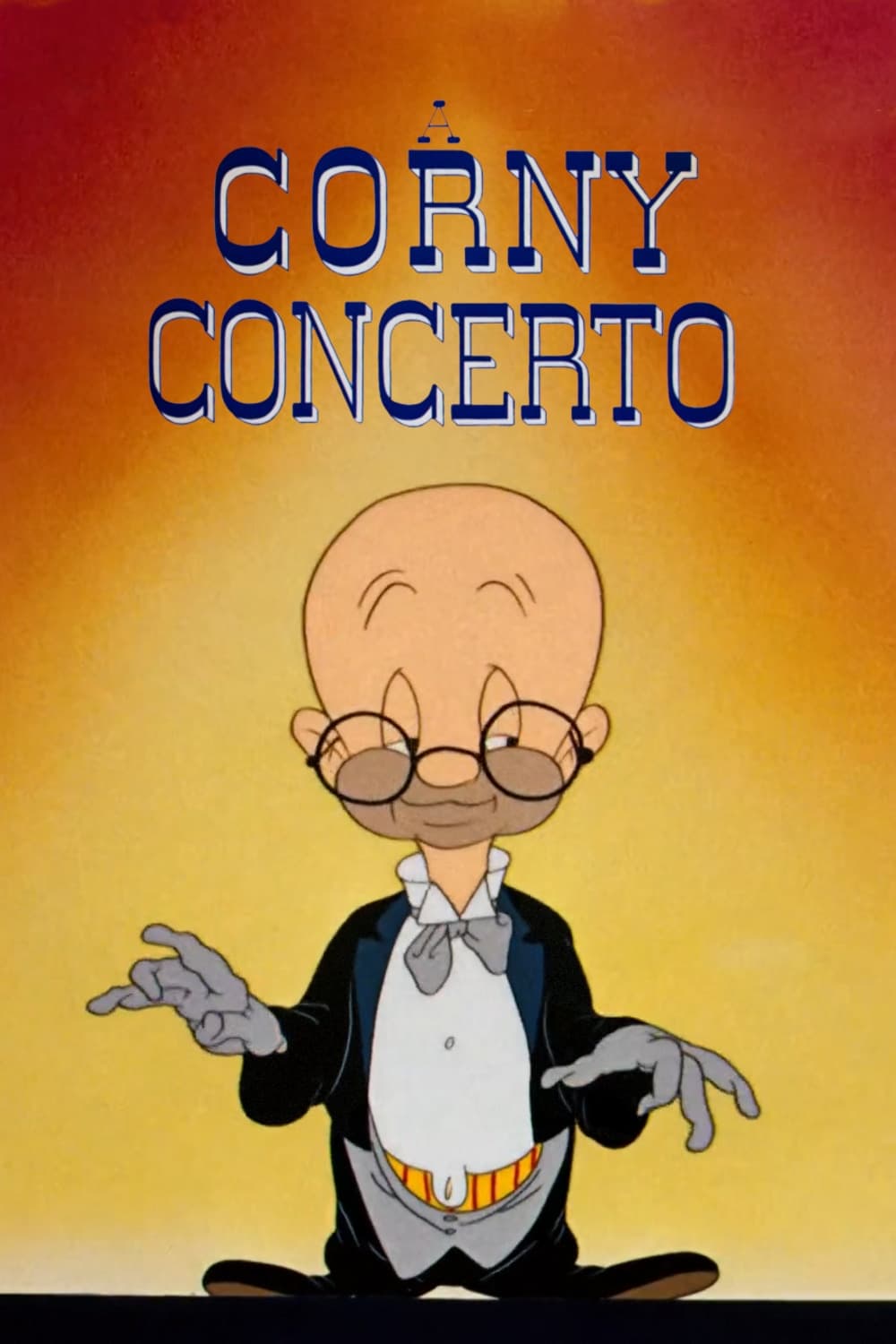
Elmer Fudd introduces two pieces of classical music: "Tales of the Vienna Woods" and "The Blue Danube", and acted out by Bugs Bunny, Porky Pig, Laramore the Hound Dog, a family of swans, and a juvenile Daffy Duck.
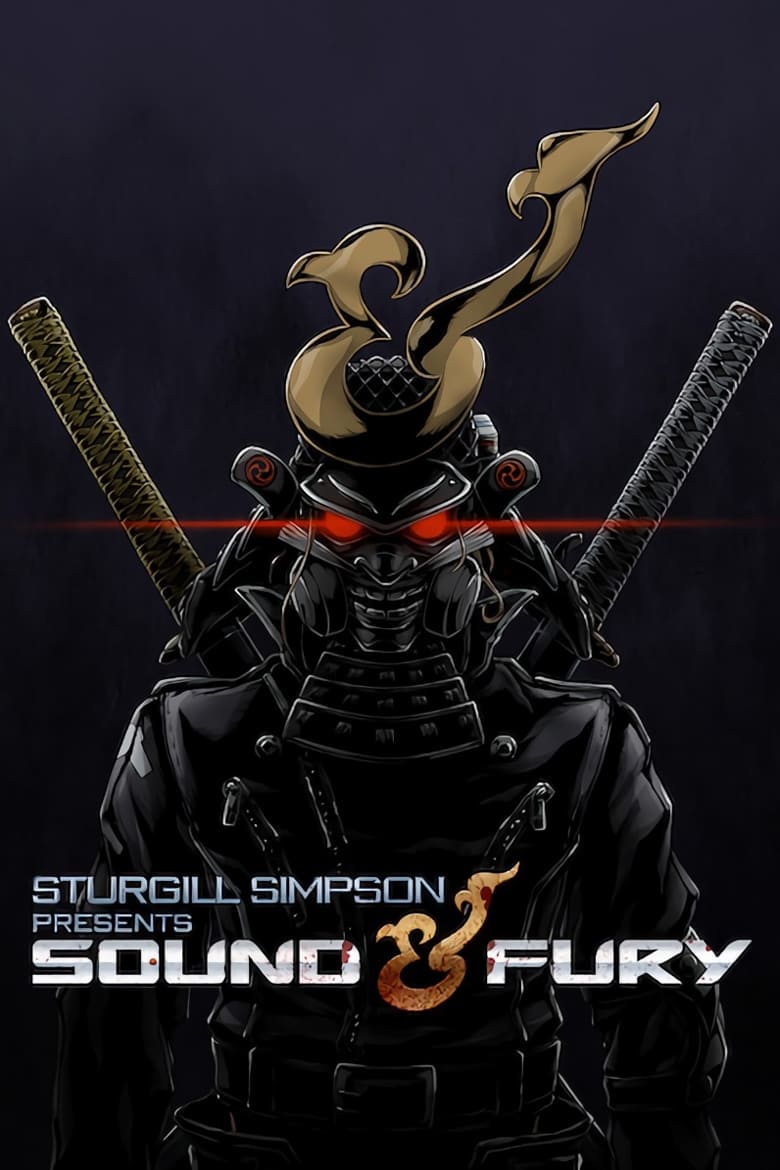
In this anime visual album, a mysterious driver heads deep into a postapocalyptic hellscape toward a ferocious showdown with two monstrous opponents.
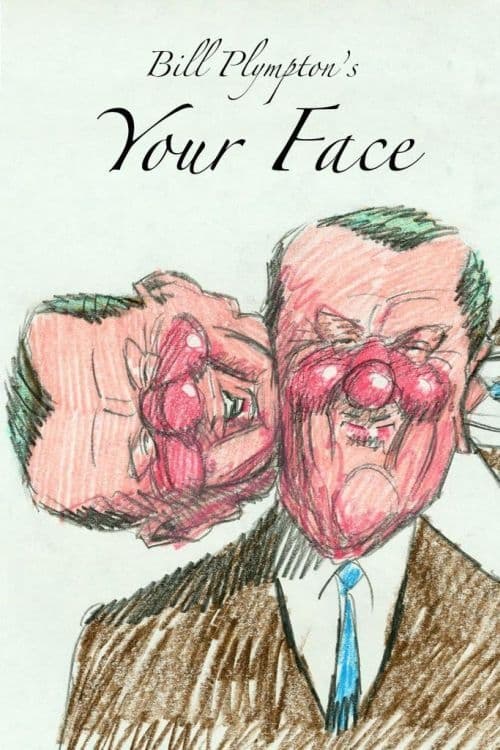
A tenor, in suit and tie, with a receding hairline, sings a ballad to his love, “Your Face Is Like a Song,” to simple piano accompaniment. Preserved by the Academy Film Archive in 2015.
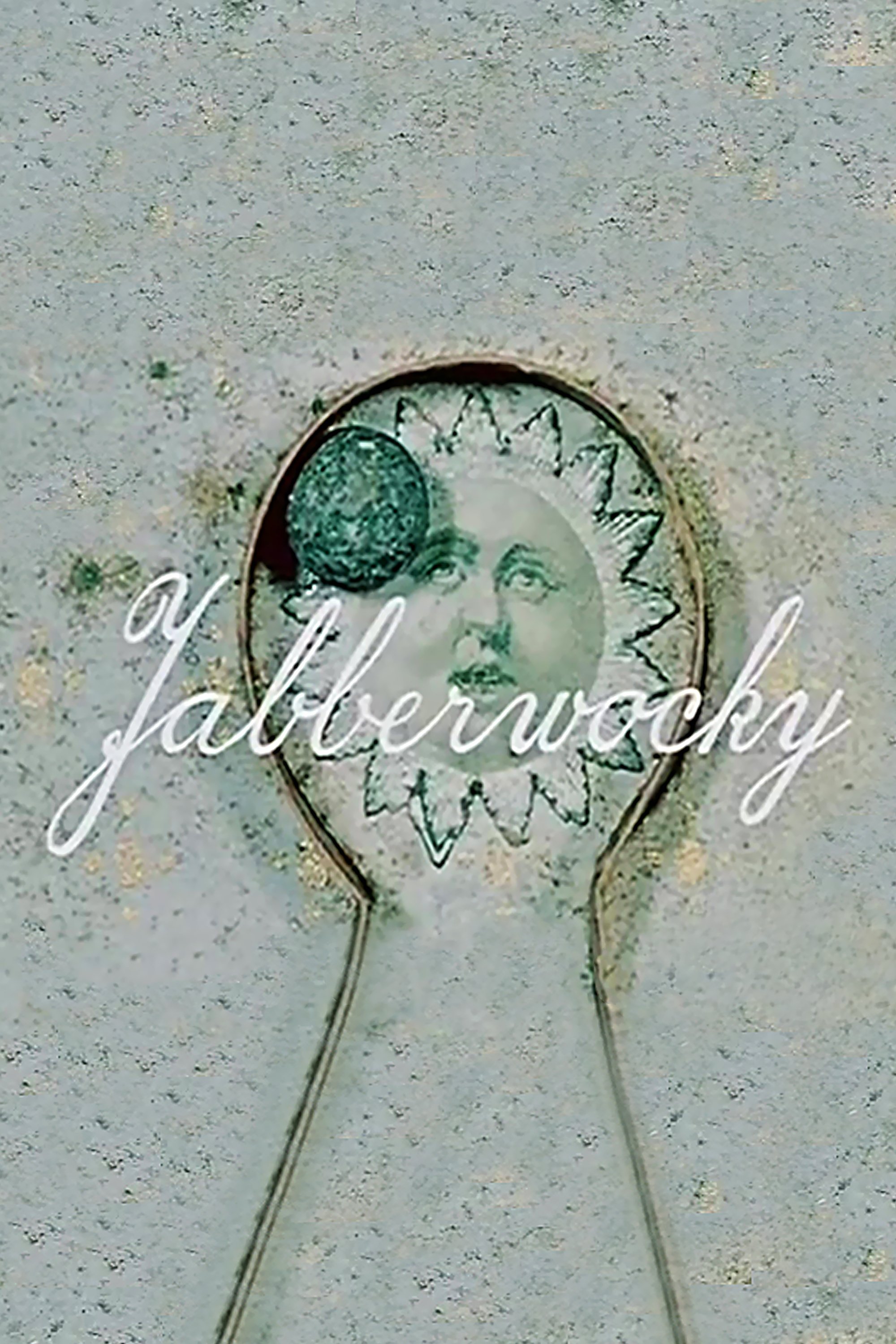
In stop-motion animation, a wardrobe moves through the countryside. It arrives in a house, a child's voice recites Lewis Carroll's "Jabberwocky," and various objects, such as toys and dolls, move about, disintegrate, and play out archetypal scenes. Like Carroll's verse, the images are at once familiar and unfamiliar. A child's play suit, hanging in the wardrobe, becomes the adventure's protagonist.
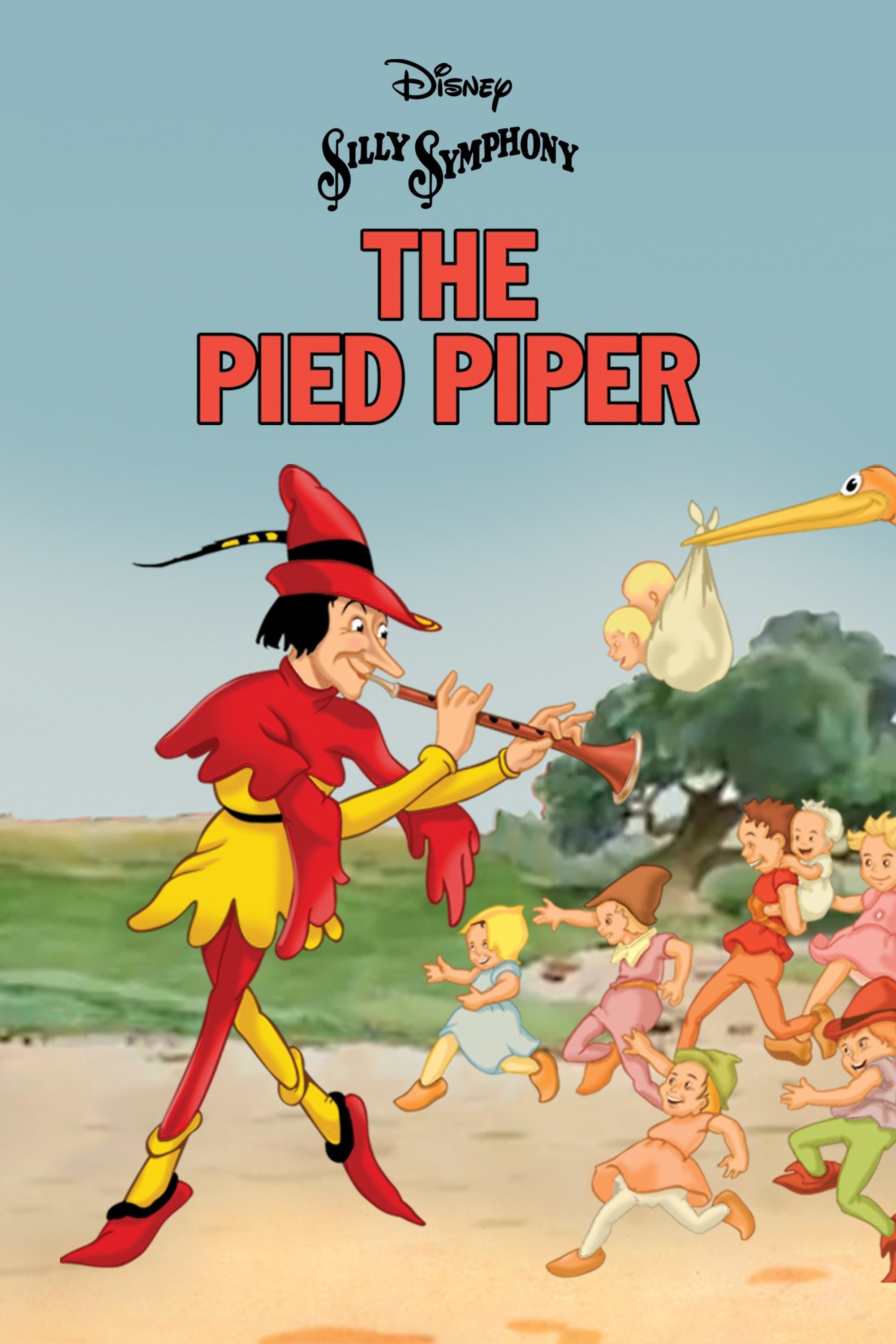
The people of Hamelin, overrun with rats, offer a bag of gold to anyone who can get rid of the rats. A piper offers to do the job, and successfully lures the rats into a mirage of cheese, which disappears. The citizens, disappointed that all he did was play a tune, offer only pocket change. The piper, angered, plays a new tune that has all the children of the city follow him, even the new twins the stork is preparing to deliver.
In this extraordinary short animation, Evelyn Lambart and Norman McLaren painted colours, shapes, and transformations directly onto their filmstrip. The result is a vivid interpretation, in fluid lines and colour, of jazz music played by the Oscar Peterson Trio.
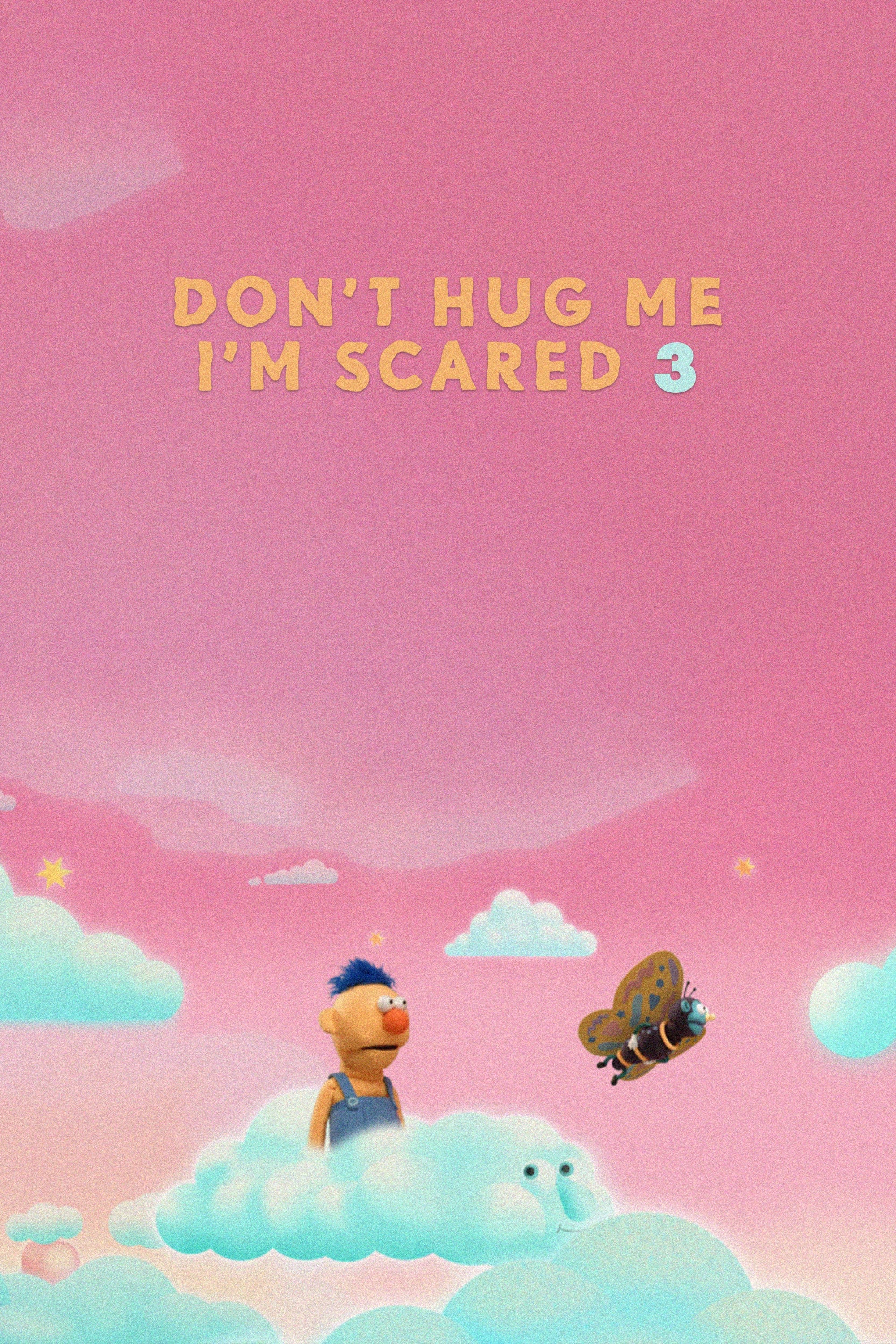
During a chicken picnic, Yellow Guy gets upset after Green Bird kills a butterfly. Yellow Guy then meets a butterfly that takes him on a journey to discover his concept of love.
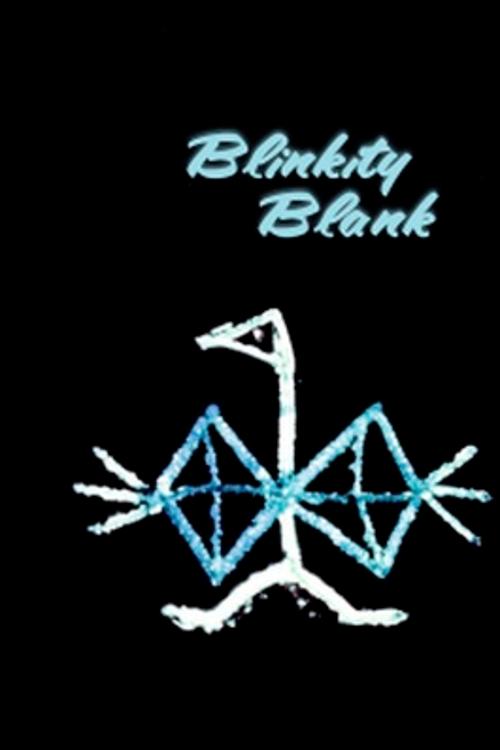
A playful exercise in intermittent animation and spasmodic imagery. Playing with the laws relating to persistence of vision and after-image on the retina of the eye, McLaren engraves pictures on blank film creating vivid, percussive effects.
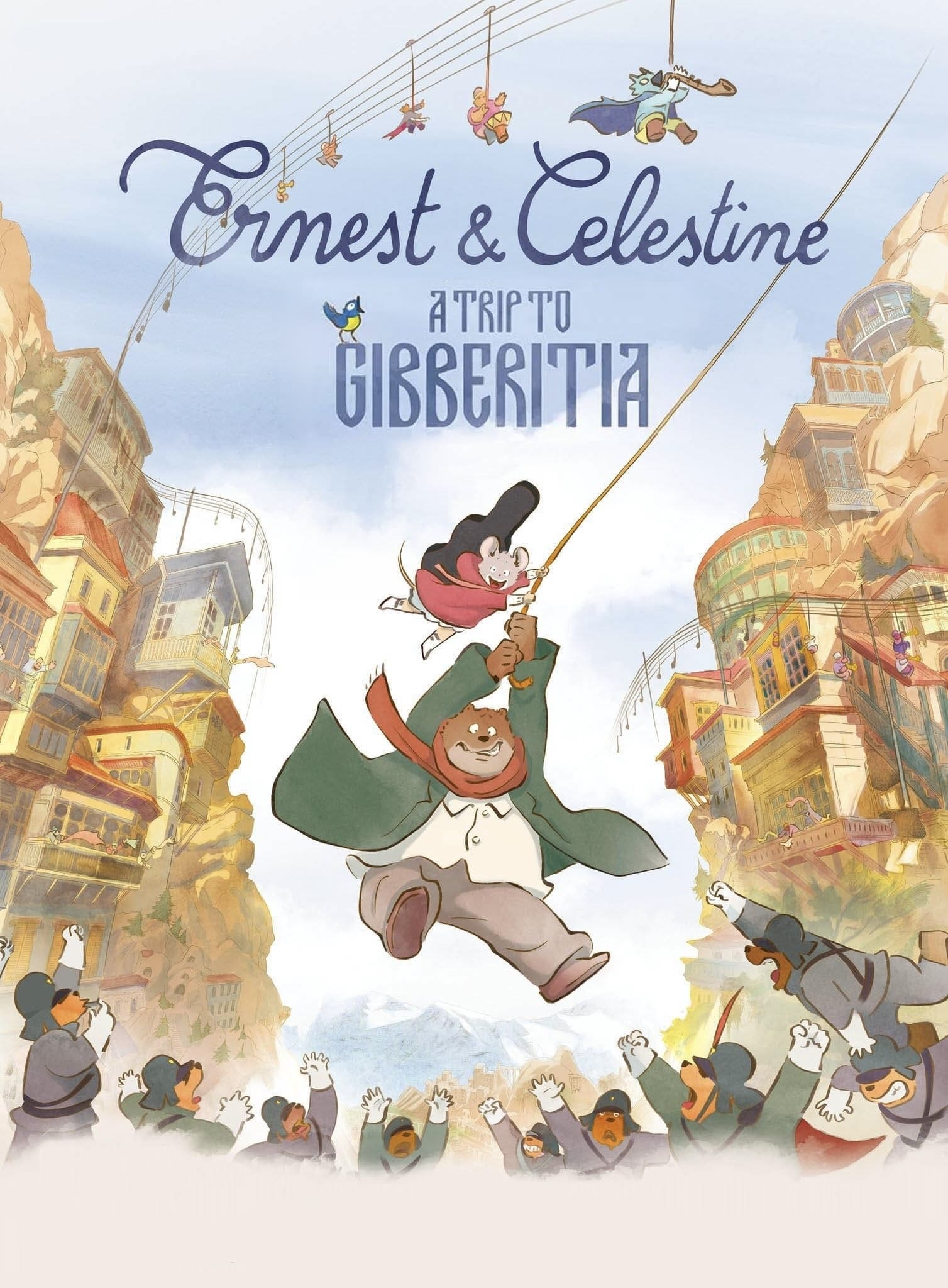
Ernest and Celestine are travelling back to Ernest's country, Gibberitia, to fix his broken violin. This exotic land is home to the best musicians on earth and music constantly fills the air with joy. However, upon arriving, our two heroes discover that all forms of music have been banned for many years - and for them, a life without music is unthinkable. Along with their friends and a mysterious masked outlaw, Ernest and Celestine must try their best to bring music and happiness back to the land of bears.
Animated shapes dance to Cuban music. This was one of the first animations to be painted directly onto the film.
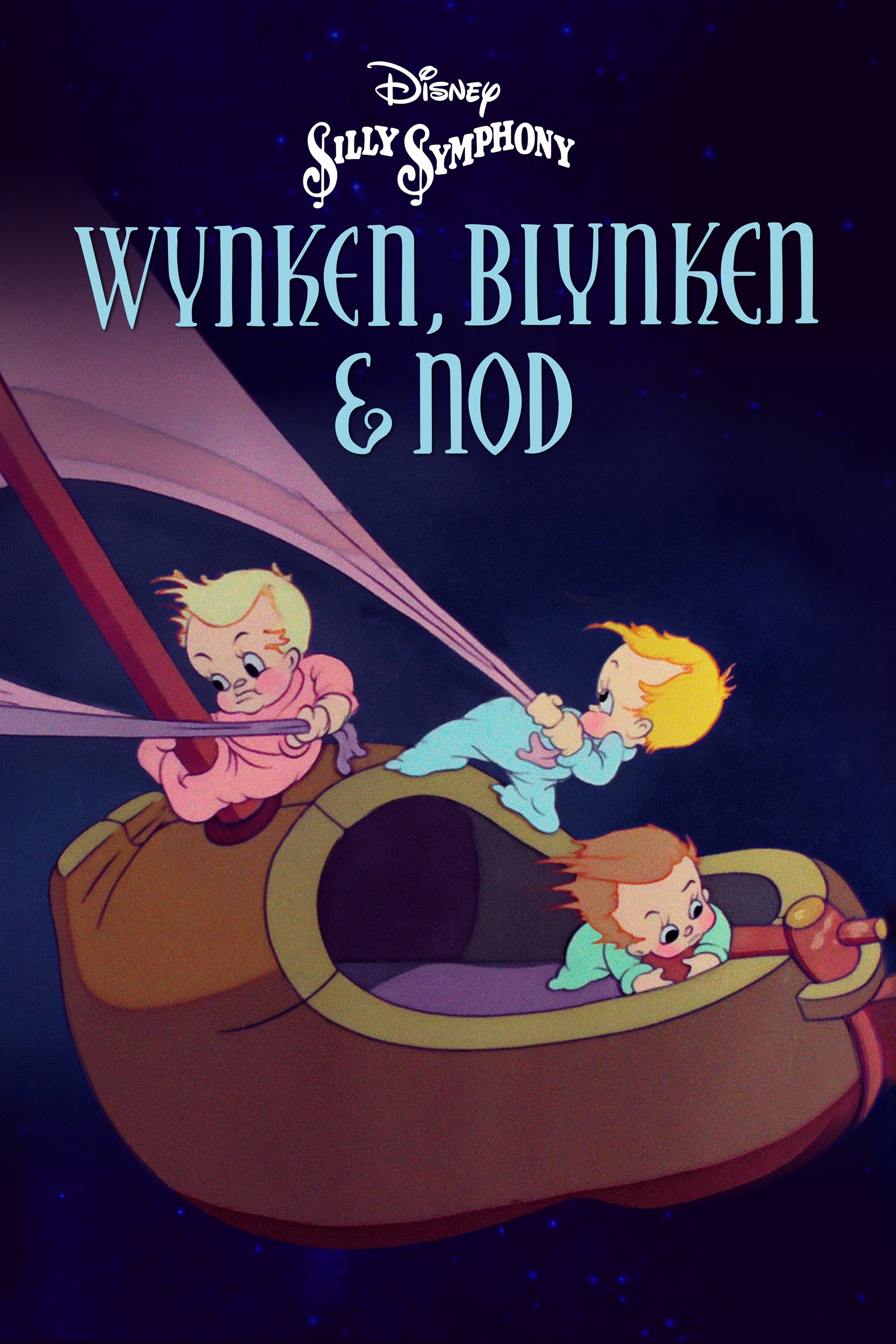
Three sleepy babies in a clog-boat sailing through the night sky attempt to fish with candy canes for very smart fish.
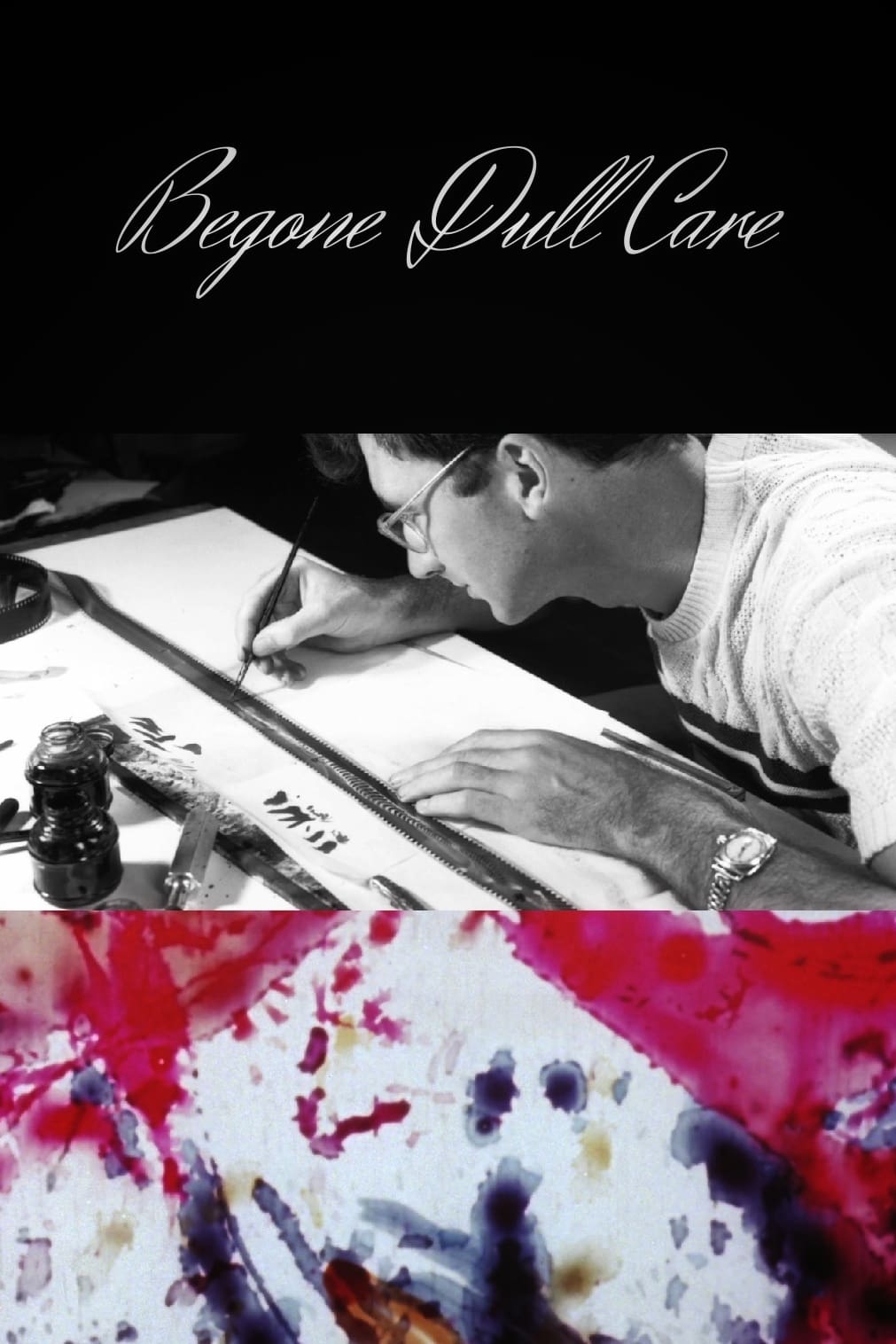
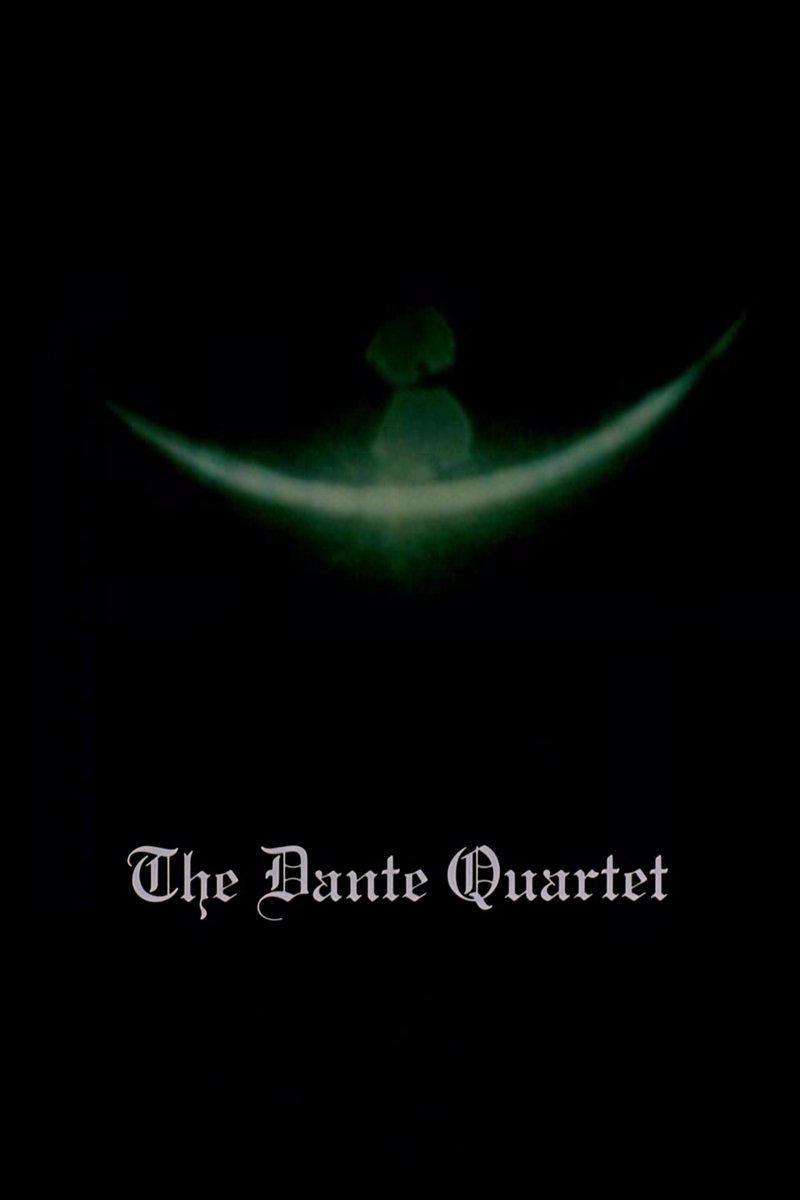
A visual representation, in four parts, of one man's internalization of "The Divine Comedy." Hell is a series of multicolored brush strokes against a white background; the speed of the changing images varies. "Hell Spit Flexion," or springing out of Hell, is on smaller film stock, taking the center of the frame. Montages of color move rapidly with a star and the edge of a lighted moon briefly visible. Purgation is back to full frame; blurs of color occasionally slow down then freeze. From time to time, an image, such as a window or a face, is distinguishable for a moment. In "existence is song," colors swirl then flash in and out of view. Behind the vivid colors are momentary glimpses of volcanic activity.
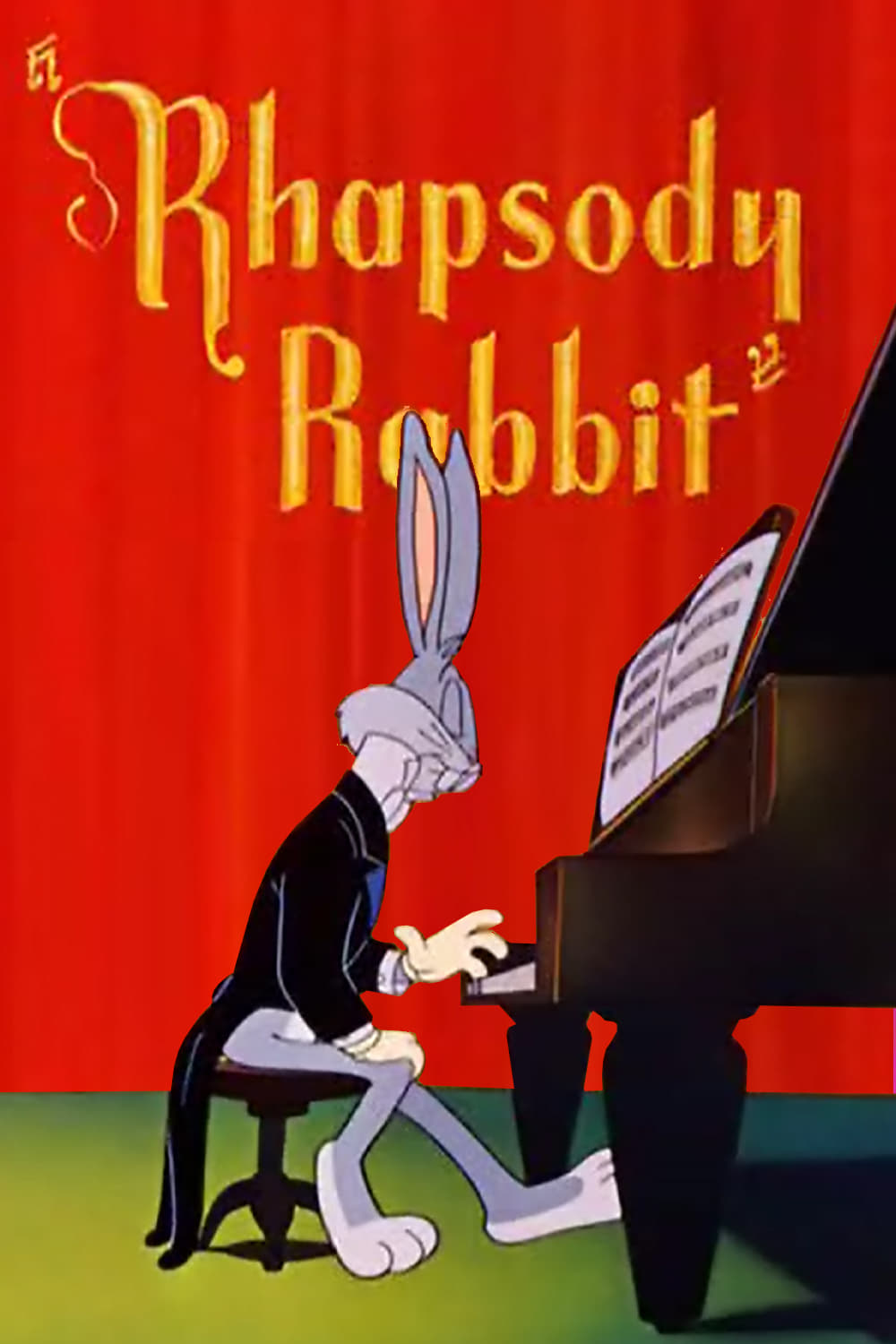
When Bugs Bunny attempts to perform Liszt's Second Hungarian Rhapsody, he is troubled by a mouse.
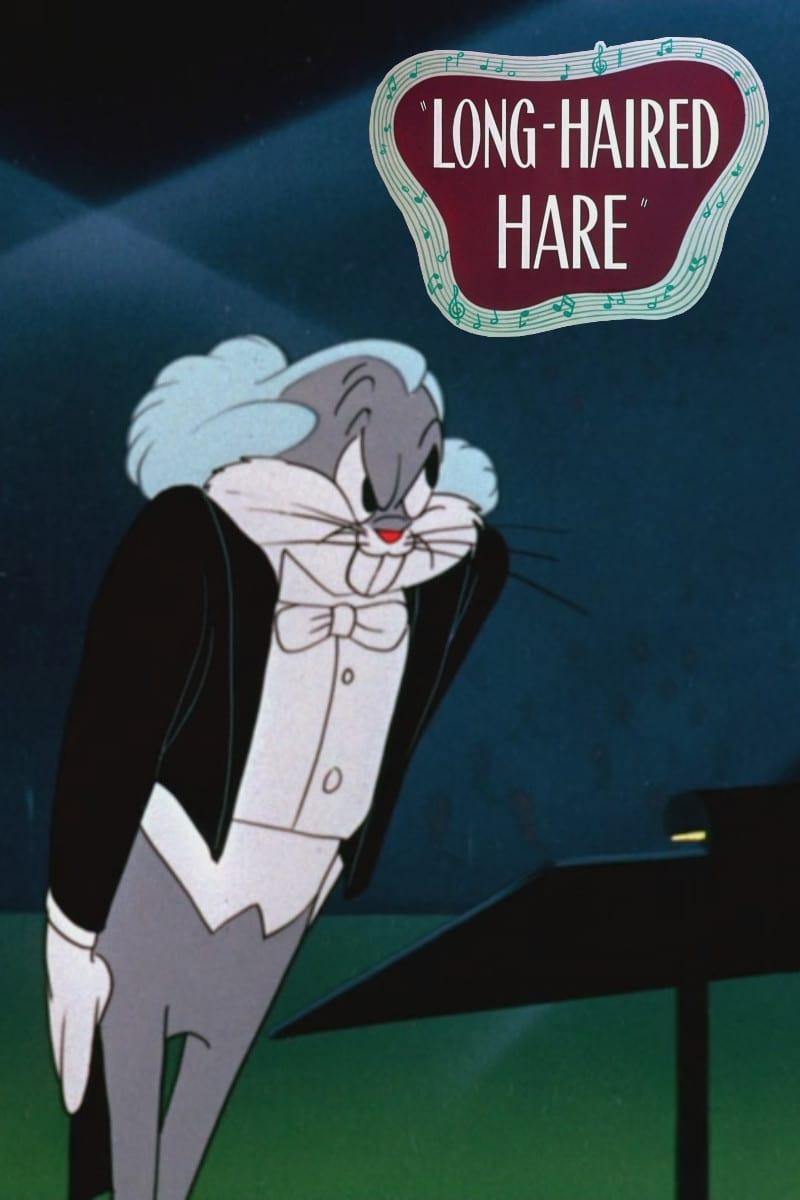
Elmer Fudd is again hunting rabbits - only this time it's an opera. Wagner's Siegfried with Elmer as the titular hero and Bugs as Brunnhilde. They sing, they dance, they eat the scenery.
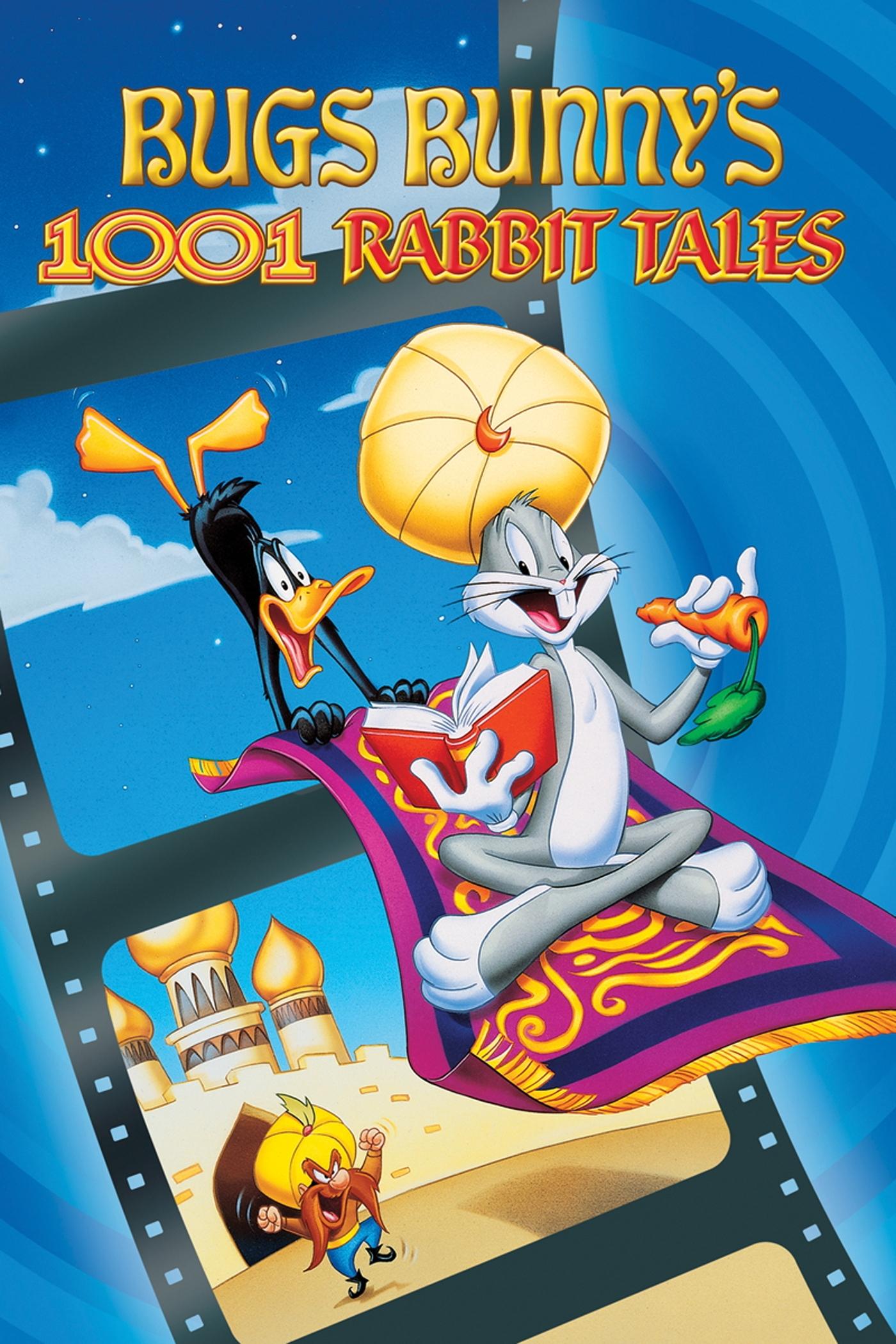
If Bugs Bunny were to direct his signature inquiry--"What's up, doc?"--toward the modern-day Warner Bros. creative team, he wouldn't be far off. For 1001 Rabbit Tales, they've doctored up a batch of classic cartoons featuring the carrot muncher and his bumbling comrades and bundled them, near seamlessly, into a feature-length film. Here's the premise: Bugs and Daffy, both book salesmen, are competing to sell the most copies of a kids' book. Instead of burrowing a beeline to his sales territory (he should have made a left at Albuquerque), Bugs ends up in the castle of Yosemite Sam, here a harem-leading honcho. Sam's pain-in-the-spurs son, Prince Abalaba, needs somebody to read him stories; Bugs, who'd sooner take the job than suffer the alternative, that involving being boiled in oil, signs on.
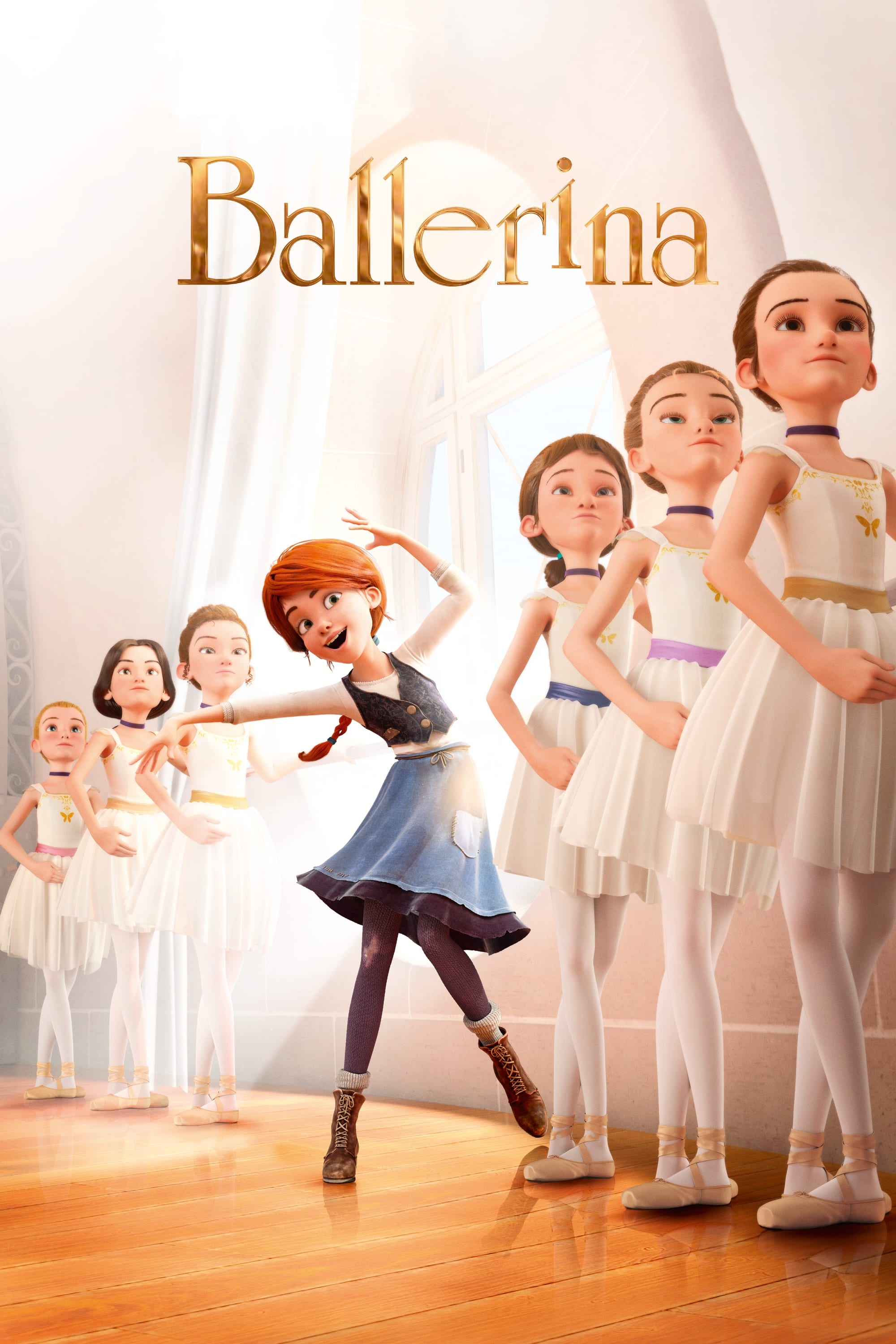
In 1879 Paris, a young orphan dreams of becoming a ballerina and flees her rural Brittany for Paris, where she passes for someone else and accedes to the position of pupil at the Grand Opera house.
Bugs Bunny vs. a famous opera singer at the Hollywood Bowl.
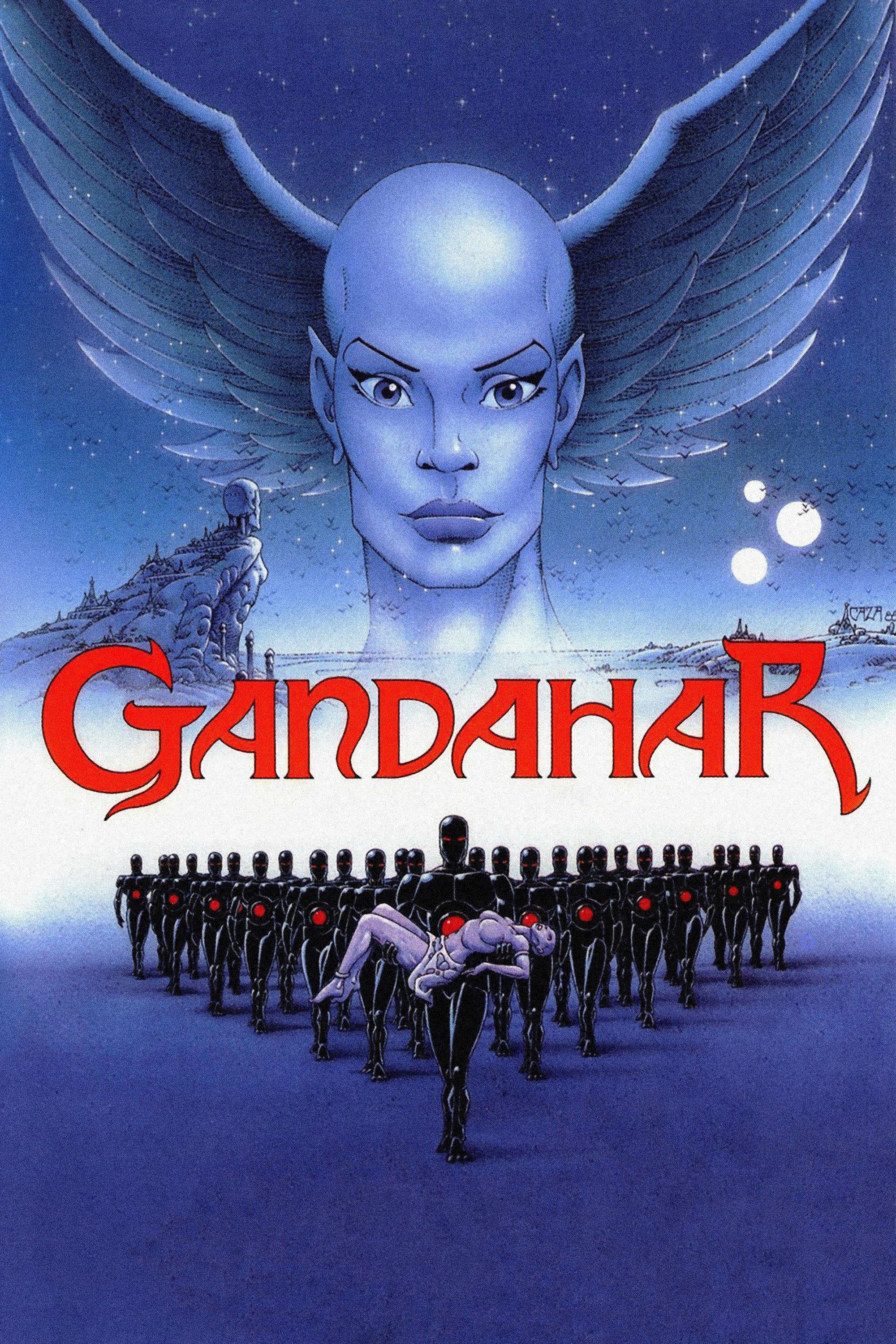
On the planet Gandahar where peace reigns and poverty is unknown, this utopian lifestyle is upset by reports of people at the outlying frontiers being turned to stone. Sylvain is sent to investigate this mysterious threat.
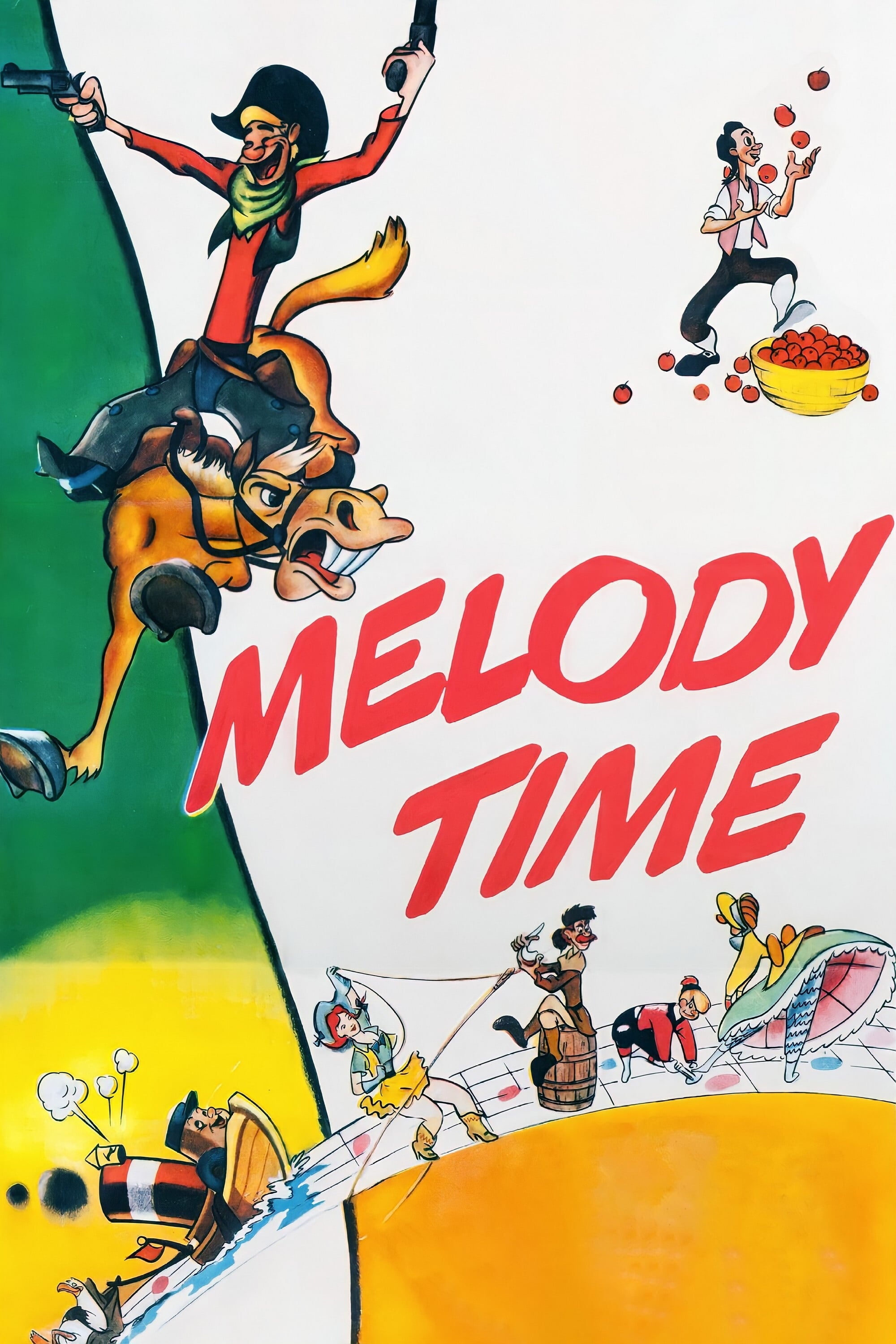
In the grand tradition of Disney's great musical classics, Melody Time features seven timeless stories, each enhanced with high-spirited music and unforgettable characters. You'll be sure to tap your toes and clap your hands in this witty feast for the eyes and ears.
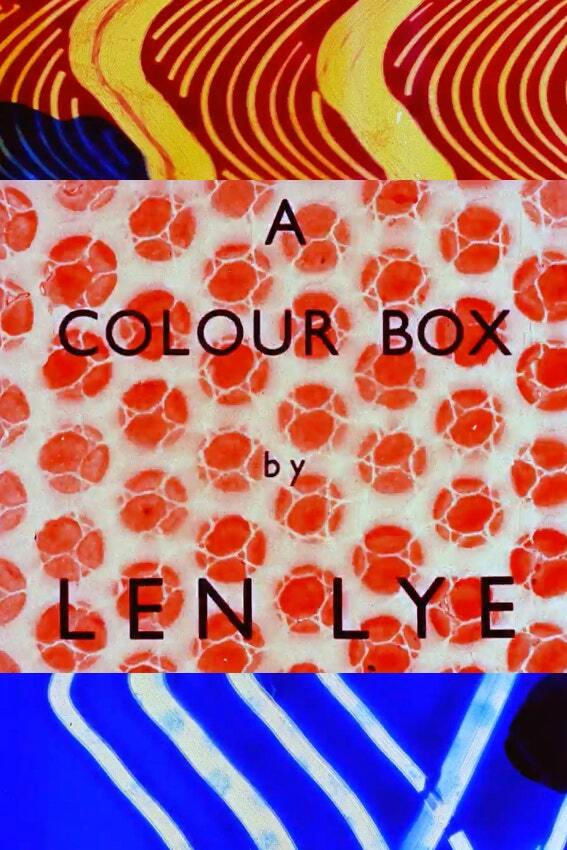
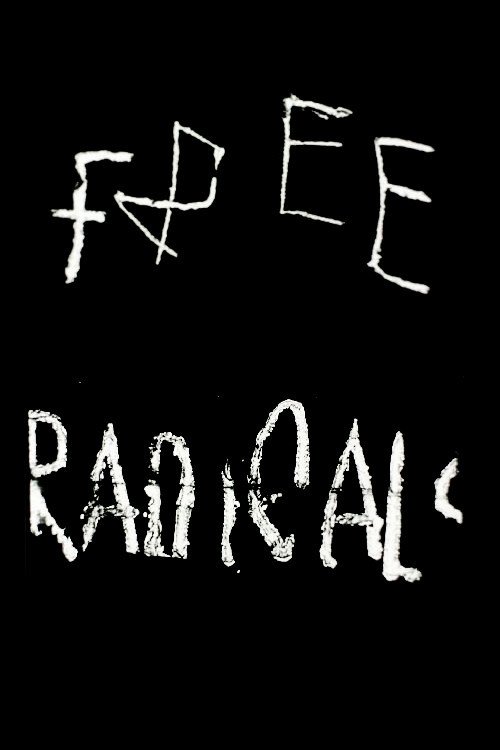
In this powerful abstract film with a soundtrack of African drum music, Lye scratched "white ziggle-zag-splutter scratches" on to black leather, using a variety of tools from saw teeth to arrow heads. The first version of the film won a major award at the International Experimental Film Festival Held in Brussels in 1958 in association with the World's Fair. Stan Brakhage described the film as "an almost unbelievably immense masterpiece".