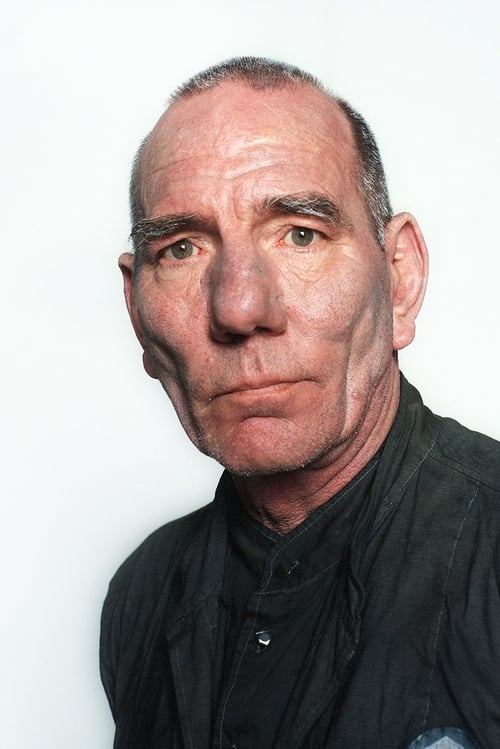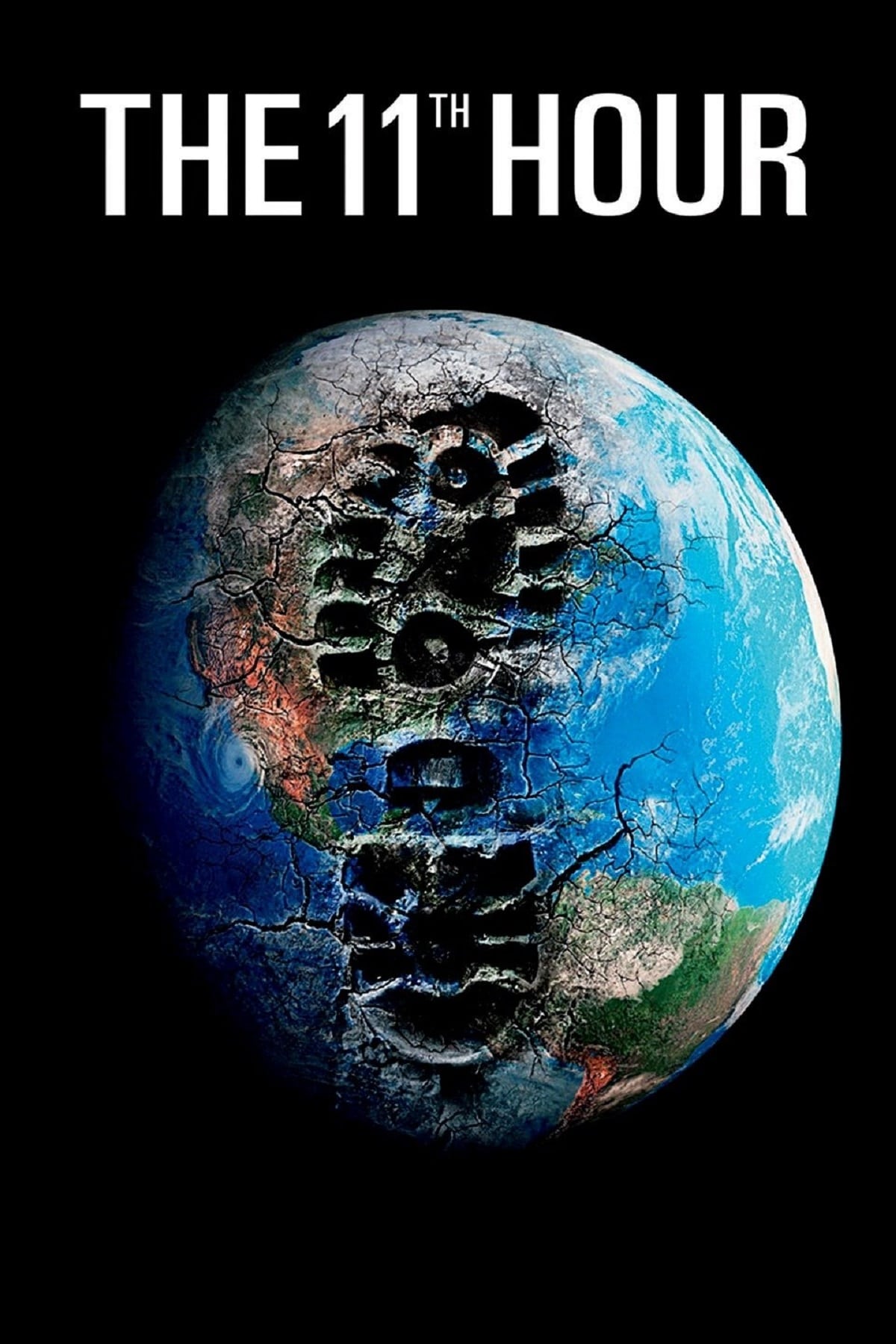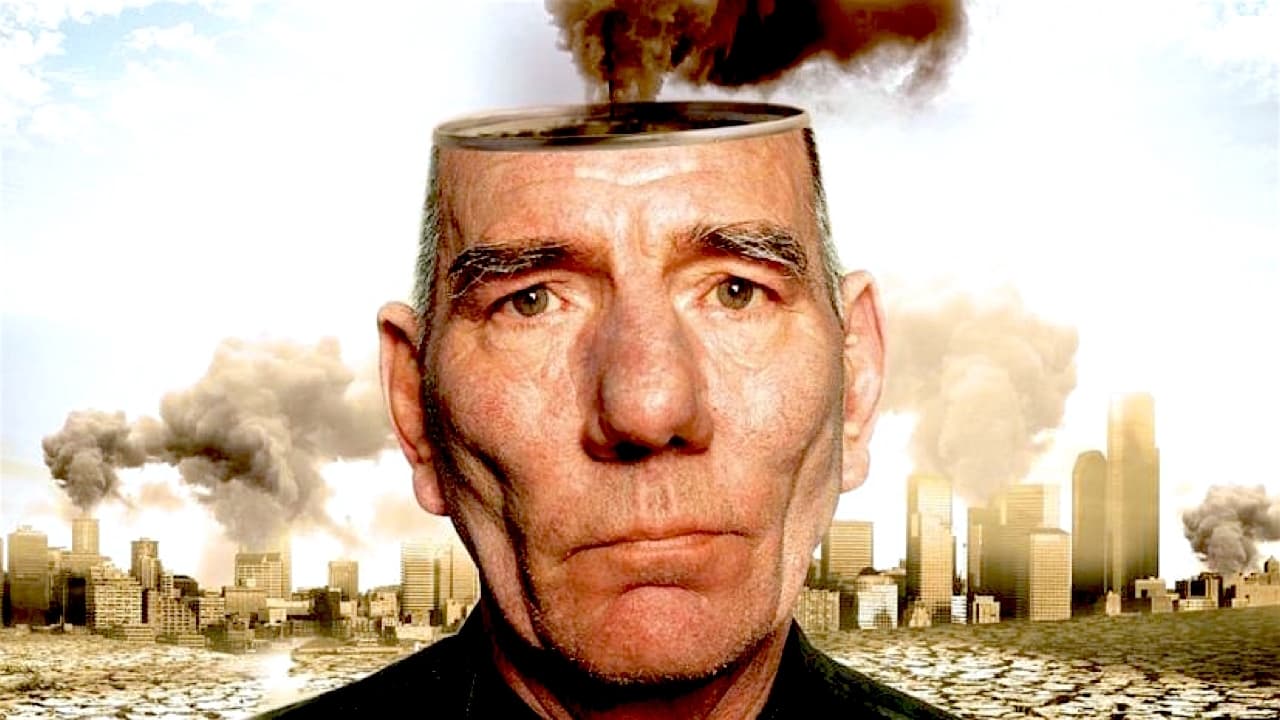
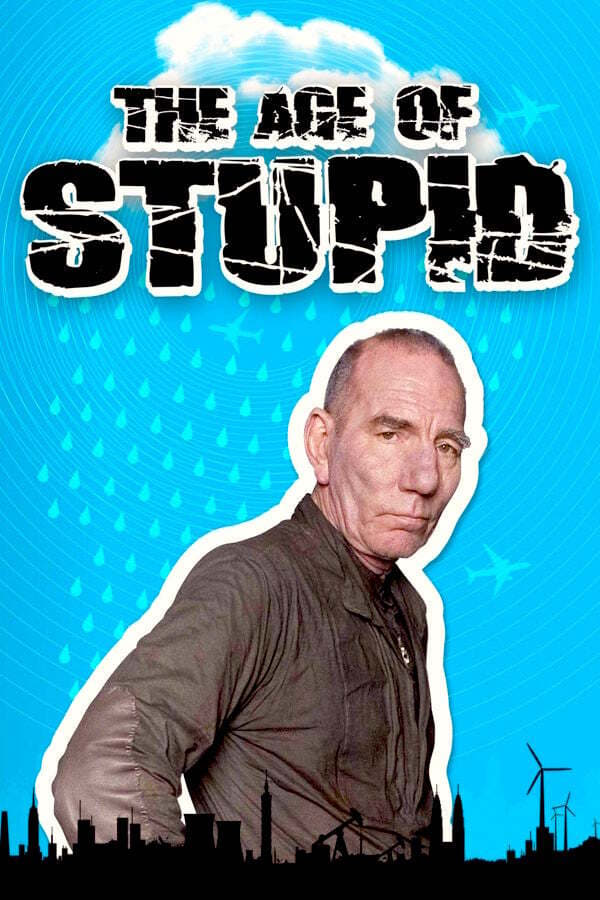
Pete Postlethwaite stars as a man living alone in the devastated future world of 2055, looking at old footage from 2008 and asking: why didn’t we stop climate change when we had the chance?
Social & External
The Archivist
Self (voice)
Self - Dutch
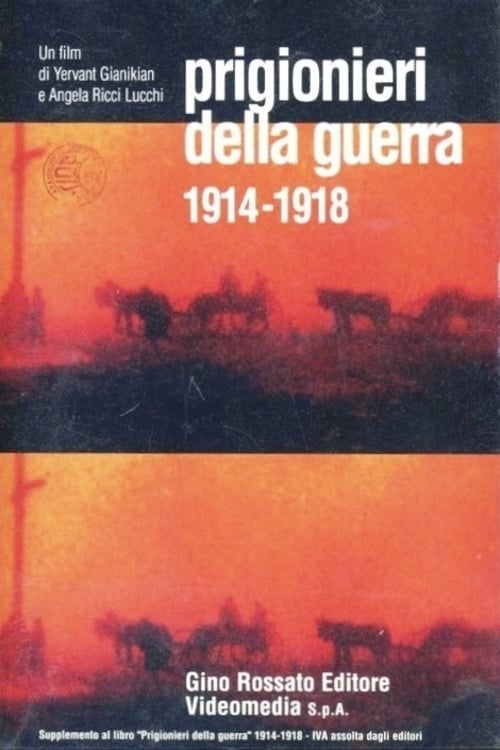
This haunting film comprises of footage shot during WWI from opposite sides of the conflict: Czarist Russia and the Austro-Hungarian empire. The filmmakers tinted the material with sensual colors from sepia to red, blue, and purple and slowed the footage to analyze the material. The total absence of commentary renders the material eloquent and disturbing. - MoMA
In 1926 the remains of two ships built by the Emperor Caligula were found at the bottom of Lake Nemi, near Rome. Mussolini had the lake drained and established a museum as a celebration of the imperial origins of Fascism, but the museum and ships were destroyed by fleeing Nazis in 1944. The film commemorates these events. - MoMA
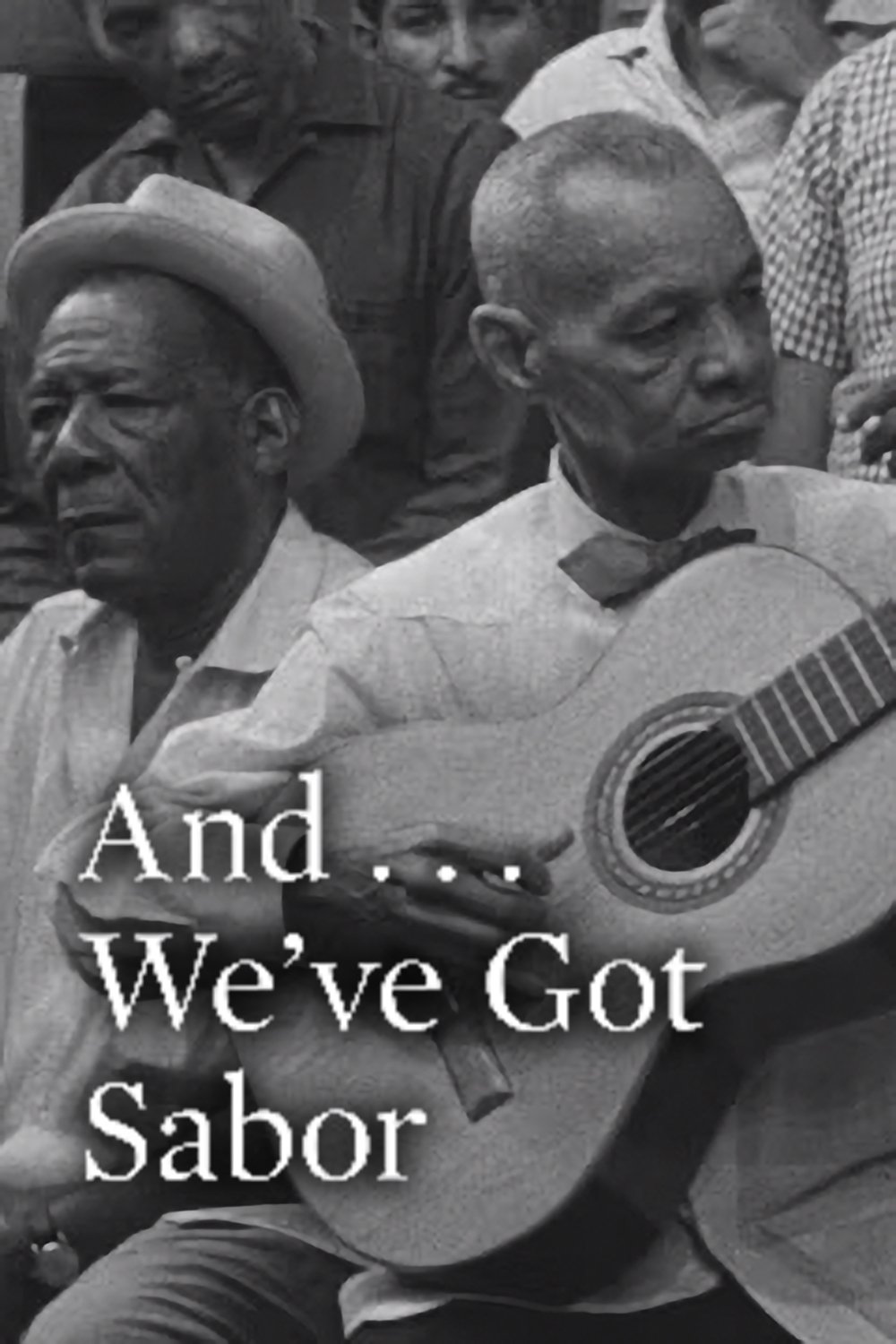
Legendary rumba musician Alberto Zayas serves as a guide for this vibrant journey through Cuban musical history and culture. The short features interviews, footage of impromptu street performances, and studio recordings.
This black-and-white film is a loving portrait of Santiago de Cuba and its people. It provides a view of Cuba as a picturesque country, the product of an earthy mix of black and criollo cultures. The film uses historical images which portray the end of the eighteenth century when Haitian slave owners fled with their slaves to Cuba after the Haitian Revolution.
One is a former police officer, bodyguard and hairdresser. Currently retired, he takes care of his extravagant and almost hundred-year-old illiterate mother. He writes poems and hopes to see them published one day. The other, a declared womanizer, workaholic, and leftist, was imprisoned during the dictatorship, runs a small grocery shop, and controls the life of his young second wife. Both were born in the Uruguayan hinterland during the Second World War, and share the same name as well as the fact that neither has wished to change it. The film is a tragicomic portrait of a country whose cultural diversity, its peculiar history and the character of its inhabitants allow the existence of exceptional and remarkable persons that depict a live picture of Uruguay, with its plurality and contradictions, its small and large history, without departing a single moment from irony or reflection.
Right alongside Jerusalem, in a Russian Orthodox Convent in the Mount of Olives, in the middle of the Arab quarter, lives the 82-year-old Estonian nun Mother Ksenya.
Found footage anti-war film comprising film documents of the Austro-Hungarian and Italian army on the Alpine front, and from first generation picture material by war-film pioneer Luca Comerio.
Working from archives of private film footage from a trip to India by the upper class of the late 1920s, a period of strong anti-colonial outbreak, Yervant Gianikian and Angela Ricci Lucchi deconstruct the images and analyze the attitude and behavior of Westerners in the East.
Using images shot in Russia and Armenia from World War I to the 1930s and retrieved from a Soviet film archive, Gianikian and Ricci Lucchi constructed a meditative film about the status of Armenians as a people without a state. Inspired by the diary of Gianikian’s father, People, Years, Life uses rare footage depicting the region’s major historic events: the end of Tsarist Russia, violence in the Caucasus during World War I, the 1918 Armenian exodus from Azerbaijan. Gianikian and Ricci Lucchi’s treatment of the material manipulates the speed of the images, adds color and music, and magnifies various parts of the image, so that the movement of bodies across the frame begins to carry the weight of exile, mourning, dispossession.
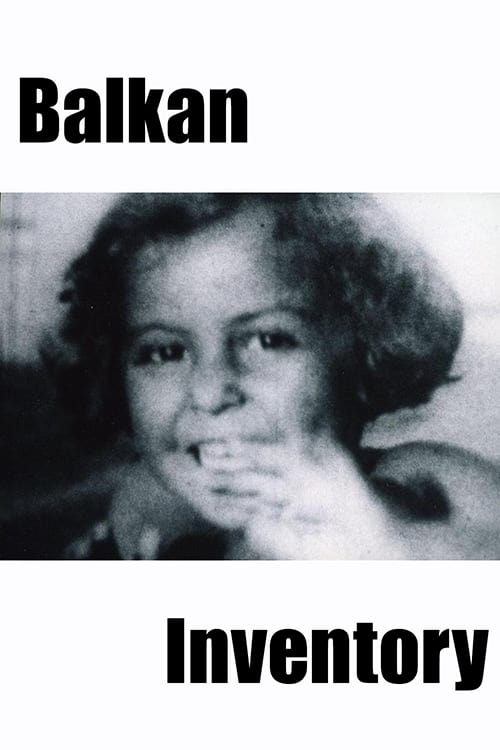
Comprised of images shot by amateur photographers and German soldiers in the Balkans from the twenties through the forties, BALKAN INVENTORY was begun by Gianikian and Ricci Lucchi in response to the tragedy unfolding in the former Yugoslavia.
Inspired by their beloved Dolomite area in Northeast Italy, a battle theater in World Wars I and II, Gianikian and Ricci Lucchi continue to explore issues of war and peace in their most recent production. The film uses shots of ordinary toys found in the area, many missing limbs and other pieces, to represent, in both direct and oblique ways, the historical period between Fascism, Nazism, and the postwar era.
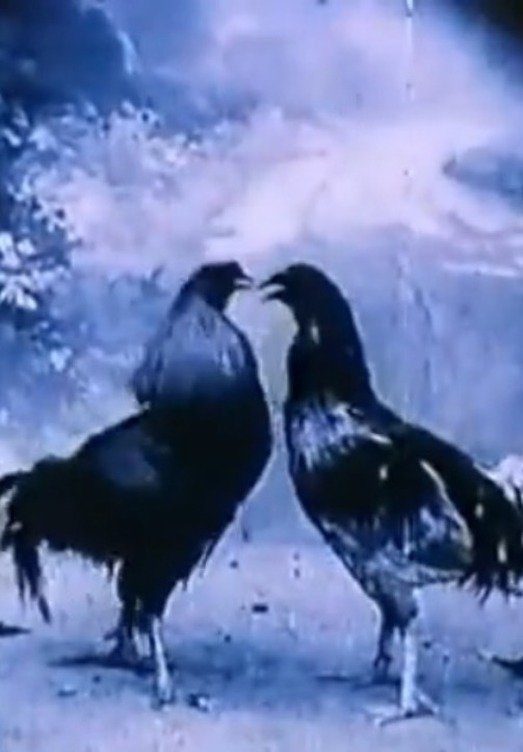
In this filmic comment on Fascist ideology - which uses footage from the recently discovered archives of Luca Comerio - invisible hands push captive animals to fight among themselves.
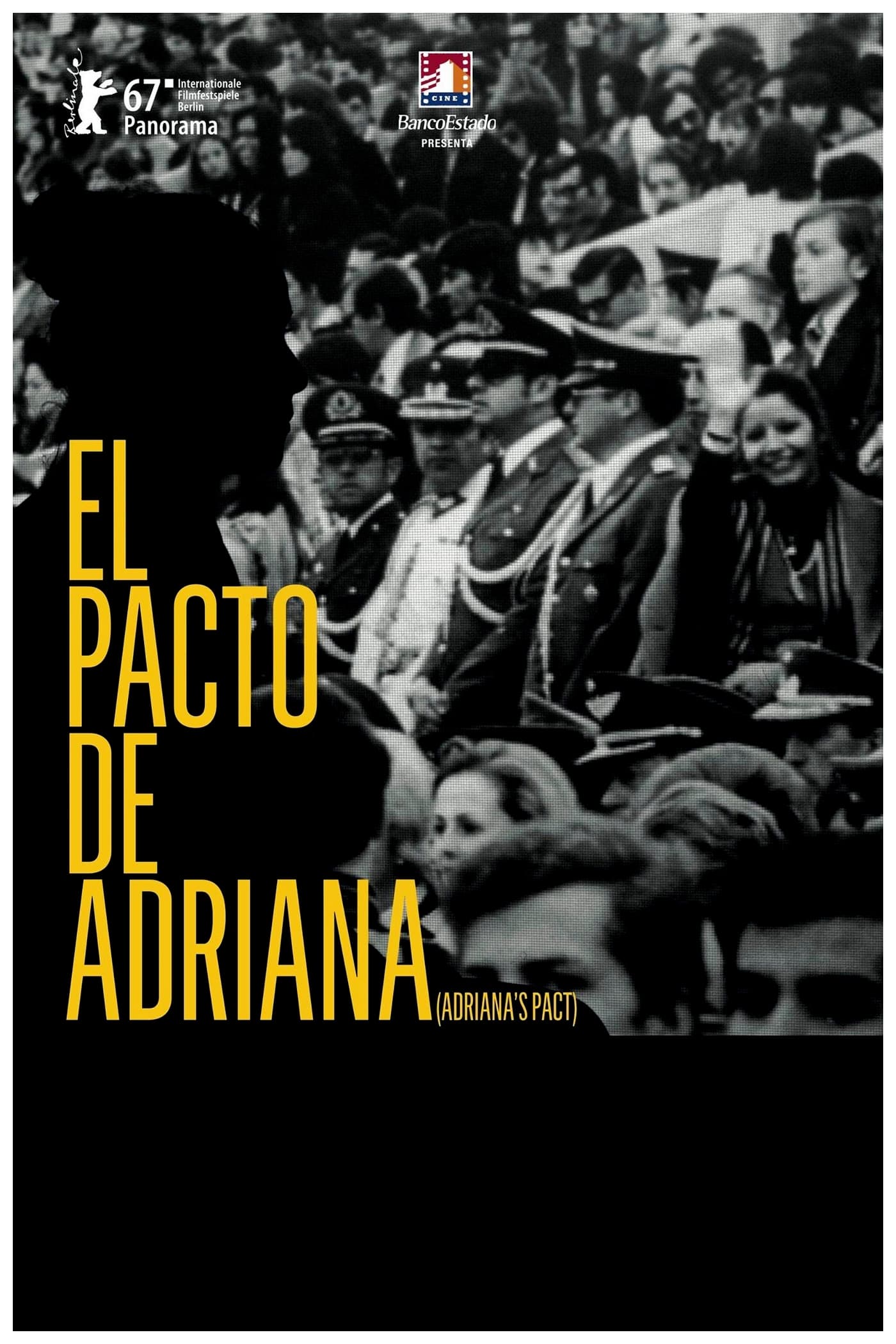
Lissette's favorite aunt Adriana, who lives in Australia, is arrested in 2007 while visiting her family in Chile and accused of having worked for dictator Pinochet's notorious secret police, the DINA, and of having participated in the commission of state crimes. When Adriana denies these accusations, Lissette begins to investigate her story in order to film a documentary about her.
A look at the state of the global environment including visionary and practical solutions for restoring the planet's ecosystems. Featuring ongoing dialogues of experts from all over the world, including former Soviet Prime Minister Mikhail Gorbachev, renowned scientist Stephen Hawking, former head of the CIA R. James Woolse
A chronicle of the production problems — including bad weather, actors' health, war near the filming locations, and more — which plagued the filming of Apocalypse Now, increasing costs and nearly destroying the life and career of Francis Ford Coppola.
A Danish officer, Michael, is sent away to the International Security Assistance Force operation in Afghanistan for three months. His first mission there is to find a young radar technician who had been separated from his squad some days earlier. While on the search, his helicopter is shot down and he is taken as a prisoner of war, but is reported dead to the family.
Six blind Tibetan teenagers climb the Lhakpa-Ri peak of Mount Everest, led by seven-summit blind mountain-climber Erik Weihenmayer.
The Devil Never Sleeps is a “whodunit” documentary about family secrets. Filmmaker Lourdes Portillo received a phone call informing her of the mysterious death of her wealthy Mexican uncle Oscar. Officially ruled a suicide, Portillo’s relatives claimed murder, offering several possible suspects including a business partner, a ranch hand, and Oscar’s young widow who stood to inherit everything. Traveling to Mexico, Portillo attempts to learn the truth about her powerful uncle. Using interviews, old snapshots and home movies, she finds a complicated web of family secrets, intrigue, rumor and betrayal that makes her enigmatic uncle’s murder seem ever more likely, yet ever more obscure. As the Mexican saying goes, “When evil is lurking, the devil never sleeps.”
Inspired by an exclusive interview and performance footage of Chavela Vargas shot in 1991 and guided by her unique voice, the film weaves an arresting portrait of a woman who dared to dress, speak, sing, and dream her unique life into being.
This short film serves as a cautionary tale to farmers who recklessly cut down trees on their land. When prairie farmers engaged in this practice to facilitate plowing, they discovered that the trees had served as windbreaks protecting top soil from erosion. The Dominion Department of Agriculture's experimental station at Indian Head, Saskatchewan, cultivated acres of young trees for distribution to farmers.
A love letter from a young mother to her daughter, the film tells the story of Waad al-Kateab’s life through five years of the uprising in Aleppo, Syria as she falls in love, gets married and gives birth to Sama, all while cataclysmic conflict rises around her. Her camera captures incredible stories of loss, laughter and survival as Waad wrestles with an impossible choice– whether or not to flee the city to protect her daughter’s life, when leaving means abandoning the struggle for freedom for which she has already sacrificed so much.
A documentary about World War I with never-before-seen footage to commemorate the centennial of Armistice Day, and the end of the war.
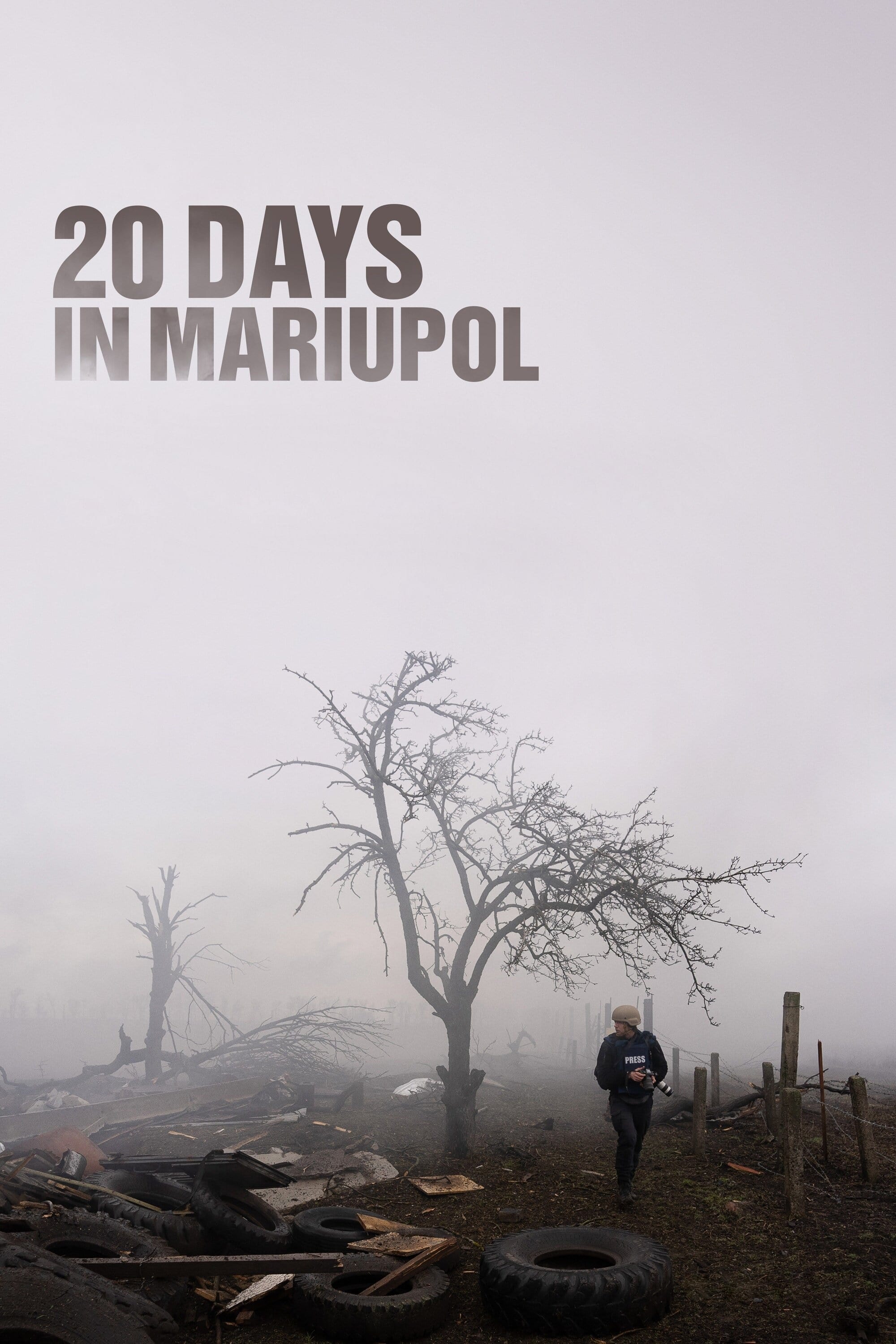
As the Russian invasion begins, a team of Ukrainian journalists trapped in the besieged city of Mariupol struggle to continue their work documenting the war's atrocities.
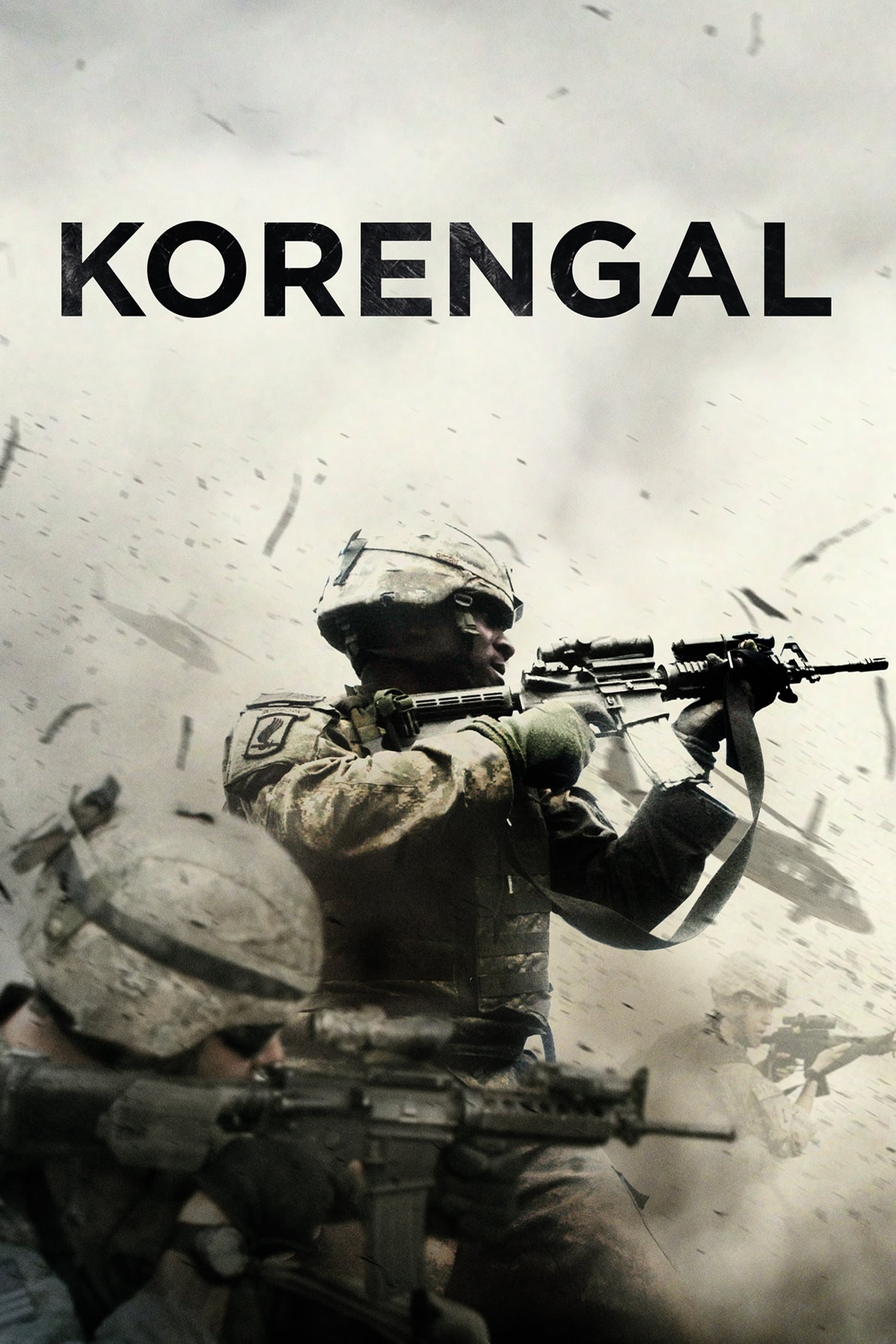
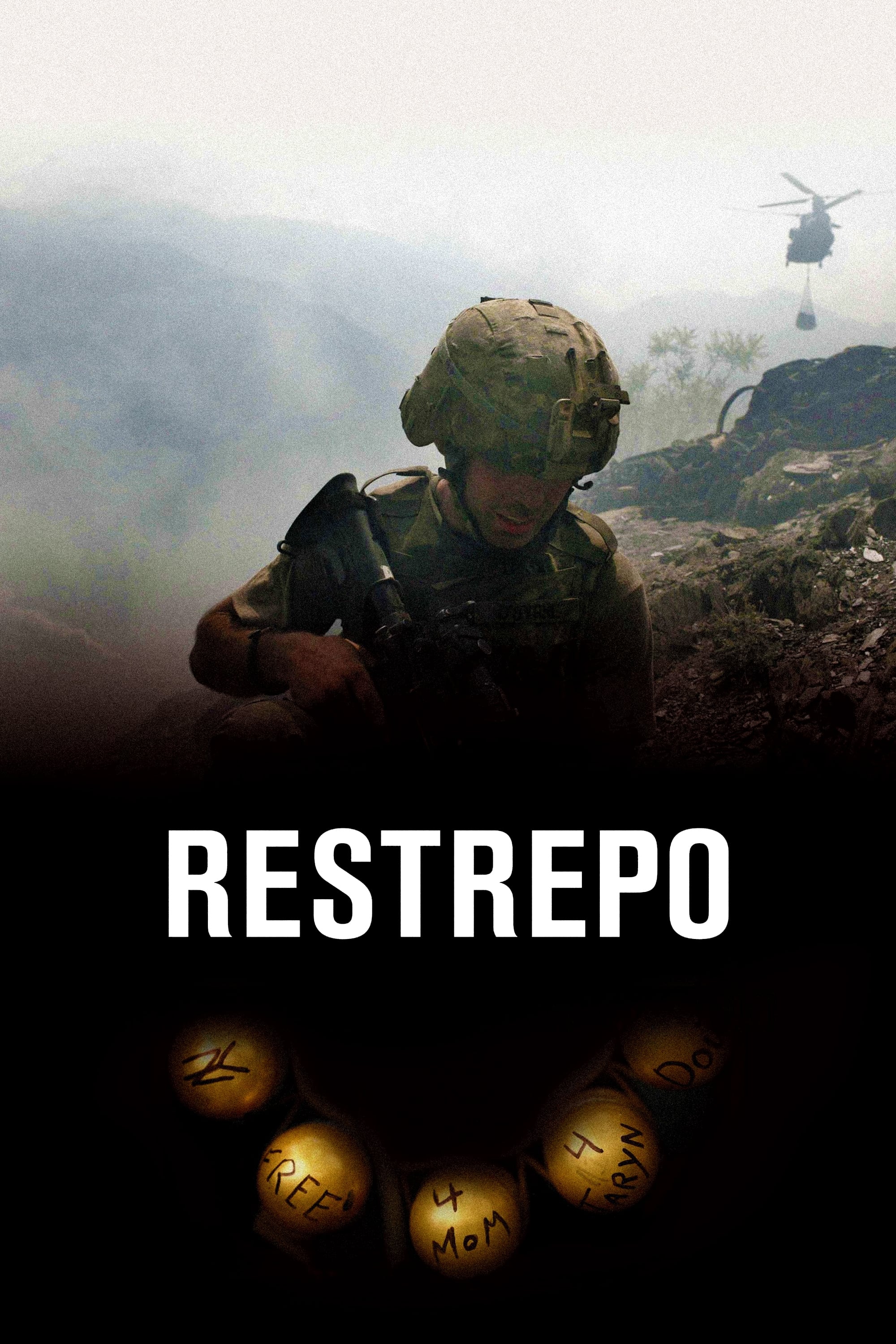
Korengal picks up where Restrepo left off; the same men, the same valley, the same commanders, but a very different look at the experience of war.
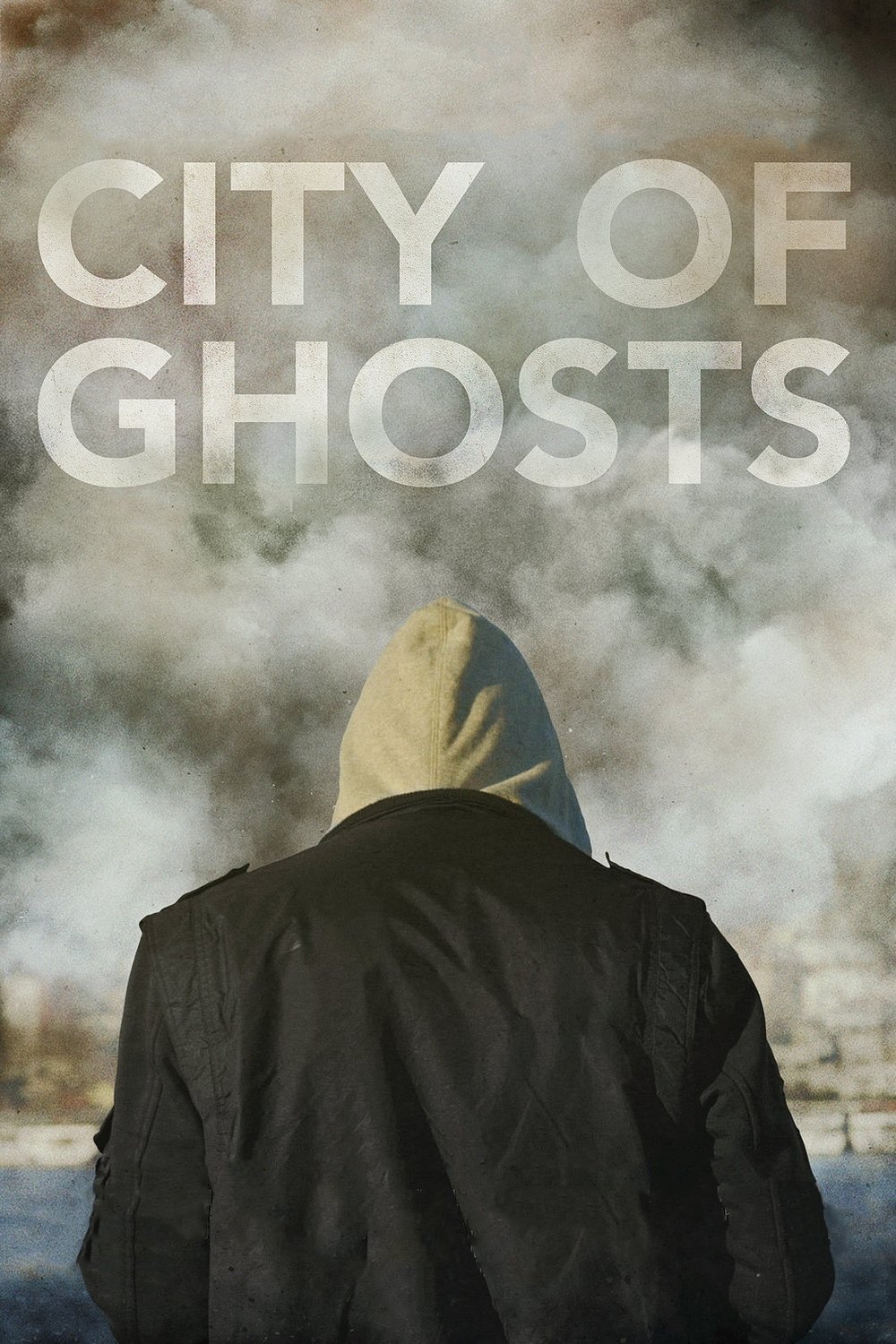
With unprecedented access, this documentary follows the extraordinary journey of “Raqqa is Being Slaughtered Silently”—a group of anonymous citizen journalists who banded together after their homeland was overtaken by ISIS—as they risk their lives to stand up against one of the greatest evils in the world today.
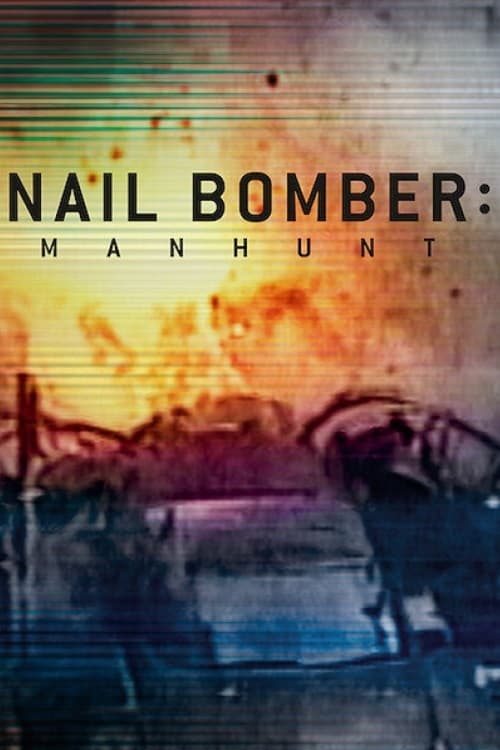
This documentary examines the 1999 London bombings that targeted Black, Bangladeshi and gay communities, and the race to find the far-right perpetrator. He terrorized a city, seeking to ignite a race war but justice was served by those who wouldn't let his hate win.
Directors Hetherington and Junger spend a year with the 2nd Battalion of the United States Army located in one of Afghanistan's most dangerous valleys. The documentary provides insight and empathy on how to win the battle through hard work, deadly gunfights and mutual friendships while the unit must push back the Taliban.
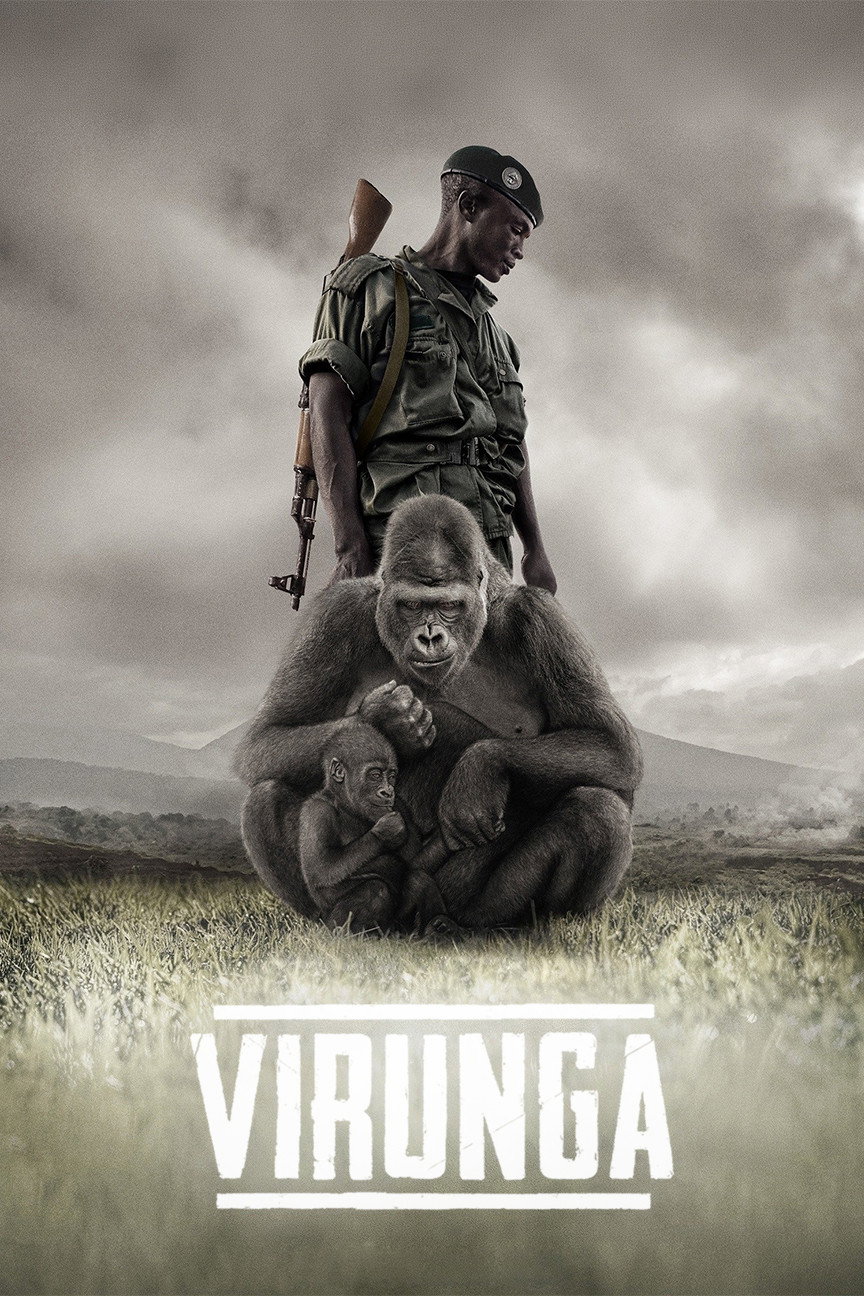
Virunga in the Democratic Republic of the Congo is Africa’s oldest national park, a UNESCO world heritage site, and a contested ground among insurgencies seeking to topple the government that see untold profits in the land. Among this ongoing power struggle, Virunga also happens to be the last natural habitat for the critically endangered mountain gorilla. The only thing standing in the way of the forces closing in around the gorillas: a handful of passionate park rangers and journalists fighting to secure the park’s borders and expose the corruption of its enemies. Filled with shocking footage, and anchored by the surprisingly deep and gentle characters of the gorillas themselves, Virunga is a galvanizing call to action around an ongoing political and environmental crisis in the Congo.
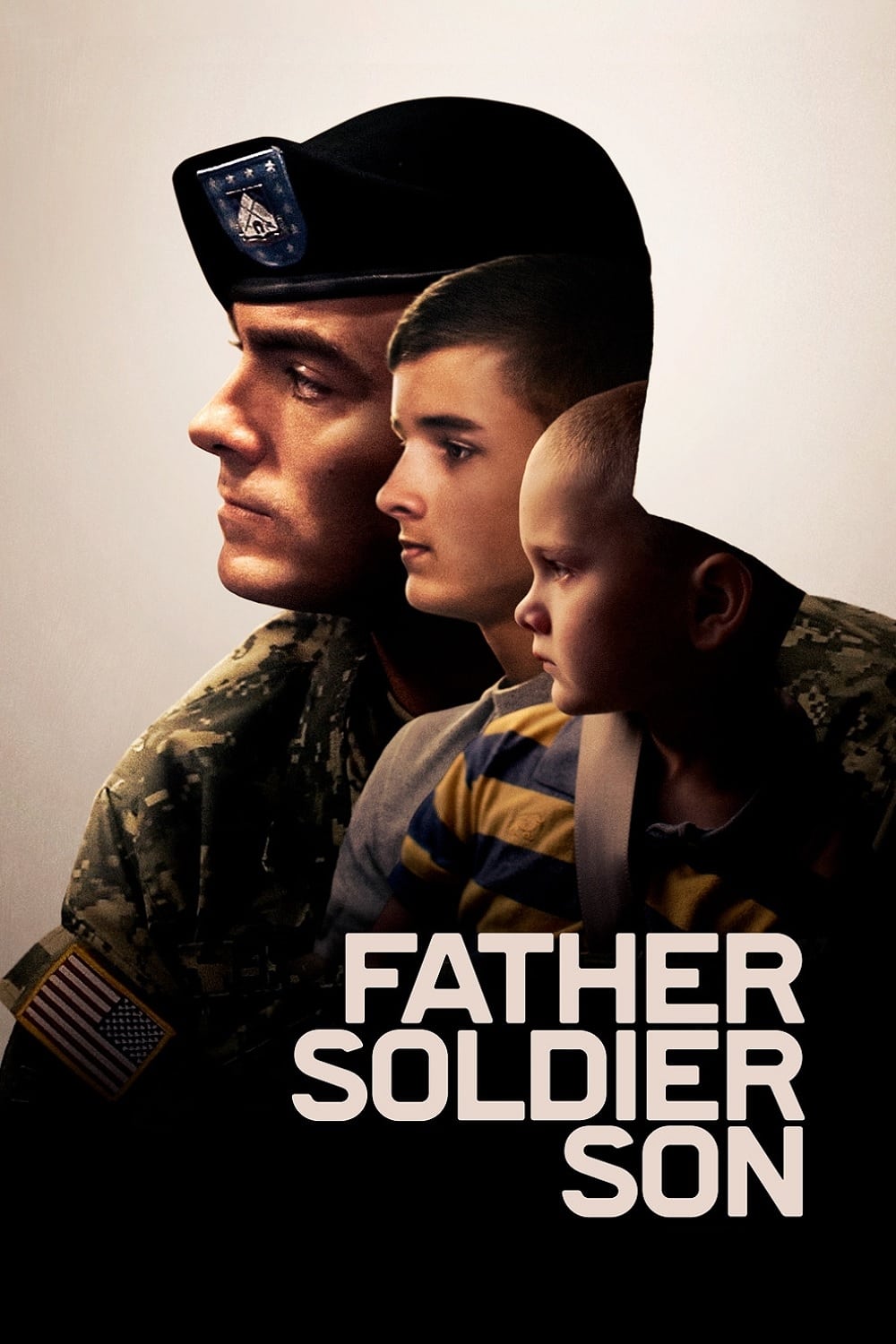
When Sgt. First Class Brian Eisch is critically wounded in Afghanistan, it sets him and his sons on a journey of love, loss, redemption and legacy.
From its distinctive neighborhoods to its architectural homes, Los Angeles has been the backdrop to countless movies. In this dazzling work, Andersen takes viewers on a whirlwind tour through the metropolis' real and cinematic history, investigating the myriad stories and legends that have come to define it, and meticulously, judiciously revealing the real city that lives beneath.
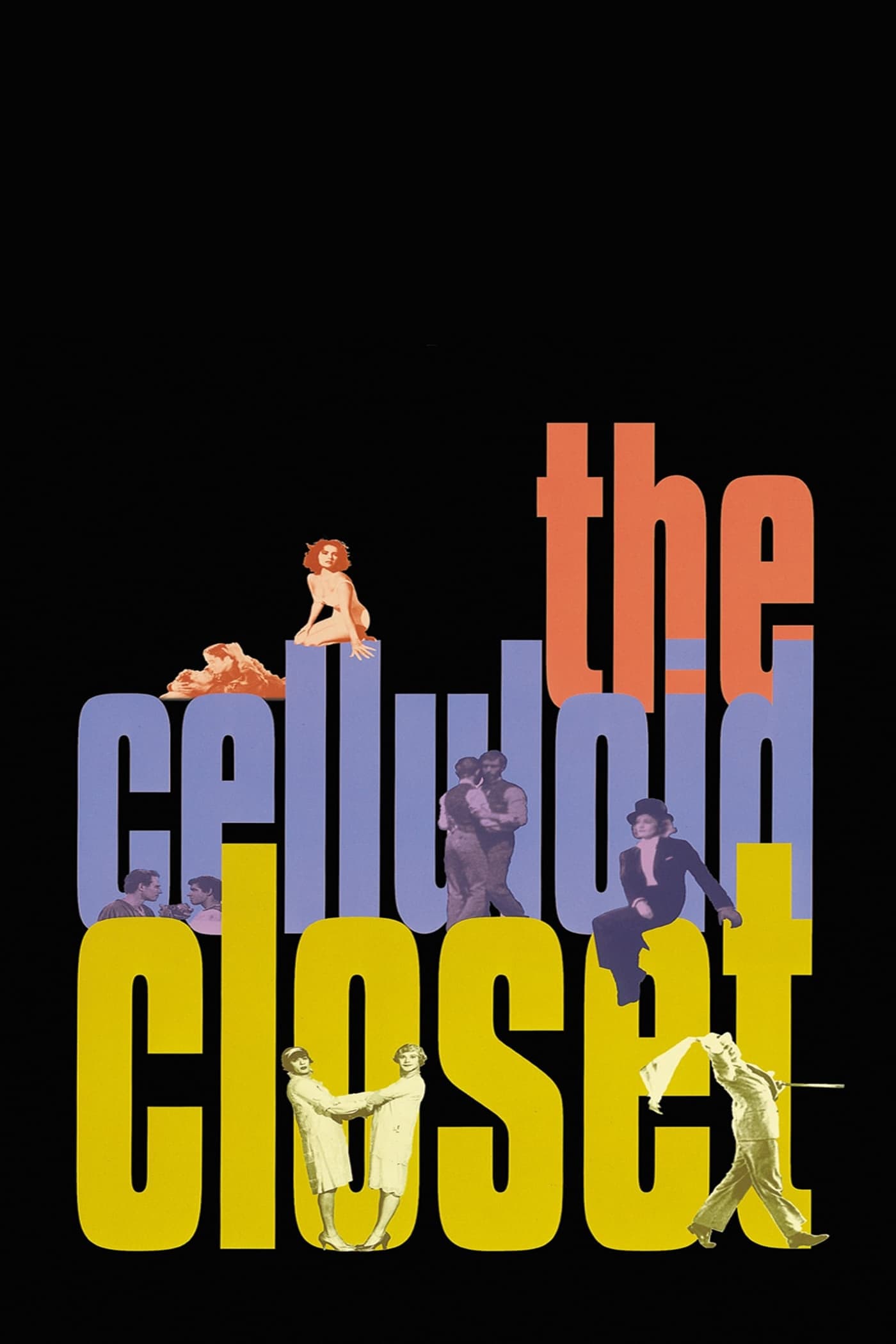
Exuberant, eye-opening movie that serves up a dazzling hundred-year history of the role of gay men and lesbians have had on the silver screen. Film contains fabulous footage from 120 films showing the changing face of cinema sexuality, from cruel stereotypes to covert love to the activist triumphs of the 1990s.
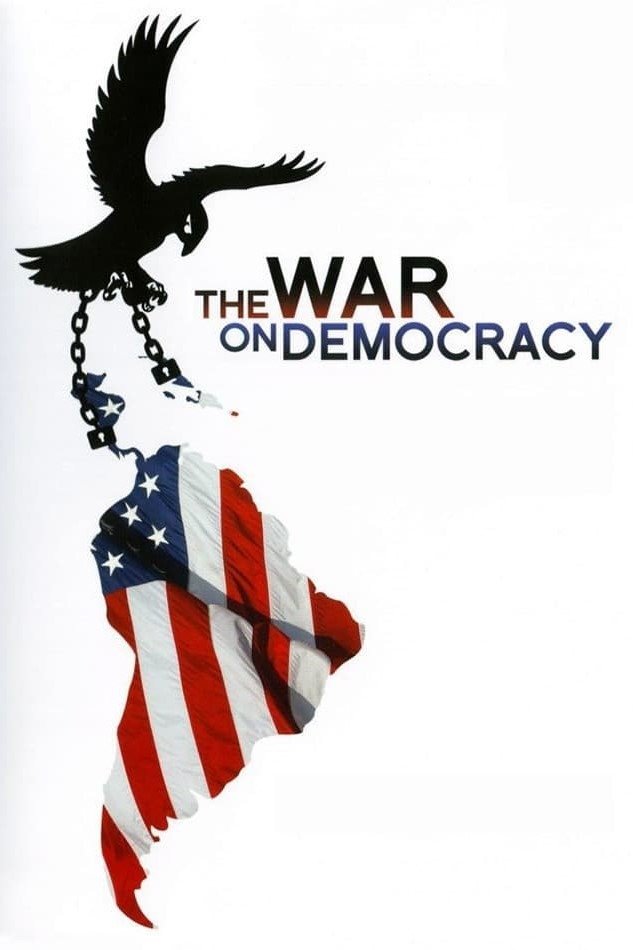
Set both in Latin America and the United States, the film explores the historic and current relationship of Washington with countries such as Venezuela, Bolivia and Chile. Pilger says that the film "...tells a universal story... analysing and revealing, through vivid testimony, the story of great power behind its venerable myths. It allows us to understand the true nature of the so-called "war on terror". According to Pilger, the film’s message is that the greed and power of empire is not invincible and that people power is always the "seed beneath the snow".
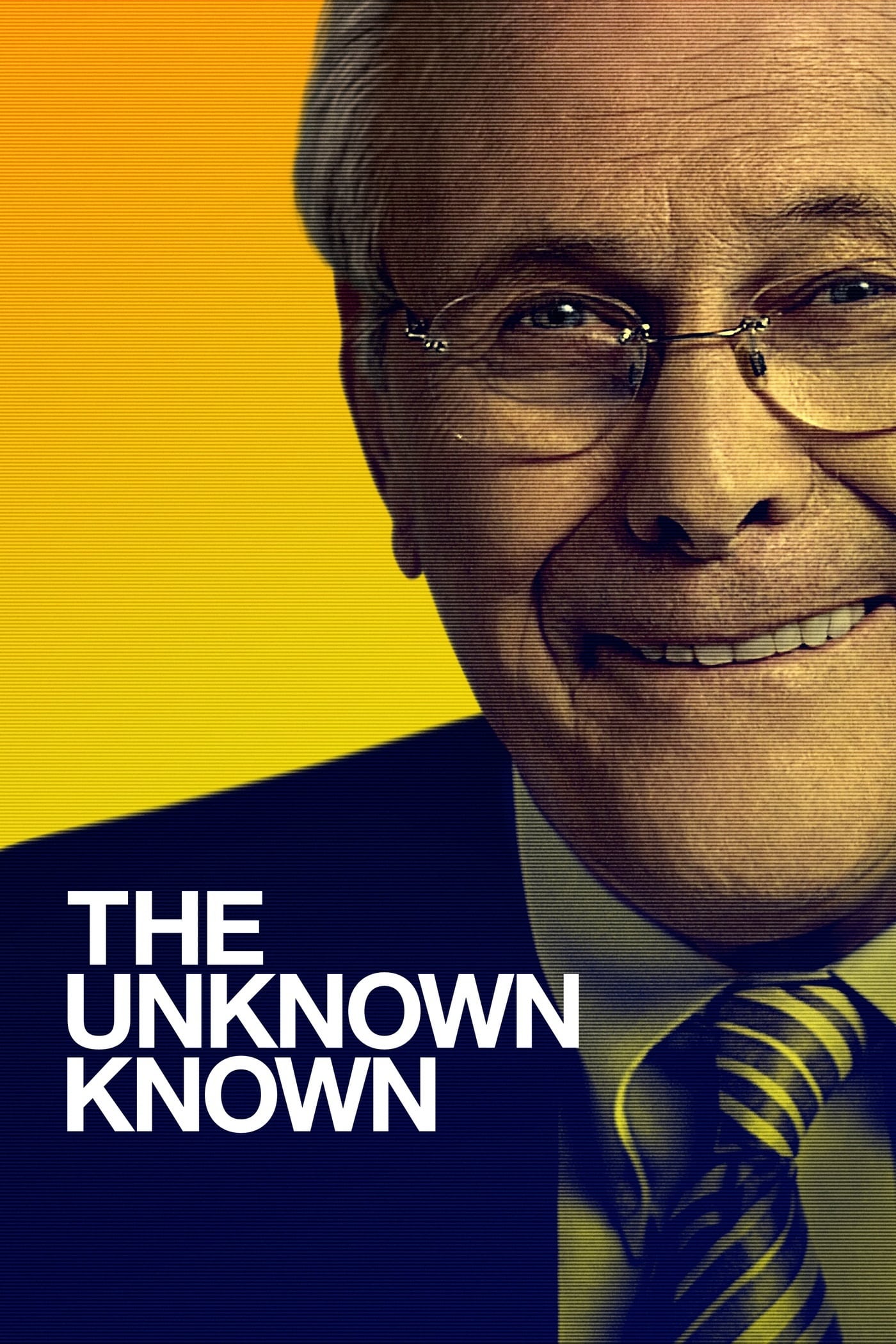
Former United States Secretary of Defense, Donald Rumsfeld, discusses his career in Washington D.C. from his days as a congressman in the early 1960s to planning the invasion of Iraq in 2003.
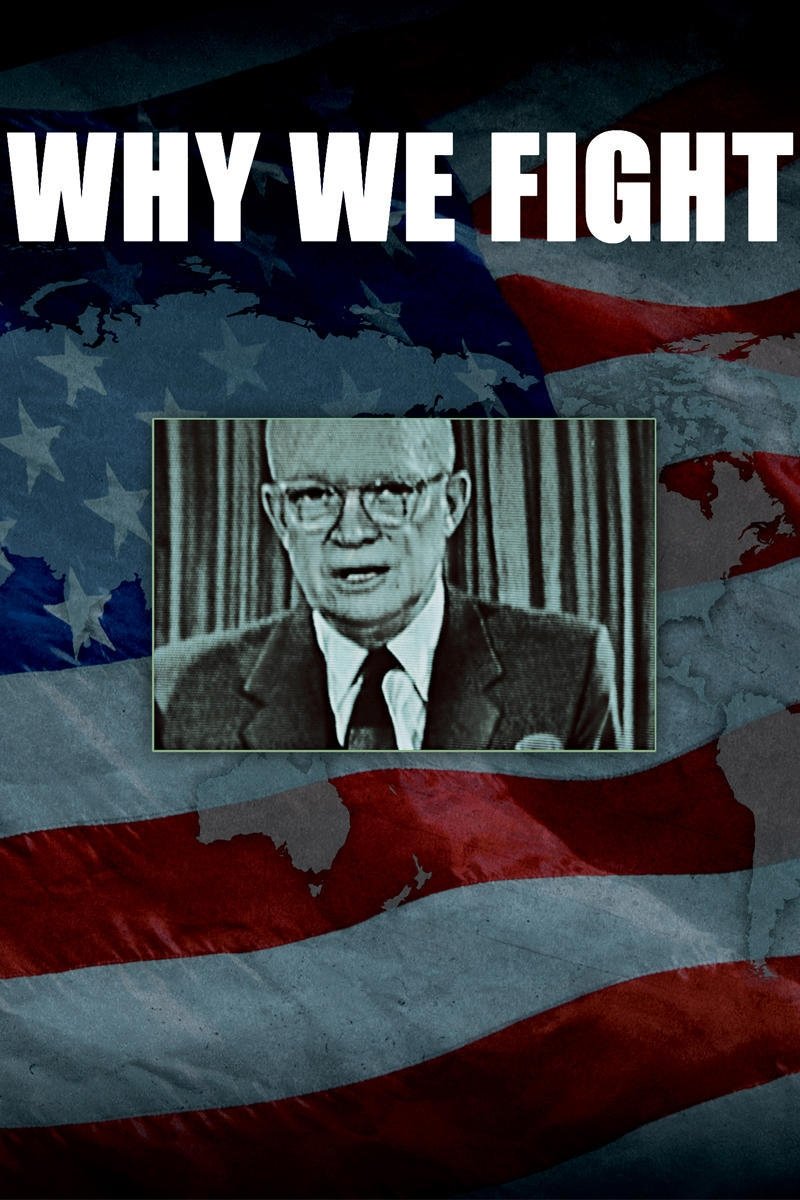
Is American foreign policy dominated by the idea of military supremacy? Has the military become too important in American life? Jarecki's shrewd and intelligent polemic would seem to give an affirmative answer to each of these questions.
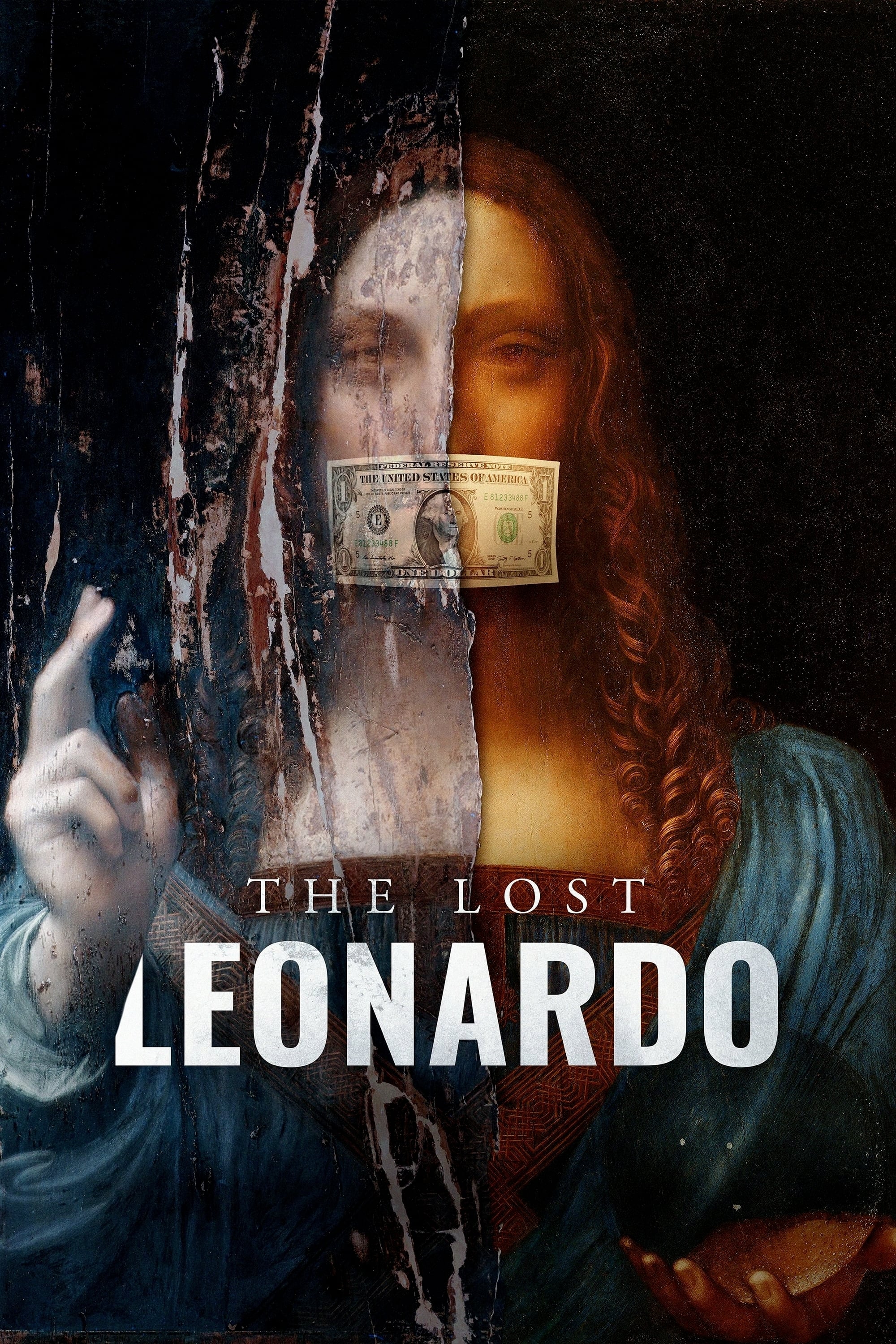
London, England, 2008. Some of the most distinguished experts on the work of Italian artist Leonardo da Vinci (1452-1519) gather at the National Gallery to examine a painting known as Salvator Mundi; an event that turns out to be the first act of one of the most fascinating stories in the history of art.
Errol Morris examines the incidents of abuse and torture of suspected terrorists at the hands of U.S. forces at the Abu Ghraib prison.
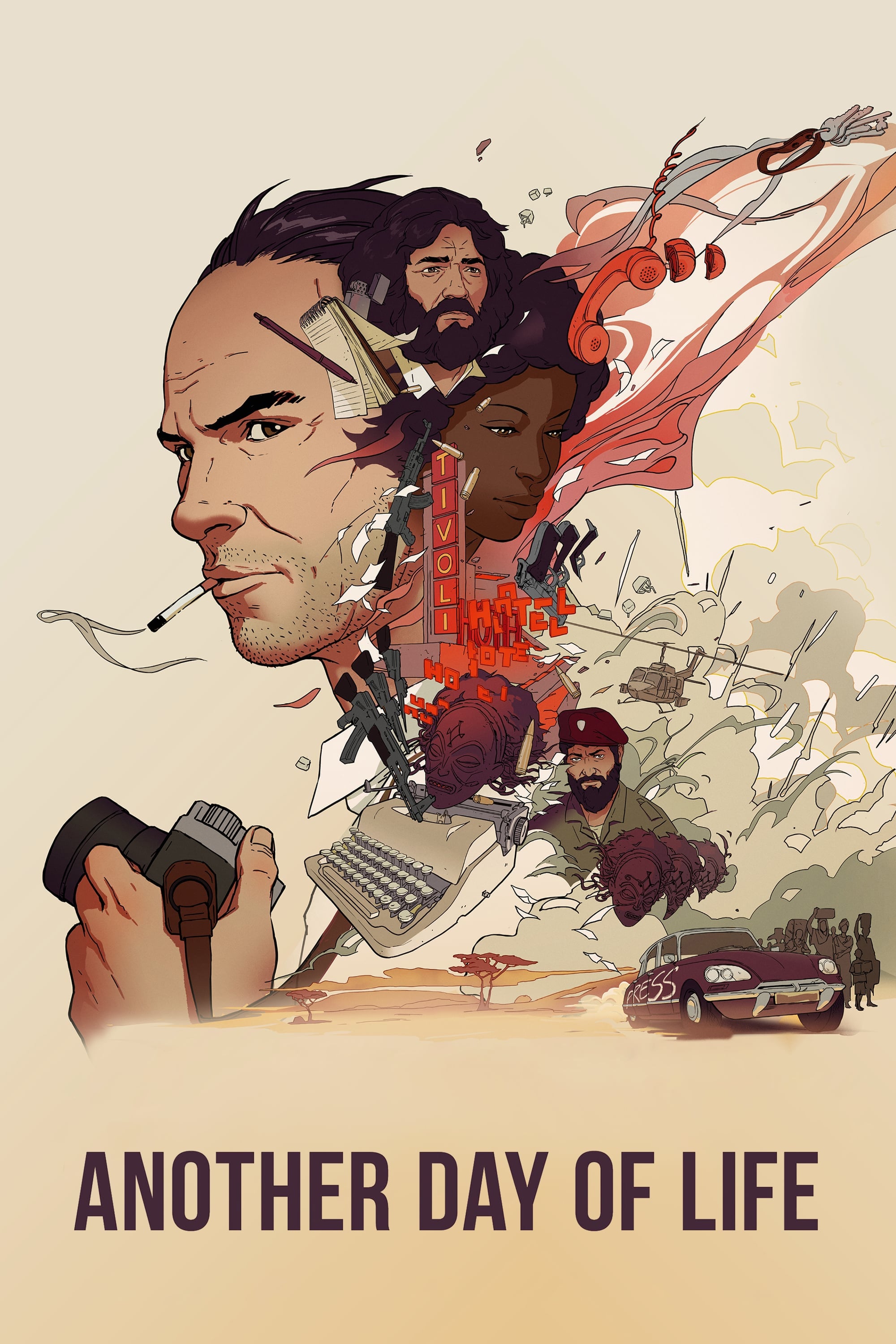
In 1975, Ryszard Kapuściński, a veteran Polish journalist, embarked on a seemingly suicidal road trip into the heart of the Angola's civil war. There, he witnessed once again the dirty reality of war and discovered a sense of helplessness previously unknown to him. Angola changed him forever: it was a reporter who left Poland, but it was a writer who returned…
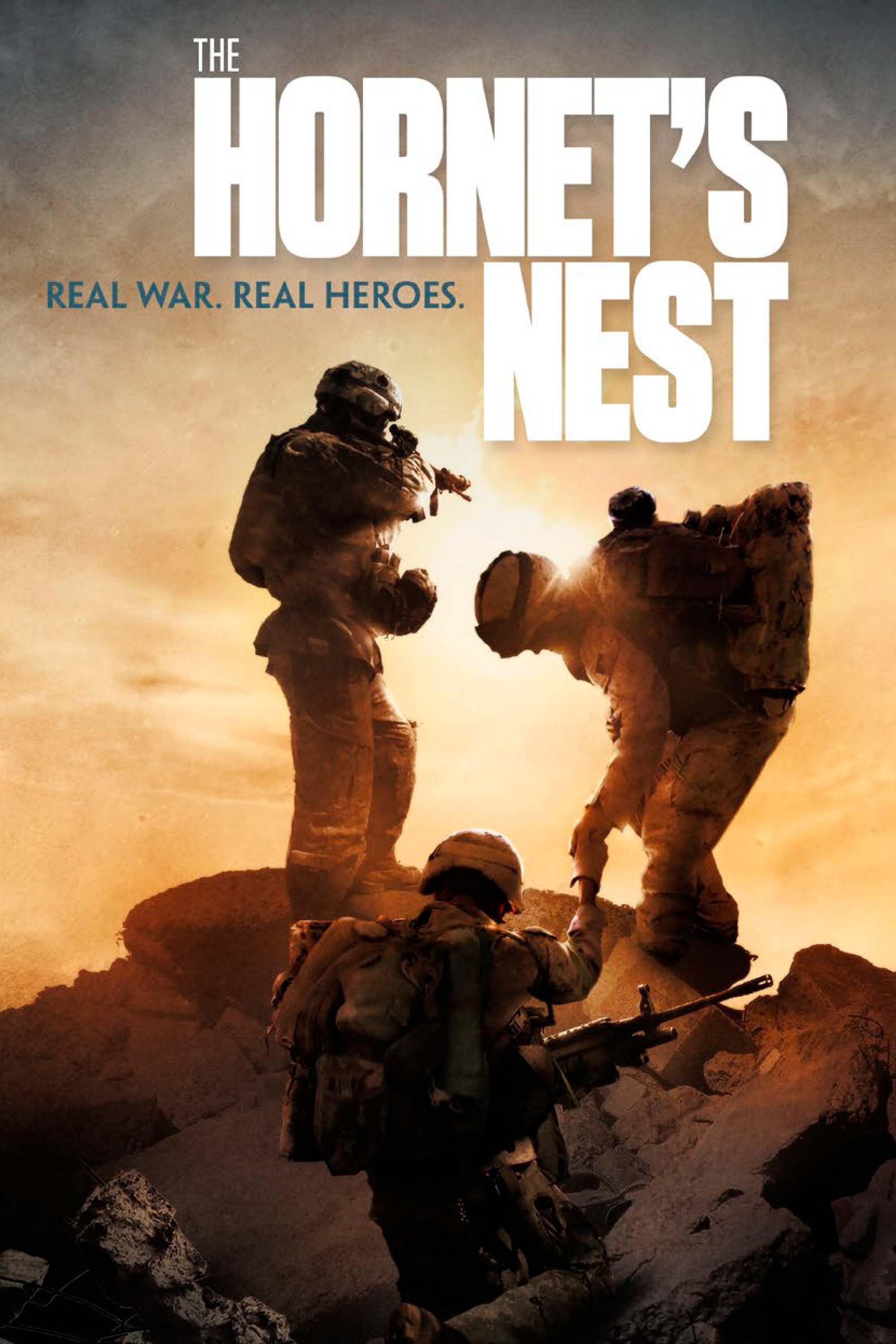
Armed only with their cameras, Peabody and Emmy Award-winning conflict Journalist Mike Boettcher, and his son, Carlos, provide unprecedented access into the longest war in U.S. history: they are embed with U.S. troops during nine days of intense combat in Afghanistan.
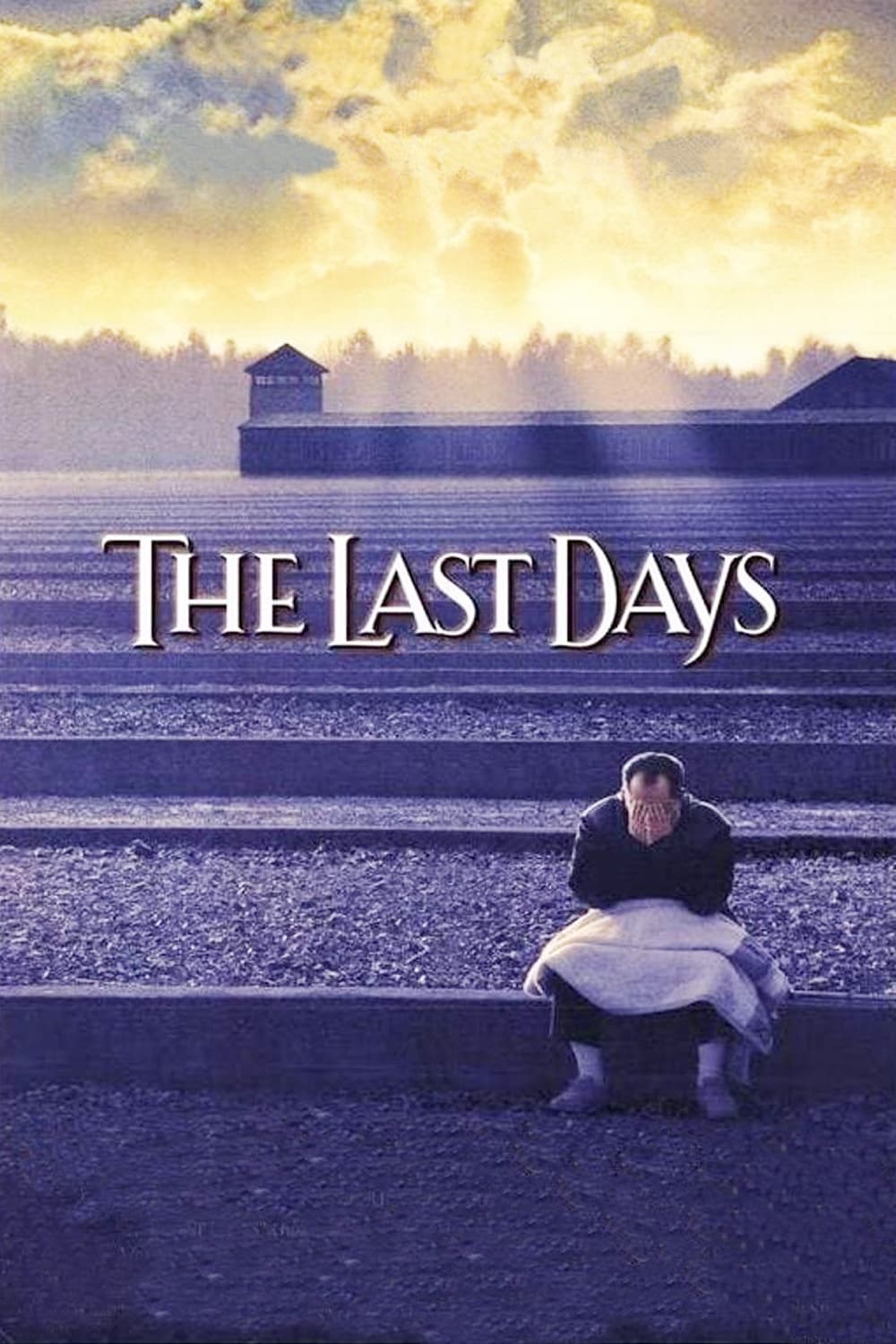
This Oscar-winning documentary recounts the harrowing stories of five Hungarian Jews who endured the horrors of the Holocaust and Hitler's reign.
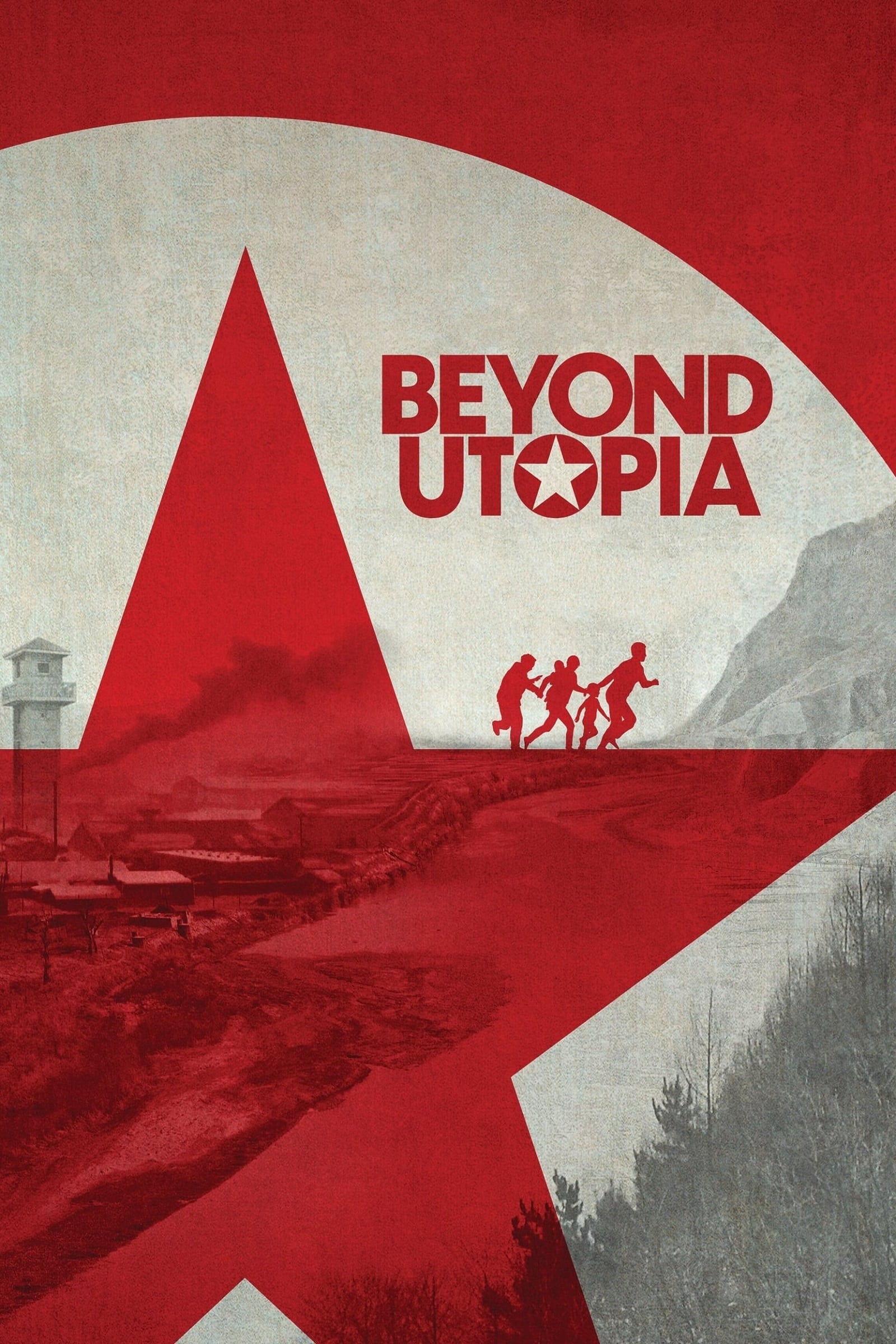
A courageous pastor uses his underground network to rescue and aid North Korean families as they risk their lives to embrace freedom.