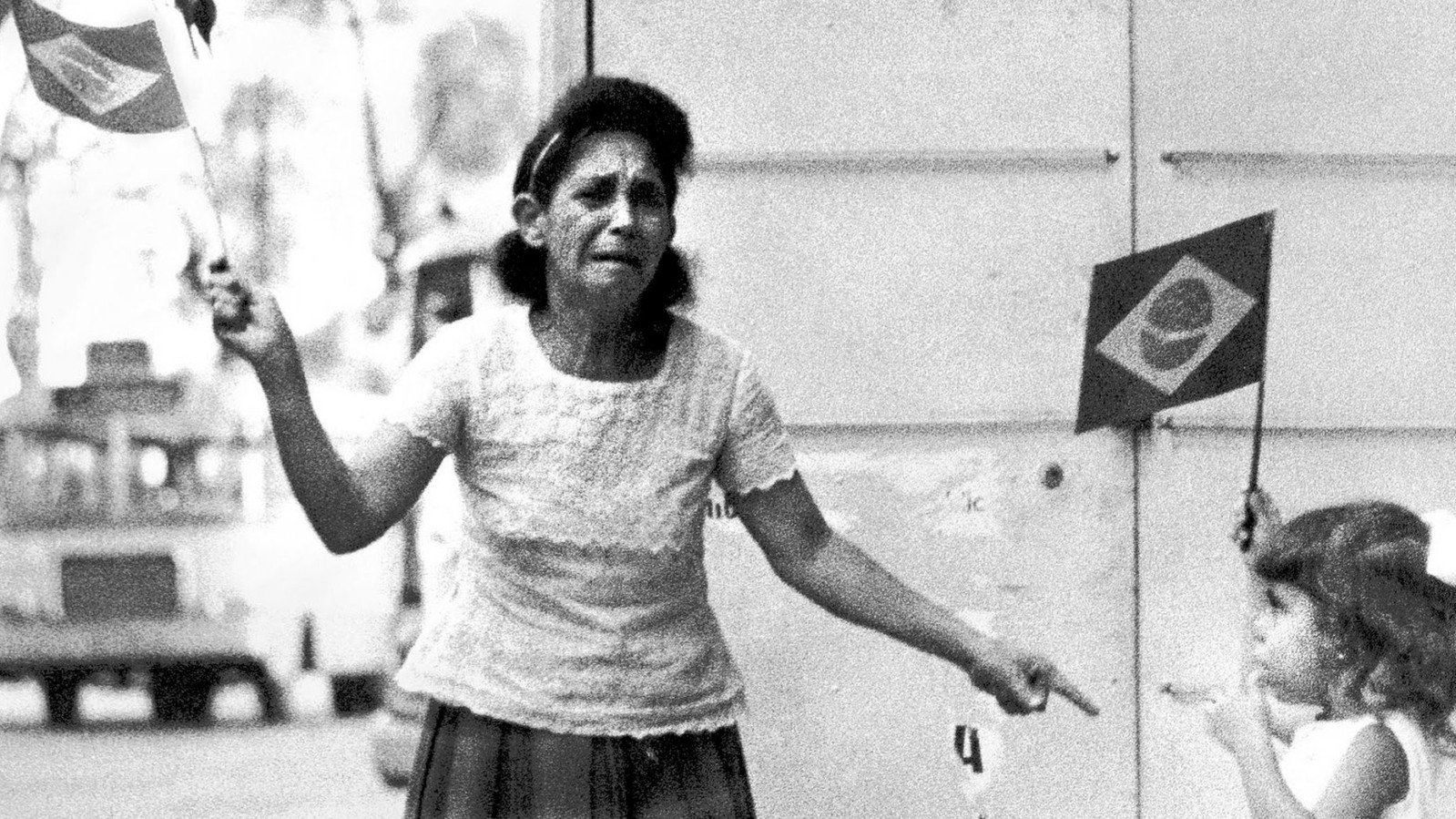
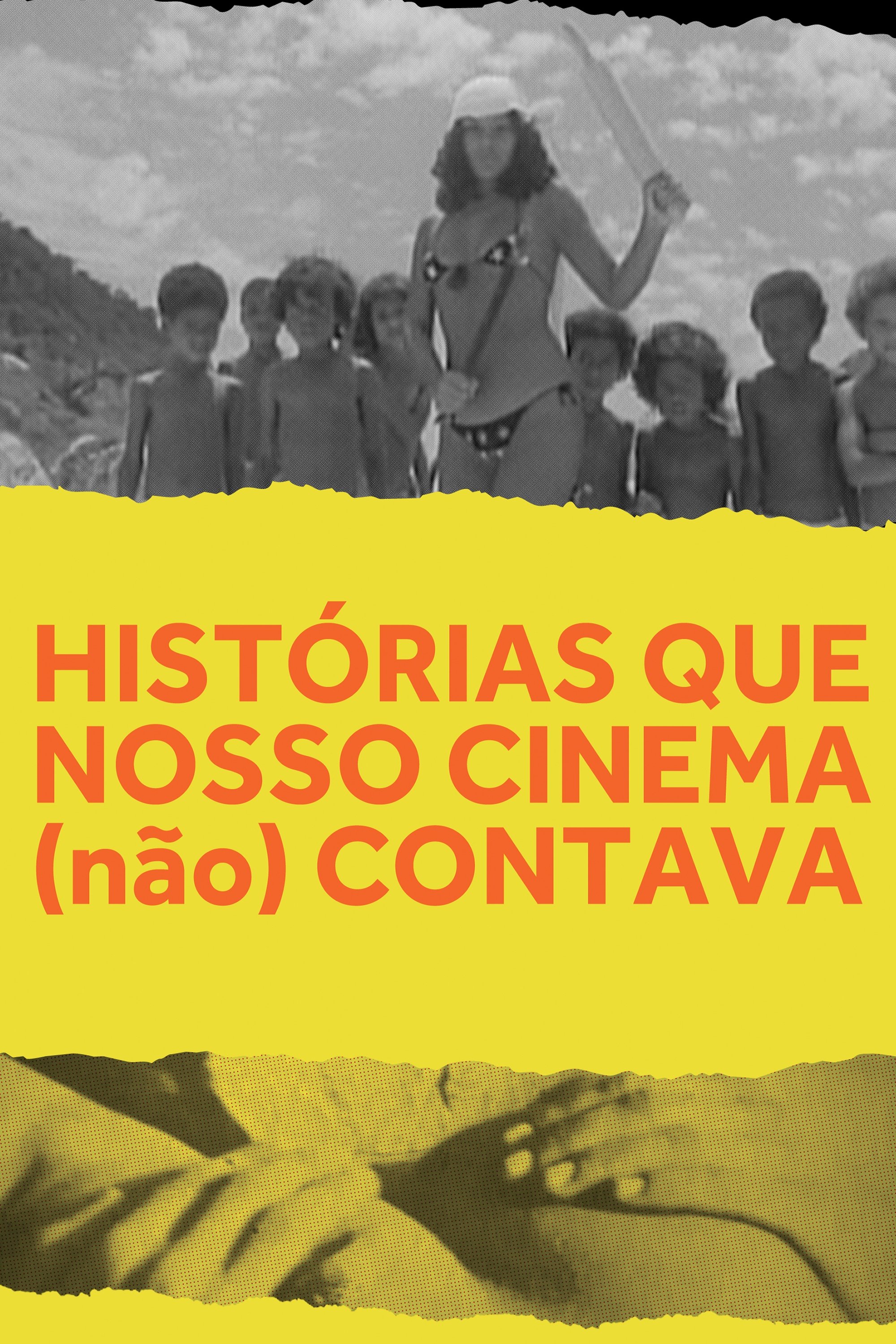
In this "fake documentary", a doctor returns to Brazil after his studies in Paris. Setting out to practice Medicine, he becomes an indigenous messiah and, in time, a cannibal.
Social & External
(voice)
Scientist Mark Plotkin races against time to save the ancient healing knowledge of Indian tribes from extinction.
Filled with raunchy laughs, this documentary compiles outrageous scenes from sex-comedies that shaped Brazil's "pornochanchada" boom of the 1970s.
The ultimate guide to the players on the road to Rio. Ahead of the world football tournament in June & July, Stars in Brazil celebrates ten of the world’s most talented players on the road to Rio. From Cristiano Ronaldo’s breathtaking skills to the brillance of Wayne Rooney, Stars in Brazil offers detailed player profiles, fantastic footage and exclusive interviews with football experts.
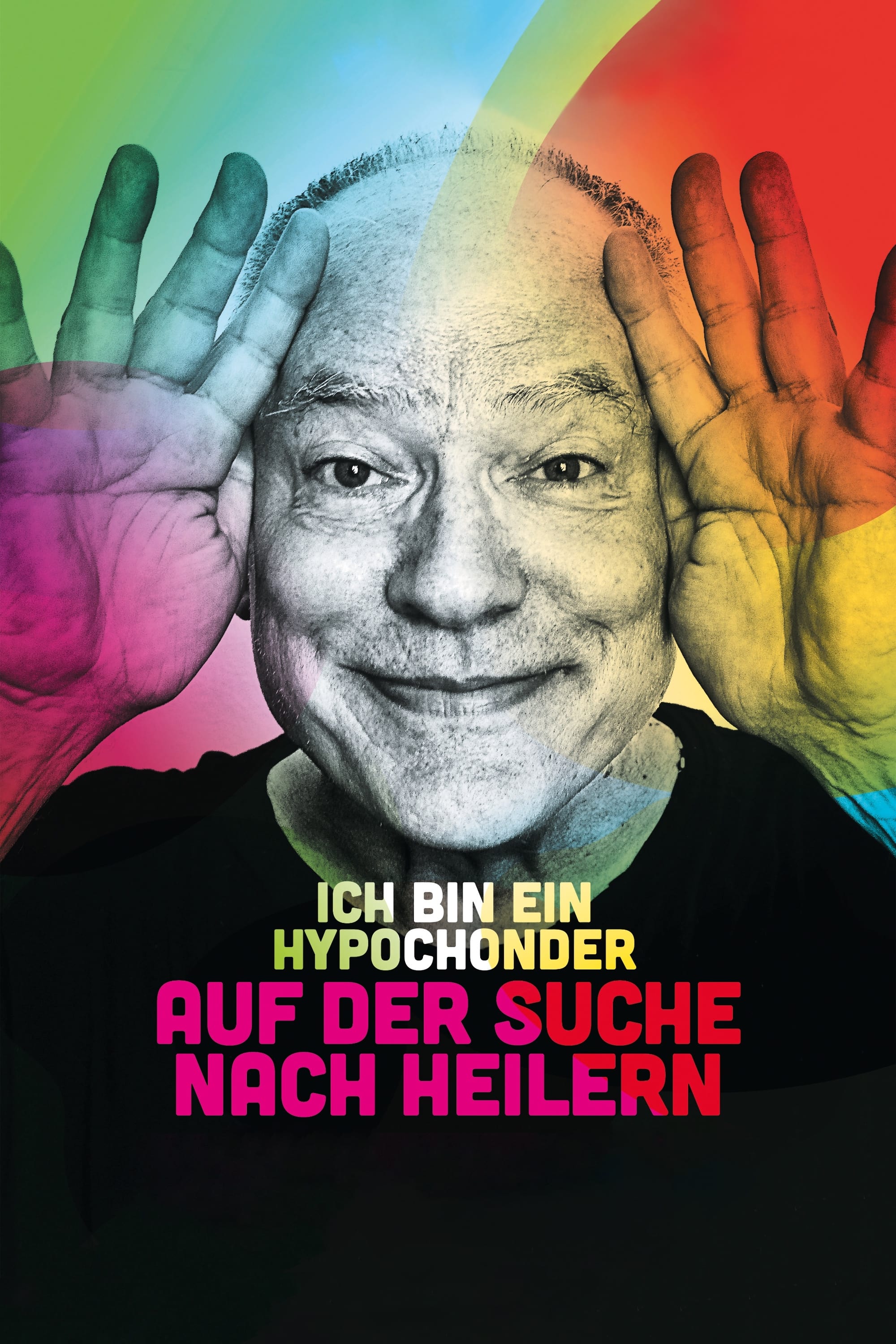
“I am a hypochondriac”, admits Rosa Von Praunheim, the icon of the gay movement, right at the beginning at the film. The director, who turned seventy in 2012, is afraid of cancer, and he actually suffers from glaucoma, with osteoarthritis in his big toe. Von Praunheim is interested in alternative medicine and goes on a foray into the scene.
The encounter with a growing, and mostly undocumented, brazilian community allows us to bear witness to its energy, its vivacity, and its diversity. This film attempts to work for a larger acceptance of foreigners in their land of exile.
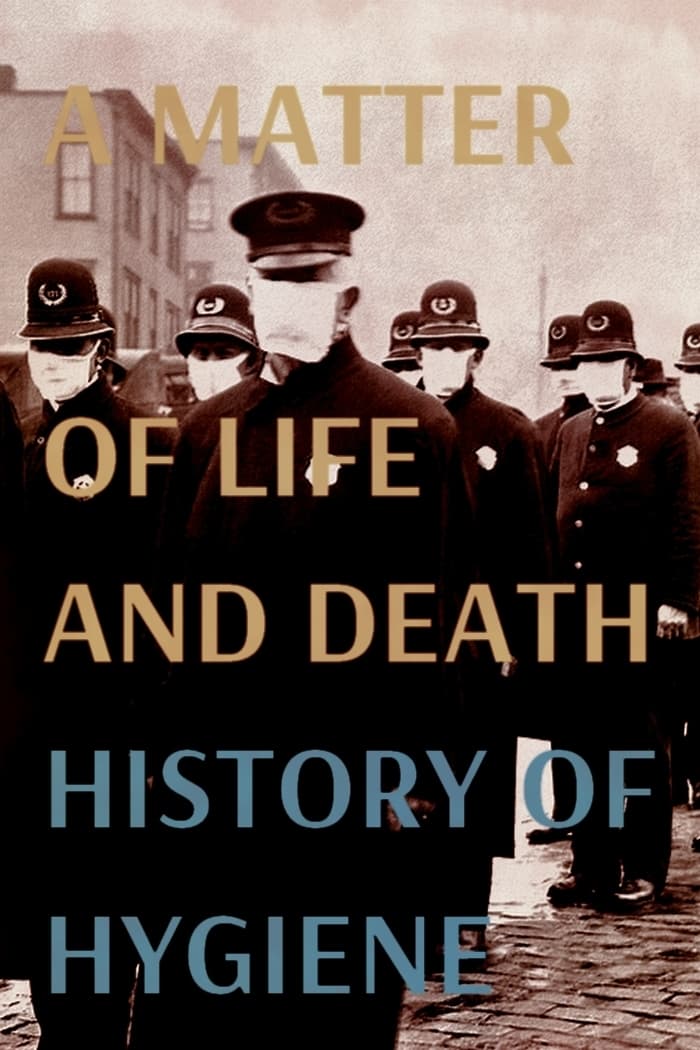
Hygienic habits are as old as the various human civilizations; but each era establishes its own customs: whether private or public, everywhere and at all times, methods of personal cleanliness have depended on cultural conventions, religious morals, political ideologies and economic interests; because the control of basic hygiene has also been and is one more tool in the infinite exercise of power over the masses.
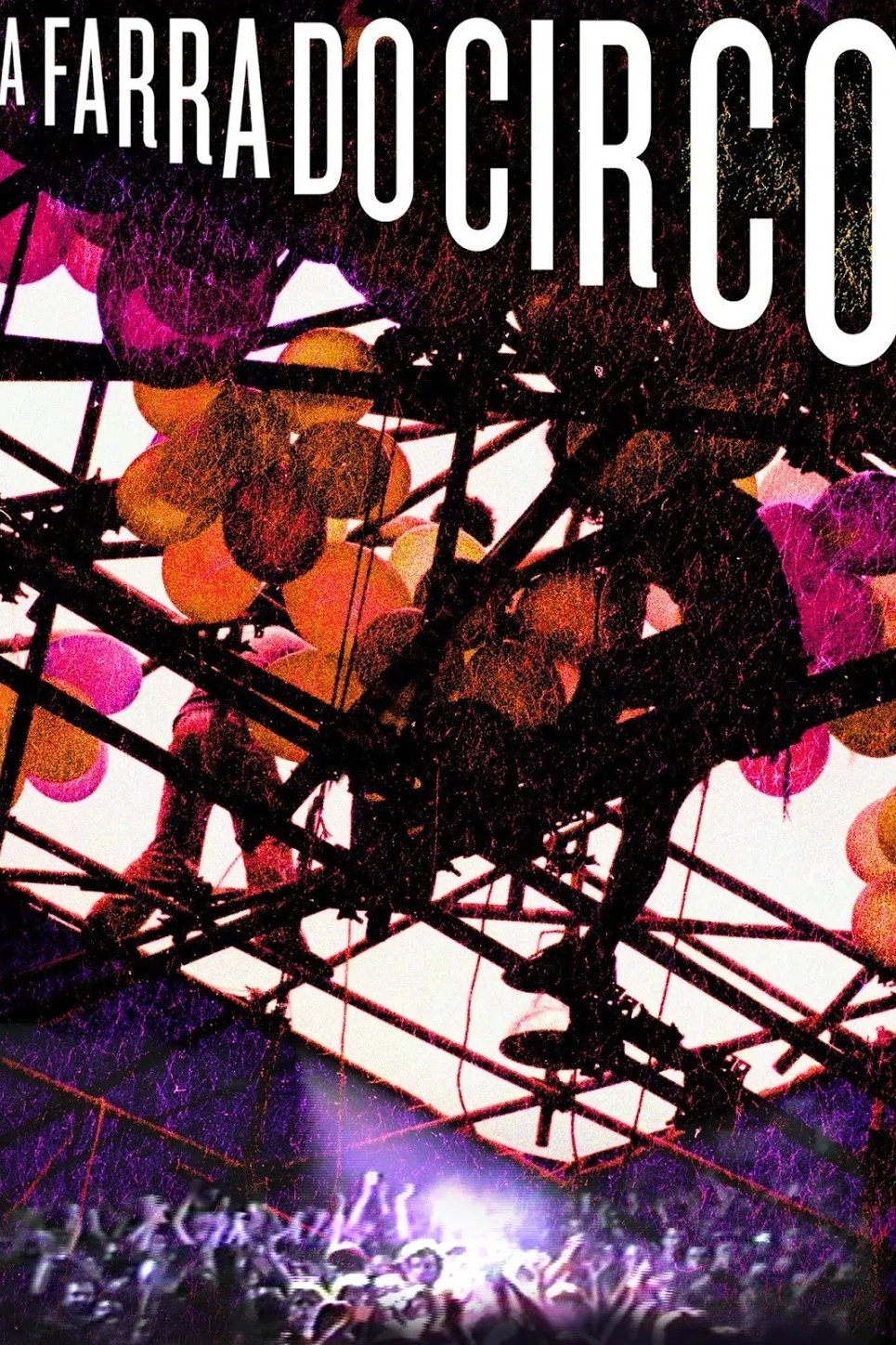
This documentary highlights the evolution of Brazil's Circo Voador venue from homespun artists' performance space to national cultural institution.
A documentary that exposes the shocking truths behind industrial food production and food wastage, focusing on fishing, livestock and crop farming. A must-see for anyone interested in the true cost of the food on their plate.
What question has plagued mankind more than the mystery—and terror—of death? This forbidden pursuit has driven Dr. Frances B. Gröss to the brink of madness, but in his obsession, he has amassed a uniquely comprehensive collection of films that depict life in its final, grueling moments. From the savagery of cold-blooded murder to the perverse realities of war, tragic accidents, and the everyday lives of those who collect, dissect, and bury the dead, this descent into morbidity lays bare a truth that all of us will one day face.
Amid the civil-military dictatorship implanted with the 1964 coup, Sergio Muniz had the idea of making a documentary about the action of the Death Squad. At the time, the press still had some freedom to disseminate the work of these death squads formed by police officers of various ranks, and that he acted on the outskirts of cities like Sao Paulo and Rio de Janeiro. The victims of police repression (as today) were men, poor and black, and this condition is supposed criminals.
A documentary about the corrupt health care system in The United States whose main goal is to make profit even if it means losing people’s lives. "The more people you deny health insurance, the more money we make" is the business model for health care providers in America.
In 1968, Orlando Lovecchio was made victim of a guerilla's bomb terrorist attack, which main objective was to fight against the Military Regime. Orlando lost one leg after the world-reckoned attack against the U.S. Consulate in Sao Paulo.
They are the most common creatures on earth. They have been around forever and are considered dangerous and deadly - but they are much more than that. Around 50 percent of our DNA comes from viruses.
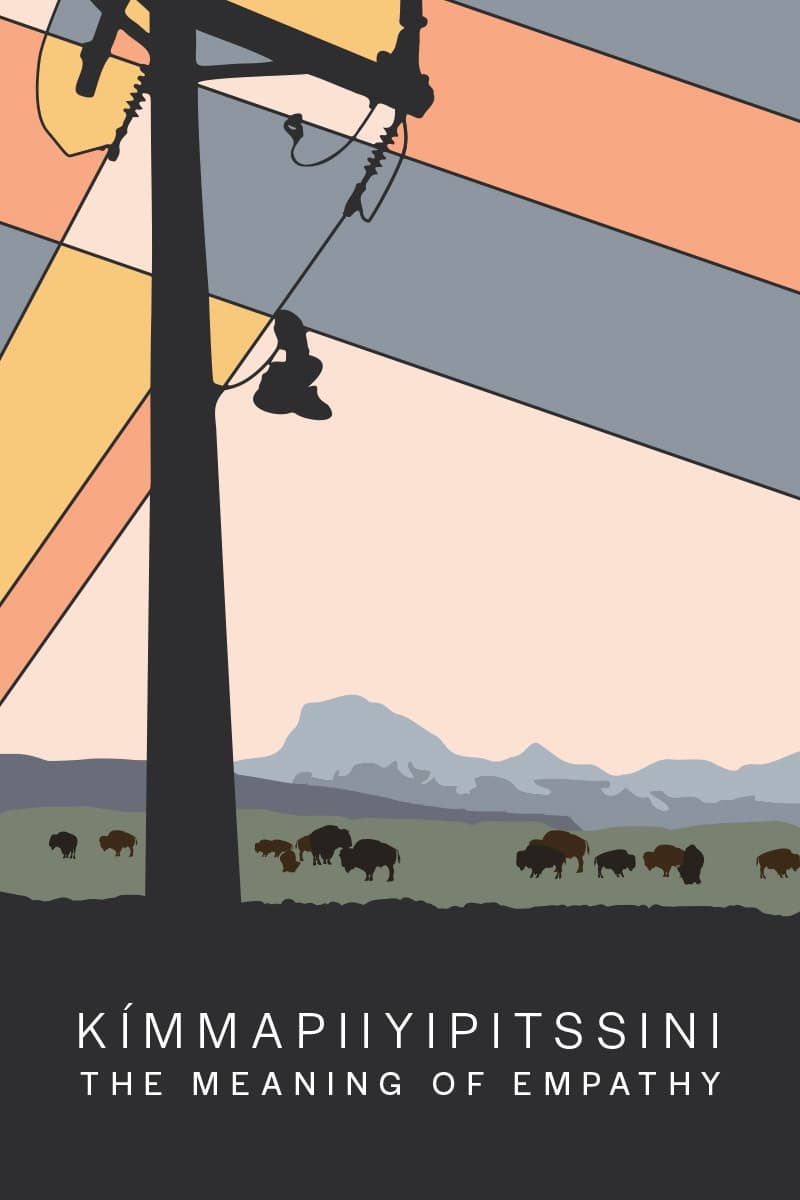
Follow filmmaker Elle-Máijá Tailfeathers as she creates an intimate portrait of her community and the impacts of the substance use and overdose epidemic. Witness the change brought by community members with substance-use disorder, first responders and medical professionals as they strive for harm reduction in the Kainai First Nation.
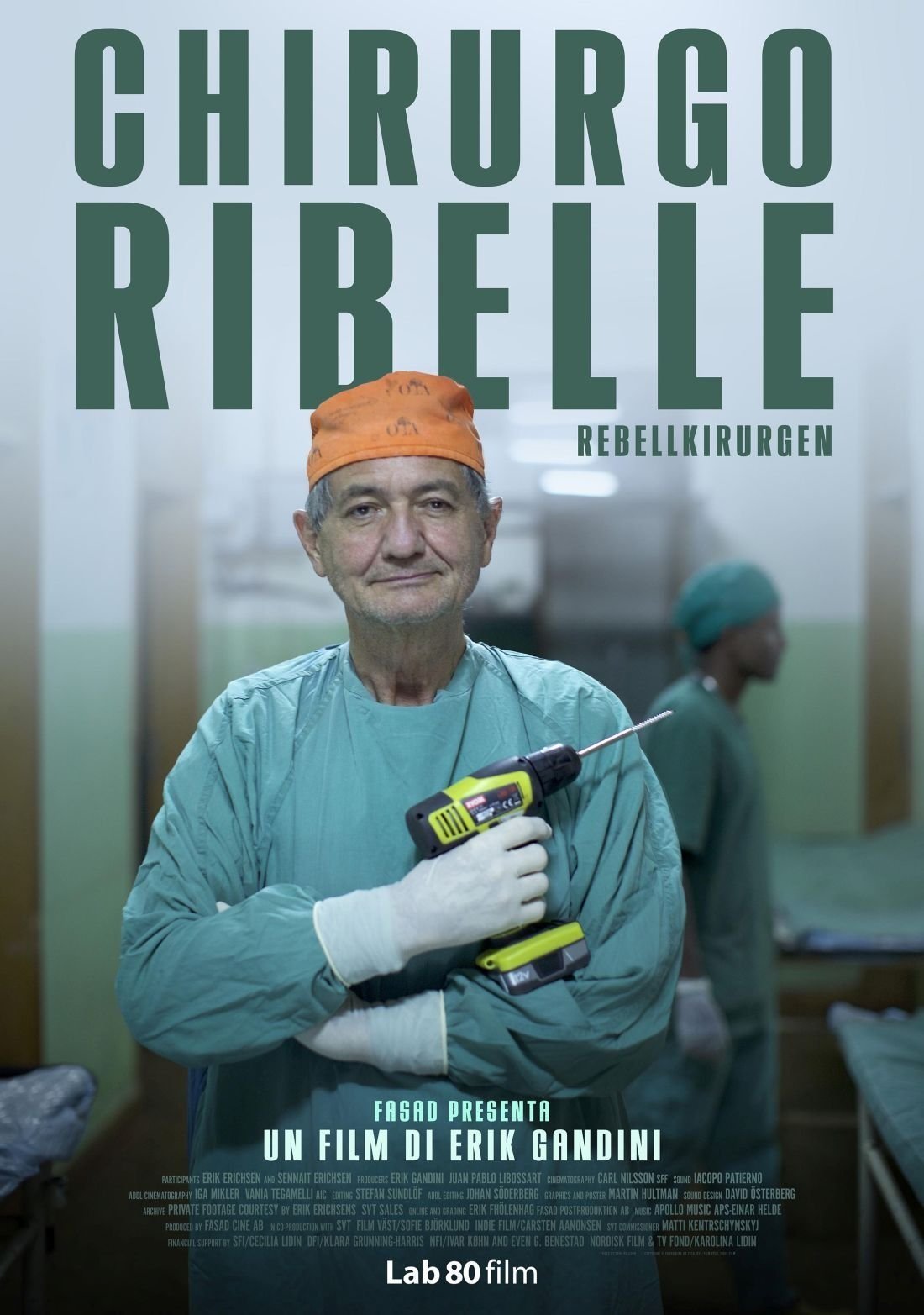
Portrayal of a surgeon who feels stifled by Swedish bureaucracy and relocates to Ethiopia to practice medicine. In a small field hospital, with limited resources, he uses anything at hand to help the patients.
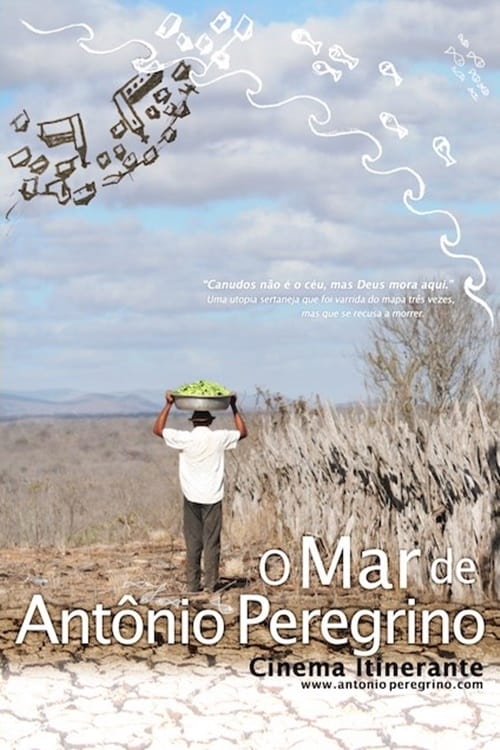
"O Mar de Antônio Peregrino" tells the fascinating story of the pilgrim Antonio Conselheiro and the village of Canudos. In a region feared by its long droughts, thousands of outcast peasants and Indians came together to build a country utopia. The city has been wiped off the map three times but refuses to die. The film is a journey in search of the people and dreams of Canudos. Guided by Antônio Conselheiro's famous phrase “The drought will turn into the sea, and the sea will turn into the drought”, the film goes through the drought and the flood to meet a warm and strong people who never surrendered, cherished with the music of hope and missing.
The work mediated by digital apps and platforms is growing worldwide. But the advance of the “gig economy”, called in Brazil “uberization”, has aroused debates about the precariousness and intensification of work.
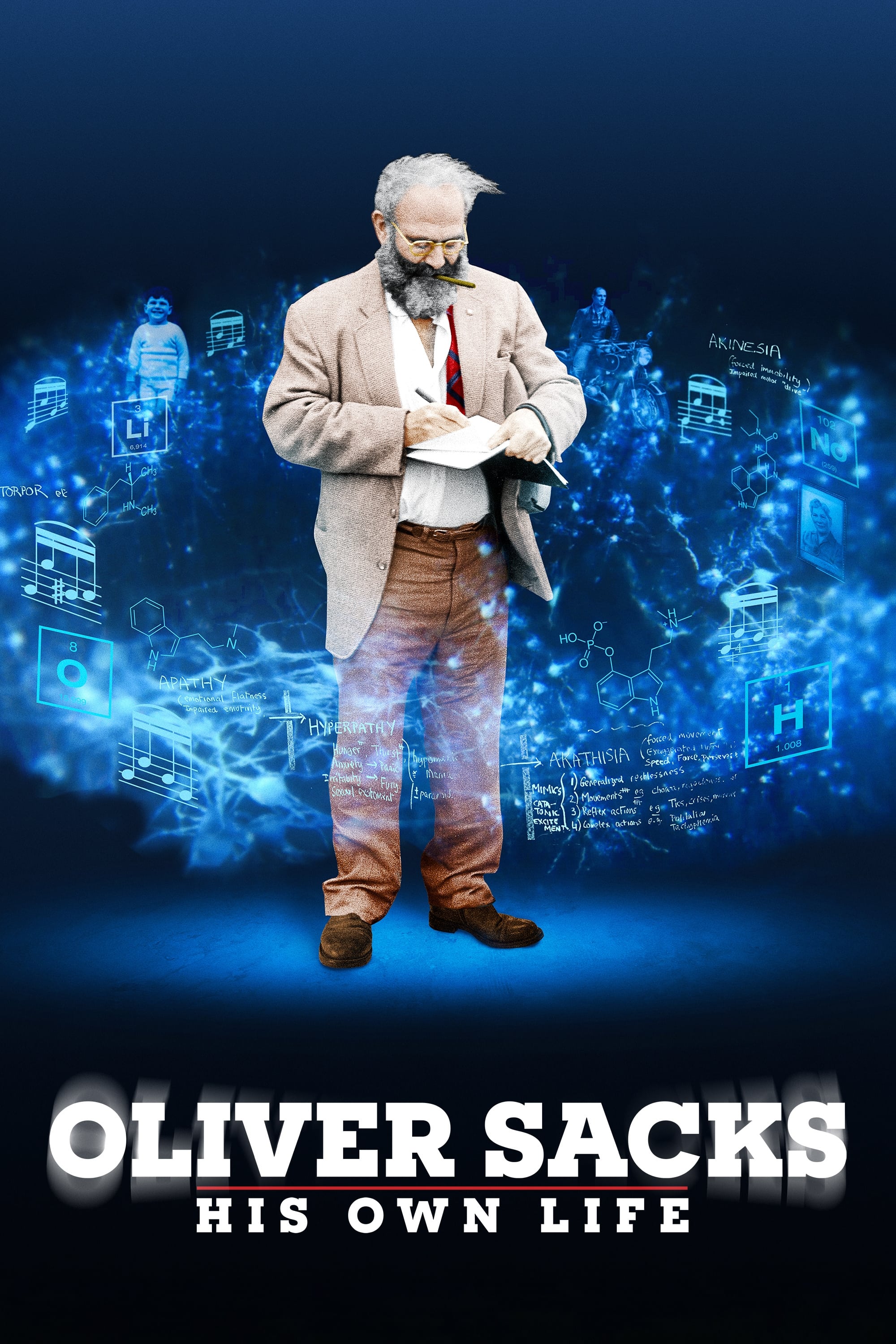
Oliver Sacks: His Own Life explores the life and work of the legendary neurologist and storyteller, as he shares intimate details of his battles with drug addiction, homophobia, and a medical establishment that accepted his work only decades after the fact. Sacks was a fearless explorer of unknown mental worlds who helped redefine our understanding of the brain and mind, the diversity of human experience, and our shared humanity.
Dubbed “The Cannibal Cop,” former NYPD officer Gilberto Valle was charged with conspiring to kidnap and eat women but argued it was all a fantasy. His story made headlines both for its disturbing details and its potential to kick off a trend of thought-policing across the nation. Featuring intimate interviews with Valle and insights from experts, Thought Crimes explores if someone can be found guilty for their most dangerous thoughts.
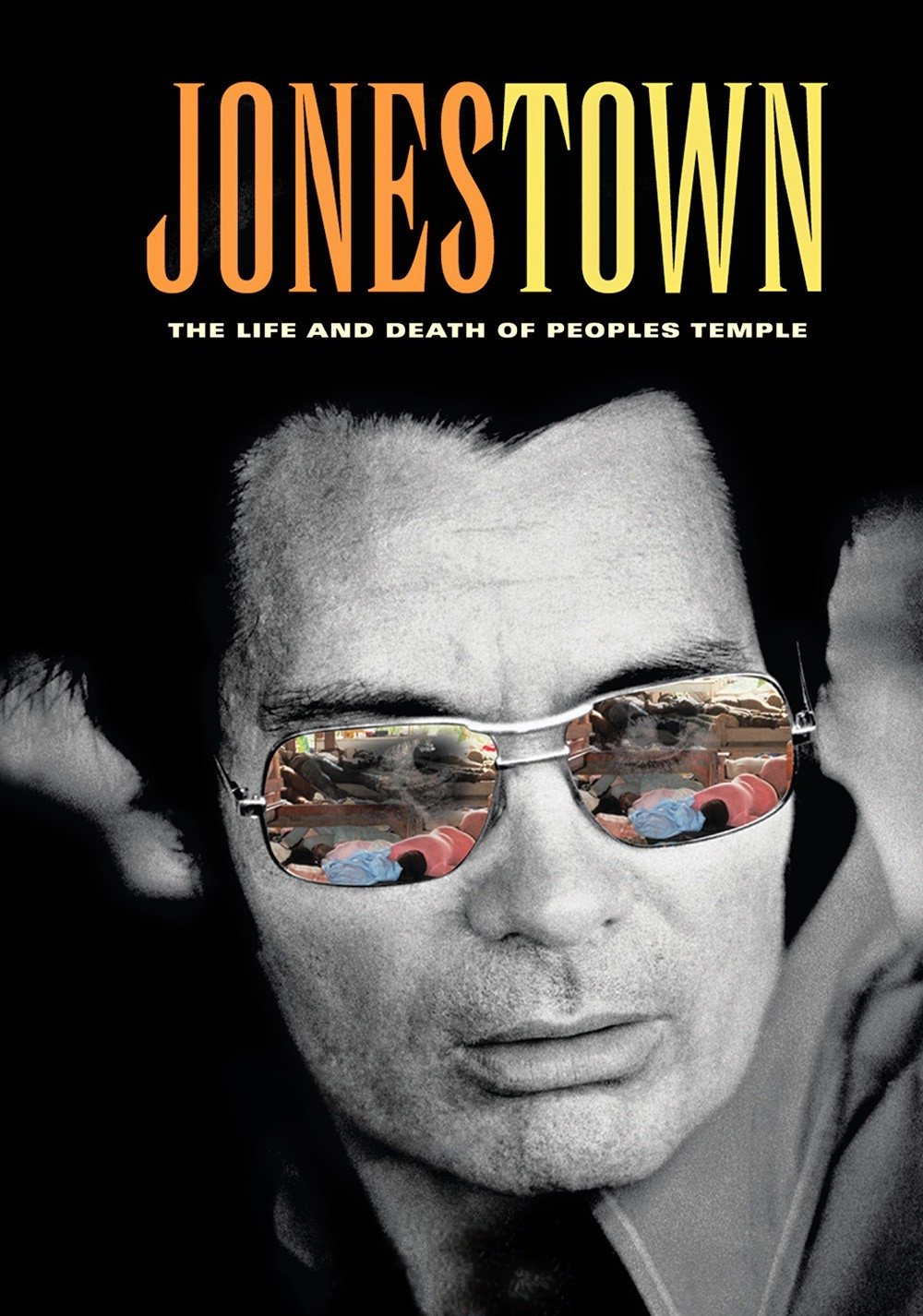
Featuring never-before-seen footage, this documentary delivers a startling new look at the Peoples Temple, headed by preacher Jim Jones who, in 1978, led more than 900 members to Guyana, where he orchestrated a mass suicide via tainted punch.
A documentary on a former Miss Wyoming who is charged with abducting and imprisoning a young Mormon Missionary.
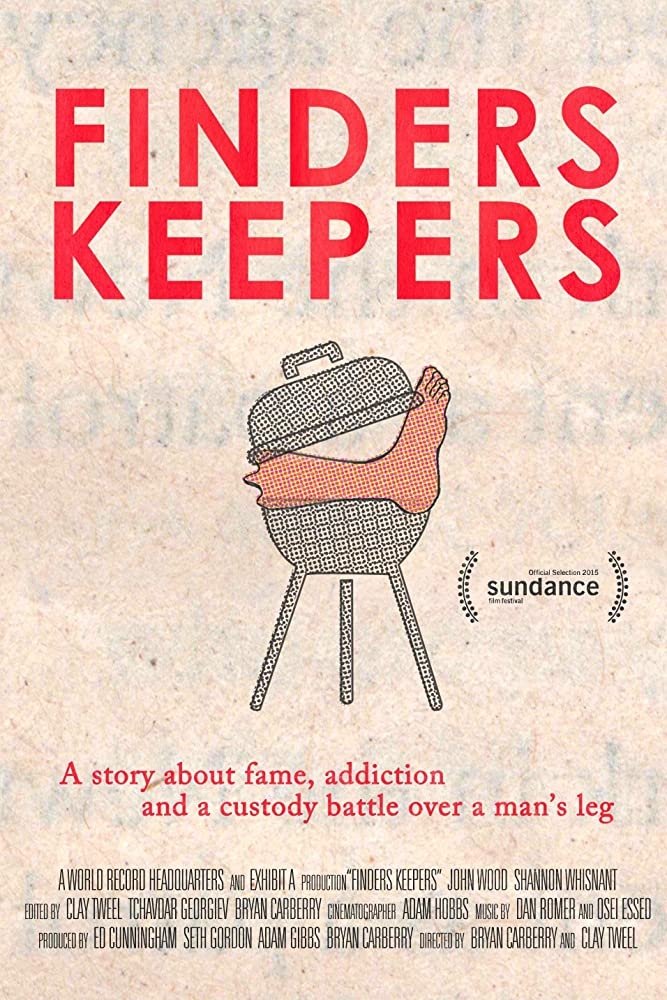
In this documentary, recovering addict and amputee John Wood finds himself in a stranger-than-fiction battle to reclaim his mummified leg from Southern entrepreneur Shannon Whisnant, who found it in a grill he bought at an auction and believes it therefore to be his rightful property.
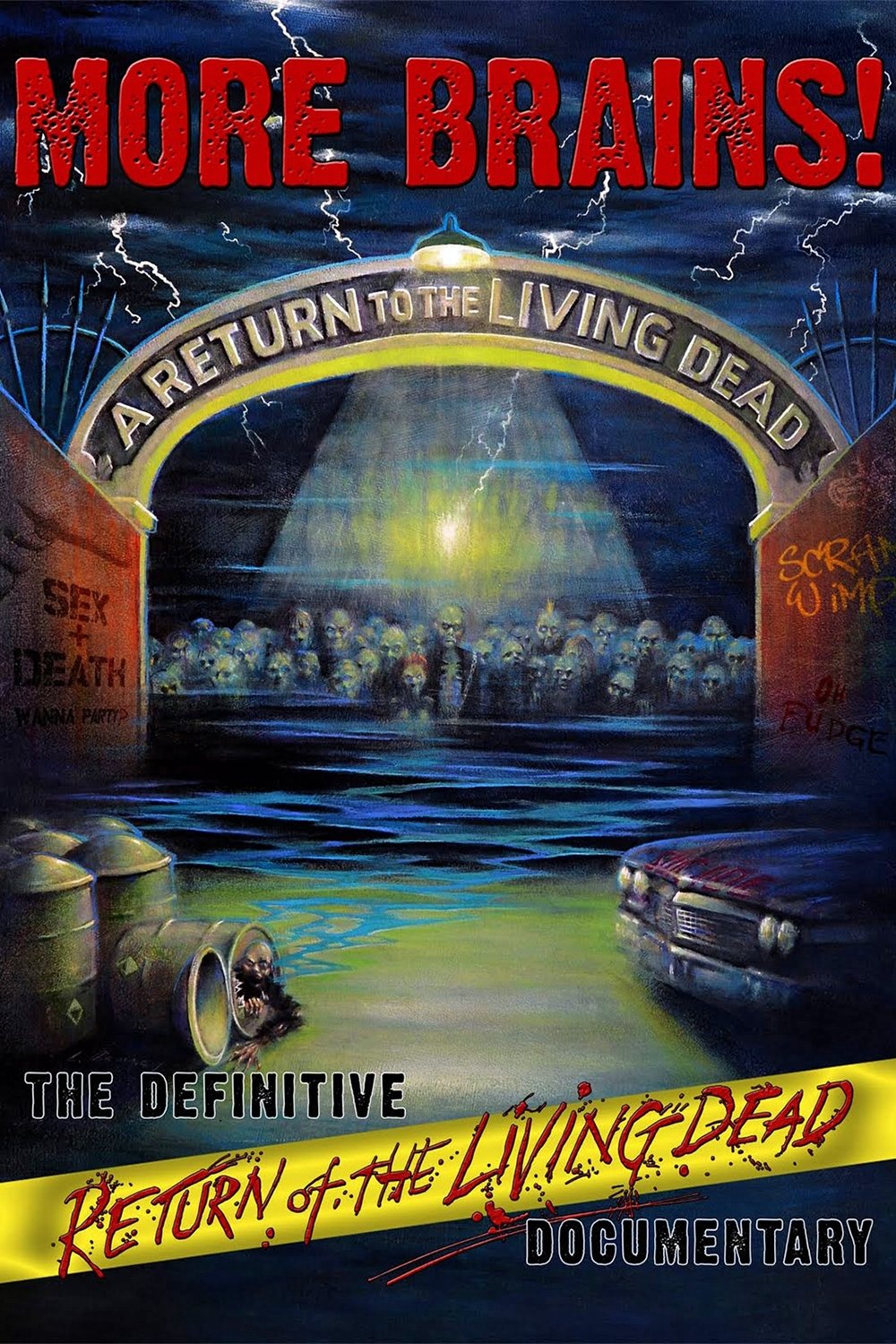
Retrospective documentary about the making of the horror cult classic "The Return of the Living Dead."
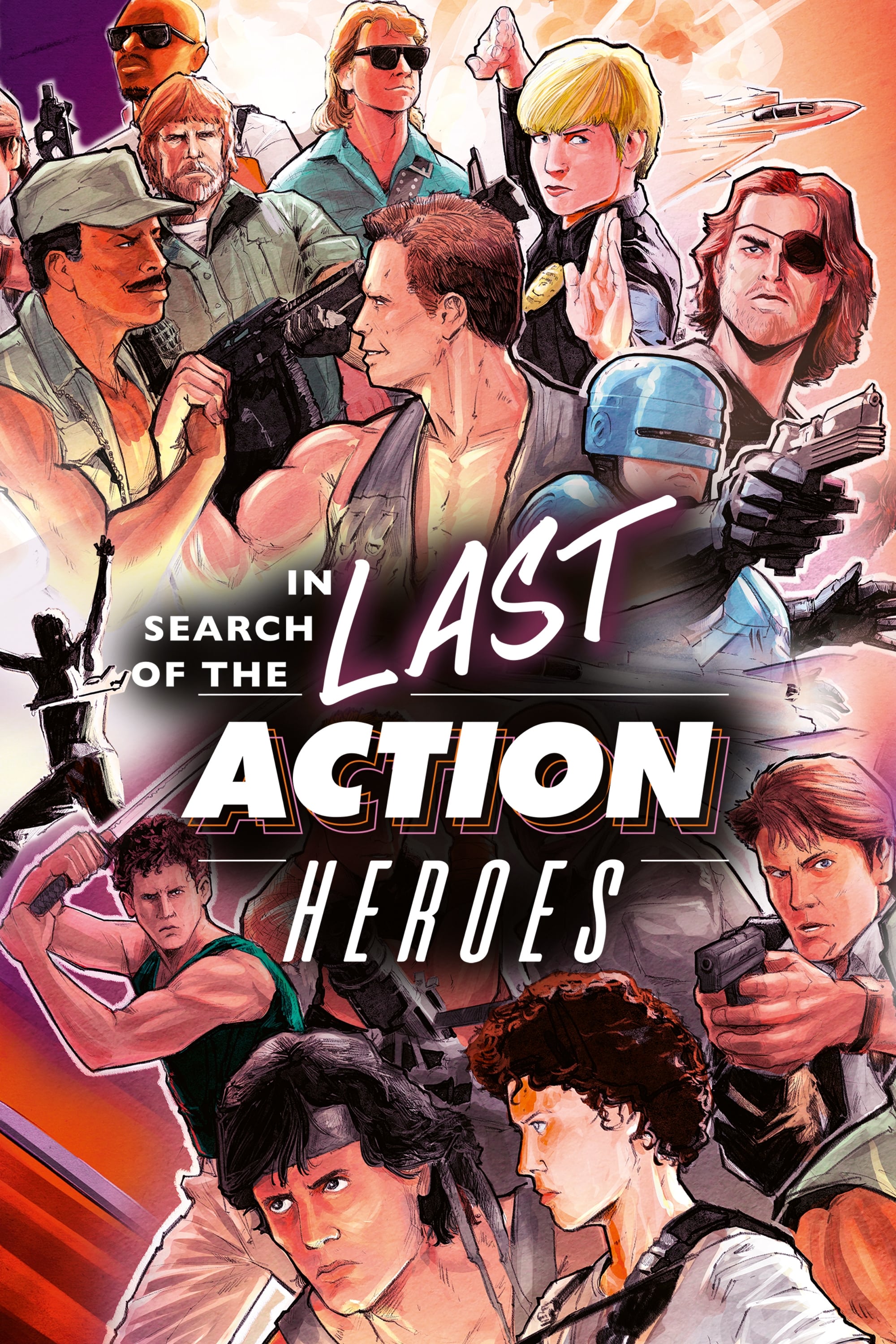
The most comprehensive retrospective of the '80s action film genre ever made.
Documentary filmmaker Amy Berg investigates the life of 30-year pedophile Father Oliver O'Grady and exposes the corruption inside the Catholic Church that allowed him to abuse countless children. Victims' stories and a disturbing interview with O'Grady offer a view into the troubled mind of the spiritual leader who moved from parish to parish gaining trust ... all the while betraying so many.
When Allied forces liberated the Nazi concentration camps in 1944-45, their terrible discoveries were recorded by army and newsreel cameramen, revealing for the first time the full horror of what had happened. Making use of British, Soviet and American footage, the Ministry of Information’s Sidney Bernstein (later founder of Granada Television) aimed to create a documentary that would provide lasting, undeniable evidence of the Nazis’ unspeakable crimes. He commissioned a wealth of British talent, including editor Stewart McAllister, writer and future cabinet minister Richard Crossman – and, as treatment advisor, his friend Alfred Hitchcock. Yet, despite initial support from the British and US Governments, the film was shelved, and only now, 70 years on, has it been restored and completed by Imperial War Museums under its original title "German Concentration Camps Factual Survey".
The daily lives and routine of 37 families living in a huge 12-story building in Copacabana, Rio de Janeiro: their drama, aspirations, intimate revelations, loneliness, dreams...
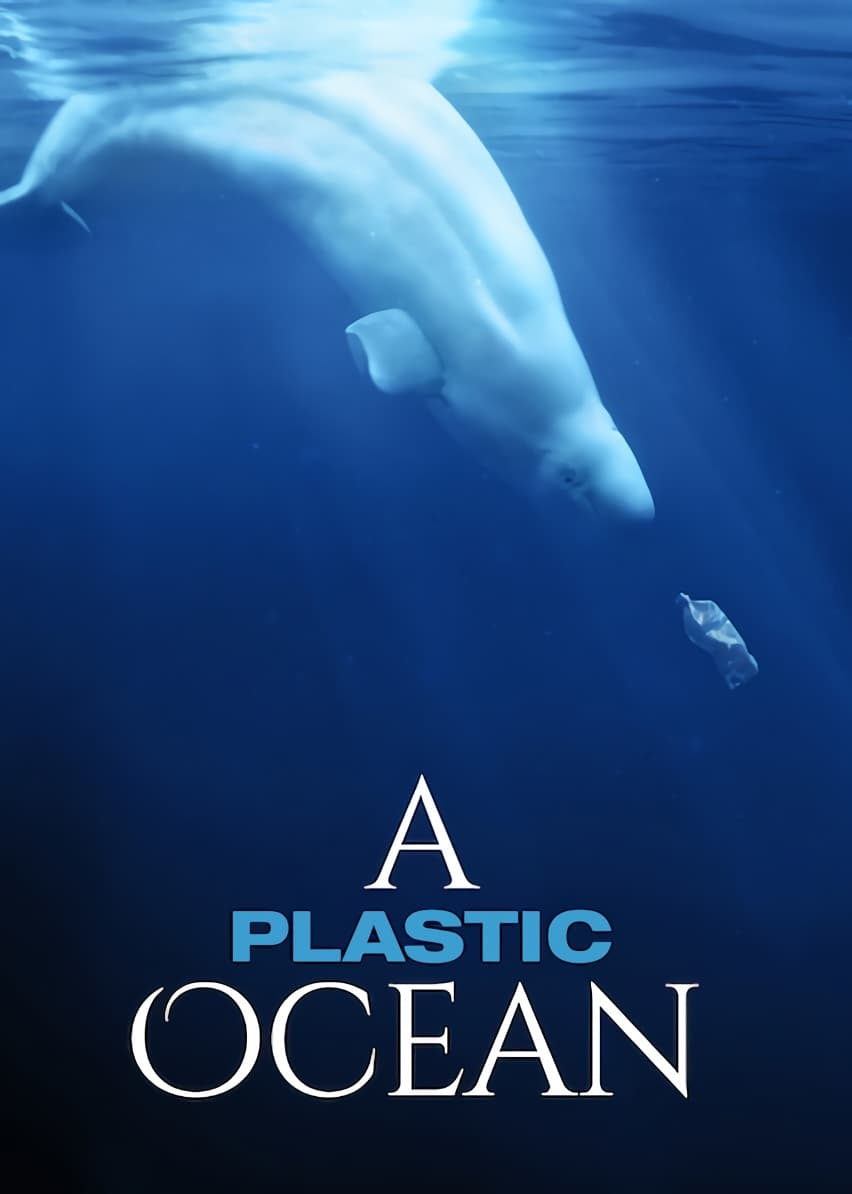
A documentary focused on plastic pollution in the world's oceans.
A documentary about the making of David Fincher's 2008 film THE CURIOUS CASE OF BENJAMIN BUTTON. Virtually every element in the evolution of the Fincher's film is documented here, from the project's attachment to numerous other directors during the 1990s, to its shoot in 2006 and 2007 in New Orleans, to its complex, CGI-intensive postproduction process.
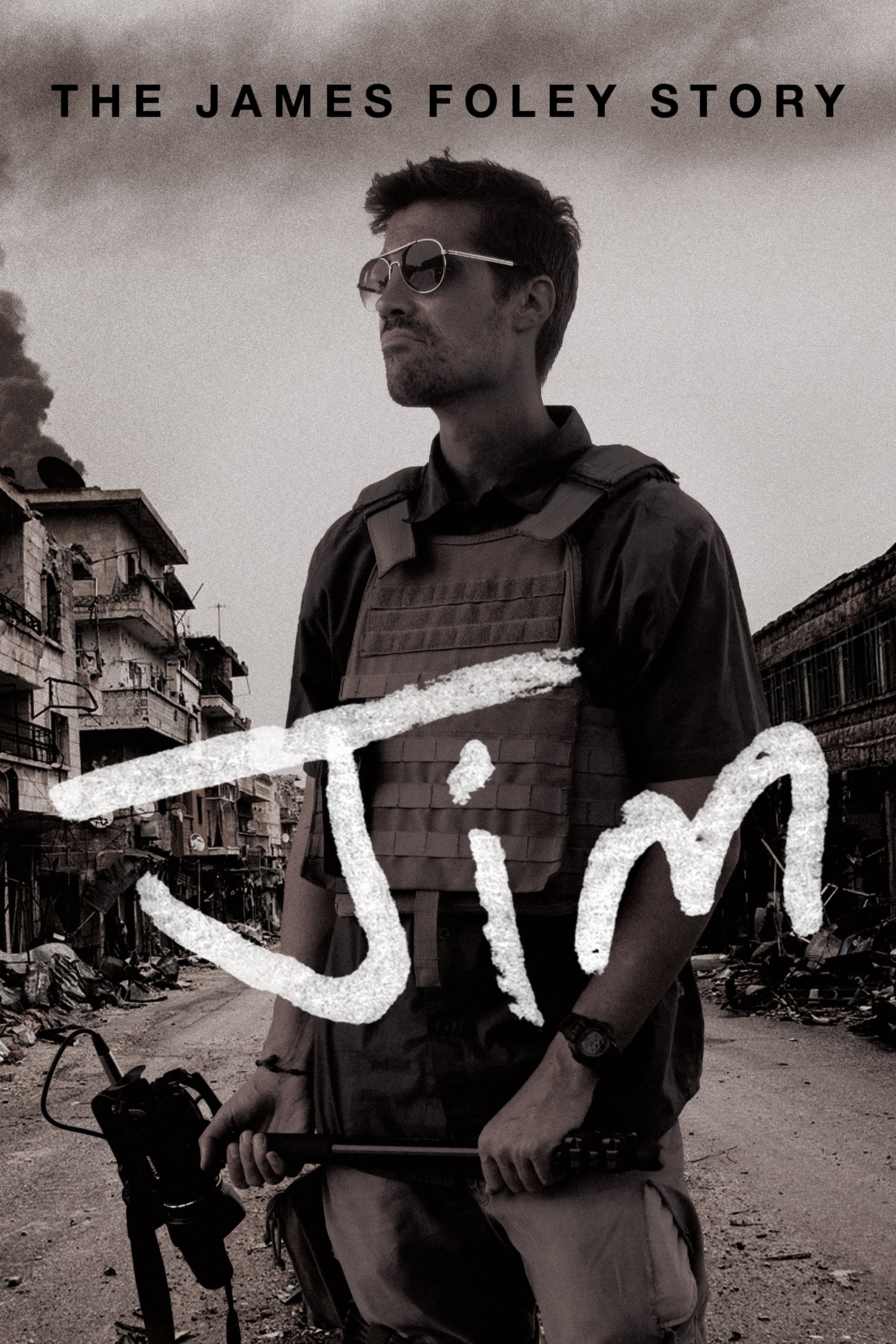
In August, 2014, a video of the public execution of American photojournalist James Foley rippled across the globe. Foley wore an orange jumpsuit as he knelt beside an ISIS militant dressed in black. That image challenged the world to deal with a new face of terror. And it tested one American family. Seen through the lens of filmmaker Brian Oakes, Foley’s close childhood friend, Jim takes us from small-town New England to the adrenaline-fueled front lines of Libya and Syria, where Foley pushed the limits of danger to report on the plight of civilians impacted by war.
A compilation of over 30 years of private home movie footage shot by Lithuanian-American avant-garde director Jonas Mekas, assembled by Mekas "purely by chance", without concern for chronological order.
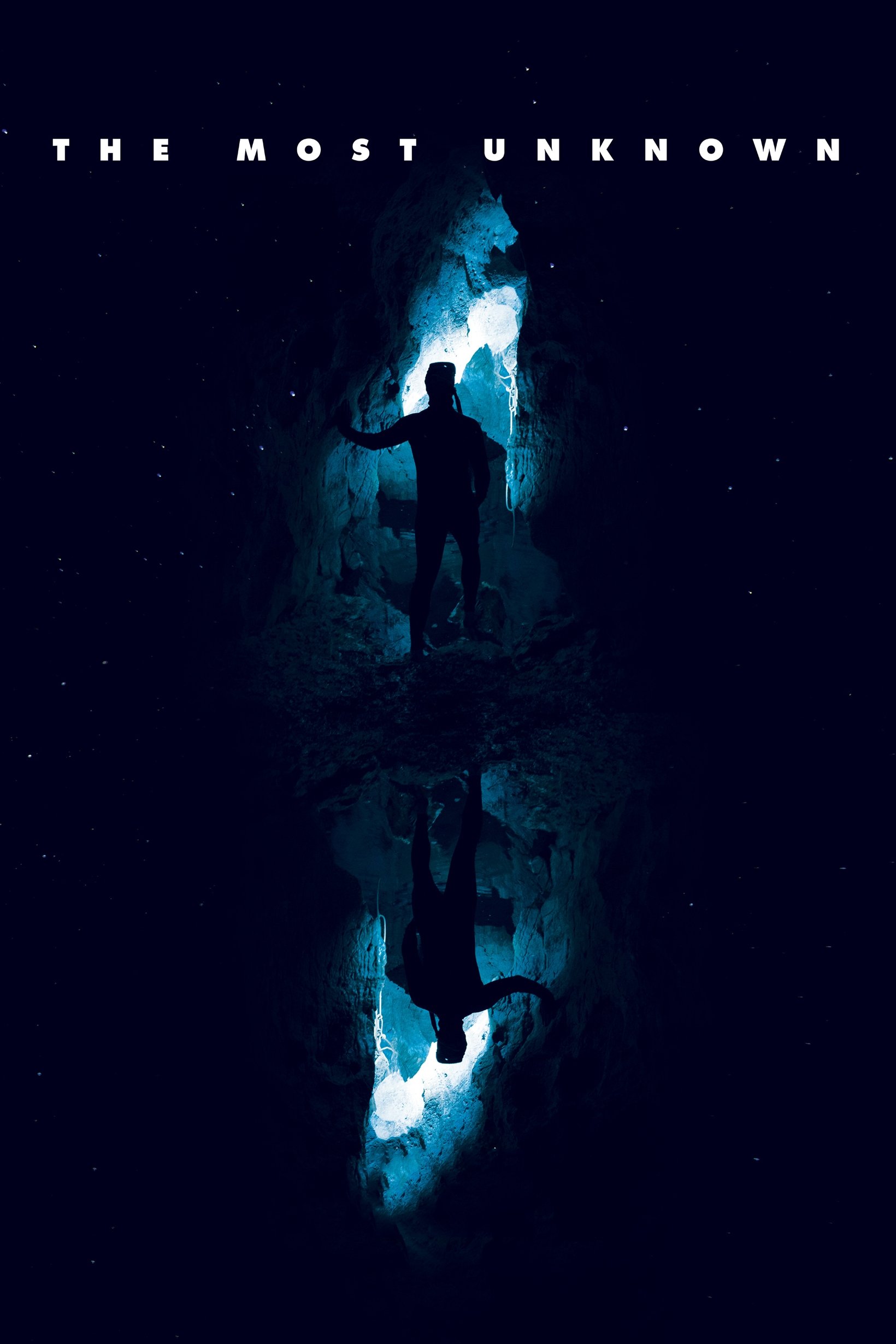
An epic documentary film that sends nine scientists to extraordinary parts of the world to uncover unexpected answers to some of humanity’s biggest questions. How did life begin? What is time? What is consciousness? How much do we really know? By introducing researchers from diverse backgrounds for the first time, then dropping them into new, immersive field work they previously hadn’t tackled, the film pushes the boundaries of how science storytelling is approached. What emerges is a deeply human trip to the foundations of discovery and a powerful reminder that the unanswered questions are the most crucial ones to pose. Directed by Emmy-nominated and Peabody Award-winning filmmaker Ian Cheney and advised by world-renowned filmmaker Werner Herzog, The Most Unknown is an ambitious look at a side of science never before shown on screen.
Lyrical and powerfully personal essay film that reflects on the deaths of her husband Lou Reed, her mother, her beloved dog, and such diverse subjects as family memories, surveillance, and Buddhist teachings.
A visual montage portrait of our contemporary world dominated by globalized technology and violence.
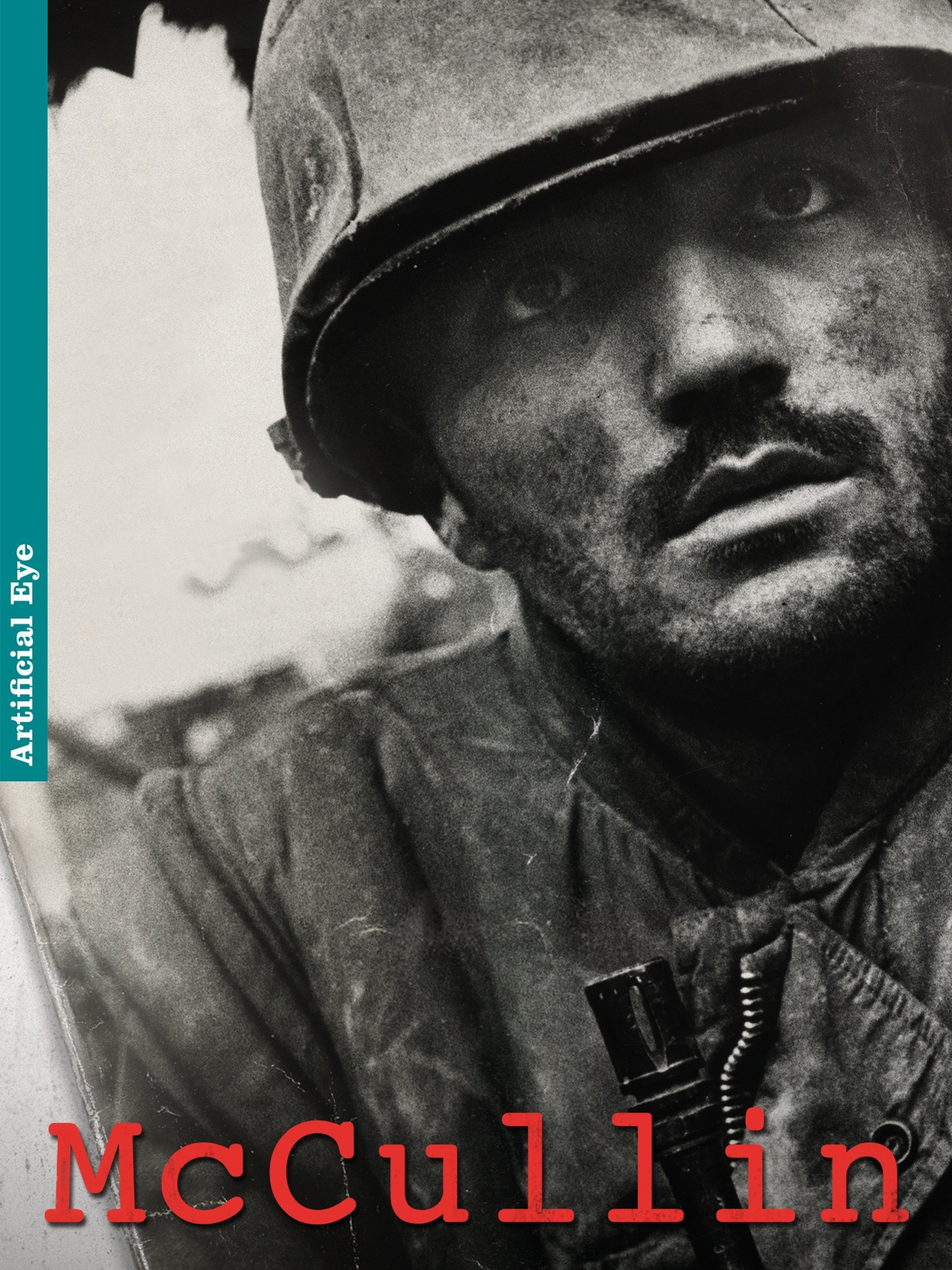
Biographical documentary of the war photographer Don McCullin, with sections on his upbringing, early work for the Observer and extensive war reporting for the Sunday Times until the purchase of the newspaper by Rupert Murdoch in the 1980s.
Filmed and edited in intimate vérité style, this movie follows visionary medical practitioners who are working on the cutting edge of life and death and are dedicated to changing our thinking about both.
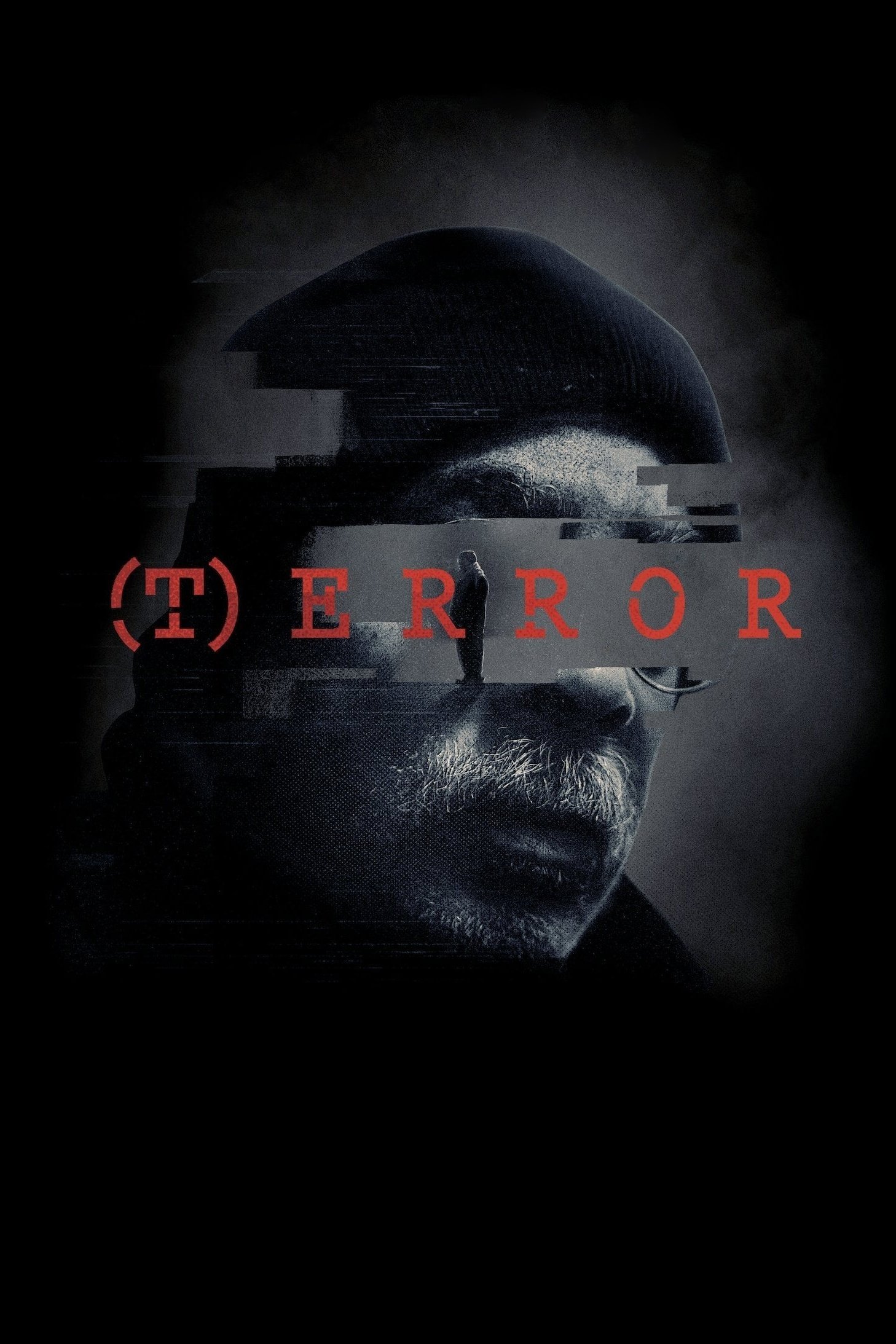
This real-life look at FBI counterterrorism operations features access to both sides of a sting: the government informant and the radicalized target.
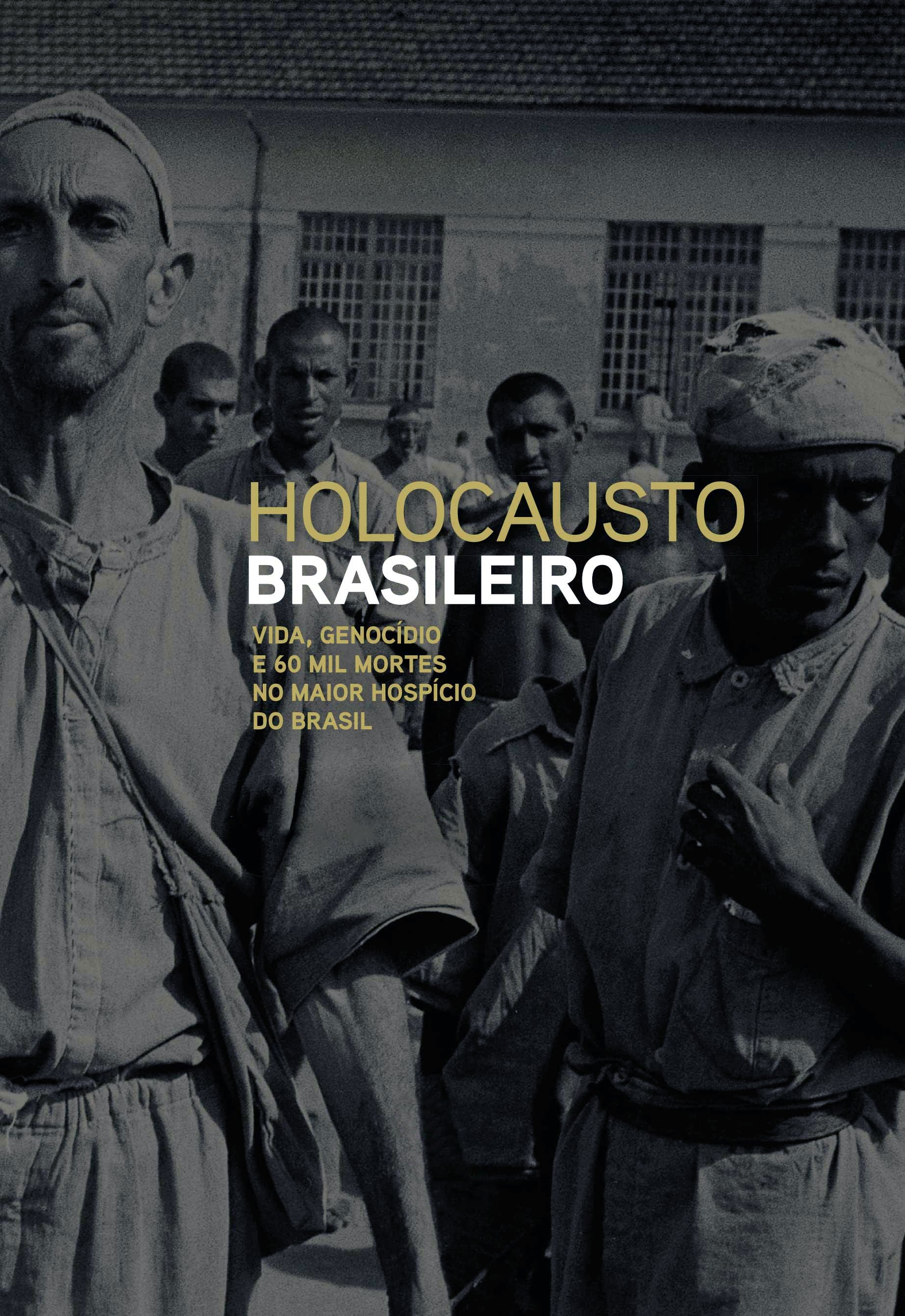
Award-winning journalist Daniela Arbex examines the horrors of the Colônia psychiatric hospital, where more than 60,000 people were killed over decades.