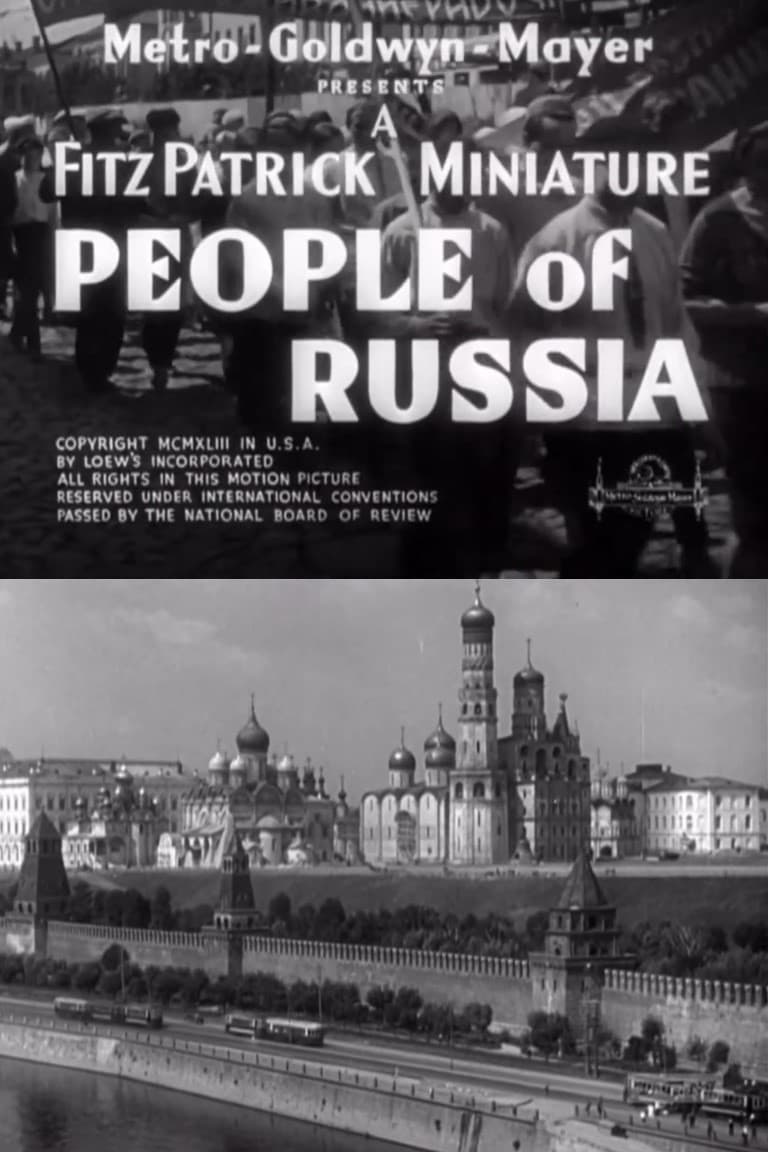
This FitzPatrick Miniature visits the Union of Soviet Socialist Republics (USSR), the largest geographically unbroken political unit in the world, covering one-sixth of the world's land mass.

Social & External
Narrator (voice)

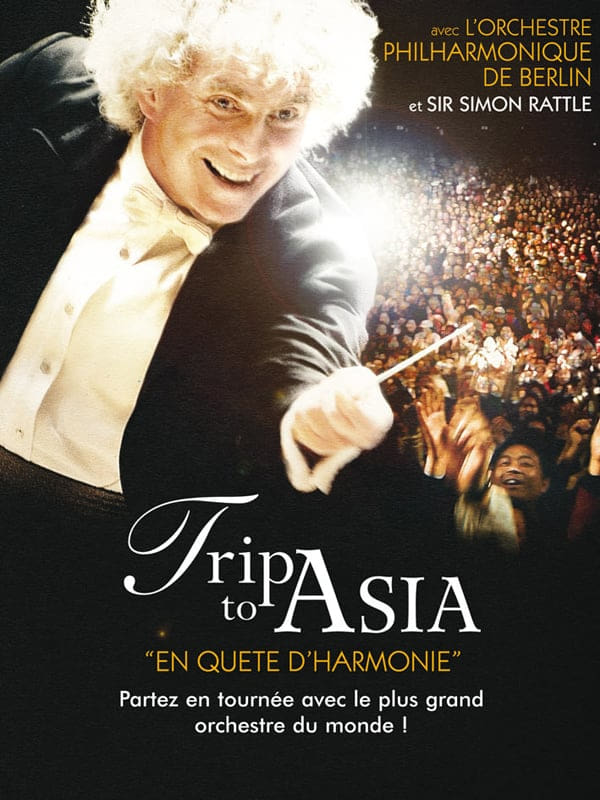
Journey with the musicians of the Berlin Philharmonic and their conductor Sir Simon Rattle on a breakneck concert tour of six metropolises across Asia: Beijing, Seoul, Shanghai, Hong Kong, Taipei and Tokyo. Their artistic triumph onstage belies a dynamic and dramatic life backstage. The orchestra is a closed society that observes its own laws and traditions, and in the words of one of its musicians is, “an island, a democratic microcosm – almost without precedent in the music world - whose social structure and cohesion is not only founded on a common love for music but also informed by competition, compulsion and the pressure to perform to a high pitch of excellence... .” Never before has the Berlin Philharmonic allowed such intimate and exclusive access into its private world.
This short documentary is part of the Canada Carries On series of morale-boosting wartime propaganda films. In Home Front, the various WWII-era social contributions of women are highlighted. From medicine to industrial labour to hospitality, education and domesticity, the service these women provided to their country is lauded.
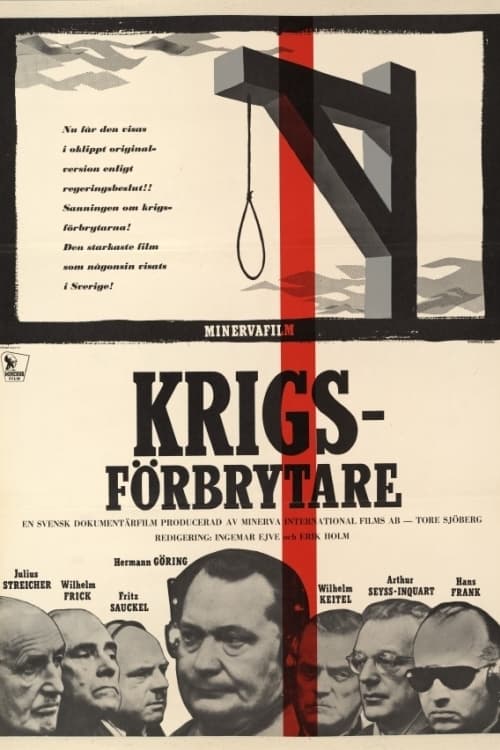
Documents the major trial of the Nazi war criminals and the violent acts that they were accused of.
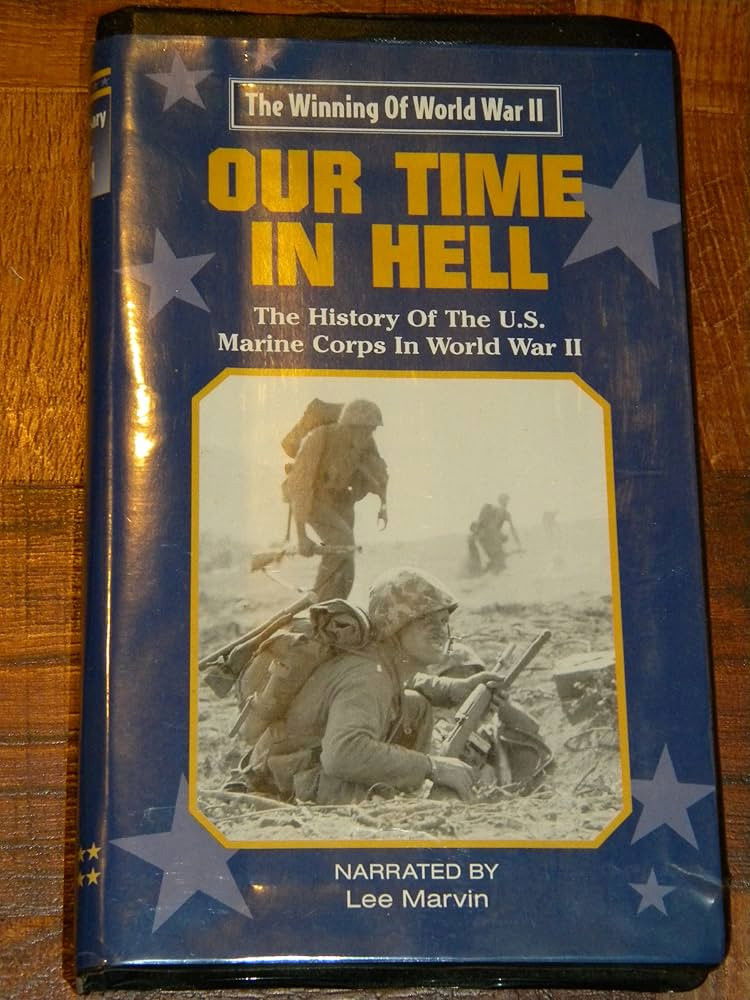
An hour long documentary on the war in the Pacific. Using Marine Corps color footage, the only footage of its kind, it traces the major battles, including Saipan, hew Jima and more narrated by Marine Corps veteran Lee Marvin.
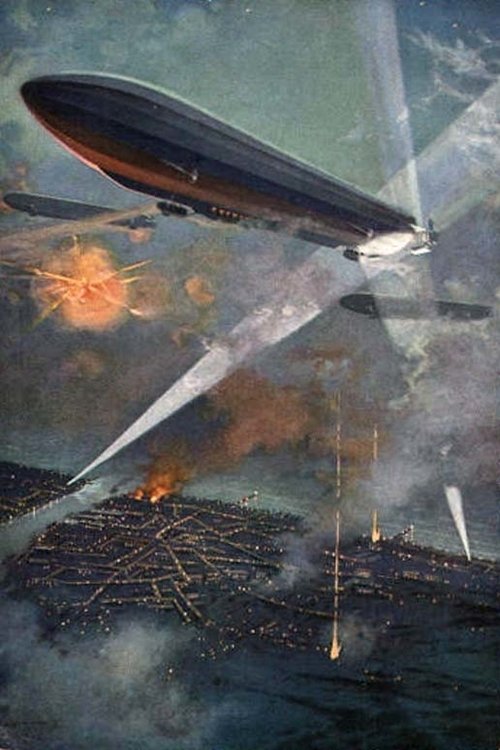
Engineer Dr Hugh Hunt revisits the little-known story of the First World War's Blitz, when the Zeppelin waged an 18-month terror campaign on the people of London.
An account of the life and work of Russian filmmaker Andrey Tarkovsky (1932-86) in his own words: his memories, his vision of art and his reflections on the fate of the artist and the meaning of human existence; through extremely rare audio recordings that allow a complete understanding of his inner life and the mysterious world existing behind his complex cinematic imagery.
While investigating the furtive world of illegal doping in sports, director Bryan Fogel connects with renegade Russian scientist Dr. Grigory Rodchenkov—a pillar of his country’s “anti-doping” program. Over dozens of Skype calls, urine samples, and badly administered hormone injections, Fogel and Rodchenkov grow closer despite shocking allegations that place Rodchenkov at the center of Russia’s state-sponsored Olympic doping program.
Caroline Sturdy Colls, a world leader in the forensic investigation of Nazi crime scenes, is chasing clues to an unsolved case: a concentration camp that existed on the British island of Alderney. Witnesses and survivors claimed that thousands died there, but only 389 bodies have ever been found. Under heavy restrictions imposed by the local government, which may not want its buried secrets revealed, Colls must uncover the truth using revolutionary techniques and technologies.
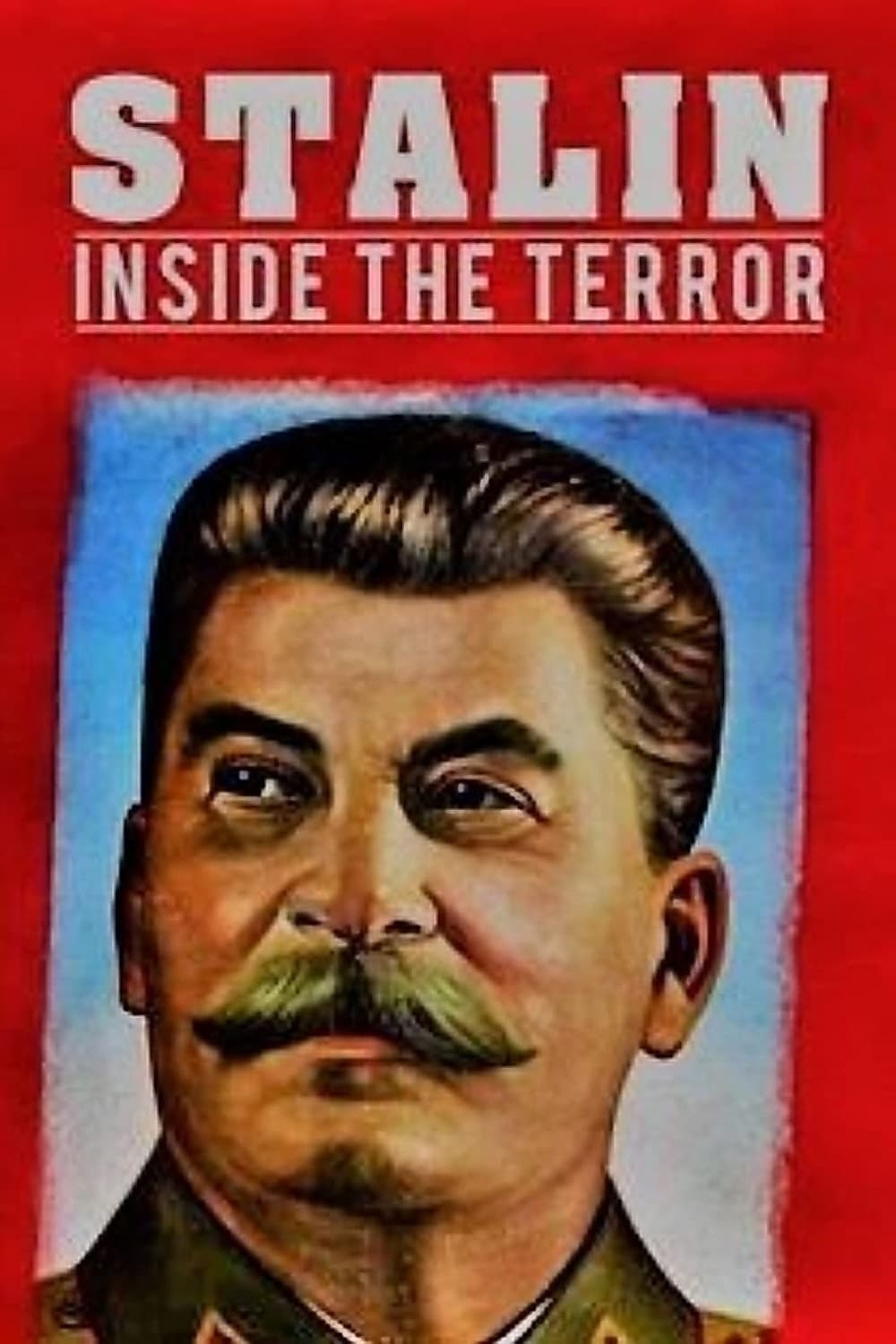
This program is an overview of the life and career of Joseph Stalin. It concentrates on describing and attempting to explain the origins of the policy of “terror” instigated by Stalin as leader of the USSR. There are interviews with surviving family members and experts all of whom attempt some sort of personality “analysis” of the dictator to explain his behaviour and policies. Another question that is examined is, given his record of “terror”, why was he so popular? Why did so many Russians mourn his death in 1953? This could be an overview and introduction to a study of both Stalin and USSR in the post revolution period.
Looking for paradise lost, the "Last Temptation in Thailand" is a mesmerizing odyssey through ancient temples, idyllic islands & enticing dark-eyed ladies of eve in a very sexy, off the beaten track road movie.
Chronicles artist RM's eight-month production of his second solo album, “Right Place, Wrong Person,” while candidly recording the endless concerns of the person Kim Namjoon, and the things he immerses himself in and loves.
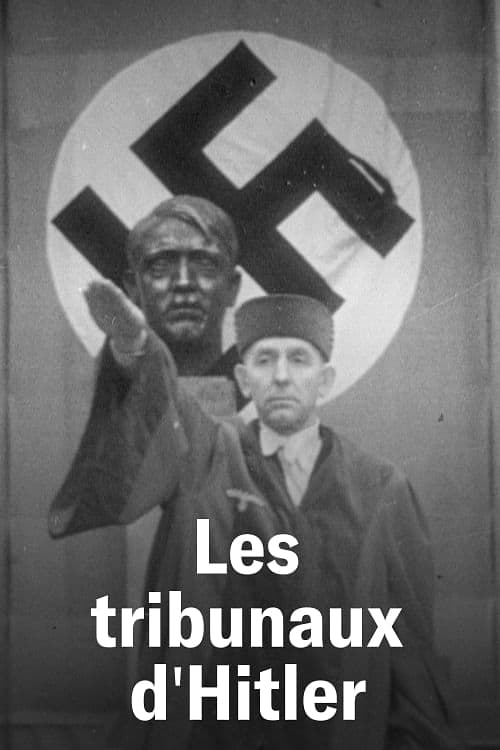
The destruction of the traditional legal system is probably one of the lesser-known yet essential goals of the Nazi state. The aim was to establish the supremacy of the "people's community" over the individual by subjugating the judicial system. The documentary looks at the careers of four people who were actively involved or became victims.
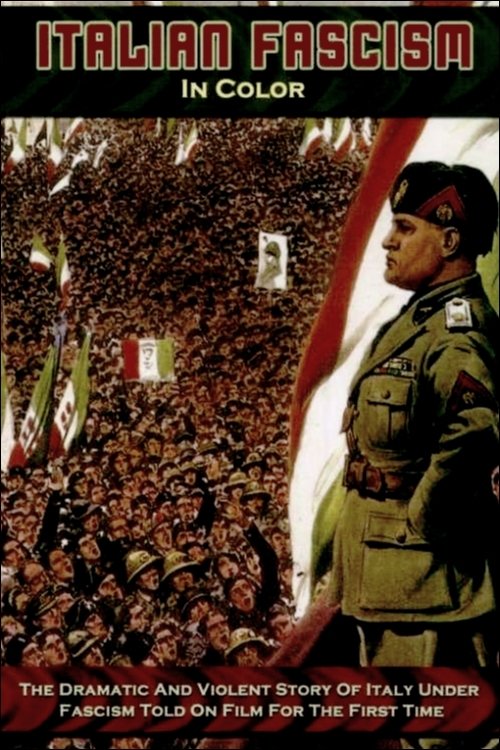
After the World War I, Mussolini's perspective on life is severely altered; once a willful socialist reformer, now obsessed with the idea of power, he founds the National Fascist Party in 1921 and assumes political power in 1922, becoming the Duce, dictator of Italy. His success encourages Hitler to take power in Germany in 1933, opening the dark road to World War II. (Originally released as a two-part miniseries. Includes colorized archival footage.)
Hello London is a 1958 documentary film starring Sonja Henie and Michael Wilding.
The Polish city of Łódź was under Nazi occupation for nearly the entirety of WWII. The segregation of the Jewish population into the ghetto, and the subsequent horrors are vividly chronicled via newsreels and photographs. The narration is taken almost entirely from journals and diaries of those who lived–and died–through the course of the occupation, with the number of different narrators diminishing as the film progresses, symbolic of the death of each narrator.
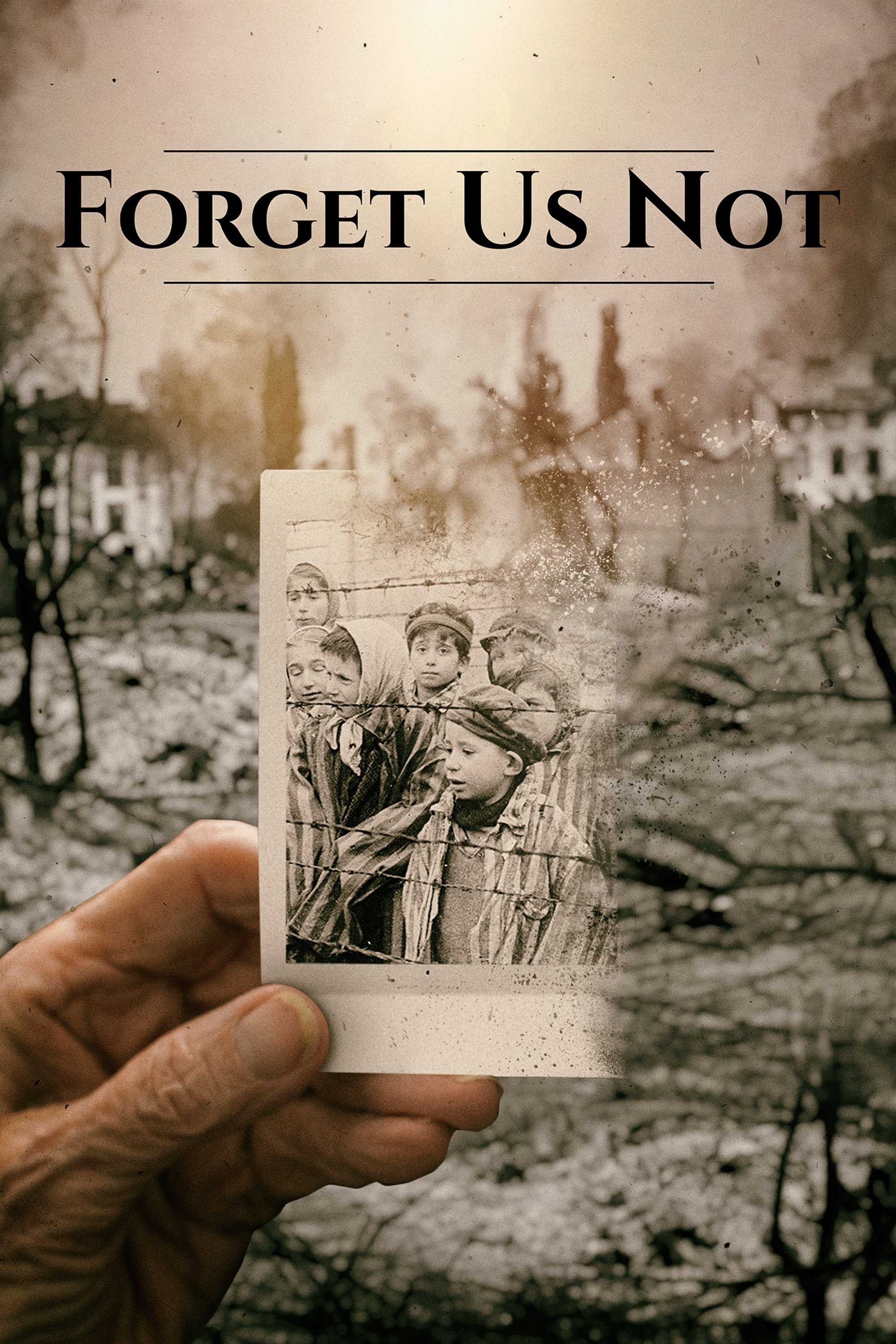
An in depth look at the persecution and subsequent death of the 5 million non Jewish victims of the World War II Holocaust and the lives of those who survived. Through stories of survivors and historical footage, these lesser known voices are brought to life. From the Roma and Sinti people who were also targeted for complete annihilation to the thousands of Catholic Priests who were killed for speaking out, Forget Us Not strives to educate and give tribute to those who were killed for their religion, ethnicity, political views, sexual orientation and physical handicaps.
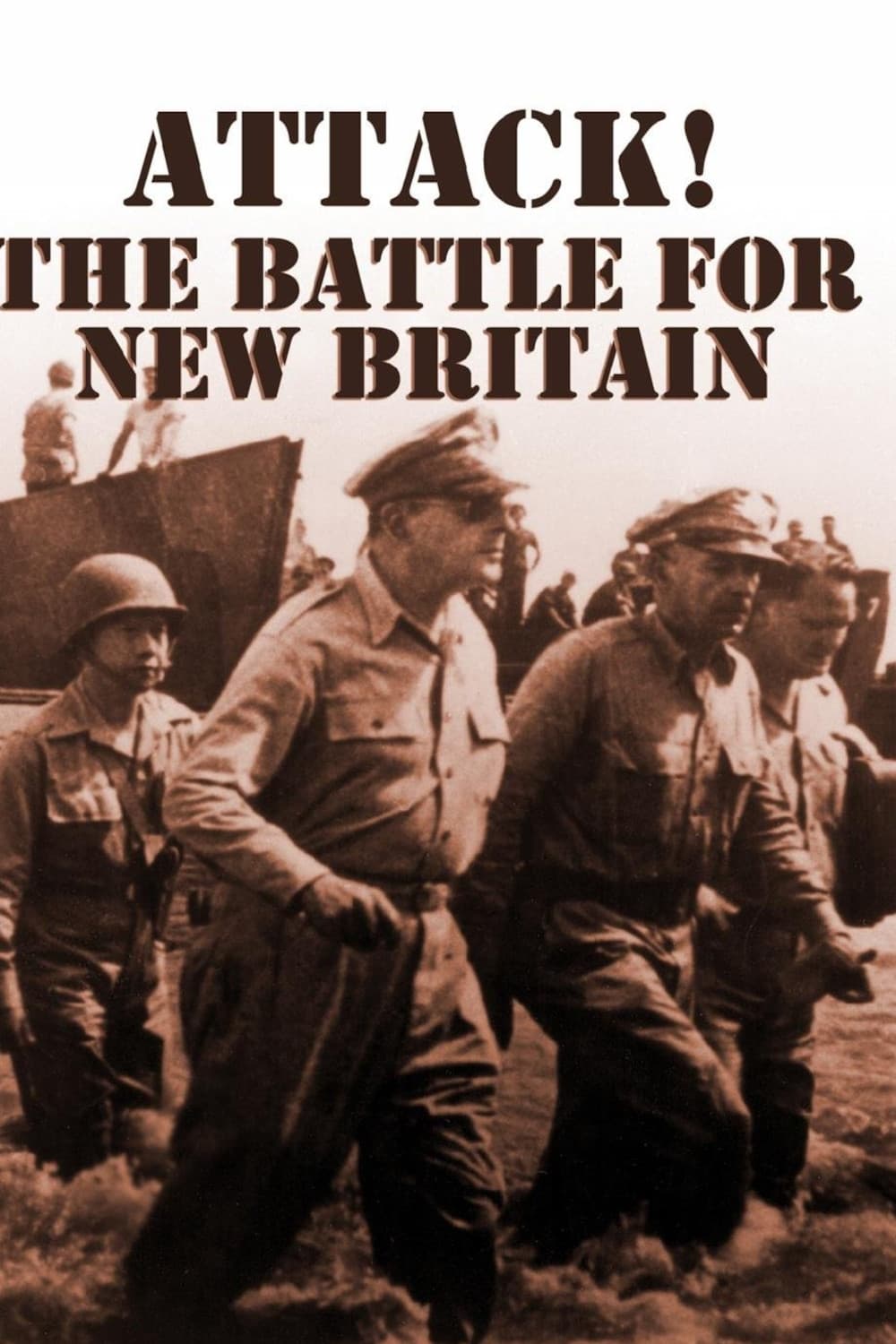
Actual footage by the United States Signal Corps of the landing and attack on Arawe Beach, Cape Glouster, New Britain island in 1943 in the South Pacific theatre of World War Two, and the handicaps of the wild jungle in addition to the Japanese snipers and pill-box emplacements.
This documentary movie is about the battle of San Pietro, a small village in Italy. Over 1,100 US soldiers were killed while trying to take this location, that blocked the way for the Allied forces from the Germans. Preserved by the Academy Film Archive in 2005.
When Allied forces liberated the Nazi concentration camps in 1944-45, their terrible discoveries were recorded by army and newsreel cameramen, revealing for the first time the full horror of what had happened. Making use of British, Soviet and American footage, the Ministry of Information’s Sidney Bernstein (later founder of Granada Television) aimed to create a documentary that would provide lasting, undeniable evidence of the Nazis’ unspeakable crimes. He commissioned a wealth of British talent, including editor Stewart McAllister, writer and future cabinet minister Richard Crossman – and, as treatment advisor, his friend Alfred Hitchcock. Yet, despite initial support from the British and US Governments, the film was shelved, and only now, 70 years on, has it been restored and completed by Imperial War Museums under its original title "German Concentration Camps Factual Survey".
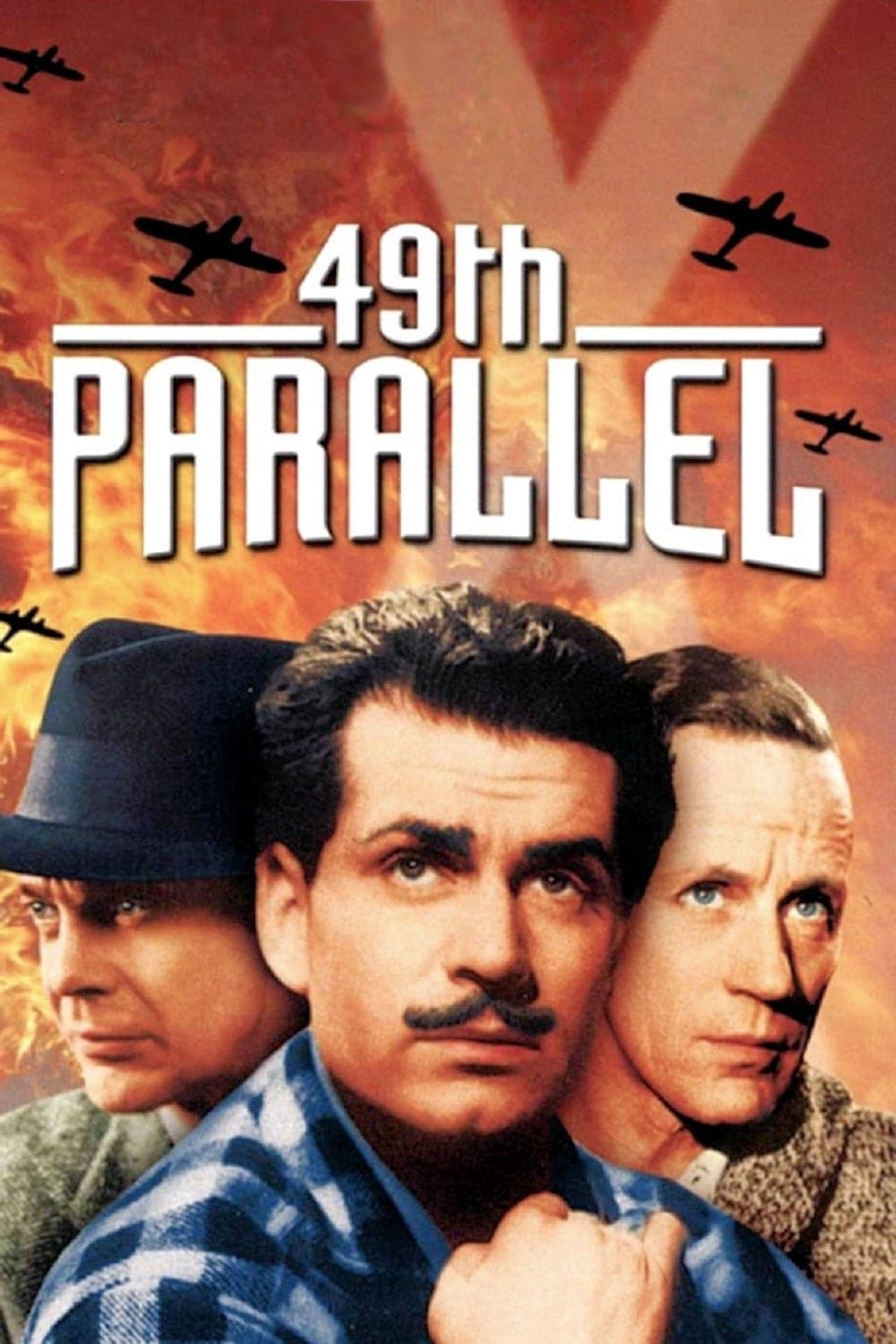
In the early days of World War II, a German U-boat is sunk in Canada's Hudson Bay. Hoping to evade capture, a small band of German soldiers led by commanding officer Lieutenant Hirth attempts to cross the border into the United States, which has not yet entered the war and is officially neutral. Along the way, the German soldiers encounter brave men such as a French-Canadian fur trapper, Johnnie, a leader of a Hutterite farming community, Peter, an author, Philip and a soldier, Andy Brock.
Prelude to War was the first film of Frank Capra's Why We Fight propaganda film series, commissioned by the Pentagon and George C. Marshall. It was made to convince American troops of the necessity of combating the Axis Powers during World War II. This film examines the differences between democratic and fascist states.
Those who knew iconic funnyman John Candy best share his story, in their own words, through never-before-seen archival footage, imagery, and interviews.
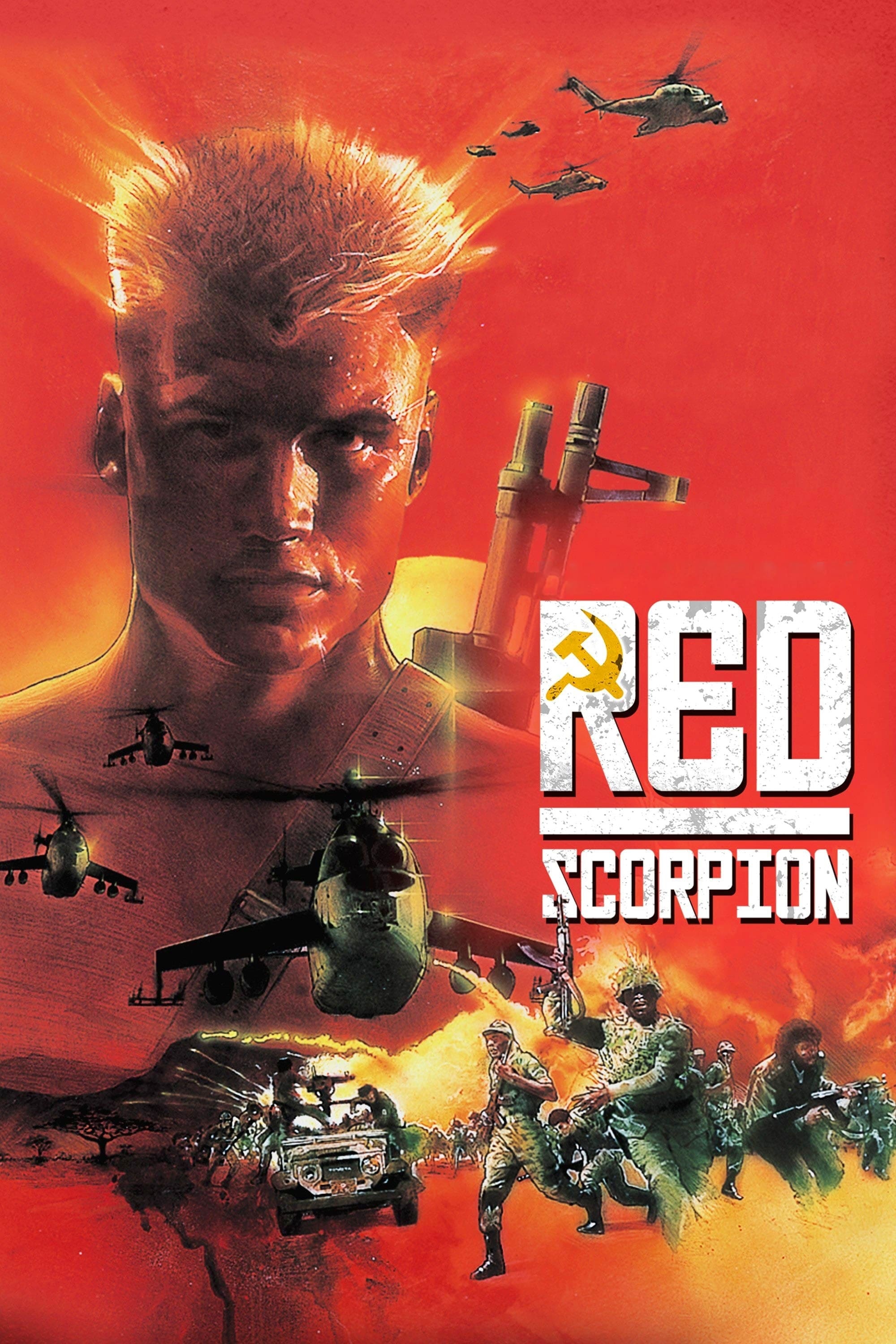
A Soviet commando is sent to eliminate a rebel leader in Africa. Soon he finds himself doubting his mission.
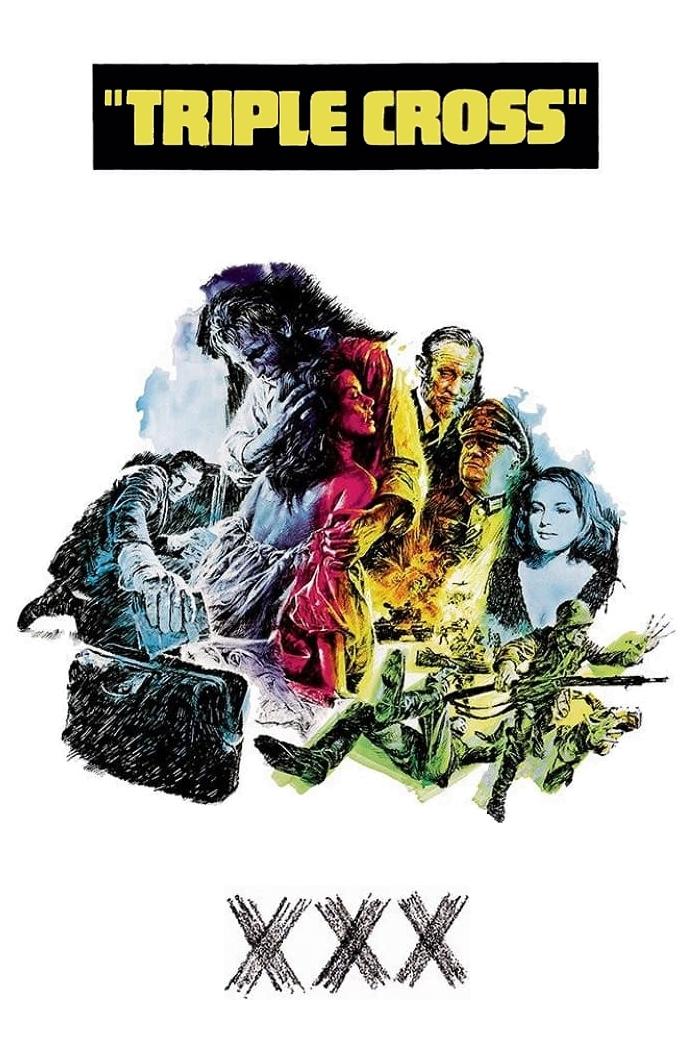
During the Cold War, an American scientist appears to defect to East Germany as part of a cloak and dagger mission to find the formula for a resin solution—but the plan goes awry when his fiancee, unaware of his motivation, follows him across the border.
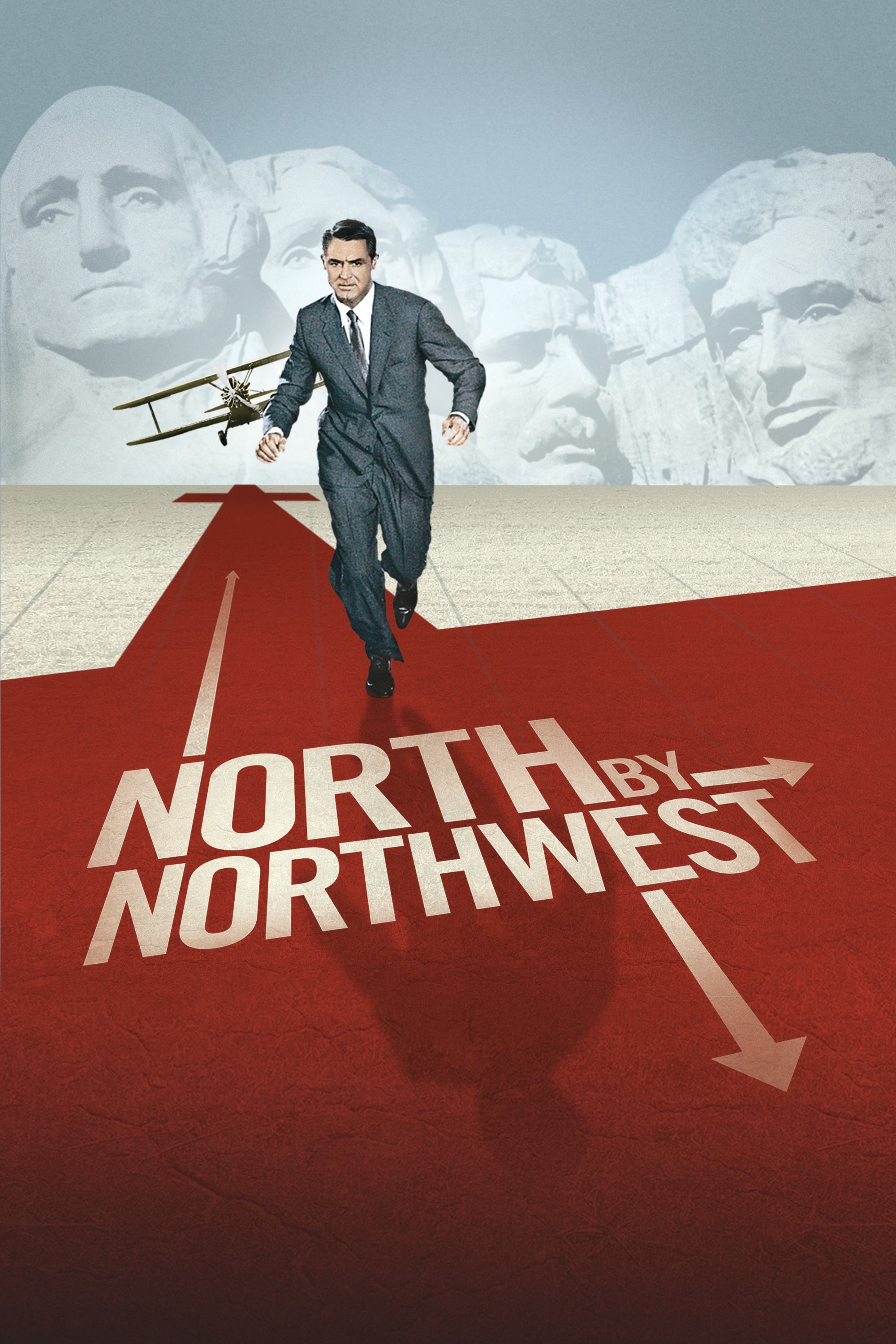
Advertising man Roger Thornhill is mistaken for a spy, triggering a deadly cross-country chase.
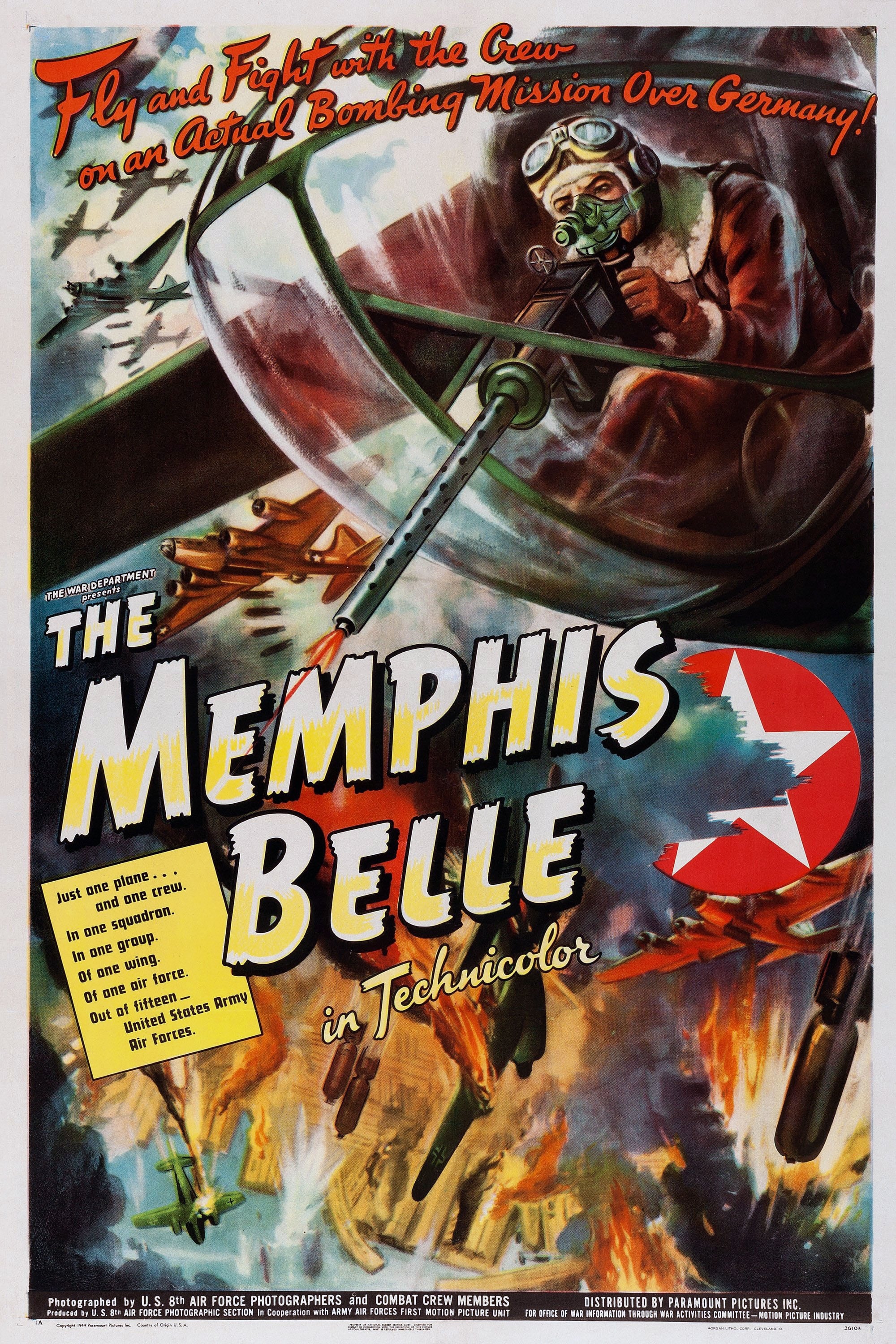
This WW2 documentary centers on the crew of the American B-17 Flying Fortress Memphis Belle as it prepares to execute a strategic bombing raid on Nazi submarine pens in Wilhelmshaven, Germany.
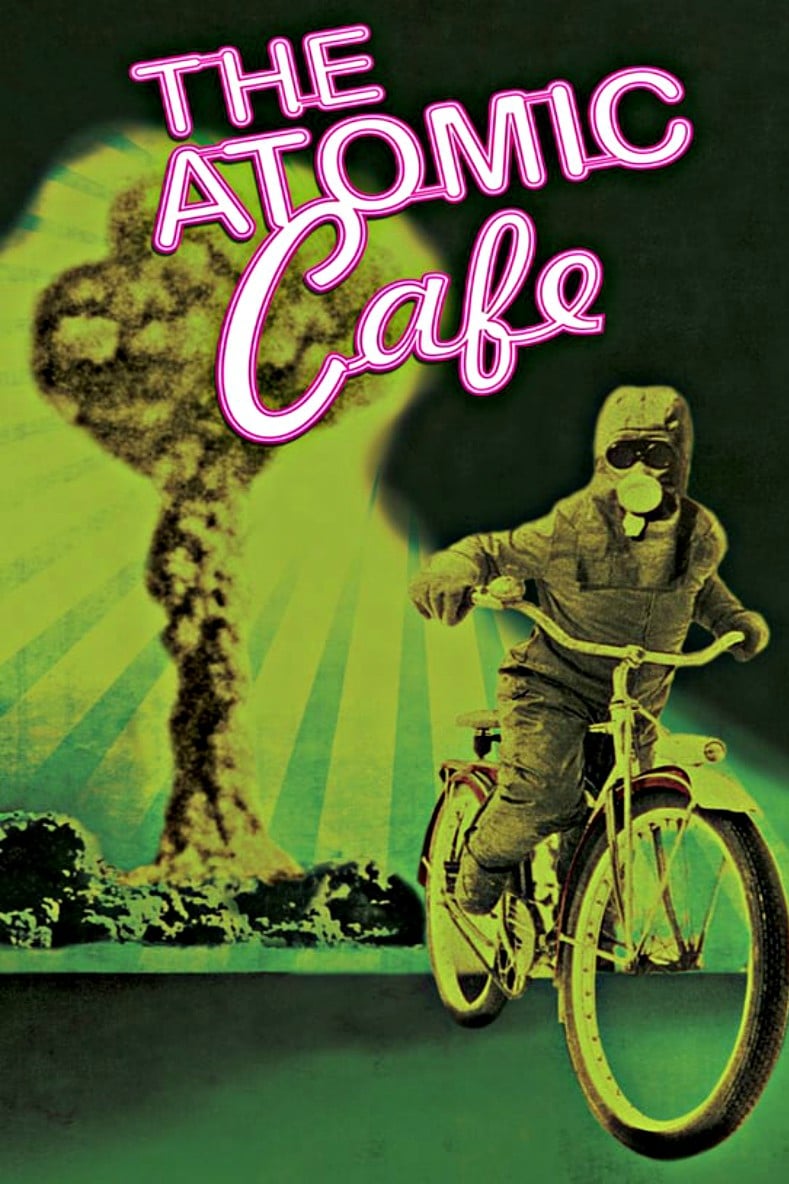
A disturbing collection of 1940s and 1950s United States government-issued propaganda films designed to reassure Americans that the atomic bomb was not a threat to their safety.
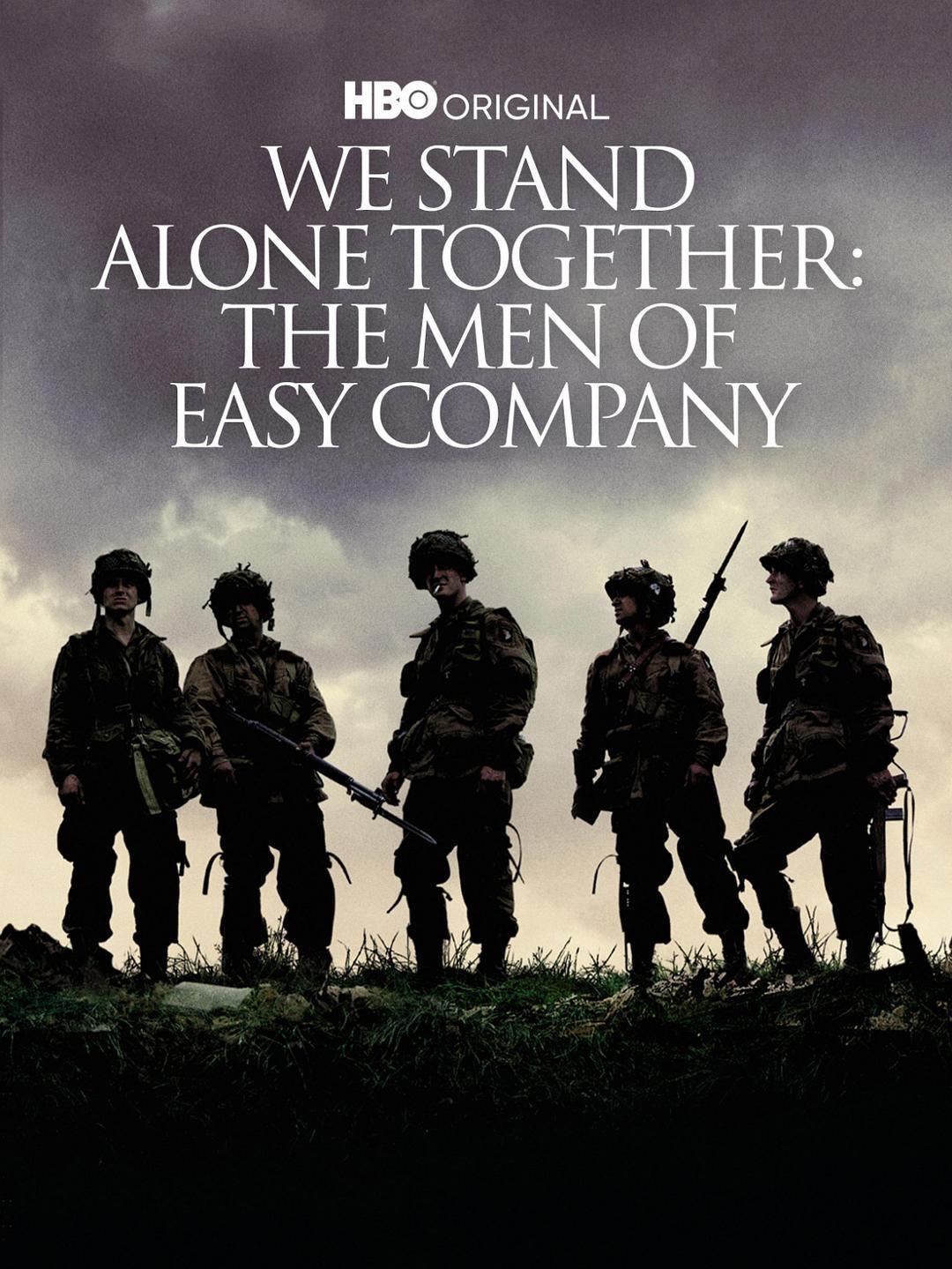
Over a period of two years, Mark Cowen and his crew travelled to thirty U.S. states and ten European cities, to interview the veterans of Easy Company. The stories told by the veterans themselves, create a history of the Second World War from the point of view of this heroic company of men, made famous in the mini-series Band of Brothers.
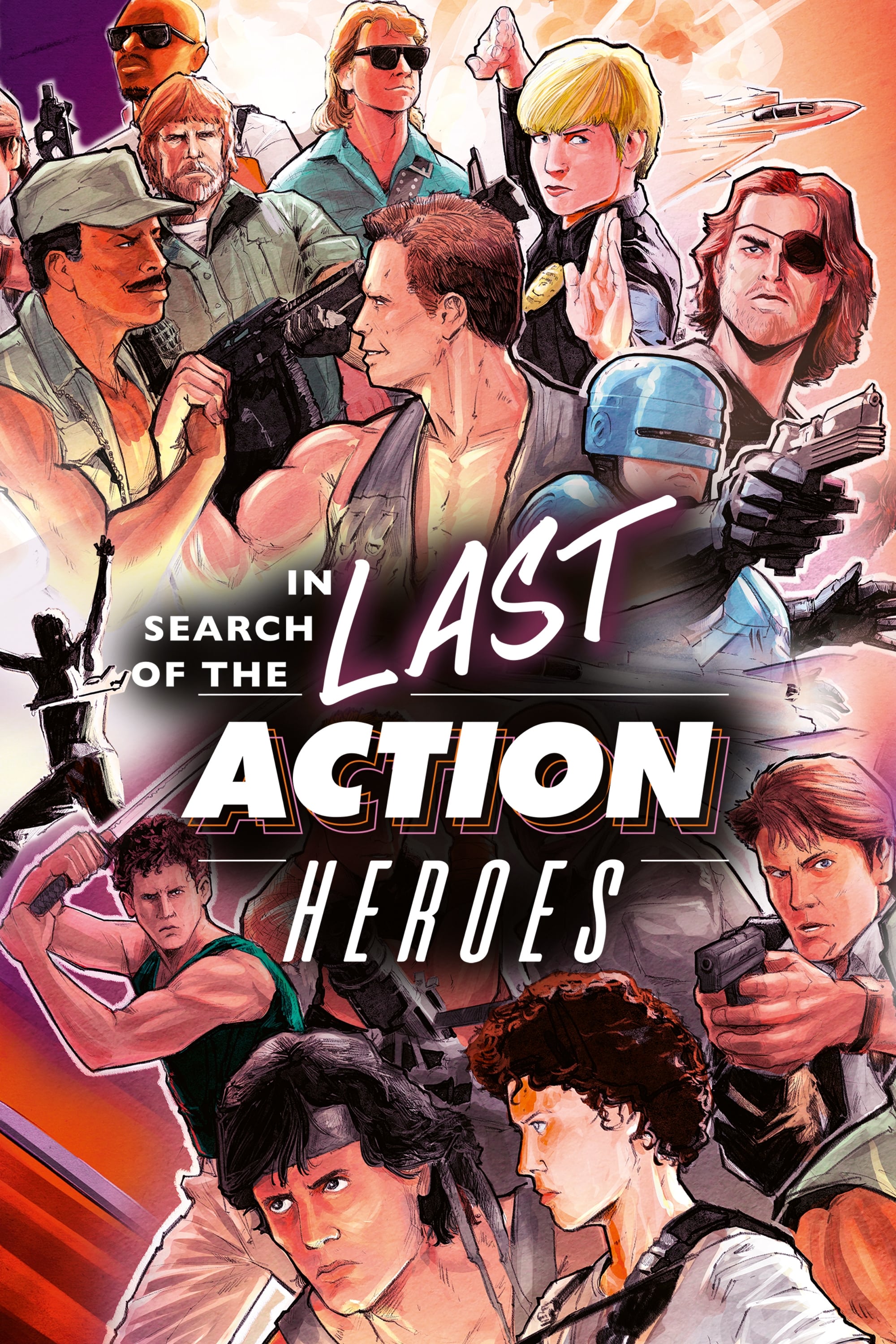
The most comprehensive retrospective of the '80s action film genre ever made.
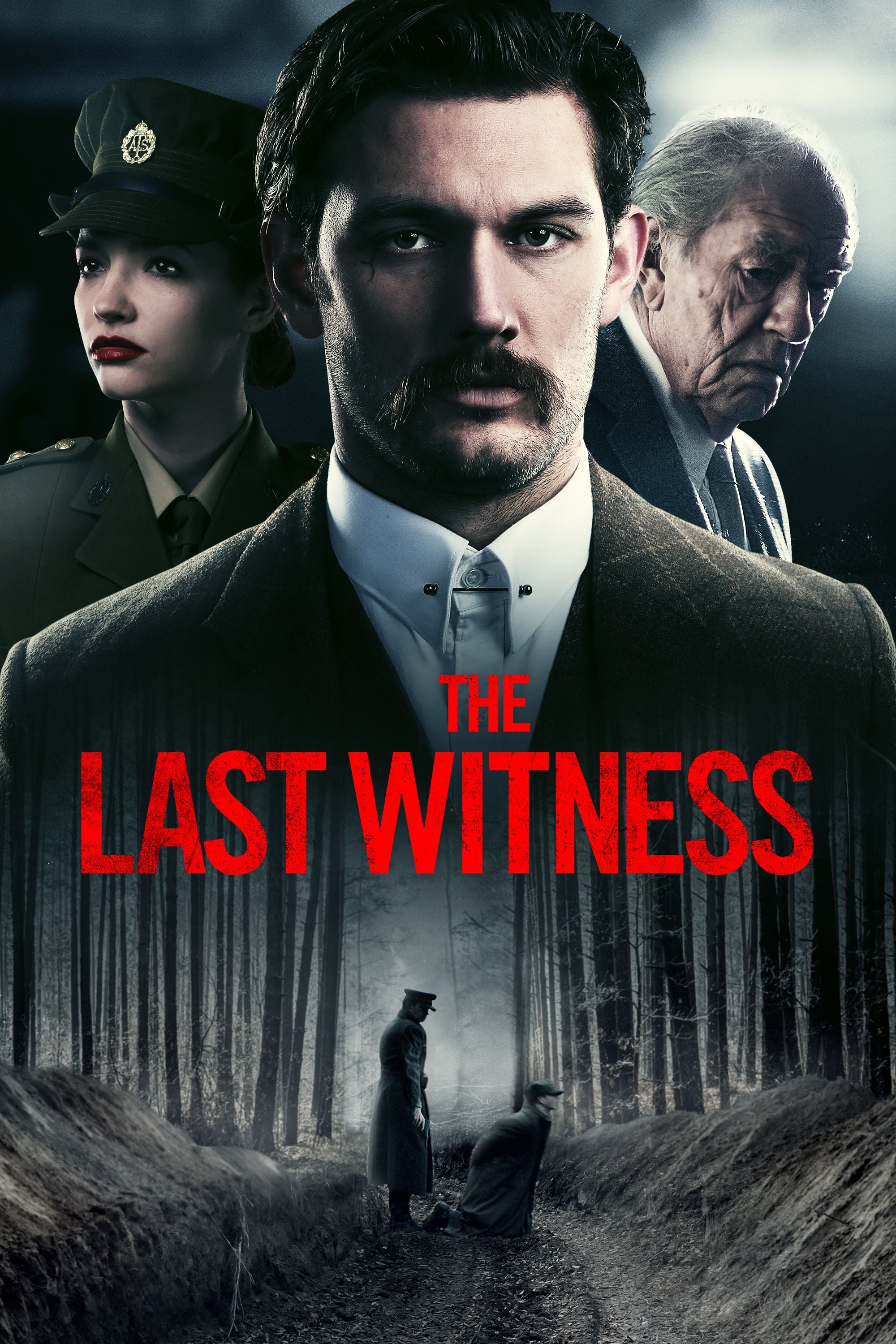
Safecracker Eddie Chapman is languishing in prison on the island of Jersey when the Nazis arrive. An adept manipulator of situations, Chapman convinces the Germans to use him to spy on the British. And when the would-be traitor arrives home, he convinces the English to use him as a double agent -- in exchange for a full pardon.
An ambitious young journalist uncovers the horrific slaughter of 22,000 Polish officers during World War II, a secret kept hidden for far too many years.
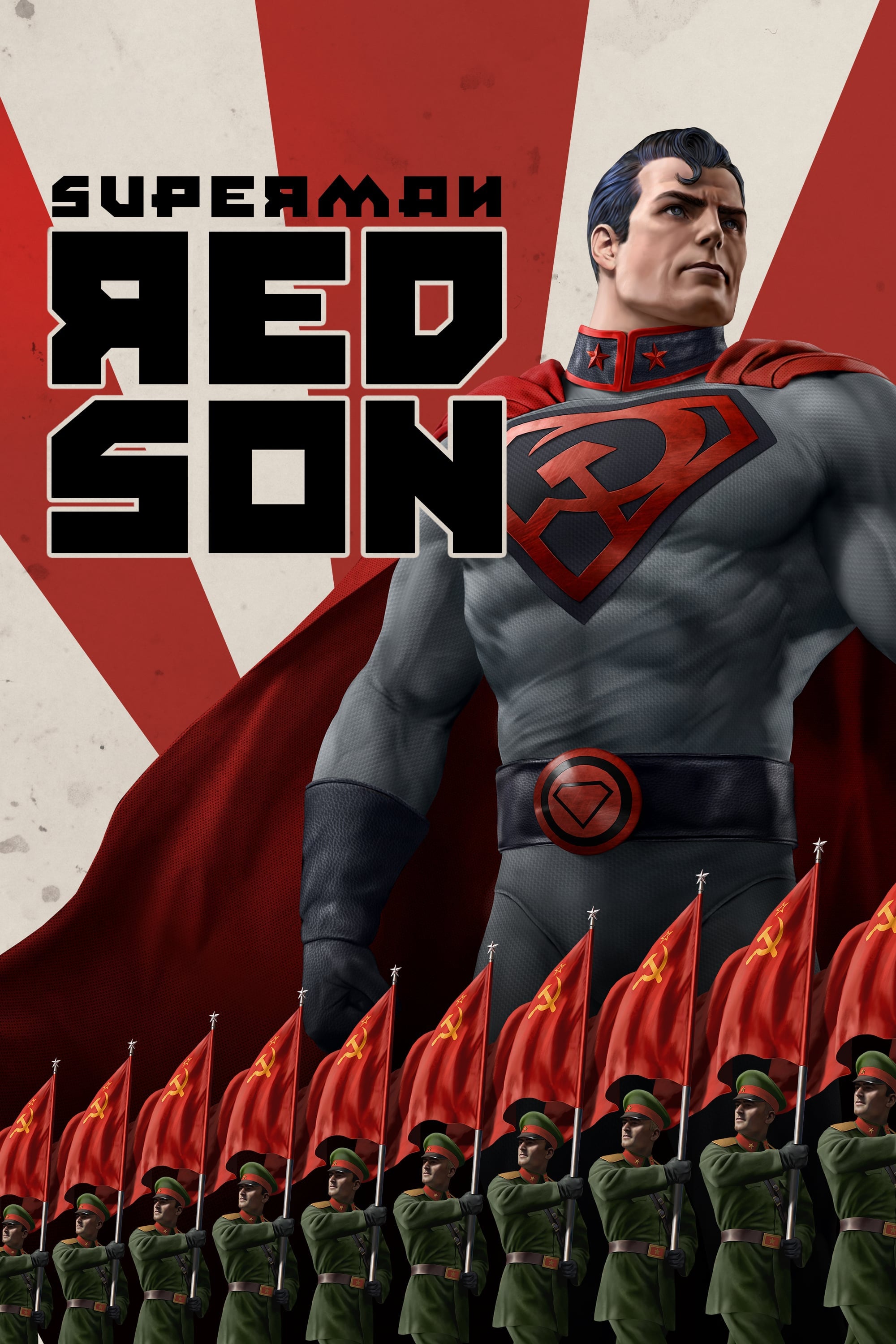
Set in the thick of the Cold War, Red Son introduces us to a Superman who landed in the USSR during the 1950s and grows up to become a Soviet symbol that fights for the preservation of Stalin’s brand of communism.
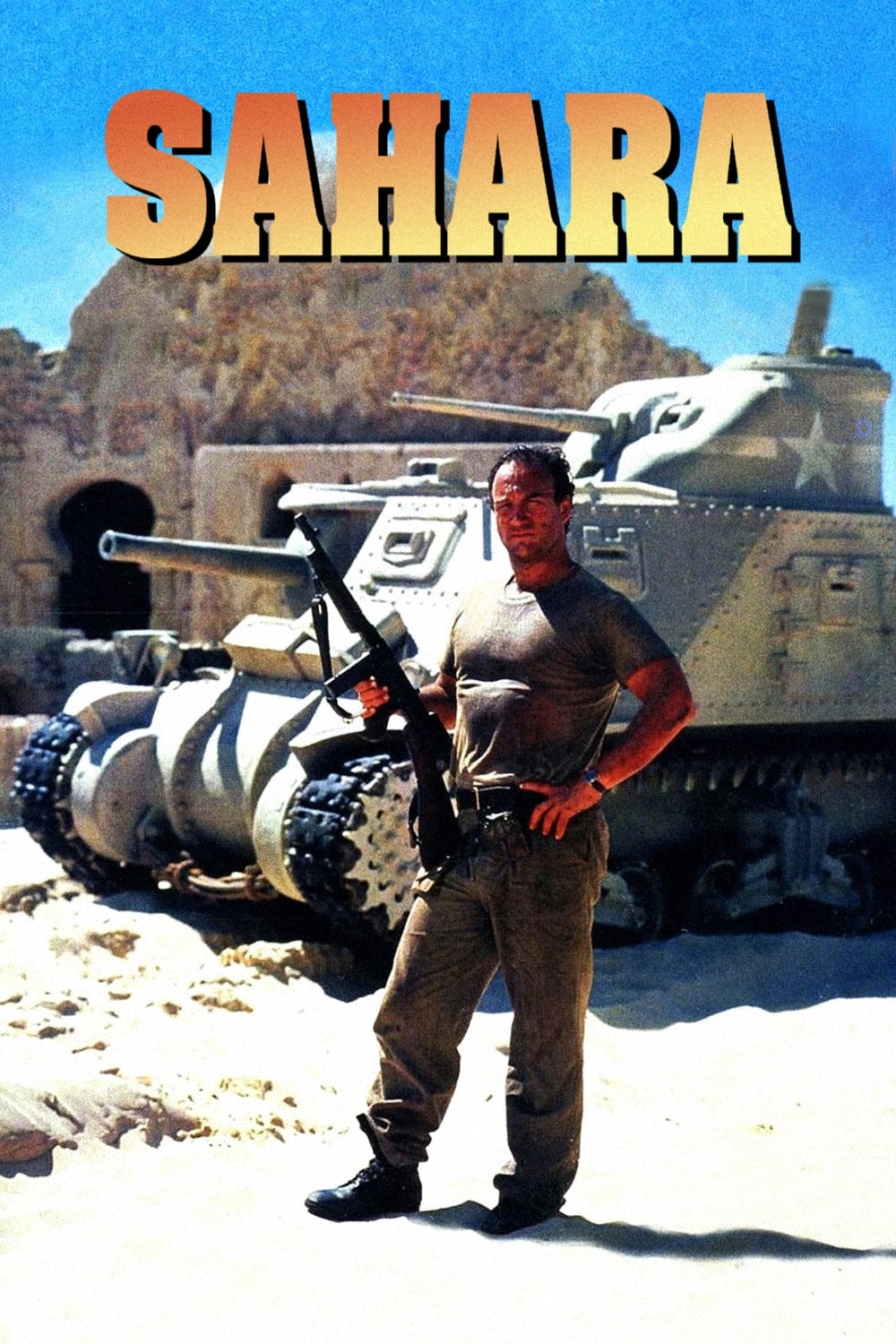
After the fall of Tobruk in June 1942, U.S. Army sergeant Joe Gunn leads his tank into the Sahara desert, in order to evade advancing Rommel's forces and reach Allied lines. Along the way he picks up few Allied soldiers, but soon they are running out of water. They find water at the ancient well, but the well is a goal of an entire German battalion. Despite the impossible odds, Sergeant Gunn decides to defend the well.
An enchanting making-of story told through all-new in-depth interviews and cast conversations, inviting fans on a magical first-person journey through one of the most beloved film franchises of all time.
Occupied France, 1940. A Nazi Commander discovers one of his prisoners, Danny is a champion boxer. He forces him to fight for his company's entertainment. But the POWs realise they can use these contests, as cover for an audacious breakout, before they re sent to Germany, where escape will be almost impossible. Their fate and freedom may all come down to how long Danny can keep fighting.
This searing investigative work shadows a group of activists risking unimaginable peril to confront the ongoing anti-LGBTQ program raging in the repressive and closed Russian republic. Unfettered access and a remarkable approach to protecting anonymity exposes this under-reported atrocity–and an extraordinary group of people confronting evil.
Martin Scorsese spends an evening with larger-than-life raconteur Steven Prince—a former drug addict, road manager for Neil Diamond, and actor—as he recounts stories from his colorful life.