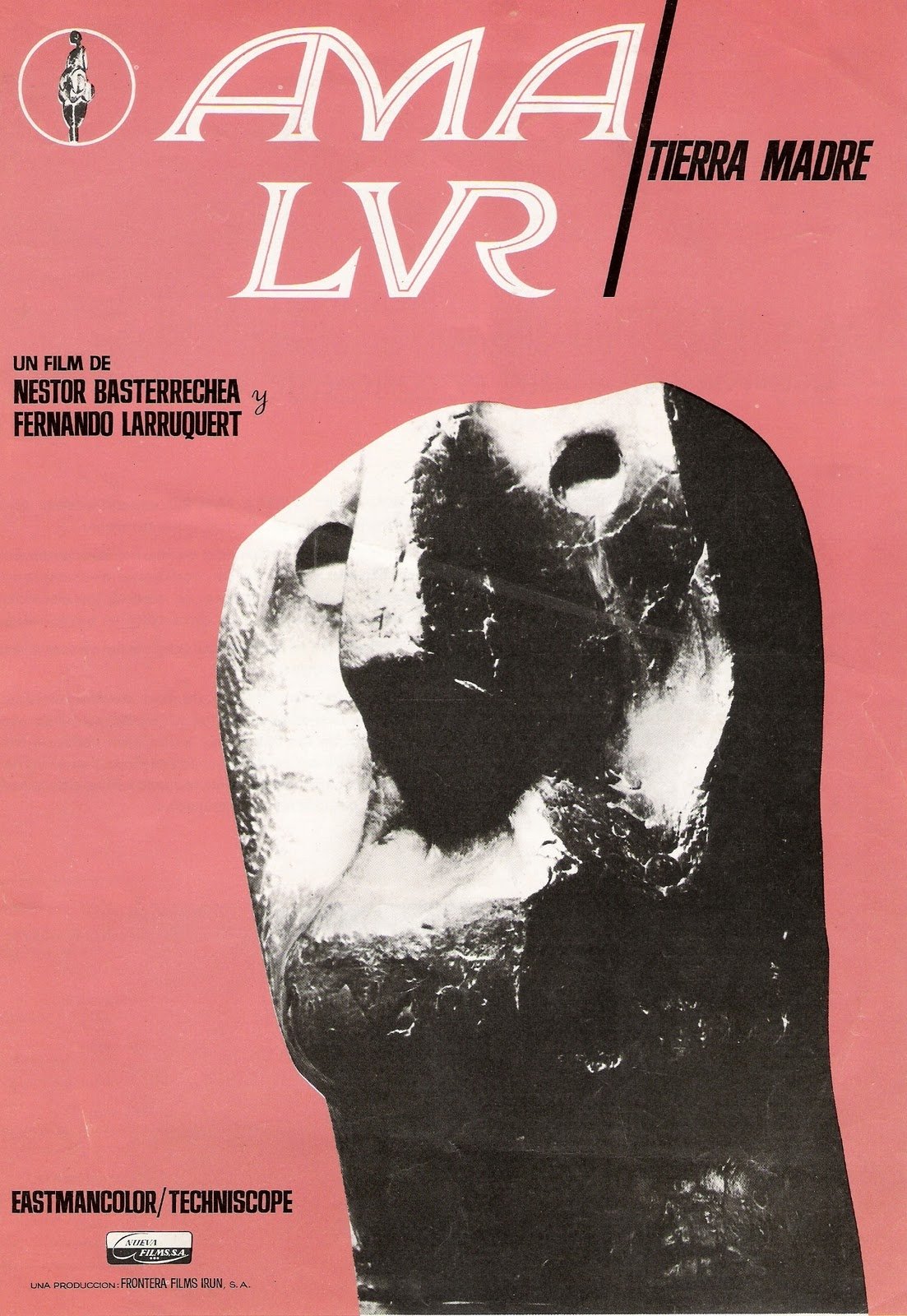
'Ama Lur' is a documentary, directed by Nestor Basterretxea and Fernando Larruquert, that premiered in San Sebastián in 1968, and it is considered the foundation of Basque cinema.
Social & External
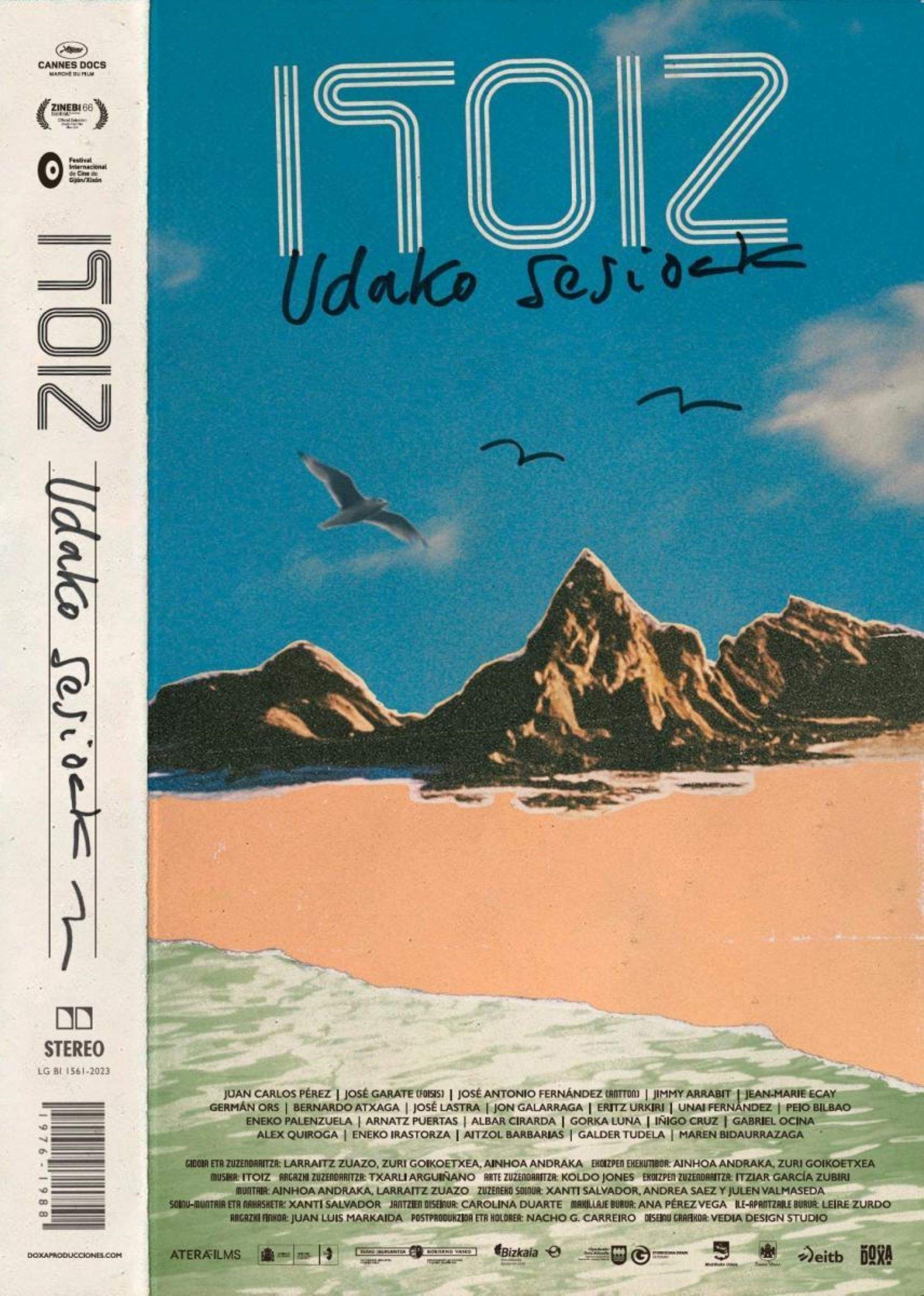
The discovery of a series of unreleased tapes leads Juan Carlos Pérez, leader of the iconic group Itoiz, to reflect on the dissolution of the band at its peak, after a clear change of style towards pop that he still denies today. Juan Carlos will thus begin a cathartic journey to the essence of the group, reliving the beginnings of the band as a progressive rock group in Mutriku in the 70's, which will serve him to reconcile with the past.
An ethnographic documentary which looks at the relationship between music and work in predominantly rural cultures. It depicts the lives of fisherman, shepherds and farmers and their relationship with music. The film also describes Basque ancestral instruments, with special emphasis on the origin and history of ‘bertsolarism’ (Basque verse singing) as a form of oral communication.
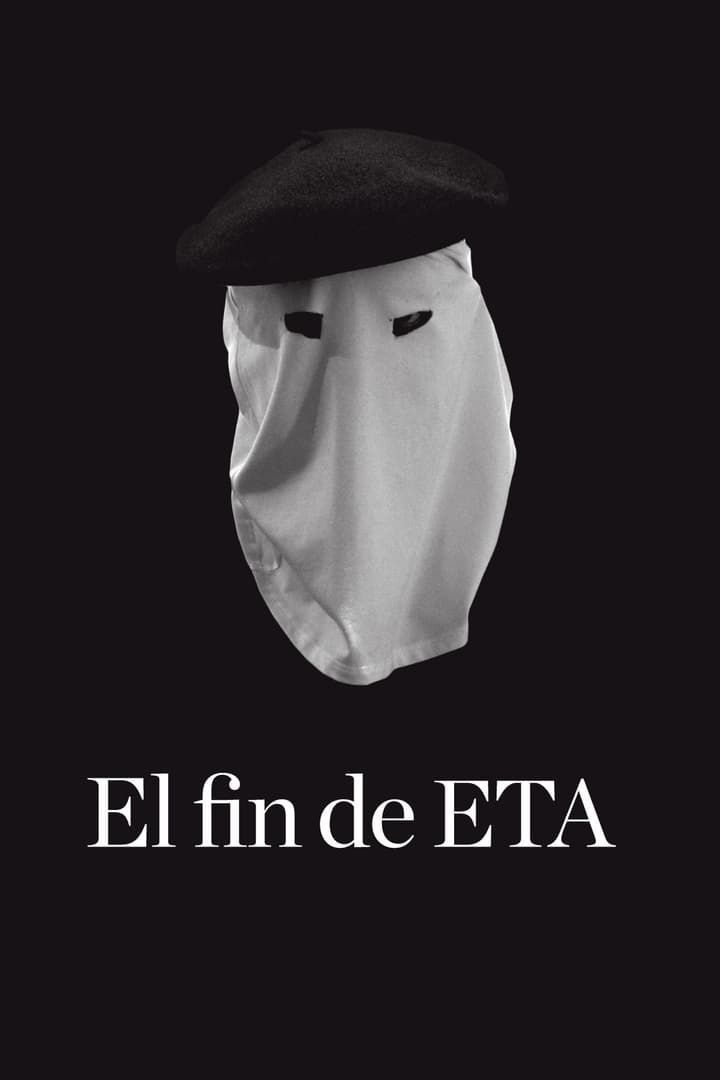
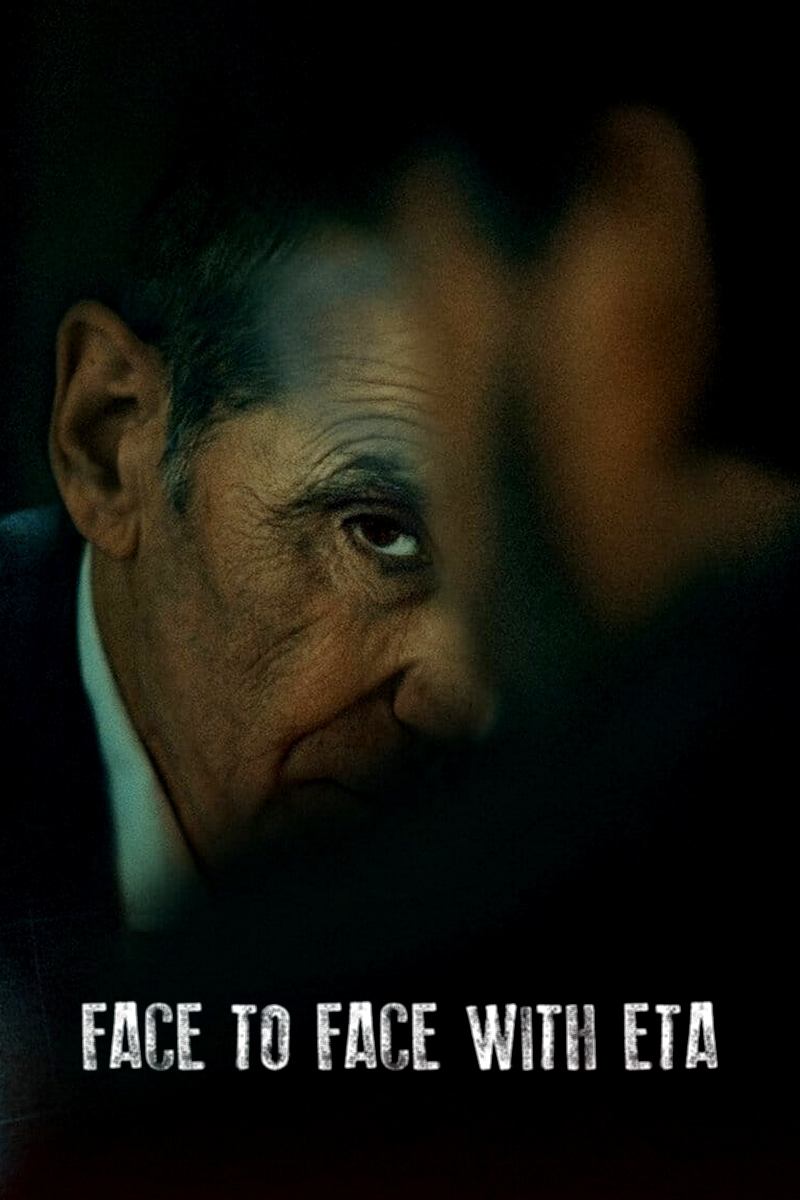
The chronicle of the process, ten long years, that led to the end of ETA (Euskadi Ta Askatasuna), a Basque terrorist gang that perpetrated robberies, kidnappings and murders in Spain and the French Basque Country for more than fifty years. Almost 1,000 people died, but others are still alive to tell the story of how the nightmare finally ended.
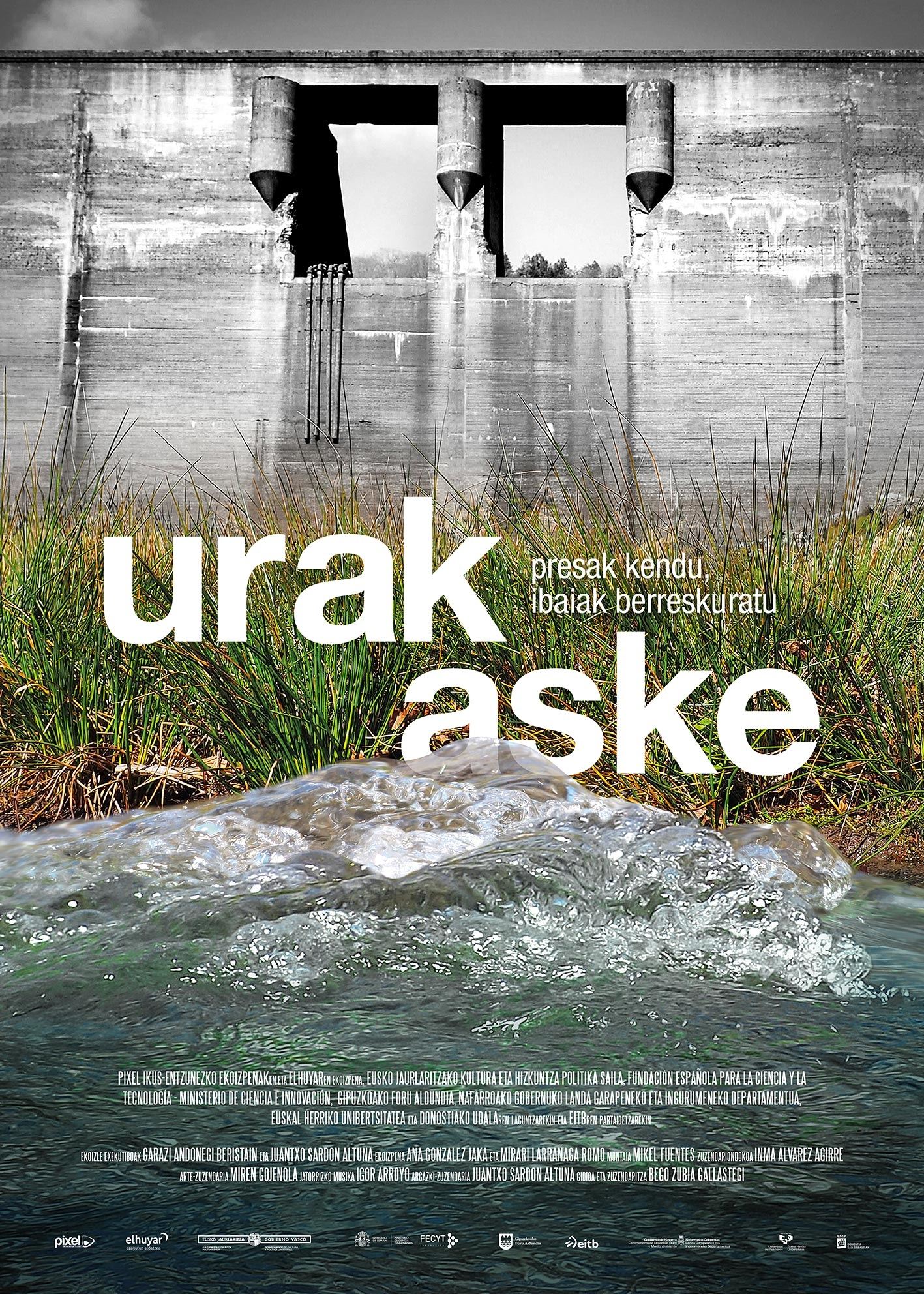
Draining two million cubic meters of water to protect a small animal in danger of extinction. This has been the task of those who have worked to remove the Enobieta reservoir and ensure a safe haven for the Pyrenean desman. This amazing story took place in Artikutza, the estate that San Sebastián bought in Navarre a century ago and which is now one of the best-preserved natural sites on the Cantabrian coast. In Normandy, meanwhile, the large Vezins dam has been removed. Its demolition will allow salmon to return to the Sélune River. Abandoned dams on rivers are barriers to biodiversity, and their demolition allows us to imagine a more habitable planet. That future will depend on small gestures, or large ones, such as those in Vezins and Enobia.
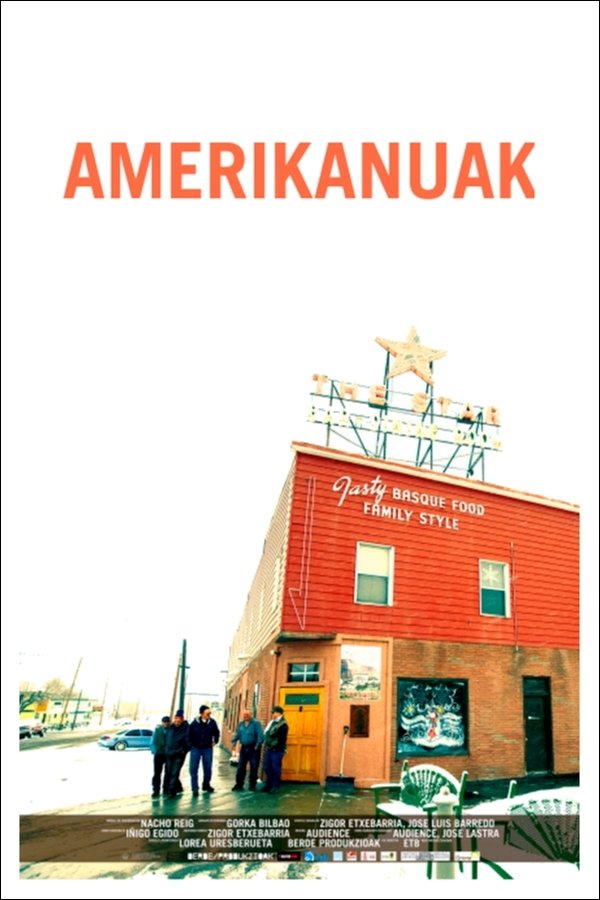
A documentary about Basque inmigrants who went to USA looking for work and a better future. Basically, Amerikanuak talks about feeling homesick, about struggling in a different country to make a decent living and about being part of a comunity.
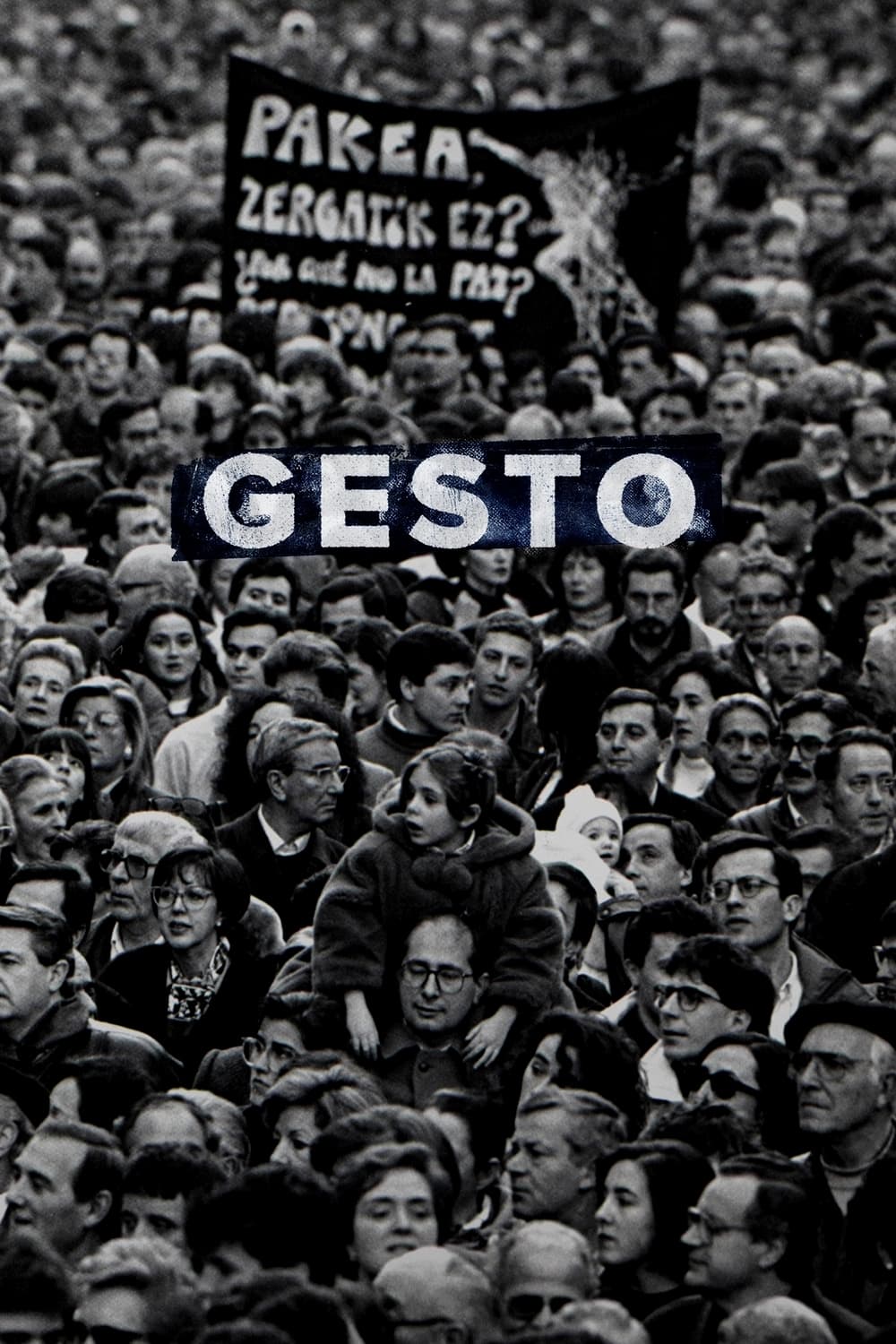
The history of the citizens' movement that for thirty years worked hard to overcome fear, fight hatred and eradicate the violence exercised by the savage terrorist gang ETA, both in the Basque Country and in the rest of Spain.
160 meters is the distance between the two banks of the estuary of Bilbao. An economic, social and cultural approach at two ways of looking at life.
An attempt to create a bridge between the different political positions that coexist, sometimes violently, in the Basque Country, in northern Spain.
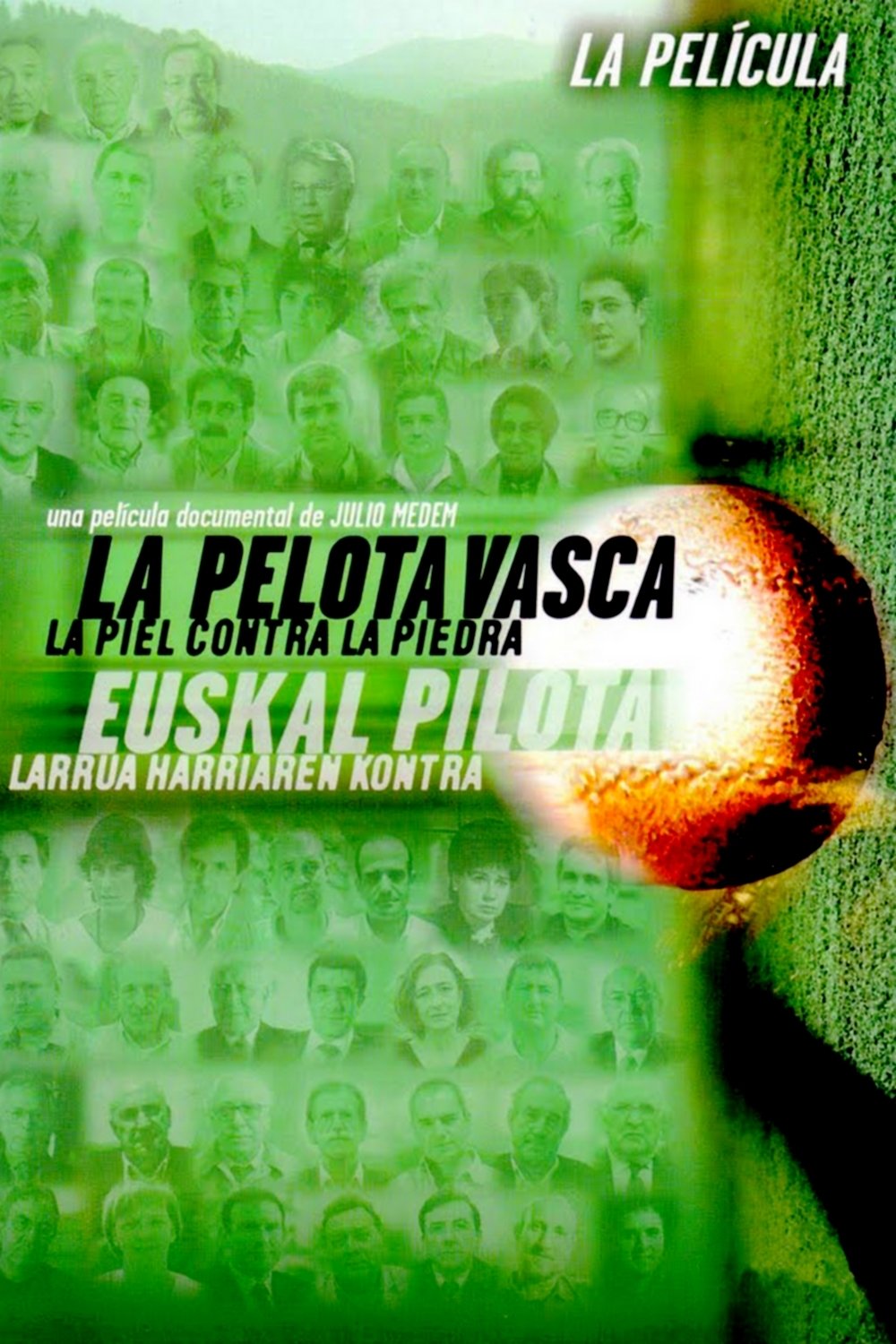
A documentary view of the Basque ball-game in which a small hard leather ball is hit against a wall. The film gives an impression of the game itself and of those who play it, not only the star performers (and the myths that surround them), but also those who just play in the streets and alleyways. The film sees the game it its cultural context and conveys the emotions and stories that are peculiar to the Basque country.
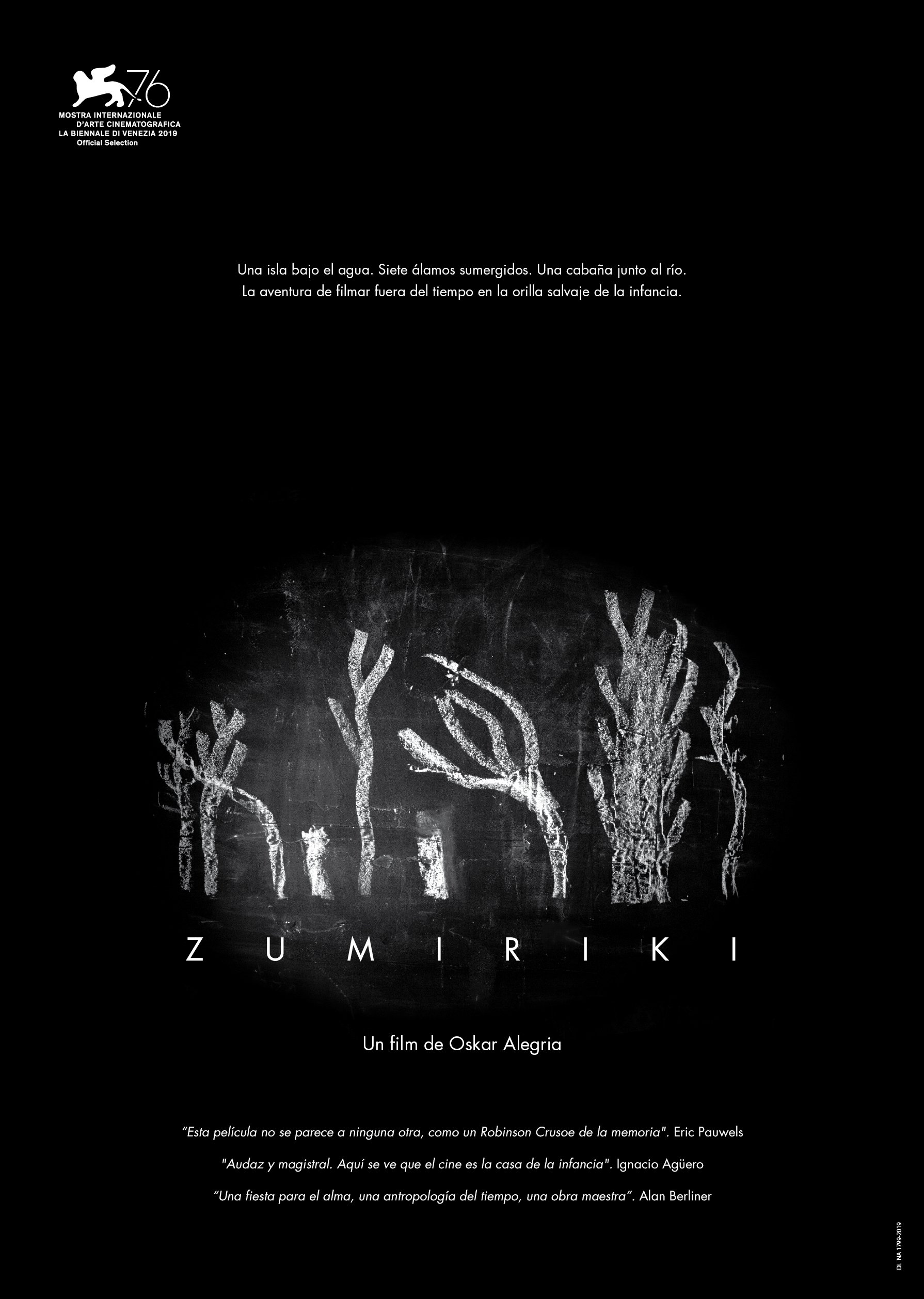
Is it possible to travel twice to the same memory? The filmmaker built a cabin on an isolated riverbank, just opposite his childhood island, which had disappeared under the water after the construction of a dam. The goal was to go back to that place, which had become invisible. Only the trees of the island where he’d played stood firm in the middle of the water, like the masts of a broken toy boat, so the air was the only space left, the only vestige of the past to be conquered. This film is a diary of a castaway in memories: four months of a Walden experience in a lost paradise with two hens, a small vegetable garden and a clock that stopped forever at 11.36 and 23 seconds.
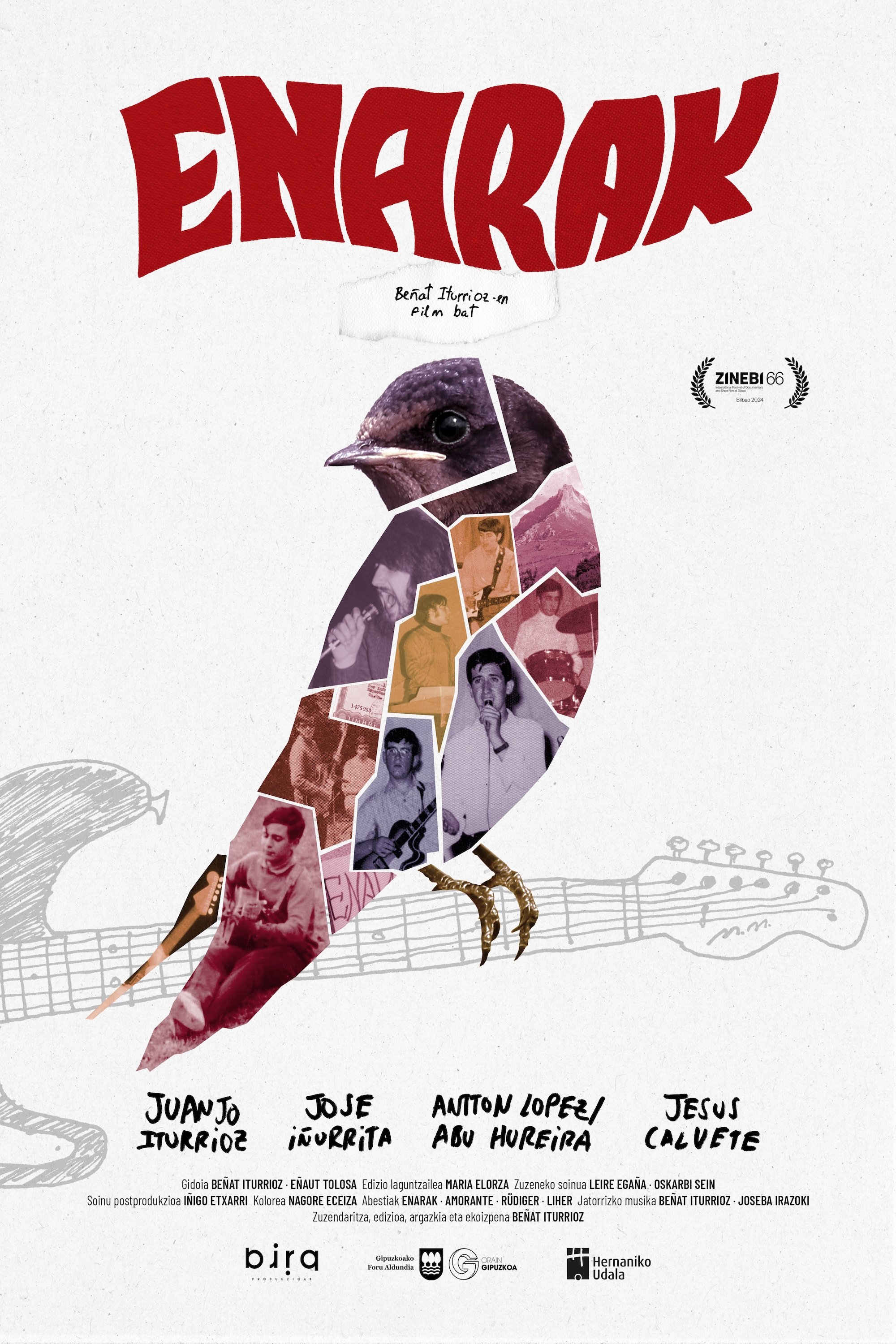
In 1967, in the midst of Franco's dictatorship, a group of seminarians thirsty for freedom founded the group Enarak. They played pop, rock and psychedelia, styles that were foreign to the society of the time, and all of it entirely in Basque. After hundreds of concerts, they mysteriously disappeared in 1971. Fifty years later, the singer's son, Beñat, sets out to find traces of the group, immersing himself in a film labyrinth that mixes ornithology, collage and eccentric research.
An in-depth interview with José Antonio Urrutikoetxea, known as Josu Ternera, one of the most relevant leaders of the terrorist gang ETA.
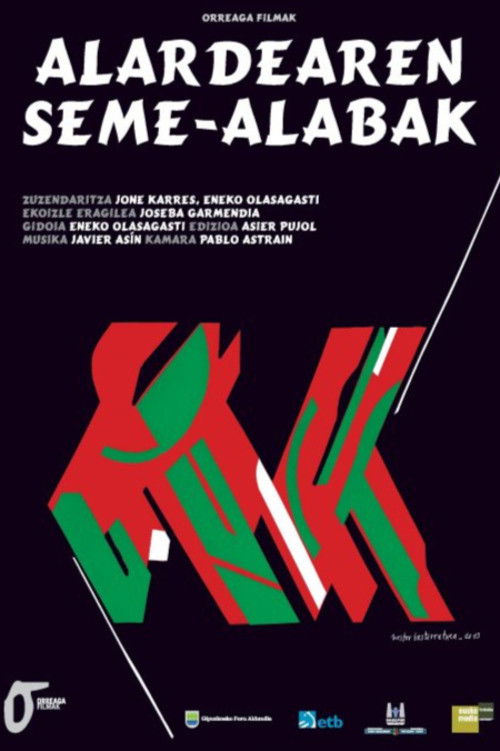
An analysis of the controversy over the participation of women in the Irun and Hondarribia festivity known as Alarde. It is divided into three parts: in the first part, the history, structure, and characteristics of the Alarde are explained; in the second part, the beginning of the conflict and its development in the 1990s; and in the third part, the present situation, reflecting on the present and future of the festival.
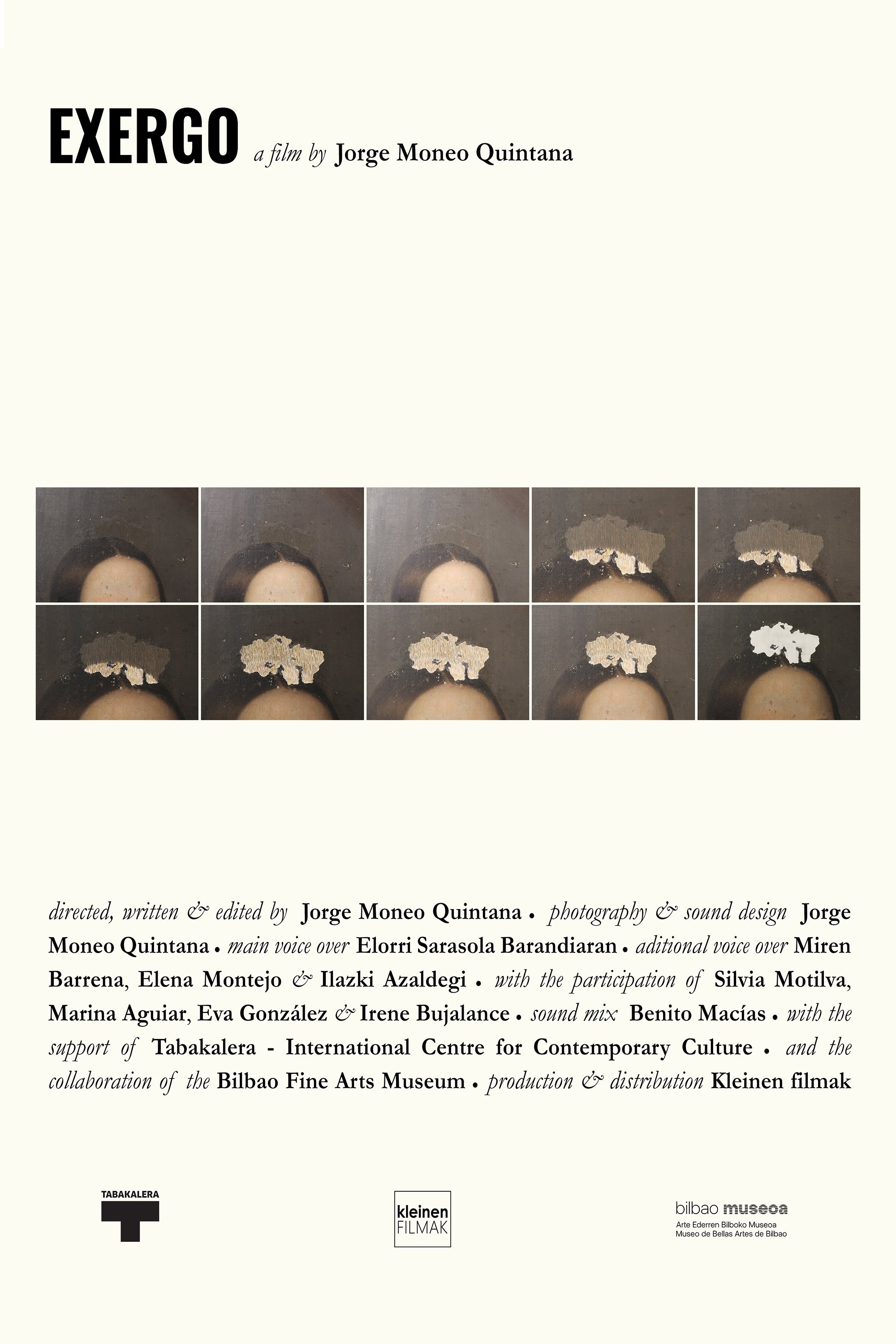
Departing from peripheral details of some paintings of the Bilbao Fine Arts Museum, a female narrator unravels several stories related to the economic, social and psychological conditions of past and current artists.
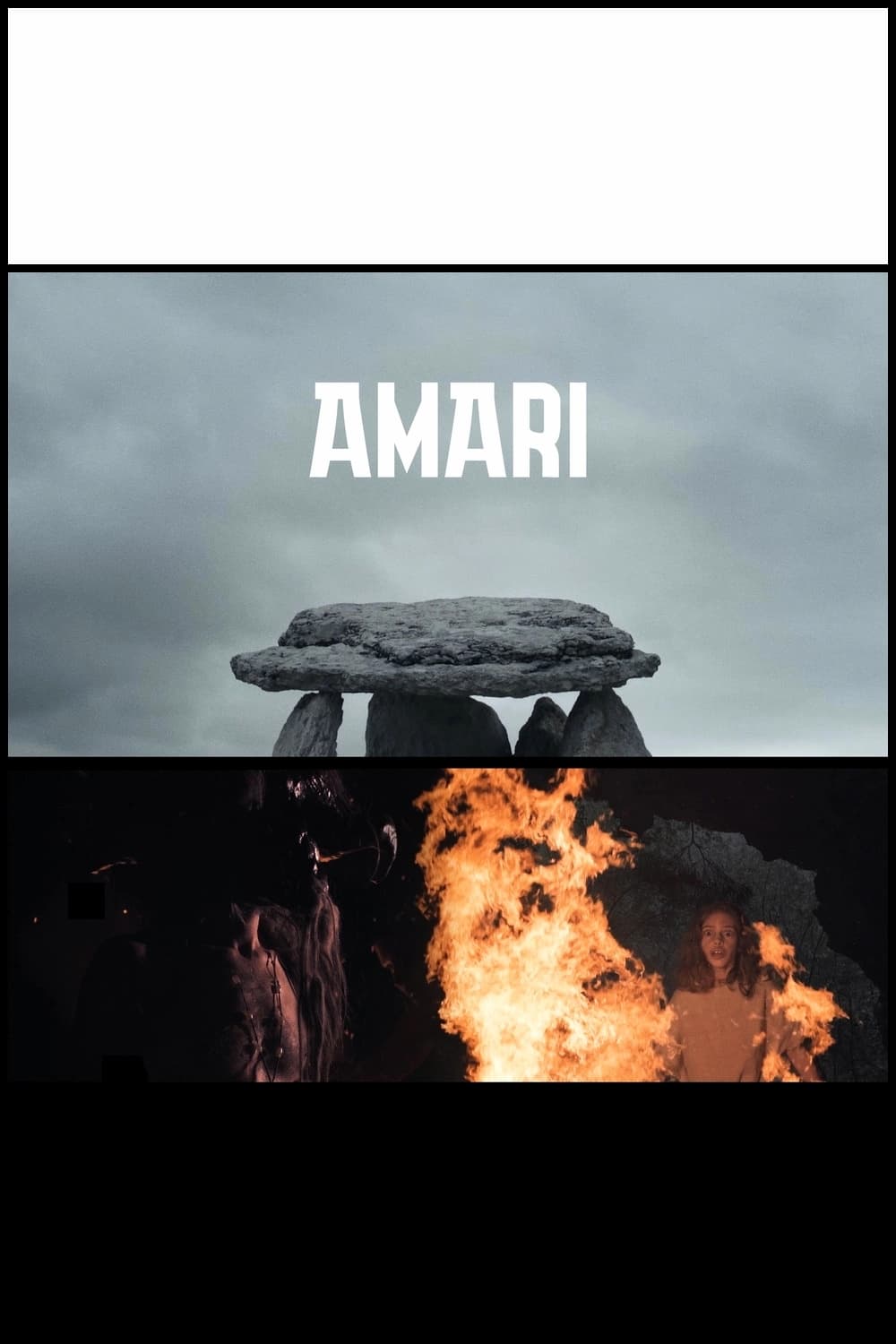
A documentary, filmed entirely in the Basque Country, about Basque mythology and the ancestral beliefs of its people. Created by writer Toti Martínez de Lezea and anthropologist Anuntxi Arana, Amari immerses us in a world of legends full of supernatural beings that formed and continue to form part of the Basque people's imagination.
In a temple in Thailand, an order of Buddhist monks are performing a ceremony for people who headed there to get re-incarnated. There, we meet Tarn, a young Thai woman who lived in the Basque Country some years ago and who is still fascinated with that region, food and culture.
Short film on the art in the Basque Country.
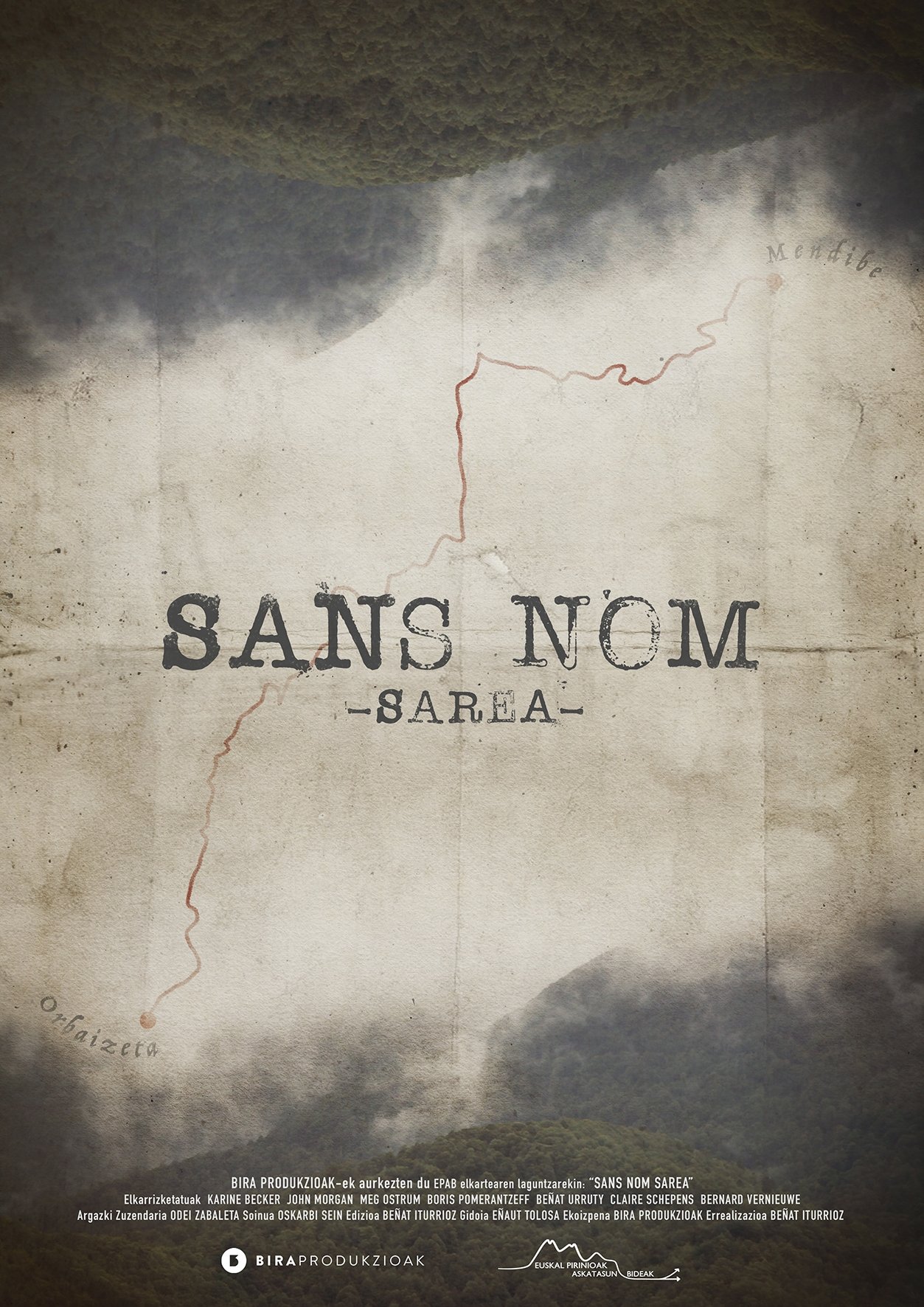
In 1942, in the midst of World War II, Nazi Germany occupied France. The Resistance launched numerous escape networks to help people escape from Nazi to the allied Europe. Among them there was the network of escapes that acted in secret between Mendibe-Orbaizeta, a network so secret that it did not even have a name. Spies, clandestine networks, smuggling, solidarity, resistance, hope... All this and more is the documentary 'Sans nom sarea' (Sans Nom Network).
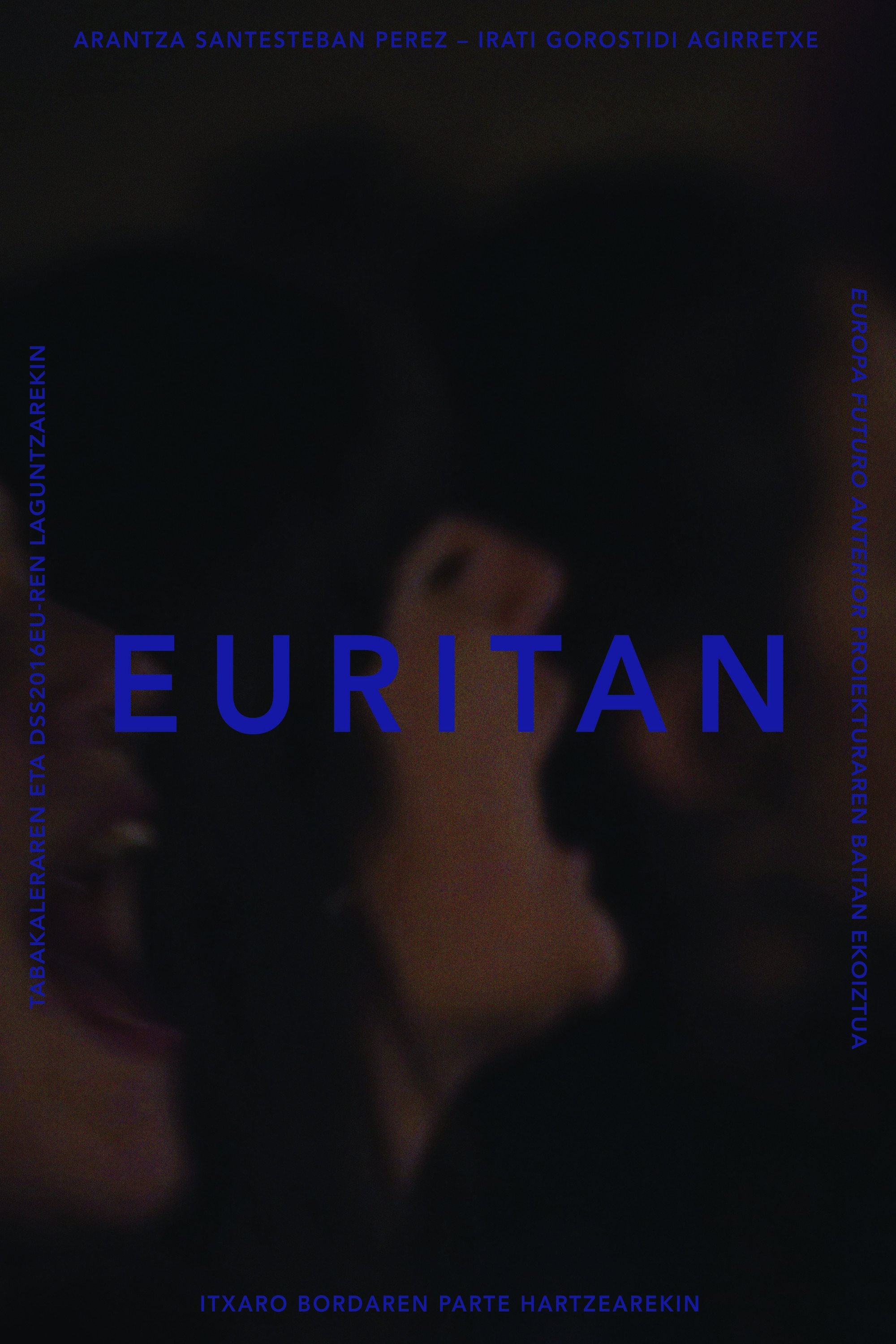
Euritan is a review of the narrative 'Klara eta biok', written by Itxaro Borda in 1985. Putting the author against the words of her past, it updates her view on the peripheral relationship around the Basque character.
A documentary film about the origins of the Basque trikitixa. It reflects how the small accordion brought by one of the Italian workers who came to build the Madrid-Paris railway tunnels in 1859, starting from Zumarraga, has become a symbol of contemporary Basque music.
In the Realms of the Unreal is a documentary about the reclusive Chicago-based artist Henry Darger. Henry Darger was so reclusive that when he died his neighbors were surprised to find a 15,145-page manuscript along with hundreds of paintings depicting The Story of the Vivian Girls, in What is Known as the Realms of the Unreal, of the Glodeco-Angelinnian War Storm, Cased by the Child Slave Rebellion.
Behind-the-scenes documentary about how Lionel Messi succeeded in lifting the World Cup – the only trophy to have eluded him in an incredible career.
A detailing of the rise to prominence and global sporting superstardom of six supremely talented young Manchester United football players (David Beckham, Nicky Butt, Ryan Giggs, Paul Scholes, Phil and Gary Neville). The film covers the period 1992-1999, culminating in Manchester United's European Cup triumph.
The film follows adventurer Jeff Johnson as he retraces the epic 1968 journey of his heroes Yvon Chouinard and Doug Tompkins to Patagonia.
This character-driven film considers the evolving sex trafficking landscape as seen by the main players: the exploited, the pimps, the johns that fuel the business, and the cops who fight to stop it.
SEDUCED AND ABANDONED combines acting legend Alec Baldwin with director James Toback as they lead us on a troublesome and often hilarious journey of raising financing for their next feature film. Moving from director to financier to star actor, the two players provide us with a unique look behind the curtain at the world's biggest and most glamourous film festival, shining a light on the bitter-sweet relationship filmmakers have with Cannes and the film business. Featuring insights from directors Martin Scorsese, 'Bernando Bertolucci' and Roman Polanski; actors Ryan Gosling and Jessica Chastain and a host of film distribution luminaries.
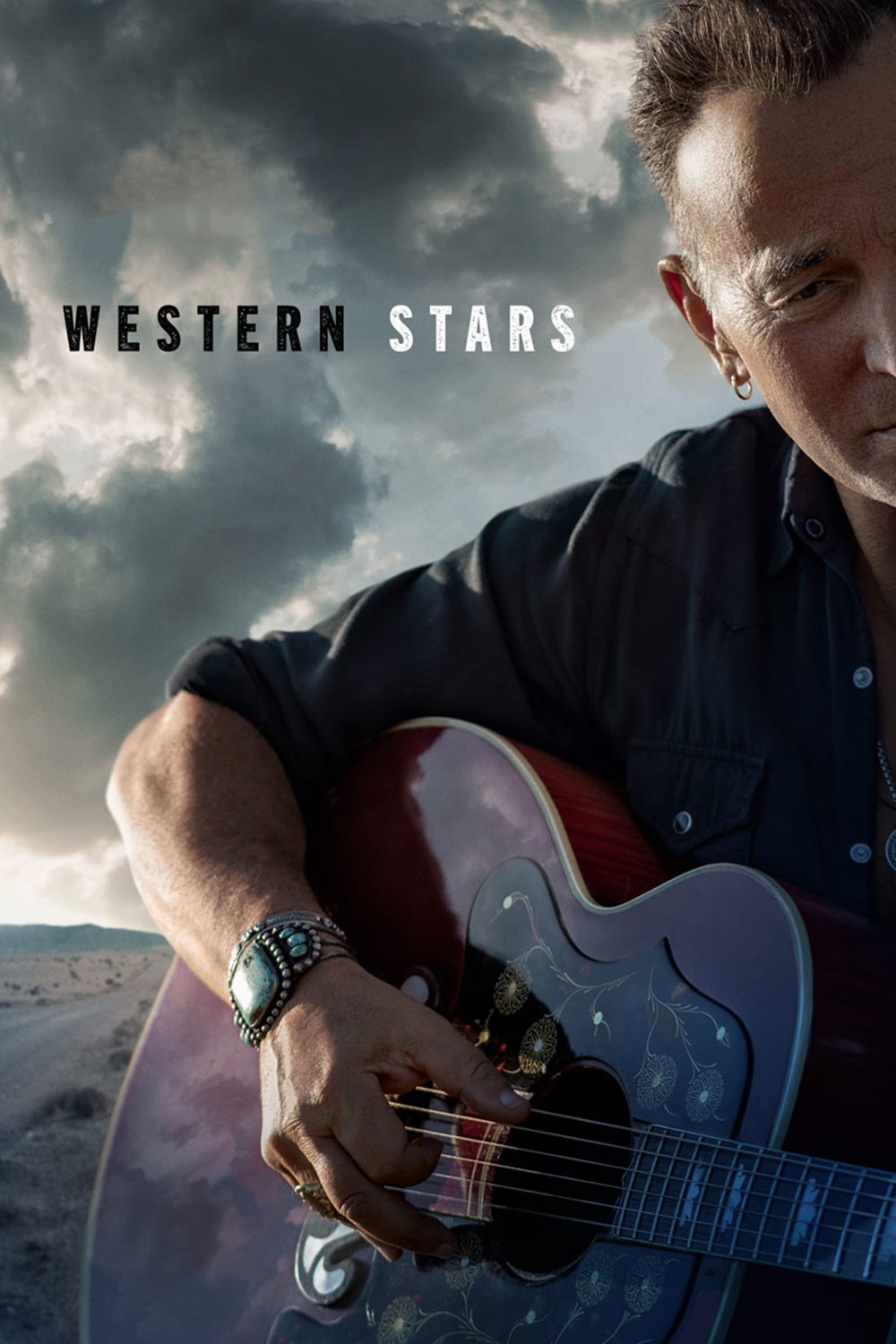
The incomparable Bruce Springsteen performs his critically acclaimed latest album and muses on life, rock, and the American dream, in this intimate and personal concert film co-directed by Thom Zimny and Springsteen himself.
A documentary about the life and films of director John Ford.
A love letter from a young mother to her daughter, the film tells the story of Waad al-Kateab’s life through five years of the uprising in Aleppo, Syria as she falls in love, gets married and gives birth to Sama, all while cataclysmic conflict rises around her. Her camera captures incredible stories of loss, laughter and survival as Waad wrestles with an impossible choice– whether or not to flee the city to protect her daughter’s life, when leaving means abandoning the struggle for freedom for which she has already sacrificed so much.
The Captains is a feature-length documentary film written and directed by William Shatner. The film follows Shatner as he interviews the other actors who have portrayed starship captains in the Star Trek franchise.
Al Pacino's deeply-felt rumination on Shakespeare's significance and relevance to the modern world through interviews and an in-depth analysis of "Richard III."
When Allied forces liberated the Nazi concentration camps in 1944-45, their terrible discoveries were recorded by army and newsreel cameramen, revealing for the first time the full horror of what had happened. Making use of British, Soviet and American footage, the Ministry of Information’s Sidney Bernstein (later founder of Granada Television) aimed to create a documentary that would provide lasting, undeniable evidence of the Nazis’ unspeakable crimes. He commissioned a wealth of British talent, including editor Stewart McAllister, writer and future cabinet minister Richard Crossman – and, as treatment advisor, his friend Alfred Hitchcock. Yet, despite initial support from the British and US Governments, the film was shelved, and only now, 70 years on, has it been restored and completed by Imperial War Museums under its original title "German Concentration Camps Factual Survey".
From a prolific career in film and television, Anton Yelchin left an indelible legacy as an actor. Through his journals and other writings, his photography, the original music he wrote, and interviews with his family, friends, and colleagues, this film looks not just at Anton's impressive career, but at a broader portrait of the man.
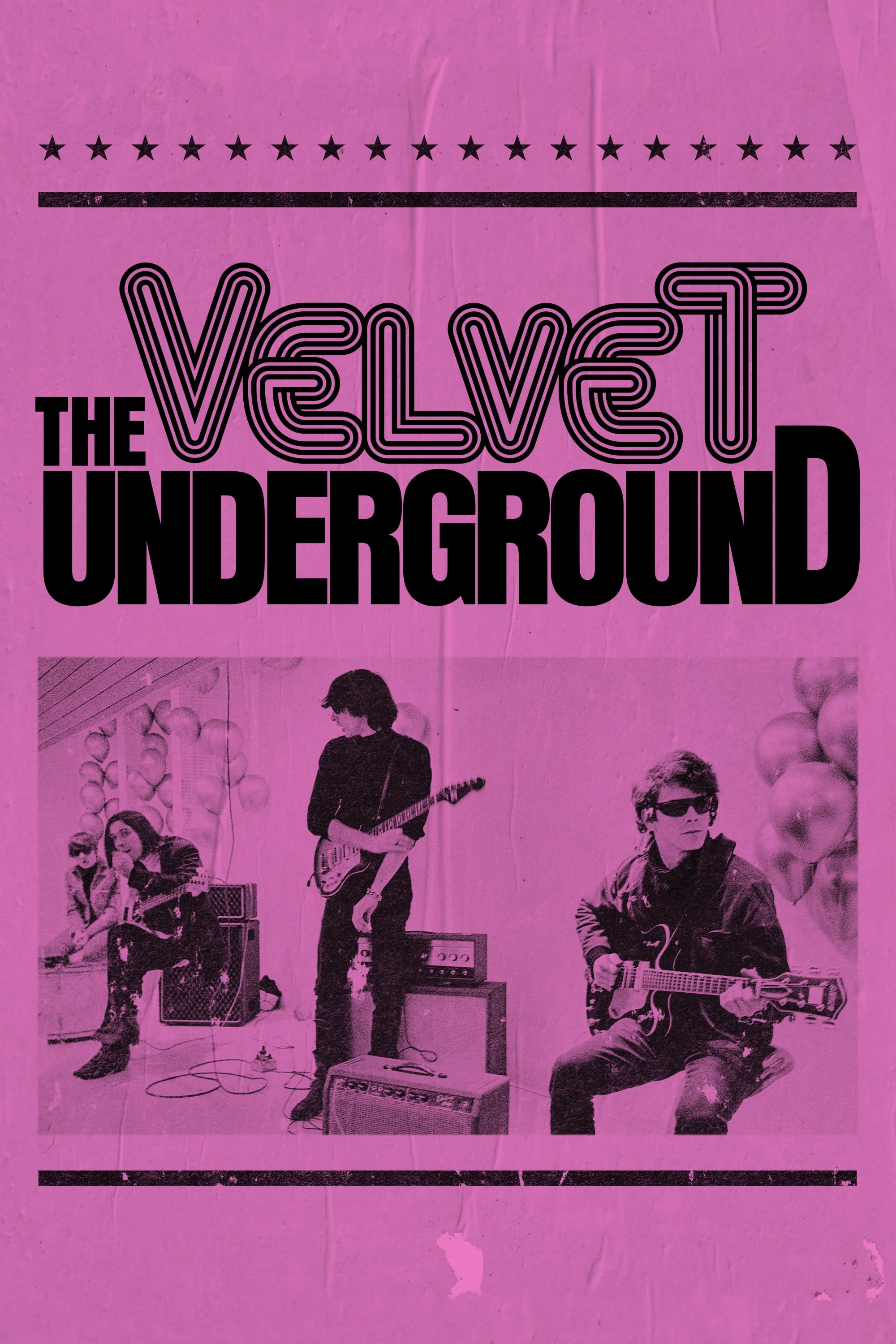
Experience the iconic rock band's legacy in the first major documentary to tell their story. Directed with the era’s avant-garde spirit by Todd Haynes, this kaleidoscopic oral history combines exclusive interviews with dazzling archival footage.
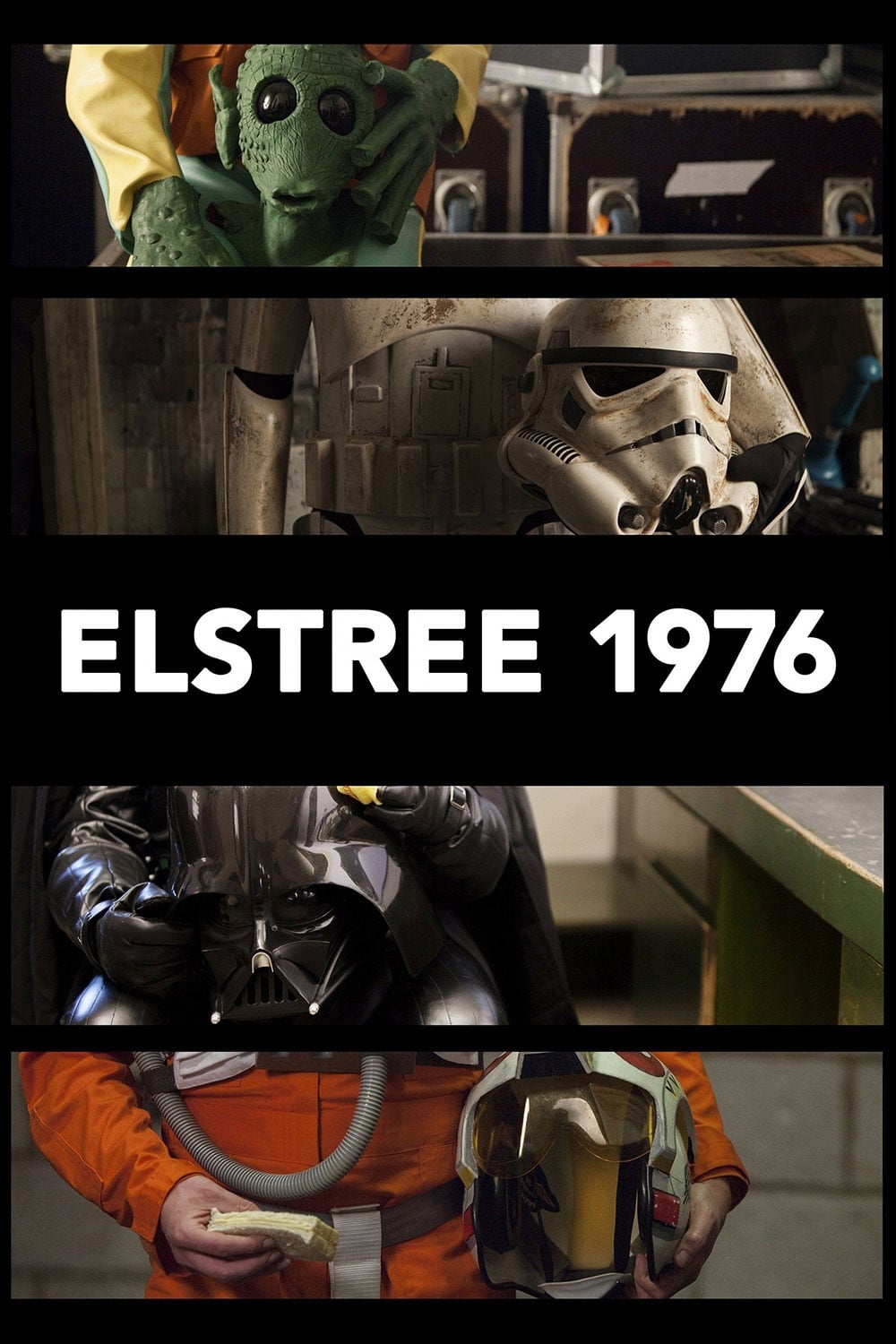
A documentary about ten very different lives connected by having appeared onscreen wearing masks or helmets in Star Wars.
A look at the origins, history and conspiracies behind the "Majestic 12", a clandestine group of military and corporate figureheads charged with reverse-engineering extraterrestrial technology.
Martin Scorsese’s portrait of writer and social commentator Fran Lebowitz, celebrated for her sharp wit and observations on modern life. Filmed at New York’s Waverly Inn and intercut with archival footage and interviews, the documentary captures Lebowitz’s distinctive worldview through her spontaneous monologues and public appearances.
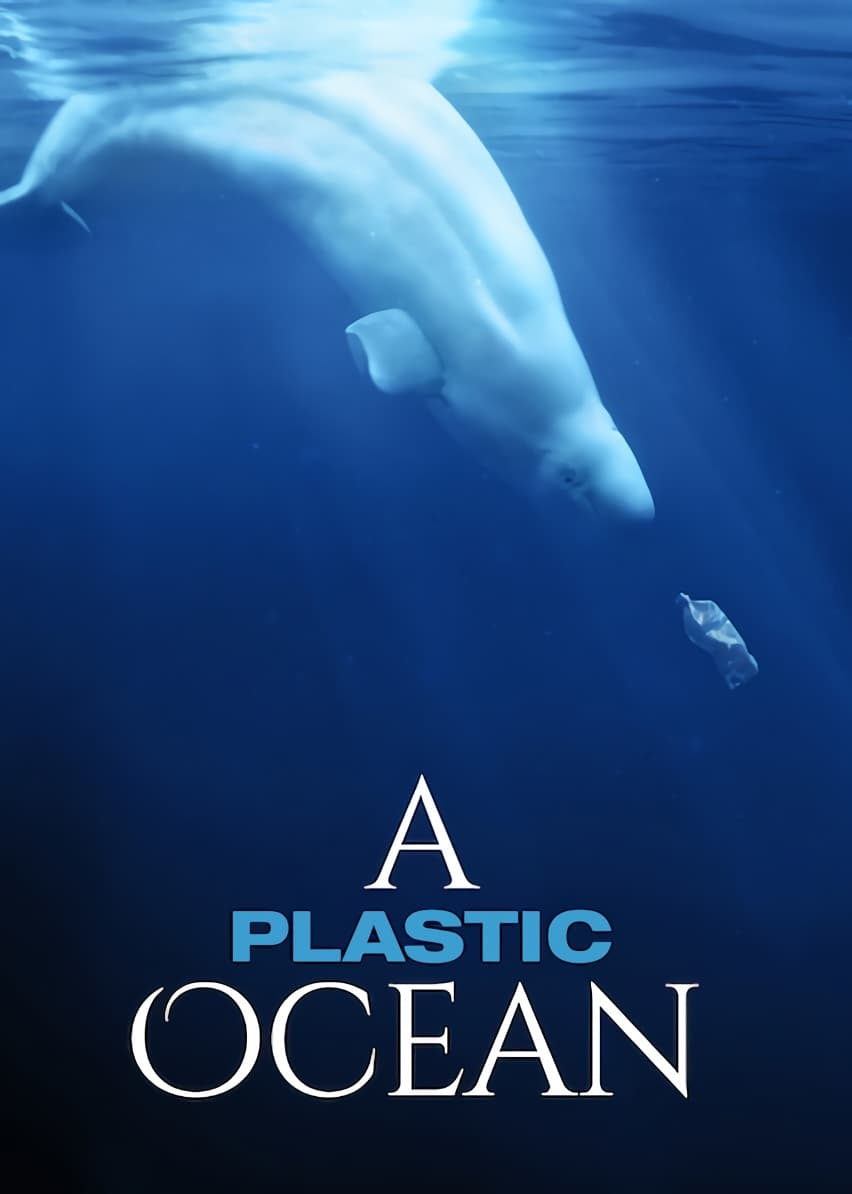
A documentary focused on plastic pollution in the world's oceans.
This revealing documentary honors the legendary Sidney Poitier—iconic actor, filmmaker, and civil rights activist. Featuring interviews with Denzel Washington, Spike Lee, Halle Berry, and more.
The life of Mr. Spock, as well as that of Leonard Nimoy, the actor who played him for almost fifty years, written and directed by his son: Adam.