Dog racing is used as a metaphor for the futility of human existence.
Social & External
Voice
Documentary behind the making of the animated short film Dim.
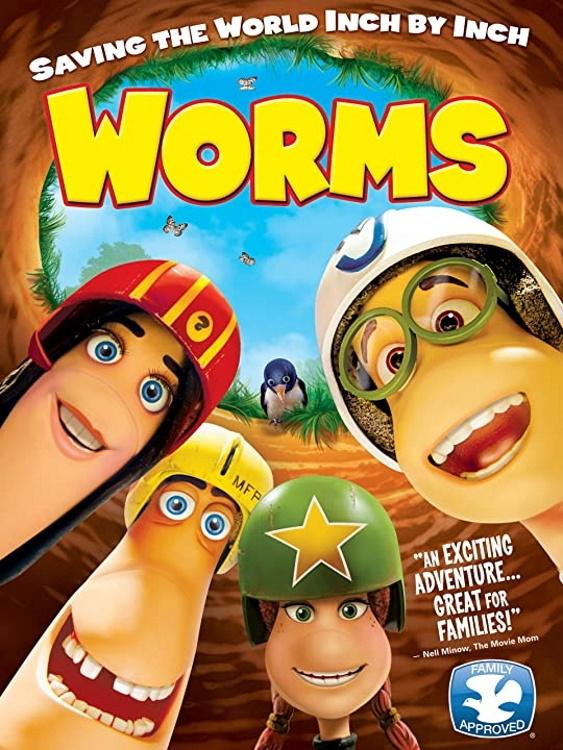
Junior is a preteen worm who struggles to be accepted by his peers, only to get bullied for being spoiled by his overprotective mother. One day, while in an attempt to impress his friends, he is accidentally brought up to the surface by a shovel, thus starting a journey with great adventures and very high stakes - not only for the little hero, but also to the entire worms society. To get back home and save his own kind, Junior must first learn the powers of self-respect, trust and true friendship.
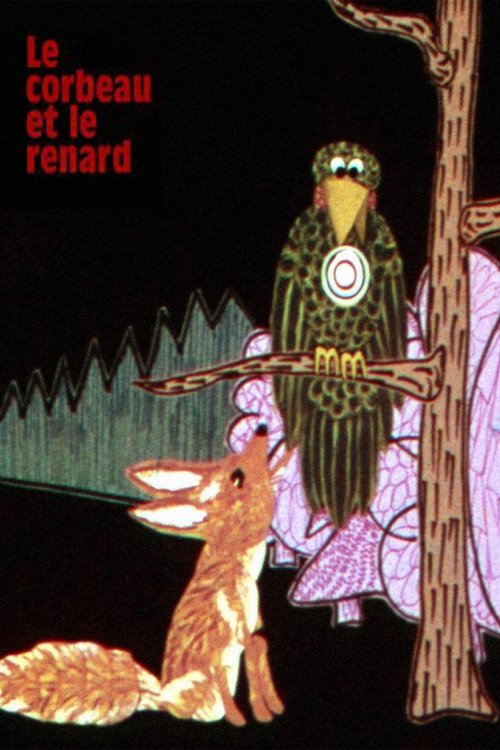
A satirical, updated take on the classic Jean de La Fontaine fable.
Suffocating in her older sister's flawless system, Mae, a young goddess, questions her tedious work of maintaining an eternal spring.
The story of a family told through objects found in junk shops and flea markets.
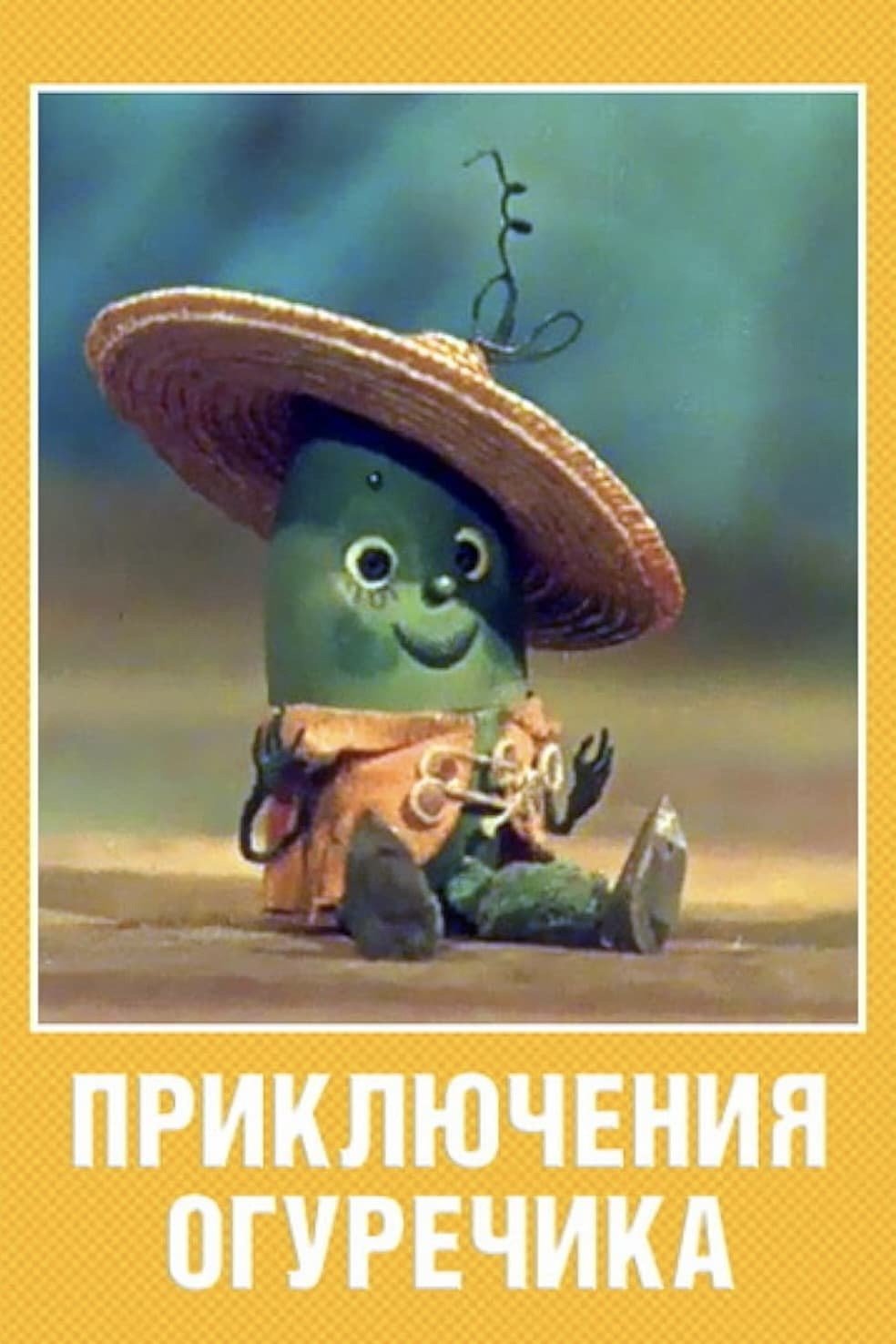
Courageous Cucumber travels and helps animals and birds.
Wasteland is a five-part anthology film that deals with isolation, mental illness, and the subjectivity of reality. Each of the five parts can be watched individually, but when viewed in sequence, each story brings out a more interesting and distinct context to its respective pieces.
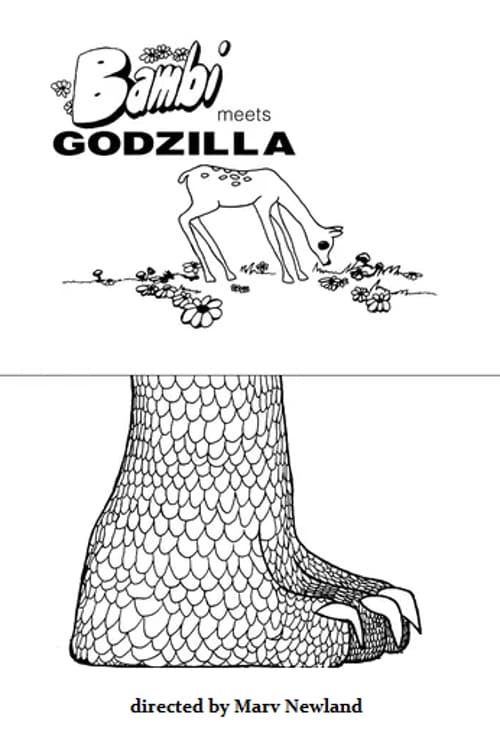
A deer, disillusioned by the consumerism that defines his life. A lizard, ostracized from society, forever wandering. A chance meeting in the middle of a field. Who will survive? And who will transcend existence? Preserved by the Academy Film Archive in 2009.
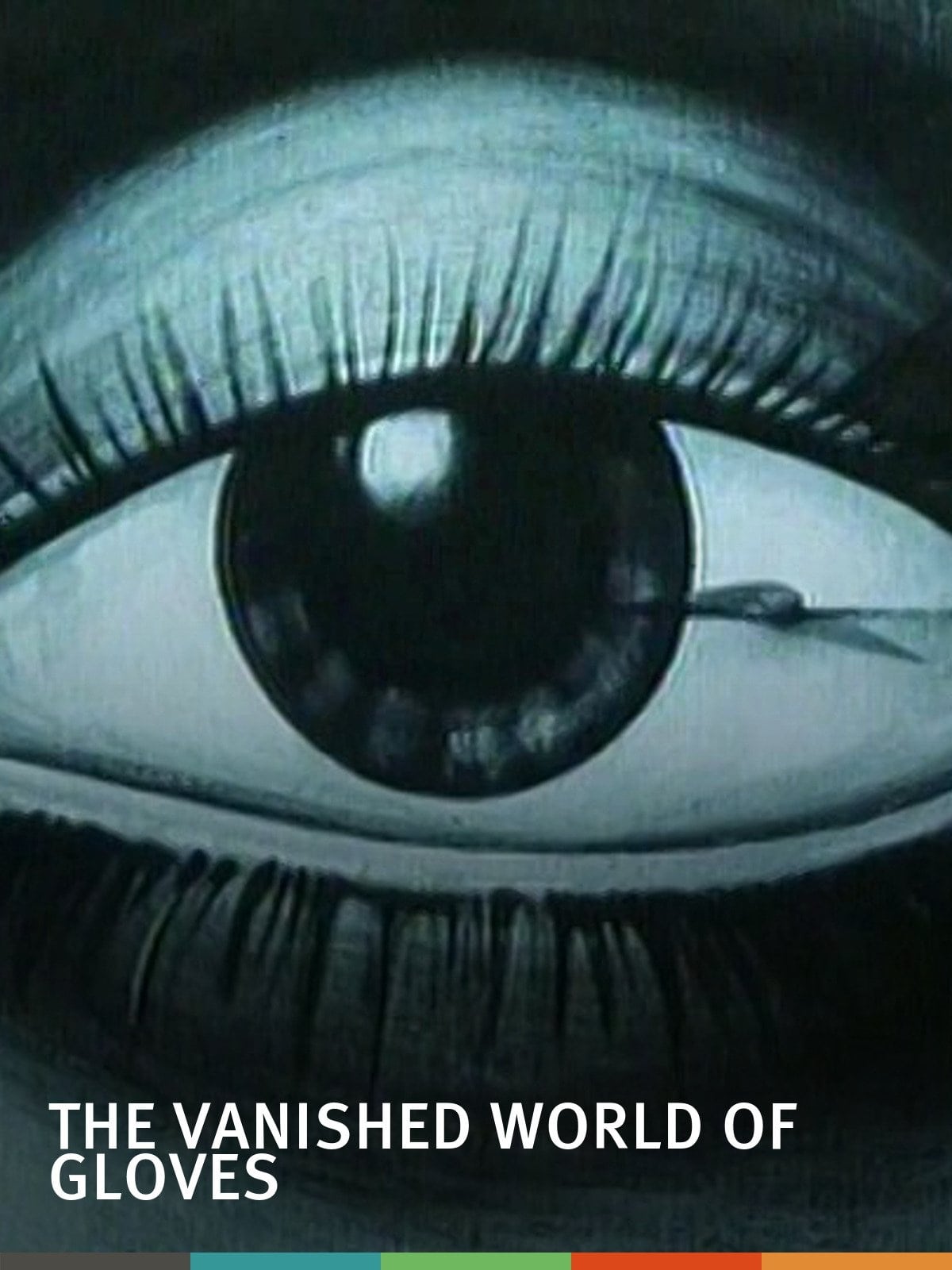
Using an array of gloves in different styles and from different historical periods, the film is a short history of the cinema - from silent movies via pastiches of Buñuel and Fellini and Close Encounters of the Third Kind to a futurist junkyard where tin cans become animated police cars in a city of urban decay.
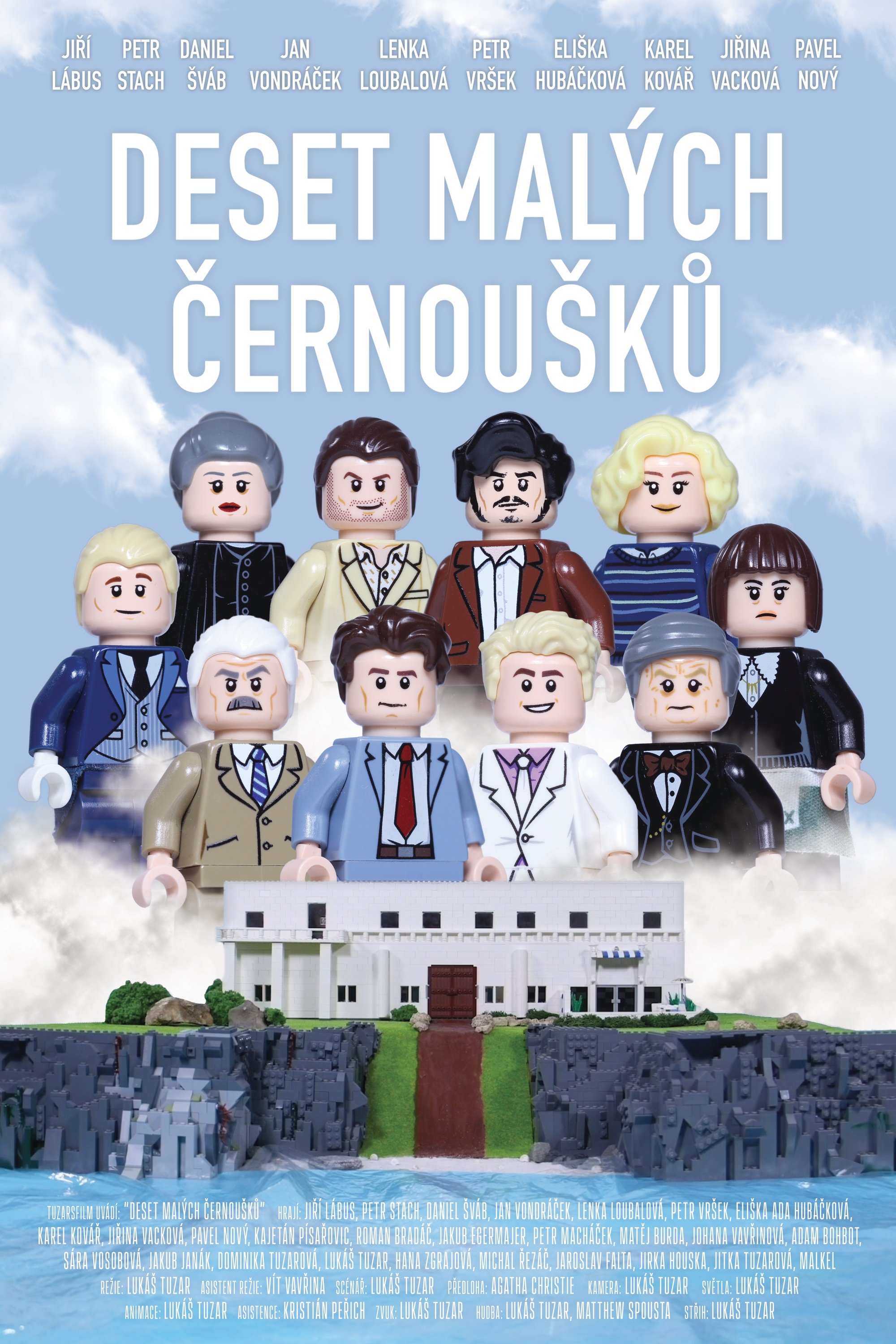
The first Czech feature-length brickfilm - that is, a film made using stop-motion animation with Lego bricks. It is a non-commercial film based on Agatha Christie’s most popular novel. Creator Lukáš Tuzar worked on the film for seven years. Ten people who seem different at first glance are invited to Black Island, but they do have something in common. When they arrive on the island, the mysterious host is nowhere to be found. On the first evening, the guests learn the real reason for the invitation. Remember, sins always come to light.
A solitary man works in a tall office building. The only moment in his drab life that's out of the ordinary each year seems to be opening the birthday card and gift from his mother. Usually it's a tie, but one year it's an accordion. It goes into the closet with his many ties. A year or two later, he discovers what happens to the papers he processes every day. His discovery sends him first to the building's top floor, then to his closet.
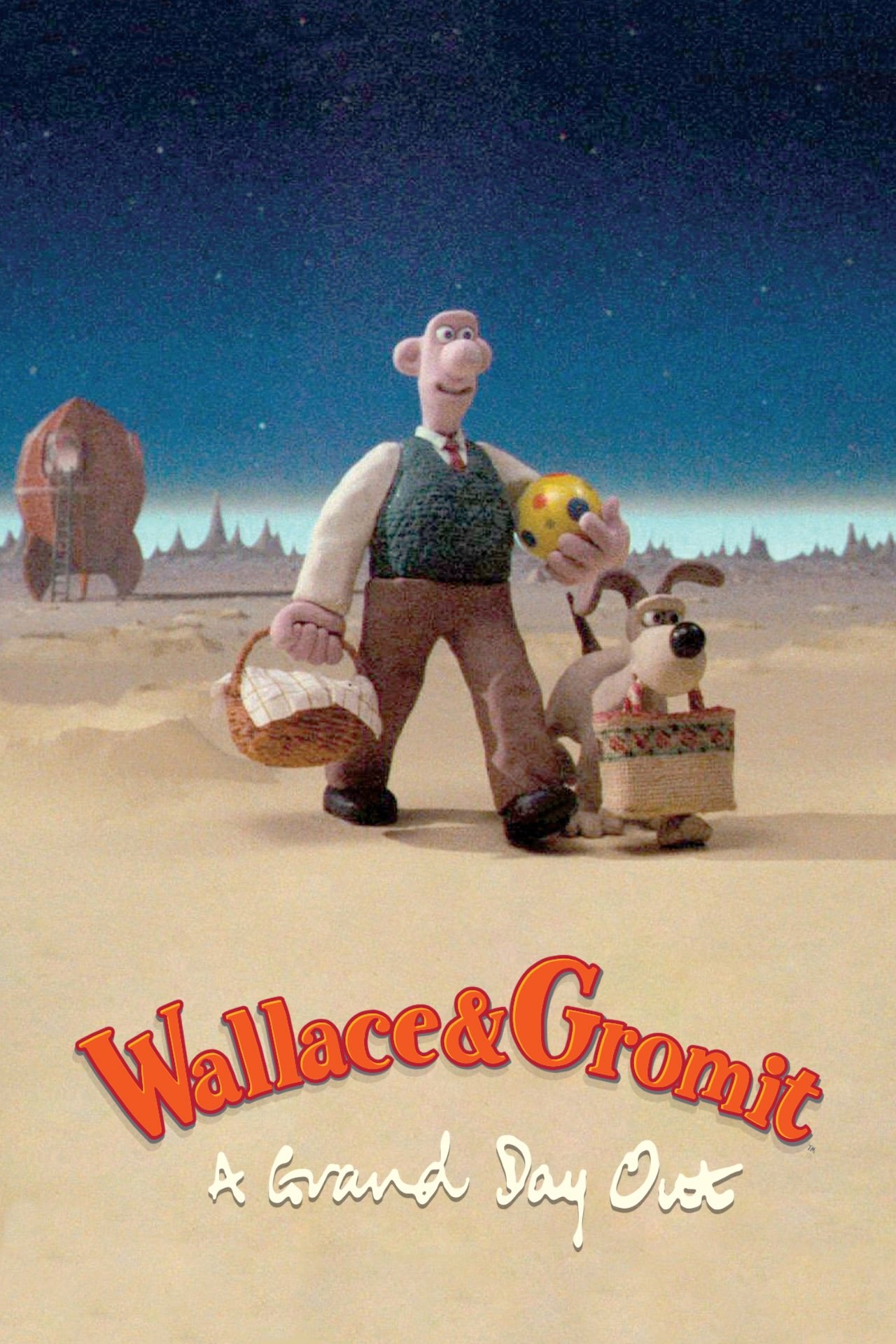
Wallace and Gromit have run out of cheese, and this provides an excellent excuse for the duo to take their holiday to the moon, where, as everyone knows, there is ample cheese.
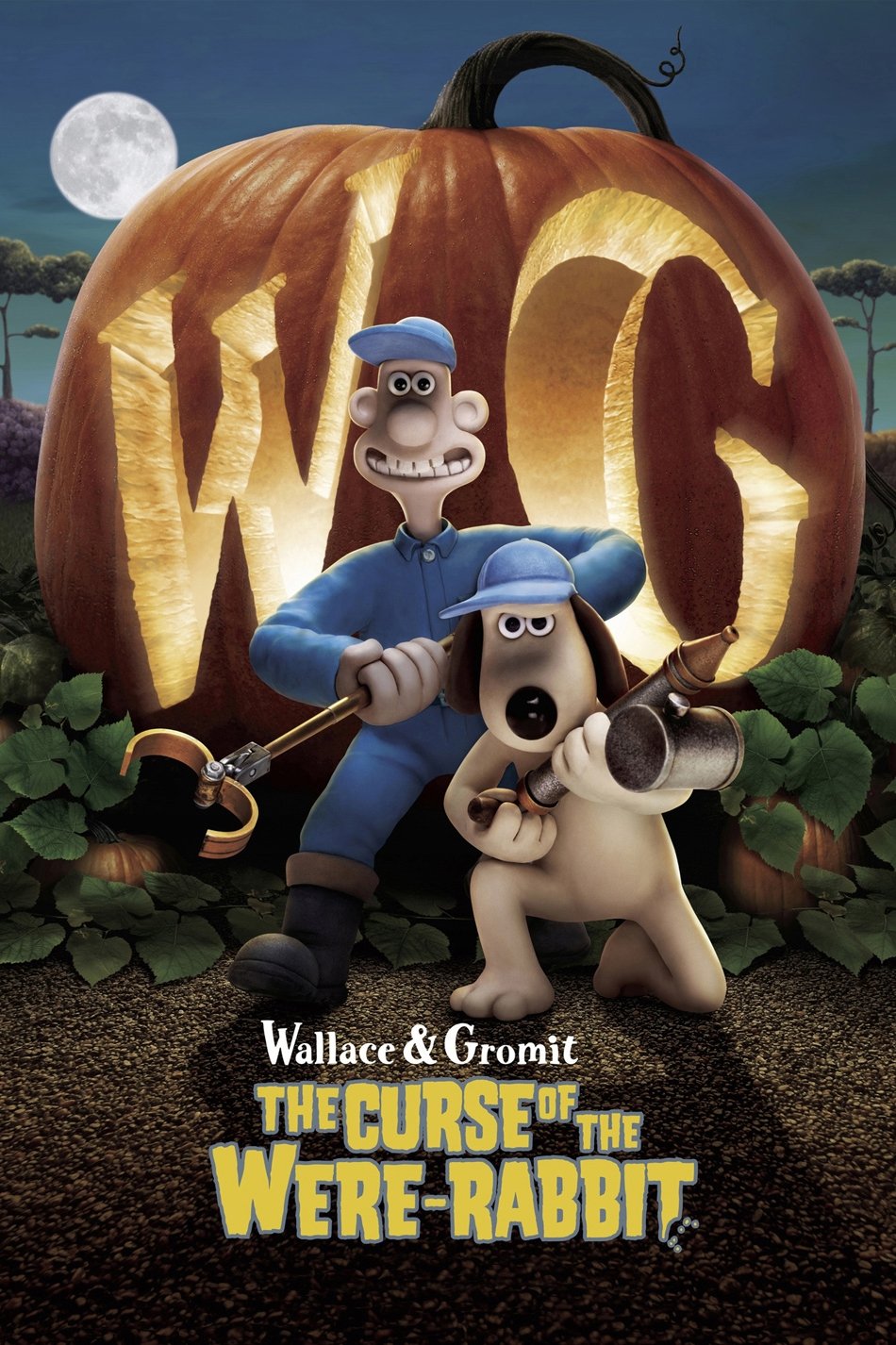
Cheese-loving eccentric Wallace and his cunning canine pal Gromit run a business ridding the town of garden pests. Using only humane methods, which turns their home into a halfway house for evicted vermin, the pair stumble upon a mystery involving a voracious vegetarian monster that threatens to ruin the annual veggie-growing contest.
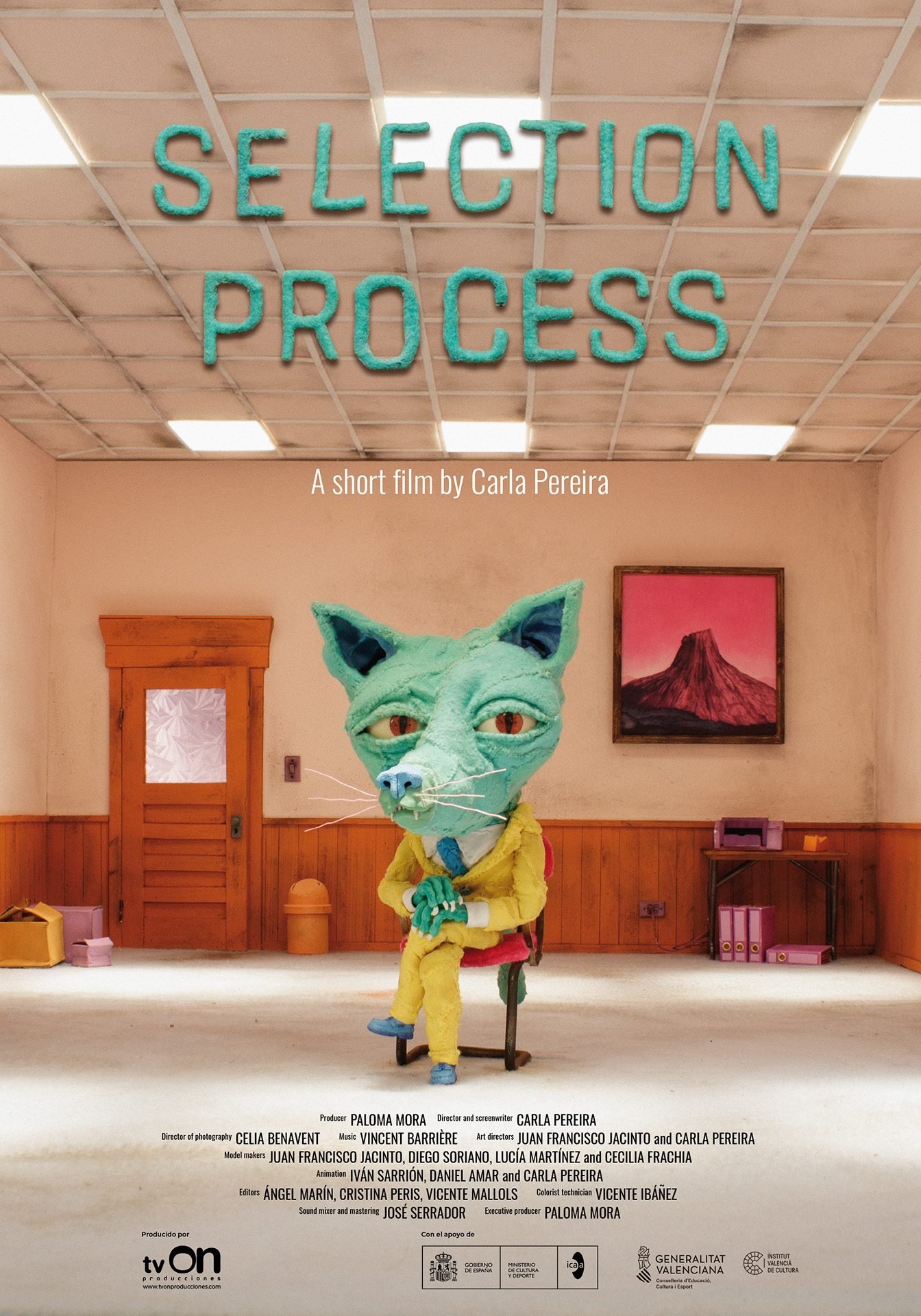
A cat goes to a job interview where his skills are valued by three mice. As the interview progresses the situation becomes increasingly uncomfortable for everyone involved.
A Man's Cat observes and witnesses his descent into madness at the end of his seasonal depression during the last days of winter.
Pioneer of silhouette animation, Lotte Reiniger, uses this technique in a retelling of the Greek legend in which the sculptor, Pygmalion, brings a statue to life.
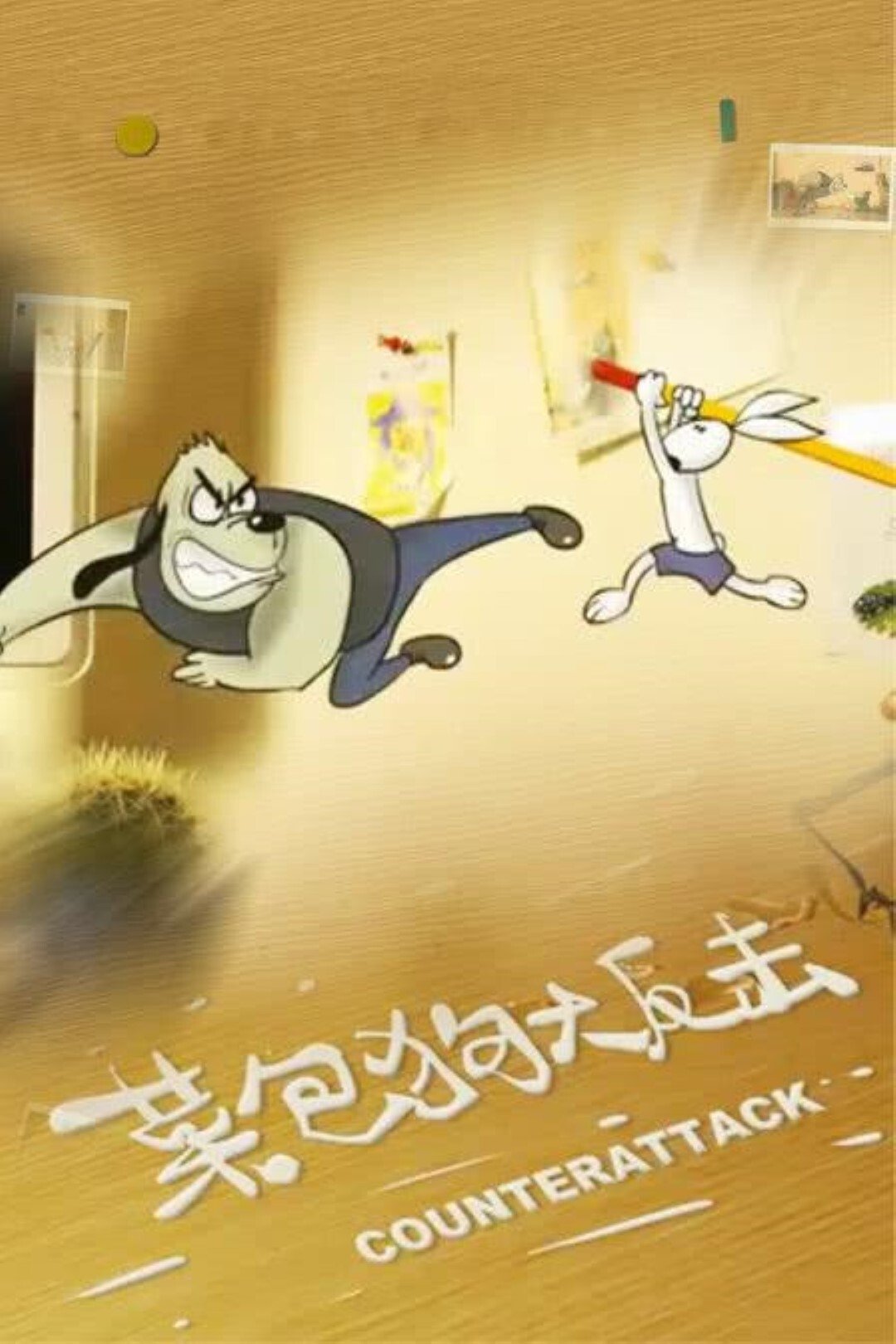
Something's brewing on the desk. Battle is commencing. Will Kungfu Bunny always be invincible?
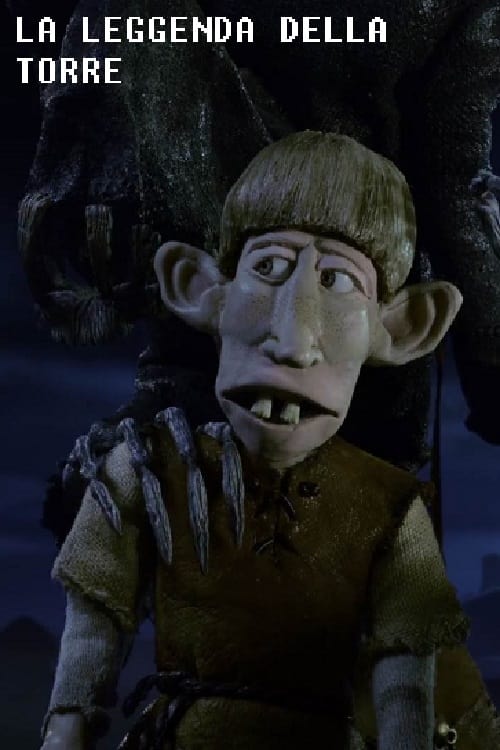
Bologna, Italy 1100 AD, Asinelli is a poor orphaned gravedigger who dreams of marrying Princess Garisenda, the most noble of the city, and is willing to do anything to succeed.
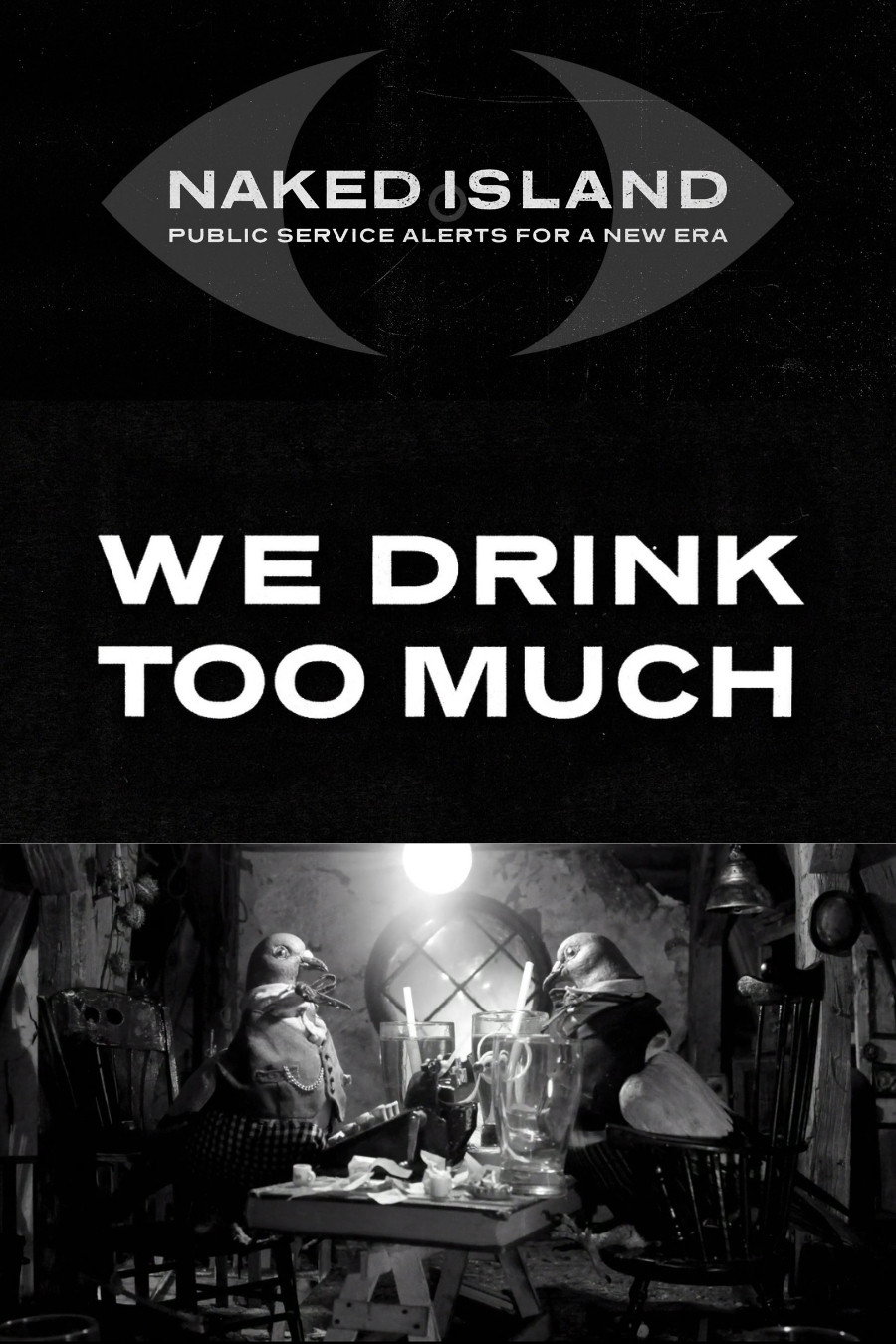
An unapologetic take on the vicious cycle of earning too little and consuming too much.
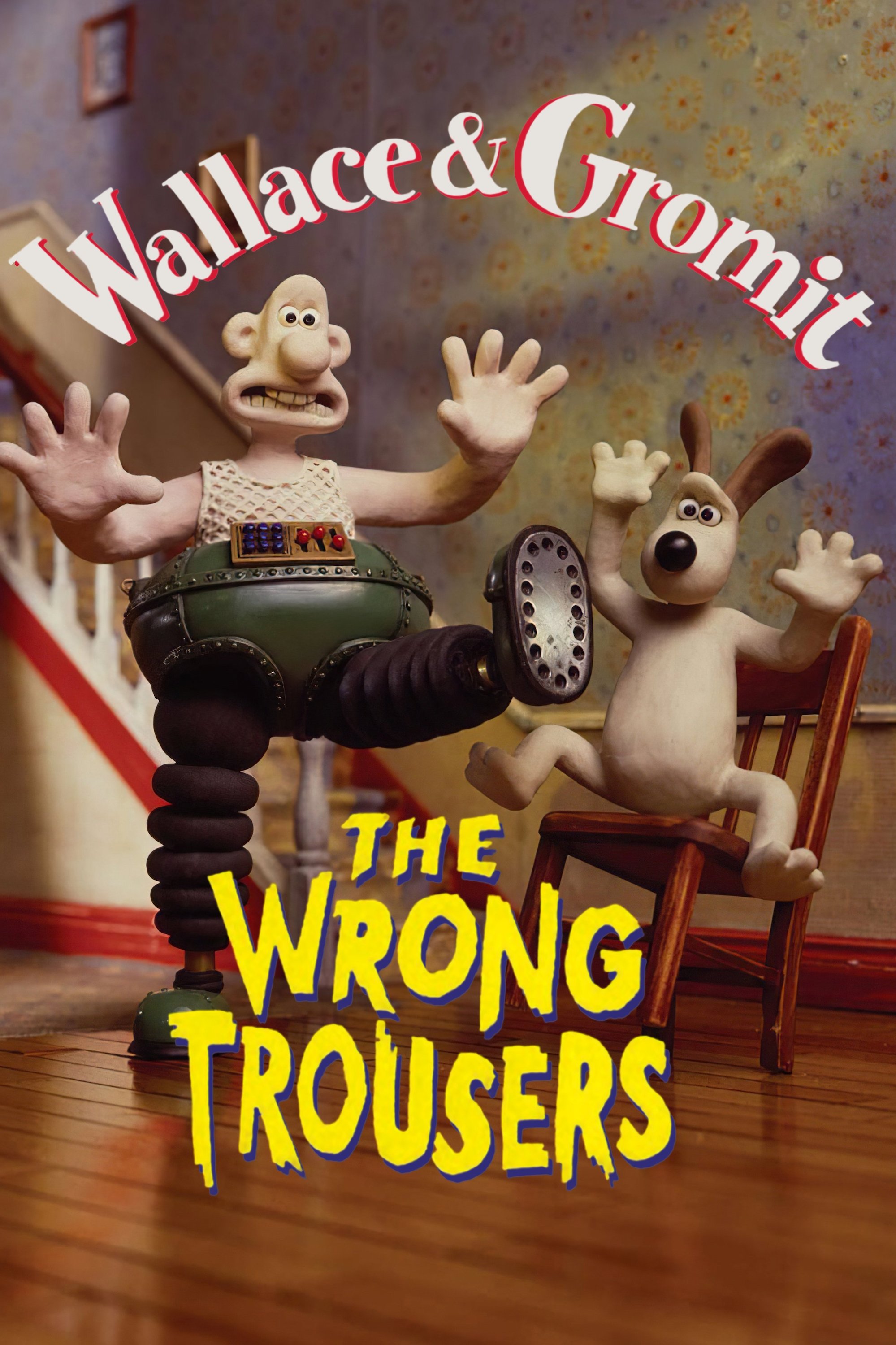
Wallace rents out Gromit's former bedroom to a penguin, who takes up an interest in the techno trousers created by Wallace. However, Gromit later learns that the penguin is a wanted criminal.
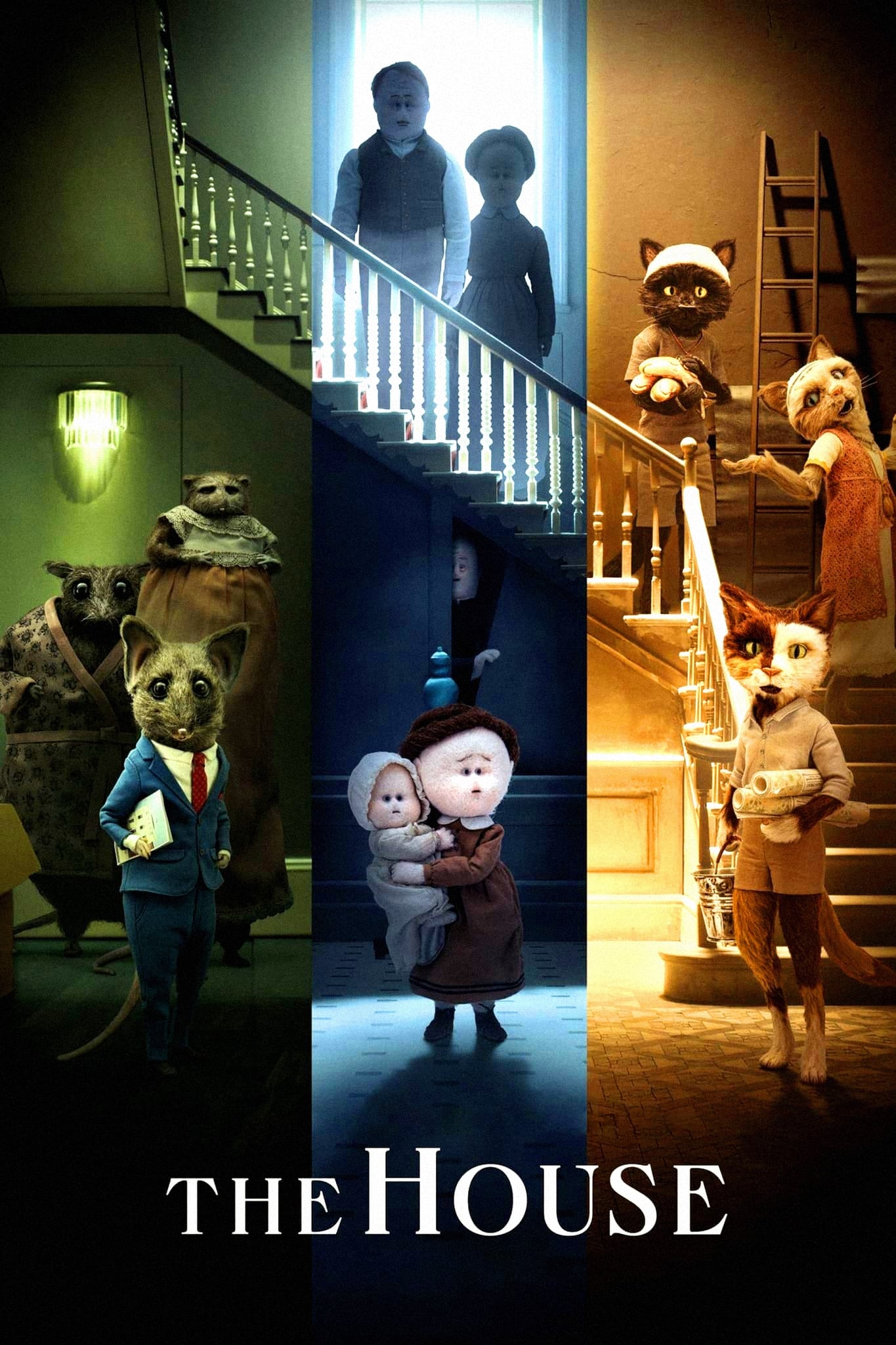
Across different eras, a poor family, an anxious developer and a fed-up landlady become tied to the same mysterious house in this animated dark comedy.
I made this film especially for you. I needed to check in with you. I needed to tell you how I feel.
After it's discovered that a teacher at South Park Elementary has an OnlyFans page, Randy is compelled to take a closer look at the seedy underbelly of the world of online influencers.
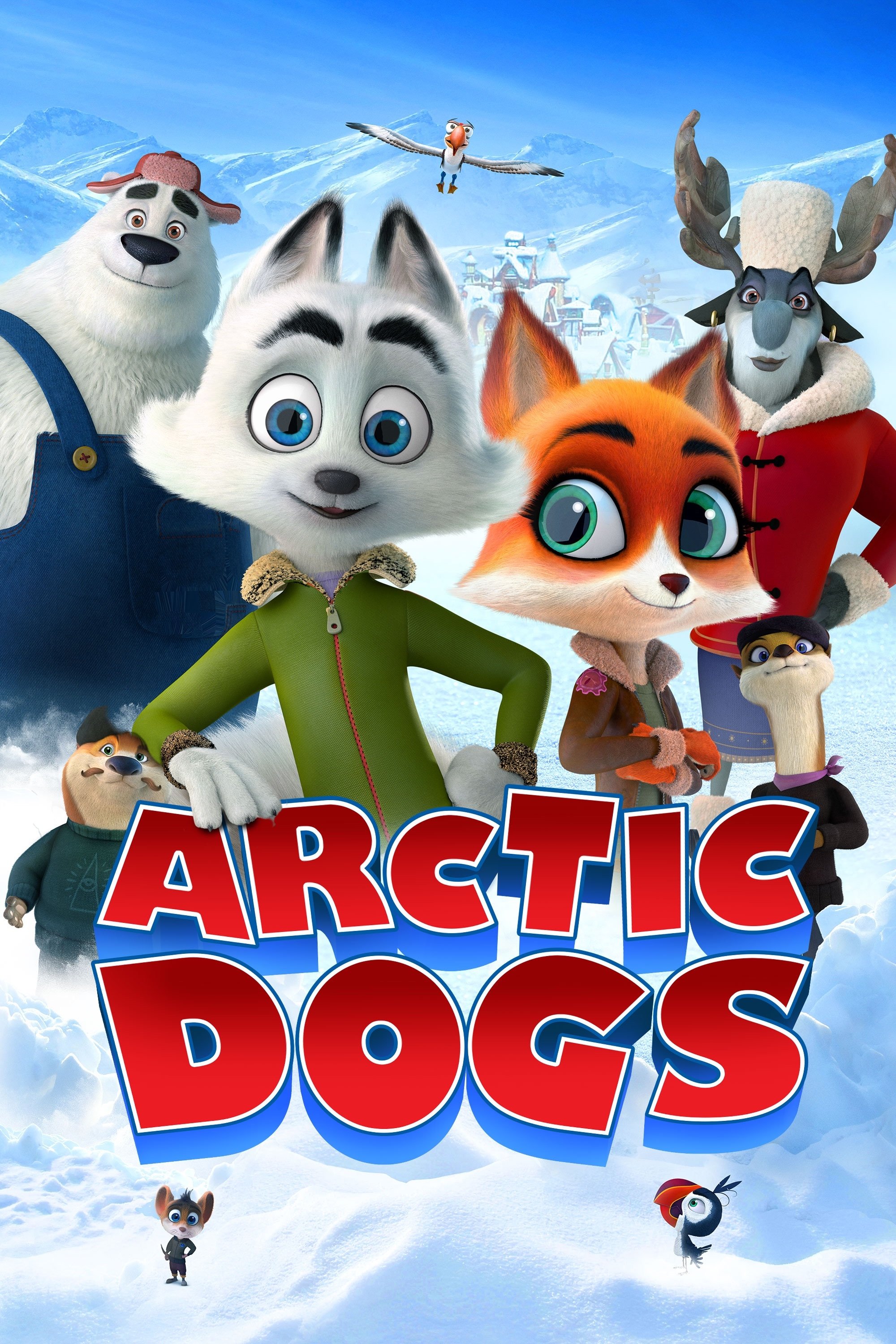
Animals band together to save the day when the evil Otto Von Walrus hatches a sinister scheme to accelerate global warming and melt the Arctic Circle.
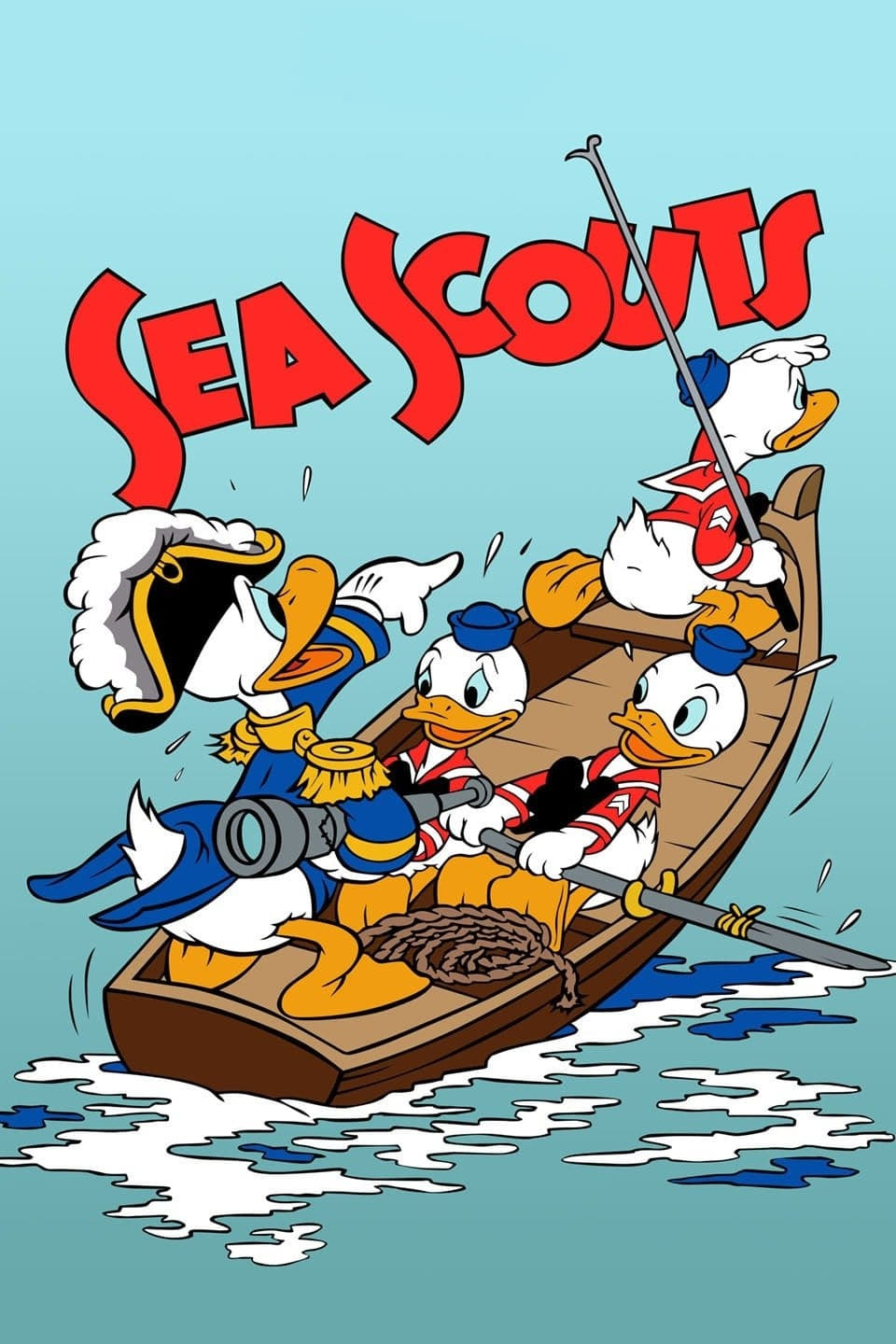
Donald is an admiral on a seagoing voyage with his nephews in which they encounter a ravenous shark.
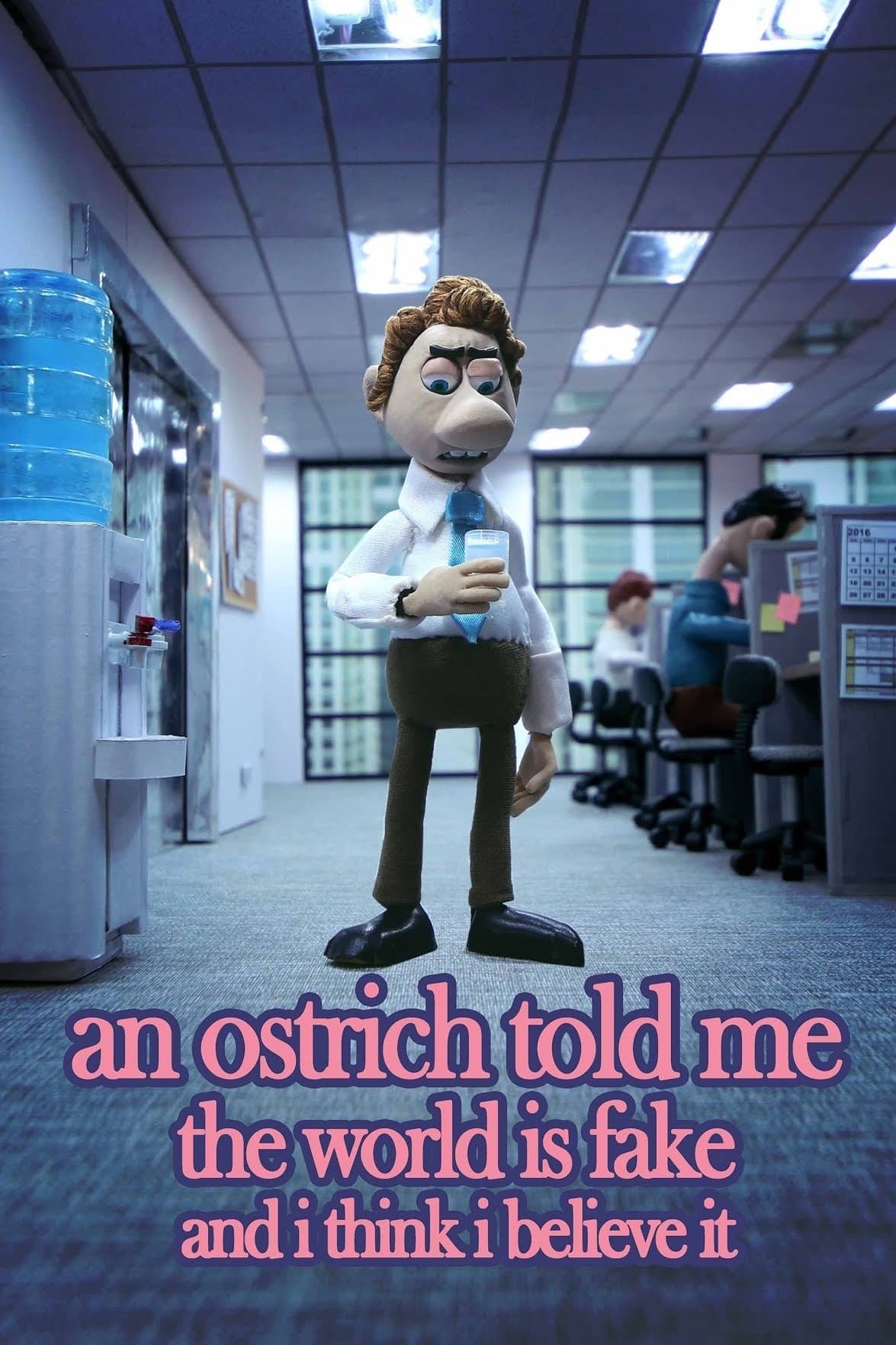
When a young telemarketer is confronted by a mysterious talking ostrich, he learns that the universe is stop motion animation. He must put aside his dwindling toaster sales and focus on convincing his colleagues of his terrifying discovery. It's scary business living in a stop motion world, where your faces come off and a giant hand controls your every move.
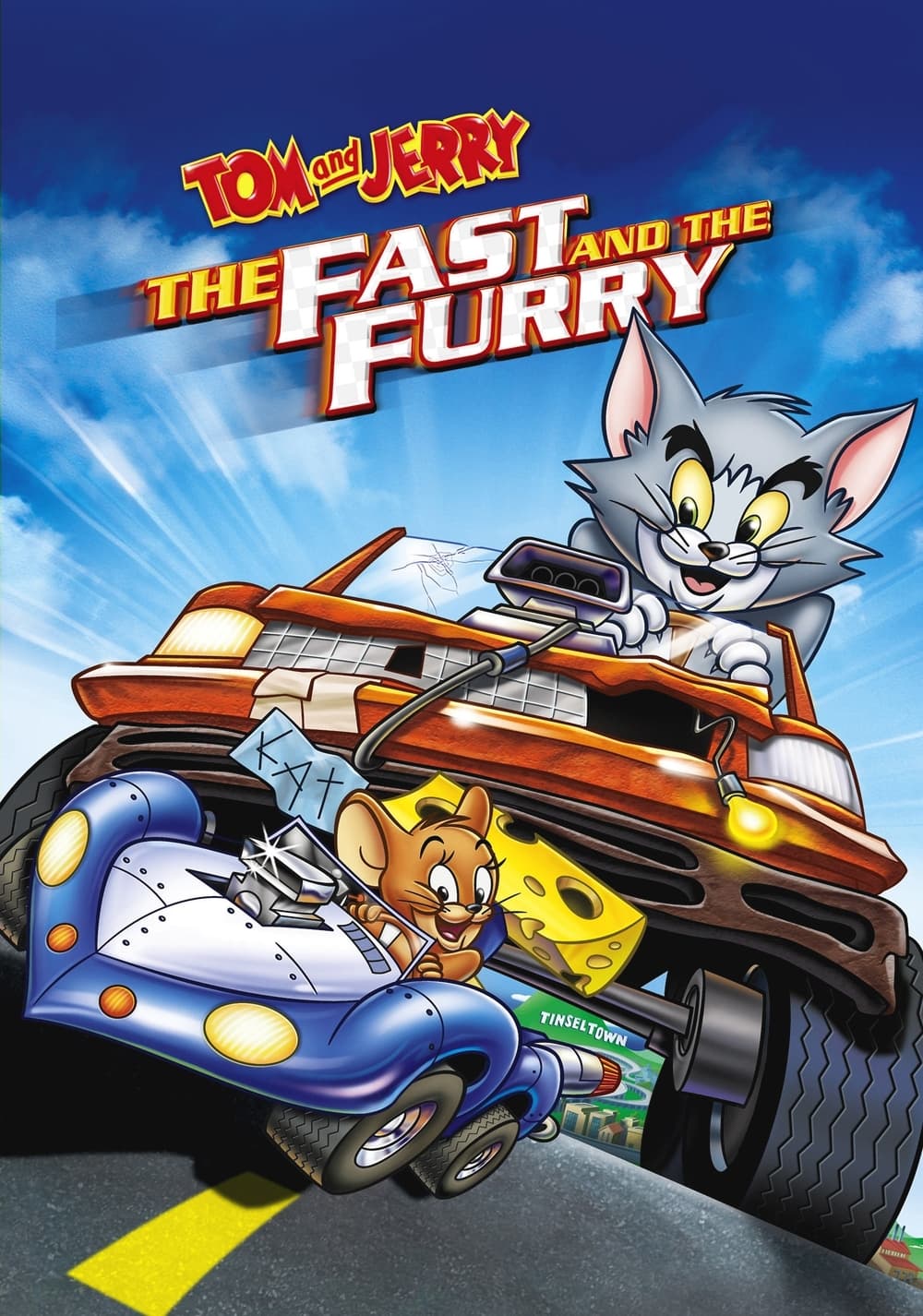
After being evicted from their old house by Tom's owner for causing major damage, cat and mouse Tom and Jerry enter a race entitled the "Fabulous Super Race" to win a mansion.
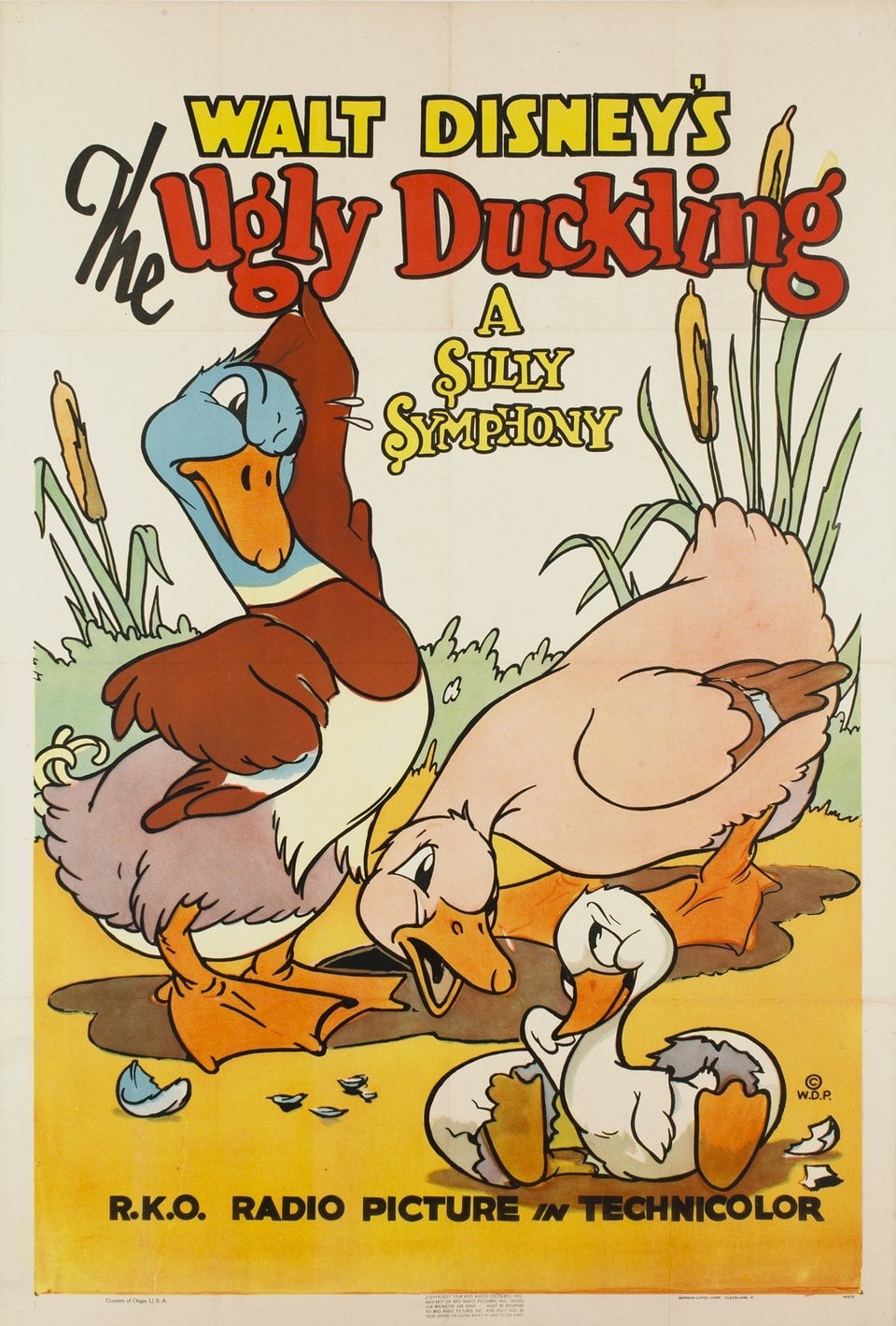
An outcast duckling's search for a family to accept him leads to constant rejection before learning his true identity as a swan.
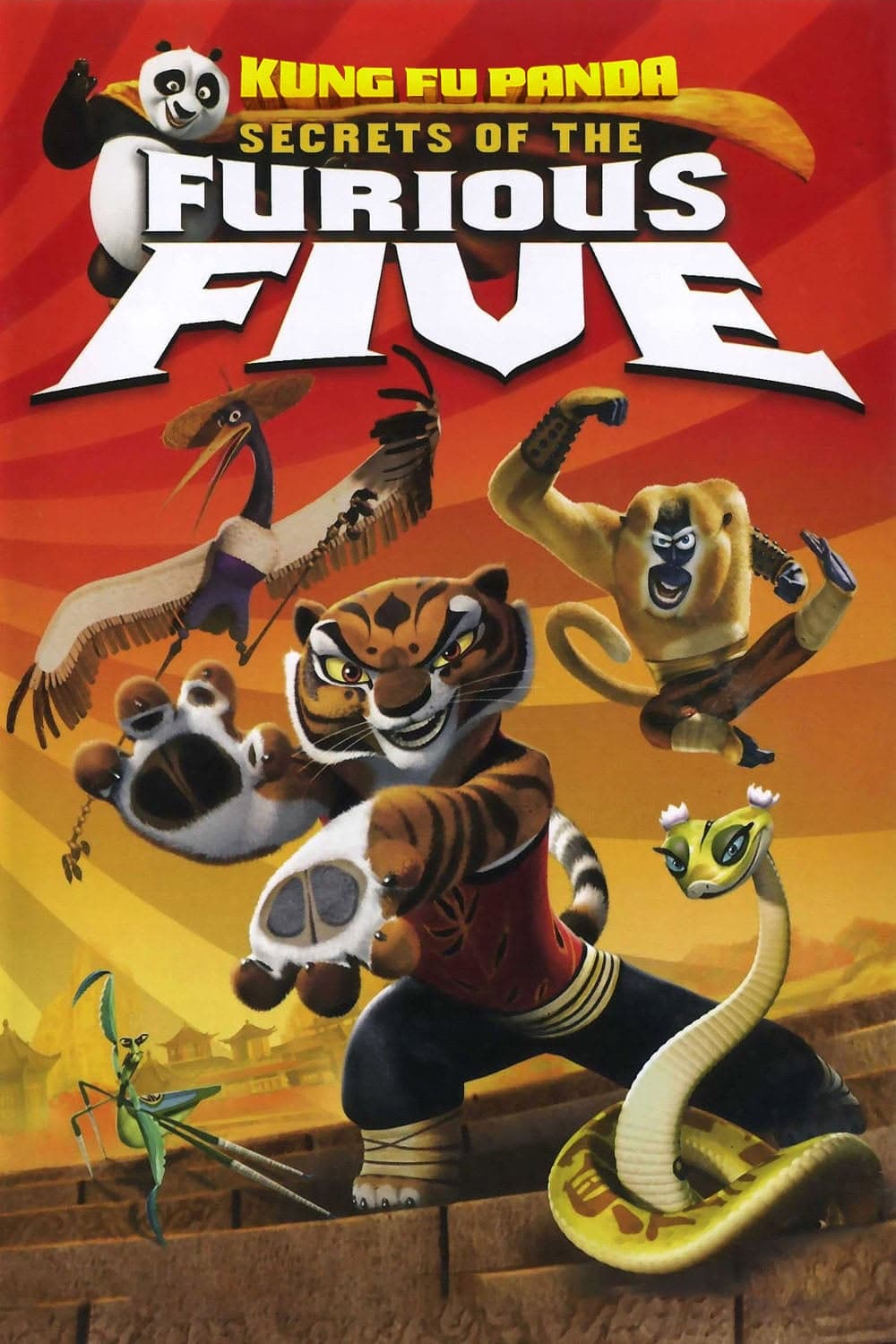
Ordered to teach a martial arts class of rambunctious bunny kittens, Po tells stories of each of the Furious Five's pasts.
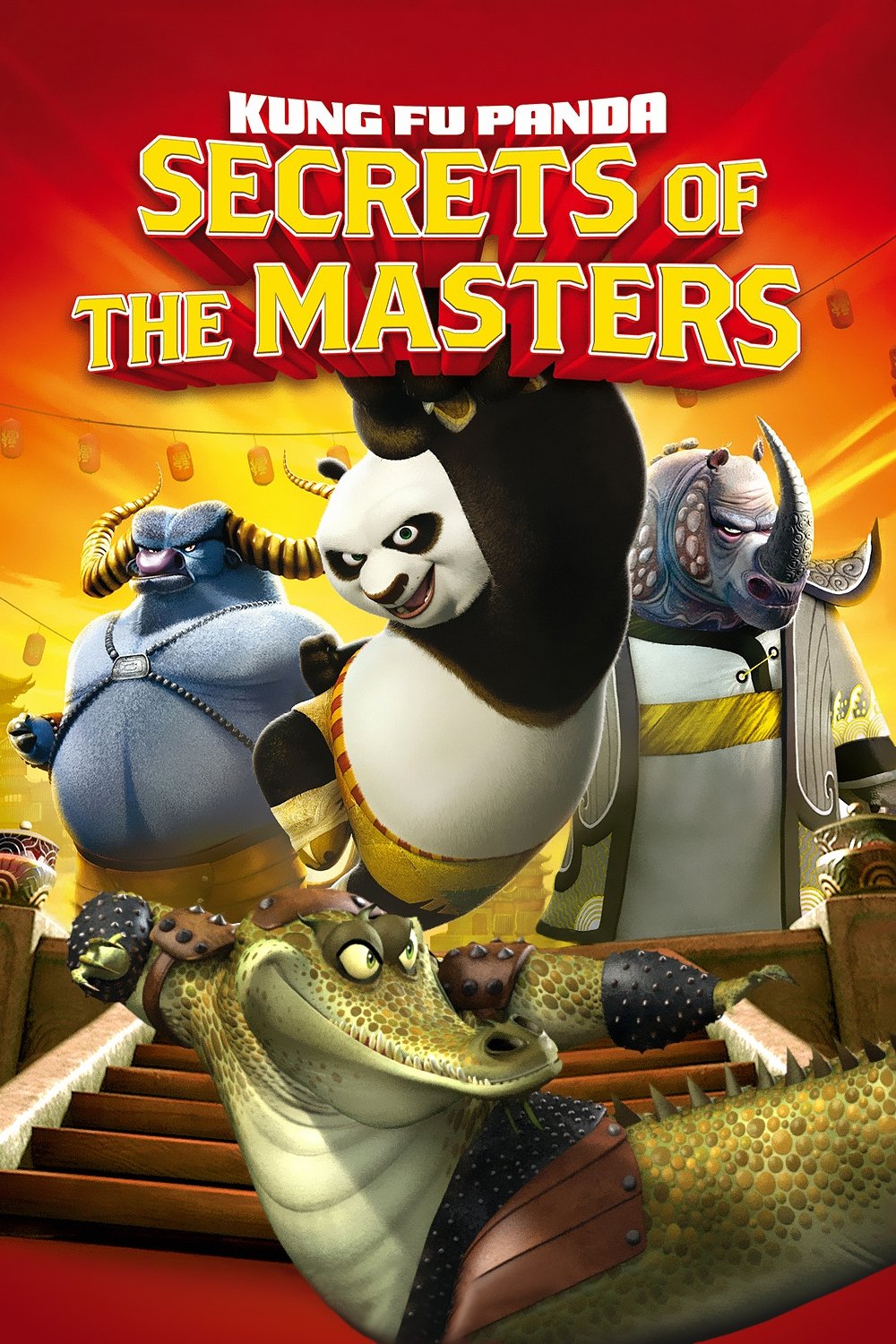
Po and the Furious Five uncover the legend of three of kung fu's greatest heroes: Master Thundering Rhino, Master Storming Ox, and Master Croc.
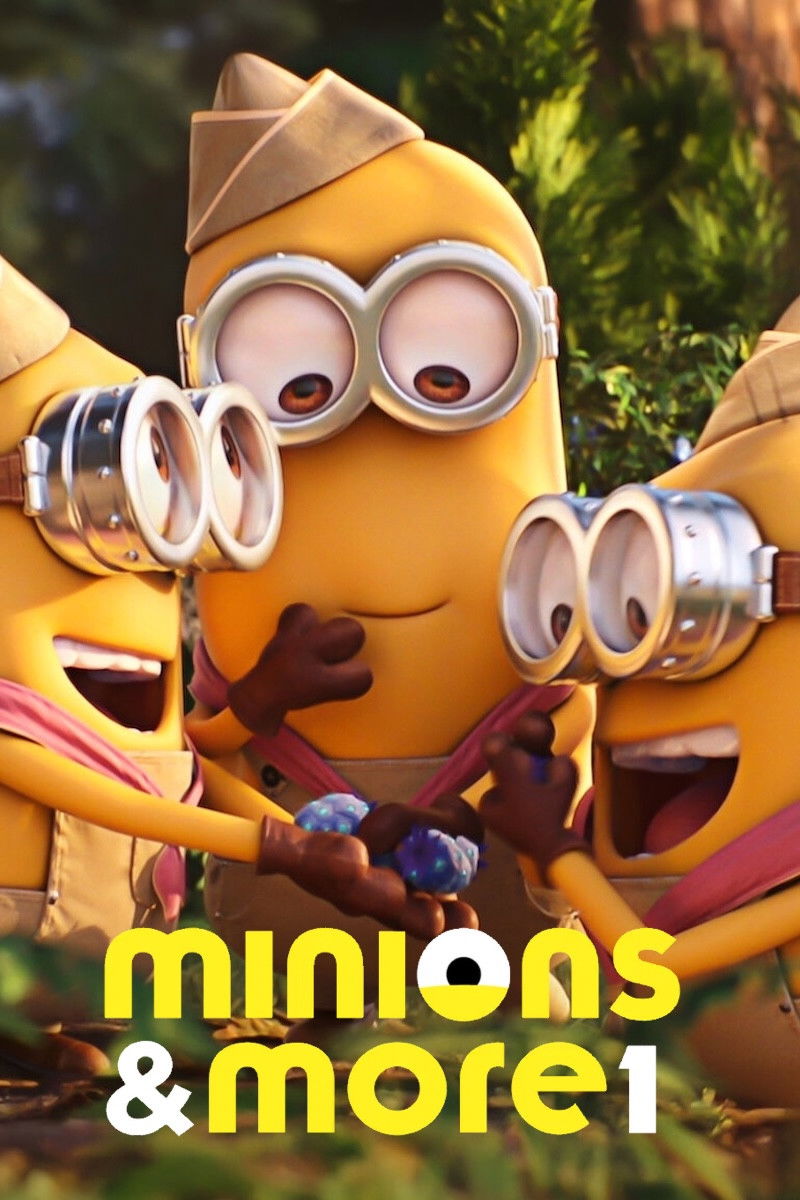
This collection of 11 short films produced by Illumination includes: From the "Despicable Me" franchise: Mower Minions (2016); Yellow Is the New Black (2018); Competition (2015); Cro Minion (2015); Binky Nelson Unpacified (2015); Panic in the Mailroom (2013). From the "Secret Life of Pets" franchise: Super Gidget (2019). From the "Sing" franchise: Eddie's Life Coach (2017); Gunter Babysits (2017). From the "Lorax" franchise: Serenade (2012); Wagon Ho! (2012).
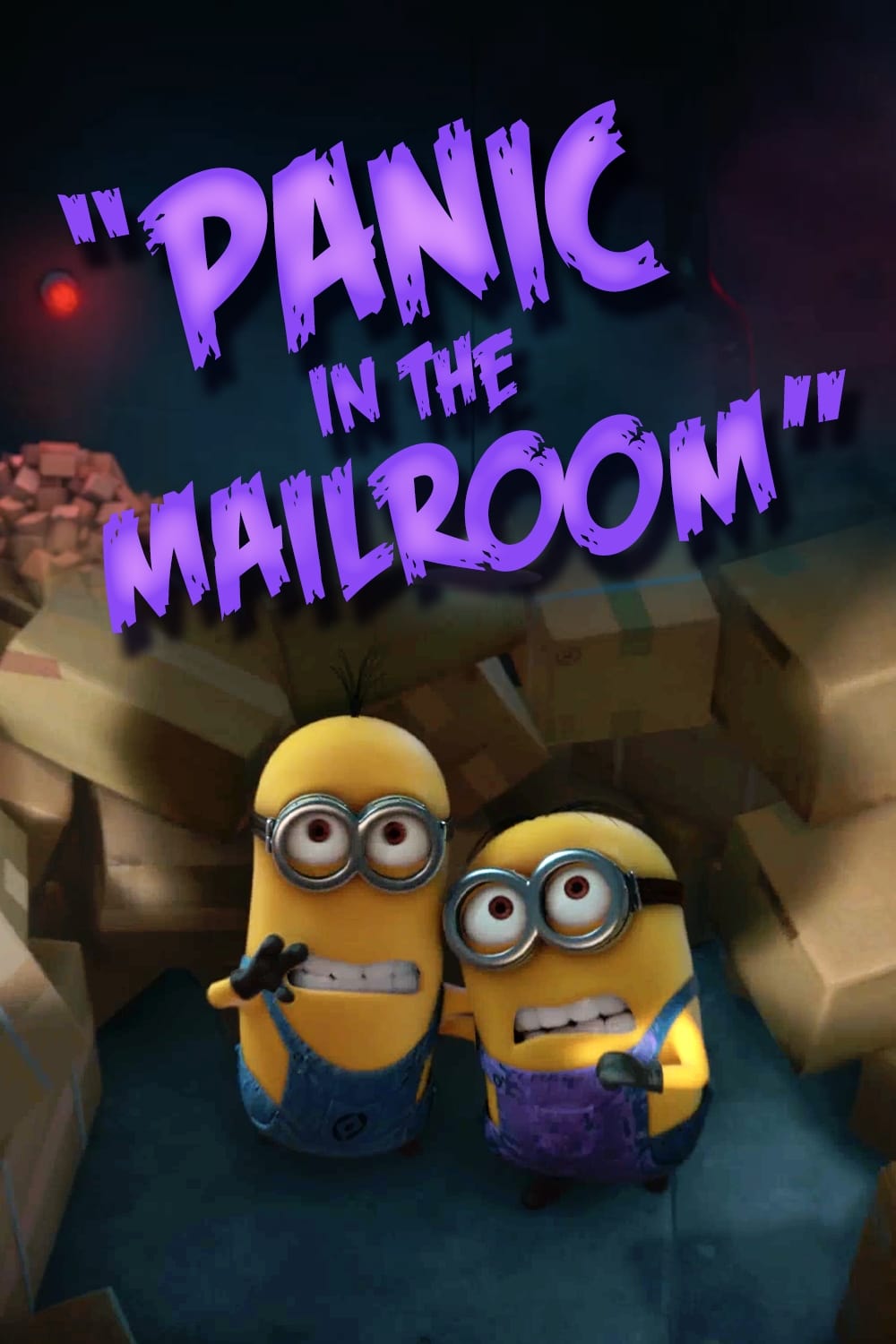
Two Minions are busy at work in the mailroom. One of them, bored, decides to throw a box of expired PX-41 samples into its designated chute.
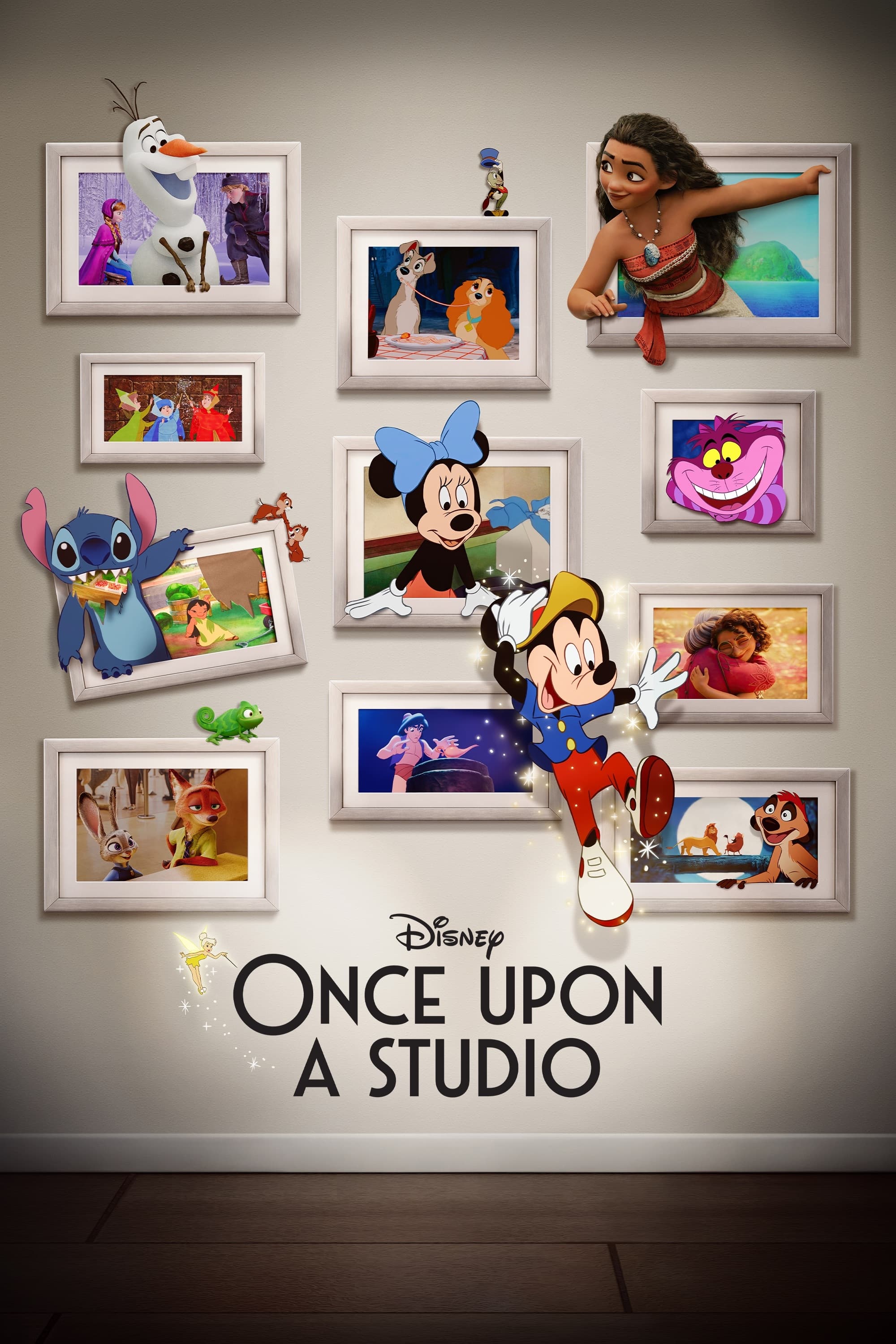
Created for Disney's 100th anniversary, the short features Mickey Mouse corralling a gallery of legendary Disney characters for a group photo.
Seth Green and Matthew Senreich serve up hilarious Walking Dead-inspired satire in this special featuring the zany stop-motion animation of Adult Swim’s “Robot Chicken.”
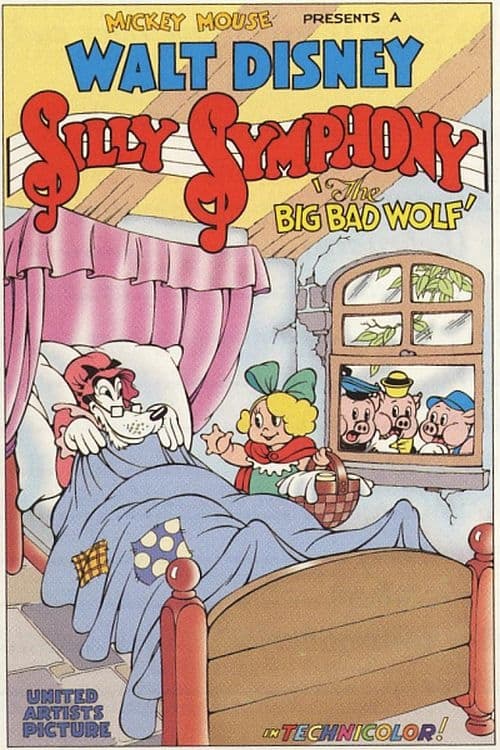
The Big Bad Wolf torments Little Red Riding Hood and the Three Little Pigs.
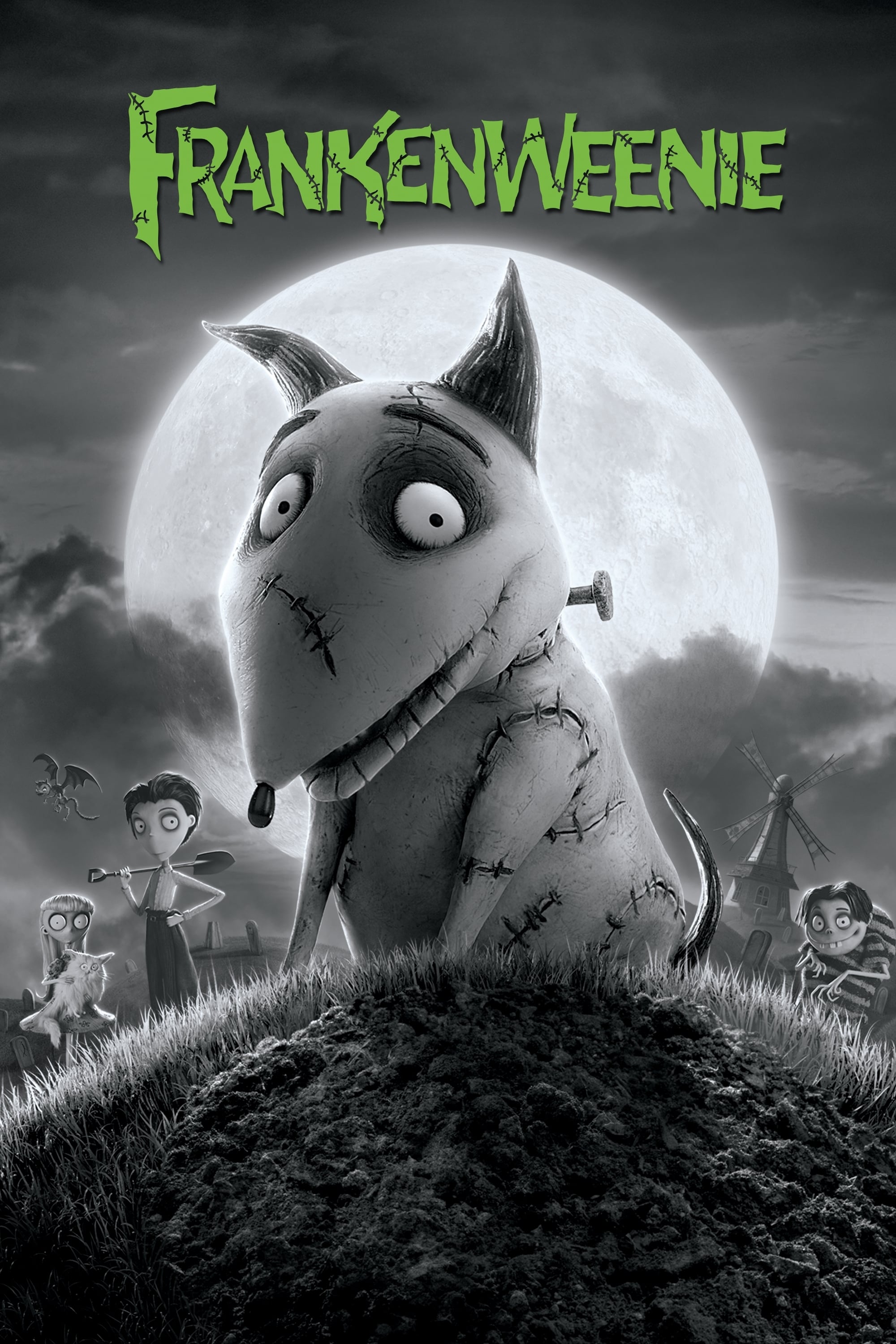
When a car hits young Victor's pet dog Sparky, Victor decides to bring him back to life the only way he knows how. But when the bolt-necked "monster" wreaks havoc and terror in the hearts of Victor's neighbors, he has to convince them that Sparky's still the good, loyal friend he was.
Naruto faces off against his old pupil Konohamaru in a tournament during the chuunin entrance exams.
This collection of 10 short films produced by Illumination includes: From the "Despicable Me" franchise: Puppy (2013); Minion Scouts (2019); Training Wheels (2013); The Secret Life of Kyle (2017); Santa's Little Helpers (2019). From the "Grinch" franchise: The Dog Days of Winter (2019). From the "Secret Life of Pets" franchise: Norman Television (2016); Weenie (2016). From the "Sing" franchise: Love at First Sight (2017). From the "Lorax" franchise: Forces of Nature (2012).
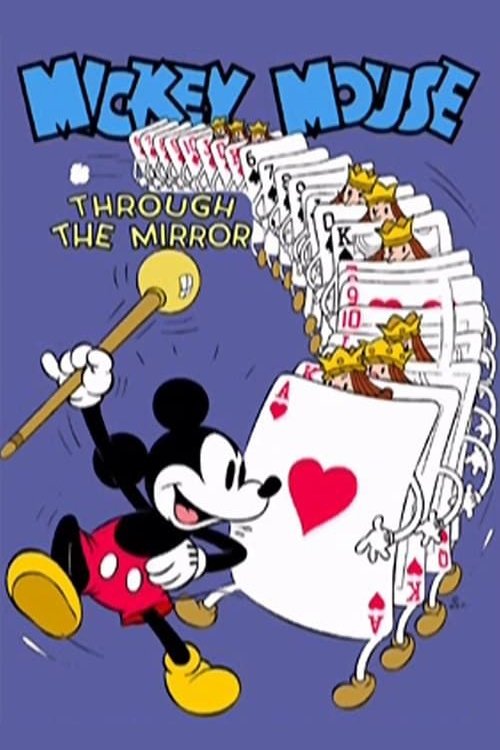
Mickey has been reading Alice in Wonderland, and falls asleep. He finds himself on the other side of the mirror, where the furniture is alive.
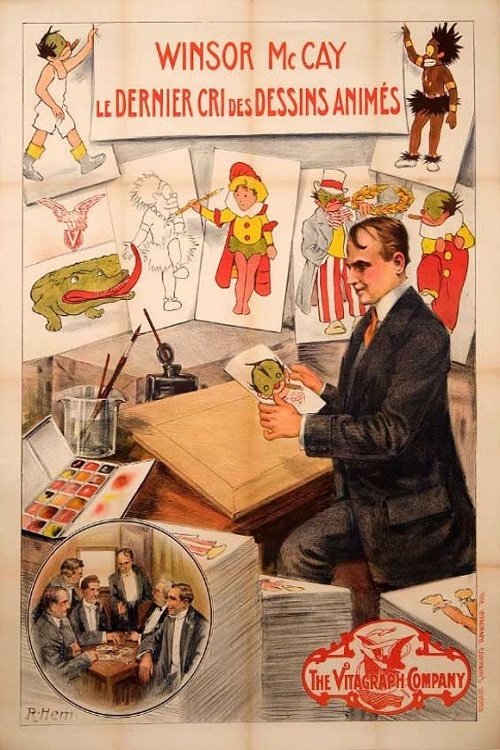
Cartoon figures announce, via comic strip balloons, that they will move - and move they do, in a wildly exaggerated style. Also known as "Winsor McCay, the Famous Cartoonist of the N.Y. Herald and His Moving Comics".