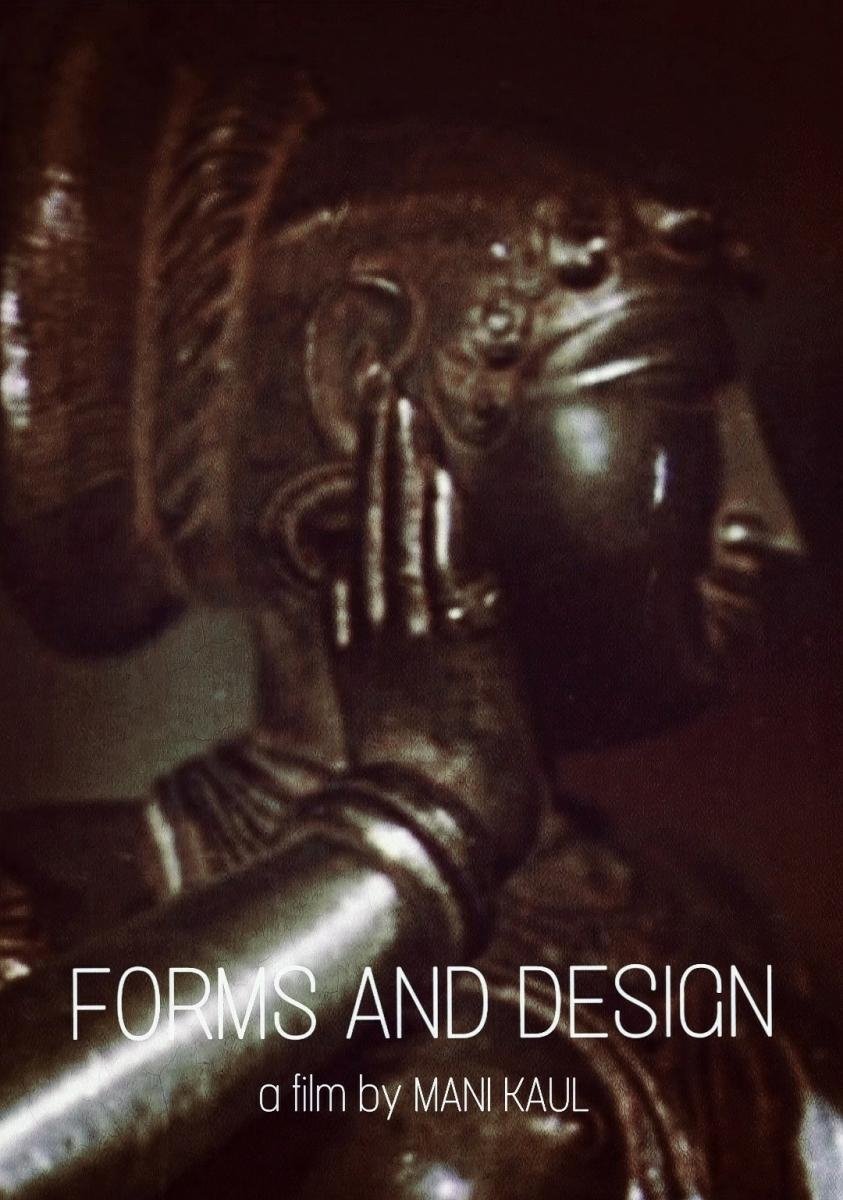
A short film that sets up an opposition between functional forms of industrial age and decorative ones from Indian tradition.
Social & External
Narrator (voice)
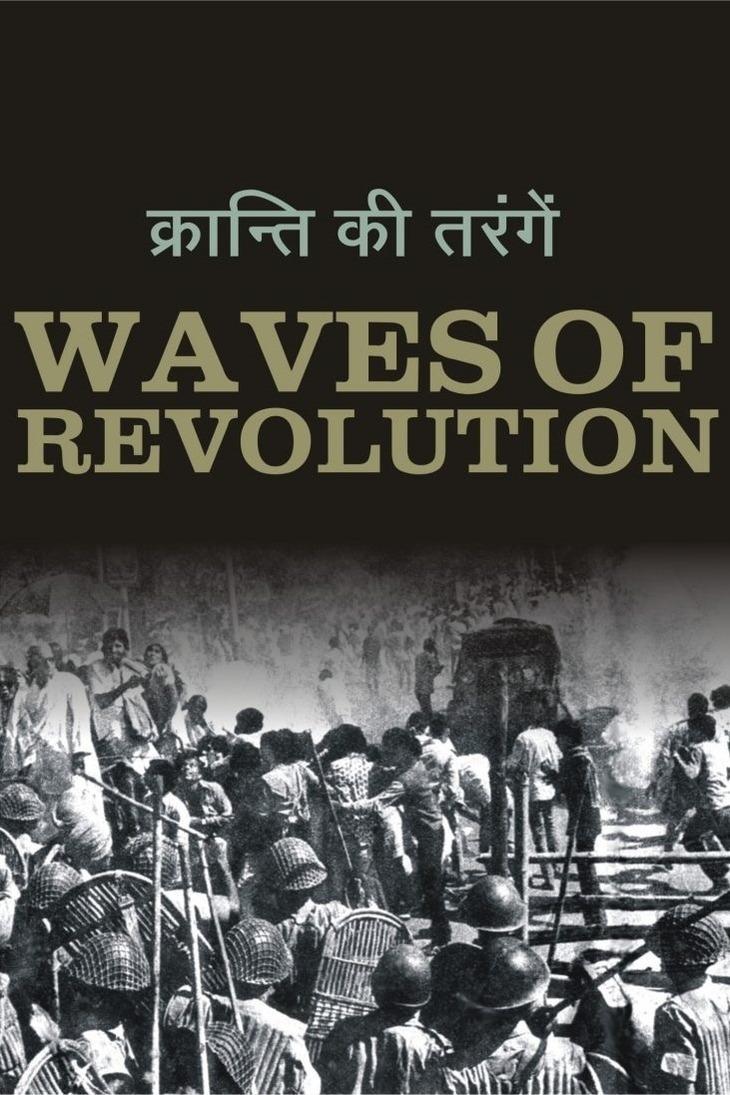
Film made during the repressive days of the Emergency in India documents the 1974-75 uprising of the people of Bihar in Eastern India.
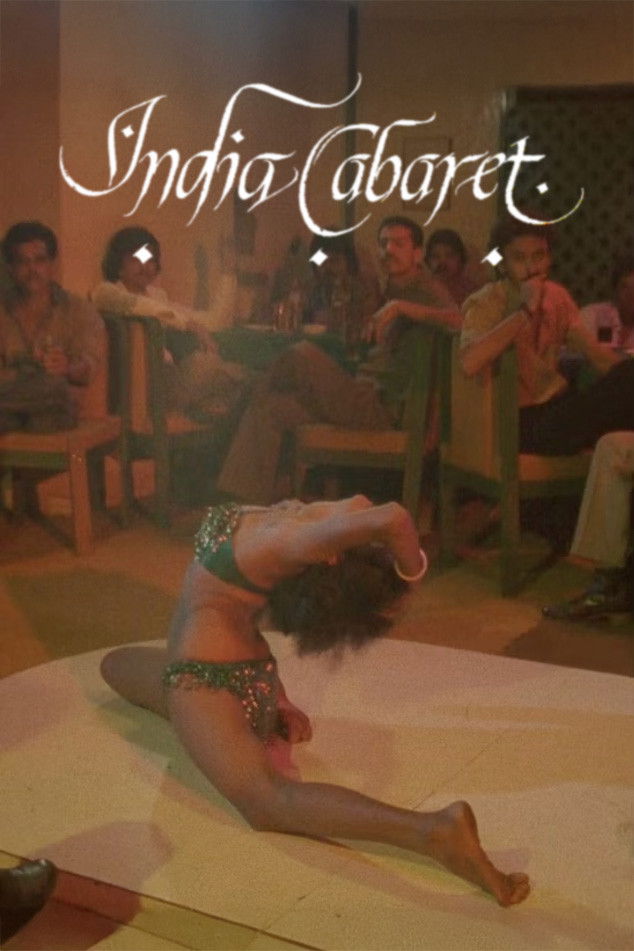
An exploration of the 'respectable' and 'immoral' stereotypes of women in Indian society told from the point of view of two striptease dancers in a Bombay cabaret.
This award-winning documentary explores the changing face of right-wing politics in India through a study of the 2002 Gujarat Riots. It specifically examines political tendencies reminiscent of the Nazi Germany of early 1930s. Final Solution is anti-hate/violence, as 'those who forget history are condemned to relive it'.
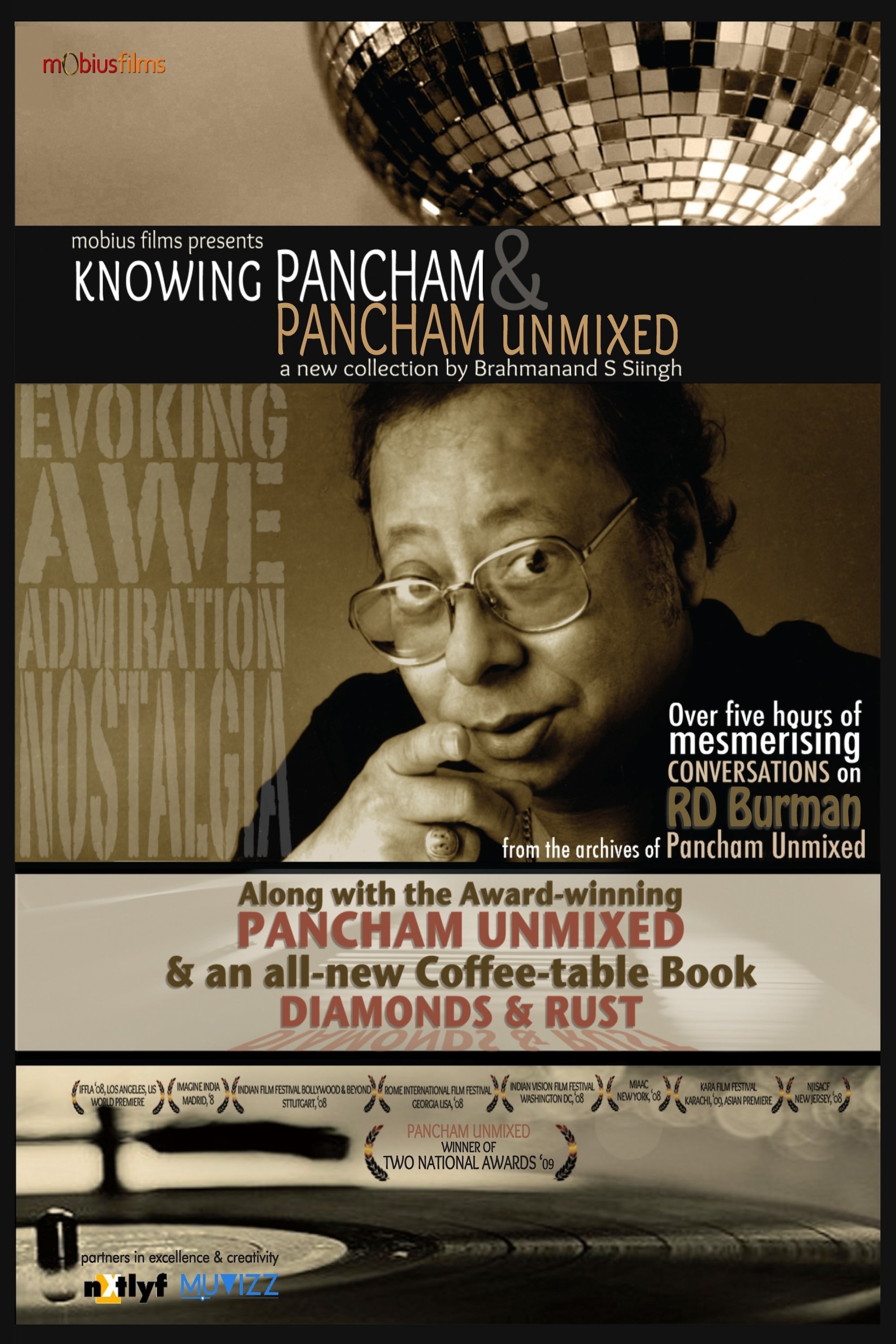
Winner of 2 National Awards, Pancham Unmixed: Mujhe Chalte Jaana Hai, takes an incisive look into the legendary composer, RD Burman's reflective artistry and buoyant-but-also-lonely inner being. Featuring a host of close friends, colleagues and admirers, the film evokes awe, admiration and nostalgia the way most of his music does, till date.
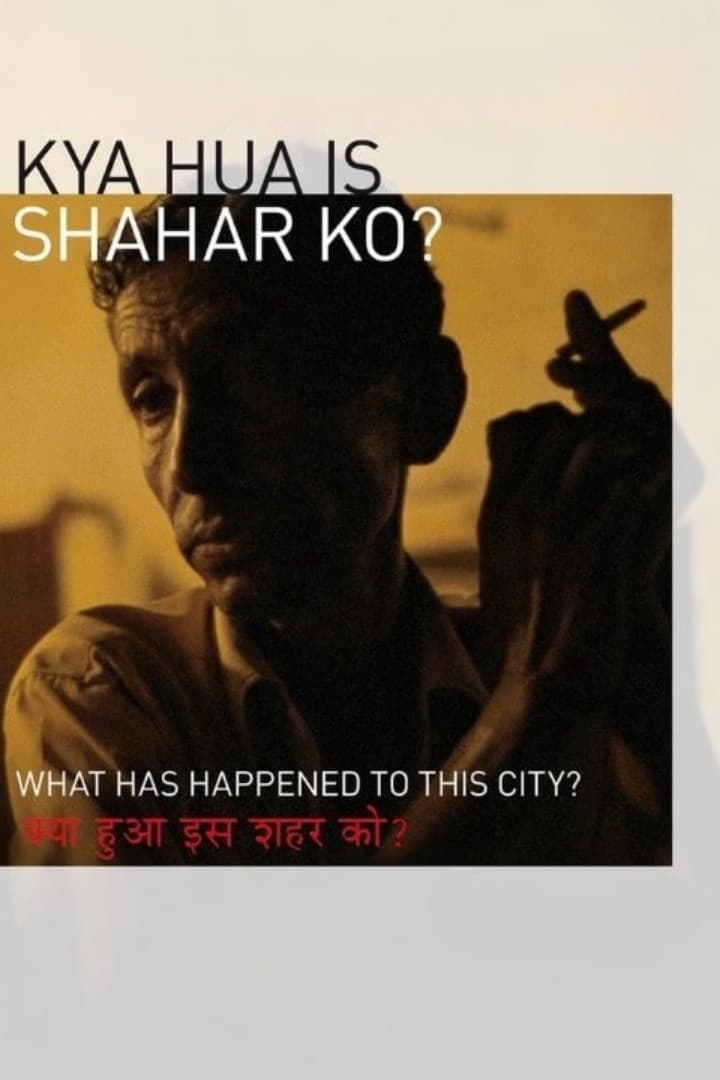
Explores the processes of political maneuvering which led to the Hyderabad communal riots in 1984. The city’s history, the provocative speeches of its politicians and the instrumentalisation of religious processions stands next to the testimonies and the striking visual accounts of the Old City’s working class – those who lose their livelihoods through violent attacks and long periods of imposed curfew.
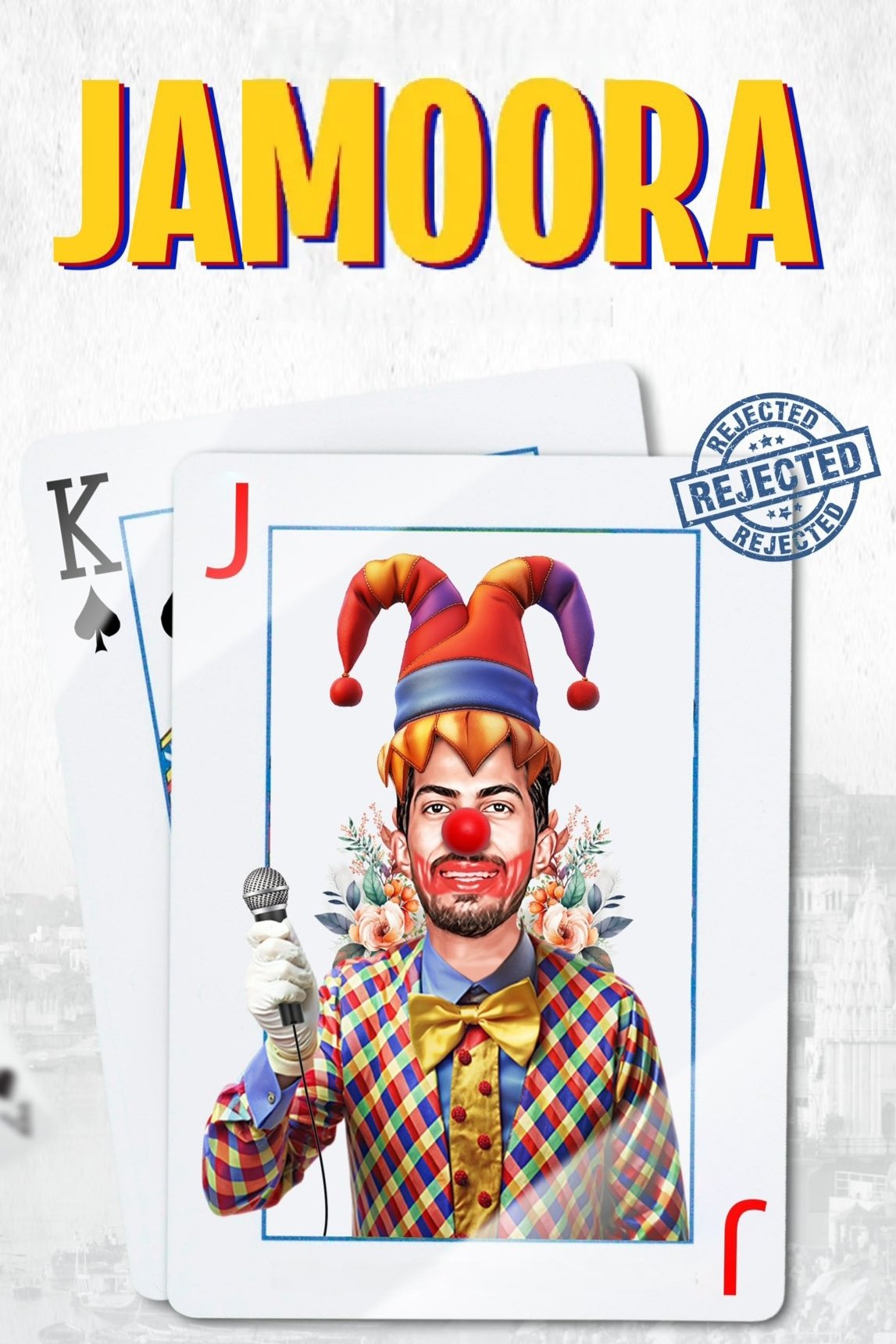
Follows Shyam Rangeela, a stand-up comedian infamous for his Narendra Modi impersonation, and his daring pursuit of filing the general election nomination from the same constituency as the incumbent prime minister of India.
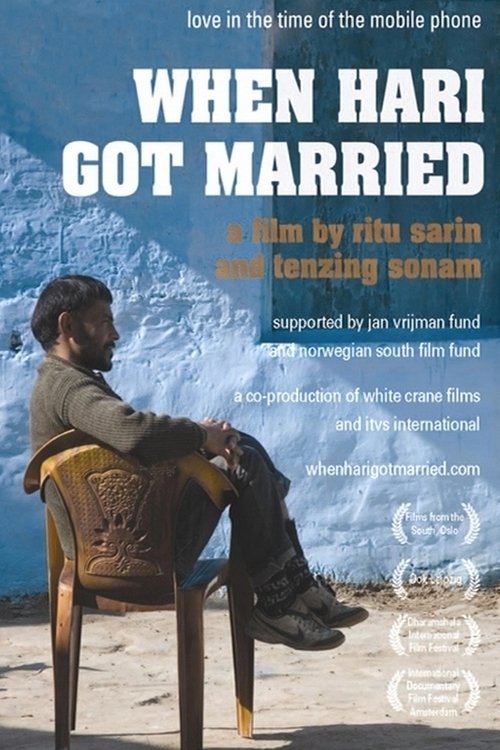
Age-old customs and traditions collide with a rapidly modernizing India when Hari, a small-town taxi driver, has an arranged marriage to a girl he has never met
A 'filmscape' on the Kashmir valley.
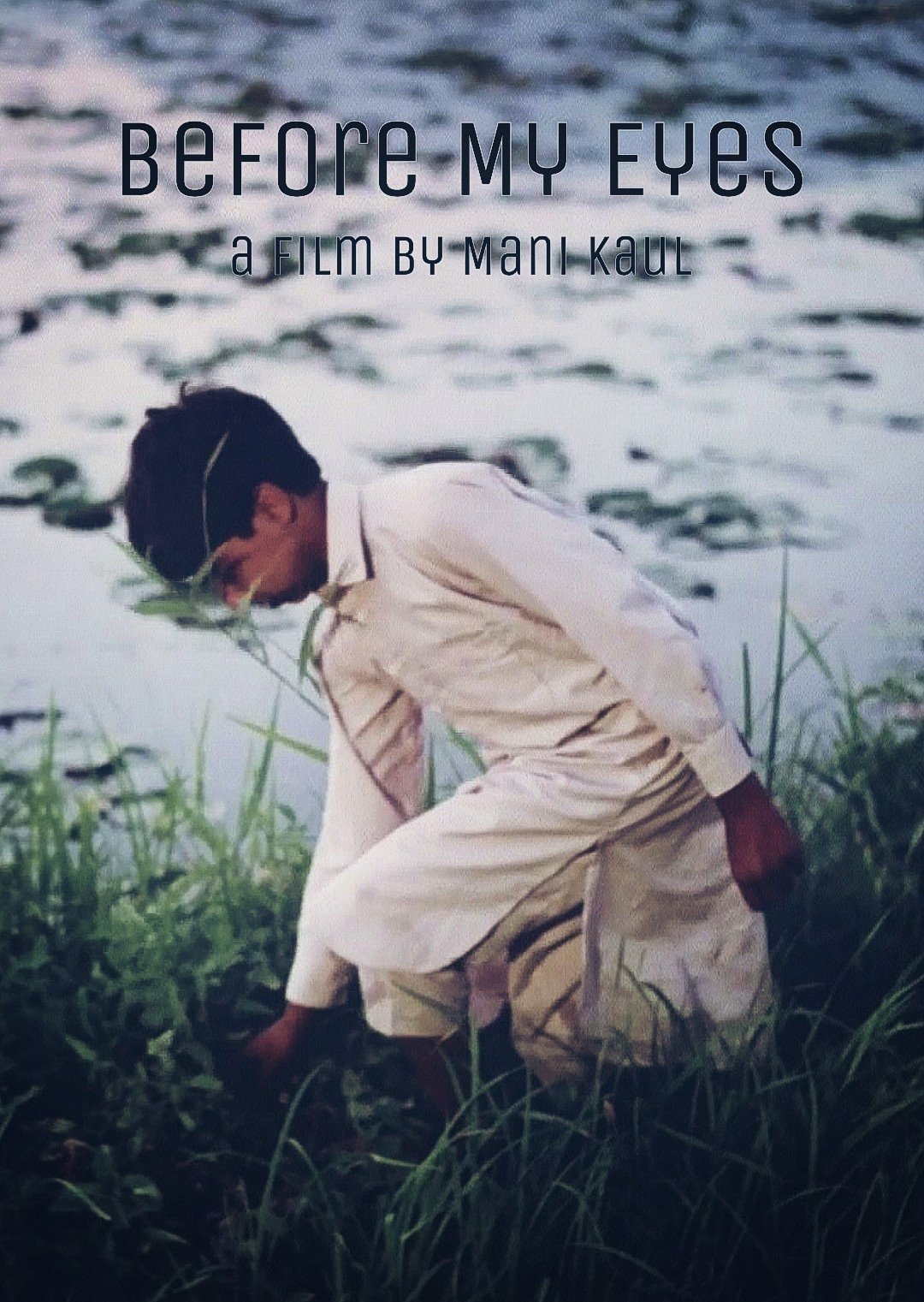
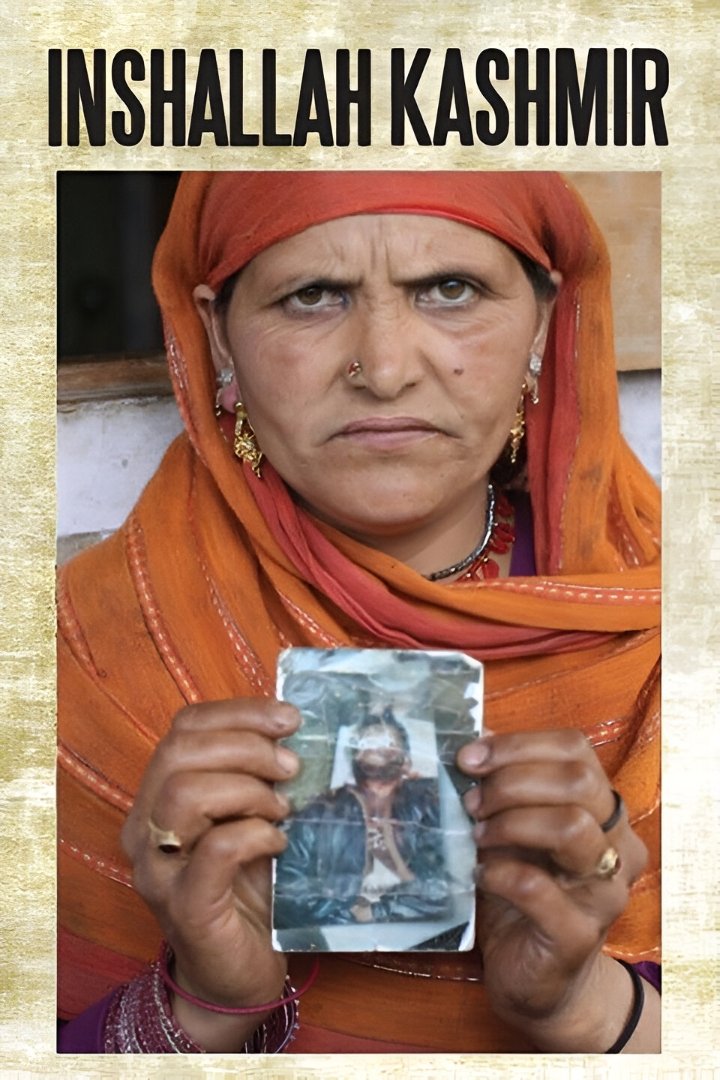
Testimonies of ordinary Kashmiris recount a brutal militancy and its terrible response. Dodging agents of Indian armed-forces, the filmmakers were able to obtain rare testimonials in the highest militarized zone in the world. The film tells how freedom is conceded and replaced by fear, governance by institutionalized oppression and a paradise made desolate on the watch of India : a secular, democratic republic. - Written by Anonymous
Director Shah Krishna compiled this compelling documentary of Indian cinema after spending two years searching through film archives from all over the world. Included are films from the turn of the 20th century through the 1970s to illustrate various schools of filmmaking and the historical progression of the art form.
This film explores various aspects of litterateur and painter Ram Kumar's personality by structuring the film around his stories and paintings, traveling between fragments of his past, present, fiction and imagery. It strives of etch out the synthesis of word and image in Ram Kumar's creations, presenting it as a portrait of the artist himself. The text used in the film is from various short stories by Ram Kumar.
An ascetic walks through the narrow streets of a village every morning while his family is still asleep. In his semi-somnolent state he dreams about the history of the village mixing up myths, folklore and facts.
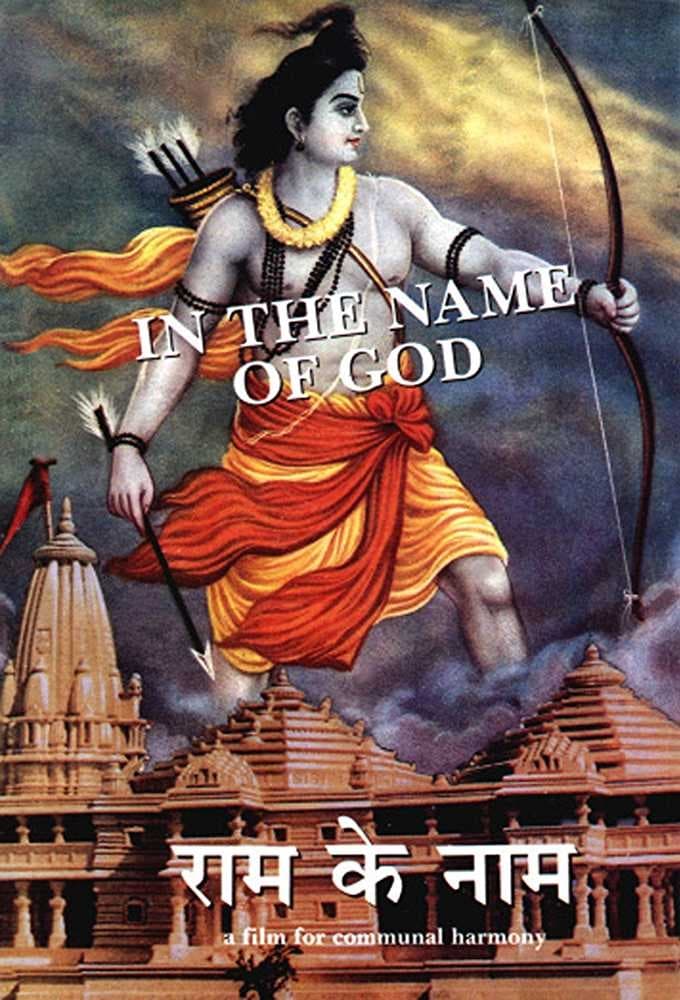
The film explores the campaign waged by the Hindu right-wing organisation Vishva Hindu Parishad to build a Ram temple at the site of the Babri Masjid in Ayodhya, as well as the communal violence that it triggered. A couple of months after Ram ke Naam was released, VHP activists demolished the Babri Masjid in 1992, provoking further violence.
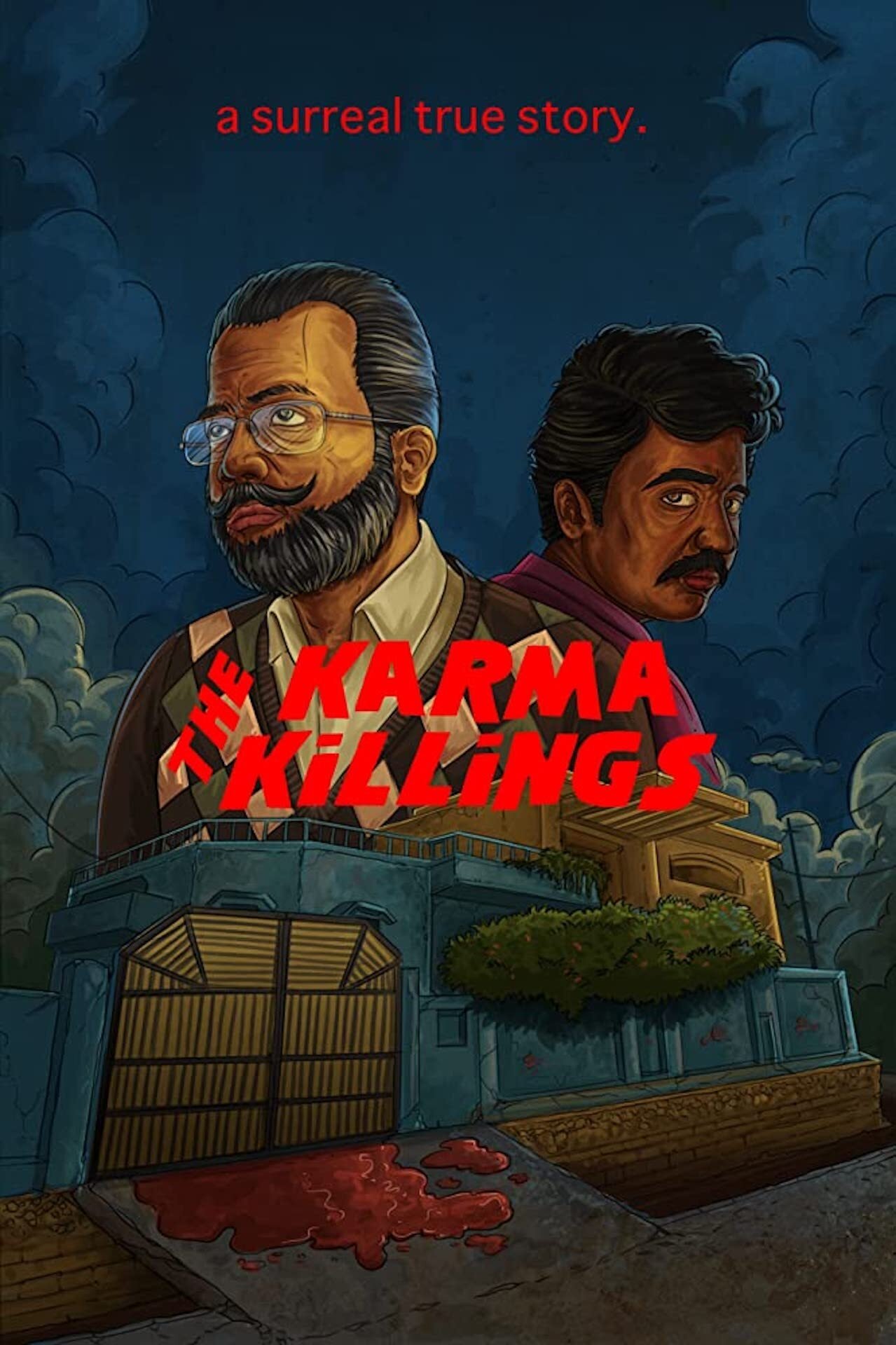
"The Karma Killings," is a modern-day crime thriller mixed in with Indian mythology and class warfare. The documentary delves into India's most infamous serial killings and its impact on a nation. Told through the people directly involved, the film unravels the complexities of the case and goes beyond the sensational headlines to present a suspenseful and scary mystery. And has a huge twist - one of the killers maybe innocent?
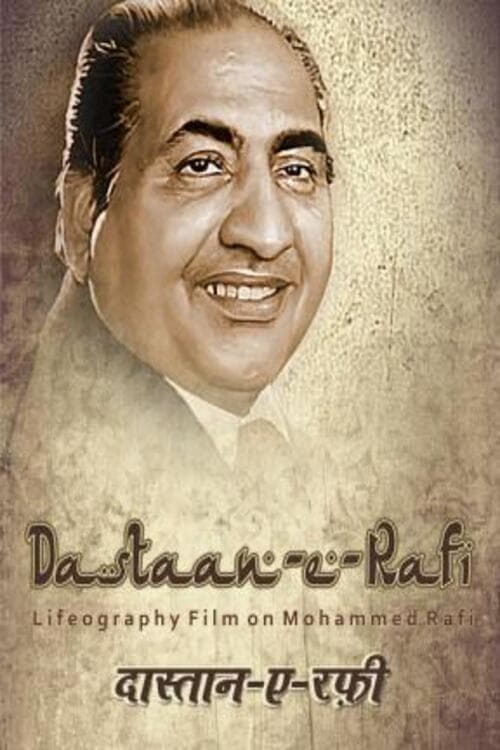
The biography of one of the greatest playback singers of Hindi cinema, Mohammed Rafi is a trip down memory lane. Fans of Rafi will love Dastaan E Rafi, a biography of celebrated singer Mohammed Rafi that showcases the celebrated singer’s extraordinary journey. The award-winning film by Shemaroo traces his life from his birth in Amritsar, to his struggle in Bombay before he got his break and his rise to stardom.
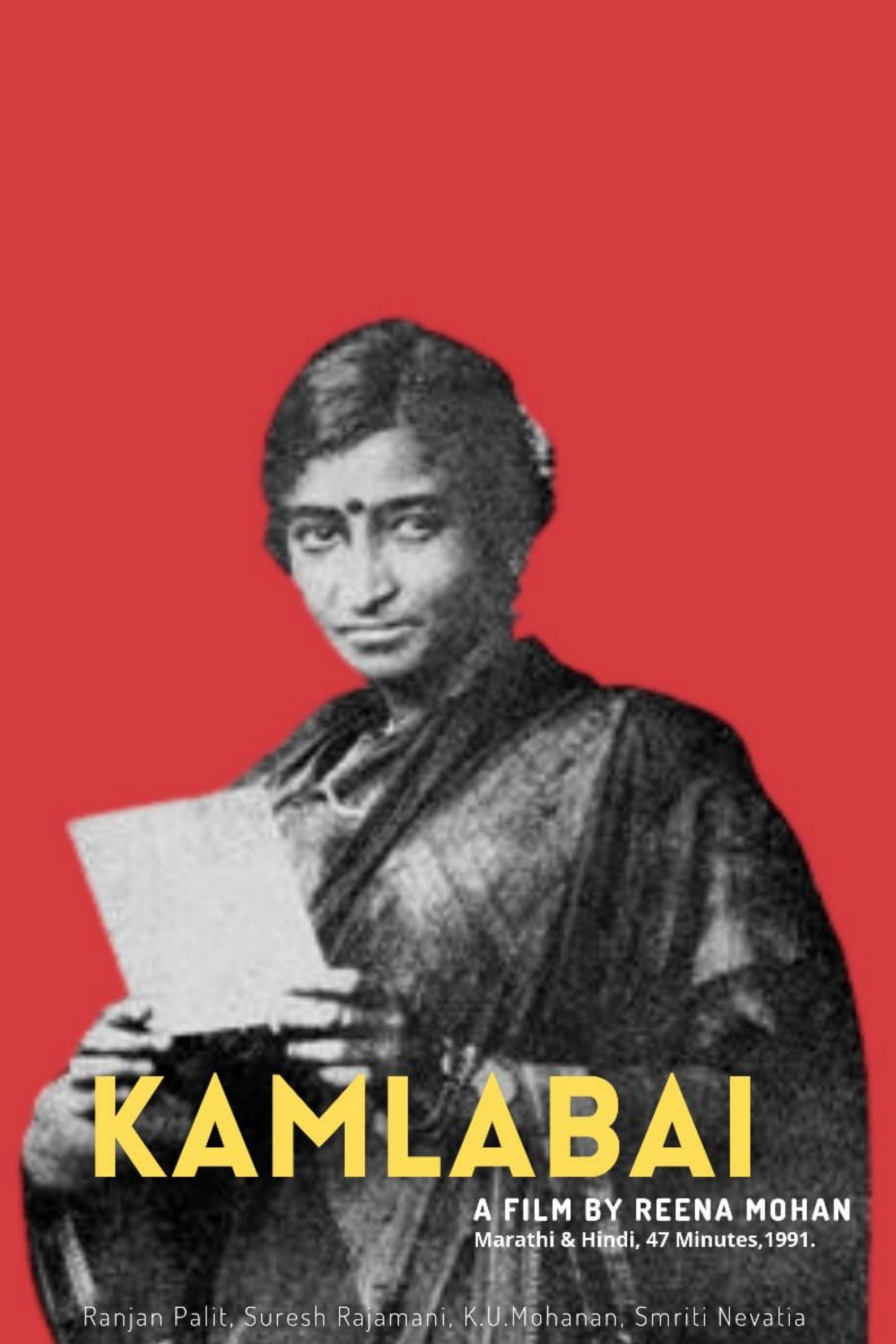
Conversations with 92 year old Kamlabai Gokhale, a pioneering actress of the Marathi stage and the first lady of Indian film. The documentary gives an impression of the history and growth of Indian film and theatre as it was experienced by a woman who struggled against the social structures of her times.
Each night the only border crossing between India and Pakistan on a 1000km stretch becomes the sight of an extraordinary event. Thousands of people gather to witness the ritual closing of the border, after which the masses get as close as possible to the gate to greet their former neighbors. This "festival" is therefore on the one hand a celebration of the partition, but on the other hand also the only connecting element. What do the terms separation, home and proximity mean to the people on both sides?
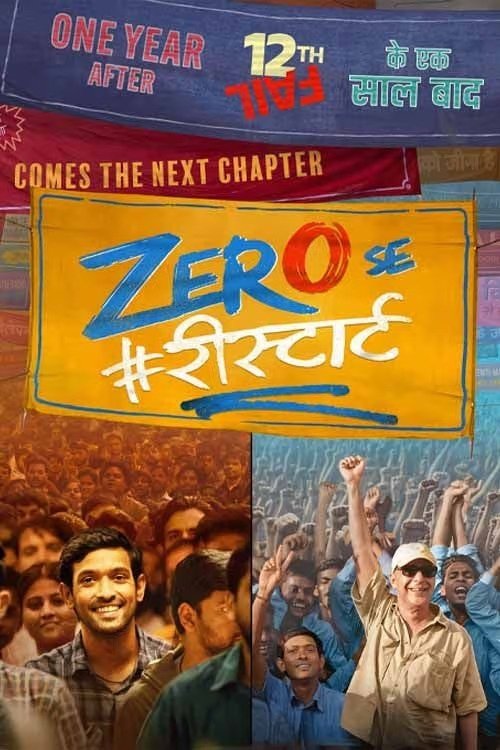
Offers an exclusive behind-the-scenes look at the making of the critically acclaimed film 12th Fail. Featuring Vikrant Massey and visionary director Vidhu Vinod Chopra, the documentary reveals the untold challenges, meticulous efforts, and sheer determination that shaped the movie's success. From Massey's commitment to authenticity-aging his costumes himself-to Chopra's relentless pursuit of excellence, Zero Se Restart captures the resilience and teamwork essential to creating cinematic magic.
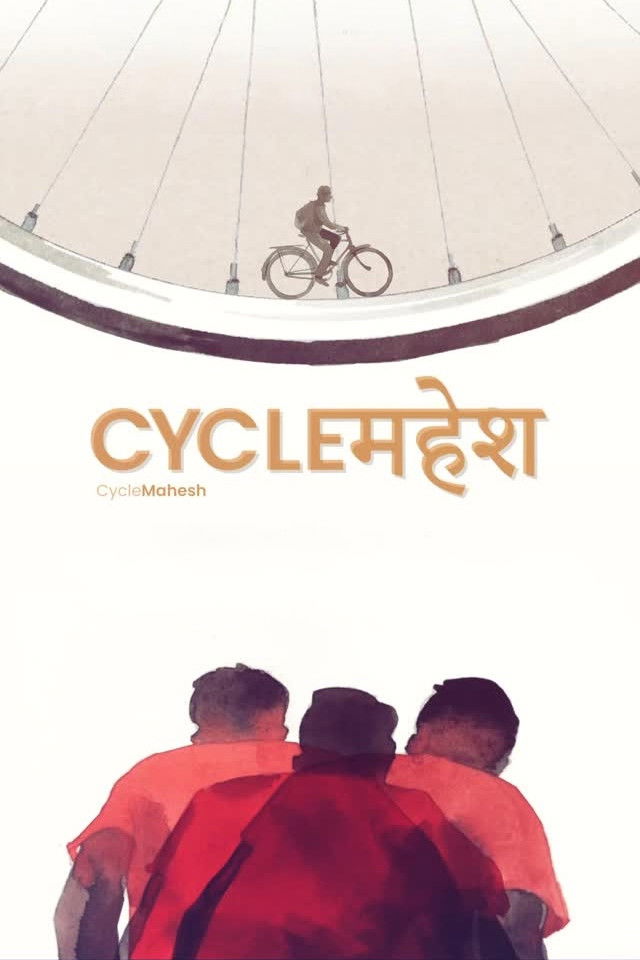
When a lockdown is announced in India, 22-year-old Mahesh finds himself stranded and decides to travel home on a rickety bicycle. He covers about 2,000 kilometers in seven days. It turns him into a national media hype.
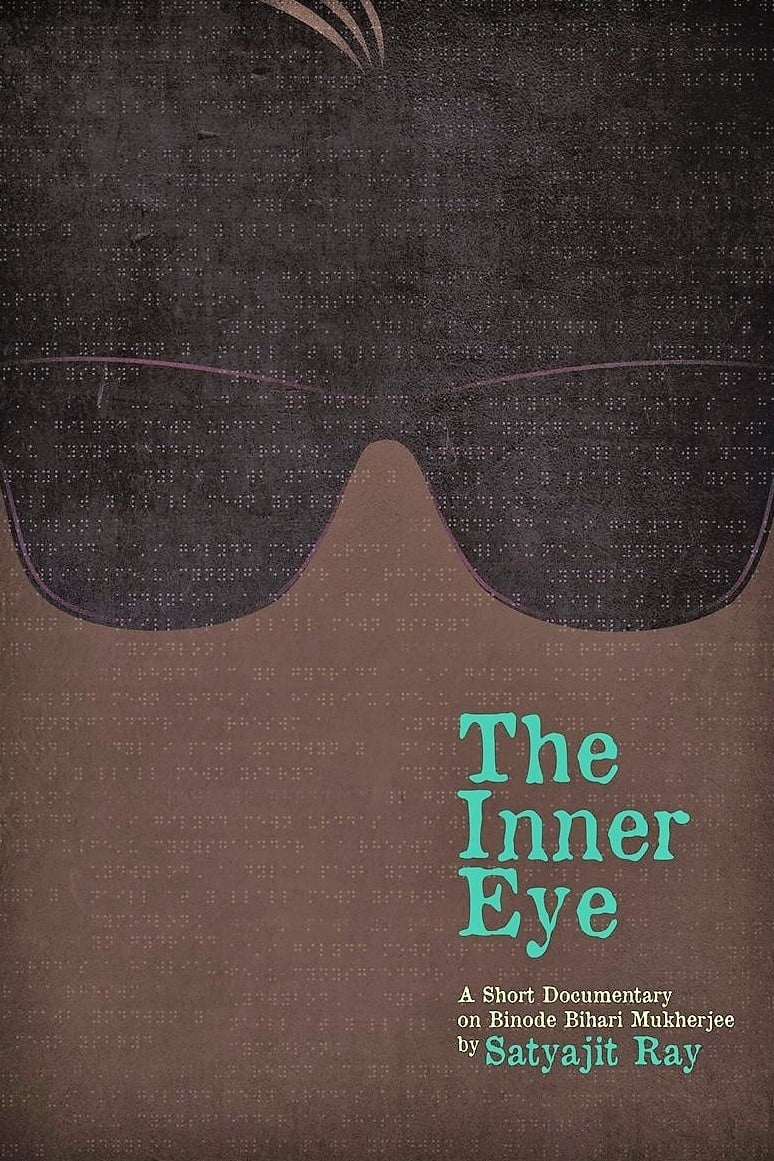
At the age of 54, Binode Bihari Mukherjee, an accomplished painter, lost his sight following an unsuccessful cataract operation. He continued to create art despite his loss of sight. The documentary explores Binode Bihari’s inner eye that guides his fingers to create art.
A documentary about how a dominant cultural and demographic institution both sustains their traditional activities and adapts to the digital revolution.
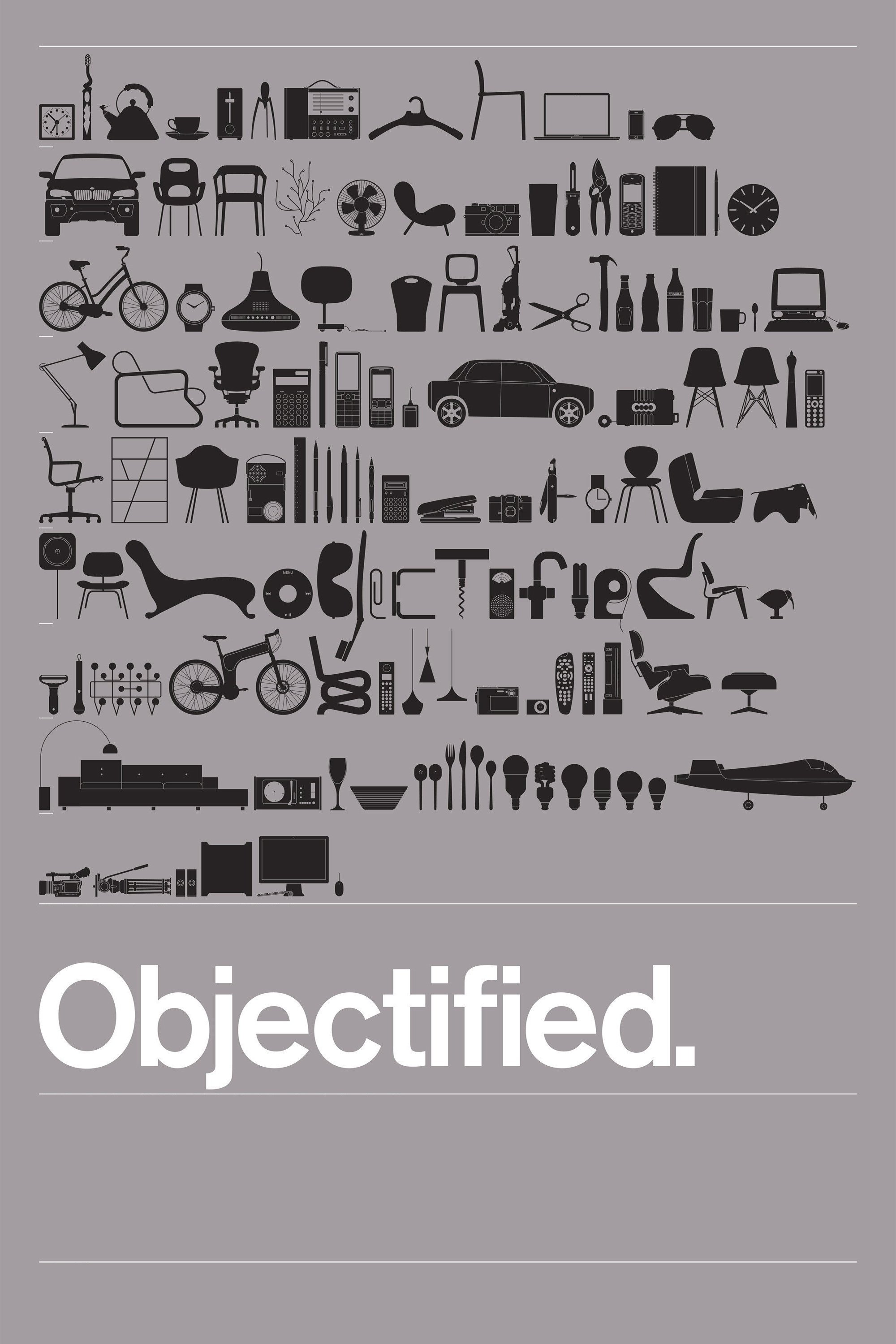
A feature-length documentary about our complex relationship with manufactured objects and, by extension, the people who design them.
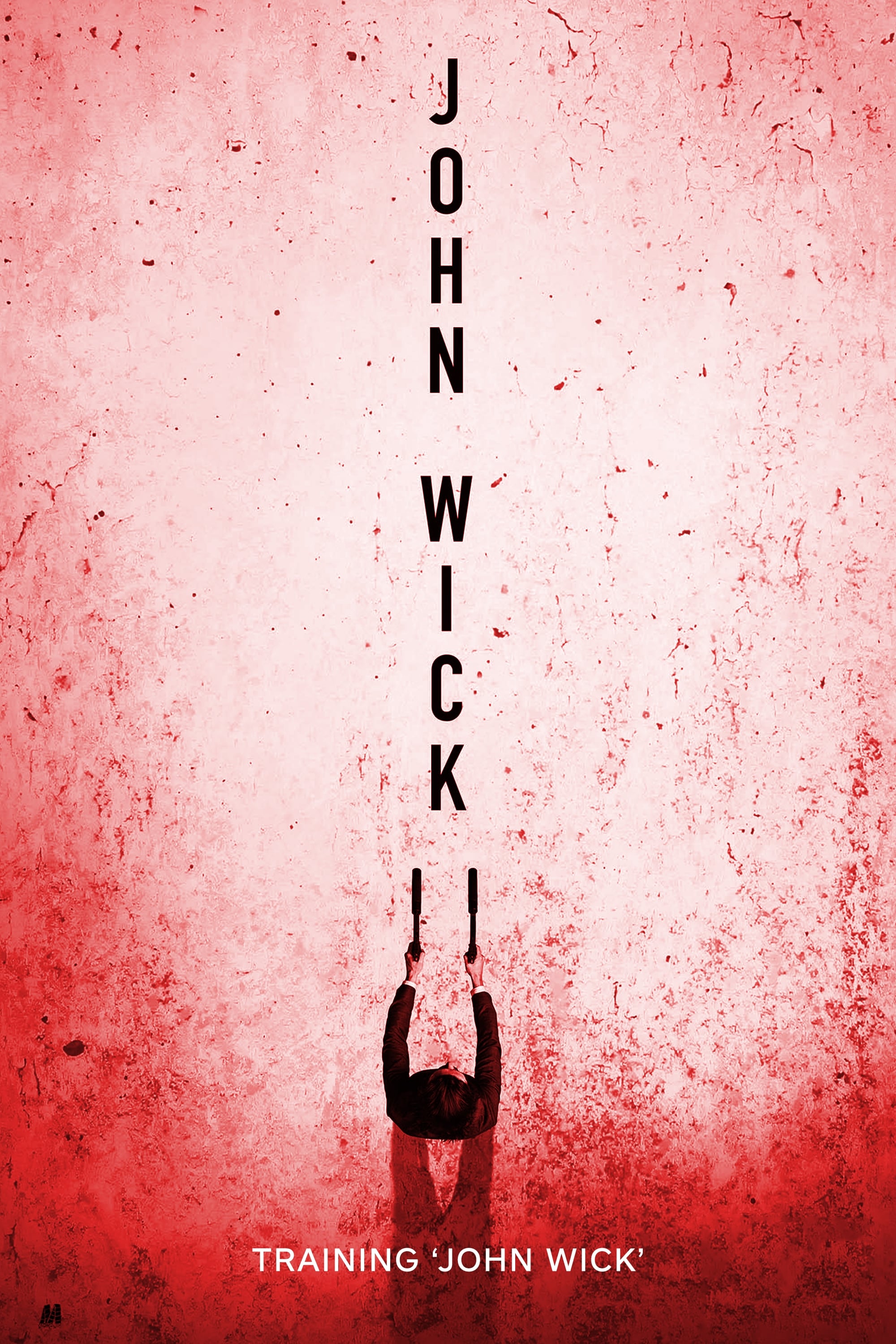
A look at the fight choreography being developed for the film.
A documentary that explores the downloading revolution; the kids that created it, the bands and the businesses that were affected by it, and its impact on the world at large.
A purely observational non-fiction film that takes viewers into the ethically murky world of end-of-life decision making in a public hospital.
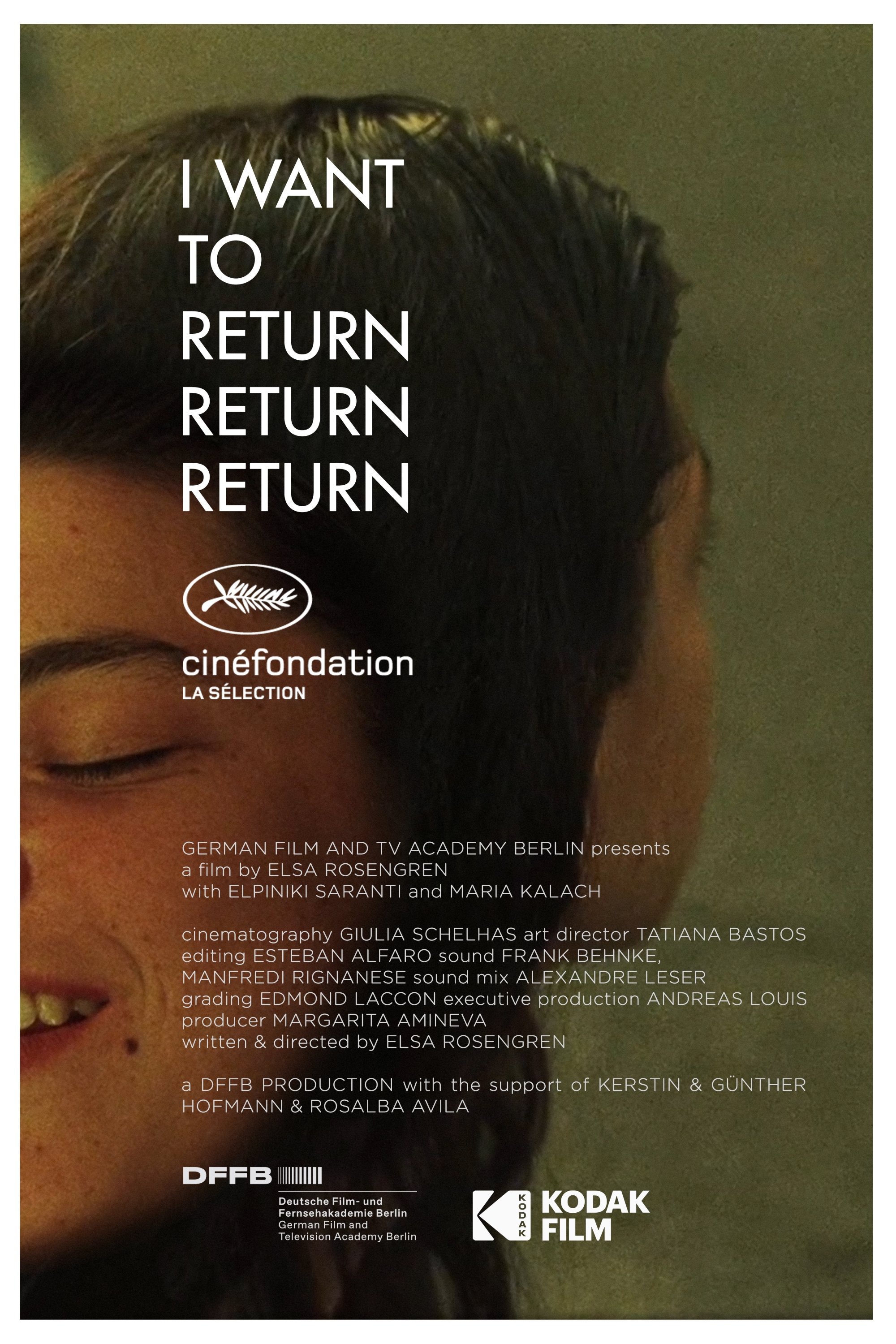
A depiction of the Wrangelkiez neighbourhood in Berlin. The people portrayed tell their life stories. One woman came to the neighbourhood a decade ago to work in Berlin’s still unfinished Brandenburger Airport, one man reminisces his childhood on a Tobacco farm in Kentucky, another speaks of an exceptional day in an otherwise monotonous workplace. These portraits are interwoven with the story of Elpi, a Greek woman who is waiting for the long overdue visit of an old important friend. The outcome of this mixture is a film which captures the lives and perspectives of some of Wrangelkiez’s most commanding citizens, while at the same time evoking the loss that change and time passing means for places and for people.
Behind the scenes look at fight choreography and action training.
An unflinching look at the how the battle over abortion rights has played out in the United States over the last 15 years.
A portrait of the day-to-day operations of the National Gallery of London, that reveals the role of the employees and the experiences of the Gallery's visitors. The film portrays the role of the curators and conservators; the education, scientific, and conservation departments; and the audience of all kinds of people who come to experience it.
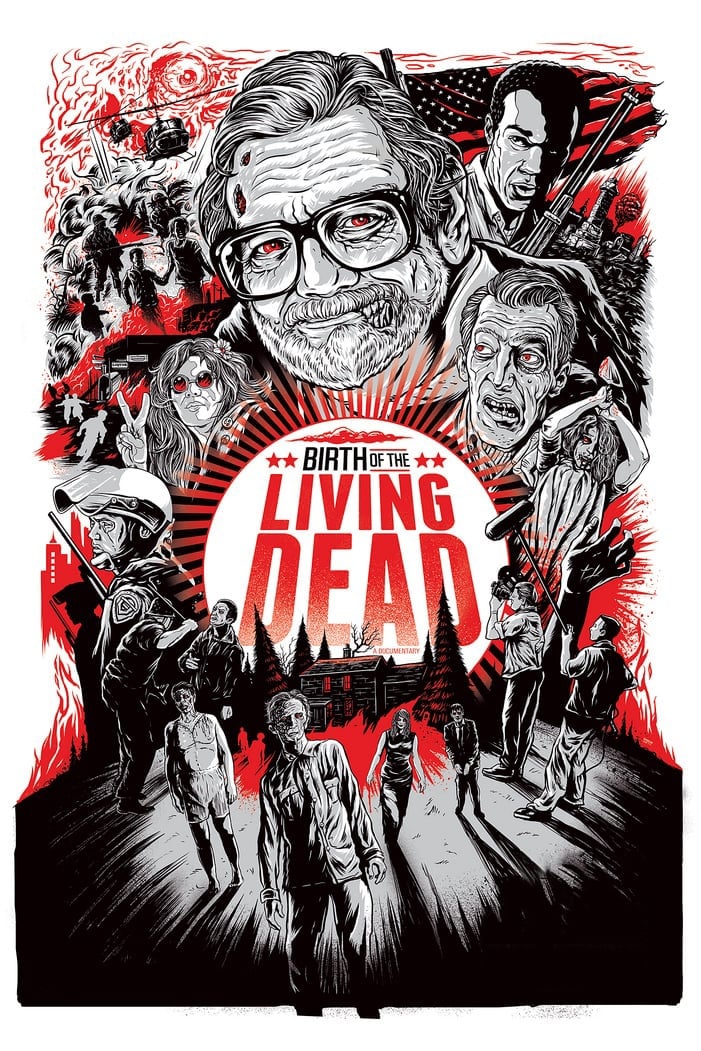
A behind the scenes look into George Romero's groundbreaking horror classic Night of the Living Dead.
This character-driven film considers the evolving sex trafficking landscape as seen by the main players: the exploited, the pimps, the johns that fuel the business, and the cops who fight to stop it.
A close look at the assassin's lifestyle in the film.
Alexander McQueen's rags-to-riches story is a modern-day fairy tale, laced with the gothic. Mirroring the savage beauty, boldness and vivacity of his design, this documentary is an intimate revelation of McQueen's own world, both tortured and inspired, which celebrates a radical and mesmerizing genius of profound influence.
A documentary about the life and films of director John Ford.
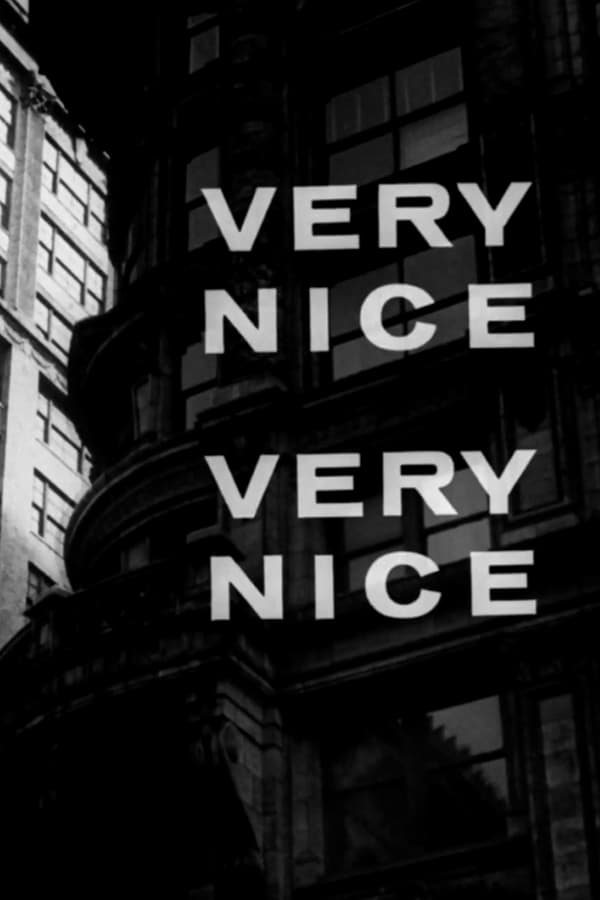
Arthur Lipsett's first film is an avant-garde blend of photography and sound. It looks behind the business-as-usual face we put on life and shows anxieties we want to forget. It is made of dozens of pictures that seem familiar, with fragments of speech heard in passing and, between times, a voice saying, "Very nice, very nice." The film was nominated for an Oscar for Best Live Action Short Film.
After the high-profile killing of Damilola Taylor, Cornelius' family move out of London. But when they discover their new town is run by racists, Cornelius takes a drastic step to survive.
A documentary on a former Miss Wyoming who is charged with abducting and imprisoning a young Mormon Missionary.
Bruce Conner’s most celebrated film for a reason: it takes historical moments that were replayed over and over on television—chilling repetition of Kennedy assassination coverage—and repurposes them into a meditation on how the media tries to exert authority and apply a sense of order to the anarchic. And though it may sound perverse to say so, the film is also—not incidentally—a thrill to watch. -- The A.V. Club
A documentary about the sport of boxing, as seen through the eyes of champions Mike Tyson, Evander Holyfield and Bernard Hopkins.
A dreamlike conversation with the past and the present, reimagining Latasha Harlins' story by excavating intimate memories shared by those who loved her.