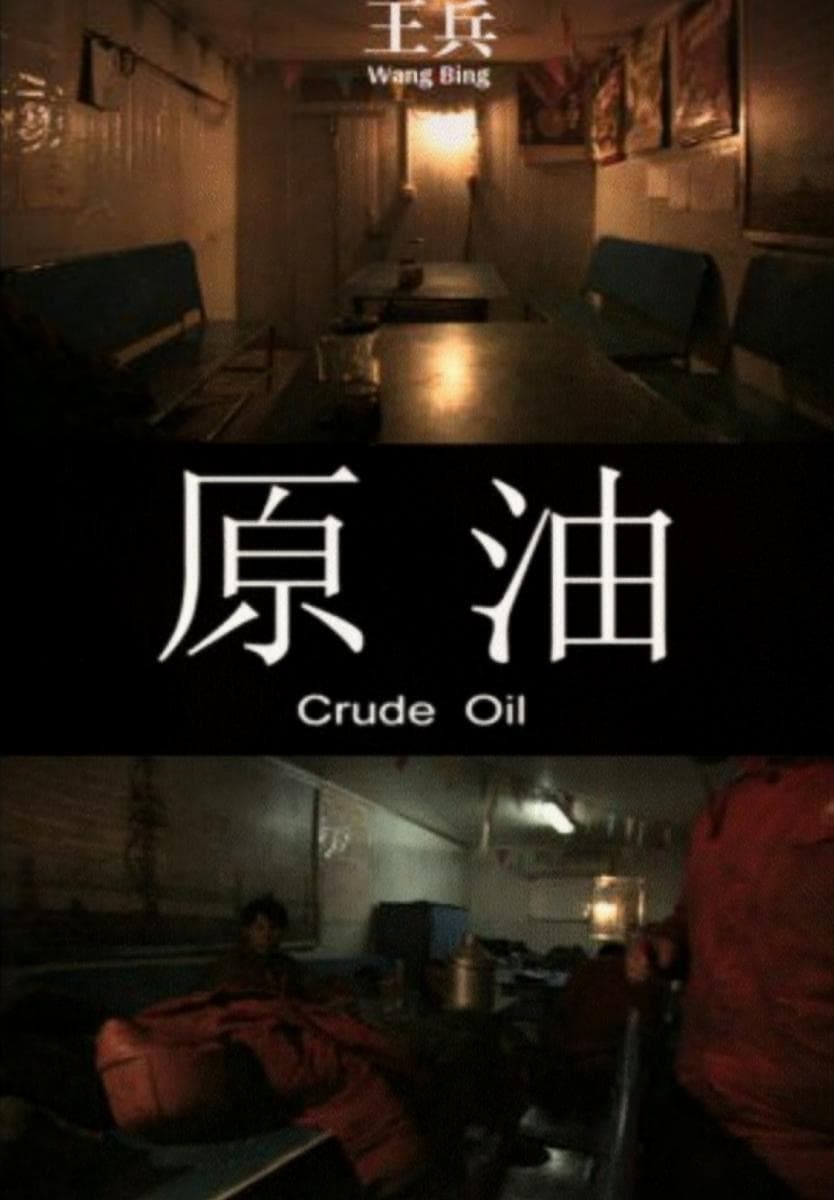
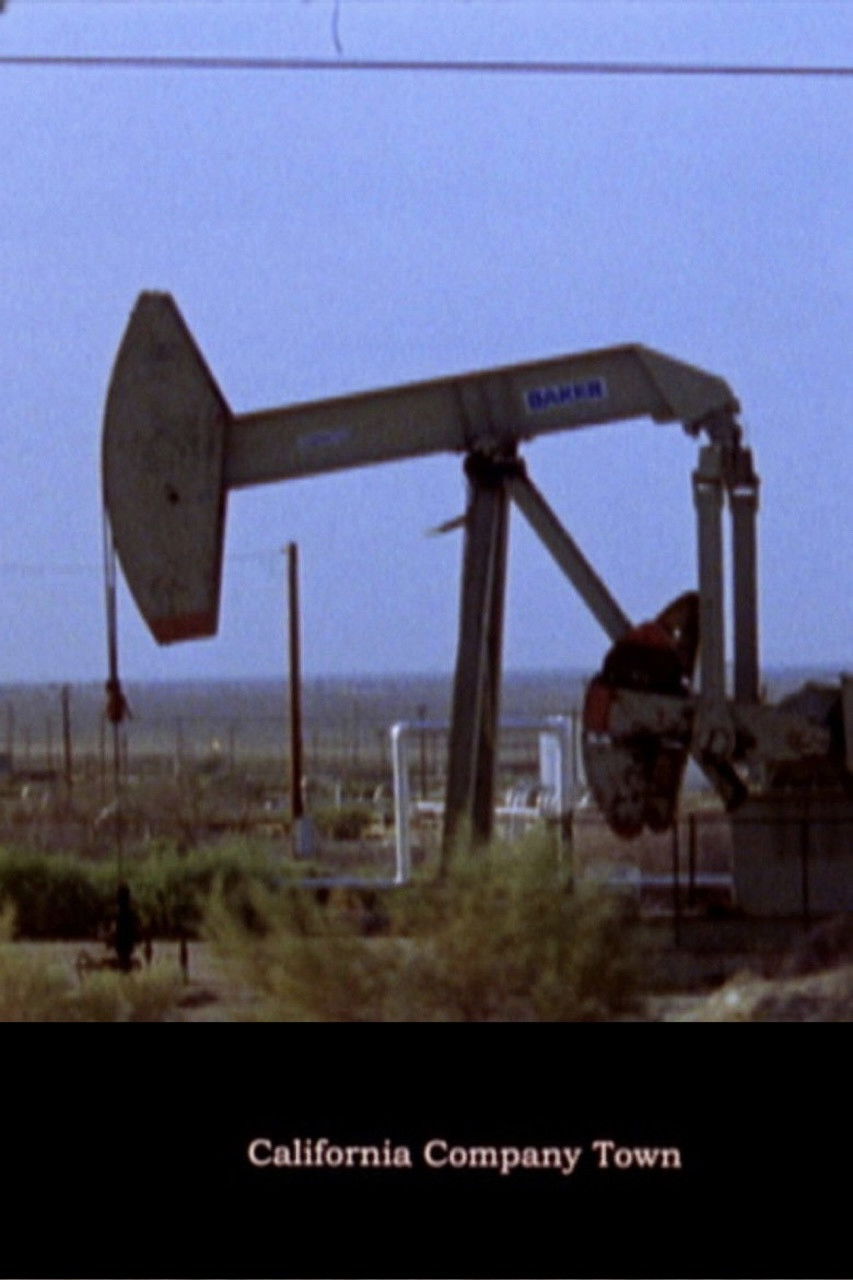
Filmed in the Inner Mongolian portion of the Gobi Desert, this film follows a group of oil field workers as they go about their daily routine.
Social & External
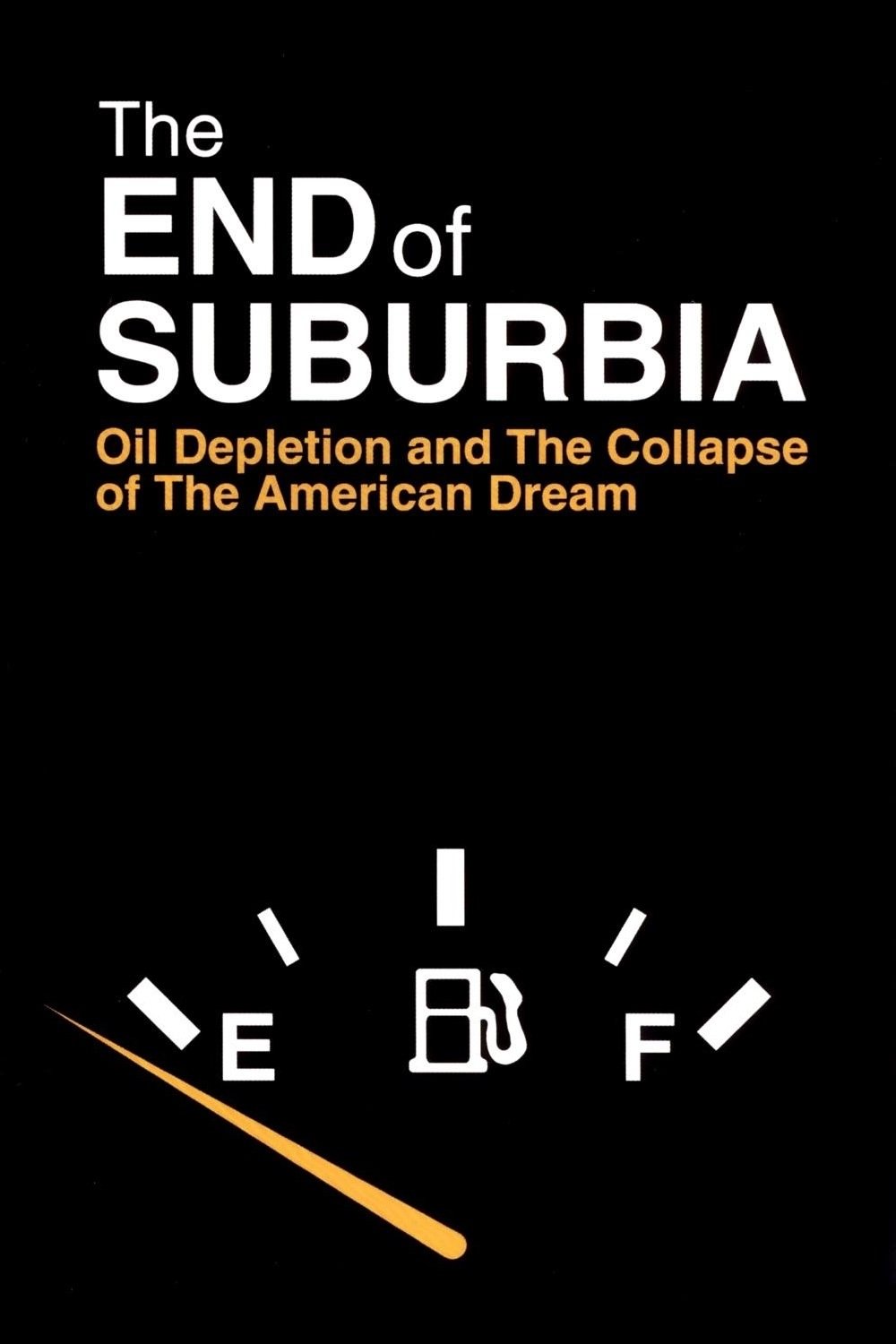
Since World War II North Americans have invested much of their newfound wealth in suburbia. It has promised a sense of space, affordability, family life and upward mobility. As the population of suburban sprawl has exploded in the past 50 years Suburbia, and all it promises, has become the American Dream. But as we enter the 21st century, serious questions are beginning to emerge...
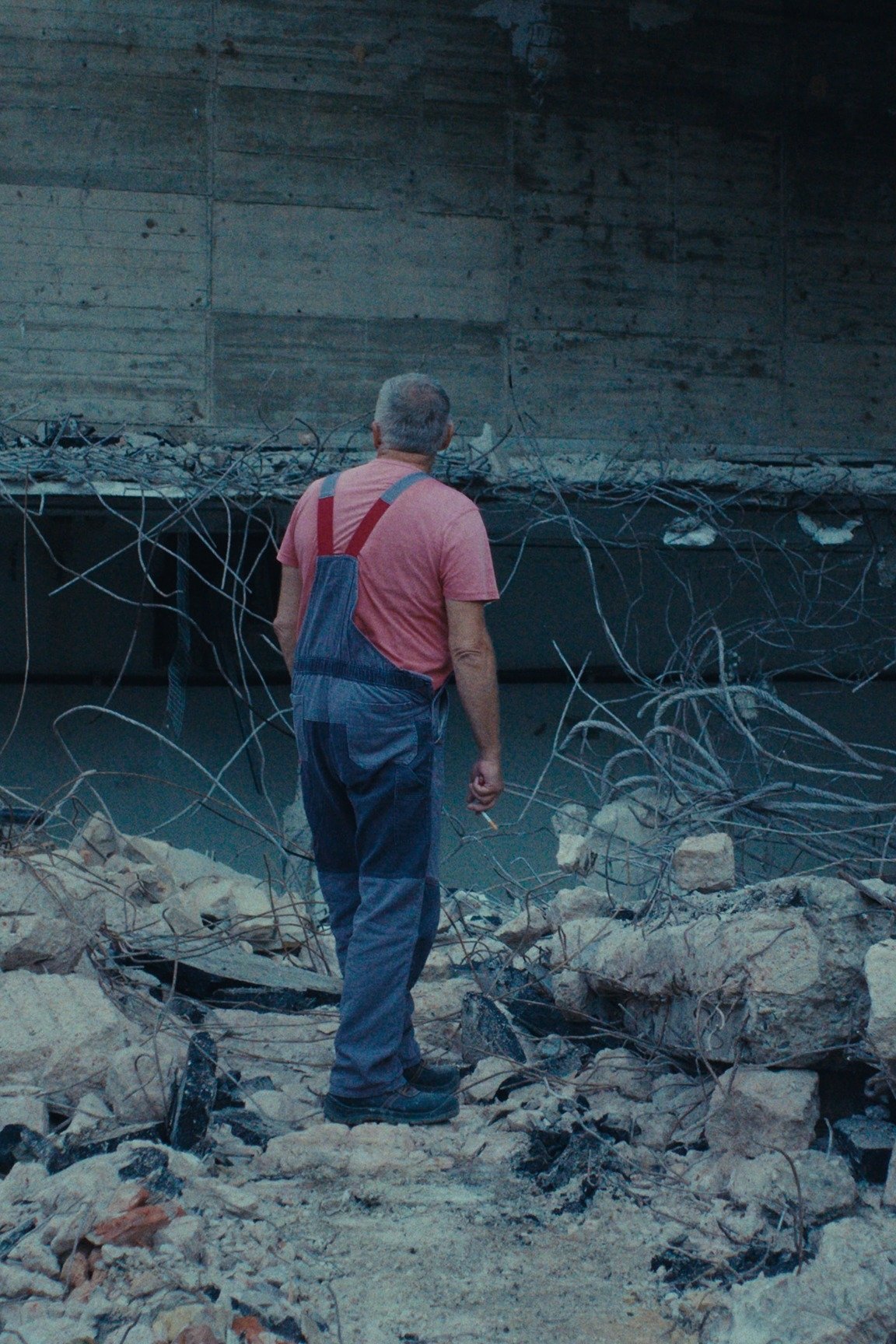
A Berlin street corner is slowly changing: an aging supermarket turns into a construction site and finally a new building. People restock shelves, demolish walls, take breaks and count money. Those who work here participate in the making and unmaking of the place. How does it shape the conditions of their labor? Between supermarket aisles, construction scaffolding and exposed concrete, different versions begin to overlap. Repetitions appear like echoes between worlds, both playful and eerie.
Warsaw's Central Railway Station. 'Someone has fallen asleep, someone's waiting for somebody else. Maybe they'll come, maybe they won't. The film is about people looking for something.
In Venezuelan Guayana, large gold reserves lie beneath “moriche” palms, attracting multitudes of miners to the territory. A fictional explorer narrates a journey from far-flung mines in the jungle to the banks of the Orinoco River, trying to understand the uncertain fortune of humanity immersed in the anxious quest for treasure. His reflections combine illustrations and photochemical paintings to draw a map of the extraction and commercialization of gold, object and symbol through which he questions where value resides.
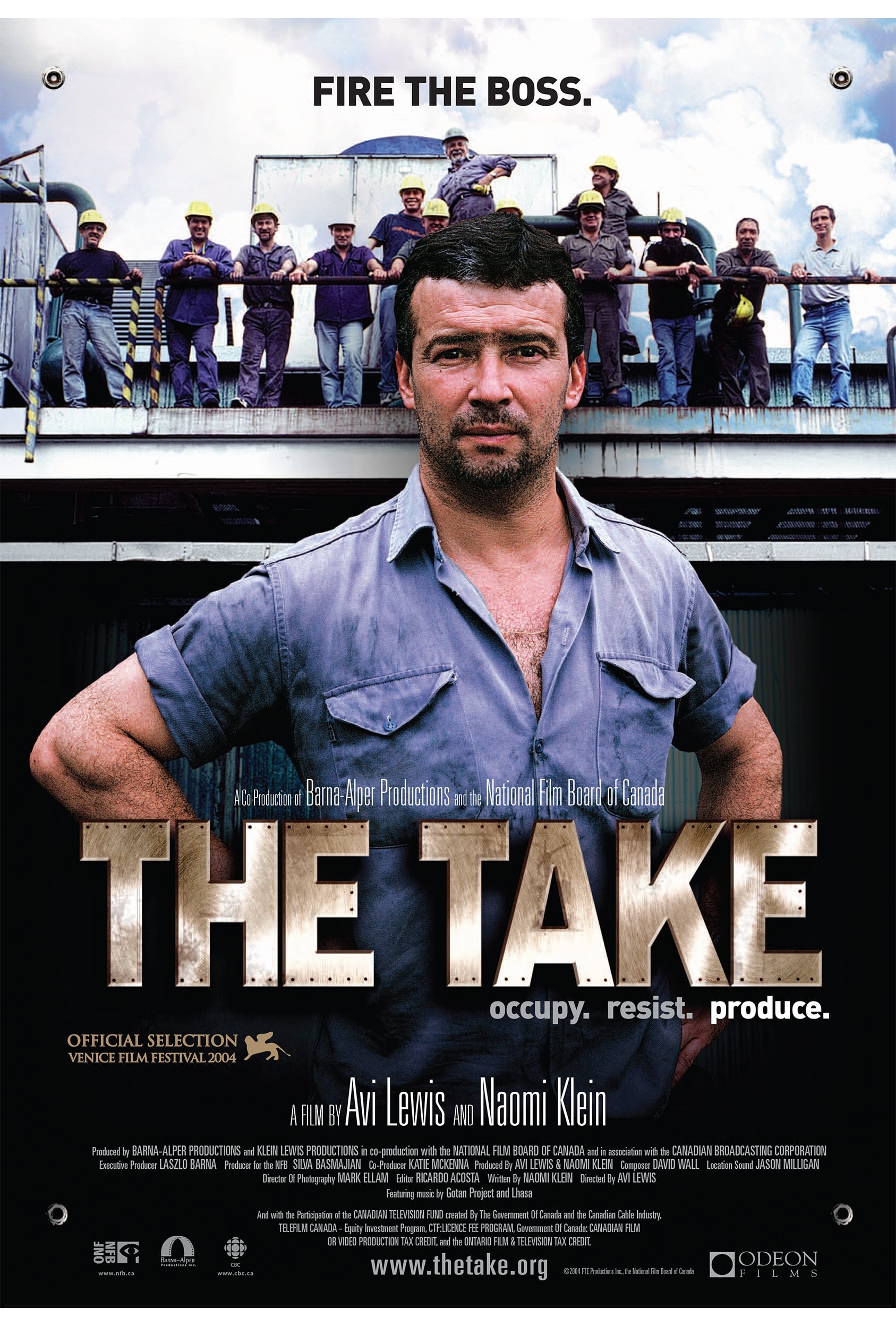
In suburban Buenos Aires, thirty unemployed ceramics workers walk into their idle factory, roll out sleeping mats and refuse to leave. All they want is to re-start the silent machines. But this simple act - the take - has the power to turn the globalization debate on its head. Armed only with slingshots and an abiding faith in shop-floor democracy, the workers face off against the bosses, bankers and a whole system that sees their beloved factories as nothing more than scrap metal for sale.
Lee Anne Schmitt explores California's landscape and past to document the history of one-time boom towns built and abandoned by the industries that necessitated their creation. Sold as a limitless land expansive with free opportunity, California was actually, from its onset, fissured by the interwoven needs of private and public interests. Schmitt's film covers various locations through time, as the major industries of the early 20th century (mining, lumber, oil) give way to the military, eventually leading to multinational corporations, and the use of small towns as satellites for growing urban metropolises.
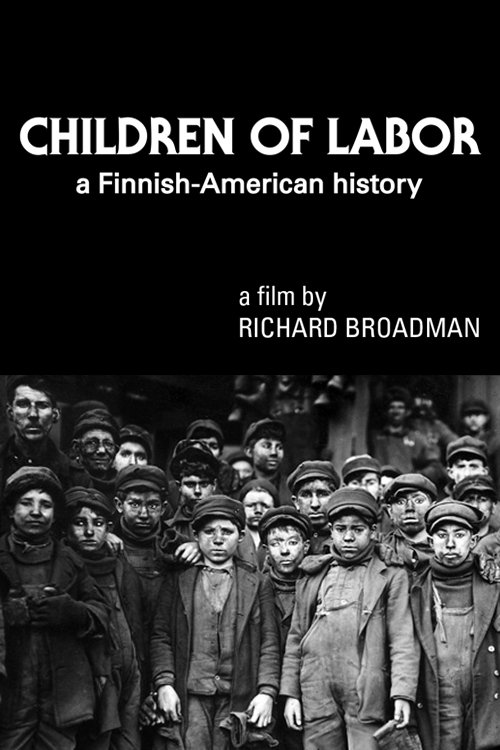
How Finnish immigrants came into contact — and conflict — with industrial America. Three generations of Finnish-Americans recount how they coped with harsh realities by creating their own institutions: churches, temperance halls, socialist halls, and cooperatives.
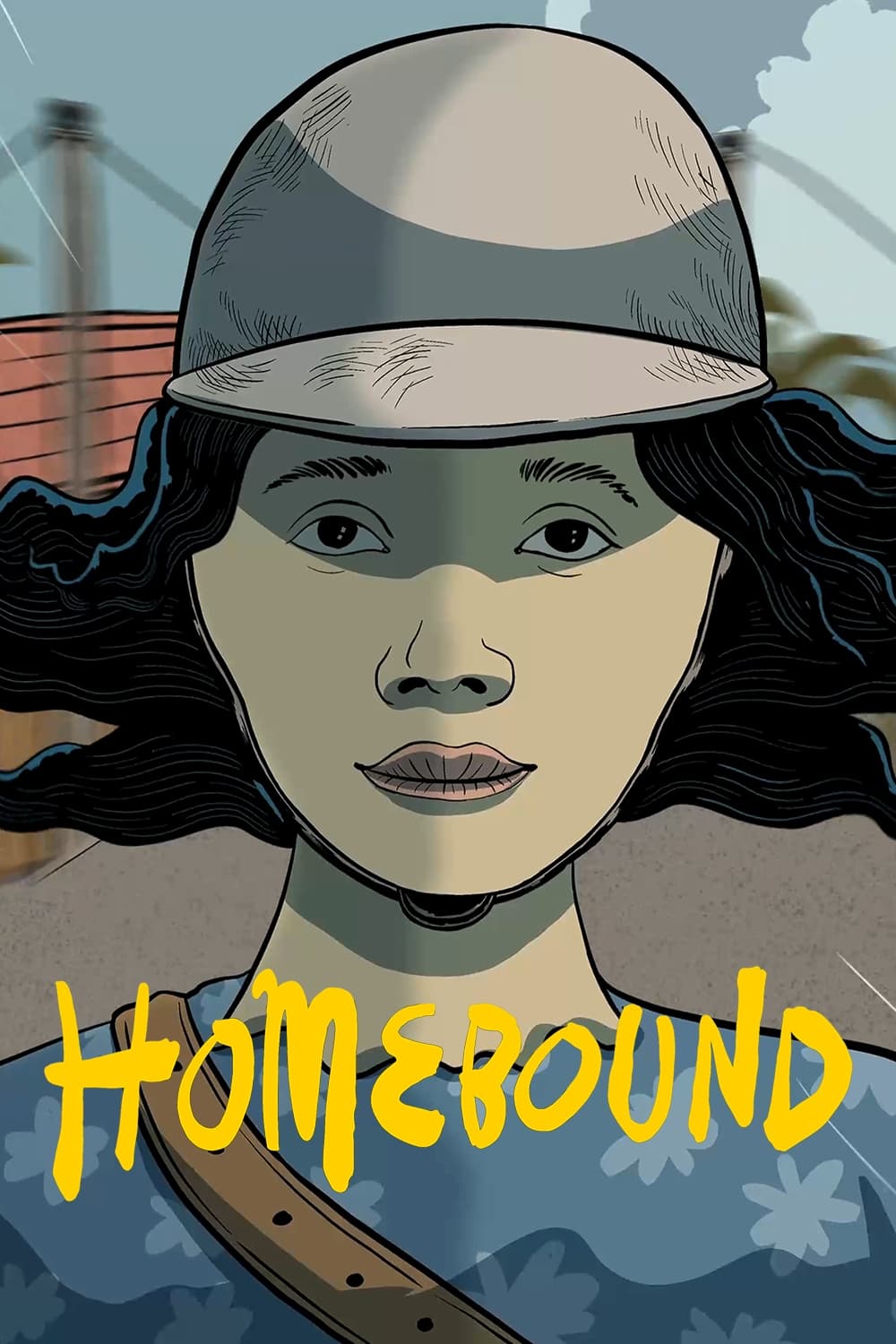
Through first person narration, Tari reveals personal stories related to her decision to work in Taiwan, her strained family relationships, the risks involved in working abroad and the traps she has fallen into.
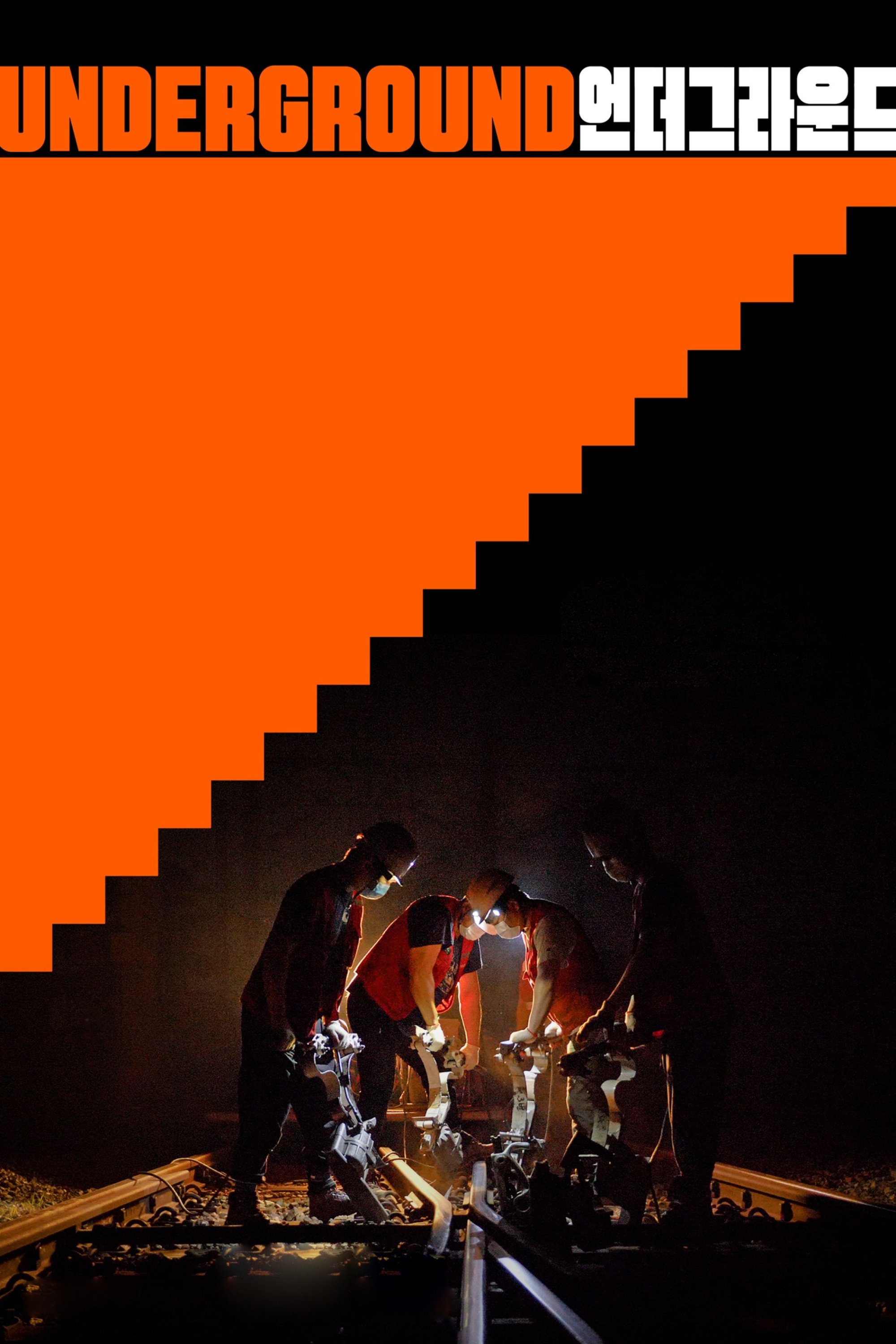
Numerous people are on subway trains running up and down the city center endlessly. There are people who run this decent space “underground”. Under the noisy world today, we approach them to see what life is like underground.
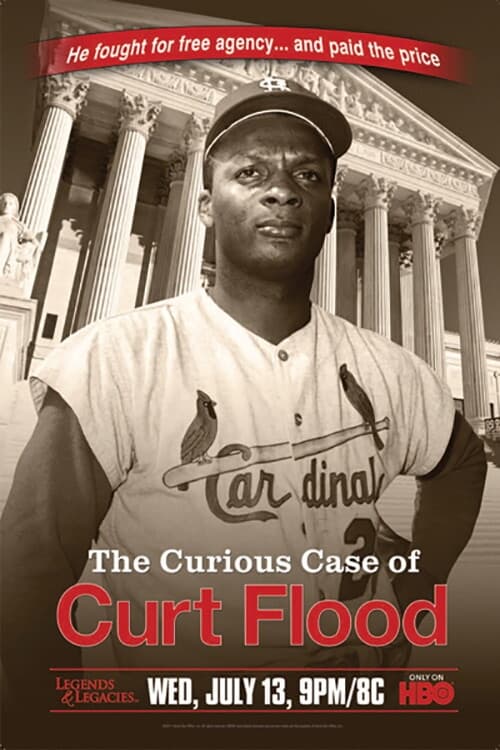
Inside the life of former baseball star Curt Flood whose fight against MLB's 'Reserve Clause' led to reform, but destroyed his career.
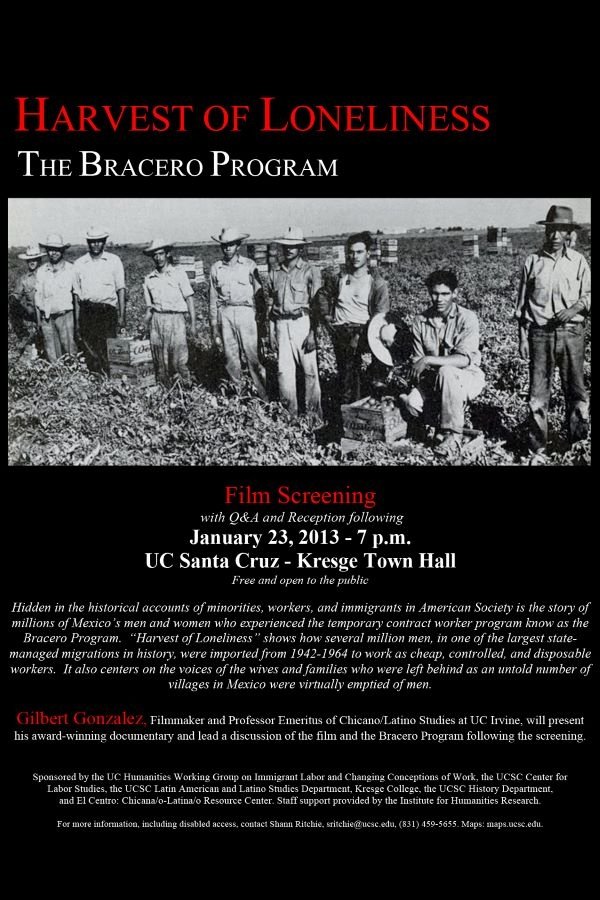
Shedding light on the current debate over immigration reform and the use of "guest workers" in American agriculture, this historical documentary, "Harvest Of Loneliness: The Bracero Program," examines what was known as the Bracero Program-a system put in place from 1942 to 1964 to recruit Mexican farm laborers for temporary work in the United States.
From the acclaimed director of American Movie, the documentary follows former Los Angeles police officer turned independent reporter Michael Ruppert. He recounts his career as a radical thinker and spells out his apocalyptic vision of the future, spanning the crises in economics, energy, environment and more.
In this evocative meditation, a disturbing link is made between the resource extraction industries’ exploitation of the land and violence inflicted on Indigenous women and girls. Or, as one young woman testifies, “Just as the land is being used, these women are being used.”
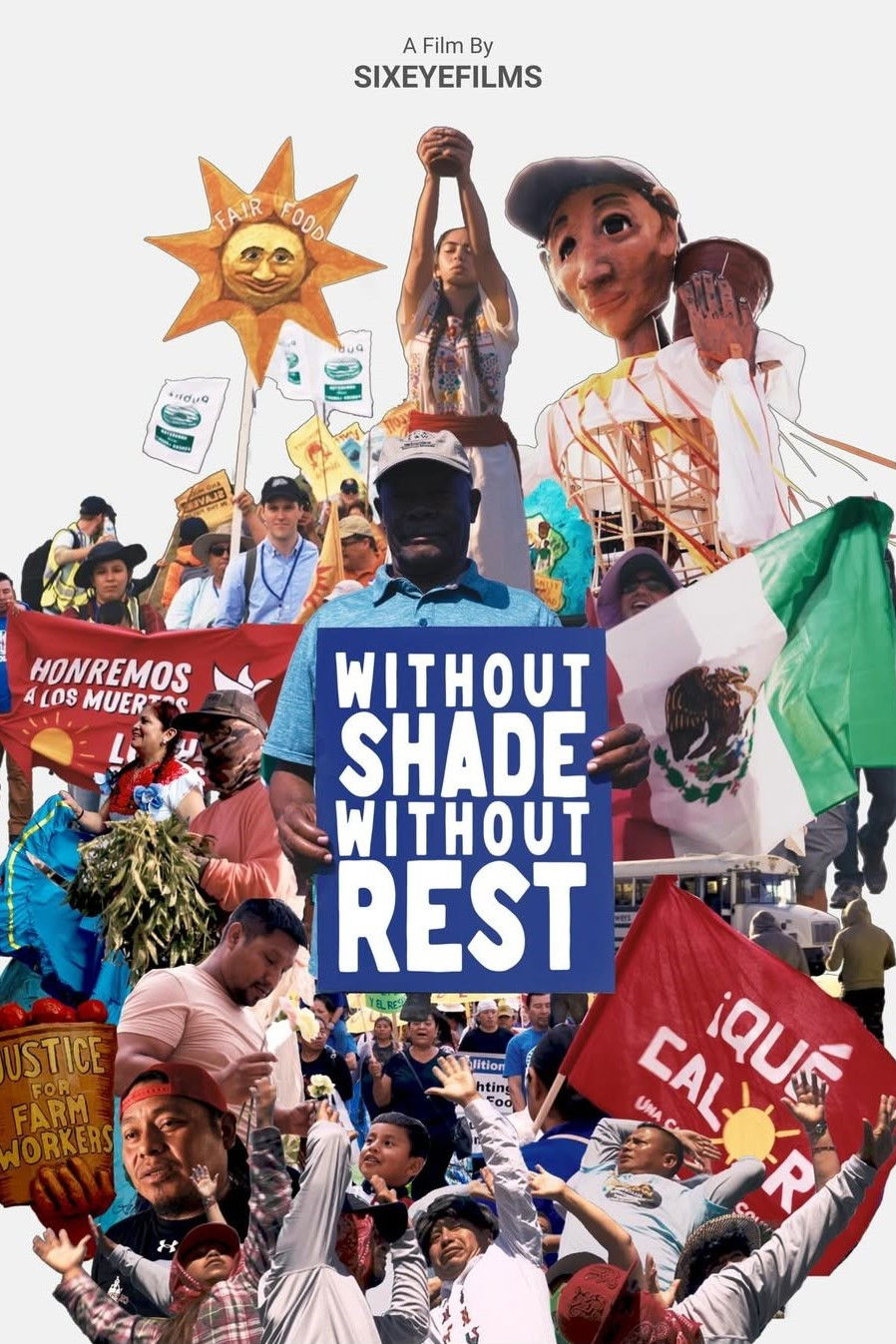
In the wake of the hottest year on record, the Coalition of Immokalee Workers (CIW) and WeCount! are pursuing different strategies to secure heat protections for Florida's outdoor laborers. As lawmakers move to block new regulations, the groups are coming together through CIW's Worker-driven Social Responsibility model (WSR) to expand enforceable protections across the state's fields and nurseries.
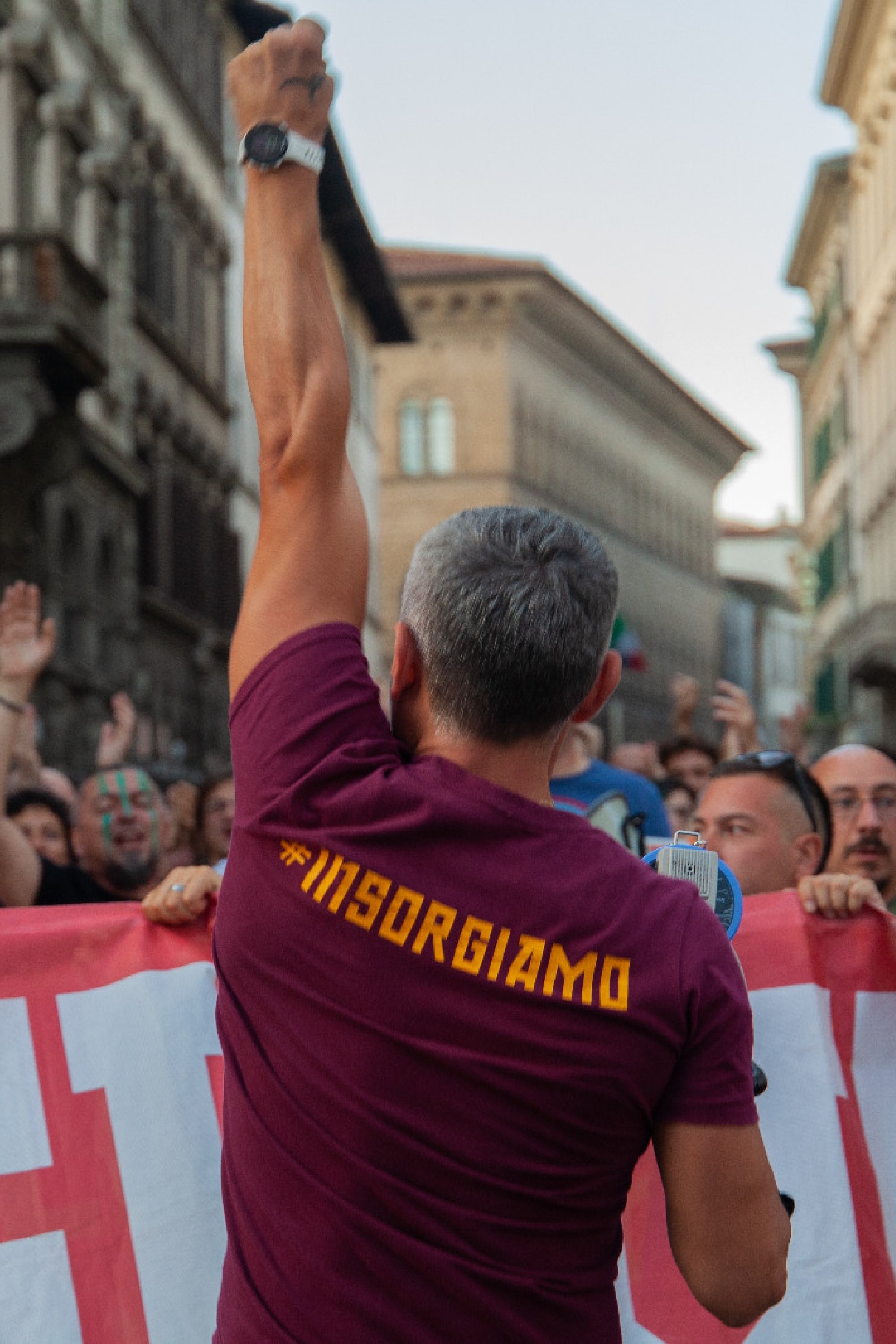
On 9 July 2021, the 422 workers at the GKN factory in Campi Bisenzio near Florence received their dismissal, by email. They immediately met in front of the factory, scared away the management's bodyguards and have been holding an open-ended meeting at the factory ever since. In June of 2022, they talk about how they are rooted in the territory, why 30,000 people demonstrated with them. They explain why they put their struggle under the slogan "Insorgiamo!" ("Let's rise up!"), the slogan of the italian partisans who liberated Florence in 1944. But they also talk about their collaboration with climate activists and what they would like to produce. But as things stand today, it is not the workers who are responsible for the ecological damage caused by production: "Nobody asked me what I would like to produce when they hired me. They hired me and that was it."
When workers at the Hormel meatpacking plant in Austin, Minnesota are asked to take a substantial pay cut in a highly profitable year, the local labor union decides to go on strike and fight for a wage they believe is fair. But as the work stoppage drags on and the strikers face losing everything, friends become enemies, families are divided and the very future of this typical mid American town is threatened.
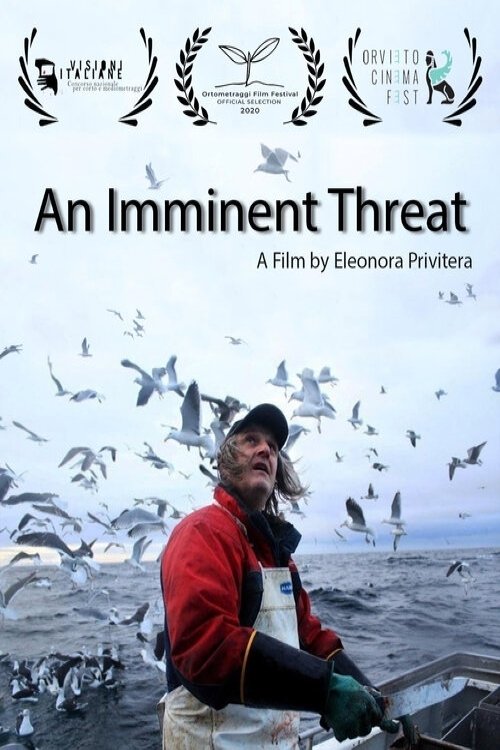
“An Imminent Threat” follows a fisherman activist, Yngve Larsen, who fights against oil and gas drilling activities in north of Norway. Will Yngve succeed in avoiding the extinction of many species of fish and thus irreversible damage to our planet?
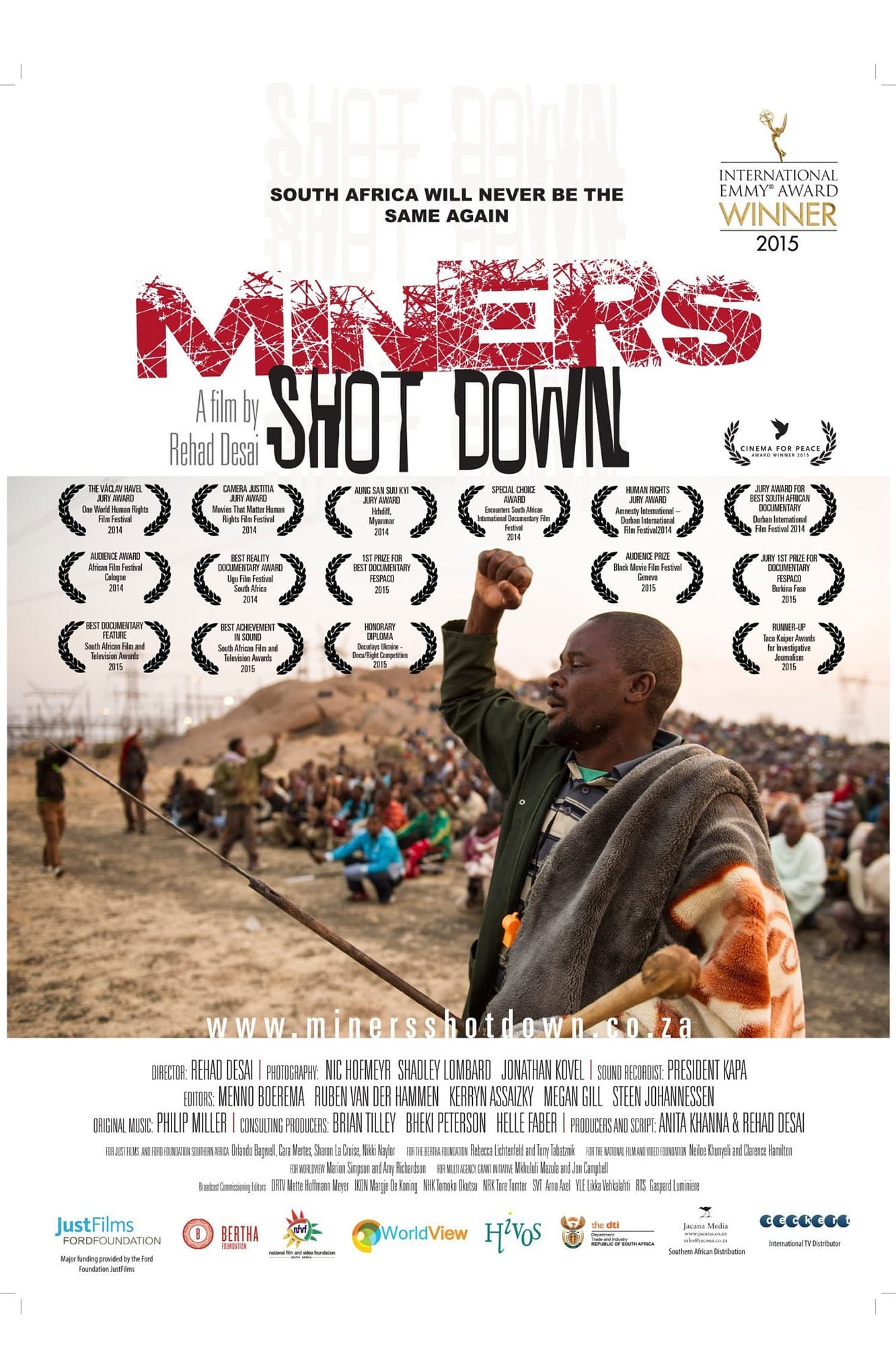
In August 2012, mineworkers in one of South Africa’s biggest platinum mines began a wildcat strike for better wages. Six days later the police used live ammunition to brutally suppress the strike, killing 34 and injuring many more. Using the point of view of the Marikana miners, Miners Shot Down follows the strike from day one, showing the courageous but isolated fight waged by a group of low-paid workers against the combined forces of the mining company Lonmin, the ANC government and their allies in the National Union of Mineworkers.
A compilation of over 30 years of private home movie footage shot by Lithuanian-American avant-garde director Jonas Mekas, assembled by Mekas "purely by chance", without concern for chronological order.
A detailed look at the gradual decline of Shenyang’s industrial Tiexi district, an area that was once a vibrant example of China’s socialist economy. But industry is changing, and the factories of Tiexi are closing. Director Wang Bing introduces us to some of the workers affected by the closures, and to their families.
Live Aid was held on 13 July 1985, simultaneously in Wembley Stadium in London, England, and the John F. Kennedy Stadium in Philadelphia, United States. It was one of the largest scale satellite link-ups and television broadcasts of all time: watched live by an estimated global audience of 1.9 billion, across 150 nations. "It's twelve noon in London, seven AM in Philadelphia, and around the world it's time for Live Aid...!"
Taking inspiration from Peter M. Bracke's definitive book of the same name, this seven-hour documentary dives into the making of all twelve Friday the 13th films, with all-new interviews from the cast and the crew.
Oliver Stone charts the history of the United States from the Second World War to the present.
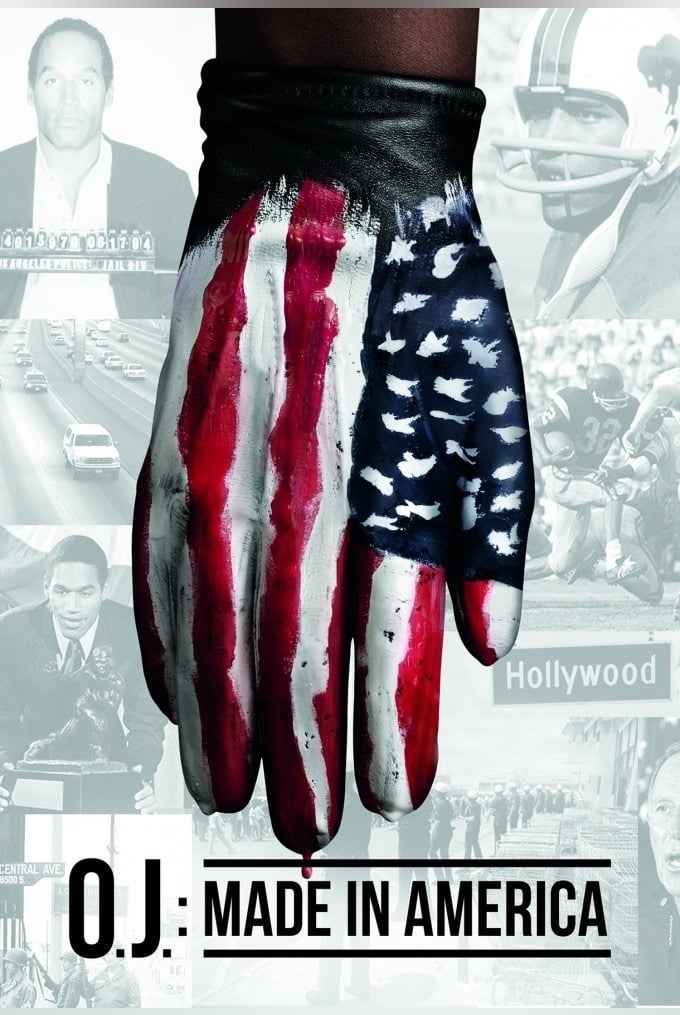
A chronicle of the rise and fall of O.J. Simpson, whose high-profile murder trial exposed the extent of American racial tensions, revealing a fractured and divided nation.
When the 'Big Four' - Metallica, Slayer, Megadeth and Anthrax - shared a stage together on 22nd June 2010 in Sofia, Bulgaria, the show was beamed live into over 550 theatres worldwide via satellite in a special HD cinematic event. The Big Four Live from Sofia includes full shows from all four bands as well as behind the scenes and interview footage. The legendary concert from the Sonisphere Festival was one of only 7 shows across Europe when the four monsters of metal shared a stage for the first time.