
Clara Immerwahr and her husband to be Fritz Haber are both young and gifted chemists. Their struggle for acknowledgment in nationalistic Germany during World War I lead to the development and use of the first chemical weapons.

Social & External
The people behind it
Katharina Schüttler
Clara Immerwahr
Maximilian Brückner
Fritz Haber
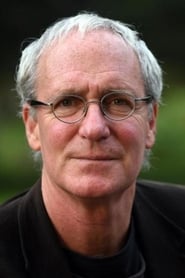
August Zirner
Philipp Immerwahr
Steffi Dvorak
Lotte Immerwahr
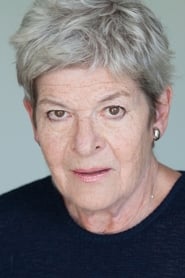
Elisabeth Orth
Großmama Immerwahr
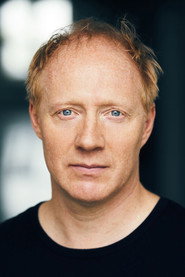
Simon Schwarz
Otto Sackur
Philipp Hochmair
David Sachs
Wolf Bachofner
Siegfried Haber
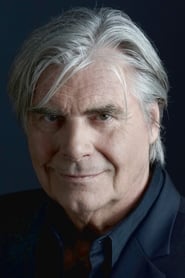
Peter Simonischek
Rektor Engler
Adele Neuhauser
Fräulein Knittel
In a daring tale of identity crisis, witness the rise and fall of a modern day Master, Ian Milano, who works and lives as 17th Century Italian Painter Caravaggio in order to forge his artistic genius and unlock his sociopathic nature.
Ronin Sasaki Kojiro pursues his ultimate goal of becoming a master swordsman. Along the way he encounters another great swordsman, Miyamoto Musashi.
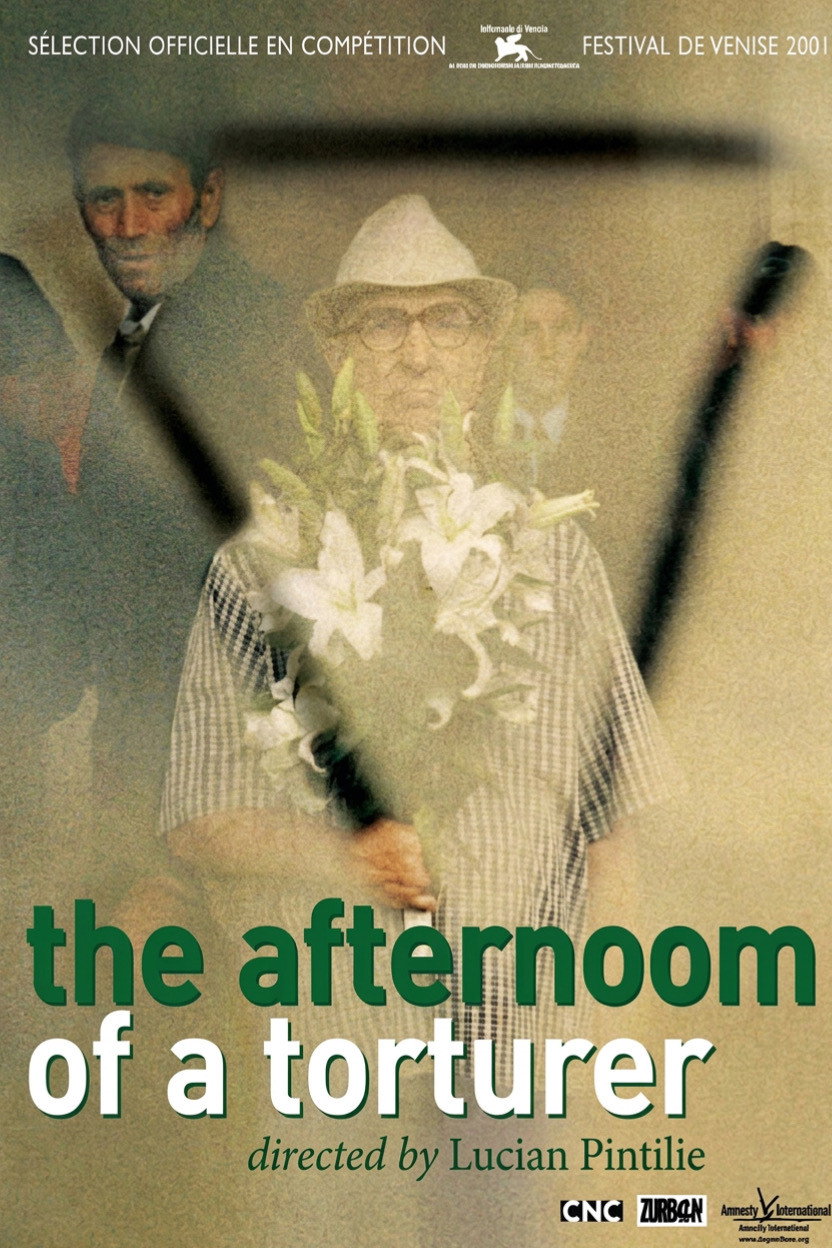
A young journalist interviews a man who was a torturer during the early days of the communist regime in Romania.
Majaz is a debut biopic feature film by Huma Khalil that depicts the life and poetry of the Urdu poet, Asrar Ul Haq Majaz, also known as a 'romantic revolutionary' in the Urdu world. The film's narrative is portrayed through the perspective of a current-day young research scholar, who, intrigued by the creative genius of this poet, explores the history and events that led to the creation of his poetic masterpieces as well as depression, self-destructive behaviour, and his early death.
Los Angeles in 1935. Fritz Lang receives in his hotel apartment the young film amateur Willy, who wants to prepare an interview with him. At a certain moment Lang starts relating how, as an army officer in the First World War, he spent some time in the house of the lawyer Karol Gatnik in a small town in the northeast of Slovenia. Lang makes friends with Gatnik and gets aquainted with all members of his family. When Lang finds out that Gatnik is a passionate film amateur and that he also possesses his own camera, they make a film together. This is probably Lang’s first contact with cinematography. Late at night Lang looks at the photographs in Los Angeles and revives in his spirit the imaginary meeting with his friend Gatnik.
Based on the incredibly true story of a Spanish man with Multiple Sclerosis who tried to finish an Iron-Man: 3,8km swimming, 180km cycling and 42 running. And he was told that he could not make 100 meters.
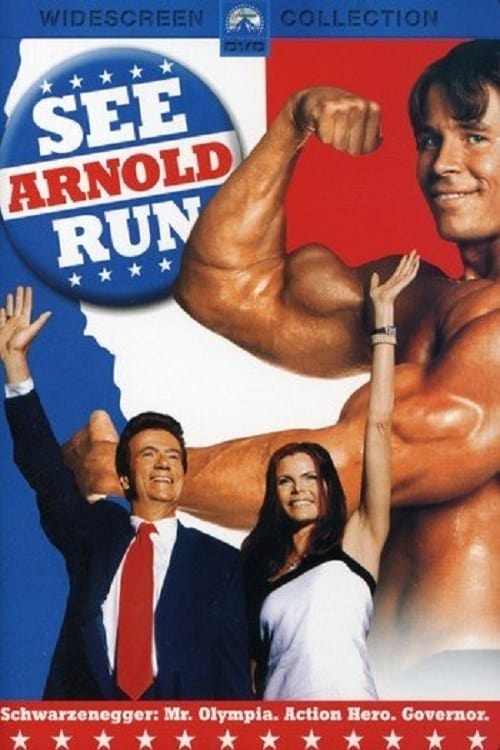
This biographical docu-drama alternates between two parallel threads in the life of Arnold Schwarzenegger: his formative early years as the repeat winner of the Mr. Olympia body-building championship; and his modern foray into the world of politics, hitting the campaign trail and competing in the frenzied atmosphere that accompanied California's chaotic recall election.
The personal stories lived by the Uncle, the Father and the Son, respectively, form a tragic experience that is drawn along a line in time. This line is comparable to a crease in the pages of the family album, but also to a crack in the walls of the paternal house. It resembles the open wound created when drilling into a mountain, but also a scar in the collective imaginary of a society, where the idea of salvation finds its tragic destiny in the political struggle. What is at the end of that line? Will old war songs be enough to circumvent that destiny?
It was one of humankind's most epic quests - a technical problem so complex that it challenged the best minds of its time, a problem so important that the nation that solved it would rule the economy of the world. The problem was navigation by sea—how to know where you were when you sailed beyond the sight of land - establishing your longitude. While the gentry of the 18th Century looked to the stars for the answer, an English clockmaker, John Harrison, toiled for decades to solve the problem. His elegant solution made him an unlikely hero and remains the basis for the most modern forms of navigation in the world today. This film will be both a celebration of Harrison's invention and an adventure story. An expedition on a period sailing vessel as it sails the open sea will demonstrate the life and death importance of finding your longitude at sea.
An "un-biopic" of the young Hilary Rodham set in 1969, during the unverifiable weeks her autobiography has her working at an Alaskan salmon cannery. A parable about America, political narratives, and the absence of free will.
What if nobody wants to believe you? Hanni, a farmer's wife and mother of three, is worried about her daughter Magdalena. The girl is smaller than the others, more sensitive, vomits more often and has increasingly poor eyesight. The doctors, the teacher and the family all say it must be her psyche. Glasses with normal lenses will certainly help. But as a mother, Hanni senses that a new pair of glasses won't change anything and that there is more at stake. Even plagued by an unheard-of memory from her youth, she begins to fight unwaveringly and unstoppably for her daughter's suffering, not only putting her family's happiness and her livelihood at risk, but also not shying away from the Bavarian justice system in the end.
Kenya, Africa, late 1920's. Baroness Karen Blixen, Danish writer known as Isak Dinesen and future author of the autobiographical novel Out of Africa, maintains a peculiar friendship with Farah Aden, her Somali servant; a seemingly impossible relationship that is born and fructifies thanks to respect and mutual understanding.
Rambam was born in Cordova, Spain in the 12th century. Known as the "Nesher Gadol" the "Great Eagle" - Rambam had the unique ability to see and perceive, with insight and clarity, the "big picture" - and man's relationship to the Divine. He was the first philosopher to unify - and reconcile the rational - with the reality of God. The legacy he left behind is astounding.
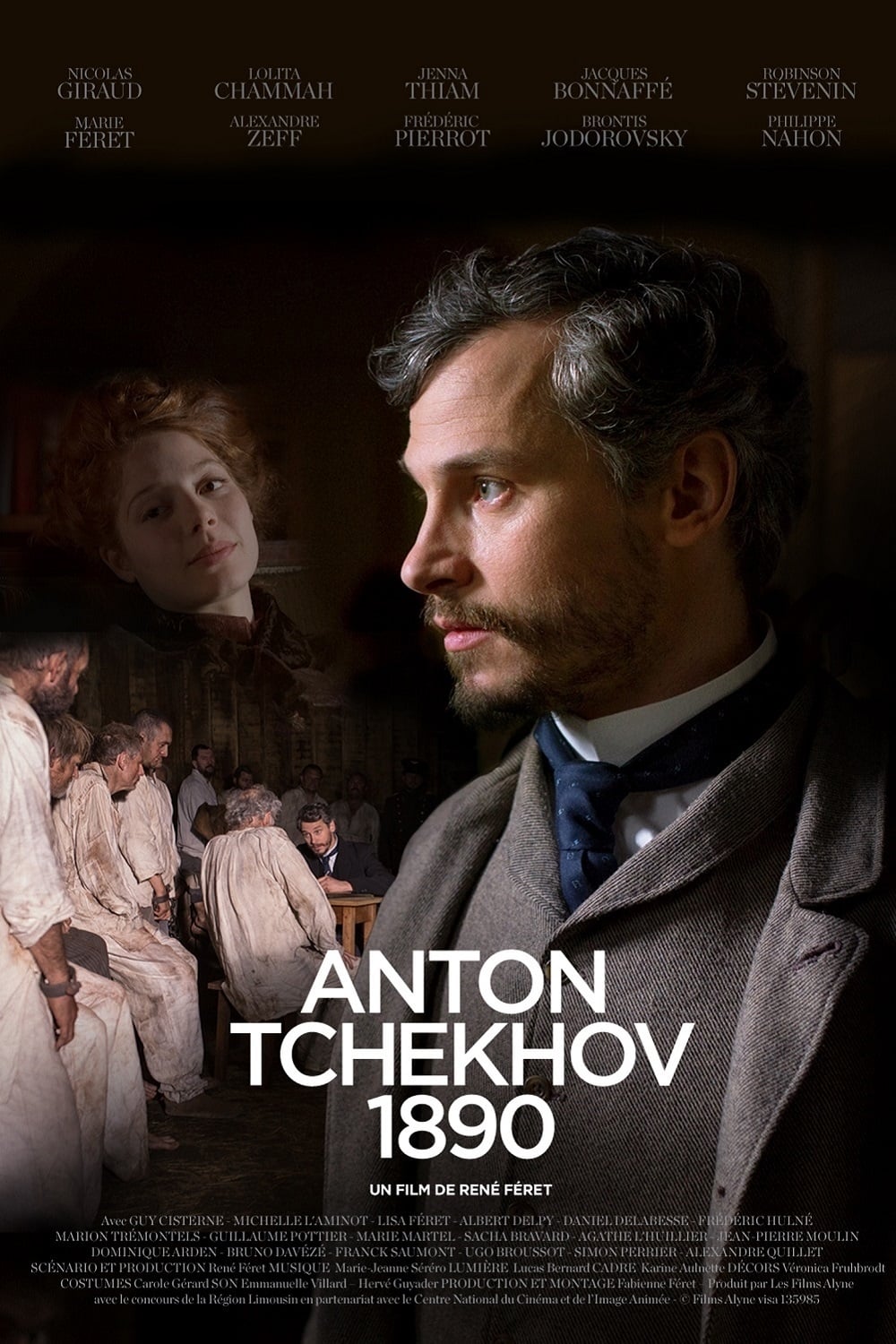
Summer 1890. In order to make some money to feed his family, Anton Chekhov, modest physician, wrote short stories for newspapers to sign Antosha Tchékhonté. Important characters, writer and editor, just make him aware of his talent. His situation is improving and Anton Chekhov gets the Pushkin prices and admiration of Tolstoy. But when one of his brothers died of tuberculosis, Anton saw it as a personal failure and wants to escape his fame and his love.
Greek painter Domenikos Theotokopoulos (Mel Ferrer) woos a beauty (Rosanna Schiaffino) and faces the Inquisition in 16th-century Spain.
Based on the real life story, the director turned his camera towards the real world of Âşık Veysel, the great poet who wandered around the Anatolian villages.
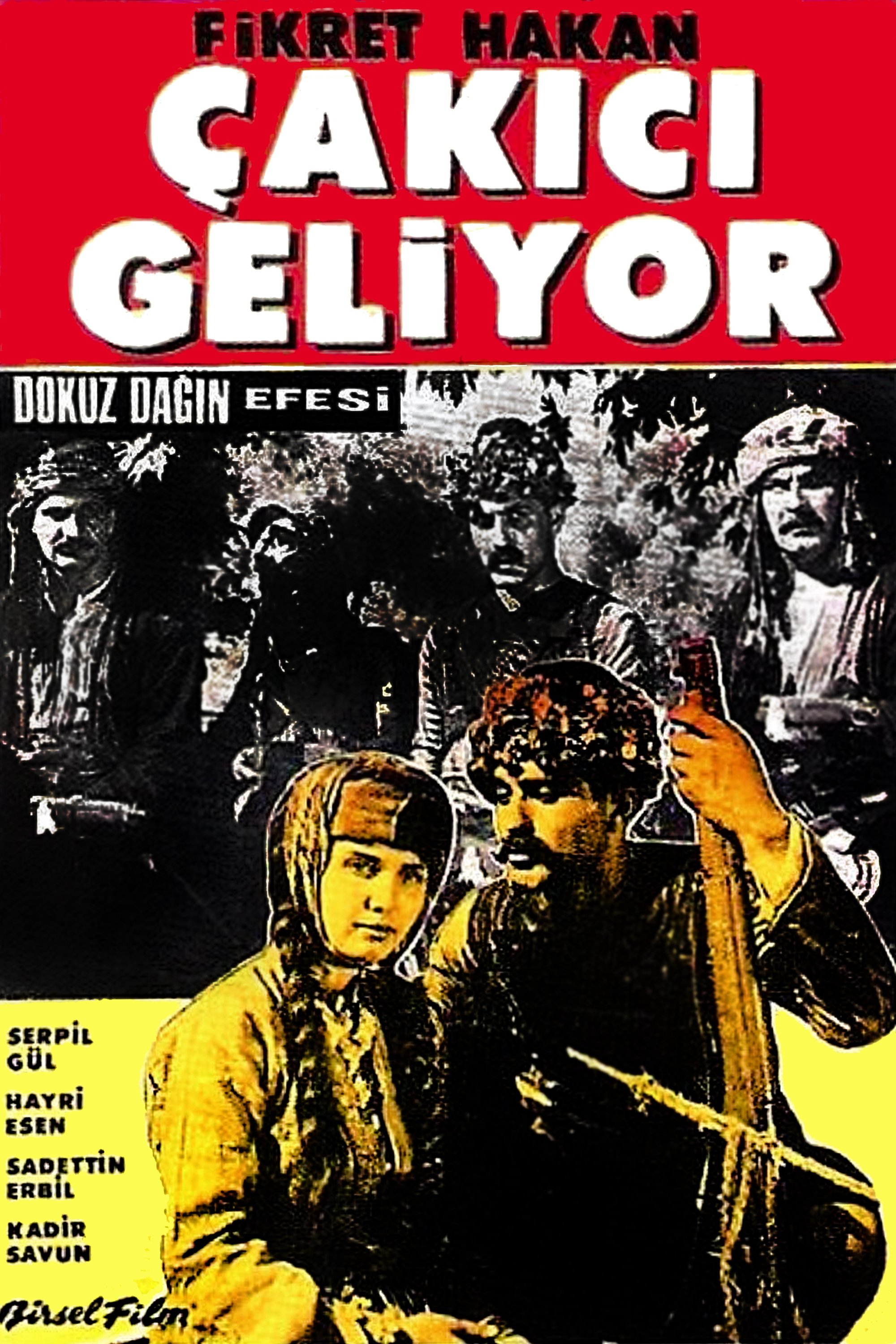
The film traces the life of Çakırcalı Mehmet Efe, a Zeybek (active as an outlaw in the region enclosing İzmir, Aydın, Denizli, Muğla and Antalya in modern western Turkey, from 1893 to 1910) whose father, Çakırcalı Koca Ahmet Efe was murdered by an Ottoman sergeant.
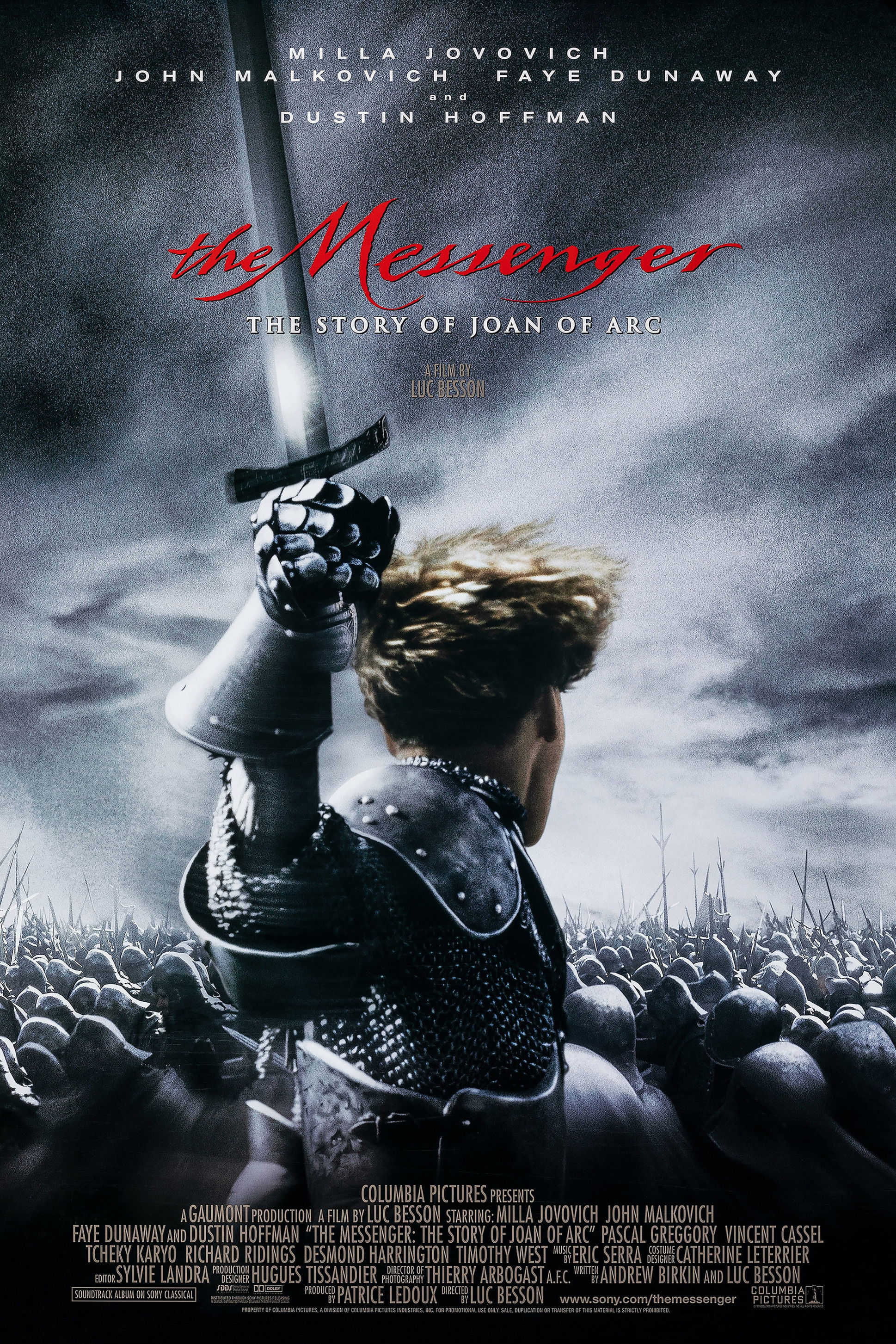
In 1429, a French teenager stood before her King with a message she claimed came from God; that she would defeat the world's greatest army and liberate her country from its political and religious turmoil. As she reclaims God's diminished kingdom, this courageous young woman has various amazing victories until her violent and untimely death.
At the tense 1938 Munich Conference, former friends who now work for opposing governments become reluctant spies racing to expose a Nazi secret.
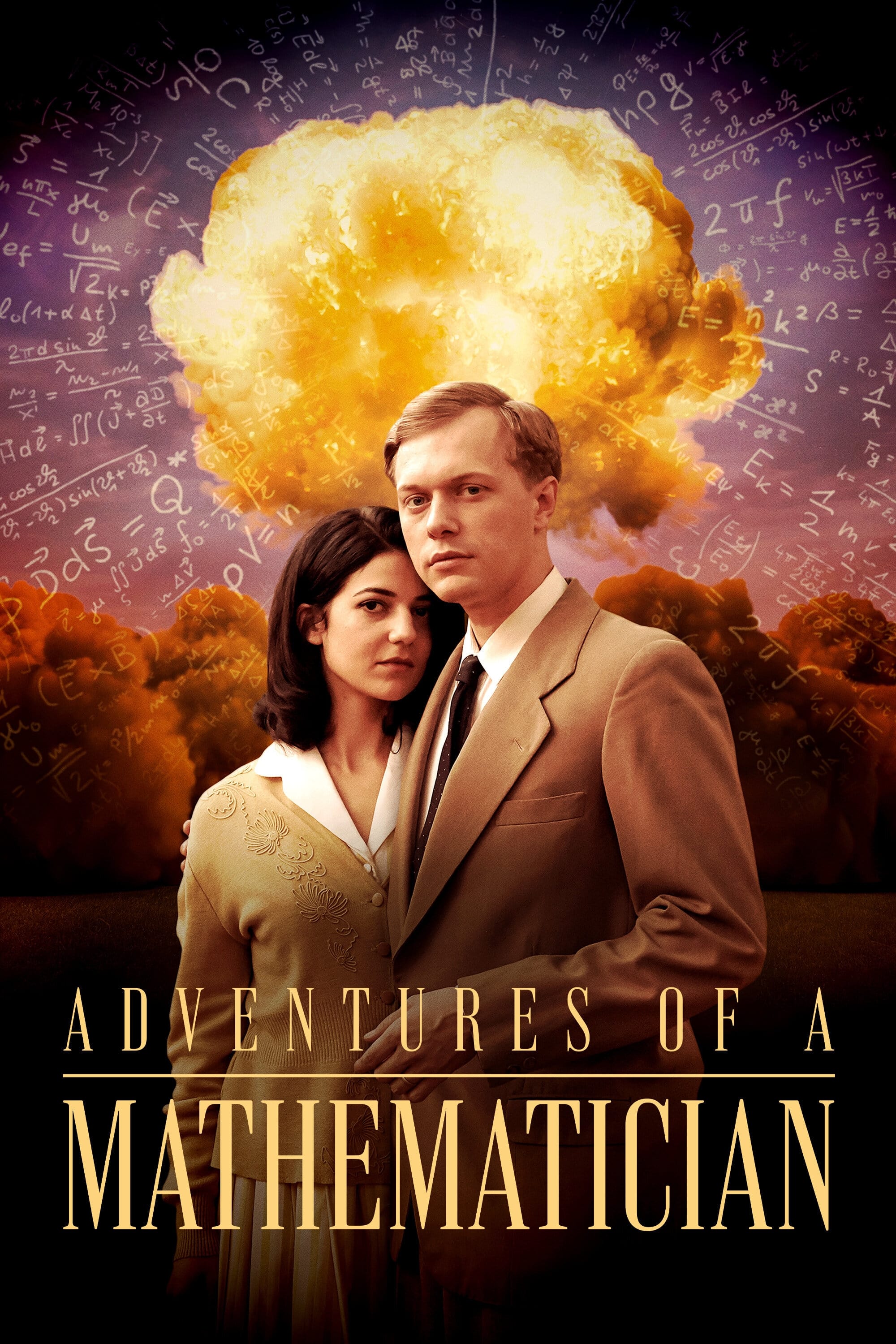
The warmhearted story of Polish immigrant and mathematician Stan Ulam, who moved to the U.S. in the 1930s. Stan deals with the difficult losses of family and friends all while helping to create the hydrogen bomb and the first computer.
In autumn 1943, in Gross-Partsch, 26-year-old Rosa, who had come from Berlin to stay with the parents of her husband Gregor, who was fighting on the Russian front, was taken by the SS to a mysterious place. Forced to taste a dish, she joins the group of tasters responsible for checking that the food destined for Hitler is not poisoned.
Young women toiling in a factory are exposed to hazardous material which takes a disastrous toll on their health.
The film follows Kaspar Hauser, who lived the first seventeen years of his life chained in a tiny cellar with only a toy horse to occupy his time, devoid of all human contact except for a man who wears a black overcoat and top hat who feeds him.
At the behest of an old and dear friend, playwright Lillian Hellman undertakes a dangerous mission to smuggle funds into Nazi Germany.
A fictional account of one year in the life of Empress Elisabeth of Austria. On Christmas Eve 1877, Elisabeth, once idolized for her beauty, turns 40 and is officially deemed an old woman; she starts trying to maintain her public image.
A story set in 19th century China and centered on the lifelong friendship between two girls who develop their own secret code as a way to contend with the rigid cultural norms imposed on women.
Desperate to help her son, Rabiye Kurnaz, a housewife and loving mother from Bremen, goes to the police, notifies authorities and almost despairs at their impotence and in the end, against all the odds, something truly remarkable happens.
Stephen Glass is a staff writer for the respected current events and policy magazine The New Republic and a freelance feature writer for publications such as Rolling Stone, Harper's and George. By the mid-90s, Glass' articles had turned him into one of the most sought-after young journalists in Washington, but a bizarre chain of events - chronicled in Buzz Bissinger's September 1998 Vanity Fair article - suddenly stopped his career in its tracks.
Set during the fading glory of the Austro-Hungarian empire, the film tells of the rise and fall of Alfred Redl, an ambitious young officer who proceeds up the ladder to become head of the Secret Police only to become ensnared in political deception.
In this sprawling, fictionalized history of the Black Panthers, 1960s Oakland becomes a war zone as the Panthers battle for the right to exist.
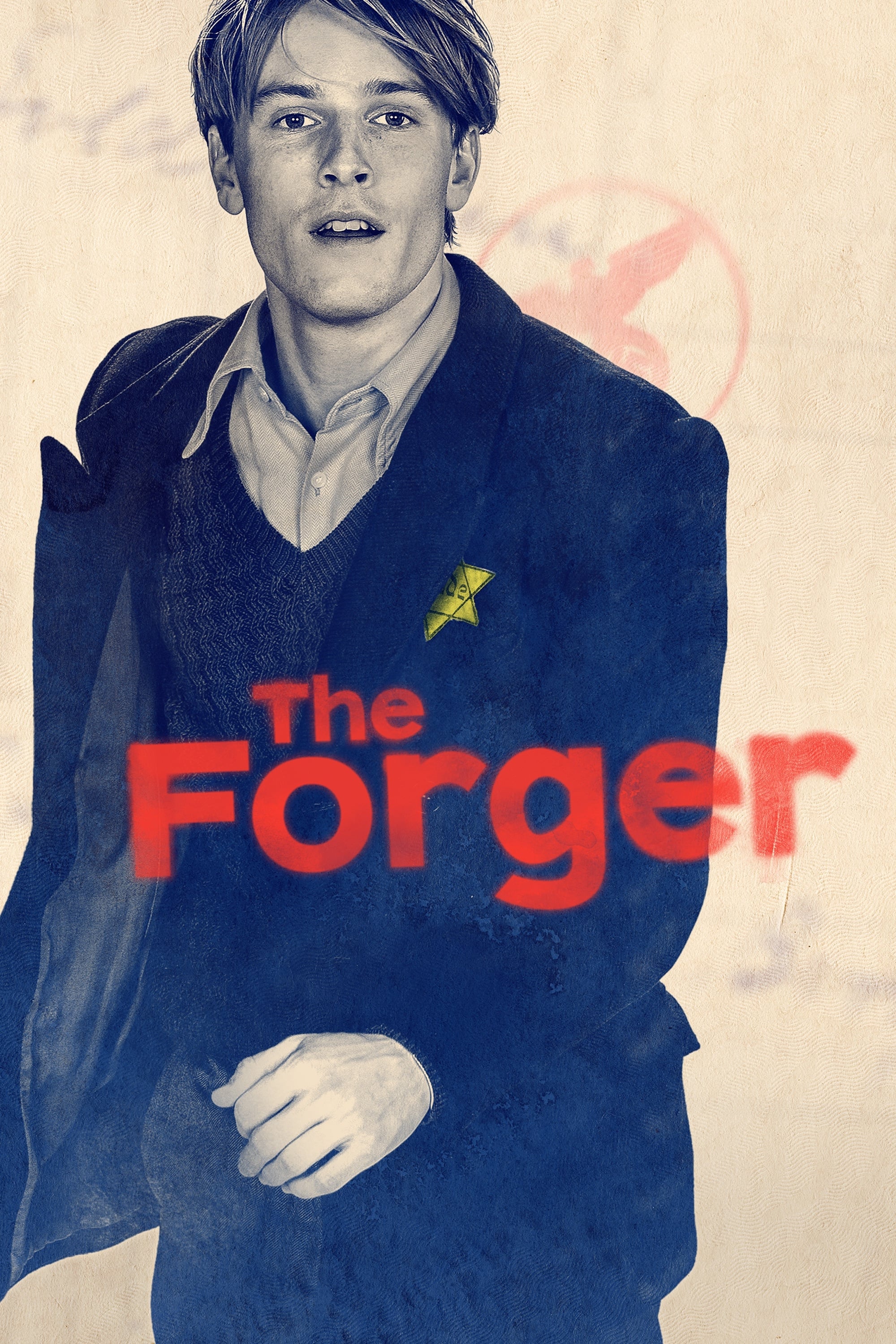
Jewish aesthete Cioma, 21, does not let anyone take away his joy of life, especially not the Nazis. In 1942, he has to find new ways to make his living in Berlin and escape deportation. In the process he discovers his talent for forgery: not only with passports, but also his own identity.
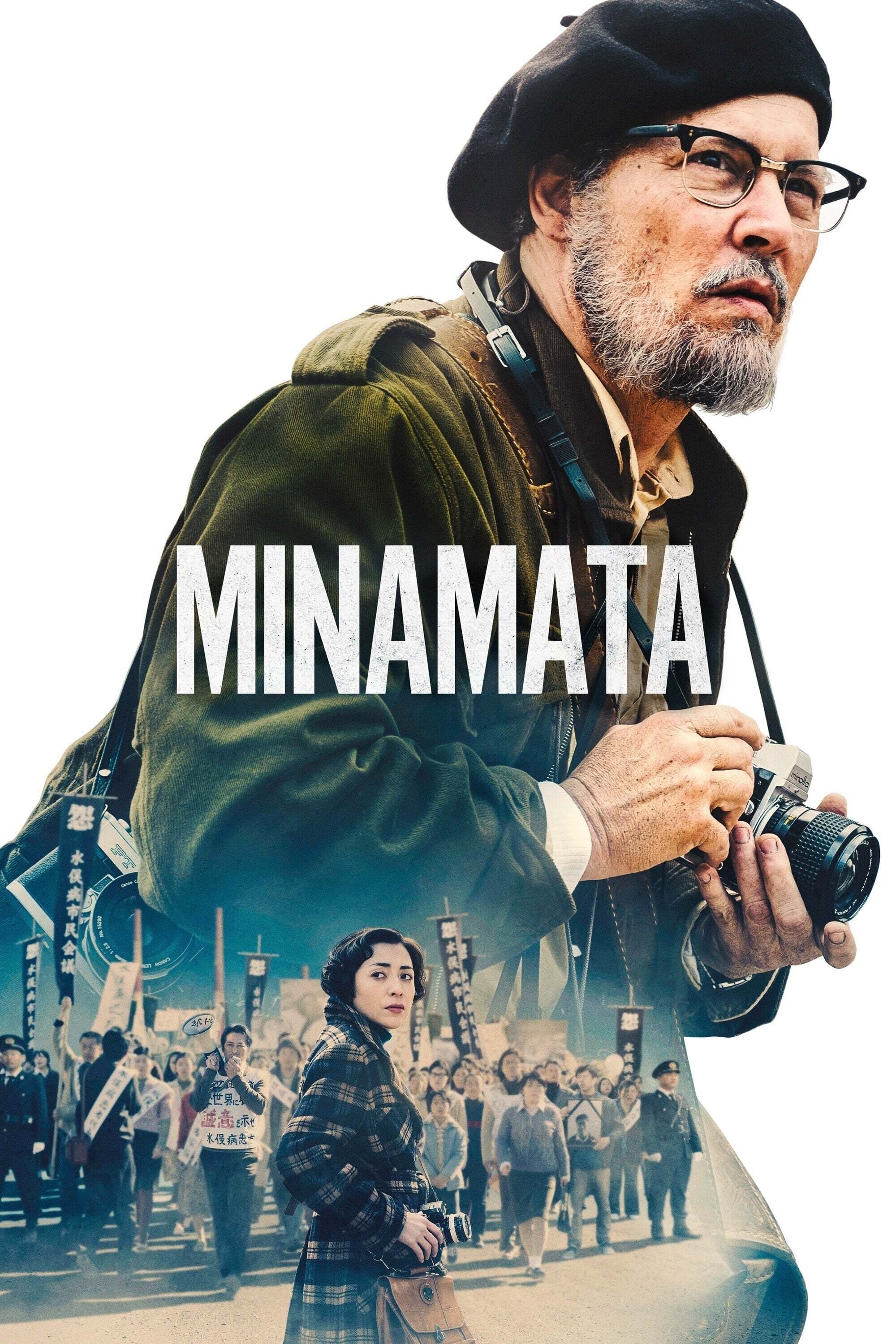
War photographer W. Eugene Smith travels back to Japan where he documents the devastating effect of mercury poisoning in coastal communities.
Constance, 1410. Marie, daughter of the richest bourgeois of the city, is on the eve of marrying a prestigious lawyer, son of an earl. Although the compromise fills with pride the girl's father, anxious to ennoble, Marie is not just convinced about her fiancé, who she has only seen twice. Her suspicions are confirmed tragically on the eve of the wedding when, after signing the marriage contract, a stranger breaks into the house ensuring that Marie has slept with other men in exchange for gifts, like a vile harlot. From that moment, the life of the girl will give a terrible unexpected turnaround. Alone, with his reputation ruined, she will have no choice to survive than partnering with a prostitute and lying on the roads.
When Andreas arrives in the remote valley in the Austrian Alps, he is only about four years old - nobody knows for sure. He grows up to become a skilled farmhand and, as a young man, joins a work crew that builds one of the first mountain railroads, bringing light and noise to the valley along with electricity. He also finds the love of his life in Marie, but their happiness is short-lived. Only many years later, when Andreas embarks on his final journey, she is with him once again. And in amazement Andreas looks back at all the years that lie behind him.
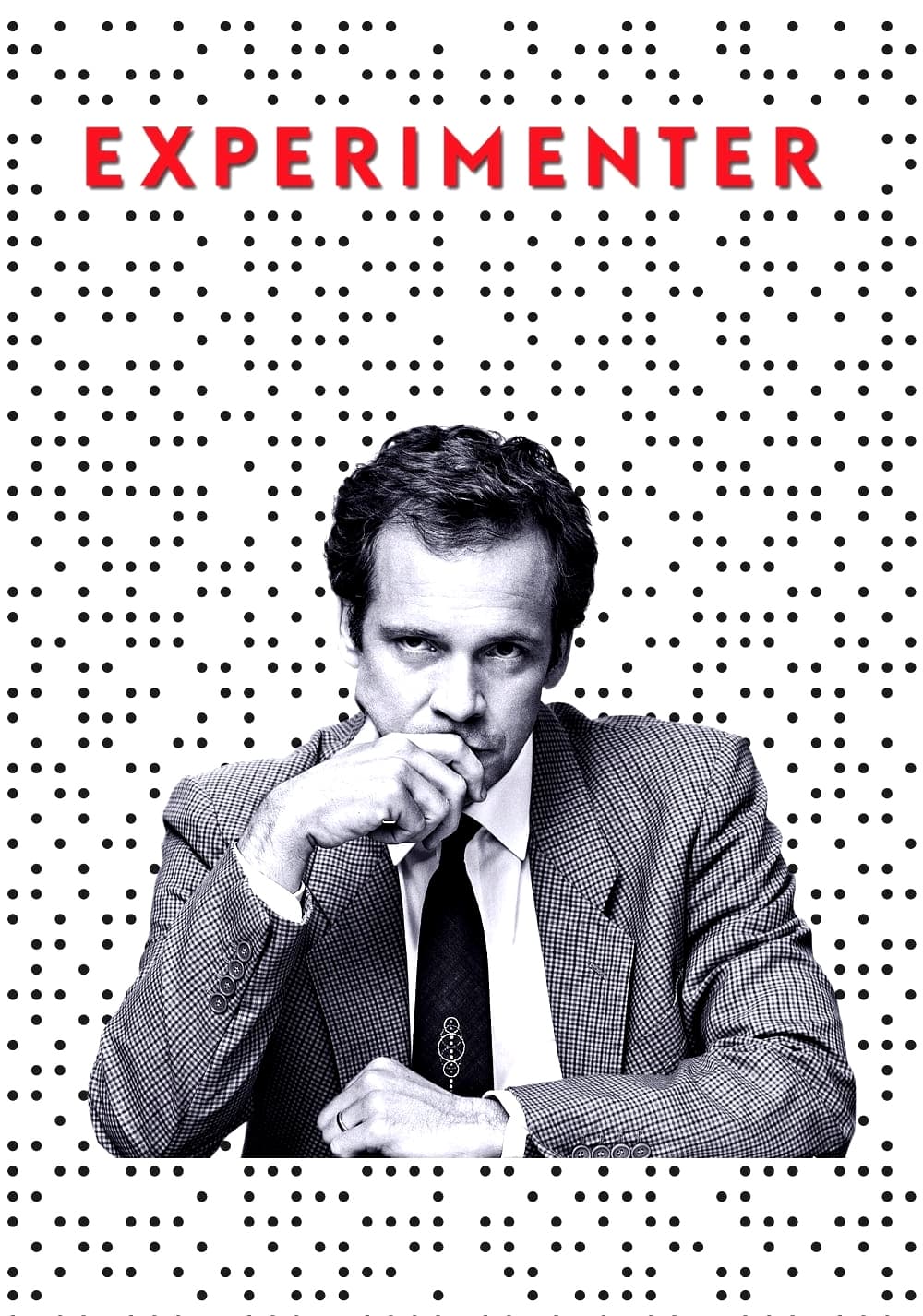
Yale University, 1961. Stanley Milgram designs a psychology experiment that still resonates to this day, in which people think they’re delivering painful electric shocks to an affable stranger strapped into a chair in another room. Despite his pleads for mercy, the majority of subjects don’t stop the experiment, administering what they think is a near-fatal electric shock, simply because they’ve been told to do so. With Nazi Adolf Eichmann’s trial airing in living rooms across America, Milgram strikes a nerve in popular culture and the scientific community with his exploration into people’s tendency to comply with authority. Celebrated in some circles, he is also accused of being a deceptive, manipulative monster, but his wife Sasha stands by him through it all.
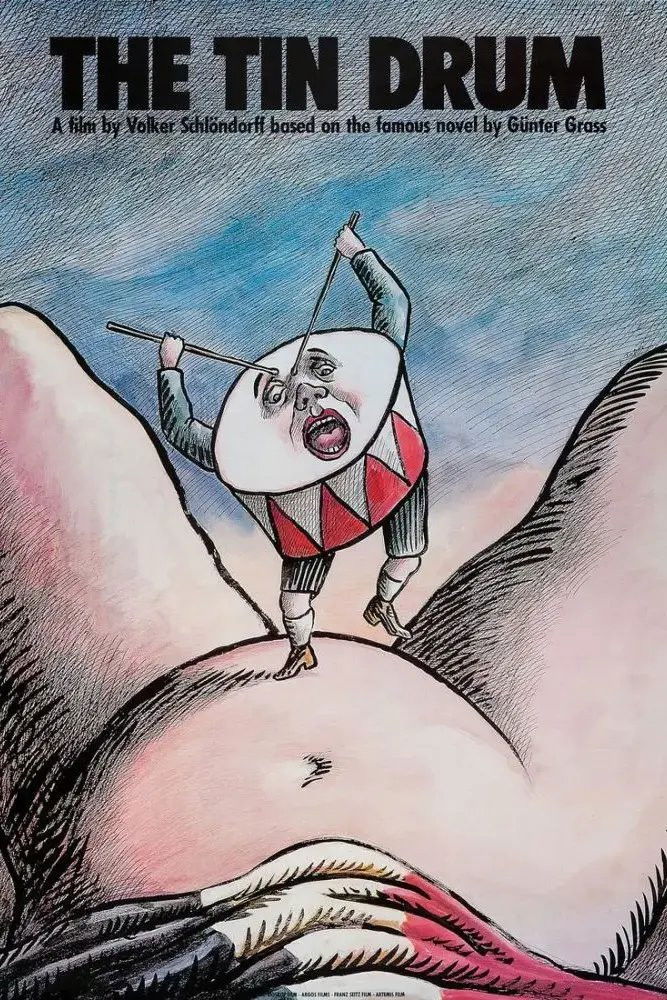
In 1924, Oskar Matzerath is born in the Free City of Danzig. At age three, he falls down a flight of stairs and stops growing. In 1939, World War II breaks out.
Buck Weaver and Hap Felsch are young idealistic players on the Chicago White Sox, a pennant-winning team owned by Charles Comiskey - a penny-pinching, hands-on manager who underpays his players and treats them with disdain. And when gamblers and hustlers discover that Comiskey's demoralized players are ripe for a money-making scheme, one by one the team members agree to throw the World Series. But when the White Sox are defeated, a couple of sports writers smell a fix and a national scandal explodes, ripping the cover off America's favorite pastime.
An American spy behind the lines during WWII serves as a Nazi propagandist, a role he cannot escape in his future life as he can never reveal his real role in the war.