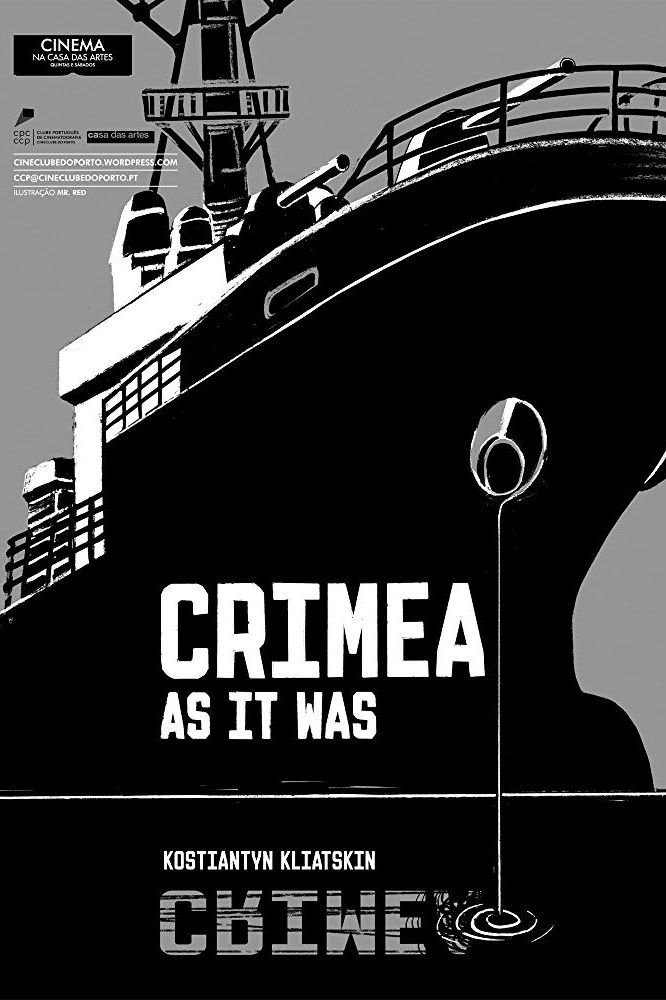
Town in the Sevastopol Bay. Too poor for its former glory. And too lively to die of poverty.
Social & External
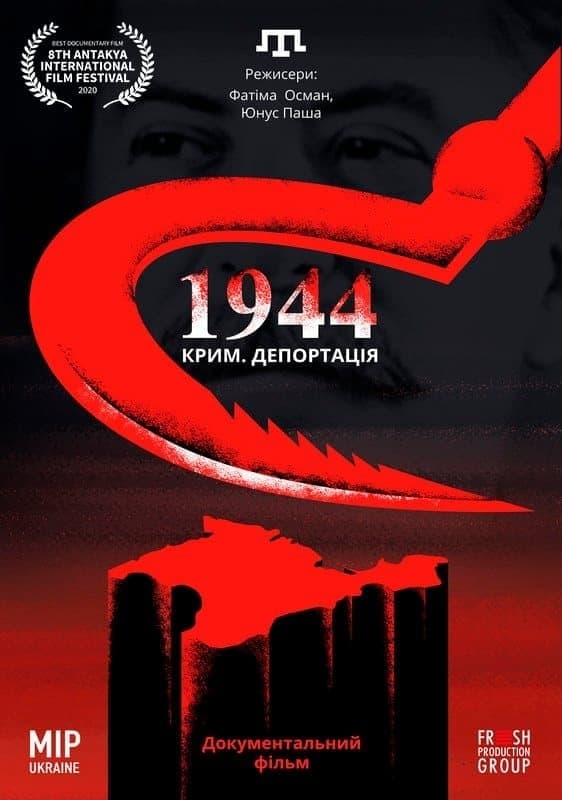
In 1944 Crimean Tatars has suffered a long road in exile. It was accompanied by famine, illness and loss. In the first years of exile, almost half of deported Crimean Tatars died. But those, who survived, dreamed of only one thing - to return to Crimea. The documentary 1944 tells about the tragedy of all Crimean Tatars through several separate life stories. They are cherished by each Crimean Tatar family and must be remembered by all generations to come.
A musical portrait of the ethnic minorities of the Crimean peninsula, it explores the sonic diversity from this unique land.
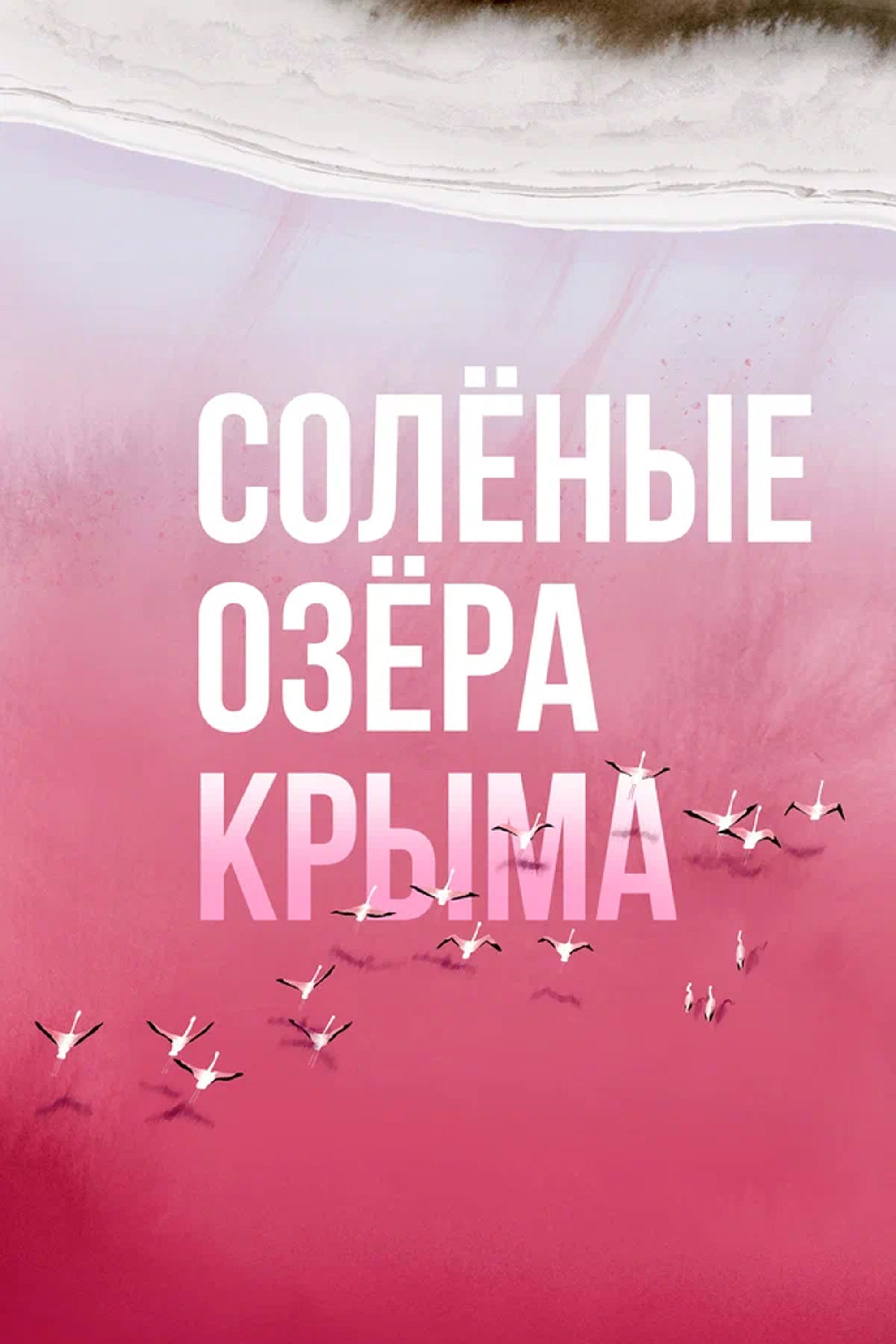
The nature of the Crimean peninsula is beautiful and diverse - here you can find numerous caves, grottoes, bays with cozy beaches, as well as unique salt lakes - azure blue and pink reservoirs with salt water. They are a source of cosmetic and food salt, as well as medicinal mud.
For the first time, this documentary includes two exclusive interviews with Vladimir Putin and full details about actions in Crimea during spring 2014. These events determined the history of modern Russia. The President talks frankly and openly about the challenges and risks that Russia faced during that time. This film provides the Russian view of the situation. It is impossible to form a complete picture of the world without it.
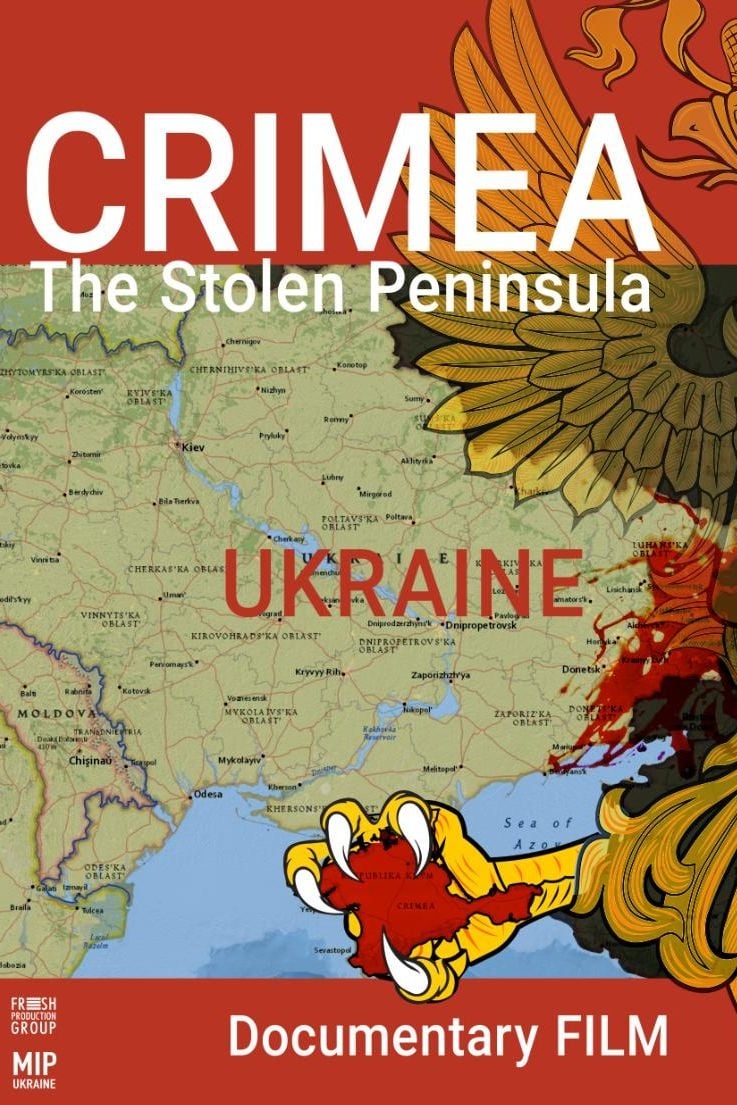
Documentary film about war crime — annexation of Crimea by the Russian Federation.
The film is a story about the officers, soldiers and seamen who did not betray their oath of loyalty to the people of Ukraine and their first hand accounts about Russia's invasion and annexation of Ukraine's Crimean Peninsula. They continue to fulfill their military obligations on land, on sea and in the air today.
The documentary "Crimea. Liberation" tells the story of a special operation of the Security Service of Ukraine in Crimea in 1994, which lasted more than three months. Back then, the SBU's Alpha special unit stopped a rebellion by Russian proxies who sought to separate the peninsula from Ukraine overnight. The film features the direct participants of the special operation: the first Head of the Security Service of Ukraine, Yevhen Marchuk; SSU Lieutenant General Vasyl Krutov; SSU Major General Vitaliy Romanchenko; SSU Colonels Serhiy Ropaev and Pavlo Dubrov, Colonel Ivan Yakubets, as well as Valeriy Kozyarsky, Refat Chubarov and Oleksandr Paliy.
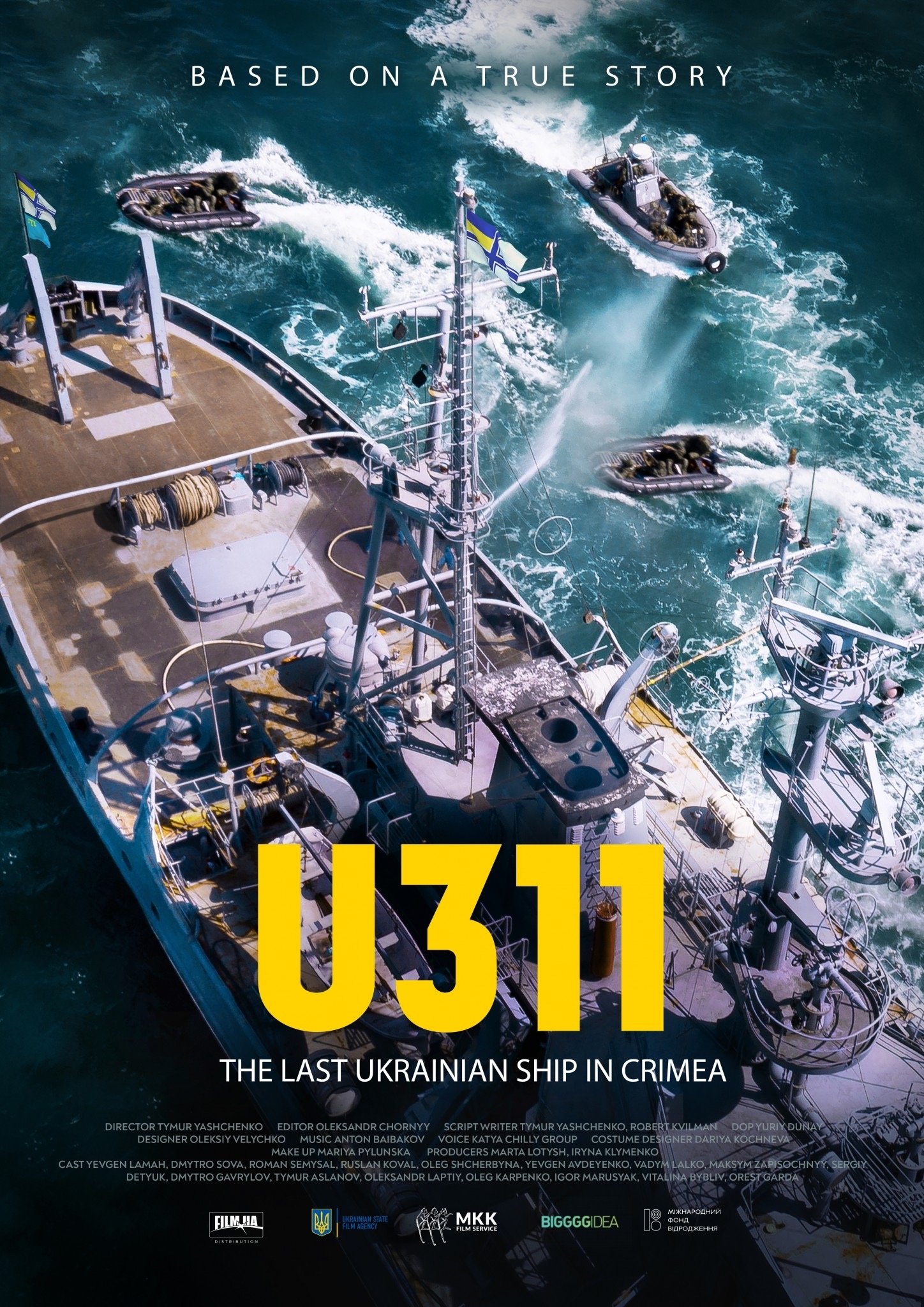
The crew of Ukrainian NAVY minesweeper U311 "Cherkasy" is resisting seizure of the vessel by Russian army in Crimea in 2014.
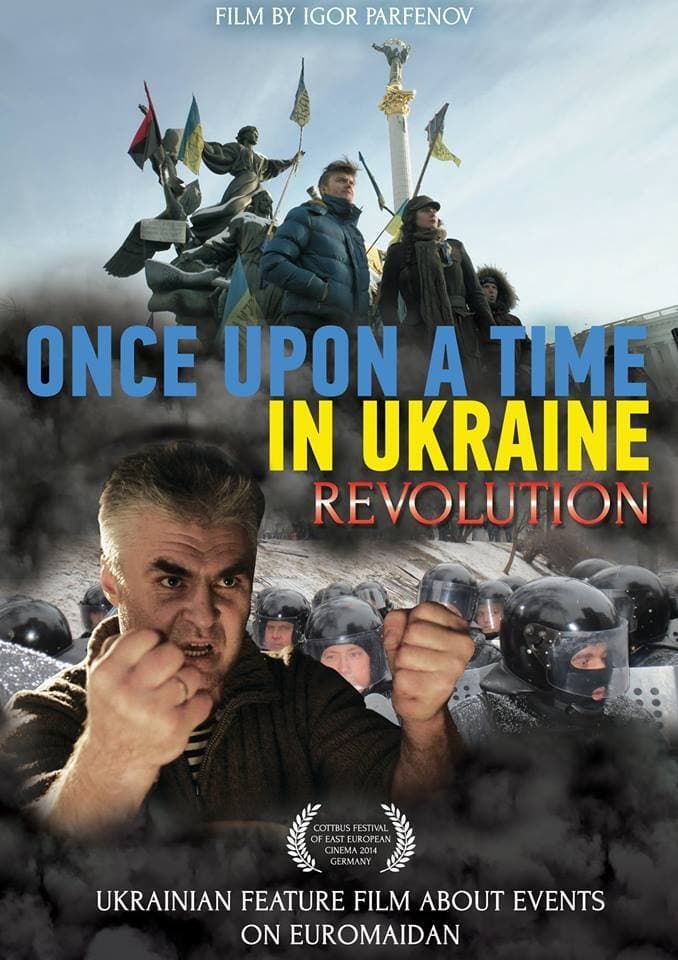
Whilst the first shots ring out between pro-Russian government forces and members of the opposition in the winter of 2013, young Nina leaves Crimea. She was raped by a corrupt policeman, her friend was killed, and now she seeks refuge with the protesters on Maidan Square. Revolutionary chaos prevails, and it‘s not at all clear who remains loyal to whom and which means can be regarded as legitimate in the struggle for freedom. Ultimately Nina and her tormentors come face to face again and the spiral of violence is stepped up a further notch. The film was shot to a genuine backdrop, the result of which is a multifaceted allegory on the tragedy currently playing out in Ukraine.
A practical joke ends up very wrong in Nigina Sayfullaevas curious youth drama. Two seventeen year old Moscow girls, Olya and Sasha, are visiting Olya's long lost father who lives in Crimea, when they decide to switch places and pretend to be the other person to the father. Little do they know that their joke comes with consequenses that will change their lives forever.
At a popular vacation destination in Crimea every evening the entertainer Lyudmila Pashkova hosts "Where are you, talents?" - a friendly competition designed to amuse vacationers. Michael Gudkov, a vacationer from the northern Russian city of Murmansk, takes up the challenge performing his favorite song "My Female Sailor". In spite of a well-received performance the host did not award a victory to him. Feeling slighted Michael decides to compete every evening with his song until he gets his well-deserved prize becoming a favorite fixture of the local competition.
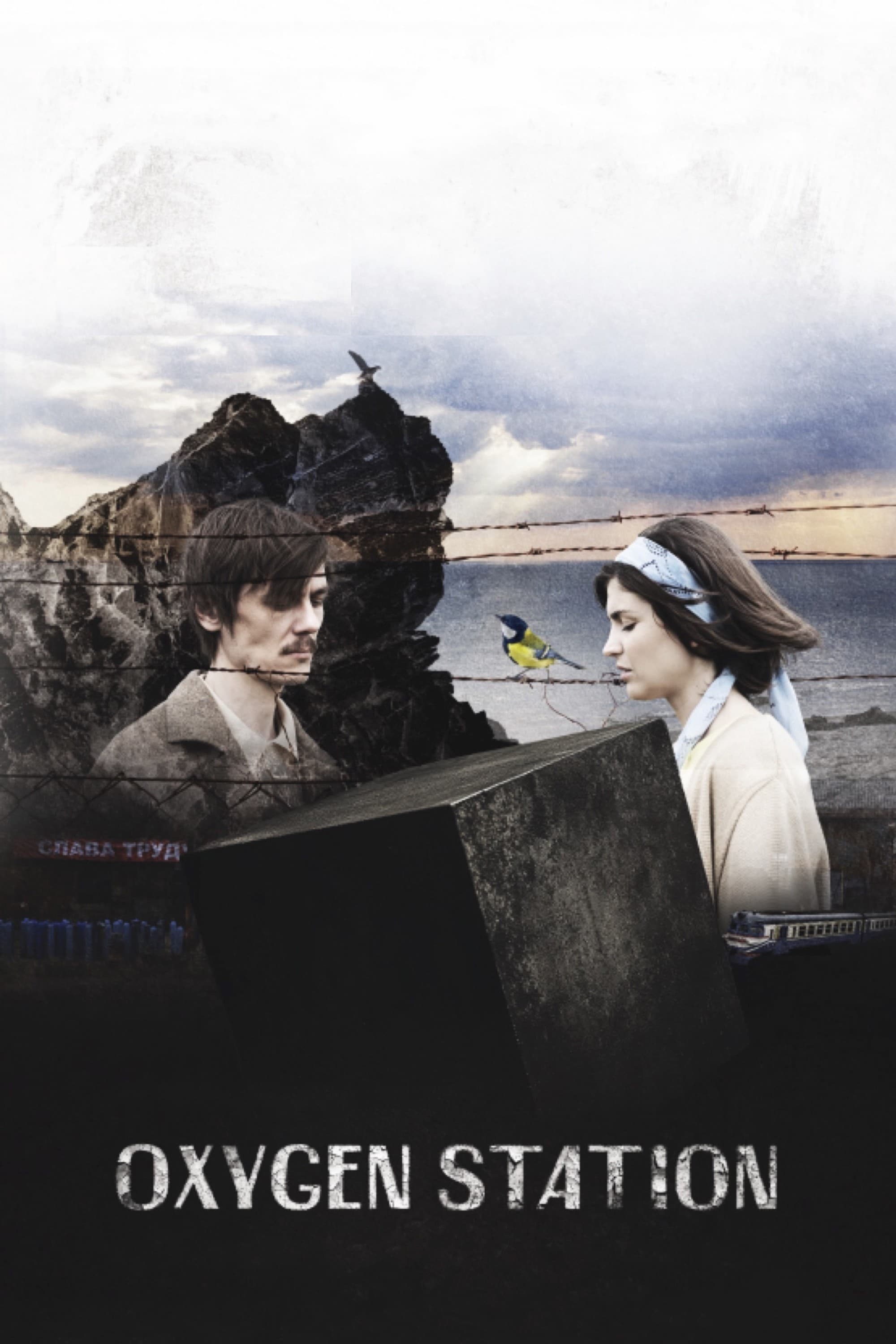
Human rights activist and political prisoner Mustafa, who became known after his 303-days hunger strike in prison, is exiled to Siberia to work at an oxygen station. Three people across the country were headed towards him, each with very different goals.
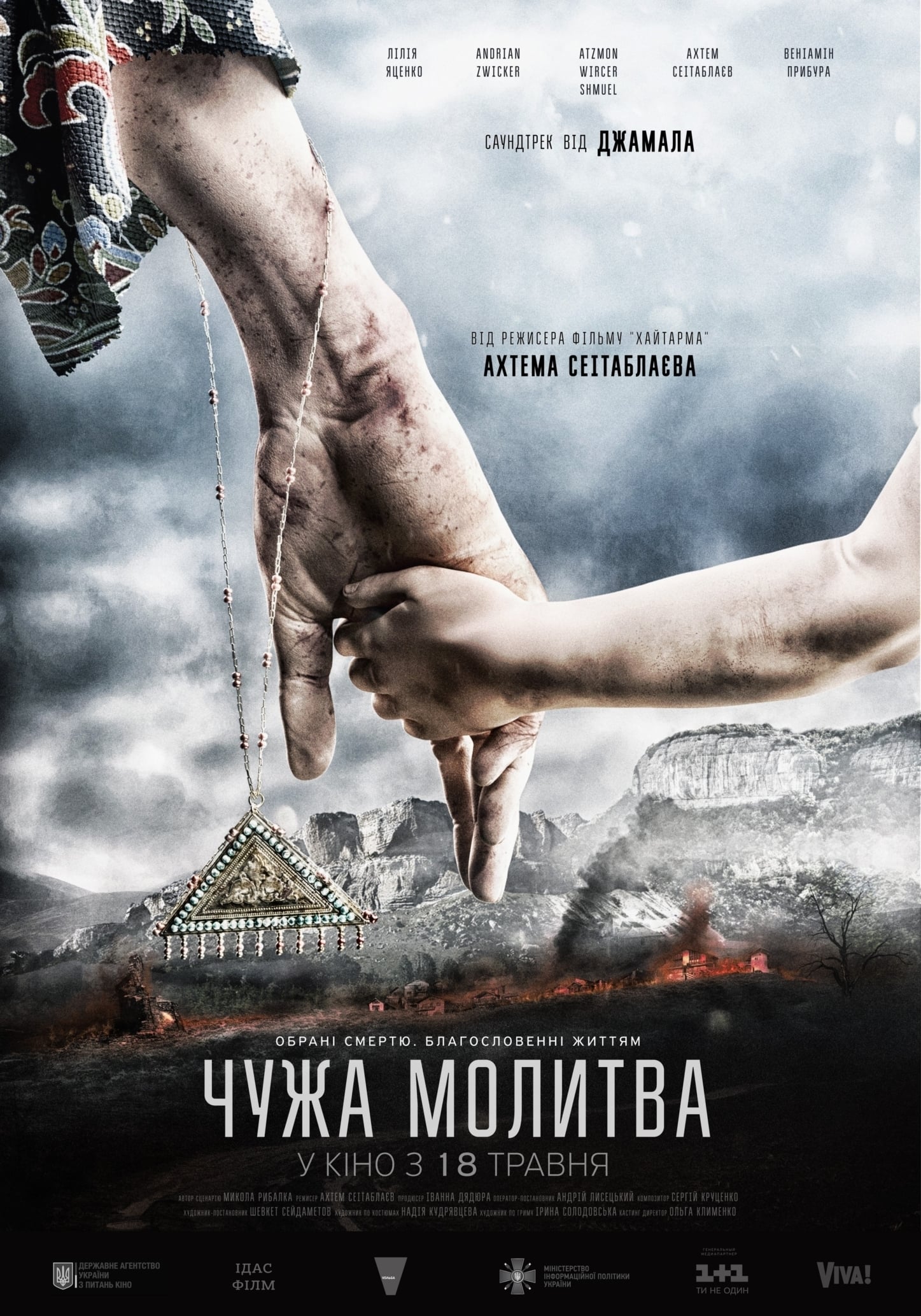
Nazi-occupied Crimea, 1944. A boy named Itzhak turns to Saide Arifova, a local Tatar Muslim woman, for help, explaining that he and a group of other Jewish orphans are hiding from the Nazis. Arifova faces a moral dilemma: should she try to help them or save herself by refusing? Despite the impending danger, she decides to protect the children by hiding them in plain sight, and disguising them as Tatars and adopting them into the local community.
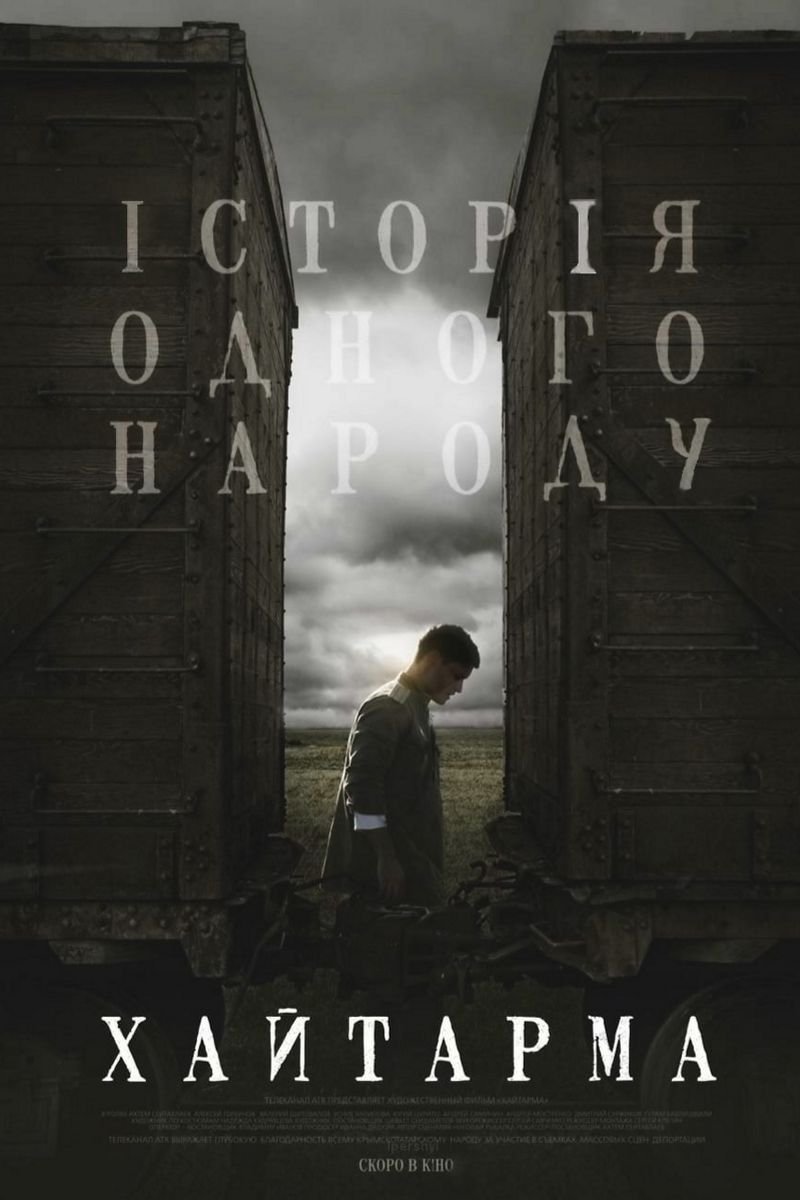
The film tells about the tragic date in the history of the Crimean Tatar people — May 18, 1944 — Stalin’s deportation of the Crimean Tatars. The plot of the film — a pilot, twice Hero of the Soviet Union, Amet-khan Sultan. In May, 1944, a year after the liberation of Sevastopol, Amet-khan goes on vacation to his native town Alupka. On May 18 his eyes witness the beginning of the deportation of the Crimean Tatars.
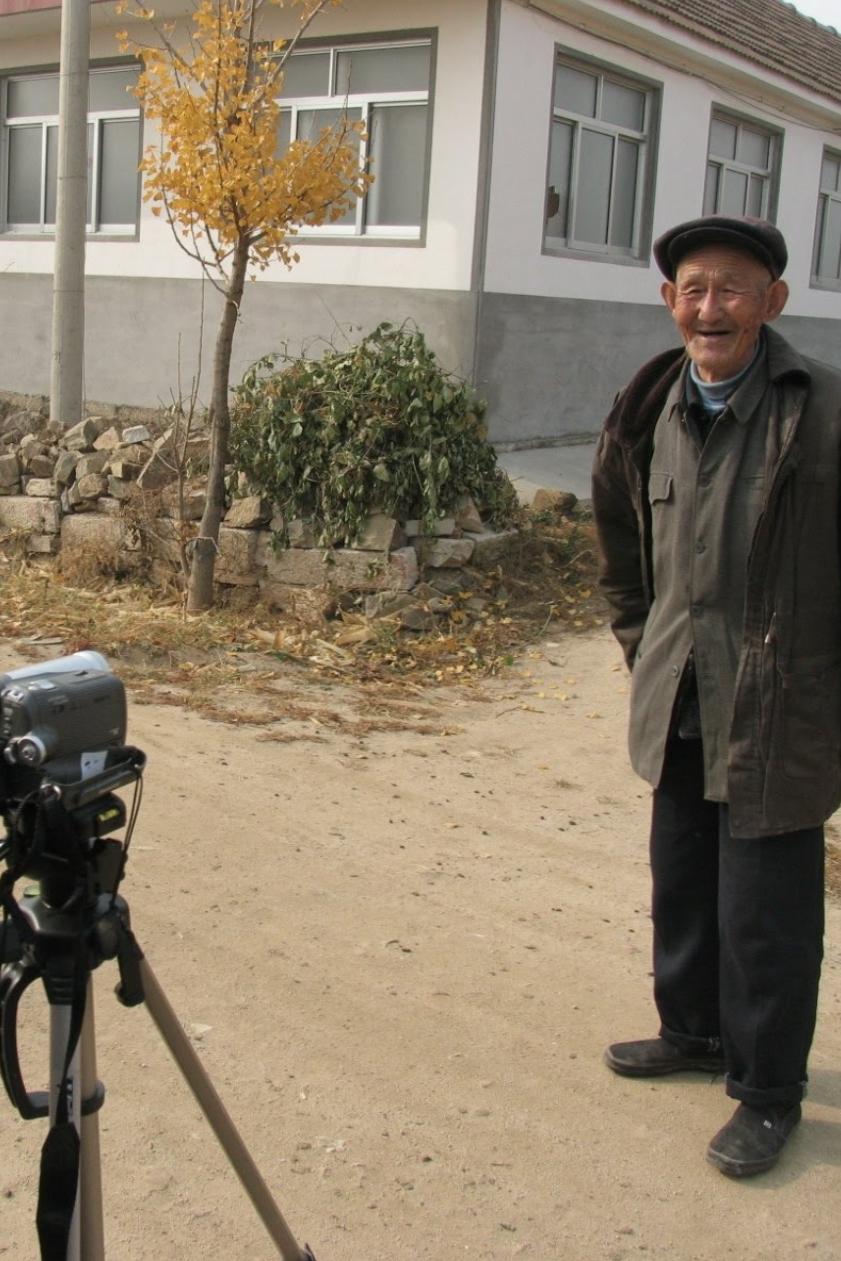
Filmmakers Wu Wenguang and Jian Yi trained 10 villagers from across China to make films documenting electoral processes in their home villages. Pursuing the ideal that anyone can become a documentary filmmaker, this project sparked a new model of Chinese participatory documentary, with community members depicting their own lives. The resulting works—surprisingly humorous, and filled with their own local flavor—vividly reveal the realities of village life and democracy in action.
New Castle is a remote rural village where houses and mountains have been distorted due to excessive mining. Under the "New Village" campaign, all the villagers will be moved into the nearly completed Luxury Buildings. The documentary depicts the life of two groups of people, miners and villagers. The miners who are from all over the country, lost their jobs because of the Olympic Games in Beijing - the mine was shut down to make the air less polluted. The villagers had no better luck. Granny Fan lost two sons and two grandsons in a mining accident. Old Han and Old Wang are still farming. Some youngsters are gambling in the house of Han Bin, who was crippled in another mining accident. In the film, you can also see the village election, the service of local Christians, and people worshipping for a better year to come.
Treatment is one of two films Wu Wenguang released in 2010 after a 5-year absence. The film deals with Wu’s memories of his deceased mother and his search for emotional healing.
When thinking of devastated cities in the Second World War, Naples is often forgotten, but when it was liberated by the Allies it was on its last legs, with 200,000 homeless and no power, transport, food or running water. The Allies quickly brought food to the starving population and medicine to the sick, but the introduction of many troops and lots of supplies led to the creation of a huge black market involving almost the entire population. One third of women became prostitutes as Naples became a kind of Sodom and Gomorrah, a city of vice, crime and chaos where everything that could be sold and stolen was sold and stolen. Perplexingly, the Americans decided to introduce Italo-American criminals into positions of power in southern Italy, such as Vito Genovese, a gangster escaping a murder rap in New York. Genovese began setting up a crime empire in Naples - after Mussolini had effectively suppressed organised crime in Italy, the Allies brought it back. (Storyville)
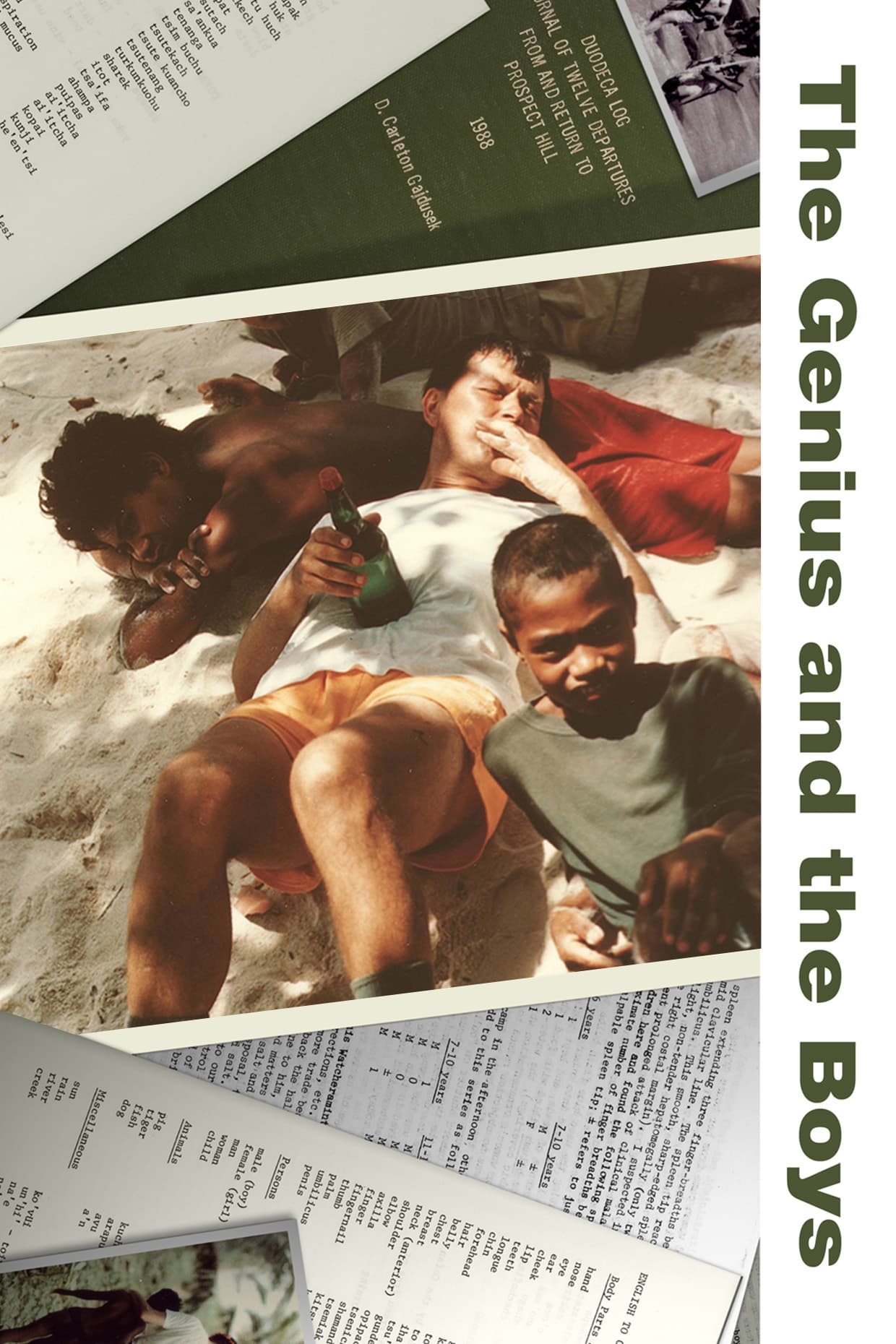
D Carleton Gajdusek won the Nobel Prize for the discovery of Prions - the particles that would emerge as the cause of Mad Cow disease - while working with a cannibal tribe on New Guinea. He was a star of the scientific world. Over his years working amongst the tribes of the South Seas, he adopted 57 kids, bringing them to a new life in Washington DC. His adoptions were hailed as wonderful fatherly beneficence. But, at the height of his career, rumours began to spread he was a paedophile. Gajdusek would argue that if sex with children was okay in their own cultures, he wasn't wrong to join in. How could a great mind like Gajdusek's lose insight so totally, and why would the scientific community to which he was a hero be so quick to leap to his defence and dismiss the allegations? (Storyville)
Phone and video camera footage of Jane's lonely family trip to Europe. Takes place months before certain events take place.
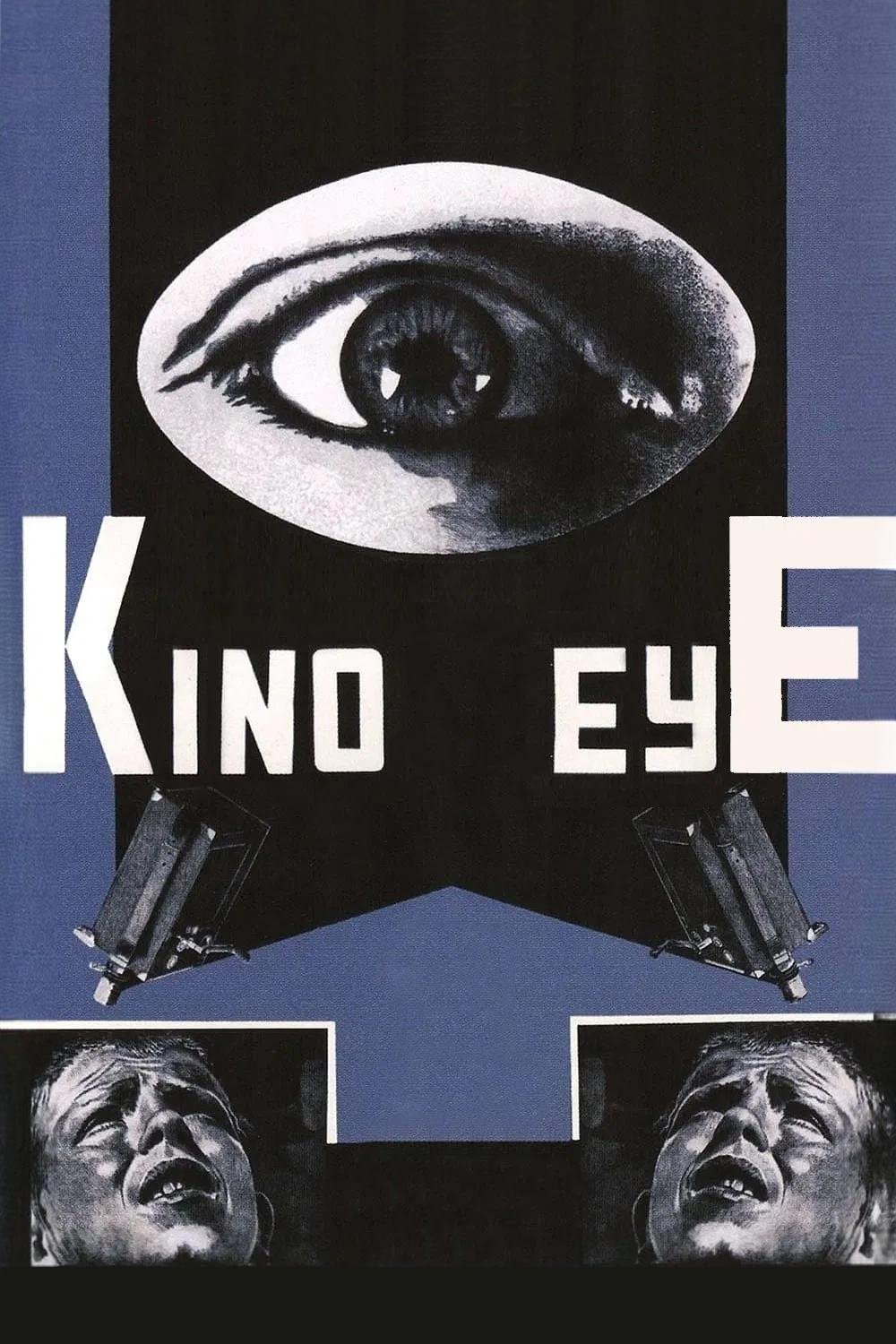
This documentary promoting the joys of life in a Soviet village centers on the activities of the Young Pioneers. These children are constantly busy, pasting propaganda posters on walls, distributing hand bills, exhorting all to "buy from the cooperative" as opposed to the Public Sector, promoting temperance, and helping poor widows. Experimental portions of the film, projected in reverse, feature the un-slaughtering of a bull and the un-baking of bread.
This character-driven film considers the evolving sex trafficking landscape as seen by the main players: the exploited, the pimps, the johns that fuel the business, and the cops who fight to stop it.
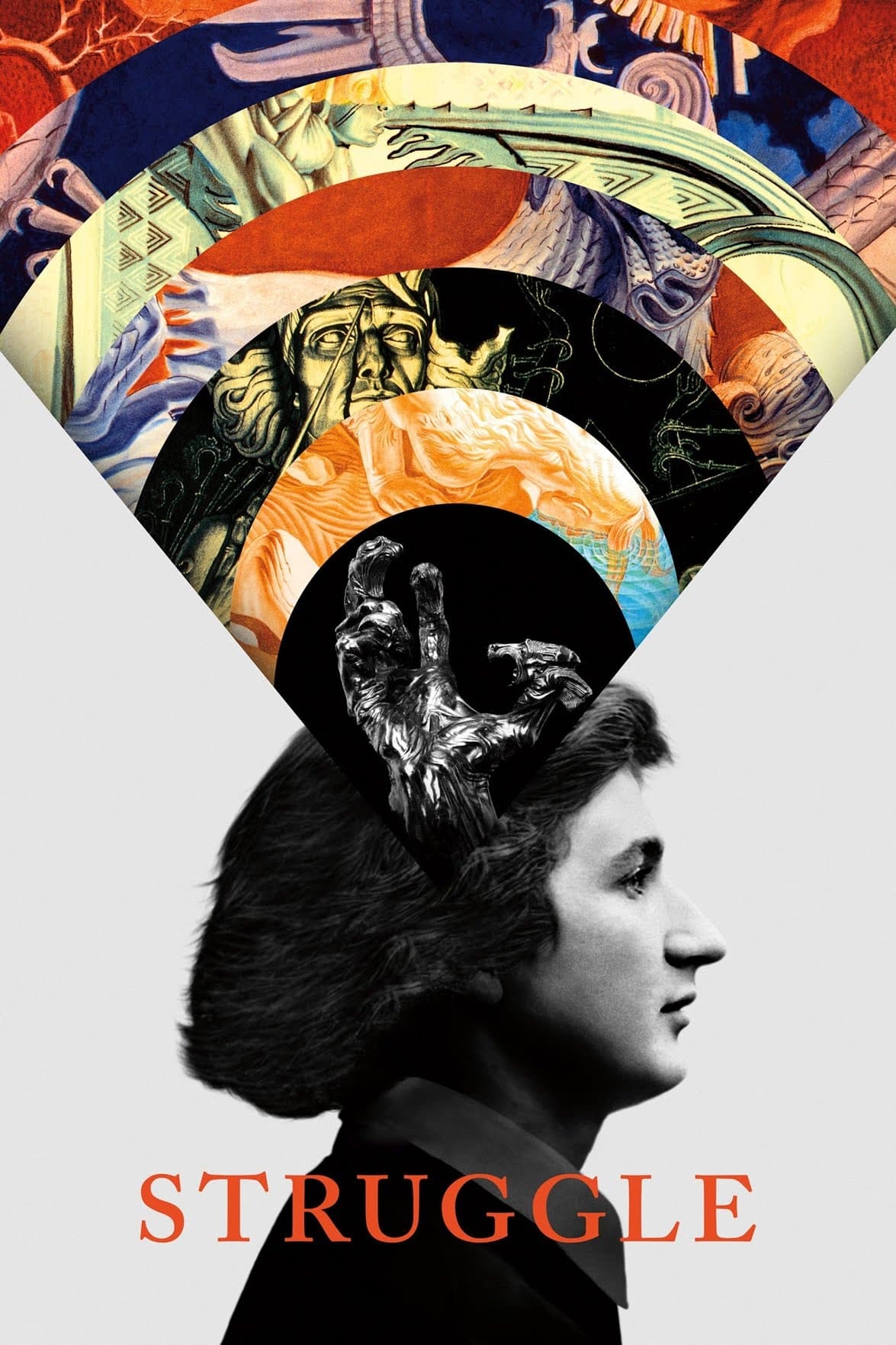
Artists in LA discover the work of forgotten Polish sculptor Stanislav Szukalski, a mad genius whose true story unfolds chapter by astounding chapter.
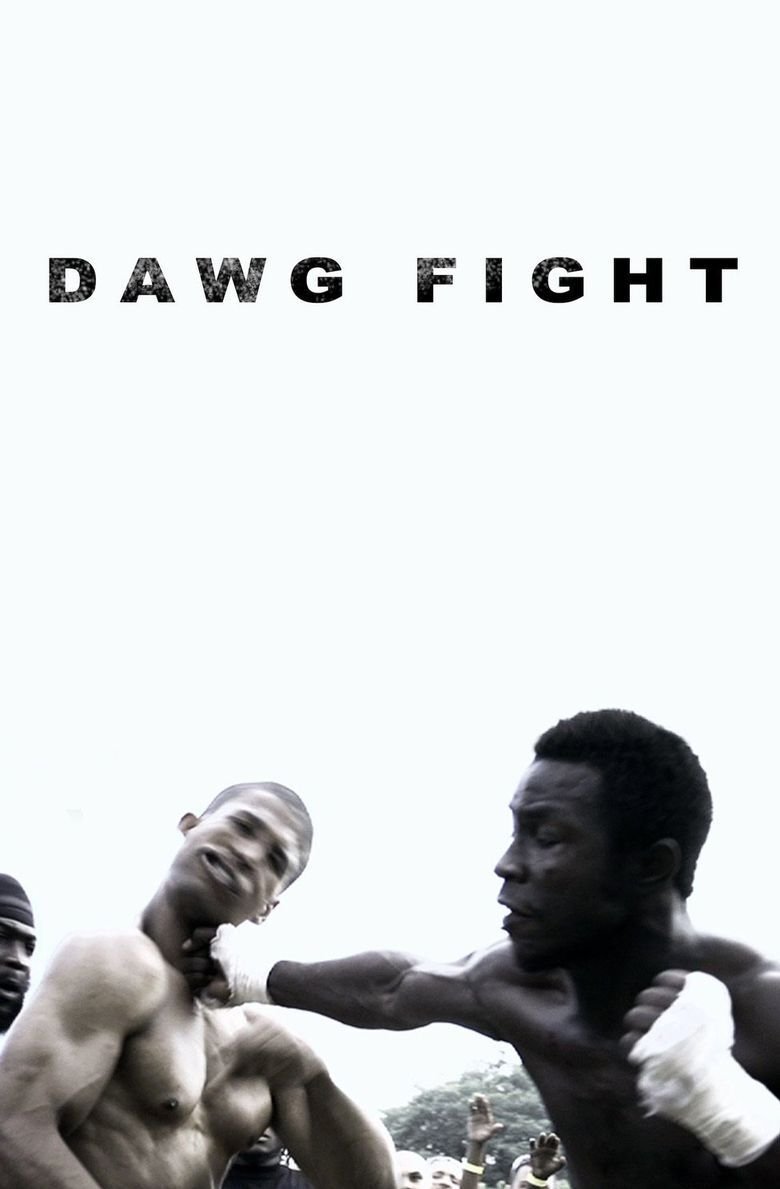
In a crime-plagued neighborhood near Miami, brutal, bare-knuckled backyard fights give young men a chance to earn money -- and self-respect.
If you ever find yourself traveling down Interstate 49 through Missouri, try not to blink—you may miss Rich Hill, population 1,396. Rich Hill is easy to overlook, but its inhabitants are as woven into the fabric of America as those living in any small town in the country. This movie intimately chronicles the turbulent lives of three boys living in said Midwestern town and the fragile family bonds that sustain them.
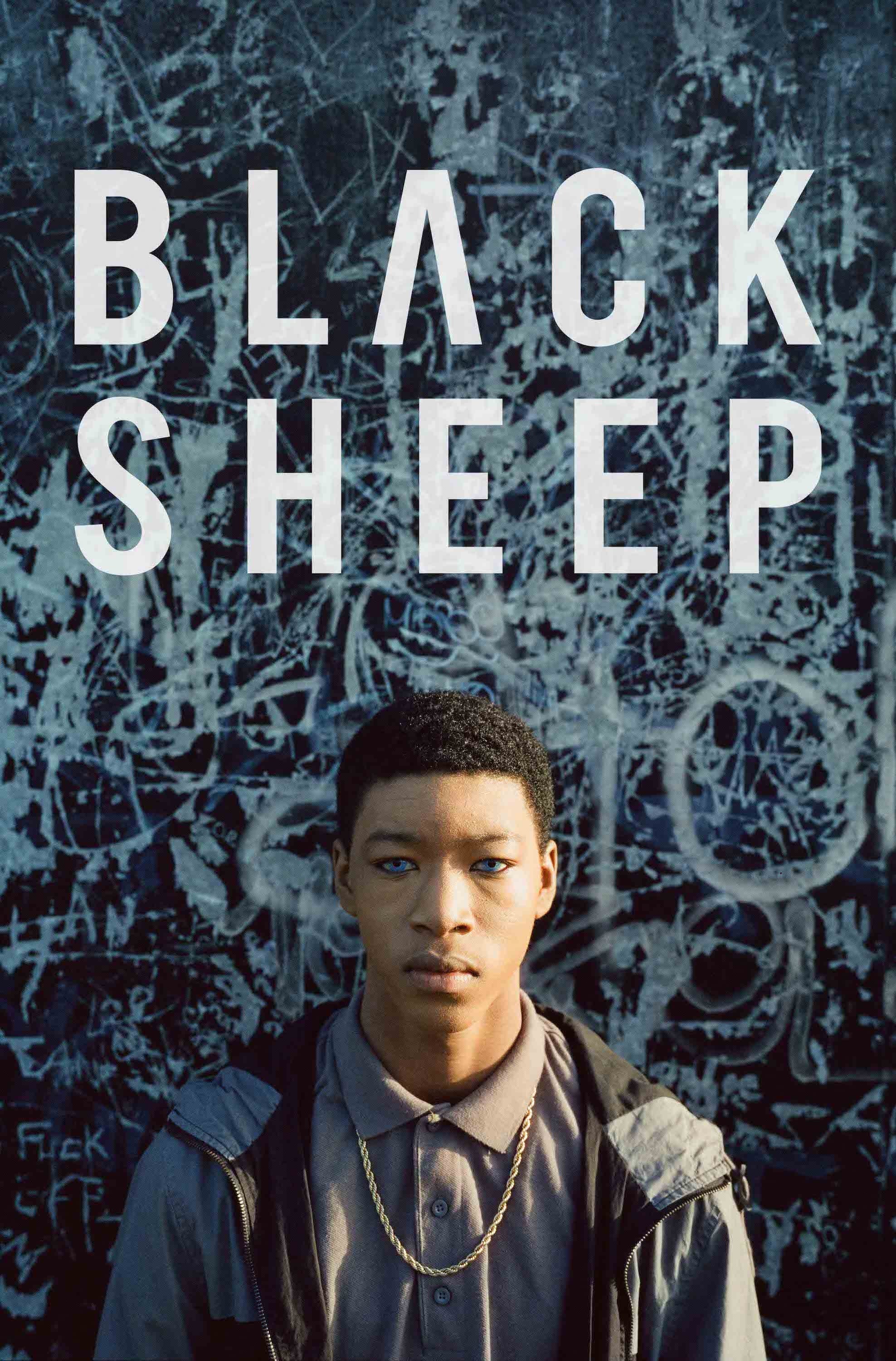
After the high-profile killing of Damilola Taylor, Cornelius' family move out of London. But when they discover their new town is run by racists, Cornelius takes a drastic step to survive.
A documentary that explores the downloading revolution; the kids that created it, the bands and the businesses that were affected by it, and its impact on the world at large.
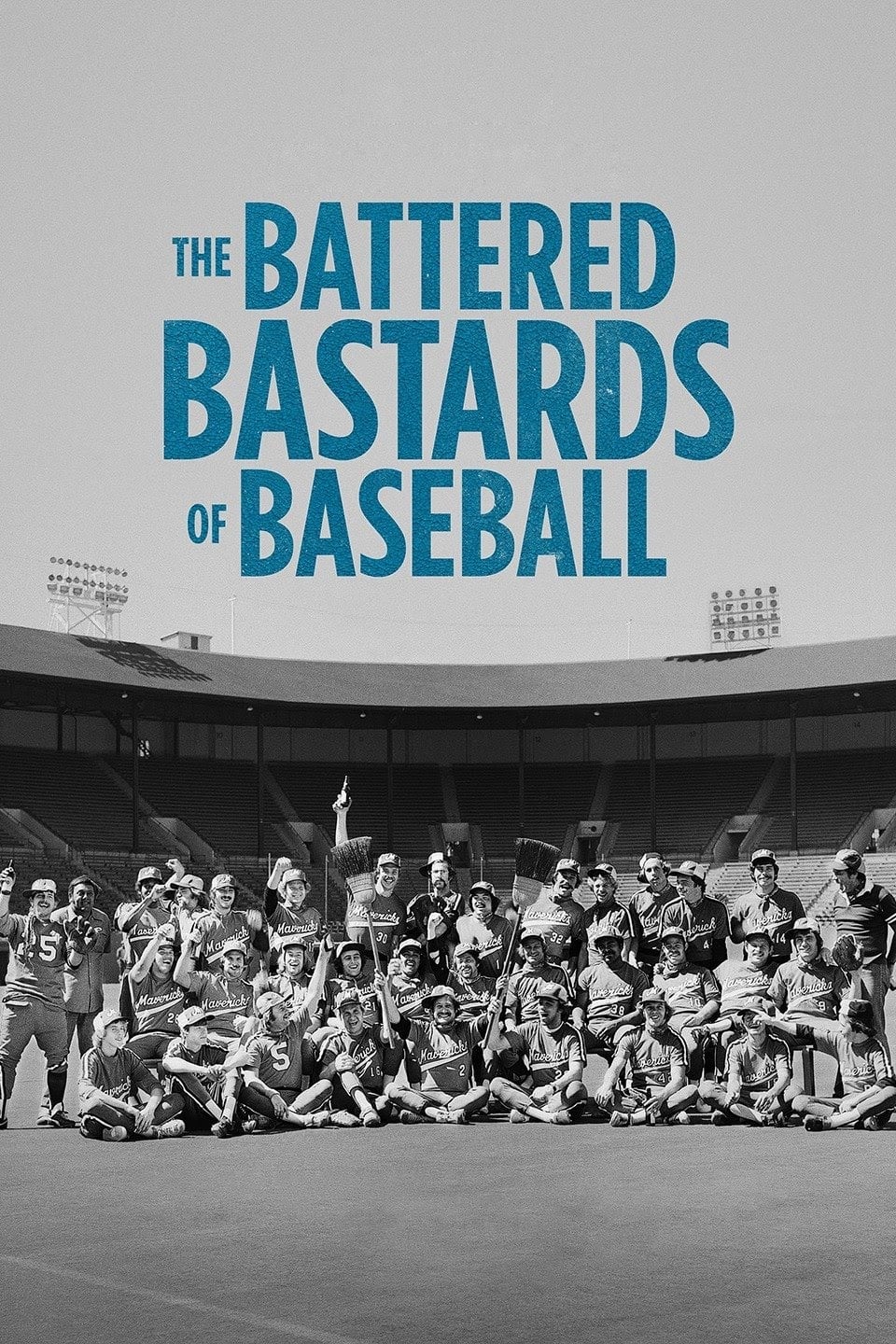
Hollywood veteran Bing Russell creates the only independent baseball team in the country—alarming the baseball establishment and sparking the meteoric rise of the 1970s Portland Mavericks.
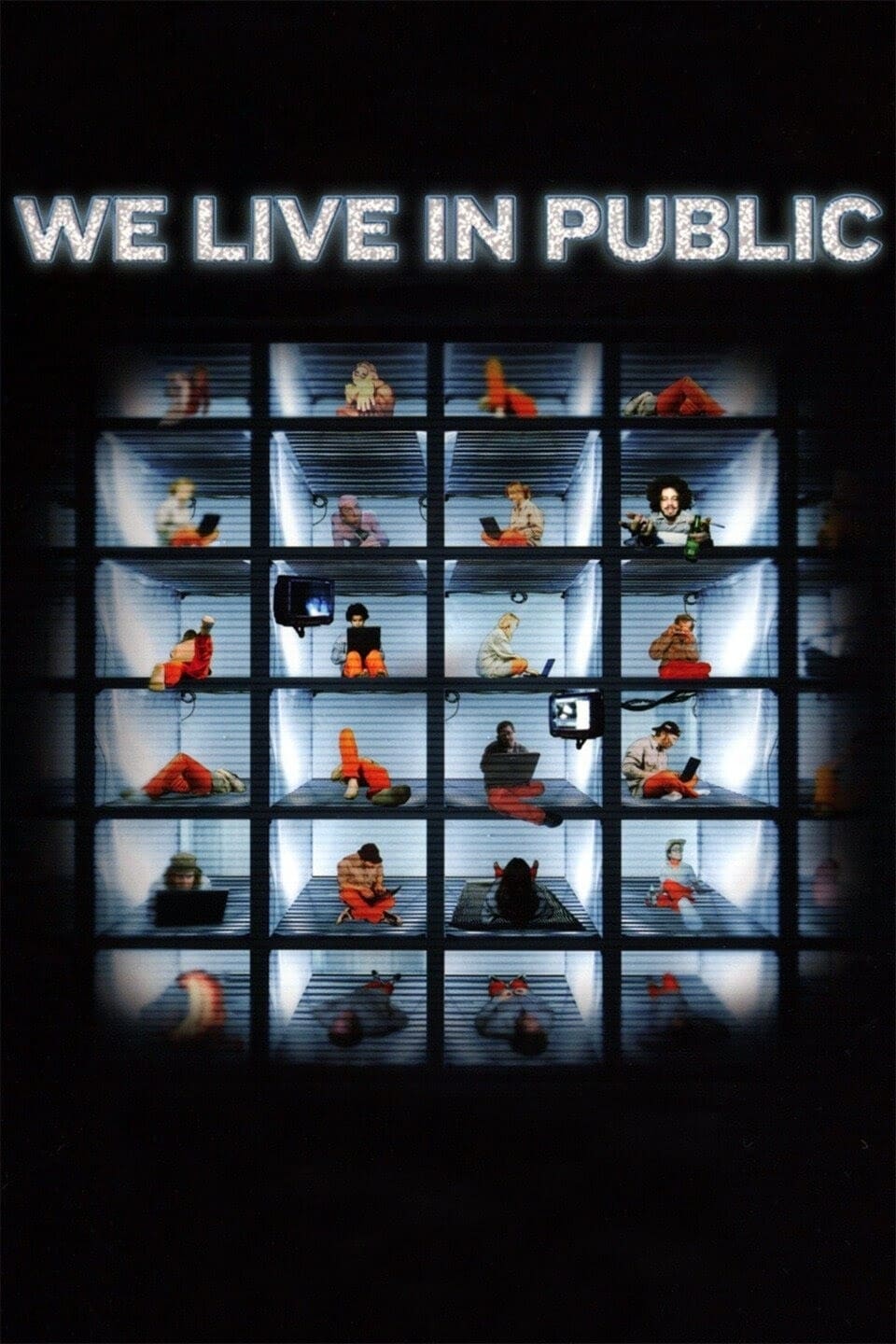
In 1999, Internet entrepreneur Josh Harris recruits dozens of young men and women who agree to live in underground apartments for weeks at a time while their every movement is broadcast online. Soon, Harris and his girlfriend embark on their own subterranean adventure, with cameras streaming live footage of their meals, arguments, bedroom activities, and bathroom habits. This documentary explores the role of technology in our lives, as it charts the fragile nature of dot-com economy.
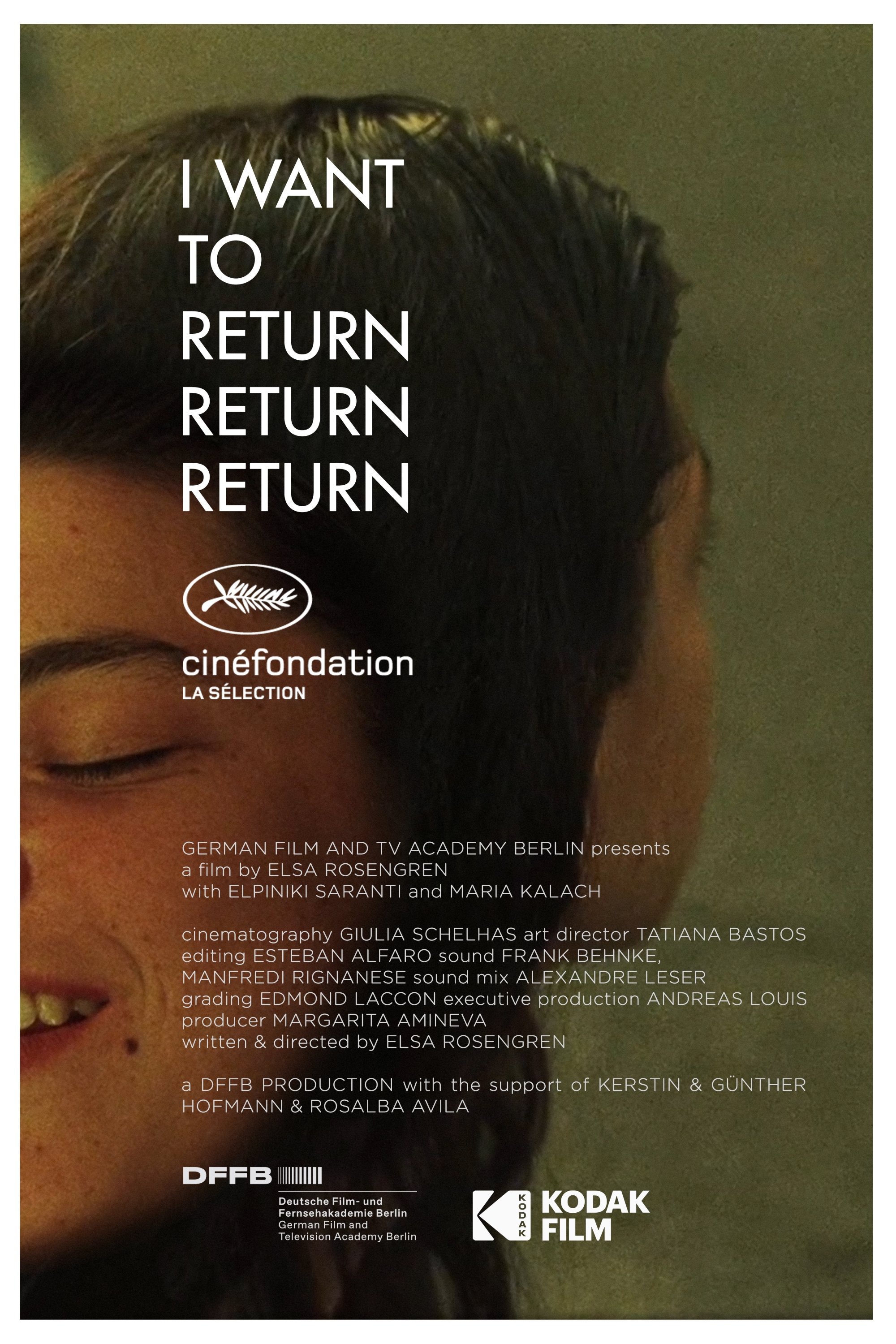
A depiction of the Wrangelkiez neighbourhood in Berlin. The people portrayed tell their life stories. One woman came to the neighbourhood a decade ago to work in Berlin’s still unfinished Brandenburger Airport, one man reminisces his childhood on a Tobacco farm in Kentucky, another speaks of an exceptional day in an otherwise monotonous workplace. These portraits are interwoven with the story of Elpi, a Greek woman who is waiting for the long overdue visit of an old important friend. The outcome of this mixture is a film which captures the lives and perspectives of some of Wrangelkiez’s most commanding citizens, while at the same time evoking the loss that change and time passing means for places and for people.
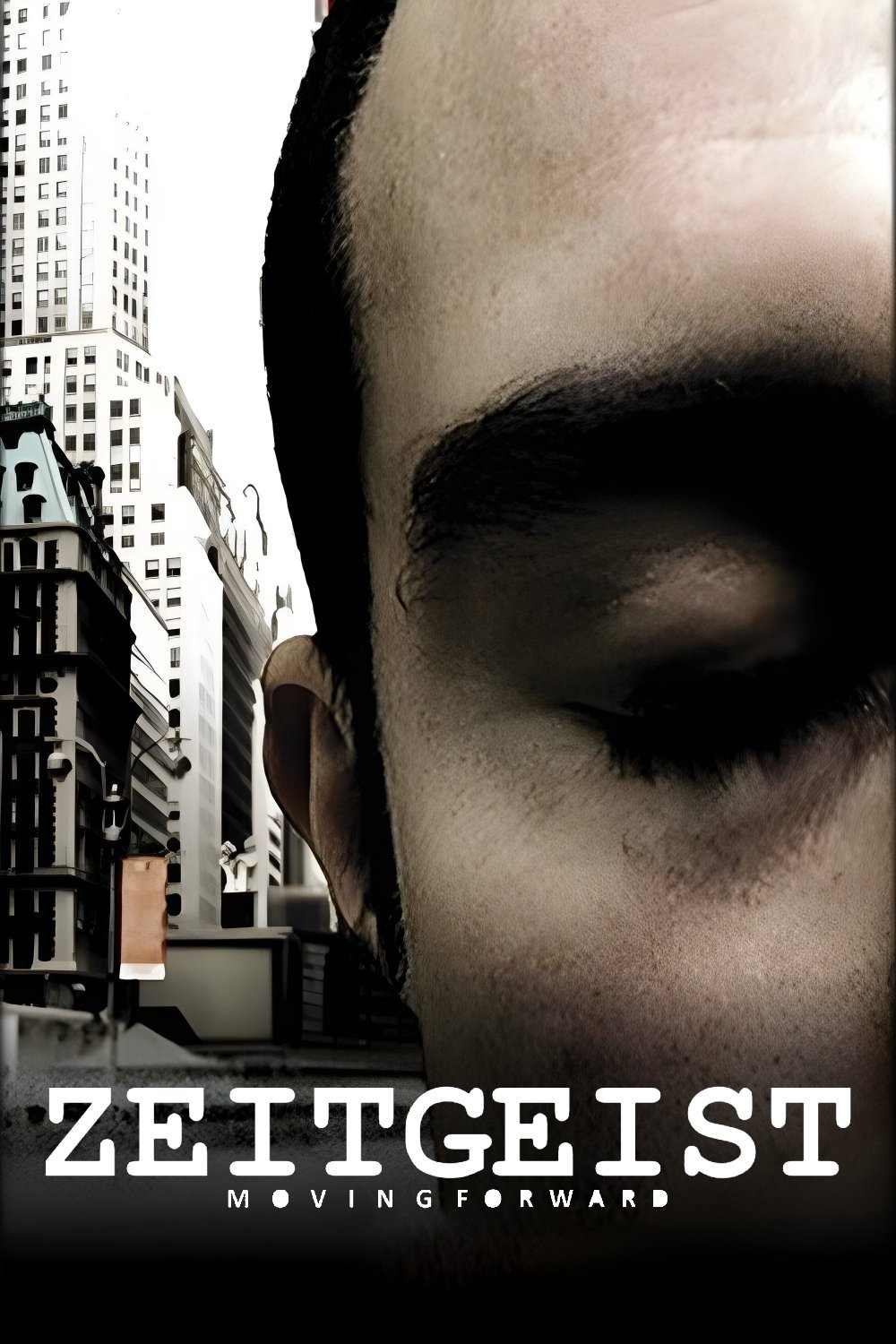
A presentation of a case for a needed transition out of the current socioeconomic monetary paradigm which governs the entire world society. This subject matter will transcend the issues of cultural relativism and traditional ideology and move to relate the core, empirical 'life ground' attributes of human and social survival, extrapolating those immutable natural laws into a new sustainable social paradigm called a 'Resource-Based Economy'.
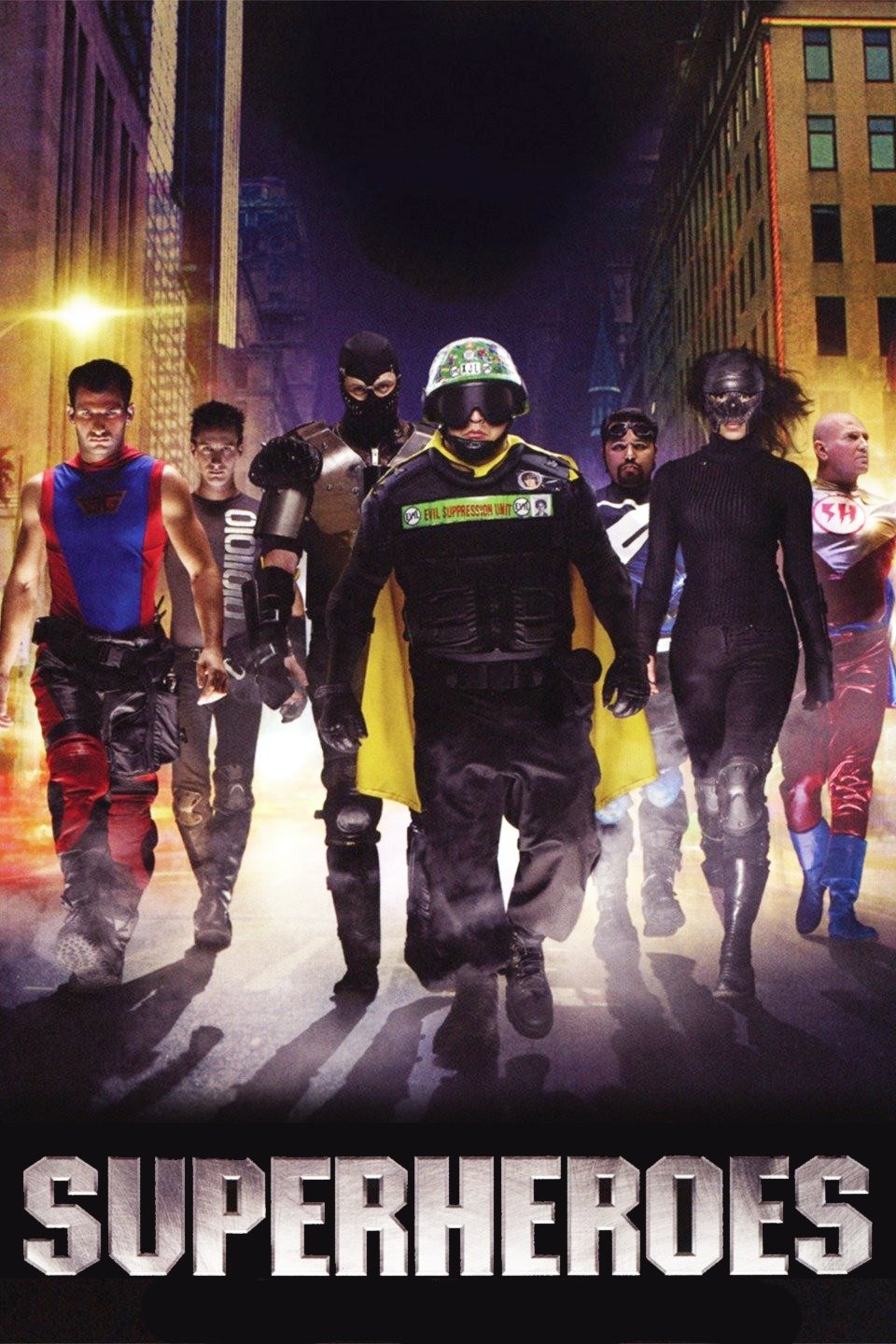
A journey inside the world of real life caped crusaders. From all over America, these self-proclaimed crime fighters, don masks, homemade costumes and elaborate utility belts in an attempt to bring justice to evildoers everywhere.
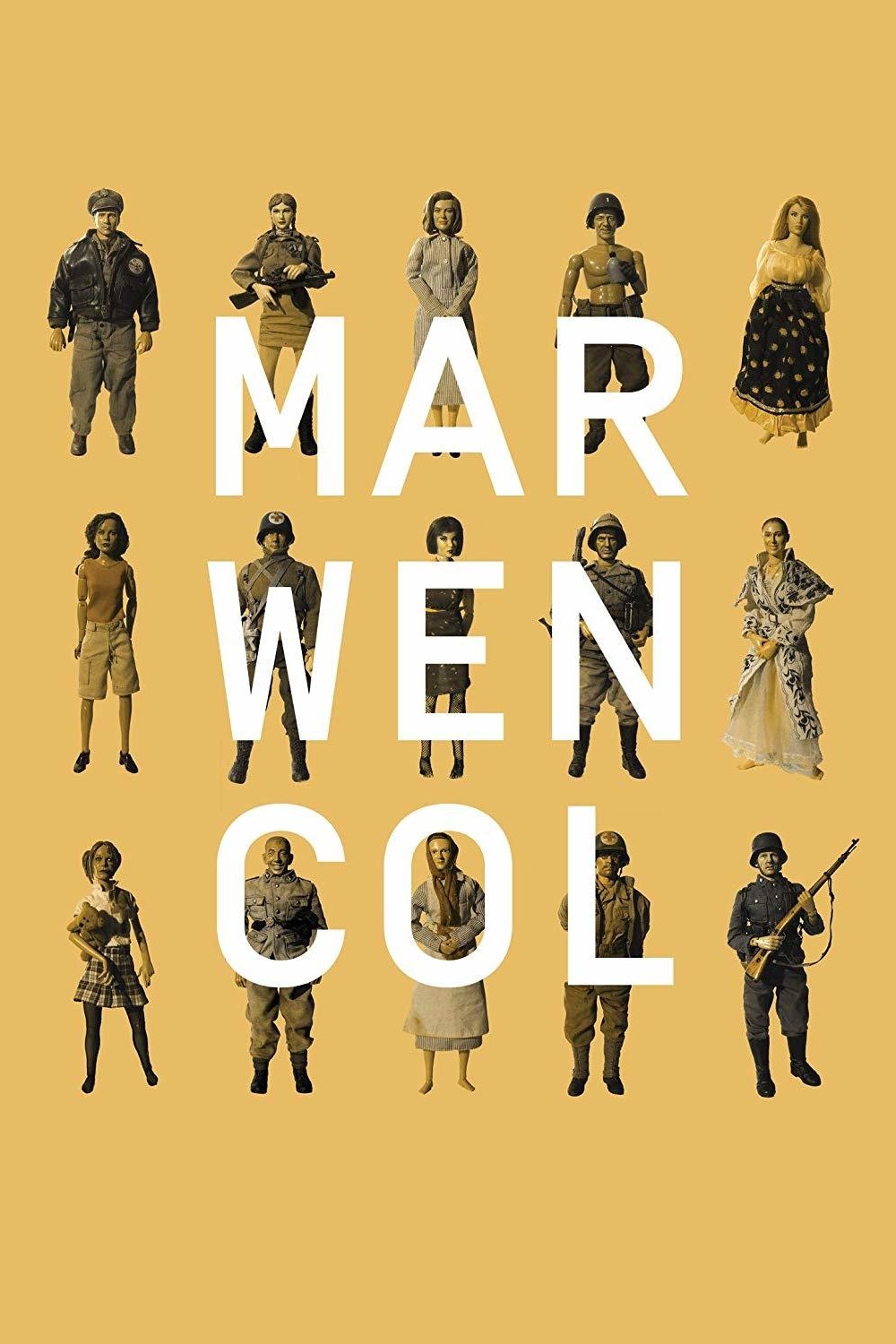
After a vicious attack leaves him brain-damaged and broke, Mark Hogancamp seeks recovery in "Marwencol", a 1/6th scale World War II-era town he creates in his backyard.
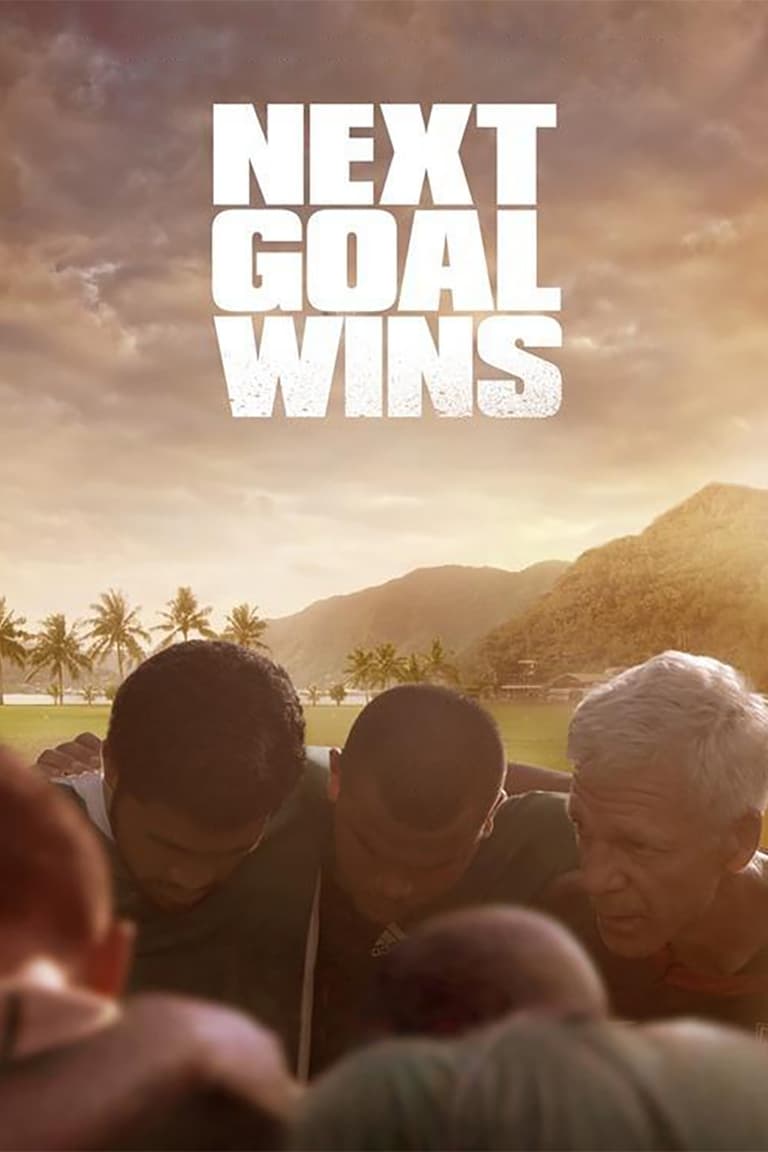
An inspirational story about the power of hope in the face of seemingly insurmountable odds, and an object lesson in what it really means to be a winner in life.
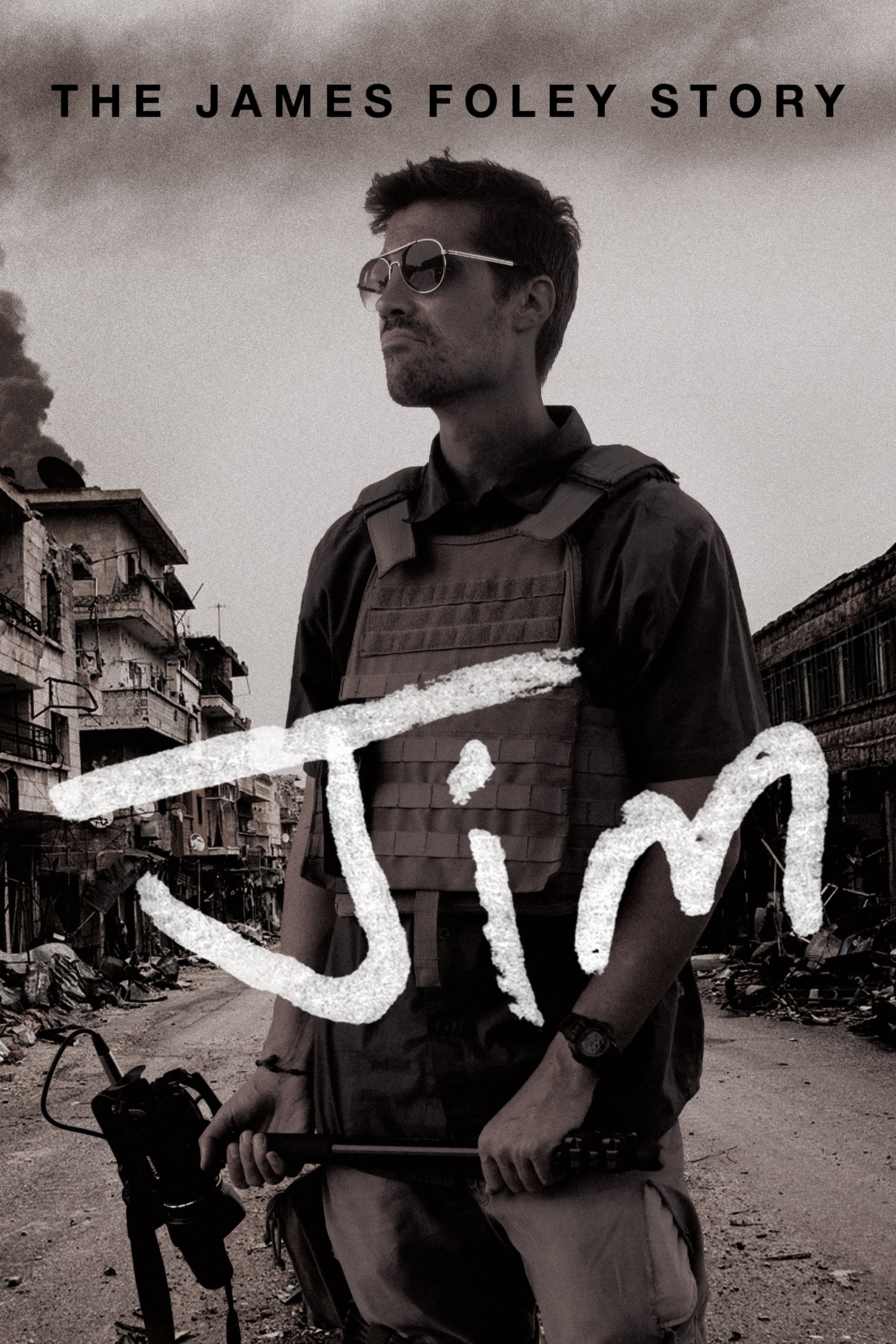
In August, 2014, a video of the public execution of American photojournalist James Foley rippled across the globe. Foley wore an orange jumpsuit as he knelt beside an ISIS militant dressed in black. That image challenged the world to deal with a new face of terror. And it tested one American family. Seen through the lens of filmmaker Brian Oakes, Foley’s close childhood friend, Jim takes us from small-town New England to the adrenaline-fueled front lines of Libya and Syria, where Foley pushed the limits of danger to report on the plight of civilians impacted by war.
The life and career of one of comedy's most inimitable modern voices, Mr. Gilbert Gottfried.
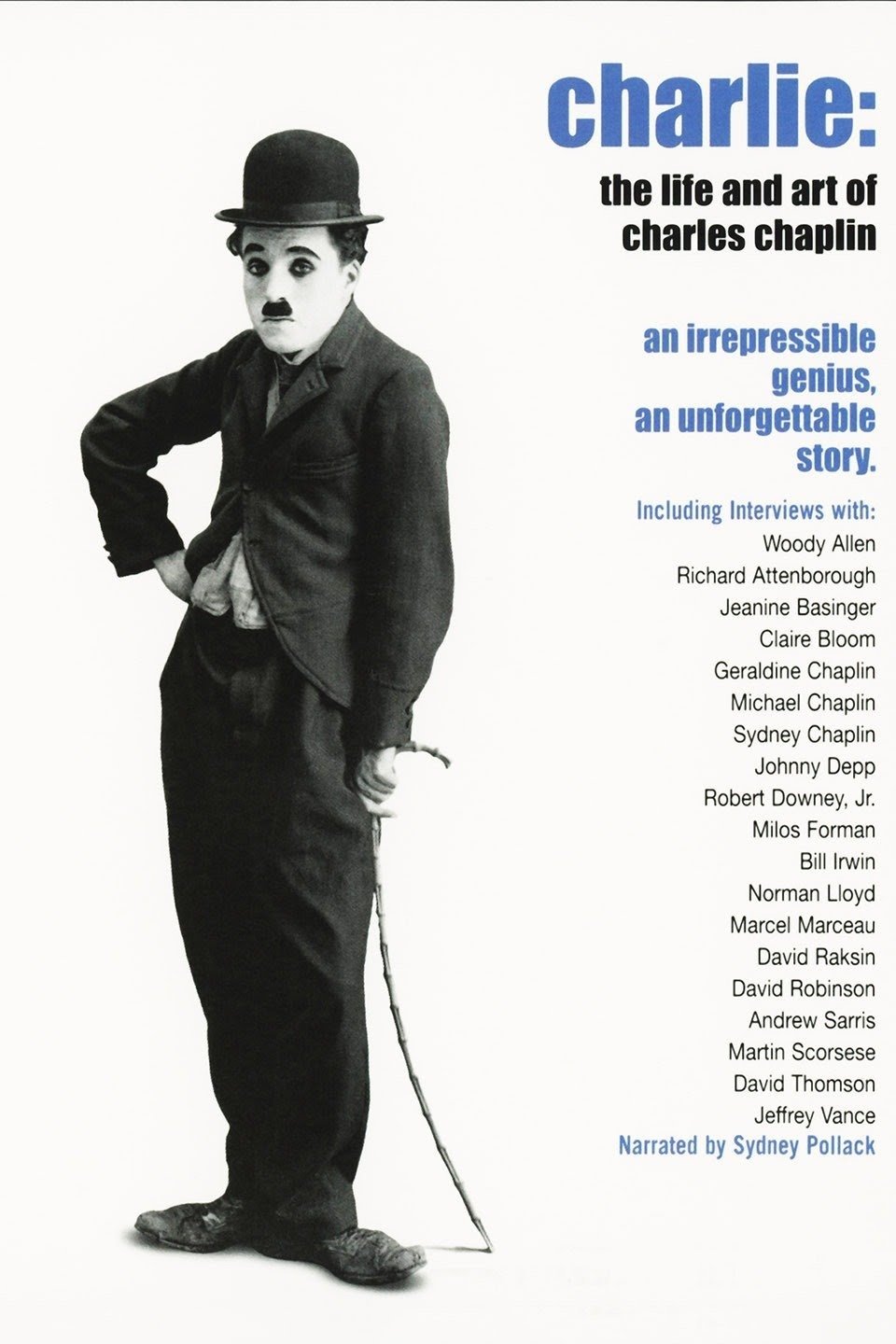
Brilliant, long in-the-works story of the life and art of the world's greatest comedian and the cinema's first genius, Charlie Chaplin. Produced, written and directed by renowned film critic Richard Schickel.
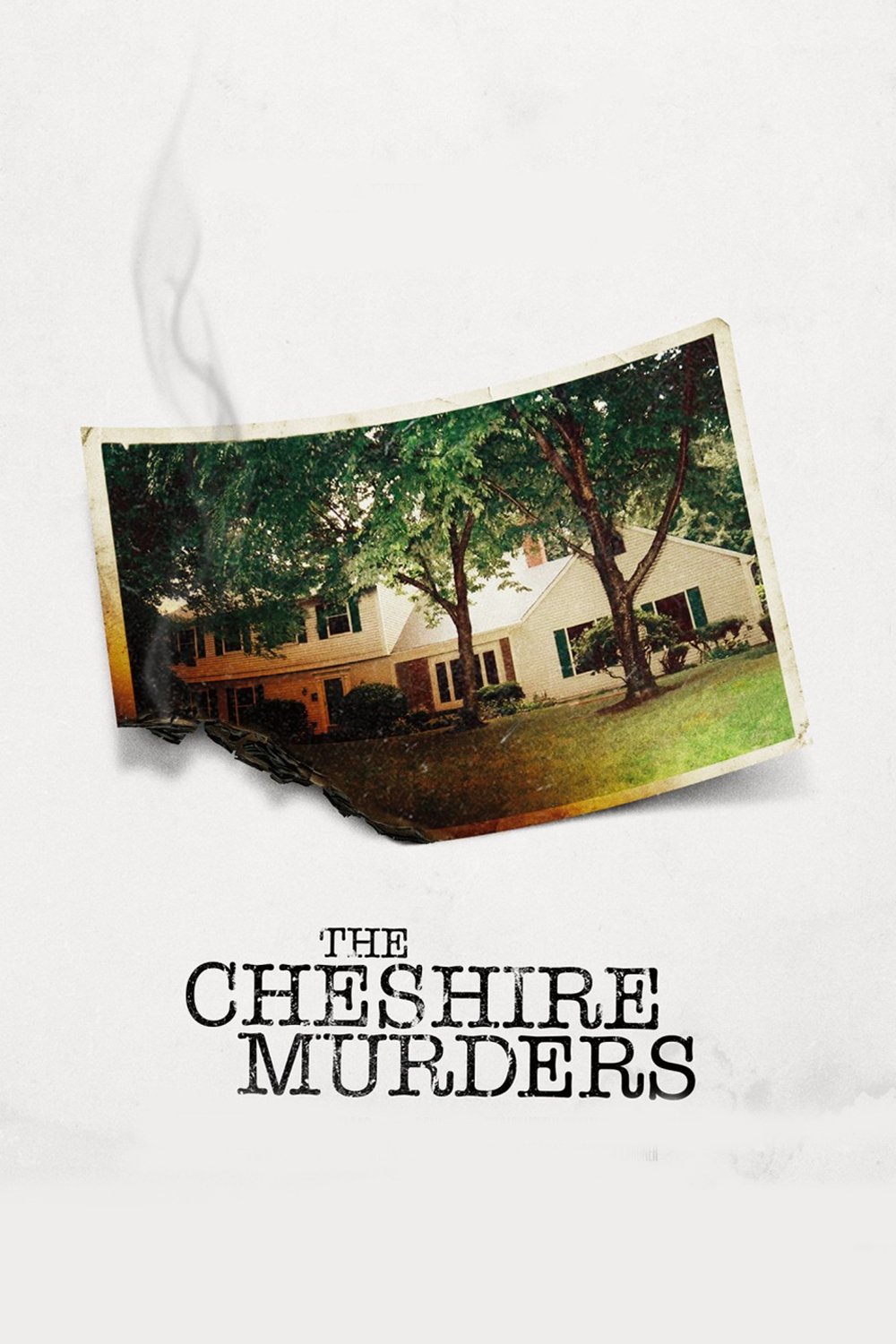
In the early-morning hours of July 23, 2007, in Cheshire, Conn., ex-convicts Steven Hayes and Joshua Komisarjevsky broke into the family home of William Petit, his wife, Jennifer, and their daughters, Michaela, 11, and Hayley, 17. Dr. Petit was beaten and tied to a pole in the basement. The three women were bound in their bedrooms while the men ransacked the house. The brutal ordeal continued throughout the morning, ending with rape, arson and a horrific triple homicide.
A depiction of life in wartime Britain during the Second World War. Director Humphrey Jennings visits many aspects of civilian life and of the turmoil and privation caused by the war, all without narration.
Iverson is the ultimate legacy of NBA legend Allen Iverson, who rose from a childhood of crushing poverty in Hampton, Virginia, to become an 11-time NBA All-Star and universally recognized icon of his sport. Off the court, his audacious rejection of conservative NBA convention and unapologetic embrace of hip hop culture sent shockwaves throughout the league and influenced an entire generation. Told largely in Iverson's own words, the film charts the career highs and lows of one of the most distinctive and accomplished figures the sport of basketball has ever seen.