Social & External
The morning of September 11, 2001 is shown through multiple video cameras in and around New York City, from the moment the first WTC tower is hit until after both towers collapse.
In this sequel to "My brother the Islamist," we continue to follow Robb Leech as the tries to understand his stepbrother's journey and transformation from middle-class boy to convicted terrorist.
On November 13, 2015, the attacks in Paris and Saint-Denis, carried out by three Islamist commandos and claimed by ISIS, were the deadliest in France since the end of World War II. In the months that followed, the November 13 Program was launched by the CNRS and Inserm to study the construction of individual and collective memory around an event that profoundly marked French society. Today, the testimonies of 27 volunteers—among some 1,000 people—who participated in the study form a mosaic of experiences that shows how trauma extends beyond the immediate circle to permeate the national collective memory.
Between 1954-1962, one hundred to three hundred young French people refused to participate in the Algerian war. These rebels, soldiers or conscripts were non-violent or anti-colonialists. Some took refuge in Switzerland where Swiss citizens came to their aid, while in France they were condemned as traitors to the country. In 1962, a few months after Independence, Villi Hermann went to a region devastated by war near the Algerian-Moroccan border, to help rebuild a school. In 2016 he returned to Algeria and reunited with his former students. He also met French refractories, now living in France or Switzerland.
Structured as a labyrinth-like game and inspired by Jorge Luis Borges, Aleph is a travelogue of experience, a dreamer's journey through the lives, experiences, stories and musings of protagonists spanning ten countries and five continents.
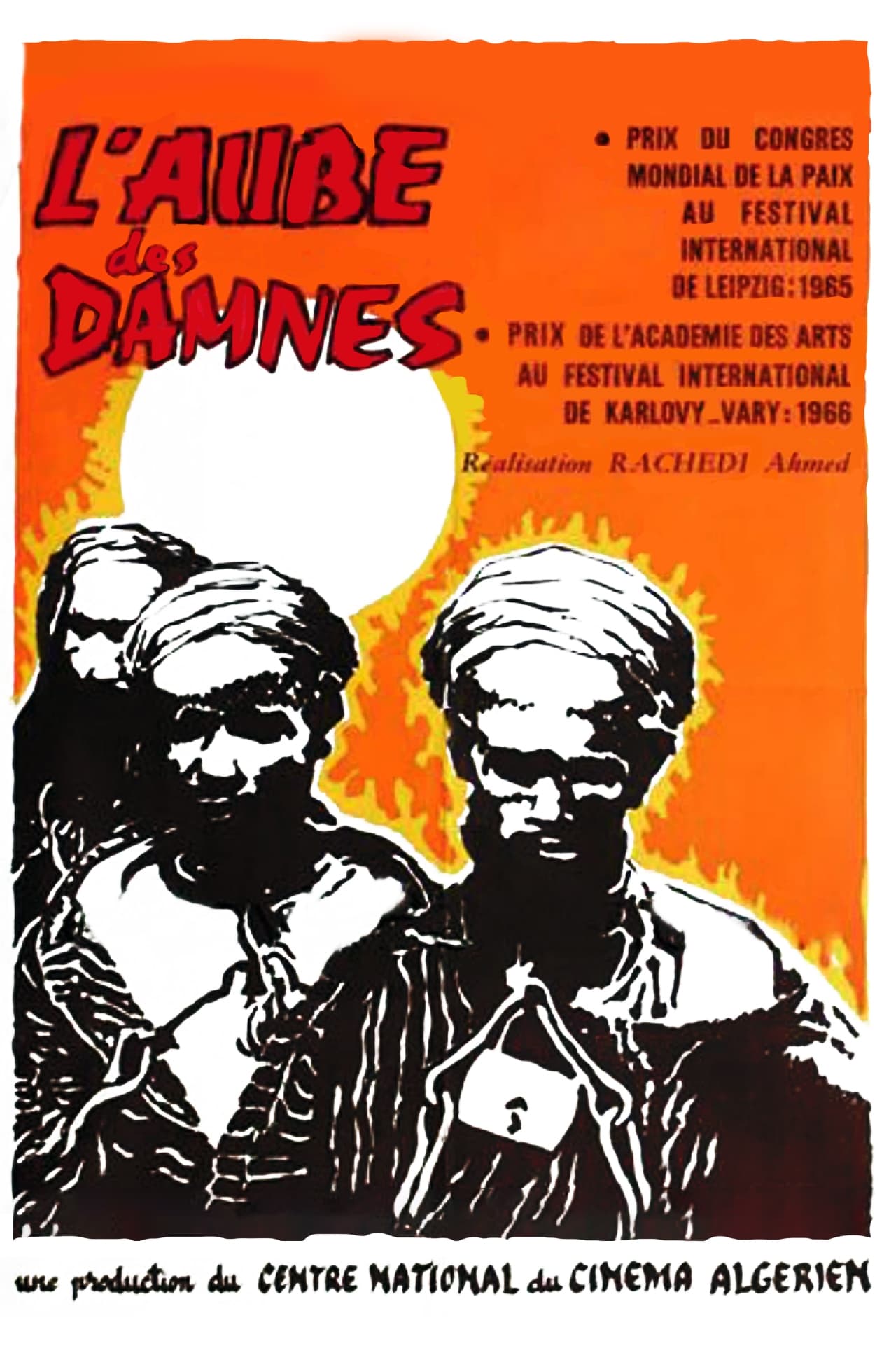
This excellent feature-length documentary - the story of the imperialist colonization of Africa - is a film about death. Its most shocking sequences derive from the captured French film archives in Algeria containing - unbelievably - masses of French-shot documentary footage of their tortures, massacres and executions of Algerians. The real death of children, passers-by, resistance fighters, one after the other, becomes unbearable. Rather than be blatant propaganda, the film convinces entirely by its visual evidence, constituting an object lesson for revolutionary cinema.
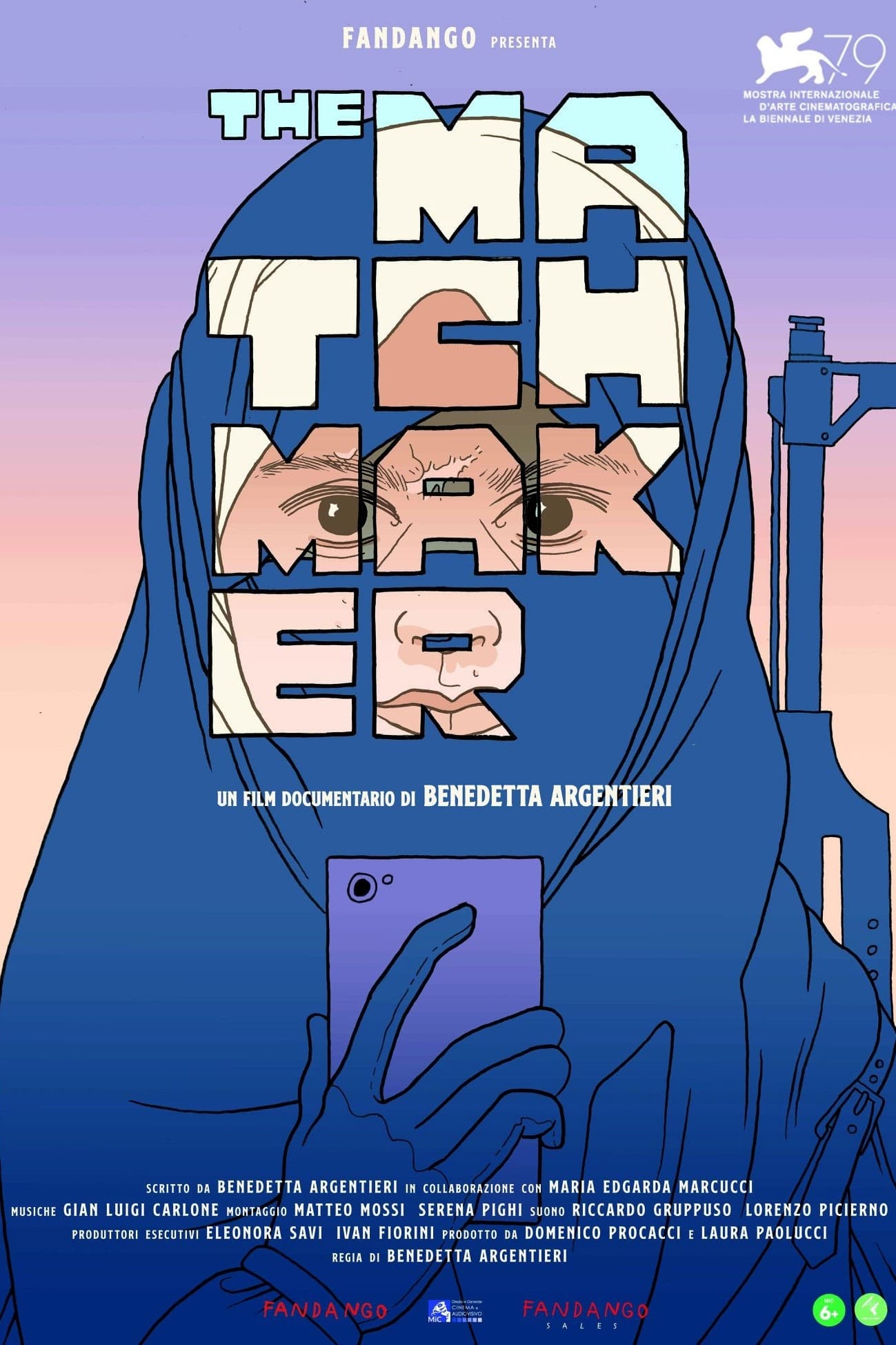
A unique interview with Tooba Gondal, the woman who groomed and lured scores of Western women to join ISIS. Using social media, she became a deadly matchmaker, recruiting a number of high-profile “jihadi brides” for ISIS militants in Syria: she allegedly helped organise the transporting of three British schoolgirls, including Shamima Begum, to Syria.
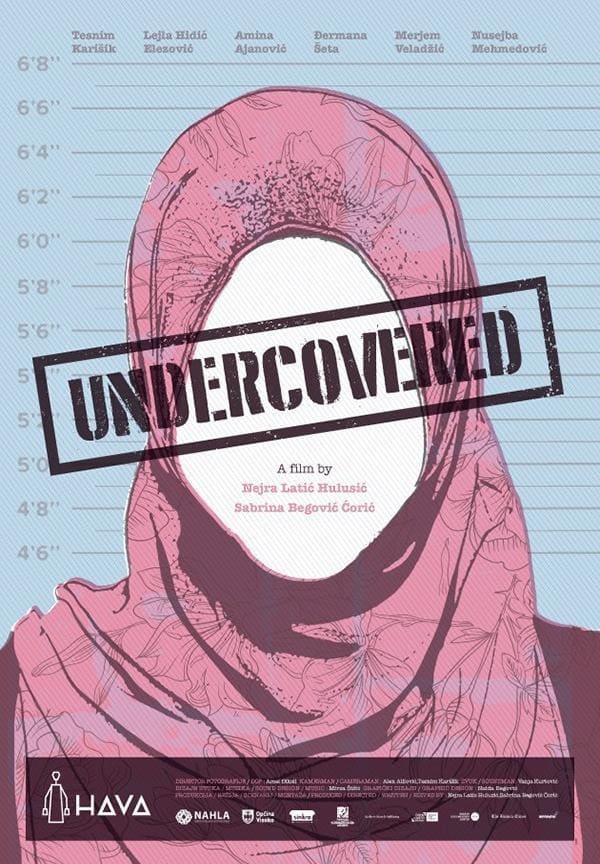
Following the 2001 terrorist attacks on New York City, one item of clothing has gained a scandalous global reputation: the headscarf. All over the world, a major debate is going on about whether Muslim women should be allowed to wear the headscarf in public.
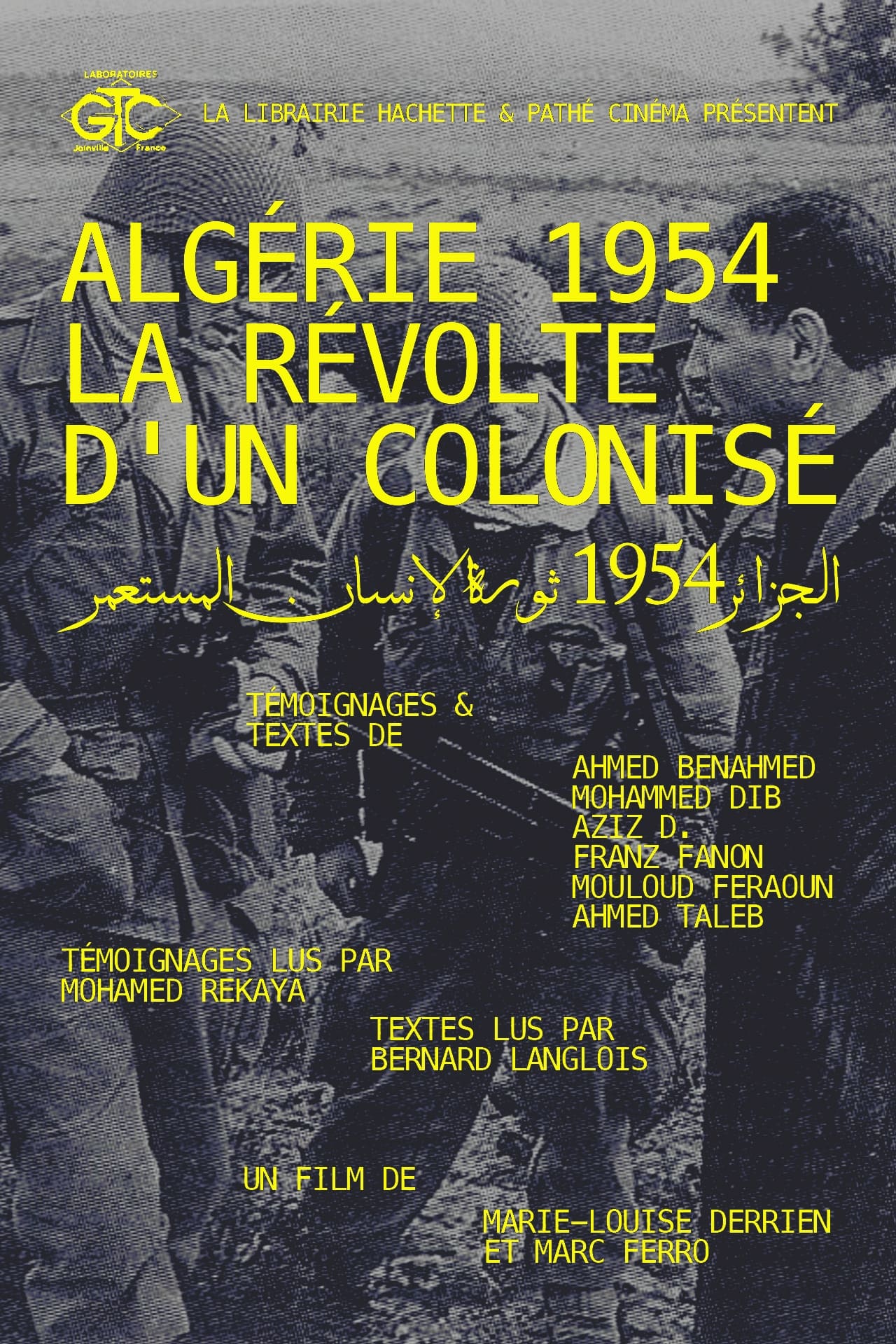
This film presents the point of view of an Arab from Algeria who rebels against colonization. He analyzes the process of awareness, the transition to revolt, to armed insurrection. Algeria and the settlers are seen through this lens and not the way a Frenchman saw the country. He gives voice to the Arabs at a time when this word was not heard: sometimes it was not even produced, at least publicly. The testimonies are based on real propositions, most of them were made to the author during his stay in Algeria from 1948 to 1956, then in 1958 and 1959. The comments are borrowed from the texts of Arab theorists of the revolution Algerian. This film thus completely evacuates the point of view of those who are not insurgents; he does not give the opinion of the colonists. It is the direct expression of what was the revolt of a colonized person: it thus constitutes the very type of the historical document.
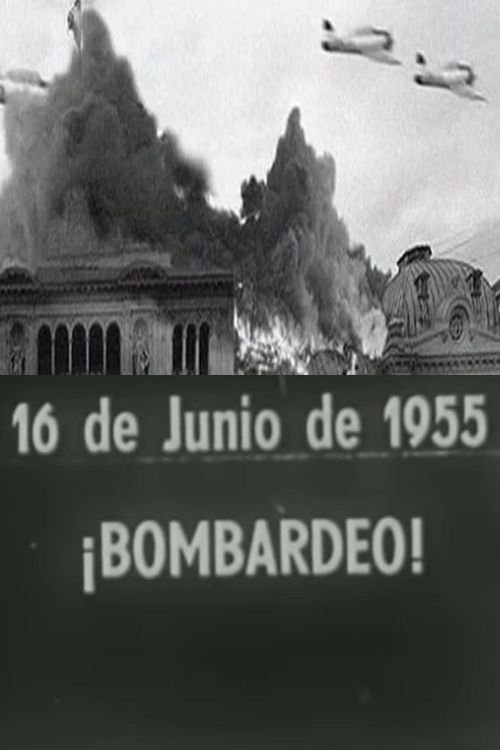
Documentary about the bombing of the Plaza de Mayo in June 16 1955 perpetrated by the Argentine navy with the intention of overthrowing Juan Domingo Perón's government and resulting in many civilian casualties.
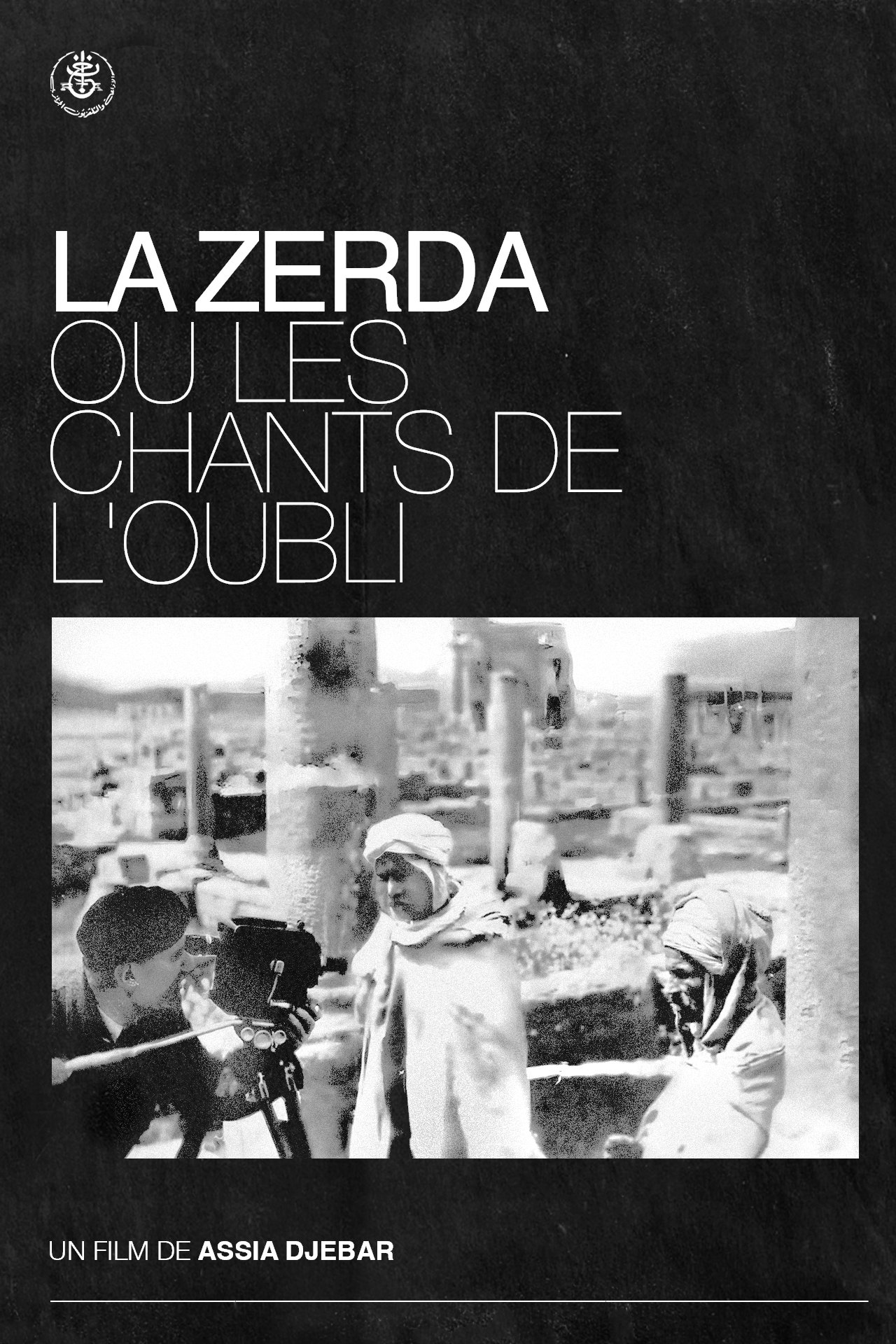
“La Zerda and the songs of oblivion” (1982) is one of only two films made by the Algerian novelist Assia Djebar, with “La Nouba des femmes du mont Chenoua” (1977). Powerful poetic essay based on archives, in which Assia Djebar – in collaboration with the poet Malek Alloula and the composer Ahmed Essyad – deconstructs the French colonial propaganda of the Pathé-Gaumont newsreels from 1912 to 1942, to reveal the signs of revolt among the subjugated North African population. Through the reassembly of these propaganda images, Djebar recovers the history of the Zerda ceremonies, suggesting that the power and mysticism of this tradition were obliterated and erased by the predatory voyeurism of the colonial gaze. This very gaze is thus subverted and a hidden tradition of resistance and struggle is revealed, against any exoticizing and orientalist temptation.
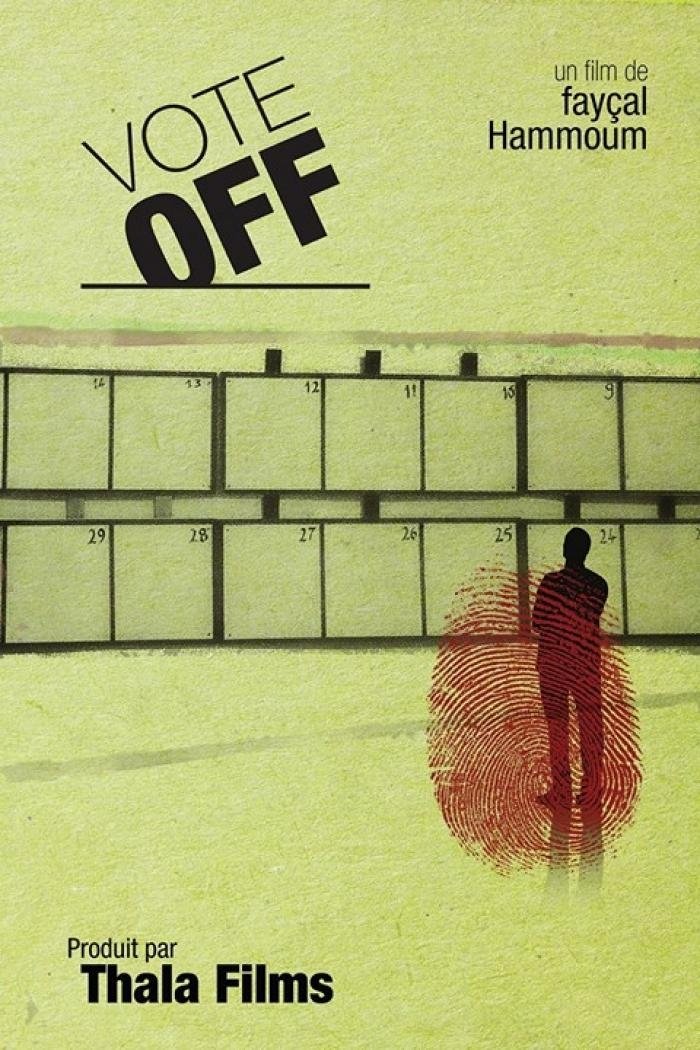
Fayçal Hammoum recounts the 2014 presidential election through non-voting inhabitants of Algiers who, like him, are in their thirties. Be it Bilel, a grocer by default exposed to his customers’ political babbling, or the more politically-charged comments of Younes, a militant FM radio journalist opposed to President Bouteflika’s fourth term, the variety of conversational scenes in no way changes the determination not to vote for an old man who has been invisible for almost two years. The rappers Omar and Brahim are as bereft of hope and voter’s cards as the Tellek webradio DJ, since “the match is fixed”. Moving away from his focus on this subject to film their daily life, the filmmaker draws the portrait of a generation who, as Bilal says with poignant simplicity, “just wants to live
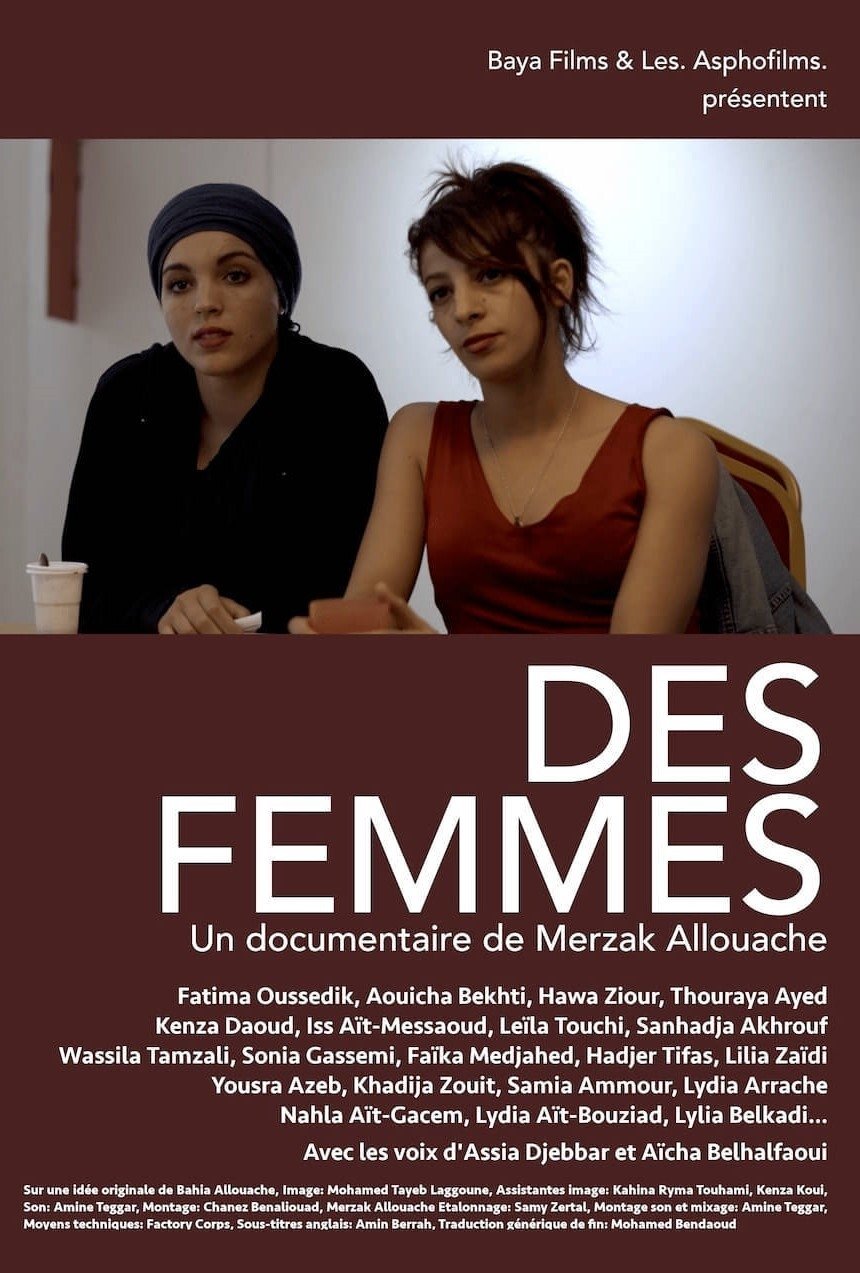
As the peaceful and determined Hirak movement gathers momentum and hopes for profound political change sweep across Algeria, women are combining femininity and feminism in the past, present, and future.
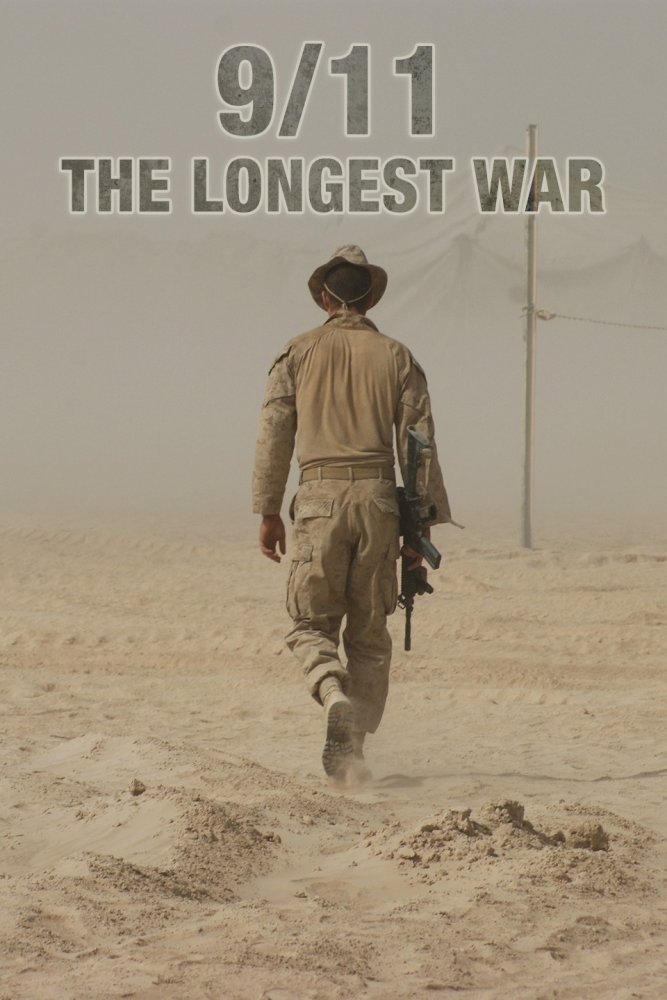
In honour of the 15th Anniversary of 9/11, National Geographic Channel is looking back at the very best reporting we have done since this world-changing tragedy first happened using extended excerpts from past specials that relate directly to events leading up to and following the attacks on New York City and Washington DC.
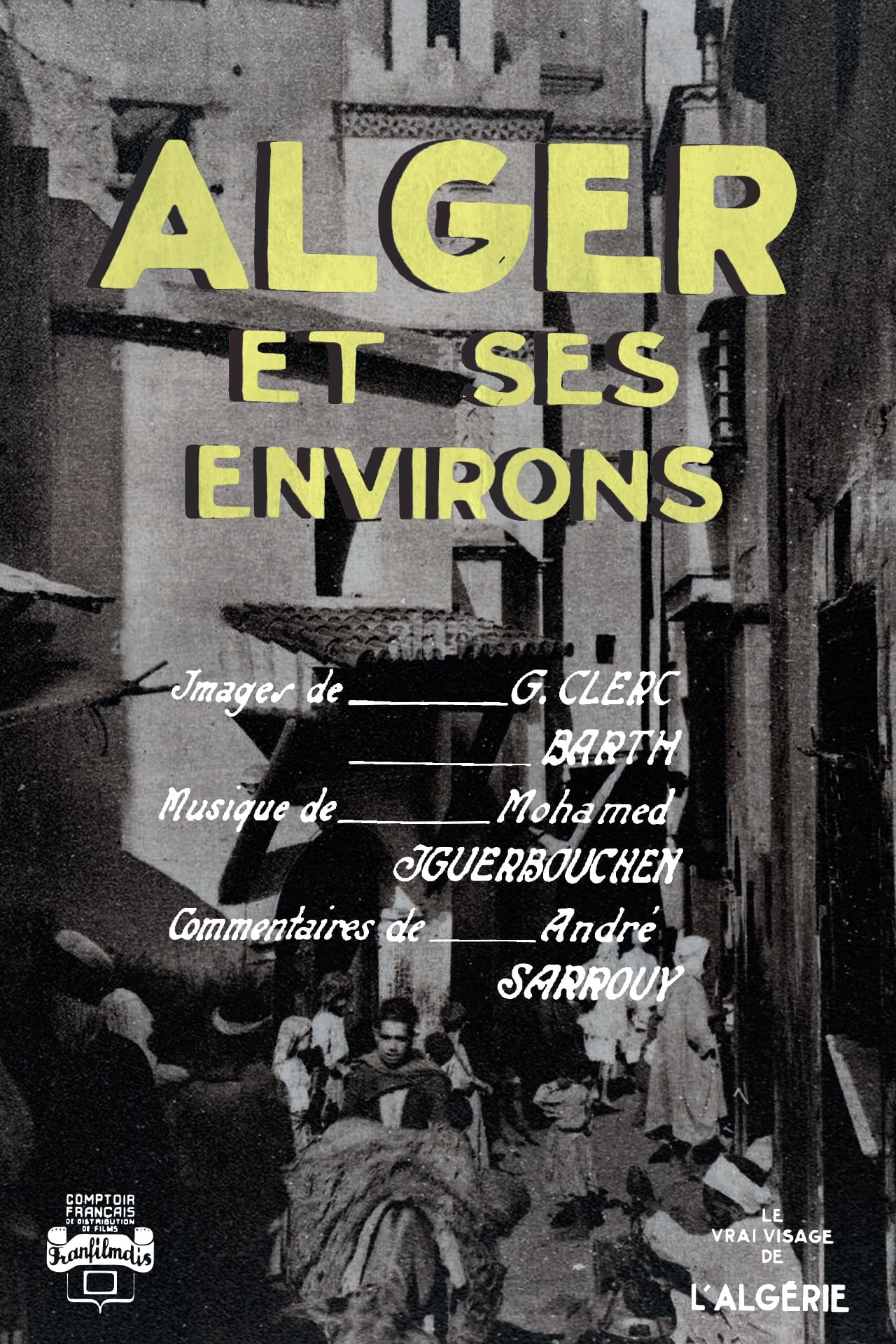
The film, shot in 1938, is part of a series entitled “The true face of Algeria”. The film highlights the proximity of Algiers to Paris and promotes air travel. The commentary supporting the images highlights the urban dynamism (“Every day, a new skyscraper replaces a wasteland”) and the comparison with Paris (“Algiers is often nicknamed the Paris of North Africa because of its elegance become proverbial). Contemporary architectural achievements are described as the sign of “grandiose modernism”: “we love the new, the bold”. But the point does not forget the buildings illustrating “the Moorish, classic and attractive style”. The description of the Casbah also attempts to understand the architectural organization but also the diversity and even the atmosphere.
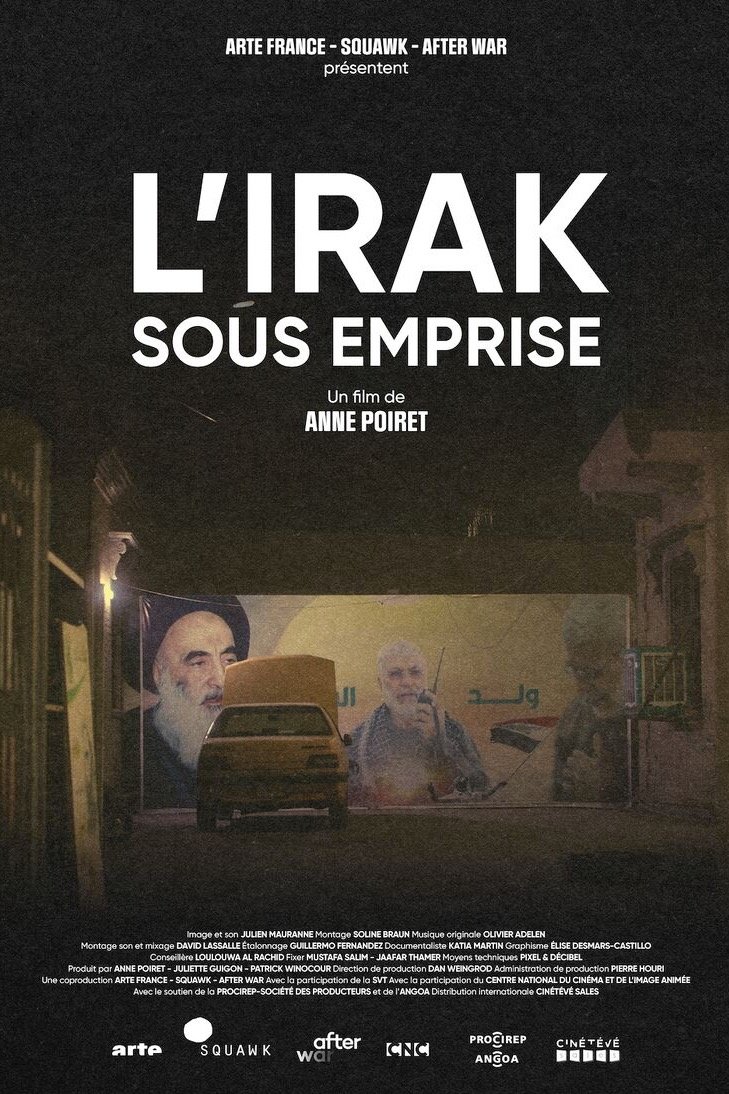
In 2014, when Mosul, Iraq's second largest city, fell to the Islamic State, the creation of dozens of factions was seen as the solution to organize the Shiite youth who had risen up en masse to fight Daesh and protect Baghdad, which was under threat. These factions were supposed to be a temporary force. In reality, they have never been demobilized, leading the Iraqi state into ever greater instability. How did they become so strategically important in post-Daesh Iraq?
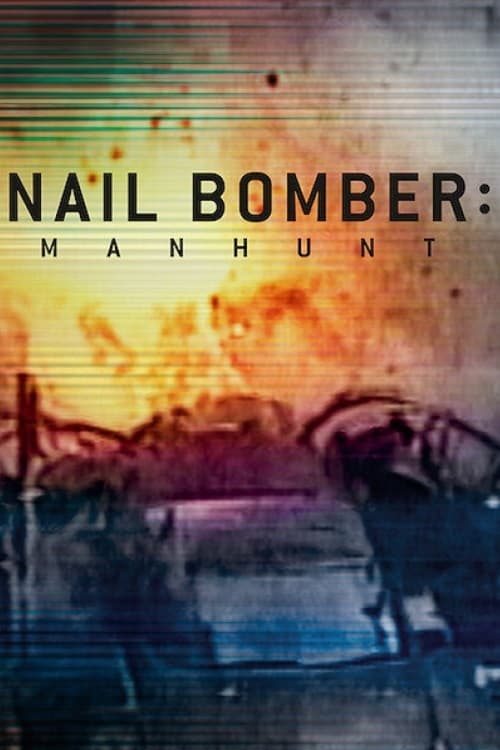
This documentary examines the 1999 London bombings that targeted Black, Bangladeshi and gay communities, and the race to find the far-right perpetrator. He terrorized a city, seeking to ignite a race war but justice was served by those who wouldn't let his hate win.
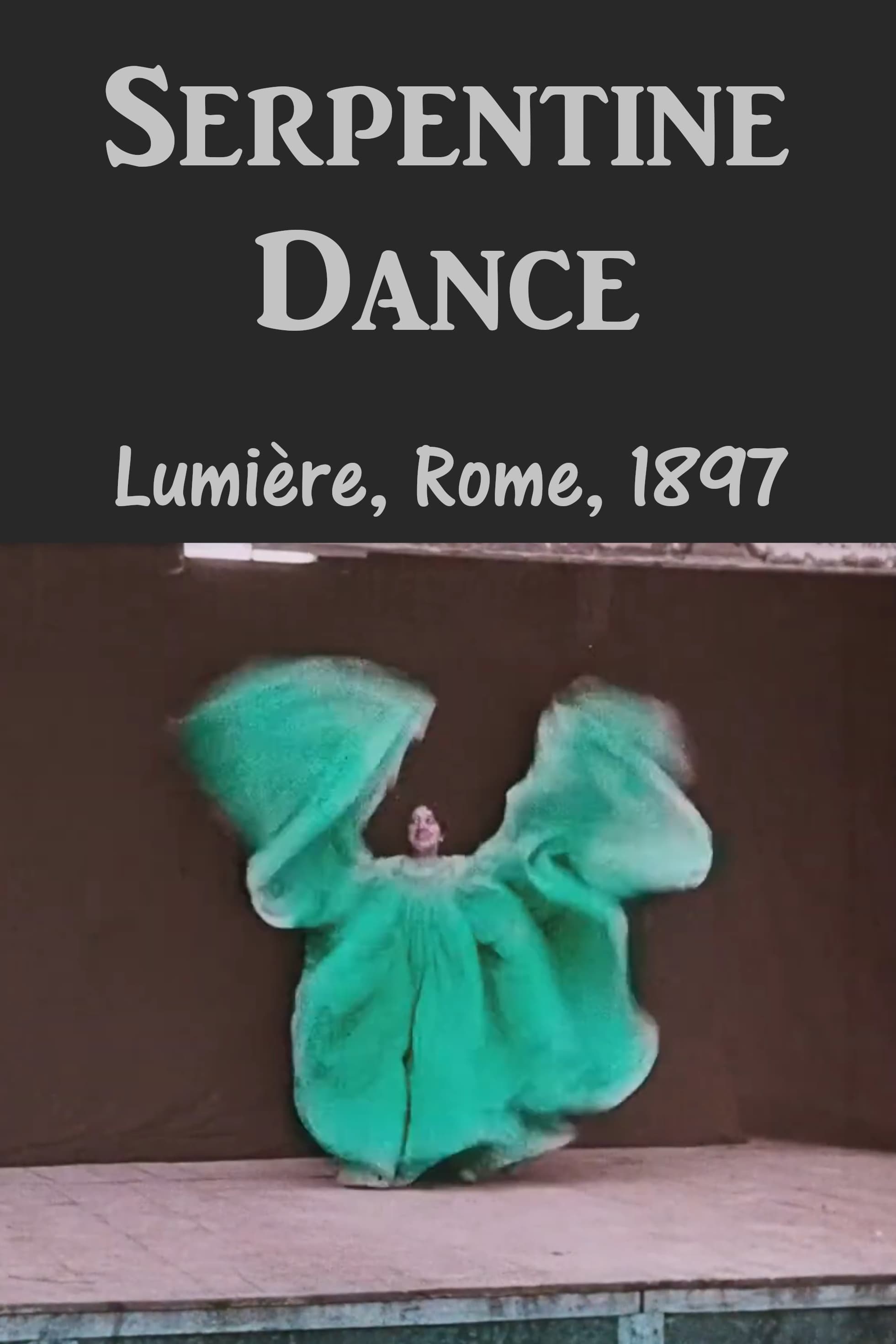
Angelic and demonic serpentine dance from dawn of cinema. Hand-colored frame by frame. Lumière no. 765 or 765.1 (colorized, different dancer?).
JB Smoove and Martin Starr host a celebration of 20 years of "Spider-Man" movies, from the Sam Raimi trilogy to Marc Webb's movies and the trio from Jon Watts.
Behind-the-scenes documentary about how Lionel Messi succeeded in lifting the World Cup – the only trophy to have eluded him in an incredible career.
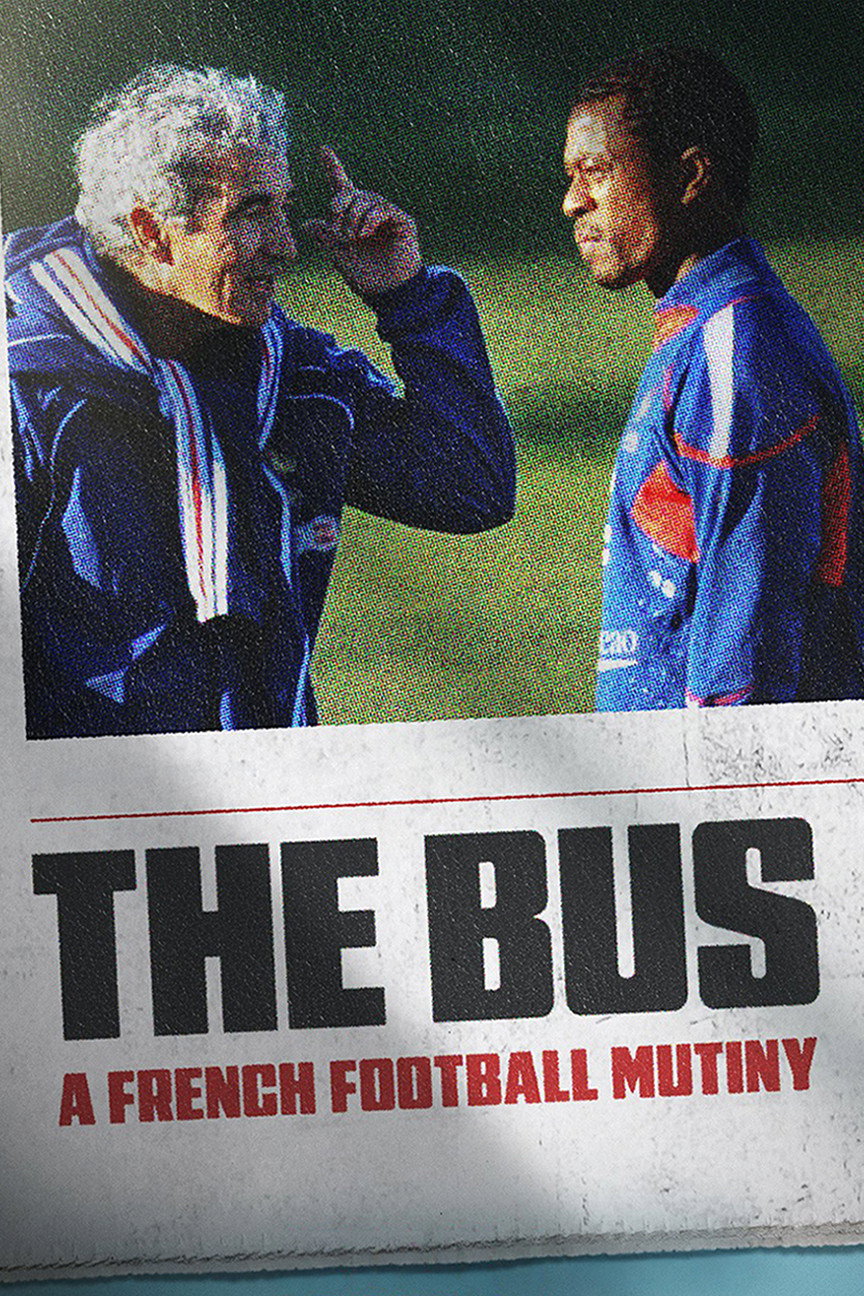
This documentary revisits the French football team's controversial 2010 World Cup and the bus strike that sparked global headlines and national outrage.
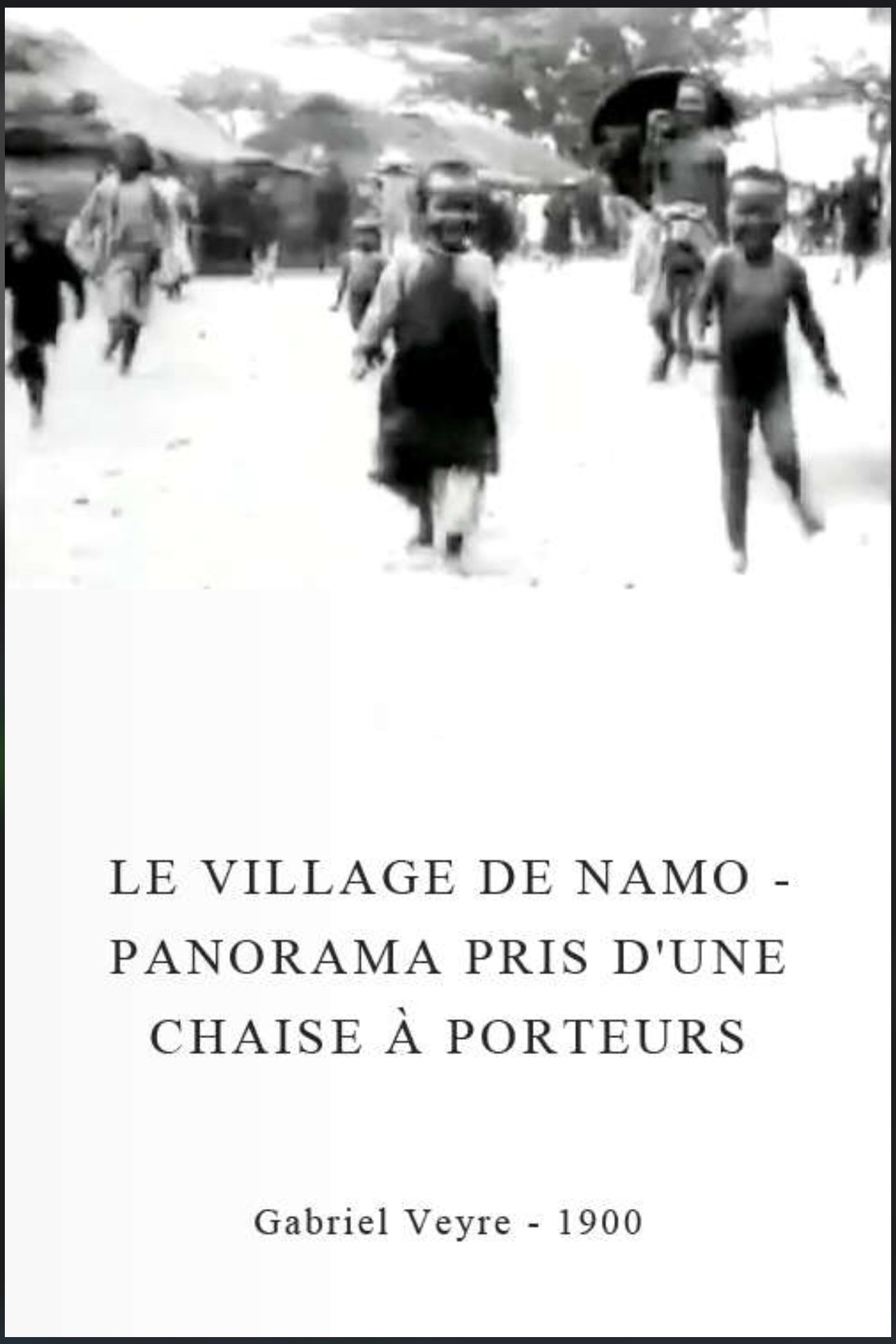
The film is a panorama shot-scene lasting just under a minute. The panorama film, as coined by Lumière, is a moving-camera shot--usually accomplished by placing the camera on a moving transport, such as a boat or train.
This revealing documentary honors the legendary Sidney Poitier—iconic actor, filmmaker, and civil rights activist. Featuring interviews with Denzel Washington, Spike Lee, Halle Berry, and more.
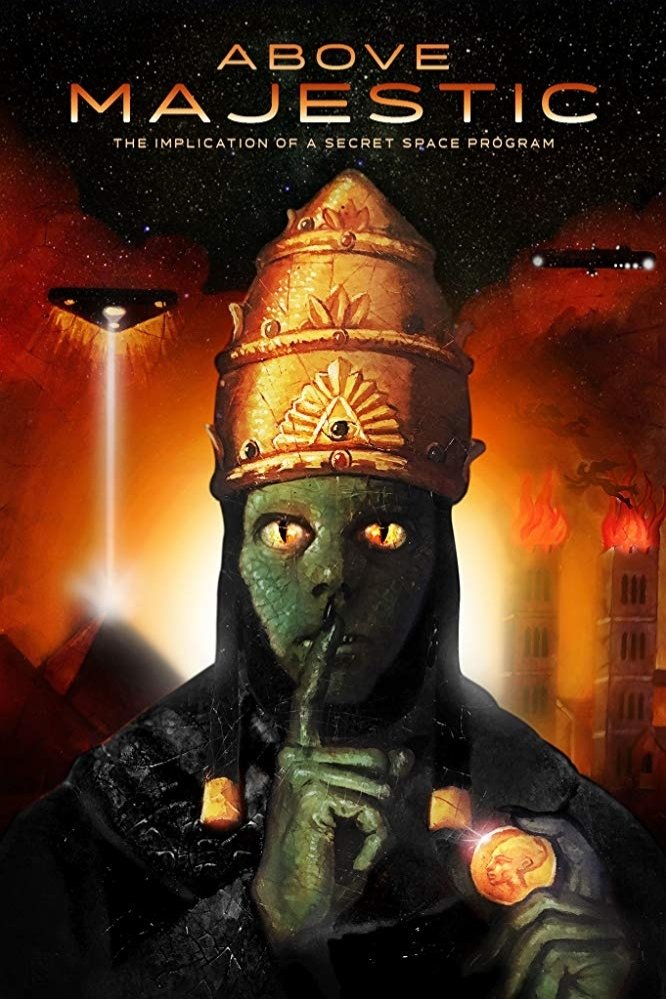
A look at the origins, history and conspiracies behind the "Majestic 12", a clandestine group of military and corporate figureheads charged with reverse-engineering extraterrestrial technology.
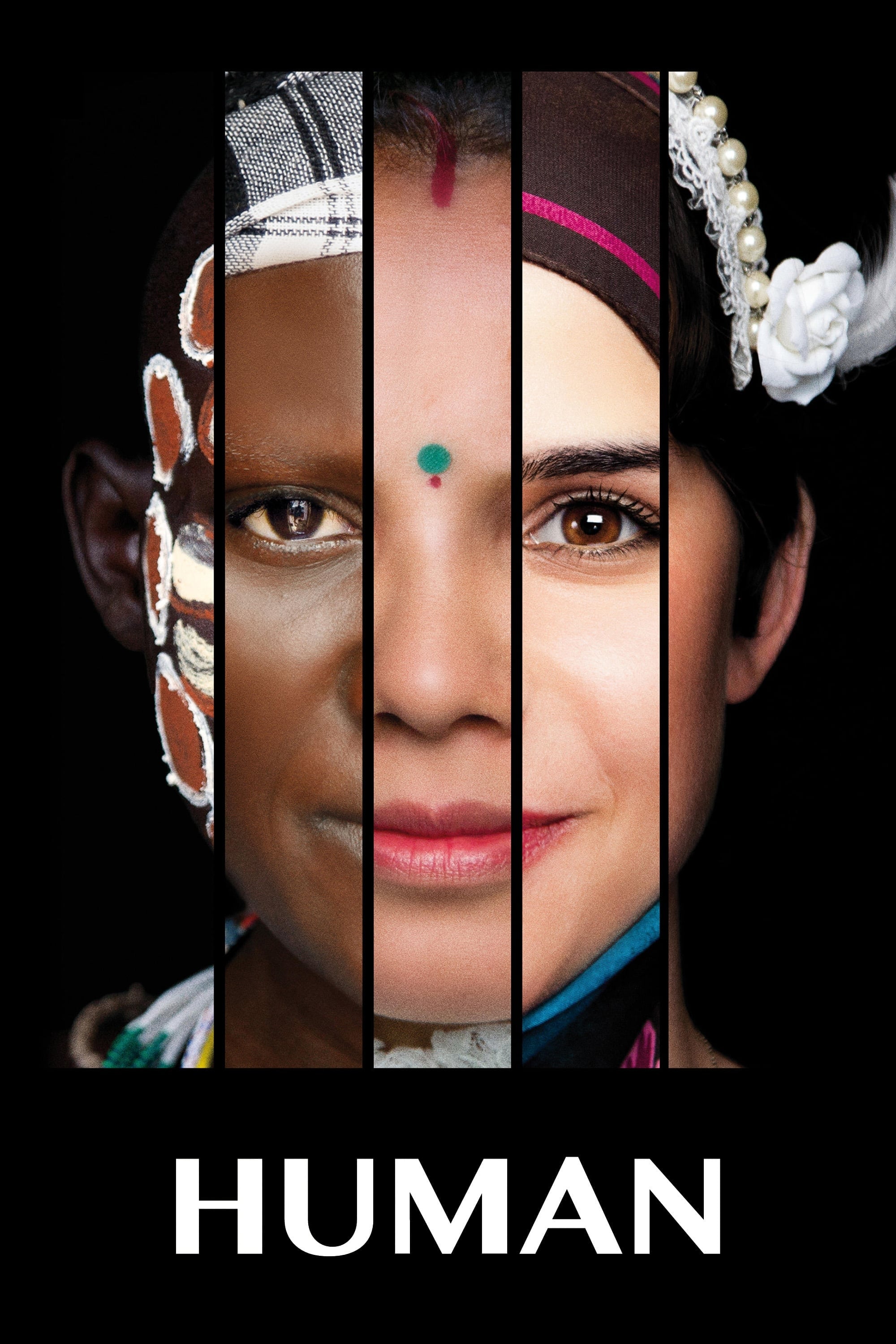
A collection of stories about and images of our world, offering an immersion to the core of what it means to be human. Through these stories full of love and happiness, as well as hatred and violence, it brings us face to face with the Other, making us reflect on our lives. From stories of everyday experiences to accounts of the most unbelievable lives, these poignant encounters share a rare sincerity and underline who we are – our darker side, but also what is most noble in us, and what is universal. Our Earth is shown at its most sublime through never-before-seen aerial images accompanied by soaring music, resulting in an ode to the beauty of the world, providing a moment to draw breath and for introspection. This film is a politically engaged work which allows us to embrace the human condition and to reflect on the meaning of our existence.
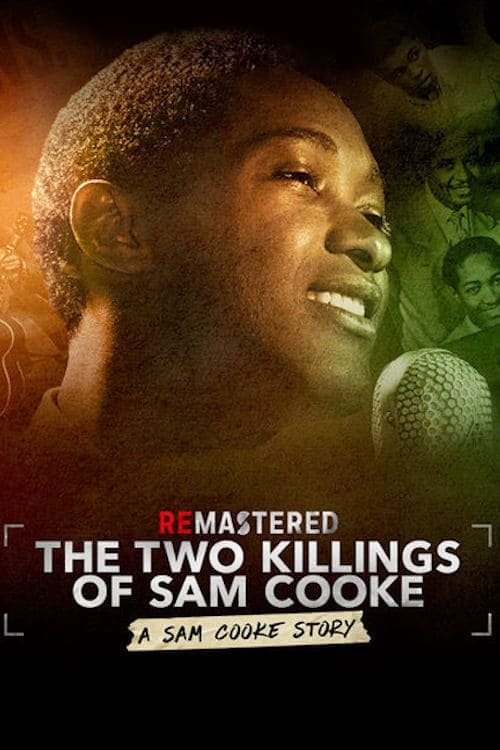
This investigation examines the mysterious shooting of soul icon Sam Cooke, whose death silenced one of the most vital voices in the civil rights movement.
The life and career of an actor, artist, and icon. His own journey through his own camera.
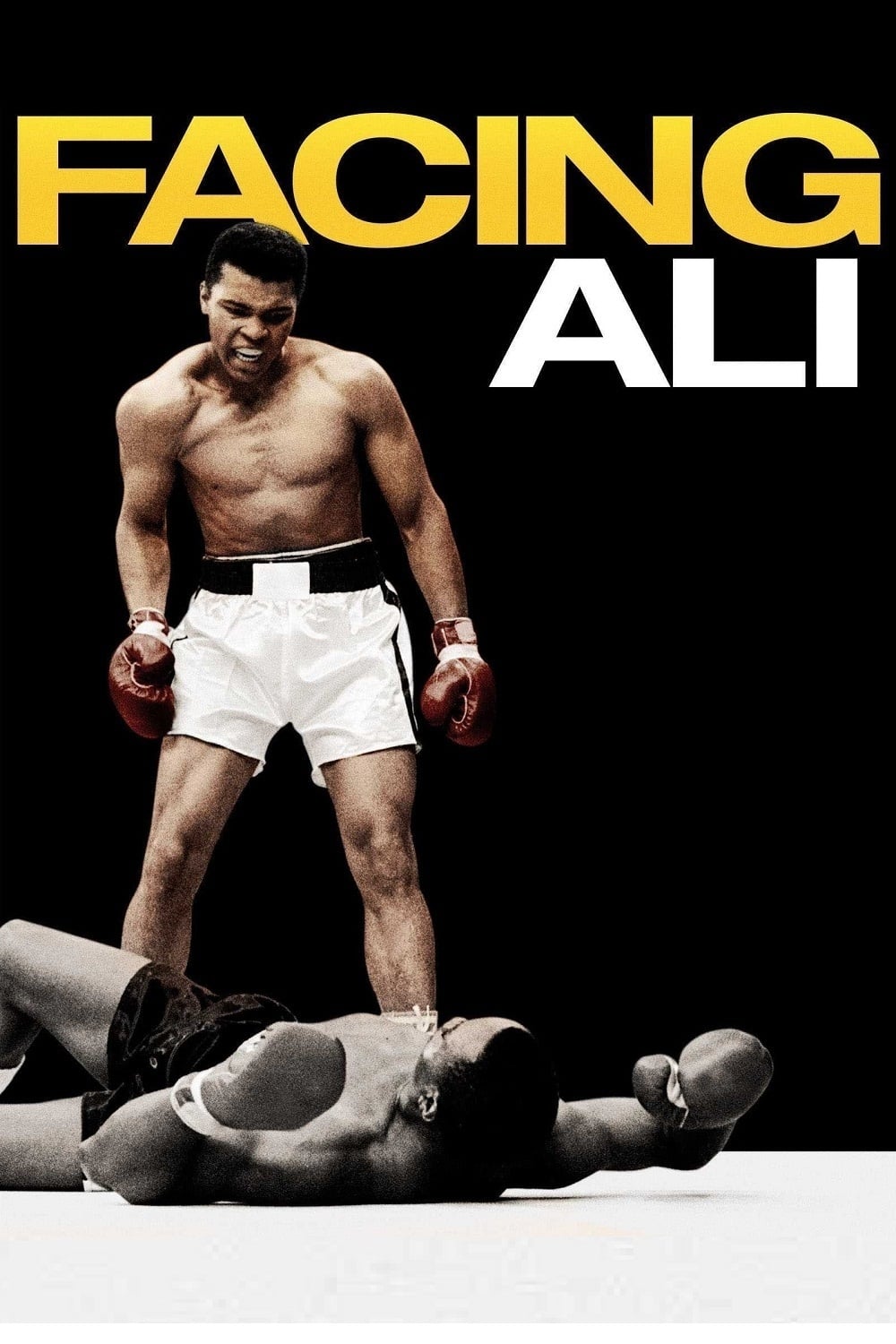
Ten of Muhammad Ali's former rivals pay tribute to the three-time world heavyweight champion.
Al Pacino's deeply-felt rumination on Shakespeare's significance and relevance to the modern world through interviews and an in-depth analysis of "Richard III."
Alex Gibney explores the phenomenon of Stuxnet, a self-replicating computer virus discovered in 2010 by international IT experts. Evidently commissioned by the US and Israeli governments, this malware was designed to specifically sabotage Iran’s nuclear programme. However, the complex computer worm ended up not only infecting its intended target but also spreading uncontrollably.
Through deeply personal interviews with her siblings and an examination of the photographs, letters, and belongings left behind, Mariska assembles a new portrait of her mother Jayne Mansfield, an extraordinary and complex woman.
Daniel Craig candidly reflects on his 15 year adventure as James Bond. Including never-before-seen archival footage from Casino Royale to the upcoming 25th film No Time To Die, Craig shares his personal memories in conversation with 007 producers, Michael G Wilson and Barbara Broccoli.
The film is based on interviews with 2,000 women from 50 countries, and covers the status of women all over the world. The topics covered include forced marriages, sexual assault, female genital mutilation, acid attacks, motherhood, sexuality, menstruation, education and the professional success of women.
A new documentary by filmmaker-photographer Raymond Depardon – where justice and psychiatry meet.
After the high-profile killing of Damilola Taylor, Cornelius' family move out of London. But when they discover their new town is run by racists, Cornelius takes a drastic step to survive.
Deep beneath the surface in the Syrian province of Ghouta, a group of female doctors have established an underground field hospital. Under the supervision of paediatrician Dr. Amani and her staff of doctors and nurses, hope is restored for some of the thousands of children and civilian victims of the ruthless Syrian civil war.