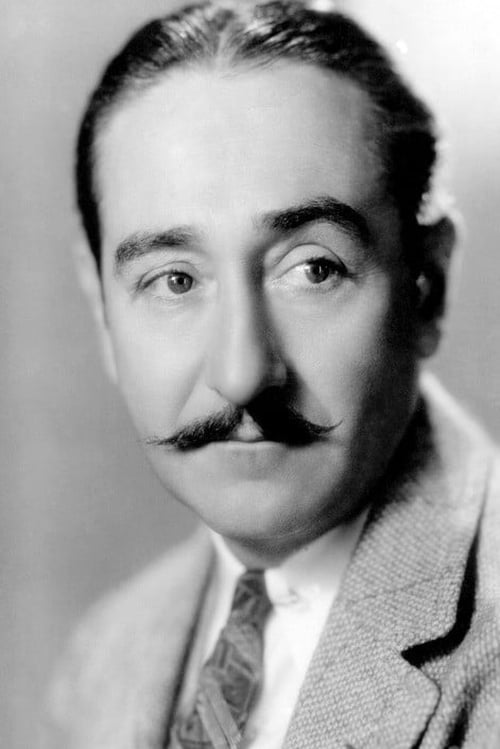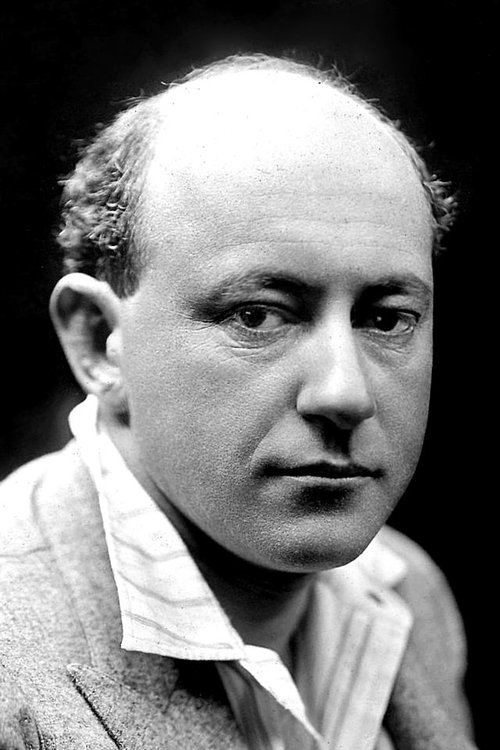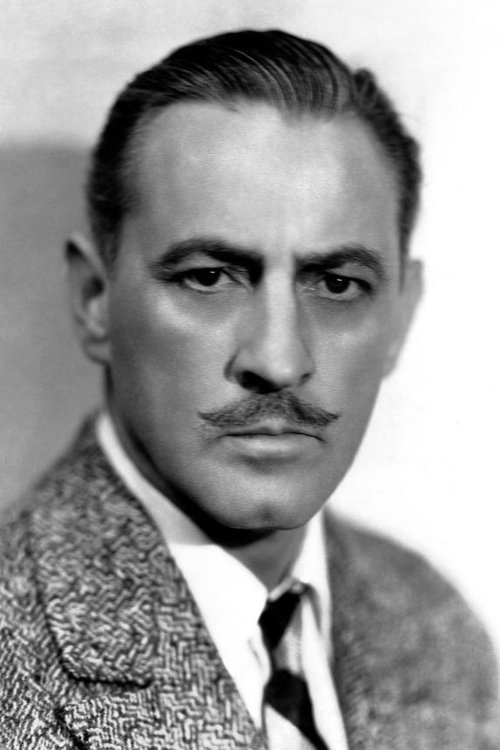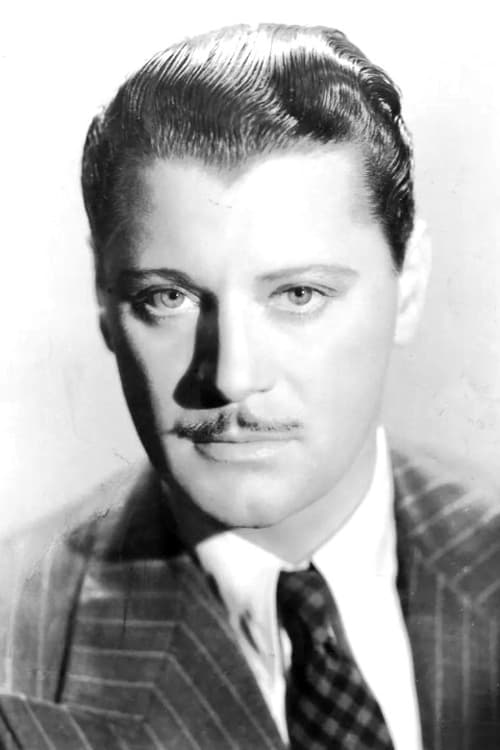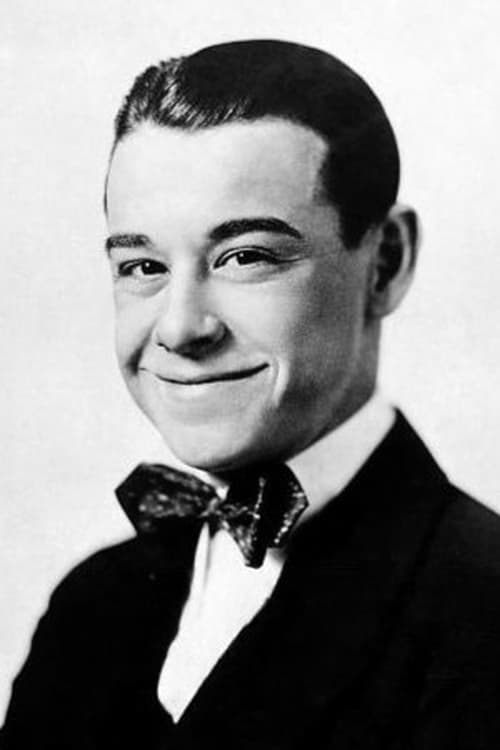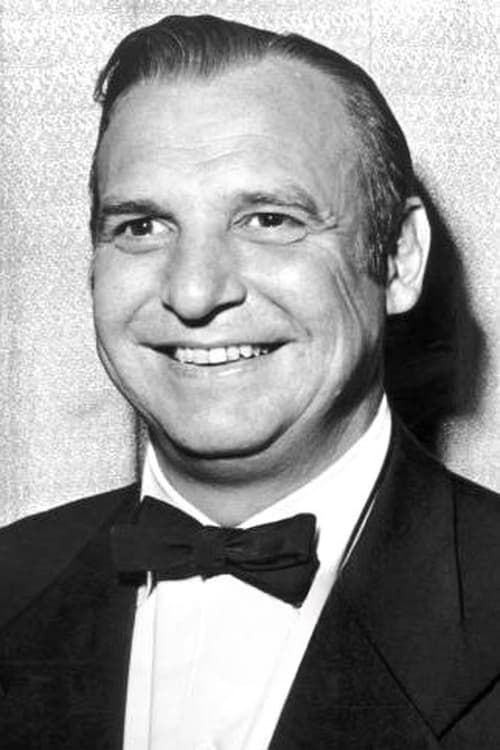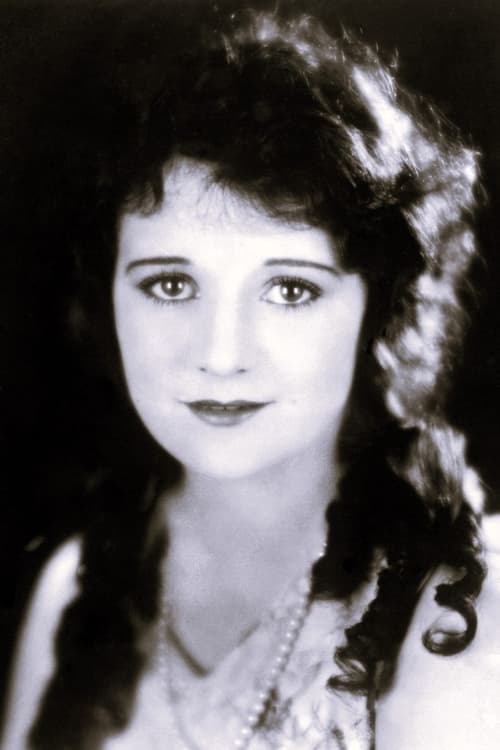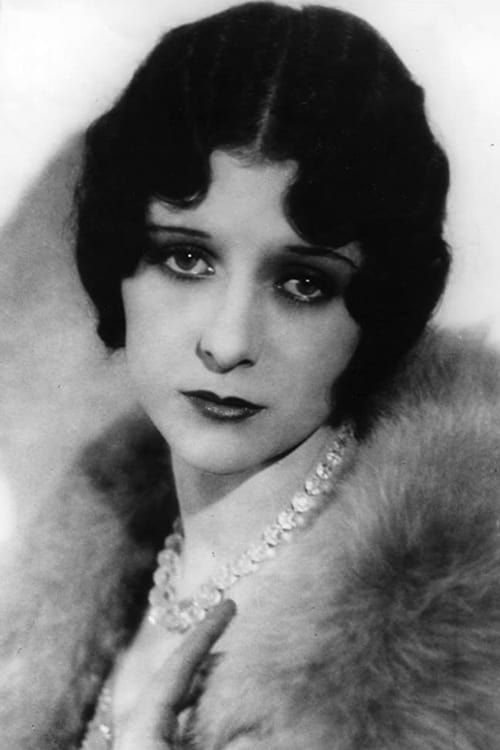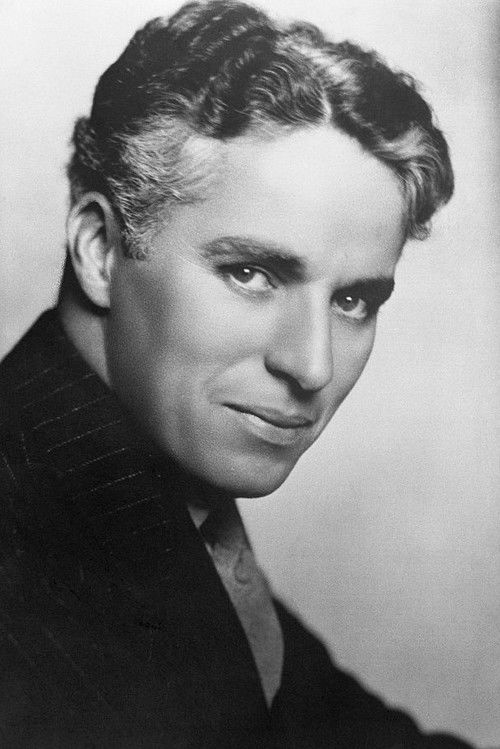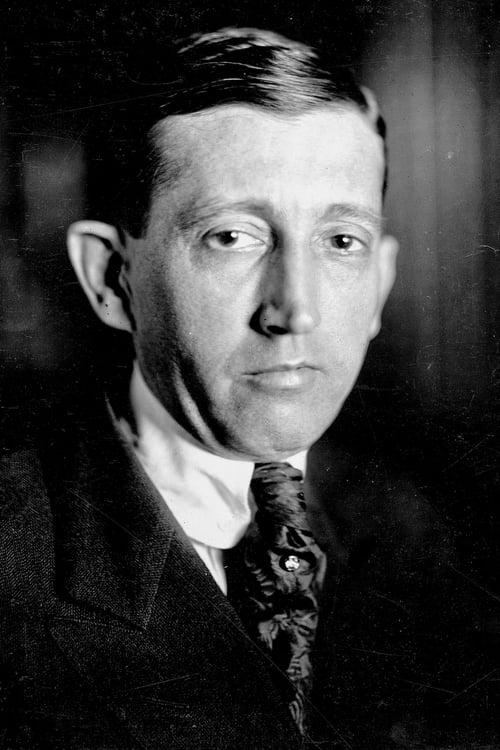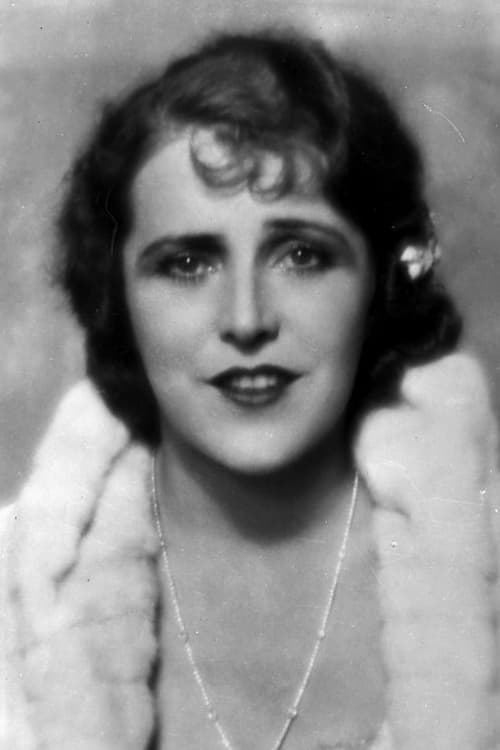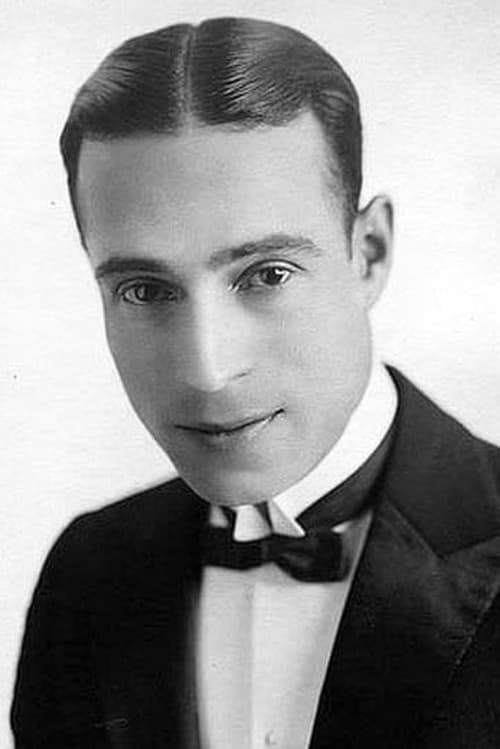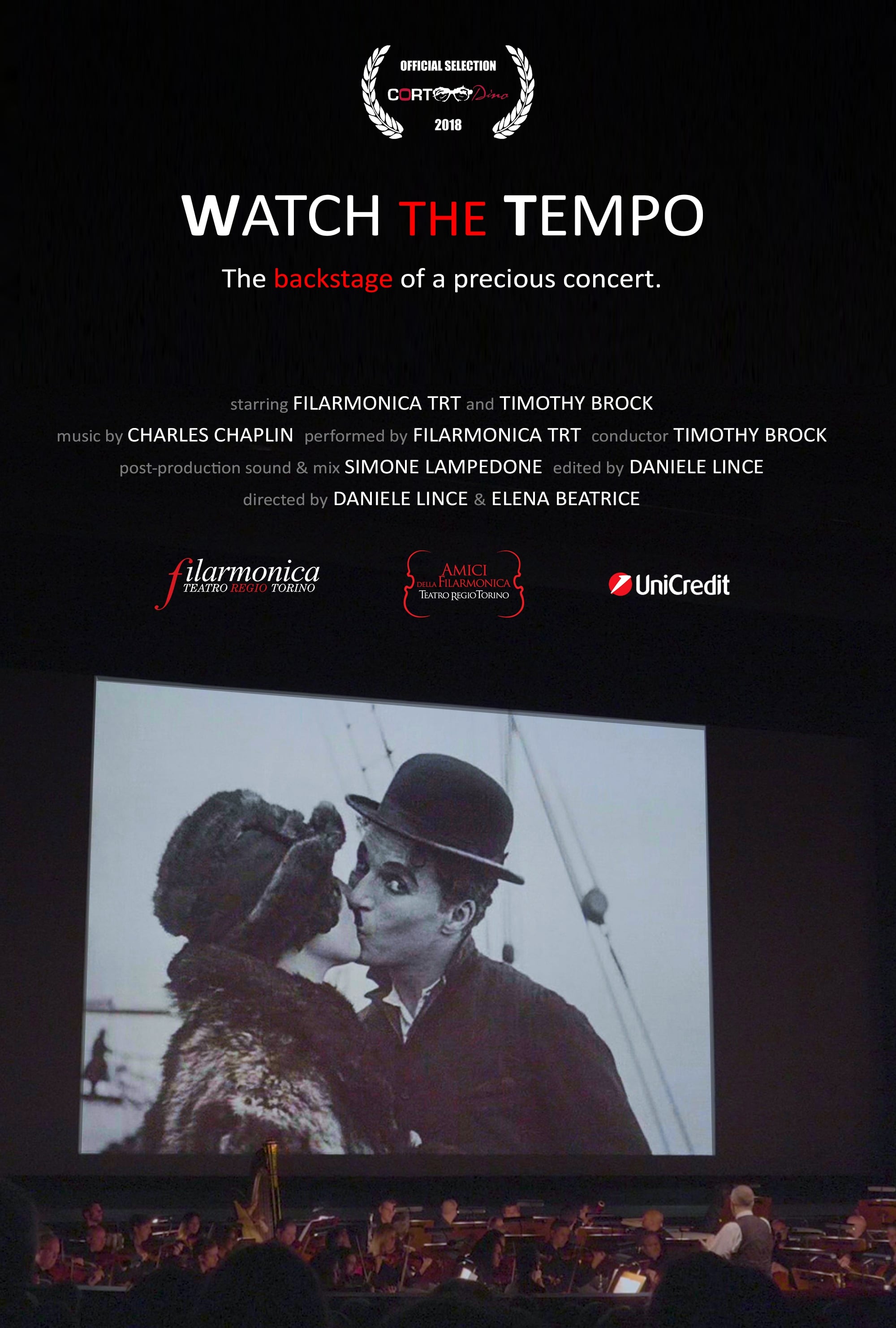
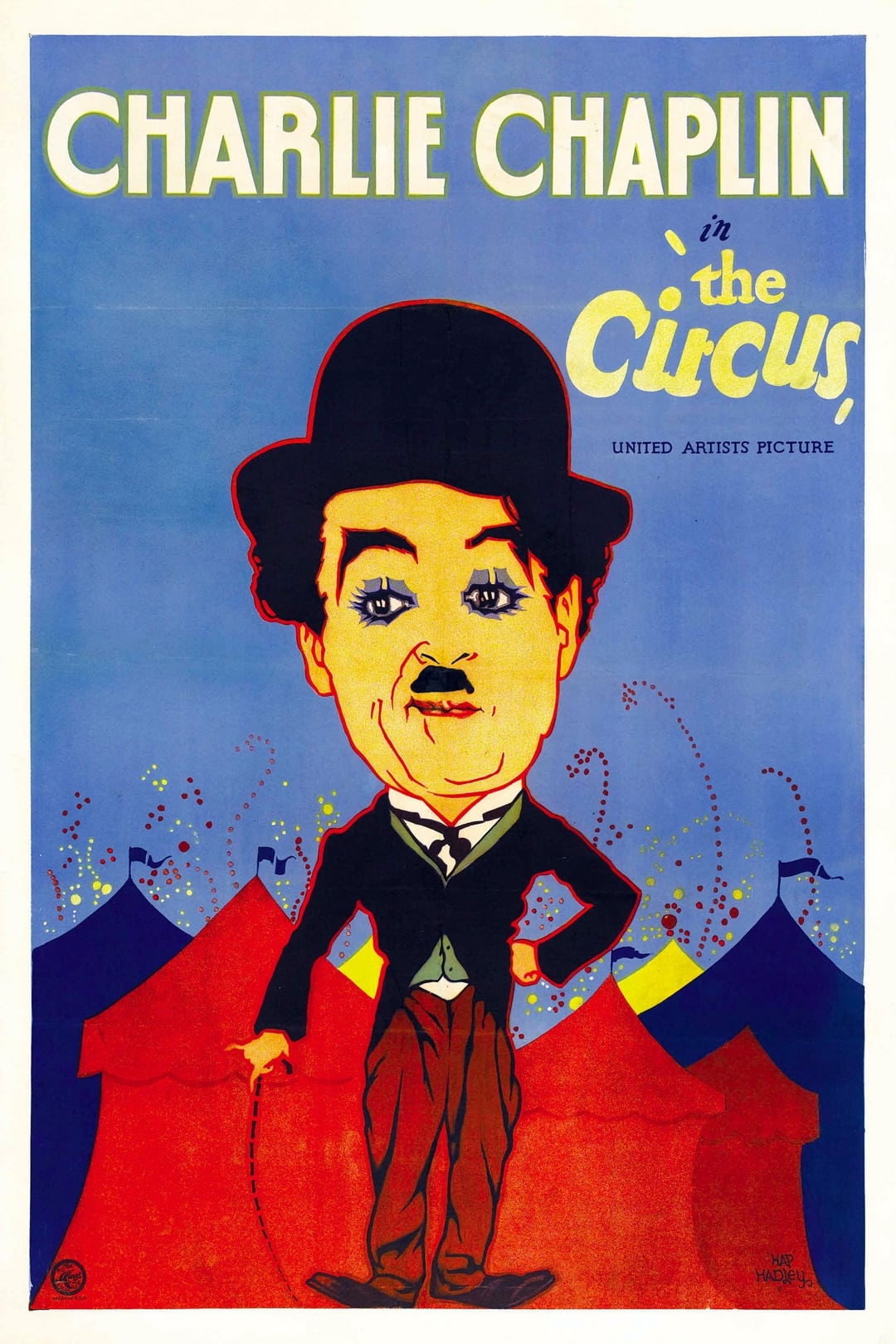
Footage from the premiere of Charlie Chaplin's 1928 film 'The Circus'.
Social & External
Self

Co-curated by Jenni Olson and the late Black gay activist Karl Knapper, this entertaining showcase of vintage movie trailers traces the evolution of African American cinema through its most crucial period, 1952-1976. Filled with insights on race and social dynamics, this fascinating compendium of coming attractions explores an extensive range of stylistic approaches—Blaxploitation, Comedy, Music Bio, Plantation Drama and more—offering an outrageous joyride through motion picture history. Beyond mere camp, these marvelously condensed gems crystallize a range of African American identities and personalities, tracking the meteoric careers of Sidney Poitier, James Earl Jones, Billy Dee Williams, Richard Pryor, Pam Grier and others through their bold performances in movies both hugely popular and practically forgotten. Afro Promo provides a compact glimpse at the representation of African Americans through twenty-five dynamic years of American cinema history.
Working men and women leave through the main gate of the Lumière factory in Lyon, France. Filmed on 22 March 1895, it is often referred to as the first real motion picture ever made, although Louis Le Prince's 1888 Roundhay Garden Scene pre-dated it by seven years. Three separate versions of this film exist, which differ from one another in numerous ways. The first version features a carriage drawn by one horse, while in the second version the carriage is drawn by two horses, and there is no carriage at all in the third version. The clothing style is also different between the three versions, demonstrating the different seasons in which each was filmed. This film was made in the 35 mm format with an aspect ratio of 1.33:1, and at a speed of 16 frames per second. At that rate, the 17 meters of film length provided a duration of 46 seconds, holding a total of 800 frames.
An examination of the hitherto unexplored relationships between Pan-African culture, science fiction, intergalactic travel, and rapidly progressing computer technology.
This documentary captures the sounds and images of a nearly forgotten era in film history when African American filmmakers and studios created “race movies” exclusively for black audiences. The best of these films attempted to counter the demeaning stereotypes of black Americans prevalent in the popular culture of the day. About 500 films were produced, yet only about 100 still exist. Filmmaking pioneers like Oscar Micheaux, the Noble brothers, and Spencer Williams, Jr. left a lasting influence on black filmmakers, and inspired generations of audiences who finally saw their own lives reflected on the silver screen.
Jonathan Ross delves into the world of James Bond and meets with new and former cast members who reveal humorous stories and anecdotes in a series of interviews. All the 5 Bonds at the time are featured, though only Lazenby (reflecting in the usual frank, self criticizing manner), Moore and Brosnan granted an interview. Connery and Dalton are featured through some unused footage from LWT's 30 years of James Bond program. The ever faithful Desmond Llewelyn turns up in character as well as some other less related peeps like Christopher Lee, Paul McCartney and the ultimate playboy: Hugh Hefner -- who all give an interesting perspective on the worlds most famous spy.
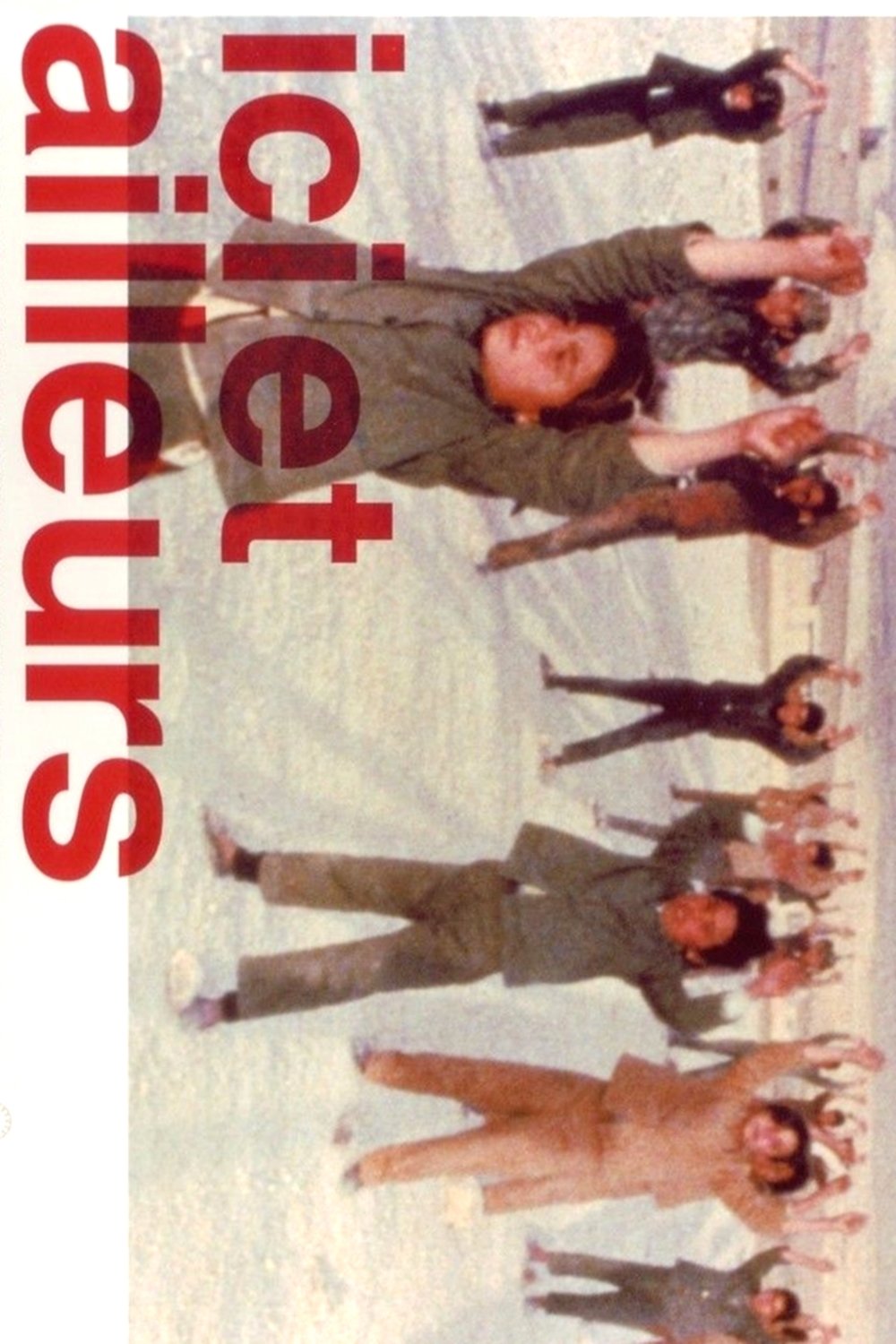
Here and Elsewhere takes its name from the contrasting footage it shows of the fedayeen and of a French family watching television at home. Originally shot by the Dziga Vertov Group as a film on Palestinian freedom fighters, Godard later reworked the material alongside Anne-Marie Miéville.
From 1970-1977, six low budget films shown at midnight transformed the way we make and watch films.
Hollywood is a town of tinsel and glamour; but there is another Hollywood, a place where maverick independent exploitation filmmakers went toe to toe with the big guys and came out on top.
A biographical documentary about the great British actor and director Charlie Chaplin (1889-1977), from rags to riches, from the slums of London to glory.
Although at first sight this might look like a simple ‘making of DANCER IN THE DARK’, the later developments in the film reveal the whole drama of Lars von Trier’s inner life during the shooting process. All his doubts and insecurities in collaborating with the crew and actors - especially actresses - are exposed. The biggest drama started when Björk walked off the set. Nobody knew whether she would be back or not. Admitting that he feels threatened by women, who can ‘make him feel embarrassed’, the director gives this documentary the nature of a personal diary. When he discusses the importance, purpose and beauty of the use of a hundred cameras in a certain sequence or the meaning of the Dogma 95 rules, the audience is witnessing the process of the artist’s search. Is the pain that the director went through during the shooting really visible in the final result, as Lars von Trier claims in this film? (from: http://www.idfa.nl/)
Documentary/Sequel to 1960 adaptation of "The Time Machine"
The film shows the genesis of the El Rocío pilgrimage and unveils the economic, socio-political and religious reasons and interests that nurture the phenomenon.
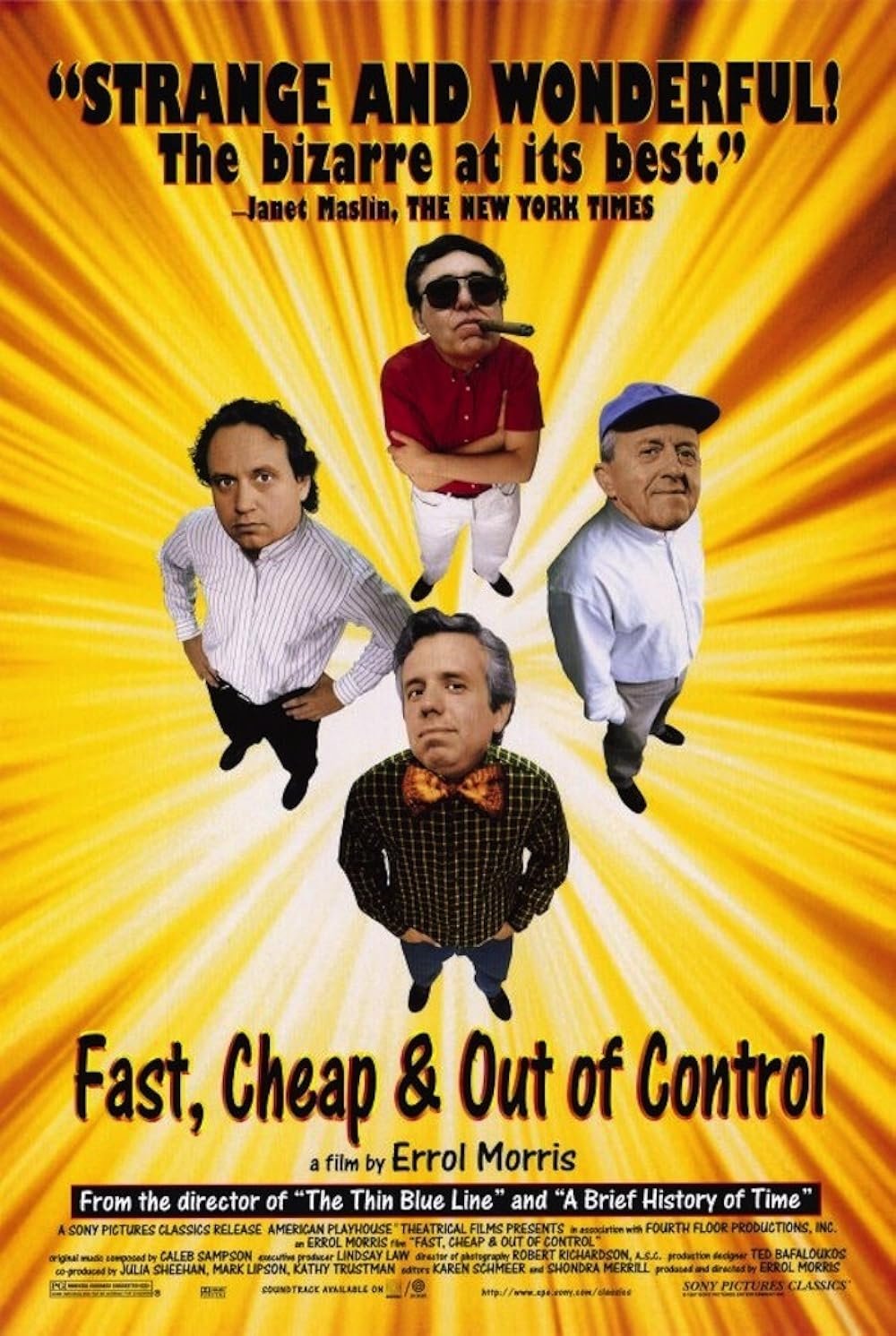
Film producer Sy Lerner makes a bet with a fellow film executive that he can turn any nobody into a star at the Cannes Film Festival. A New York cab driver who is visiting the festival is chosen as the test subject to settle the bet and Sy uses his skills of hype and manipulation to try and turn the cab driver named Frank into the talk of the town. Many celebrities make cameos throughout the film.
The earliest surviving motion-picture film, and believed to be one of the very first moving images ever created, was shot by Louis Aimé Augustin Le Prince using the LPCCP Type-1 MkII single-lens camera. It was taken on paper-based photographic film in the garden of Oakwood Grange, the Whitley family house in Roundhay, Leeds, West Riding of Yorkshire (UK), on 14 October 1888. The film shows Adolphe Le Prince (Le Prince’s son), Mrs. Sarah Whitley (Le Prince’s mother-in-law), Joseph Whitley, and Miss Harriet Hartley walking around in circles, laughing to themselves, and staying within the area framed by the camera. Roundhay Garden Scene is often associated with a recording speed of around 12 frames per second and runs for about 2 to 3 seconds.
The feature-length documentary Fakir portrays the success of fakirism in Brazil, Latin America and France. This circus art origin show is presented and analyzed through archives that reveals the success of these presentations with their pain resistance championships and the great public presence, including politicians and government officials. Fakir spans current footage from contemporary artists who keep this art alive in performances and shows.
A look at the first years of Pixar Animation Studios - from the success of "Toy Story" and Pixar's promotion of talented people, to the building of its East Bay campus, the company's relationship with Disney, and its remarkable initial string of eight hits. The contributions of John Lasseter, Ed Catmull and Steve Jobs are profiled. The decline of two-dimensional animation is chronicled as three-dimensional animation rises. Hard work and creativity seem to share the screen in equal proportions.
A young girl has already seen everything there is to see and her world has lost all meaning. Her anger shatters her world and she finds herself in the universe of QUIDAM, where she is joined by a playful companion, as well as another mysterious character who attempts to seduce her with the marvelous, the unsettling and the terrifying.
Alegría is a mood, a state of mind. The themes of the show, whose name means "jubilation" in Spanish, are many. Power and the handing down of power over time, the evolution from ancient monarchies to modern democracies, old age, youth - it is against this backdrop that the characters of Alegría play out their lives. Kings' fools, minstrels, beggars, old aristocrats and children make up its universe, along with the clowns, who alone are able to resist the passing of time and the social transformations that accompany it.
Icarus is the main character of Varekai, who falls to the ground, breaking his legs as he does. He is suddenly in a strange, new world full of creatures he has never seen before. Parachuted into the shadows of a magical forest, a kaleidoscopic world populated by fantastical creatures, this young man sets off on an adventure both absurd and extraordinary.
From the Italian 'saltare in banco' – which literally means 'to jump on a bench' – Saltimbanco explores the urban experience in all its myriad forms. Between whirlwind and lull, prowess and poetry, it takes spectators on an allegorical and acrobatic journey into the heart and soul of the modern city.
A group of teens discover secret plans of a time machine, and construct one. However, things start to get out of control.
A turn of the century wild west show struggling to make a living in Mexico comes into the possession of a tiny prehistoric horse. This leads to an expedition to the Forbidden Valley where they discover living dinosaurs. They capture one and take it back to be put on display, leading to inevitable mayhem.
In a futuristic world that has embraced ape slavery, a chimpanzee named Caesar resurfaces after almost twenty years of hiding from the authorities, and prepares for a revolt against humanity.
In a small American town, a diabolical circus arrives, granting wishes for the townsfolk, but twisted as only the esteemed Mr. Dark can make them. Can two young boys overcome the worst the devil himself can deal out?
12:01 PM is a 1990 short film directed by Jonathan Heap and starring Kurtwood Smith. It follows Myron Castleman, an everyman who keeps repeating the same hour of his life, from 12:01 PM to 1:00 PM. The film was nominated for an Oscar for Best Live Action Short Film.
After a carnival troupe saves his life, a man agrees to help its immortal leader collect five souls and win a bet with the devil.
Life as the sole sale item in the clearance corner of Eben's Bikes can get lonely. So Red, a unicycle, dreams up a clown owner and his own juggling act that steals the show. But all too soon, the applause turns into the sound of rainfall, as reality rushes back. Red must resign himself to sitting in the corner and await his fate.
An inside look into the creation of Universal Studio's Diagon Alley attraction.
A young elephant, whose oversized ears enable him to fly, helps save a struggling circus, but when the circus plans a new venture, Dumbo and his friends discover dark secrets beneath its shiny veneer.
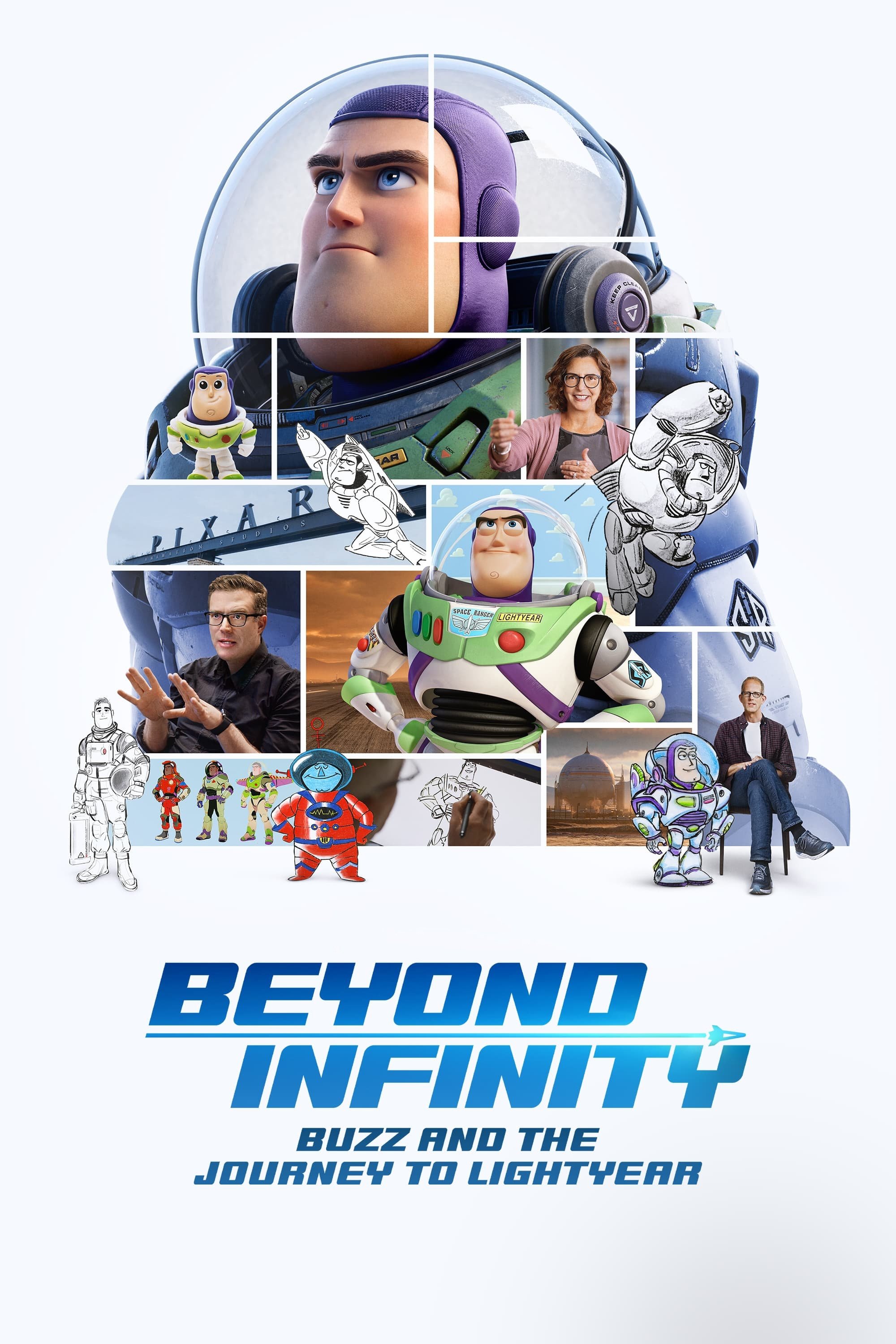
Explore the evolution of Buzz Lightyear from toy to human in the making of Pixar’s Lightyear. Dive into the origin and cultural impact of everyone’s favorite Space Ranger, the art of designing a new “human Buzz,” and the challenges faced by the Lightyear crew along the way.
With mesmerizing footage and time lapses of animators at work, this behind-the-scenes special captures the artistry of a unique tale years in the making.
The Making-of James Cameron's Avatar. It shows interesting parts of the work on the set.
Ba'al travels back in time and prevents the Stargate program from being started. SG-1 must somehow restore history.
In a time when dinosaurs rule the Earth, the smallest dinosaur of the herd, a playful Pachyrhinosaurus named Patchi, embarks on the biggest adventure of his life. As he tries to find his place in a spectacular world filled with fun-loving friends and a few dangerous foes, Patchi will discover the courage he needs to become the leader of the herd and a hero for the ages.
Barbie as Odette, the young daughter of a baker, follows a unicorn into the Enchanted Forest and is transformed into a swan by an evil wizard intent on defeating the Fairy Queen.
A compilation of over 30 years of private home movie footage shot by Lithuanian-American avant-garde director Jonas Mekas, assembled by Mekas "purely by chance", without concern for chronological order.
Get ready for a battle of the ages when the Justice League faces off against its archenemies, the Legion of Doom, in an all-new movie from DC Comics. A mysterious being known as the Time Trapper arises, and a sinister plan led by Lex Luthor sends the Legion of Doom back in time to eliminate Superman, Wonder Woman and Batman before they become super heroes. For Aquaman, Flash and Cyborg, along with teen super heroes Karate Kid and Dawnstar, the stakes have never been higher, the rescue mission never deadlier. So join the fight for the future as the Justice League confronts its ultimate challenge… the threat of having never existed!
Director Michael Apted revisits the same group of British-born adults after a 7 year wait. The subjects are interviewed as to the changes that have occurred in their lives during the last seven years.
The definitive 3½-hour documentary about the troubled creation and enduring legacy of the science fiction classic 'Blade Runner', culled from 80 interviews and hours of never-before-seen outtakes and lost footage.
It's the night before Hogswatch, usually a time of joy on Discworld, but there are suspicious going-on and the criminal underworld is abuzz. The beloved Hogfather - the jolly bearer of glee and pork-related gifts for children everywhere - has vanished. Suddenly, Discworld's entire mythical system is under threat. The fate of this magical time rests in the hands of a very motley group: A band of wizards headed up by a mystical university president named Mustrum Ridcully (Joss Ackland), a loyal manservant called Albert (David Jason), a level-headed governess called Susan Sto Heilt (Michelle Dockery), and her grandfather, who happens to be - Death (Marnix van den Broeke).