A look at human origins in the very place of our origins, Africa's Rift Valley
Social & External
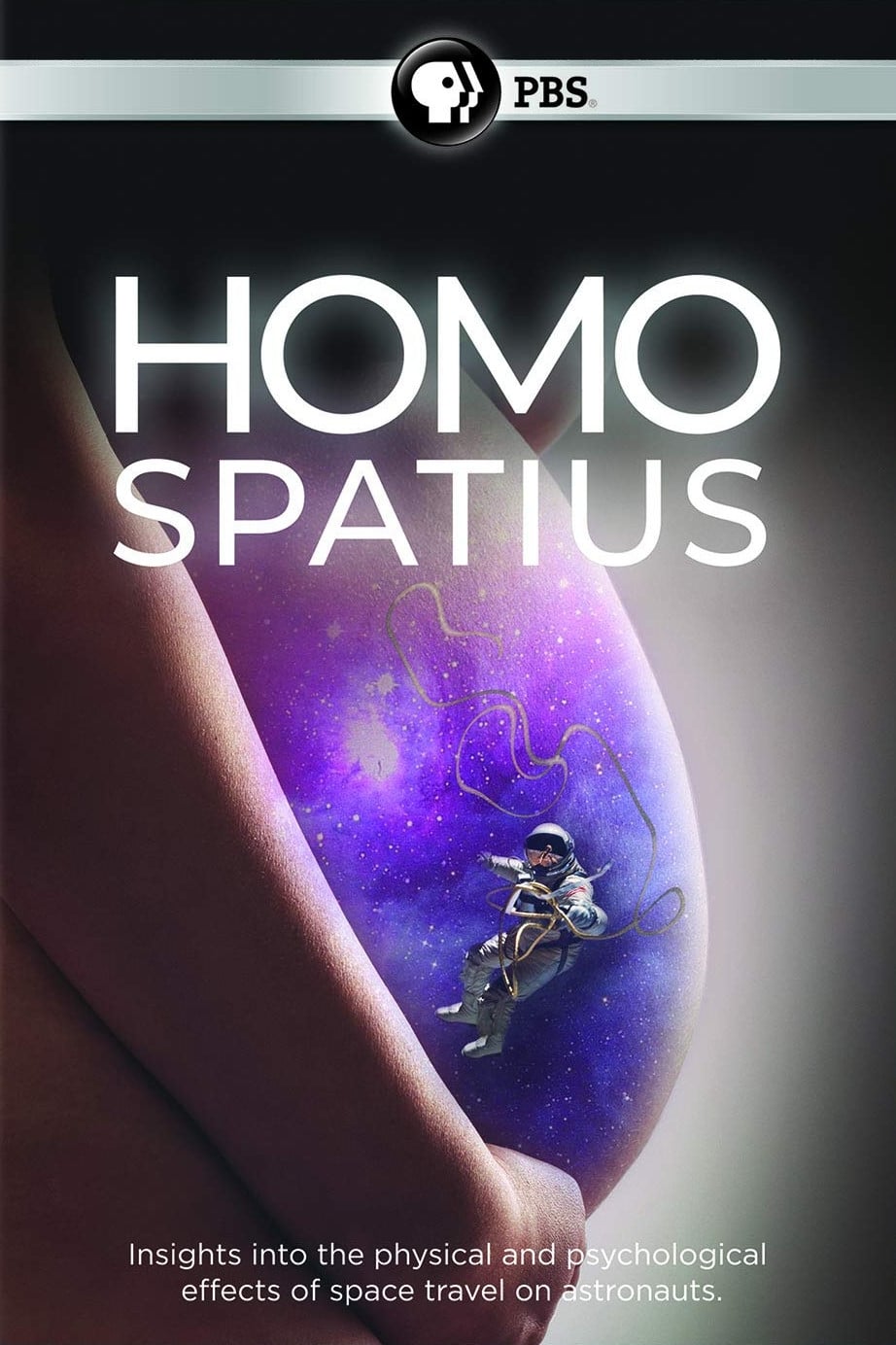
Can Homo sapiens evolve into Homo spatius? For over 50 years now, we have been testing our human nature in our effort to conquer outer space, and still 30 years away from a possible human exploration of Mars, a question remains: Can our body take such travels? Will it ever adapt? Combining human adventure and the exploration of the human body, this film offers unique insights into the physical and psychological effects of space travel on the Astronauts and measures the impact on medical sciences.
A feature documentary about the journey of mankind to discover our true force and who we truly are. It is a quest through science and consciousness, individual and planetary, exploring our relationships with ourselves, the world around us and the universe as a whole.
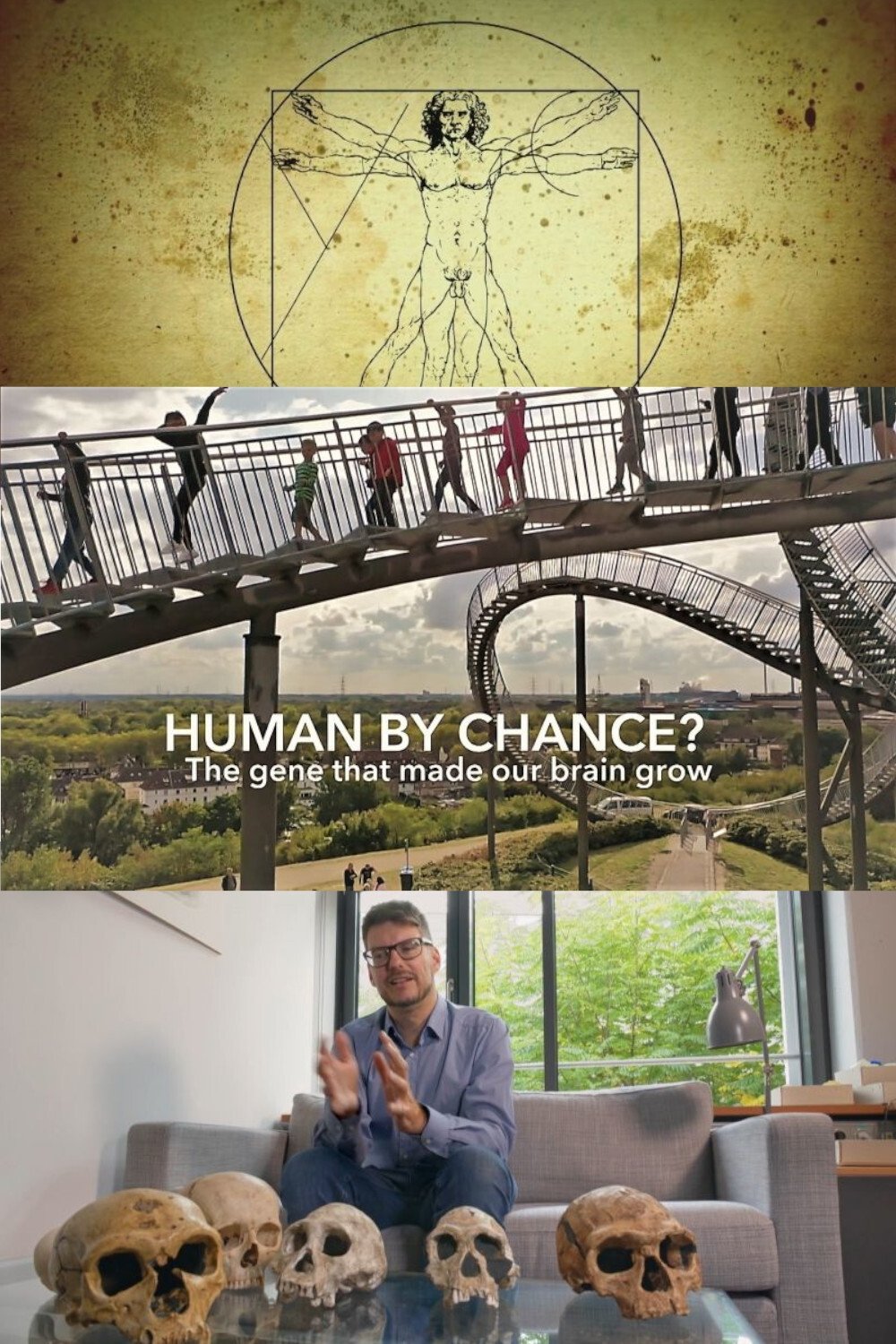
If we compare ourselves with our genetically closest living relatives, the chimpanzees, we have few physical advantages. We are far weaker, cannot move nearly as fast, and do not have the same climbing capabilities. Instead, humans excel in areas such as architecture, religion, science, language, writing, art, culture, and ideas. These achievements are due to our larger brain that contain billions of neurons. It was the rapid growth of our brain, originating about 2 million years ago, that allowed us to be the predominant species of the world. What caused this rapid growth of our cerebral cortex? Researchers worldwide have asked this question for many years, but now there finally seems to be an answer.
The cutting edge group known as transhumanists see a beautiful future brought about by artificial intelligence, life extension, and cybernetics. What one must realize before getting carried away with such utopian dreams is that transhumanism was born out of the elitist pseudo-science eugenics. This documentary provides vital information on the history of eugenics and its new cutting edge transformation.
What would have happened if the Neanderthals had prevailed over Homo Sapiens? How would our species have evolved? How does art relate to evolution, and why in the world does evolution behave like a bricoleur? Last of all, just what does Marcel Duchamp have to do with all of this? This film is neither a documentary nor a portrait of the artist Pable Echaurren; it’s a kaleidoscopic meditation on our past, present and future.
Over 60,000 years ago, the first modern humans left their African homeland and entered Europe, then a bleak and inhospitable continent in the grip of the Ice Age. But when they arrived, they were not alone: the stocky, powerfully built Neanderthals had already been living there for hundreds of thousands of years. So what happened when the first modern humans encountered the Neanderthals? Did they make love or war?
Nova and National Geographic present exclusive access to an astounding discovery of ancient fossil human ancestors.
Looking at whether the history of early human evolution should be rewritten. For decades, most experts have been convinced that Africa is the cradle of mankind and many fossil finds from Kenya, Ethiopia, South Africa and Chad seemed to prove it.
With the rapid advancements in artificial intelligence, the line between humans and machines continues to blur, and everything is evolving at an astonishing pace as this technology offers tantalizing promises. However, some researchers, including 2024 Nobel Prize in Physics laureate Geoffrey Hinton, warn about its exponential power. A deep dive into the dizzying complexities of AI.
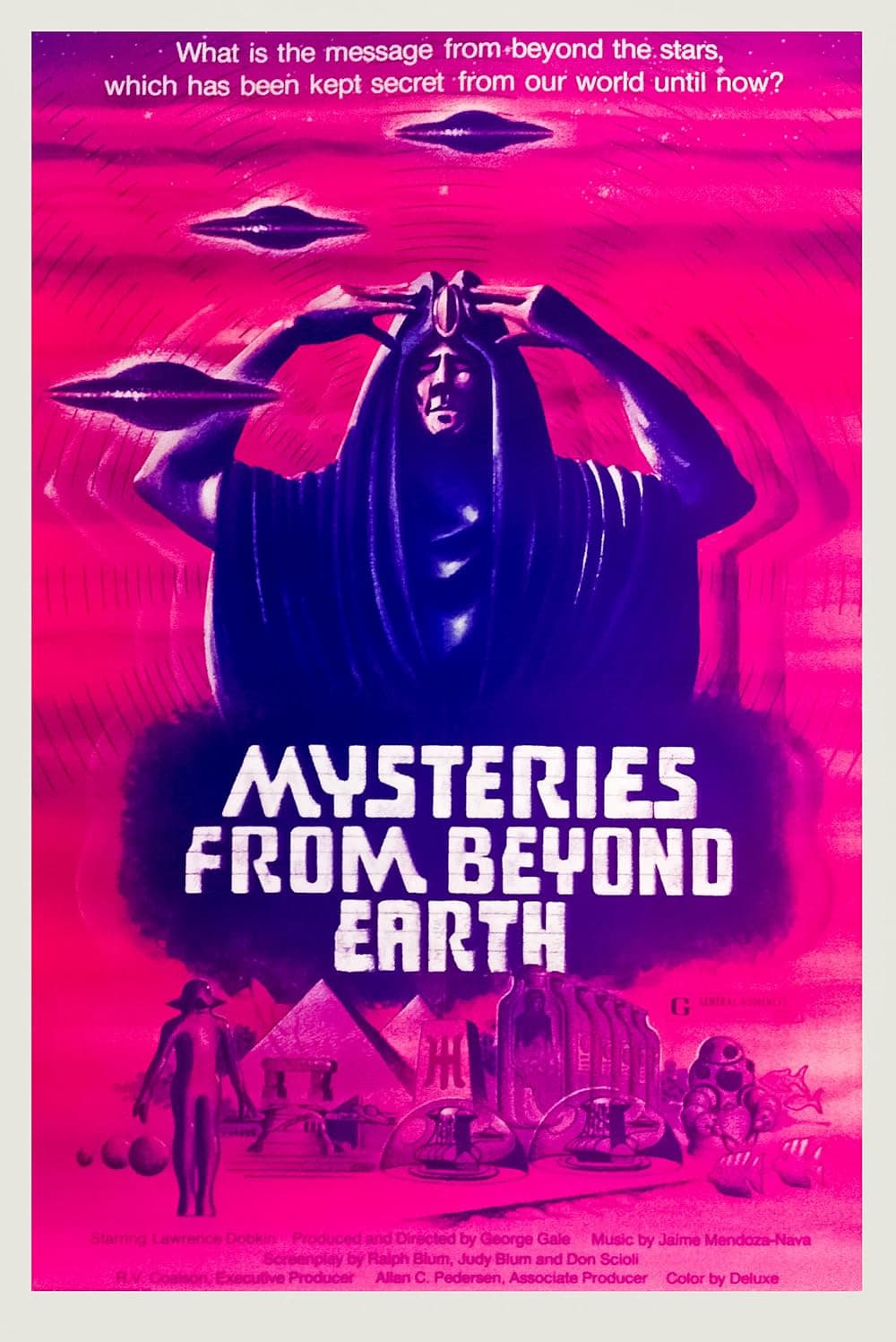
Narrator Lawrence Dobkin examines unusual paranormal activities and conspiracy theories in several eerie segments. Subjects include flying saucers and alien encounters, the disappearance of Atlantis, the Bermuda Triangle and the origins of Bigfoot, telekinesis, witchcraft, and the unusual notion that human evolution and technology might have been moved forward with assistance from intelligent extraterrestrial beings.
This documentary delves into the mysteries surrounding the Neanderthals and what their fossil record tells us about their lives and disappearance.
Neandertal man disappeared abruptly 30,000 years ago. Who was that "other" man and what is the most plausible hypothesis leading to his extinction? An investigation using all current knowledge available tries to answer these questions.
This series incorporates the latest animated 3D films to explore recent discoveries about human history, especially in Asia.
In the docudrama "Les Derniers Secrets de l'humanité" (The Last Secrets of Humanity), author and director Jacques Malaterre and paleoanthropologist and professor at the Collège de France Yves Coppens reveal the incredible adventure of Asian prehistory. How does science help to reconstruct these bygone times in images? Thanks to discoveries made at excavation sites and in analysis and genetics laboratories, researchers are now revealing this distant, vanished past.
40, 000 years ago the steppes of Eurasia were home to our closest human relative, the Neanderthals. Recent genetic and archaeological discoveries have proven that they were not the dim-witted cave dwellers we long thought they were. In fact, they were cultured, technologically savvy and more like us than we ever imagined! So why did they disappear? We accompany scientists on an exciting search for an answer to this question and come to a startling conclusion …
Scientists examine underground clues from over 250,000 years ago that raise questions about our early relatives — and what it truly means to be human.
In the Realms of the Unreal is a documentary about the reclusive Chicago-based artist Henry Darger. Henry Darger was so reclusive that when he died his neighbors were surprised to find a 15,145-page manuscript along with hundreds of paintings depicting The Story of the Vivian Girls, in What is Known as the Realms of the Unreal, of the Glodeco-Angelinnian War Storm, Cased by the Child Slave Rebellion.
Al Pacino's deeply-felt rumination on Shakespeare's significance and relevance to the modern world through interviews and an in-depth analysis of "Richard III."
It is happening all across America-rural landowners wake up one day to find a lucrative offer from an energy company wanting to lease their property. Reason? The company hopes to tap into a reservoir dubbed the "Saudi Arabia of natural gas." Halliburton developed a way to get the gas out of the ground-a hydraulic drilling process called "fracking"-and suddenly America finds itself on the precipice of becoming an energy superpower.
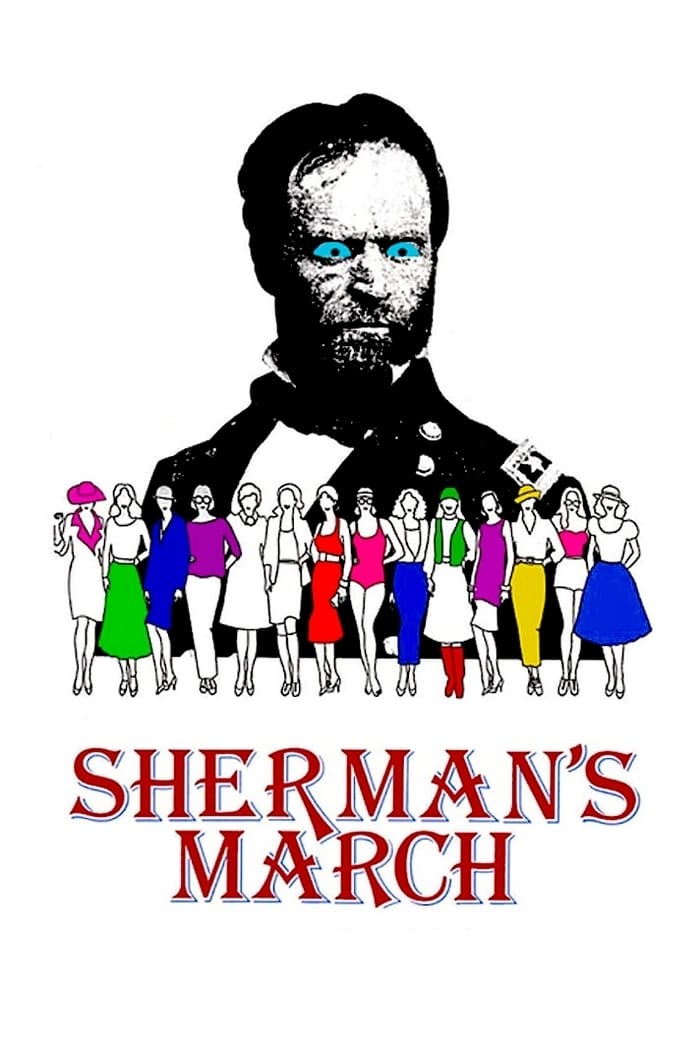
Ross McElwee sets out to make a documentary about the lingering effects of General Sherman's march of destruction through the South during the Civil War, but is continually sidetracked by women who come and go in his life, his recurring dreams of nuclear holocaust, and Burt Reynolds.
A detailing of the rise to prominence and global sporting superstardom of six supremely talented young Manchester United football players (David Beckham, Nicky Butt, Ryan Giggs, Paul Scholes, Phil and Gary Neville). The film covers the period 1992-1999, culminating in Manchester United's European Cup triumph.
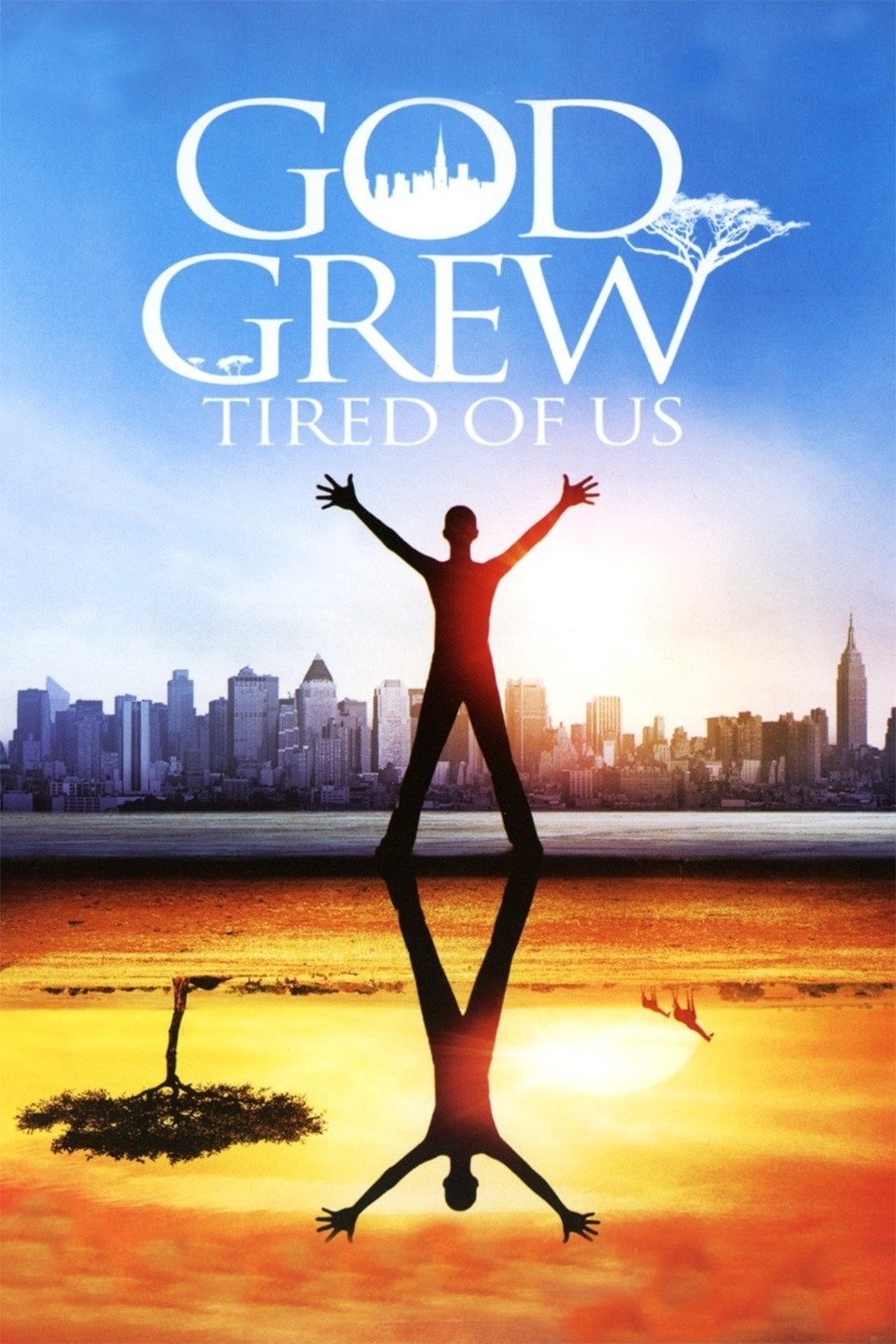
Filmmaker Christopher Quinn observes the ordeal of three Sudanese refugees -- Jon Bul Dau, Daniel Abul Pach and Panther Bior -- as they try to come to terms with the horrors they experienced in their homeland, while adjusting to their new lives in the United States.
JB Smoove and Martin Starr host a celebration of 20 years of "Spider-Man" movies, from the Sam Raimi trilogy to Marc Webb's movies and the trio from Jon Watts.
Through deeply personal interviews with her siblings and an examination of the photographs, letters, and belongings left behind, Mariska assembles a new portrait of her mother Jayne Mansfield, an extraordinary and complex woman.
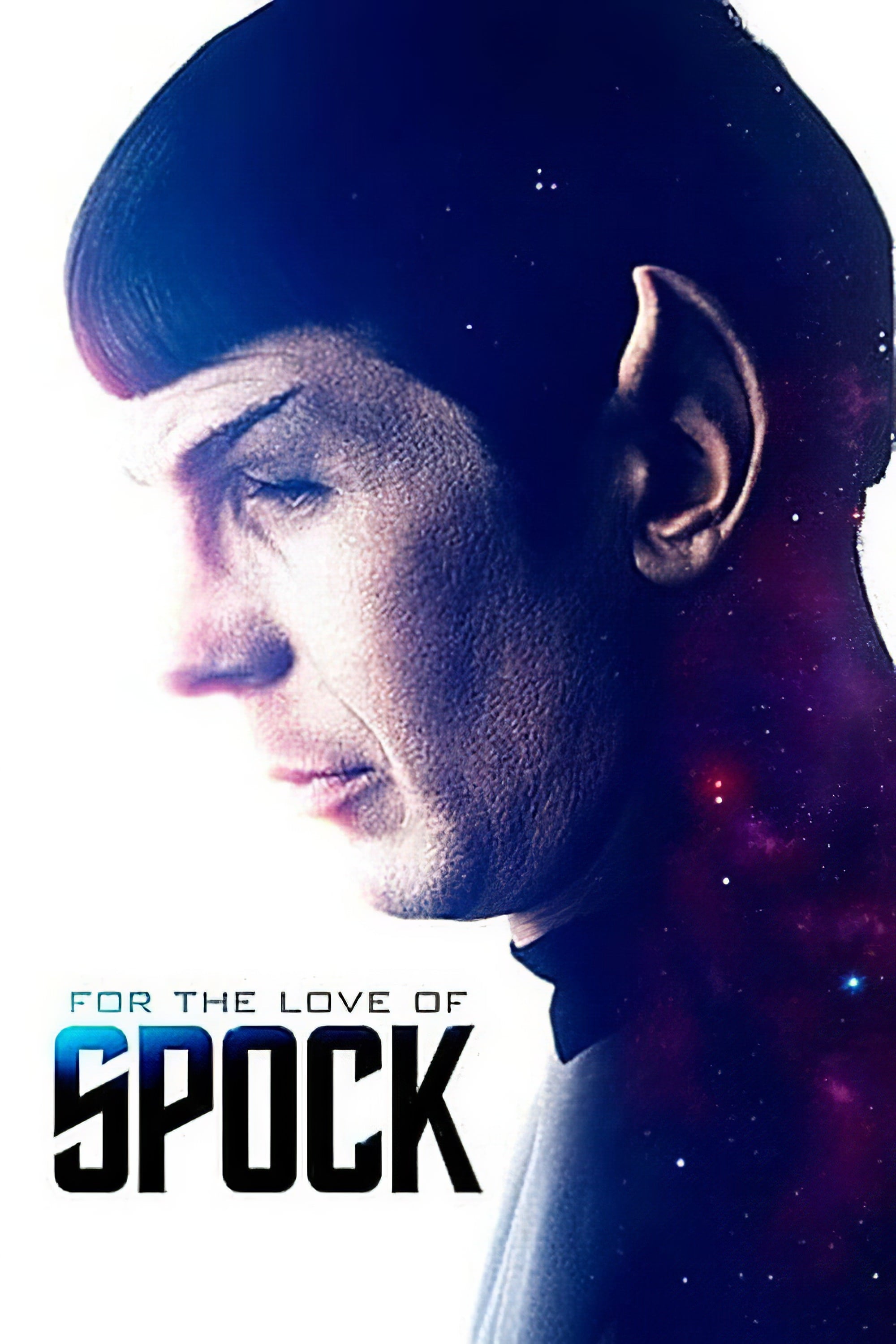
The life of Mr. Spock, as well as that of Leonard Nimoy, the actor who played him for almost fifty years, written and directed by his son: Adam.
Director Michael Apted revisits the same group of British-born adults after a 7 year wait. The subjects are interviewed as to the changes that have occurred in their lives during the last seven years.
The film follows adventurer Jeff Johnson as he retraces the epic 1968 journey of his heroes Yvon Chouinard and Doug Tompkins to Patagonia.
Unravel the case of Utah therapist Jodi Hildebrandt, whose child abuse arrest with parenting YouTuber Ruby Franke exposed a twisted tale of manipulation.
Just two years away from turning 30, participants in Michael Apted's documentary series are facing serious questions of identity and purpose, wondering whether they've found their place in the world.
Behind-the-scenes documentary about how Lionel Messi succeeded in lifting the World Cup – the only trophy to have eluded him in an incredible career.
When Allied forces liberated the Nazi concentration camps in 1944-45, their terrible discoveries were recorded by army and newsreel cameramen, revealing for the first time the full horror of what had happened. Making use of British, Soviet and American footage, the Ministry of Information’s Sidney Bernstein (later founder of Granada Television) aimed to create a documentary that would provide lasting, undeniable evidence of the Nazis’ unspeakable crimes. He commissioned a wealth of British talent, including editor Stewart McAllister, writer and future cabinet minister Richard Crossman – and, as treatment advisor, his friend Alfred Hitchcock. Yet, despite initial support from the British and US Governments, the film was shelved, and only now, 70 years on, has it been restored and completed by Imperial War Museums under its original title "German Concentration Camps Factual Survey".
A documentary about ten very different lives connected by having appeared onscreen wearing masks or helmets in Star Wars.
A documentary focused on plastic pollution in the world's oceans.
This revealing documentary honors the legendary Sidney Poitier—iconic actor, filmmaker, and civil rights activist. Featuring interviews with Denzel Washington, Spike Lee, Halle Berry, and more.
Marlon Riggs, with assistance from other gay Black men, especially poet Essex Hemphill, celebrates Black men loving Black men as a revolutionary act. The film intercuts footage of Hemphill reciting his poetry, Riggs telling the story of his growing up, scenes of men in social intercourse and dance, and various comic riffs, including a visit to the "Institute of Snap!thology," where men take lessons in how to snap their fingers: the sling snap, the point snap, the diva snap.