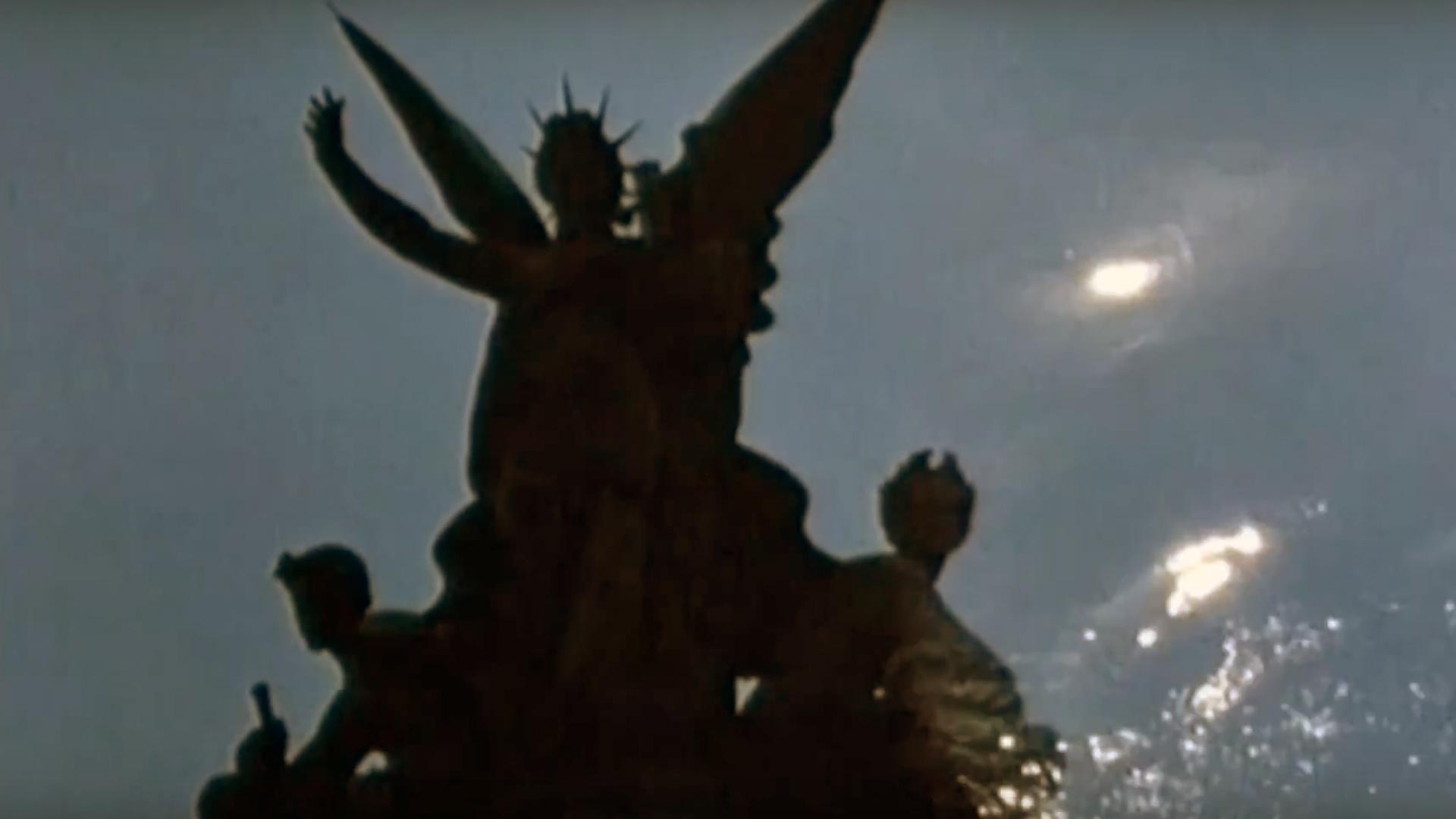
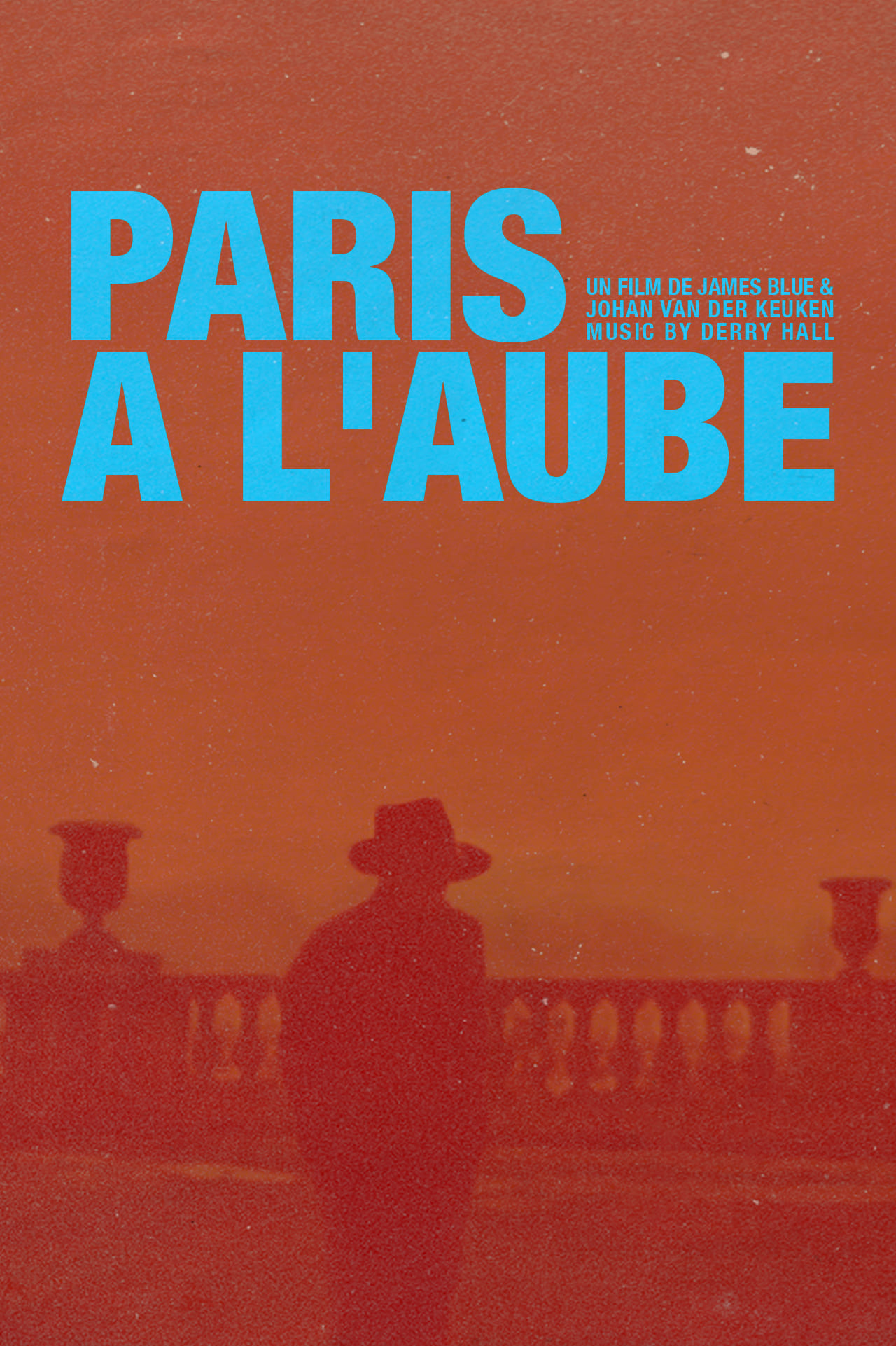
Johan van der Keuken's first film is a uniquely beautiful portrait of Paris at dawn.
Social & External
The people behind it
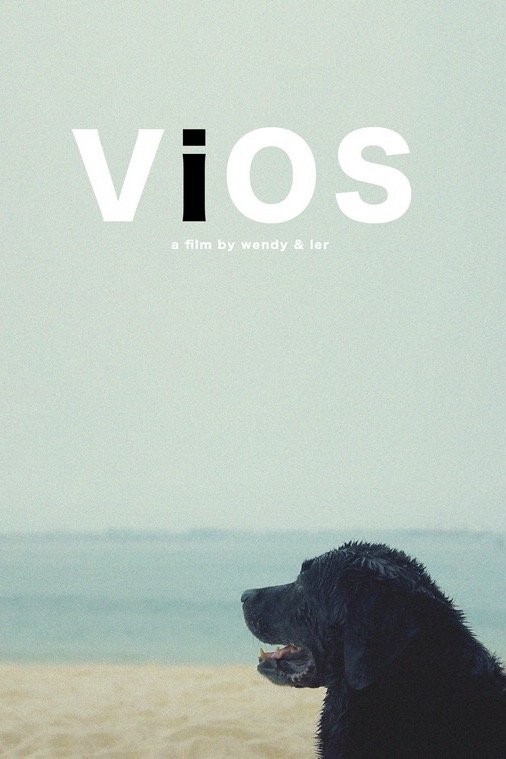
“At which point do you let go?…” – This is the central question of “Vios”, a short documentary that tracks the last days of a dog suffering from terminal cancer and how its owners struggle with the critical decision: whether or not to euthanise her. Shot over a 6-month period by the owners, Wendy and Ler, this intimate documentary is an unfettered access into the lives of the flmmakers, exposing their deepest vulnerabilities in face of this crisis, which had crushed their fnances and strained their relationship. Through their personal story, Wendy and Ler hope to create more awareness for dogs with cancer in Singapore and around the world.
A wordless portrait of sculptor Jessica Jackson Hutchins shows us the artist in the process of transforming clay into uncanny forms.
Famous Spanish film critic Alfonso Sánchez talks about his personal life, his work and Anouk Aimée. A sentimental tribute to one of the most relevant figures on the Spanish film scene.
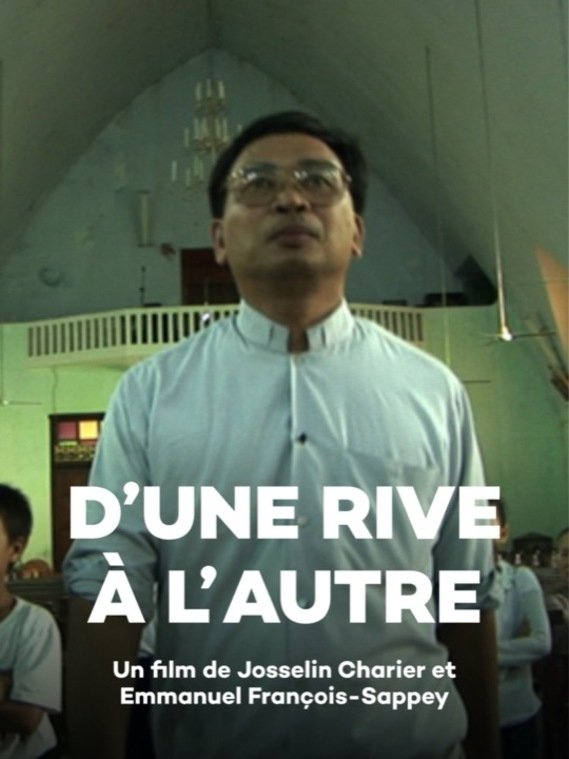
This film offers us a juxtaposed journey of two priests: Father Van Ban, a Vietnamese priest from the parish of Thy Hu in the Hé region, who after nine years of training in Paris decides to return to Vietnam, and Bernard de Terves, a young deacon from the Foreign Missions of Paris who decides to leave for China after his ordination. Their intersecting paths allow us to address themes related to East-West intercultural dialogue, particularly that of transmitting the Gospel message.
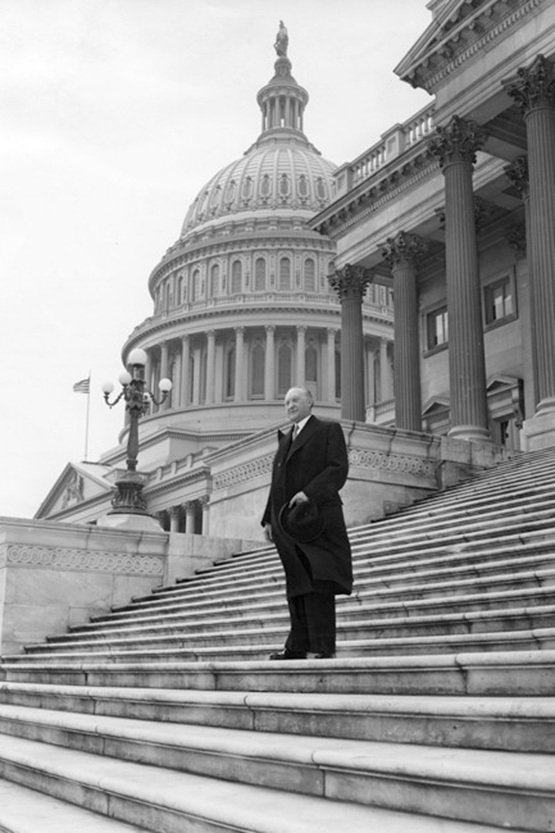
Chancellor Adenauer is accompanied on a tour of the United States and Canada.
The original documentary on the Wigstock festival, back in the day when it was a much smaller affair in Thompkins Square Park. A full day of peace, love, and wigs…
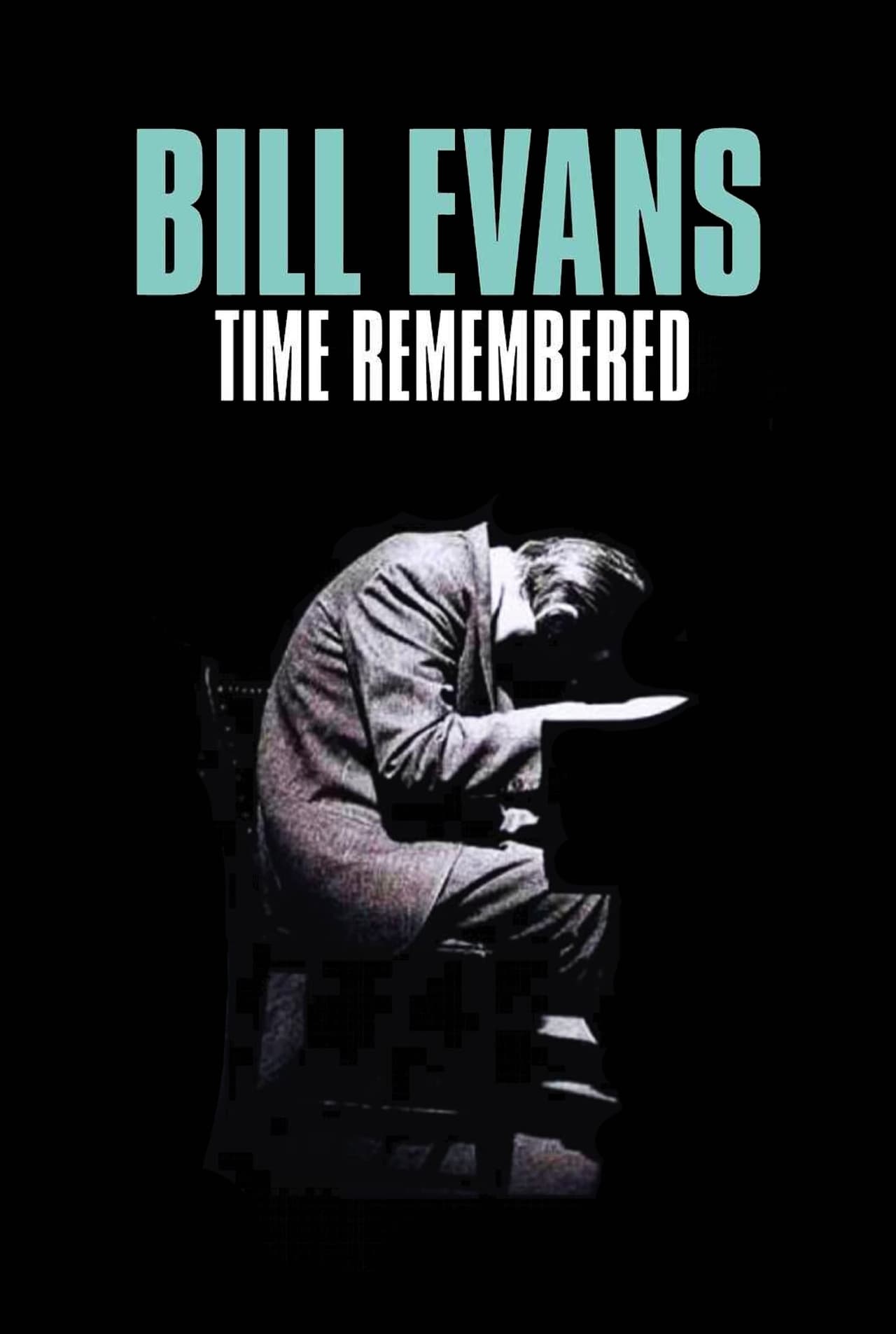
A biographical film featuring the music and times of Bill Evans with interviews from Tony Bennett, Jack Dejohnette, Billy Taylor, Paul Motian, Jon Hendricks, Orin Keepnews, Bobby Brookmeyer, Pat Evans and more, including family and friends who knew Bill Evans well.
Documentary on how the osprey catches its prey. The film shows the search for prey, the launch maneuvers, take-off maneuvers and the fights with the fish.
A 20-minute documentary film about the Kyrgyz people living by the Narym River.
Life in a Kyrgyz aul (village) in the mountains connected to the rest of the world by a cable bridge, and the teenage boys who are constructing the rope of the bridge. A rope bridge which the locals call “The devil’s bridge” forms part of each and every event which takes place in a small village lost in the mountains of the Kyrgyz Republic. A platform driven by a huge winch which they have to pull with their own strength to cross the torrent is their only link with the outside world. But the director of the documentary wondered something else: “Does this bridge unite or does it actually separate?” Through the mist and over the thrashing waters, the inhabitants of the area glide along their ropes. A film, in the director’s own words, about ordinary people who live in an extraordinary place.
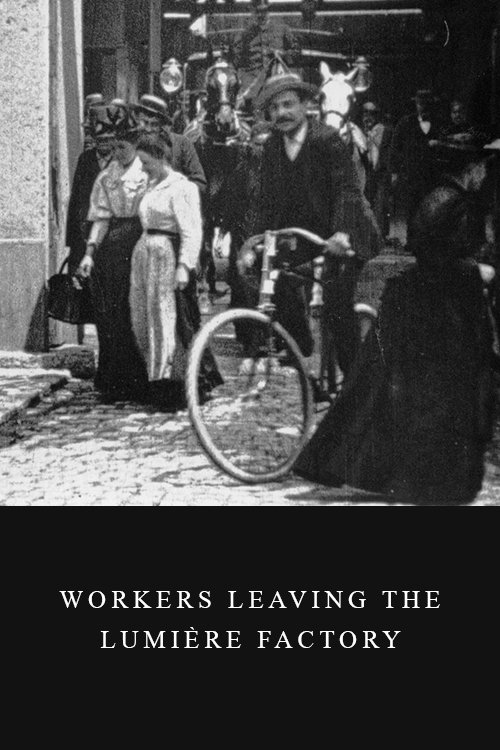
Working men and women leave through the main gate of the Lumière factory in Lyon, France. Filmed on 22 March 1895, it is often referred to as the first real motion picture ever made, although Louis Le Prince's 1888 Roundhay Garden Scene pre-dated it by seven years. Three separate versions of this film exist, which differ from one another in numerous ways. The first version features a carriage drawn by one horse, while in the second version the carriage is drawn by two horses, and there is no carriage at all in the third version. The clothing style is also different between the three versions, demonstrating the different seasons in which each was filmed. This film was made in the 35 mm format with an aspect ratio of 1.33:1, and at a speed of 16 frames per second. At that rate, the 17 meters of film length provided a duration of 46 seconds, holding a total of 800 frames.
Demonstration of the rapid poisoning of a cat hung up in a cloth, strychnine as a trigger of the tonic form of convulsions.
The movie shows the consequences of total and partial removal of the epithelial bodies in a cat
Two cats housed in a glass box, one of which had received a small amount of atropine in the preliminary experiment, are exposed to ether vapors with the result that only the animal which had not been pretreated began to salivate (profusely).
Parasympathetic irritation is generated in the test animal by subcutaneous injection of muscarine. Salivary secretion, miosis, convulsive evacuation of thin feces and severe shortness of breath as signs of intoxication with a parasympathomimetic. The symptoms of intoxication are reversed by subcutaneous injection of atropine.
Compulsory locomotion and continuous circular movement to the operated side without orientation in case of a onesided removal of the cerebrum and corpus striatum. In case of a doublesided removal there are no spontaneous movements with a normal posture and movement coordination. The dogs' reaction towards external stimuli only.
The End of Stories is an animated documentary dome film about our inability to understand the present or imagine the future. The 4th installment in the “Corona Voicemails” series, the film showcases a collage of 37 perspectives from around the world of people coping with the turbulence of pandemic life.
Calopteryx cornelia only occurs in one color morph and shows the typical dragonfly behavior. Species of the genus Mnais form different color morphs. Males with intensely colored wings are dominant over males with hyaline wings.
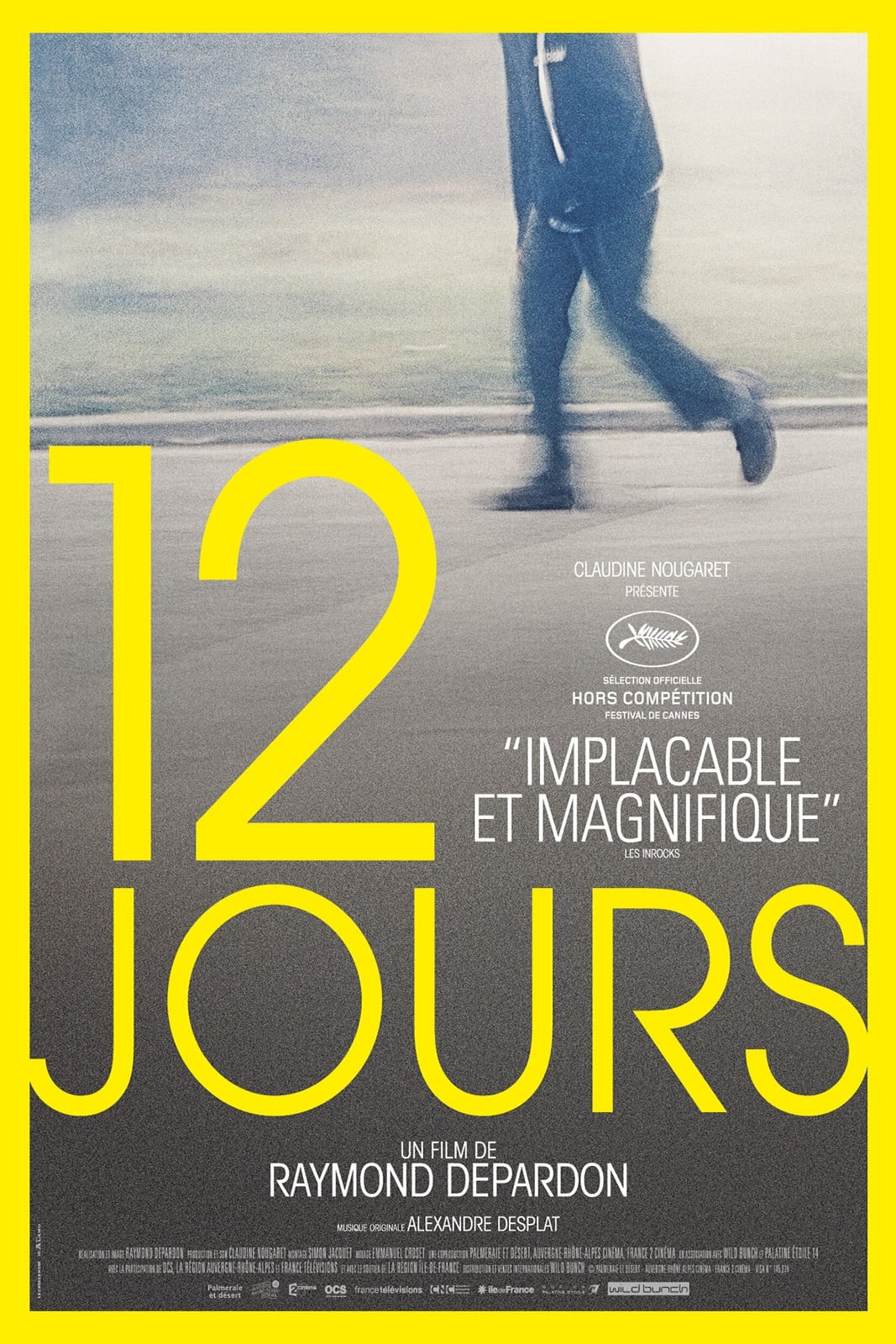
A new documentary by filmmaker-photographer Raymond Depardon – where justice and psychiatry meet.
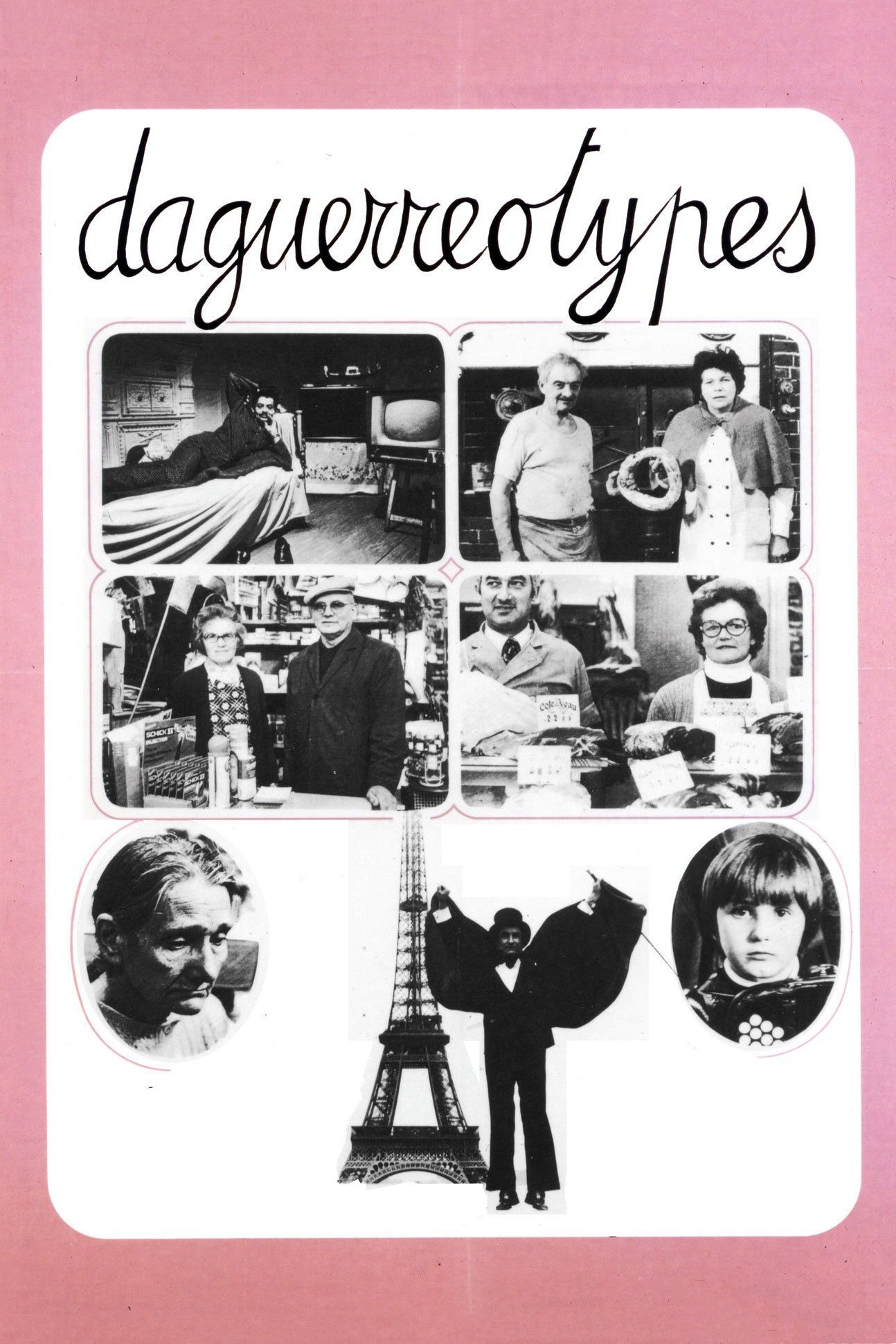
An intimate portrait of the small shops and shopkeepers of the Rue Daguerre in Paris, a picturesque street that has been the filmmaker’s home for more than 50 years.
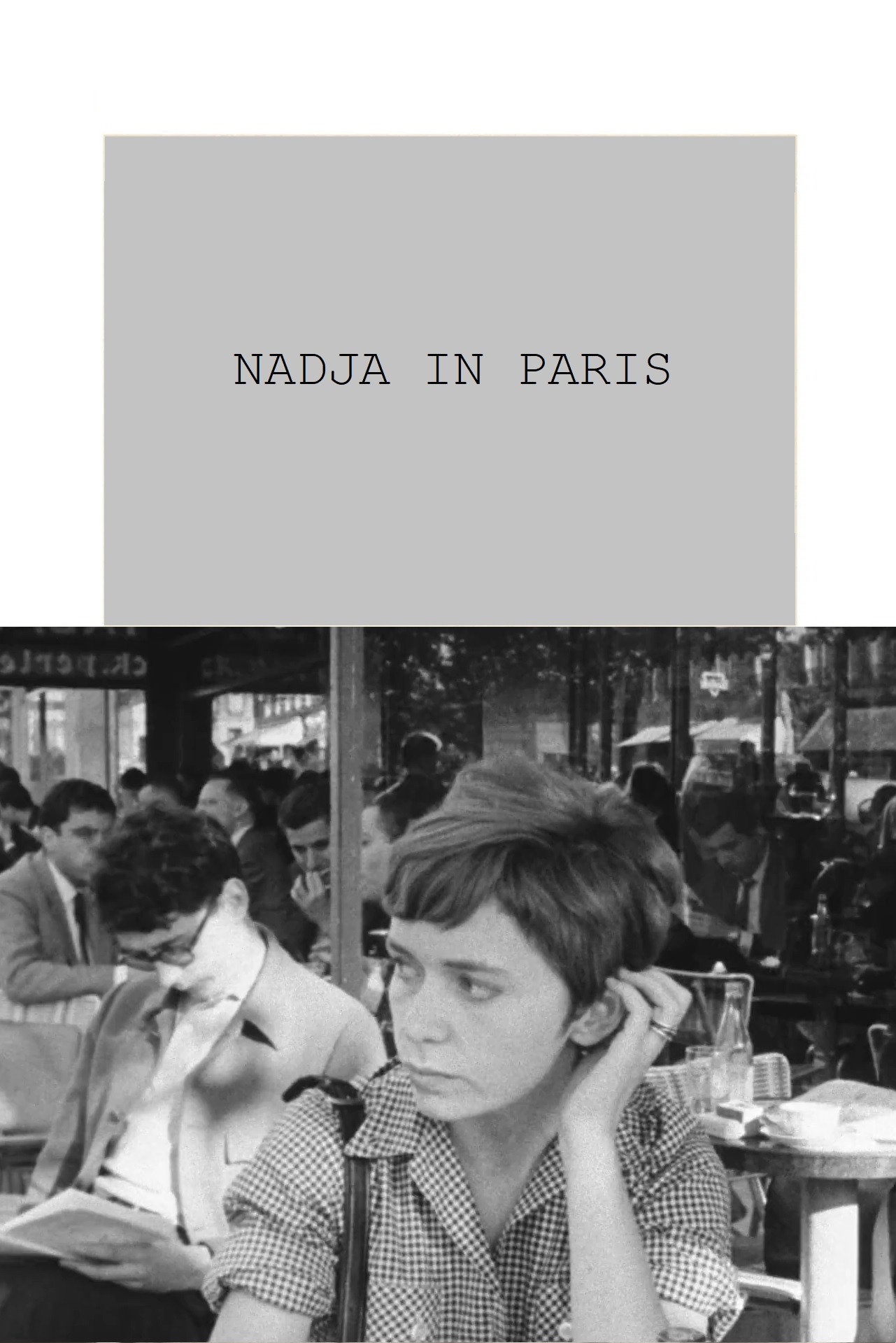
Nadja is a guest student, who stays at Cité Universitaire and visits the Sorbonne, while preparing a thesis on Proust; she also likes to stroll about Paris.
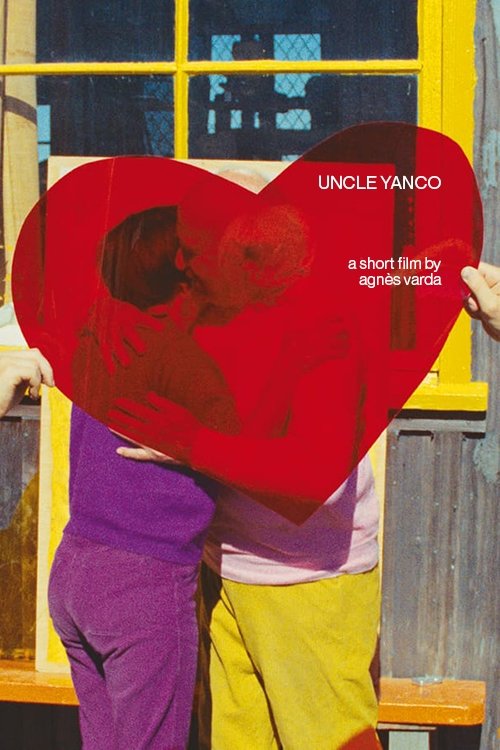
While in San Francisco for the promotion of her last film in October 1967, Agnès Varda, tipped by her friend Tom Luddy, gets to know a relative she had never heard of before, Jean Varda, nicknamed "Yanco". This hitherto unknown uncle lives on a boat in Sausalito, is a painter, has adopted a hippie lifestyle and loves life. The meeting is a very happy one.
An inside look at one of the most anticipated movie sequels ever with James Cameron and cast.
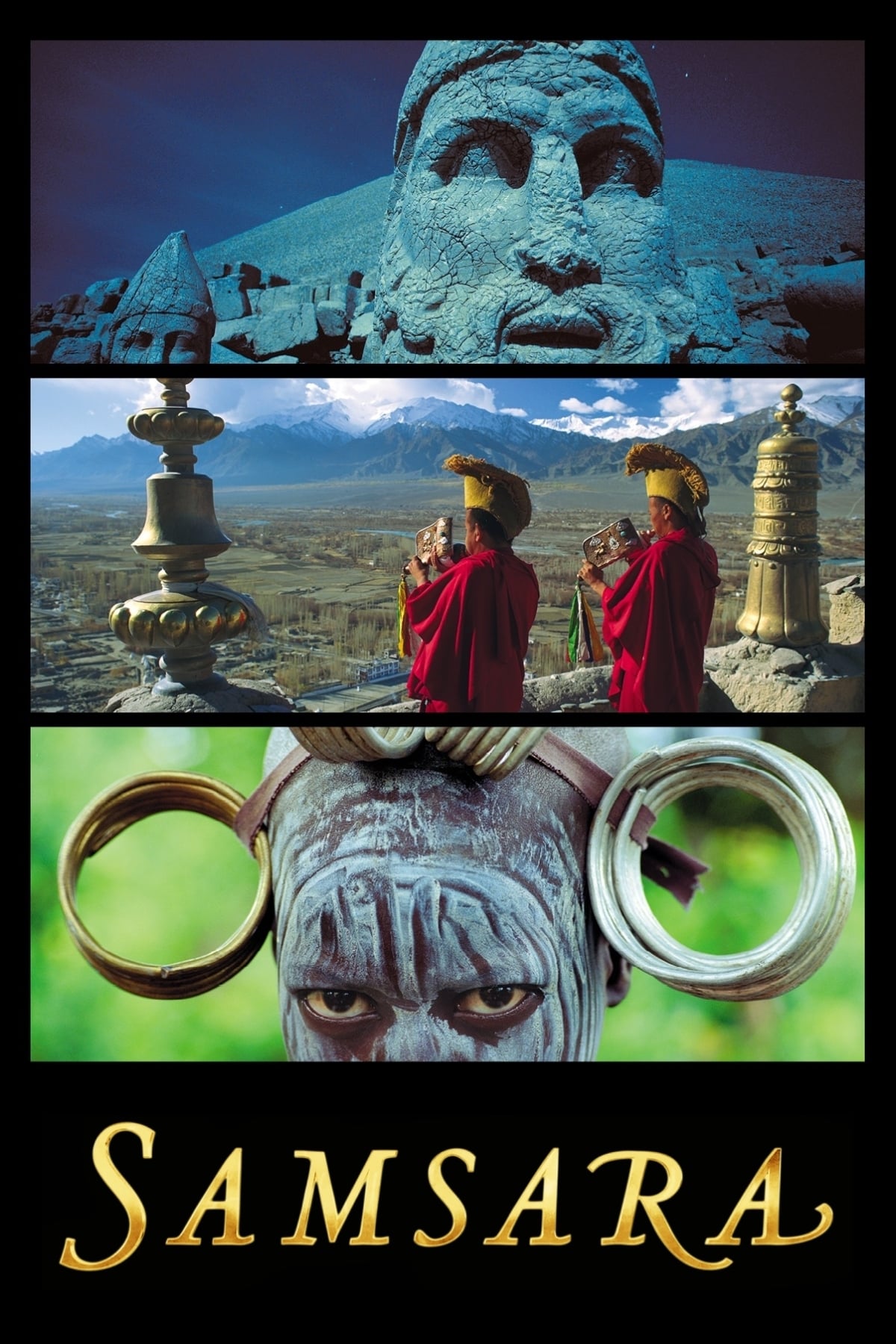
Filmed over nearly five years in twenty-five countries on five continents, and shot on seventy-millimetre film, Samsara transports us to the varied worlds of sacred grounds, disaster zones, industrial complexes, and natural wonders.
The film follows adventurer Jeff Johnson as he retraces the epic 1968 journey of his heroes Yvon Chouinard and Doug Tompkins to Patagonia.
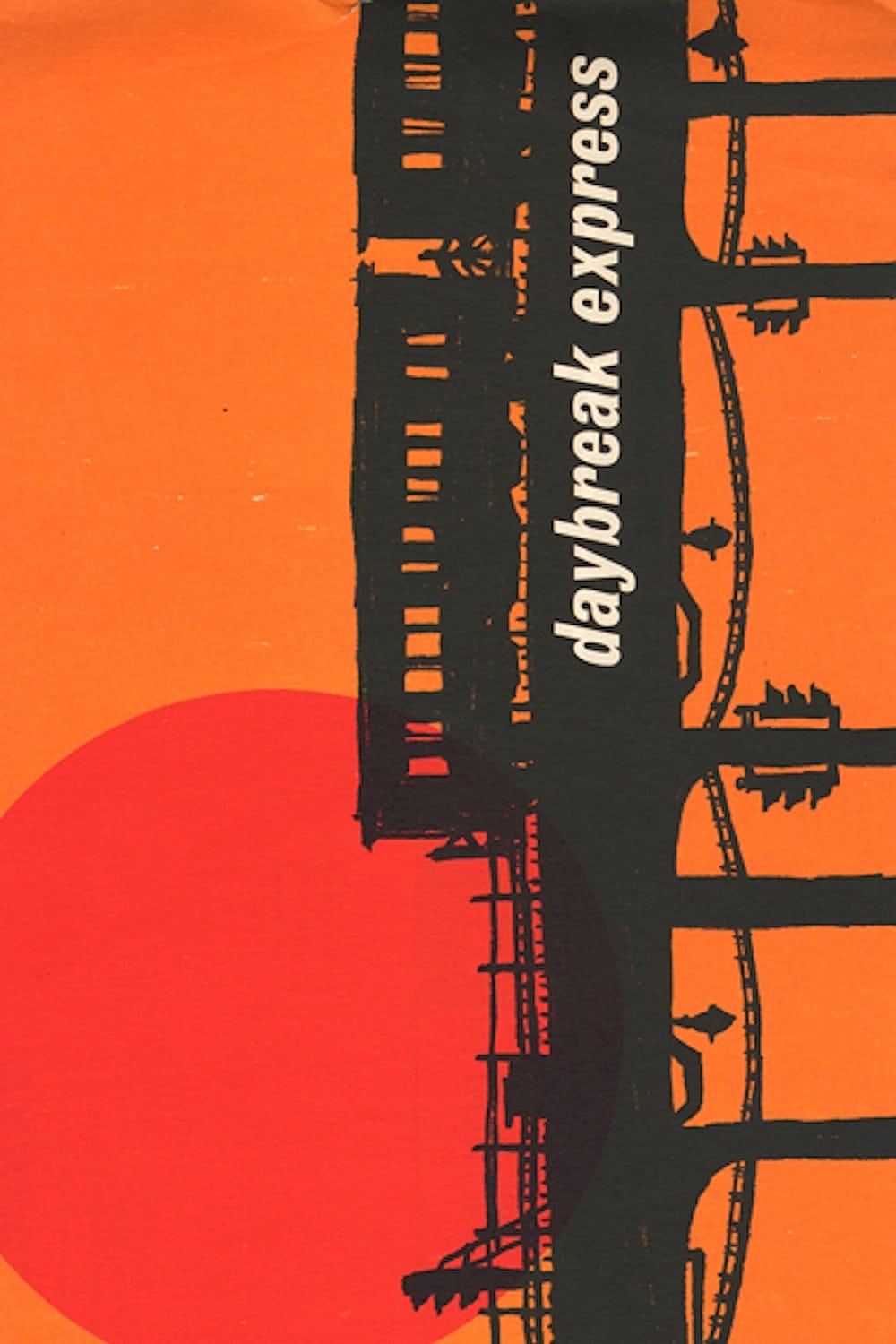
Set to a classic Duke Ellington recording "Daybreak Express", this is a five-minute short of the soon-to-be-demolished Third Avenue elevated subway station in New York City.
A look behind the lens of Christopher Nolan's space epic.
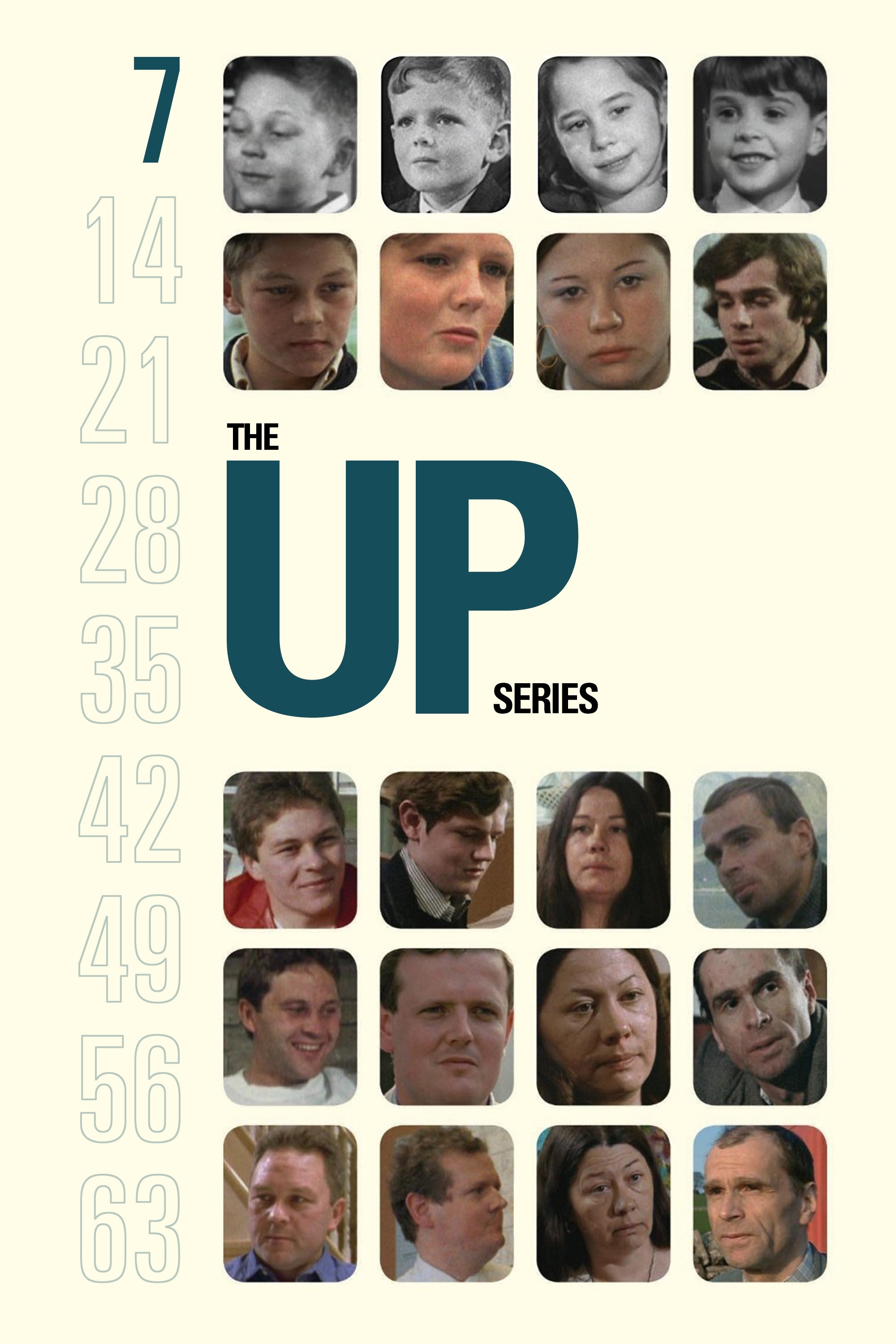
A group of British children aged 7 from widely ranging backgrounds are interviewed about a range of subjects. The filmmakers plan to re-interview them at 7 year intervals to track how their lives and attitudes change as they age.
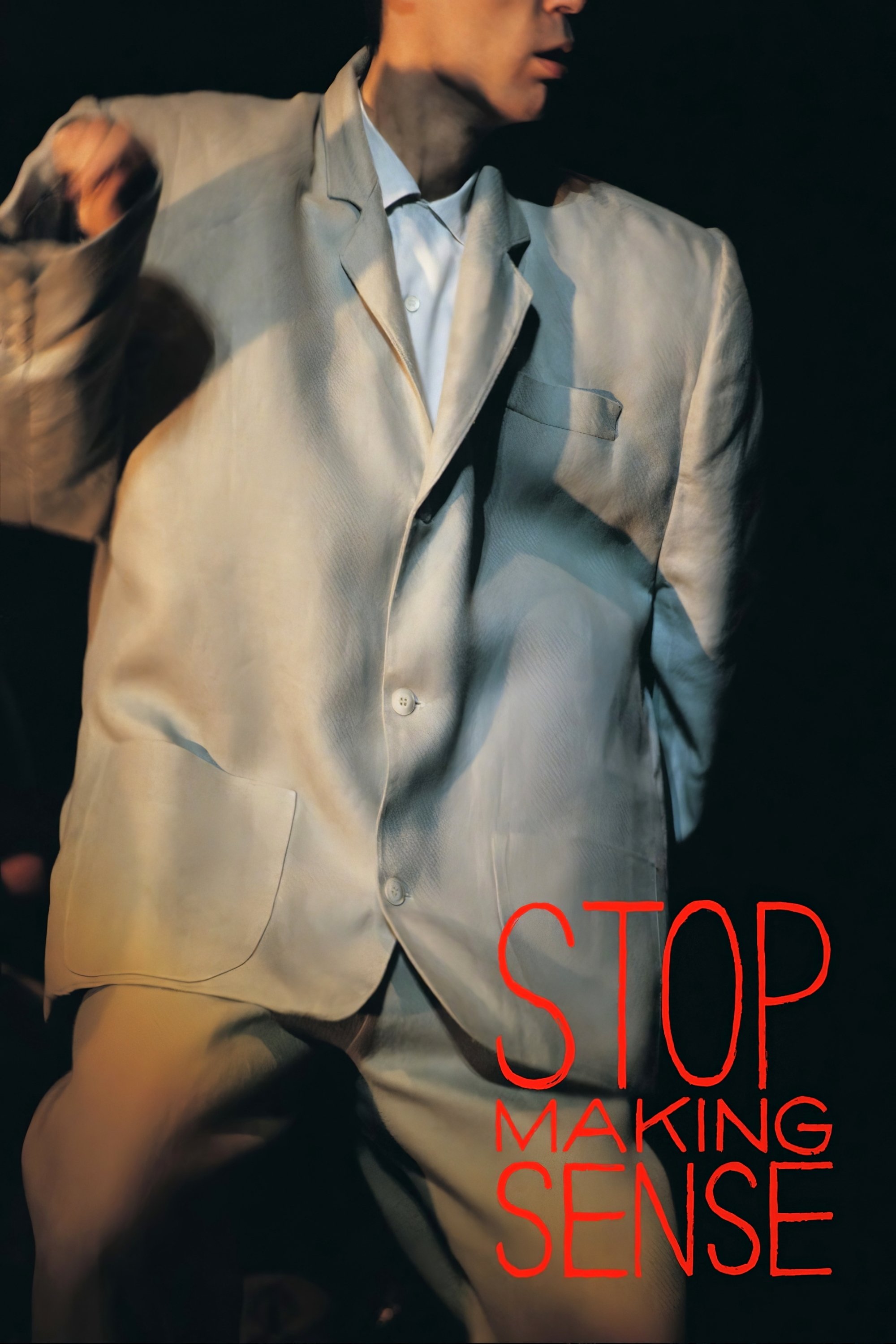
A concert film documenting Talking Heads at the height of their popularity, on tour for their 1983 album "Speaking in Tongues." The band takes the stage one by one and is joined by a cadre of guest musicians for a career-spanning and cinematic performance that features creative choreography and visuals.
Alexander McQueen's rags-to-riches story is a modern-day fairy tale, laced with the gothic. Mirroring the savage beauty, boldness and vivacity of his design, this documentary is an intimate revelation of McQueen's own world, both tortured and inspired, which celebrates a radical and mesmerizing genius of profound influence.
Daniel Craig candidly reflects on his 15 year adventure as James Bond. Including never-before-seen archival footage from Casino Royale to the upcoming 25th film No Time To Die, Craig shares his personal memories in conversation with 007 producers, Michael G Wilson and Barbara Broccoli.
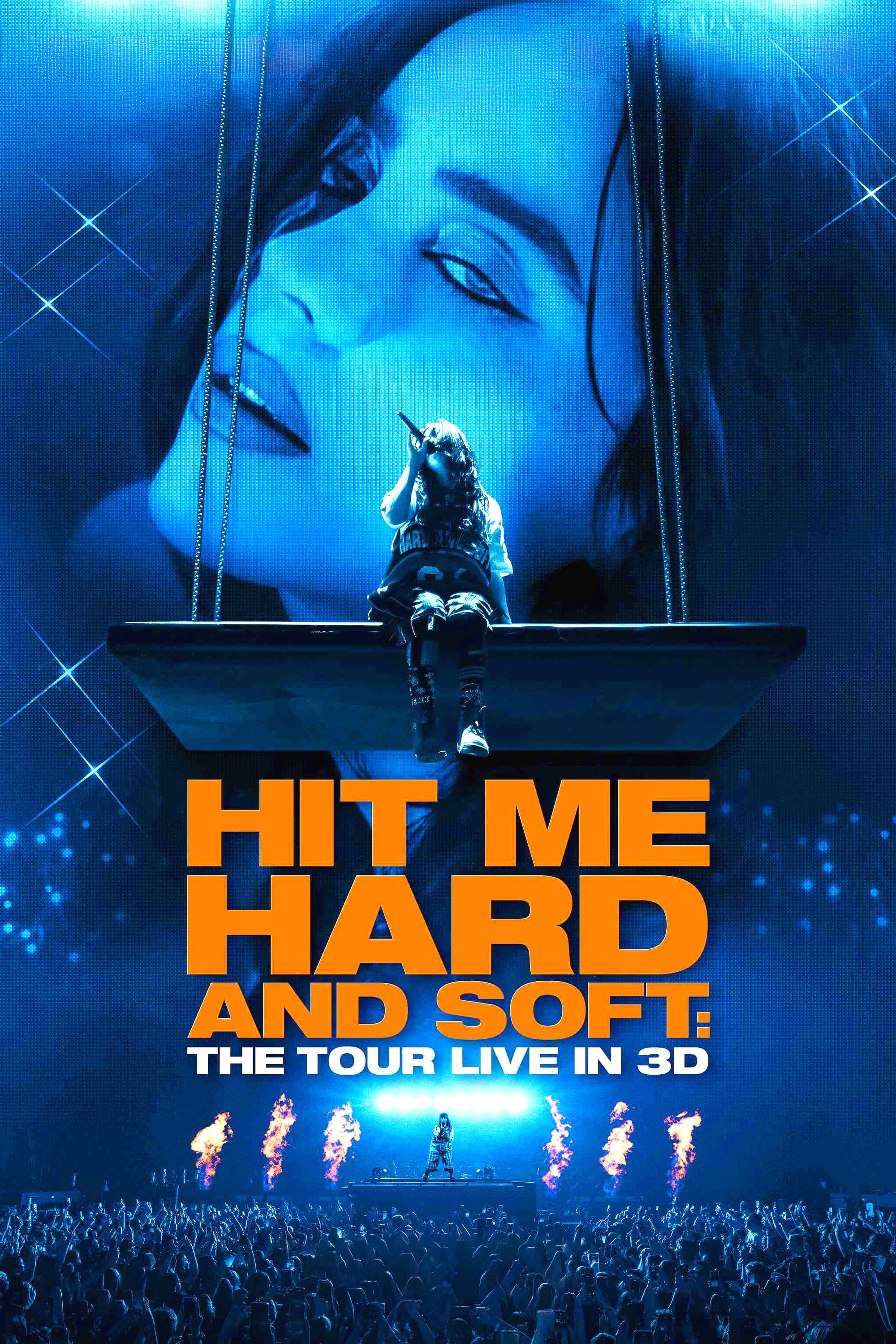
Captured during Billie Eilish's sold-out world tour, a concert experience from one of the most celebrated and successful artists of her generation, presented in immersive 3D.
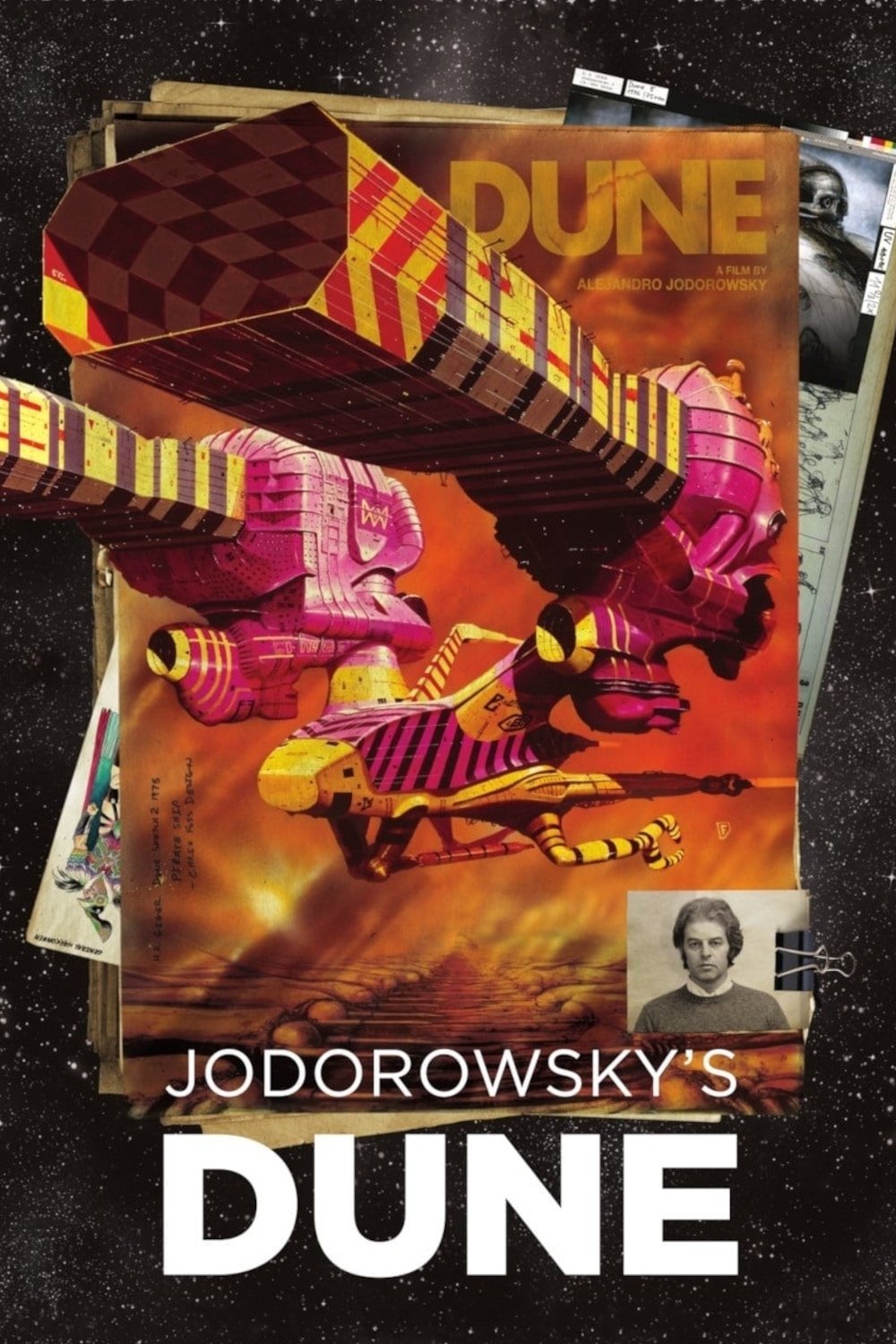
In 1974, Chilean-French director Alejandro Jodorowsky embarked on the quixotic project of adapting Frank Herbert's influential novel Dune (1969) for the big screen. After investing two years, and millions of dollars, the gigantic project ended in failure; but the artists Jodorowsky brought together to carry it out continued to work together, and ended up laying the foundations for modern science fiction cinema.
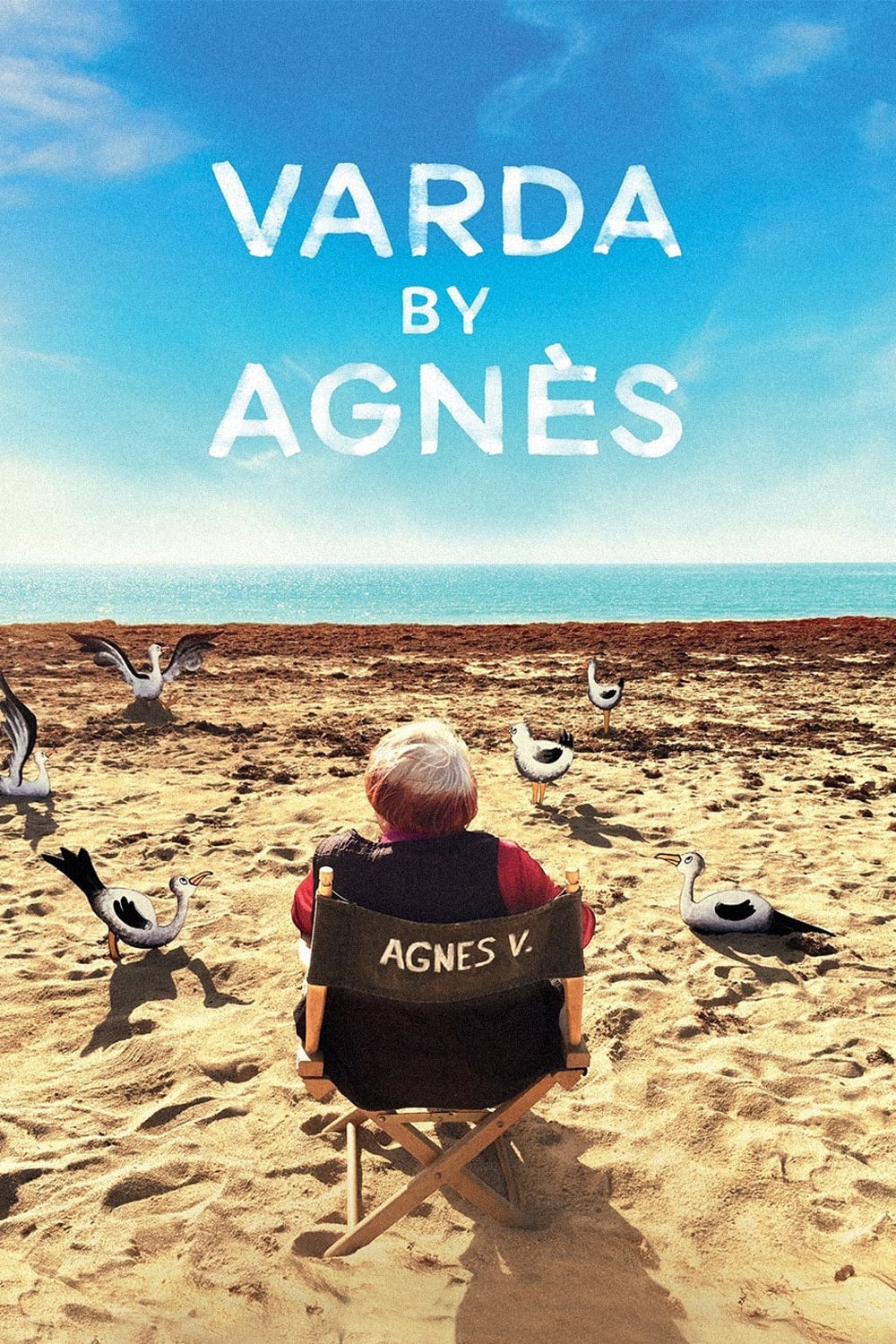
An unpredictable documentary from a fascinating storyteller, Agnès Varda’s last film sheds light on her experience as a director, bringing a personal insight to what she calls "cine-writing," traveling from Rue Daguerre in Paris to Los Angeles and Beijing.
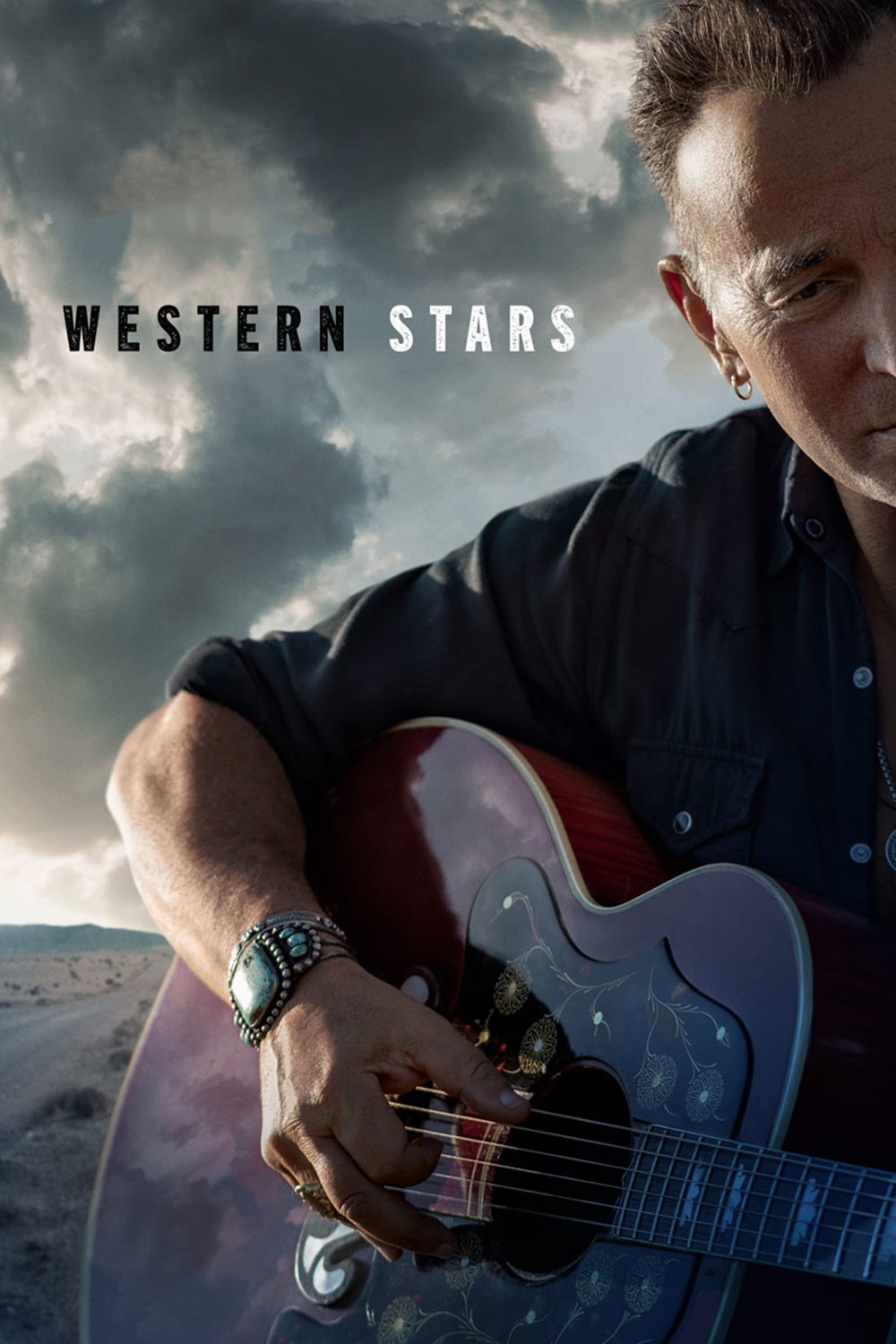
The incomparable Bruce Springsteen performs his critically acclaimed latest album and muses on life, rock, and the American dream, in this intimate and personal concert film co-directed by Thom Zimny and Springsteen himself.
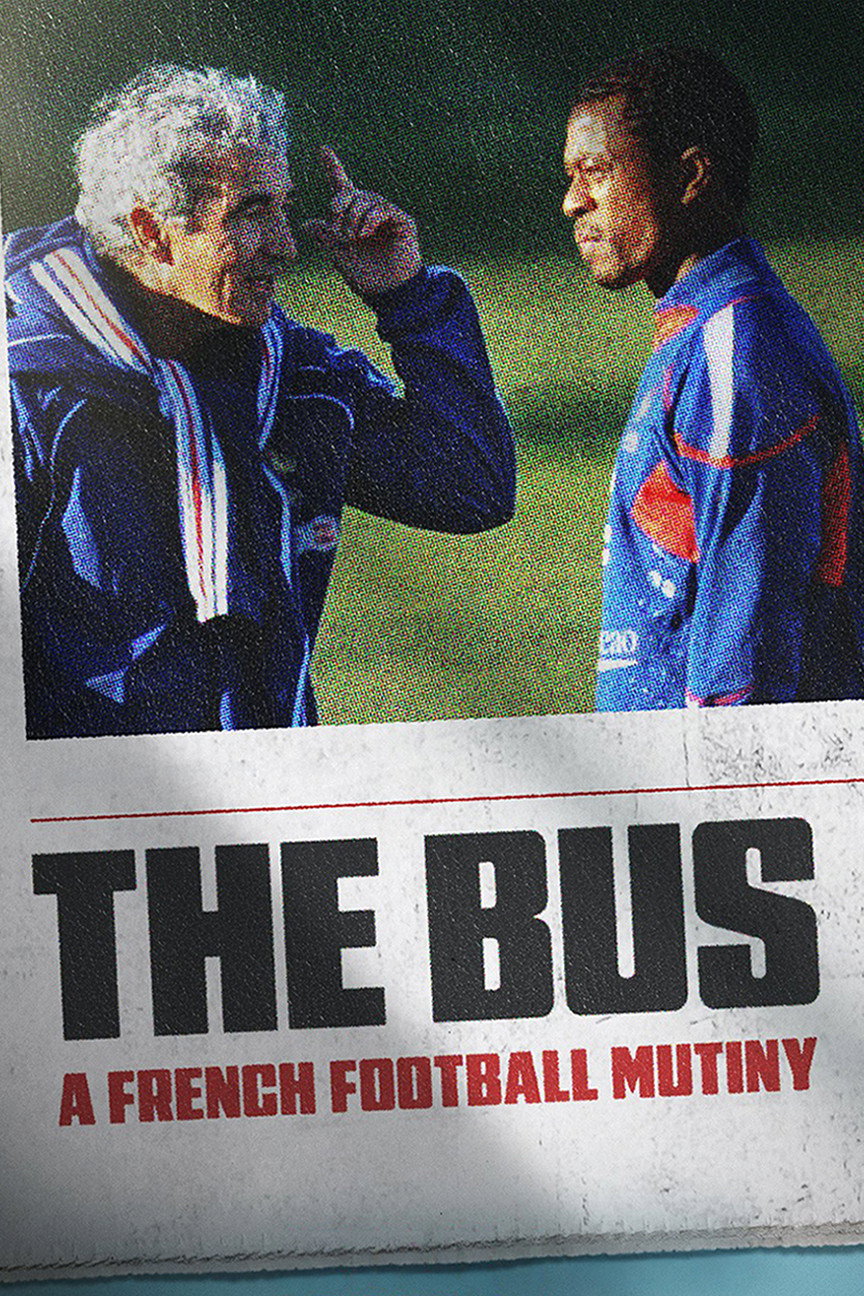
This documentary revisits the French football team's controversial 2010 World Cup and the bus strike that sparked global headlines and national outrage.
A visual montage portrait of our contemporary world dominated by globalized technology and violence.
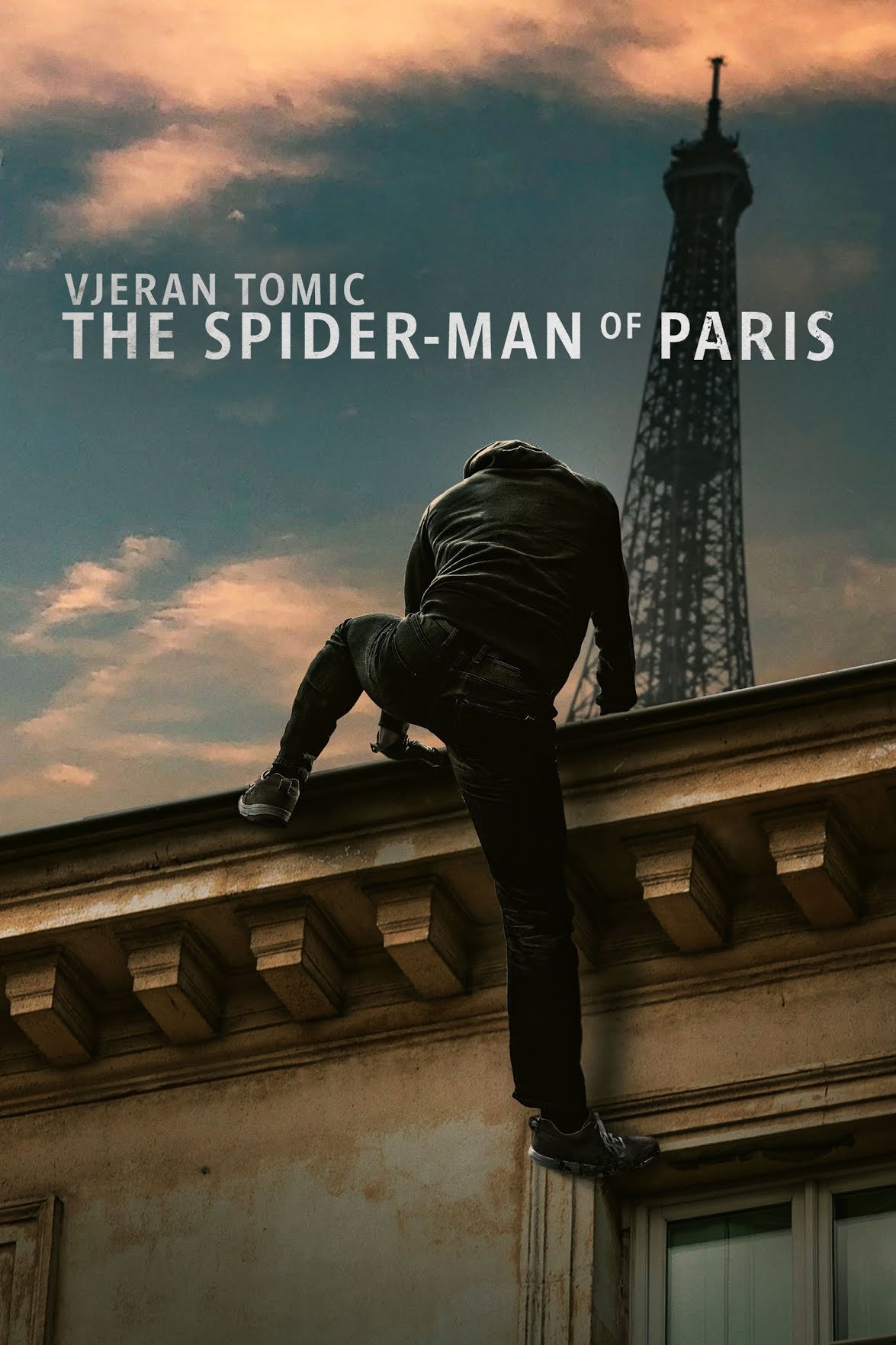
In his own words, the burglar behind the 2010 robbery of the Paris Museum of Modern Art tells how he pulled off the biggest art heist in French history.