Social & External
The Man
Found film sequences brought together in the paranoia of the cold war and Vietnam.
In 1992 the Universal Exhibition in Seville was held in Spain. Chile participated in this exhibition by displaying in its pavilion an ice floe captured and brought especially by sea from Antarctica. In these true facts is based the fantasy narrated in Dreams of Ice. Filmed between November 1991 and May 1992 on board the ships Galvarino, Aconcagua and Maullín, in a voyage that goes from Antarctica to Spain, in this documentary film in which dreams, myths and facts converge towards a poetic tale turned into a seafaring saga, in the manner of the legends of the seafarers that populate the mythology of the American continent and universal literature.
Begotten is the creation myth brought to life, the story of no less than the violent death of God and the (re)birth of nature on a barren earth.
Anita and her children, Santa and Kristaps, live in an apartment in Riga. Every year, they celebrate New Year’s Eve with grandma, uncle Peter and a feast fit for kings…
The final 17 years of American singer and musician Karen Carpenter, performed almost entirely by modified Barbie dolls.
The film is a study of nature and significance of the hands in cinema. Besides review of movements and actions, which creates an independent story, it reveals interactions and interdependence of cinematic traditions of various authors, countries and periods
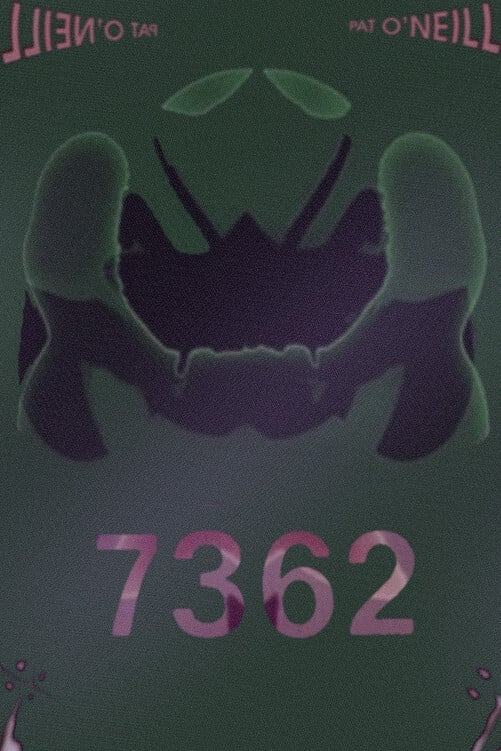
7362 is concerned with dividing and joining together. It begins with two black circles against a white background, knocking together and gradually moving further apart. The circles fade out, and return as white circles against black inside a square. Images similar to Rorschach blots appear. Gradually the viewer realizes that the images were not originally abstract, but were human forms (dancers, gymnasts, etc.), bridges, and others that have been split down the center of the frame, with their mirror images printed on either side of the split. Red, green, and white tints further abstract the images from their original foundations in the natural world, making dancers appear to be amoebas or dividing cells. The accompanying sound track is a mixture of electronic music and musique concrète ("real" recorded sounds manipulated to sound abstract).
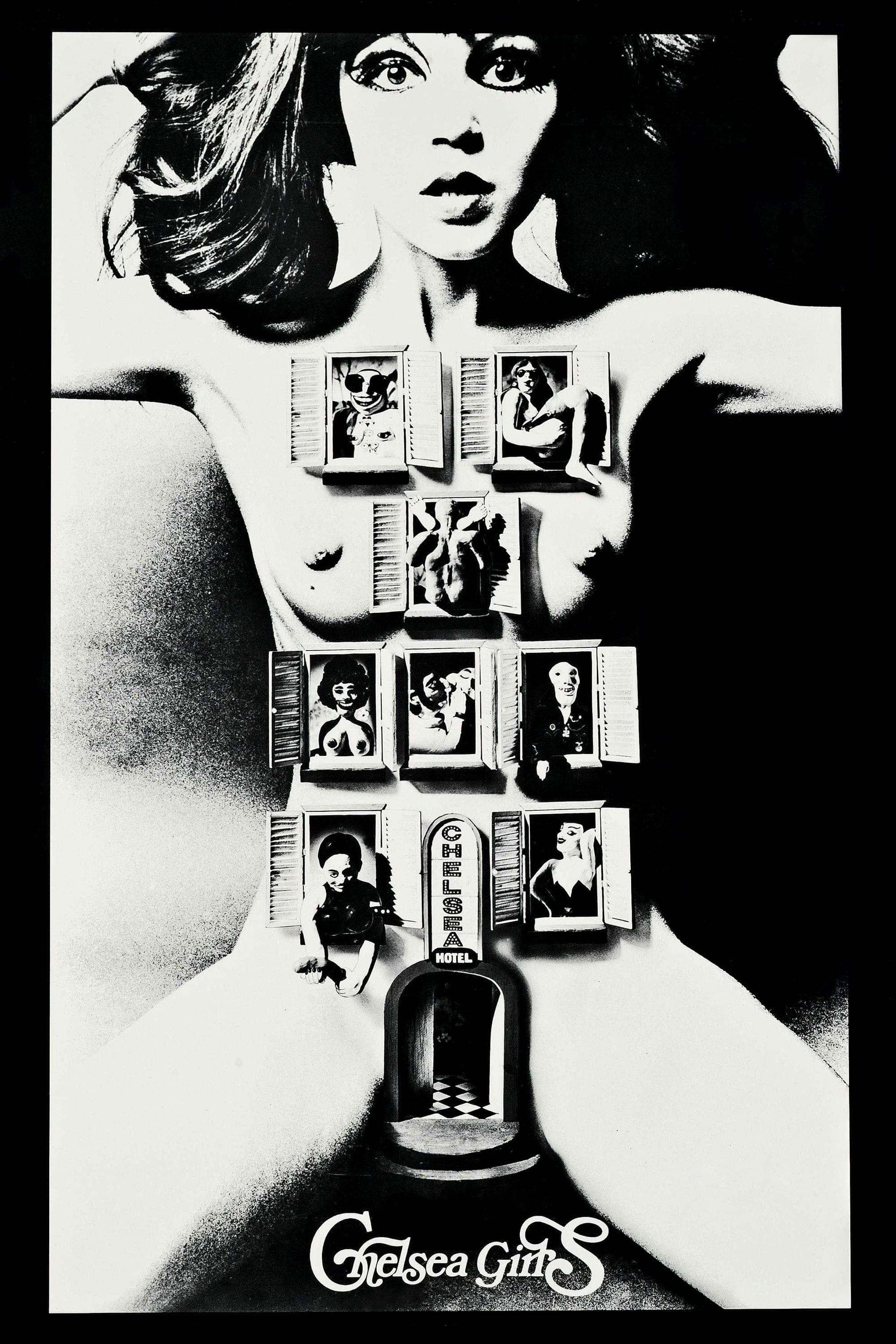
Lacking a formal narrative, Warhol's mammoth film follows various residents of the Chelsea Hotel in 1966 New York City. The film was intended to be screened via dual projector set-up.
The project explores urban edges as they correspond with the marginality of social groups who inhabit them. Distance, the anonymity of the architectural setup, decay, but also movement and interaction are subjects of a raw sketch that seeks to integrate a discussion about space and segregation into the discourse of the Common Good. The audio-visual language of the film uses a transparency and starkness of approach to reflect its subject matter. The fusion of architectural lines with sound through unexpected correspondences and synchronizations aims to generate a new kind of intermedial proposition.
Writes Matsumoto, "I used the Erekutoro Karapurosesu (Electro Color Processor), which is mainly used in the field of medicine and engineering, to create moving image textures Metastasis, I was interested in layering images of a simple object and its electronically processed abstraction. The electronic abstract image is manipulated in a certain rhythm, depicting an organic process."
In the final days of the American Civil War, an emigre Hungarian military officer attempts to map the situation of the enemy. Many veterans of the 1848 War of Independence in Hungary fought on the northern side. Experienced Fiala, Boldogh who struggles with homesickness and the reckless Vereczky all experience their enforced emigration in different ways and news of impending peace elicits different reactions from them all.
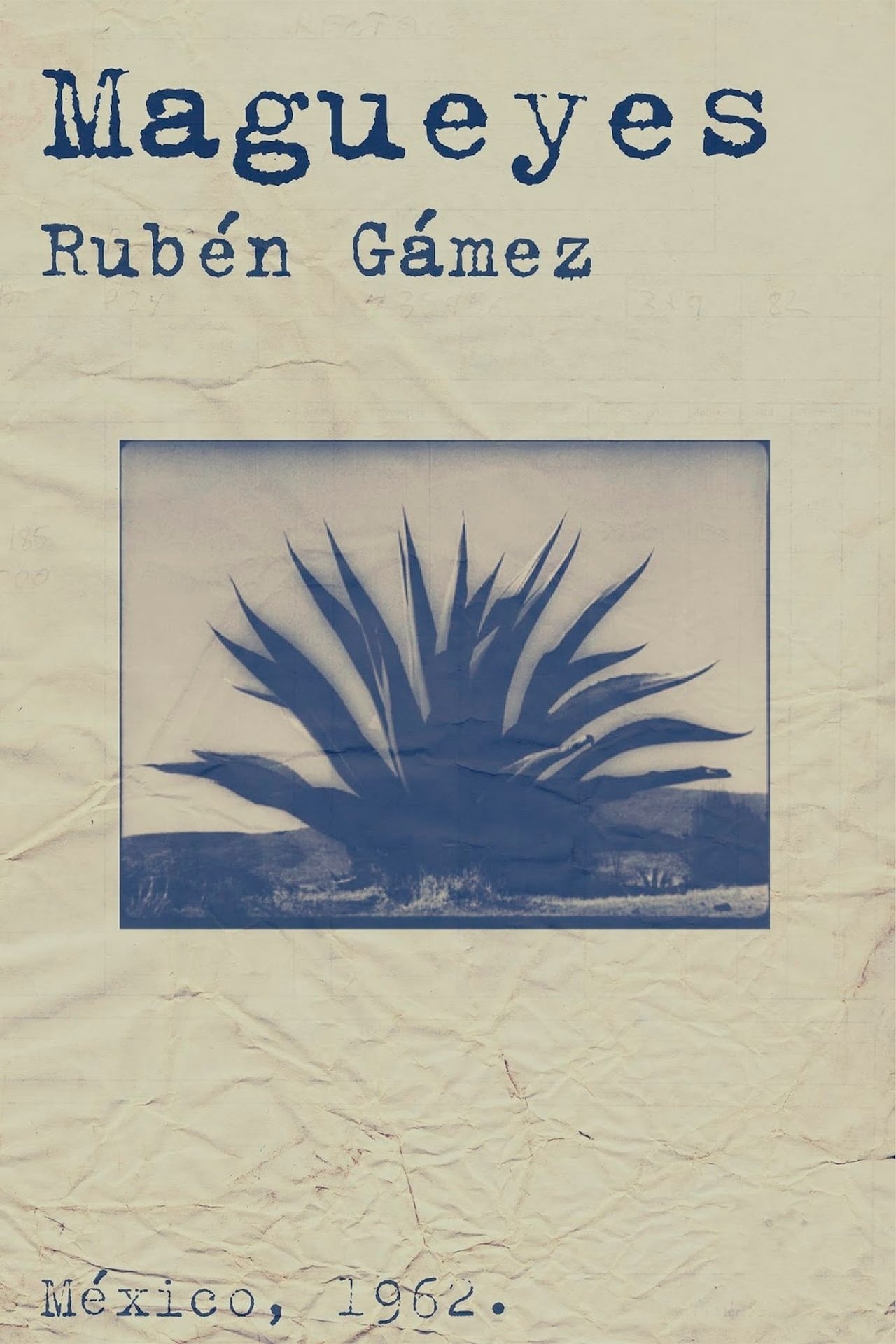
Experimental filmmaker Rubén Gámez explores the iconography of the maguey plant in Mexican cinematic history.
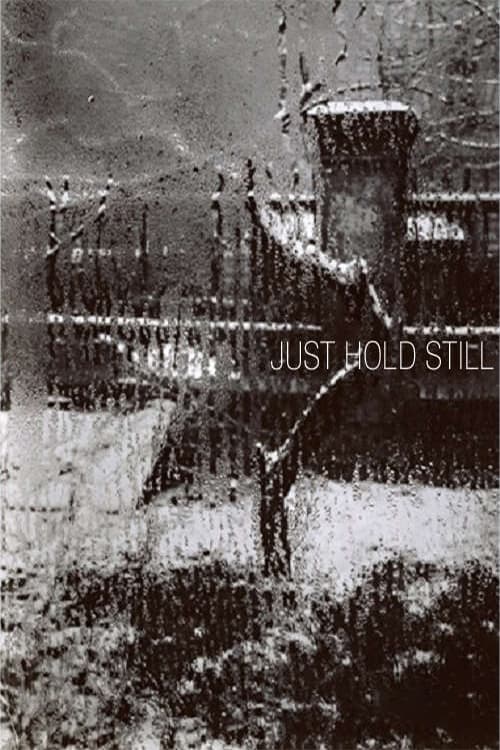
In his New York City landscape, Cohen finds inspiration in disturbance. Looking to life for rhythm and to architecture for state of mind, he locates simple mysteries. Just Hold Still is comprised of an interconnected series of short works and collaborations that explore the gray area between documentary, narrative, and experimental genres.
Covert Action is a stunning melange of rapid-fire retro imagery accomplishing Child’s proclaimed goal to "disarm my movies." "I wanted to examine the erotic behind the social, and remake those gestures into a dance that would confront their conditioning and, as well, relay the multiple fictions the footage suggests (the ‘facts’ forever obscured in the fragments left us). The result is a narrative developed by its periphery, a story like rumor: impossible to trace, disturbing, explosive."
Half lullaby for the dead, half lamentation on the twilight of the cinema.
My Mother's Place is an experimental documentary focusing on the artist's mother, a third-generation Chinese-Trinidadian who at 80 still has vivid memories of a history lost or quickly disappearing. She conveys these with a storytelling style and a frankness that is distinctly West Indian. A tape about memory, oral history, and autobiography, My Mother's Place interweaves interviews, personal narrative, home movies, and verité footage of the Caribbean to explore the formation of race, class, and gender under colonialism.
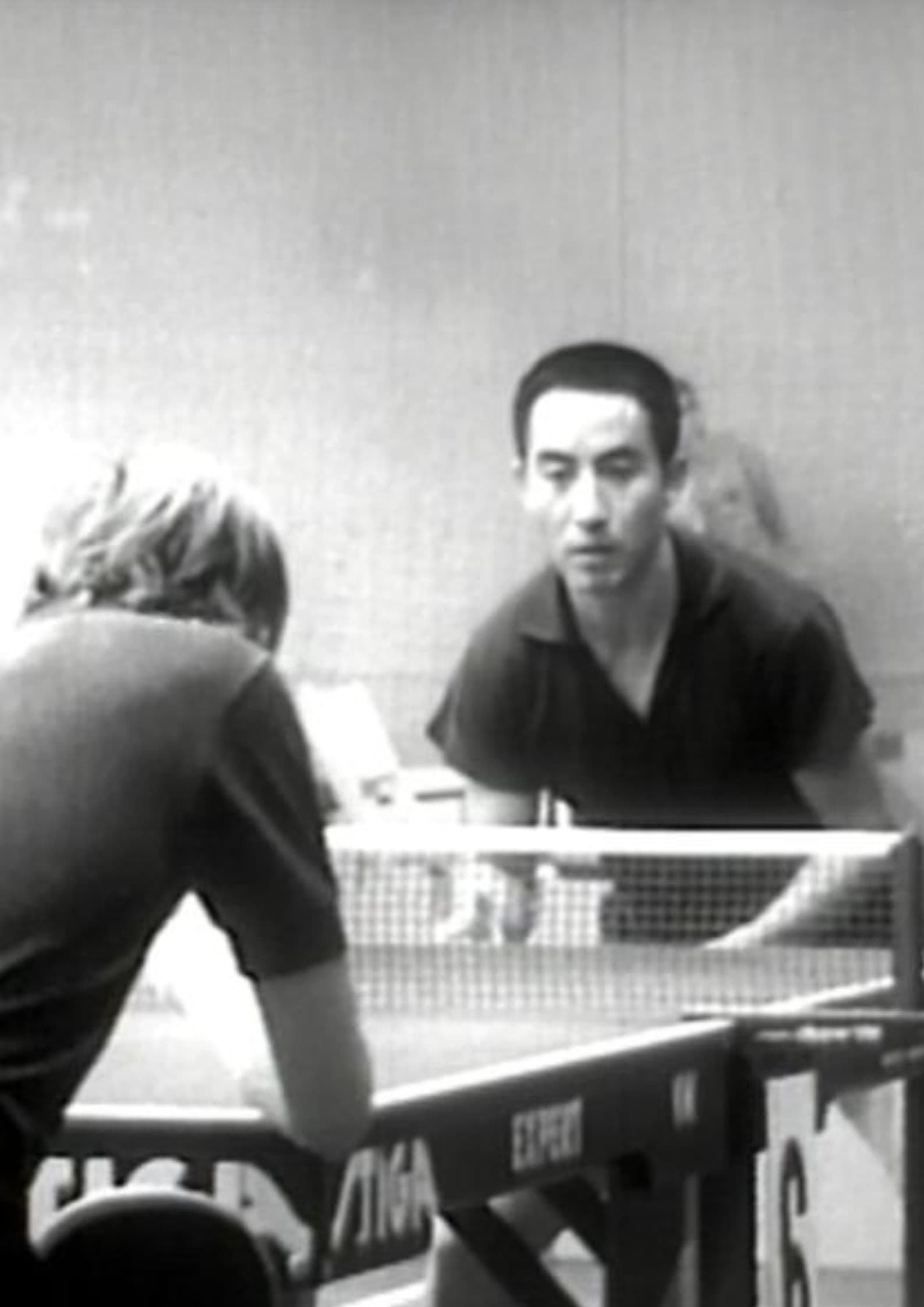
An experimental sports film made partly during the Scandinavian Open Championships in Halmstad in 1970, partly during the Chinese players' exhibition tour in Denmark immediately after the SOC. First of all, it is a film about their style, about the artistic culmination that is ping-pong at its best, it records China's comeback into the international sports world.
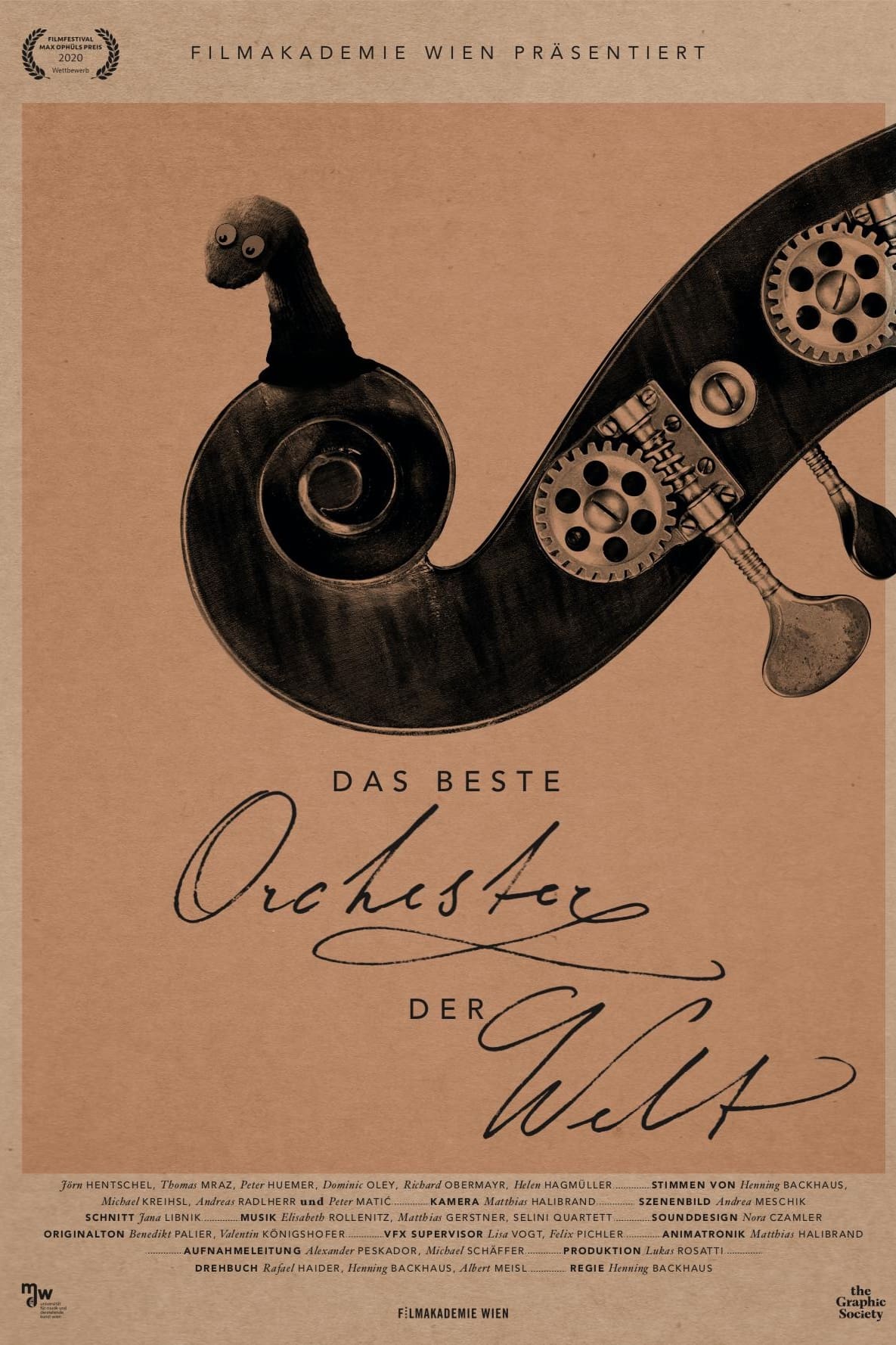
Ingbert, the sock, applies for a position as a double bass player at the Vienna State Orchestra. Bad idea.
First part of the collaborative project "Brise-Glace" showing the diverse travels on the icebreaker "Frej". Directed by Jean Rouch.
Born in Los Angeles but a New Yorker by choice, Barbara Hammer is a whole genre unto herself. Her pioneering 1974 short film Dyketactics, a four-minute, hippie wonder consisting of frolicking naked women in the countryside, broke new ground for its exploration of lesbian identity, desire and aesthetic.