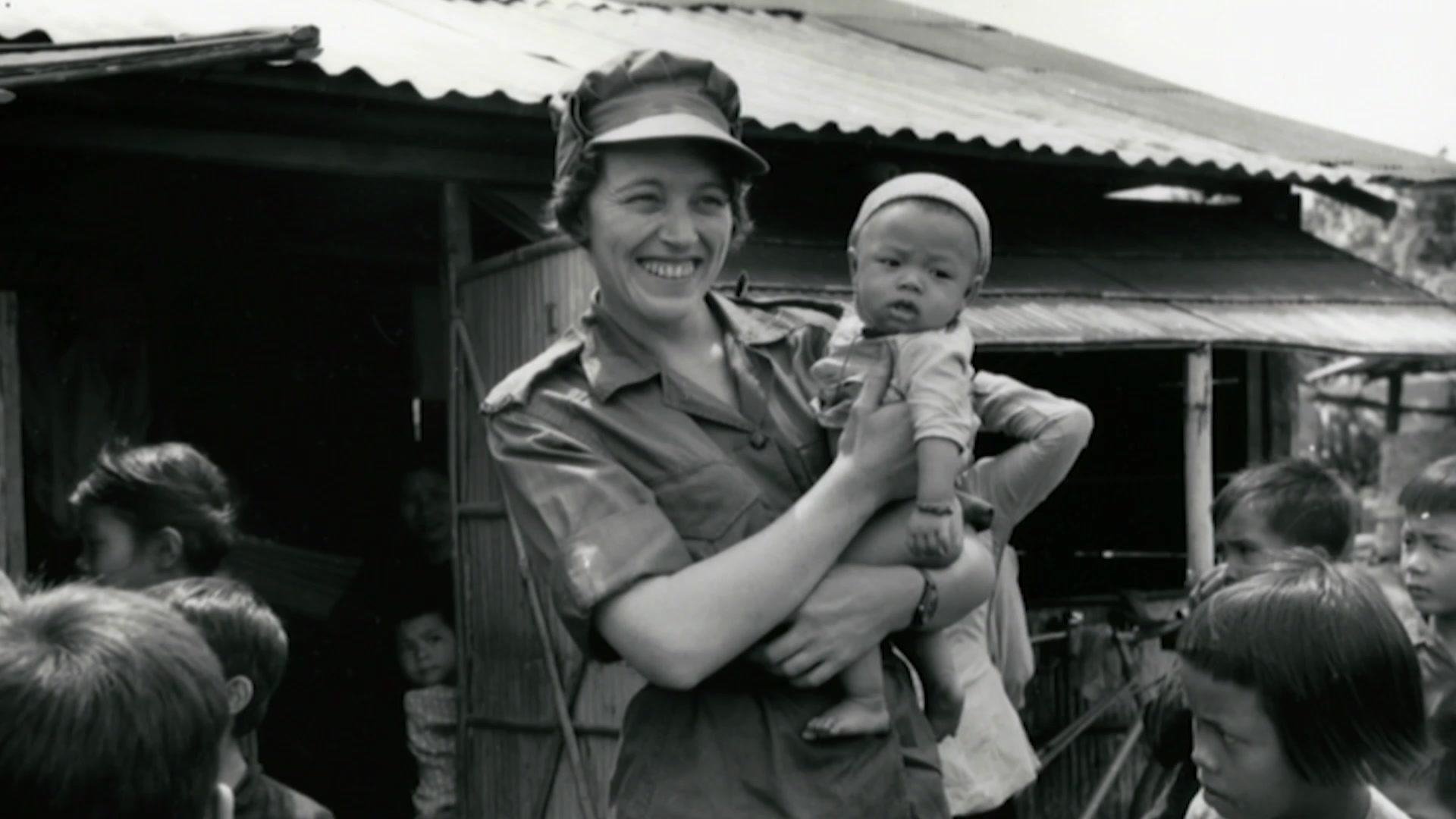
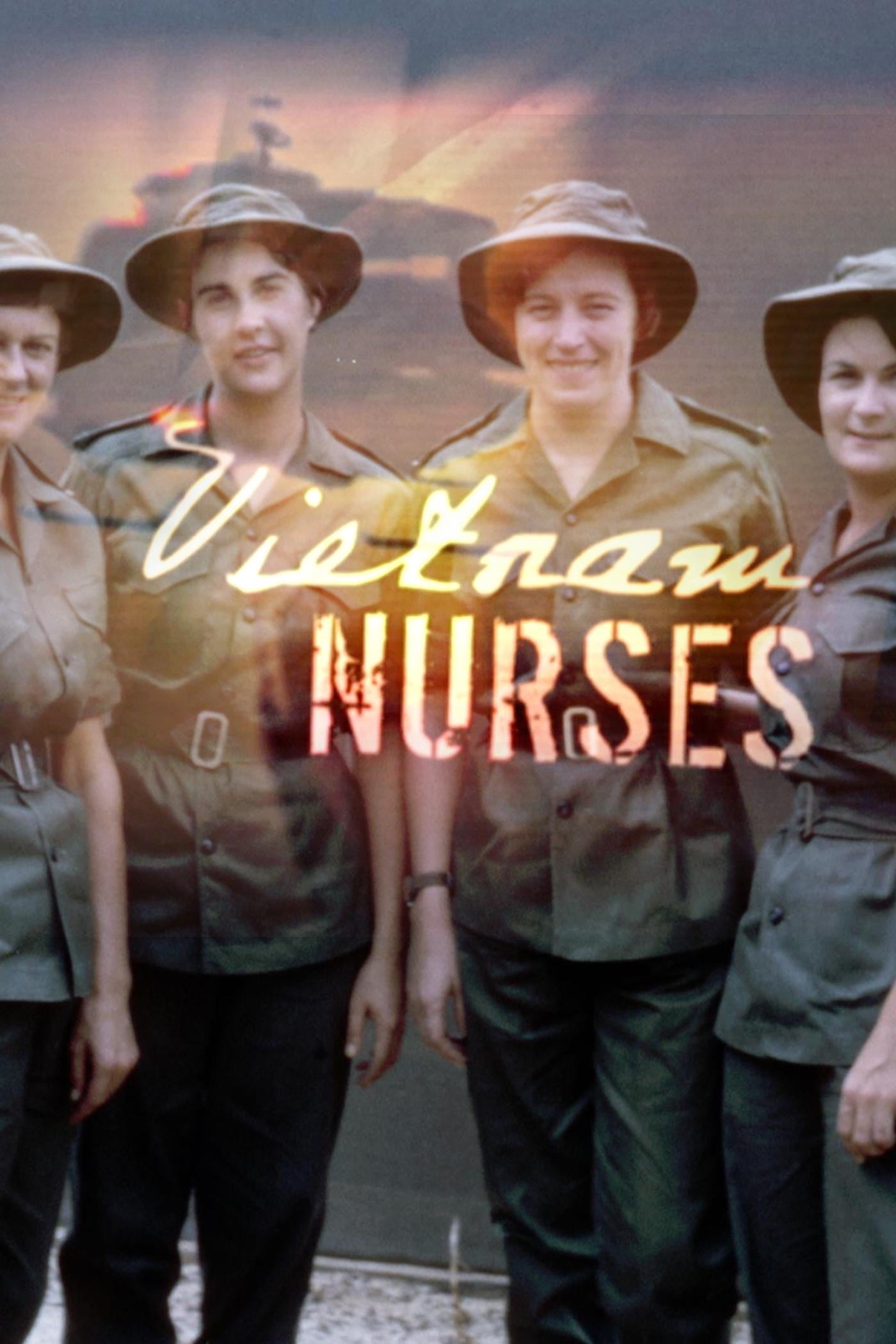
The untold stories of six Australian army nurses who served at the only Australian field hospital in the Vietnam War.
Social & External
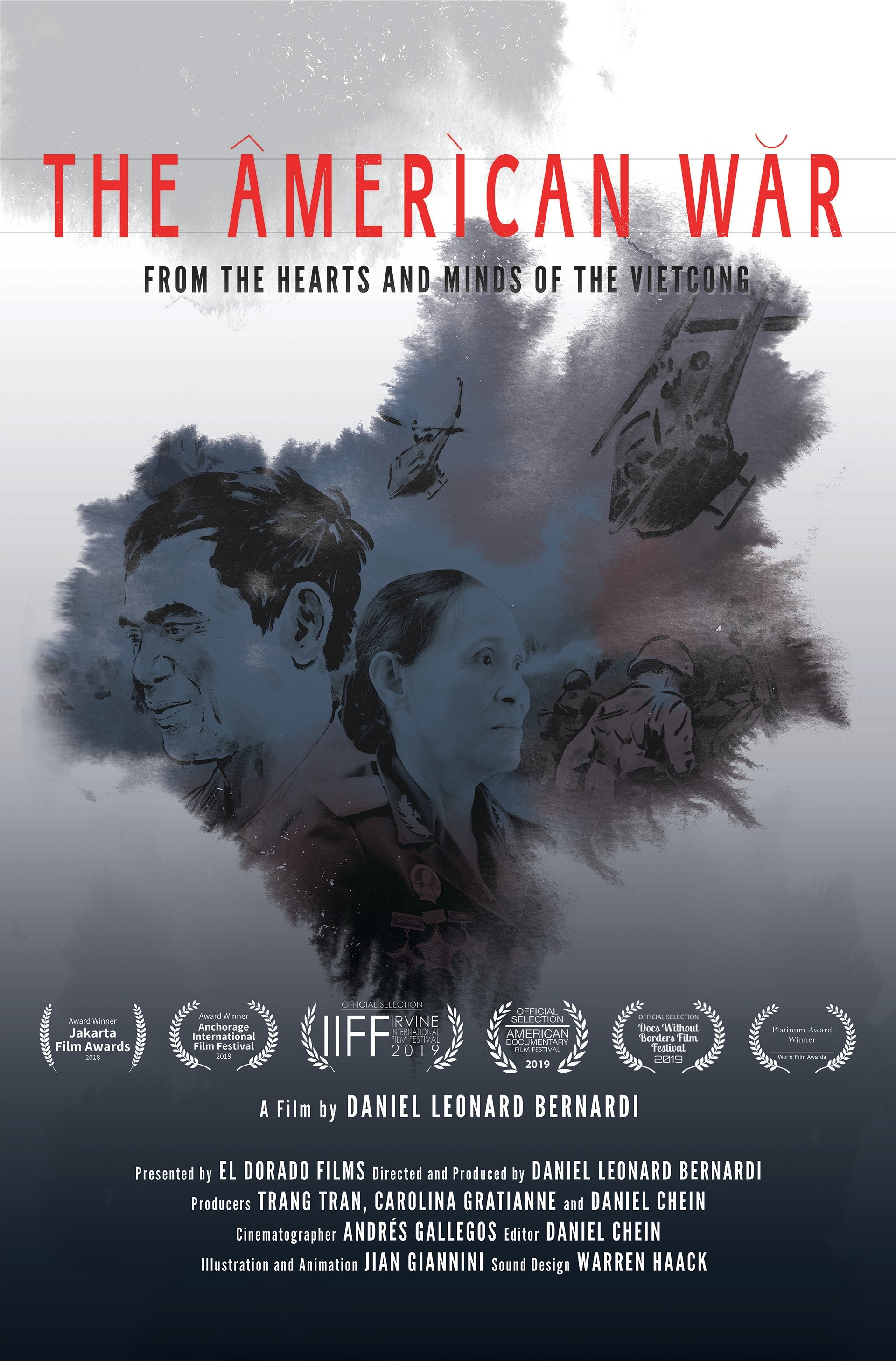
Using obscure archival footage, animated illustrations and interviews, this film tells the story of the Vietnam War from the perspective of five Vietcong veterans: a soldier, an officer, an informant, a guerilla, a My Lai survivor, and the leader of the Long Hair army.
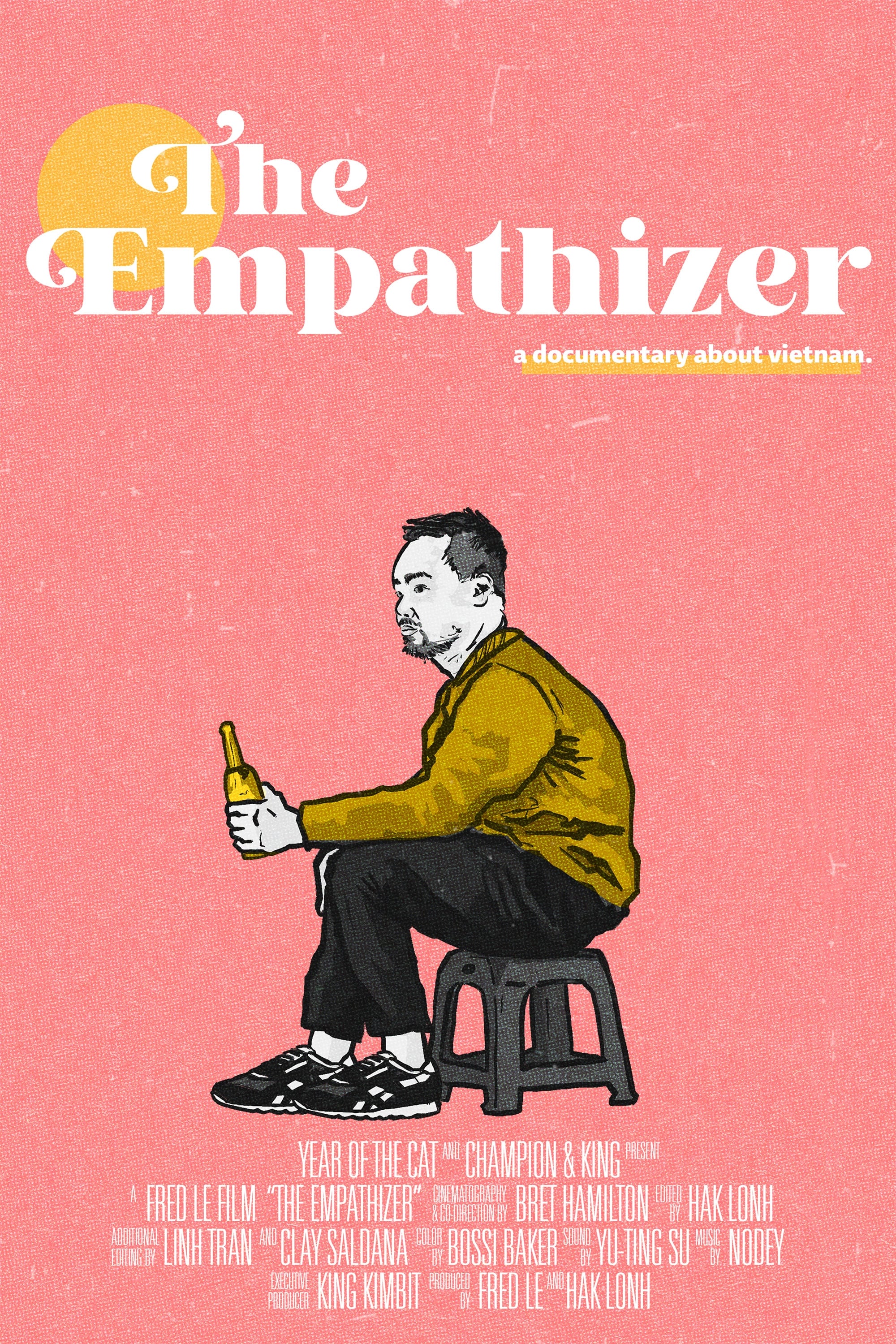
Standup comedian Fred Le hears the stories of a diverse range of young overseas-born Vietnamese who made their way back to the land that their parents left following the end of the Vietnam War. The Empathizer explores identity and the impact of trauma among Việt Kiều who grew up a generation removed from tragic events of the past.
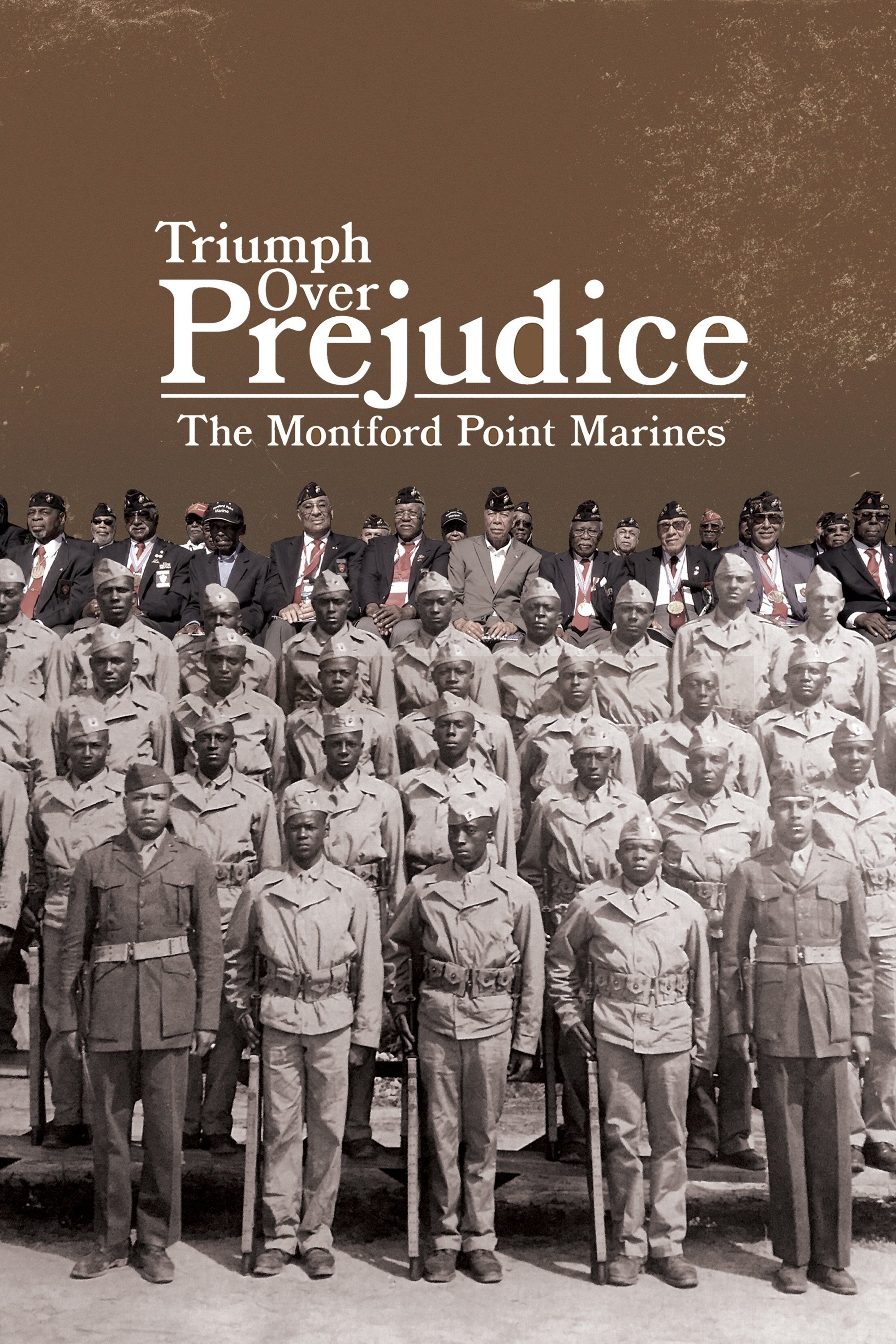
Against the backdrop of a world on the brink, the Montford Point Marines transcended enemy lines and formidable barriers of racial segregation. Beginning in rural Virginia, their journey to the front lines of World War II, the Korean War, and the Vietnam War is more than a testament to their bravery - it's a reflection of their indomitable spirit and unyielding resolve. Confronting racial prejudices, the heartbreaks of war, and the turbulent transition to civilian life, these men never wavered in their commitment. "Triumph Over Prejudice" dives deep into the uncharted terrains of the Black experience in the early 20th century Marine Corps, illuminating stories often shadowed in history's corners. With cinematic finesse fit for a global streaming audience, the film weaves personal narratives into a rich tapestry, culminating in an epic saga of heroism, perseverance, and the enduring legacy of the American veteran.
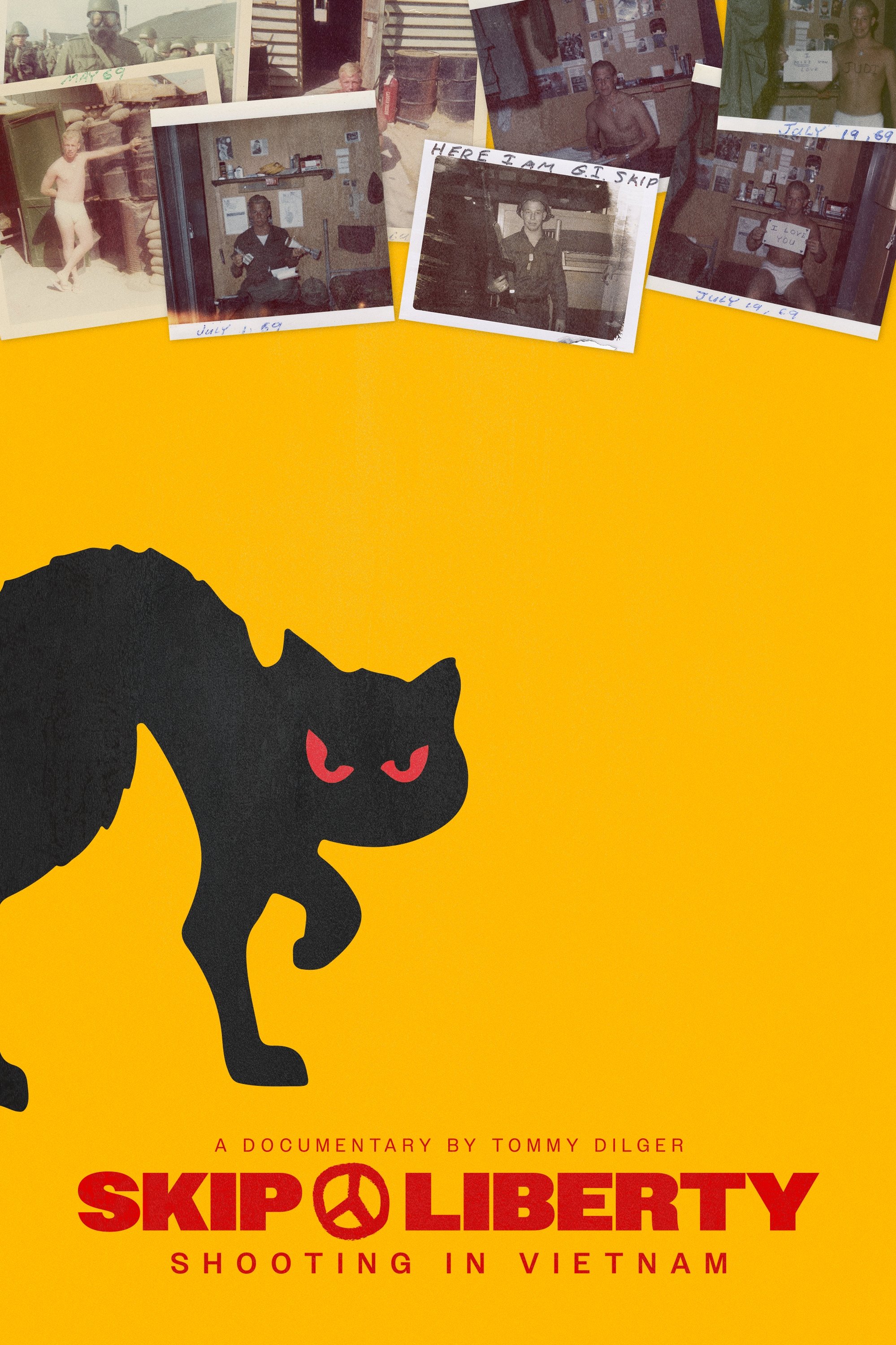
Skip Liberty enlisted in the Army in 1968. During his tour in Vietnam he shot 3,100 feet of Super 8 film, over 3 hours worth. Upon returning to the states the film was placed in storage, Skip had never seen the footage he shot. Until now.
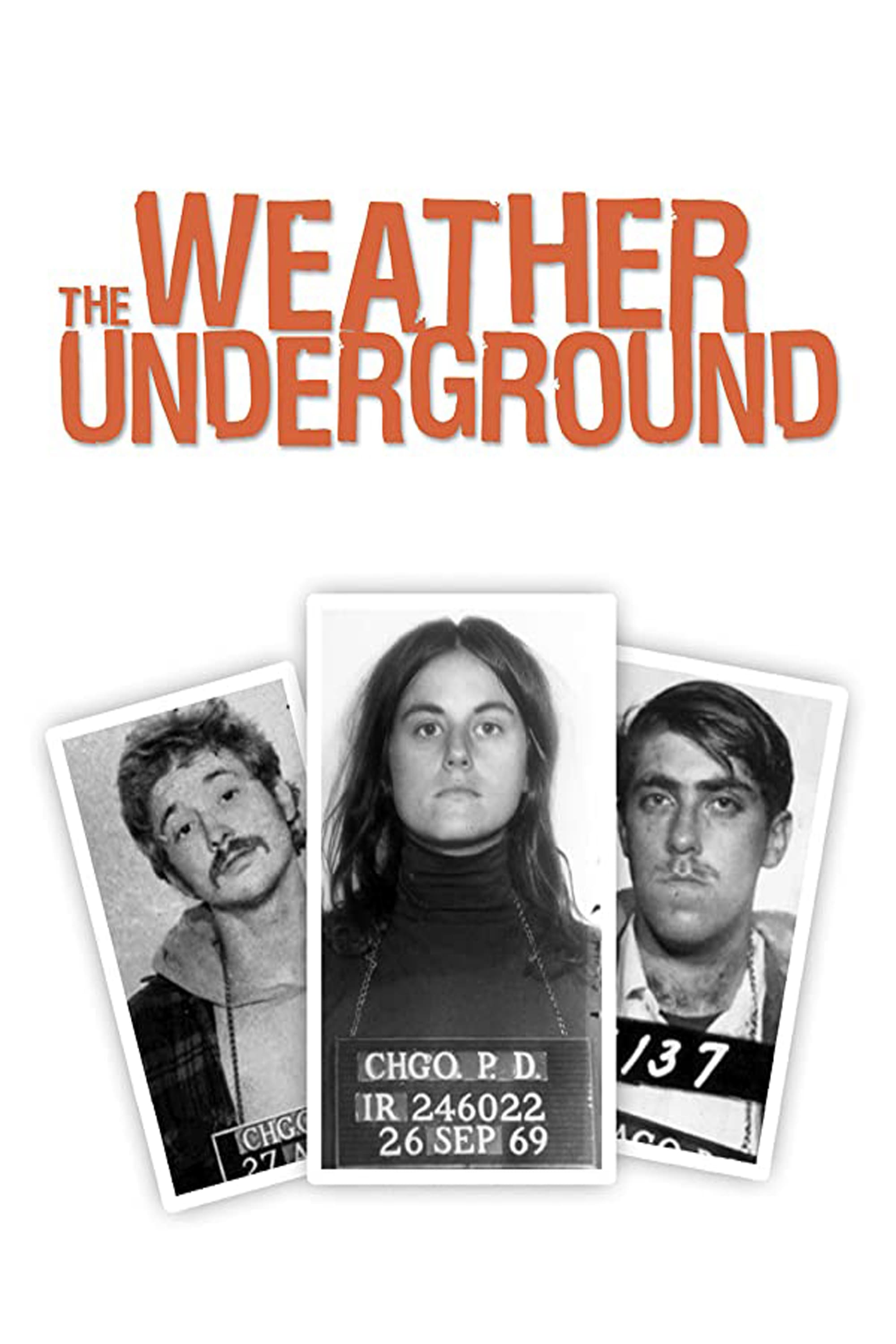
The remarkable story of The Weather Underground, radical activists of the 1970s, and of radical politics at its best and most disastrous.
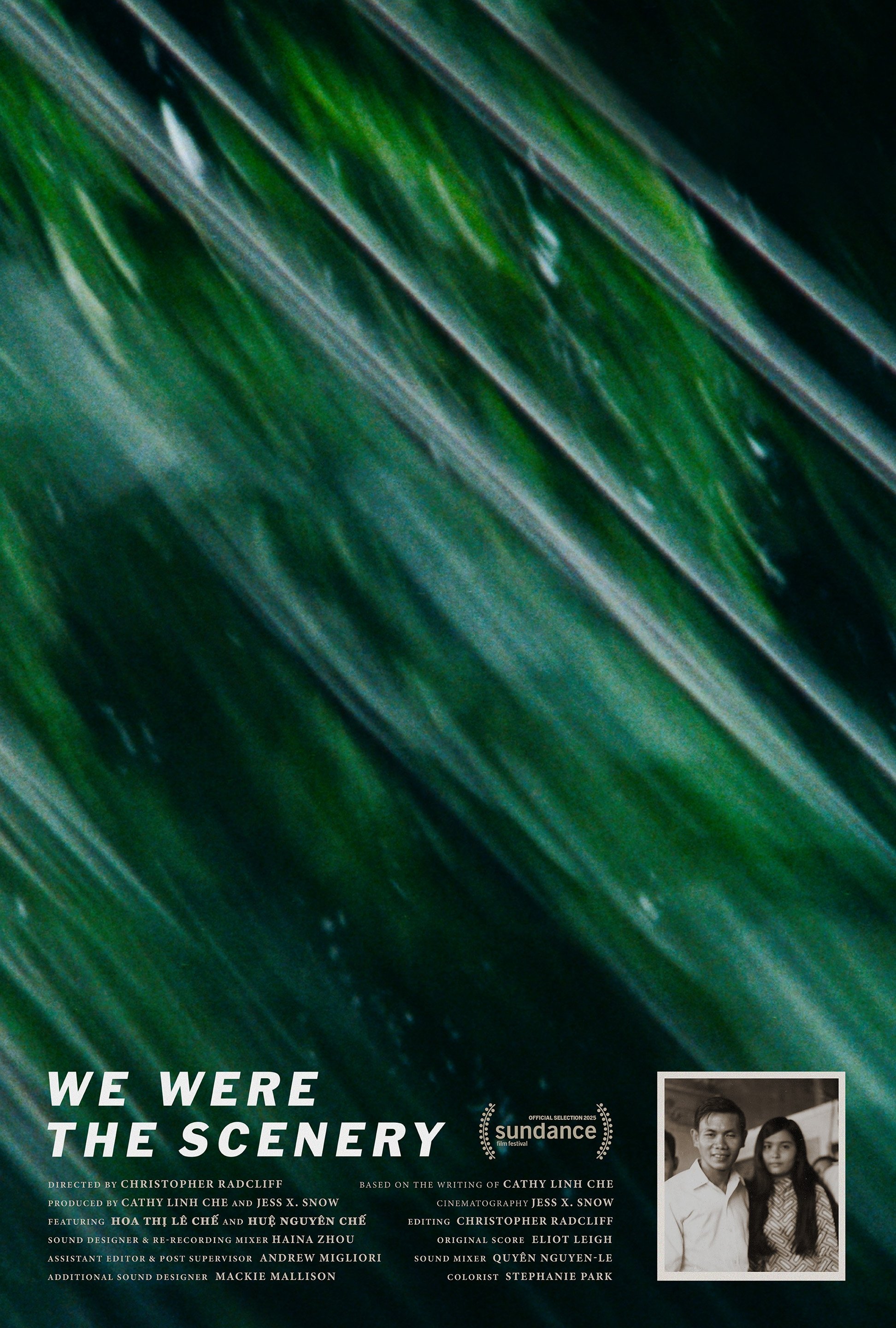
In 1975, soon after the end of the Vietnam War, Hoa Thi Le and Hue Nguyen Che fled the country on a small boat. After nine days at sea, they docked in the Philippines, where they were utilized as background extras for “Apocalypse Now.”
A German Documentary about the “village of friendship” that was created by American Veteran George Mizo to help the Vietnamese kids suffering from the Vietnam War.
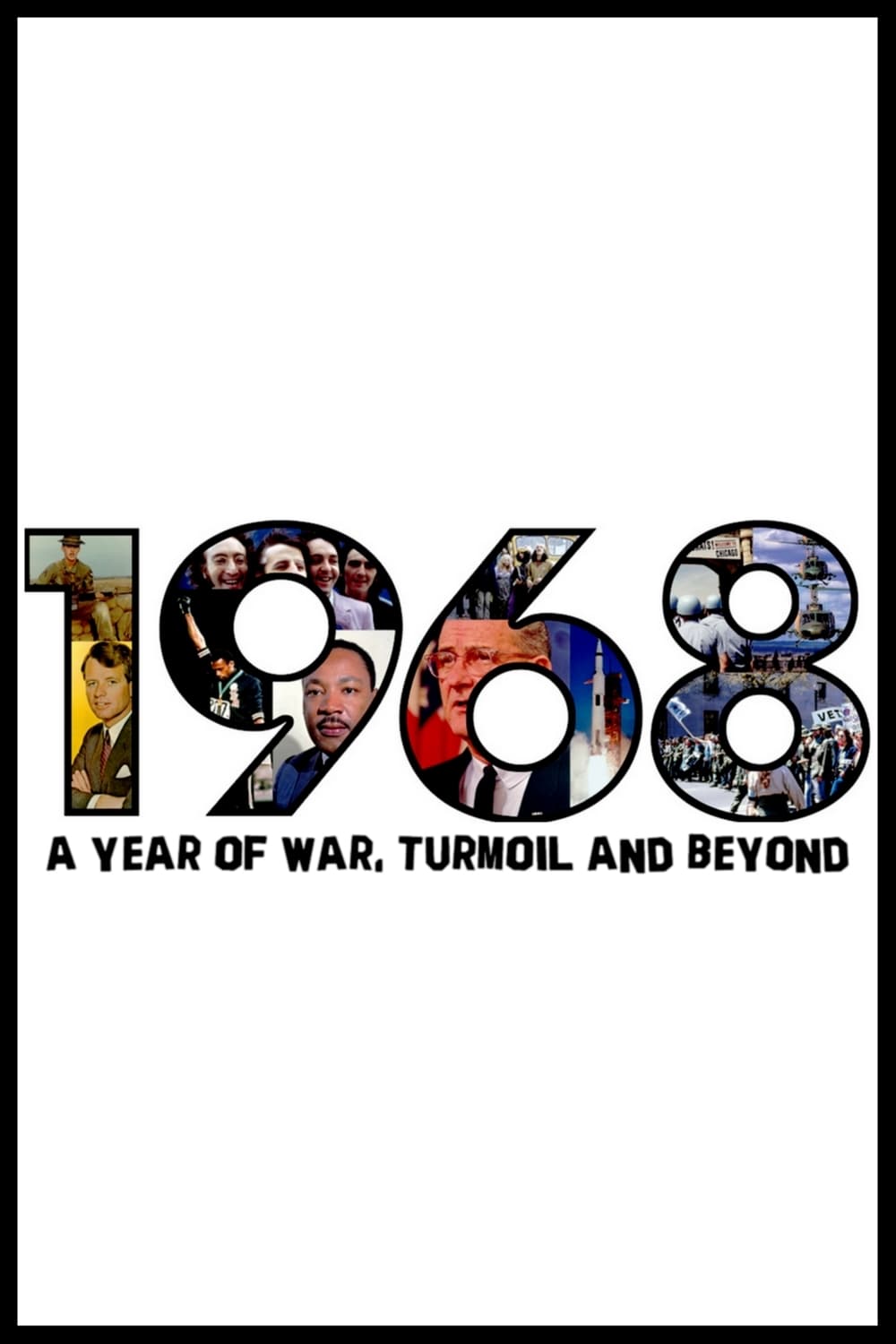
The Tet Offensive during the Vietnam War, the Civil Rights Movement, the May events in France, the assassinations of Martin Luther King and Robert F. Kennedy, the Prague Spring, the Chicago riots, the Mexico Summer Olympics, the presidential election of Richard Nixon, the Apollo 8 space mission, the hippies and the Yippies, Bullitt and the living dead. Once upon a time the year 1968.
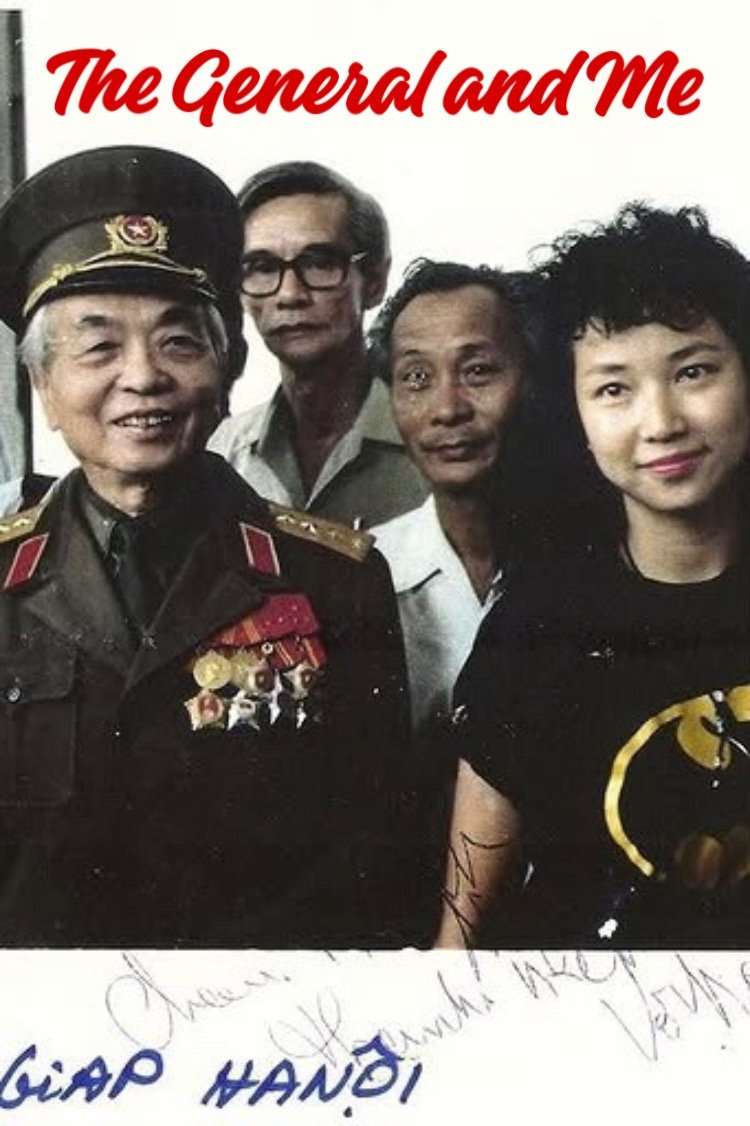
Over the period of 25 years the director met General Võ Nguyên Giáp, a legendary hero of Vietnam’s independence wars, a number of times. She was the first American who entered the home of the “Red Napoleon”. The fruit of this friendship is a film, personal and politically involved at the same time. Travelling across the country and talking to important figures as well as ordinary people, the director finds out more about her roots and offers the audience a unique perspective on Vietnam’s present and past.
Part History Channel, part visual diary, and part mesmerizing abstraction, Allan Sekula’s video, A Short Film for Laos, 2006, takes the measure of day-to-day life in what the narrator describes as “the most bombed place on earth.”…
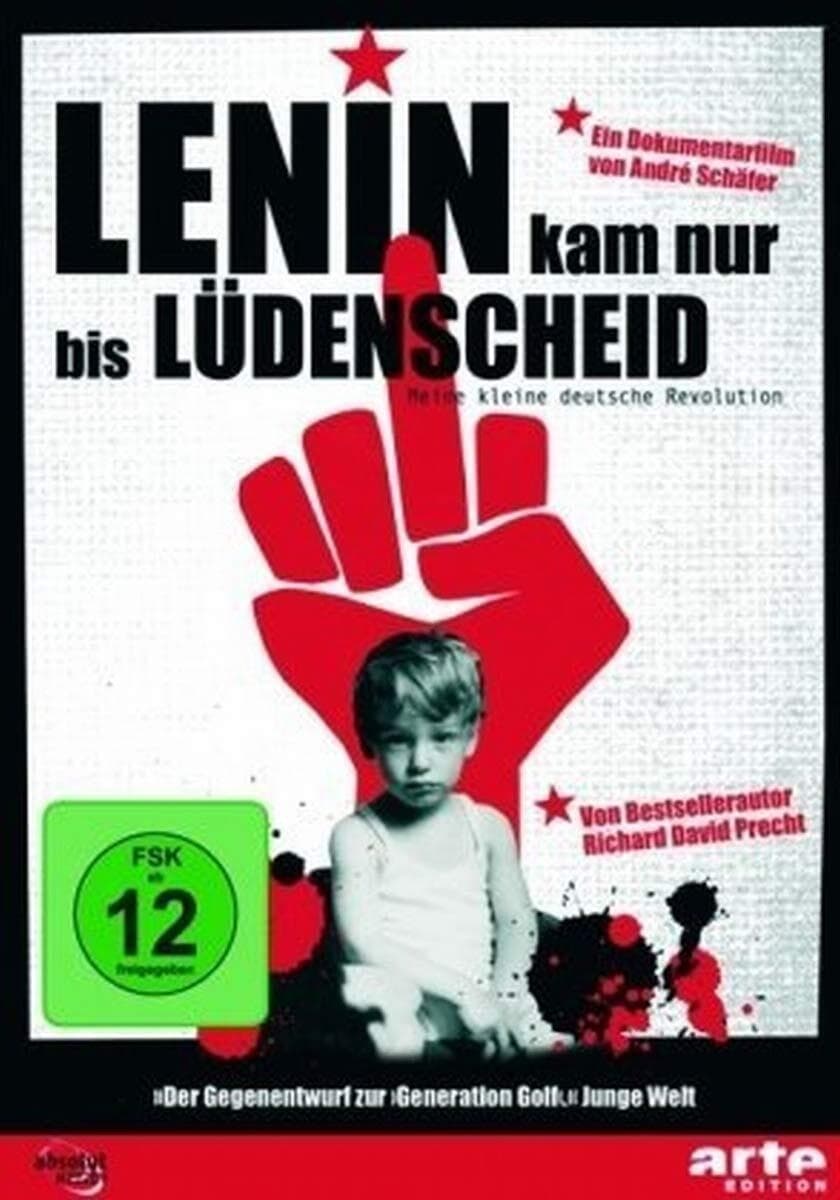
The free, almost naive view from the perspective of a child puts the "68ers" in a new, illuminating light in the anniversary year 2008. The film is a provocative reckoning with the ideological upbringing that seemed so progressive and yet was suffocated by the children's desire to finally grow up. With an ironic eye and a feuilletonistic style, author Richard David Precht and Cologne documentary film director André Schäfer trace a childhood in the West German provinces - and place the major events of those years in completely different, smaller and very private contexts.
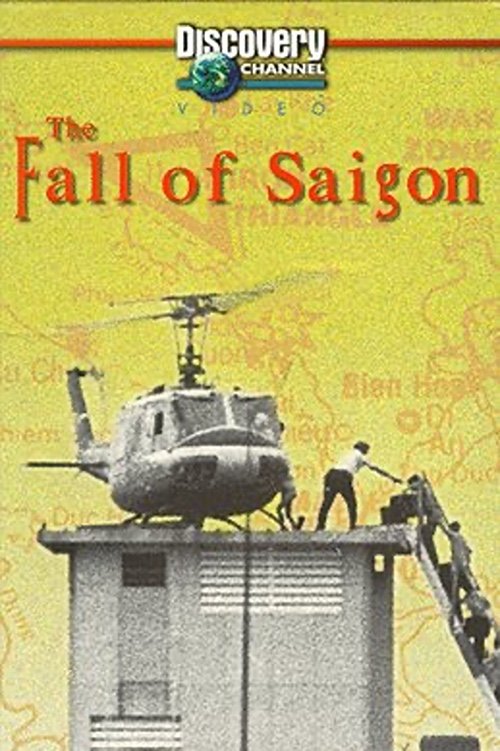
In April 1975 -- despite a ceasefire agreement -- the North Vietnamese communists took Saigon and the world by surprise, mounting an offensive that ousted the South Vietnamese government. This enlightening documentary recounts the last two years of America's military engagement in the country and the U.S. role in Saigon's fall. Interviews with former National Security Adviser Henry Kissinger and North Vietnamese officers provide context.
The story of U.S. fighter pilots shot down over North Vietnam who became POWs for up to 8 and a half years.
Real-life letters written by American soldiers, sailors, airmen, and Marines during the Vietnam War to their families and friends back home. Archive footage of the war and news coverage thereof augment the first-person "narrative" by men and women who were in the war, some of whom did not survive it.
A visit to the famed aircraft carrier USS Midway and interviews with men who served aboard it bring the exciting story of the vessel to life in this dramatic documentary. In service for 47 years, the Midway saw heavy action during the Vietnam War, and its hair-raising missions to rescue downed pilots were legendary. After Vietnam, the Midway, now berthed in San Diego, participated in numerous operations, including the Gulf War.
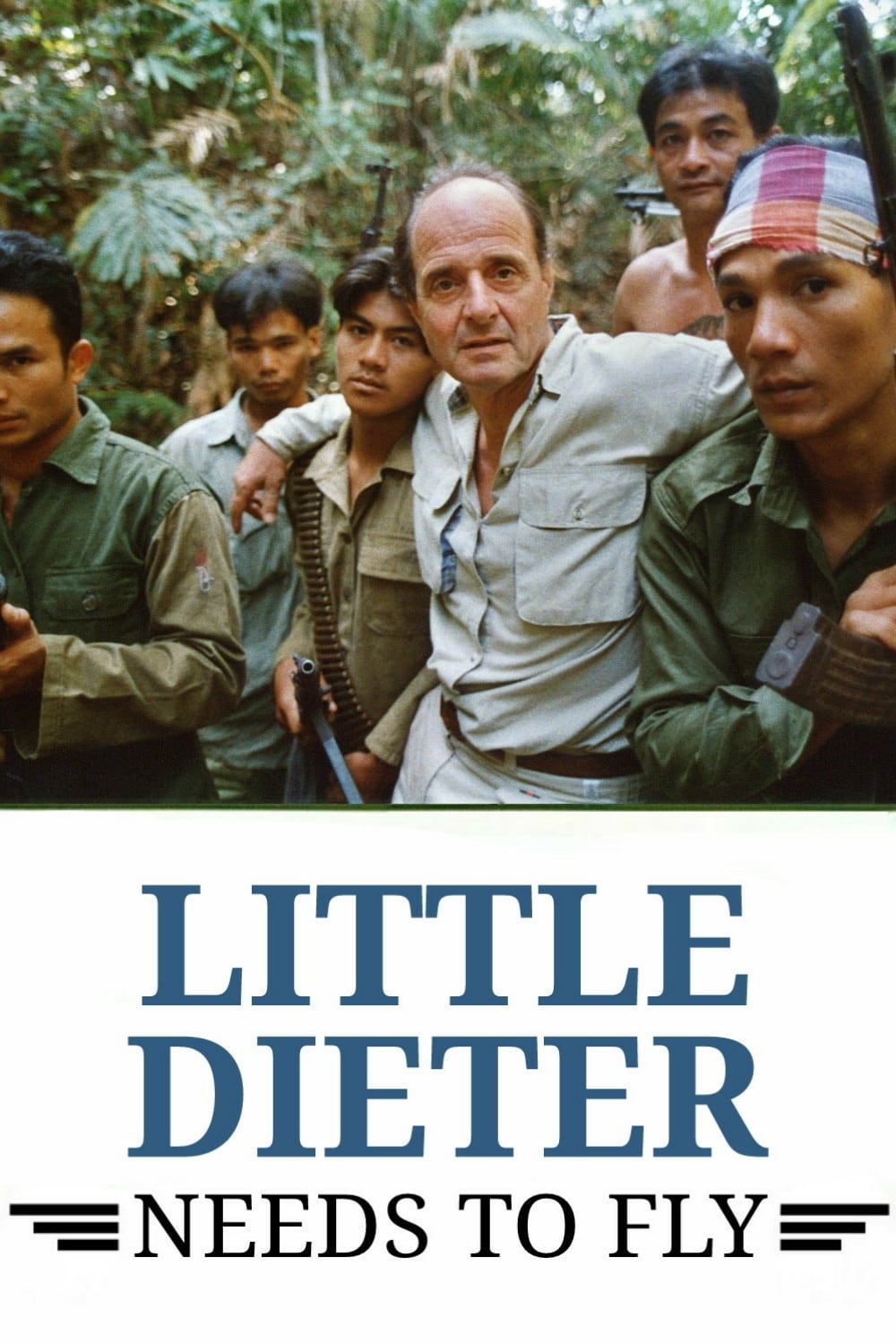
Three decades after German-American pilot Dieter Dengler was shot down over Laos, he returns to the places where he was held prisoner during the early years of the Vietnam War. Accompanied by director Werner Herzog, Dengler describes in unusually candid detail his captivity, the friendships he made, and his daring escape. Not willing to stop there, Herzog even persuades his subject to re-enact certain tortures, with the help of some willing local villagers.
A documentary about the Cu Chi tunnels in Vietnam during the Vietnam war. The film contains interviews with survivors of the war who inhabited the tunnels, including archival footage, and photographs. The filmmakers visit the tunnels in current day to explore the way so many Viet Cong lived during the war. The documentary features an interview with Robert Biss (American P.O.W. captured in 1966, who was at the "Hanoi Hilton"), and the Viet Cong member who captured him, explaining the events and emotions surrounding the event.
A short documentary that explores a blue-collar community’s growing unease with the Vietnam War. It was produced in response to President Nixon’s famous November, 1969 speech when he contrasted the unlawful and vocal anti-war protesters to the respectful “silent majority” who were in favor of remaining in Vietnam to fight communism. This film explores the thoughts and opinions of the “silent majority” represented by the folks living in the Garfield Ridge neighborhood on the southwest side of Chicago.
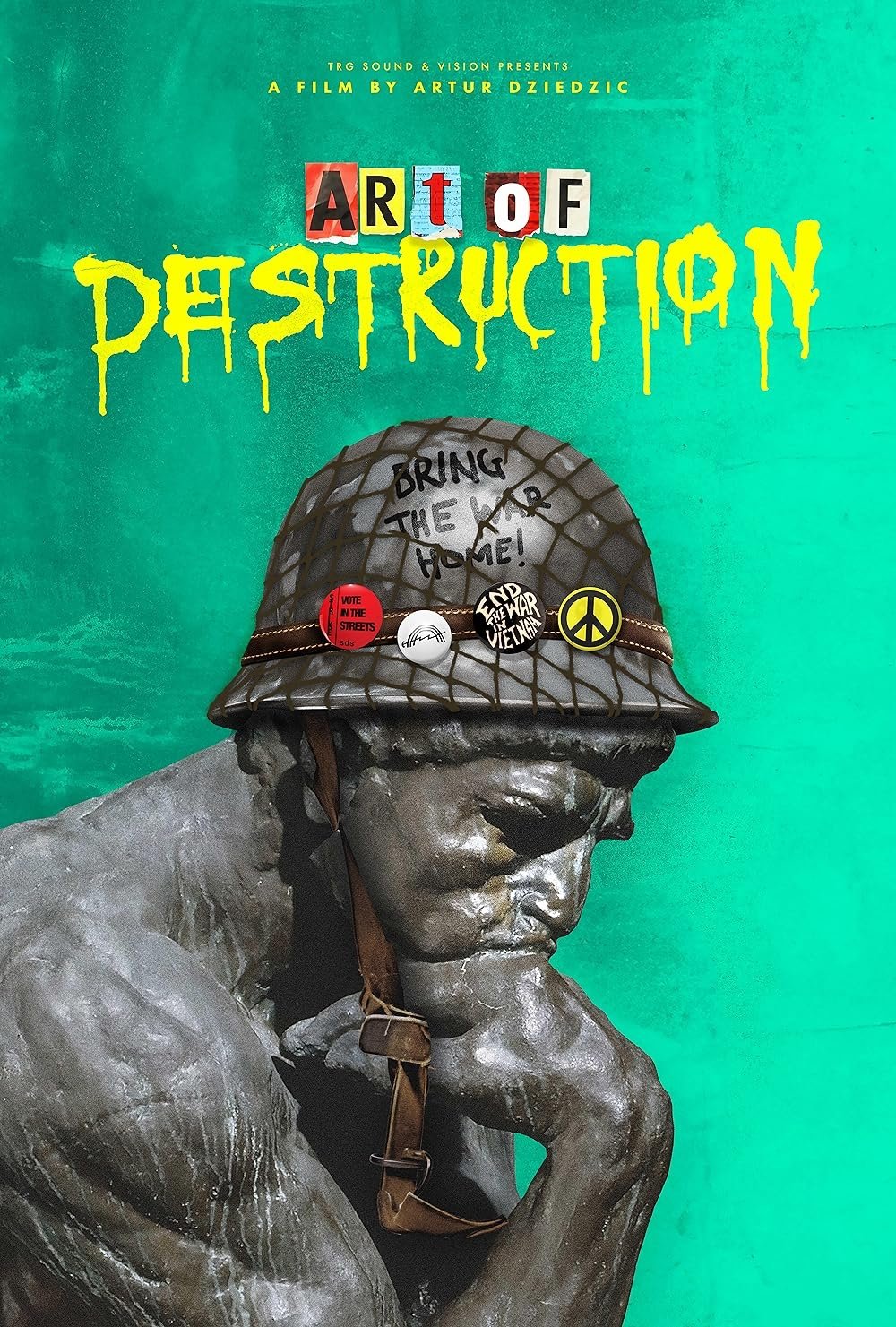
We follow the story of The Thinker bombing at the Cleveland Museum of Art, trying to solve the mystery behind it because no one was ever caught. By following this case, we unravel the whole landscape of Cleveland and the USA in the 60s/70s - student protests, social justice movements, anti-war movements, and radical militant groups. We give a context to the bombing, which is symbolic on so many levels - it's an art piece that randomly became a target for political violence that, by being left unrepaired, became a reminder of the complicated history of the 60s/70s. The Thinker is a silent witness to this fascinating decade, looking down from his pedestal, still thinking about our place in the world as humans.
During the Vietnam War, the US bombed Laos more heavily than any other country had been bombed before. Today, the Lao people live among, and risk their lives to clear, over 80 million unexploded bombs on their doorsteps. With great beauty and empathy, this documentary reveals the unbelievable stories of the men and women at the forefront of this monumental task.
During the chaotic final weeks of the Vietnam War, the North Vietnamese Army closes in on Saigon as the panicked South Vietnamese people desperately attempt to escape. On the ground, American soldiers and diplomats confront a moral quandary: whether to obey White House orders to evacuate only U.S. citizens.
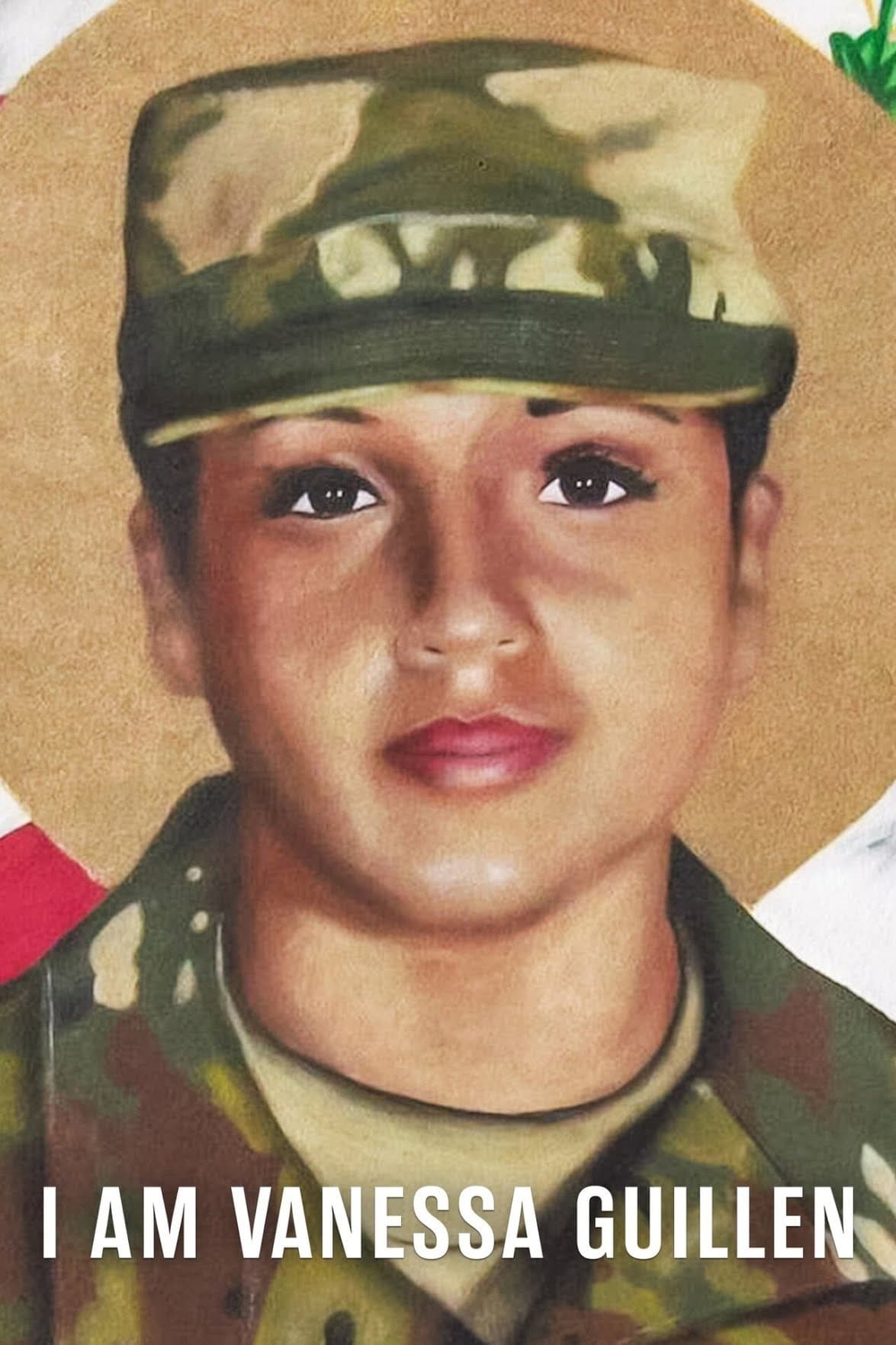
Vanessa Guillen was 20 years old when she was found murdered at a US Army base. Rather than submit to silence, her family fought for justice and change.
A searing account of war correspondent Michael Ware's seven years reporting in Iraq--an extraordinary journey that takes him into the darkest recesses of the Iraq War and the human soul.
Dubbed “The Cannibal Cop,” former NYPD officer Gilberto Valle was charged with conspiring to kidnap and eat women but argued it was all a fantasy. His story made headlines both for its disturbing details and its potential to kick off a trend of thought-policing across the nation. Featuring intimate interviews with Valle and insights from experts, Thought Crimes explores if someone can be found guilty for their most dangerous thoughts.
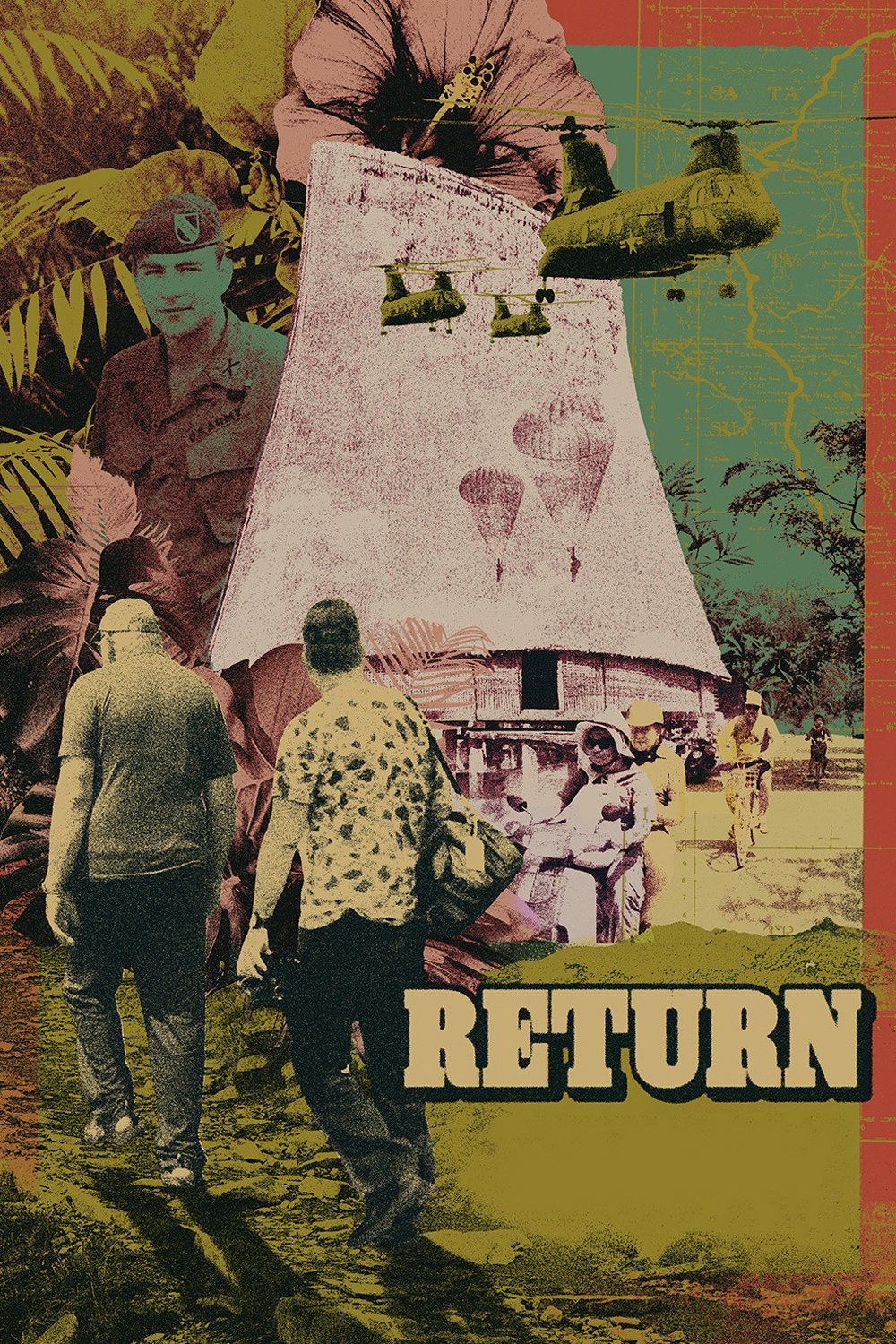
RETURN tells the story of a retired Green Beret who embarks on a healing journey from Montana to Vietnam. There he retraces his steps, shares his wartime experiences with his son, treats his Post-Traumatic Stress Disorder, and seeks out the mountain tribespeople he once lived with and fought alongside as a Special Forces officer.
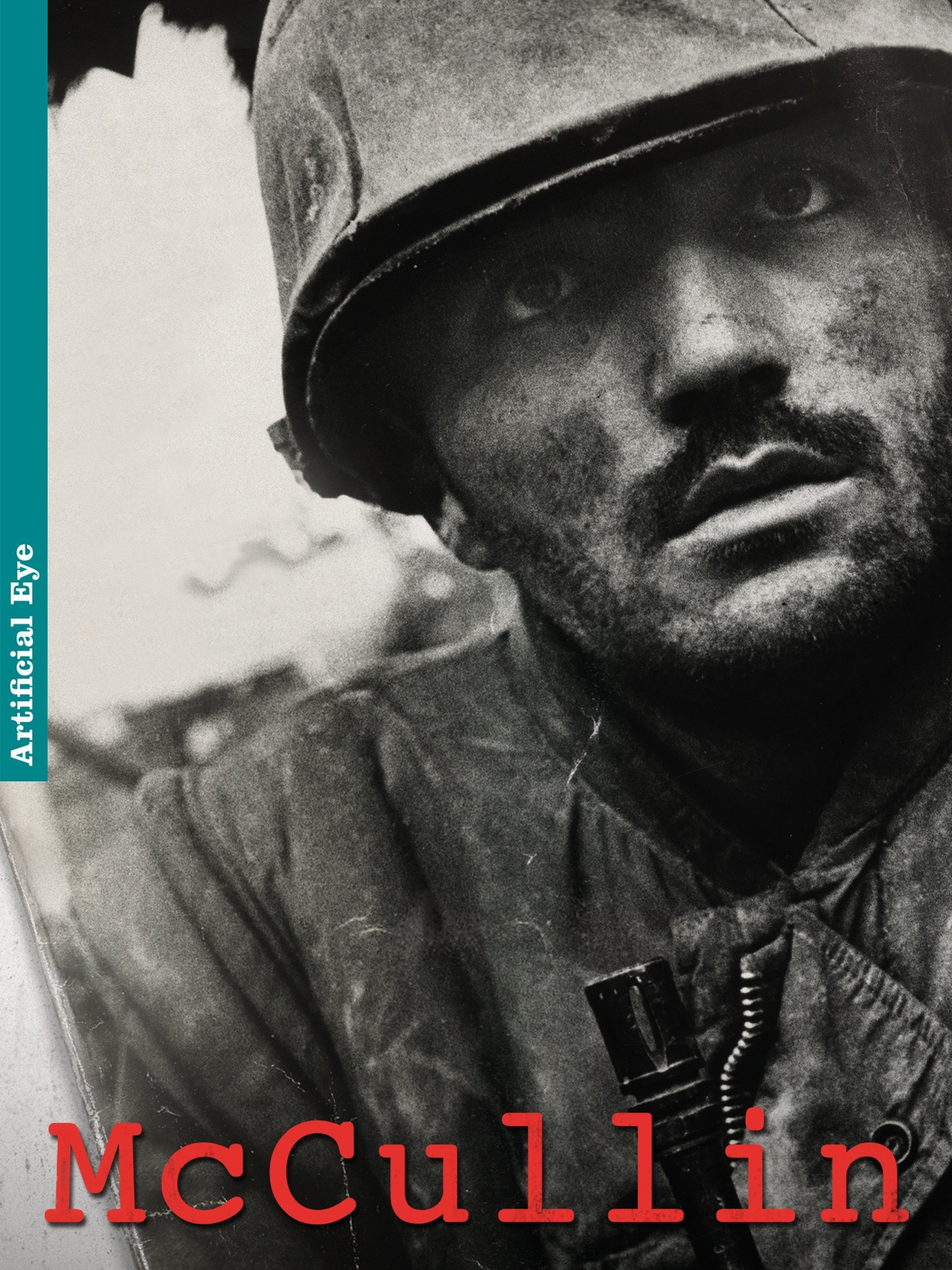
Biographical documentary of the war photographer Don McCullin, with sections on his upbringing, early work for the Observer and extensive war reporting for the Sunday Times until the purchase of the newspaper by Rupert Murdoch in the 1980s.
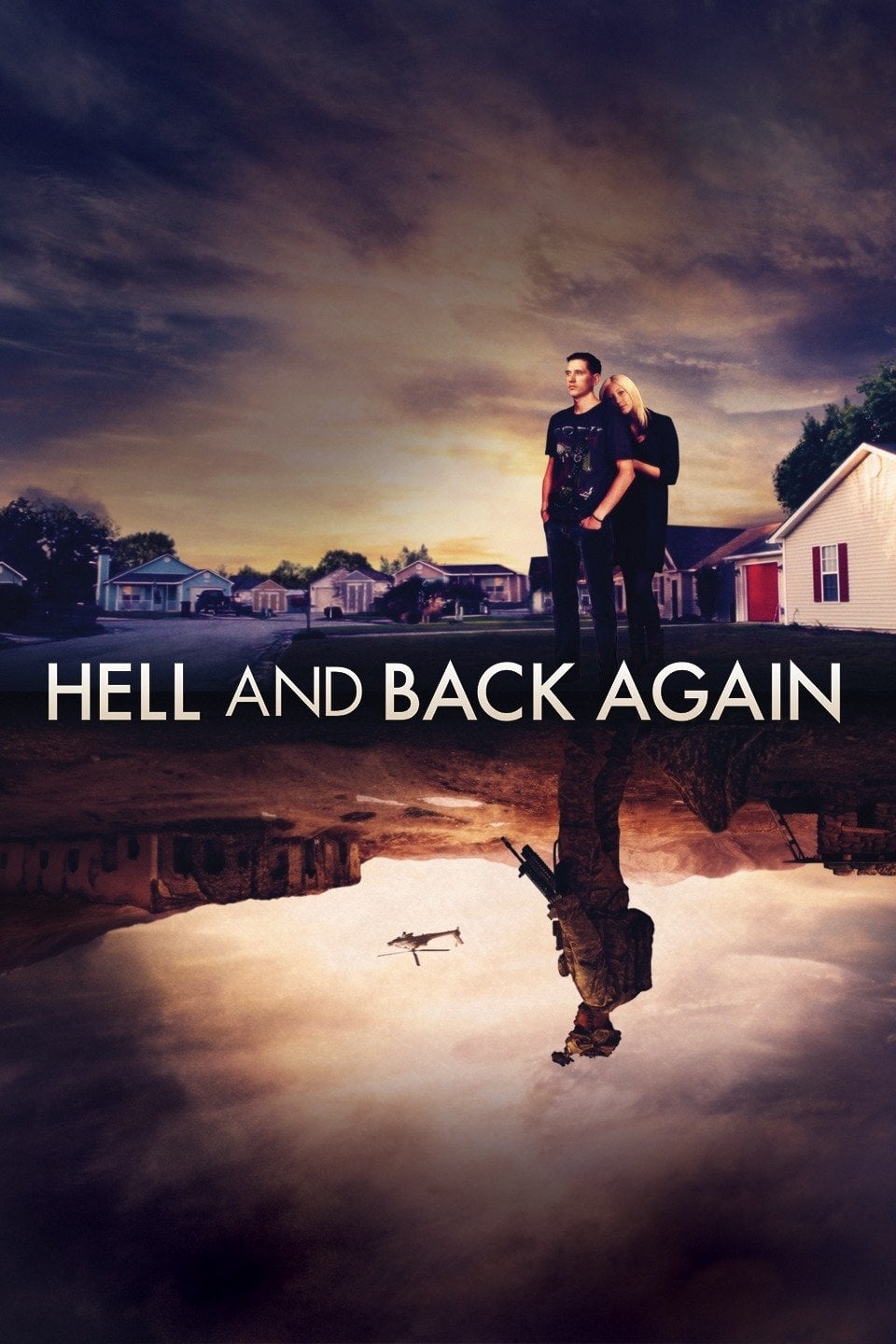
What does it mean to lead men in war? What does it mean to come home? Hell and Back Again is a cinematically revolutionary film that asks and answers these questions with a power and intimacy no previous film about the conflict in Afghanistan has been able to achieve. It is a masterpiece in the cinema of war.
Director Michael Apted revisits the same group of British-born adults after a 7 year wait. The subjects are interviewed as to the changes that have occurred in their lives during the last seven years.
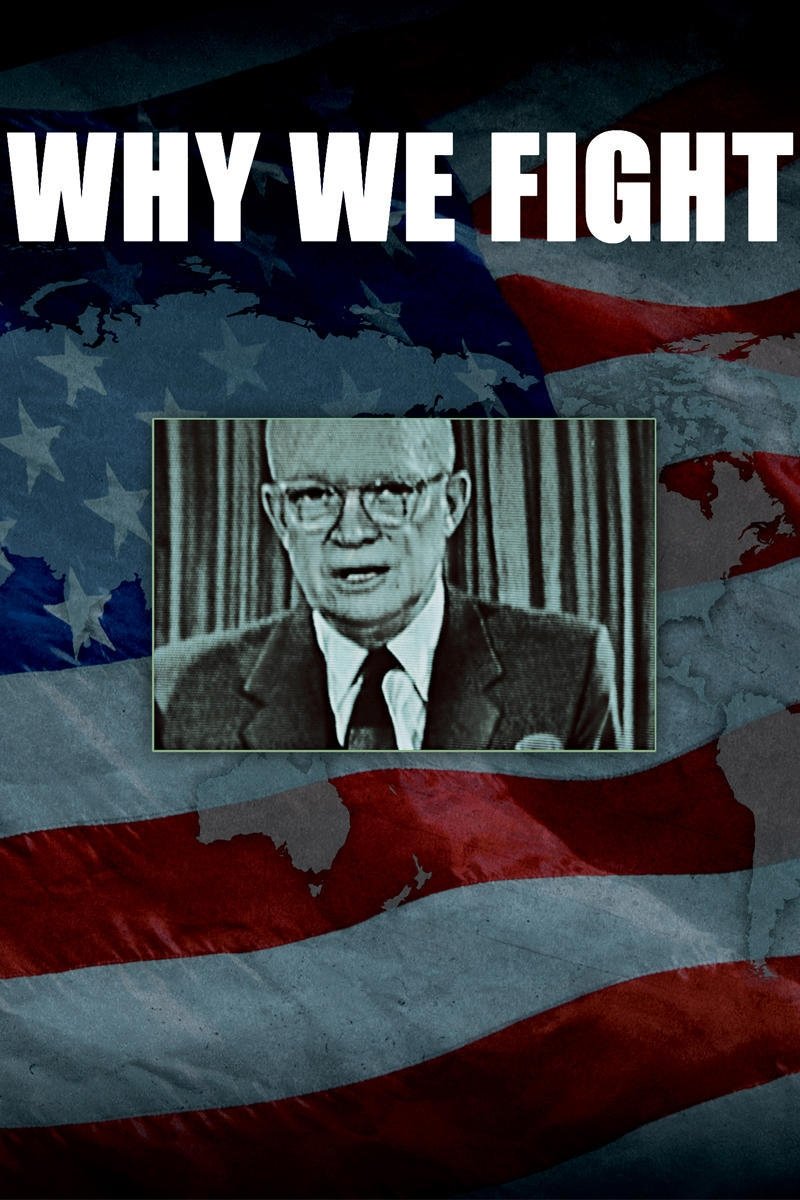
Is American foreign policy dominated by the idea of military supremacy? Has the military become too important in American life? Jarecki's shrewd and intelligent polemic would seem to give an affirmative answer to each of these questions.
A chronicle of the life, work and mind that created the Cthulhu mythos.
Alex Gibney explores the charged issue of pedophilia in the Catholic Church, following a trail from the first known protest against clerical sexual abuse in the United States and all way to the Vatican.
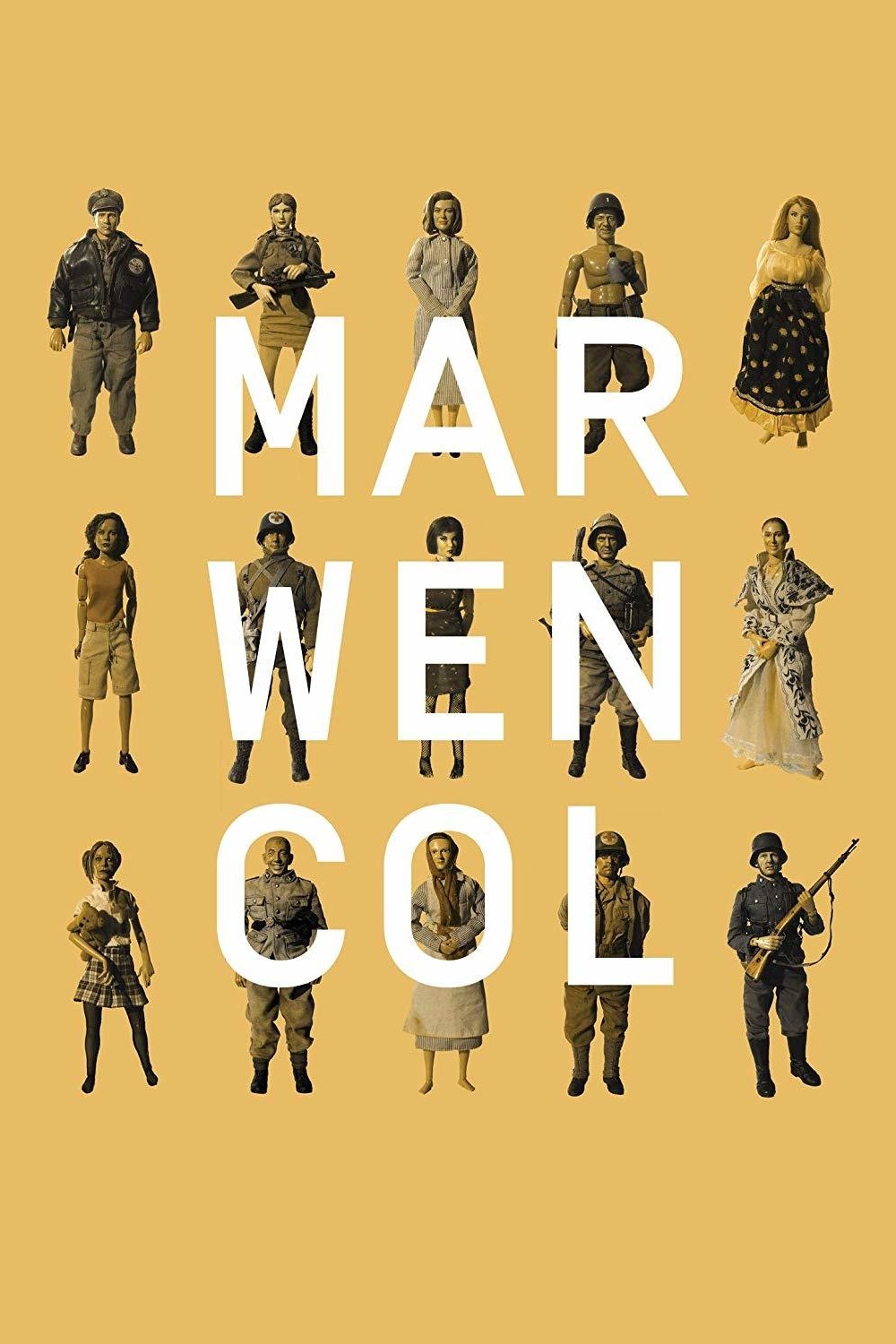
After a vicious attack leaves him brain-damaged and broke, Mark Hogancamp seeks recovery in "Marwencol", a 1/6th scale World War II-era town he creates in his backyard.
Many times during his presidency, Lyndon B. Johnson said that ultimate victory in the Vietnam War depended upon the U.S. military winning the "hearts and minds" of the Vietnamese people. Filmmaker Peter Davis uses Johnson's phrase in an ironic context in this anti-war documentary, filmed and released while the Vietnam War was still under way, juxtaposing interviews with military figures like U.S. Army Chief of Staff William C. Westmoreland with shocking scenes of violence and brutality.
The story of one of the most infamous books ever written, "The Anarchist Cookbook," and the role it's played in the life of its author, now 65, who wrote it at 19 in the midst of the counterculture upheaval of the late '60s and early '70s.
Brilliant, long in-the-works story of the life and art of the world's greatest comedian and the cinema's first genius, Charlie Chaplin. Produced, written and directed by renowned film critic Richard Schickel.
Using the book 'Fragments', which collects Marilyn Monroe's poems, notes and letters, and with participation from the Arthur Miller and Truman Capote estates who have contributed more material, each of the actresses will embody the legend at various stages in her life.
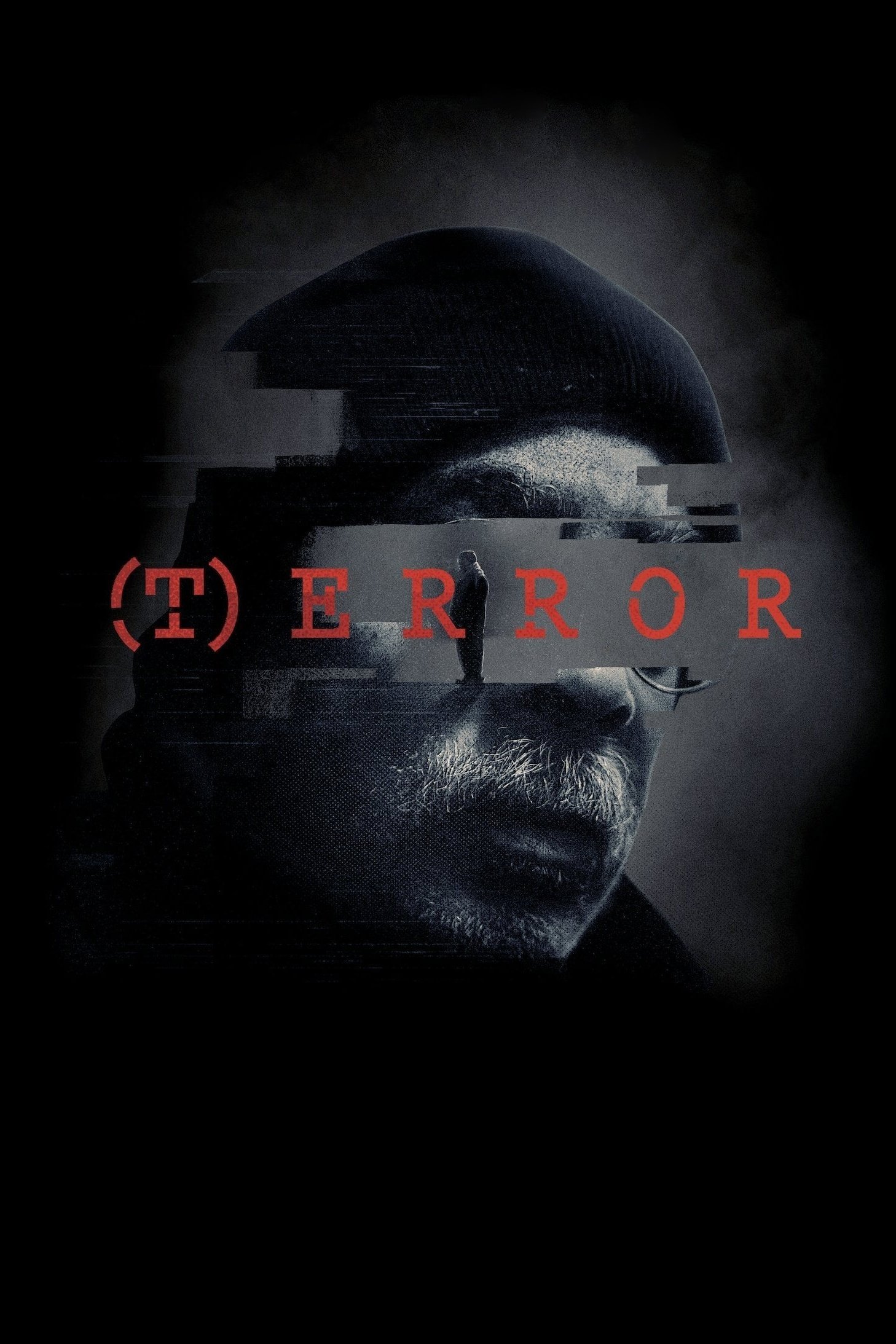
This real-life look at FBI counterterrorism operations features access to both sides of a sting: the government informant and the radicalized target.
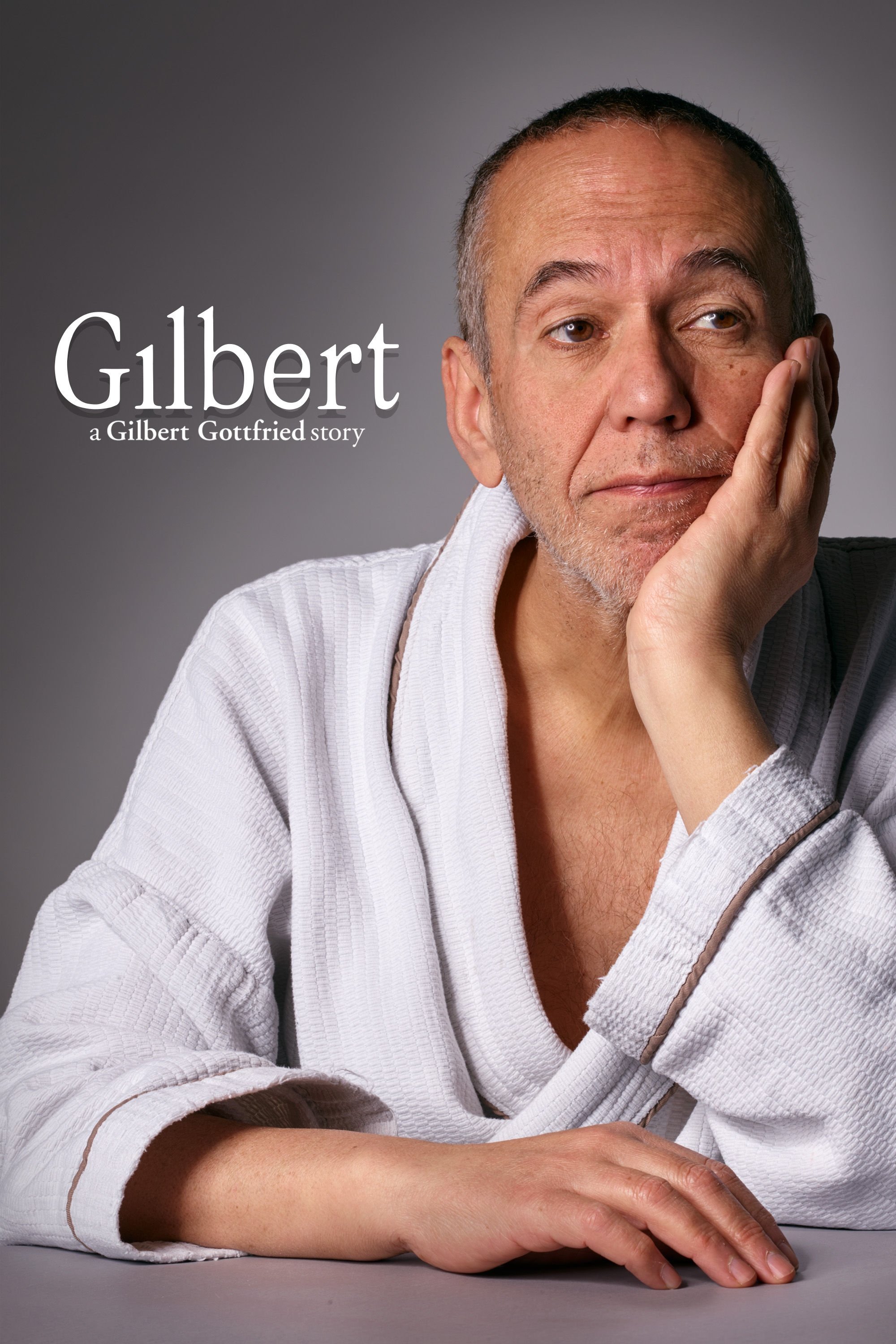
The life and career of one of comedy's most inimitable modern voices, Mr. Gilbert Gottfried.
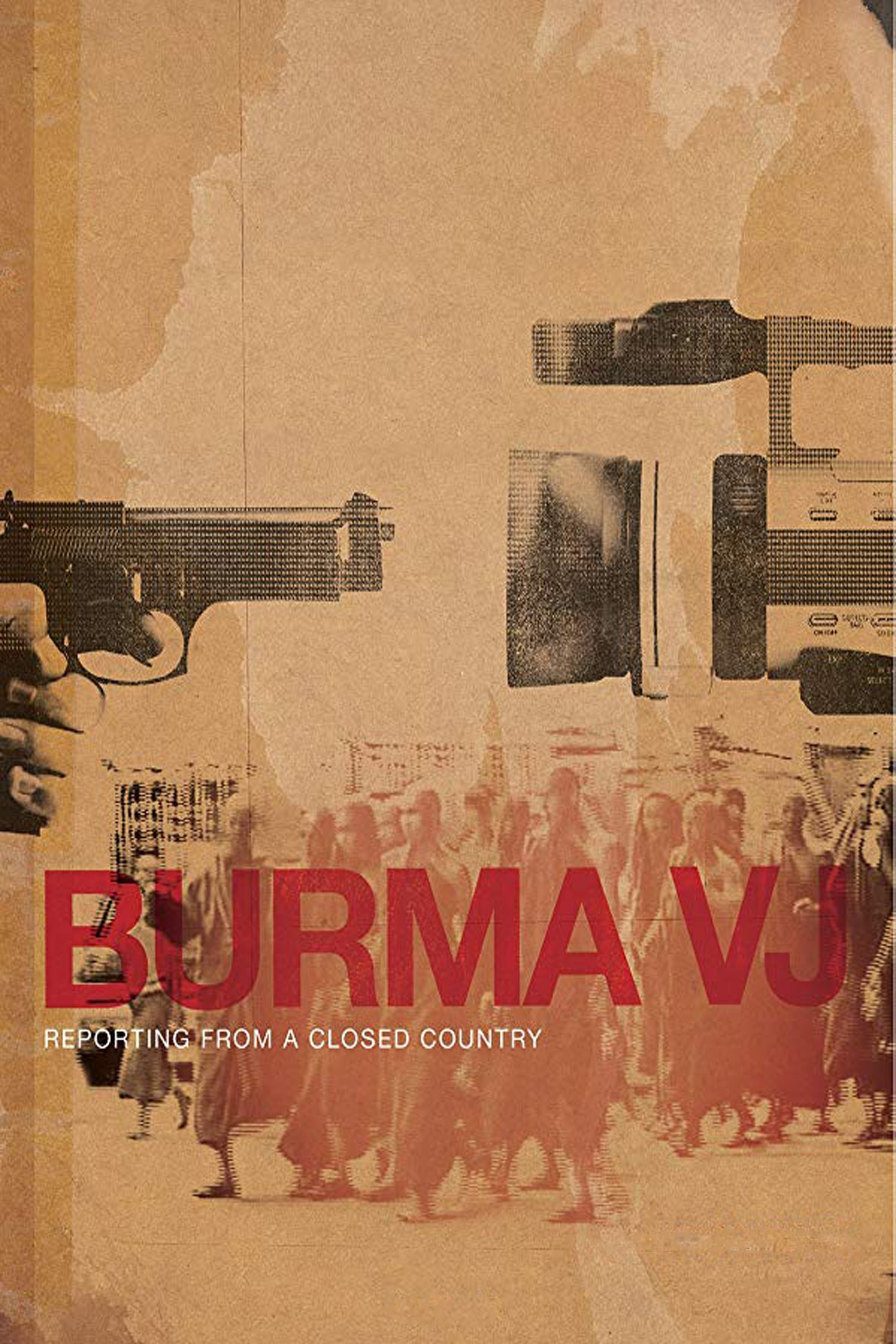
Going beyond the occasional news clip from Burma, the acclaimed filmmaker, Anders Østergaard, brings us close to the video journalists who deliver the footage. Though risking torture and life in jail, courageous young citizens of Burma live the essence of journalism as they insist on keeping up the flow of news from their closed country.
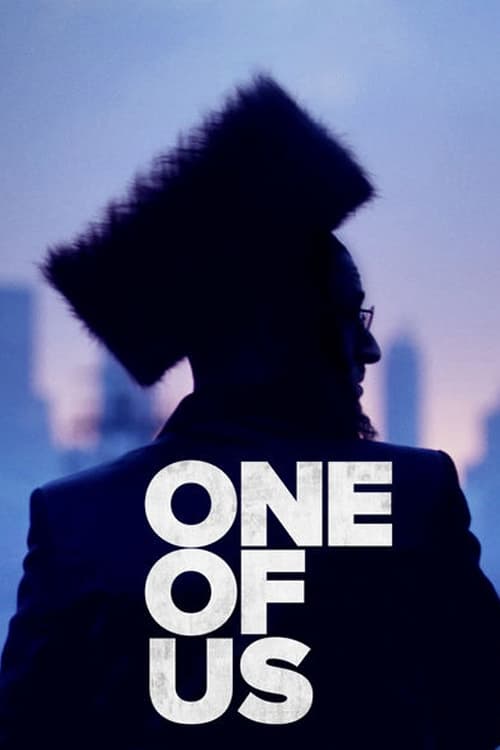
Penetrating the insular world of New York's Hasidic community, focusing on three individuals driven to break away despite threats of retaliation.