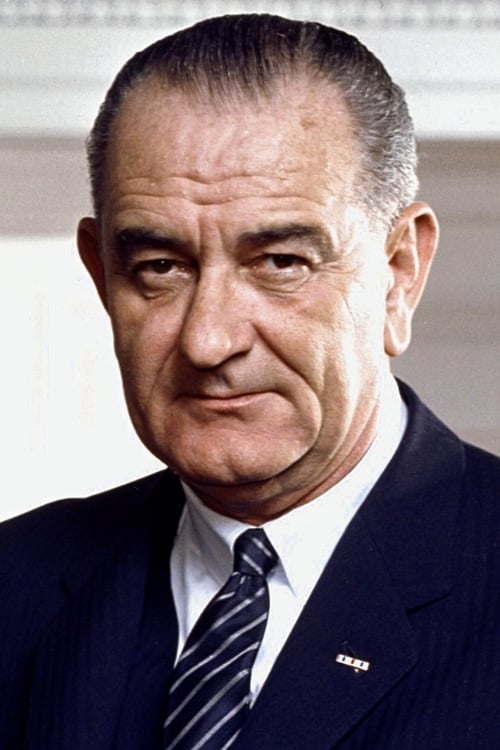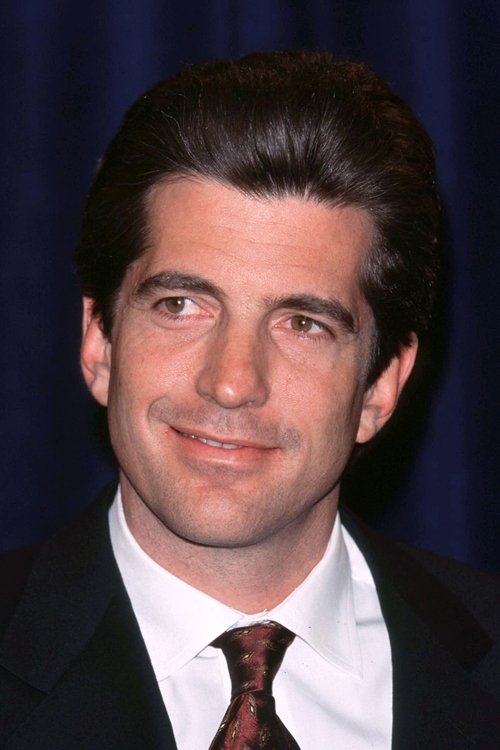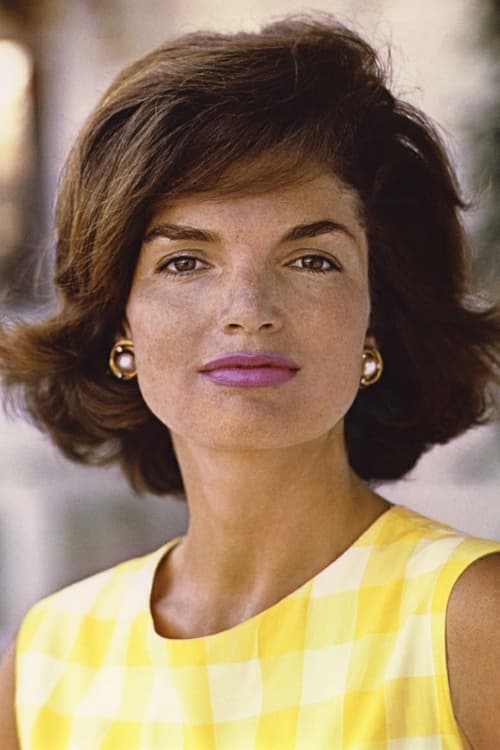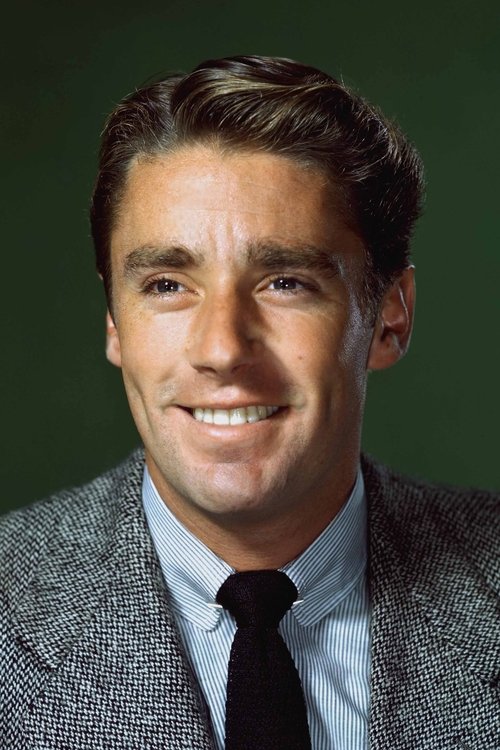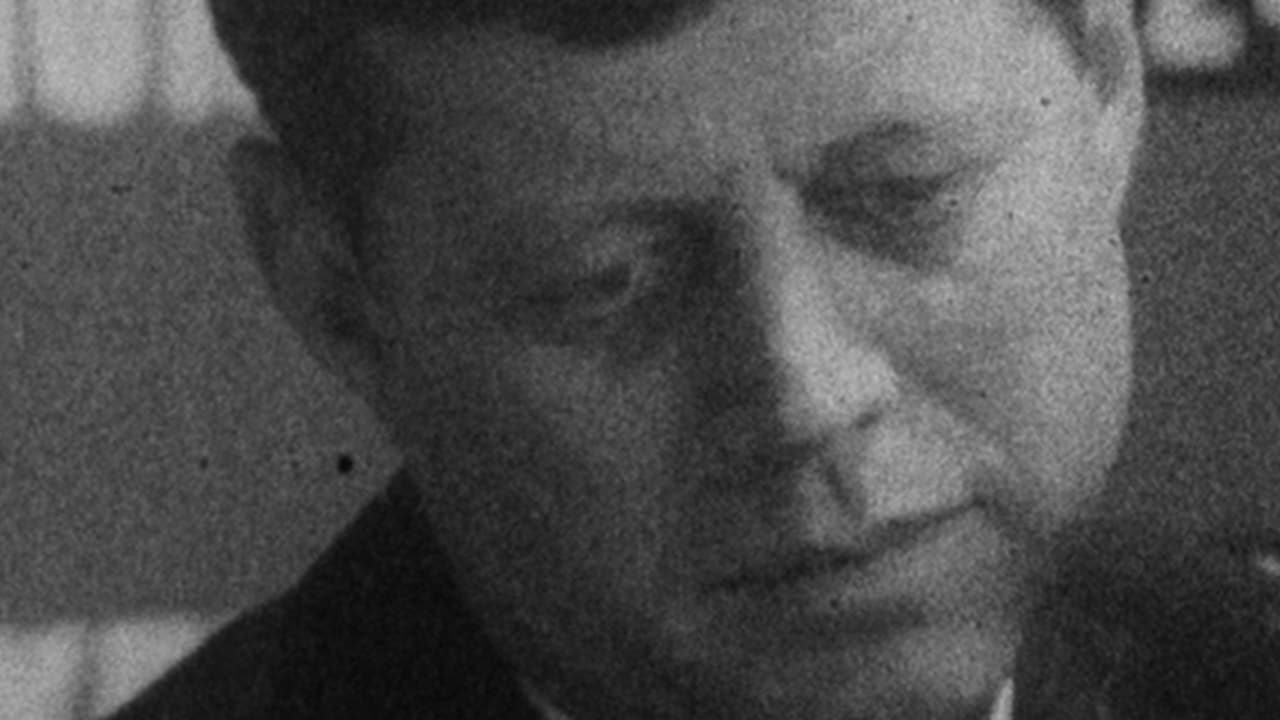
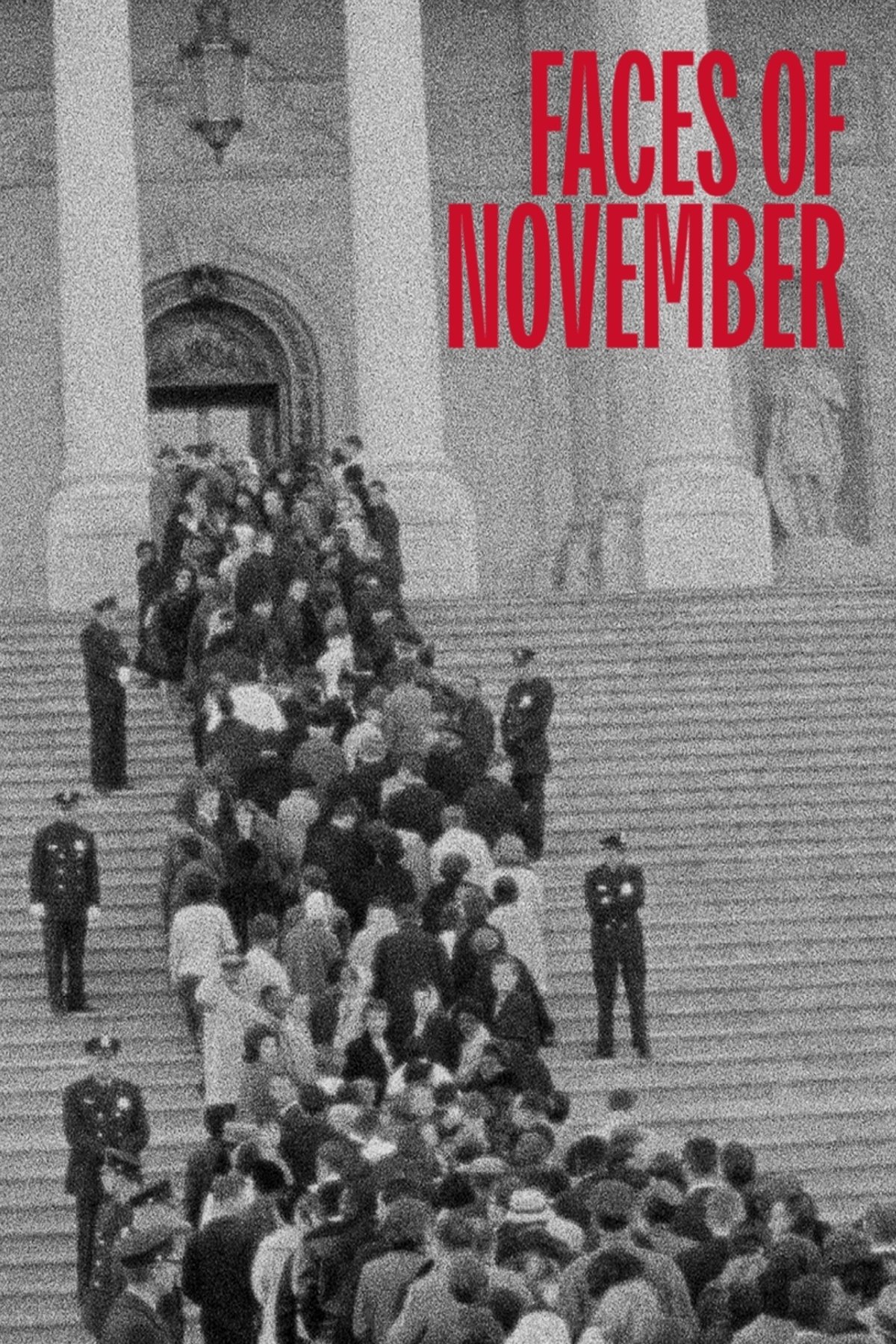
Robert Drew shows the sights and sounds from the funeral of President John F. Kennedy in November, 1963. Preserved by the Academy Film Archive in 2002.
Social & External
Self (uncredited)
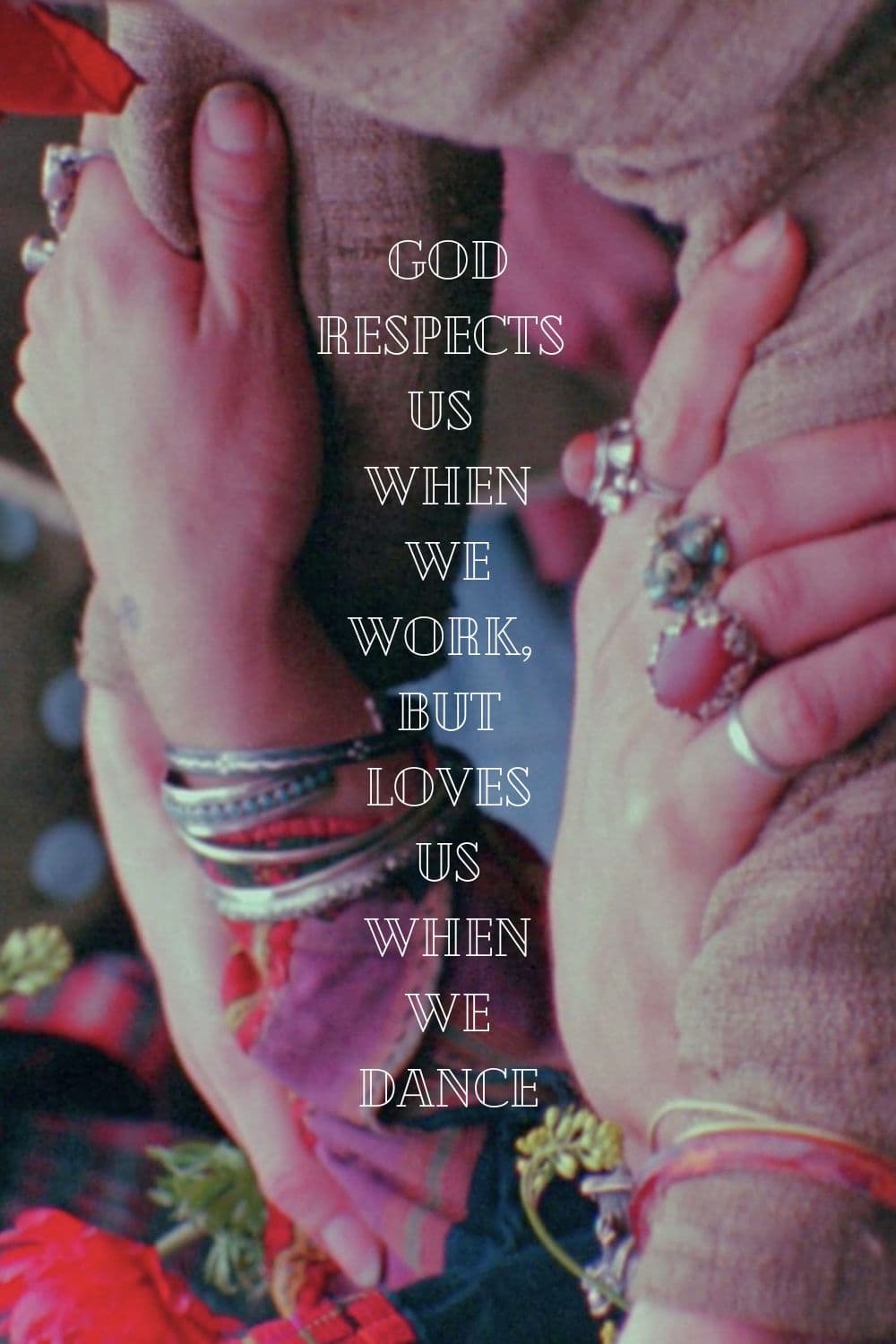
Chick Strand's SOFT FICTION is a personal documentary that brilliantly portrays the survival power of female sensuality. It combines the documentary approach with a sensuous lyrical expressionism. Strand focuses her camera on people talking about their own experience, capturing subtle nuances in facial expressions and gestures that are rarely seen in cinema. Preserved by the Academy Film Archive in partnership with The Film Foundation in 2015.
This short focuses on the job of the costume designer in the production of motion pictures. The costume designer must design clothing that is correct for the film historically and geographically, and must be appropriate for the mood of the individual scene. We see famed costume designer Edith Head at work on a production. The Costume Designer was part of The Industry Film Project, a twelve-part series produced by the film studios and the Academy. Each series episode was produced to inform the public on a specific facet of the motion picture industry. Preserved by the Academy Film Archive in 2012.
A bewitching, mysterious work of enveloping beauty, the film’s ominous title and a dedication to Anne Frank deeply inform our reading of its haunting subtext. Preserved by the Academy Film Archive, in partnership with the National Film Preservation Foundation, in 2009.
A truly major work, I Don’t Know observes the relationship between a lesbian and a transgender person who prefers to be identified somewhere in between male and female, in an expression of personal ambiguity suggested by the film’s title. This nonfiction film – an unusual, partly staged work of semi-verité – is the first of Spheeris’s films to fully embrace what would become her characteristic documentary style: probing, intimate, uncompromising. Preserved by the Academy Film Archive in 2014.
Follows a crusading lawyer as he embarks on a campaign to save an African-American man, Paul Crump, from the electric chair. Preserved by the Academy Film Archive in partnership with The Film Foundation in 2007.
An intimate portrait of Matthew Shepard, the gay young man murdered in one of the most notorious hate crimes in U.S. history. Framed through a personal lens, it's the story of loss, love, and courage in the face of unspeakable tragedy.
A portrait of artist, actress, poet and occultist Marjorie Cameron, it shows images of her paintings and recitations of her poems. Preserved by the Academy Film Archive in 2006.
Choreography of familiar gestures that the author was able to spice up with a peculiar and original perspective.
A direct-cinema portrait of Indianapolis 500 driver Eddie Sachs, filmed before, during, and after the 1960 race as he competes from pole position. Using pioneering mobile camera and sound techniques, the film captures the psychological intensity of racing and the personal cost of high-speed competition.
In 1952, Haanstra made Panta Rhei , another view of Holland through the eyes of a painter and filmmaker. Its poetic images of water, skies and clouds reflect Haanstra's own moods.
The second half of Gustav Deutsch's experimental Film ist. series, constructing new narratives and moods out of existing footage, mostly from early silent era films.
Muscle Beach was shown in competition at Cannes in 1949 and won a prize at the Edinburgh International Film Festival in 1951. The short became a cult favorite, screening at film clubs around the world. Strick used an army surplus movie camera to shoot the film during weekends in the fall of 1948. The songs in “Muscle Beach,” composed and sung by political folk singer Earl Robinson, with lyrics by screenwriter and poet Edwin Rolfe, accent the film’s three-movement structure as it transitions between soaring gymnastics shows, flirty beachgoers and children playing near the now-demolished pier at Ocean Park. Preserved by the Academy Film Archive in 2009.
A hypnotic and slow-burning journey through the austere landscapes of the island of South Georgia and the Antarctic Peninsula. Shot on black and white super 8 film as a series of mostly static tableaux over a period of 20 days during the waning days of the Antarctic Summer, the film is a startling look at life at the edge of the world.
The film is an unnarrated collection of archived news and home movie footage shot as events unfolded, some of it rarely seen. Part one deals with the time from President Kennedy's arrival in Dallas on November 22, 1963 through the murder of Lee Harvey Oswald less than 48 hours later. Part two deals with the Warren Commission, its critics and those who suspect a conspiracy, the assassinations of Martin Luther King, Jr. and Robert F. Kennedy in 1968 and the turmoil that followed, and the continuing doubt about the assassinations and the effects this has had on American society.
Syria. Among the ravages of war, there is also this more discreet yet vital phenomenon: exile. Leave, stay? A question Liwaa Jazji tackles. The place of this tearing apart of the self to the self will be the house as a physical space, as a place of memory of gestures and bodies, as the receptacle of our familiar objects.
A propaganda short about the 1944 United States presidential election, produced by the Office of War information, for overseas distribution. It is meant to explain how the democratic process in America works. Preserved by the Academy Film Archive in 2007.
The real reasons and orchestrators behind Hitler, to an incredible theory of the JFK assassination, all the way to 9/11 and the current age of the terrorist. Taken from an historical perspective starting around World War 1 leading to present day.
A behind-the-scenes look at the responsibilities of the cinematographer. Preserved by the Academy Film Archive in 2012.
This spellbinding documentary re-examines the issues raised by Oliver Stone's JFK, and explores the late Jim Garrison's contention that there was a "second conspiracy" to cover up the truth, including attempts to ruin his own reputation.
1964 was the year the Beatles came to America, Cassius Clay became Muhammad Ali, and three civil rights workers were murdered in Mississippi. It was the year when Berkeley students rose up in protest, African Americans fought back against injustice in Harlem, and Barry Goldwater’s conservative revolution took over the Republican Party. In myriad ways, 1964 was the year when Americans faced choices: between the liberalism of Lyndon Johnson or Barry Goldwater’s grassroots conservatism, between support for the civil rights movement or opposition to it, between an embrace of the emerging counterculture or a defense of traditional values.
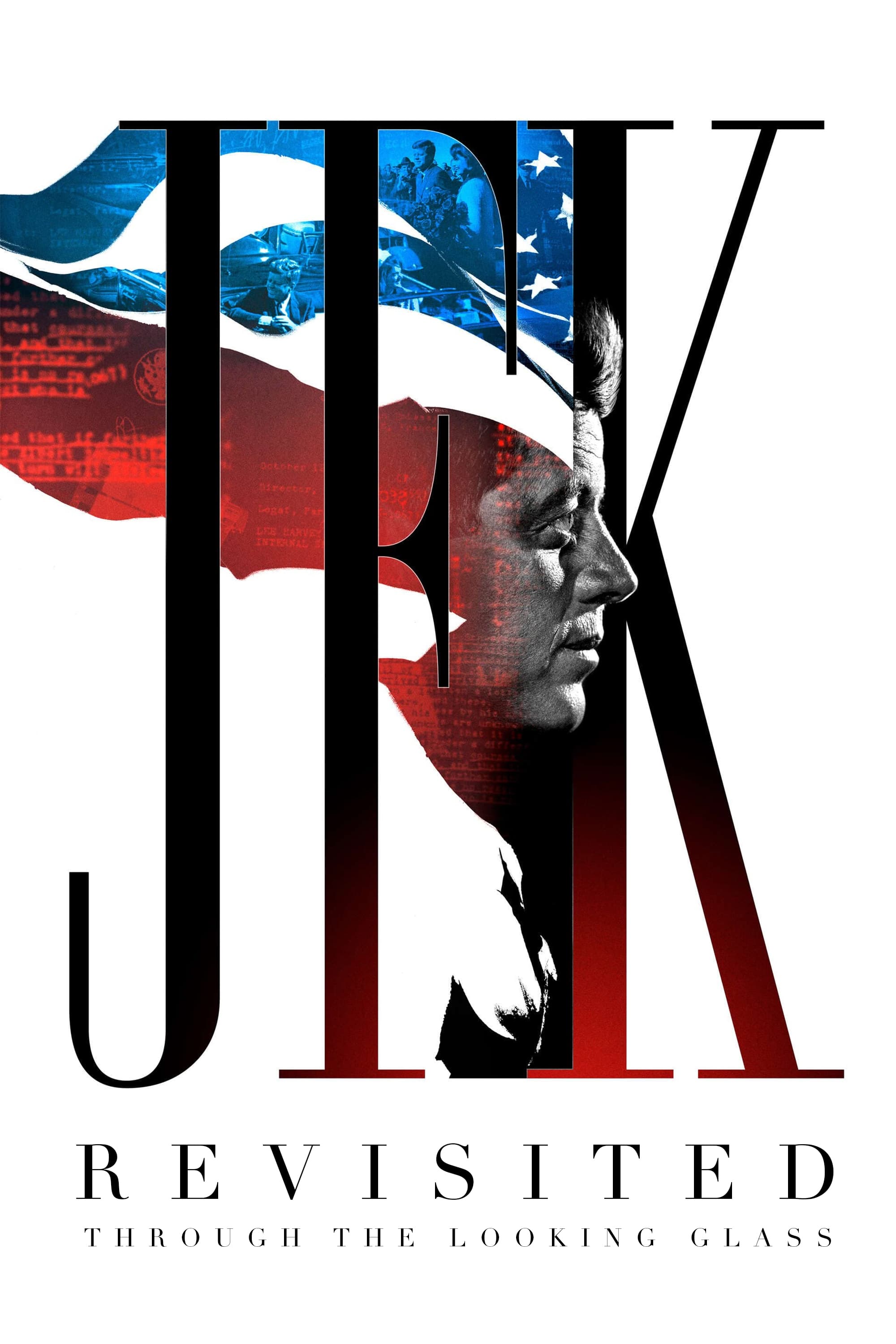
Thirty years after the release of his film JFK (1991), filmmaker Oliver Stone reviews recently declassified evidence related to the assassination of President John F. Kennedy, which took place in Dallas on November 22, 1963.
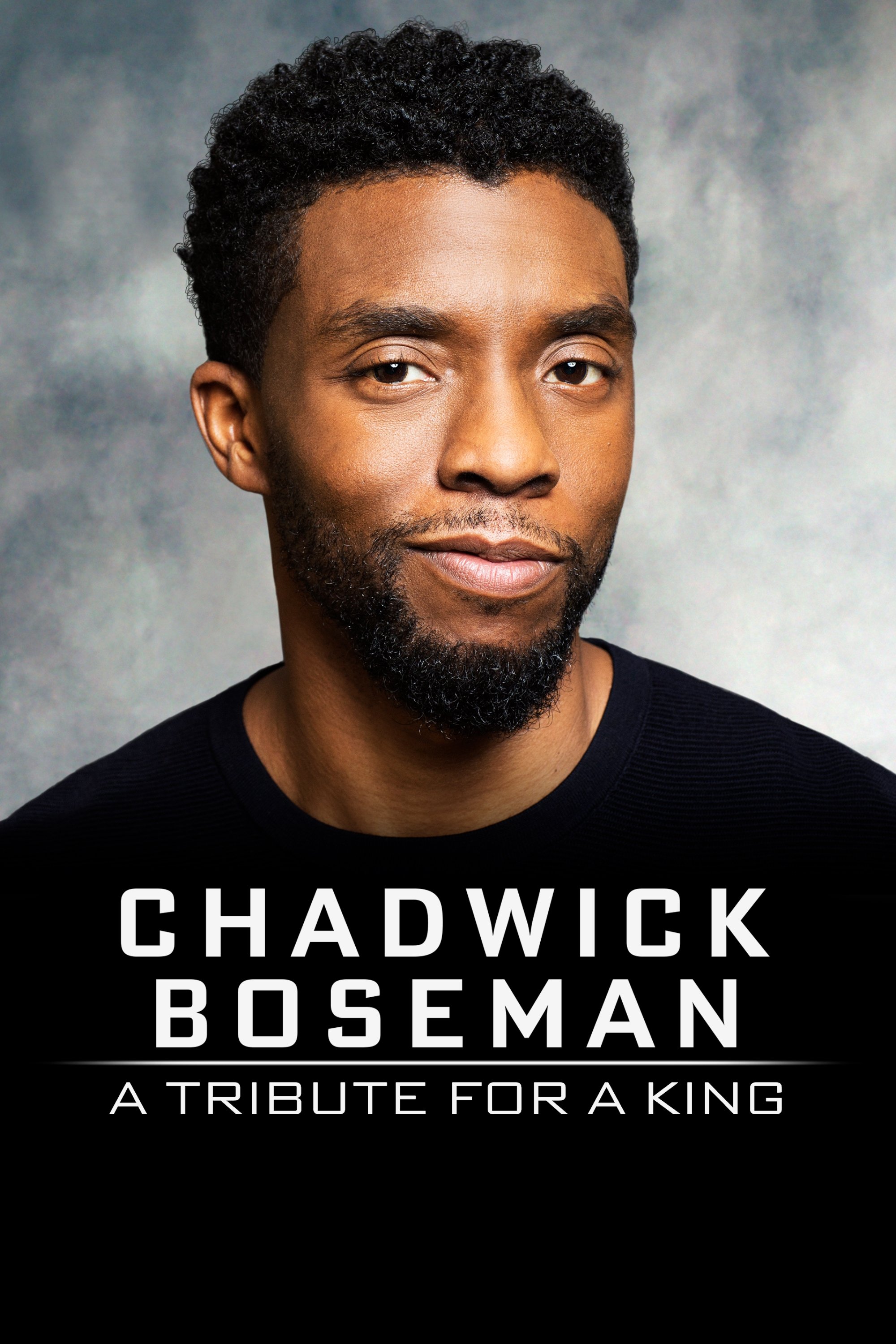
A tribute to Chadwick Boseman, celebrating his life and legacy.
Lyrical and powerfully personal essay film that reflects on the deaths of her husband Lou Reed, her mother, her beloved dog, and such diverse subjects as family memories, surveillance, and Buddhist teachings.
Behind the scenes look at fight choreography and action training.
Bruce Conner’s most celebrated film for a reason: it takes historical moments that were replayed over and over on television—chilling repetition of Kennedy assassination coverage—and repurposes them into a meditation on how the media tries to exert authority and apply a sense of order to the anarchic. And though it may sound perverse to say so, the film is also—not incidentally—a thrill to watch. -- The A.V. Club
A look at the fight choreography being developed for the film.
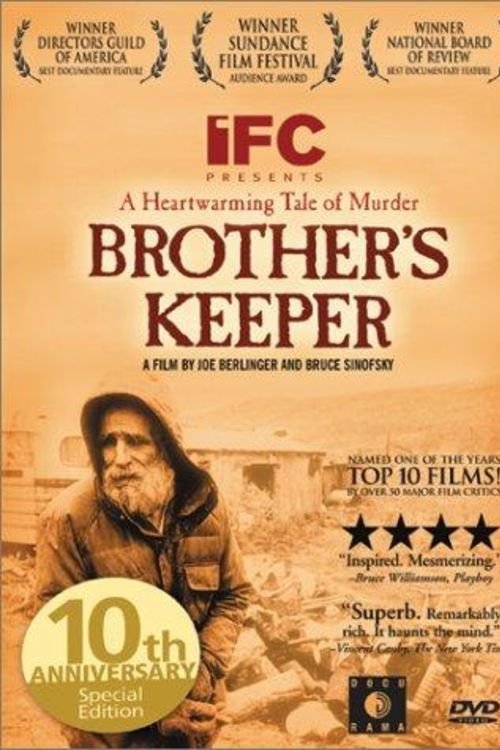
This documentary by Joe Berlinger and Bruce Sinofsky details the murder trial of Delbert Ward. Delbert was a member of a family of four elderly brothers, working as semi-literate farmers and living together in isolation from the rest of society until William's death.
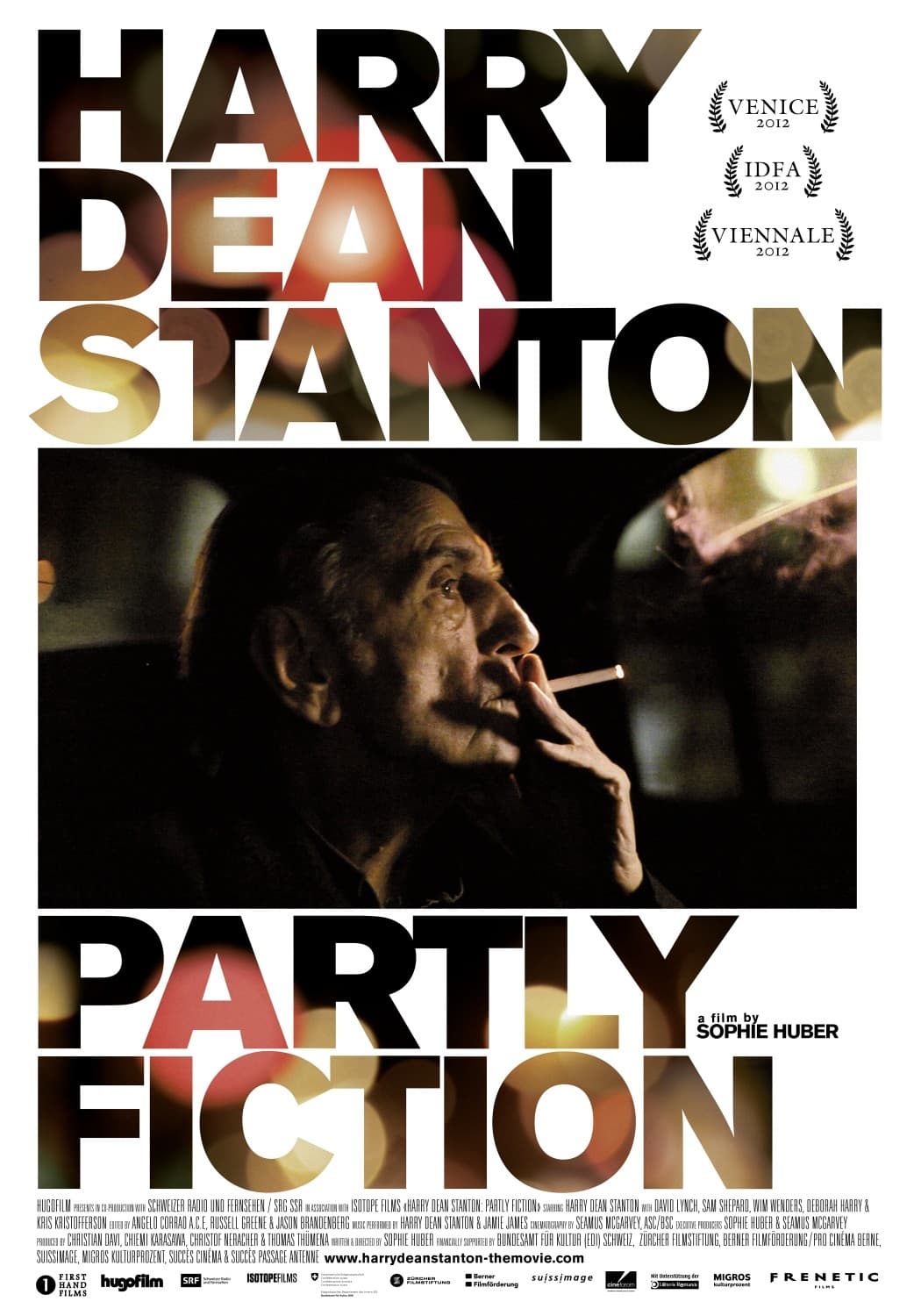
An impressionistic portrait of the iconic actor Harry Dean Stanton comprised of intimate moments, film clips from some of his 250 films and his renditions of American folk songs.
An exploration of technologically developing nations and the effect the transition to Western-style modernization has had on them.
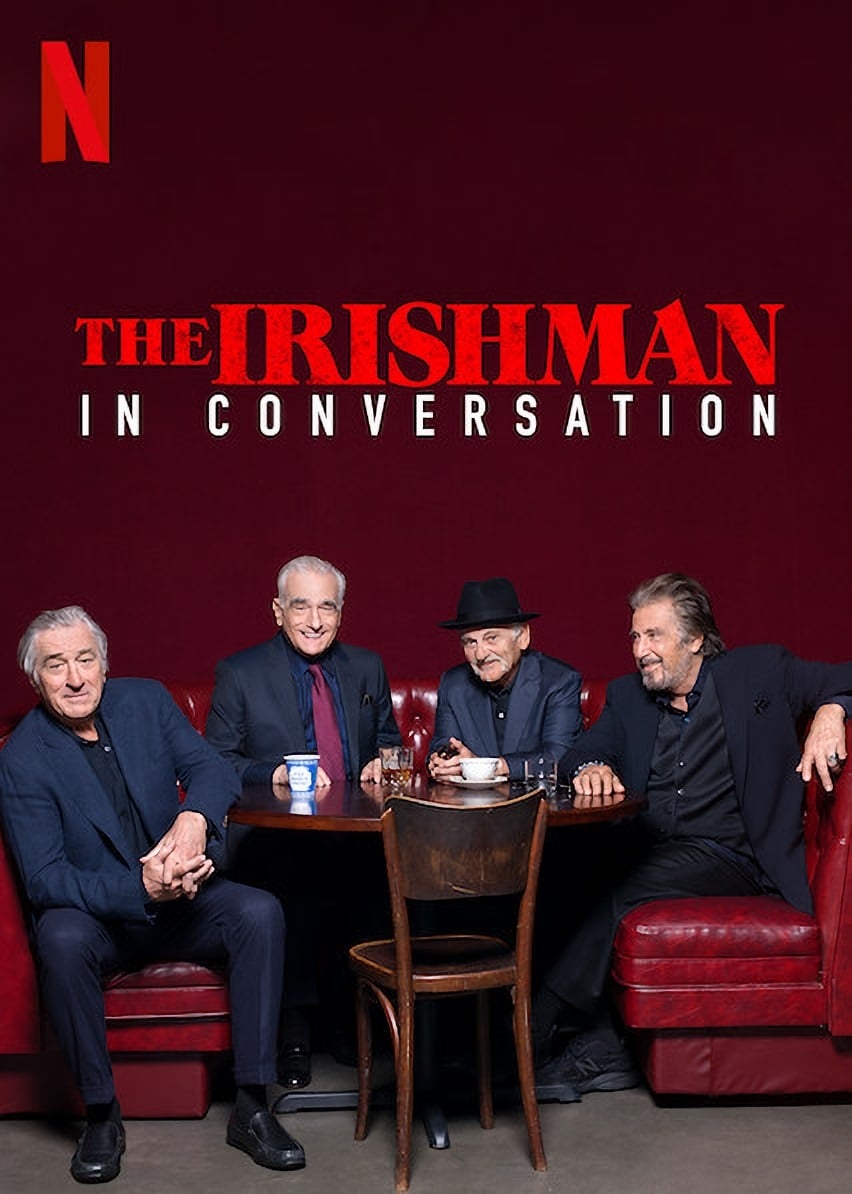
Martin Scorsese, Robert De Niro, Joe Pesci, and Al Pacino in conversation about The Irishman.
A compilation of over 30 years of private home movie footage shot by Lithuanian-American avant-garde director Jonas Mekas, assembled by Mekas "purely by chance", without concern for chronological order.
This revealing documentary honors the legendary Sidney Poitier—iconic actor, filmmaker, and civil rights activist. Featuring interviews with Denzel Washington, Spike Lee, Halle Berry, and more.
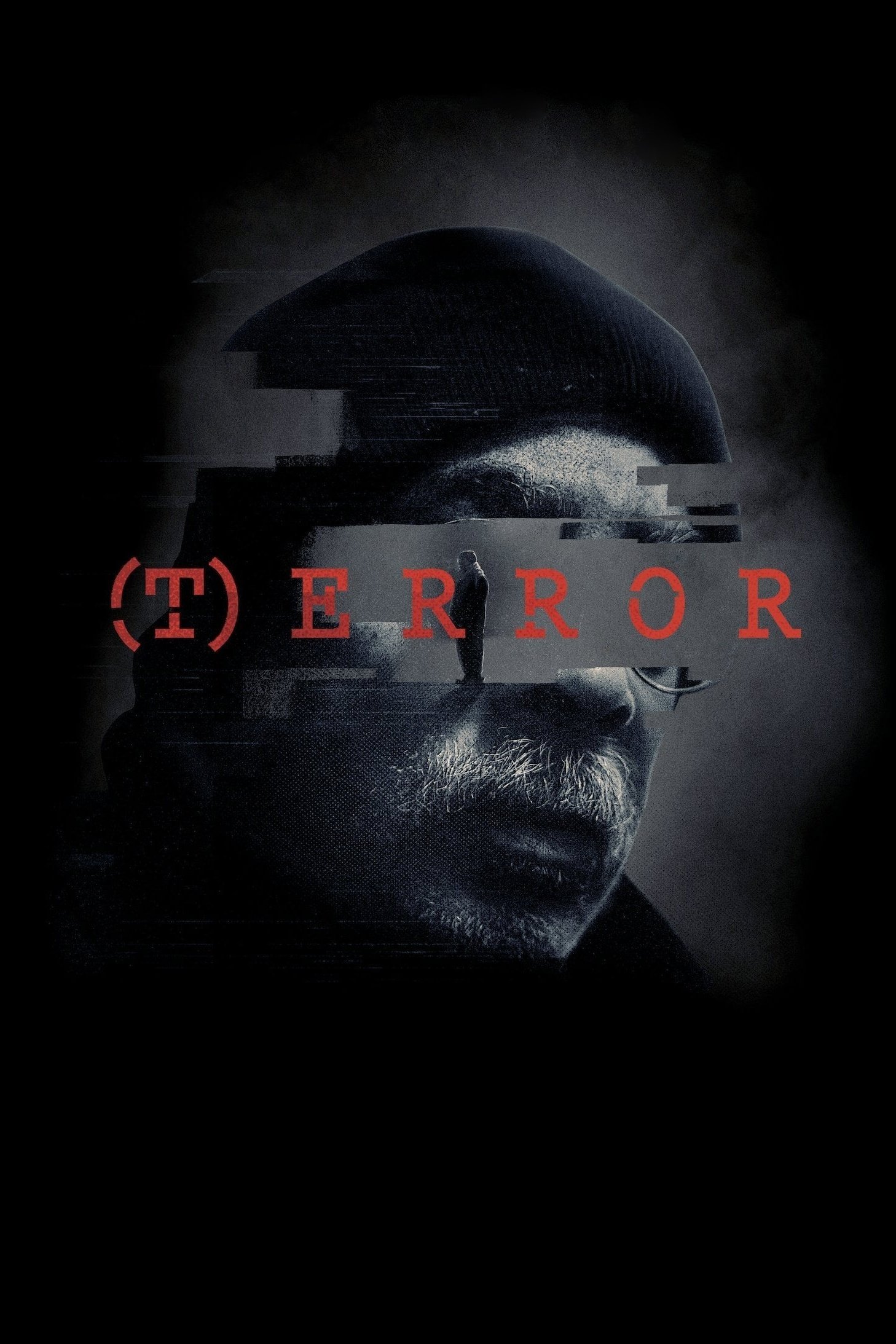
This real-life look at FBI counterterrorism operations features access to both sides of a sting: the government informant and the radicalized target.
A visual montage portrait of our contemporary world dominated by globalized technology and violence.
SEDUCED AND ABANDONED combines acting legend Alec Baldwin with director James Toback as they lead us on a troublesome and often hilarious journey of raising financing for their next feature film. Moving from director to financier to star actor, the two players provide us with a unique look behind the curtain at the world's biggest and most glamourous film festival, shining a light on the bitter-sweet relationship filmmakers have with Cannes and the film business. Featuring insights from directors Martin Scorsese, 'Bernando Bertolucci' and Roman Polanski; actors Ryan Gosling and Jessica Chastain and a host of film distribution luminaries.
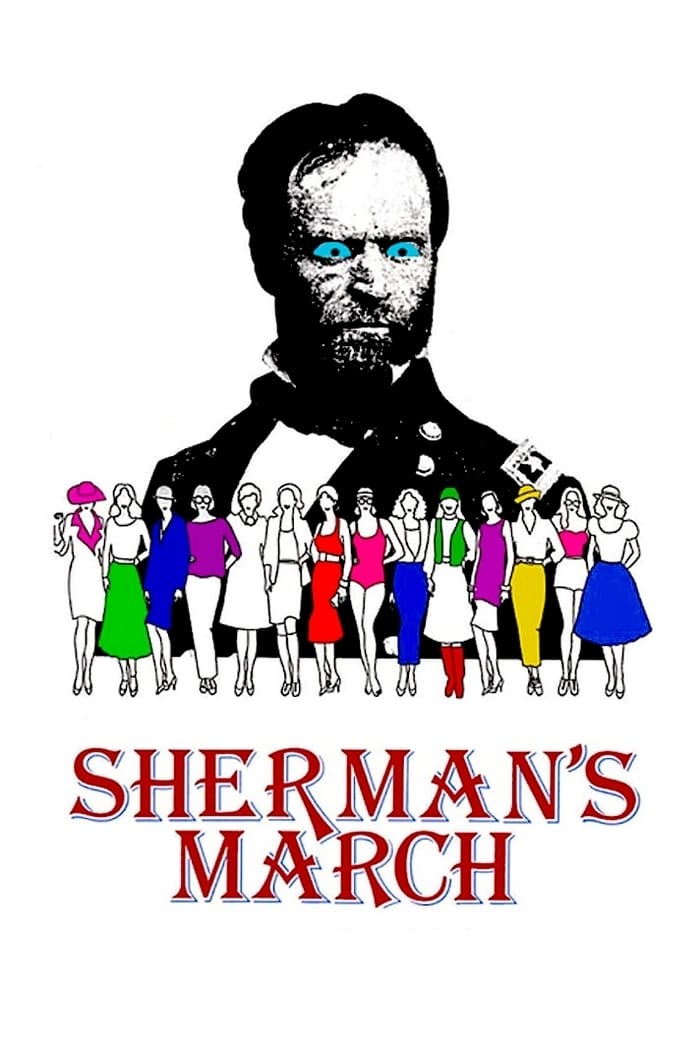
Ross McElwee sets out to make a documentary about the lingering effects of General Sherman's march of destruction through the South during the Civil War, but is continually sidetracked by women who come and go in his life, his recurring dreams of nuclear holocaust, and Burt Reynolds.
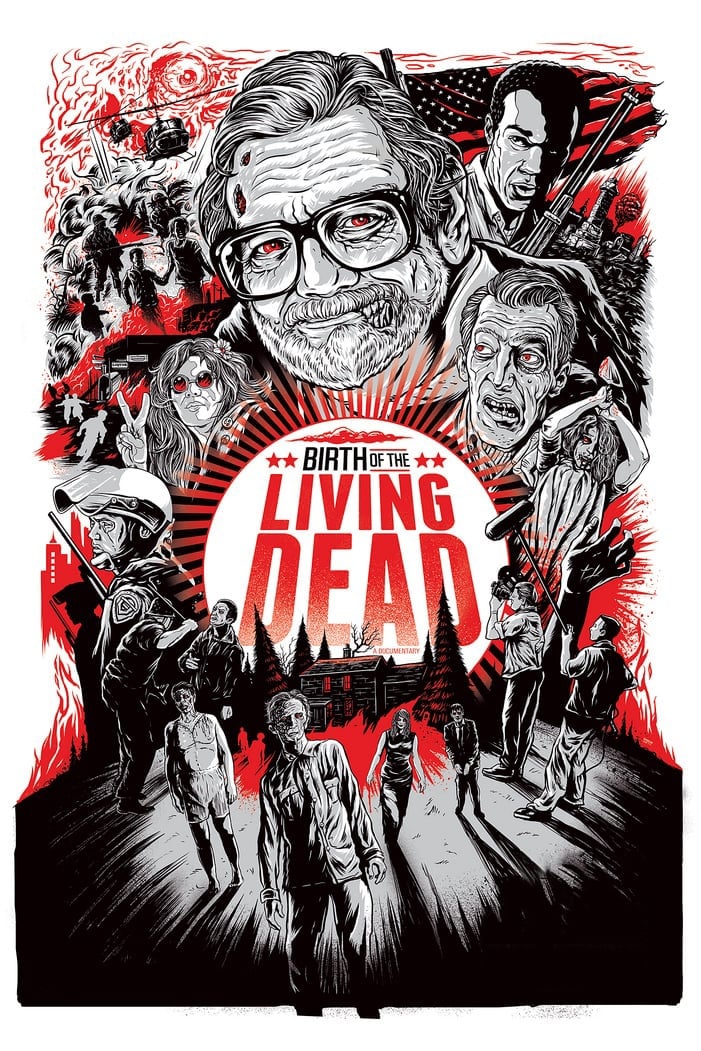
A behind the scenes look into George Romero's groundbreaking horror classic Night of the Living Dead.
Documentary filmmaker Amy Berg investigates the life of 30-year pedophile Father Oliver O'Grady and exposes the corruption inside the Catholic Church that allowed him to abuse countless children. Victims' stories and a disturbing interview with O'Grady offer a view into the troubled mind of the spiritual leader who moved from parish to parish gaining trust ... all the while betraying so many.
Filmed and edited in intimate vérité style, this movie follows visionary medical practitioners who are working on the cutting edge of life and death and are dedicated to changing our thinking about both.
A gripping tale of intrigue and mystery in the art world, this film traces the history of a collection of Post-Impressionist paintings - worth billions - which became the subject of a power struggle after the death of its owner. Dr. Albert Barnes.