In White Like Me, anti-racist educator Tim Wise explores race and racism in the US through the lens of whiteness and white privilege.
Social & External
Himself
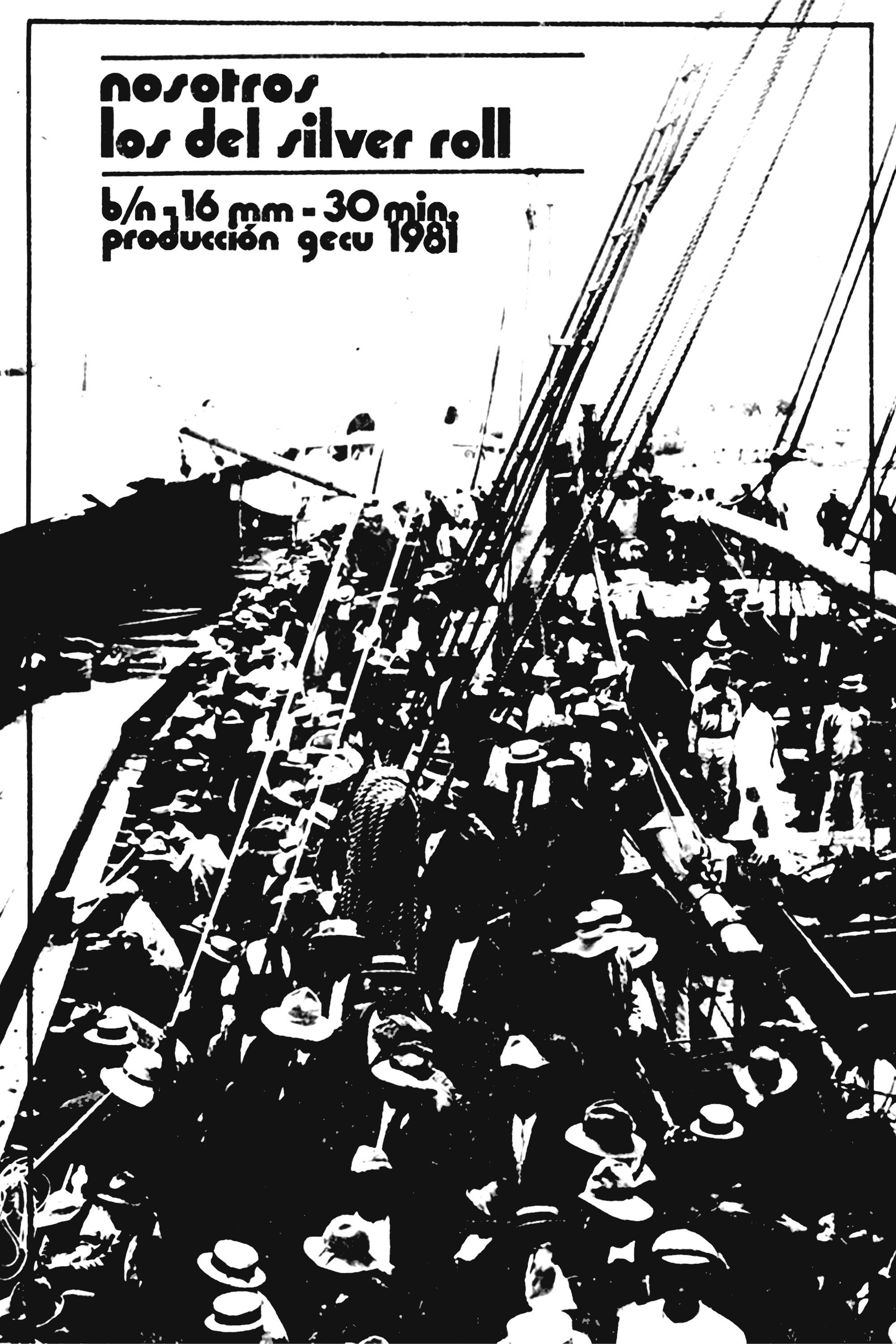
Afro-Antillean workers hired for the construction of the Panama Canal are brought from their homes to work in conditions that were not those promised. They, the descendants of African slaves and domesticated from England, manage to raise their voices against American injustices.
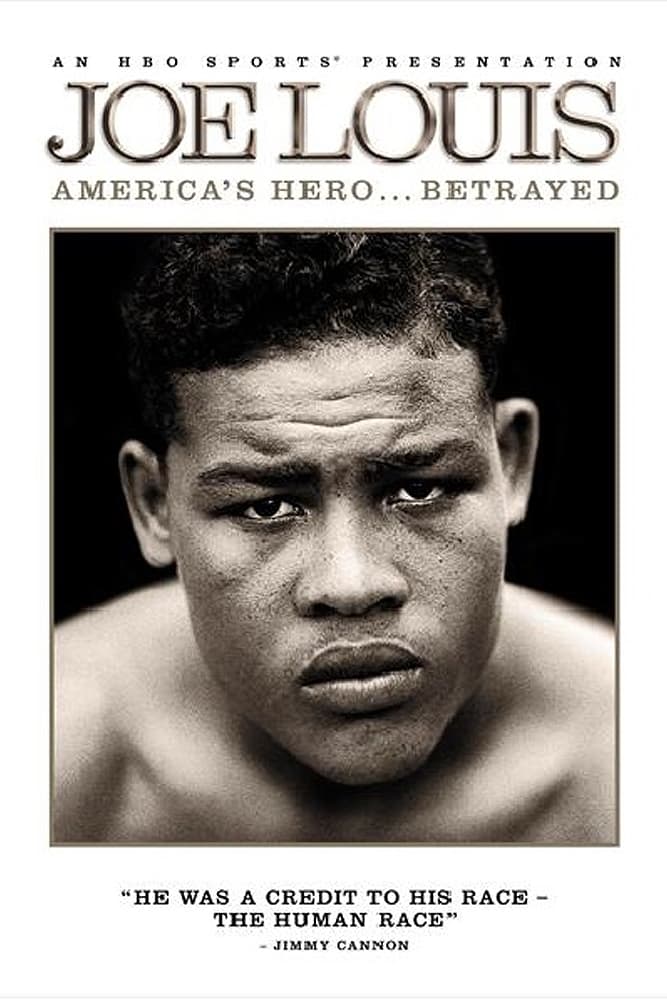
An American story. Traces the career of Joe Louis (1914-1981) within the context of American racial consciousness: his difficulty getting big fights early in his career, the pride of African-Americans in his prowess, the shift of White sentiment toward Louis as Hitler came to power, Louis's patriotism during World War II, and the hounding of Louis by the IRS for the following 15 years. In his last years, he's a casino greeter, a drug user, and the occasional object of scorn for young Turks like Muhammad Ali. Appreciative comment comes from boxing scholars, Louis's son Joe Jr., friends, and icons like Maya Angelou, Dick Gregory, and Bill Cosby.
Varosha, the only city on the world without people, the loneliest city... Varosha is a province in Cyprus that is closed with fences and unpopulated since 1974.
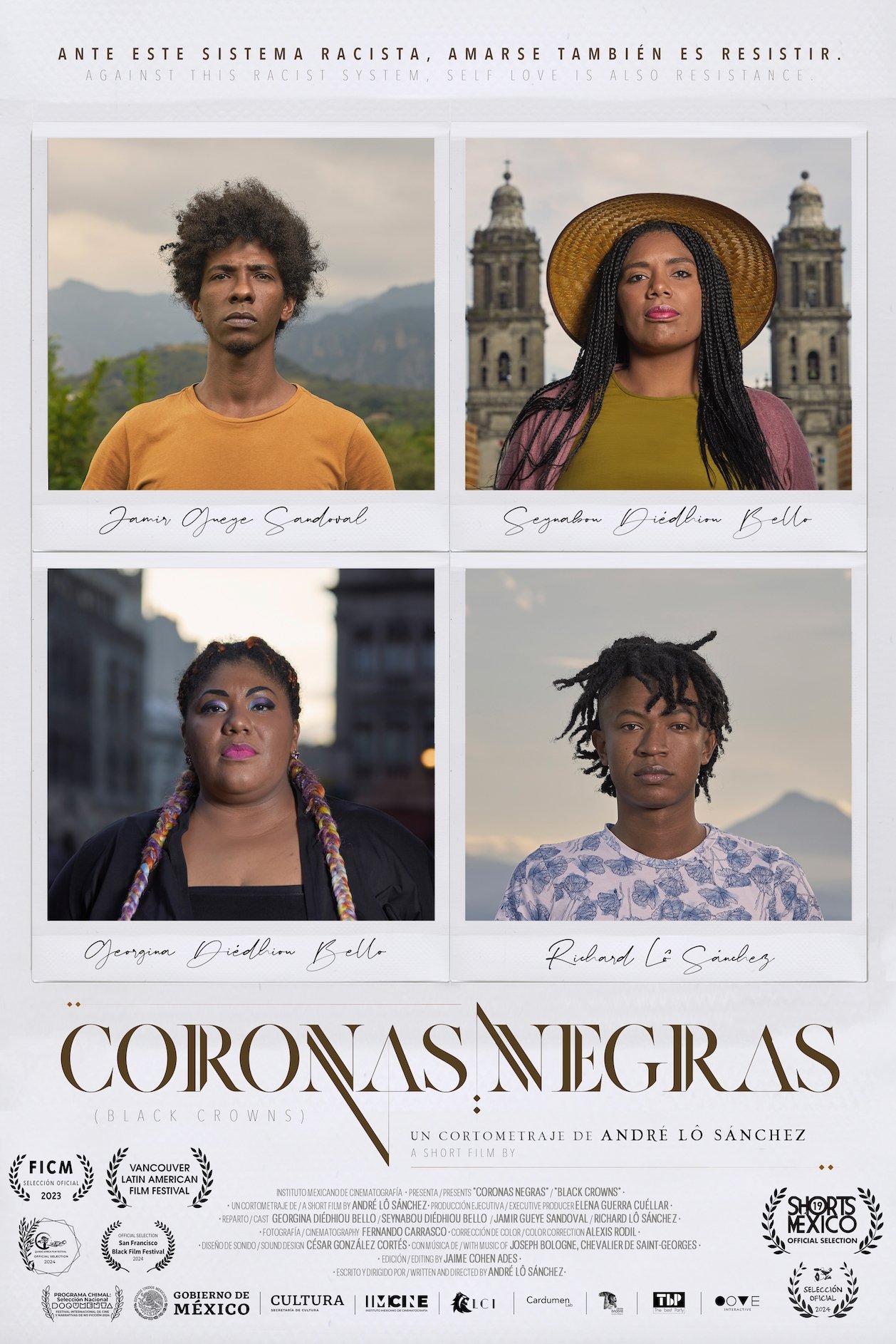
The hairstyles of four Afro-descendant people from Mexican - Senegalese families, represent the starting point to reflect, through memories that emerge from their past and present, what it is like to live in México wearing a Black Crown and the consequences that implies.
The documentary Schwarze Adler (Black Eagles) lets black players of the German national football team tell their personal stories for the first time. What road did they take before they got to where we cheer for them? What hurdles did they have to overcome? What prejudices and racist hostility were they exposed to – and what was it like in the past, what is it like today?
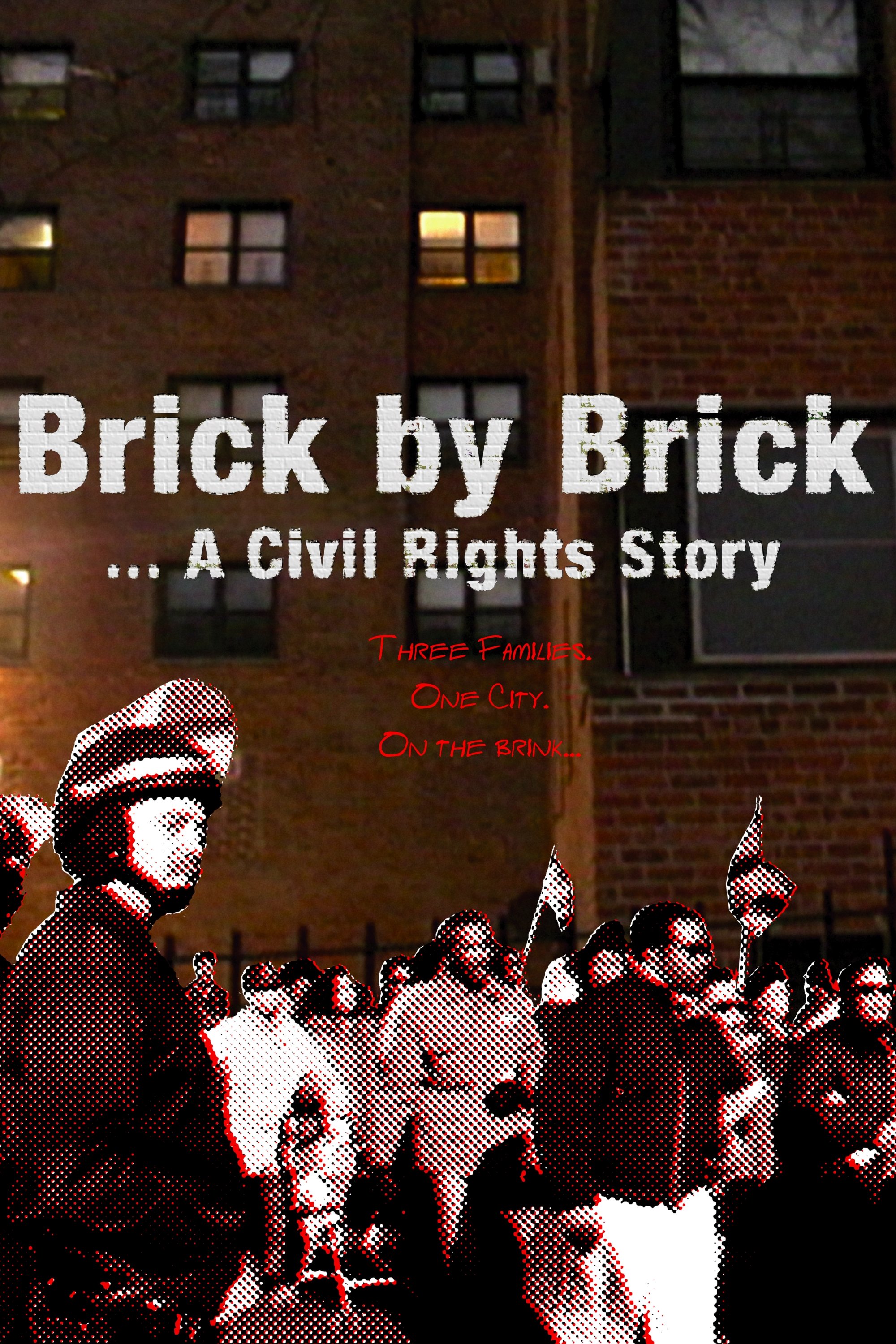
The real life story of the events surrounding the fight for and against public housing and racial integration in Yonkers, New York in the 1980s as portrayed in the HBO miniseries Show Me a Hero.
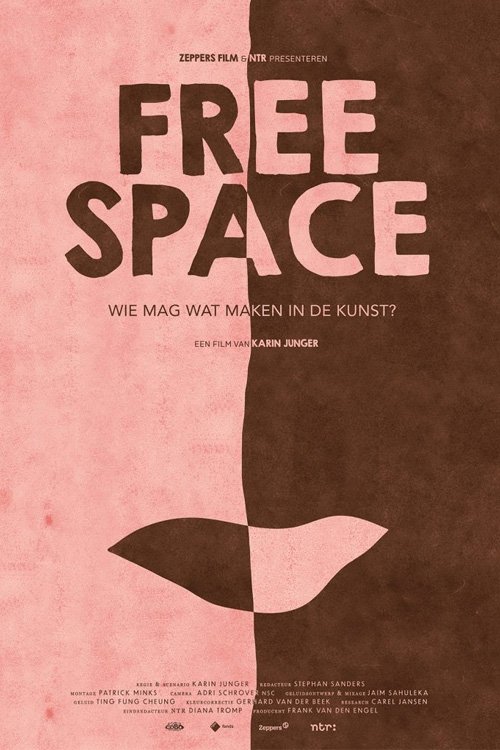
Under pressure from activist groups, art is increasingly being cancelled for ideological reasons, because of 'cultural appropriation' or because of the desire for a 'safe space'. The colour and gender of the artist seem to be all-determining in this. How do you relate to this as an artist? Is this a disturbing development or a sign of emancipation? And what does it mean for freedom of expression? Director Karin Junger investigates this with Anne-Fay Kops, Ted van Lieshout, Angel-Rose Oedit Doebé, Raymi Sambo, Boris van Berkum, Marian Markelo, Stephan Sanders and Thomas Chatterton Williams.
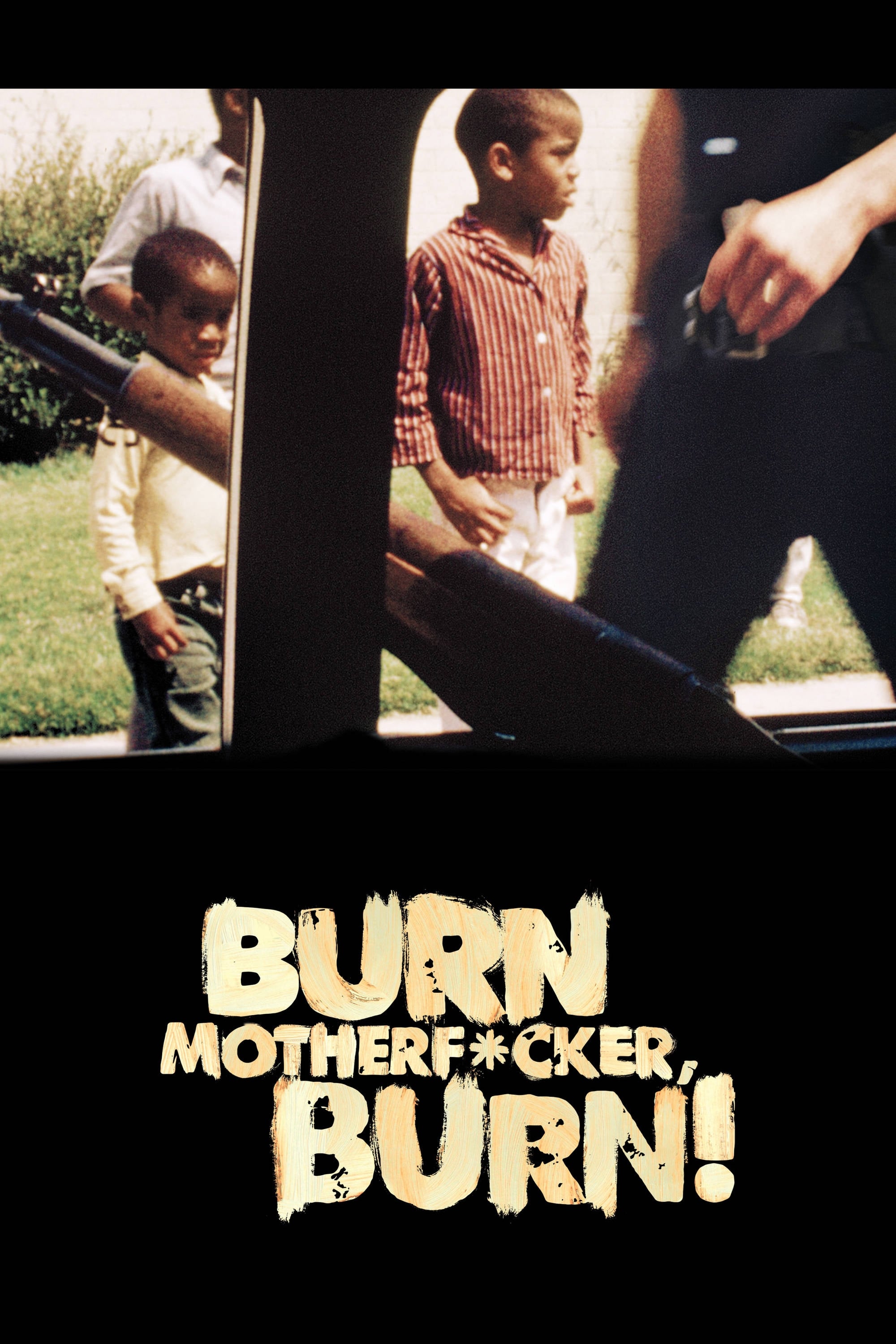
An in-depth and provocative look at the 1992 Los Angeles riots exploring the roots of civil unrest in California and the relationship between African Americans and LAPD.
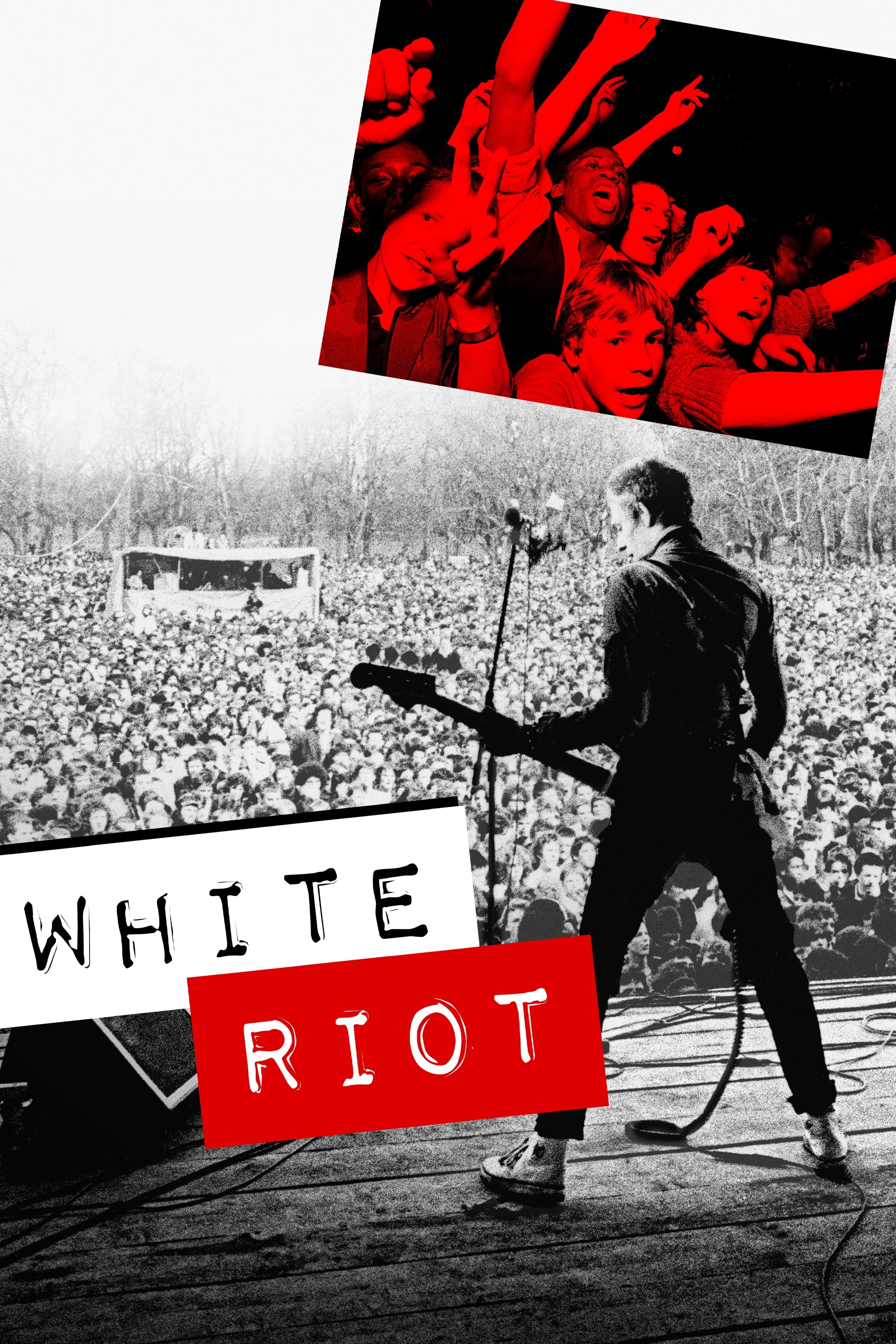
Exploring how punk influenced politics in late-1970s Britain, when a group of artists united to take on the National Front, armed only with a fanzine and a love of music.
This incisive, urgent documentary examines the history of anti-Black racism in hockey, from the segregated leagues of the 19th century to today’s NHL, where Black athletes continue to struggle against bigotry.
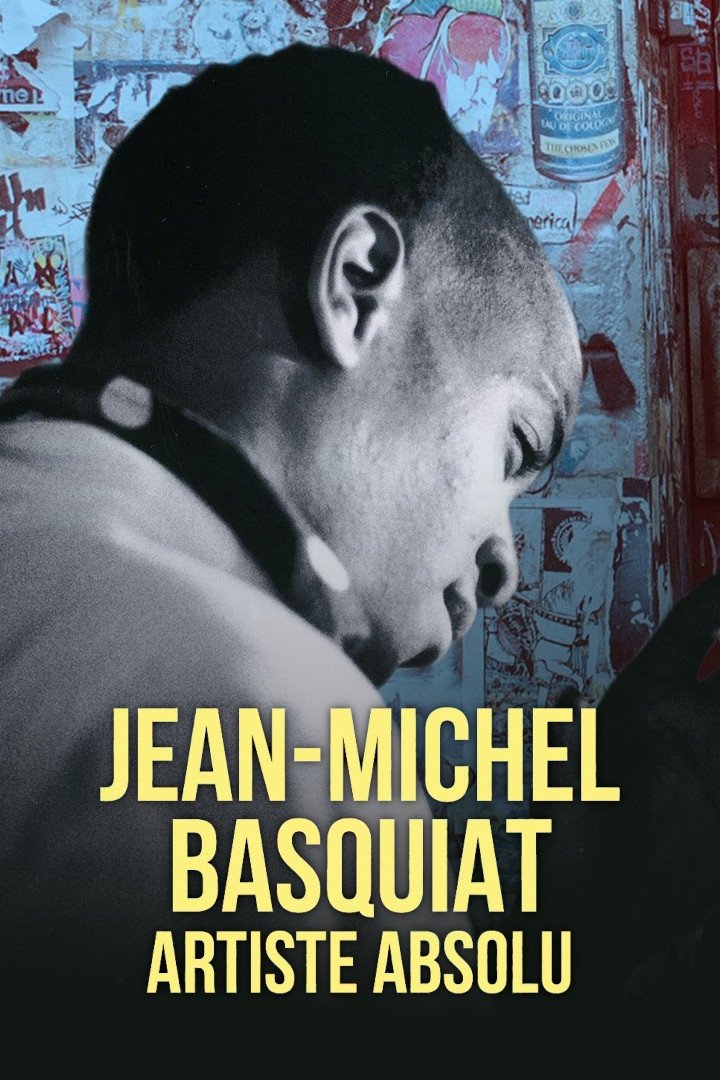
The life and work of New York artist Jean-Michel Basquiat have been marked by a long quest for identity, by his Haitian and Puerto Rican family origins and by a founding trip to Africa. To portray this major painter of the 20th century, who died in 1988 at only 27 years old, is also to evoke the place of black American artists in the conservative and racist America of the Reagan years.
"COMPLEXion is a documentary that aims to unpack the hegemony of skin color globally and challenge the archaic notions that exist surrounding it. Our mission is to defy toxic beauty standards through raw human stories."
When Winston Churchill needed the help of the US Army to defeat Hitler, he made a controversial decision to allow America to bring its segregated Army to the UK. Racial tension between black and white American soldiers spilled out onto the streets of Britain, resulting in shoot-outs, riots and murders. Searching for people alive today directly impacted by the violence, the program examines its lingering impact.
How US politicians and diplomats, over the past 25 years, have come close to achieving something almost impossible: securing peace between the State of Israel and its Arab and like-minded neighbors, mired in a struggle both dialectical and violent since the early 20th century, due to historical and religious reasons, entrenched offenses and prejudices, and the invisible and tyrannical hand of third countries' geopolitical interests in the area.
Twenty-five years after the verdict in the Rodney King trial sparked several days of protests, violence and looting in Los Angeles, LA 92 immerses viewers in that tumultuous period through stunning and rarely seen archival footage.
An in-depth look at the culture of Los Angeles in the ten years leading up to the 1992 uprising that erupted after the verdict of police officers cleared of beating Rodney King.
In 2007 Mobile, Alabama, Mardi Gras is celebrated... and complicated. Following a cast of characters, parades, and parties across an enduring color line, we see that beneath the surface of pageantry lies something else altogether.
Documentary film exploring the lives of the people at the flashpoint of the LA riots, 25 years after the uprising made national headlines and highlighted the racial divide in America.
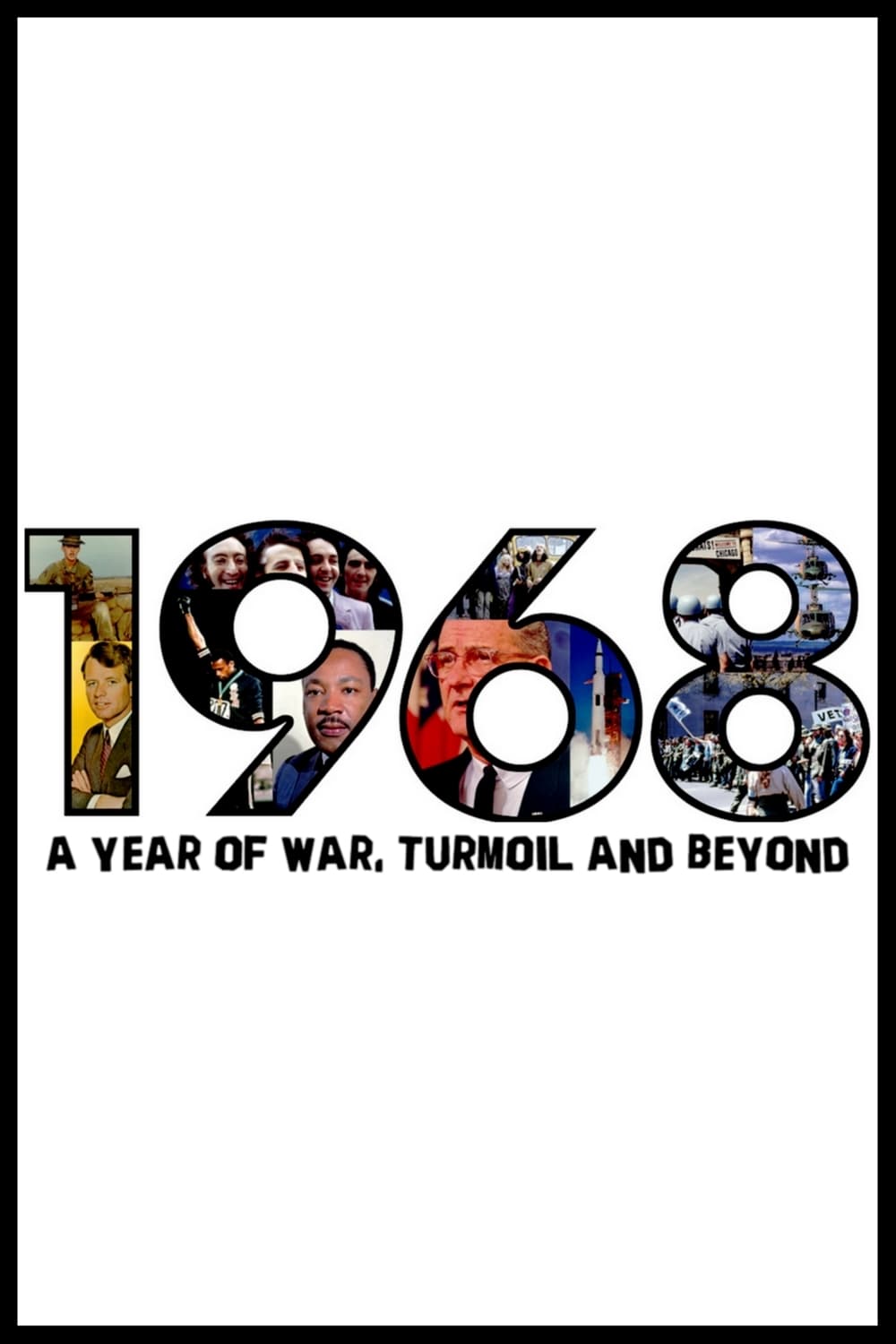
The Tet Offensive during the Vietnam War, the Civil Rights Movement, the May events in France, the assassinations of Martin Luther King and Robert F. Kennedy, the Prague Spring, the Chicago riots, the Mexico Summer Olympics, the presidential election of Richard Nixon, the Apollo 8 space mission, the hippies and the Yippies, Bullitt and the living dead. Once upon a time the year 1968.
Ross McElwee sets out to make a documentary about the lingering effects of General Sherman's march of destruction through the South during the Civil War, but is continually sidetracked by women who come and go in his life, his recurring dreams of nuclear holocaust, and Burt Reynolds.
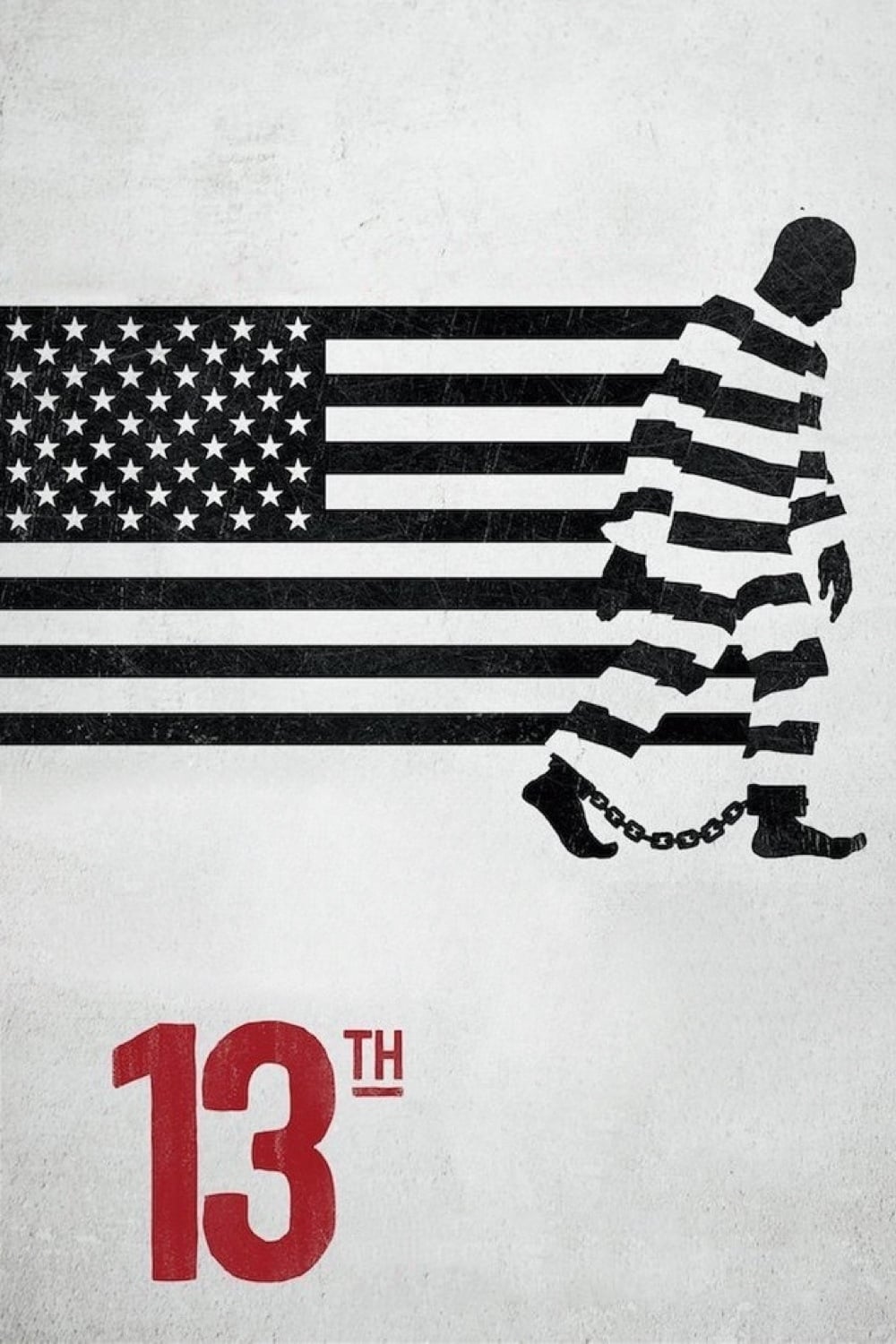
An in-depth look at the prison system in the United States and how it reveals the nation's history of racial inequality.
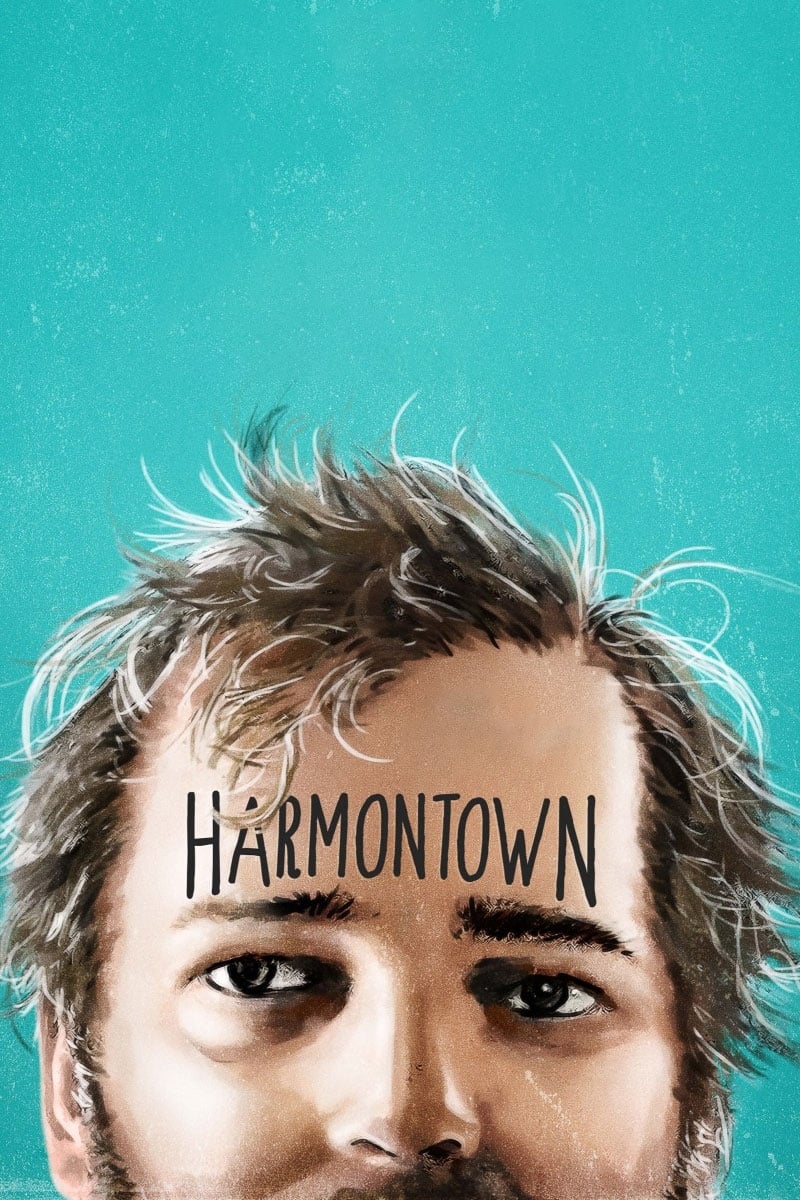
A comedic, brutally honest documentary following self-destructive TV writer Dan Harmon as he takes his live podcast on a national tour.
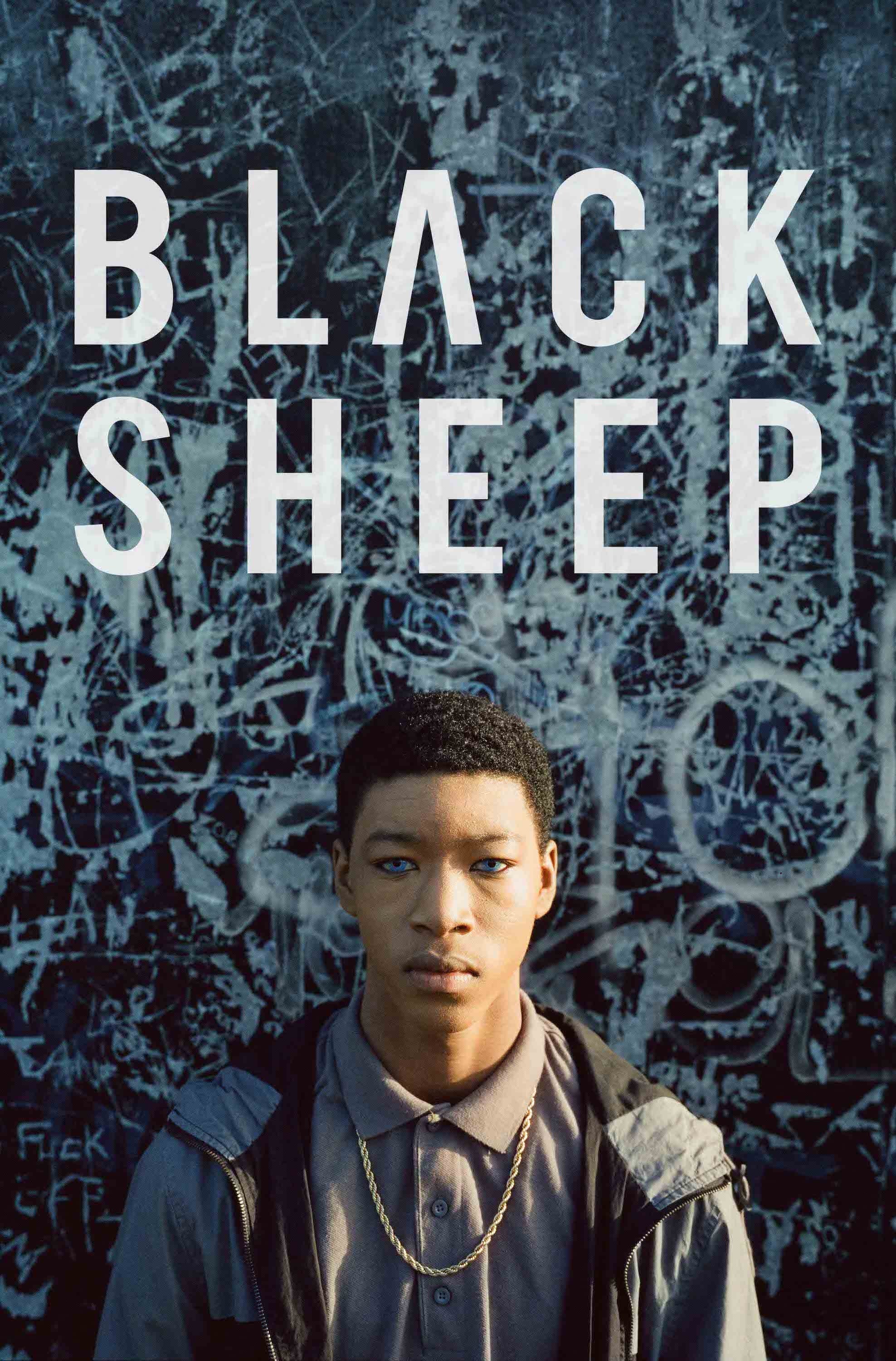
After the high-profile killing of Damilola Taylor, Cornelius' family move out of London. But when they discover their new town is run by racists, Cornelius takes a drastic step to survive.
Those who knew iconic funnyman John Candy best share his story, in their own words, through never-before-seen archival footage, imagery, and interviews.
When Allied forces liberated the Nazi concentration camps in 1944-45, their terrible discoveries were recorded by army and newsreel cameramen, revealing for the first time the full horror of what had happened. Making use of British, Soviet and American footage, the Ministry of Information’s Sidney Bernstein (later founder of Granada Television) aimed to create a documentary that would provide lasting, undeniable evidence of the Nazis’ unspeakable crimes. He commissioned a wealth of British talent, including editor Stewart McAllister, writer and future cabinet minister Richard Crossman – and, as treatment advisor, his friend Alfred Hitchcock. Yet, despite initial support from the British and US Governments, the film was shelved, and only now, 70 years on, has it been restored and completed by Imperial War Museums under its original title "German Concentration Camps Factual Survey".
In the Realms of the Unreal is a documentary about the reclusive Chicago-based artist Henry Darger. Henry Darger was so reclusive that when he died his neighbors were surprised to find a 15,145-page manuscript along with hundreds of paintings depicting The Story of the Vivian Girls, in What is Known as the Realms of the Unreal, of the Glodeco-Angelinnian War Storm, Cased by the Child Slave Rebellion.
Behind-the-scenes documentary about how Lionel Messi succeeded in lifting the World Cup – the only trophy to have eluded him in an incredible career.
A documentary focused on plastic pollution in the world's oceans.
A detailing of the rise to prominence and global sporting superstardom of six supremely talented young Manchester United football players (David Beckham, Nicky Butt, Ryan Giggs, Paul Scholes, Phil and Gary Neville). The film covers the period 1992-1999, culminating in Manchester United's European Cup triumph.
Al Pacino's deeply-felt rumination on Shakespeare's significance and relevance to the modern world through interviews and an in-depth analysis of "Richard III."
A documentary about the life and films of director John Ford.
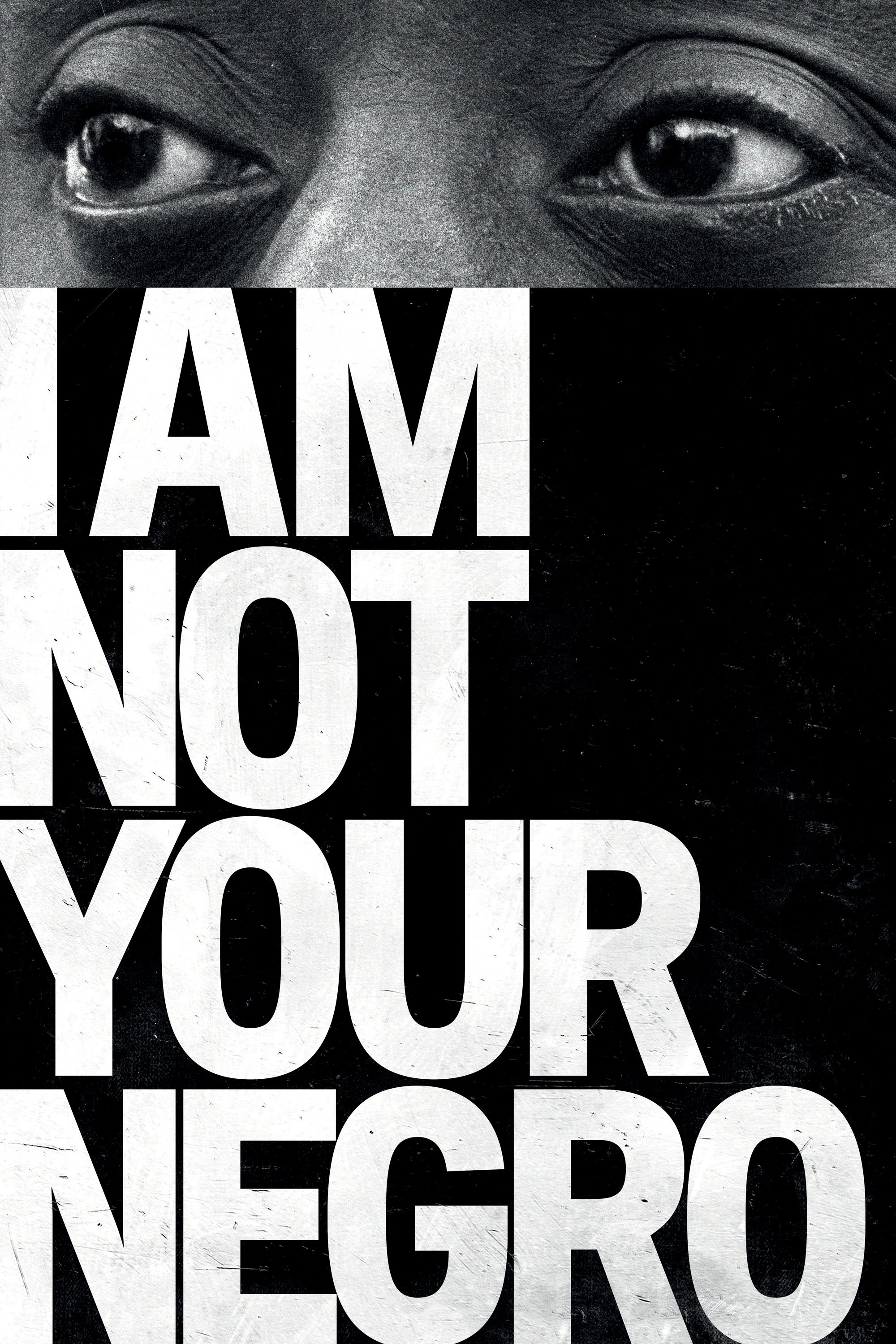
Working from the text of James Baldwin’s unfinished final novel, director Raoul Peck creates a meditation on what it means to be Black in the United States.
JB Smoove and Martin Starr host a celebration of 20 years of "Spider-Man" movies, from the Sam Raimi trilogy to Marc Webb's movies and the trio from Jon Watts.
The life of Mr. Spock, as well as that of Leonard Nimoy, the actor who played him for almost fifty years, written and directed by his son: Adam.
This revealing documentary honors the legendary Sidney Poitier—iconic actor, filmmaker, and civil rights activist. Featuring interviews with Denzel Washington, Spike Lee, Halle Berry, and more.
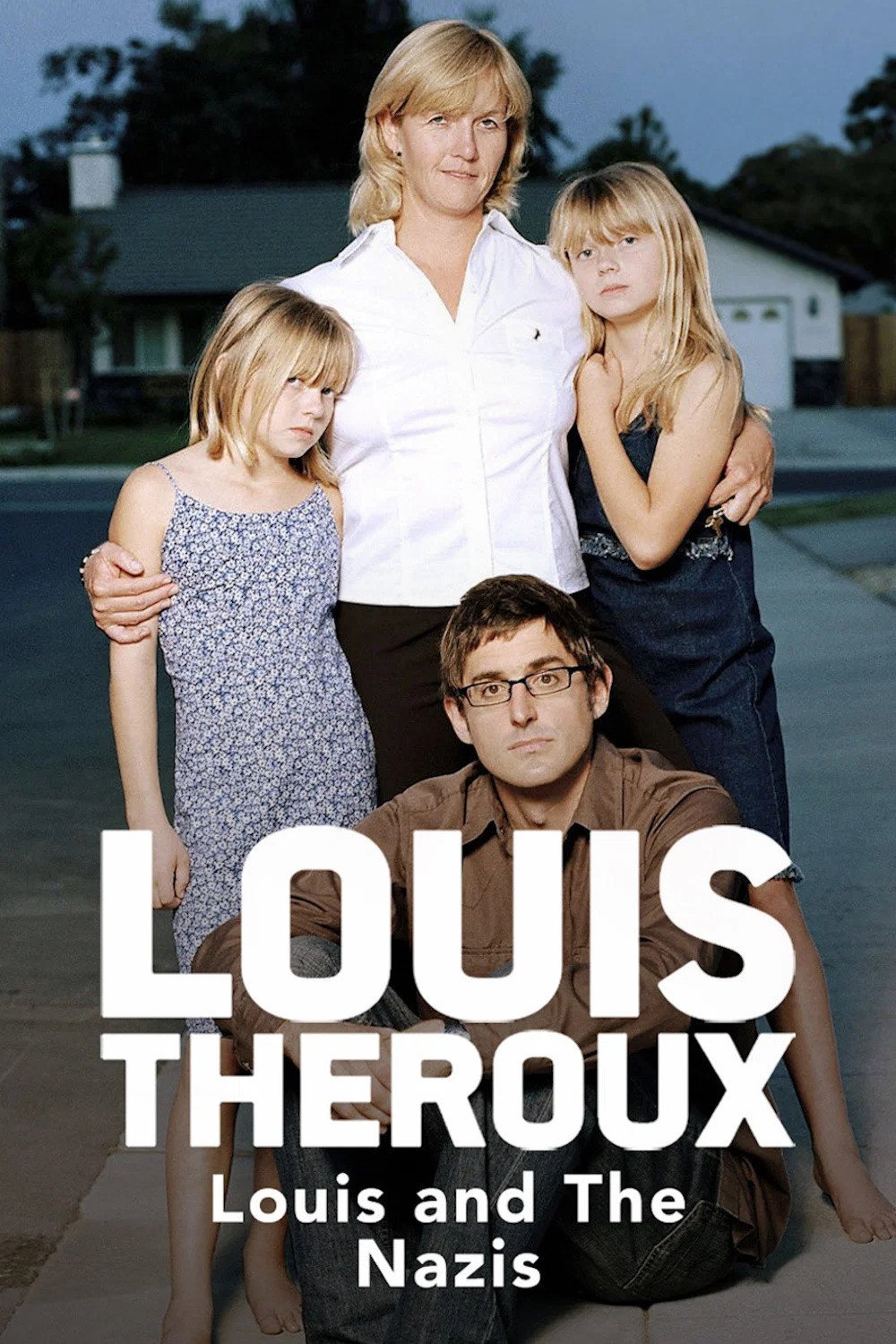
Louis Theroux travels to California to meet the man dubbed "the most dangerous racist in America"; Tom Metzger. Louis meets him, his family and his publicity manager as well as following him to skinhead rallies and on a visit to Mexico.
This documentary examines the 1999 London bombings that targeted Black, Bangladeshi and gay communities, and the race to find the far-right perpetrator. He terrorized a city, seeking to ignite a race war but justice was served by those who wouldn't let his hate win.
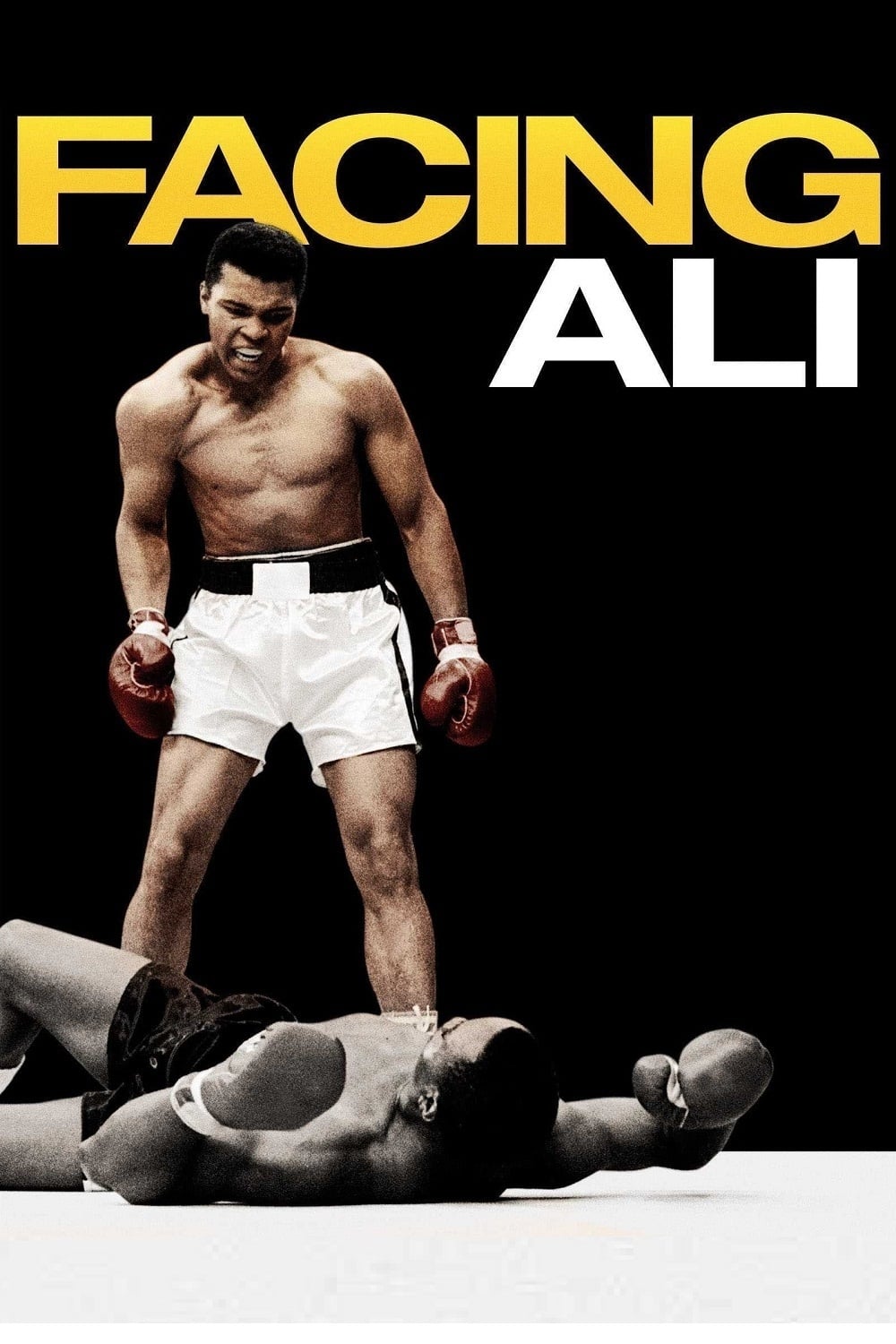
Ten of Muhammad Ali's former rivals pay tribute to the three-time world heavyweight champion.
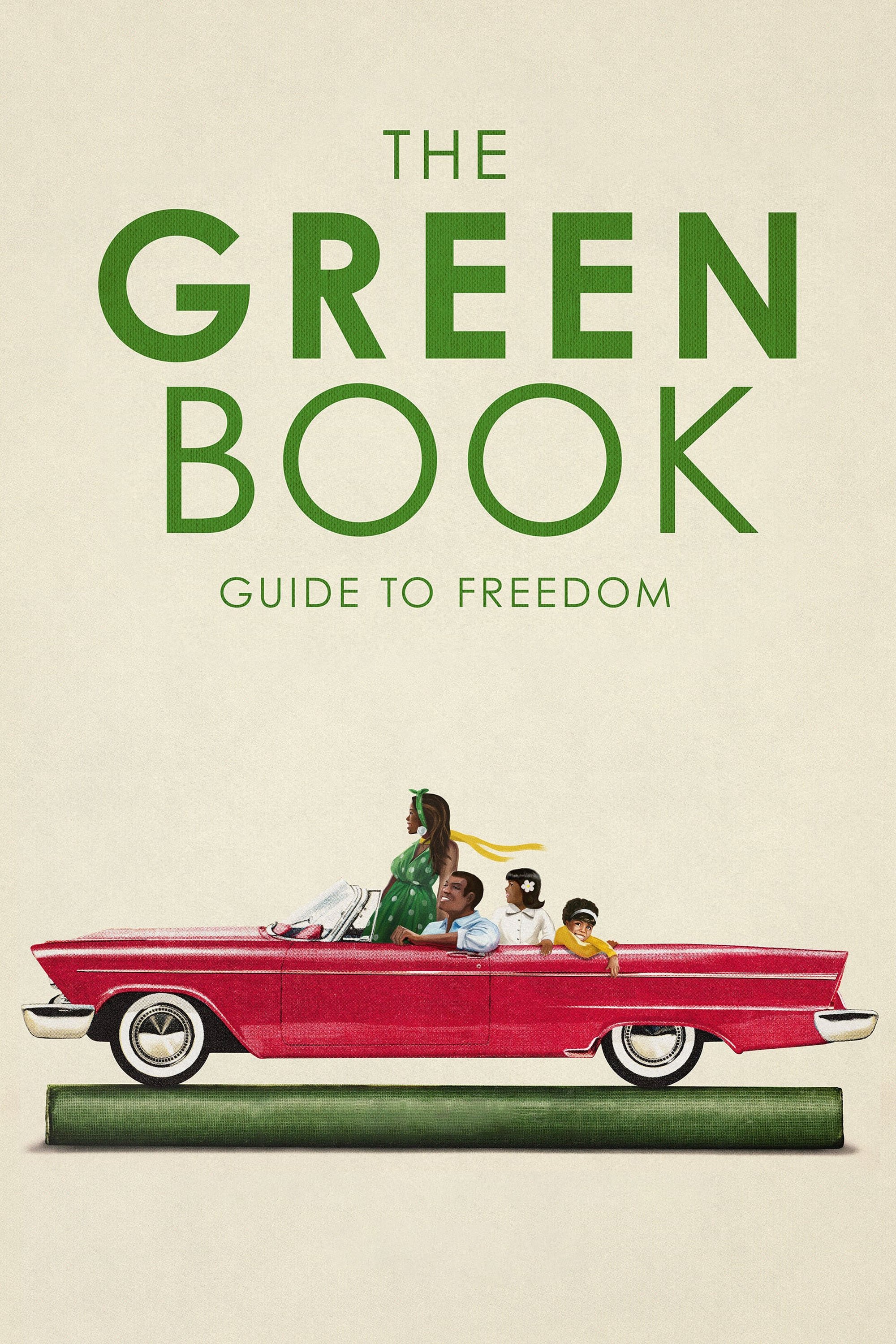
In 1936, Victor H. Green (1892-1960) published The Negro Motorist Green Book, a book that was both a travel guide and a survival manual, to help African-Americans navigate safe those regions of the United States where segregation and Jim Crow laws were disgracefully applied.