A (her)story told through the very people involved in the women’s liberation movement beginning in Japan in the 1970s.
Social & External
Self
Published in 1949, The Second Sex became the bible of global feminism. An essential work that passionately advocates for gender equality, women's independence, and the liberation of morals. Today, how does this seminal work continue to resonate in our contemporary world? Conceived as an initiatory journey to the origins of Simone de Beauvoir's thinking, the film The Second Sex: In the Footsteps of Simone de Beauvoir takes us to the United States, to the places that inspired the philosopher and nourished her theories. An American road trip bringing together the worst and the best, predatory capitalism and mad love. A unique reinterpretation in the company of the great thinkers of our century.
A journey back through Dacia Maraini's and her trips around the world with her close friends cinema director Pier Paolo Pasolini and opera singer Maria Callas. An in-depth story of this fascinating woman's life. Maraini's memories come alive through personal photographs taken on the road as well as her own Super 8 films shot almost thirty years ago.
Pussy Riot make a comeback after a long absence to stand with Ukraine. Their story and their struggle are told through archival footage and interviews with the group’s members.
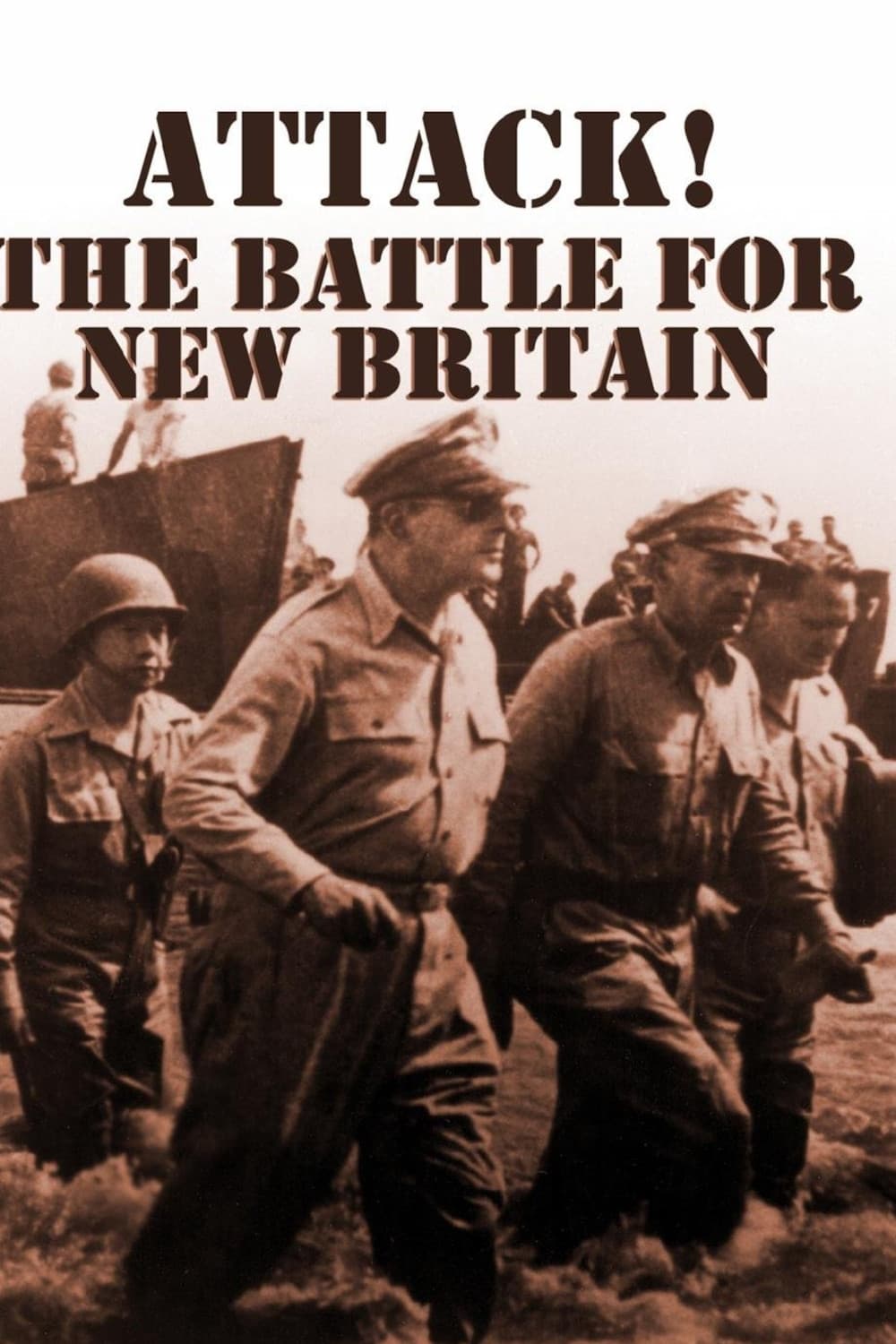
Actual footage by the United States Signal Corps of the landing and attack on Arawe Beach, Cape Glouster, New Britain island in 1943 in the South Pacific theatre of World War Two, and the handicaps of the wild jungle in addition to the Japanese snipers and pill-box emplacements.
Siblings Aru, age 3, and Kino, age 1, have 3 parents: father Fumino, who is transgender; mother Honoyo, Fumino's partner who gave birth to the children; and father Gon, a close gay friend who donated his sperm. The 3 are now raising their children together, struggling repeatedly to find their own way of being a family. This program covers their first 3 years of parenting. And it asks an important question: What does it take to be a family?
For years, characters such as Godzilla, Gamera & Ultraman have captivated audiences worldwide. But what exactly are the origins of these beloved icons and where did their unique "kaiju genre" begin? Spanning from the genre's inception in the early years of cinema to the present day global renaissance, "Slimer" Joel takes you on a near century-long tour into the brilliant and captivating world of the kaiju genre in the monstrous KAIJUOLOGY: THE HISTORY OF A GENRE.
In the last fifty years the culture of Zen has spread far beyond Japan. Zen centers and zen retreats have sprung up throughout America and Europe. When Dogen, the founder of Soto Zen, brought Zen to Japan from China 800 years ago, it quickly took root and became an integral part of Japanese life. Yet what do we know about zen practice in Japan today? The Zen Mind is a fascinating journey across Japan to explore zen in its natural habitat.
Documentary about two boys and a girl who travel to surfing spots around the world.
Intimately following 1st and 6th graders at a public elementary school in Tokyo, we observe kids learning the traits necessary to become part of Japanese society.
"Heart of the Country" is the story of Shinichi Yasutomo, the extraordinary principal of a rural elementary school in Kanayama, central Hokkaido, Northern Japan. Yasutomo is a man driven by his vision for learning and his passion for educating the heart as well as the mind. The film follows Yasutomo, his teachers and staff, students and their families over the course of one entire school year. The film is also the story of the families of Kanayama. Parents and elders of this once impoverished town embrace Yasutomo's vision, but not without wary glances back to the past. This small community, bound together by love for its children, is also defined by its journey through the cultural upheavals of postwar Japan.
In this tape, Ko Nakajima and Video Earth Tokyo interview a homeless man. The subject is initially angry and frustrated, but gradually opens up and shares stories about his life. Under A Bridge was later broadcast on cable television.
Leaving Europe to look for Akiko, Jean-Noël discovers her city, the exotic Tokyo. A documentary on everyday life in Tokyo, its KABUKI theater, its nostalgic TAKENOKOZOKU dances, its thousands of suit-and-tie executives, its geishas, its Western style marriages, its tranquil green areas, its pulsating nightlife...
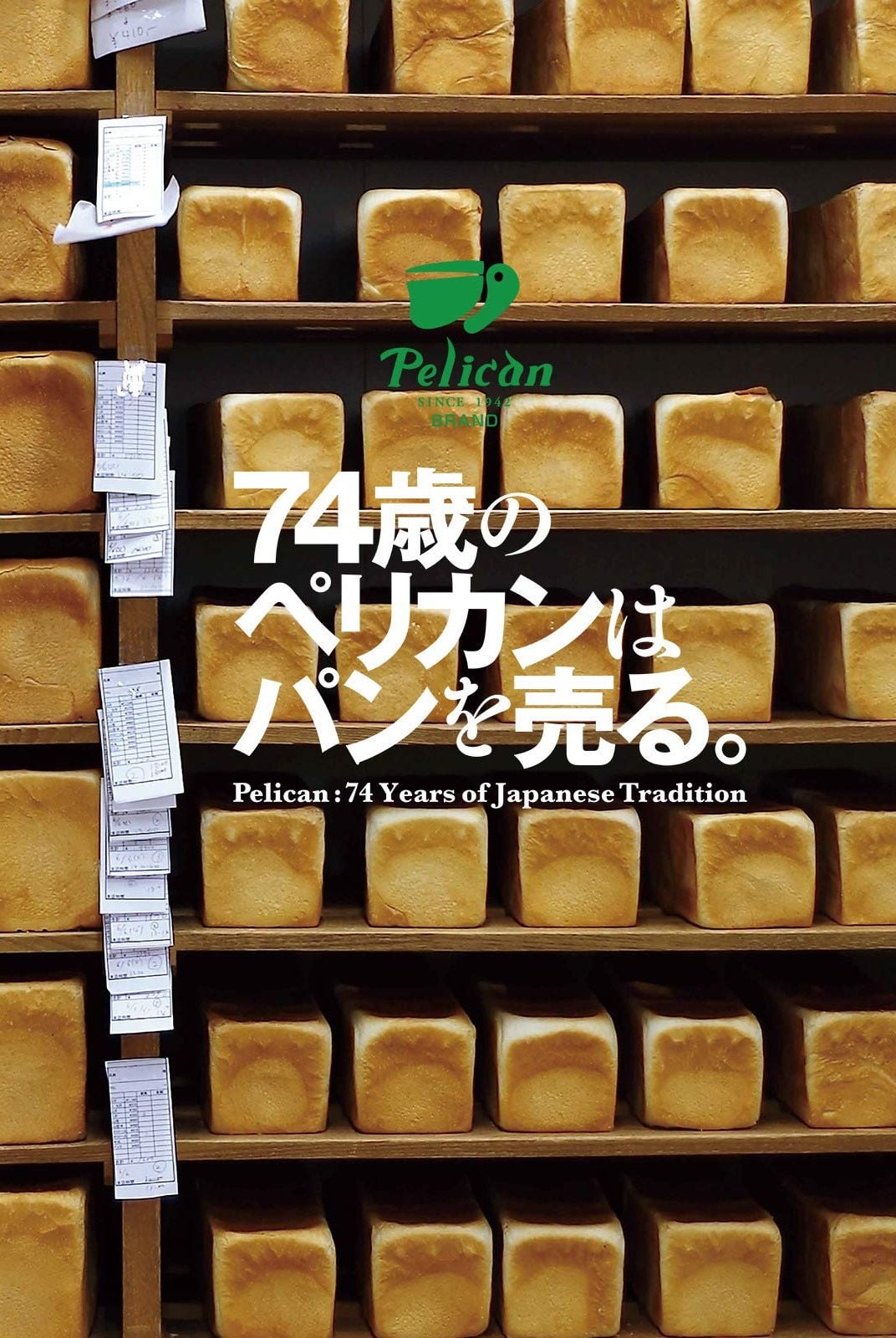
Pelican, a bakery located at Asakusa, Tokyo, becomes crowded every morning. There are only two types of bread sold. It looks ordinary but meet a bakery that has been loved for 74 years with a taste you won't get tired of even if you eat it everyday!
Japan blossomed into its Renaissance at approximately the same time as Europe. Unlike the West, it flourished not through conquest and exploration, but by fierce and defiant isolation. And the man at the heart of this empire was Tokugawa Ieyasu, a warlord who ruled with absolute control. This period is explored through myriad voices-- the Shogun, the Samurai, the Geisha, the poet, the peasant and the Westerner who glimpsed into this secret world.
Using never-before-seen footage, Japan's War In Colour tells a previously untold story. It recounts the history of the Second World War from a Japanese perspective, combining original colour film with letters and diaries written by Japanese people. It tells the story of a nation at war from the diverse perspectives of those who lived through it: the leaders and the ordinary people, the oppressors and the victims, the guilty and the innocent. Until recently, it was believed that no colour film of Japan existed prior to 1945. But specialist research has now unearthed a remarkable colour record from as early as the 1930s. For eight years the Japanese fought what they believed was a Holy War that became a fight to the death. Japan's War In Colour shows how militarism took hold of the Japanese people; describes why Japan felt compelled to attack the West; explains what drove the Japanese to resist the Allies for so long; and, finally, reveals how they dealt with the shame of defeat.
A documentary film telling the story of true friendship and commitment to Japan’s recovery by the international community following the Great East Japan Earthquake. Many of these people dropped what they were doing and dedicated themselves to Japan’s recovery. Many of these them even took it upon themselves to establish non-profit organizations aimed at connecting with and rebuilding Tohoku and its communities.
Sake is a traditional alcoholic beverage from Japan and is otherwise known as rice wine. Women were prohibited from entering the many large and small sake breweries dotting Japan for centuries. However, times have changed and women are present on the sake scene today. In several cases, they are integral to the Japanese brewery business. The documentary depicts women who are not only enthusiasts, but also leaving their marks on the evolution of this Japanese mainstay.
Kazuo Hara follows Ayumi Yasutomi, a transgender candidate, who is also a Tokyo University professor, as she embarks on a national campaign for a seat in Japan's Upper House.
A documentary that resurrects the buried history of the outrageous, often brilliant women who founded the modern women's movement from 1966 to 1971.
In 1977, a book of photographs captured an awakening - women shedding the cultural restrictions of their childhoods and embracing their full humanity. This documentary revisits those photos, those women and those times and takes aim at our culture today that alarmingly shows the need for continued change.
In the early-morning hours of July 23, 2007, in Cheshire, Conn., ex-convicts Steven Hayes and Joshua Komisarjevsky broke into the family home of William Petit, his wife, Jennifer, and their daughters, Michaela, 11, and Hayley, 17. Dr. Petit was beaten and tied to a pole in the basement. The three women were bound in their bedrooms while the men ransacked the house. The brutal ordeal continued throughout the morning, ending with rape, arson and a horrific triple homicide.
In the Realms of the Unreal is a documentary about the reclusive Chicago-based artist Henry Darger. Henry Darger was so reclusive that when he died his neighbors were surprised to find a 15,145-page manuscript along with hundreds of paintings depicting The Story of the Vivian Girls, in What is Known as the Realms of the Unreal, of the Glodeco-Angelinnian War Storm, Cased by the Child Slave Rebellion.
This character-driven film considers the evolving sex trafficking landscape as seen by the main players: the exploited, the pimps, the johns that fuel the business, and the cops who fight to stop it.
Lyrical and powerfully personal essay film that reflects on the deaths of her husband Lou Reed, her mother, her beloved dog, and such diverse subjects as family memories, surveillance, and Buddhist teachings.
Journalist Shiori Ito embarks on a courageous investigation of her own sexual assault in an improbable attempt to prosecute her high-profile offender. Her quest becomes a landmark case in Japan, exposing the country's outdated judicial and societal systems.
Over seven decades, actor and activist George Takei journeyed from a World War II internment camp to the helm of the Starship Enterprise, and then to the daily news feeds of five million Facebook fans. Join George and his husband, Brad, on a wacky and profound trek for life, liberty, and love.
The world's greatest pin-up model and cult icon, Bettie Page, recounts the true story of how her free expression overcame government witch-hunts to help launch America's sexual revolution. When she saw the film The Notorious Bettie Page, produced by HBO in 2006, the main person concerned reacted unequivocally: “Lies! Lies!” In a long interview recorded shortly before her death, the woman who entered the collective unconscious as the ultimate pin-up gave her version of events to director Mark Mori. In a gravelly voice, Bettie Page tells her own story and lifts the veil on areas often hidden by images that have made so many men and women fantasize since the 1950s: her abused childhood, an eclipse that lasted forty years, her mental illness. Through testimonies and unpublished archives, this documentary brings back to life a body and a face endlessly declined before our eyes, just as Bettie wanted: “I would like people to remember me as I was in the photos.”
Girl next door, activist, so-called traitor, fitness tycoon, Oscar winner: Jane Fonda has lived a life of controversy, tragedy and transformation – and she’s done it all in the public eye. An intimate look at one woman’s singular journey.
If you ever find yourself traveling down Interstate 49 through Missouri, try not to blink—you may miss Rich Hill, population 1,396. Rich Hill is easy to overlook, but its inhabitants are as woven into the fabric of America as those living in any small town in the country. This movie intimately chronicles the turbulent lives of three boys living in said Midwestern town and the fragile family bonds that sustain them.
The feature documentary follows women of all walks of life, all ages and ethnic backgrounds, as they shed trauma, body image shame, sexual abuse and other issues locked in their bodies, and embark on a journey to reclaim themselves. The film also gives a rare window into the world of Pole artistry and expression.
A documentary on the modeling industry's 'supply chain' between Siberia, Japan, and the U.S., told through the experiences of the scouts, agencies, and a 13-year-old model.
This real-life look at FBI counterterrorism operations features access to both sides of a sting: the government informant and the radicalized target.
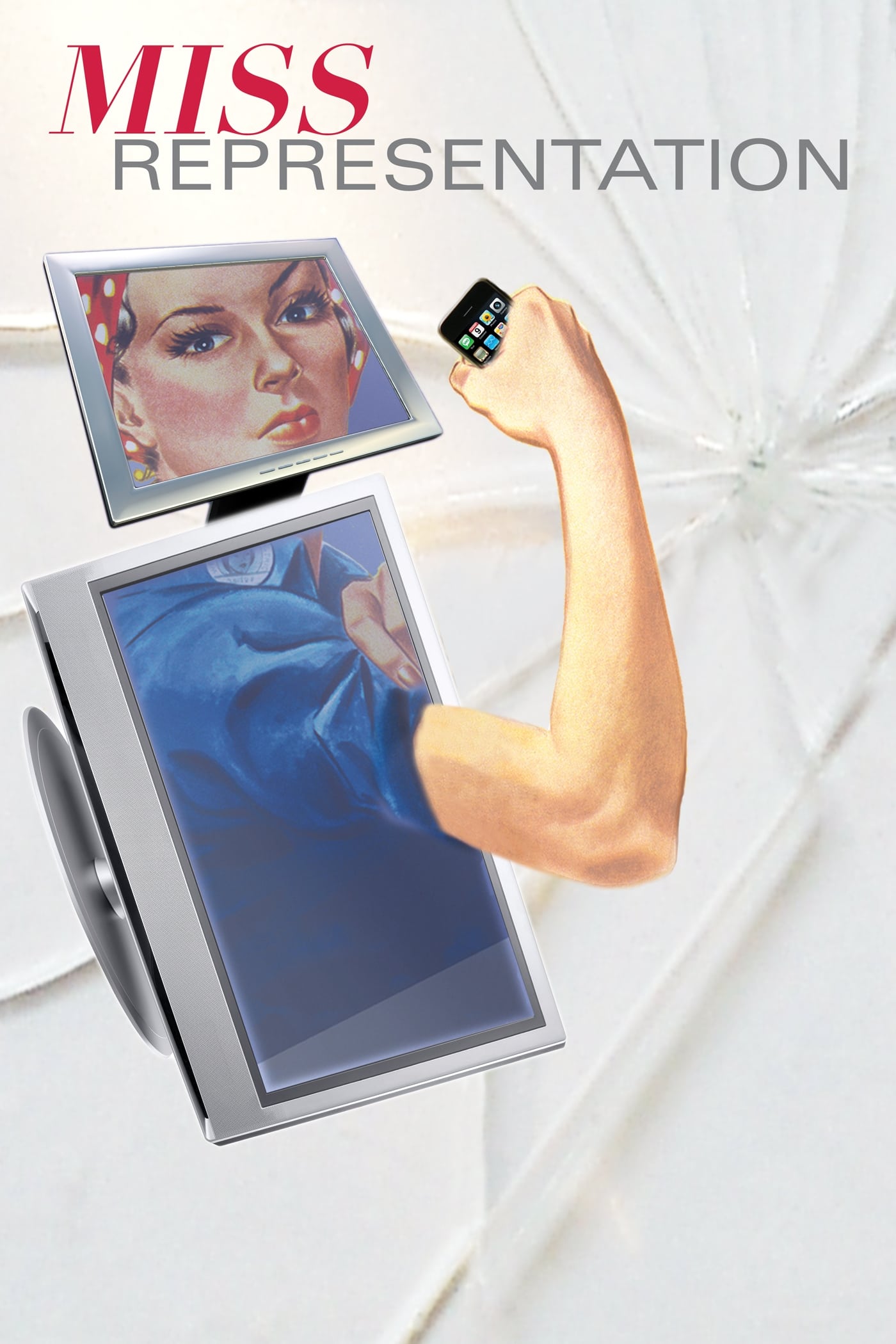
The film MISS REPRESENTATION exposes how American youth are being sold the concept that women and girls’ value lies in their youth, beauty and sexuality. Explores the under-representation of women in positions of power and influence in America, and challenges the media's limited portrayal of what it means to be a powerful woman. It’s time to break that cycle of mistruths.
Roughly chronological, from 3/96 to 11/96, with a coda in spring of 1997: inside compounds of Aum Shinrikyo, a Buddhist sect led by Shoko Asahara. (Members confessed to a murderous sarin attack in the Tokyo subway in 1995.) We see what they eat, where they sleep, and how they respond to media scrutiny, on-going trials, the shrinking of their fortunes, and the criticism of society. Central focus is placed on Hiroshi Araki, a young man who finds himself elevated to chief spokesman for Aum after its leaders are arrested. Araki faces extreme hostility from the Japanese public, who find it hard to believe that most followers of the cult had no idea of the attacks and even harder to understand why these followers remain devoted to the religion, if not the violence.
The year is 1986. Gorgeous Ladies of Wrestling (GLOW) is about to burst onto the scene as the first ever all-female wrestling show on television. By 1989, the GLOW girls were an international phenomenon, attracting over seven million viewers worldwide, touring the nation and making big bank for the show's producers. One year later, GLOW was gone. GLOW: THE STORY OF THE GORGEOUS LADIES OF WRESTLING chronicles the rise and fall of this hit television show through the stories of those who lived it. For some, the show was a brief foray into acting and a short-lived adventure. For others, their time in GLOW would impact and influence their lives for years to follow. For all of the women, working on GLOW was a unique and exciting experience that will bond them forever.
A documentary that explores the downloading revolution; the kids that created it, the bands and the businesses that were affected by it, and its impact on the world at large.
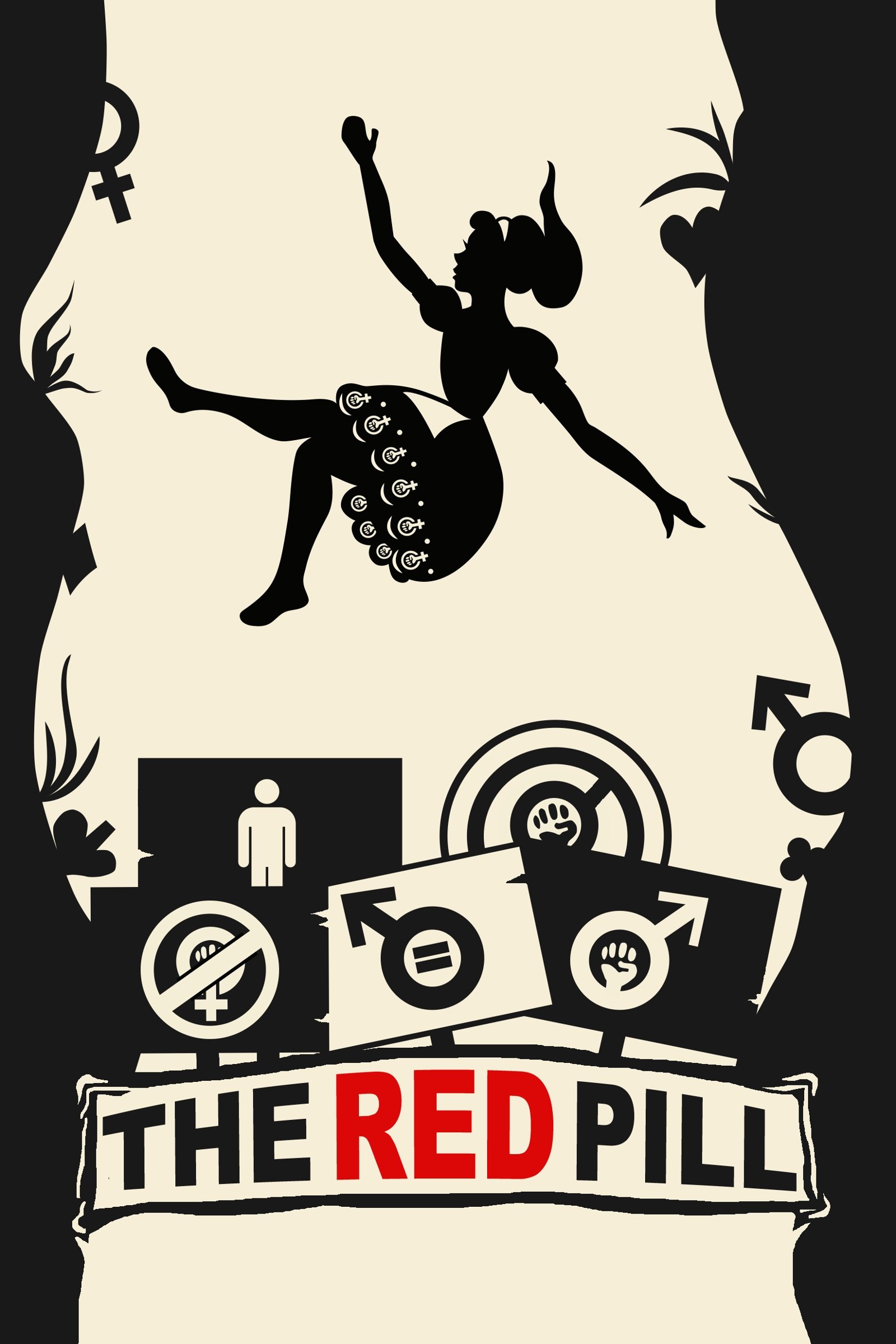
When a feminist filmmaker sets out to document the mysterious and polarizing world of the Men’s Rights Movement, she begins to question her own beliefs. Chronicling Cassie Jaye’s journey exploring an alternate perspective on gender equality, power and privilege.
A road trip across five countries to explore the social and political movements as well as the mainstream media's misperception of South America while interviewing seven of its elected presidents.