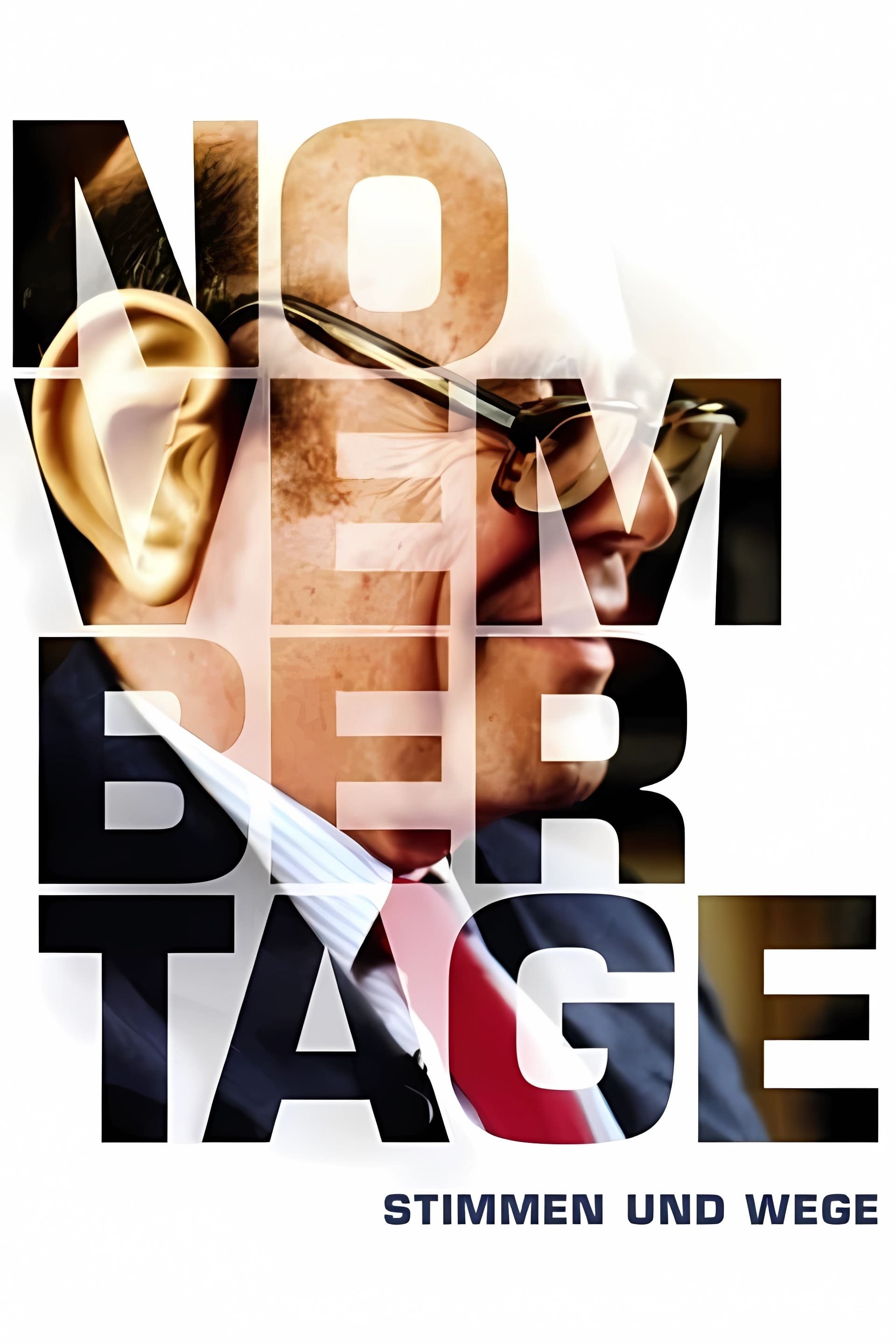
Marcel Ophüls interviews various important Eastern European figures for their thoughts on the reunification of Germany and the fall of Communism.
Social & External
Self
Self - Interviewer
Documentary short about the rebuilding of Berlin in 1946 from a Soviet perspective, showcasing the social changes that have taken place since the fall of Hitler and of Jews working side-by-side with non-Jewish counterparts.
Documentary about a district of Berlin
Commissioned by the Berliner Landesbildarchiv, this movie shows countless impressions of (West) Berlin everyday life, accentuated with self-ironic commentary.
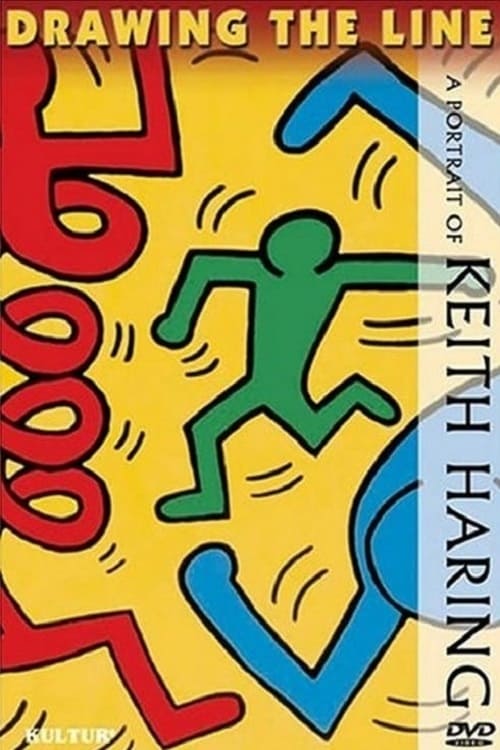
Short documentary about artist Keith Haring, detailing his involvement in the New York City graffiti subculture, his opening of the Pop Shop, and the social commentary present in his paintings and drawings.
After the fall of the Berlin Wall, citizens of East Germany had to get used to a new way of consuming, working, and living. New-found freedoms were a breath of fresh air for many but in the chaos leading up to reunification with West Germany, the experience was also disconcerting.
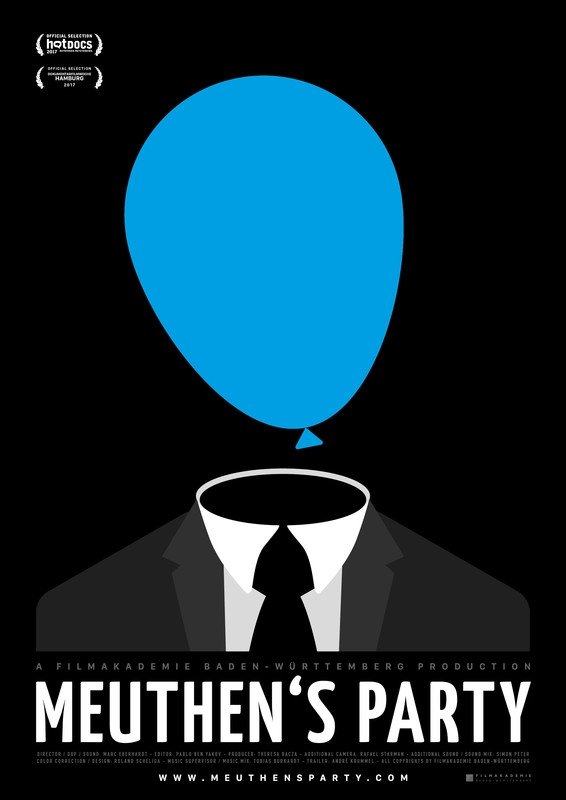
MEUTHEN'S PARTY unmasks the rise of the provincial politician Dr. Jörg Meuthen who doesn't shy away from spreading racist sentiments with a smile on his face.
A Berlin street corner is slowly changing: an aging supermarket turns into a construction site and finally a new building. People restock shelves, demolish walls, take breaks and count money. Those who work here participate in the making and unmaking of the place. How does it shape the conditions of their labor? Between supermarket aisles, construction scaffolding and exposed concrete, different versions begin to overlap. Repetitions appear like echoes between worlds, both playful and eerie.
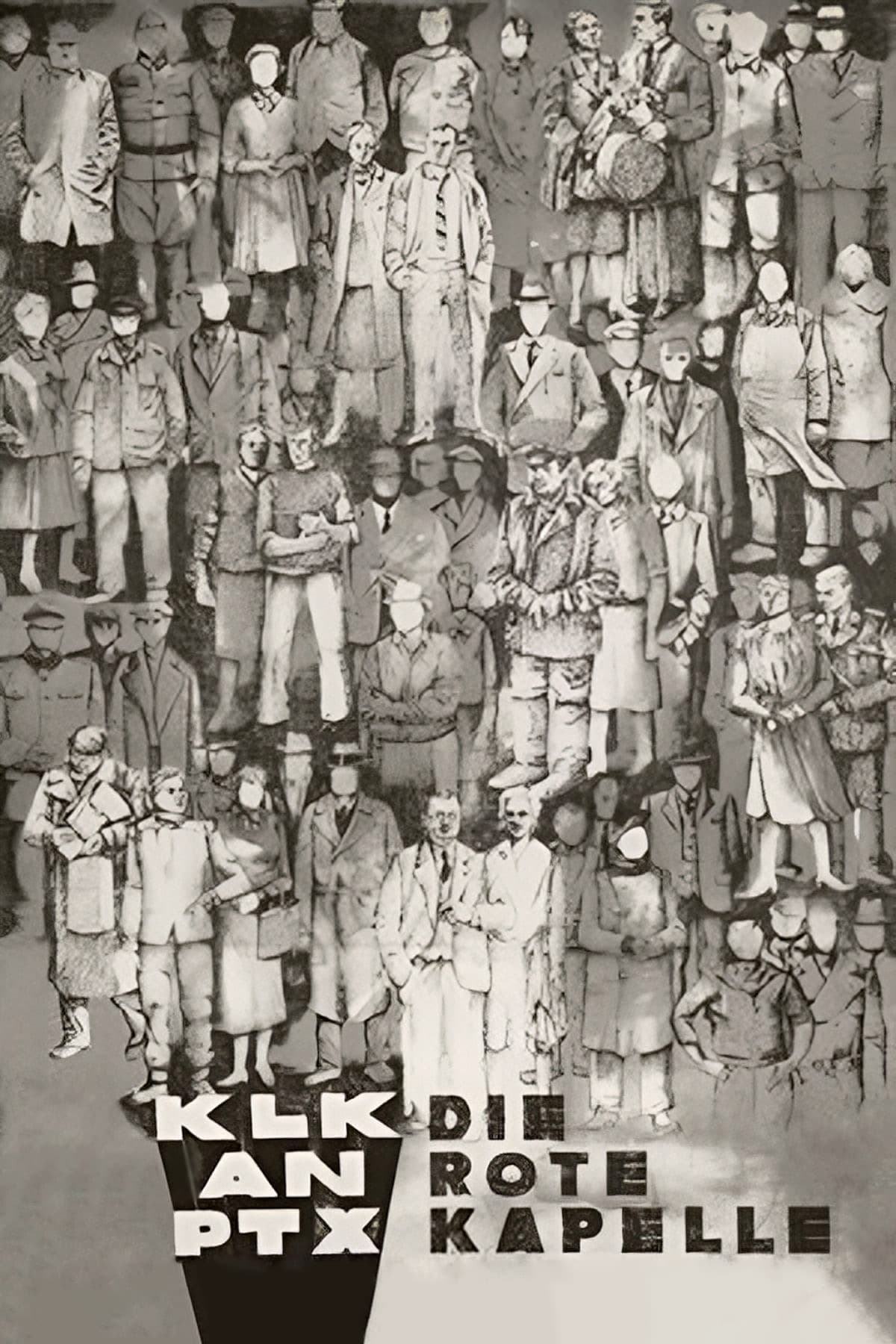
East German film about the history of Red Orchestra, a real life German pro-Soviet spy ring created after the rise of Hitler that turned into a resistance movement led by a leftist Nazi officer, Harro Schulze-Boysen, and Arvid Harnack.
Located in former West Berlin, Tempelhof Airport reflects the dramatic history of the 20th century. Once a Nazi showpiece, it later became a symbol of freedom during the Berlin Airlift and the Cold War. In 1978, East German citizen Constanze Glien unexpectedly arrived here after her flight was hijacked, changing the course of her life.
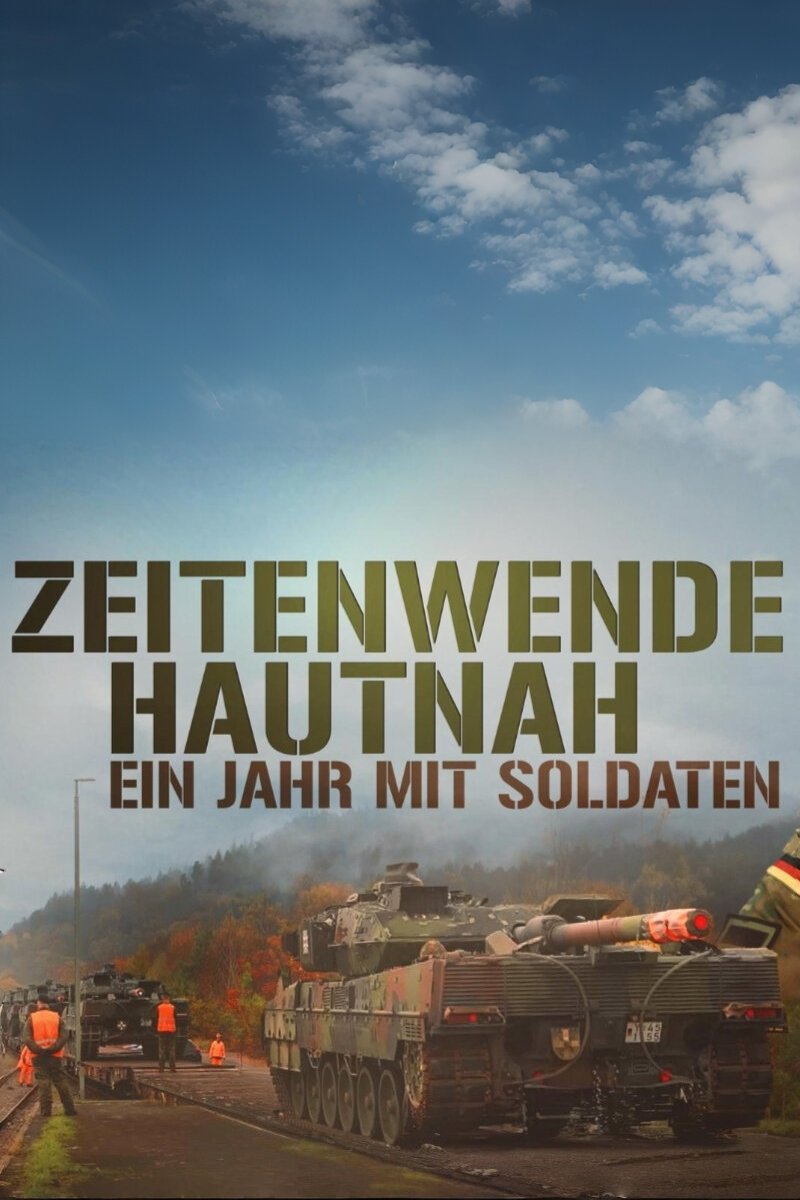
The film focuses on three male and one female soldier. They represent the challenges that the German army is currently facing: the Bundeswehr has too few personnel, too little equipment and for many years was not prepared for the type of war that it must now prepare for in the future. The film reflects the dramatic change from the perspective of those who have to shoulder the task of "national and alliance defense" in a very concrete and personal way in their everyday lives, at their location, in their unit.
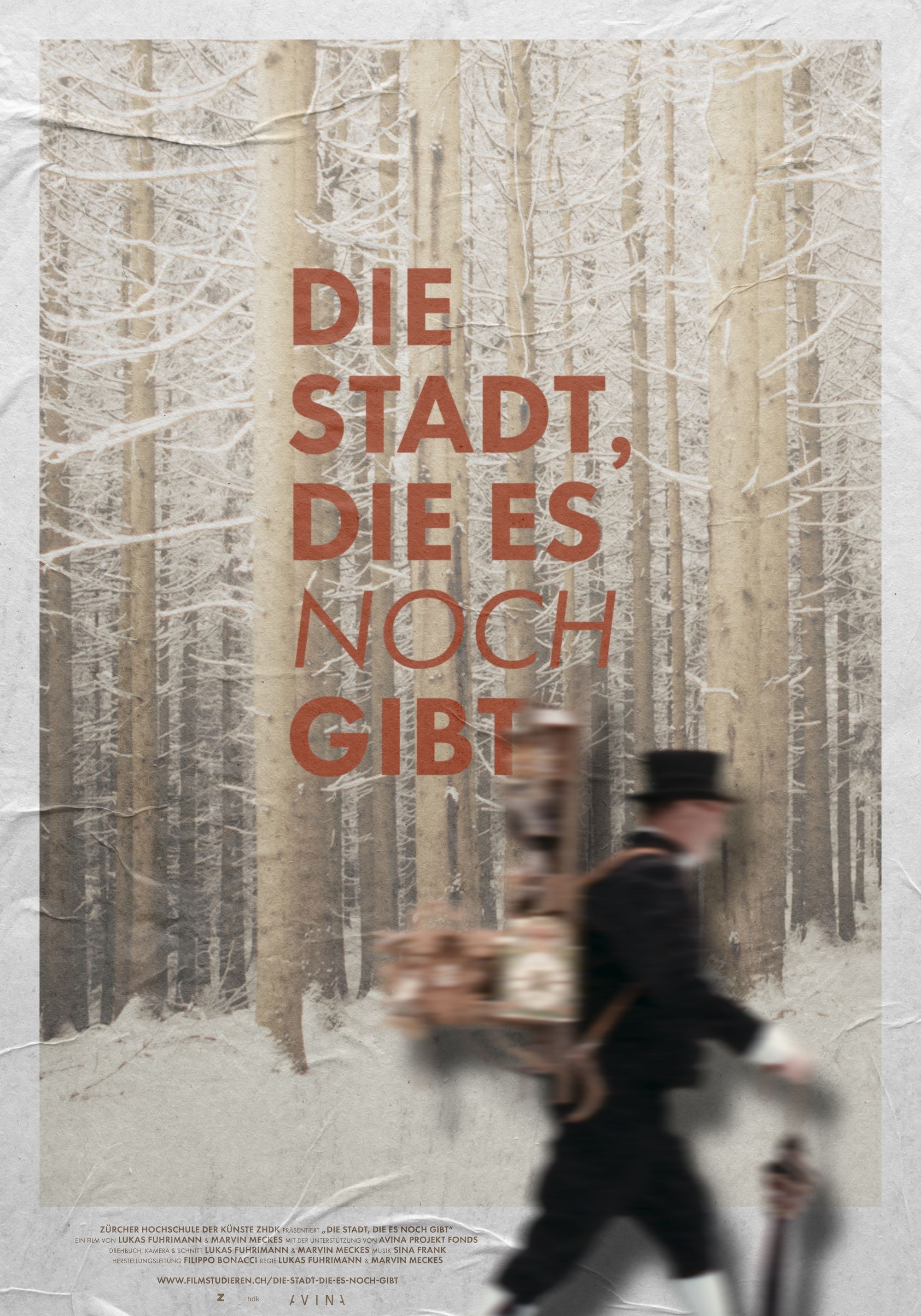
Nestled behind high mountains and dark forests lies Triberg, the birthplace of the cuckoo clock. For centuries, this cult item has been handcrafted right here, attracting tourists from all over the world. Ever since the boom of the 1980s has faded, the cuckoo clock has gradually lost its appeal and magic. And so has the place, which now resembles a ghost town. Its residents however still believe in their clock: Vendors, clockmakers and tourist guides alike fight to preserve their beloved heritage. Between abandoned restaurants and souvenir shops they hope for new tourists, while the clock continues ticking away.
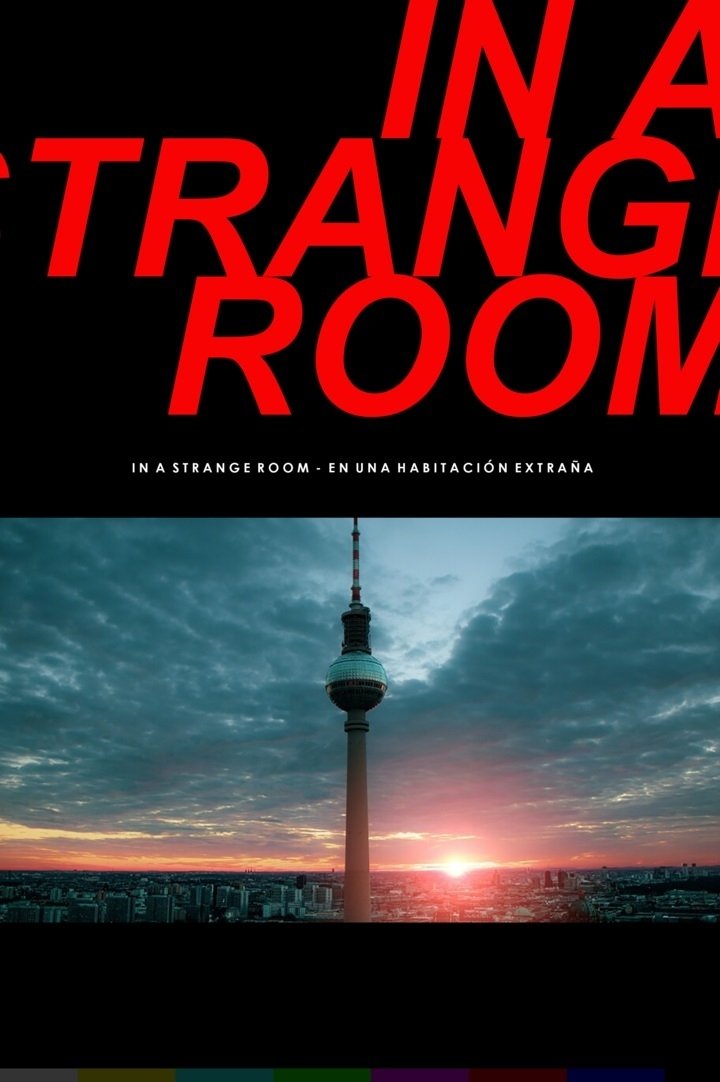
In the summer of 2008, Enzo travels to Berlin to work on a creative documentary and find a former lover.
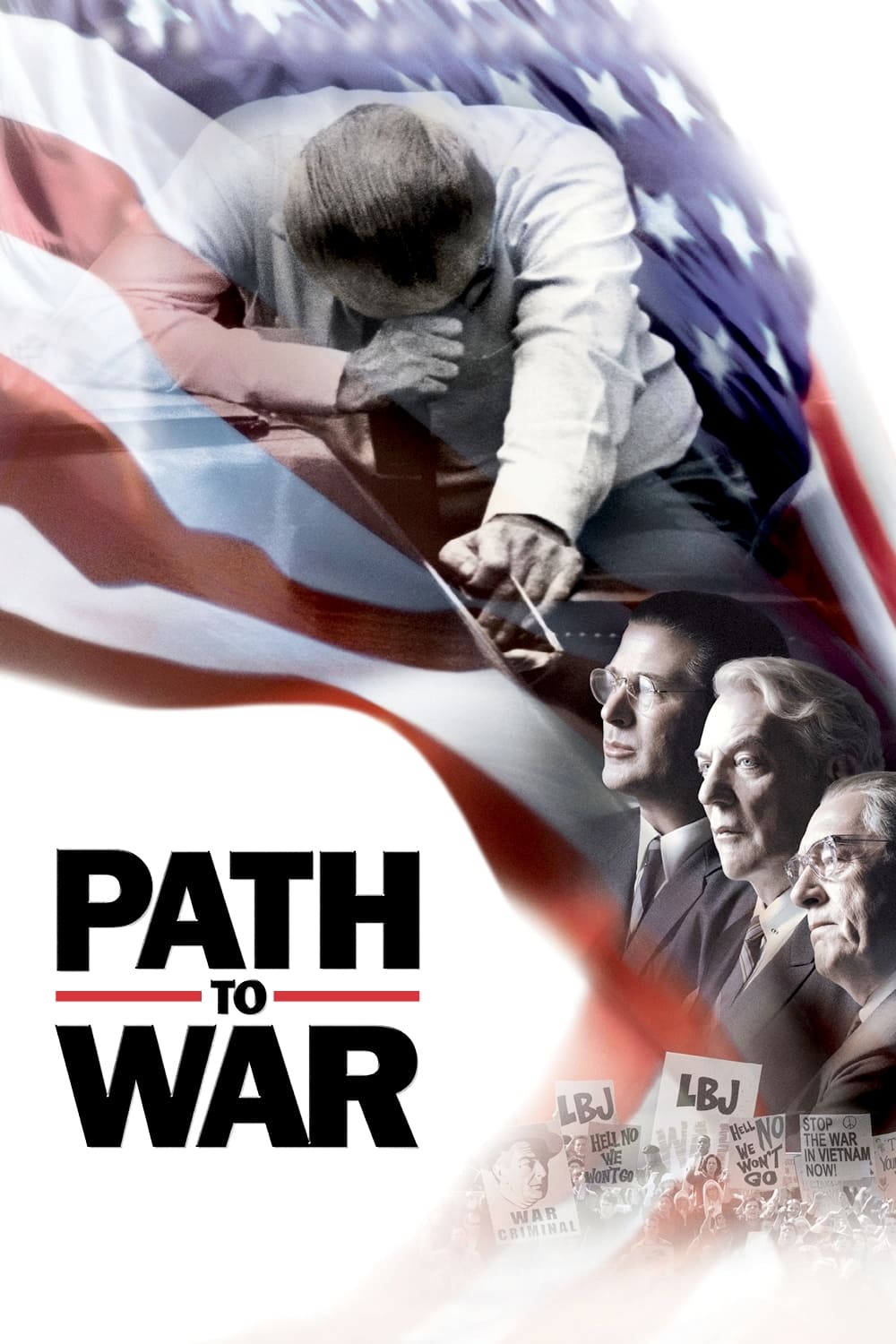
A powerful drama of soaring ambition and shattered dreams that takes a provocative insider's look at the way the USA goes to war—as seen from inside the LBJ White House leading up to and during the Vietnam War.
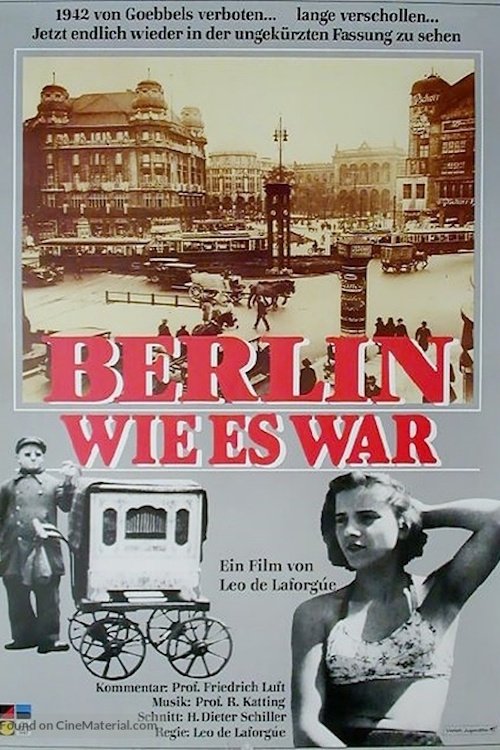
Documentary about the life in Berlin in 1941. The planned premier was stopped by the national party due to the damages and painful changes to the city that soon followed. It thus premiered in 1950.
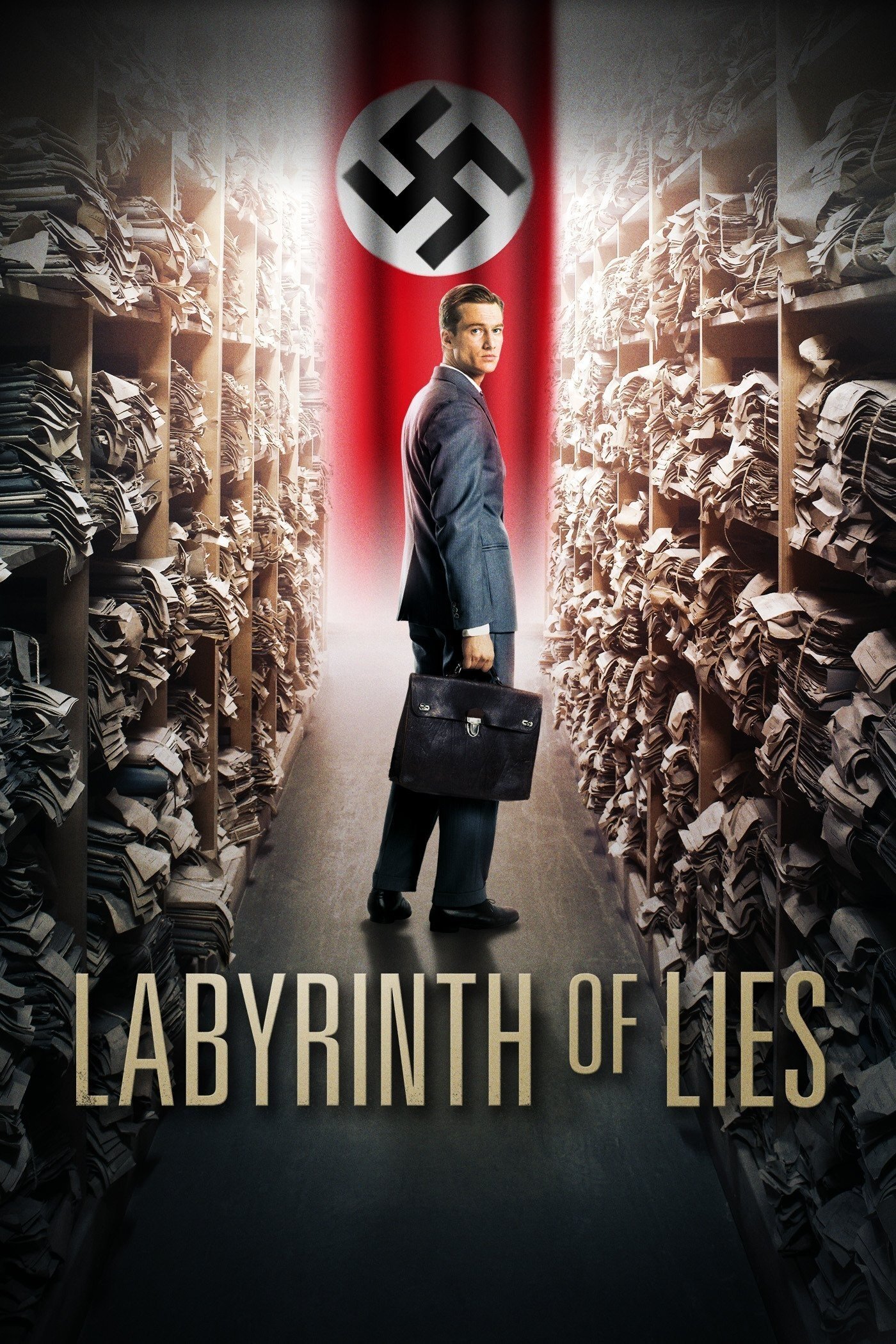
A young prosecutor in postwar West Germany investigates a massive conspiracy to cover up the Nazi pasts of prominent public figures.
By comparing the St. Nicholas celebrations in Islamic and Protestant communities in Berlin, the relationship between the religions is explored.
A documentary about the lives and history of Turkish immigrants in three centuries of Berlin history.
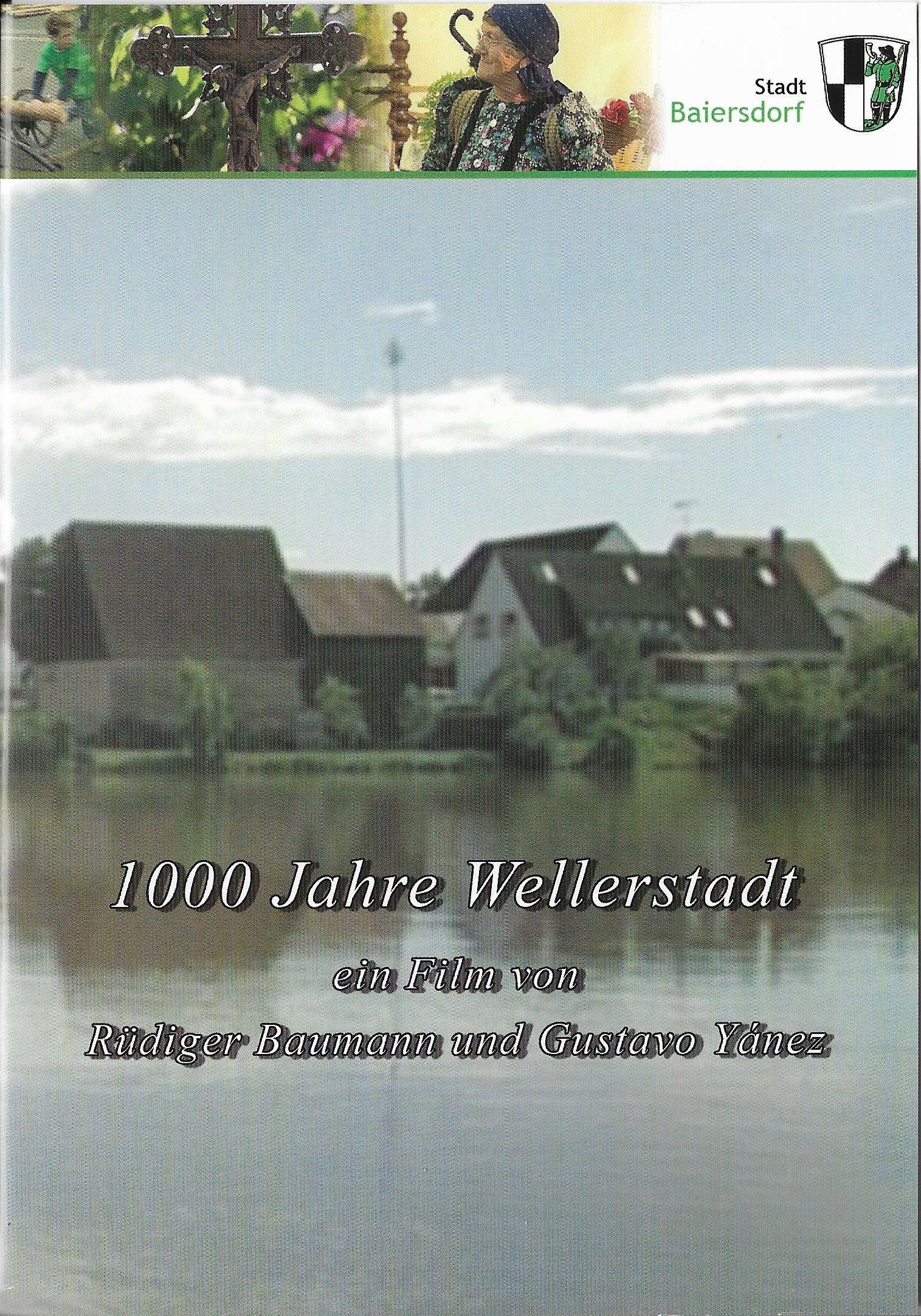
In a document from November 1st, 1007, Wellerstadt is mentioned for the first time verifiably. The royal couple Heinrich and Kunigunde make the plan to establish a diocese, with Bamberg at its centre. During the imperial synod in Frankfurt in 1007, the bishops approve the plan. Heinrich transfers his royal court Forchheim together with 14 villages, including Wellerstadt, to the diocese. As “Waldrichesbach”, Wellerstadt is not only presumably earlier mentioned in documents than Baiersdorf but is in fact older than Baiersdorf. A once presumably Thuringian settlement at the river Regnitz has by now become the district of the small Franconian town of Baiersdorf: Founded at a ford, destroyed during the Thirty Year’s War, rebuild, often flooded by the Regnitz, pushed back and forth between the diocese and the margraviate. Waldrichesbach has turned into Wellerstadt, an endearing small village in Middle Franconia.
How long will workers be subjected to exploitation? This is the question posed by this documentary, which explores the employer-worker relationship in the country. It conducts a critical examination of the historical inequality in Chile, perpetuated by foreign imperialists and Chilean capitalists. In the same vein, it delves into the implementation of Agrarian Reform under three different administrations: Alessandri, Frei Montalva, and Allende.
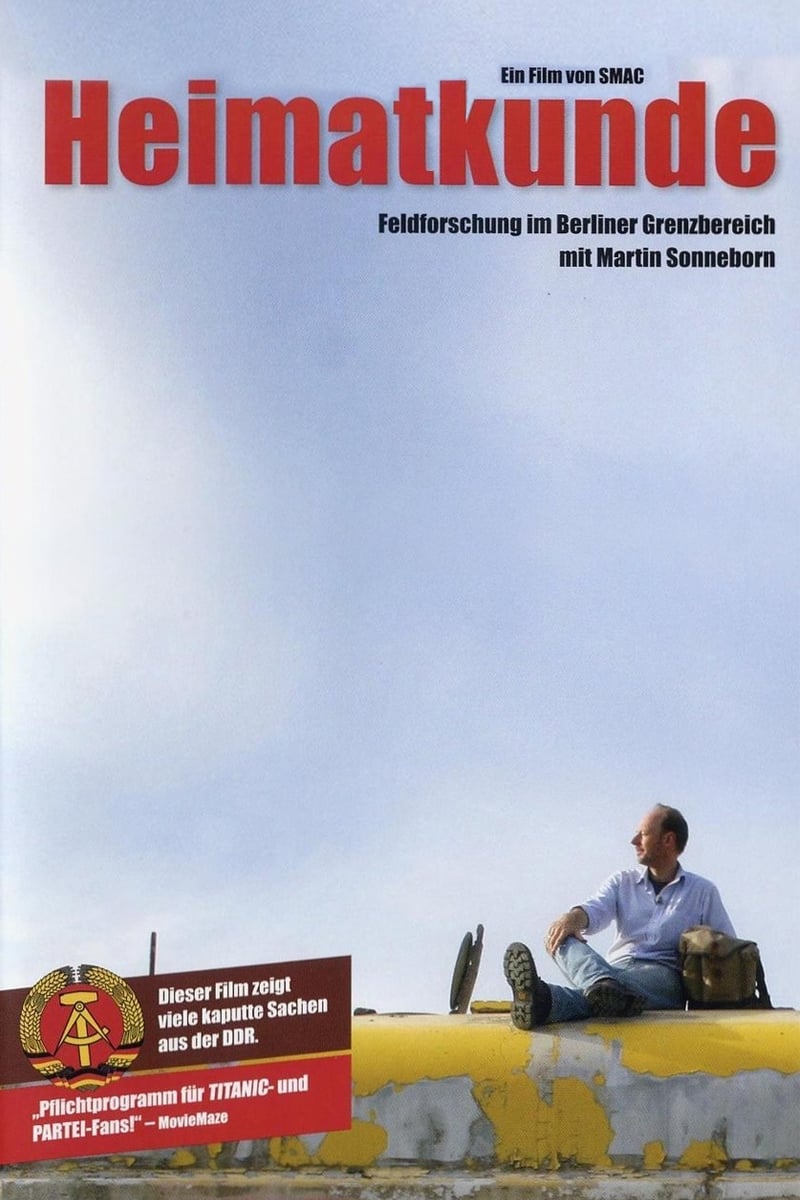
Former "Titanic" satire magazine editor Martin Sonneborn takes an undercover trip around Berlin and discovers the East-German mentality and what is left of the socialist German Democratic Republic.
Those who knew iconic funnyman John Candy best share his story, in their own words, through never-before-seen archival footage, imagery, and interviews.
“The Soviet Story” is a story of an Allied power, which helped the Nazis to fight Jews and which slaughtered its own people on an industrial scale. Assisted by the West, this power triumphed on May 9th, 1945. Its crimes were made taboo, and the complete story of Europe’s most murderous regime has never been told. Until now...
Al Pacino's deeply-felt rumination on Shakespeare's significance and relevance to the modern world through interviews and an in-depth analysis of "Richard III."
An unprecedented and intimate look at the life, work and enduring legacy of British actress Audrey Hepburn (1929-1993).
When Allied forces liberated the Nazi concentration camps in 1944-45, their terrible discoveries were recorded by army and newsreel cameramen, revealing for the first time the full horror of what had happened. Making use of British, Soviet and American footage, the Ministry of Information’s Sidney Bernstein (later founder of Granada Television) aimed to create a documentary that would provide lasting, undeniable evidence of the Nazis’ unspeakable crimes. He commissioned a wealth of British talent, including editor Stewart McAllister, writer and future cabinet minister Richard Crossman – and, as treatment advisor, his friend Alfred Hitchcock. Yet, despite initial support from the British and US Governments, the film was shelved, and only now, 70 years on, has it been restored and completed by Imperial War Museums under its original title "German Concentration Camps Factual Survey".
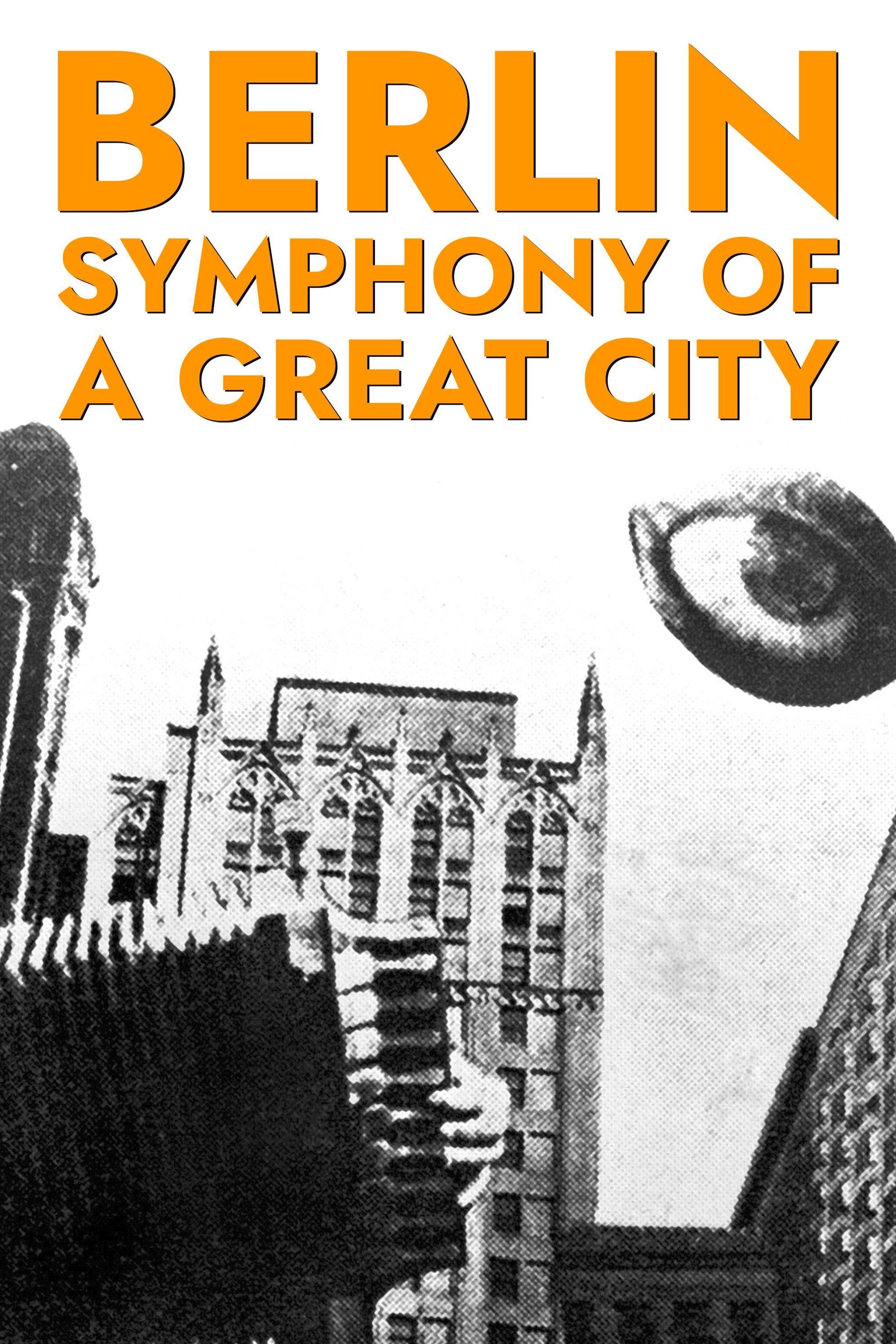
A day in the city of Berlin, which experienced an industrial boom in the 1920s, and still provides an insight into the living and working conditions at that time. Germany had just recovered a little from the worst consequences of the First World War, the great economic crisis was still a few years away and Hitler was not yet an issue at the time.
This documentary examines the 1999 London bombings that targeted Black, Bangladeshi and gay communities, and the race to find the far-right perpetrator. He terrorized a city, seeking to ignite a race war but justice was served by those who wouldn't let his hate win.
From a prolific career in film and television, Anton Yelchin left an indelible legacy as an actor. Through his journals and other writings, his photography, the original music he wrote, and interviews with his family, friends, and colleagues, this film looks not just at Anton's impressive career, but at a broader portrait of the man.
Daniel Craig candidly reflects on his 15 year adventure as James Bond. Including never-before-seen archival footage from Casino Royale to the upcoming 25th film No Time To Die, Craig shares his personal memories in conversation with 007 producers, Michael G Wilson and Barbara Broccoli.
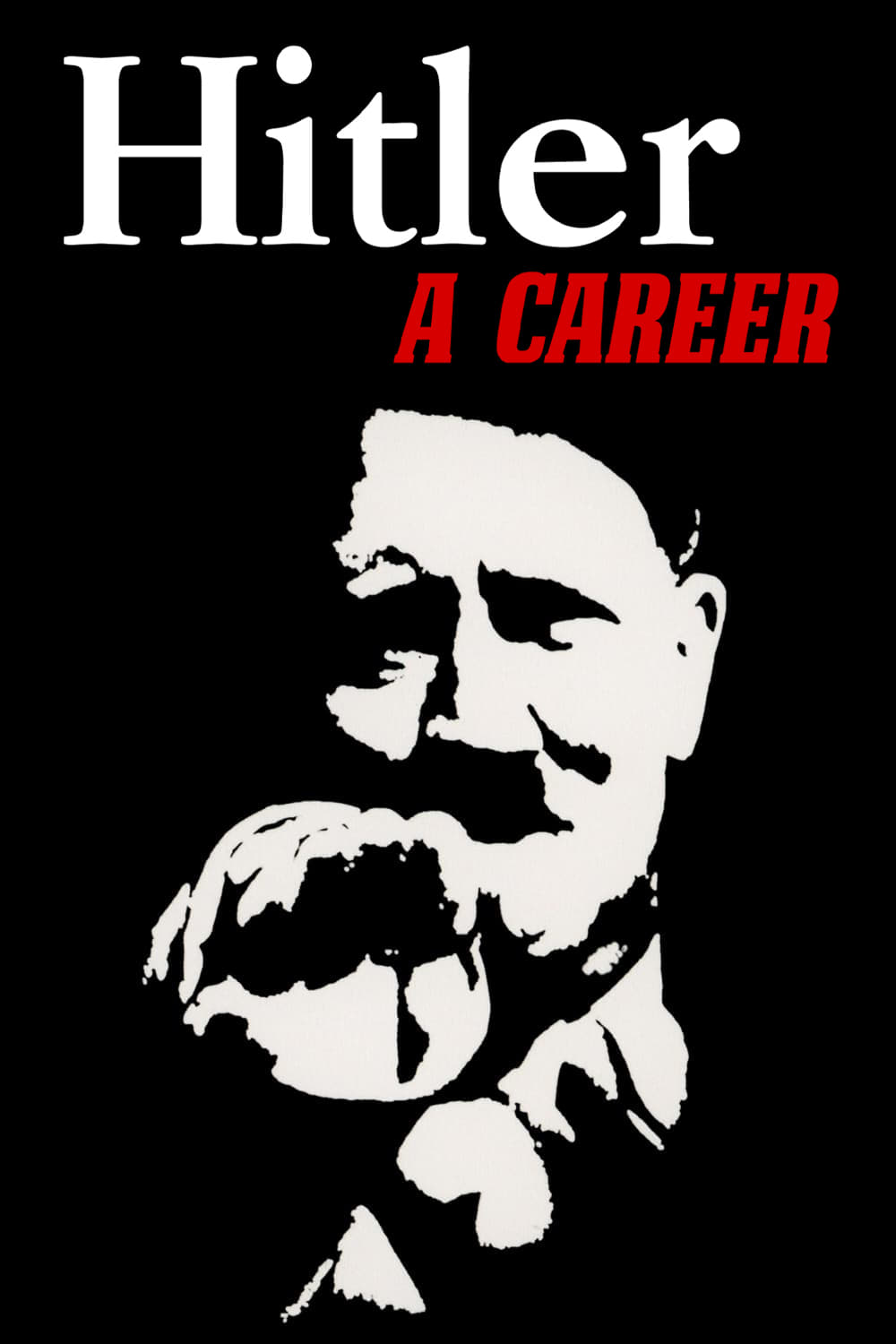
A keen chronicle of the unlikely rise to power of Adolf Hitler (1889-1945) and a dissection of the Third Reich (1933-1945), but also an analysis of mass psychology and how the desperate crowd can be deceived and shepherded to the slaughterhouse.
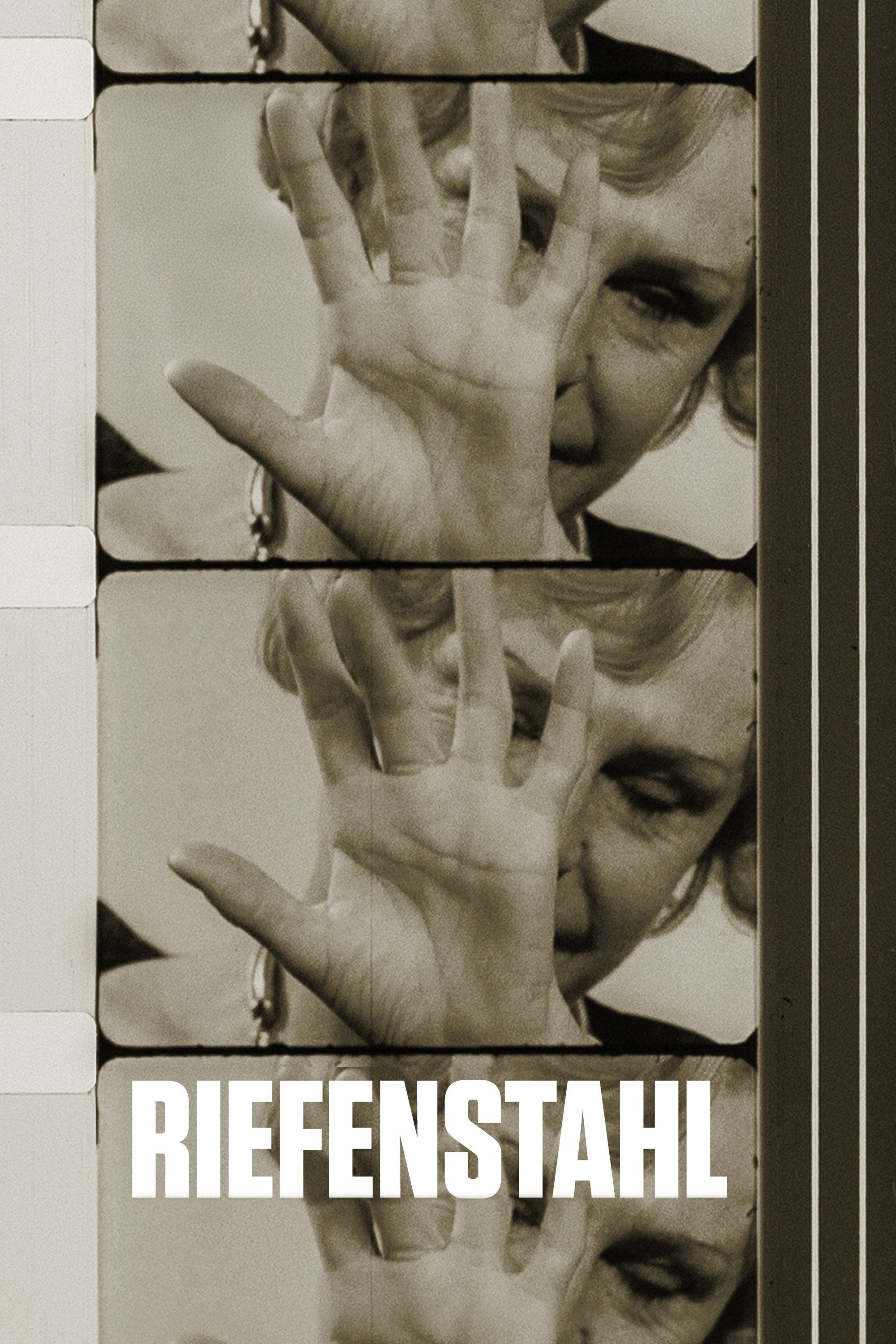
Explores Leni Riefenstahl's artistic legacy and her complex ties to the Nazi regime, juxtaposing her self-portrayal with evidence suggesting awareness of the regime's atrocities.
Director Michael Apted revisits the same group of British-born adults after a 7 year wait. The subjects are interviewed as to the changes that have occurred in their lives during the last seven years.
A documentary on the expletive's origin, why it offends some people so deeply, and what can be gained from its use.
Through deeply personal interviews with her siblings and an examination of the photographs, letters, and belongings left behind, Mariska assembles a new portrait of her mother Jayne Mansfield, an extraordinary and complex woman.
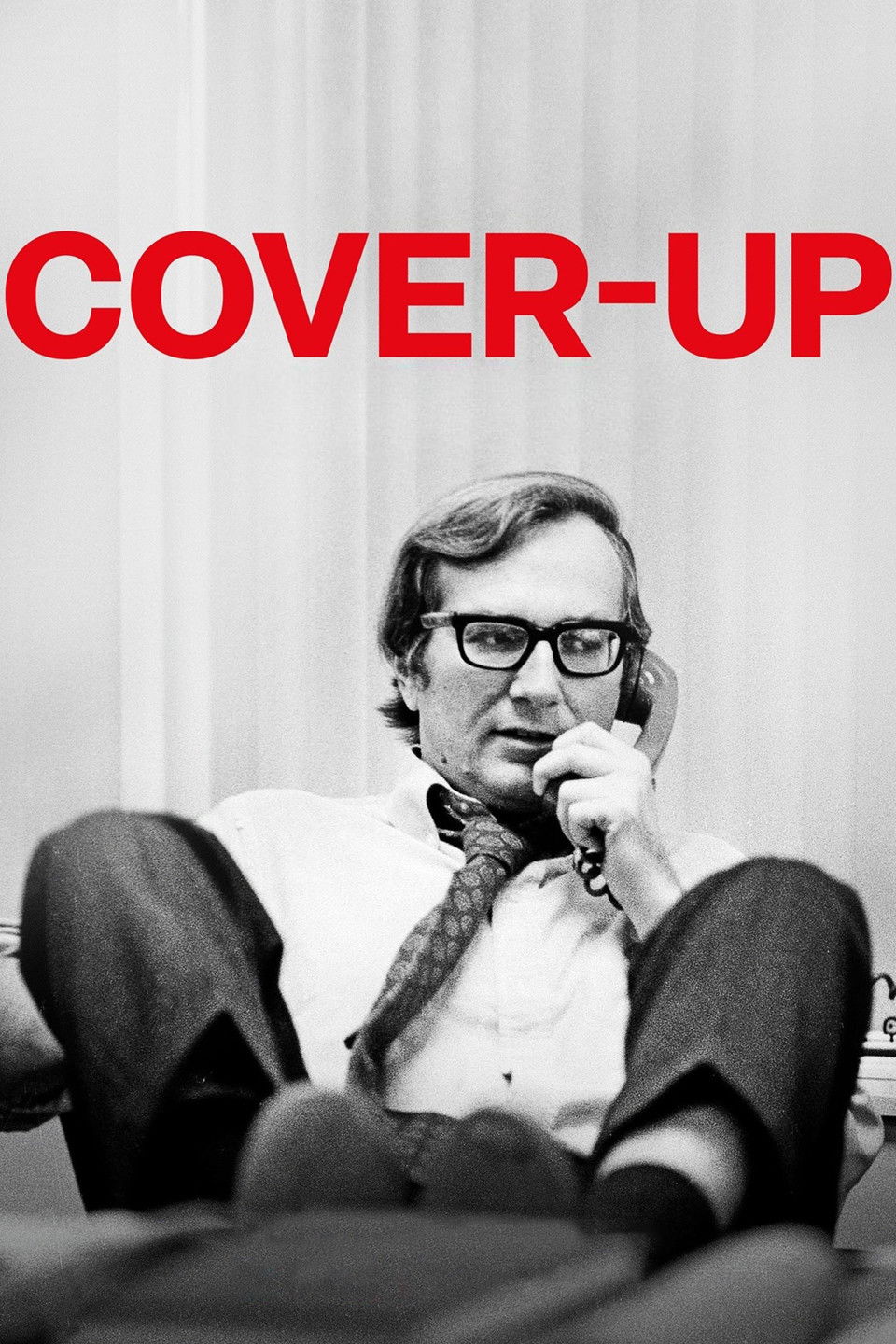
He's devoted his career to uncovering stories the powerful want buried. From My Lai to Abu Ghraib, dig into the life's work of journalist Seymour Hersh.
A compilation of over 30 years of private home movie footage shot by Lithuanian-American avant-garde director Jonas Mekas, assembled by Mekas "purely by chance", without concern for chronological order.
A documentary about the life and films of director John Ford.
Behind-the-scenes documentary about how Lionel Messi succeeded in lifting the World Cup – the only trophy to have eluded him in an incredible career.
A documentary about World War I with never-before-seen footage to commemorate the centennial of Armistice Day, and the end of the war.
In the Realms of the Unreal is a documentary about the reclusive Chicago-based artist Henry Darger. Henry Darger was so reclusive that when he died his neighbors were surprised to find a 15,145-page manuscript along with hundreds of paintings depicting The Story of the Vivian Girls, in What is Known as the Realms of the Unreal, of the Glodeco-Angelinnian War Storm, Cased by the Child Slave Rebellion.