Documentary exploring the experience of Soviet soldiers during the Soviet war in Afghanistan.
Social & External
Narrator
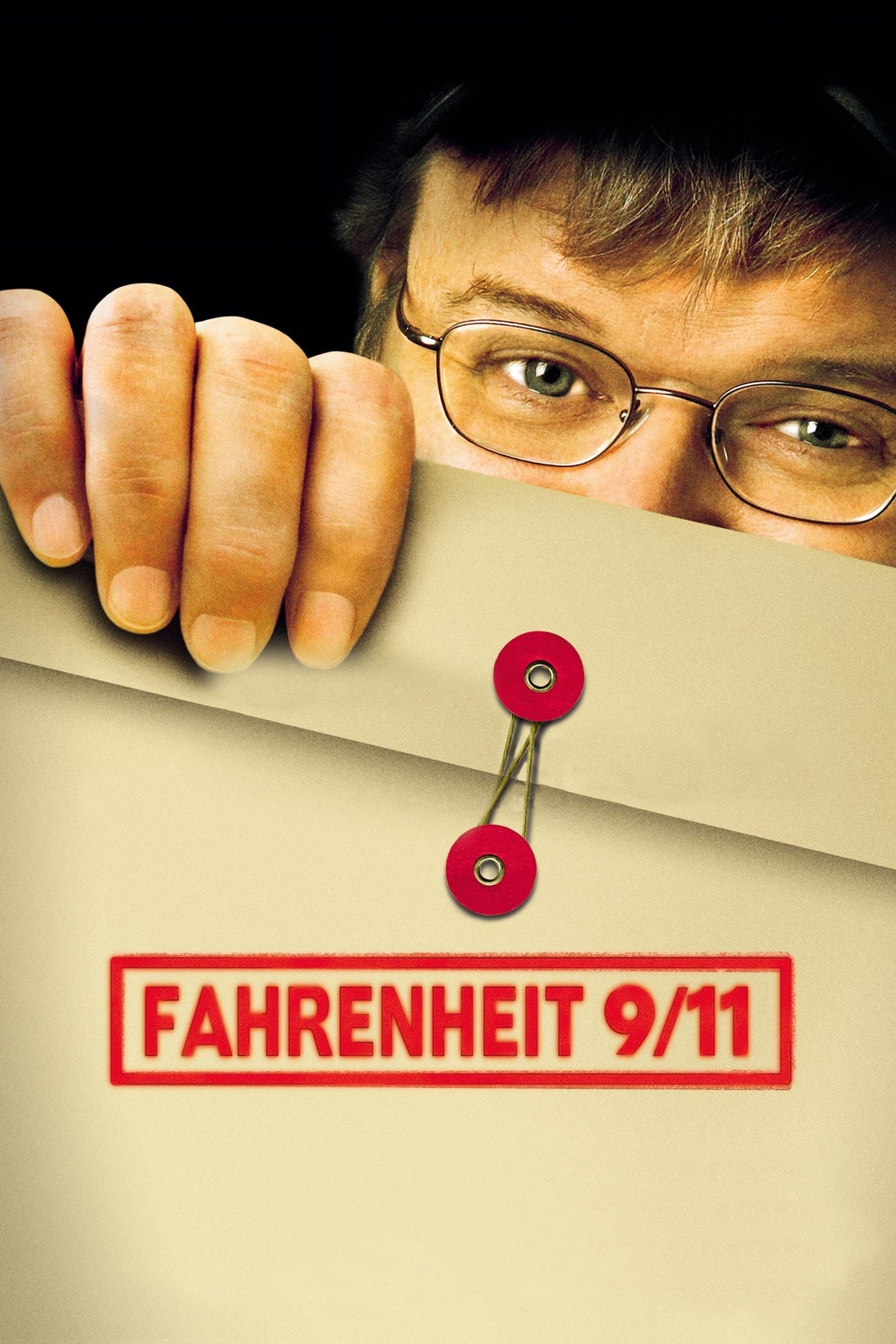
Michael Moore's view on how the Bush administration allegedly used the tragic events on 9/11 to push forward its agenda for unjust wars in Afghanistan and Iraq.
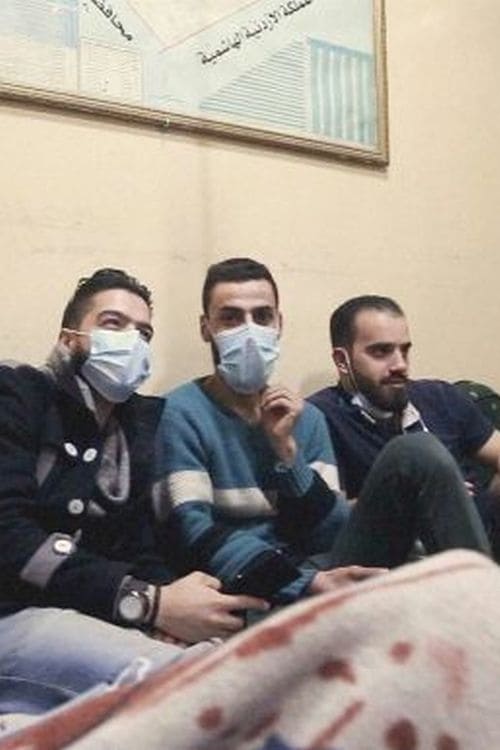
"With the barrel bombs falling on Ghouta, civilians sought shelter in the basements of their homes. I was one of them, holding on to my camera, I tried to film what I couldn’t express in words."
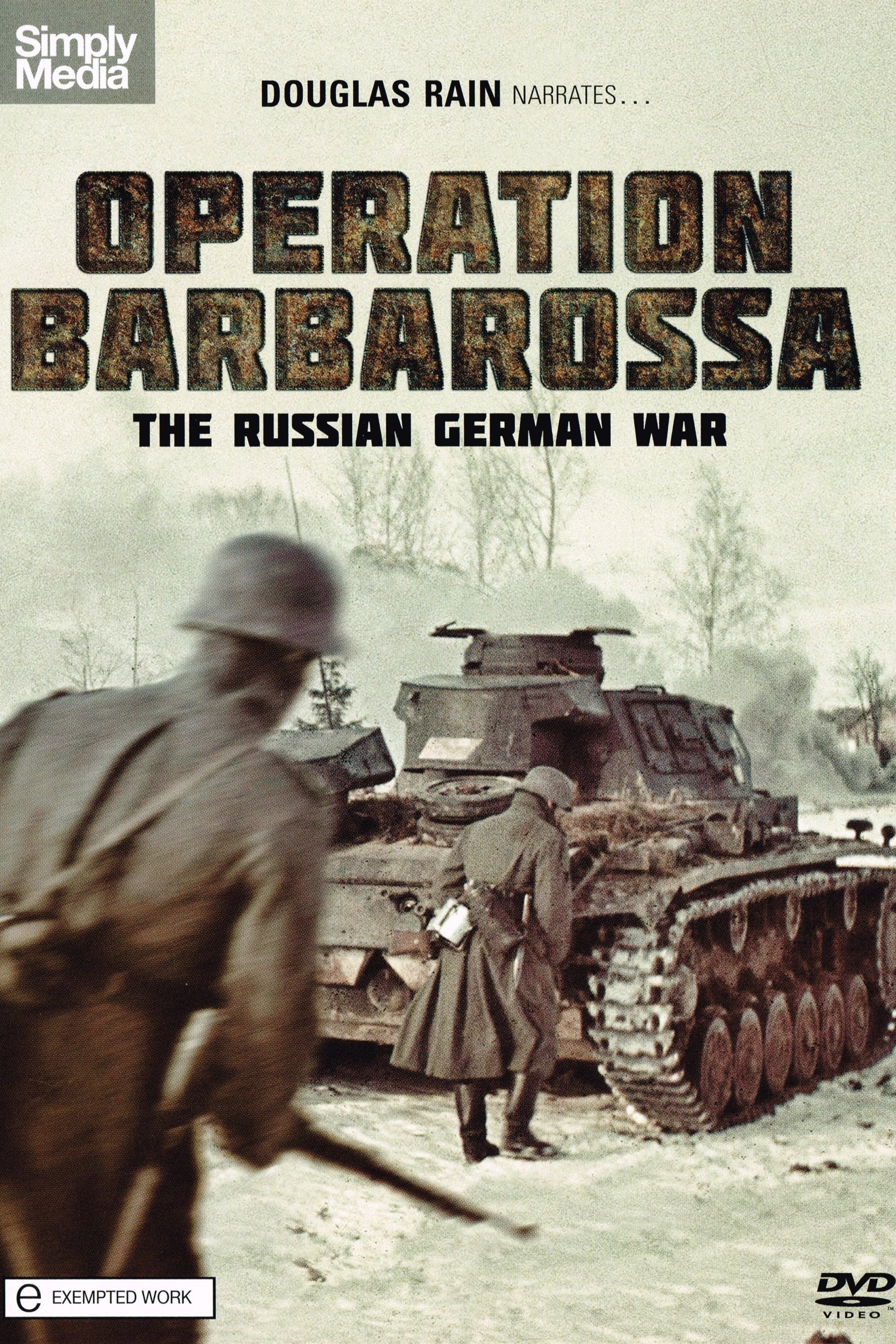
This is a rare look at one of the worst horror stories in the long infamous history of warfare. This series features captured German and Russian film footage, much of which has never been seen before. For decades the Cold War prevented us from looking closely at what really happened between the Russians and the Germans on the Eastern Front during World War II. More than a struggle between nations, it pitted maniacal tyrant against maniacal tyrant, evil ideology against evil ideology. The lives of tens of millions of human beings were consumed by its raging hatreds and appalling indignities. One in every ten Russians died. One in every four Poles died. Whole divisions of Italians, Romanians, Hungarians disappeared with barely a trace. An average of 17,800 people died on every single day and this, the war on the Russian German Front, lasted for 1,400 days. This series features captured German and Russian film footage, much of which has never been seen before.
Key decision makers reveal the inside story of how the West was drawn ever deeper into the Afghan war. Reporter John Ware charts the history of a decade of fighting and looks at when the conflict may end.
Mark Urban tells the inside story of Britain's fight for Helmand, told with unique access to the generals and frontline troops who were there.
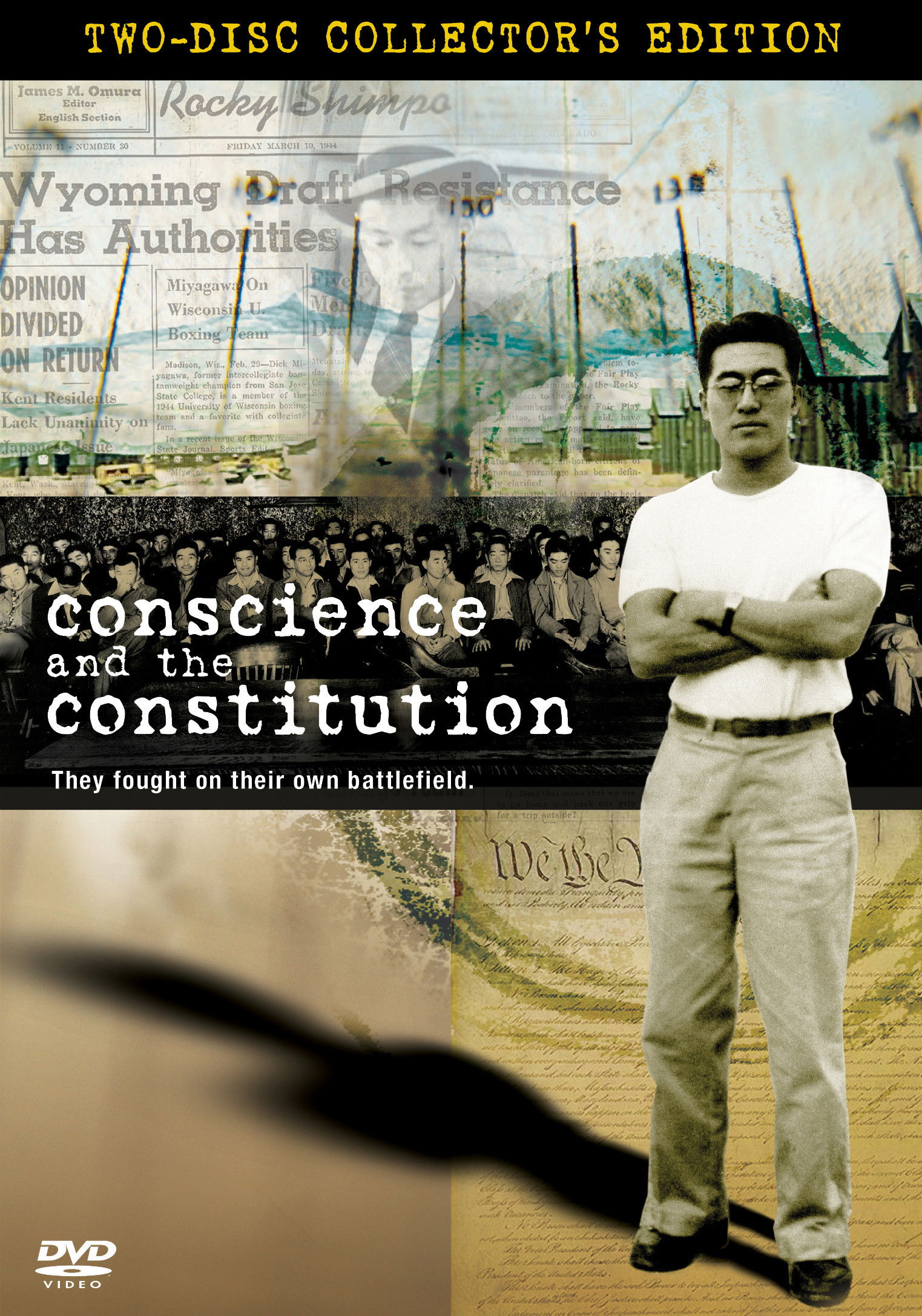
Americans refused to be drafted from the concentration camp at Heart Mountain, Wyoming. Ready to fight, but not before their rights as U.S. citizens were restored and families released.
World War II propaganda short which focuses on the dangers of inadvertent dispersal of military information.
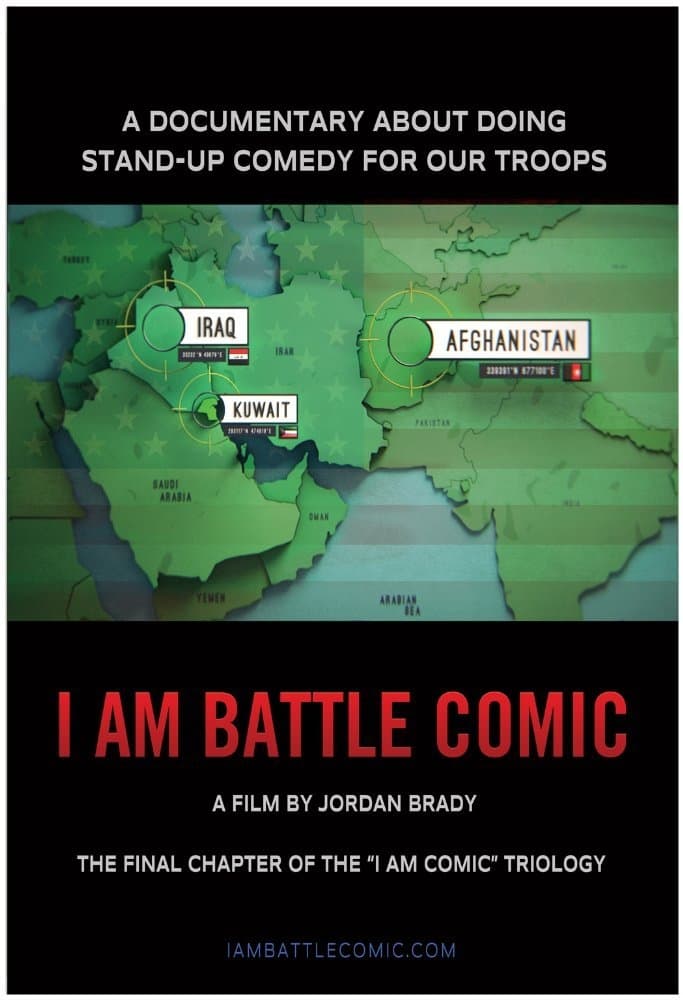
A comedy documentary about performing stand-up comedy for U.S. Troops stationed in Afghanistan, Kuwait and Iraq. Heartfelt interviews with top professional comedians are woven in with filmmaker Jordan Brady's first-hand experience going to the Middle East. While traveling (Spring 2016) brutal terrorist attacks in Brussels, Turkey and Iraq remind us of the dangers in thew world, and underscore the mission to provide laughter for the men and women serving the military.
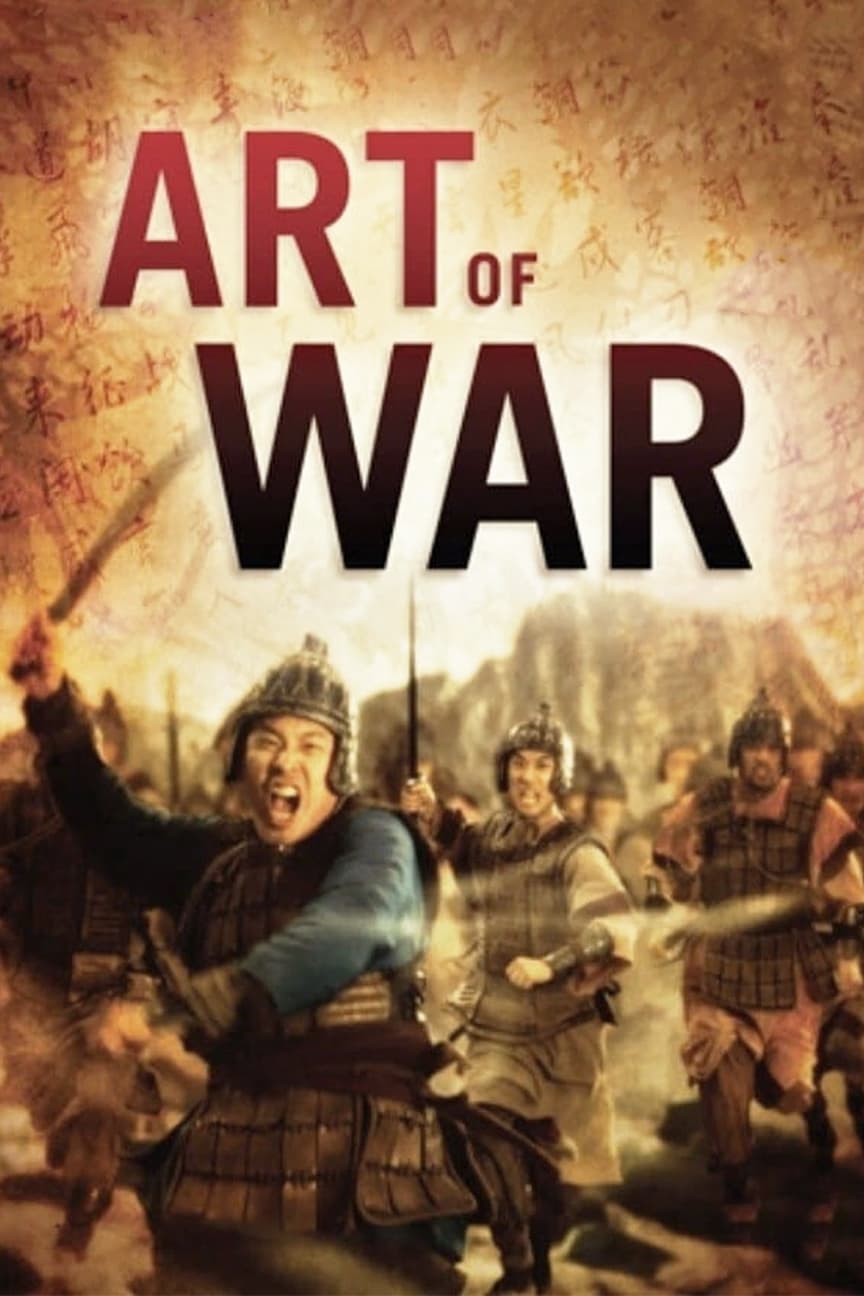
Documentary on the main principles of Sun Tsu "Art of War" illustrated with examples from the second world war, the Vietnam war and the American civil war.
During the Lebanese civil war, thousands of people disappeared. In most cases, the bodies were not found and the circumstances of their disappearance never known. Today, I travel through Beirut, asking the inhabitants I encounter, one same question: Do you know anyone who was kidnapped here during the war? My investigation carries me through the many districts around the "Green line", which used to divide Beirut between East and West, and where militias set up their checkpoints, the scenes of many kidnappings, and crimes. I thereby attempt to trigger the process of memory and to reveal the multiplicity of existing discourses on the war and the immensity of the drama. As I cross town and discover places laden with history, I draw a personal map of this city.
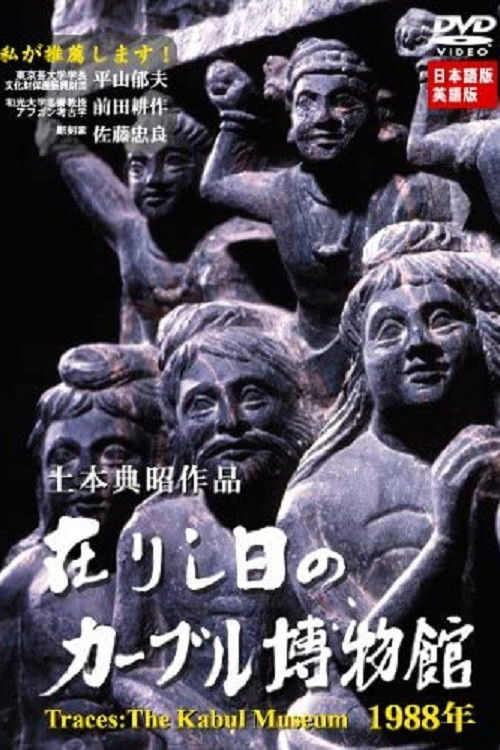
The Kabul National Museum, once known as the "face of Afghanistan," was destroyed in 1993. We filmed the most important cultural treasures of the still-intact museum in 1988: ancient Greco-Roman art and antiquitied of Hellenistic civilization, as well as Buddhist sculpture that was said to have mythology--the art of Gandhara, Bamiyan, and Shotorak among them. After the fall of the Democratic Republic of Afghanistan in 1992, some seventy percent of the contents of the museum was destroyed, stolen, or smuggled overseas to Japan and other countries. The movement to return these items is also touched upon. The footage in this video represents that only film documentation of the Kabul Museum ever made.
A powerful depiction of war in infamous global conflict zones. Directed by Oscar/Emmy documentary makers Buddy Squires and Graeme Scott (know for Sam Smith), this film provides a rare and powerful insight into humanity and hope in the depth of war and the greatest global humanitarian crisis of the last several decades.
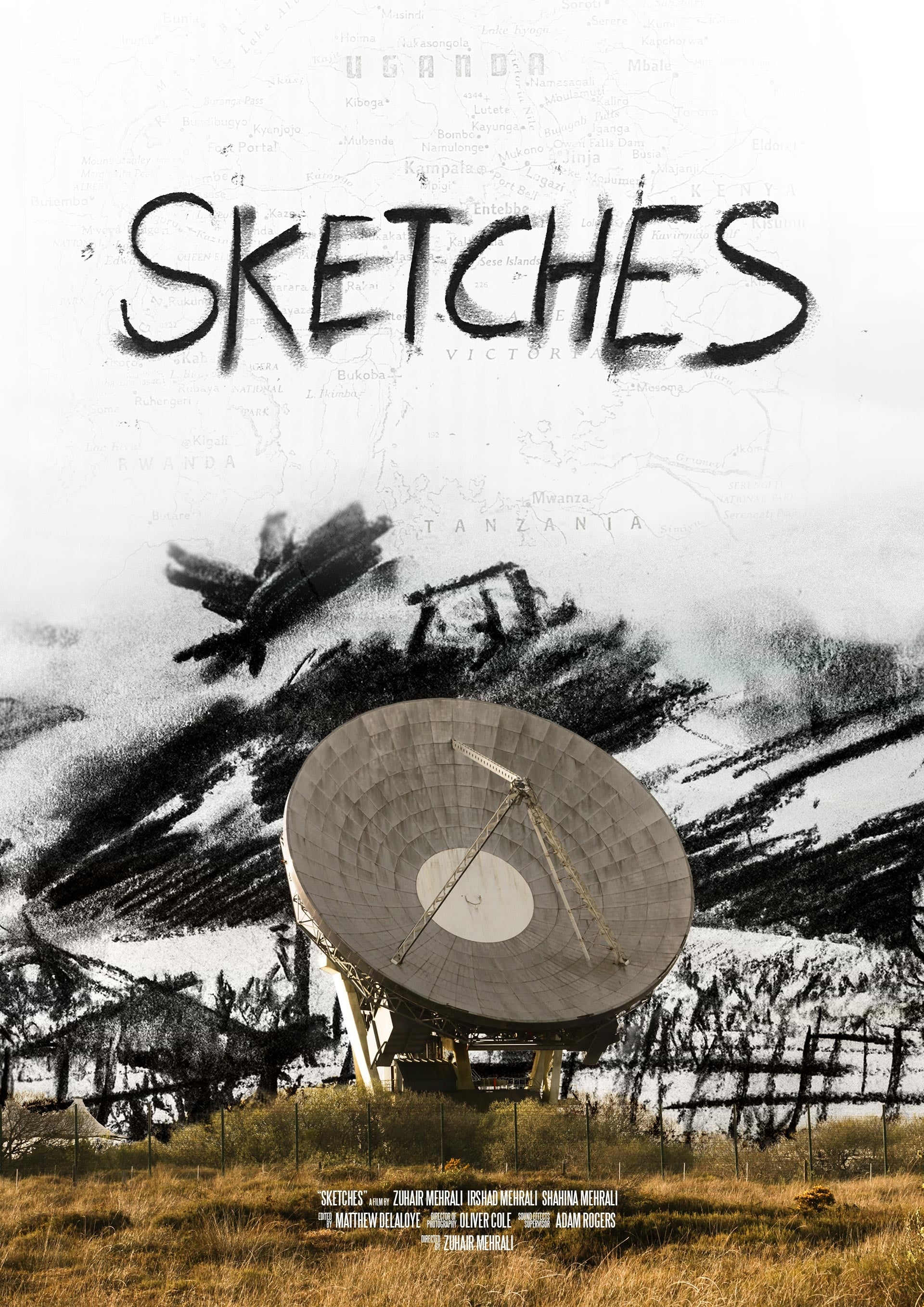
A British artist misses his parents' wedding anniversary for a last-minute sketching commission in Cornwall, but memories of them affect his work along the way.
This short-form documentary focuses on the true story of Alfons Heck, who as an impressionable 10-year-old boy became a high-ranking member of the Hitler youth movement during World War II. The story is told in his own words. This film originally aired as part of the "America Undercover" series on HBO.
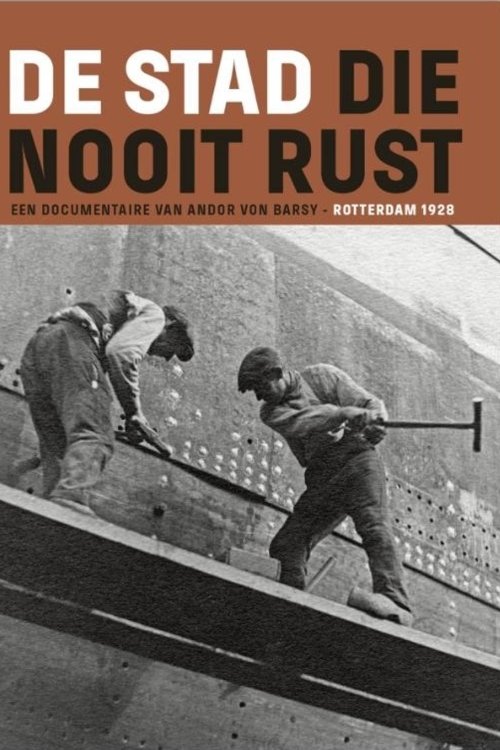
Shots of pre-war Rotterdam, both the city and the port.
A poignant story about overcoming our demons and finding hope through darkness. Haunted by the affects of PTSD induced by fighting a war, the physical injuries that led to copious amounts of opiates, the emotional strain of his squad leader committing suicide, losing his best friend from overdosing on heroin, all combined with his drug addiction ultimately left Shawn losing all hope in life.
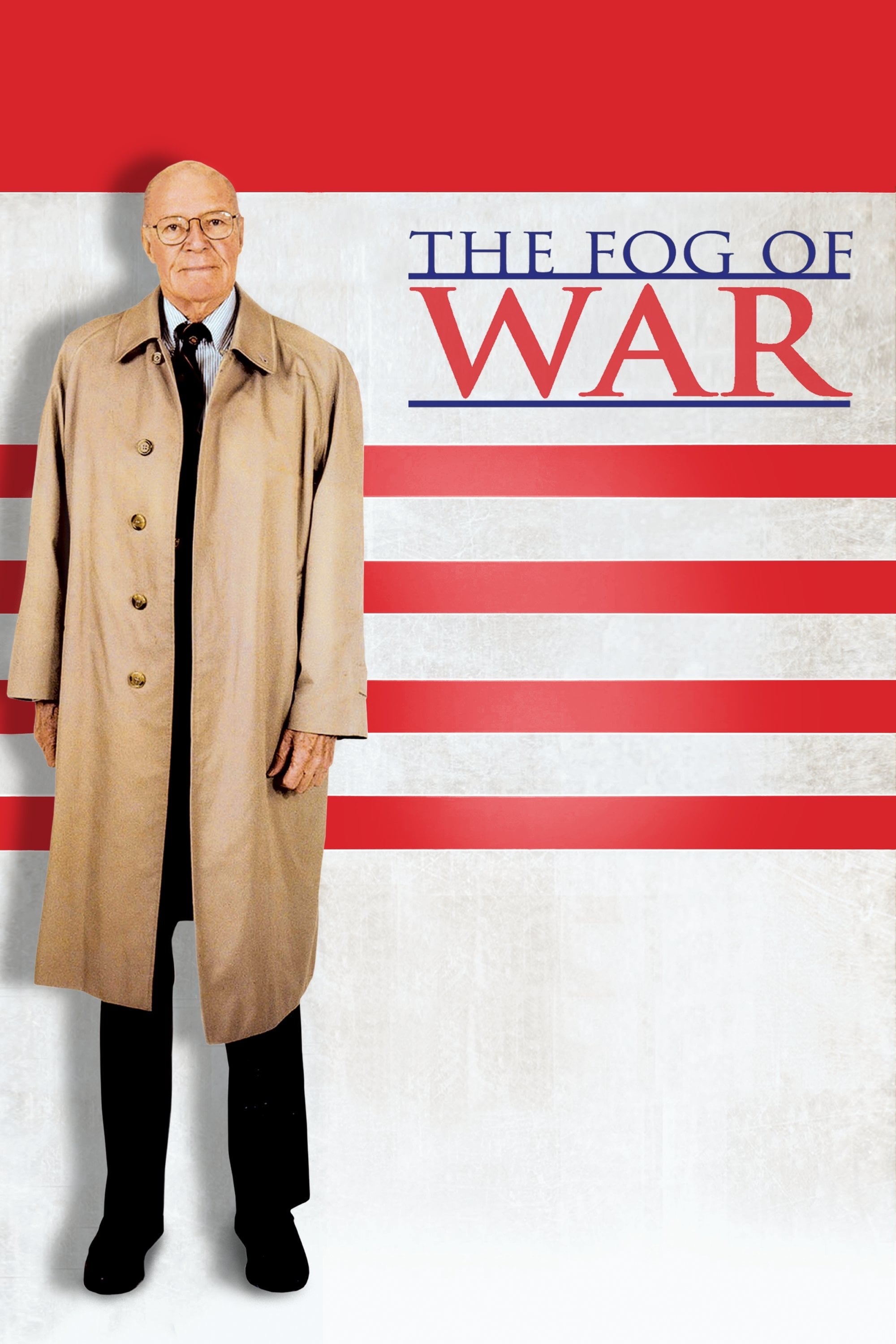
Using archival footage, cabinet conversation recordings, and an interview of the 85-year-old Robert McNamara, The Fog of War depicts his life, from working as a WWII whiz-kid military officer, to being the Ford Motor Company's president, to managing the Vietnam War as defense secretary for presidents Kennedy and Johnson.
Professor Saul David uses the BBC archive to chart the history of the world's most destructive war, by chronicling how the story of the battle has changed. As new information has come to light, and forgotten stories are remembered, the history of World War Two evolves. The BBC has followed that evolution, and this programme examines the most important stories, and how our understanding of them has been re-defined since the war ended over 70 years ago.
The history of warfare as it relates to global Black society, broken down into 7 chapters that examines the ways the system of racism wages warfare from a historical, psychological, sexual, biological, health, educational, and military perspective.
"The Star-Spangled Banner" is known by all, treasured for its powerful melody and stirring lyrics. And yet, only about 40% of U.S. citizens know all the words. And even fewer know their meaning. Join us as we travel back to 1814, when Washington D.C. was under British attack during the "Second War of Independence," and the very bricks and mortar of American democracy were reduced to smoking rubble. We examine the battle that inspired witness Francis Scott Key to immortalize its final moments, then reveal how his poem transformed into an anthem.
“The Soviet Story” is a story of an Allied power, which helped the Nazis to fight Jews and which slaughtered its own people on an industrial scale. Assisted by the West, this power triumphed on May 9th, 1945. Its crimes were made taboo, and the complete story of Europe’s most murderous regime has never been told. Until now...
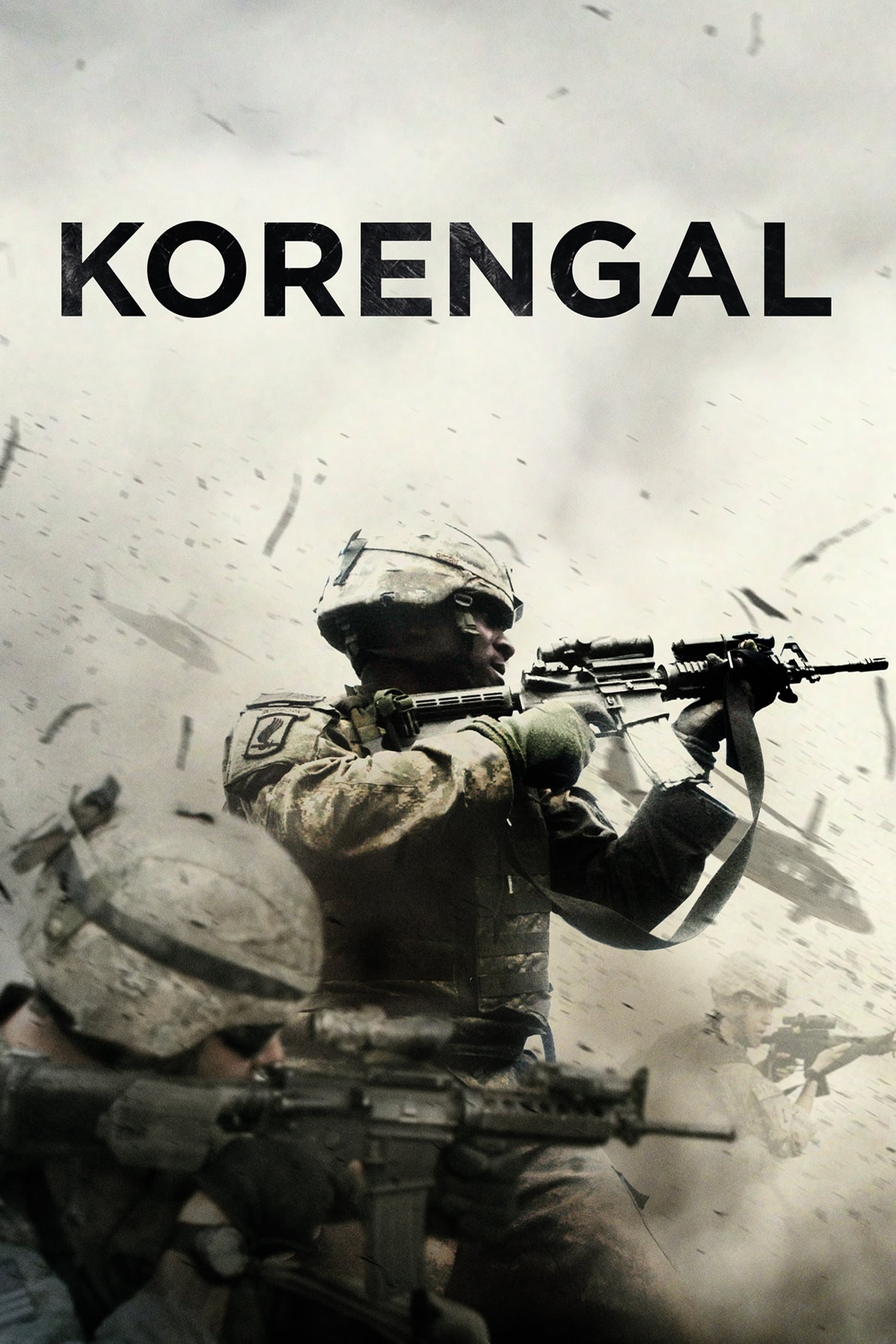
Korengal picks up where Restrepo left off; the same men, the same valley, the same commanders, but a very different look at the experience of war.
A documentary about the life and films of director John Ford.
Those who knew iconic funnyman John Candy best share his story, in their own words, through never-before-seen archival footage, imagery, and interviews.
When Allied forces liberated the Nazi concentration camps in 1944-45, their terrible discoveries were recorded by army and newsreel cameramen, revealing for the first time the full horror of what had happened. Making use of British, Soviet and American footage, the Ministry of Information’s Sidney Bernstein (later founder of Granada Television) aimed to create a documentary that would provide lasting, undeniable evidence of the Nazis’ unspeakable crimes. He commissioned a wealth of British talent, including editor Stewart McAllister, writer and future cabinet minister Richard Crossman – and, as treatment advisor, his friend Alfred Hitchcock. Yet, despite initial support from the British and US Governments, the film was shelved, and only now, 70 years on, has it been restored and completed by Imperial War Museums under its original title "German Concentration Camps Factual Survey".
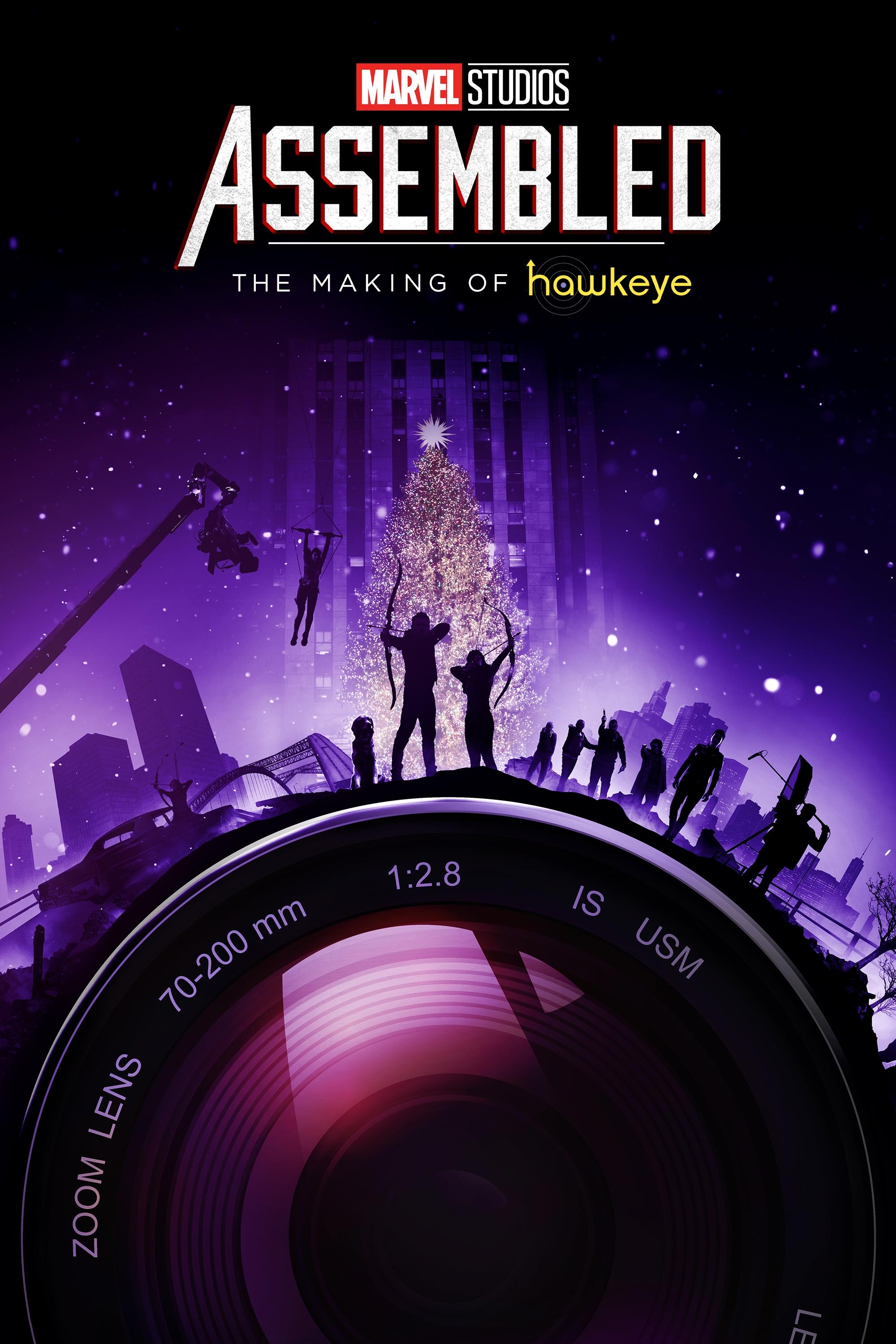
Join the likes of Jeremy Renner, Hailee Steinfeld, Florence Pugh, and Vincent D’Onofrio as they reveal how Marvel Studios’ “Hawkeye” was conceived and created. Witness firsthand what it took to pull off the show’s pulse-pounding action set pieces, and discover how iconic characters from the pages of Marvel Comics such as Kate Bishop were adapted and brought to life for the six-episode series.
A detailing of the rise to prominence and global sporting superstardom of six supremely talented young Manchester United football players (David Beckham, Nicky Butt, Ryan Giggs, Paul Scholes, Phil and Gary Neville). The film covers the period 1992-1999, culminating in Manchester United's European Cup triumph.
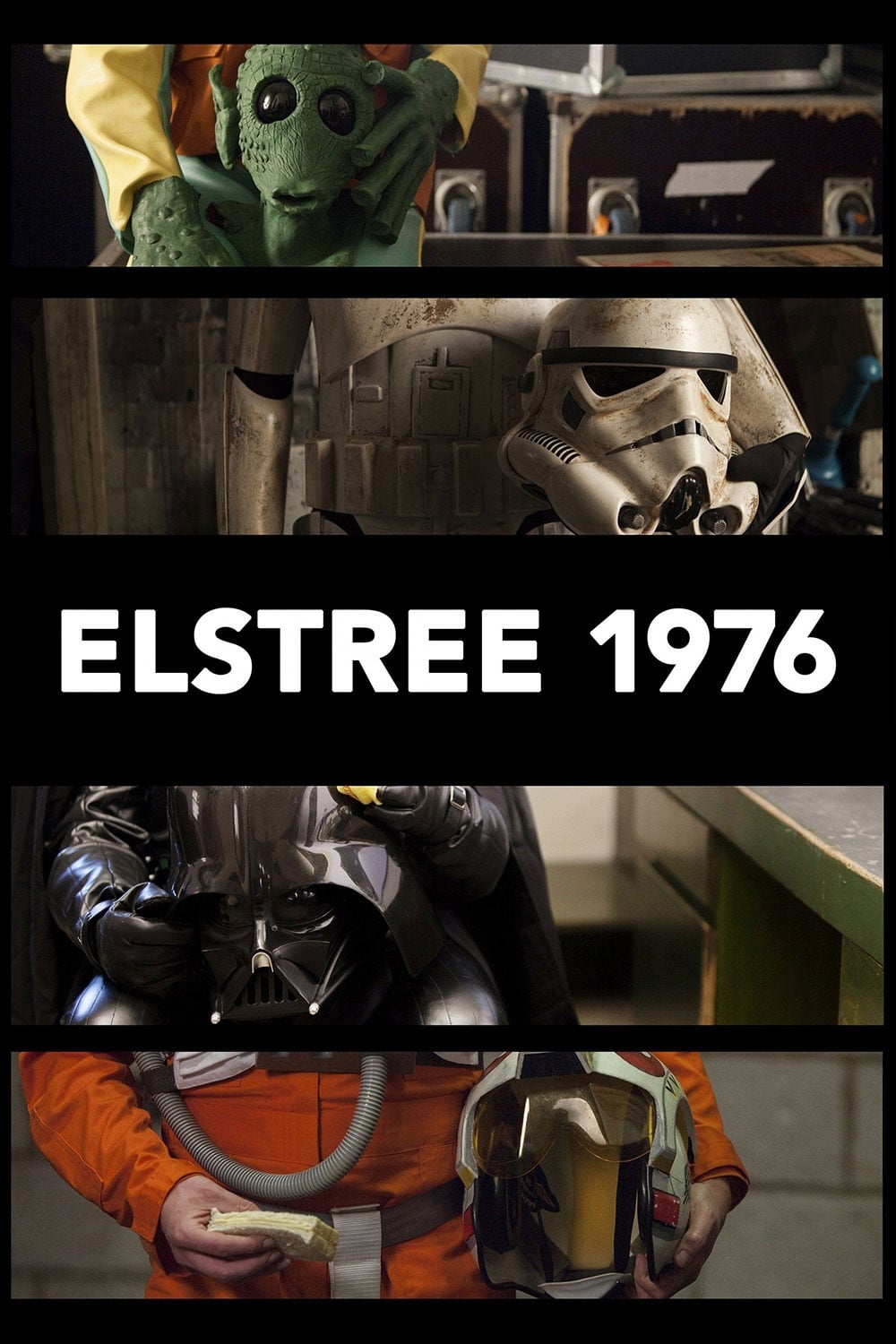
A documentary about ten very different lives connected by having appeared onscreen wearing masks or helmets in Star Wars.
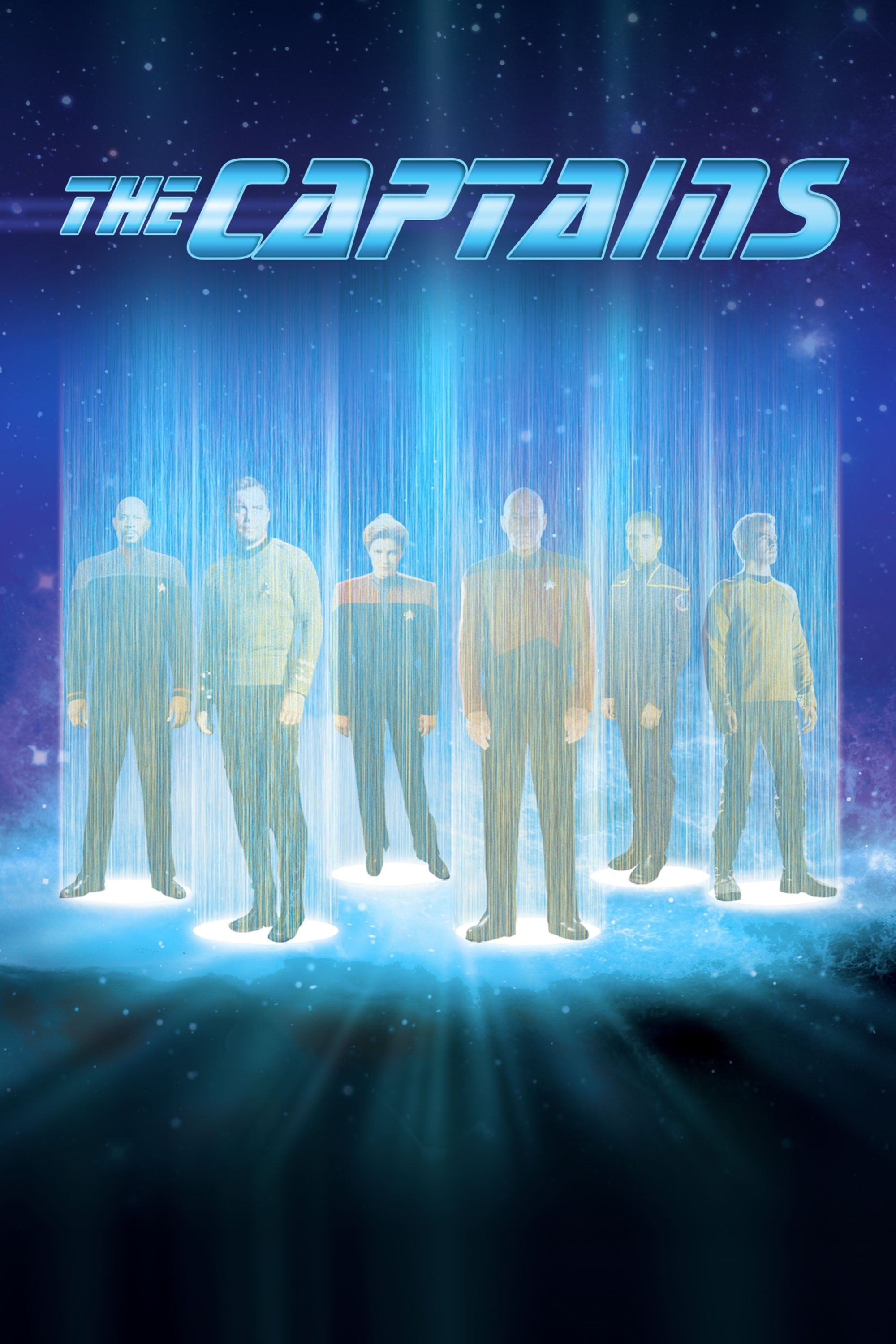
The Captains is a feature-length documentary film written and directed by William Shatner. The film follows Shatner as he interviews the other actors who have portrayed starship captains in the Star Trek franchise.
Amid the failing counteroffensive, a journalist follows a Ukrainian platoon on their mission to traverse one mile of heavily fortified forest and liberate a strategic village from Russian occupation. But the farther they advance through their destroyed homeland, the more they realize that this war may never end.
Alexander McQueen's rags-to-riches story is a modern-day fairy tale, laced with the gothic. Mirroring the savage beauty, boldness and vivacity of his design, this documentary is an intimate revelation of McQueen's own world, both tortured and inspired, which celebrates a radical and mesmerizing genius of profound influence.
Behind-the-scenes documentary about how Lionel Messi succeeded in lifting the World Cup – the only trophy to have eluded him in an incredible career.
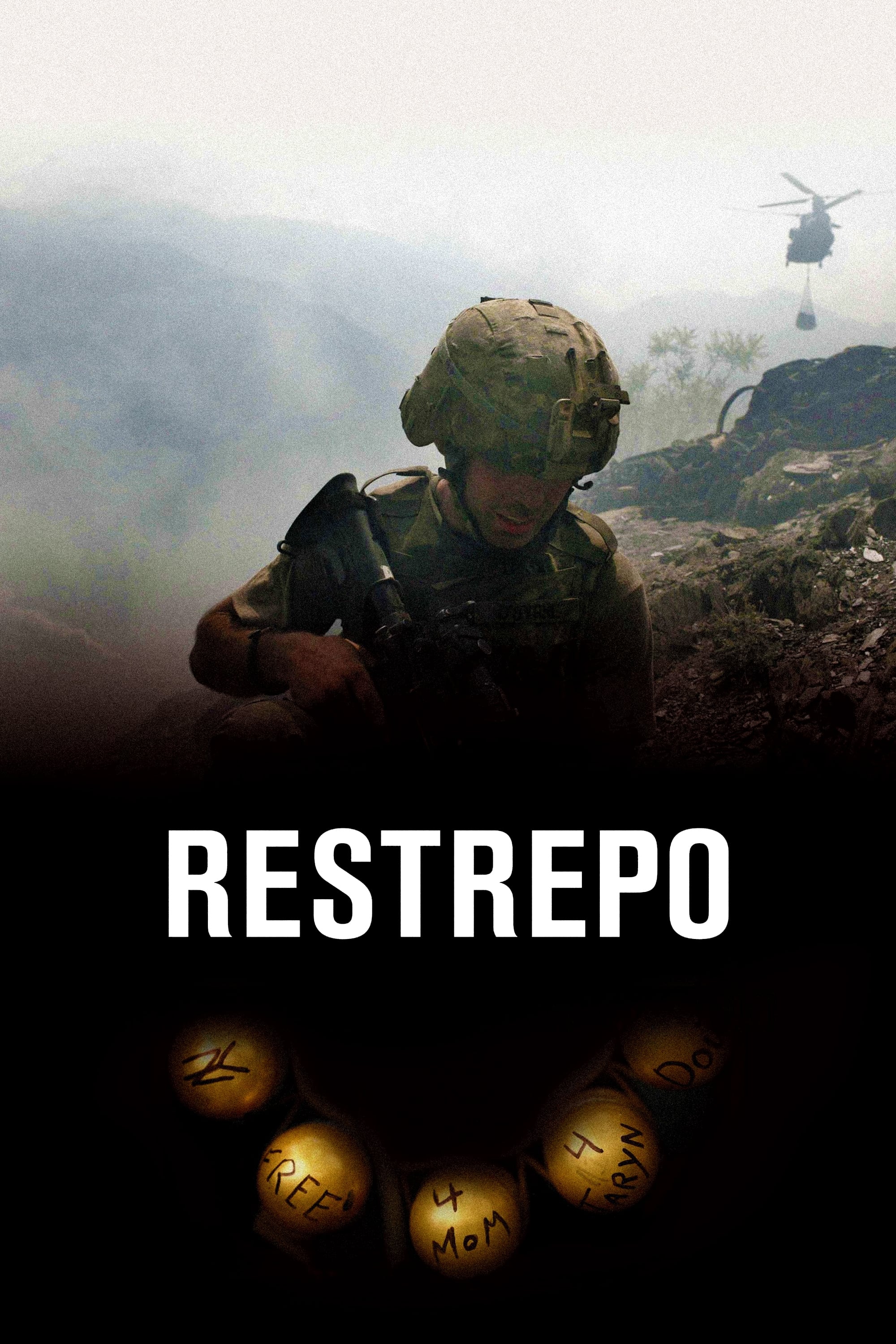
Directors Hetherington and Junger spend a year with the 2nd Battalion of the United States Army located in one of Afghanistan's most dangerous valleys. The documentary provides insight and empathy on how to win the battle through hard work, deadly gunfights and mutual friendships while the unit must push back the Taliban.
Through deeply personal interviews with her siblings and an examination of the photographs, letters, and belongings left behind, Mariska assembles a new portrait of her mother Jayne Mansfield, an extraordinary and complex woman.
In the Realms of the Unreal is a documentary about the reclusive Chicago-based artist Henry Darger. Henry Darger was so reclusive that when he died his neighbors were surprised to find a 15,145-page manuscript along with hundreds of paintings depicting The Story of the Vivian Girls, in What is Known as the Realms of the Unreal, of the Glodeco-Angelinnian War Storm, Cased by the Child Slave Rebellion.
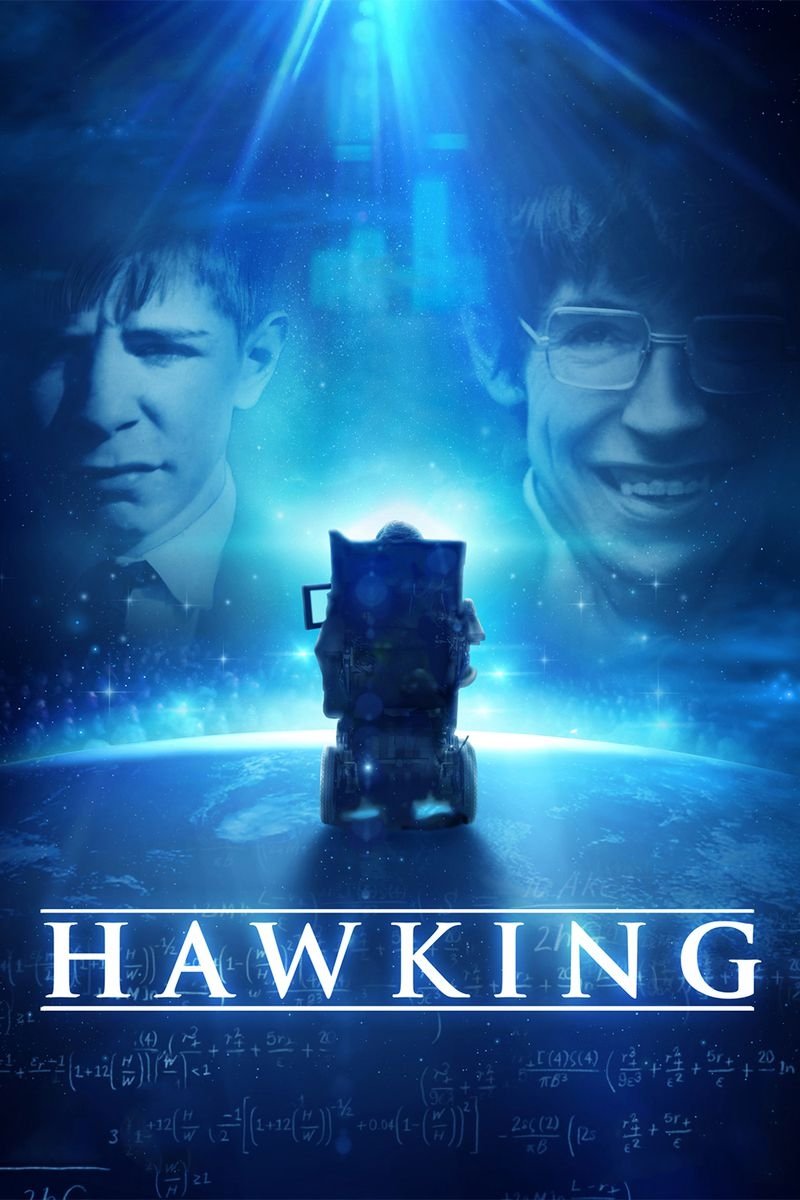
The extraordinary story of the planet’s most famous contemporary scientist, told in his own words and by those closest to him. Made with unique access to Hawking’s private life, this is an intimate and moving journey into Stephen's world, both past and present.
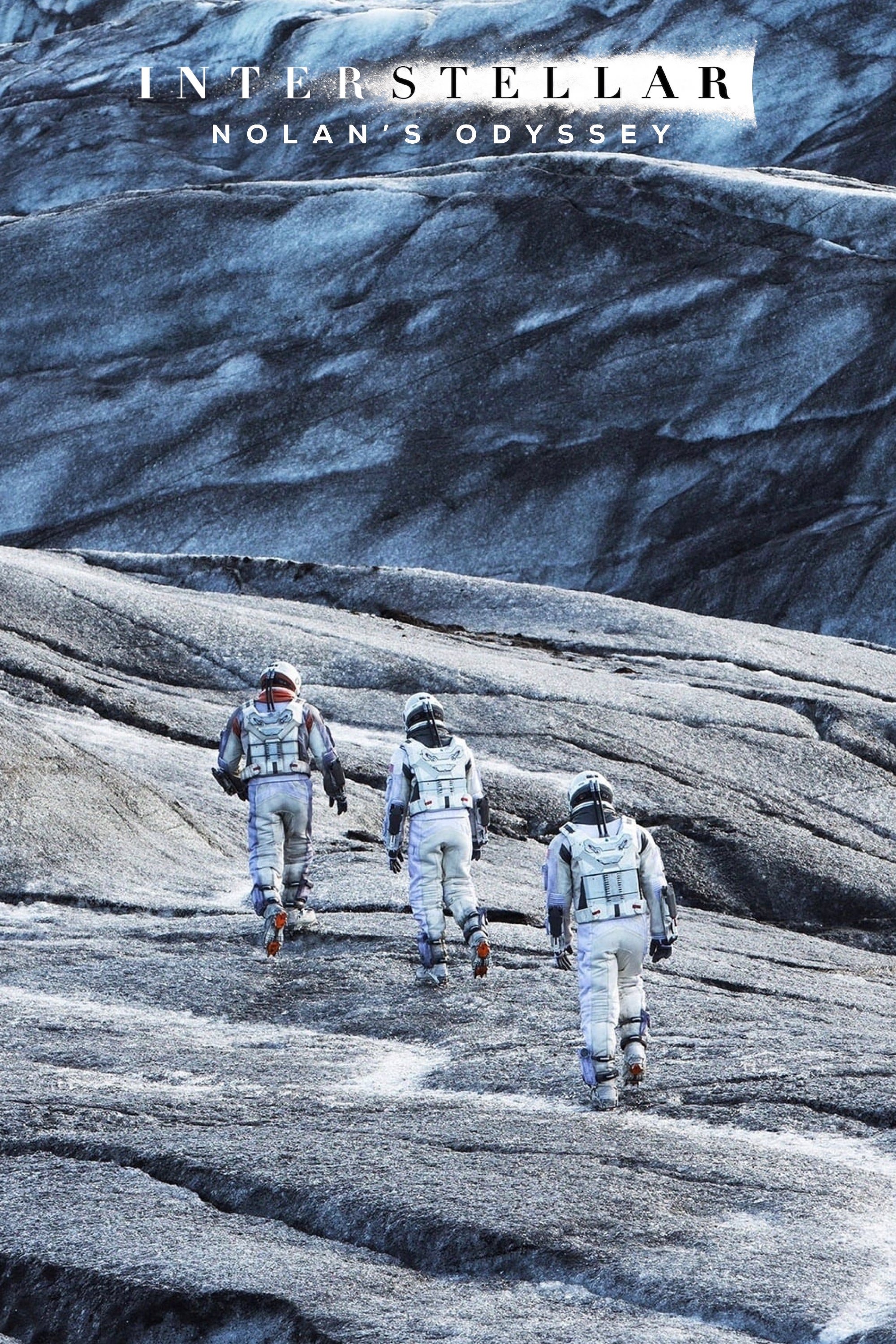
A look behind the lens of Christopher Nolan's space epic.
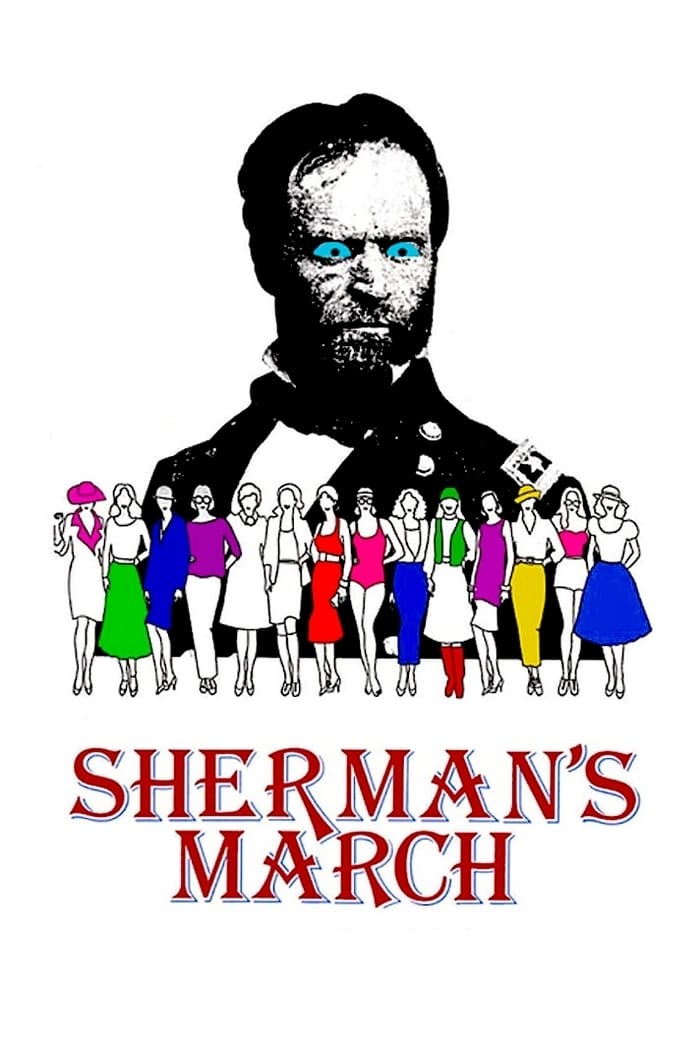
Ross McElwee sets out to make a documentary about the lingering effects of General Sherman's march of destruction through the South during the Civil War, but is continually sidetracked by women who come and go in his life, his recurring dreams of nuclear holocaust, and Burt Reynolds.
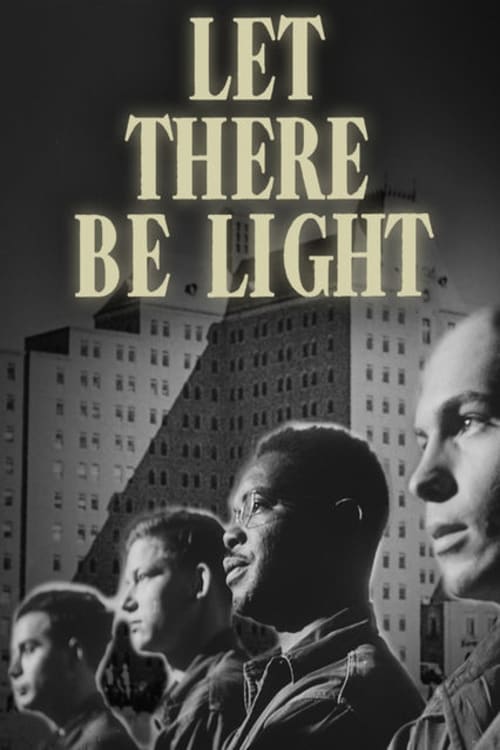
The final entry in a trilogy of films produced for the U.S. government by John Huston. Some returning combat veterans suffer scars that are more psychological than physical. This film follows patients and staff during their treatment. It deals with what would now be called PTSD, but at the time was categorised as psychoneurosis or shell-shock. Government officials deemed this 1946 film counterproductive to postwar efforts; it was not shown publicly until 1981.
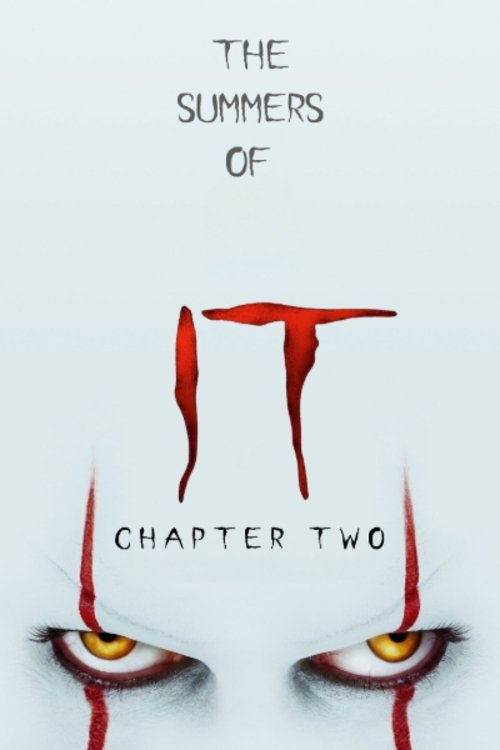
This documentary focuses on the actors and their journey over two summers to create the remake to the original IT, by Stephen King. The documentary originally released as bonus material, bundled with IT: Chapter Two.