Embedded journalist Mark Bartalmai shows the Ukrainian war from inside..
Social & External
The people behind it
Mark Bartalmai
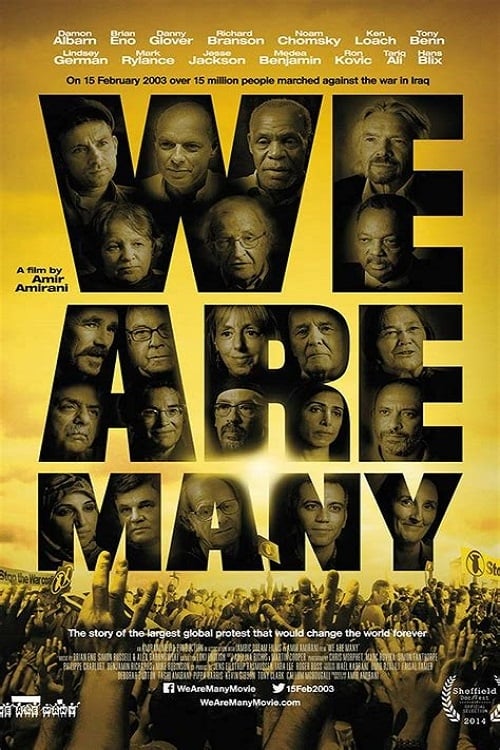
The story of the biggest demonstration in human history, which took place on 15th February 2003, against the impending war on Iraq.
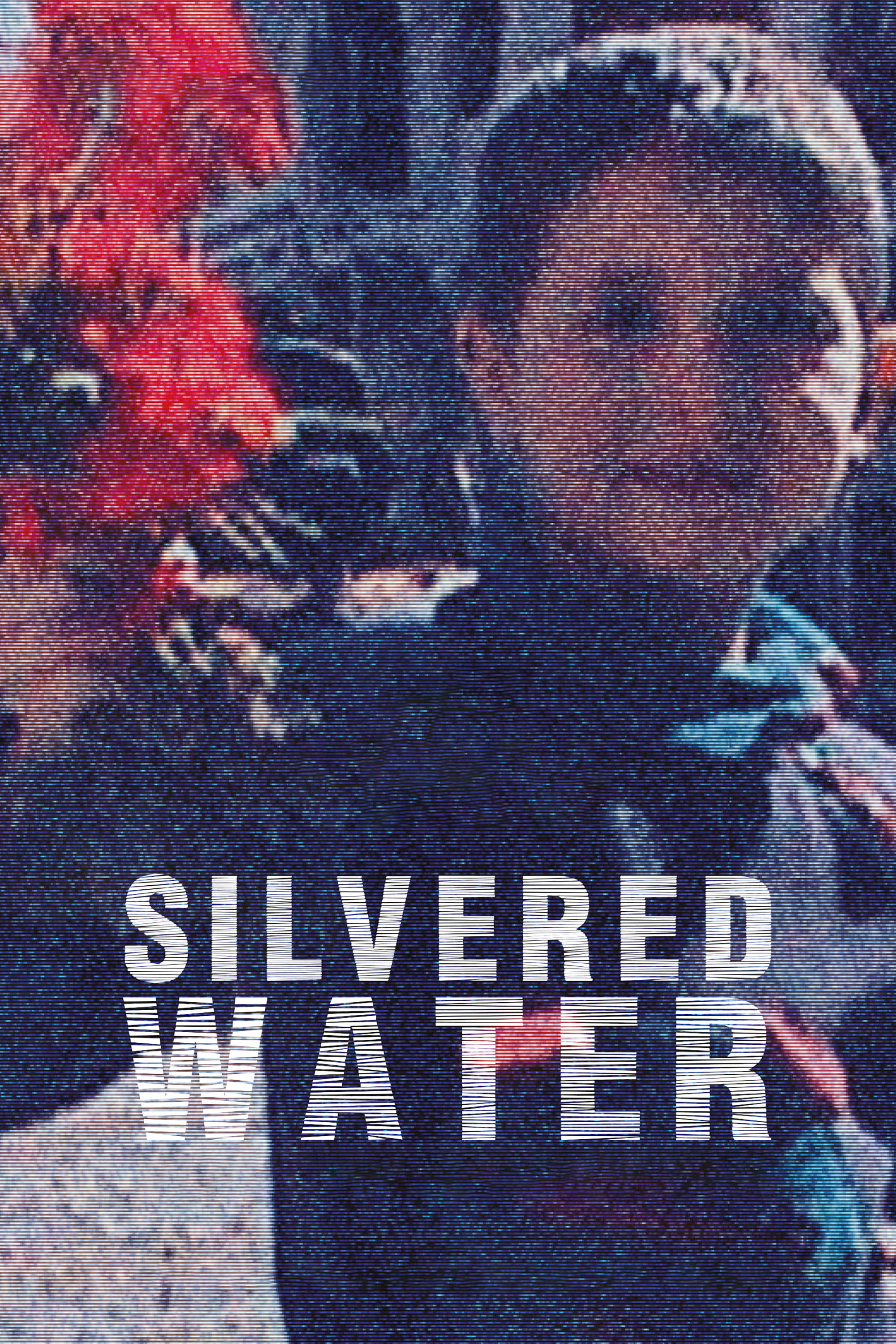
Shot by a reported “1,001 Syrians” according to the filmmakers, SILVERED WATER, SYRIA SELF-PORTRAIT impressionistically documents the destruction and atrocities of the civil war through a combination of eye-witness accounts shot on mobile phones and posted to the internet, and footage shot by Bedirxan during the siege of Homs. Bedirxan, an elementary school teacher in Homs, had contacted Mohammed online to ask him what he would film, if he was there. Mohammed, working in forced exile in Paris, is tormented by feelings of cowardice as he witnesses the horrors from afar, and the self-reflexive film also chronicles how he is haunted in his dreams by a Syrian boy once shot to death for snatching his camera on the street.
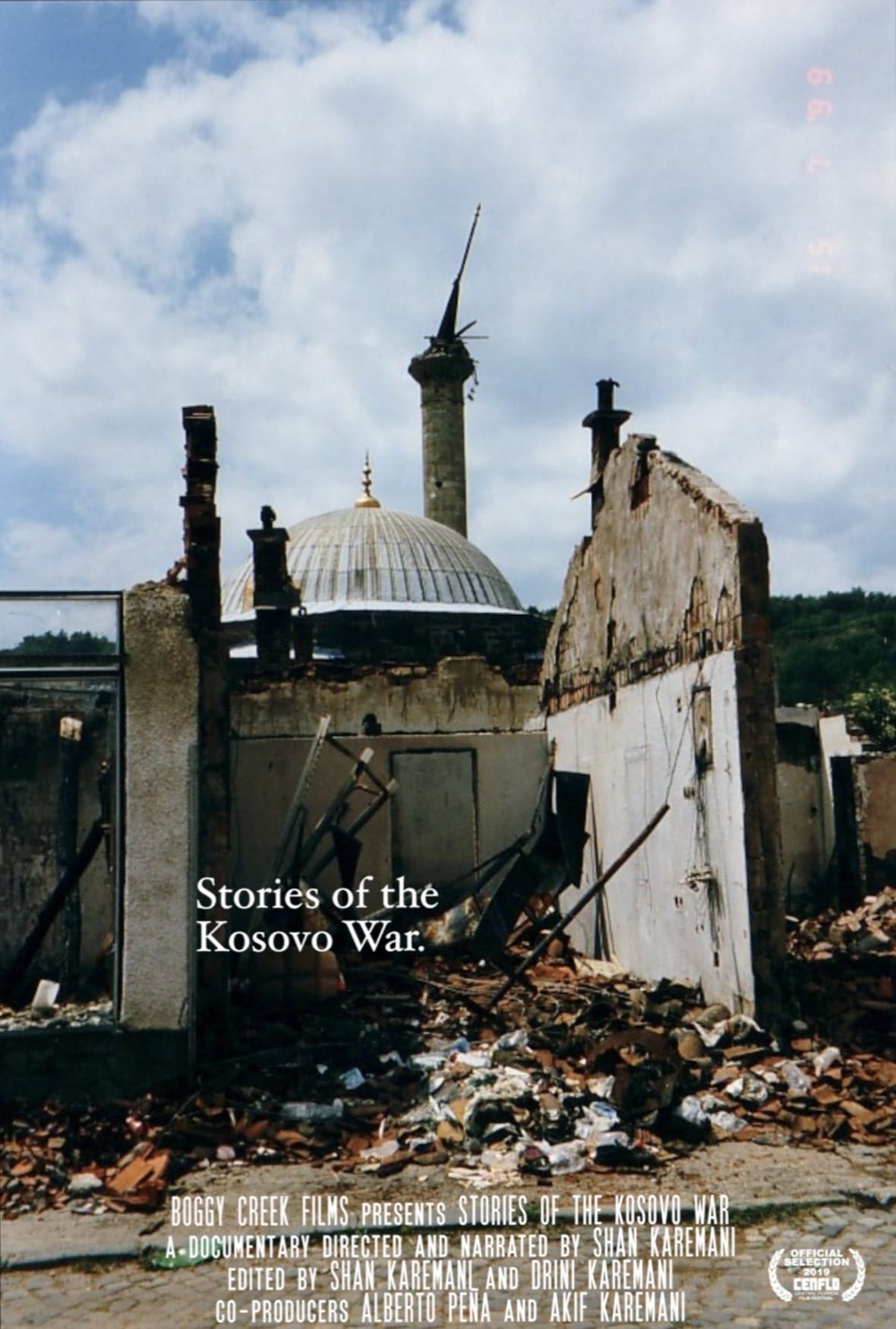
A documentary unraveling the untold stories and brutal experiences of the Kosovo War in the late 1990s.
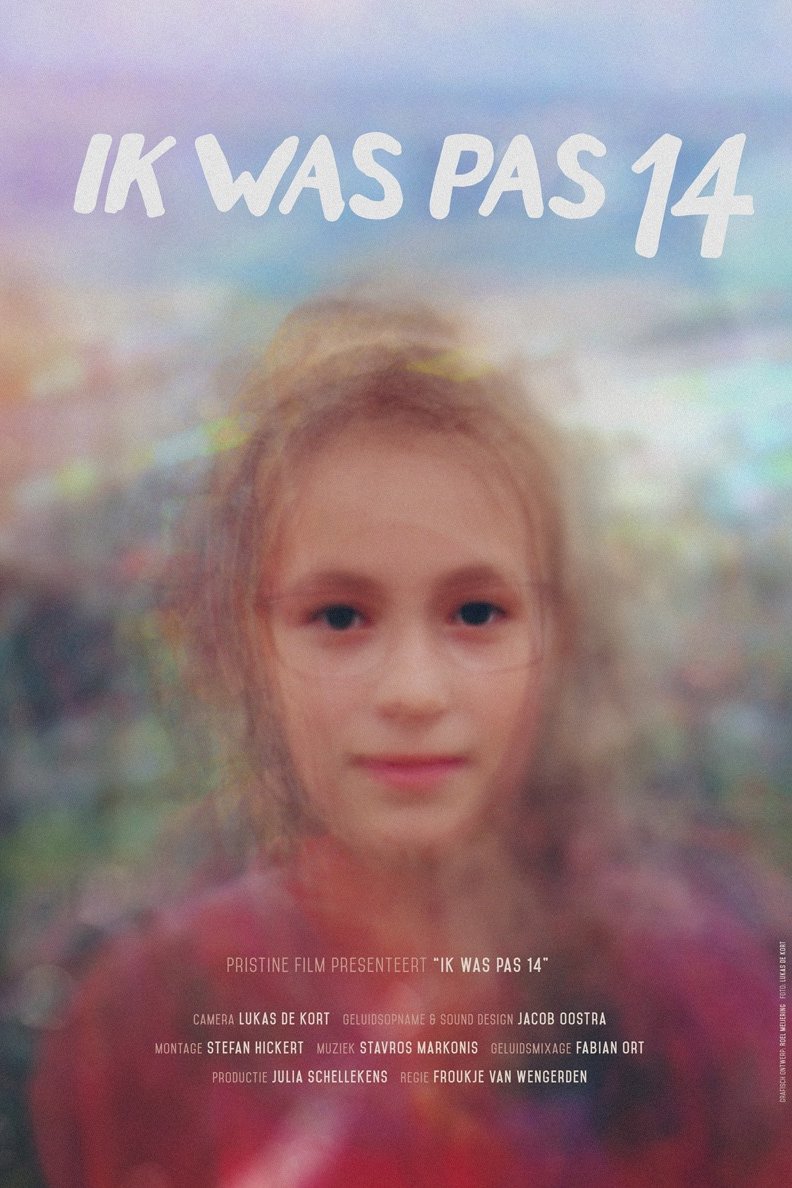
Filmmaker Froukje van Wengerden’s 86-year-old grandmother shares a powerful memory from 1944, when she was just 14. As her story unfolds, we see a group of contemporary 14-year-old girls. Their procession of portraits permits the spectator to see simultaneously forward and back, into the future and towards the past. A miraculous testimonial that uses eye contact to focus the viewer inward and evoke unexpected emotions.
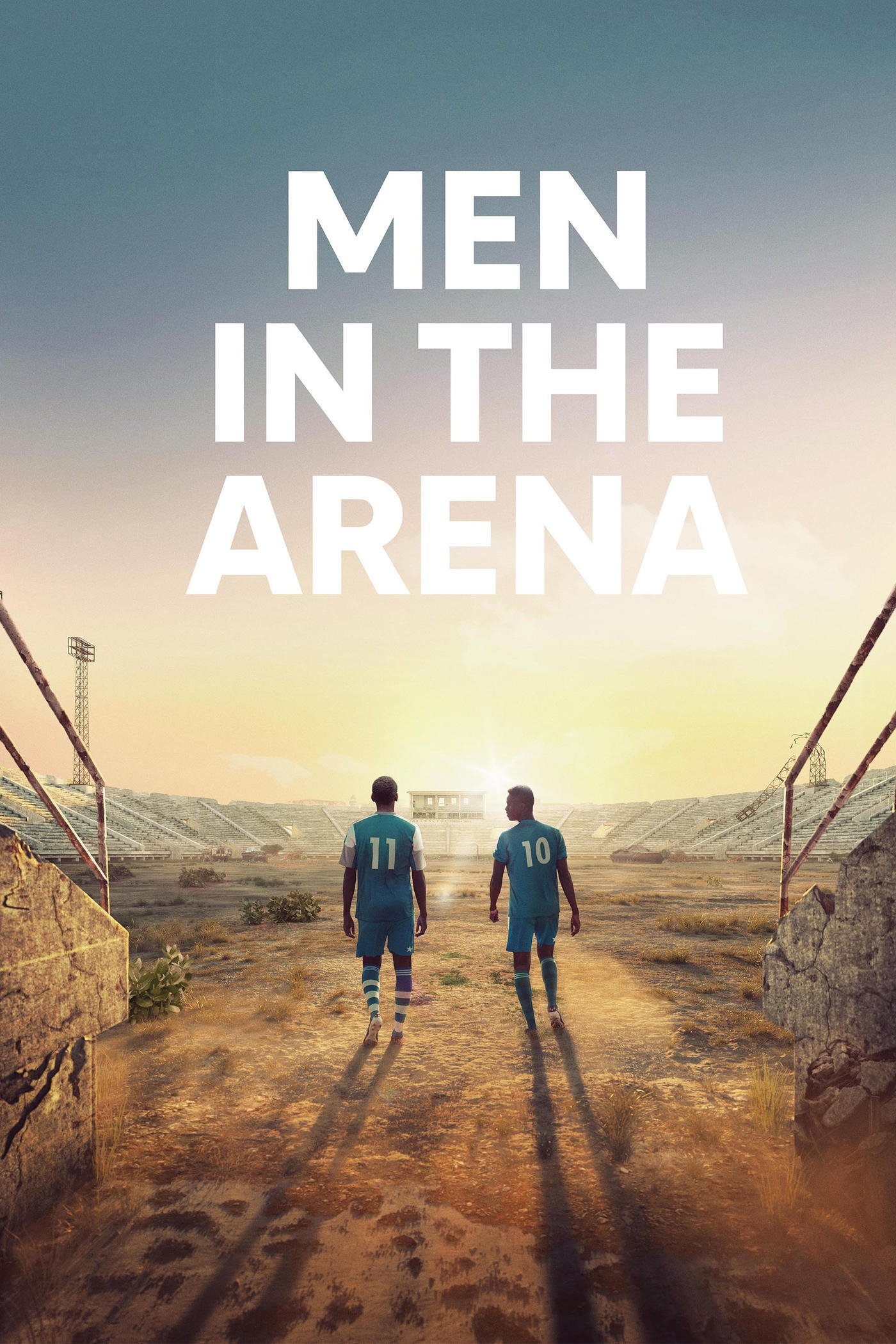
A touching story of friendship, struggle and triumph, the film follows the journey of two Somali national soccer team friends chasing their dreams in the face of impossible odds. After surviving two decades of war, Saadiq, 17, and Sa’ad, 19, the team’s most promising stars, enter the only televised match of the year hoping scouts will be watching. With passports of no value on the world stage, soccer may be their only shot to escape a growing terror threat, persecution and poverty. Against the backdrop of fear and shared sacrifice, they embark on separate but equally improbable journeys. In the opportunity of a lifetime, Saadiq sets off for America with dreams of an education and a soccer career. Sa’ad continues his career in Mogadishu with the hopes of someday being reunited with his friend. Their biggest dream is shared – to be symbols of hope to generations who have only known war.
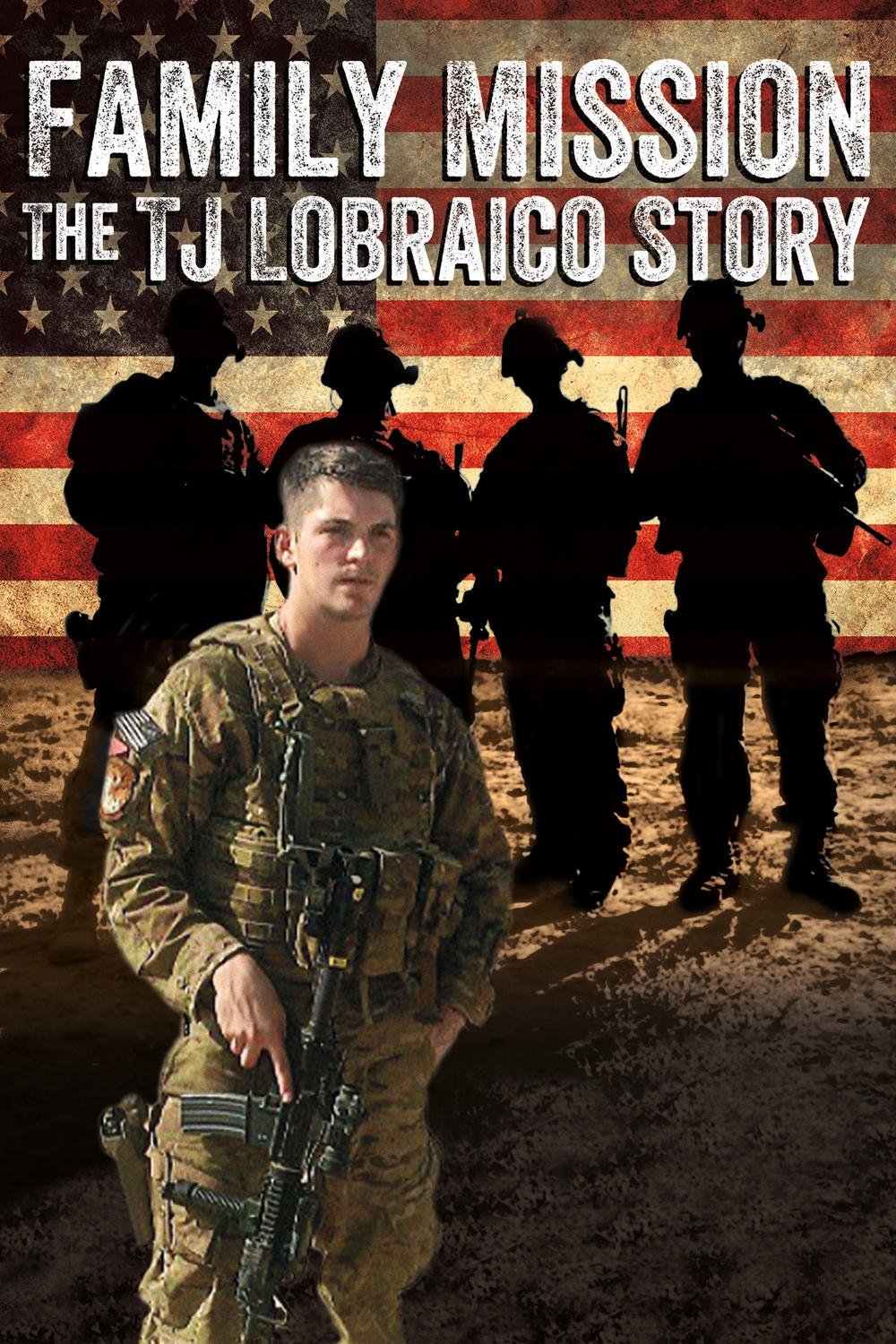
Family Mission is a feature documentary based on the life of TJ Lobraico, a USAF Staff Sergeant from Connecticut who gave his life for his country in Afghanistan in 2013. TJ's mother, father and step-father also served in the Air Force, and the film explores the history and dynamics of these brave Americans who consider service to others a family mission.
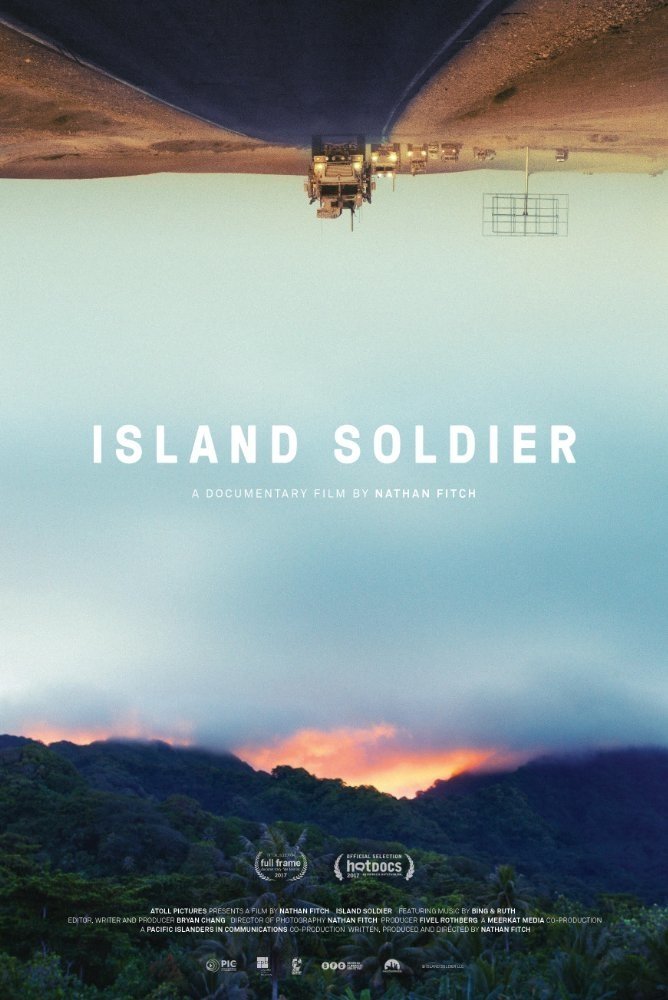
The untold story of Micronesian citizens fighting America's wars. Through the personal odyssey of the Nenas, one family experiences the consequences of military service, as they represent a pristine Pacific island on the brink of economic collapse.
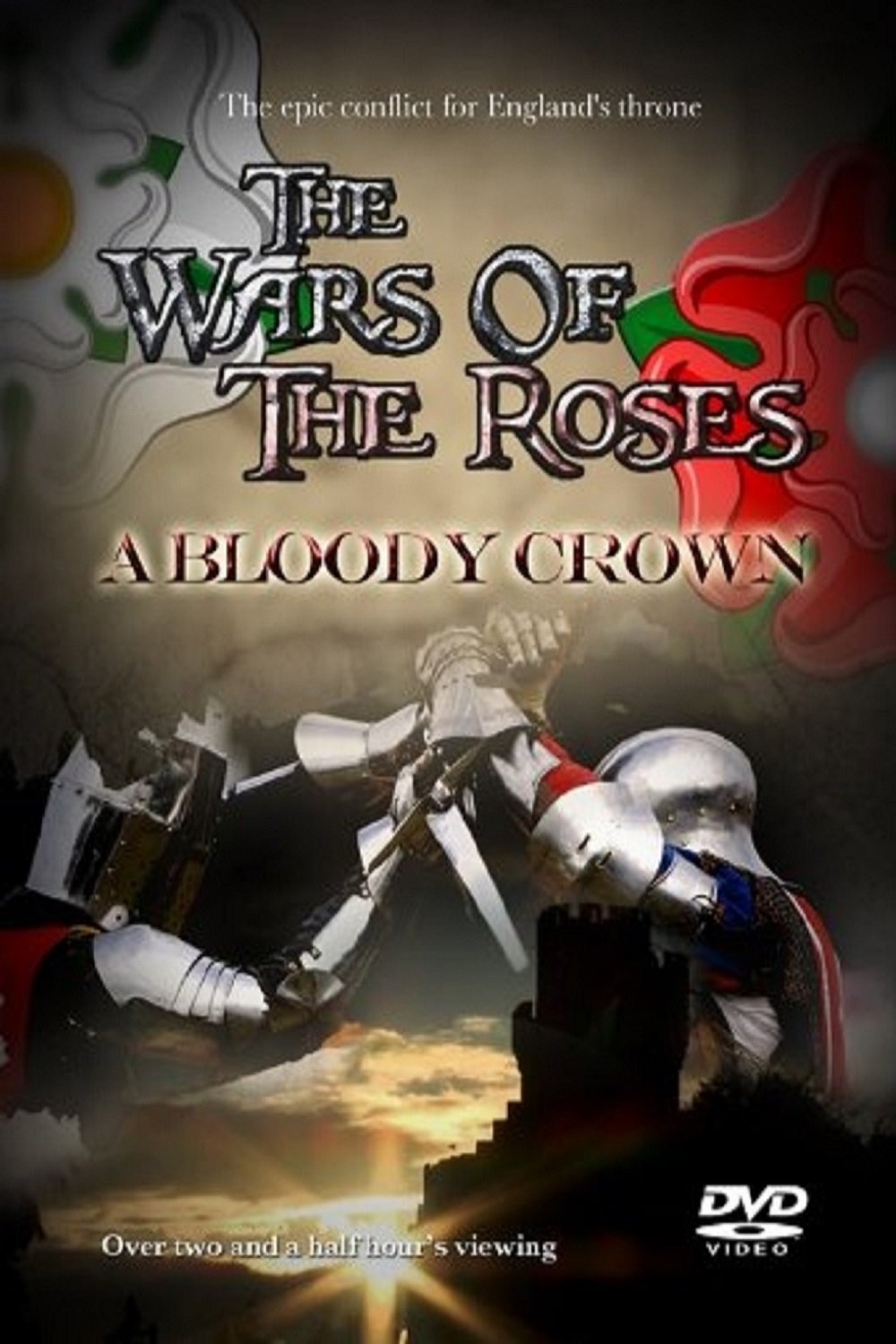
Using historically-accurate, battle-filled re-enactments and interviews with expert historians and noted authors, this two-part documentary series brings to vivid life the captivating true stories behind Britain's bloody civil wars.
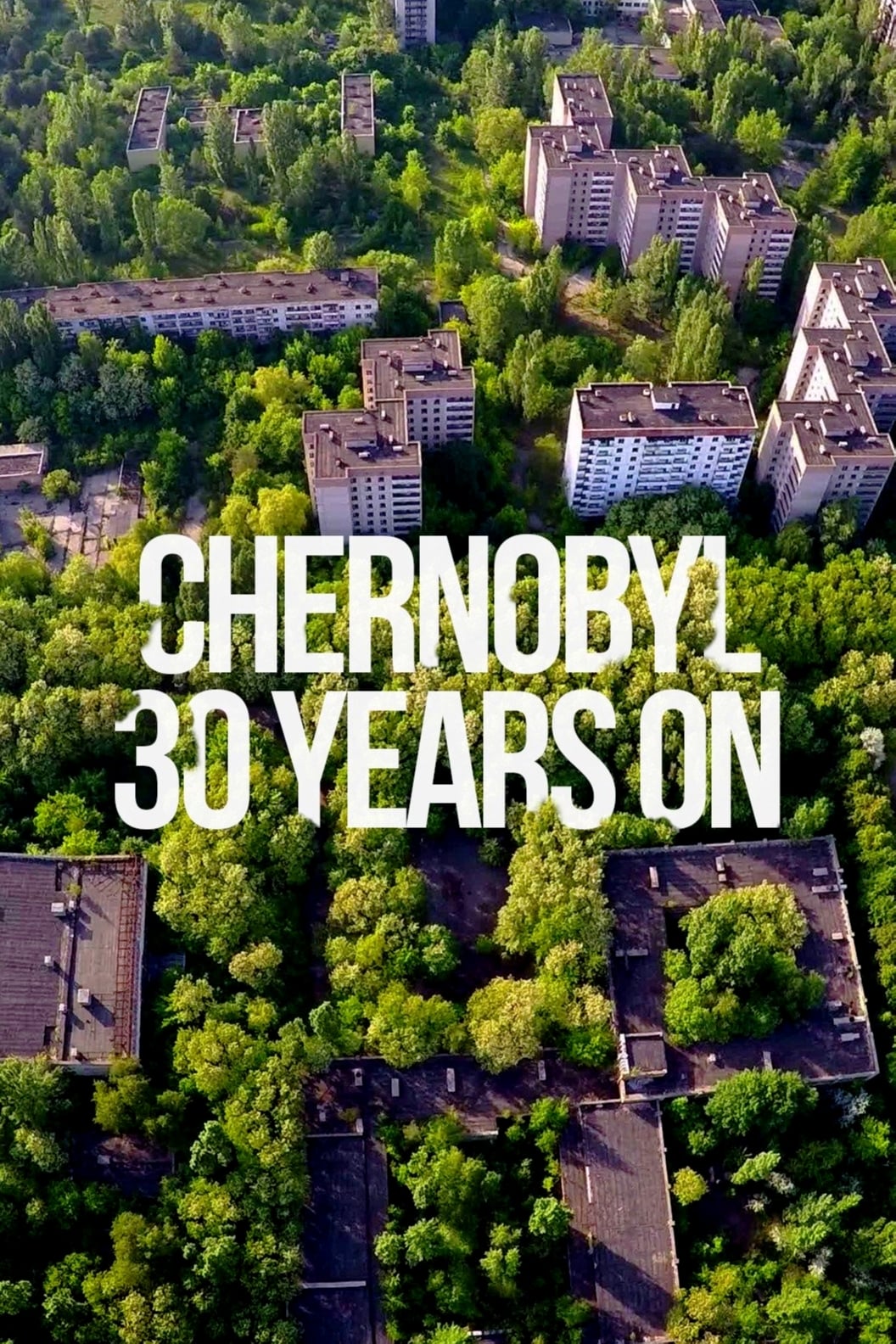
Thirty years after the Chernobyl disaster, which occurred on the night of April 26, 1986, its causes and consequences are examined. In addition, a report on efforts to strengthen the structures covering the core of the nuclear plant in order to better protect the population and the environment is offered.
World War II propaganda short which focuses on the dangers of inadvertent dispersal of military information.
A thirty-minute High Definition documentary which revisits that winter of 1779-80 when Washington’s troops arrived at the densely-wooded area just south of Morristown known as Jockey Hollow, to build a log hut city for their winter camp. The film is an eye-opening look at how the camp saved the army – and the American Revolution – from the brink of disaster. Based on John T. Cunningham’s book The Uncertain Revolution and shot on location at Morristown National Historical Park, Morristown: Where America Survived is narrated by award-winning actor Edward Herrmann, who has voiced many history documentaries over his extensive career. The program was produced by New Jersey Network.
Seminal Danish documentary about Nazi Germany's occupation of Denmark in the Second World War between 1940 and 1945.
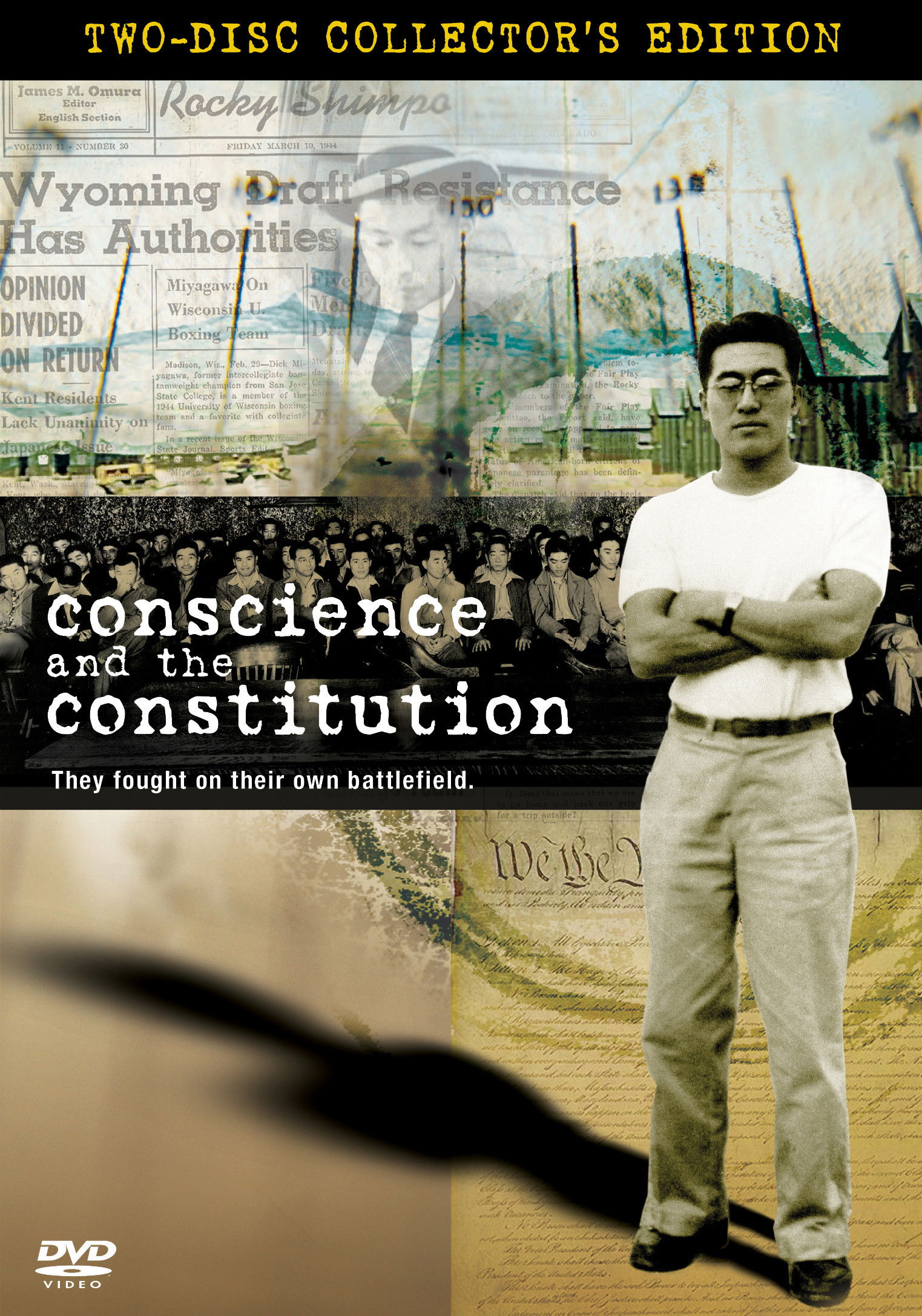
Americans refused to be drafted from the concentration camp at Heart Mountain, Wyoming. Ready to fight, but not before their rights as U.S. citizens were restored and families released.
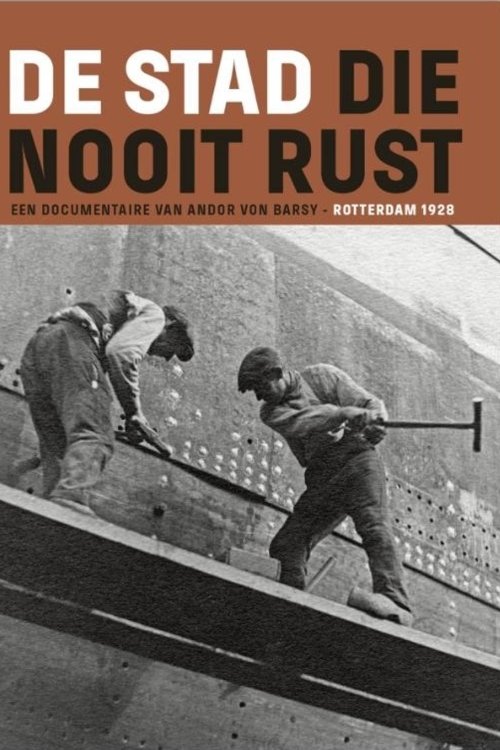
Shots of pre-war Rotterdam, both the city and the port.
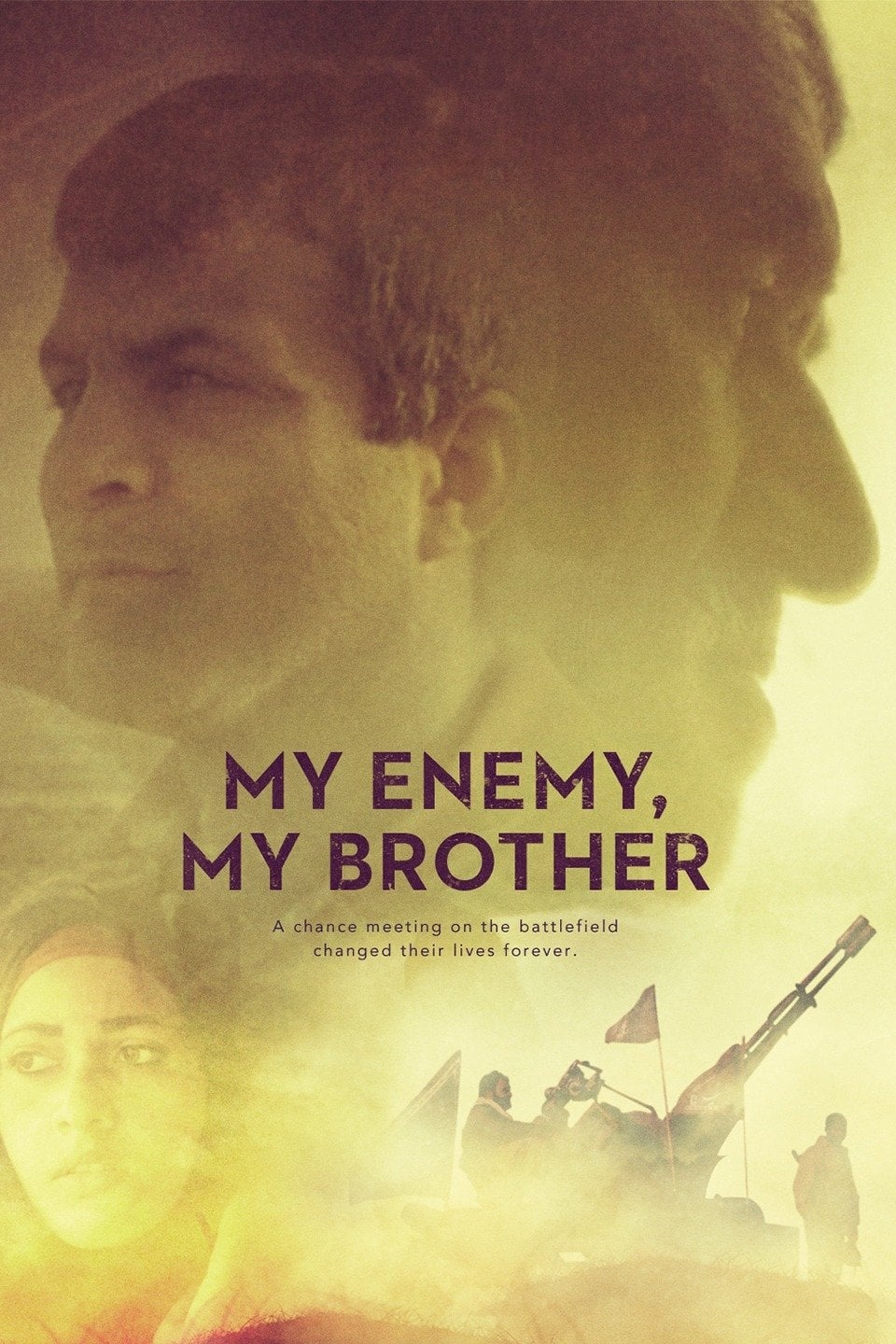
The eight-year Iran-Iraq War was one of the most brutal conflicts to devastate the region in the 20th century. Zahed was 13 years old when he enrolled in the Iranian army. Najah was 18 when he was conscripted into the Iraqi army, and he fought against Zahed in the Battle of Khorramshahr. Fast forward 25 years, a chance encounter in Vancouver between these two former enemies turns into a deep and mutually supportive friendship. Expanded from the 2015 short film by the same name.
During the Vietnam War, the CIA recruited Hmong tribesmen in the hills of Laos to fight the Communists, then brought them as refugees to America. Forty years later in California, someone who might be a CIA operative approaches a Hmong human rights activist about buying weapons to continue the fight.
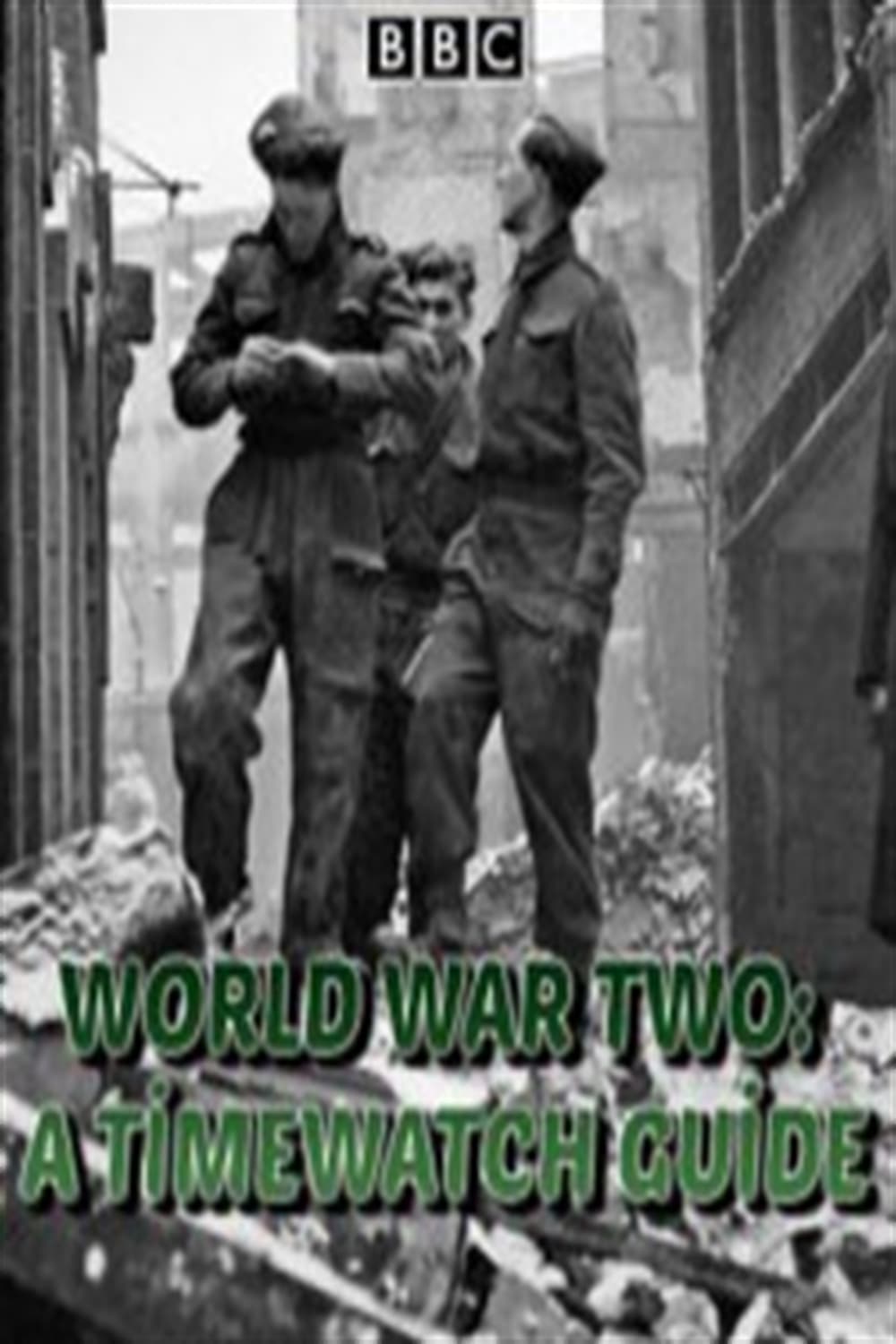
Professor Saul David uses the BBC archive to chart the history of the world's most destructive war, by chronicling how the story of the battle has changed. As new information has come to light, and forgotten stories are remembered, the history of World War Two evolves. The BBC has followed that evolution, and this programme examines the most important stories, and how our understanding of them has been re-defined since the war ended over 70 years ago.
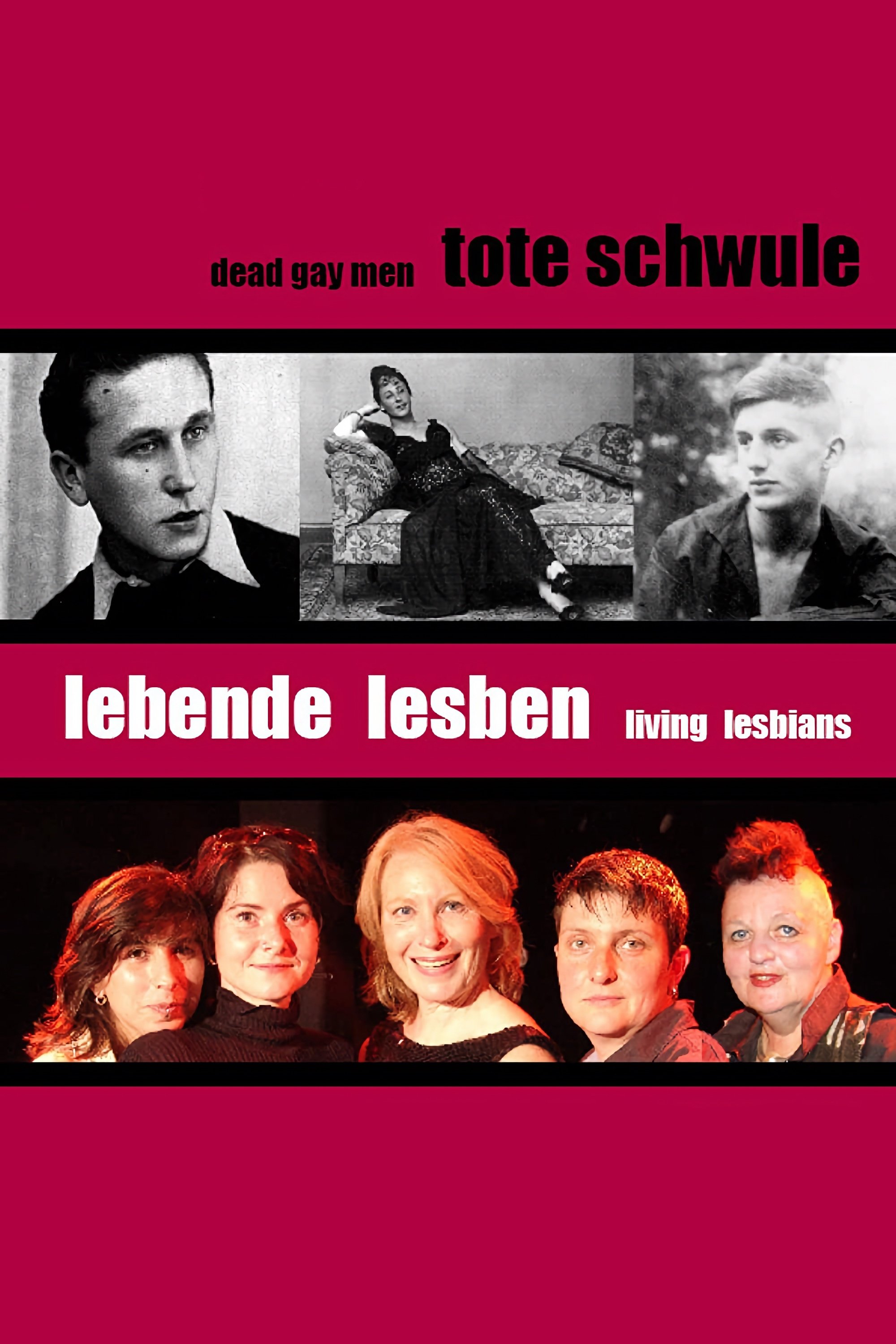
As a result of the Holocaust and later, AIDS, the male homosexual community has sustained bitter losses and, according to Praunheim, lesbian women have now placed themselves at the head of the so-called queer movement. The female protagonists in the film represent two different generations; they also incorporate the past and present status of homosexuals in society.
Dobropillia is a town located in Eastern Ukraine: 70 km from the border where conflicts with the breakaway republics are raging on and people feel always like being on the verge of total war. The sheer uncertainty about the future pushes folks to cling on to their daily habits while trying to get along with the ever-shifting political landscape. A wide array of wildly diversified characters try to cope as good as they can with the hardships in their town. A death metal band keeps rehearsing daily. A teacher guides visitors through the story of the city. The wonders of a vibrating armchair are tested as a tool against stress and anxiety. An elderly lady who has lost her son tries to talk some sense into her fellow citizens urging them to accept peace.
In an intimate and joyful story of love in the face of loss, celebrated poets Andrea Gibson and Megan Falley find strength—and unexpected hilarity—in what might be their final year together.
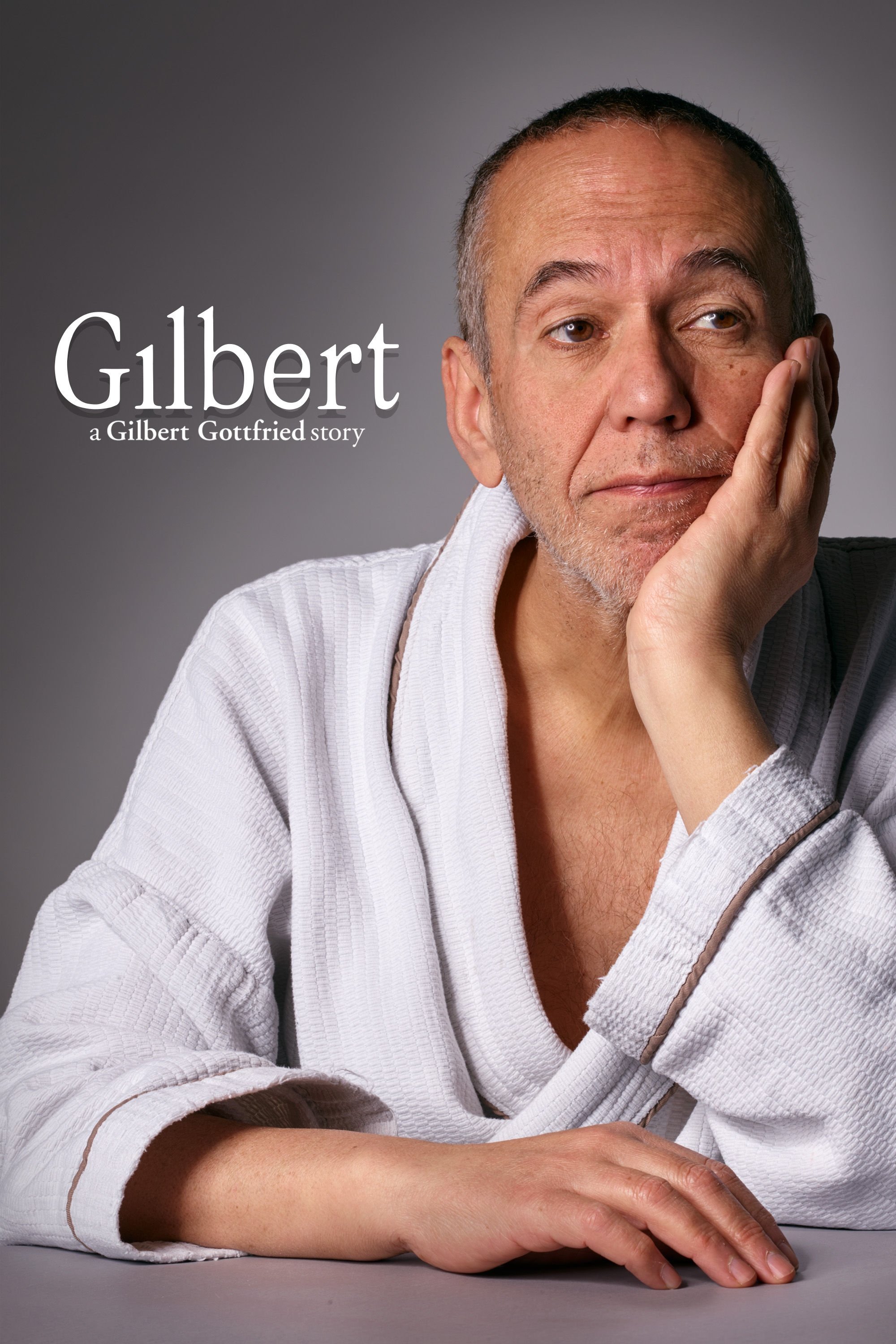
The life and career of one of comedy's most inimitable modern voices, Mr. Gilbert Gottfried.
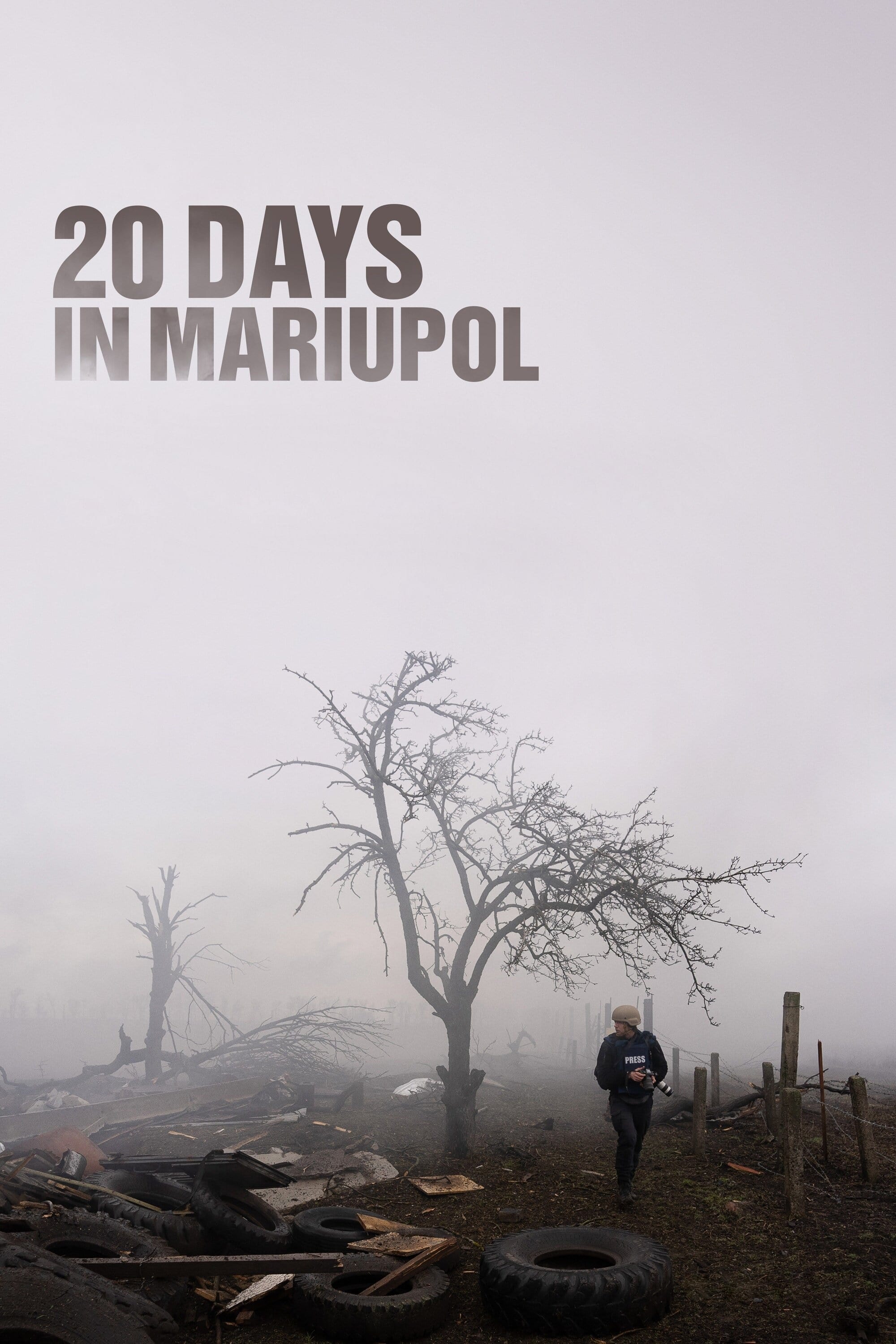
As the Russian invasion begins, a team of Ukrainian journalists trapped in the besieged city of Mariupol struggle to continue their work documenting the war's atrocities.
A string of threatening emails escalates into a revenge plot involving a newly married US marshal and his ex-girlfriend.
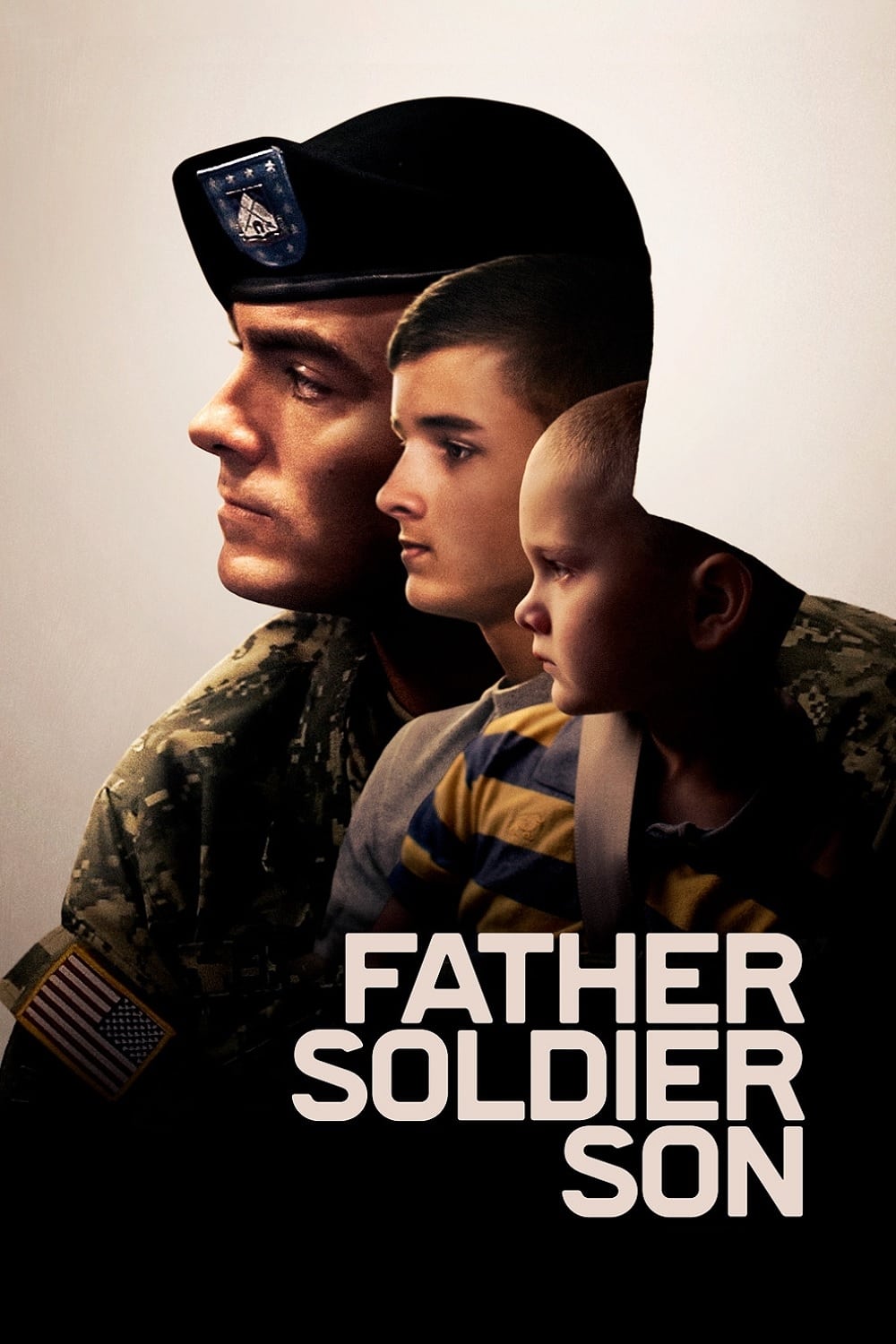
When Sgt. First Class Brian Eisch is critically wounded in Afghanistan, it sets him and his sons on a journey of love, loss, redemption and legacy.
A love letter from a young mother to her daughter, the film tells the story of Waad al-Kateab’s life through five years of the uprising in Aleppo, Syria as she falls in love, gets married and gives birth to Sama, all while cataclysmic conflict rises around her. Her camera captures incredible stories of loss, laughter and survival as Waad wrestles with an impossible choice– whether or not to flee the city to protect her daughter’s life, when leaving means abandoning the struggle for freedom for which she has already sacrificed so much.
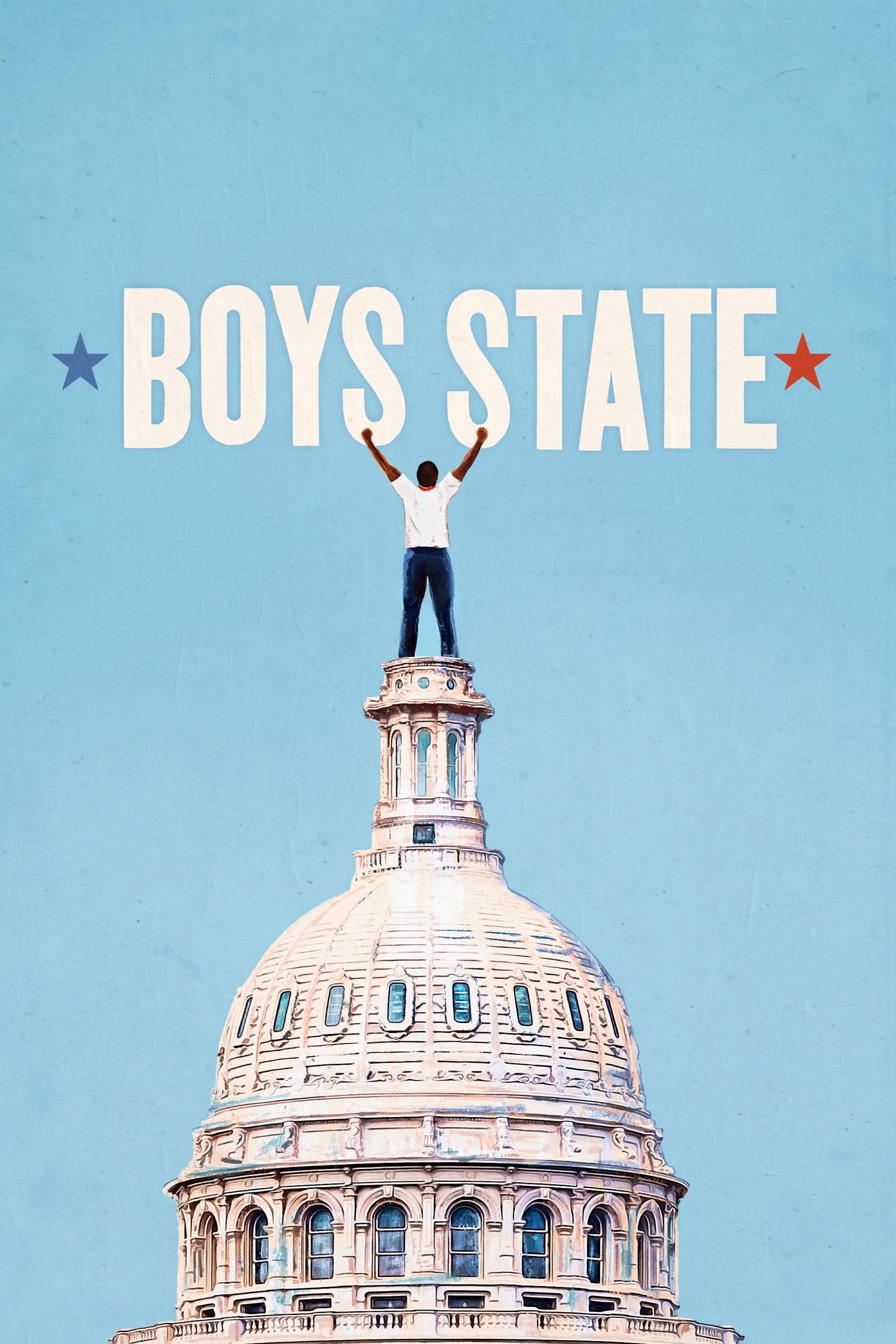
This raucous journey into the heart of democracy captures an unusual rite of passage: 1,100 teenage boys from across Texas coming together to build a representative government from the ground up.
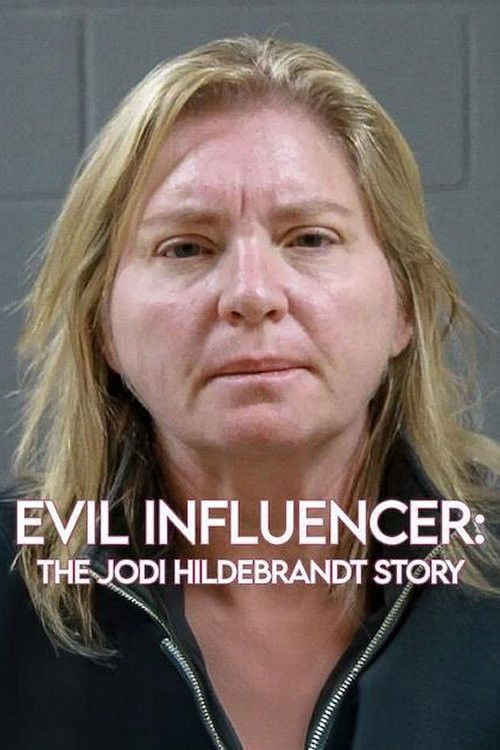
Unravel the case of Utah therapist Jodi Hildebrandt, whose child abuse arrest with parenting YouTuber Ruby Franke exposed a twisted tale of manipulation.
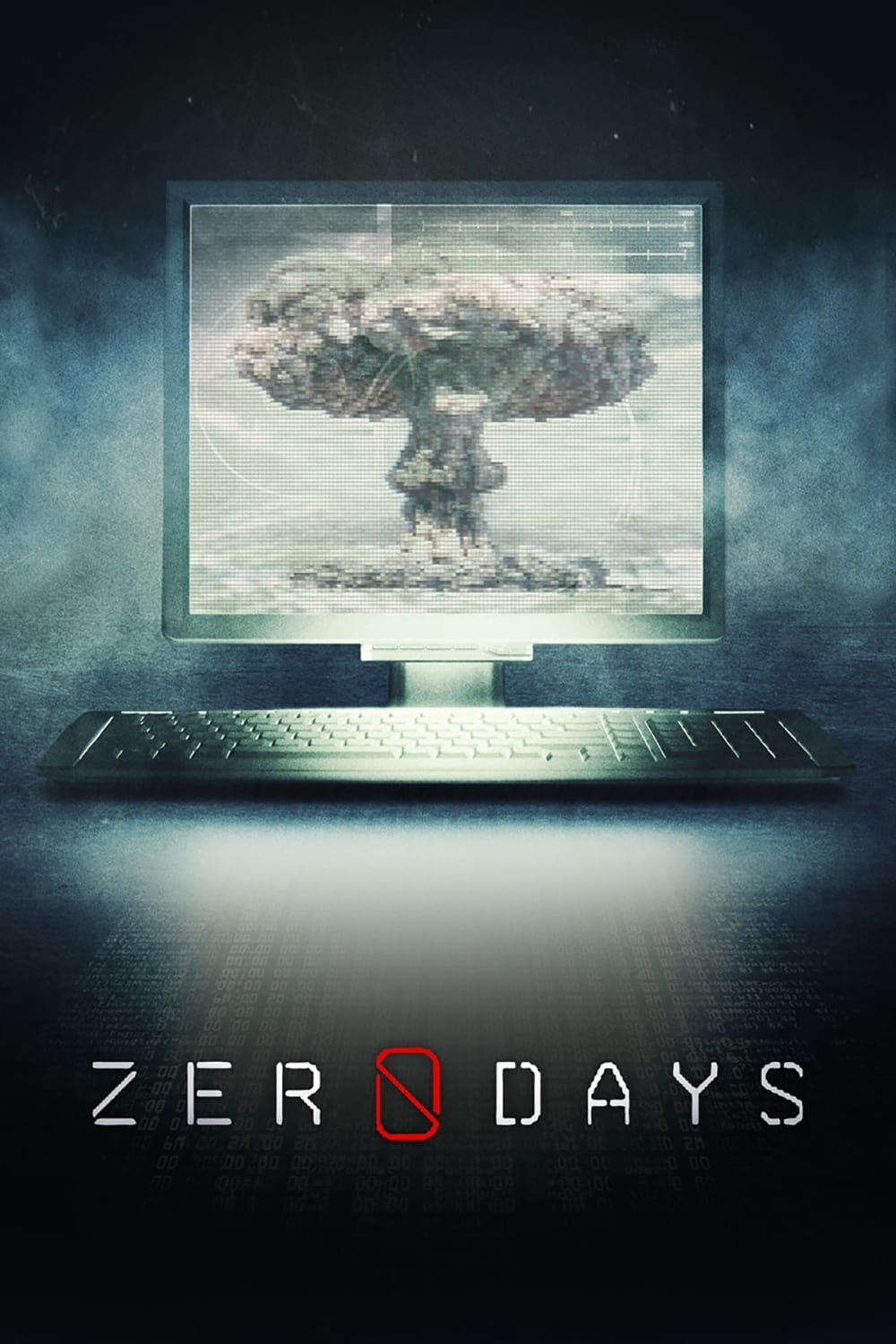
Alex Gibney explores the phenomenon of Stuxnet, a self-replicating computer virus discovered in 2010 by international IT experts. Evidently commissioned by the US and Israeli governments, this malware was designed to specifically sabotage Iran’s nuclear programme. However, the complex computer worm ended up not only infecting its intended target but also spreading uncontrollably.
A documentary on the expletive's origin, why it offends some people so deeply, and what can be gained from its use.
Alexander McQueen's rags-to-riches story is a modern-day fairy tale, laced with the gothic. Mirroring the savage beauty, boldness and vivacity of his design, this documentary is an intimate revelation of McQueen's own world, both tortured and inspired, which celebrates a radical and mesmerizing genius of profound influence.
Journey into the extraordinary world of "The Witcher" — from casting the roles to Jaskier's catchy song — in this behind-the-scenes look at the series.
Vulgar, taunting texts blow up the phones of a teen and her boyfriend. Who's sending them — and why? This twisty documentary reveals the shocking answer.
Ranjit, a farmer in India, takes on the fight of his life when he demands justice for his 13-year-old daughter, the victim of a brutal gang rape. His decision to support his daughter is virtually unheard of, and his journey unprecedented.
When Allied forces liberated the Nazi concentration camps in 1944-45, their terrible discoveries were recorded by army and newsreel cameramen, revealing for the first time the full horror of what had happened. Making use of British, Soviet and American footage, the Ministry of Information’s Sidney Bernstein (later founder of Granada Television) aimed to create a documentary that would provide lasting, undeniable evidence of the Nazis’ unspeakable crimes. He commissioned a wealth of British talent, including editor Stewart McAllister, writer and future cabinet minister Richard Crossman – and, as treatment advisor, his friend Alfred Hitchcock. Yet, despite initial support from the British and US Governments, the film was shelved, and only now, 70 years on, has it been restored and completed by Imperial War Museums under its original title "German Concentration Camps Factual Survey".
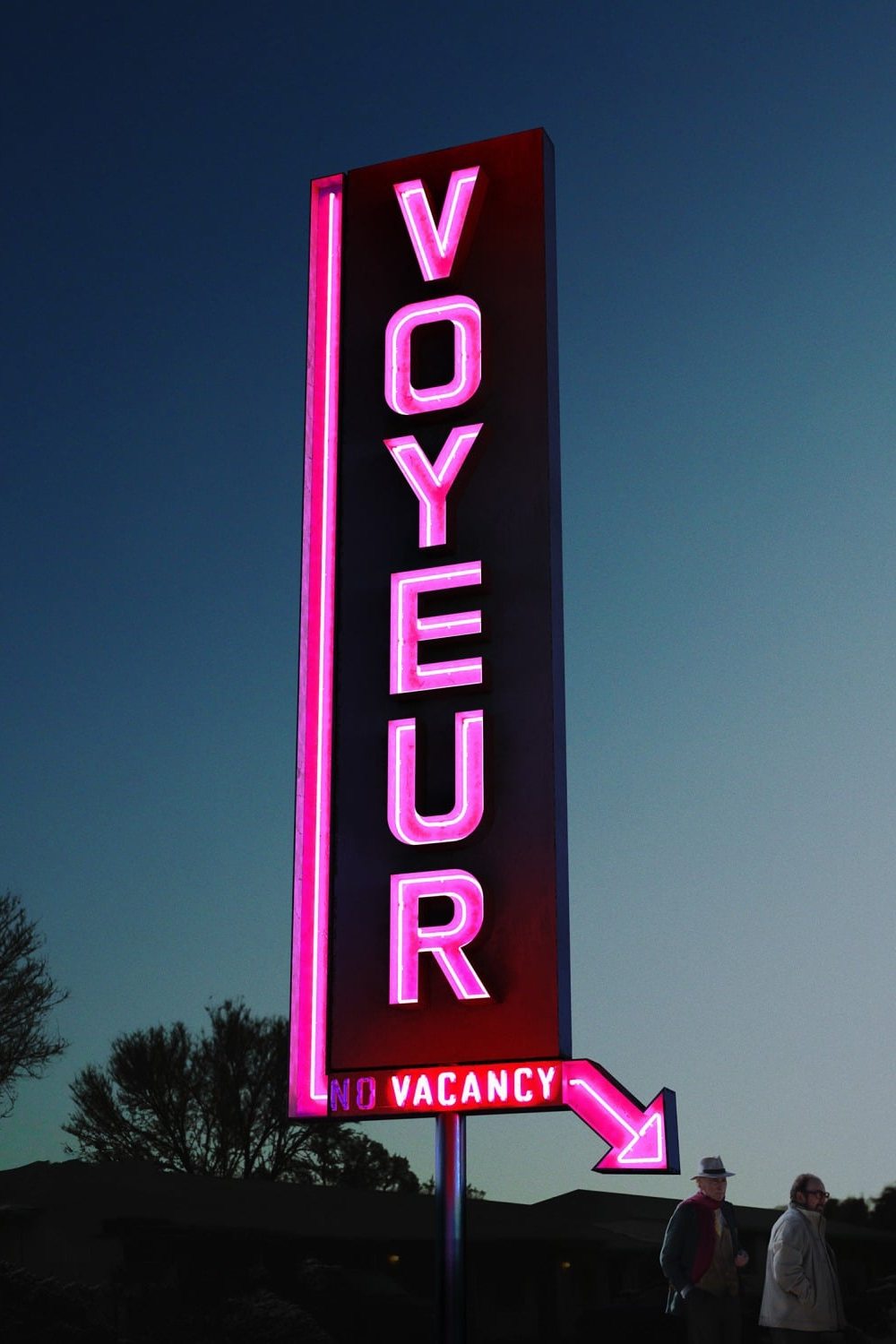
Legendary journalist Gay Talese unmasks a motel owner who spied on his guests for decades. But his bombshell story soon becomes a scandal of its own.
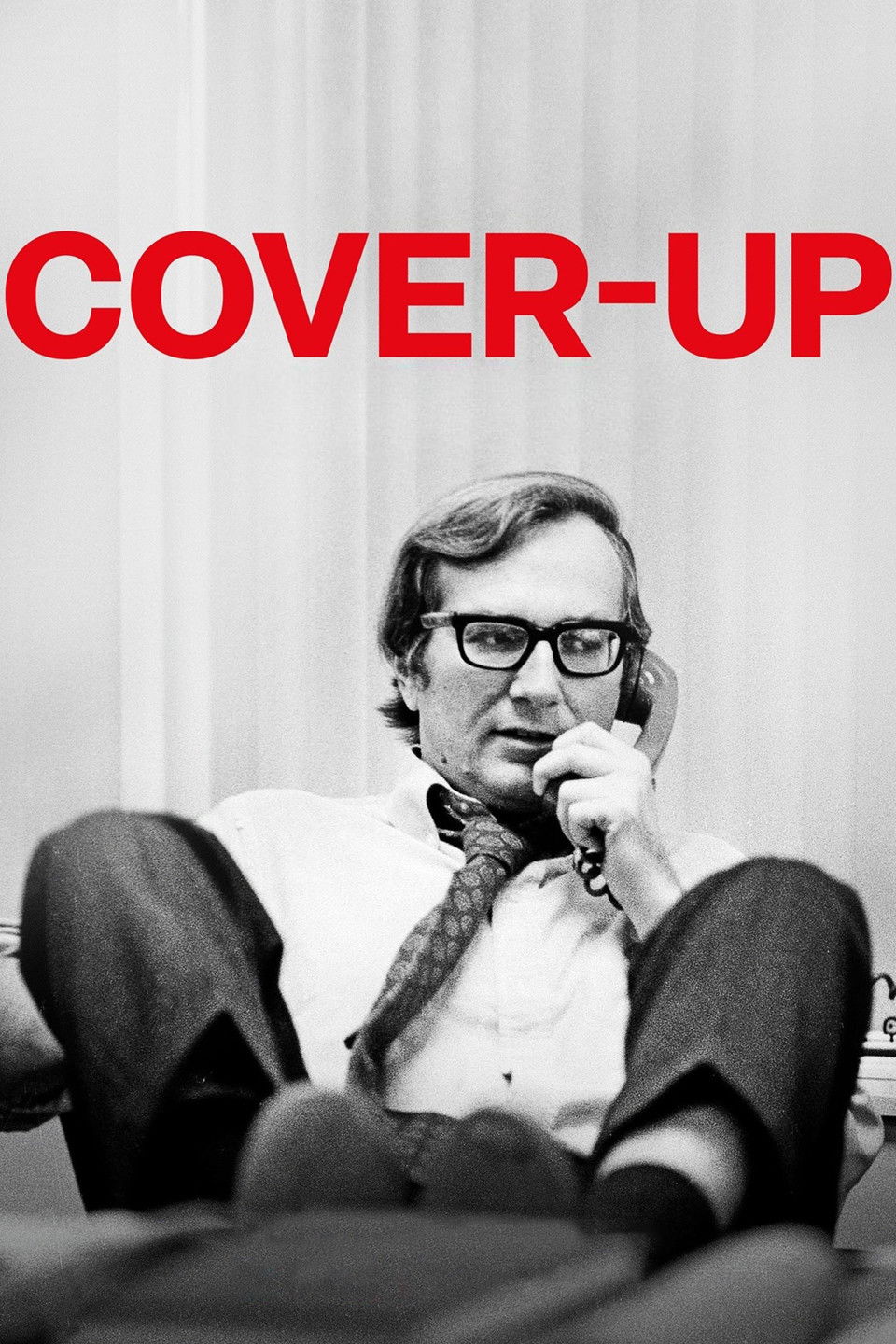
He's devoted his career to uncovering stories the powerful want buried. From My Lai to Abu Ghraib, dig into the life's work of journalist Seymour Hersh.
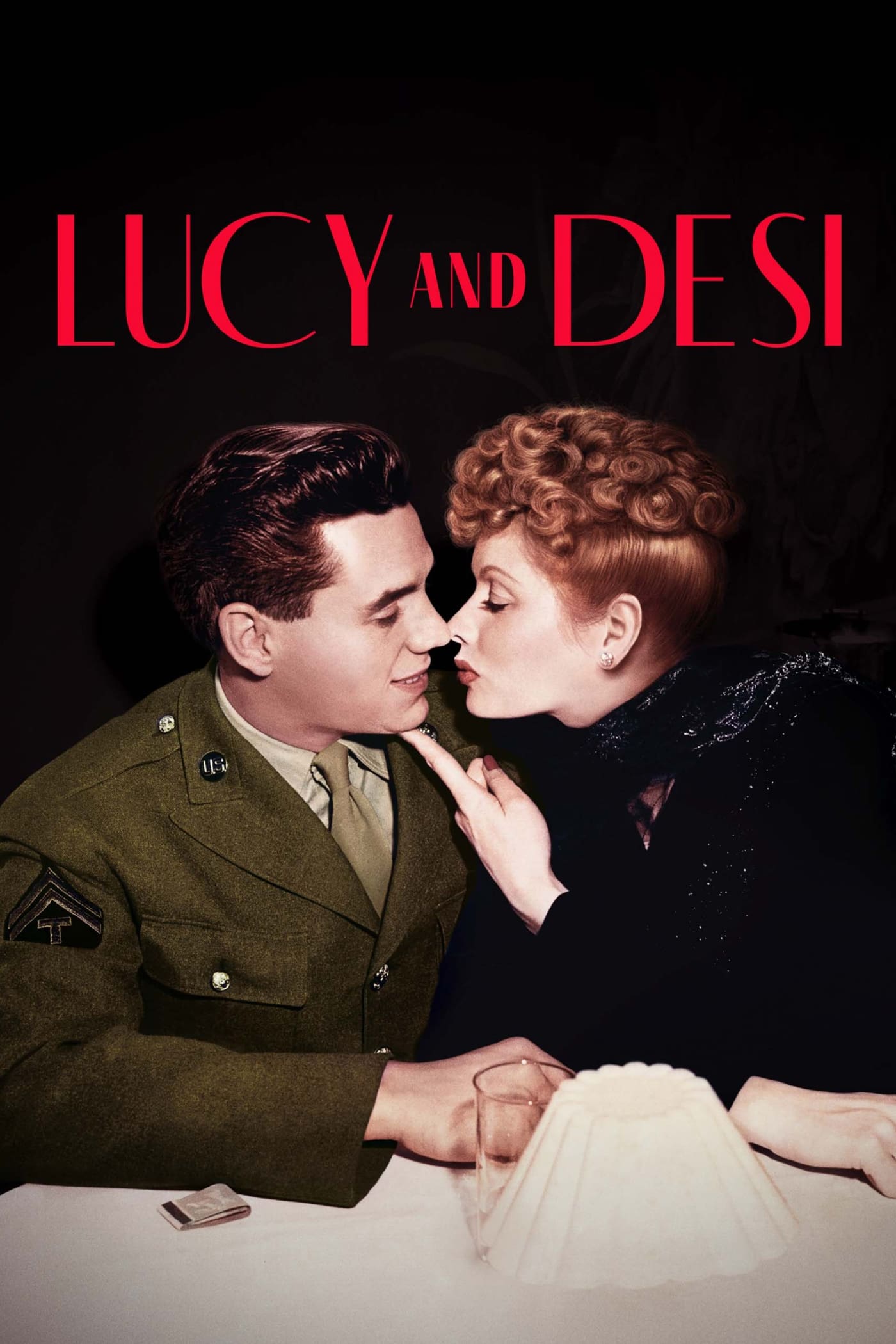
Explore the unlikely partnership and enduring legacy of one of the most prolific power couples in entertainment history. Lucille Ball and Desi Arnaz risked everything to be together.
Police pull over a woman who claims she just gave birth. But the baby — and the blood — aren't hers. Twisted lies unravel in this true-crime documentary.
A documentary about World War I with never-before-seen footage to commemorate the centennial of Armistice Day, and the end of the war.