Social & External
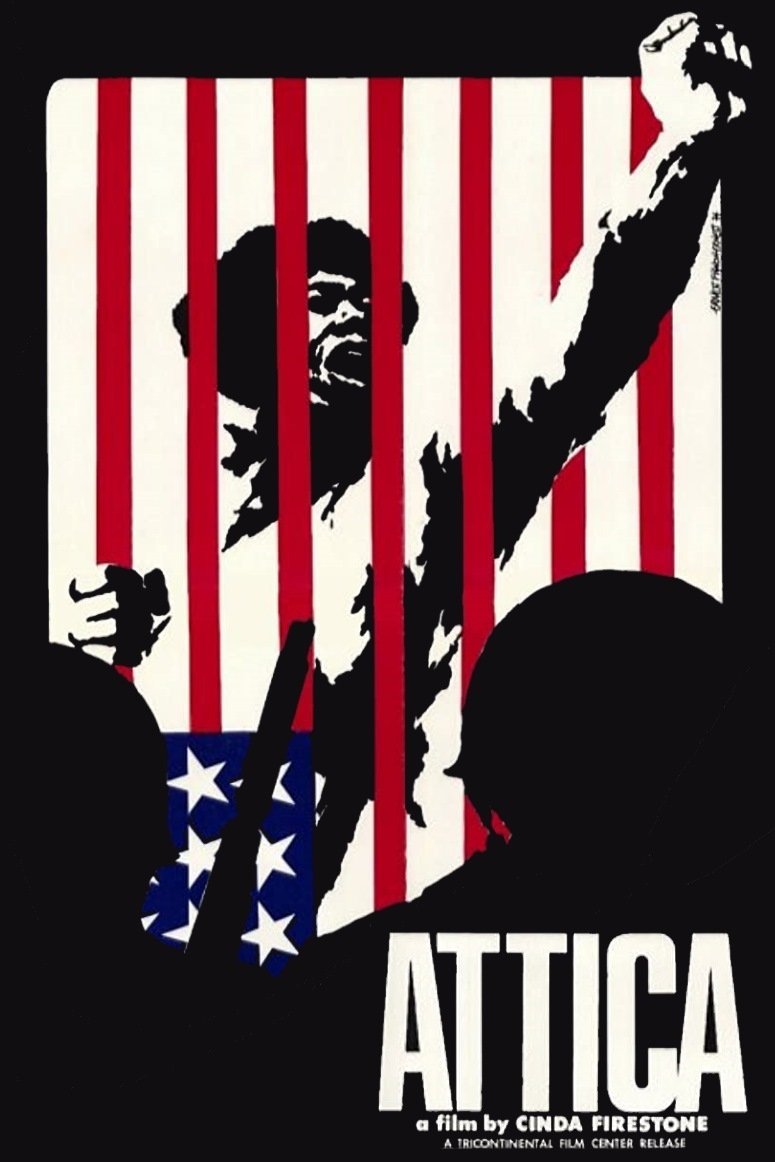
In 1971, inmates at Attica State Prison seized control of D-yard and took 35 hostages after peaceful efforts for reforms failed. Attica investigates the rebellion and its bloody suppression, revealing institutionalized injustices, sanctioned dishonesty, and abuses of power.
Second chapter of La fêlure du temps. "As a child, I loved to dance. I remember a time we lived in happiness"
This film was shot during Easter 1985. It shows the preparation and staging of the Passion in the village of Norogachic, Mexico. The initiation rites of two Pascoleros, filmed for the first time, form the center of this document.
Rites of winter, rites of peyote. A creative documentary based on texts by Antonin Artaud read by Jean Rouch, and the words of the last shaman’s peyote, translated by Raymonde Carasco.
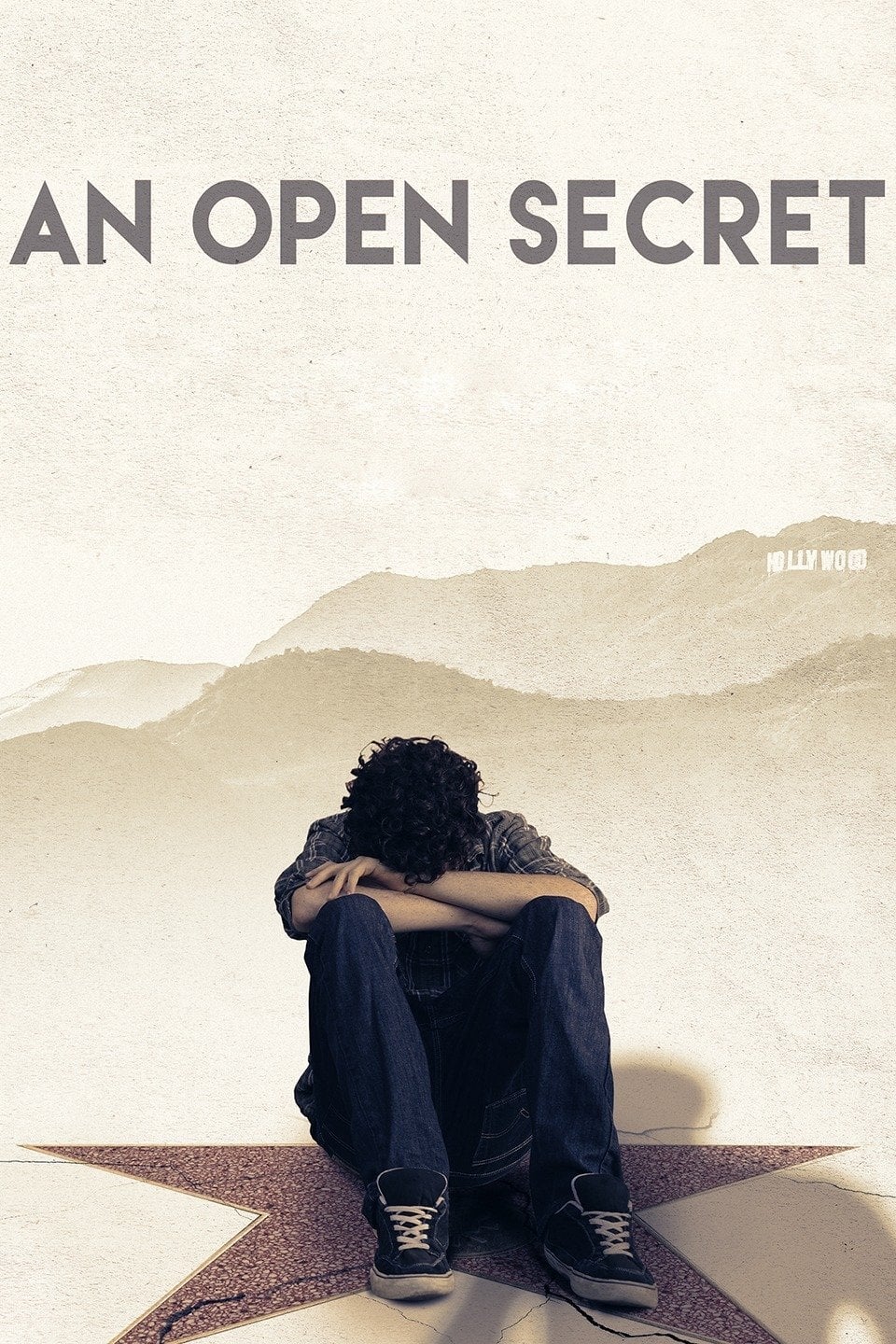
An investigation into accusations of teenagers being sexually abused within the film industry.
Africa's elephants are hurtling towards extinction to fuel the worldwide ivory trade. While conservationists howl and corrupt governments fail to address the ongoing slaughter, one brave family has been working for decades to stem the tide, one elephant at a time. Gardeners of Eden is a gripping, first-person experience inside the operations of Kenya's David Sheldrick Wildlife Trust. From the front lines of the crisis, we witness their heroic efforts to stop the poachers in the bush, rescue the orphans of slain elephants and raise them by hand, until one day, returning them to their home in the wild.
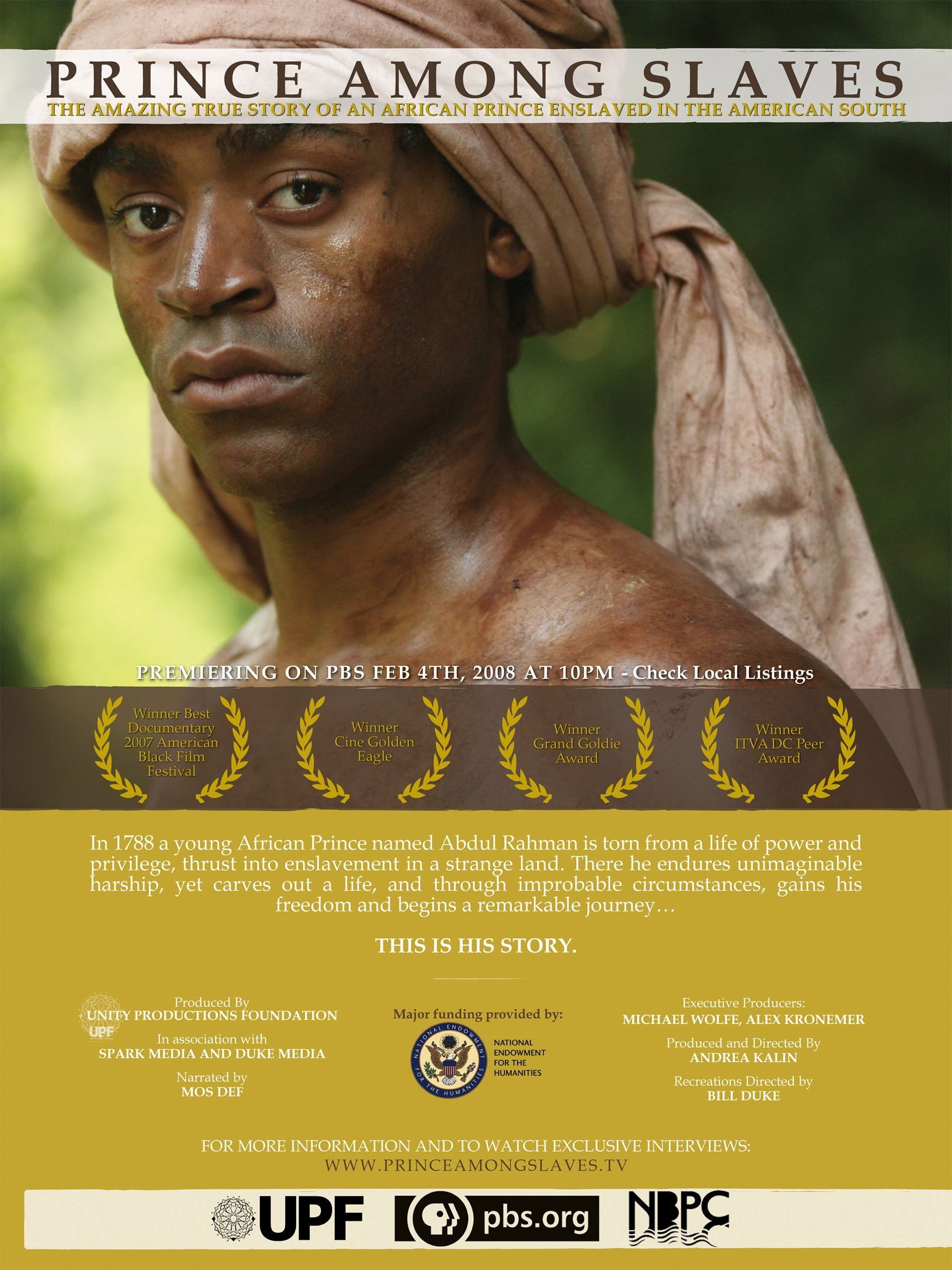
Abdul Rahman, an African prince who was sold into slavery, spent four decades in servitude before an amazing coincidence took him to the White House to meet President John Quincy Adams, where he was granted his freedom. Mos Def narrates this PBS documentary that includes reenactments of scenes from Rahman's life and interviews with historians who discuss the conditions faced by slaves in early America.
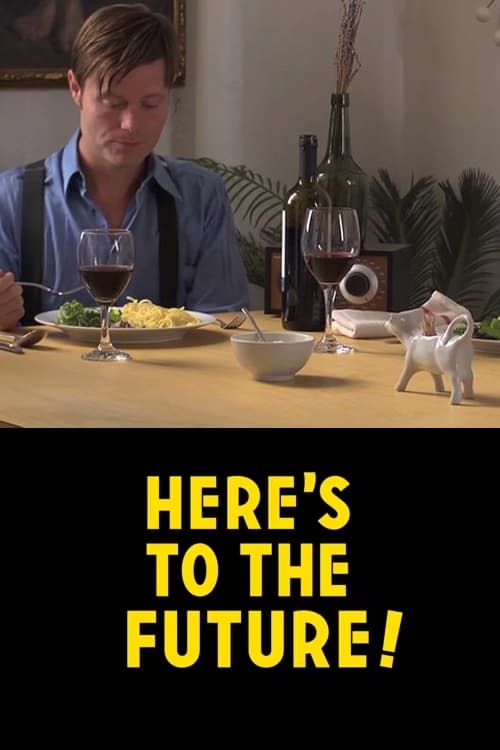
On a late-summer Sunday in 2011, a female director gathers a team of filmmakers, writers, musicians, artists, critics, and friends in an apartment to recreate a scene from Michael Curtiz's Depression-era drama The Cabin in the Cotton. Over plates of pasta and glasses of red wine, a round robin of non-professional actors take turns performing the same scene, again and again, In different permutations. With a freedom Influenced by pre--Code Hollywood, cameras, phones, and laptops are scattered around & set at almost every possible angle, documenting the action both in front of and behind the camera as it unfolds, from rehearsals to equipment adjustments to the banter between takes. An intimate. playful, and spontaneous look Into the collaborative cinematic process emerges. a snapshot of the filmmaker's perennial struggle to capture fleeting moments before the day (and light) slip away.
Operation Bethlehem follows Palestinian director Leila Sansour's extraordinary journey to the legendary city of Bethlehem, the place where she grew up. Armed with a camera and a family car that keeps breaking down, she sets out to make an intimate portrait of a historical town in peril. Five years on, with 700 hours of footage, the result is nothing like she had expected.
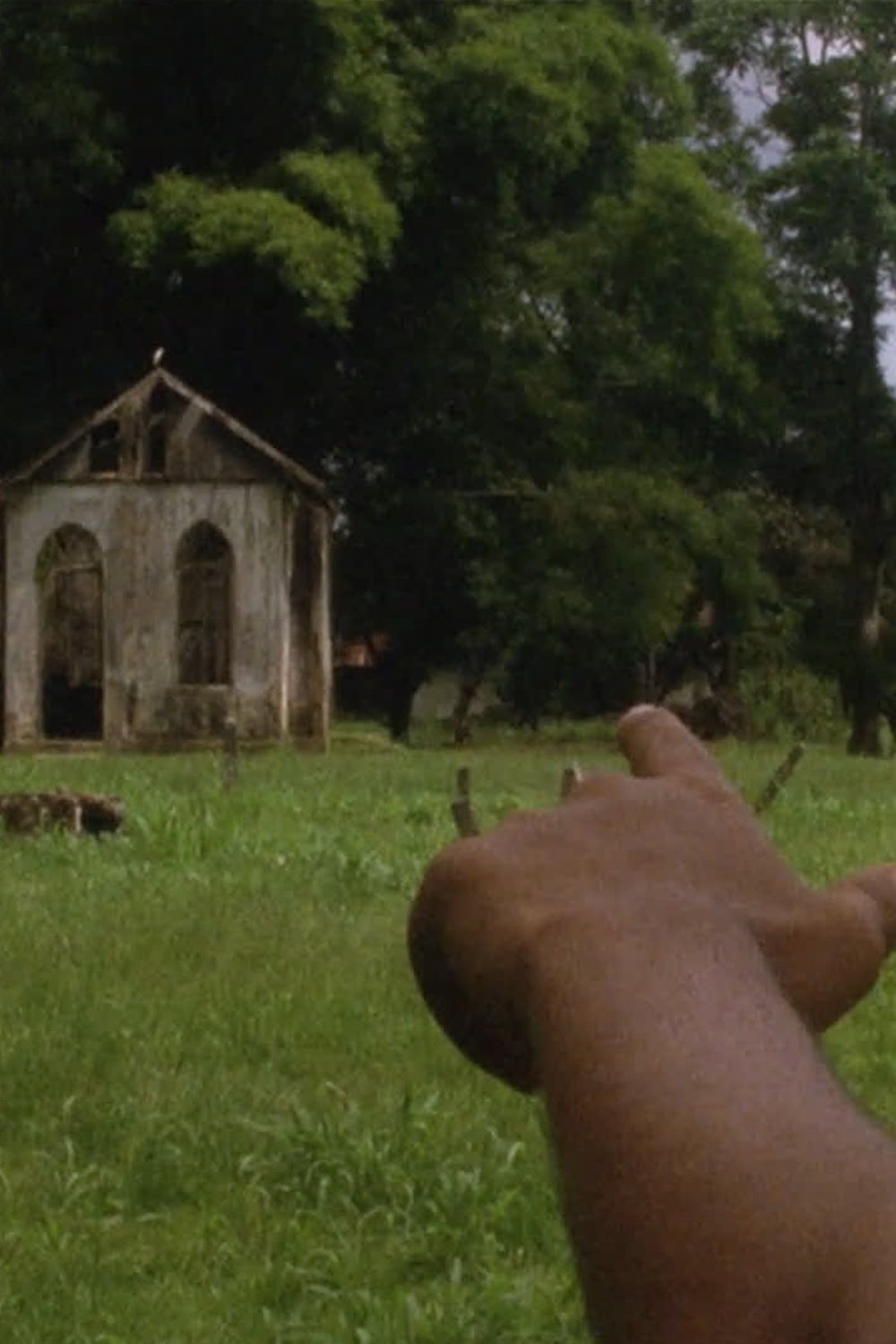
Field Notes is an experimental documentary about the ghosts embedded in the culture of Trinidad and Tobago. The film is structured as a visual and aural field guide to the ghosts spirits and jumbies througout the island. From personal tales about the soucouyant and lagahoo, to the ghosts of Trinidads past. Shot and finished on 16mm.
The film reflects on the nature of vacation, as it is a transformed version of reality, the fantastical counterpart to winter.
Four images on a tape by Breda Beban and Hrvoje Horvatić are four arbitrarily chosen samples of the physical world or four micro-geographies: the fluid structure of a puddle disturbed by raindrops, features of a remarkable man’s face, a fish’s head and granite cubes. The duration of fixation at each of the inserts and their free order (by association) transcends the iconic dimension of the videoclip and call for meditation.
A compilation of the Borghesia video clips (So Young, The Wild Bunch, He, Too Much Tension, Cindy, A.R., ZMR), issued in 1985 as the first video cassette by the FV Label. These are short, almost 'film-like' stories focused primarily on the iconography of the body in urban surroundings. One of the clips presents a pioneer use of computer graphics.
Made from a collection of home movies, news footage and photos gathered from a residency in Belgrade in memory of a country that no longer exists.
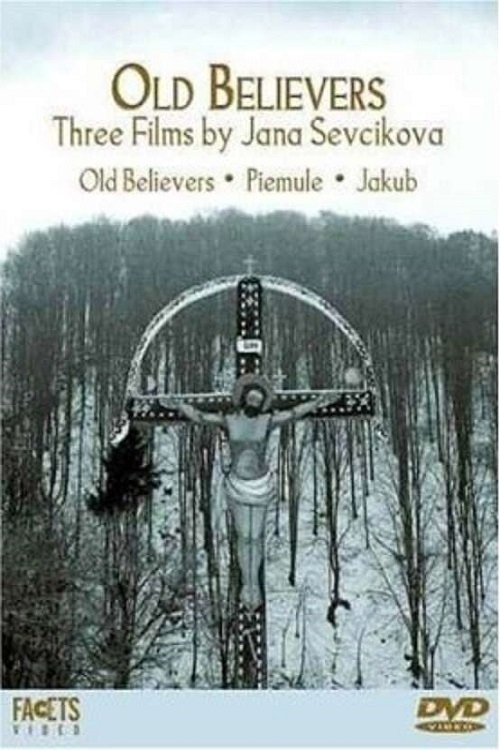
The award-winning Old Believers (2001), made over a period of five years, documents the life of a strongly religious community in the Danube Delta where time seems to stand still.
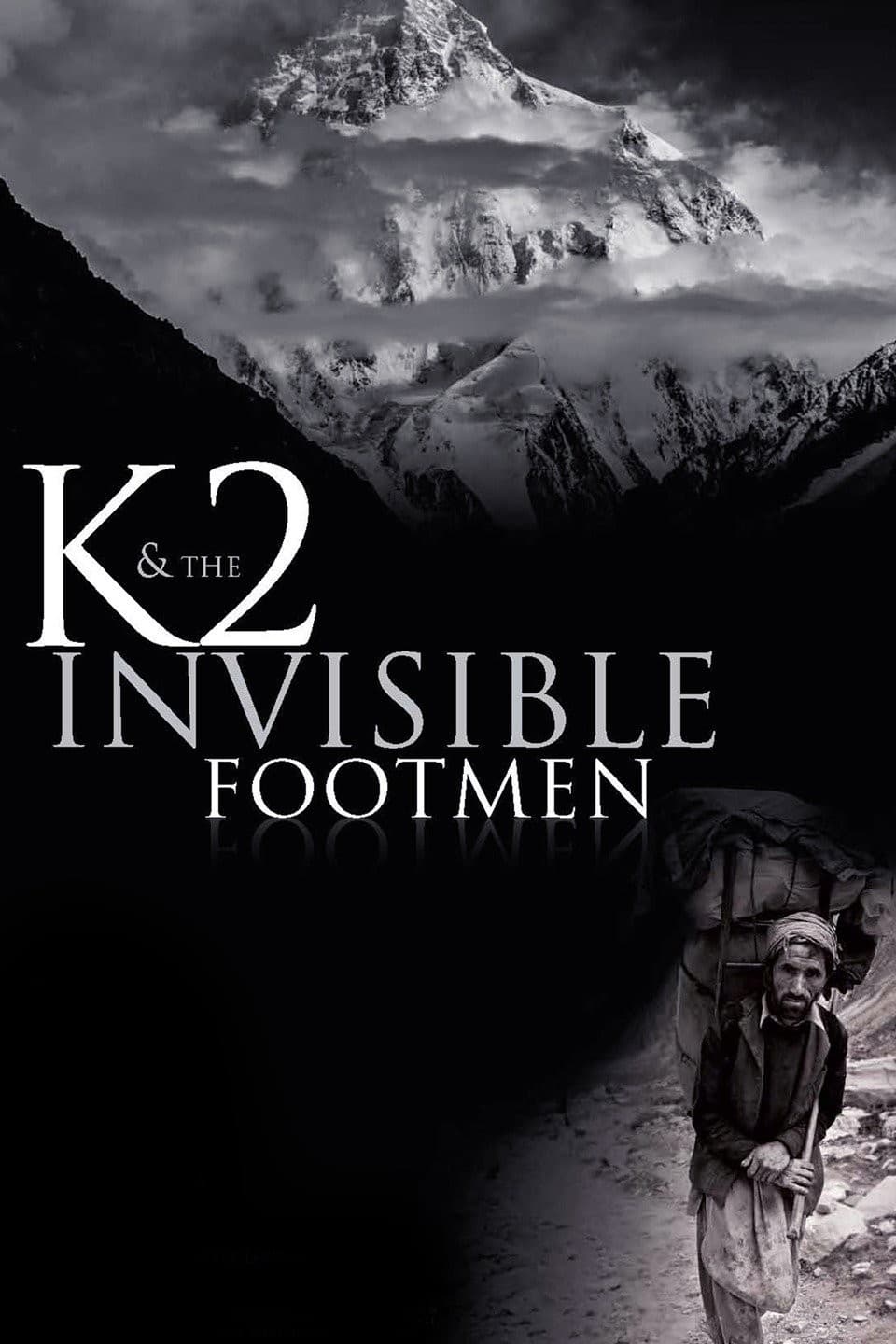
K2 is widely seen as the world's harshest mountain. Yet many indigenous porters make a living in its extreme conditions, carrying provisions for foreign climbing expeditions. Often risking their lives, they receive minimal pay for their efforts. Against a backdrop of breathtaking natural beauty, this doc explores the courage and sacrifice of the men who call the 'Savage Mountain' their home.
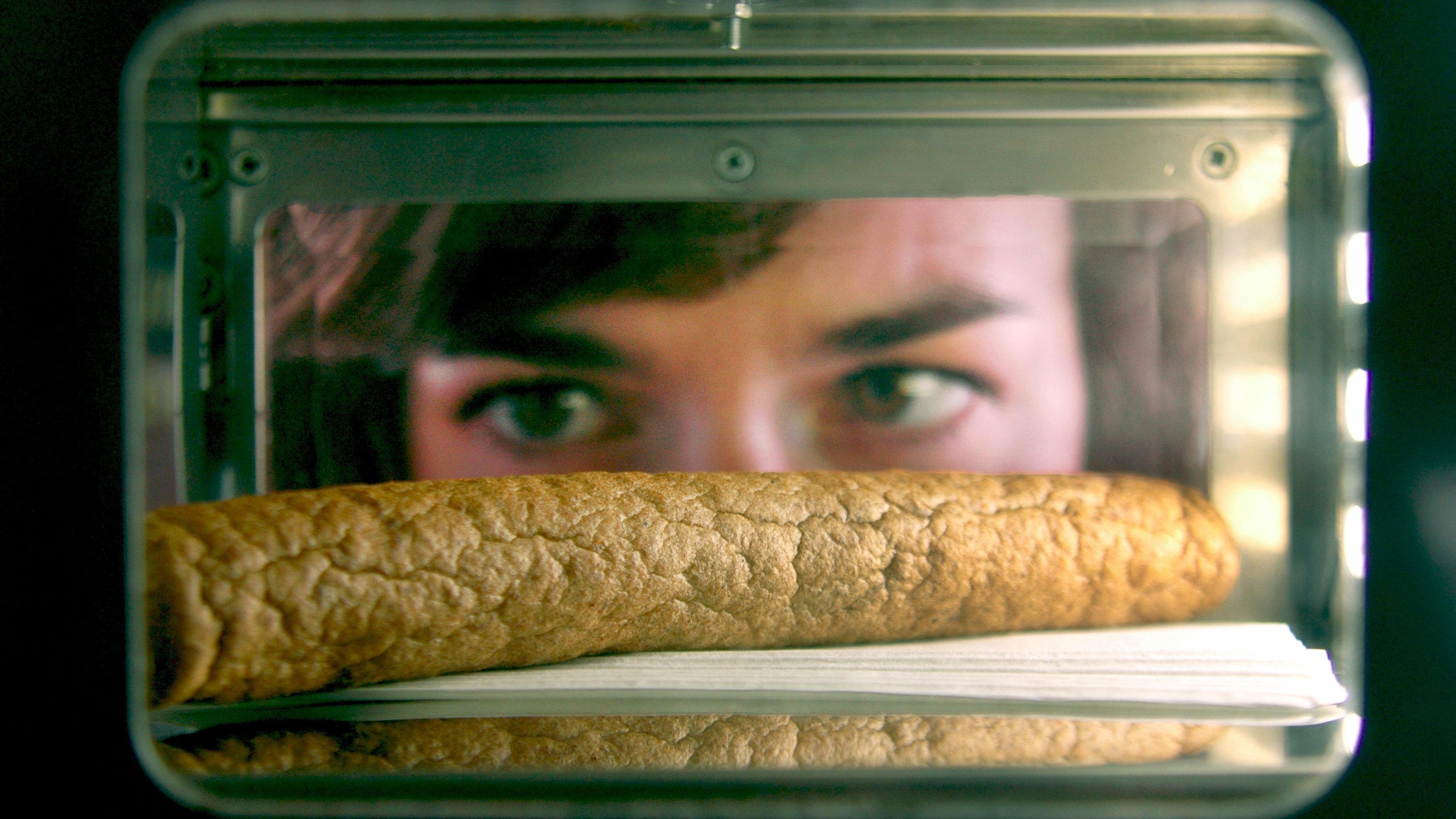
Five years after documentary Raw, Tom is seriously undernourished. Medical tests have shown that he is ingesting too few calories and is suffering from calcium deficiency. He will also be 12 to 15 centimetres shorter than if he’d had ‘normal’ nutrition. The strict diet has isolated Tom. The demand for intervention is growing. The hospital reported the mother for child neglect. Tom and his mother were summoned to court. The mother has officially been charged with child neglect and psychological abuse. She has been ordered to adjust the diet. But Francis has no intention of changing her lifestyle. She remains a committed ‘raw foodist,’ and is supported by an American raw food guru. She believes she has her son’s best interests at heart. In Rawer we see how the world reacts to Tom and his mother. Will the mother continue to challenge boundaries? Will the authorities intervene? And, what will adolescent Tom do?
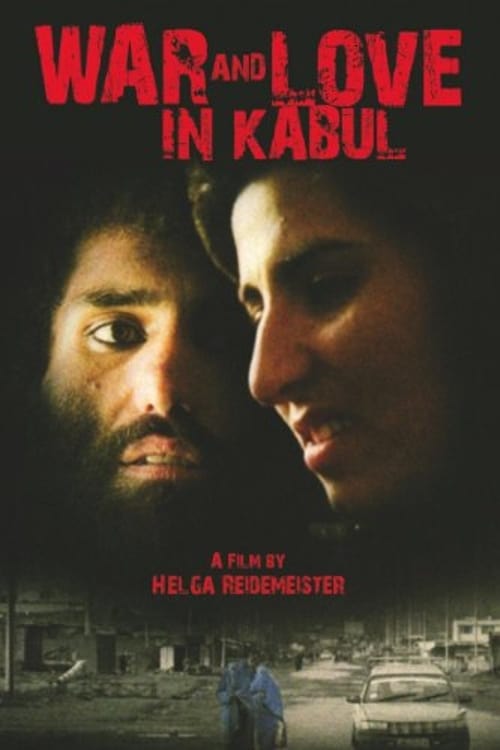
Hossein and Shaima have loved each other since childhood. As teenagers they were separated by war. They meet again in Kabul in the late 90s. Poverty forces Hossein to fight in the war. A shell splinter leaves him paralyzed. Shaima is sold into marriage with a man 40 years her senior and falls pregnant. Since Shaima's husband still owes half the dowry to her father he brings her back into the constraining patriarchal fold of the family, where she lives with her 5-year-old daughter. This situation doesn't prevent the two from seeing each other, even though this means going against their families' hard rules. In constant fear of revenge on the part of the male members of both families, they struggle to hold on to their love.
This film chronicles how figure skater Katarina Witt fought for her future in socialist East Germany, how she faced the changes after the fall of the Berlin Wall and how she ended up both a beneficiary and victim of the East German regime.
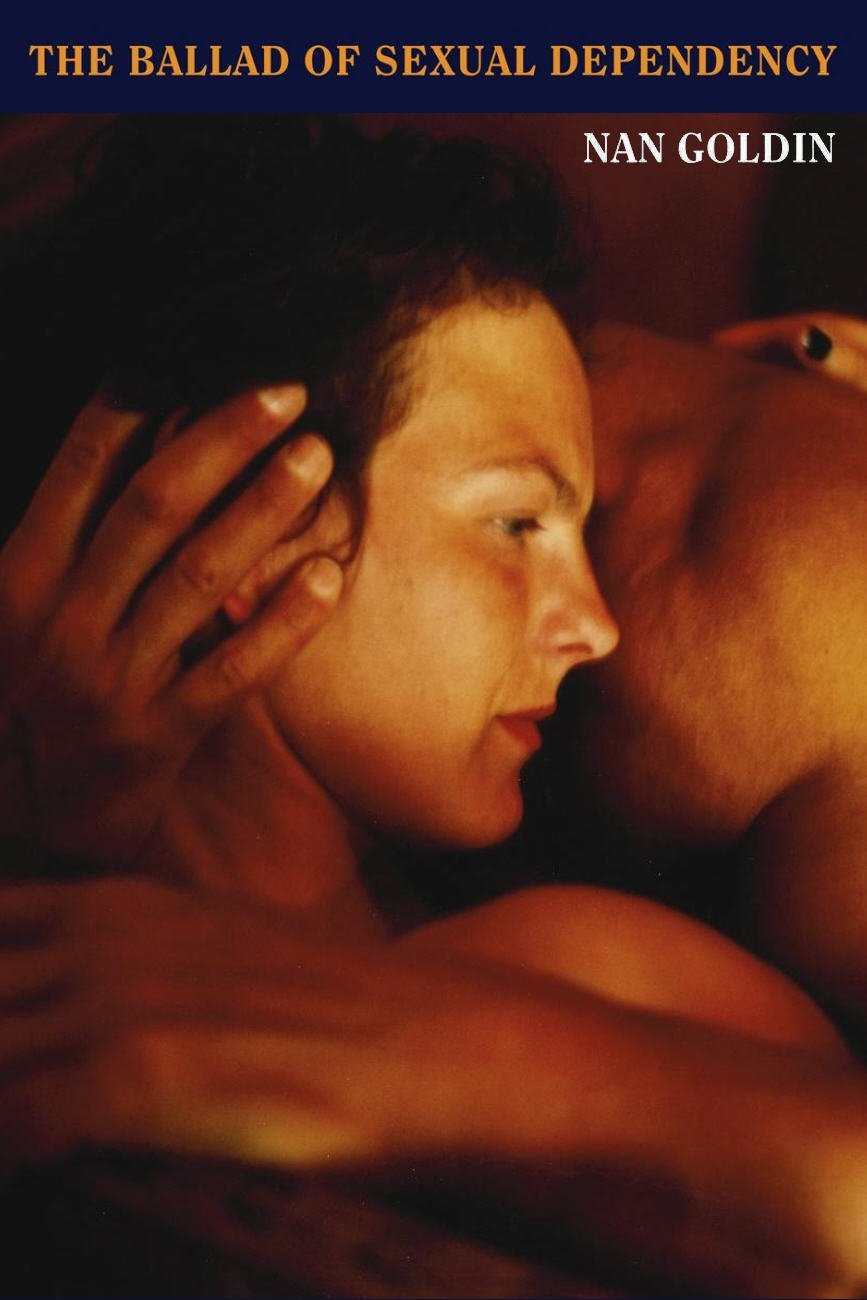
Nan Goldin's slide show “The Ballad of Sexual Dependency” converted, mixed and screened as a film by the artist, portraying the American underground culture, the no wave scene, post-Stonewall gay subculture, among others.
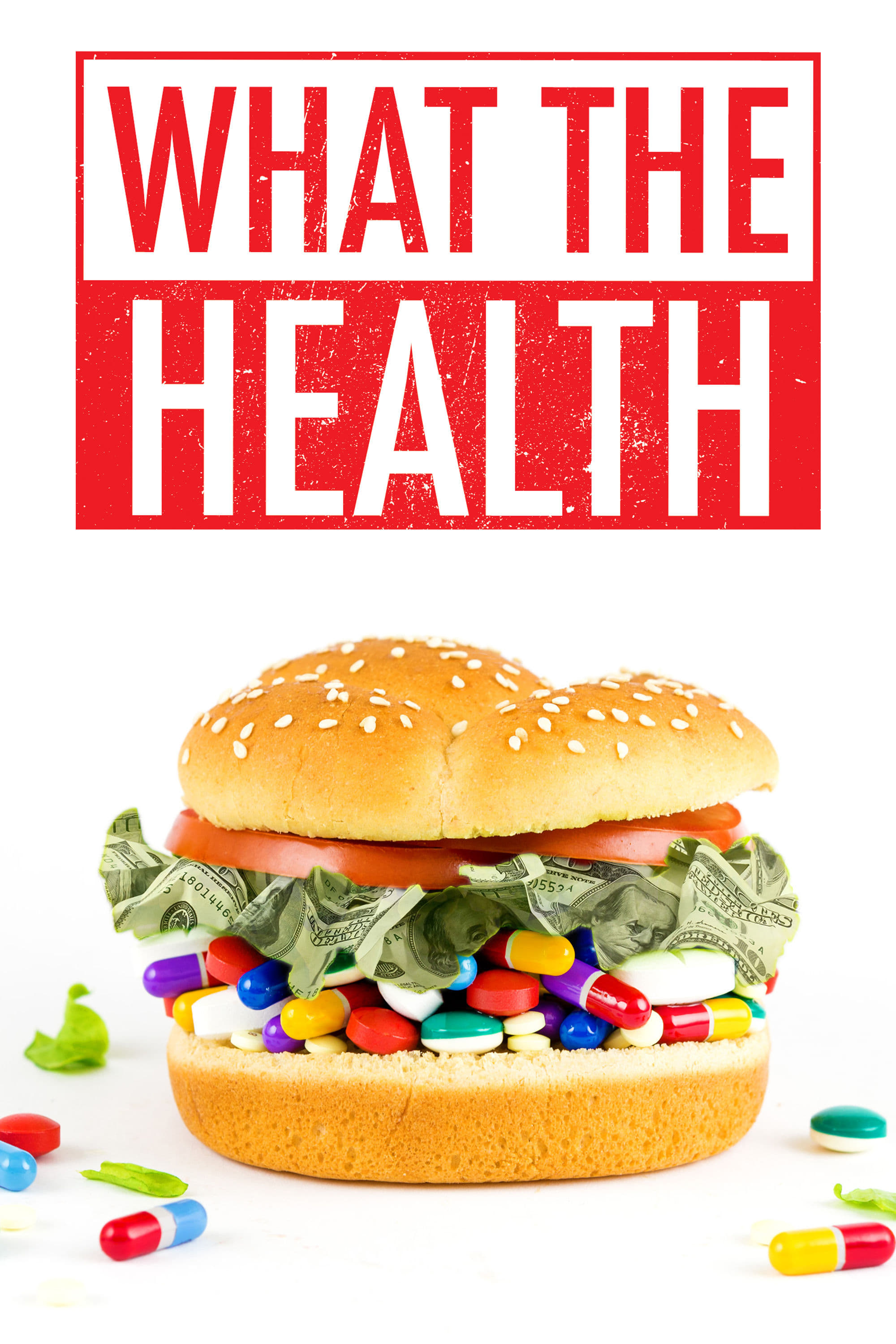
Filmmaker Kip Andersen uncovers the secret to preventing and even reversing chronic diseases, and he investigates why the nation's leading health organizations doesn't want people to know about it.
A glimpse into the raw and simple power of nature through encounters with farm animals: the eponymous Gunda, a mother pig; two cows, and a one-legged chicken.
This documentary explores the impact that food choices have on people's health, the health of our planet and on the lives of other living species. And also discusses several misconceptions about food and diet.
Follow the shocking, yet humorous, journey of an aspiring environmentalist, as he daringly seeks to find the real solution to the most pressing environmental issues and true path to sustainability.
Using hidden cameras and never-before-seen footage, Earthlings chronicles the day-to-day practices of the largest industries in the world, all of which rely entirely on animals for profit.
Fed Up blows the lid off everything we thought we knew about food and weight loss, revealing a 30-year campaign by the food industry, aided by the U.S. government, to mislead and confuse the American public, resulting in one of the largest health epidemics in history.
Documentary filmmaker Robert Kenner examines how mammoth corporations have taken over all aspects of the food chain in the United States, from the farms where our food is grown to the chain restaurants and supermarkets where it's sold. Narrated by author and activist Eric Schlosser, the film features interviews with average Americans about their dietary habits, commentary from food experts like Michael Pollan and unsettling footage shot inside large-scale animal processing plants.
Lyrical and powerfully personal essay film that reflects on the deaths of her husband Lou Reed, her mother, her beloved dog, and such diverse subjects as family memories, surveillance, and Buddhist teachings.
Dubbed “The Cannibal Cop,” former NYPD officer Gilberto Valle was charged with conspiring to kidnap and eat women but argued it was all a fantasy. His story made headlines both for its disturbing details and its potential to kick off a trend of thought-policing across the nation. Featuring intimate interviews with Valle and insights from experts, Thought Crimes explores if someone can be found guilty for their most dangerous thoughts.
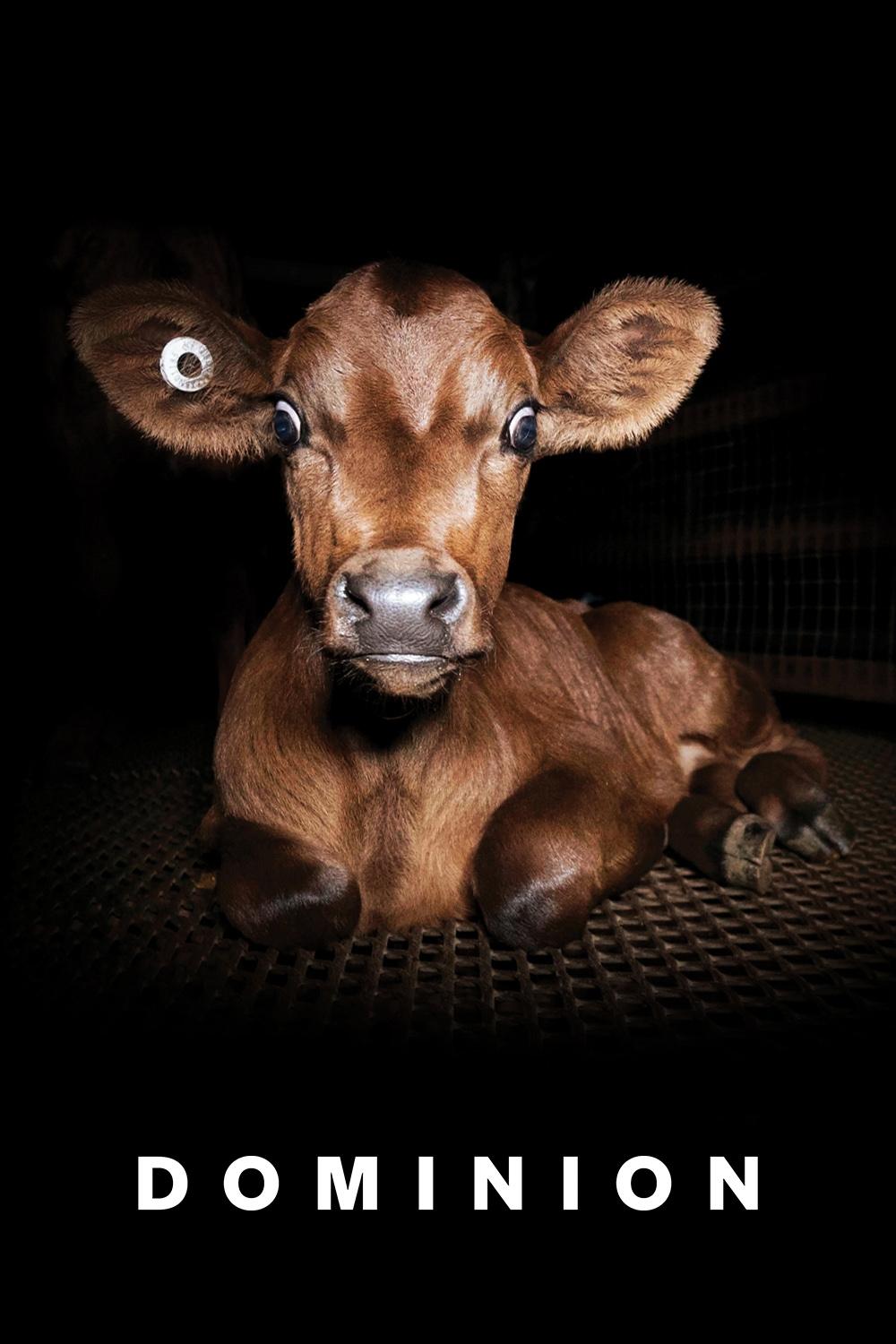
Exposing the dark underbelly of modern animal agriculture through drones, hidden & handheld cameras, the feature-length film explores the morality and validity of our dominion over the animal kingdom.
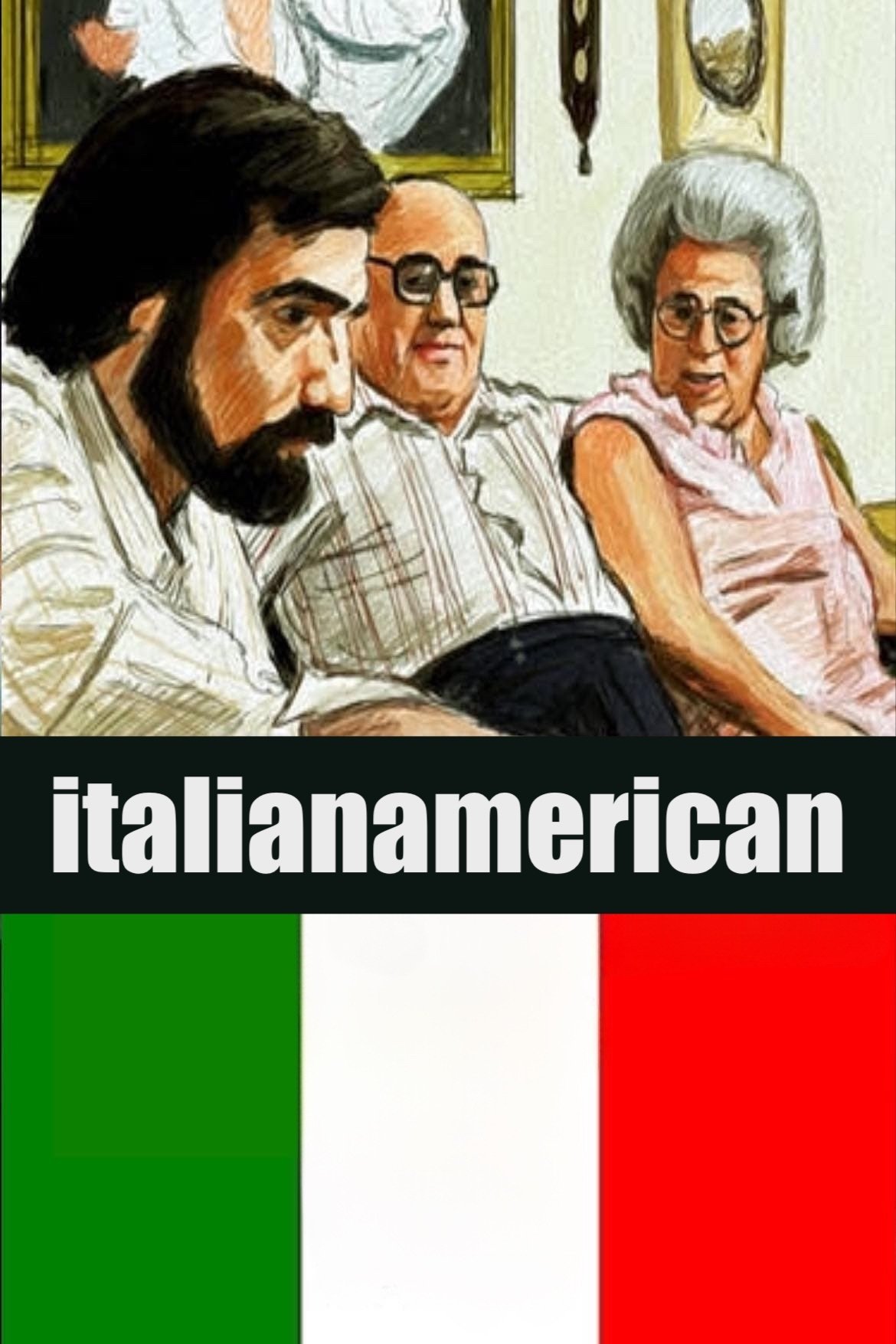
Filmmaker Martin Scorsese interviews his mother and father about their life in New York and family history back in Sicily.
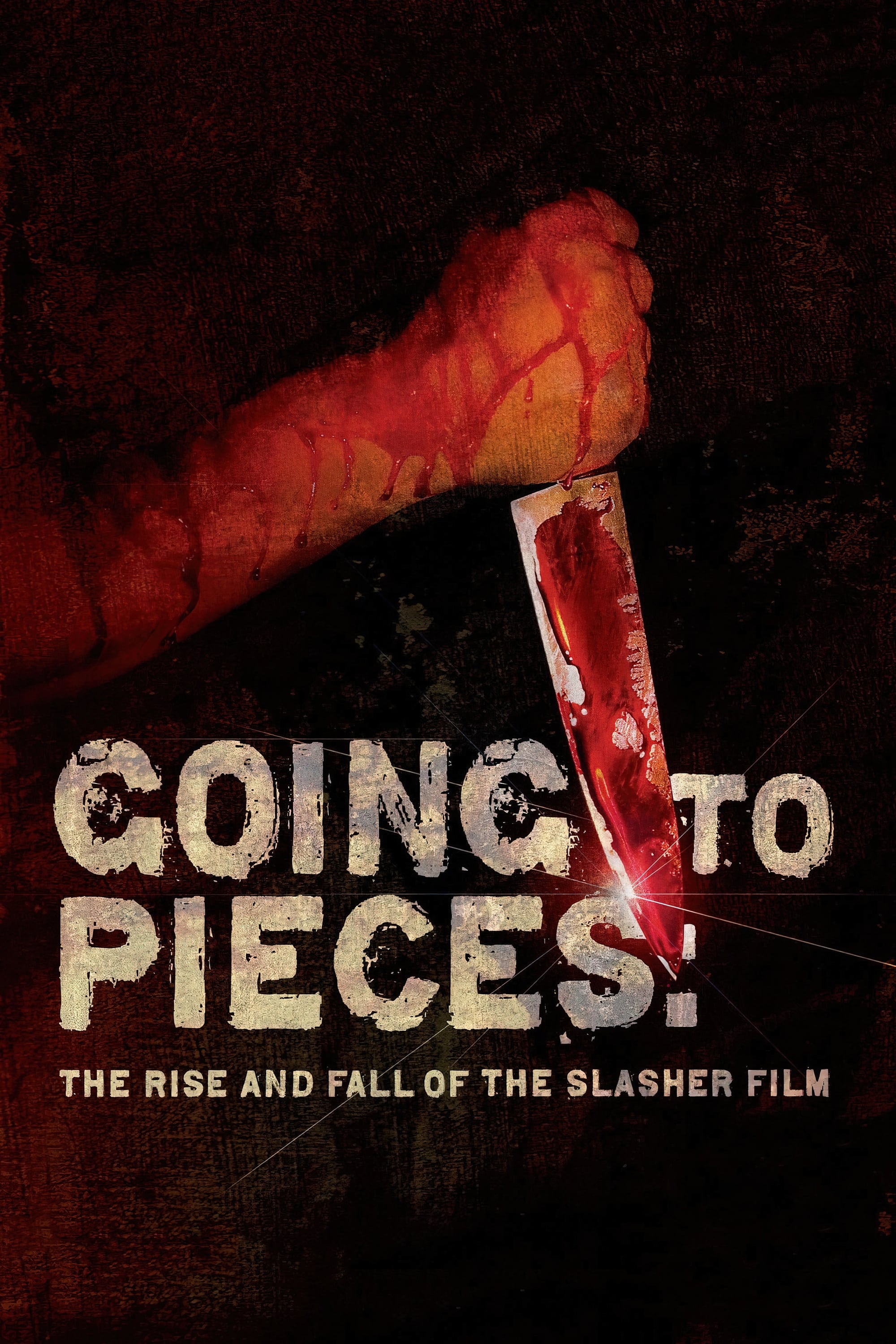
This historical and critical look at slasher films, which includes dozens of clips, begins with Halloween, Friday the 13th, and Prom Night. The films' directors, writers, producers, and special effects creators comment on the films' making and success. During the Reagan years, the films get gorier, budgets get smaller, and their appeal wanes. Then, Nightmare on Elm Street revives the genre. Jump to the late 90s, when Scream brings humor and TV stars into the mix.
We all want more energy, an ideal body and beautiful younger looking skin... So what is stopping us from getting this? Introducing 'Hungry For Change', the latest 'Food Matters' film. 'Hungry For Change' exposes shocking secrets the diet, weightloss and food industry don't want you to know about. Deceptive strategies designed to keep you craving more and more. Could the foods we are eating actually be keeping us stuck in the diet trap?
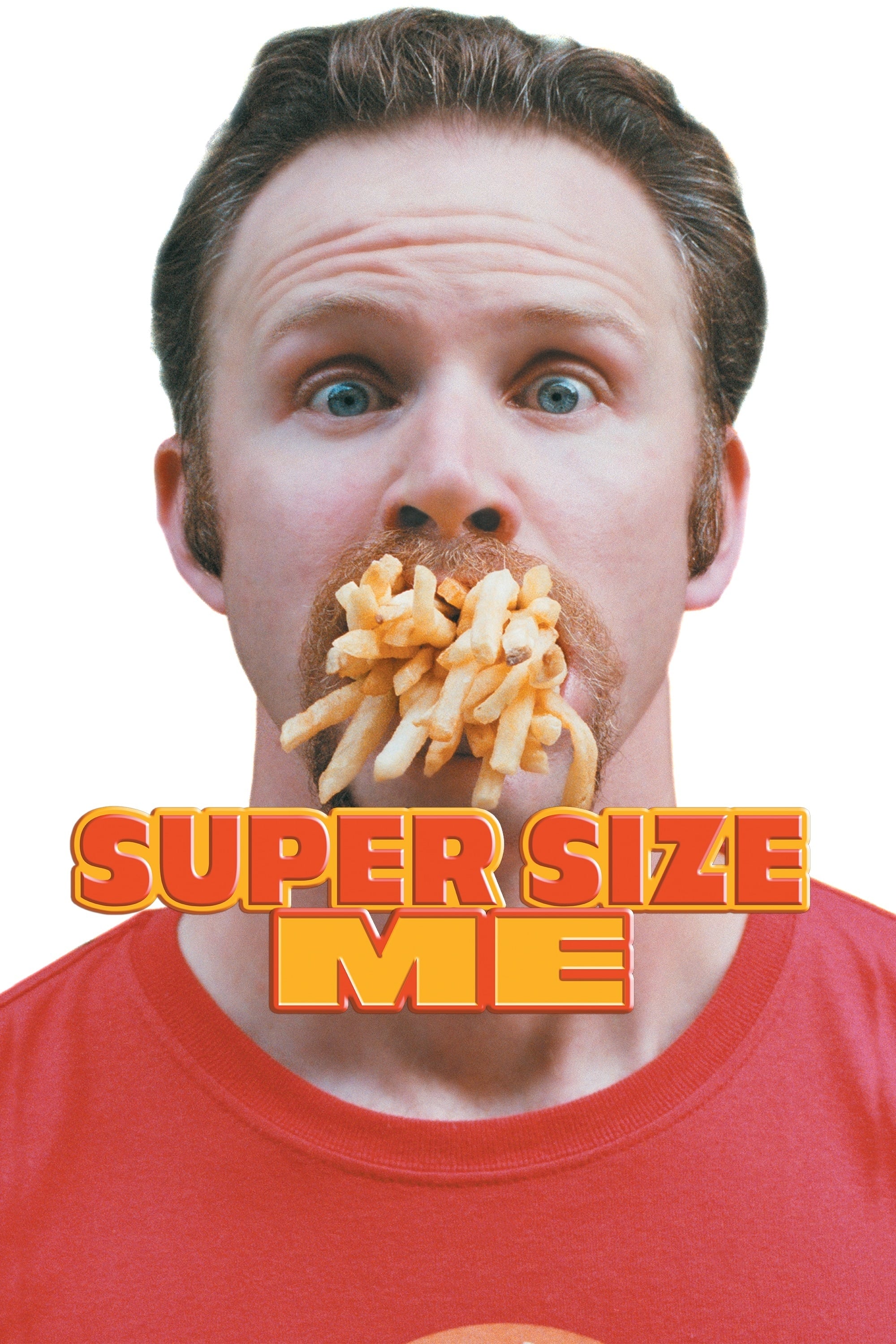
Morgan Spurlock subjects himself to a diet based only on McDonald's fast food three times a day for thirty days without exercising to try to prove why so many Americans are fat or obese. He submits himself to a complete check-up by three doctors, comparing his weight along the way, resulting in a scary conclusion.
A visual montage portrait of our contemporary world dominated by globalized technology and violence.
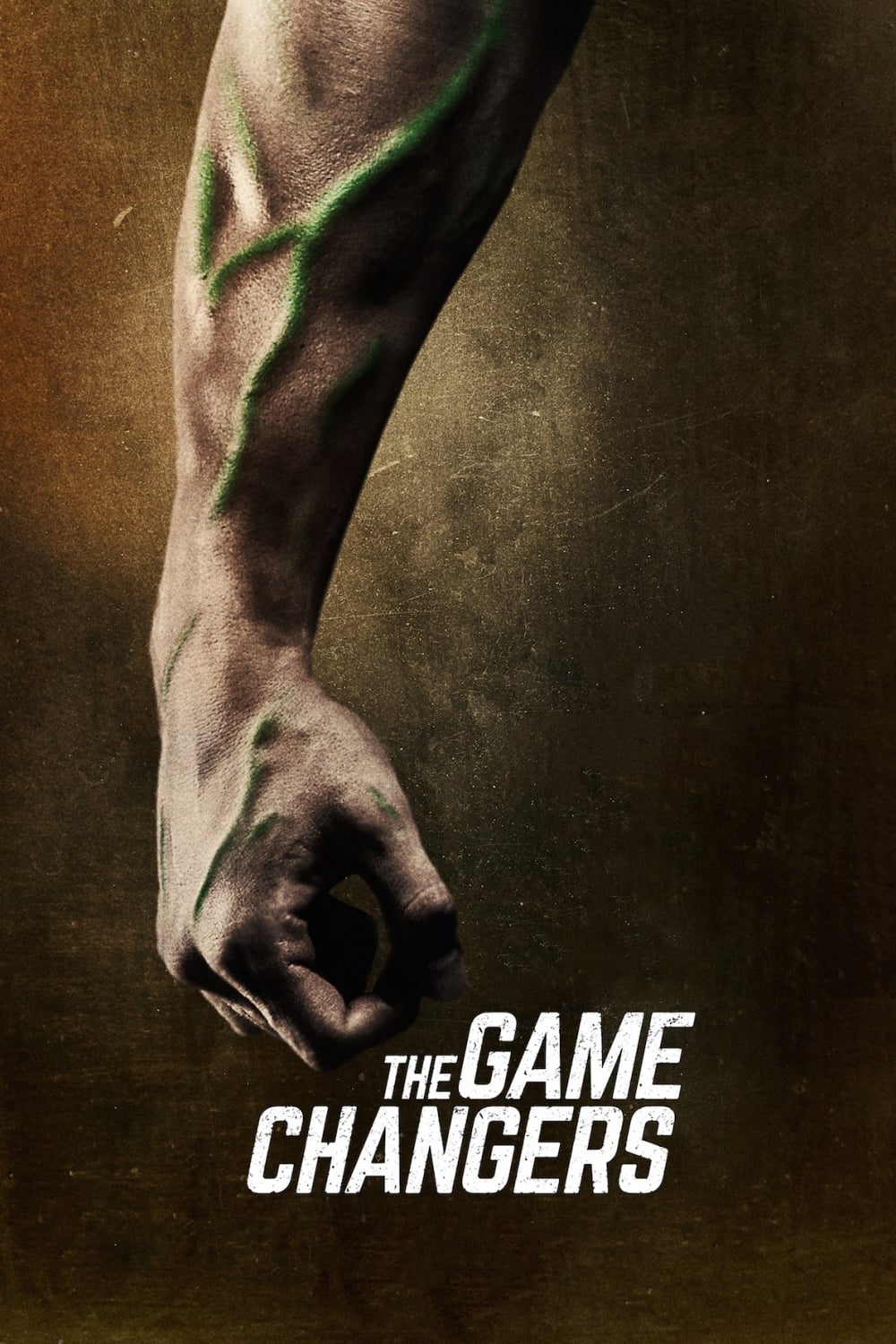
From the UFC Octagon in Las Vegas and the anthropology lab at Dartmouth, to a strongman gym in Berlin and the bushlands of Zimbabwe, the world is introduced to elite athletes, special ops soldiers, visionary scientists, cultural icons, and everyday heroes—each on a mission to create a seismic shift in the way we eat and live.
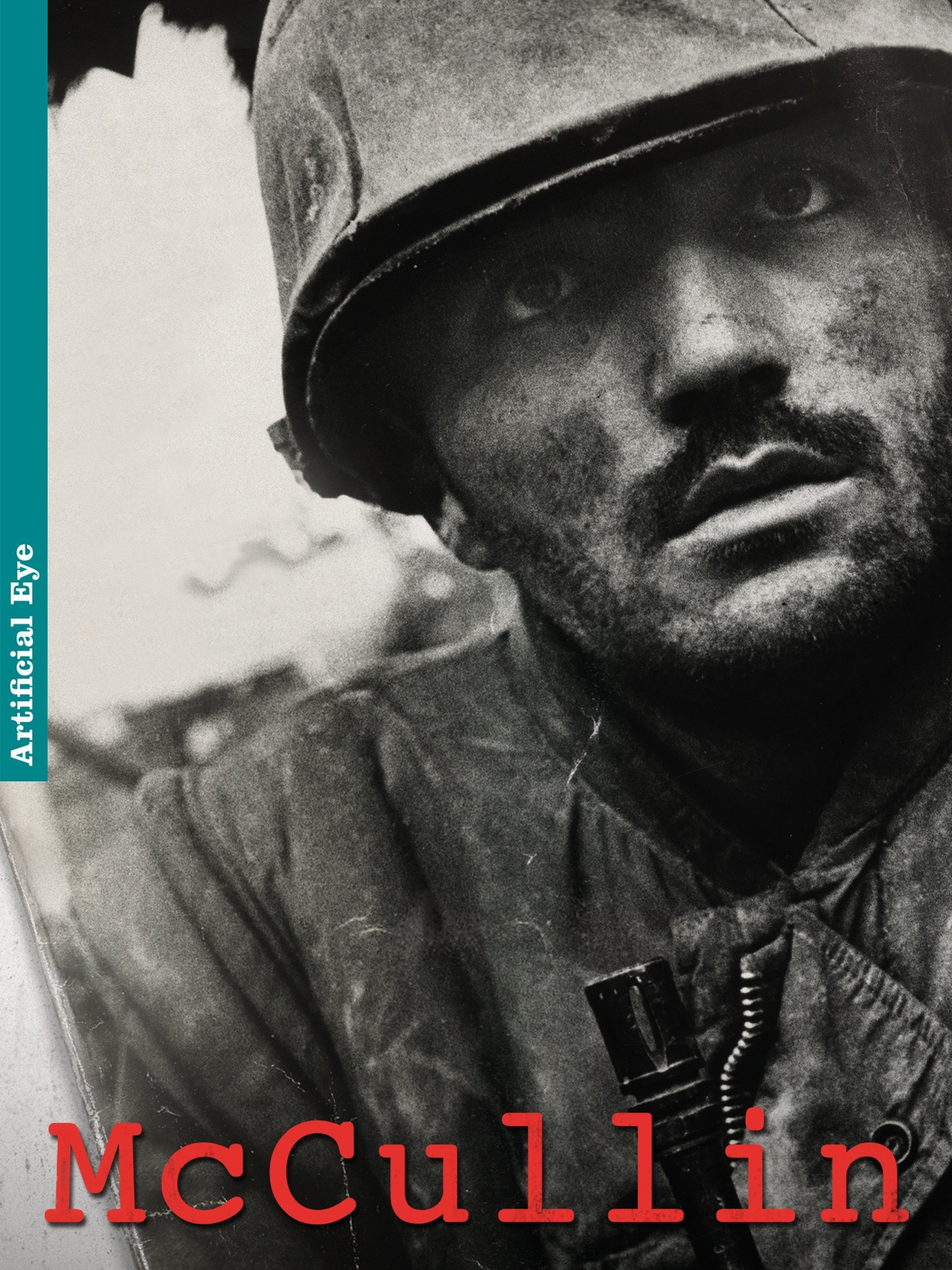
Biographical documentary of the war photographer Don McCullin, with sections on his upbringing, early work for the Observer and extensive war reporting for the Sunday Times until the purchase of the newspaper by Rupert Murdoch in the 1980s.
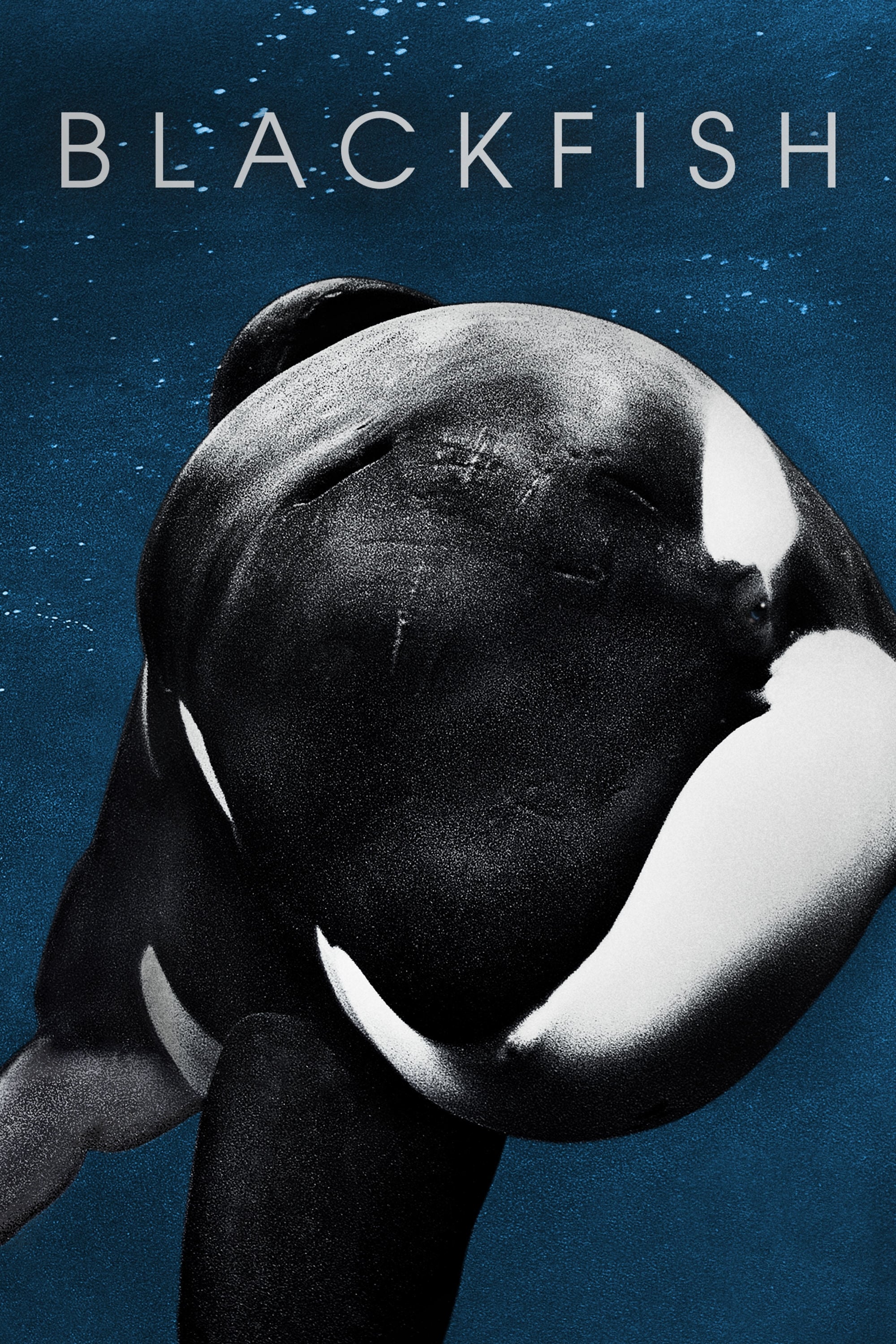
Notorious killer whale Tilikum is responsible for the deaths of three individuals, including a top killer whale trainer. Blackfish shows the sometimes devastating consequences of keeping such intelligent and sentient creatures in captivity.
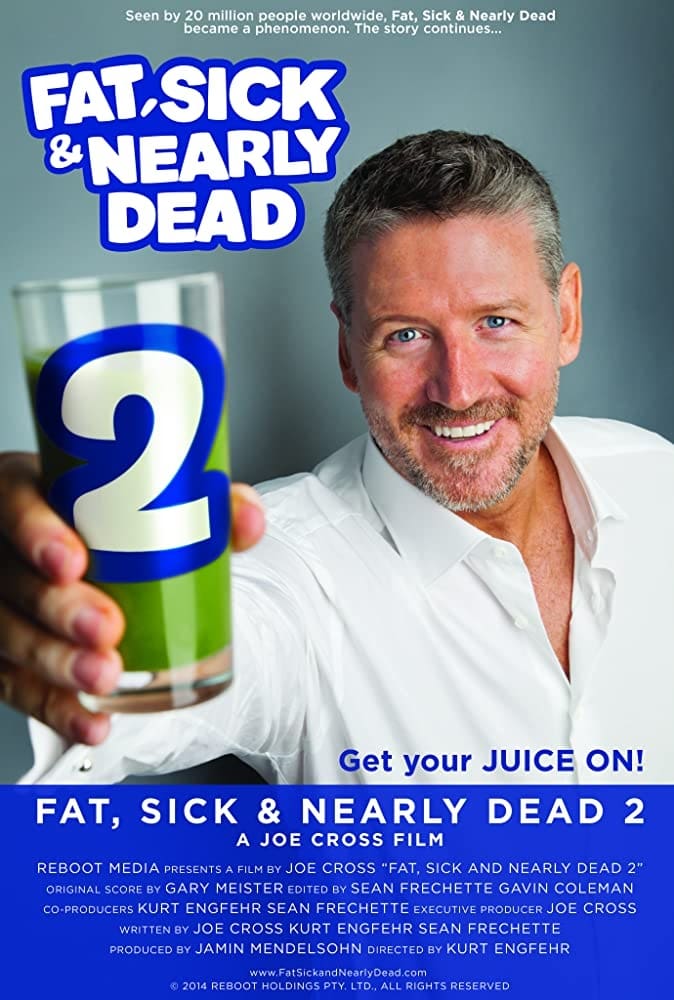
Joe Cross took viewers on his journey from overweight and sick to healthy and fit via a 60-day juice fast in the award-winning Fat Sick and Nearly Dead. With Fat, Sick & Nearly Dead 2, he looks at keeping healthy habits long-term.
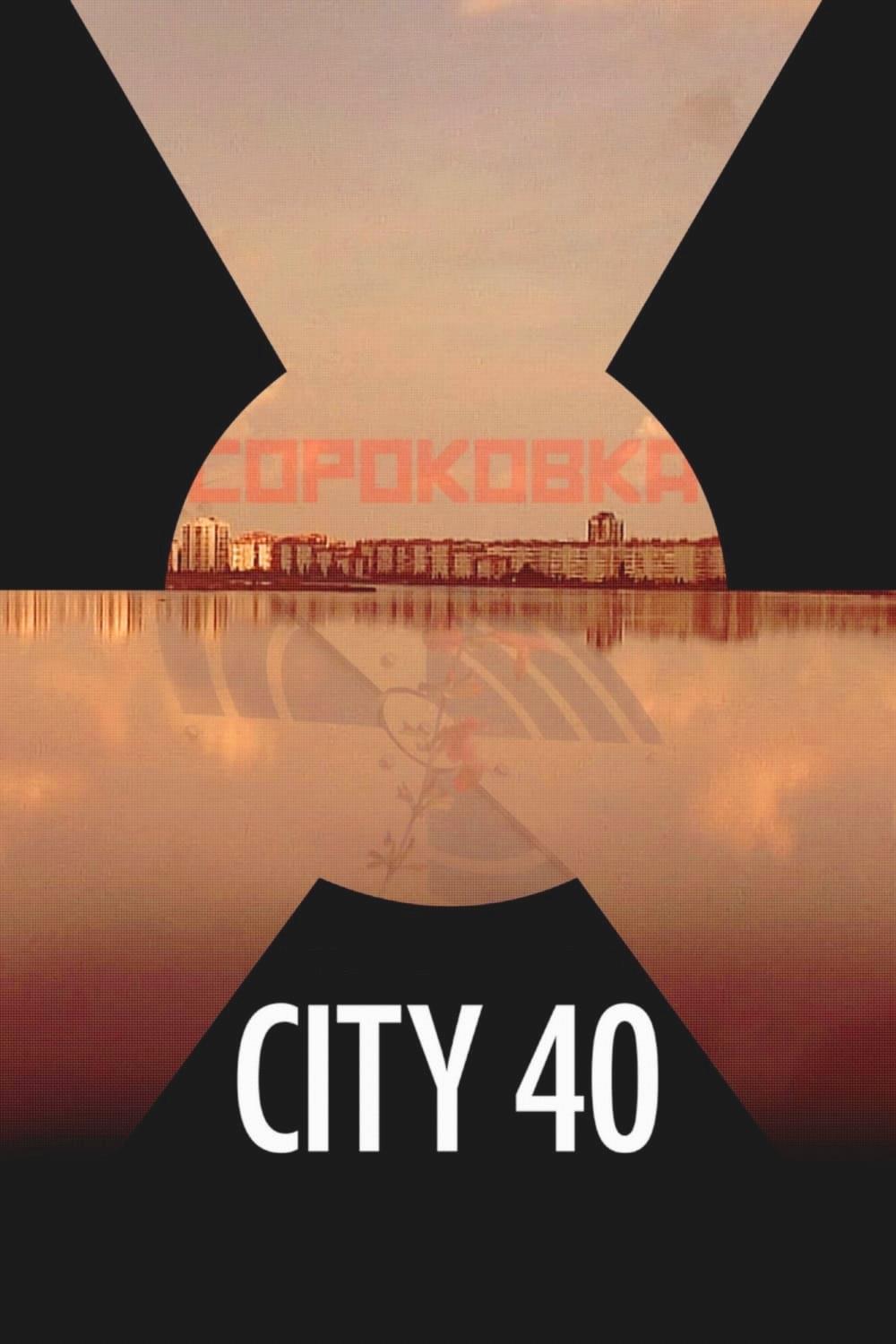
Hidden in the heart of Russia, there is a Soviet-era city where thousands of people live and work behind barbed-wire fences monitored by armed guards. It is Ozyorsk (Ozersk), located in the Chelyabinsk Oblast, one of the most polluted places on the planet and home to the largest stockpiles of nuclear material. Its code name: City 40.