Social & External
Himself
“In this legendary sculpture/performance Acconci lay beneath a ramp built in the Sonnabend Gallery. Over the course of three weeks, he masturbated eight hours a day while murmuring things like, "You're pushing your cunt down on my mouth" or "You're ramming your cock down into my ass." Not only does the architectural intervention presage much of his subsequent work, but all of Acconci's fixations converge in this, the spiritual sphincter of his art. In Seedbed Acconci is the producer and the receiver of the work's pleasure. He is simultaneously public and private, making marks yet leaving little behind, and demonstrating ultra-awareness of his viewer while being in a semi-trance state.” – Jerry Saltz (via: http://www.ubu.com/film/acconci_seedbed.html)
Filmed in Rome in the 1980s, the work draws on Borromini’s Baroque architecture and Il Sassetta’s St. Martin and the Beggar. Beavers contrasts winter’s subdued light with the verdant growth of spring, constructing a precise montage in which image and sound form a poetic dialogue.
Regular or Super is a fascinating and informative introduction to the work of Mies van der Rohe (1886–1969), one of the 20th century's most influential architects, and a thought-provoking demonstration of the social and artistic contributions that architecture at its best can make to our urban environments
The award-winning feature-length documentary about the revolutionary and brilliant Chicago architect Louis Sullivan (1856-1924). Known by historians as the 'father of the skyscraper' and creator of the iconic phrase 'form follows function,' Sullivan was on top of his profession in 1890. Then a series of setbacks plunged him into destitute obscurity from which he never recovered. Yet his persistent belief in the power of his ideas created some of America's most beautiful buildings ever created, and inspired Sullivan's protégé, Frank Lloyd Wright, to fulfill his own dream of a truly American style of architecture.
Make No Little Plans: Daniel Burnham and the American City reveals the fascinating life and complex legacy of architect and city planner Daniel Hudson Burnham. In the midst of the late nineteenth century urban disorder, Burnham offered a powerful vision of what a civilized American city could look like, one that provided a compelling framework for Americans to make sense of the world around them. A timely, intriguing story in the American experience, Make No Little Plans explores Burnham's impact on the development of the American city as debate continues today about what urban planning means in a democratic society.
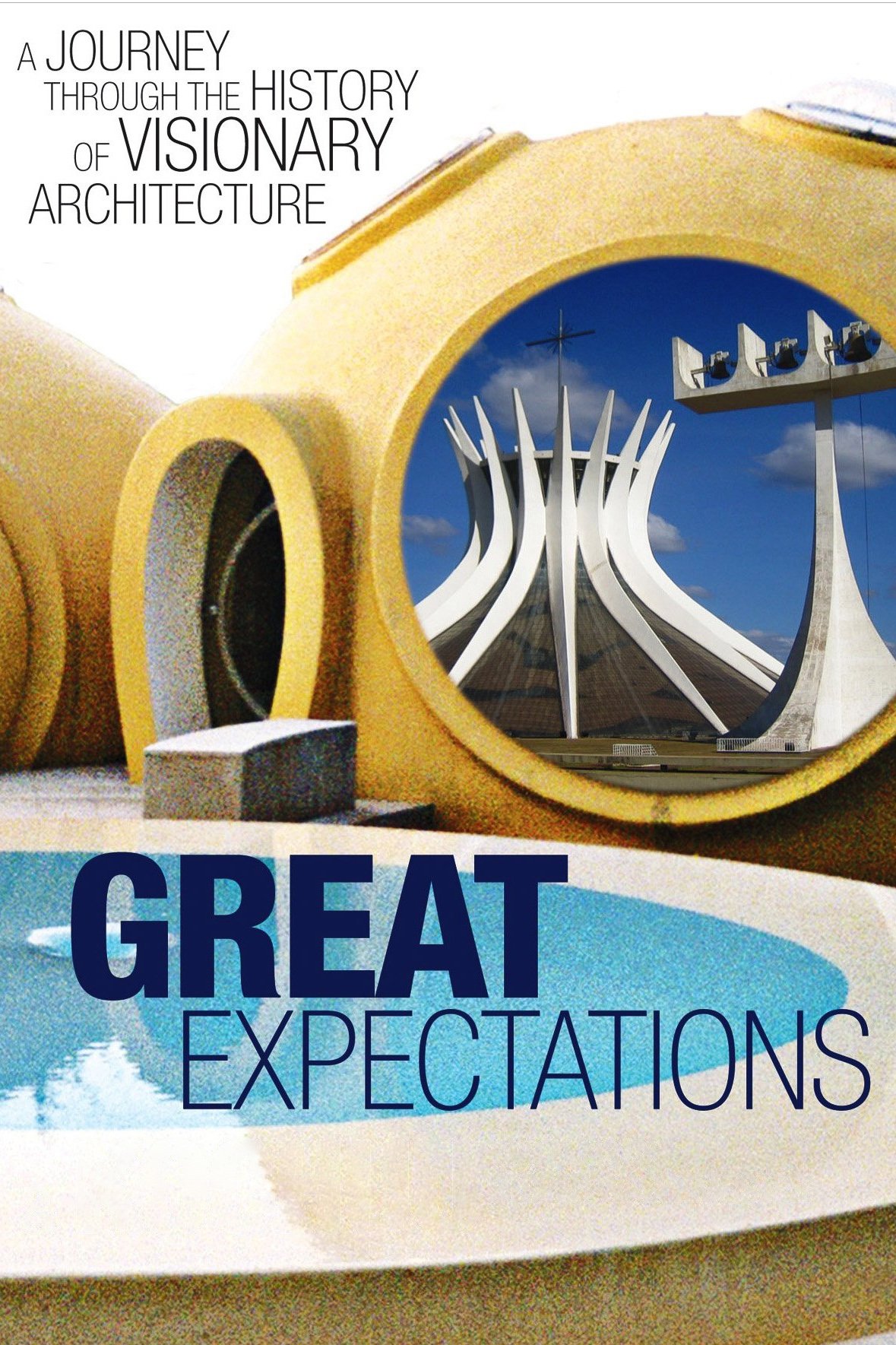
This documentary provides an astonishing journey through innovative, futuristic, utopian and sometimes bizarre architecture projects—including concrete illusions of grandeur and Lego-like modular apartments to an Instant City Airship and round, grass-covered subterranean dwellings—from the beginning of the 20th century to today.
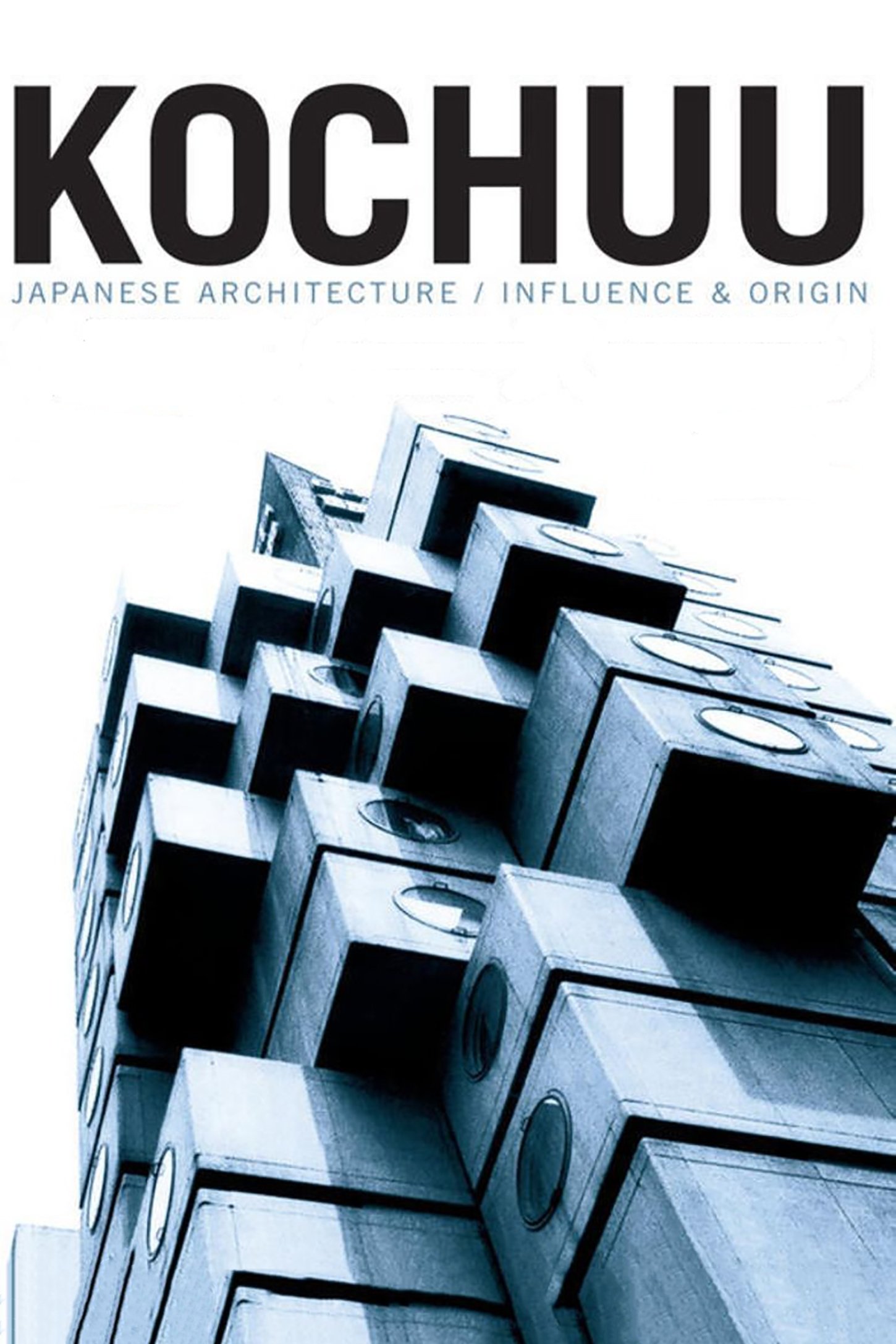
A film about modern Japanese architecture, its roots in the Japanese tradition and its impact on the Nordic building-tradition. Winding its way through visions of the future, traditions, nature, concrete, gardens and high-tech, KOCHUU tells us how contemporary Japanese architects strive to unite the ways of modern man with the old philosophies in astounding constructions. Interviews with, and works by, Japanese architects Tadad Ando, Kisho Kurokawa, Toyo Ito and Kazuo Shinohara and Scandinavian architects Sverre Fehn, Kristian Gullichsen and Juhani Pallasmaa.
2012/HD/Color/19min/
Chicago is filled with Architectural wonders from the famous to the hidden treasures waiting to be discovered! Join Geoffrey Baer as he explores seven of the best Chicago has to offer! The seven wonders include: Amazing Hotels, The Ferris Wheel, Heavenly Buildings, Scraping the Sky in Style, Architecture for Animals, That Tiffany Town, The Making of Millennium Park and so much more!
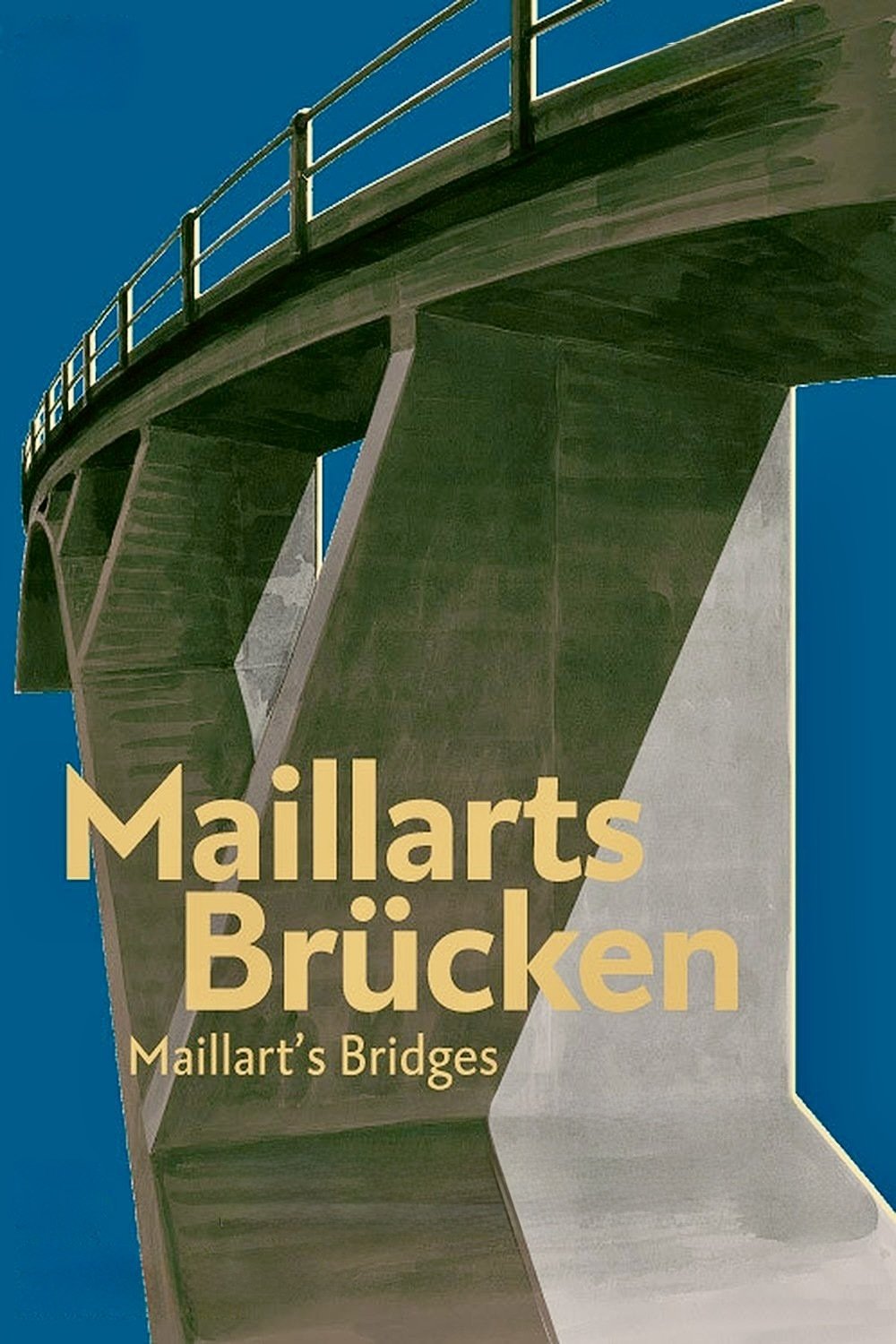
Famed Swiss architect and artist Robert Maillart was renowned for his concrete bridges; this documentary examines the elegant design of his engineering masterpieces, which, the film argues, embrace both functionality and aesthetics. Instead of following a traditional journalistic structure, director Heinz Emigholz's spellbinding film reads more like ethereal visual poetry, allowing the beauty of Maillart's work to speak for itself.
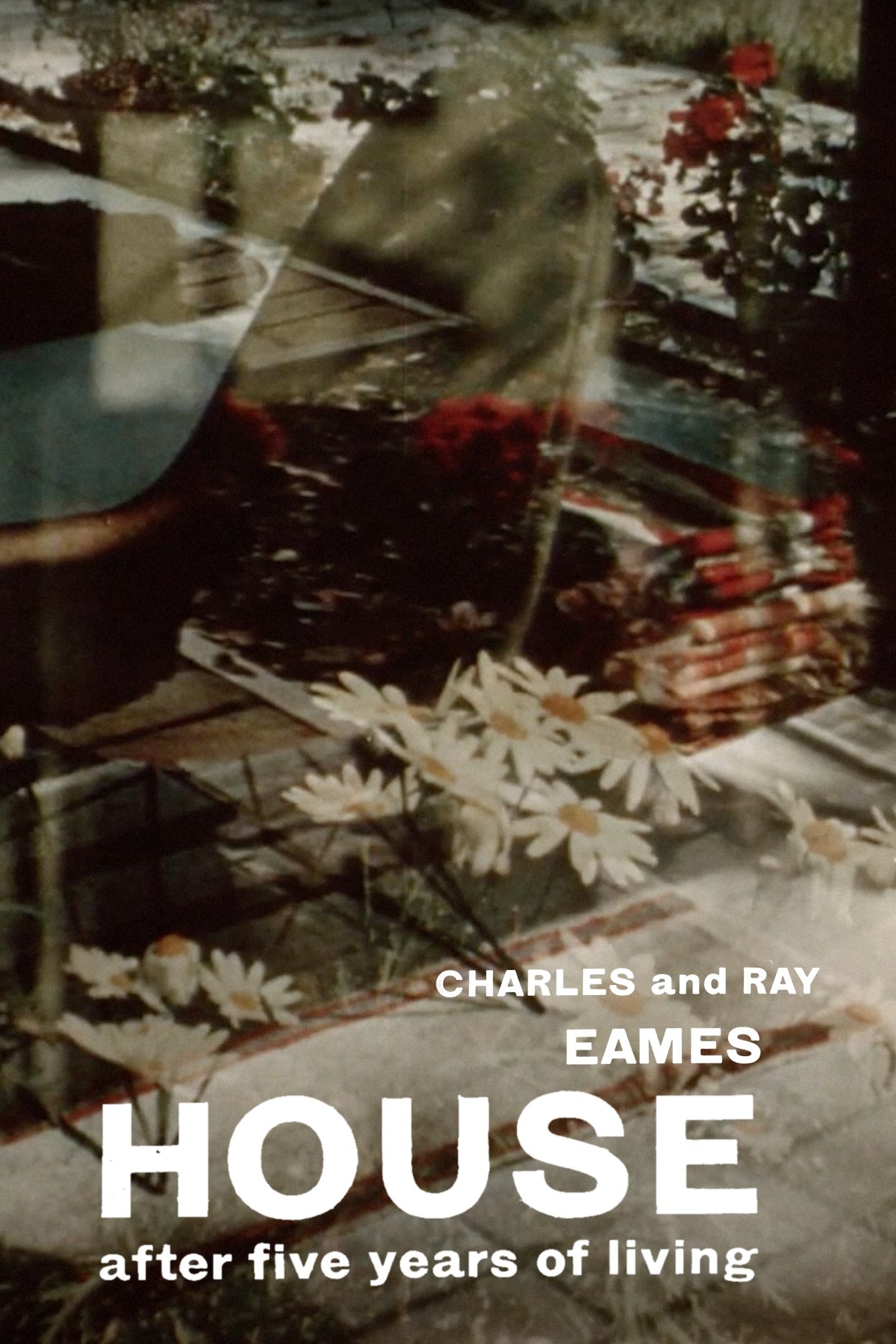
The Eames House and Studio is explored via a series of slides.
Tracing the history of blue jeans around the globe.
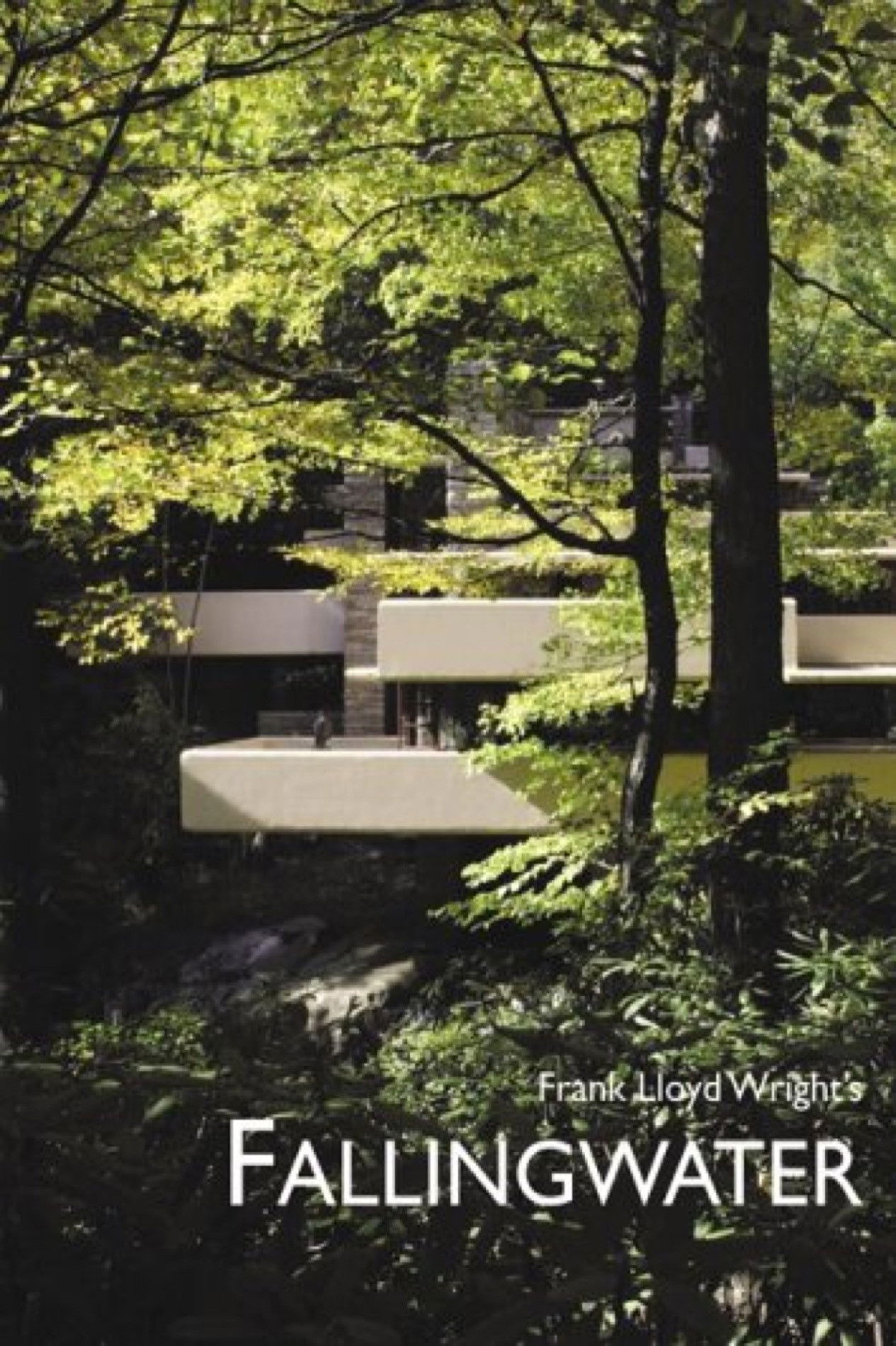
In 1935, Frank Lloyd Wright designed a country house for the Kaufmann family over a small stream in Western Pennsylvania. He named it Fallingwater. It, perhaps more than any other building, exemplifies Wright's concept of 'Organic Architecture,' which seeks to harmonize people and nature by integrating the building, the site, and its inhabitants into a unified whole. And today, the iconic image of the house over the waterfall, remains a testament to a great architect working at the height of his career. Highlights include interviews with Fallingwater director Lynda Waggoner and architectural historian Richard Cleary, who explain Wright's concept of "organic architecture" and the qualities that make the structure so exceptional.
Rotterdam 2040 is a film about the city’s future, departing from the principle of Gyz La Rivière that you can’t look ahead without considering your past (something that hasn’t always been Rotterdam’s strongest feature). At high speed, La Rivière reconstructs the history of Rotterdam from the time before the bombings until now, and expands the developments to the year 2040 (100 years after the bombing and the 700th anniversary of the city). La Rivière made a specific choice to expose his personal vision, which is sometimes radical or a little absurd. So no experts and no talking heads, but an assault of old and new imagery, held together by La Rivière as the narrator of the film. Although Rotterdam 2040 deals with architecture and urban renewal, it is actually a film about people. The subjective experience of the city by its (future) occupants mainly determines the parade of architectural blunders and suggestions for the future. All tongue-in-cheek of course.
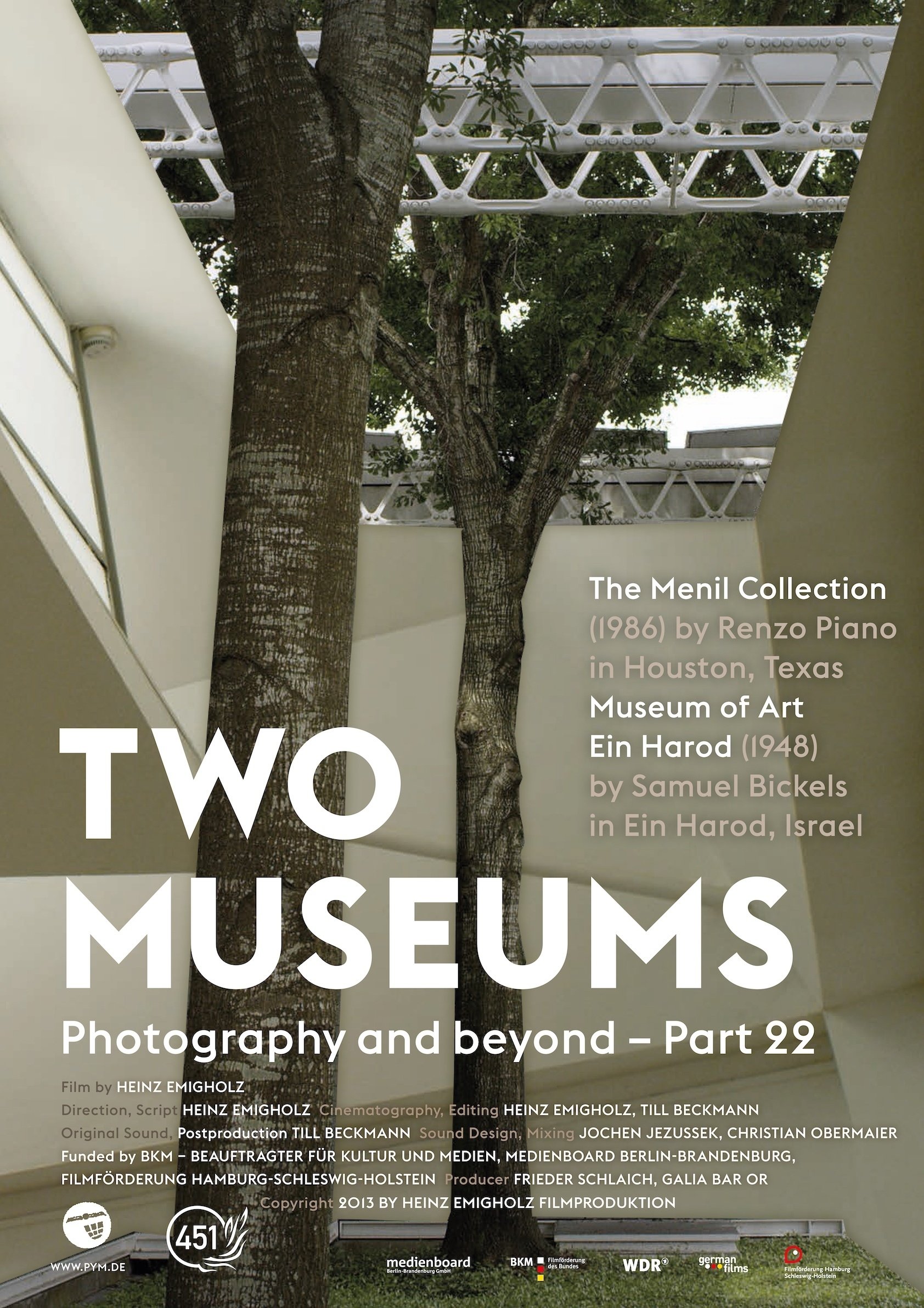
The film juxtaposes/compares two museums: The Museum of Art, Ein Harod, Israel, which Samuel Bickels (1909-1975) built there in 1948, and The Menil Collection in Houston, Texas, built by Renzo Piano (b. 1937) 1986 . The method of natural lighting in Bickels‘s construction was the direct model for Piano, who adopted for his construction at the request of its patroness Dominique de Menil.
In 1914, the Czech architect Jan Letzel designed in the Japanese city of Hiroshima Center for the World Expo, which has turned into ruins after the atomic bombing in August 1945. “Atomic Dome” – all that remains of the destroyed palace of the exhibition – has become part of the Hiroshima memorial. In 2007, French sculptor, painter and film director Jean-Gabriel Périot assembled this cinematic collage from hundreds of multi-format, color and black and white photographs of different years’ of “Genbaku Dome”.
Once a maverick who was nearly run out of the American Institute of Architects, John Portman is now recognized as one of the most innovative and imitated architects ever. Over 45 years, Portman's iconic urban statements and eye-popping interiors have risen in 60 cities on four continents to redefine cityscapes in America, and skylines in China and the rest of Asia. The film captures Portman's approach in an intimate portrait that, by turn, assesses and appreciates Portman's work. Dramatic time-lapse footage shows off Portman's buildings at their best- often in moving sunlight that washes over his facades and spaces.
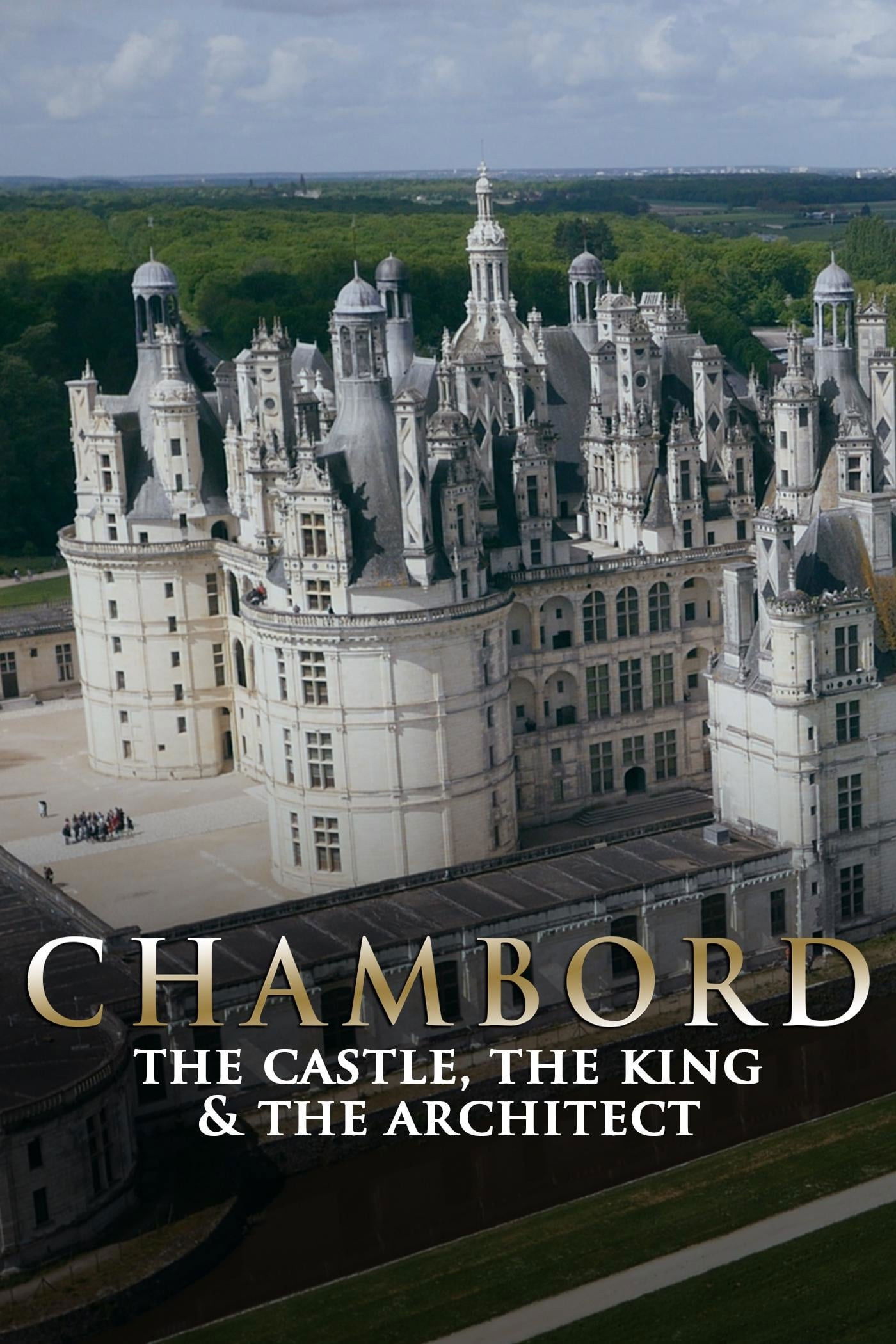
Chambord, the most impressive castle in the Loire Valley, in France, a truly Renaissance treasure, has always been an enigma to generations of historians. Why did King Francis I (1494-1547), who commissioned it, embark on this epic project in the heart of the marshlands in 1519? What significance did he want the castle to have? What role did his friend, Italian genius Leonardo Da Vinci (1452-1519) play? Was he the architect or who was?
Styles of architecture used in the 1951 South Bank Exhibition, London.
A documentary about the life and films of director John Ford.
A documentary about the design of cities, which looks at the issues and strategies behind urban design and features some of the world's foremost architects, planners, policymakers, builders, and thinkers.
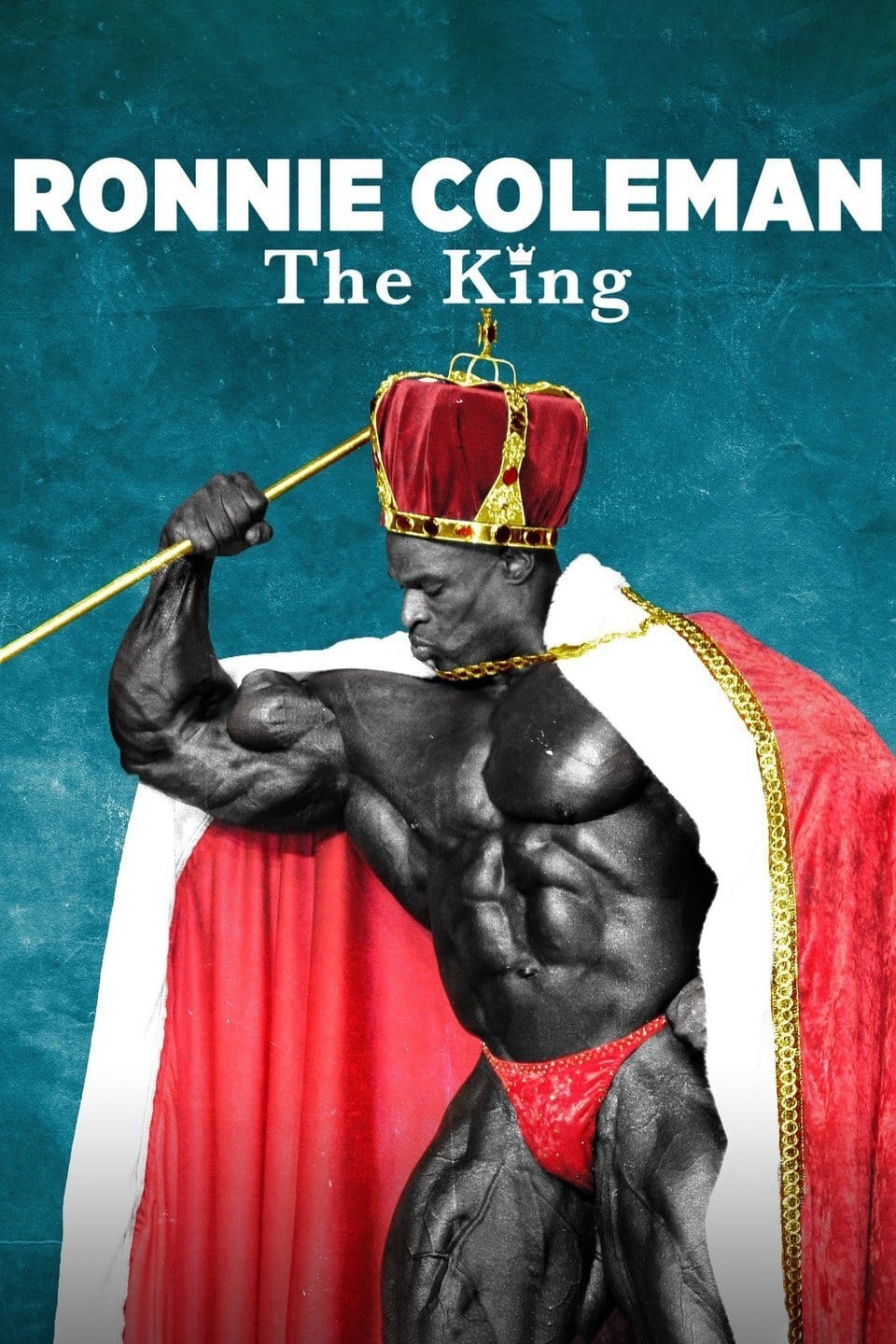
Ronnie Coleman is known as "The King" and for good reason. He is the 8x Mr. Olympia champion in the world of bodybuilding - sharing the world record for most Olympia wins. Now retired, he has undergone over 6 surgeries leaving him unable to walk without crutches but his desire to train like a pro bodybuilder has not dissipated. Exploring the history of his career as a bodybuilding legend and following his journey to recovery; for the first time ever discover the true man behind The King.
A chronicle of the life, work and mind that created the Cthulhu mythos.
A documentary about how a dominant cultural and demographic institution both sustains their traditional activities and adapts to the digital revolution.
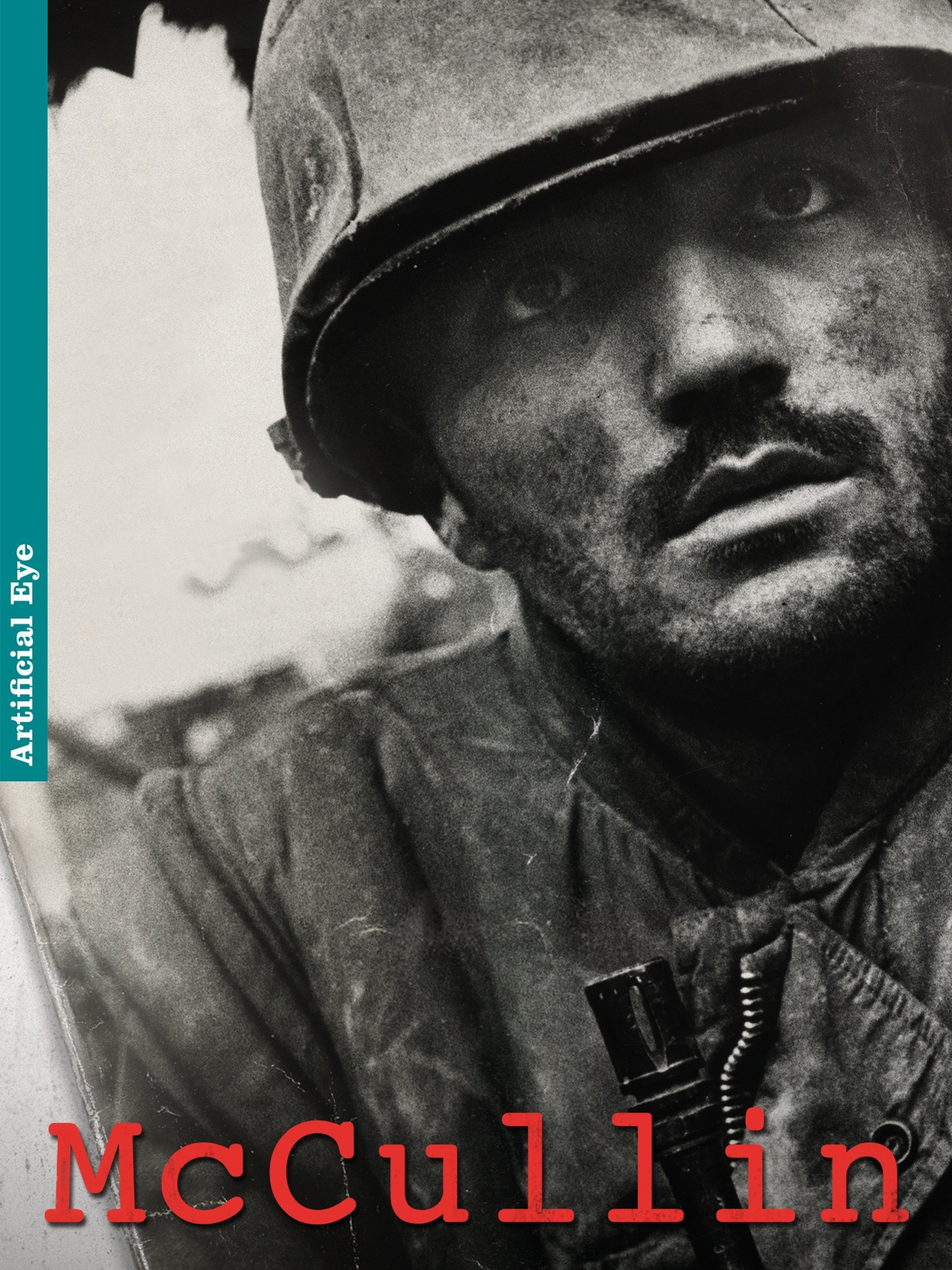
Biographical documentary of the war photographer Don McCullin, with sections on his upbringing, early work for the Observer and extensive war reporting for the Sunday Times until the purchase of the newspaper by Rupert Murdoch in the 1980s.
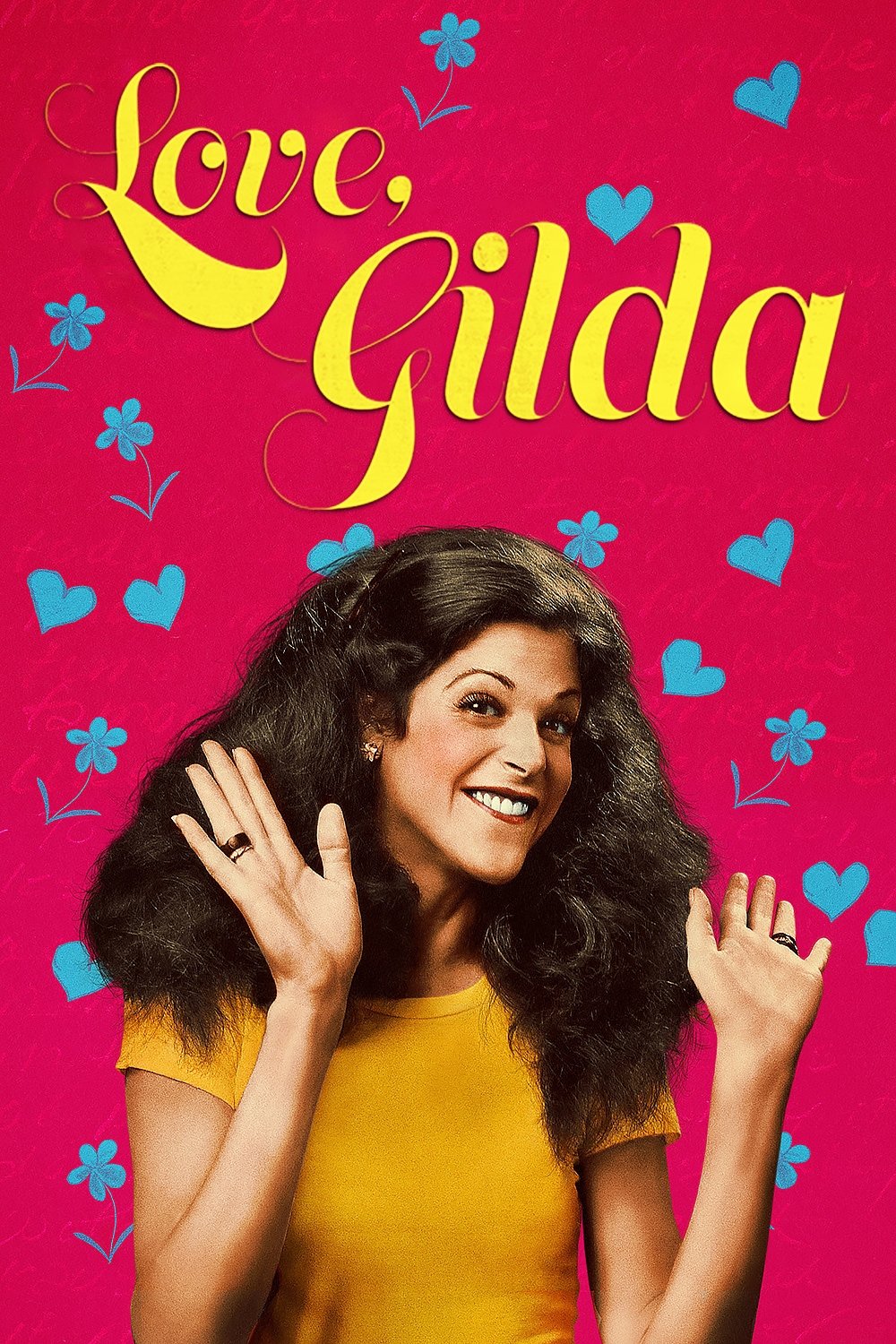
Diaries, audiotapes, videotapes and testimonials from friends and colleagues offer insight into the life and career of Gilda Radner -- the beloved comic and actress who became an icon on Saturday Night Live.
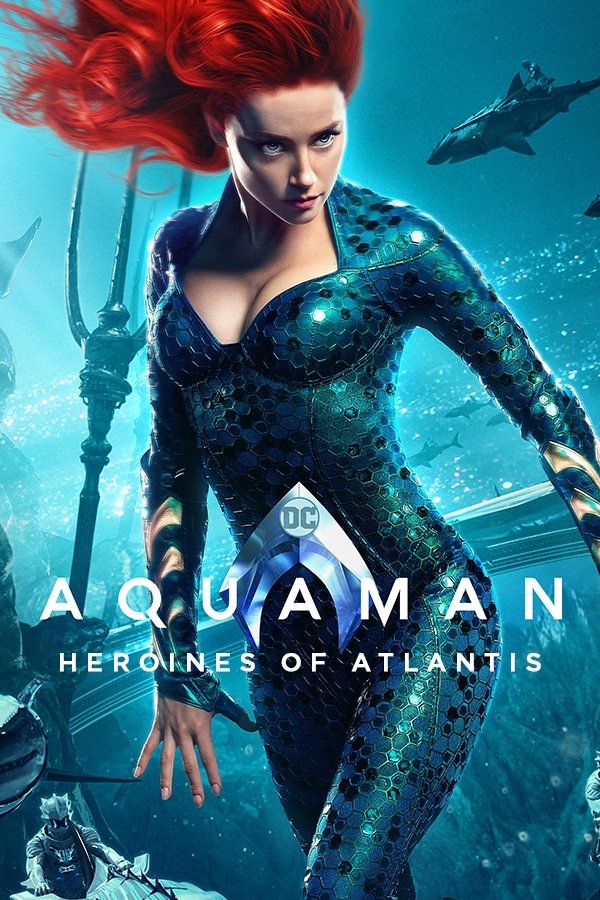
Amber Heard and Nicole Kidman discuss their characters Mera and Atlanna.
Justice Ruth Bader Ginsburg now 84, and still inspired by the lawyers who defended free speech during the Red Scare, Ginsburg refuses to relinquish her passionate duty, steadily fighting for equal rights for all citizens under the law. Through intimate interviews and unprecedented access to Ginsburg’s life outside the court, RBG tells the electric story of Ginsburg’s consuming love affairs with both the Constitution and her beloved husband Marty—and of a life’s work that led her to become an icon of justice in the highest court in the land.
In his latest documentary, Sean Menard gives viewers an unprecedented look at Vince Carter: the six-foot-six, eight-time NBA All-Star from Daytona Beach who made waves in the Canadian basketball scene when he joined the Toronto Raptors in 1998.
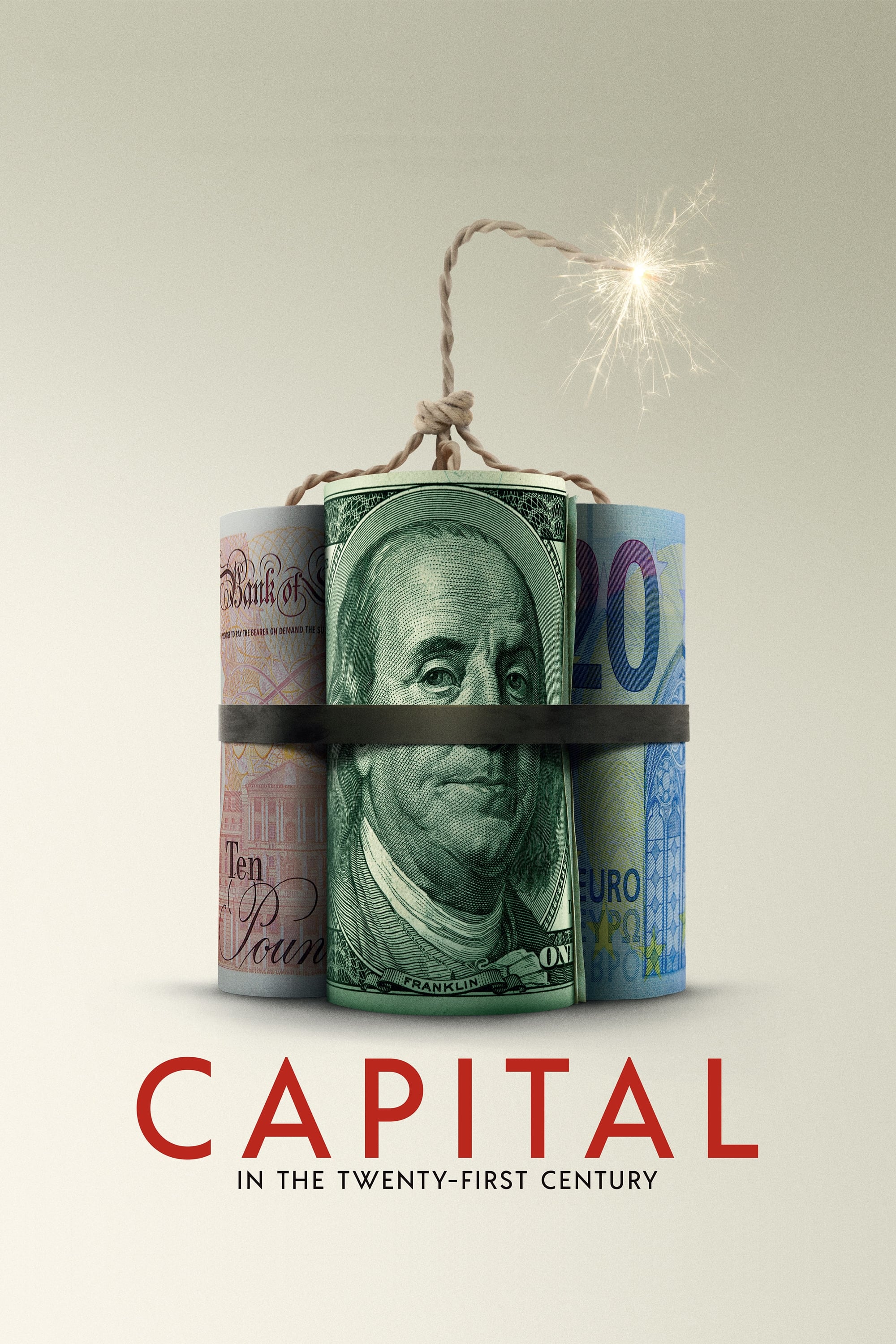
Film adaptation of French economist Thomas Piketty's ground-breaking global bestseller of the same name: an eye-opening journey through wealth and power.
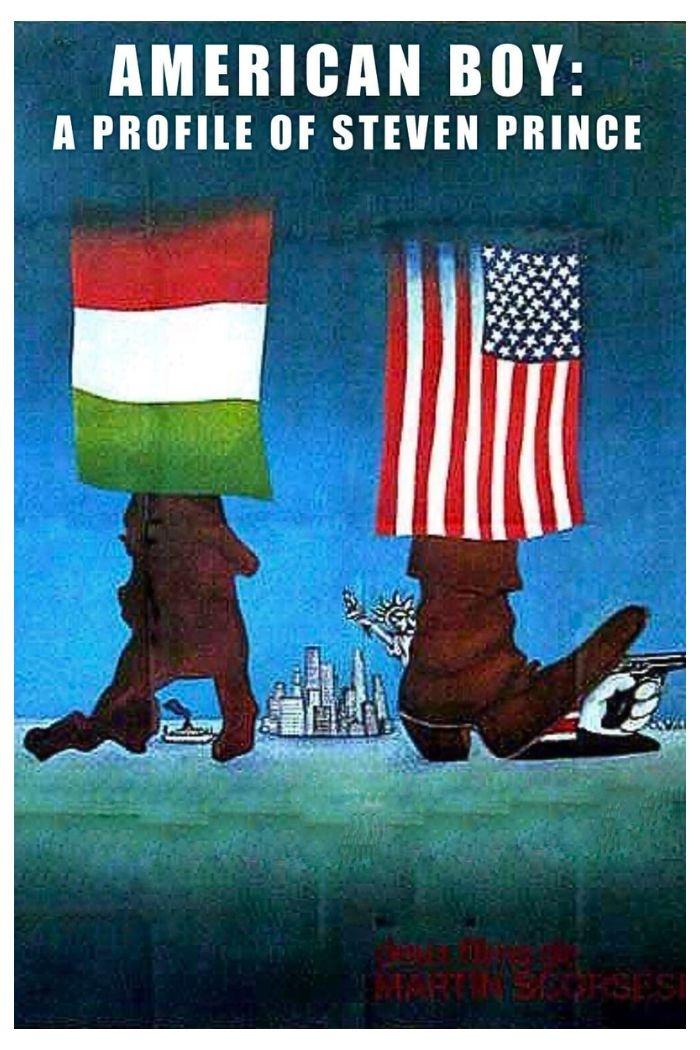
Martin Scorsese spends an evening with larger-than-life raconteur Steven Prince—a former drug addict, road manager for Neil Diamond, and actor—as he recounts stories from his colorful life.
The definitive portrait of one of sport's most inspirational, influential figures - whose legacy lives on far beyond the football field.
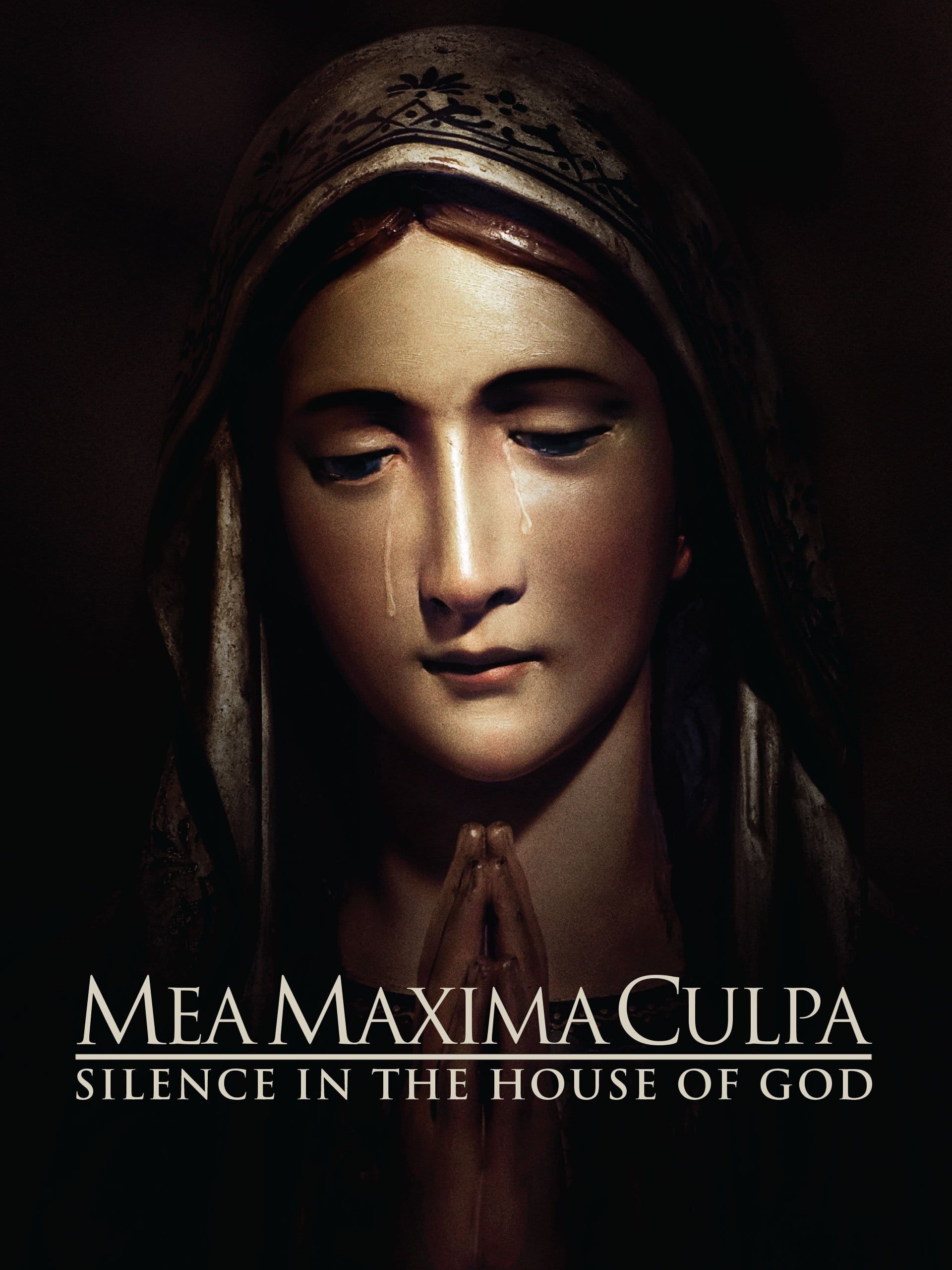
Alex Gibney explores the charged issue of pedophilia in the Catholic Church, following a trail from the first known protest against clerical sexual abuse in the United States and all way to the Vatican.
The supermarket giant that rose high by taking prices low.
Behind-the-scenes documentary about how Lionel Messi succeeded in lifting the World Cup – the only trophy to have eluded him in an incredible career.
A detailing of the rise to prominence and global sporting superstardom of six supremely talented young Manchester United football players (David Beckham, Nicky Butt, Ryan Giggs, Paul Scholes, Phil and Gary Neville). The film covers the period 1992-1999, culminating in Manchester United's European Cup triumph.
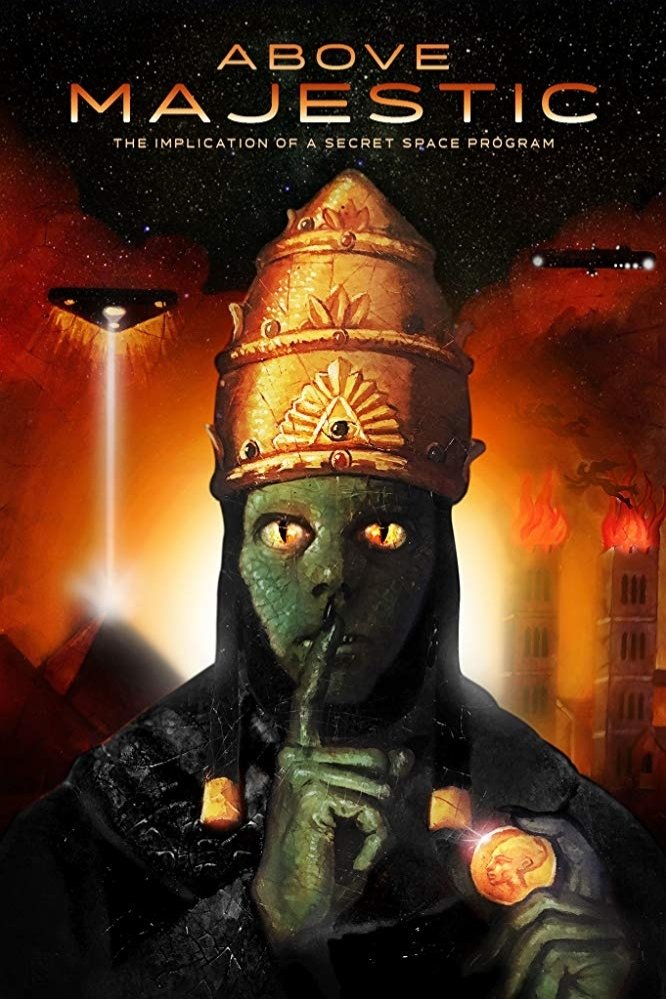
A look at the origins, history and conspiracies behind the "Majestic 12", a clandestine group of military and corporate figureheads charged with reverse-engineering extraterrestrial technology.
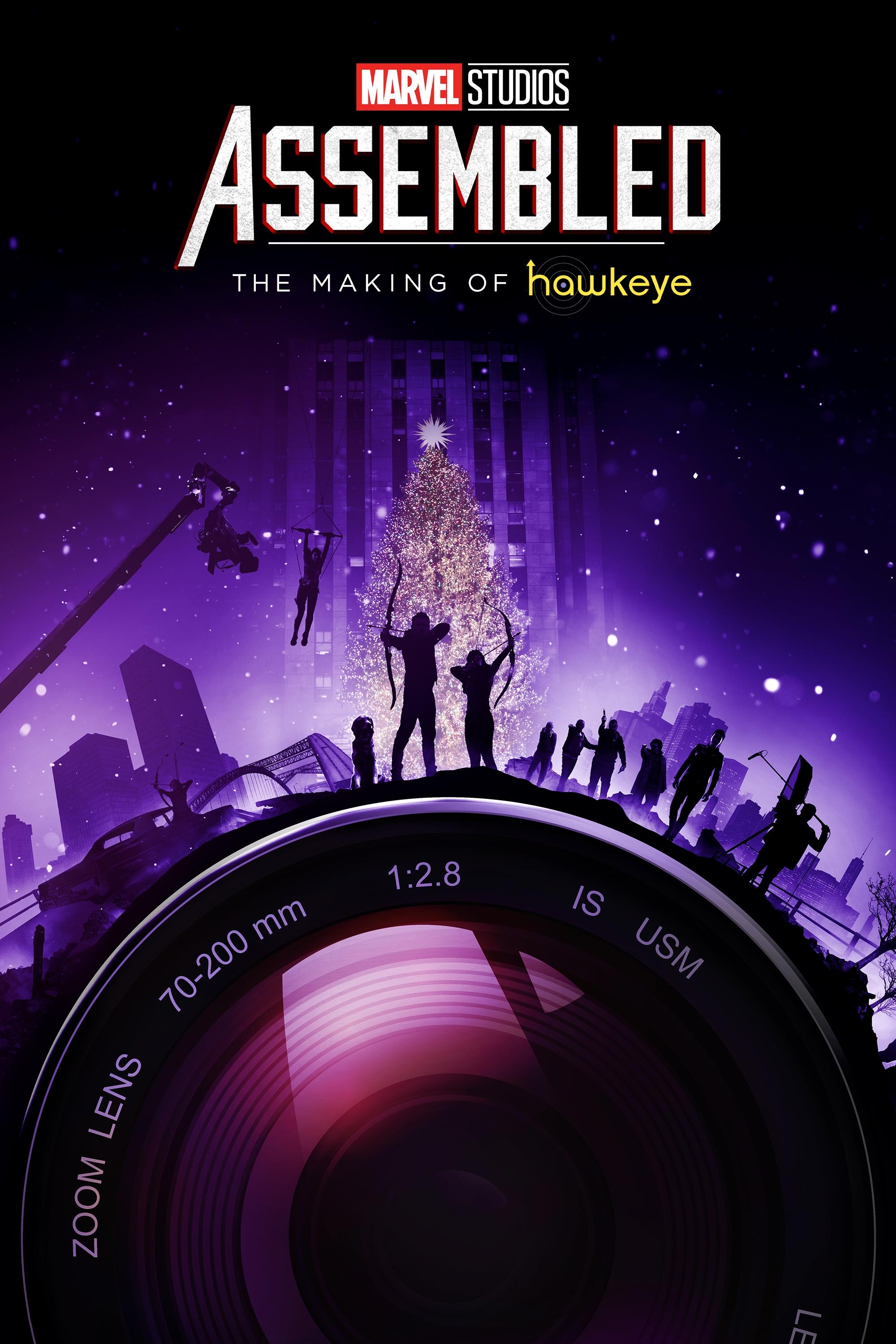
Join the likes of Jeremy Renner, Hailee Steinfeld, Florence Pugh, and Vincent D’Onofrio as they reveal how Marvel Studios’ “Hawkeye” was conceived and created. Witness firsthand what it took to pull off the show’s pulse-pounding action set pieces, and discover how iconic characters from the pages of Marvel Comics such as Kate Bishop were adapted and brought to life for the six-episode series.
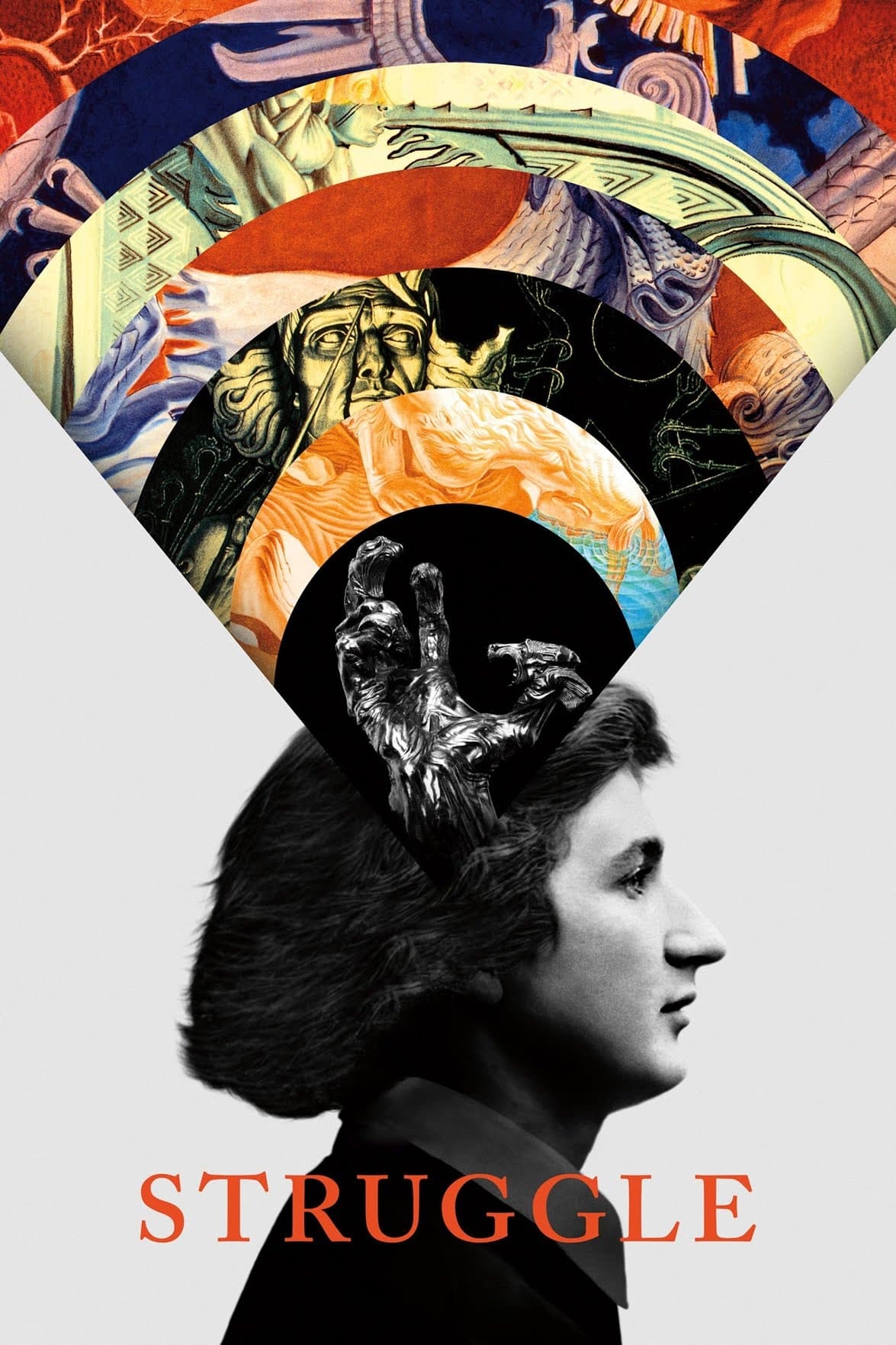
Artists in LA discover the work of forgotten Polish sculptor Stanislav Szukalski, a mad genius whose true story unfolds chapter by astounding chapter.