A static close-up of a clock. Preserved by the Academy Film Archive in 2007.
Social & External
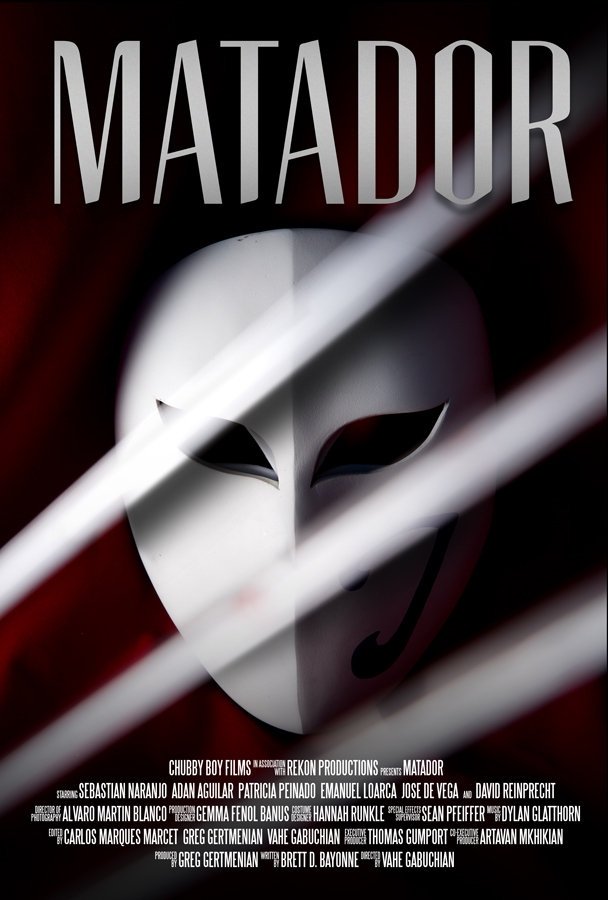
A gritty drama focusing on Street Fighter's sociopathic and self-adoring Spanish ninja, Vega. Matador, details Claw's traumatic upbringing and the pivotal sequence of events that made him into the assassin he is today.
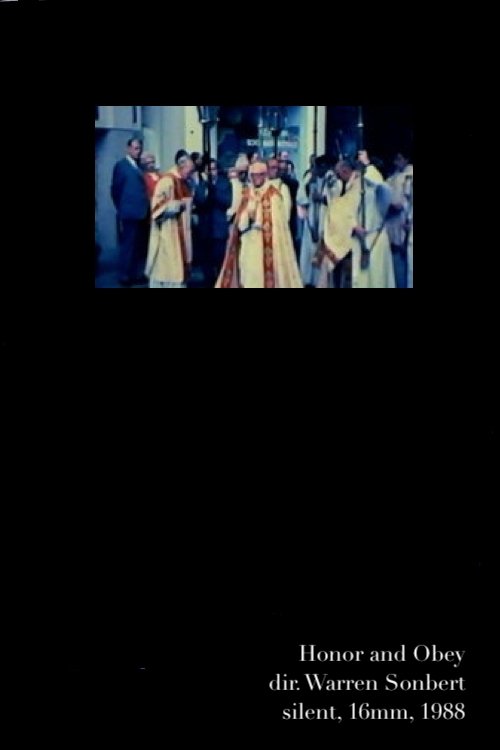
In Warren Sonbert's Honor and Obey soldiers march in formation, a tiger stalks through the snow, religious processions wind through the streets, and palm trees wave in a tropical breeze. As brightly colored images of authority figures blend into scenes of cocktail parties, this 21-minute silent film flows along with the grace of a musical score built on complex tensions hidden among the notes. "Whose authority will you obey?" the film seems to ask, as it deftly avoids simple-minded juxtapositions. Instead, we see a melange of images so full of geography (Notre Dame Cathedral, the Sydney Opera House, Fifth Avenue), that the work mocks the idea of any specific setting. -- Caryn James, The New York Times. Preserved by the Academy Film Archive, in partnership with Estate Project for Artists with AIDS, in 1998.
In Friendly Witness, Sonbert returned, after 20 years, to sound. In the first section of the film, he deftly edits a swirling montage of images - suggestive of loves gained and love lost--to the tunes of four rock songs. Fred Camper said, "At times the words of the songs seem to relate directly to the images we see...; at other times words and images seem to be working almost at cross-purposes or relating only ironically. Similarly, at times the image rhythm and music rhythm appear to dance together, while at others they go their separate ways." -- Jon Gartenberg. Preserved by the Academy Film Archive in partnership with Estate Project for Artists with AIDS in 1998.
During the years preceeding his death, Sonbert channeled his energy into making Whiplash. His vision and motor skills impaired, he gave his companion, Ascension Serrano, detailed instructions about the assembly of specific shots and the music to be used as a counterpoint to the images. Before his death in 1995, he asked filmmaker Jeff Scher (a former student of Sonbert's at Bard) to complete the film. --Jon Gartenberg. Preserved by the Academy Film Archive in partnership with Estate Project for Artists with AIDS in 1996.
In this short film, a young man, a girl and a dog attempt to fly with wings more symbolic than practical.
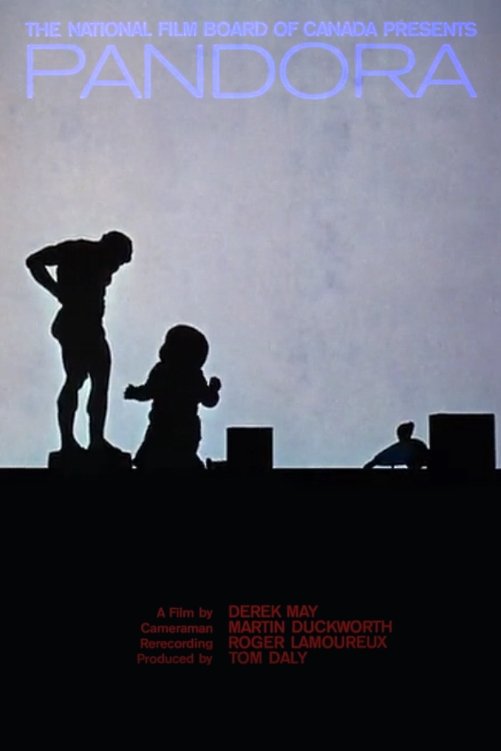
Experimental filmmaker and color cameraman here collaborate in a surrealistic retelling of the old myth. But this is a dream fantasy with no real parallel to Pandora, replete with striking symbols where everything is larger than life--the silhouetted image of a mother and an infant, the profiled view of two sculptured heads spouting smoke and fire.
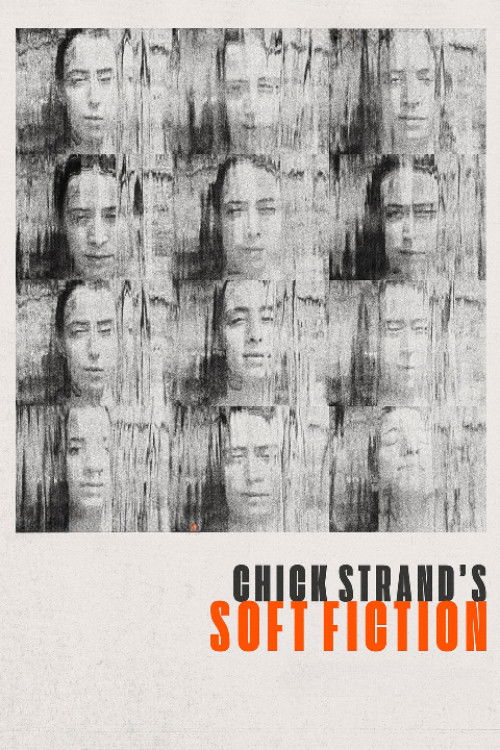
Chick Strand's SOFT FICTION is a personal documentary that brilliantly portrays the survival power of female sensuality. It combines the documentary approach with a sensuous lyrical expressionism. Strand focuses her camera on people talking about their own experience, capturing subtle nuances in facial expressions and gestures that are rarely seen in cinema. Preserved by the Academy Film Archive in partnership with The Film Foundation in 2015.
Warhol Factory days... serendipity visits, Janis and Castelli and Bellevue glances... Malanga at work ... glances at Le Mépris and North by Northwest... girl rock groups and a disco opening... a romp through the Modern. My second film. Preserved by the Academy Film Archive in partnership with Estate Project for Artists with AIDS in 1998.
This film is an outgrowth of one of Sonbert's film classes at NYU, in which he was given outtakes from a Hollywood film photographed by Hal Mohr to re-edit into a narrative sequence. Adding to this found footage, Sonbert filmed Warhol's superstars Rene Ricard and Gerard Malanga in more private and reflective moments. -- Jon Gartenberg. Preserved by the Academy Film Archive in partnership with Estate Project for Artists with AIDS in 1998.
Following Sonbert's death in 1995, we recovered a 16mm reversal print of THE TENTH LEGION among the materials in the filmmaker's estate, which Sonbert had struck before disassembling it and recutting sections into CARRIAGE TRADE. -- Jon Gartenberg. Preserved by the Academy Film Archive in partnership with Estate Project for Artists with AIDS in 1998.
One of the most profound themes coursing throughout Sonbert's work is that of love between couples in all its pitfalls and perfect moments. To express this theme between his protagonists onscreen as well as in the relationship between his ever-roving hand-held camera and the human subjects in his field of vision, Sonbert employed diverse cinematic strategies, including in-camera editing (in The Bad and the Beautiful), twin-screen effects (in Ted and Jessica), and montage of discrete shots filmed in distinct spaces (in Honor and Obey). -- Jon Gartenberg. Preserved by the Academy Film Archive in partnership with the Estate Project for Artists with AIDS in 1998.
Truth Serum is a rare work by Sonbert made in New York City in 1967. The completed film (that is missing its original soundtrack) provides a unique glimpse into his life and friends at the time including fellow filmmakers Nathaniel Dorsky and Jerome Hiller. Preserved by the Academy Film Archive in partnership with Estate Project for Artists with AIDS in 1998.
About this film, Sonbert wrote in the London Filmmakers' Co-op catalogue: "New York again and some Morocco. First sketches of varieties of people. East west city country, rich poor, old young. Many levels. Less movement but more editing and geometric progressions. It's over before you know it." -- Jon Gartenberg. Preserved by the Academy Film Archive in partnership with Estate Project for Artists with AIDS in 1998.
Sonbert's vivid color palette enhances the ritualistic nature of each action observed. Set against this lush panorama, Sonbert subverts the expectation of classic cinematography with a liberal sprinkling of avant-garde techniques. The incorporation of the materiality of film, the treatment of light, and the use of a hand-held camera, all suggest the influence of Stan Brakhage (Sonbert's "hero"). Sonbert's use of the shot as the foundation of his silent montage works parallels the use of the frame as the basic filmmaking unit in the films of Gregory Markopoulos (Sonbert's "mentor"). -- Jon Gartenberg. Preserved by the Academy Film Archive in 1998.
Warren Sonbert described Divided Loyalties as a film 'about art vs. industry and their various crossovers.' According to film critic Amy Taubin, "There is a clear analogy between the filmmaker and the dancers, acrobats and skilled workers who make up so much of his subject matter." -- Jon Gartenberg. Preserved by the Academy Film Archive in partnership with Estate Project for Artists with AIDS in 1998.
The style is relatively unchanged, but the images--press conferences, news events, disasters--convey his vision of the world in a new, direct, political fashion. Featuring startling footage of the City Hall riots after Councilman Dan White received a light prison sentence for slaying San Francisco Mayor George Moscone and Supervisor Harvey Milk, Noblesse Oblige opens a new chapter on Sonbert's career. --David Ehrenstein, LA Reader. Preserved by the Academy Film Archive in partnership with Estate Project for Artists with AIDS in 1998.
The Cup and the Lip is a complex and challenging picture that will stimulate adventurous filmmakers for years to come. Although its imagery is too dense, varied and fast-moving to be thoroughly parsed after one viewing, the film appears to be a regretful and perhaps sardonic essay on human frailty--and on the effort to stave off chaos by means of political and religious institutions, which carry their own dangers of social control and mental manipulation.
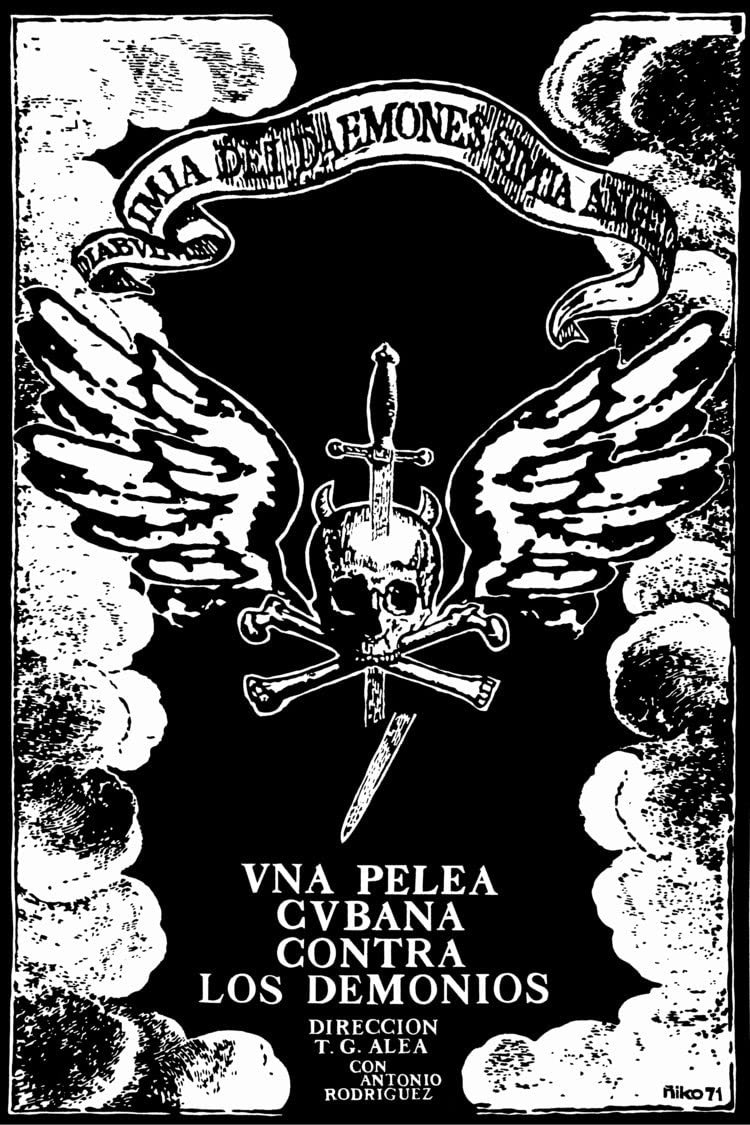
In 1672 Cuban revolutionaries launch an uprising against the Spanish who are occupying the country. Preserved by the Academy Film Archive in 2017.
In three virtuosic sequences created entirely in-camera, Benning alternates contrary camera movements in a trio of Chicago locations with increasing rapidity to a point where they first fracture and then merge in the viewer’s eye. Preserved by the Academy Film Archive in partnership with Austrian Film Museum in 2013.
This short focuses on the job of the costume designer in the production of motion pictures. The costume designer must design clothing that is correct for the film historically and geographically, and must be appropriate for the mood of the individual scene. We see famed costume designer Edith Head at work on a production. The Costume Designer was part of The Industry Film Project, a twelve-part series produced by the film studios and the Academy. Each series episode was produced to inform the public on a specific facet of the motion picture industry. Preserved by the Academy Film Archive in 2012.
Arthur Lipsett's first film is an avant-garde blend of photography and sound. It looks behind the business-as-usual face we put on life and shows anxieties we want to forget. It is made of dozens of pictures that seem familiar, with fragments of speech heard in passing and, between times, a voice saying, "Very nice, very nice." The film was nominated for an Oscar for Best Live Action Short Film.
In this powerful abstract film with a soundtrack of African drum music, Lye scratched "white ziggle-zag-splutter scratches" on to black leather, using a variety of tools from saw teeth to arrow heads. The first version of the film won a major award at the International Experimental Film Festival Held in Brussels in 1958 in association with the World's Fair. Stan Brakhage described the film as "an almost unbelievably immense masterpiece".
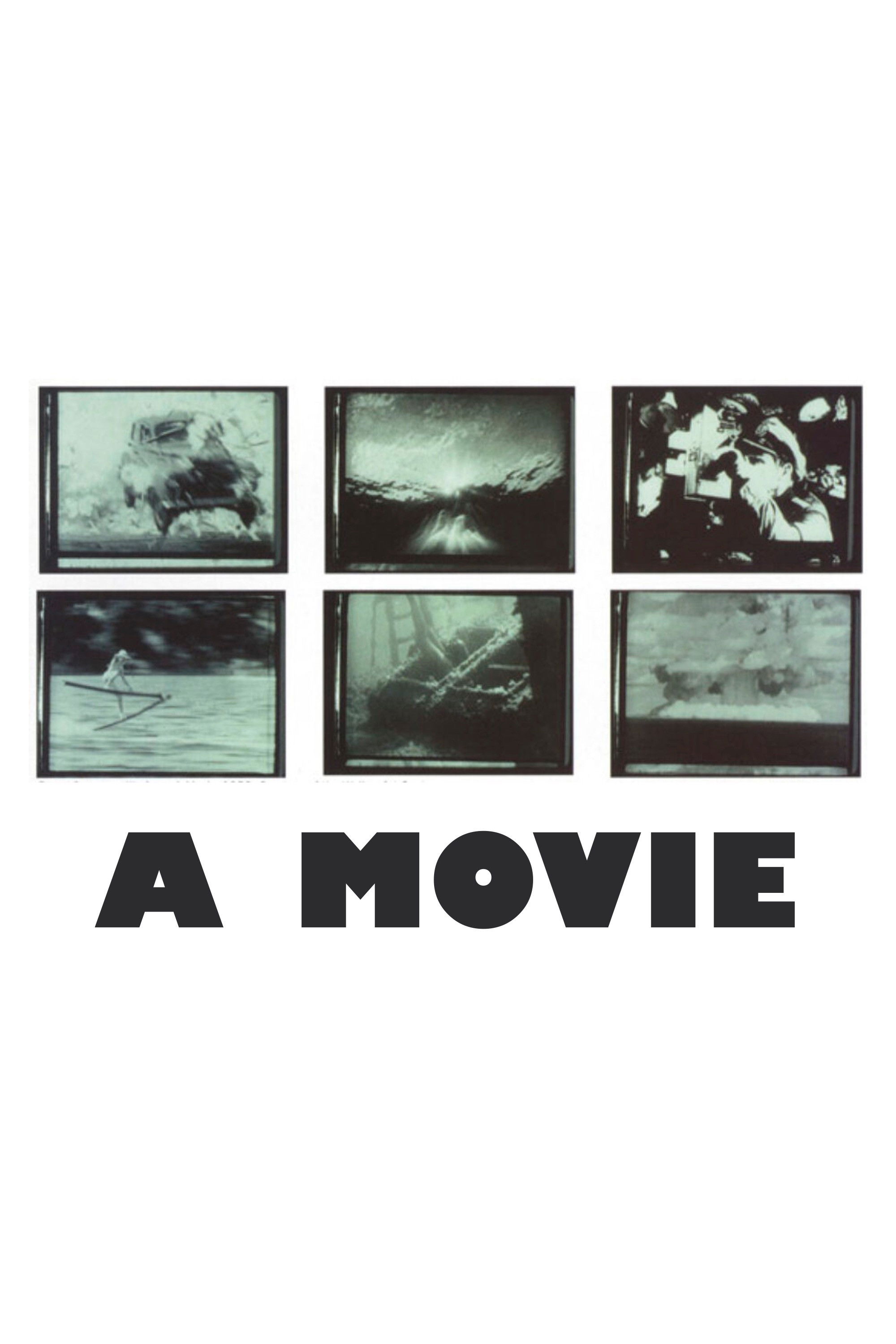
Bruce Conner's landmark experimental film consisting entirely of found footage edited to a new score.
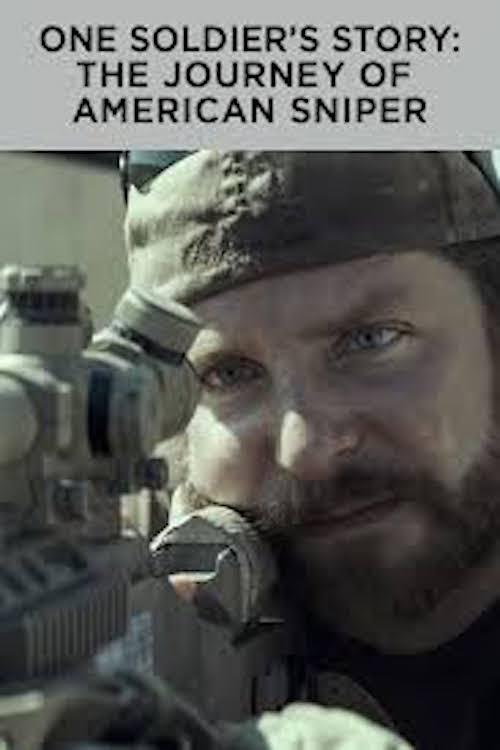
Join director Clint Eastwood and his creative team, along with Bradley Cooper and Sienna Miller, as they overcome enormous creative and logistic obstacles to make a film that brings the truth of Navy SEAL Chris Kyle's story to the screen.
A feature length documentary about the all-women team at the helm of Pixar's original feature, Turning Red. With unprecedented behind-the-scenes access to Director Domee Shi and her core leadership crew, this story shines a light on the powerful professional and personal journeys that brought this incredibly comical, utterly relatable, and deeply heartfelt story to the screen.
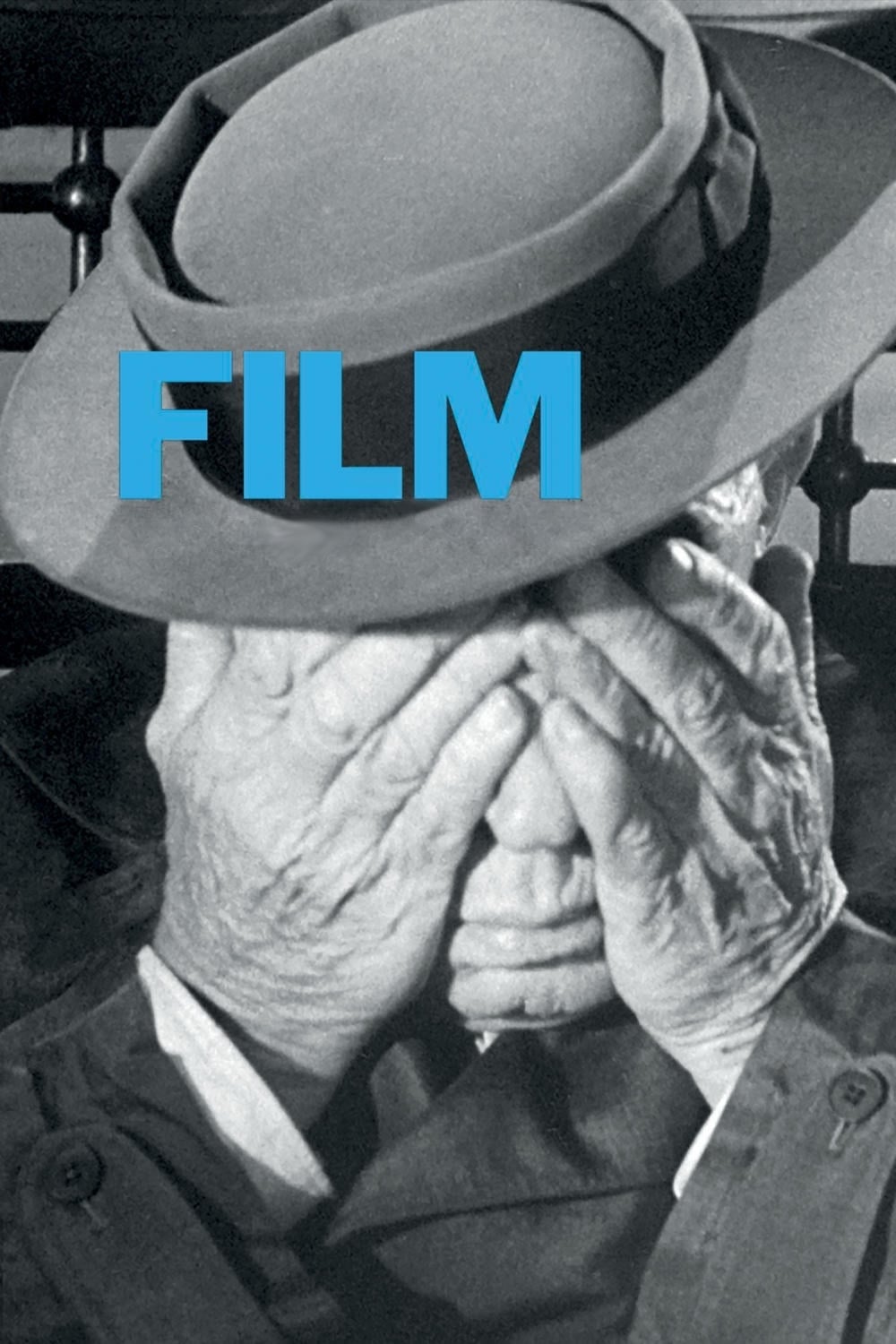
A man attempts to evade observation by an all-seeing eye.
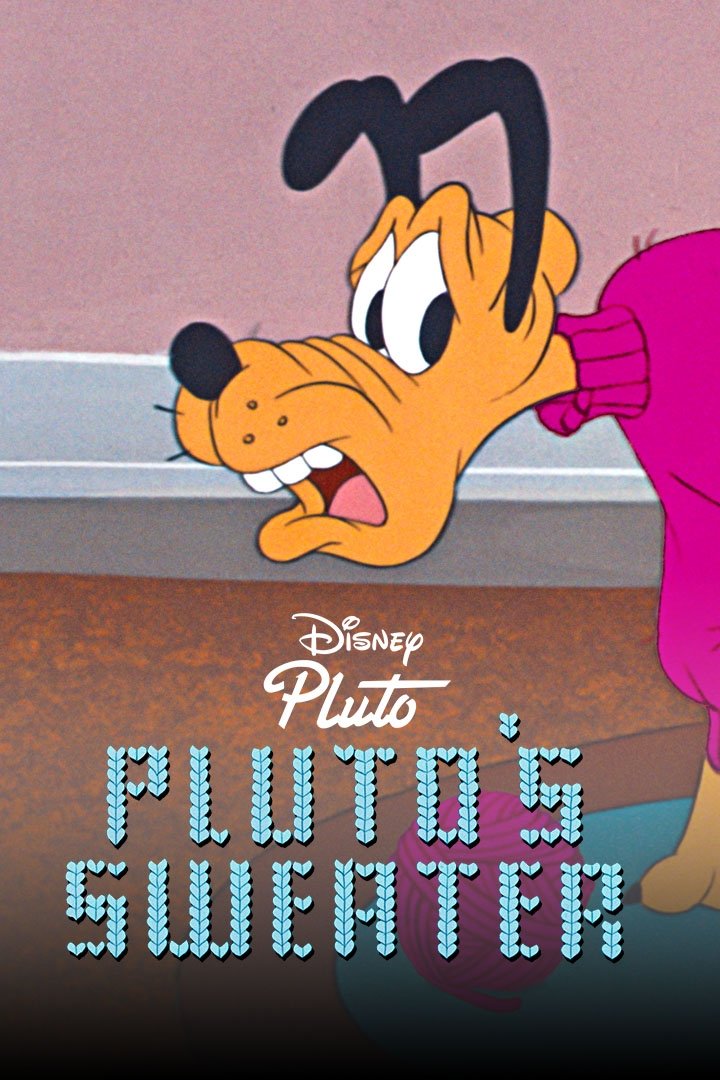
Minnie Mouse knits a sweater for Pluto. When she puts it on him, Pluto does whatever he can to try to get it off, eventually shrinking it to the perfect size for Figaro.
Featuring interviews with filmmakers and industry legends, discover the origins and evolution of The Joker, and learn why The Clown Prince of Crime is universally hailed as the greatest comic-book supervillain of all time.
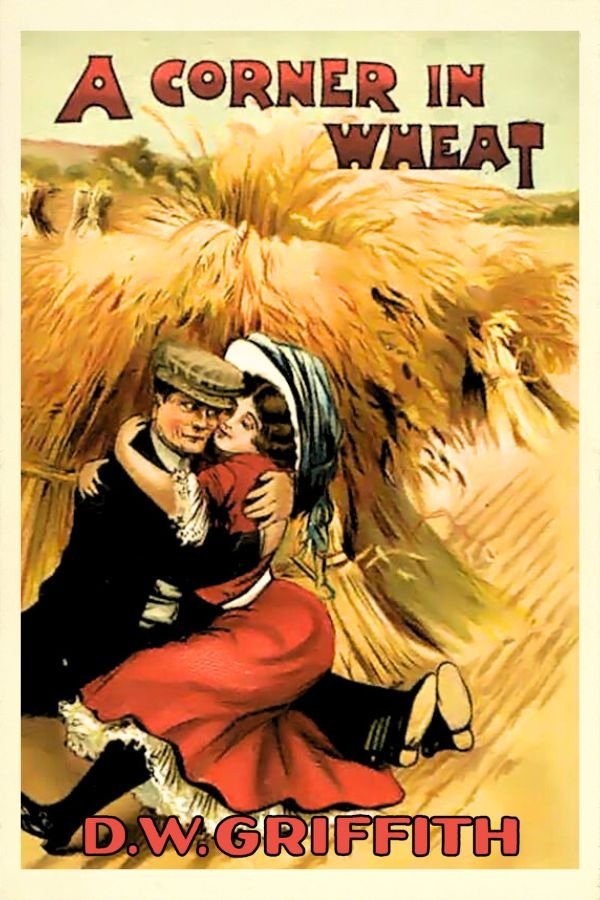
On a whim, a greedy tycoon decides to corner the world market in wheat. This doubles the price of bread, forcing grain producers into charity lines and others further into poverty. The film contrasts the differences between the lives of those who work to grow the wheat and the life of the man who dabbles in its sale for profit.
Amidst an old London clock shop, a small, quirky mantle clock comes to the aide of the store's more expensive clocks when a thief breaks in and threatens to steal them away.
Charlie, a sleep-deprived office worker accidentally produces a black hole out of the photocopy machine - and then he gets greedy...
Edna's father wants her to marry wealthy Count He-Ha. Charlie, Edna's true love, impersonates the Count at dinner, but the real Count shows up and Charlie is thrown out. Later on Charlie and Edna are chased by her father, The Count, and three policeman. The pursuers drive off a pier.
While changing clothes in a getaway car, escaped convicts Stan and Ollie mistakenly put on each other's pants. They spend the rest of the film trying to exchange pants in various unlikely settings.
Inexperienced waiters (Laurel & Hardy) are hired for a swank dinner party.
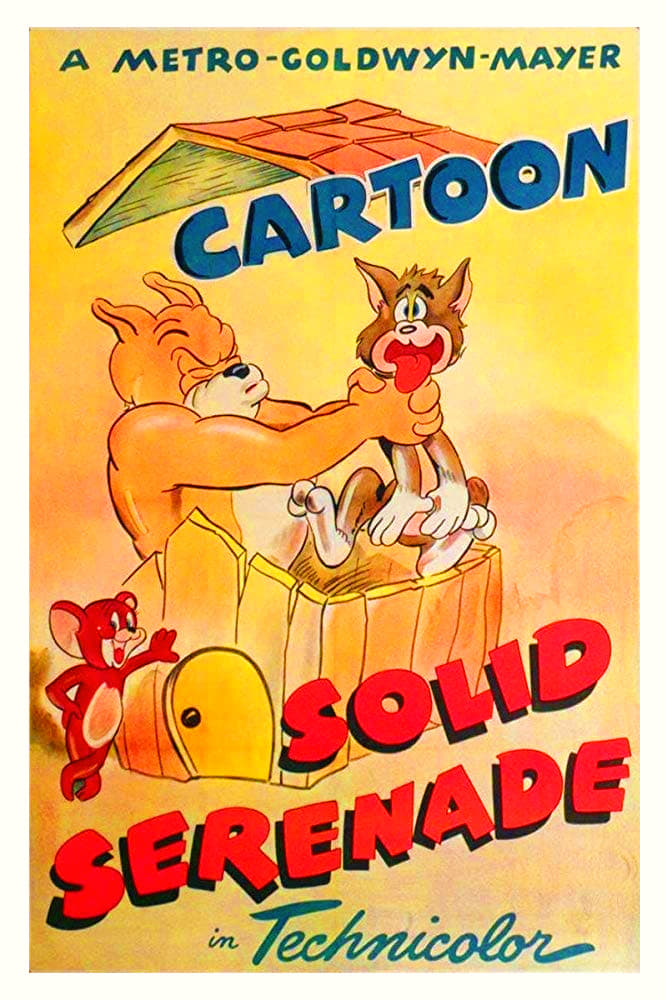
Tom ties up Spike and sneaks into the courtyard of the glamorous Toodles Galore with his bass, hoping to woo her with his song, much to the annoyance of a sleeping Jerry.
A visual representation, in four parts, of one man's internalization of "The Divine Comedy." Hell is a series of multicolored brush strokes against a white background; the speed of the changing images varies. "Hell Spit Flexion," or springing out of Hell, is on smaller film stock, taking the center of the frame. Montages of color move rapidly with a star and the edge of a lighted moon briefly visible. Purgation is back to full frame; blurs of color occasionally slow down then freeze. From time to time, an image, such as a window or a face, is distinguishable for a moment. In "existence is song," colors swirl then flash in and out of view. Behind the vivid colors are momentary glimpses of volcanic activity.
A man is supine on a mountain side. Images rush past of nature and a stained glass saint. An infant is born. We see a lactating nipple. Images include a mountain peak, farm buildings, a tree stump, a fire, a crawling baby, and the sun. The man falls and rolls. Then, later, he swings his ax.
Mickey's going golfing, and Pluto is his caddy. Besides the usual caddy duties, Pluto runs to the ball and points to it. But when the ball lands in a gopher hole, Pluto's got another task: chase the gopher. They eventually chase each other through a number of holes in a knoll where Mickey is trying to putt out, causing the knoll to collapse.
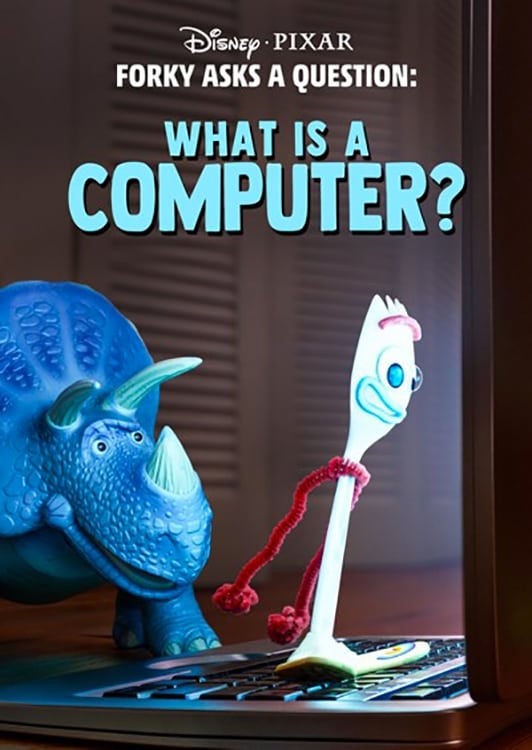
Trixie explains to Forky what a computer does as they experience the common stresses of technology.
Stan and Ollie are hired to build a house in just one day. When they are done, a bird lands on the house and it collapses. Naturally, the owner wants his money back.