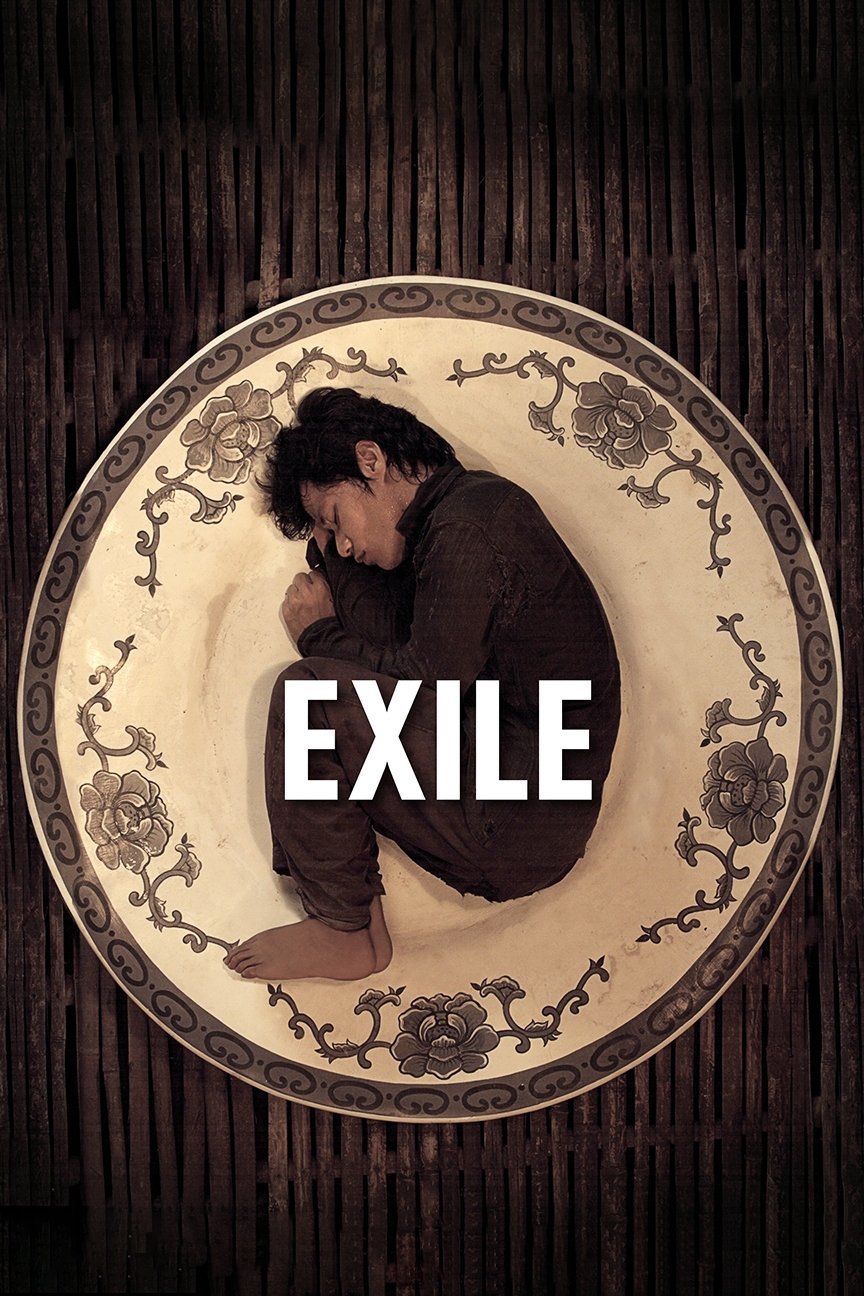
Exil is a visionary narration of the exile of Cambodians during the Red Khmer regime, during which the country was renamed Democratic Kampuchea.
Social & External
Unknown Role
Narrator (voice)
Nari and Sok make a promise to marry very soon, but prince Thamavong abducts the young woman to be his wife. While Sok tries to take back his beloved, the first wife of polygamous prince makes a very sad plan.
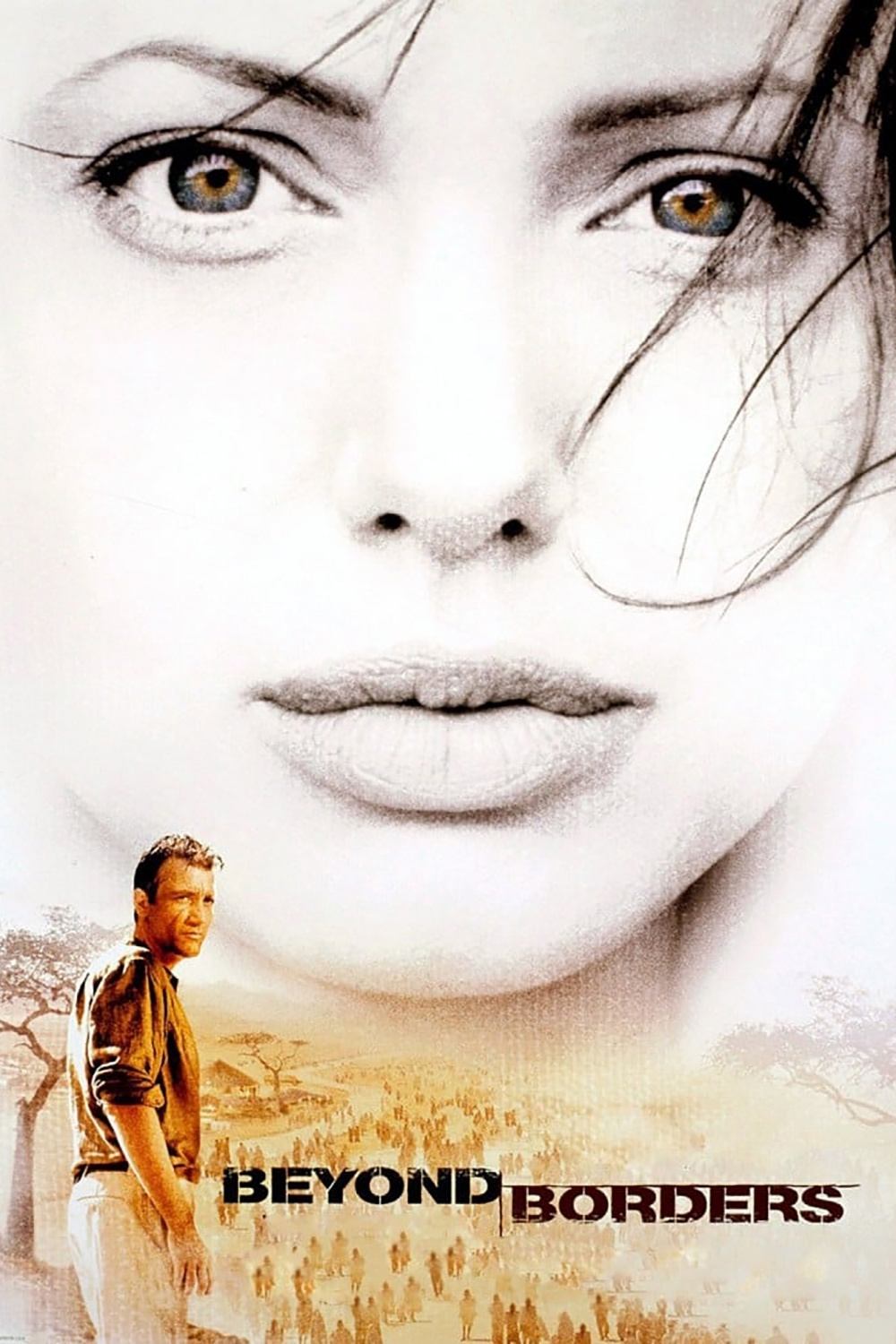
Sarah Jordan, an American living in London in 1984, is married to the son of a wealthy British industrialist. She encounters Nick Callahan, a renegade doctor, whose impassioned plea for help to support his relief efforts in war-torn Africa moves her deeply. As a result, Sarah embarks upon a journey of discovery that leads to danger, heartbreak and romance in the far corners of the world.
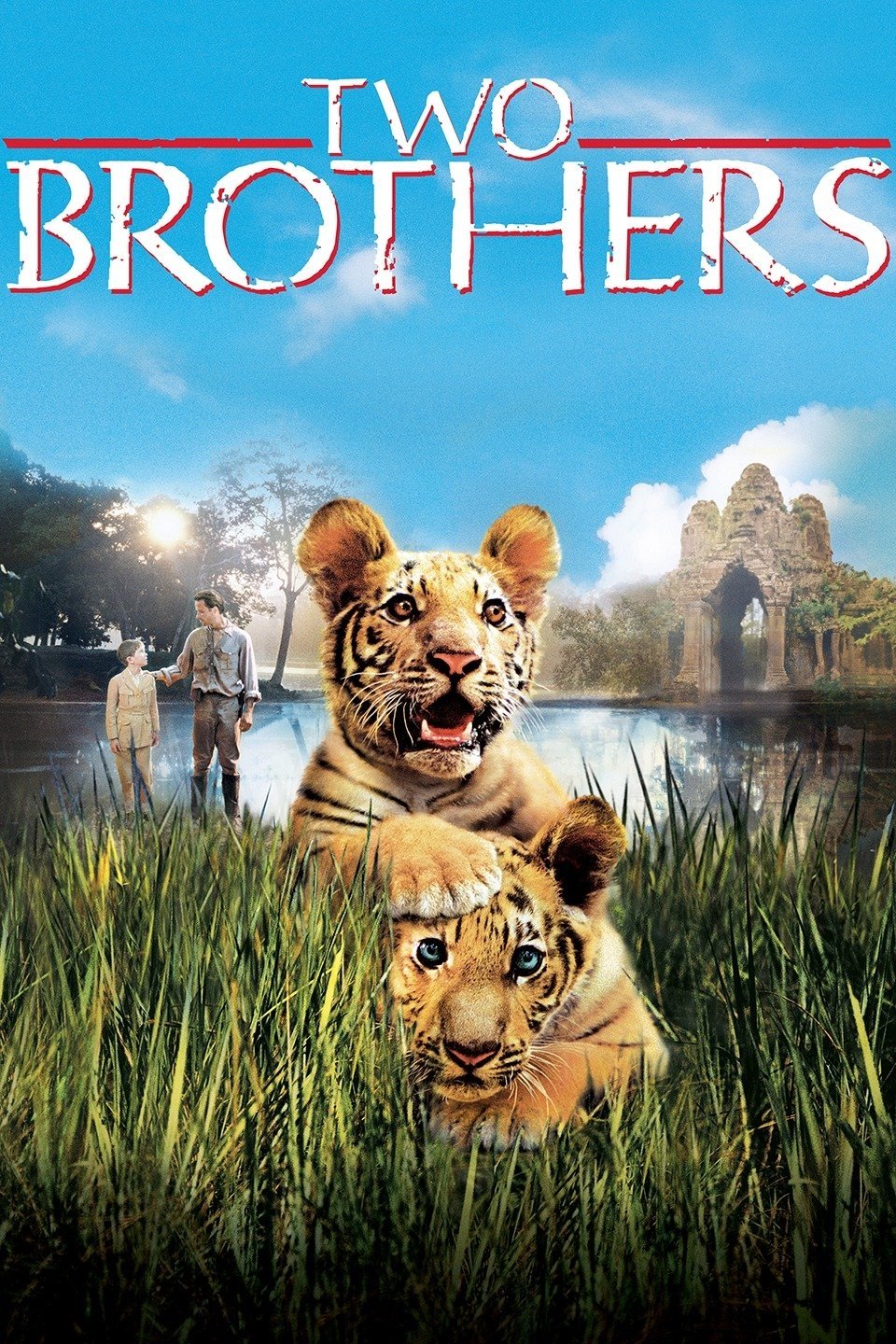
Two tigers are separated as cubs and taken into captivity, only to be reunited years later as enemies by an explorer (Pearce) who inadvertently forces them to fight each other.
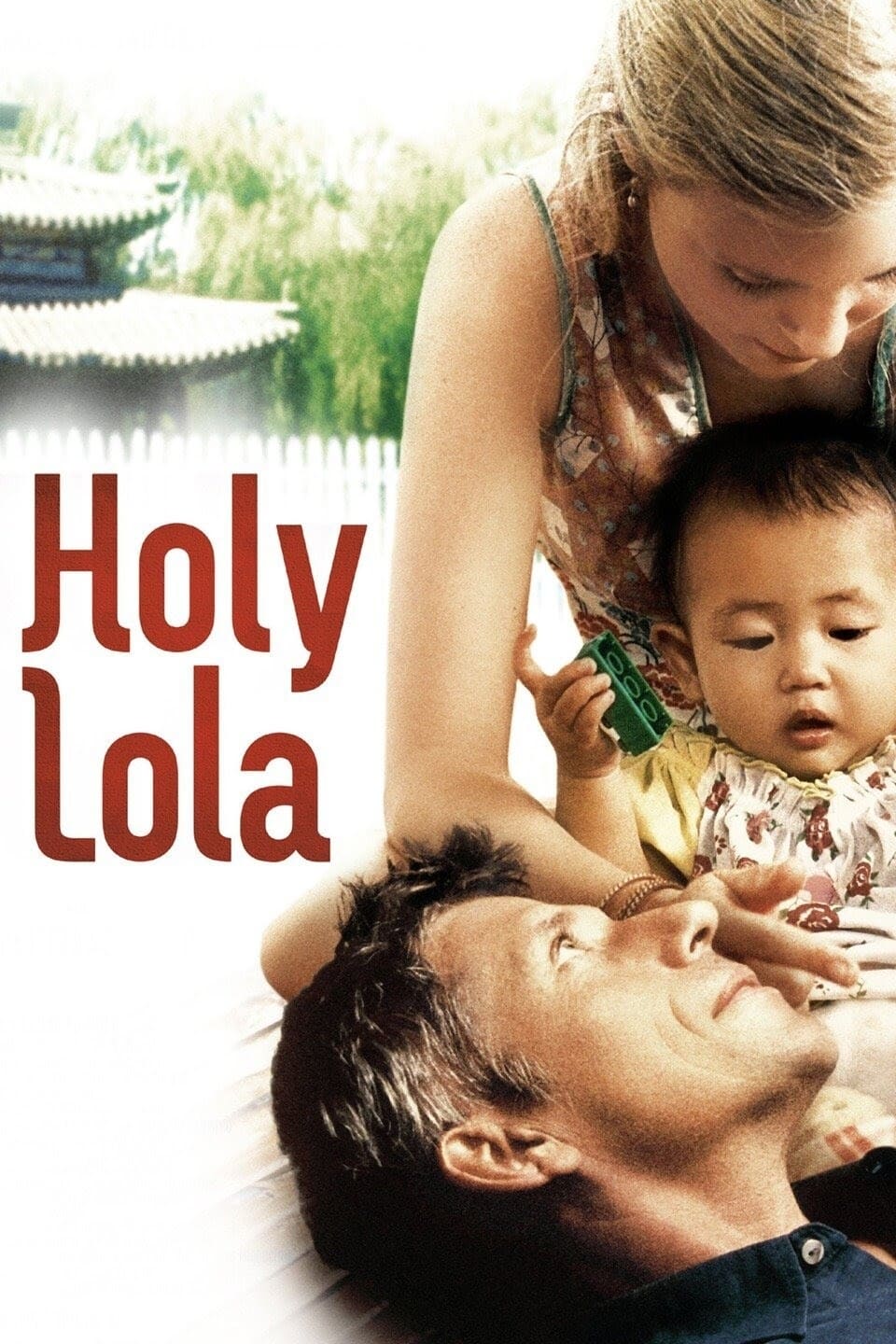
The story of a young couple, Pierre and Geraldine, and their desire for a child, which leads them on a journey of initiation to Cambodia. On their difficult and transformative adventure, they must contend with obstructive authorities and the jealousies and mistrust of a small community of would-be adoptive parents.
In 1972, during Cambodia's civil war, a sandstone statue was torn from the age-old Koh Ker temple. Measuring 1.58m high and weighing 110 kilos, it depicts a prince and belongs to a collection that retraces the epic of the Mahabharata. The sculpture was first sold at auction in London in 1975, via a strange British art dealer based in Bangkok, and reappeared in 2011 at Sotheby's in New York with a bid of $2.5 million. A sale that was ultimately prohibited. In the meantime, experts from the École française d'Extrême-Orient, an American lawyer commissioned by Phnom Penh and UNESCO mobilized the Heritage Police across the Atlantic to denounce the theft of a cultural asset. In 2013, the work was returned to Cambodia. A captivating investigation into the international mafia of antiquities trafficking.
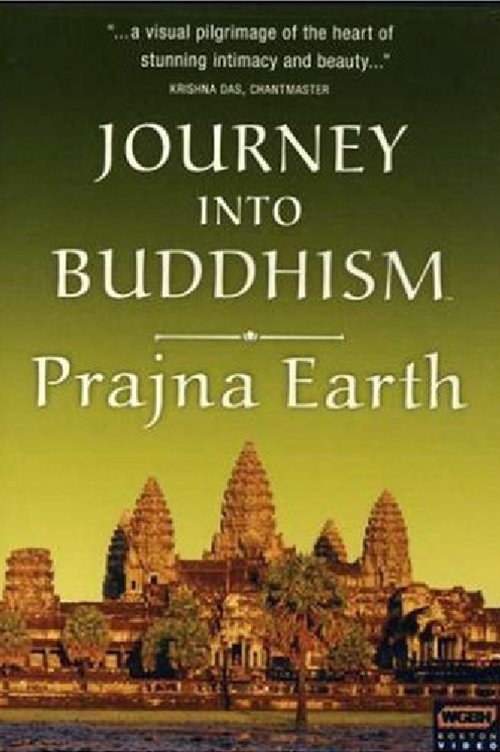
Prajna is the Sanskrit word for radiant wisdom, and yatra is the word for pilgrimage or spiritual journey. This visually stunning documentary is a cinematic pilgrimage exploring the lost civilization of Angkor in Cambodia, including the largest temple in the world, the magnificent Angkor Wat. The journey continues to sacred sites of the natural world, Hindu Bali, jungles of Java, and discovering Buddhist Borobudur. A John Bush film.
Aki Ra joined Pol Pot's murderous Khmer Rouge army at the age of nine. Twenty years later he roams the minefields of Cambodia in search of redemption. Armed only with a stick and a pocketknife Aki seeks out and destroys some of the six million landmines that infect his home. Shot in minefields, this film contains footage that reveals just how dangerous Aki Ra's obsession is.
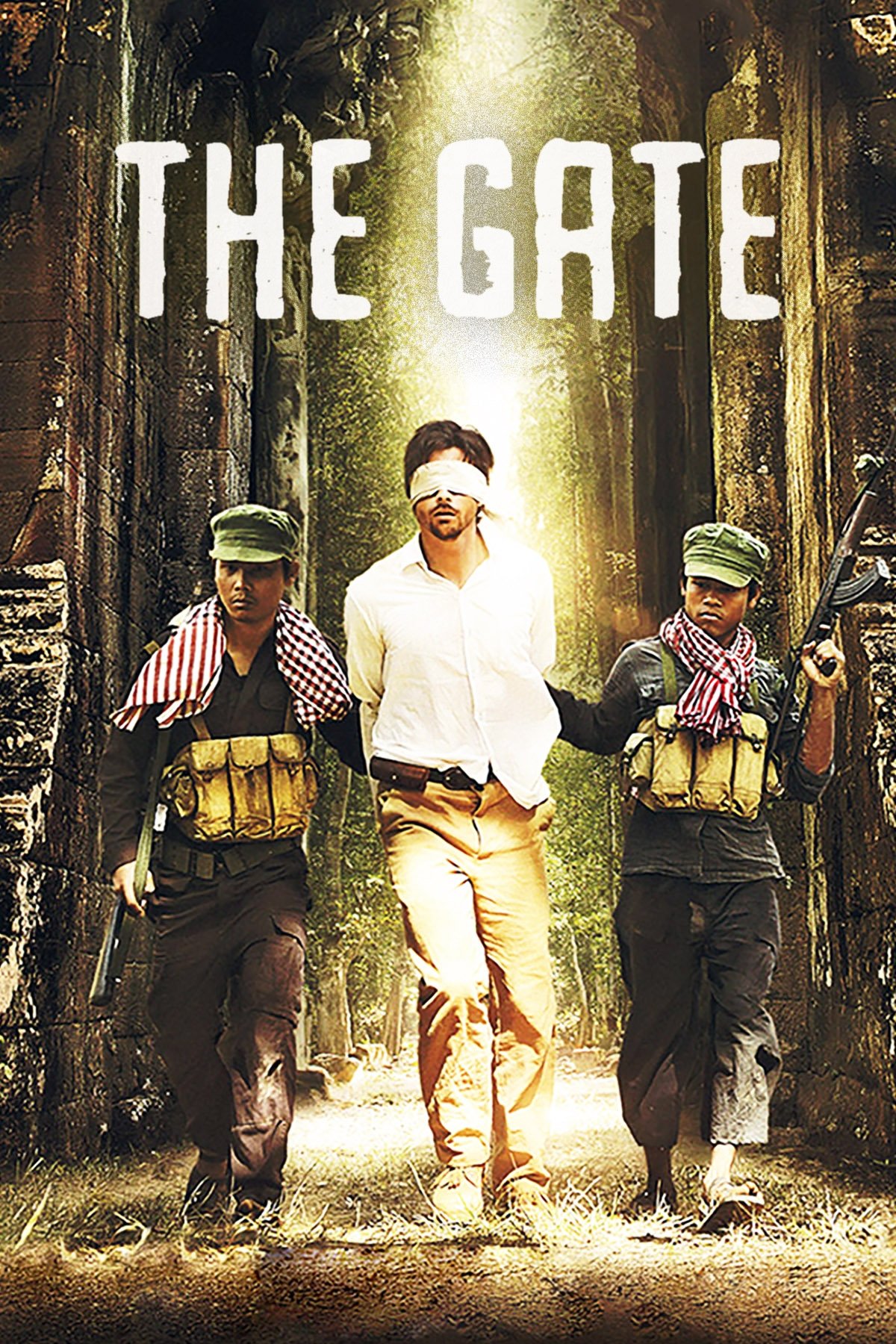
Two decades after forging an unlikely alliance in Pol Pot's Cambodia, a French ethnologist and a former Khmer Rouge official meet again after the latter is arrested for crimes against humanity.
The first ever Cambodian feature film.
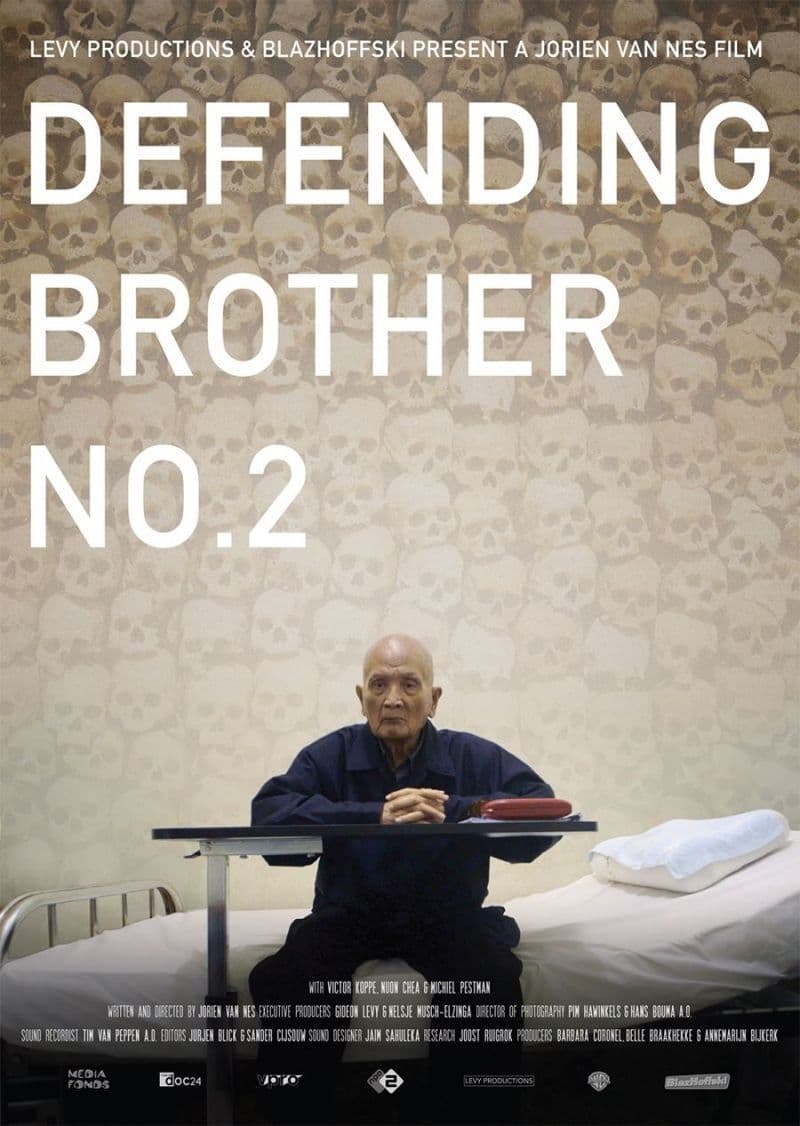
Two Dutch lawyers, Michiel Pestman and Victor Koppe, travel to Cambodia in 2011 to defend Nuon Chea in an international tribunal. Nuon Chea, also known as Brother No. 2, was the second man after Pol Pot in the Khmer Rouge regime. He is being charged with mass murder and crimes against humanity. For four years, the documentary follows the lawyers in their attempt to give this man a fair trial, but the UN tribunal is beset by local interests and a government which consists partly of other former members of the Khmer Rouge who would really like all of the blame to rest solely on the defendant. What should've been the crowning achievement in the careers of the lawyers turns out very different.
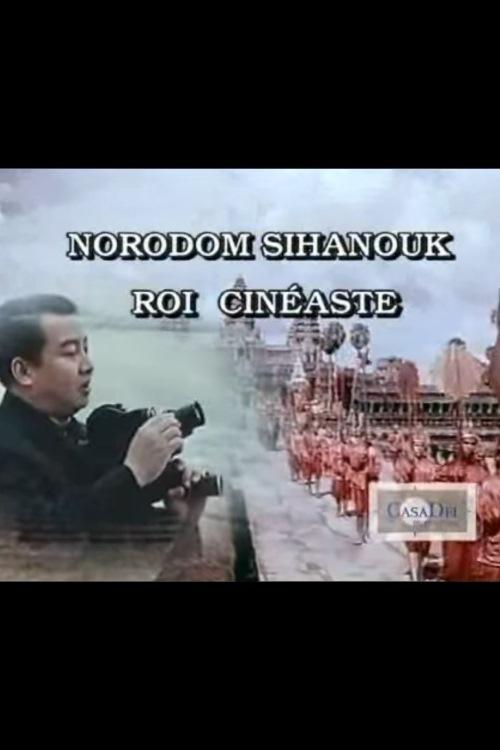
Profile of the Cambodian King Norodom Sihanouk, at the head of a country that has experienced colonization, the wars of the 20th century and the tragic period of the Khmers Rouge.
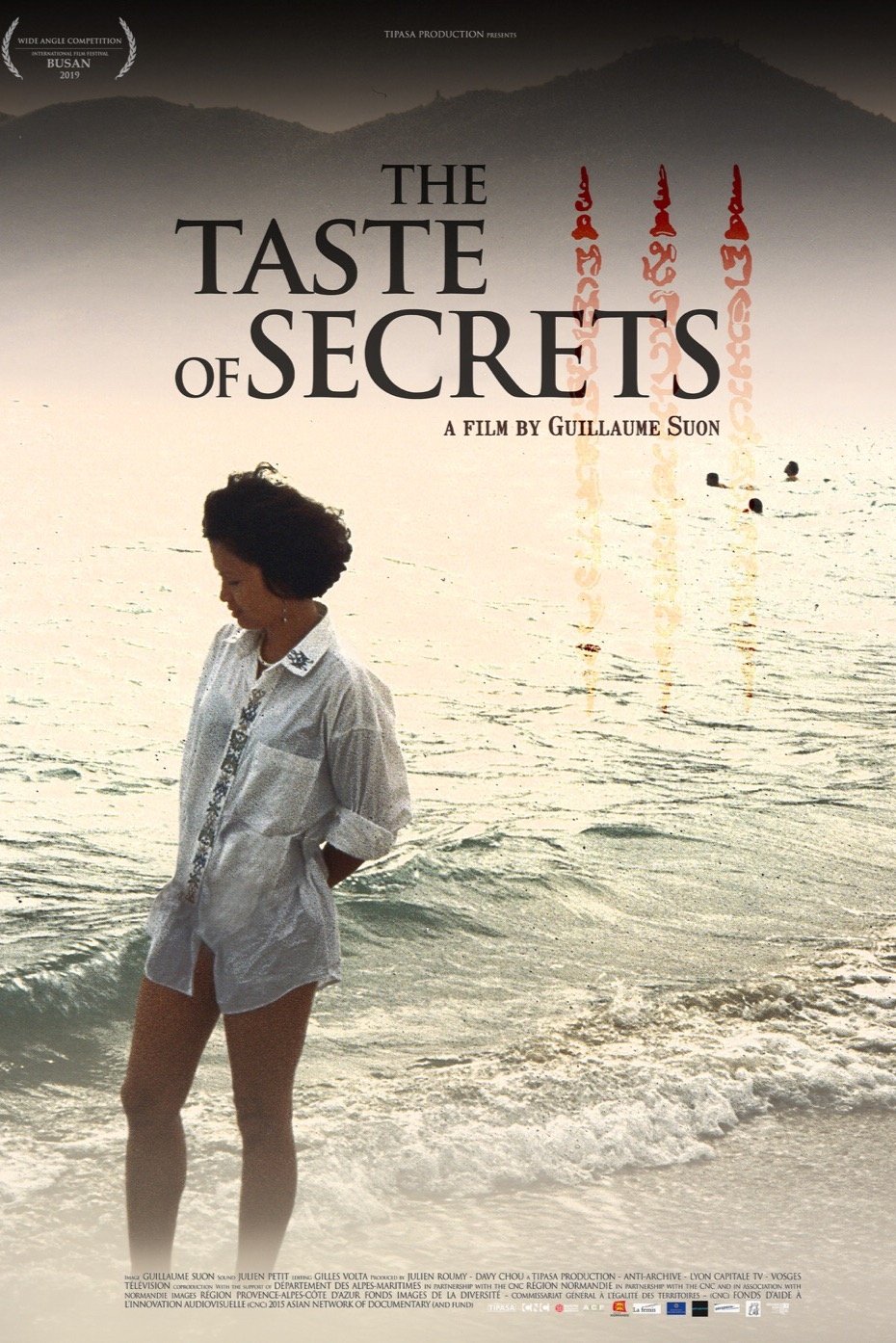
My mother always refused to speak about her childhood during the Cambodian genocide. Upset by her silence, my brother and I decide to follow Antoine, a grandson of Armenian genocide survivors, photographing the ghosts of his ancestors in the Middle East.
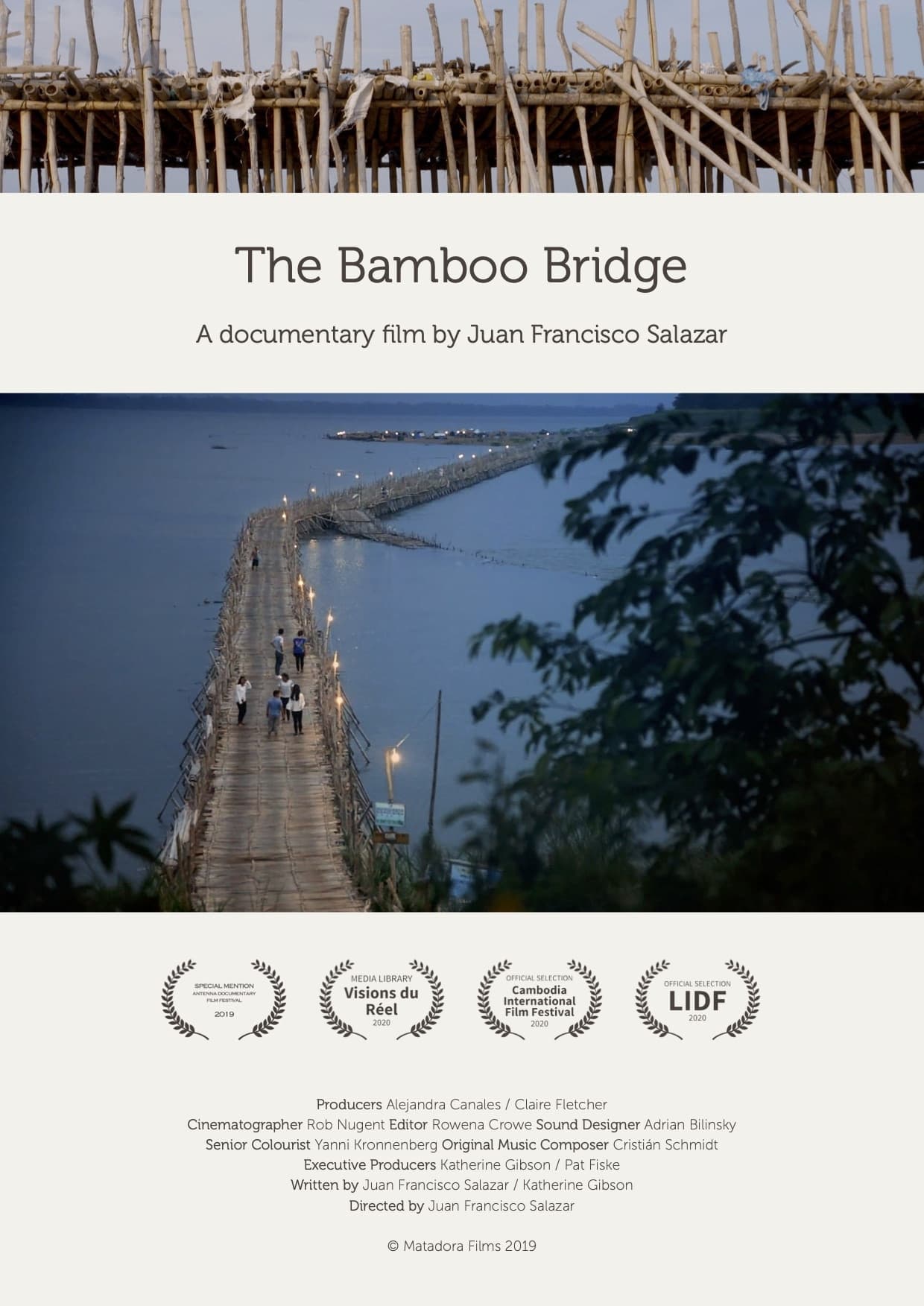
This documentary looks at the stories that take place around a unique 1.5 kilometre long bamboo bridge that for generations has been built every year following the rhythms of nature across the Mekong River to join the rural community of Koh Paen to the city of Kampong Cham in Cambodia.
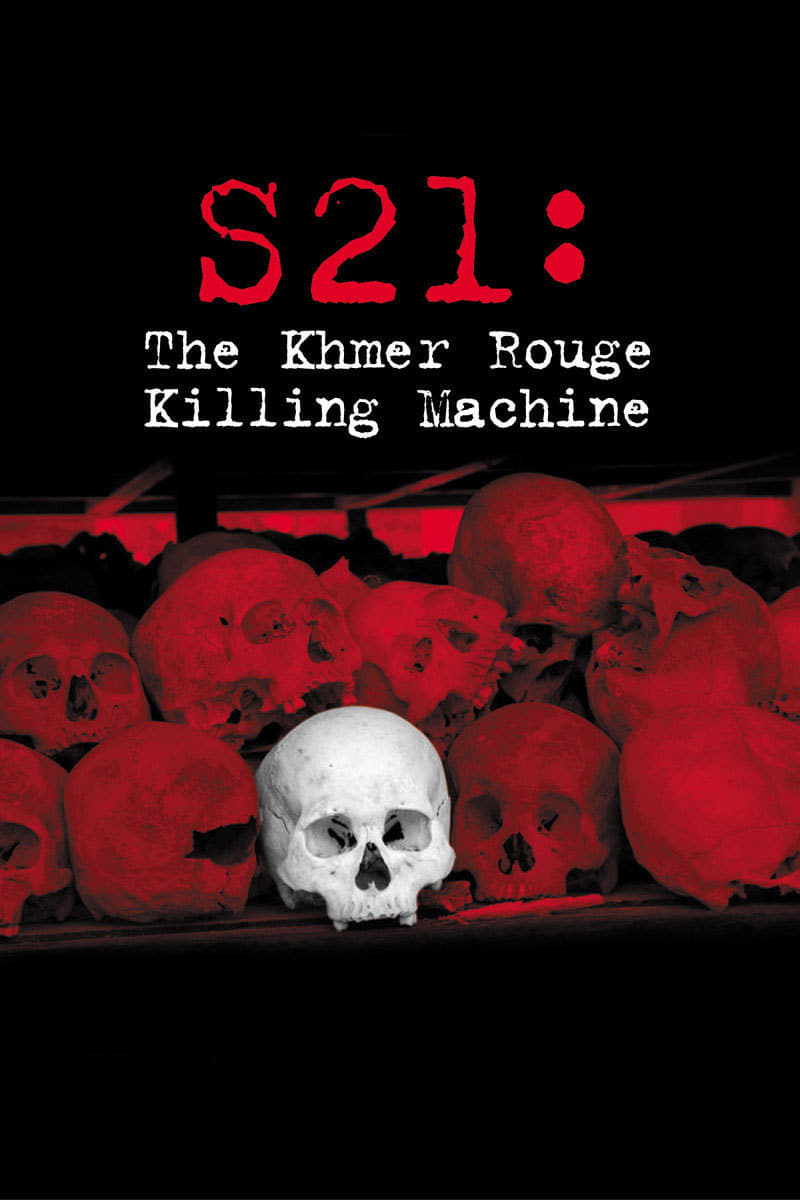
Documentary of the S-21 genocide prison in Phnom Penh with interviews of prisoners and guards. On the search for reasons why this could have happened.
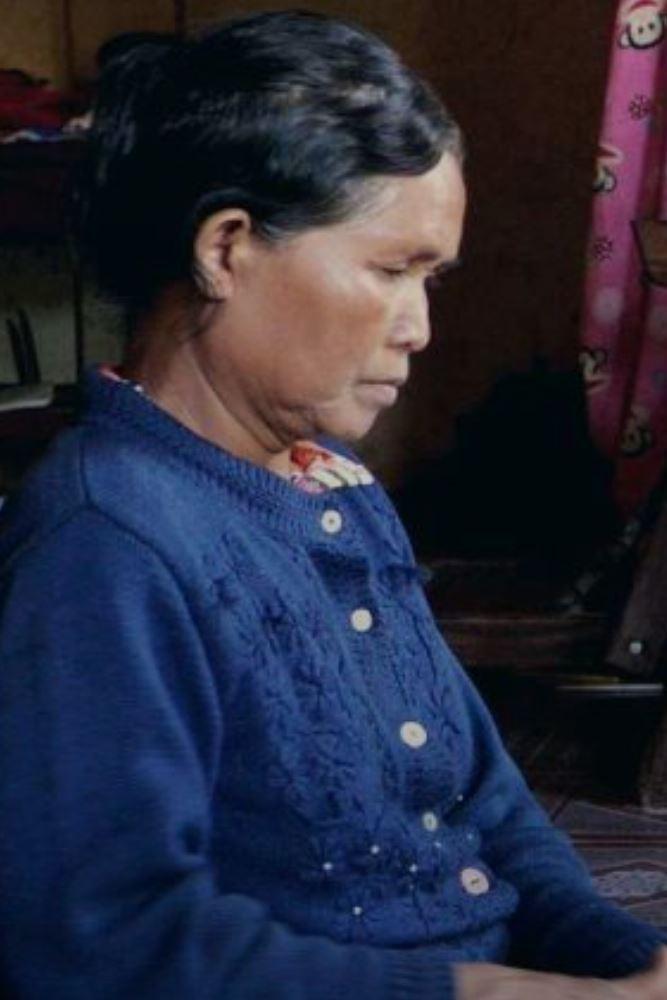
Through daily routines in a rural village, an indigenous elder couple recall their strange marriage to their grand-daughter, and sometimes to each other, in the changing rhythm of nature around them.
Documentary about Cambodia featuring a long interview with Pol Pot
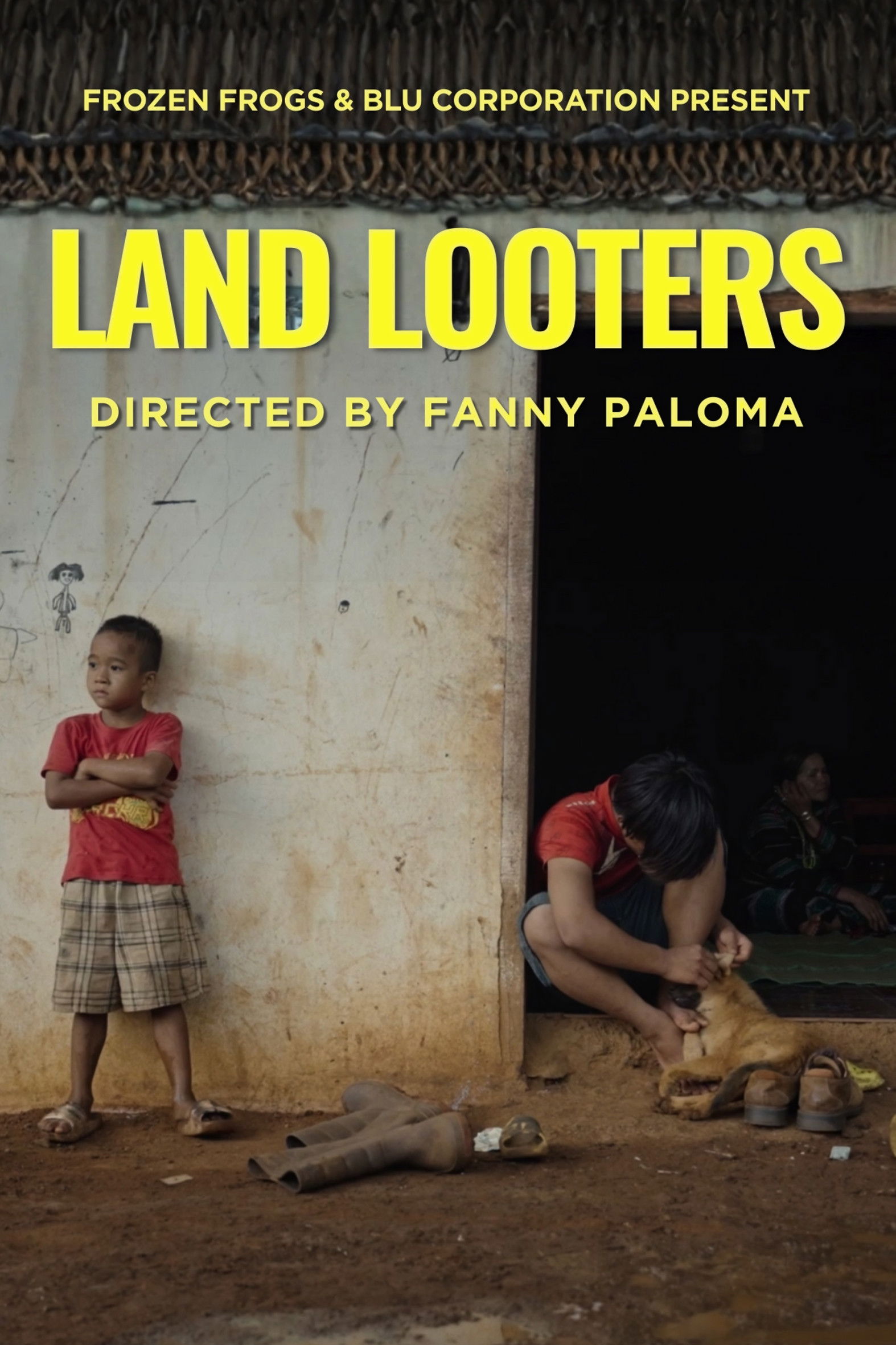
Part travelogue and part sensitive investigation, the movie tells the universal story of people who refuse to be erased, reminding us that defending the Earth means defending life.
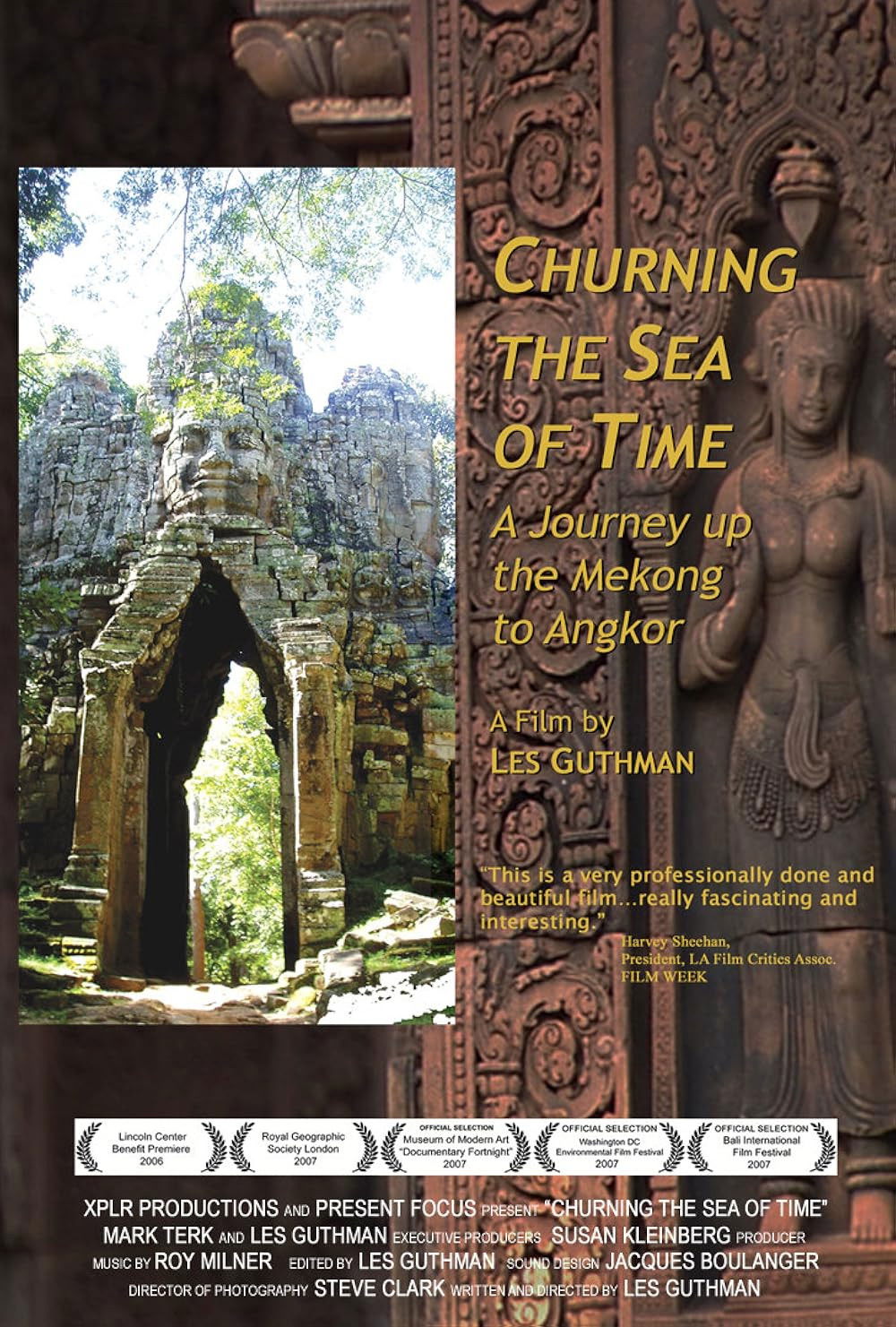
One of the mythic journeys of our time, through the exquisite, complicated, surprising terrain of Vietnam and Cambodia to the great ruins at Angkor - the magnificent Khmer temples being painstakingly restored deep in the Cambodian jungle. It is a high definition odyssey up a river far distanced in time from the corridor into the heart of darkness portrayed in Francis Coppola's "Apocalypse Now." In Angkor, the World Monuments Fund's John Stubbs and John Sanday describe their 15-year restoration of one of the jewels of a city called "the eighth wonder of the world." As we go inside the 12th Century temple complex of Preah Khan, along with the other major sites of Angkor Wat, Bayon and Banteay Srei, we learn that the story of their work in Angkor is not only a story of the rebirth of Angkor after the horrors of the Khmer Rouge Era, but it also is a story of the rebirth of Cambodia.
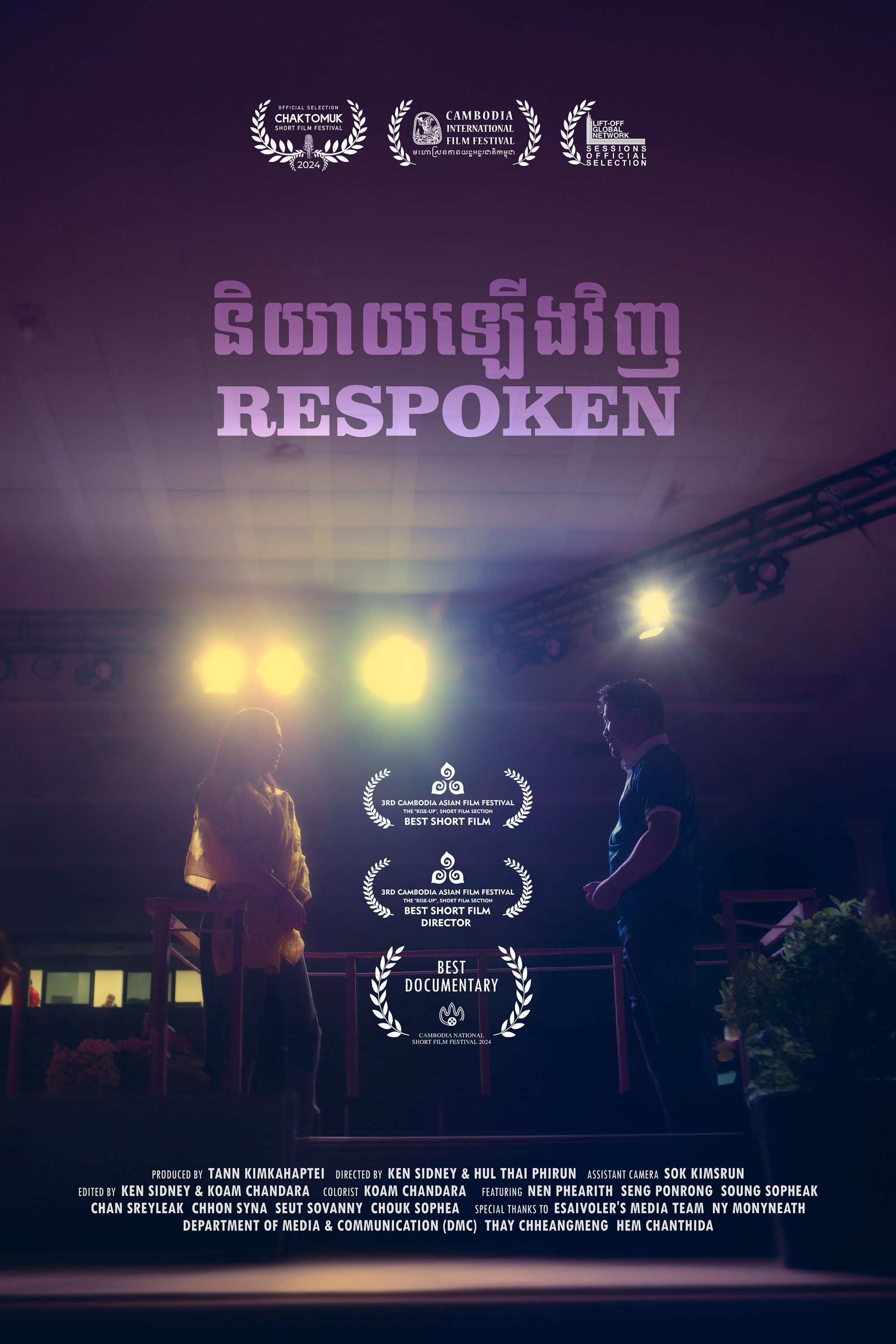
Short-documentary about a visionary actor and his team fight to revive Lakhon Niyeay (Spoken Theater) in Cambodia, facing personal and professional challenges, as he prepares for a major show after six years amidst an uncertain future.
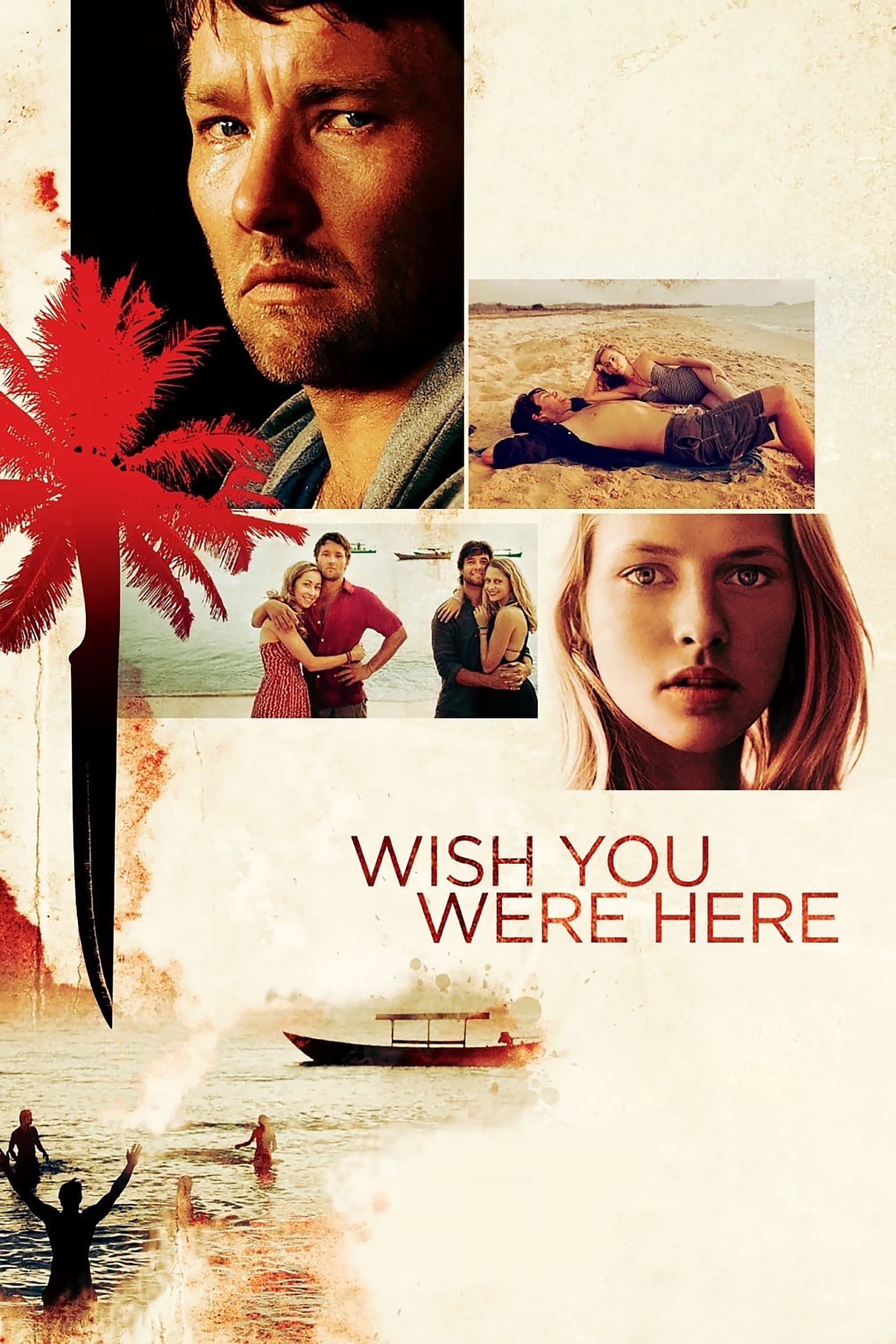
Four friends lose themselves in a carefree South-East Asian holiday. Only three come back. Dave and Alice return home to their young family desperate for answers about Jeremy's mysterious disappearance. When Alice's sister Steph returns not long after, a nasty secret is revealed about the night her boyfriend went missing. But it is only the first of many. Who amongst them knows what happened on that fateful night when they were dancing under a full moon in Cambodia?
In the Realms of the Unreal is a documentary about the reclusive Chicago-based artist Henry Darger. Henry Darger was so reclusive that when he died his neighbors were surprised to find a 15,145-page manuscript along with hundreds of paintings depicting The Story of the Vivian Girls, in What is Known as the Realms of the Unreal, of the Glodeco-Angelinnian War Storm, Cased by the Child Slave Rebellion.
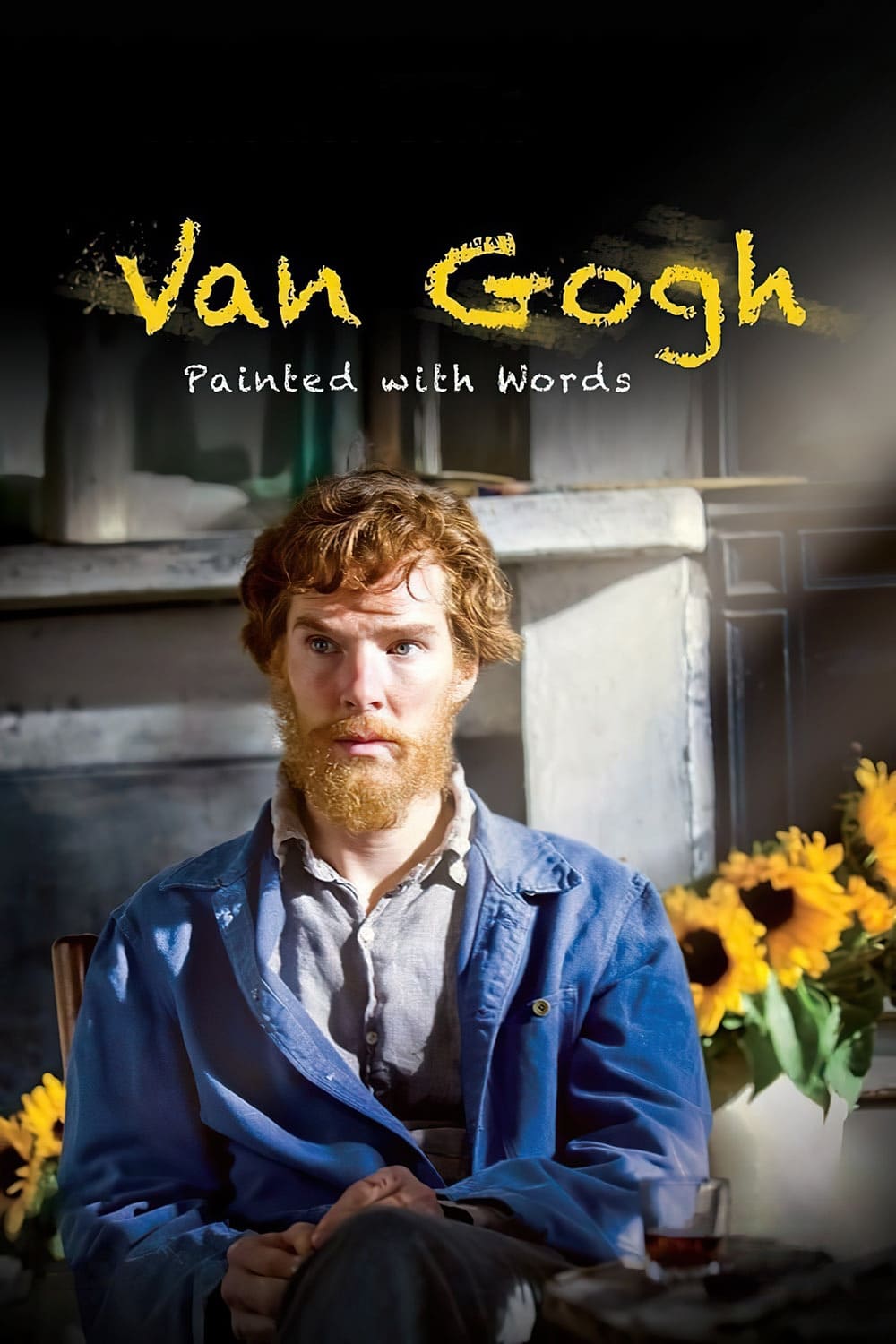
A drama-documentary presented by Alan Yentob, with Benedict Cumberbatch in the lead role. Every word spoken by the actors in this film is sourced from the letters that Van Gogh sent to his younger brother Theo, and of those around him. What emerges is a complex portrait of a sophisticated, civilised and yet tormented man.
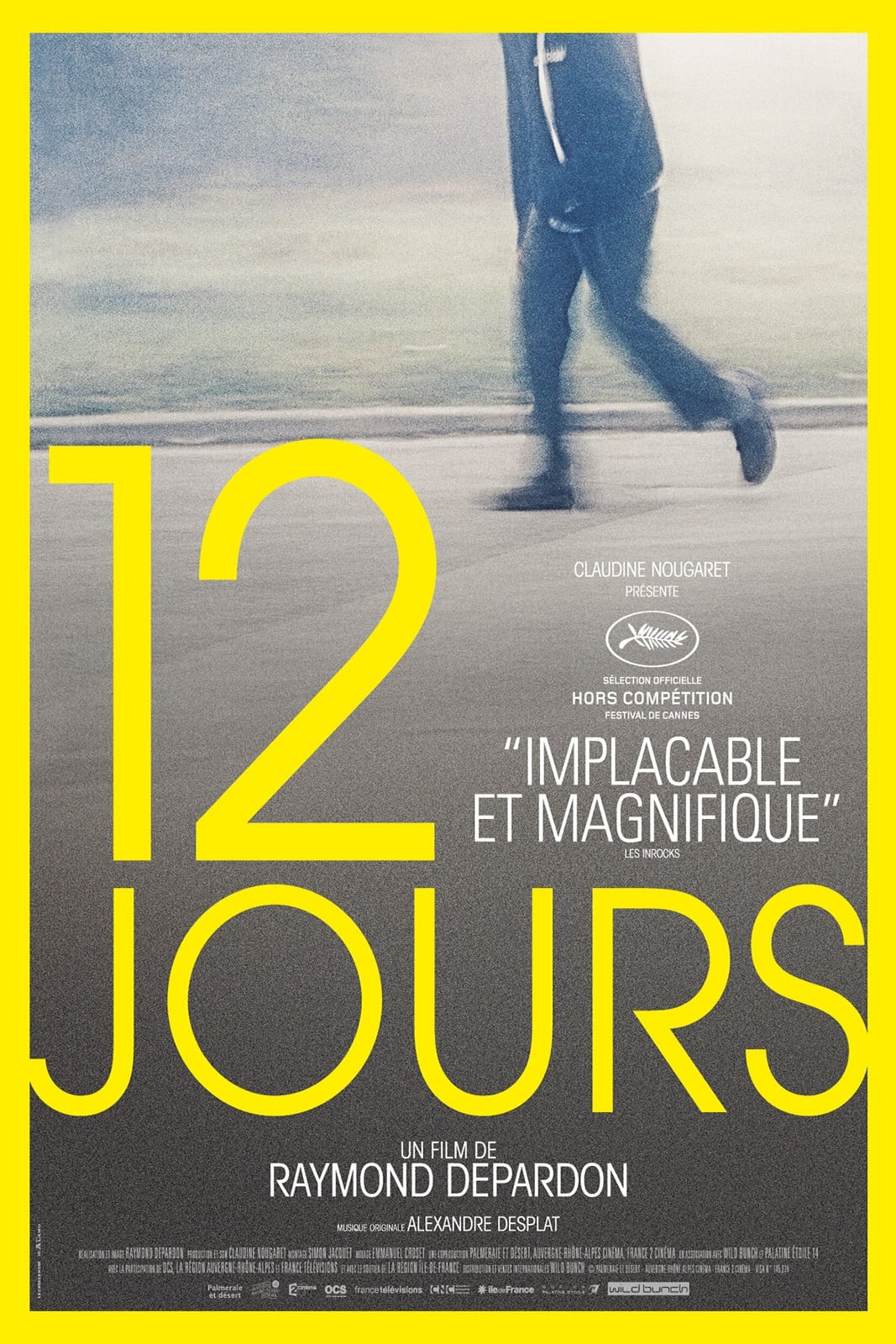
A new documentary by filmmaker-photographer Raymond Depardon – where justice and psychiatry meet.
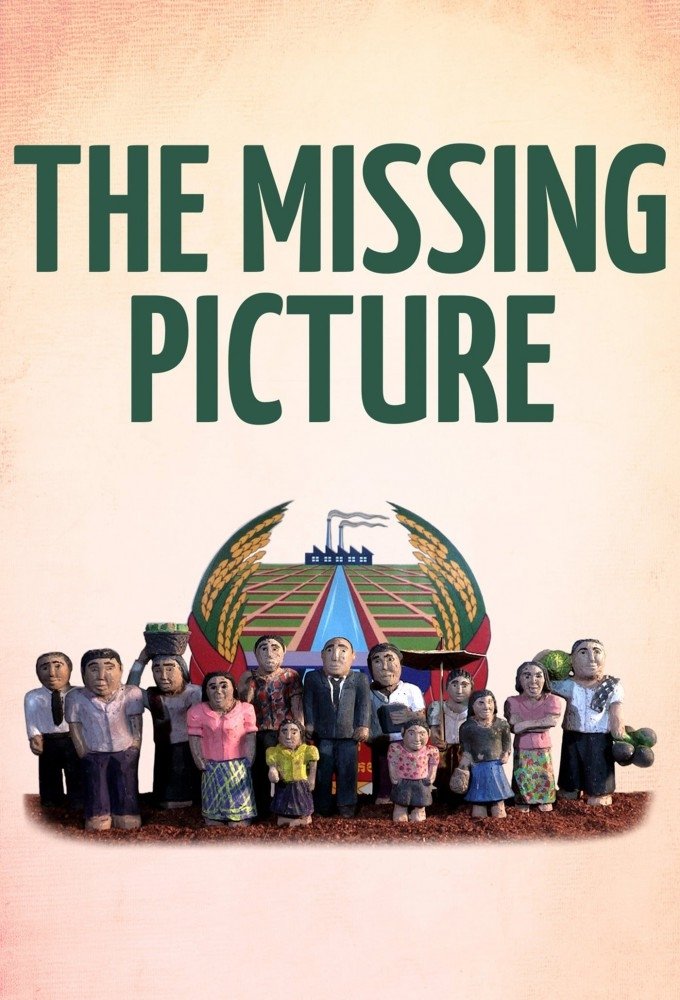
Rithy Panh uses clay figures, archival footage, and his narration to recreate the atrocities Cambodia's Khmer Rouge committed between 1975 and 1979.
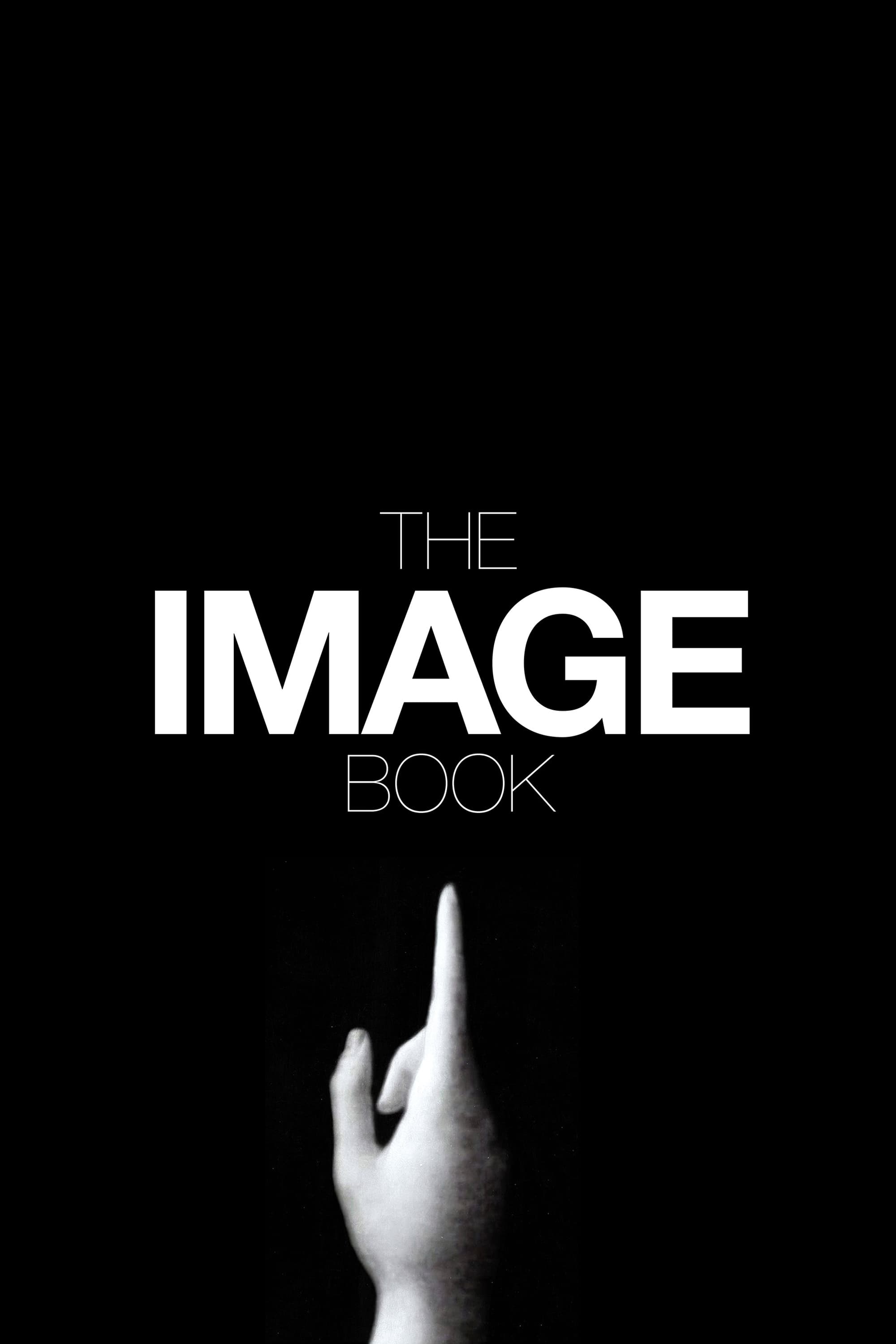
In Le Livre d’Image, Jean-Luc Godard recycles existing images (films, documentaries, paintings, television archives, etc.), quotes excerpts from books, uses fragments of music. The driving force is poetic rhyme, the association or opposition of ideas, the aesthetic spark through editing, the keystone. The author performs the work of a sculptor. The hand, for this, is essential. He praises it at the start. “There are the five fingers. The five senses. The five parts of the world (…). The true condition of man is to think with his hands. Jean-Luc Godard composes a dazzling syncopation of sequences, the surge of which evokes the violence of the flows of our contemporary screens, taken to a level of incandescence rarely achieved. Crowned at Cannes, the last Godard is a shock film, with twilight beauty.
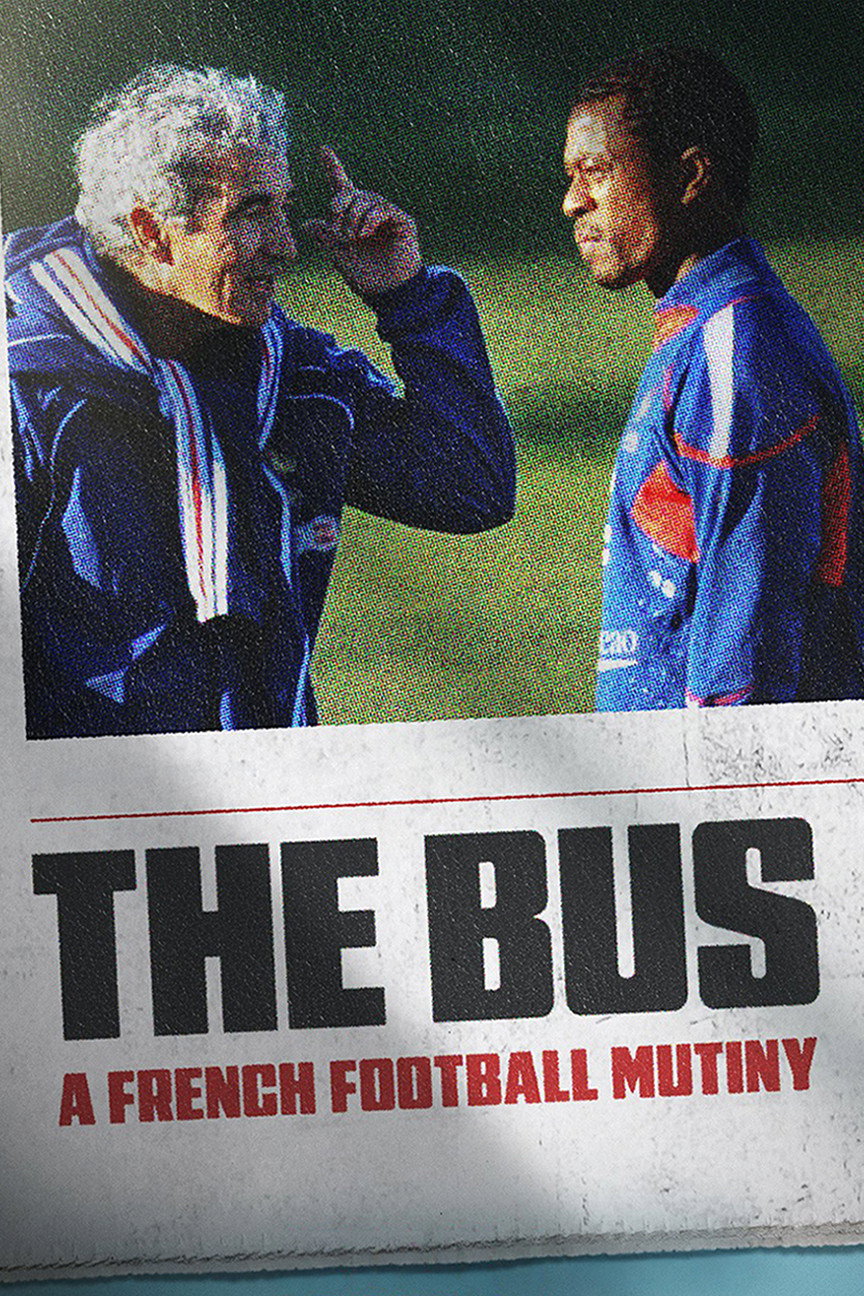
This documentary revisits the French football team's controversial 2010 World Cup and the bus strike that sparked global headlines and national outrage.
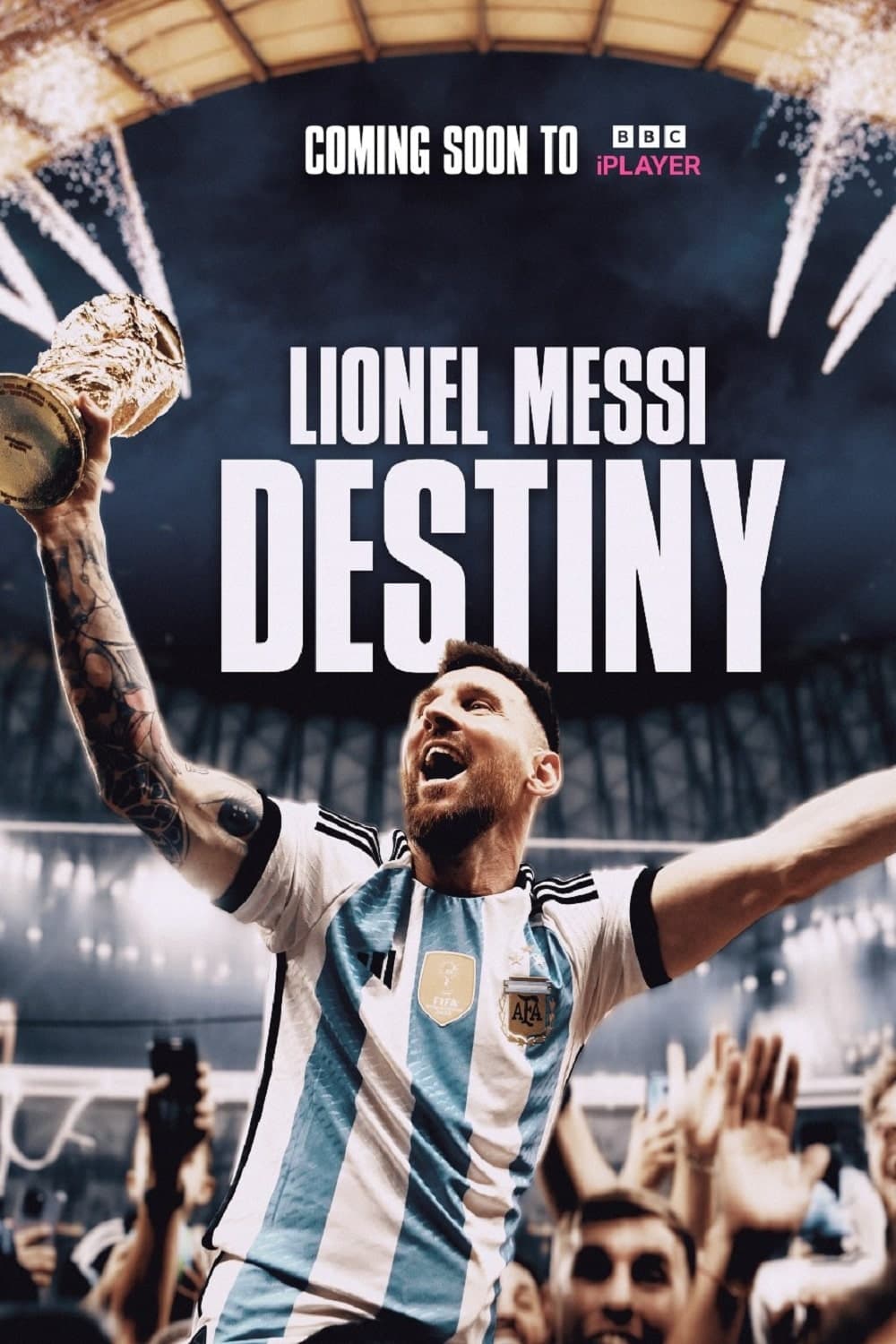
Behind-the-scenes documentary about how Lionel Messi succeeded in lifting the World Cup – the only trophy to have eluded him in an incredible career.
Alexander McQueen's rags-to-riches story is a modern-day fairy tale, laced with the gothic. Mirroring the savage beauty, boldness and vivacity of his design, this documentary is an intimate revelation of McQueen's own world, both tortured and inspired, which celebrates a radical and mesmerizing genius of profound influence.
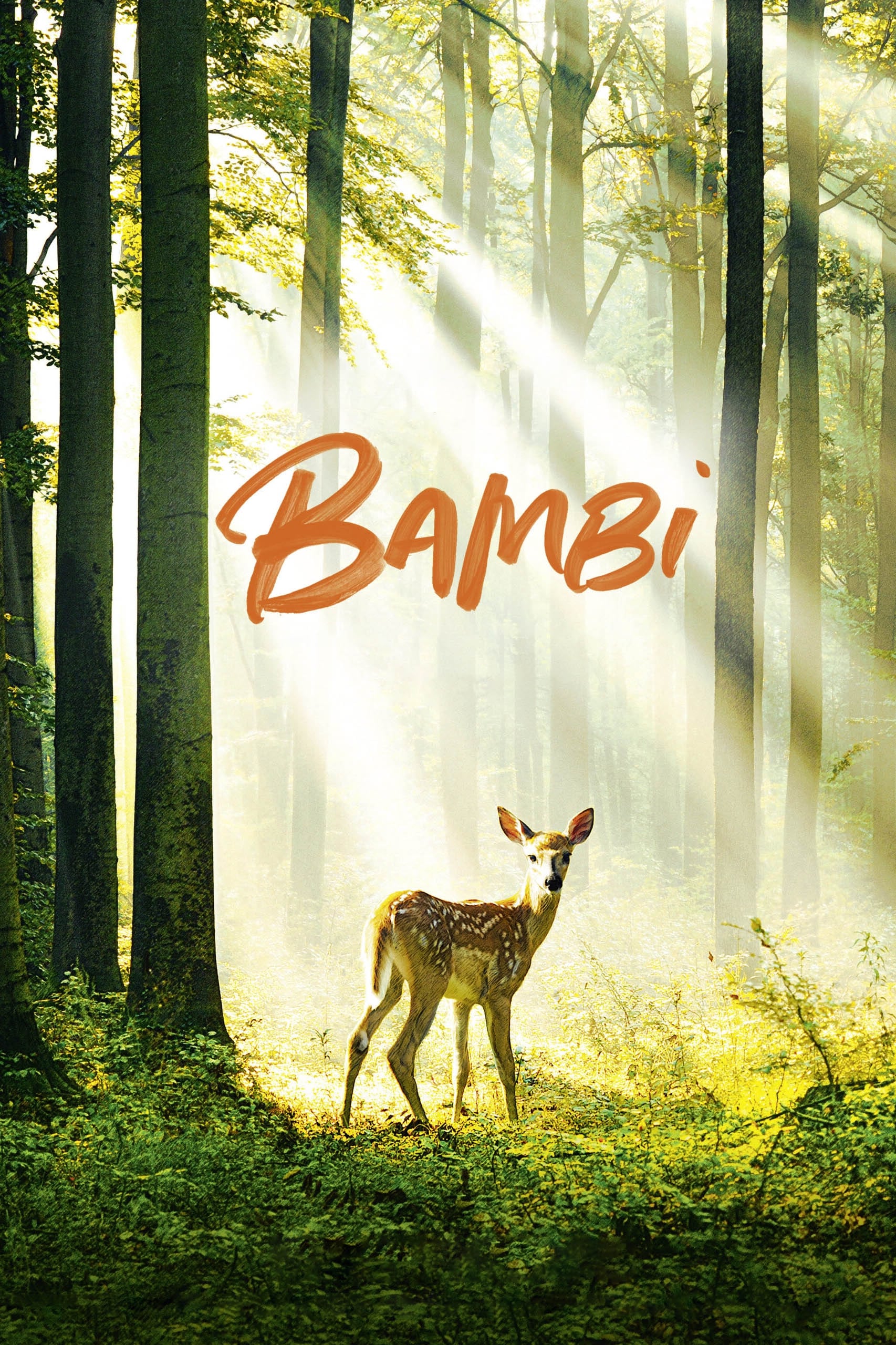
The life of Bambi, a male roe deer, from his birth through childhood, the loss of his mother, the finding of a mate, the lessons he learns from his father, and the experience he gains about the dangers posed by human hunters in the forest.
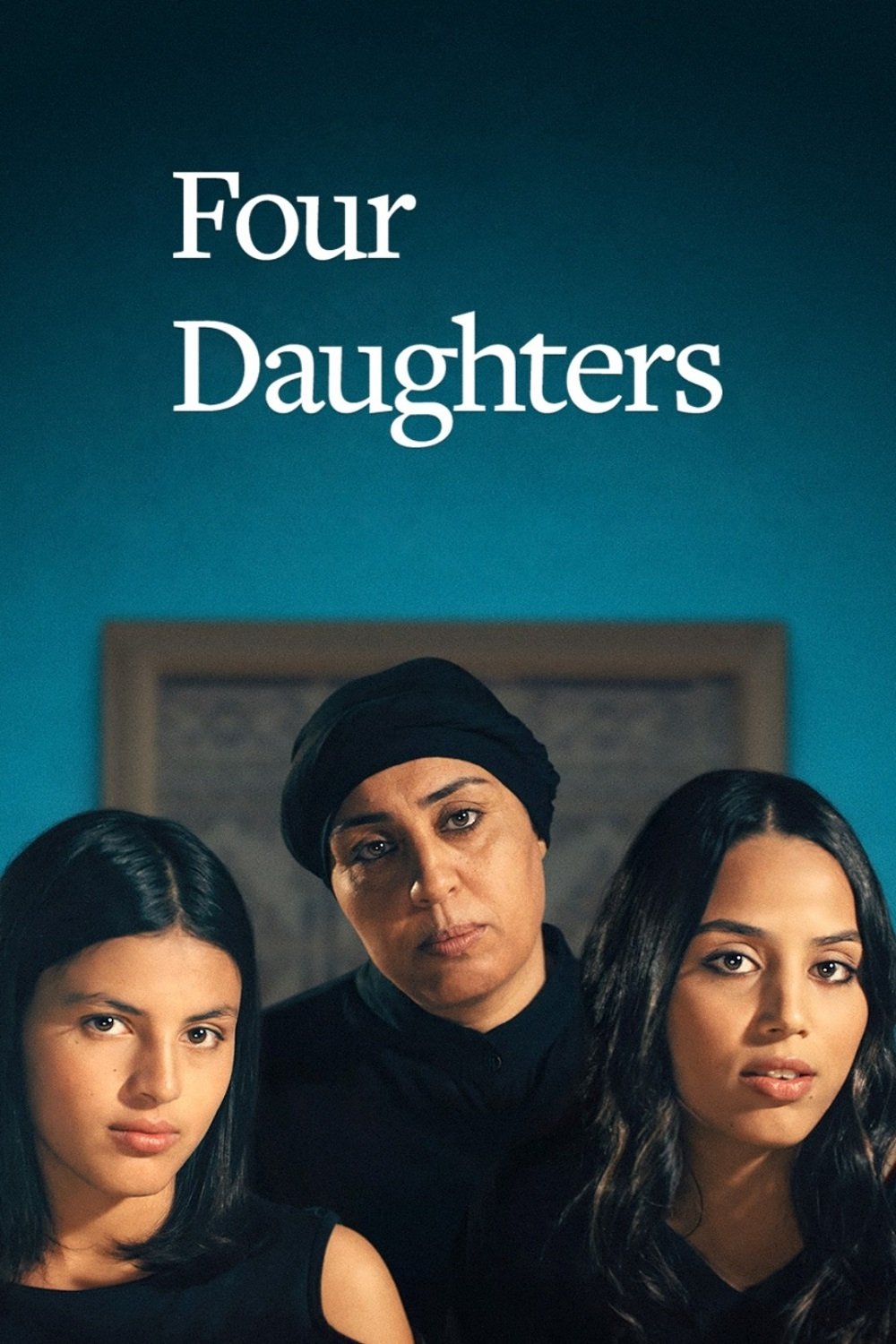
Between light and darkness stands Olfa, a Tunisian woman and the mother of four daughters. One day, her two older daughters disappear. To fill in their absence, the filmmaker Kaouther Ben Hania invites professional actresses and invents a unique cinema experience that will lift the veil on Olfa and her daughters' life stories. An intimate journey of hope, rebellion, violence, transmission and sisterhood that will question the very foundations of our societies.
A documentary on the expletive's origin, why it offends some people so deeply, and what can be gained from its use.
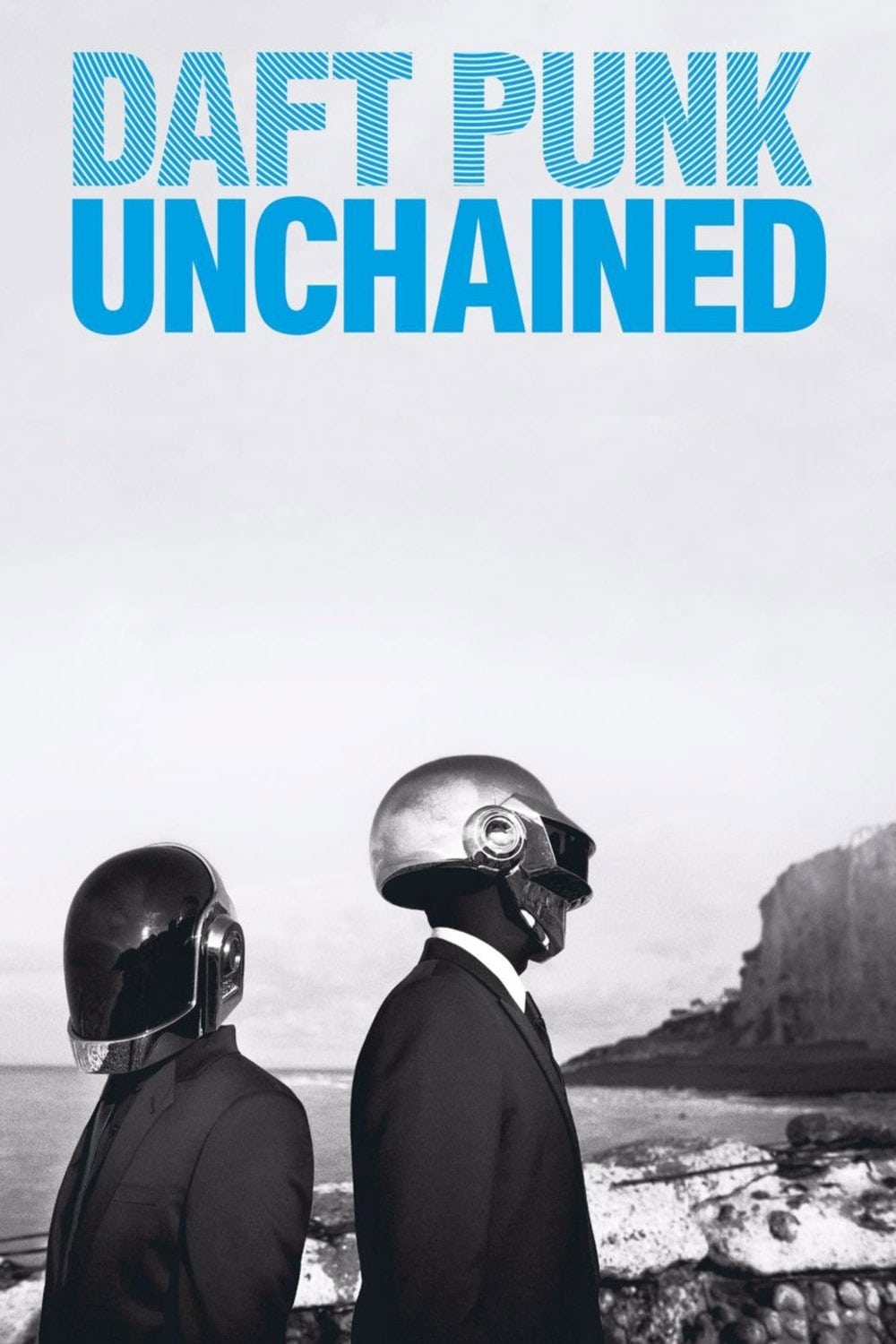
Daft Punk Unchained is the first film about the pop culture phenomenon that is Daft Punk, the duo with 12 million albums sold worldwide and seven Grammy Awards. Throughout their career Thomas Bangalter and Guy-Manuel de Homem-Christo have always resisted compromise and the established codes of show business. They have remained determined to maintain control of every link in the chain of their creative process. In the era of globalisation and social networks, they rarely speak in public and neither do they show their faces on TV. This documentary explores this unprecedented cultural revolution revealing a duo of artists on a permanent quest for creativity, independence and freedom.
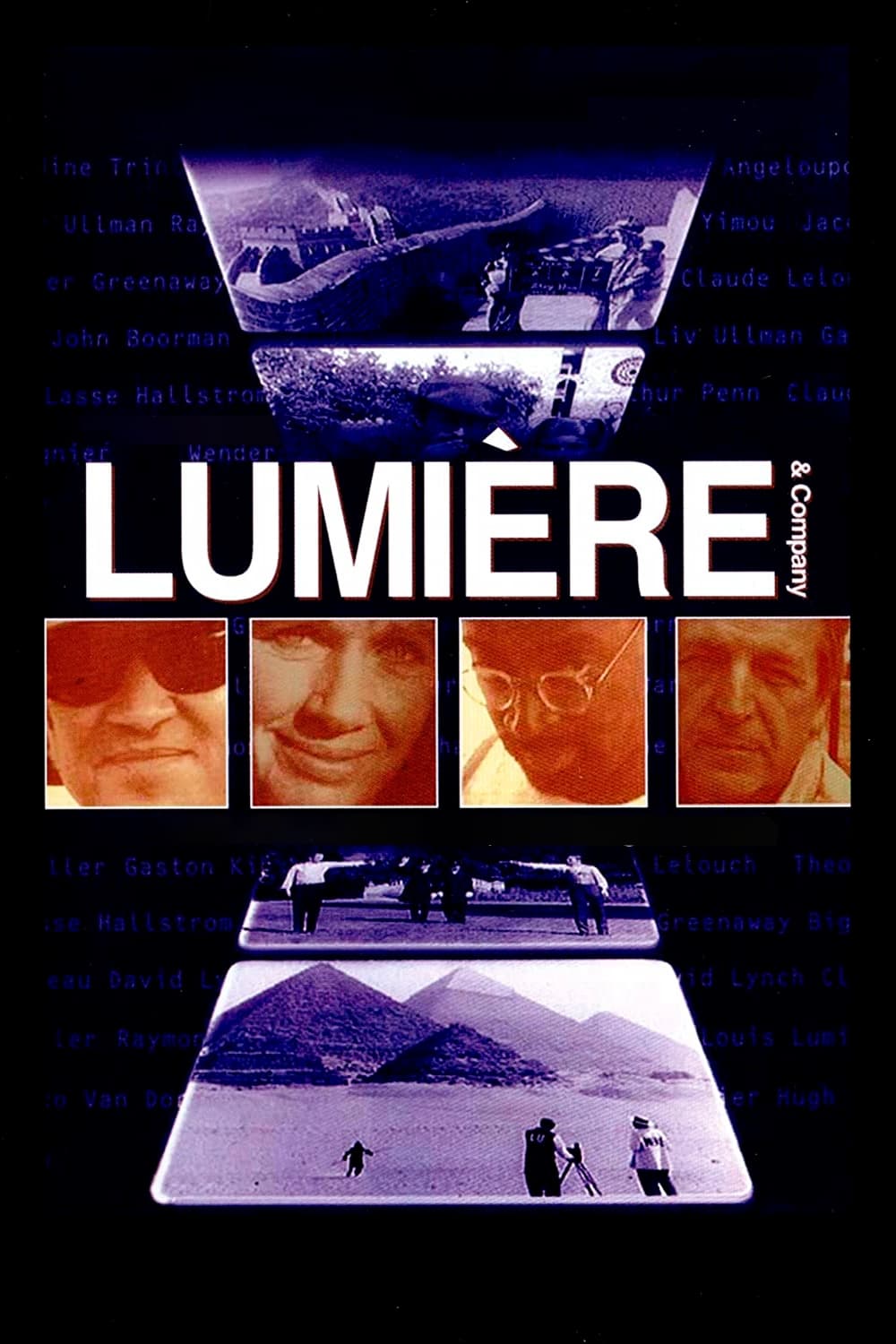
40 international directors were asked to make a short film using the original Cinematographe invented by the Lumière Brothers, working under conditions similar to those of 1895. There were three rules: (1) The film could be no longer than 52 seconds, (2) no synchronized sound was permitted, and (3) no more than three takes.
This character-driven film considers the evolving sex trafficking landscape as seen by the main players: the exploited, the pimps, the johns that fuel the business, and the cops who fight to stop it.
The Up in Smoke Tour is a West Coast hip hop tour in 2000 featuring artists Ice Cube, Eminem, Proof, Snoop Dogg, Dr. Dre, Nate Dogg, Kurupt, D12, MC Ren, Westside Connection, Mel-Man, Tha Eastsidaz, Doggy's Angels, Devin The Dude, Warren G, TQ, Truth Hurts and Xzibit.
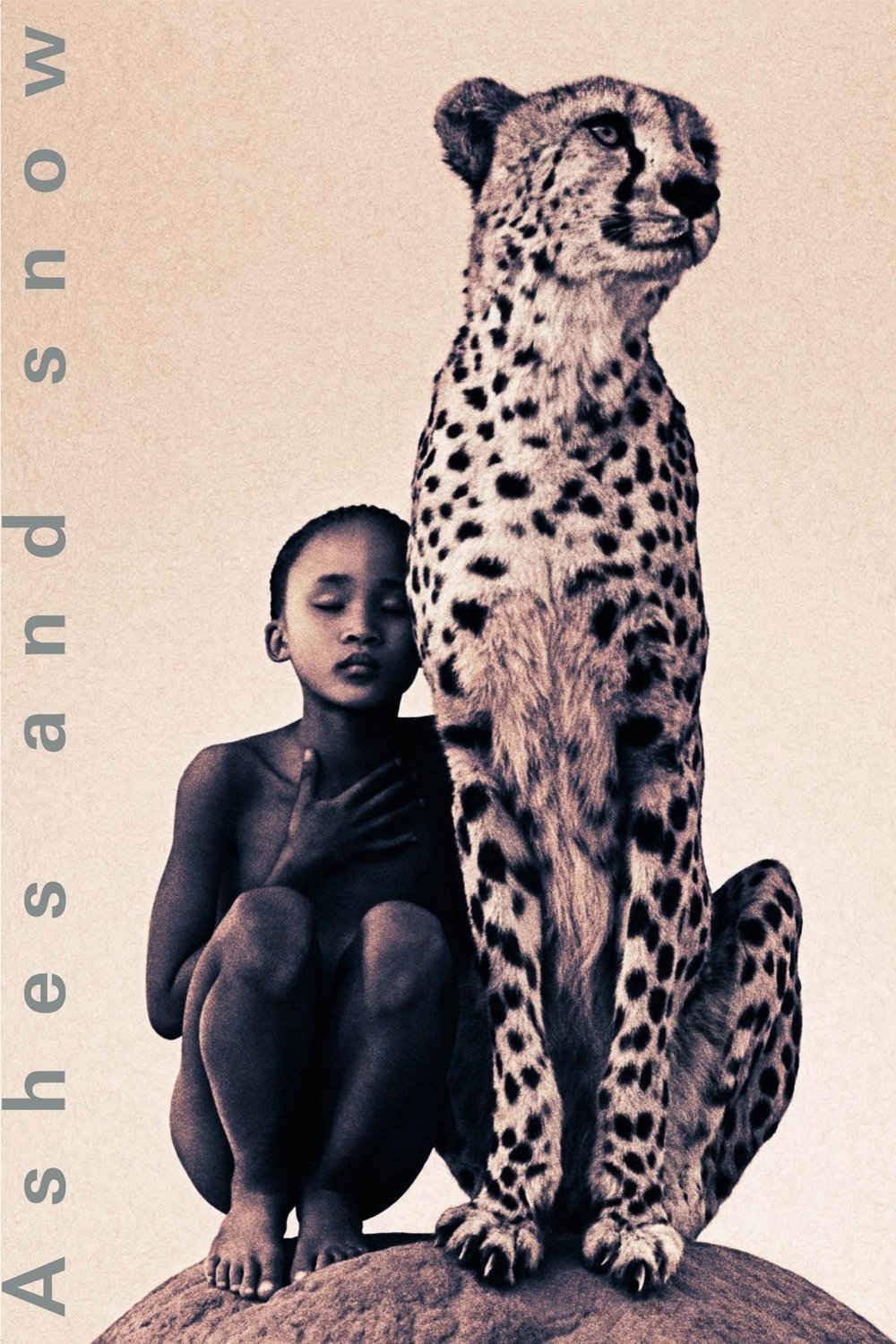
Ashes and Snow, a film by Gregory Colbert, uses both still and movie cameras to explore extraordinary interactions between humans and animals. The 60-minute feature is a poetic narrative rather than a documentary. It aims to lift the natural and artificial barriers between humans and other species, dissolving the distance that exists between them.
SEDUCED AND ABANDONED combines acting legend Alec Baldwin with director James Toback as they lead us on a troublesome and often hilarious journey of raising financing for their next feature film. Moving from director to financier to star actor, the two players provide us with a unique look behind the curtain at the world's biggest and most glamourous film festival, shining a light on the bitter-sweet relationship filmmakers have with Cannes and the film business. Featuring insights from directors Martin Scorsese, 'Bernando Bertolucci' and Roman Polanski; actors Ryan Gosling and Jessica Chastain and a host of film distribution luminaries.
Unravel the case of Utah therapist Jodi Hildebrandt, whose child abuse arrest with parenting YouTuber Ruby Franke exposed a twisted tale of manipulation.
An atmospheric essay, which is an alternative version of Count Dracula, a film directed by Jess Franco in 1970; a ghostly narration between fiction and reality.
As a visually radical memoir, CAMERAPERSON draws on the remarkable footage that filmmaker Kirsten Johnson has shot and reframes it in ways that illuminate moments and situations that have personally affected her. What emerges is an elegant meditation on the relationship between truth and the camera frame, as Johnson transforms scenes that have been presented on Festival screens as one kind of truth into another kind of story—one about personal journey, craft, and direct human connection.