Social & External
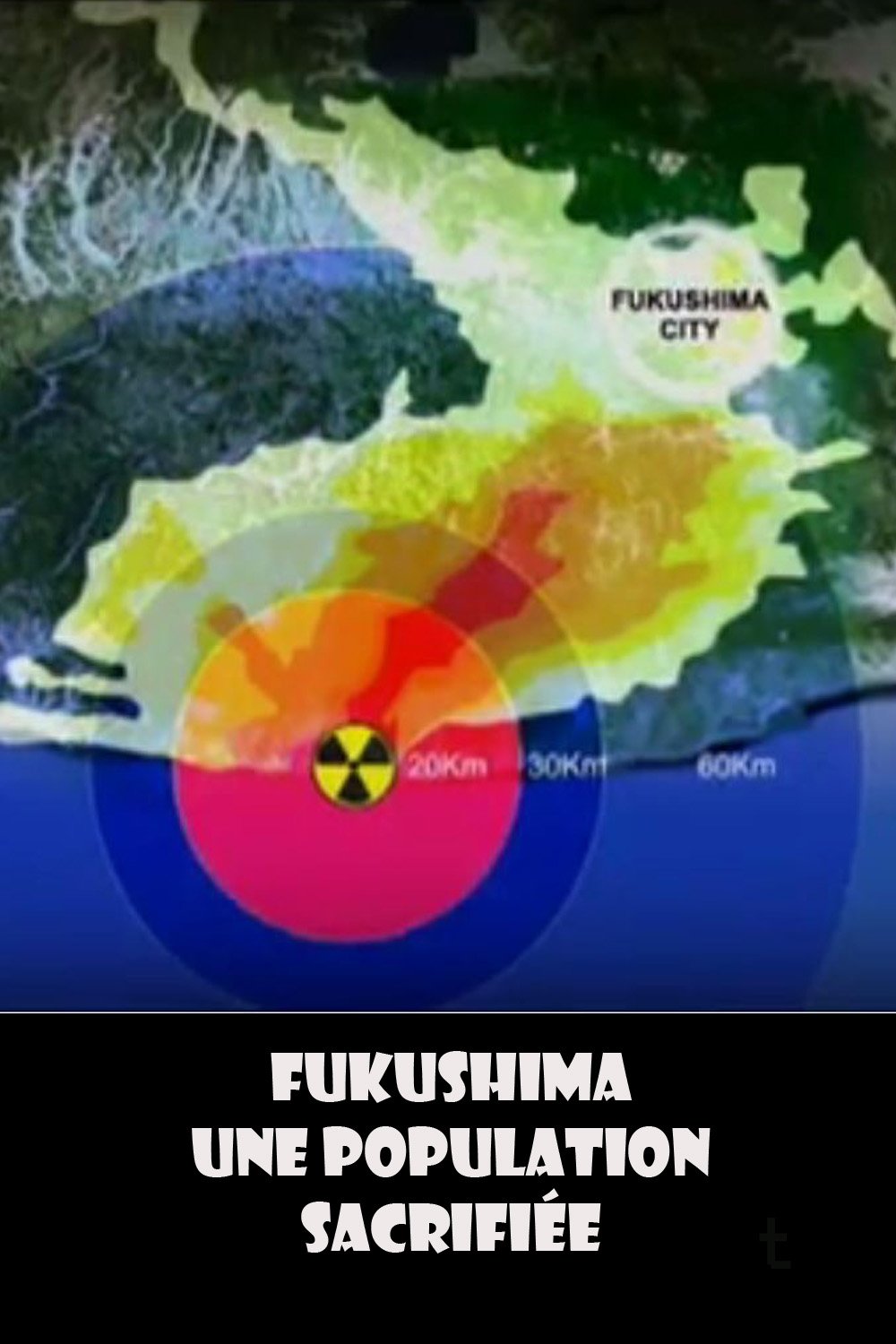
A documentary about the people of Hirono, a city located 20 km away from the Fukushima Daiichi Nuclear Power Station. Immediately after the Great East Japan Earthquake, the whole town was forced to evacuate. In 2019, 80% of the population at the time of the earthquake is back in town.
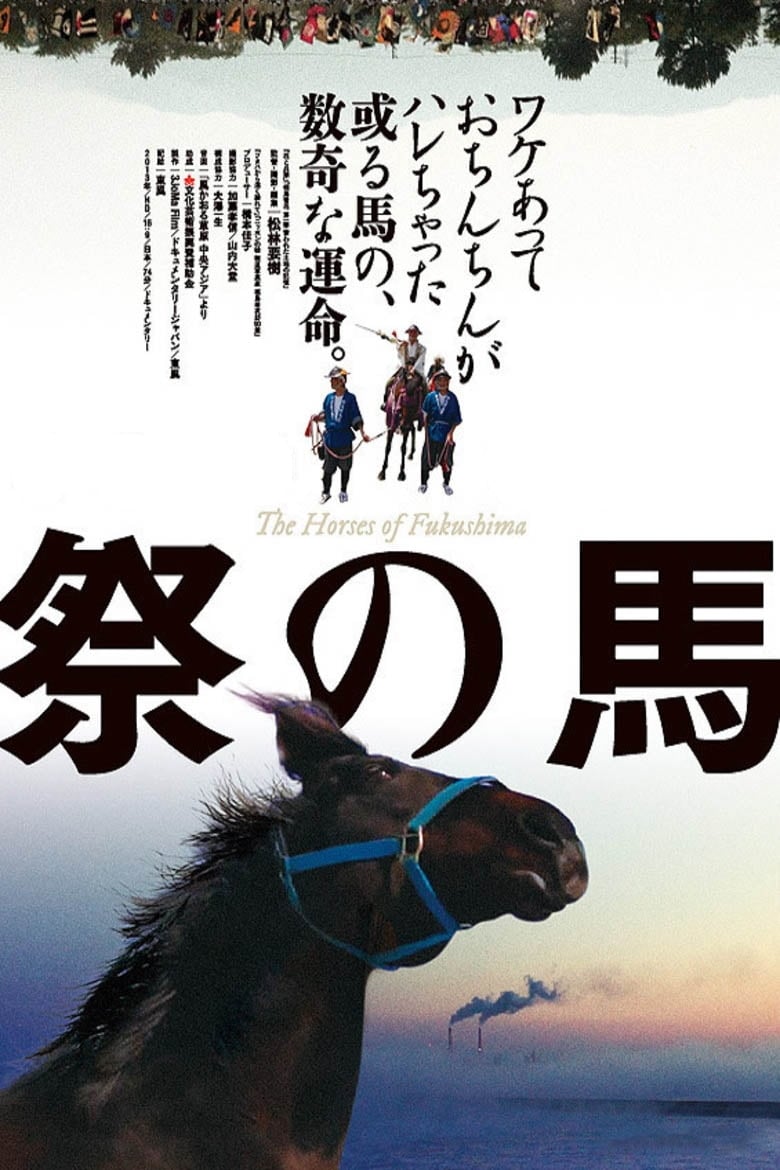
Fukushima's Minami-soma has a ten-centuries-long tradition of holding the Soma Nomaoi ("chasing wild horses") festival to celebrate the horse's great contribution to human society. Following the meltdown of the Fukushima Daiichi Nuclear Power Plant in the wake of the March 11, 2011 earthquake and tsunami, local people were forced to flee the area. Rancher Shinichiro Tanaka returned to find his horses dead or starving, and refused to obey the government's orders to kill them. While many racehorses are slaughtered for horsemeat, his horses had been subjected to radiation and were inedible. Yoju Matsubayashi, whose "Fukushima: Memories of the Lost Landscape" is one of the most impressive documentaries made immediately after the disaster, spent the summer of 2011 helping Tanaka take care of his horses. In documenting their rehabilitation, he has produced a profound meditation on these animals who live as testaments to the tragic bargain human society made with nuclear power.
In a quiet forest, a sign warns of radiation hazard. “Is this the past or the future?” muses the masked figure who appears like a kind of ghost in nuclear disaster areas. At a time when nuclear power may be re-emerging as an alternative to fossil fuels, this calmly observed and compelling tour takes us to places that may serve as a warning.
Amateur's Riot (Shirōto no ran) is a Japanese association of activists, committed to the living conditions of the poor people (binbōnin) in Tōkyō. The association was founded in 2005 by Matsumoto Hajime, Yamashita Hikaru, Futatsugi Shin, Mochitsuki Rui and Ogasawara Keita. The protagonists of Shiroto no Ran played an important role in the anti-nuclear demonstrations that appeared in response to the Fukushima nuclear catastrophe.
Eerie images of landscapes after the Fukushima nuclear disaster shot on black and white 8mm.
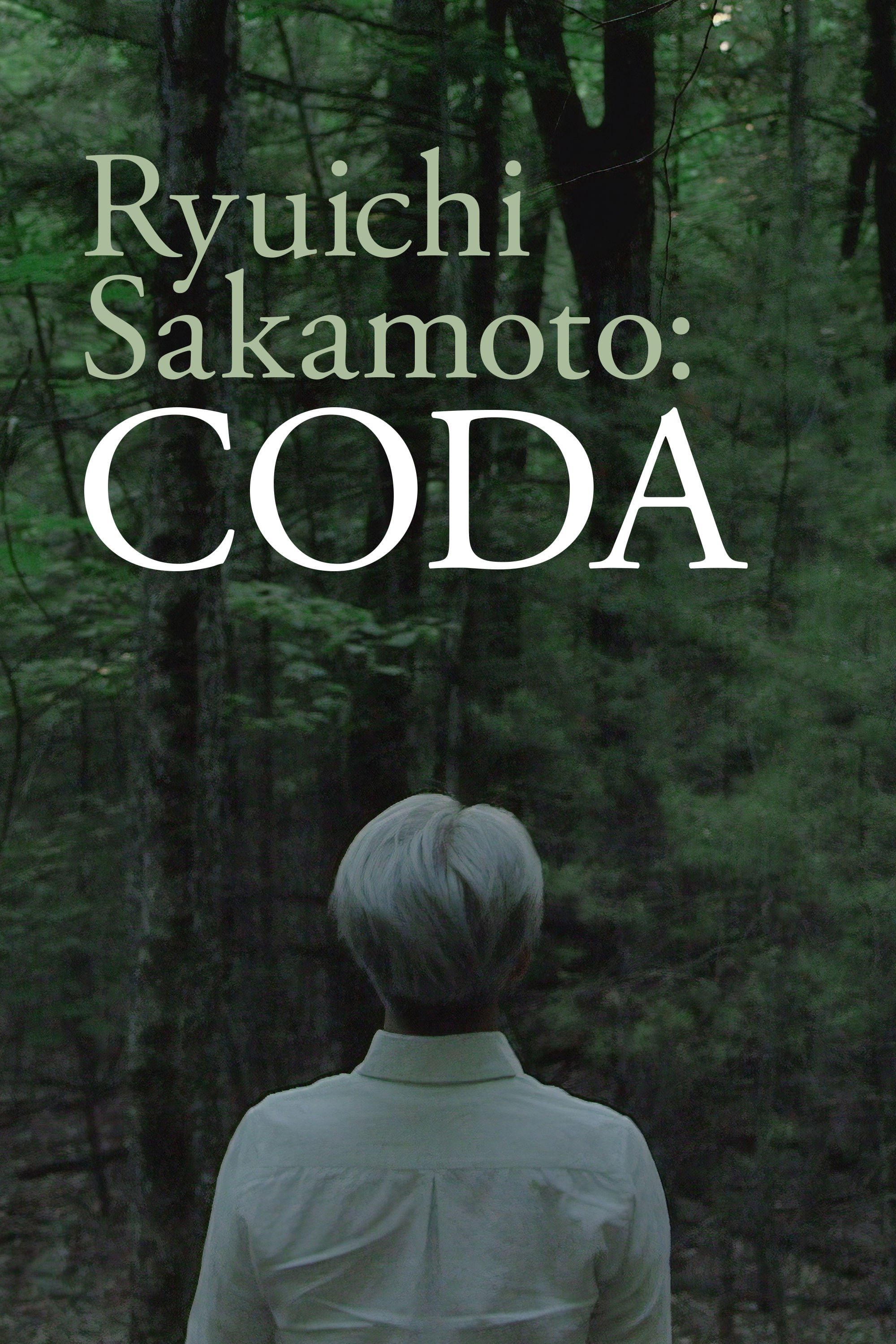
Oscar-winning composer Ryuichi Sakamoto weaves man-made and natural sounds together in his works. His anti-nuclear activism grew after the 2011 Fukushima disaster, and his career only paused after a 2014 cancer diagnosis.
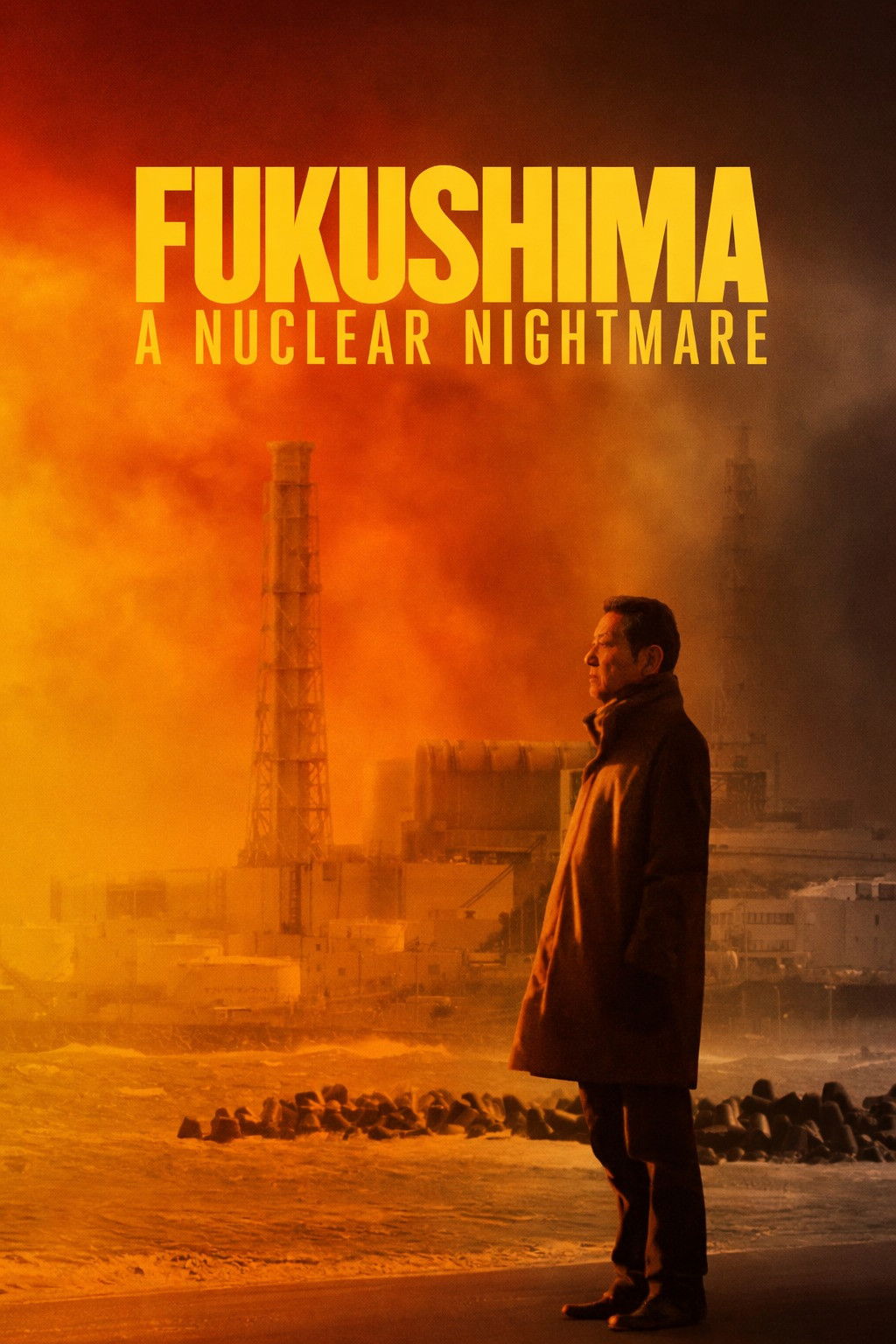
The definitive account of Japan’s struggle as it faced a nuclear catastrophe while still reeling from the devastation of an earthquake and tsunami.
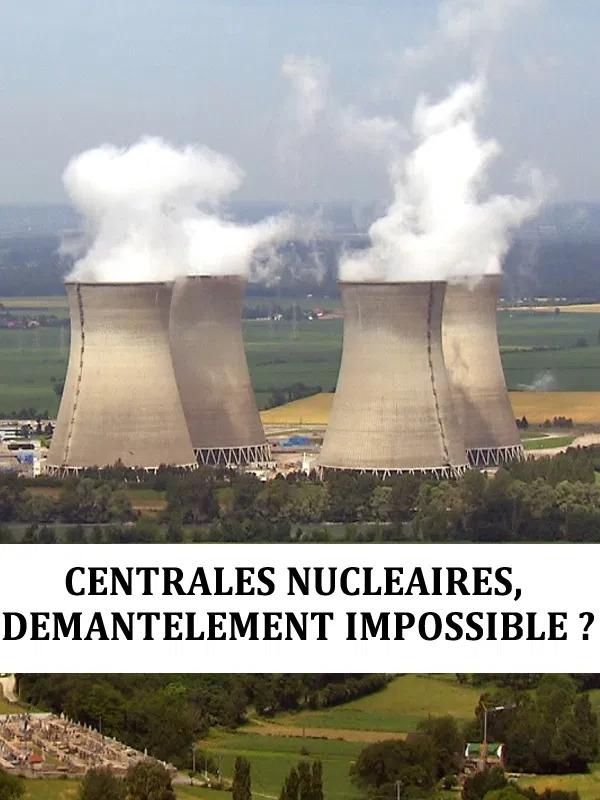
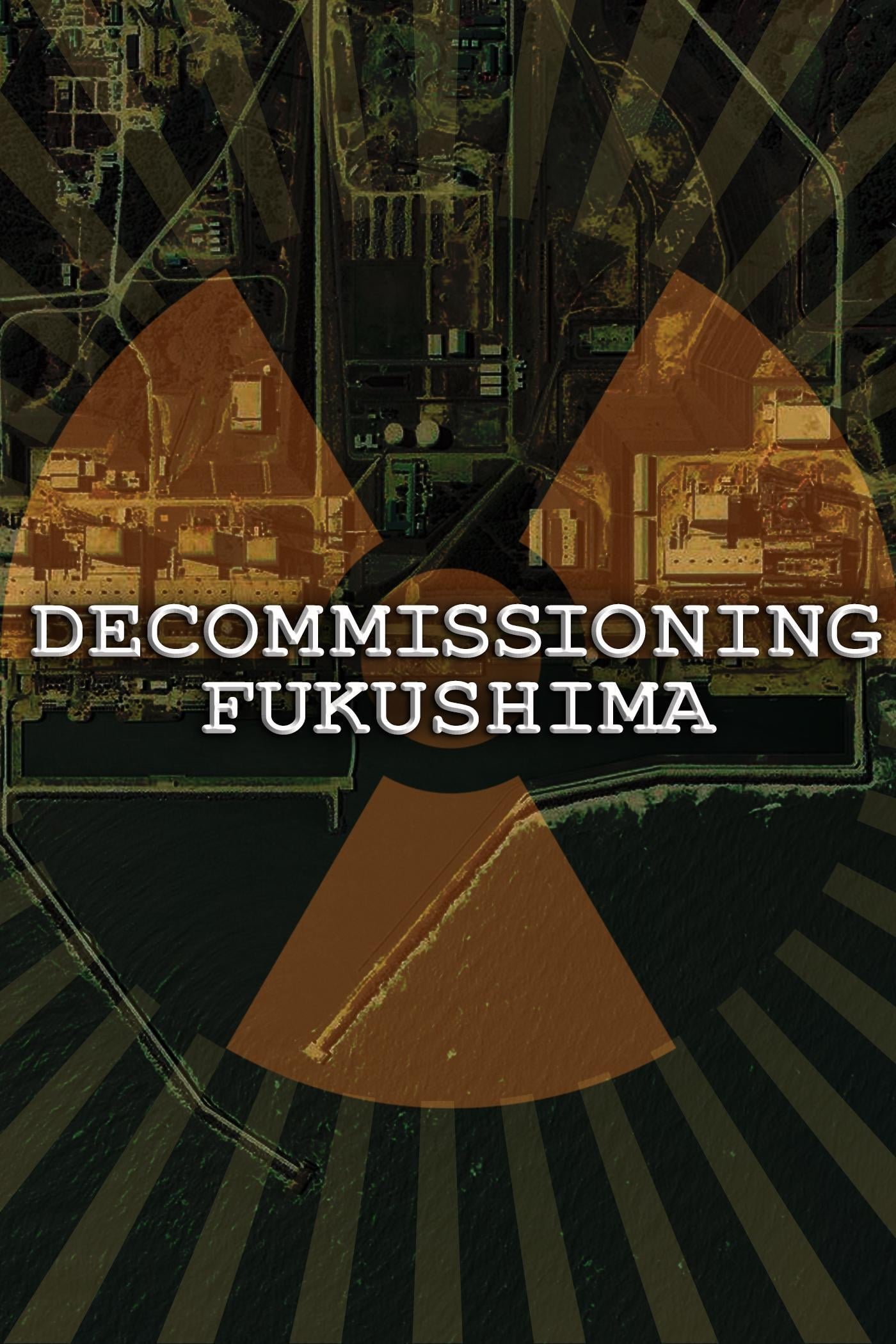
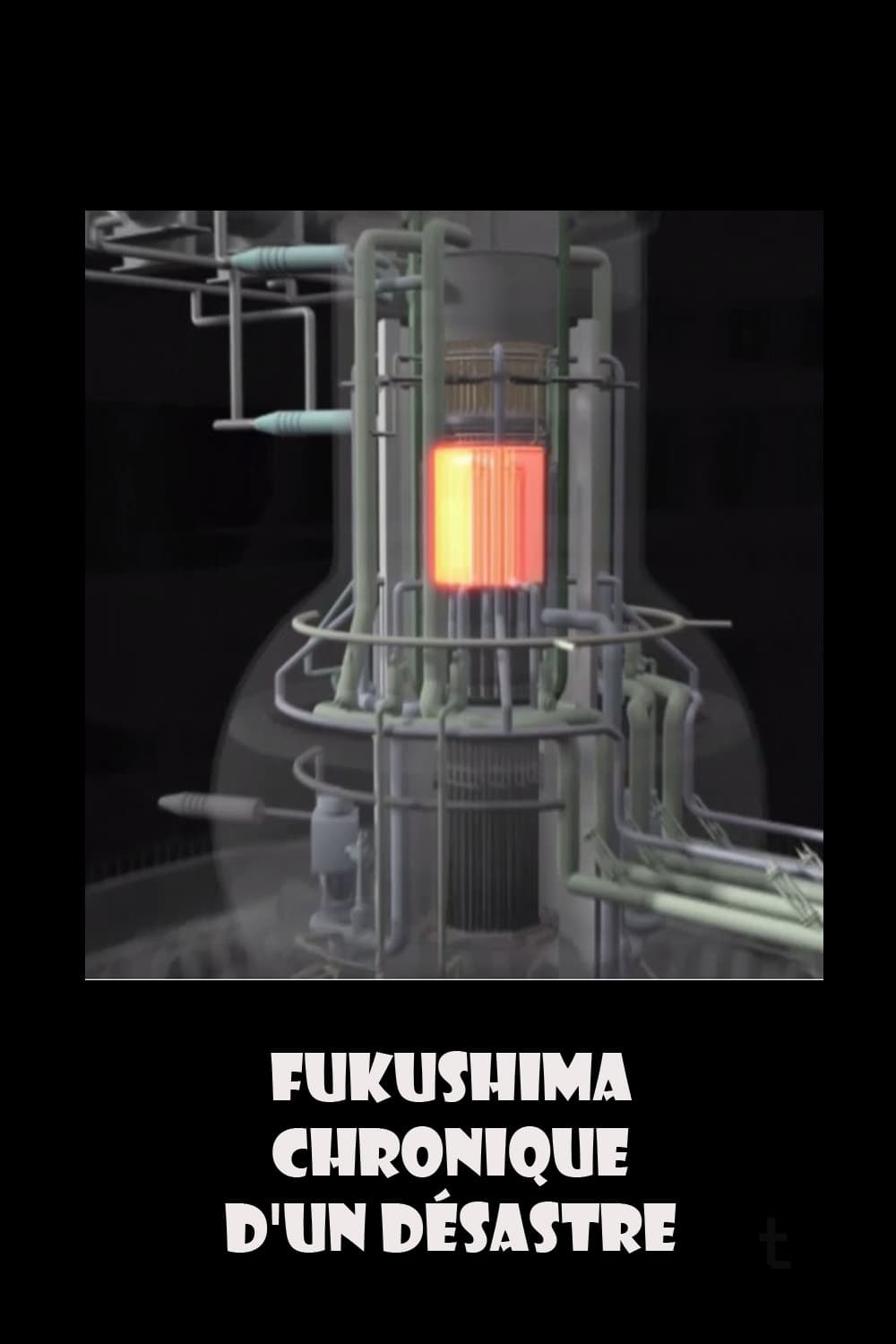
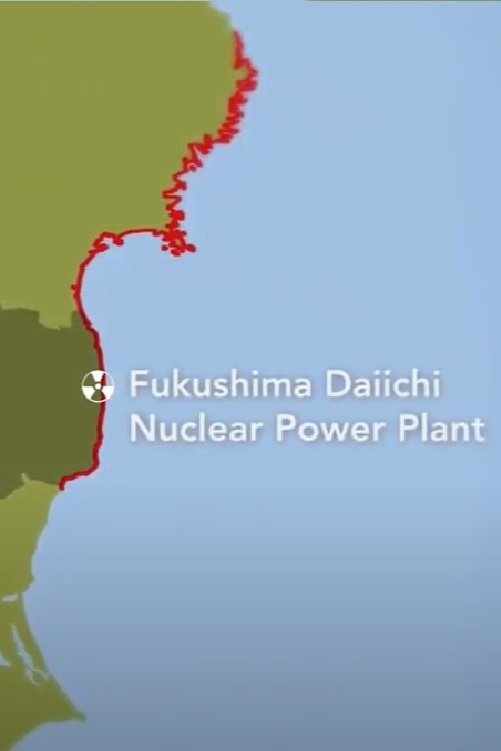
TEPCO's Fukushima Daiichi Nuclear Power Plant is the site of one of history's worst nuclear disasters: the meltdown of three nuclear reactors. The decommissioning program in Japan learns from the Three Mile Island decommissioning in the US after the nuclear plant accident in 1976 in Pennsylvania.
A powerful documentary that sheds some light on what really happened at the Fukushima nuclear power plant after the 2011 earthquake and the tsunami that immediately followed. A powerful documentary - shot from March 11th, 2011 through March 2015 - that sheds some light on what really happened at the Fukushima nuclear power plant after the 2011 earthquake and the tsunami that followed.
30 years after the Chernobyl catastrophe and 5 years after Fukushima it is time to see what has been happening in the “exclusion zones” where the radioactivity rate is far above normal.
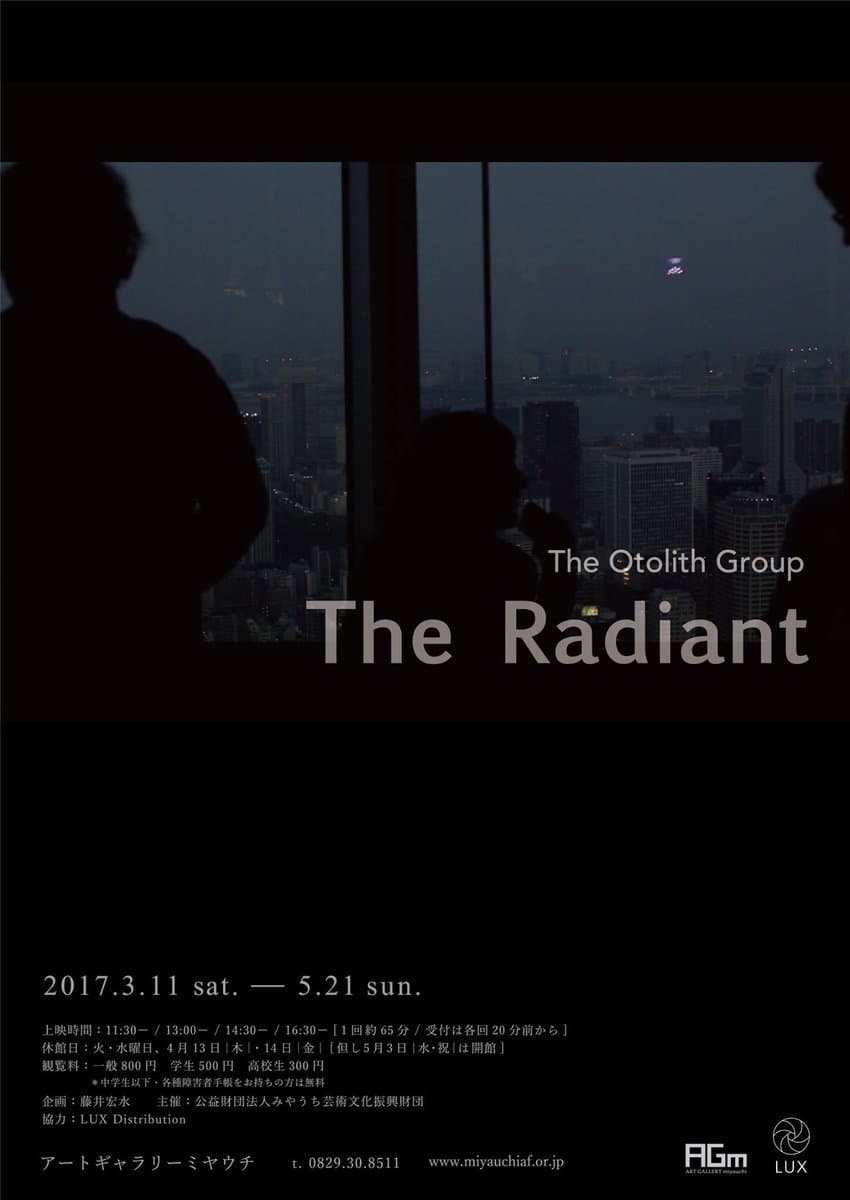
The Radiant explores the aftermath of March 11, 2011, when the Tohoku earthquake triggered a tsunami that killed many thousands and caused the partial meltdown of the Fukushima Daiichi nuclear power plant on the east coast of Japan. Burdened by the difficult task of representing the invisible aftermath of nuclear fallout, The Radiant travels through time and space to invoke the historical promises of nuclear energy and the threats of radiation that converge in Japan in the months immediately following the disaster.
December 21, 2015. The image of a fox was captured by a camera inside the unit 2 building at Fukushima No.1 nuclear power plant... A film-essay about contemporary Japan in the aftermath of March 2011 earthquake.
In the aftermath of the 3.11 Fukushima Daiichi Nuclear Power Plant accident, the Japanese government began implementing a large-scale decontamination effort to clean up the radioactive materials. A mother, a farmer, a community leader, an evacuee - hear how the clean-up effort has been carried out around their lives and what their hopes are for the reconstruction of Fukushima.
Ten years after Fukushima nuclear accident, a familiy returns every month at their home to measure the radiation with a Geiger counter.
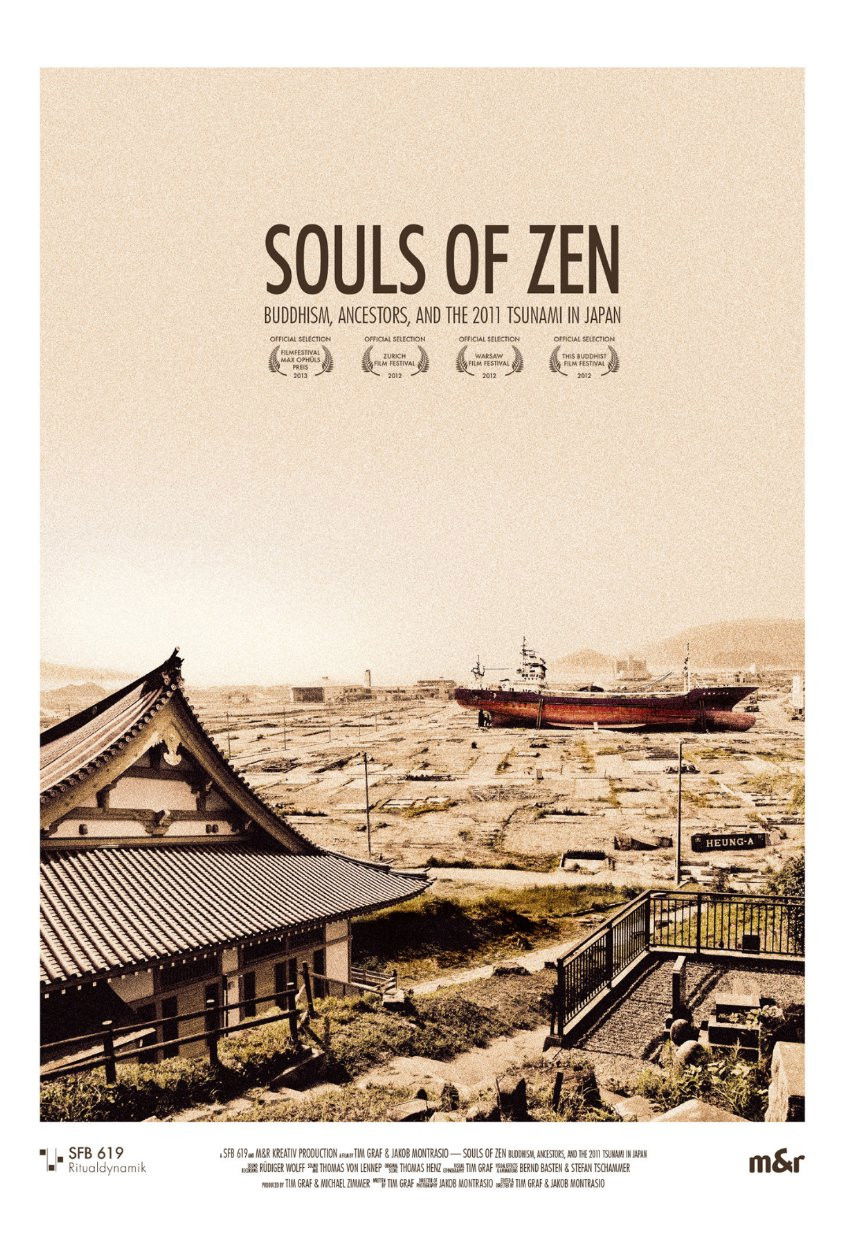
The Japanese population’s reaction to the catastrophe of March 2011 has been described as “stoic” by the Western media. The Japanese code of conduct is indeed deeply rooted in their Buddhist traditions, and young filmmakers Tim Graf and Jakob Montrasio observe in detail what this means for the people and their religion. At graveyards, in temples, at monasteries and with families, they question the impact this triple affliction has had on the lives and beliefs of the inhabitants. How deeply do their beliefs affect their grieving? What role do the monks play in assisting people with their grief? And, what effects has this enormous catastrophe had on their religious rituals? SOULS OF ZEN inserts the events of March 2011 into the context of traditional Zen Buddhism, examining Japan’s religiousness and the beliefs of those practising it at a crucial turning point.
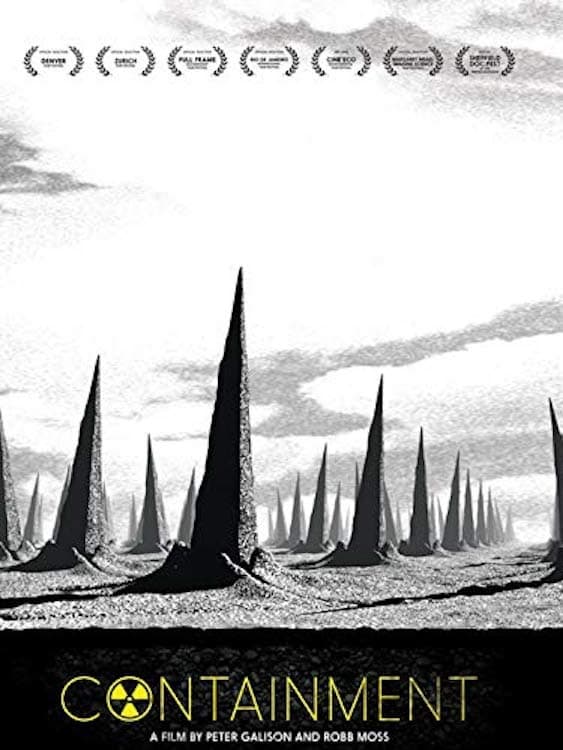
Every nuclear weapon made, every watt of electricity produced from a nuclear power plant leaves a trail of nuclear waste that will last for the next four hundred generations. We face the problem of how to warn the far distant future of the nuclear waste we have buried --but how to do it? How to imagine the far-distant threats to the sites, what kinds of monuments can be built, could stories or legends safeguard our descendants? Filmed at the only American nuclear burial ground, at a nuclear weapons complex and in Fukushima, the film grapples with the ways people are dealing with the present problem and imagining the future. Part observational essay, part graphic novel, this documentary explores the idea that over millennia, nothing stays put.
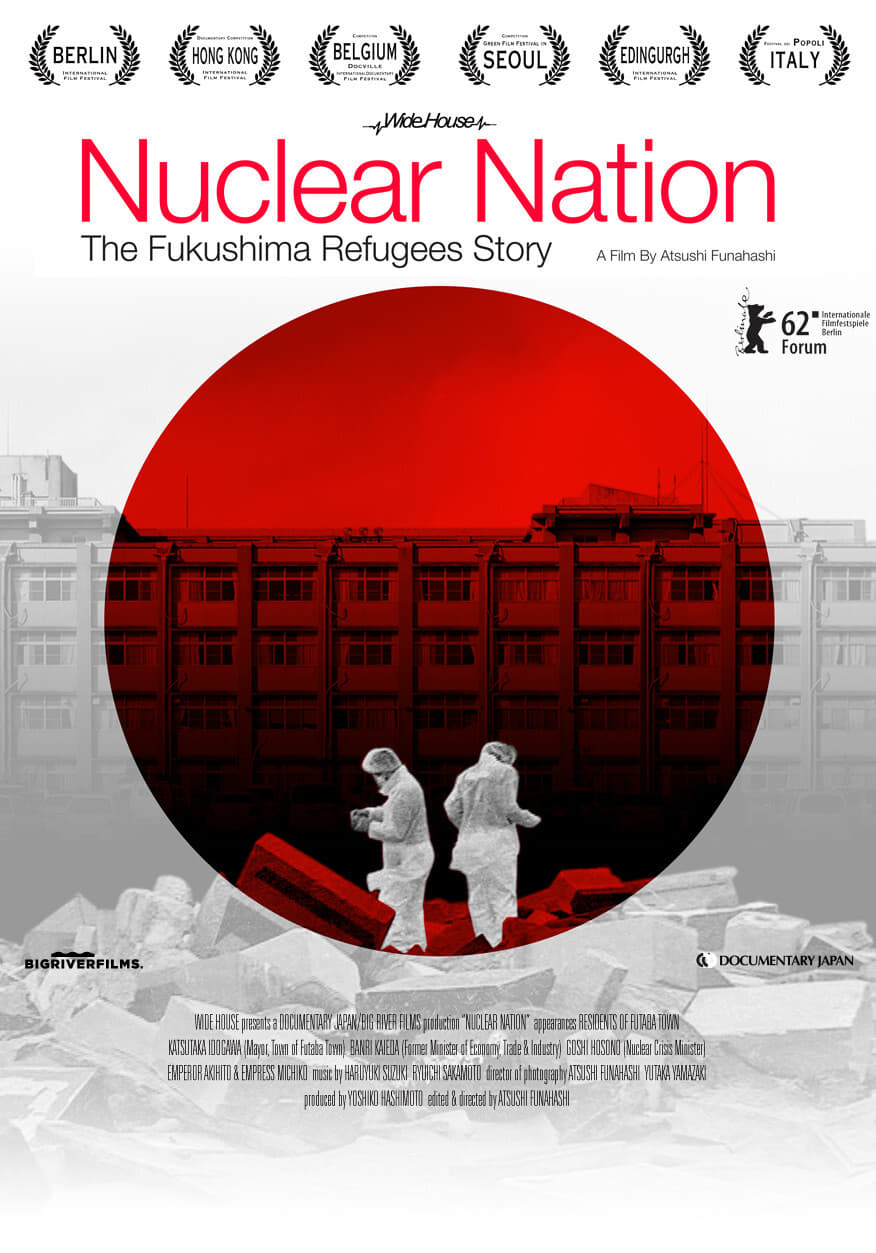
After the 11 March 2011 tsunami and nuclear disaster, residents of Futaba, a town in Fukushima Prefecture, are relocated to an abandoned high school in a suburb of Tokyo, 150 miles south. With a clear and compassionate eye, filmmaker Atsushi Funahashi follows the displaced people as they struggle to adapt to their new environment. Among the vivid personalities who emerge are the town mayor, a Moses without a Promised Land; and a farmer who would rather defy the government than abandon his cows to certain starvation.
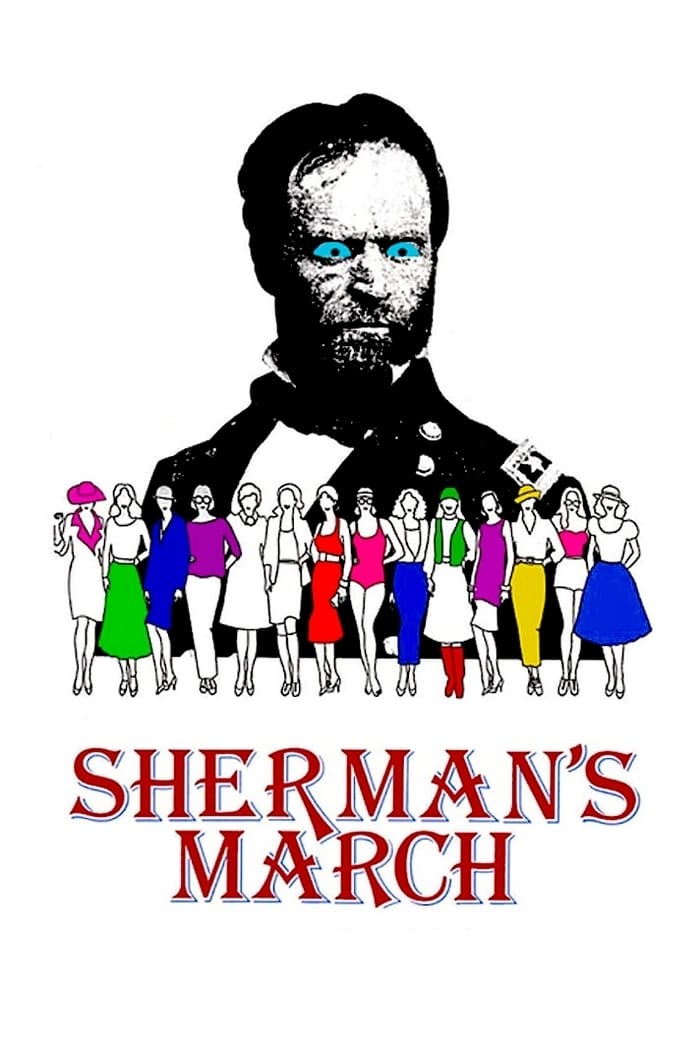
Ross McElwee sets out to make a documentary about the lingering effects of General Sherman's march of destruction through the South during the Civil War, but is continually sidetracked by women who come and go in his life, his recurring dreams of nuclear holocaust, and Burt Reynolds.
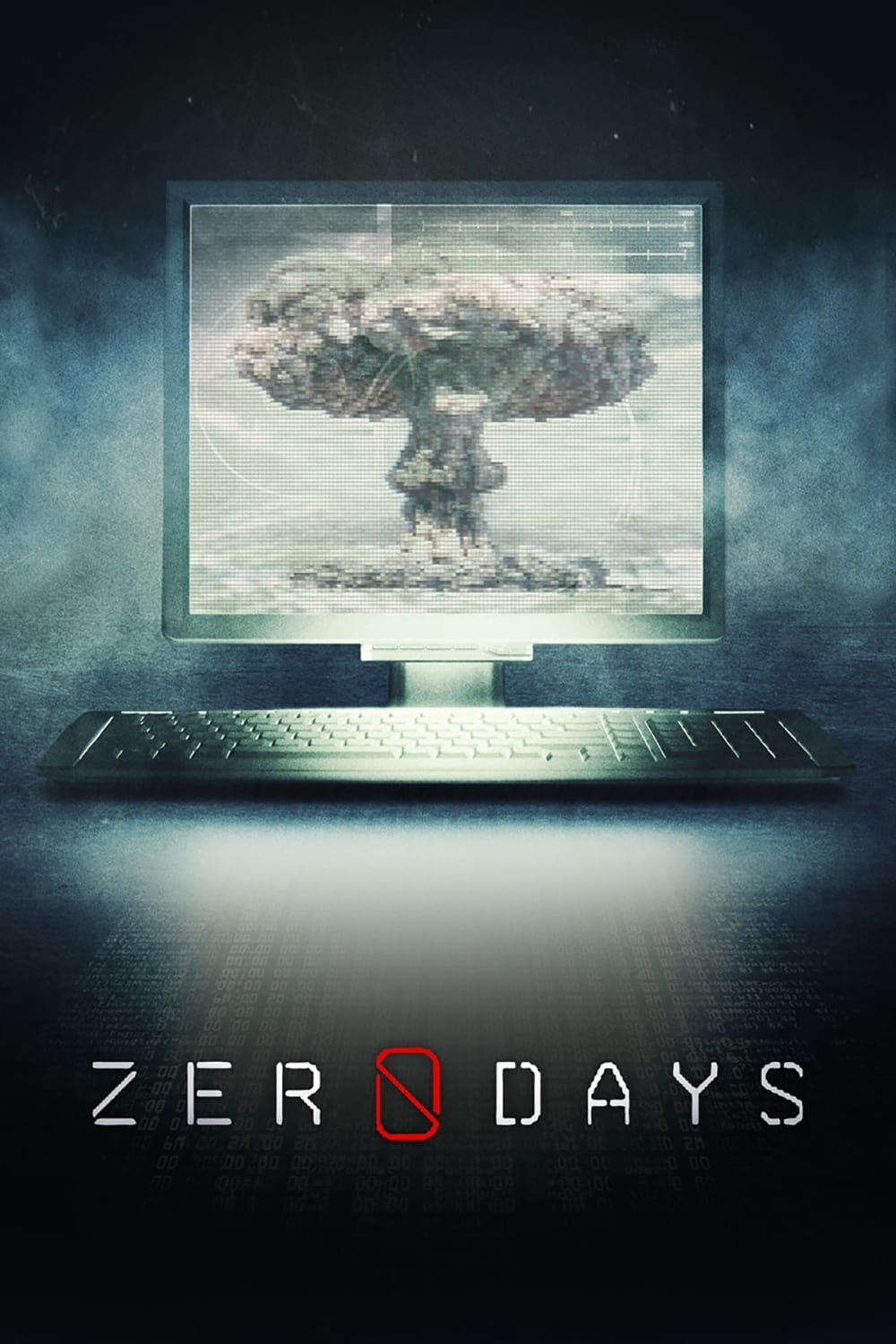
Alex Gibney explores the phenomenon of Stuxnet, a self-replicating computer virus discovered in 2010 by international IT experts. Evidently commissioned by the US and Israeli governments, this malware was designed to specifically sabotage Iran’s nuclear programme. However, the complex computer worm ended up not only infecting its intended target but also spreading uncontrollably.
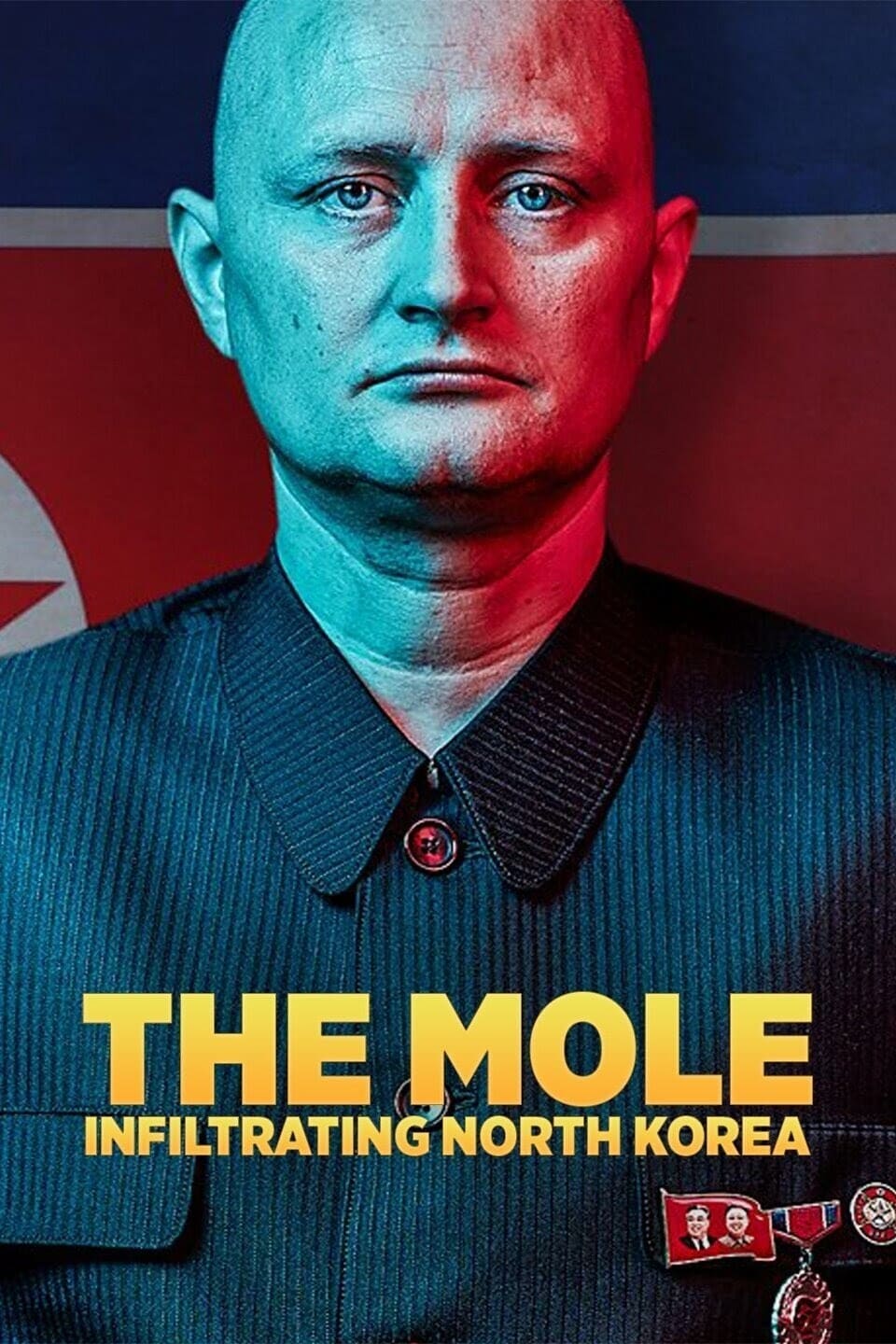
A real-life undercover thriller about two ordinary men who embark on an outrageously dangerous ten-year mission to penetrate the world's most secretive and brutal dictatorship: North Korea.
Alex Gibney explores the charged issue of pedophilia in the Catholic Church, following a trail from the first known protest against clerical sexual abuse in the United States and all way to the Vatican.
In the Realms of the Unreal is a documentary about the reclusive Chicago-based artist Henry Darger. Henry Darger was so reclusive that when he died his neighbors were surprised to find a 15,145-page manuscript along with hundreds of paintings depicting The Story of the Vivian Girls, in What is Known as the Realms of the Unreal, of the Glodeco-Angelinnian War Storm, Cased by the Child Slave Rebellion.
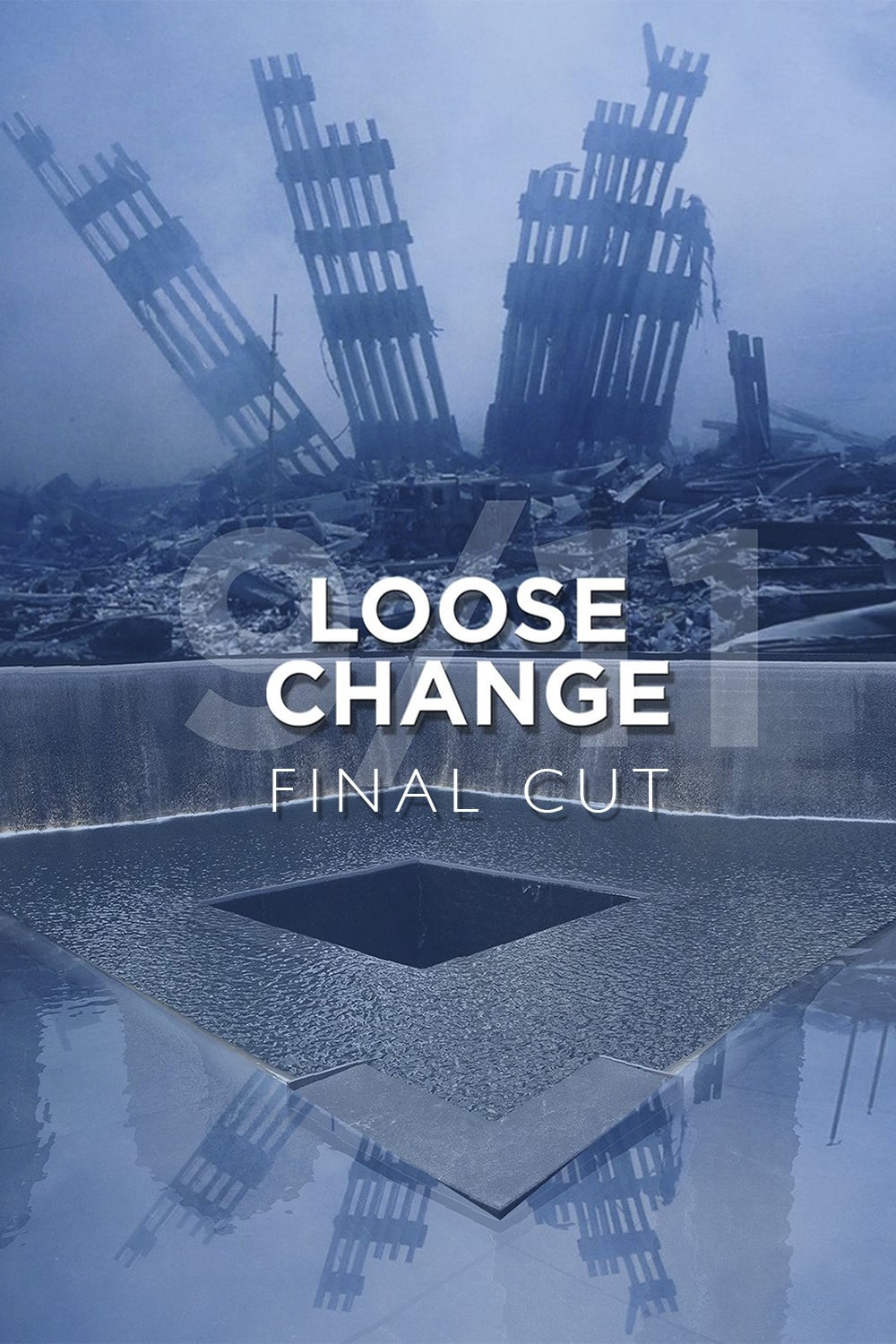
Loose Change Final Cut is the third installment of the documentary that asks the tough questions about the 9/11 attacks and related events. This movie hopes to be the catalyst for a new independent investigation, in which the family members receive answers to their questions, and the TRUE PERPETRATORS of this horrendous crime are PROSECUTED and PUNISHED.
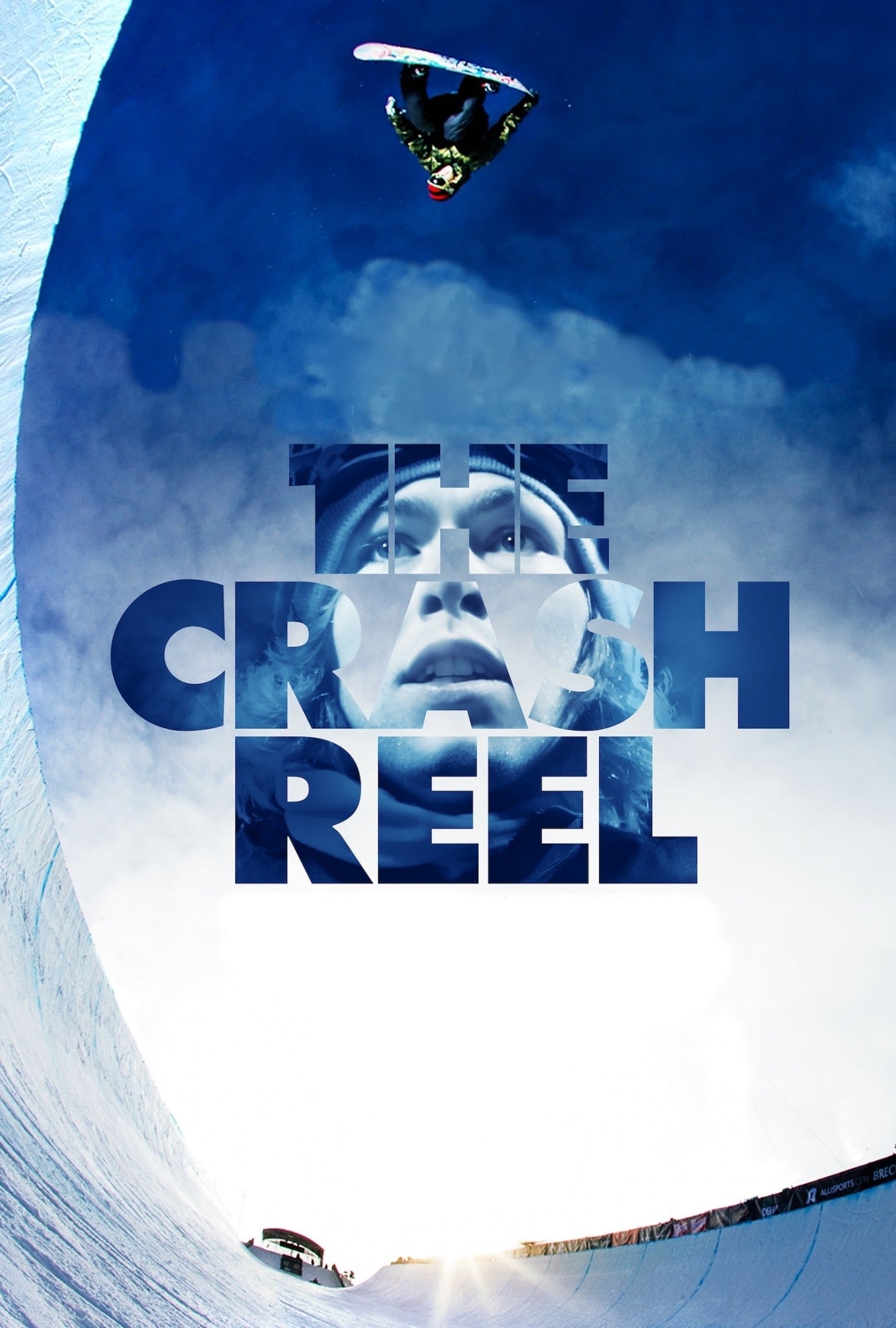
The Crash Reel tells the story of a sport and the risks that athletes face in reaching the pinnacle of their profession. This is Kevin Pearce’s story, a celebrated snowboarder who sustained a brain injury in a trick gone wrong and who now aims, against all the odds, to get back on the snow.
SEDUCED AND ABANDONED combines acting legend Alec Baldwin with director James Toback as they lead us on a troublesome and often hilarious journey of raising financing for their next feature film. Moving from director to financier to star actor, the two players provide us with a unique look behind the curtain at the world's biggest and most glamourous film festival, shining a light on the bitter-sweet relationship filmmakers have with Cannes and the film business. Featuring insights from directors Martin Scorsese, 'Bernando Bertolucci' and Roman Polanski; actors Ryan Gosling and Jessica Chastain and a host of film distribution luminaries.
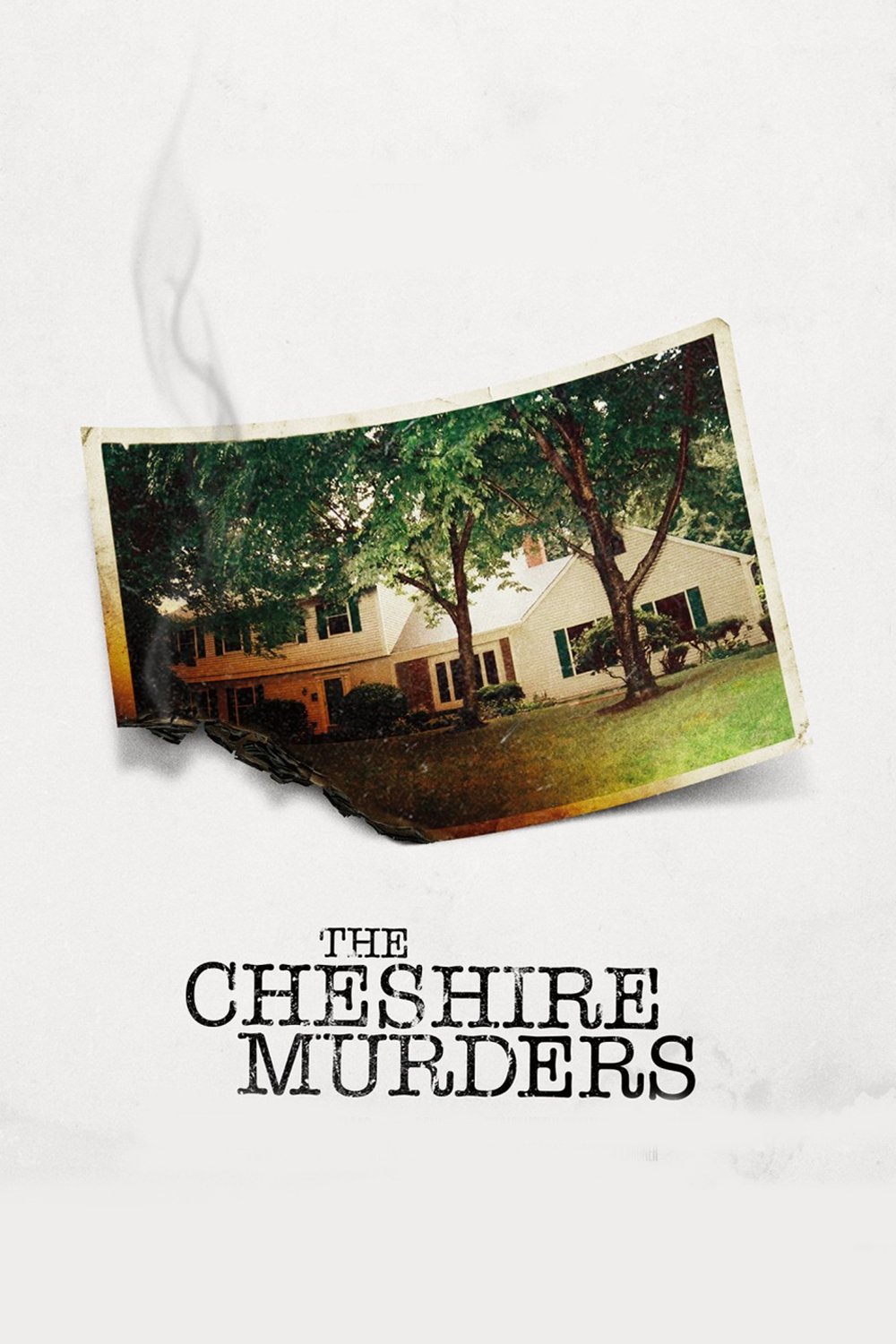
In the early-morning hours of July 23, 2007, in Cheshire, Conn., ex-convicts Steven Hayes and Joshua Komisarjevsky broke into the family home of William Petit, his wife, Jennifer, and their daughters, Michaela, 11, and Hayley, 17. Dr. Petit was beaten and tied to a pole in the basement. The three women were bound in their bedrooms while the men ransacked the house. The brutal ordeal continued throughout the morning, ending with rape, arson and a horrific triple homicide.
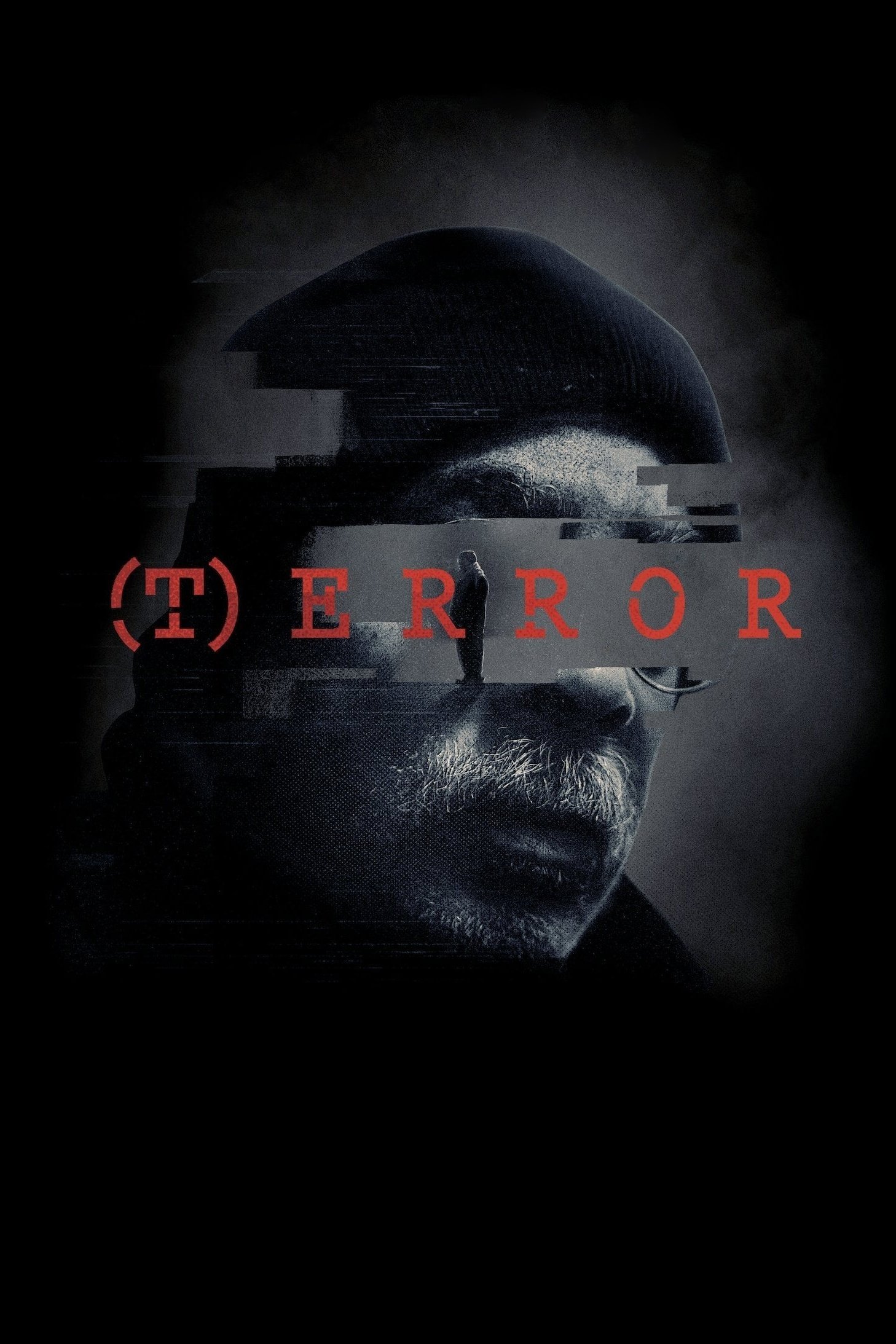
This real-life look at FBI counterterrorism operations features access to both sides of a sting: the government informant and the radicalized target.
Join the likes of Jeremy Renner, Hailee Steinfeld, Florence Pugh, and Vincent D’Onofrio as they reveal how Marvel Studios’ “Hawkeye” was conceived and created. Witness firsthand what it took to pull off the show’s pulse-pounding action set pieces, and discover how iconic characters from the pages of Marvel Comics such as Kate Bishop were adapted and brought to life for the six-episode series.
With unprecedented access to the official archives and intimate recollections from the band, both current and past, Iron Maiden: Burning Ambition invites fans to experience one of the most iconic journeys in music history. Spanning five decades, this electrifying documentary charts the band’s rise from the pubs of East London to the world’s biggest stadiums. Featuring exclusive interviews with band members and contributors such as Javier Bardem, Lars Ulrich and Chuck D, as well as all-new animated sequences of the band's legendary mascot, Eddie, the film offers a rare and intimate look at Iron Maiden’s uncompromising vision and unwavering connection with their truly global army of fans.
A documentary that explores the downloading revolution; the kids that created it, the bands and the businesses that were affected by it, and its impact on the world at large.
Louis Theroux travels to California to meet the man dubbed "the most dangerous racist in America"; Tom Metzger. Louis meets him, his family and his publicity manager as well as following him to skinhead rallies and on a visit to Mexico.
A searing account of war correspondent Michael Ware's seven years reporting in Iraq--an extraordinary journey that takes him into the darkest recesses of the Iraq War and the human soul.
Various MGM stars from yesterday present their favorite musical moments from the studio's 50 year history.
A documentary chronicling Queen and Lambert's incredible journey since they first shared the stage together on "American Idol" in 2009.
Artists in LA discover the work of forgotten Polish sculptor Stanislav Szukalski, a mad genius whose true story unfolds chapter by astounding chapter.
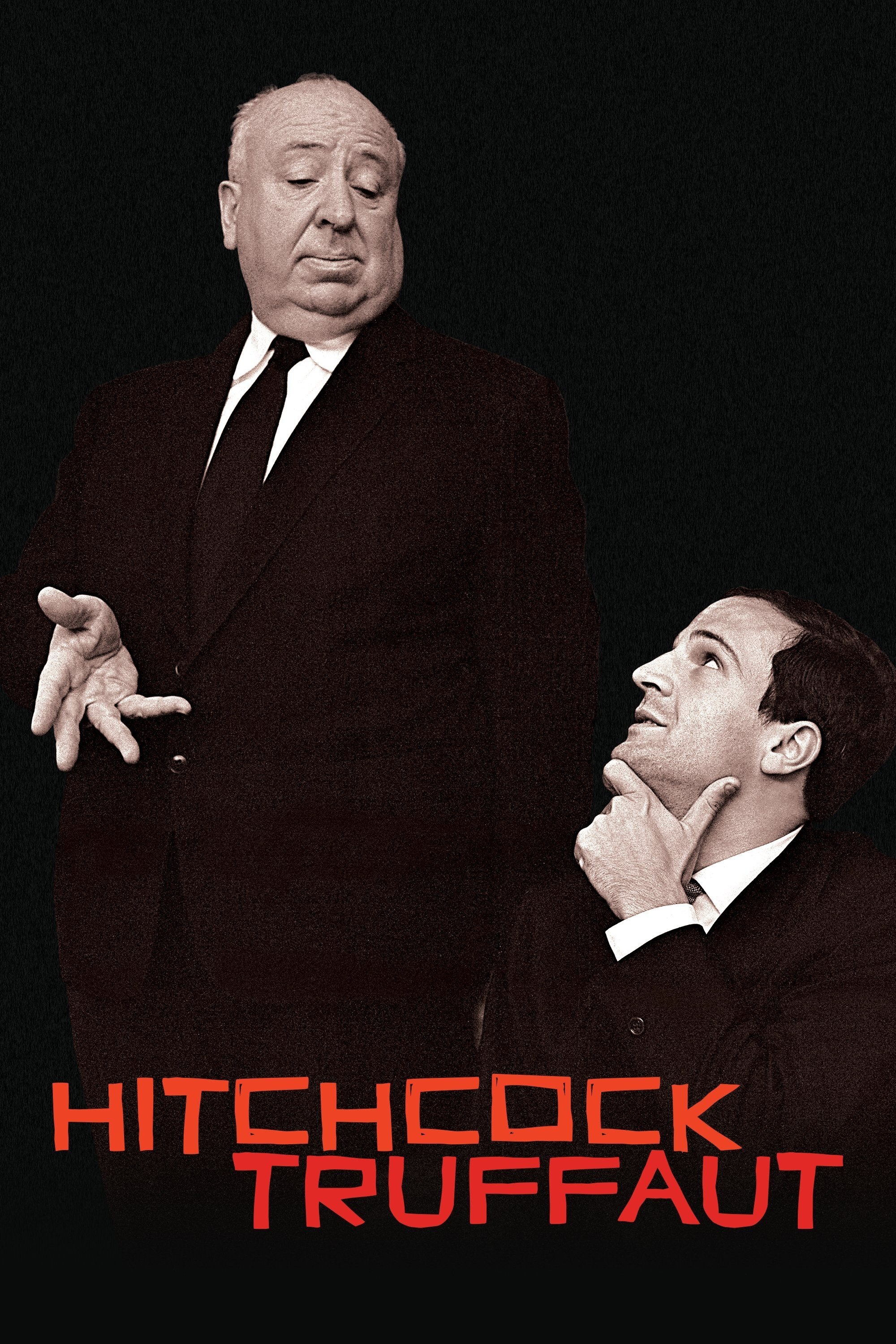
Filmmakers discuss the legacy of Alfred Hitchcock and the book “Hitchcock/Truffaut” (“Le cinéma selon Hitchcock”), written by François Truffaut and published in 1966.
Featuring a wealth of previously unseen archive, this film looks at how Bowie continually evolved: from Ziggy Stardust to the Soul Star of Young Americans, to the ‘Thin White Duke’. It explores his regeneration in Berlin with the critically acclaimed album Heroes, his triumph with Scary Monsters and his global success with Let’s Dance. With interviews with all his closest collaborators, David Bowie - Five Years presents a unique account of why Bowie has become an ‘icon of our times’.