

Introduces the theory of the Viennese media scholar Rainer Maria Köppl that Bram Stoker was indirectly inspired by the figure of Princess Eleonore zu Schwarzenberg.
Social & External
Fürstin Eleonore Amalia von Schwarzenberg
Unknown Role
Historian
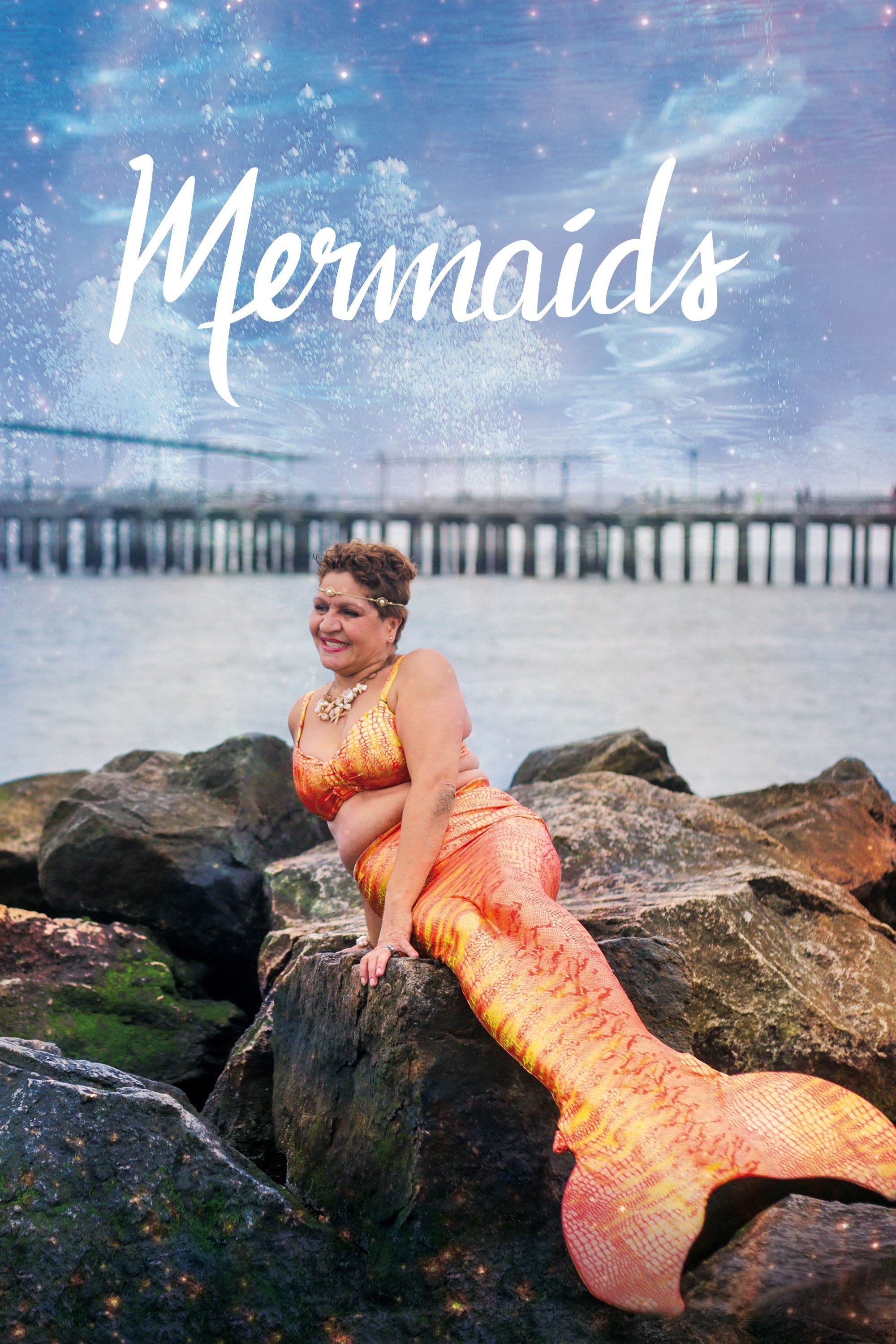
In this tribute to the eternal allure of an ancient myth, colourful fins and swimming pools fill the lives of five modern-day women who strive to embody the mysterious siren as part of a growing “mermaiding” subculture.
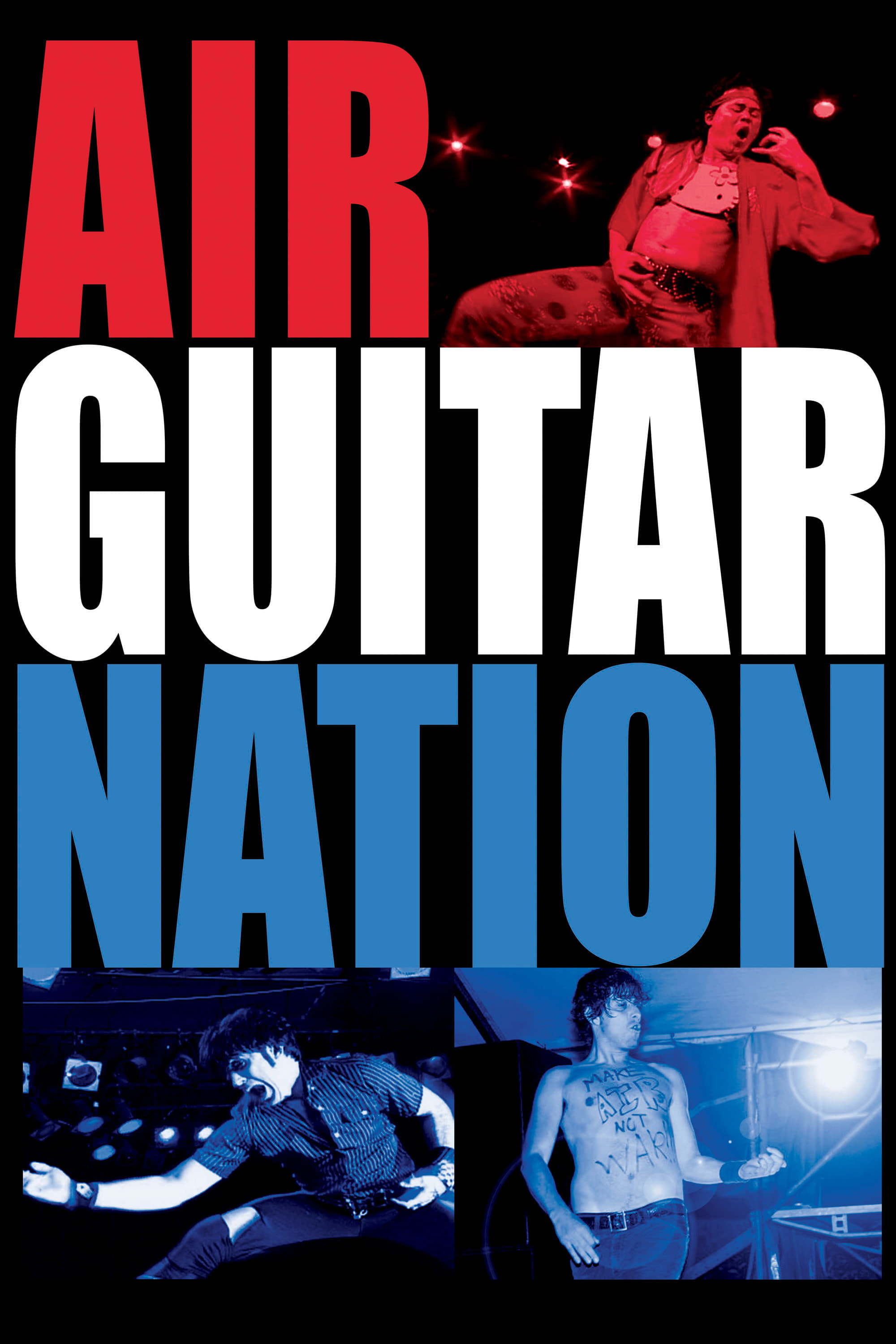
If your bedroom has become too small a stage for your air guitar antics, take inspiration from the competitors featured here as they battle their way from the inaugural U.S. Air Guitar Championship to the world championship in Oulu, Finland. Along the way, filmmaker Alexandra Lipsitz documents the fierce rivalries that develop as would-be rock legends vie for top honors in technical accuracy, stage presence and "airness."
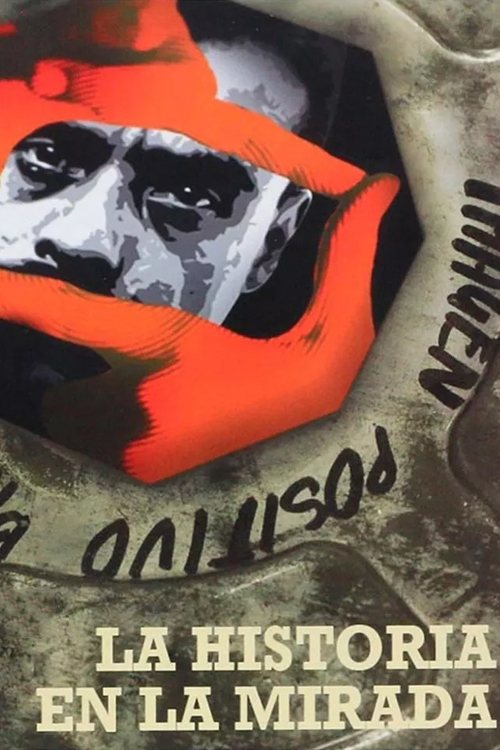
The film portraits the stage previous to the outbreak of the Mexican Revolution, from the end of Porfirio Díaz´ government, the social volatility, the ephemeral government of Madero and the presence of the working class in the figures of Villa and Zapata, until the signing if the Constitution of 1917. All of this through moving images, filmed during those events mainly by the Alva brothers, filmmakers of that time. Those images let us perceive the contradictory and shuddered glance of the people of that period.
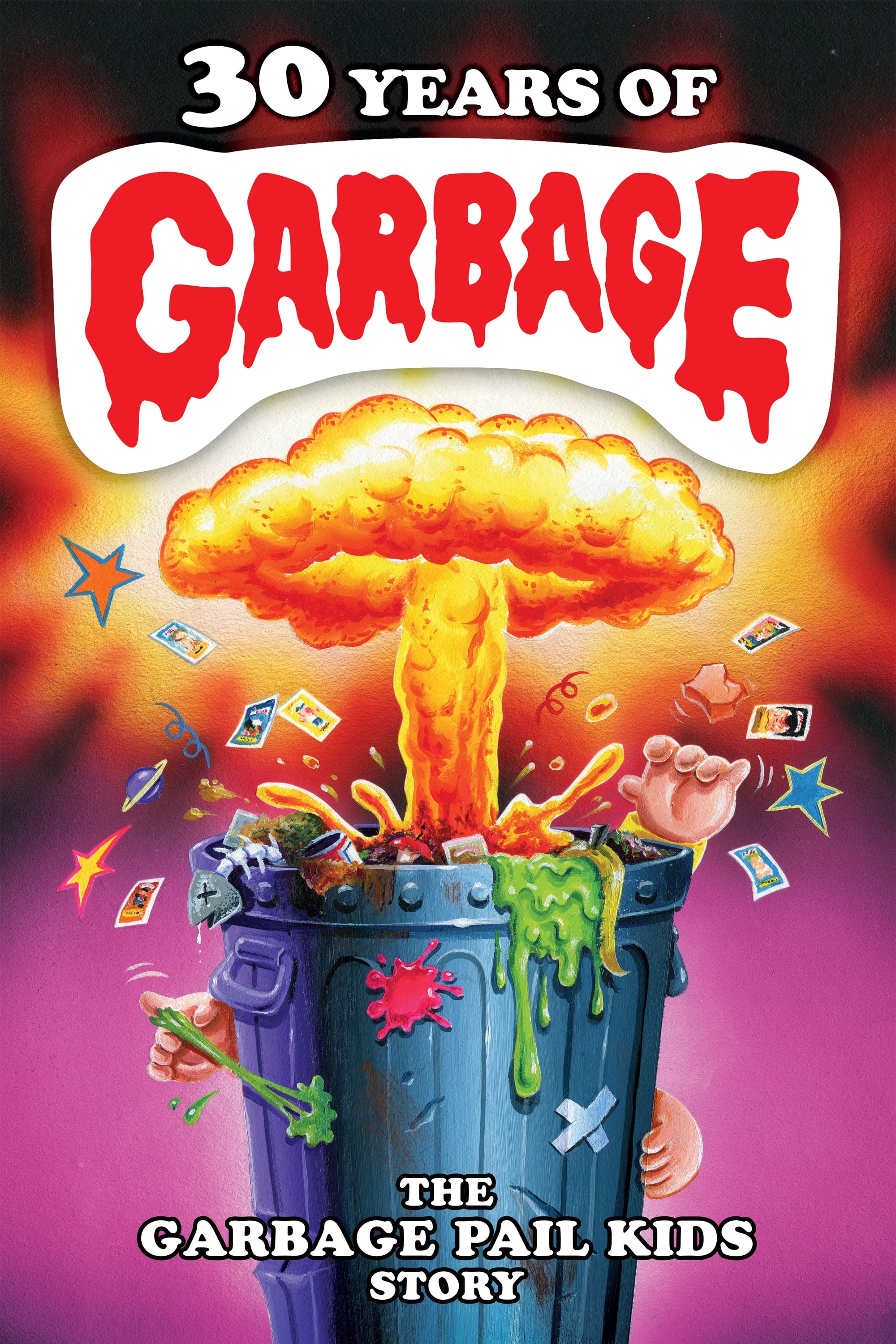
The Garbage Pail Kids are 30 years old. Celebrate their gross-out greatness with artist interviews, superfan collections, and more.
Documentary short showcasing the genius of jazz greats Coleman Hawkins, Roy Eldridge, Cozy Cole, and Milt Hinton, among others.
Documentary about Bob and Kathy Burns, the goodwill ambassadors of science fiction film fandom.
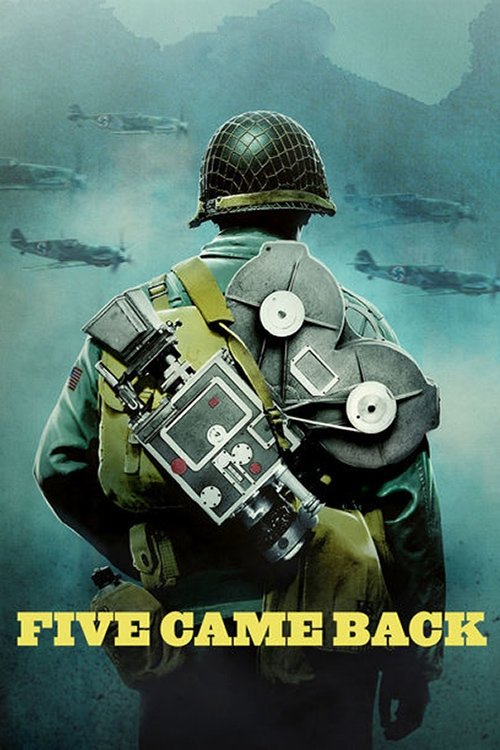
The extraordinary story of how Hollywood changed World War II – and how World War II changed Hollywood, through the interwoven experiences of five legendary filmmakers who went to war to serve their country and bring the truth to the American people: John Ford, William Wyler, John Huston, Frank Capra, and George Stevens. Based on Mark Harris’ best-selling book, “Five Came Back: A Story of Hollywood and the Second World War.”
After a quarter-century of political denial and social stigma, of stunning scientific breakthroughs, bitter policy battles and inadequate prevention campaigns, HIV/AIDS continues to spread rapidly throughout much of the world. Through interviews with AIDS researchers, world leaders, activists, and patients, FRONTLINE investigates the science, politics, and human cost of this fateful disease and asks: What are the lessons of the past, and what can be done to stop AIDS?
New York based artist, Cindy Sherman, is famous for her photographs of women in which she is not only the photographer, but also the subject. She has contributed her own footage to the programme by recording her studio and herself at work with her Hi-8 video camera. It reveals a range of unexpected sources from visceral horror to medical catalogues and exploitation movies, and explores her real interests and enthusiasms. She shows an intuitive and often humorous approach to her work, and reflects on the themes of her work since the late 1970s. She talks about her pivotal series known as the `Sex Pictures' in which she addresses the theme of sexuality in the light of AIDS and the arts censorship debate in the United States.
The Road Forward is an electrifying musical documentary that connects a pivotal moment in Canada’s civil rights history—the beginnings of Indian Nationalism in the 1930s—with the powerful momentum of First Nations activism today. Interviews and musical sequences describe how a tiny movement, the Native Brotherhood and Sisterhood, grew to become a successful voice for change across the country. Visually stunning, The Road Forward seamlessly connects past and present through superbly produced story-songs with soaring vocals, blues, rock, and traditional beats.
1977: Grêmio lives a dark period in its history, after losing the last eight Campeonato Gaúcho to Internacional. Then there was a crowd that would shake up the structures and prejudices of the universes of the gaucho football and forever mark its name in history: the Coligay, the first organized football group of supporters formed exclusively by homosexuals.
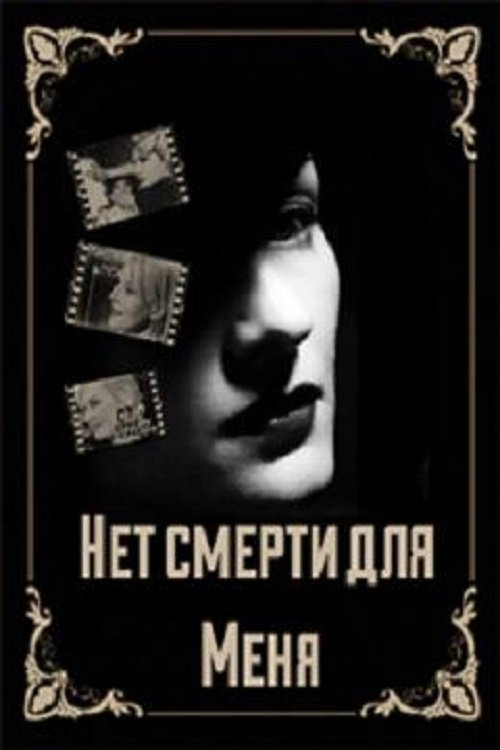
It is a documentary story about five legends of russian cinema: Nonna Mordyukova, Tatyana Okunevskaya, Tatyana Samoylova, Lidiya Smirnova and Vera Vasileva. These wonderful women tell about their lifes and careers in hour interview.
The film presents how the human body recognizes and becomes aware of its surroundings. The various information pathways to the brain such as sight, sound, smell, taste and touch are explored in a accurate but simple manner via human impression and cartoon characters!
Several key words emerge from Hugo Pratt's work, inseparable from his life: travel, adventure, erudition, esotericism, mystery, poetry, melancholy... and of course, Corto Maltese, his hero and alter ego, who established him as one of the greatest names in comic books. Born in Italy in 1927 and dying in Switzerland sixty-eight years later, Hugo Pratt, born without an H and with only one T, grew up in the shadow of a fascist father who took him at a very young age to Ethiopia, which was occupied by Mussolini's forces. The teenager developed a fascination for the wide-open spaces of Africa, soon followed by an irresistible attraction to the Indian world. This was the starting point for a life of travel, success, conquests, rare failures, and marked by his veneration for the American cartoonist Milton Caniff, his absolute master.
In 2011, Maine State Prison launched a pioneering reform program to scale back its use of solitary confinement. Bafta and Emmy-winning film-maker Dan Edge and his co-director Lauren Mucciolo were given unprecedented access to the solitary unit - and filmed there for more than three years. The result is an extraordinary and harrowing portrait of life in solitary - and a unique document of a radical and risky experiment to reform a prison. The US is the world leader in solitary confinement. More than 80,000 American prisoners live in isolation, some have been there for years, even decades. Solitary is proven to cause mental illness, it is expensive, and it is condemned by many as torture. And yet for decades, it has been one of the central planks of the American criminal justice system.
"End of the Spear" is the story of Mincayani, a Waodani tribesman from the jungles of Ecuador. When five young missionaries, among them Jim Elliot and Nate Saint, are speared to death by the Waodani in 1956, a series of events unfold to change the lives of not only the slain missionaries' families, but also Mincayani and his people.
Georgian director Otar Iosseliani prepares his film Jardins en Automne. Nothing is conventional in the filmmaker's system: Julie Bertuccelli portrays the gestation and production of a film that seems to follow the freest and most unpredictable poetic intuitions of its creator. The constant and hilarious arguments with the producer, Martine Marignac, a Michel Piccoli transformed into an old woman, and the director's peculiar filming system, in which he signals his actors to start with a whistle, paint a picture of one of the most unclassifiable cinematic experiences in contemporary cinema.
RAISING RENEE is the story of a family's remarkable response to being broken apart and rearranged after nearly 50 years. The film explores deep themes of family, race, class and disability through the interplay of painting, cinema and everyday life. Produced and directed by Oscar nominees Jeanne Jordan and Steven Ascher, RAISING RENEE is the third part of a trilogy about resilient families that includes their acclaimed feature documentaries So Much So Fast and Sundance Grand Jury Prize winner Troublesome Creek. RAISING RENEE is about a unique group of women, the tenacity of family bonds and the power of art to transform experience into something beyond words.
A documentary detailing the epic Rogues' Gallery of DC Comics from The Joker and Lex Luthor, Sinestro, Darkseid and more, this documentary will explore the Super Villains of DC Comics.
The history of cinematic sound, told by legendary sound designers and visionary filmmakers.
Former United States Secretary of Defense, Donald Rumsfeld, discusses his career in Washington D.C. from his days as a congressman in the early 1960s to planning the invasion of Iraq in 2003.
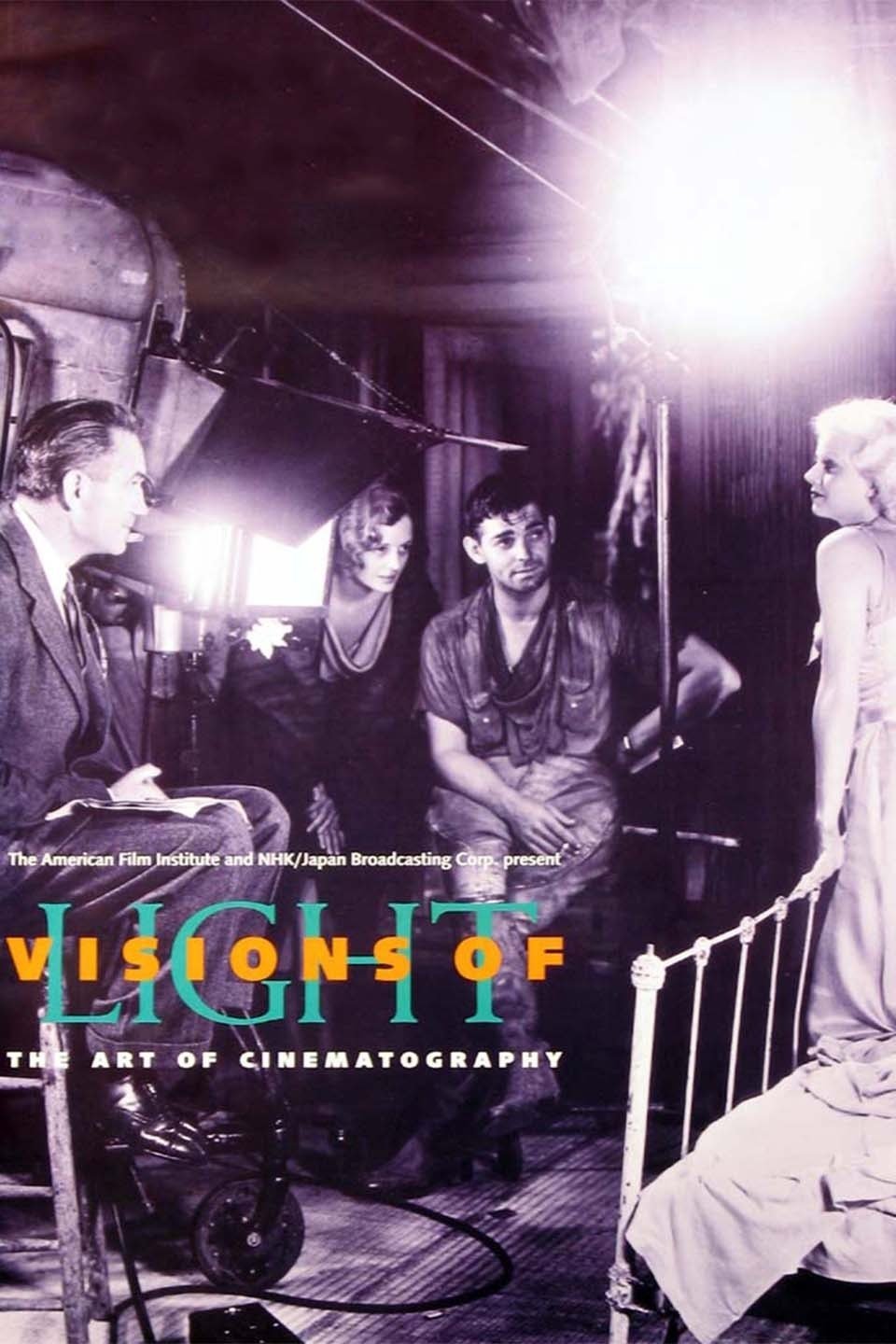
Cameramen and women discuss the craft and art of cinematography and of the "DP" (the director of photography), illustrating their points with clips from 100 films, from Birth of a Nation to Do the Right Thing. Themes: the DP tells people where to look; changes in movies (the arrival of sound, color, and wide screens) required creative responses from DPs; and, these artisans constantly invent new equipment and try new things, with wonderful results. The narration takes us through the identifiable studio styles of the 30s, the emergence of noir, the New York look, and the impact of Europeans. Citizen Kane, The Conformist, and Gordon Willis get special attention.
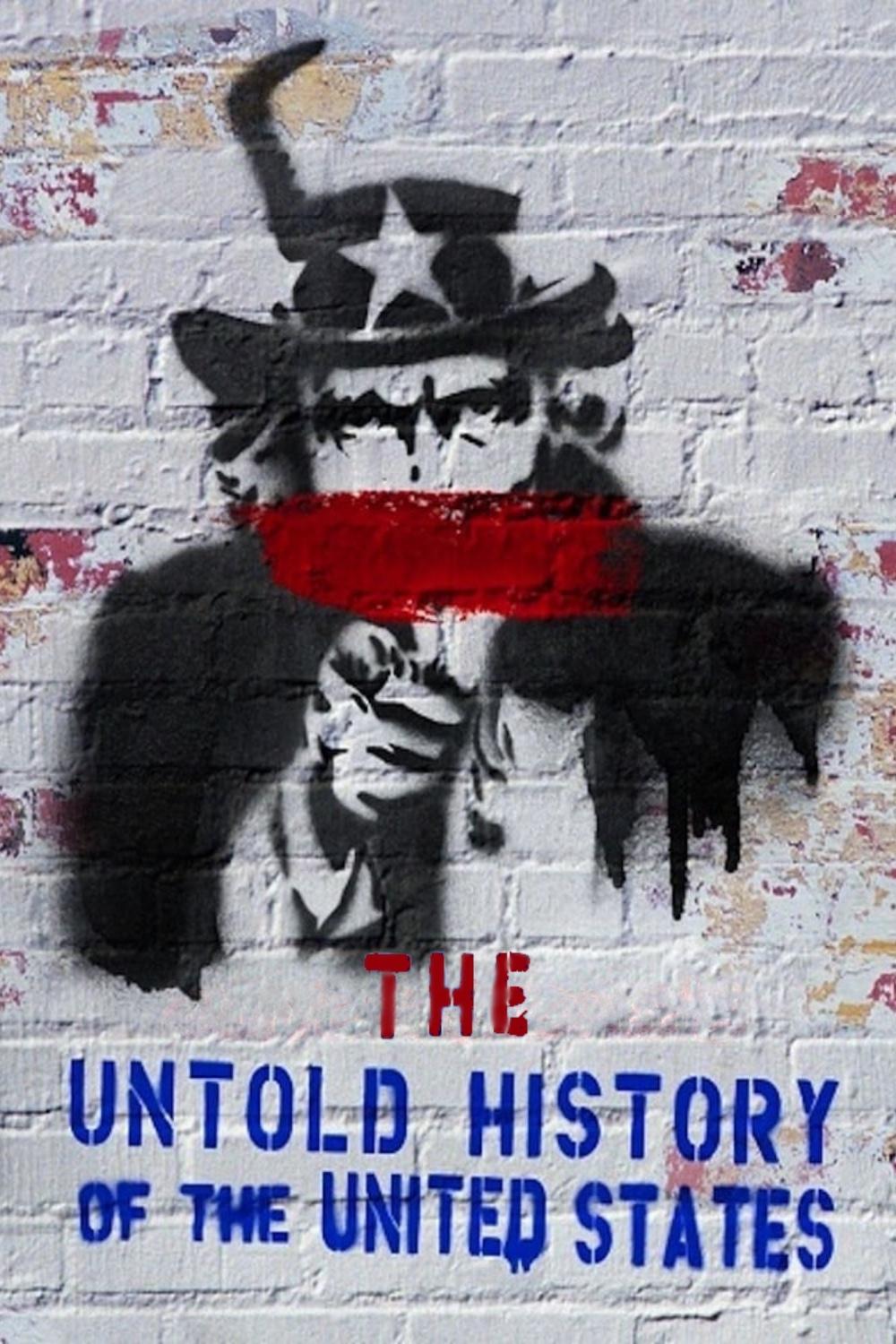
Oliver Stone charts the history of the United States from the Second World War to the present.
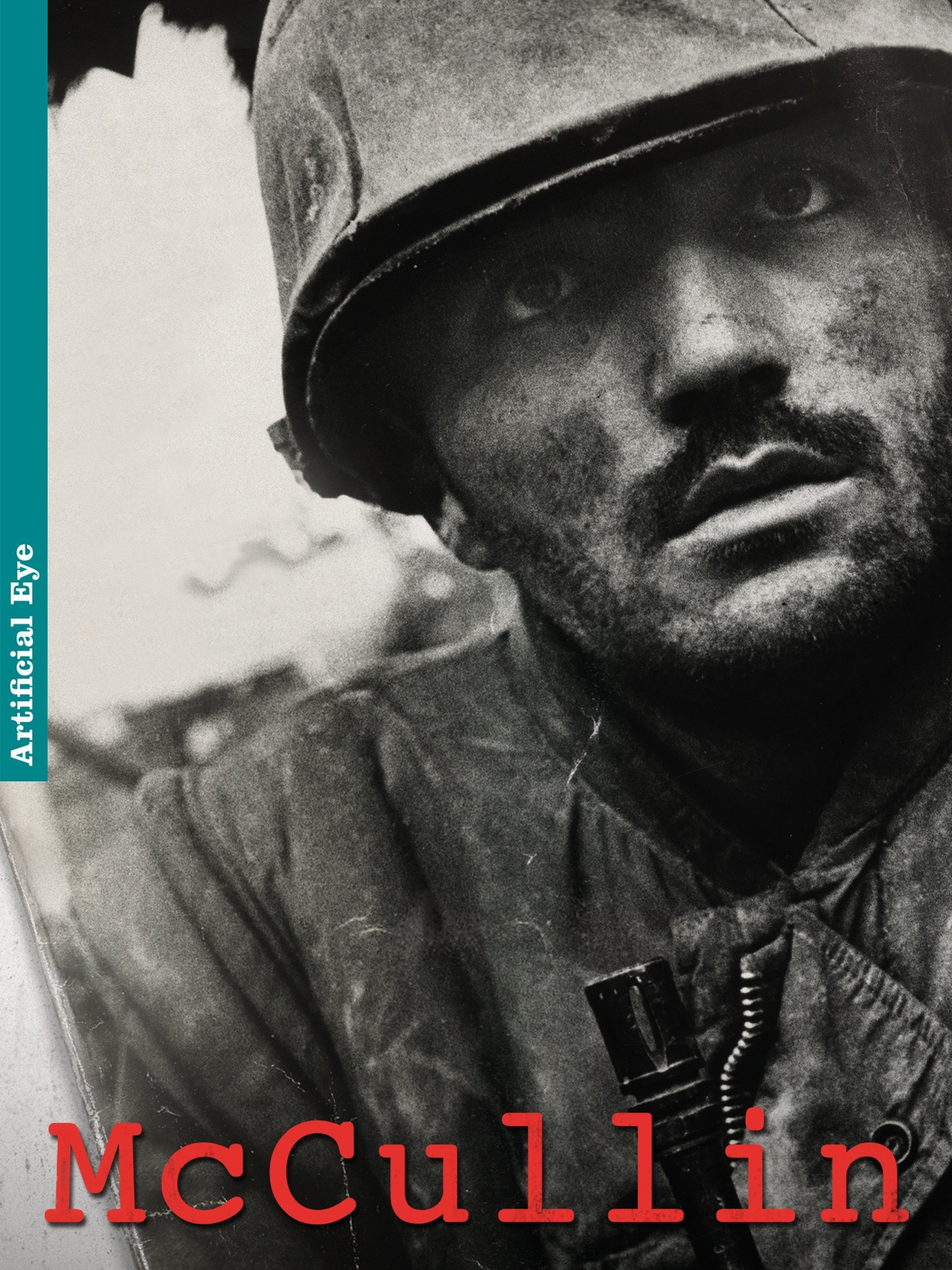
Biographical documentary of the war photographer Don McCullin, with sections on his upbringing, early work for the Observer and extensive war reporting for the Sunday Times until the purchase of the newspaper by Rupert Murdoch in the 1980s.
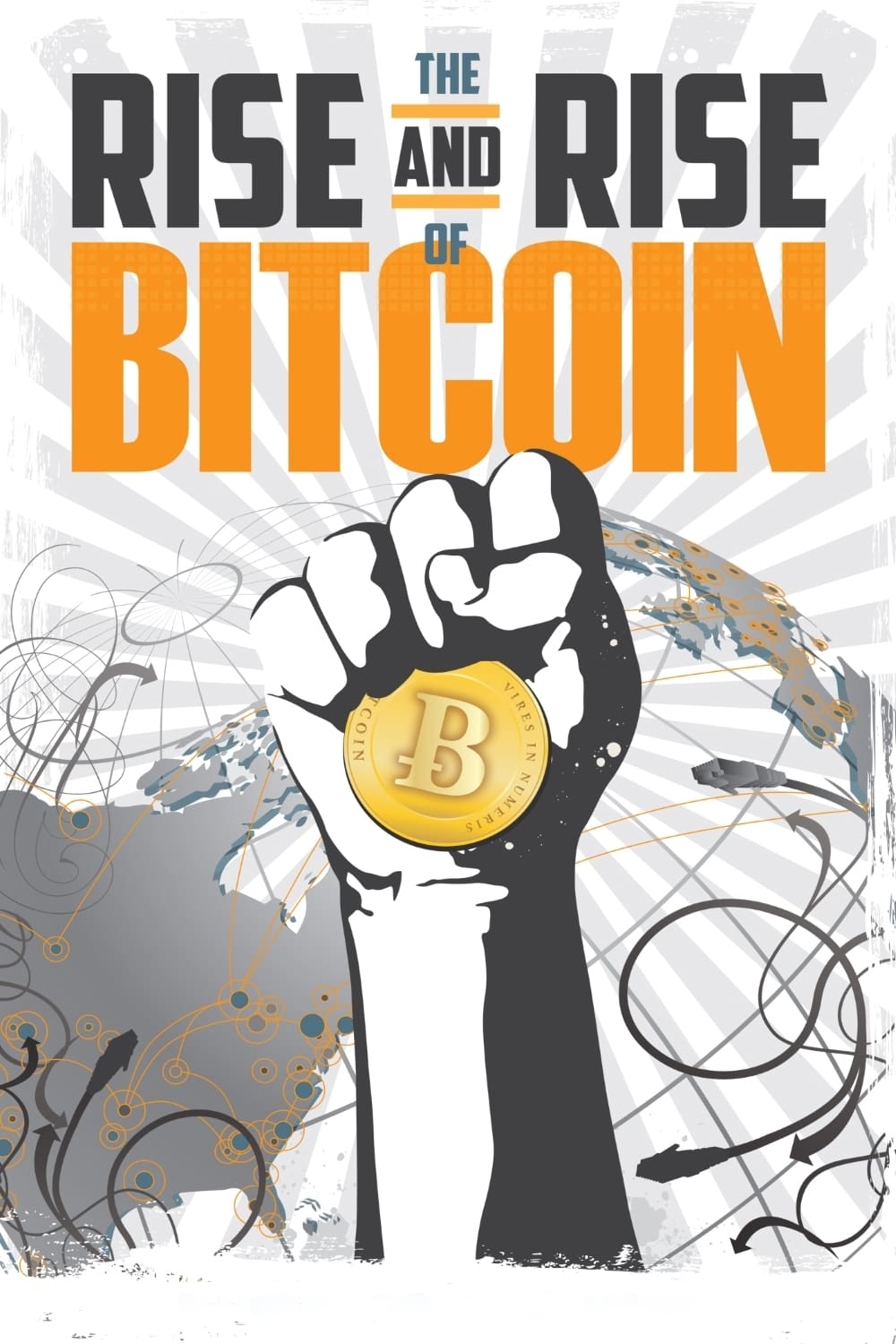
A documentary about the development and spread of the virtual currency called Bitcoin.
JB Smoove and Martin Starr host a celebration of 20 years of "Spider-Man" movies, from the Sam Raimi trilogy to Marc Webb's movies and the trio from Jon Watts.
Not since the invention of the Internet has there been such a disruptive technology as Bitcoin. Bitcoin's early pioneers sought to blur the lines of sovereignty and the financial status quo. After years of underground development Bitcoin grabbed the attention of a curious public, and the ire of the regulators the technology had subverted. After landmark arrests of prominent cyber criminals Bitcoin faces its most severe adversary yet, the very banks it was built to destroy.
A documentary special that explores the power of identity behind the iconic superheroes we know and love today. These legendary Marvel creations and stories have not only reflected the world outside our window – they have become a reflection of our own identities and who we truly are.
Danish journalist Mads Brügger goes undercover as a Liberian Ambassador to embark on a dangerous yet hysterical journey to uncover the blood diamond trade in Africa.
Diaries, audiotapes, videotapes and testimonials from friends and colleagues offer insight into the life and career of Gilda Radner -- the beloved comic and actress who became an icon on Saturday Night Live.
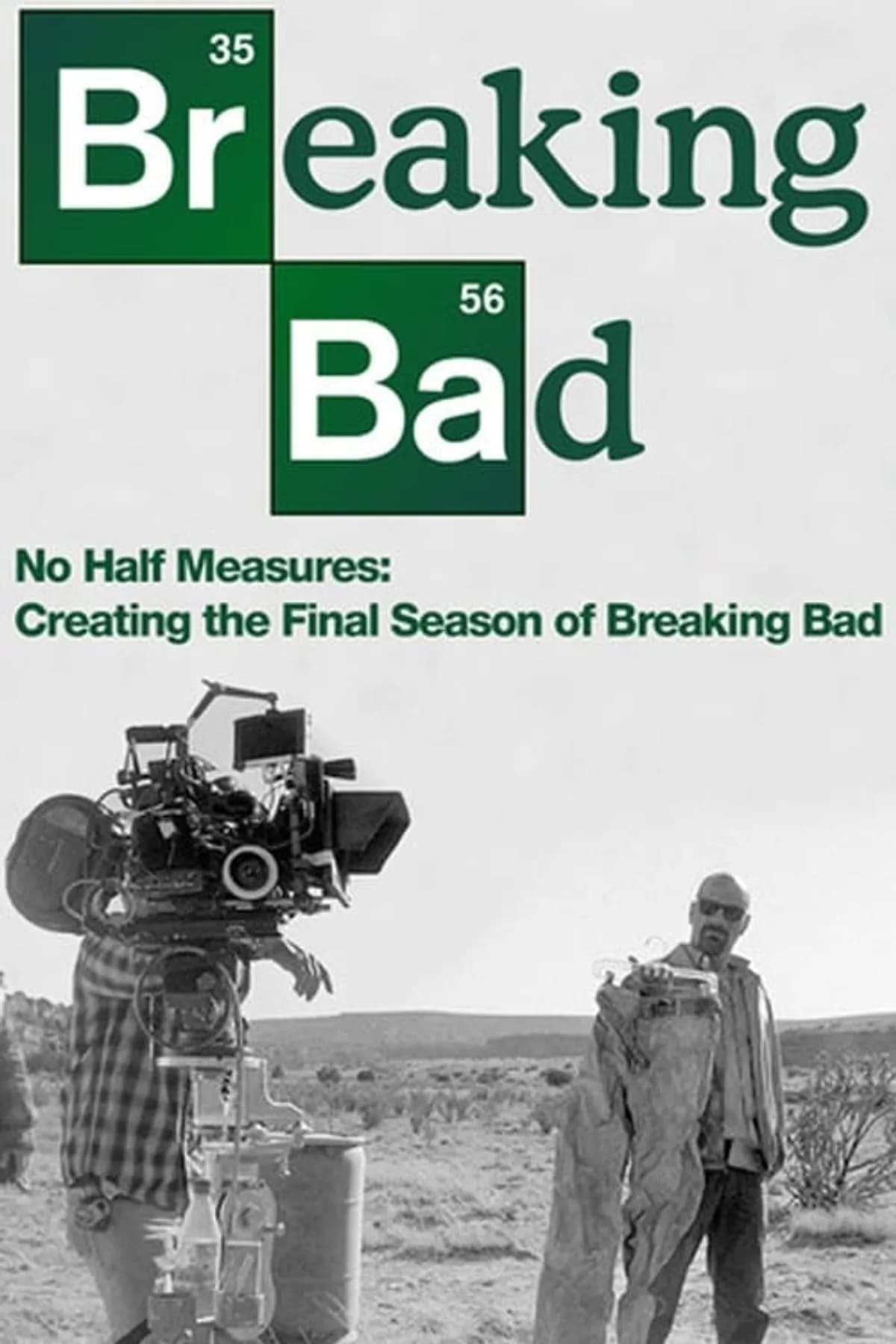
A documentary about the making of season five of the acclaimed AMC series Breaking Bad.
Alex Gibney explores the charged issue of pedophilia in the Catholic Church, following a trail from the first known protest against clerical sexual abuse in the United States and all way to the Vatican.
The life and career of one of comedy's most inimitable modern voices, Mr. Gilbert Gottfried.
The Making-of James Cameron's Avatar. It shows interesting parts of the work on the set.
A documentary that explores the downloading revolution; the kids that created it, the bands and the businesses that were affected by it, and its impact on the world at large.
Featuring a wealth of previously unseen archive, this film looks at how Bowie continually evolved: from Ziggy Stardust to the Soul Star of Young Americans, to the ‘Thin White Duke’. It explores his regeneration in Berlin with the critically acclaimed album Heroes, his triumph with Scary Monsters and his global success with Let’s Dance. With interviews with all his closest collaborators, David Bowie - Five Years presents a unique account of why Bowie has become an ‘icon of our times’.
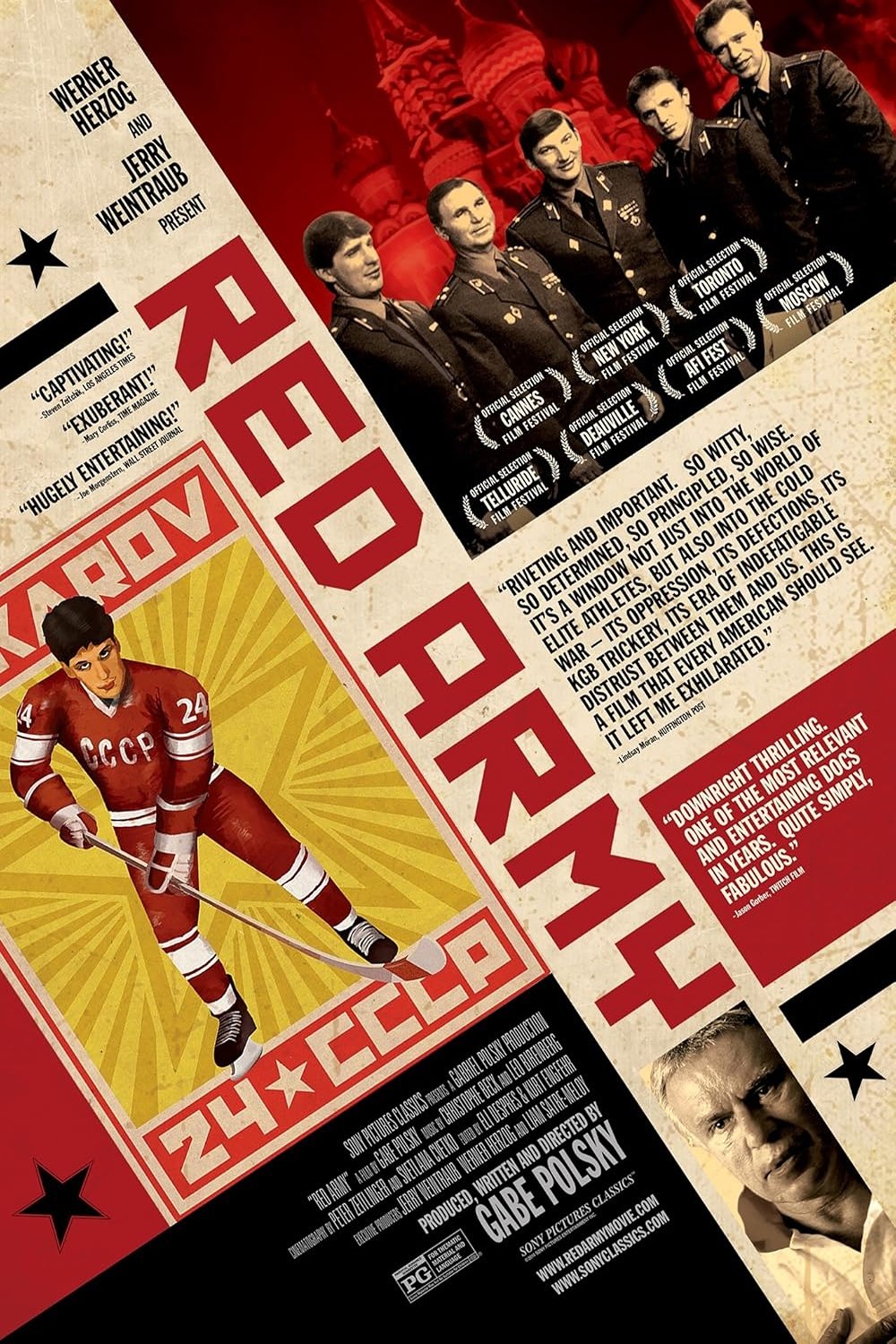
A documentary highlighting the Soviet Union's legendary and enigmatic hockey training culture and world-dominating team through the eyes of the team's Captain Slava Fetisov, following his shift from hockey star and celebrated national hero to political enemy.
A depiction of the Wrangelkiez neighbourhood in Berlin. The people portrayed tell their life stories. One woman came to the neighbourhood a decade ago to work in Berlin’s still unfinished Brandenburger Airport, one man reminisces his childhood on a Tobacco farm in Kentucky, another speaks of an exceptional day in an otherwise monotonous workplace. These portraits are interwoven with the story of Elpi, a Greek woman who is waiting for the long overdue visit of an old important friend. The outcome of this mixture is a film which captures the lives and perspectives of some of Wrangelkiez’s most commanding citizens, while at the same time evoking the loss that change and time passing means for places and for people.