Social & External
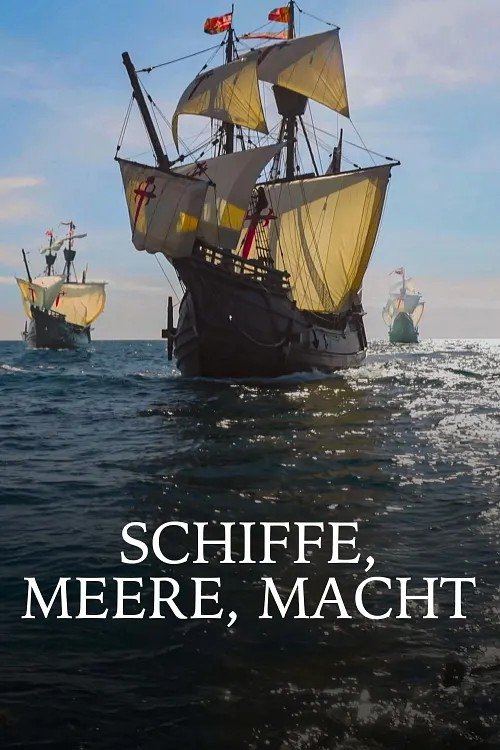
People have always wanted to reach the horizon and go beyond it. It wasn't and isn't just about discovering for the sake of discovering. Exotic goods, wealth and power were the driving forces of these people. The steamship ultimately brought the breakthrough for global mobility and trade. In the past, as now, shipping is the engine of globalization.
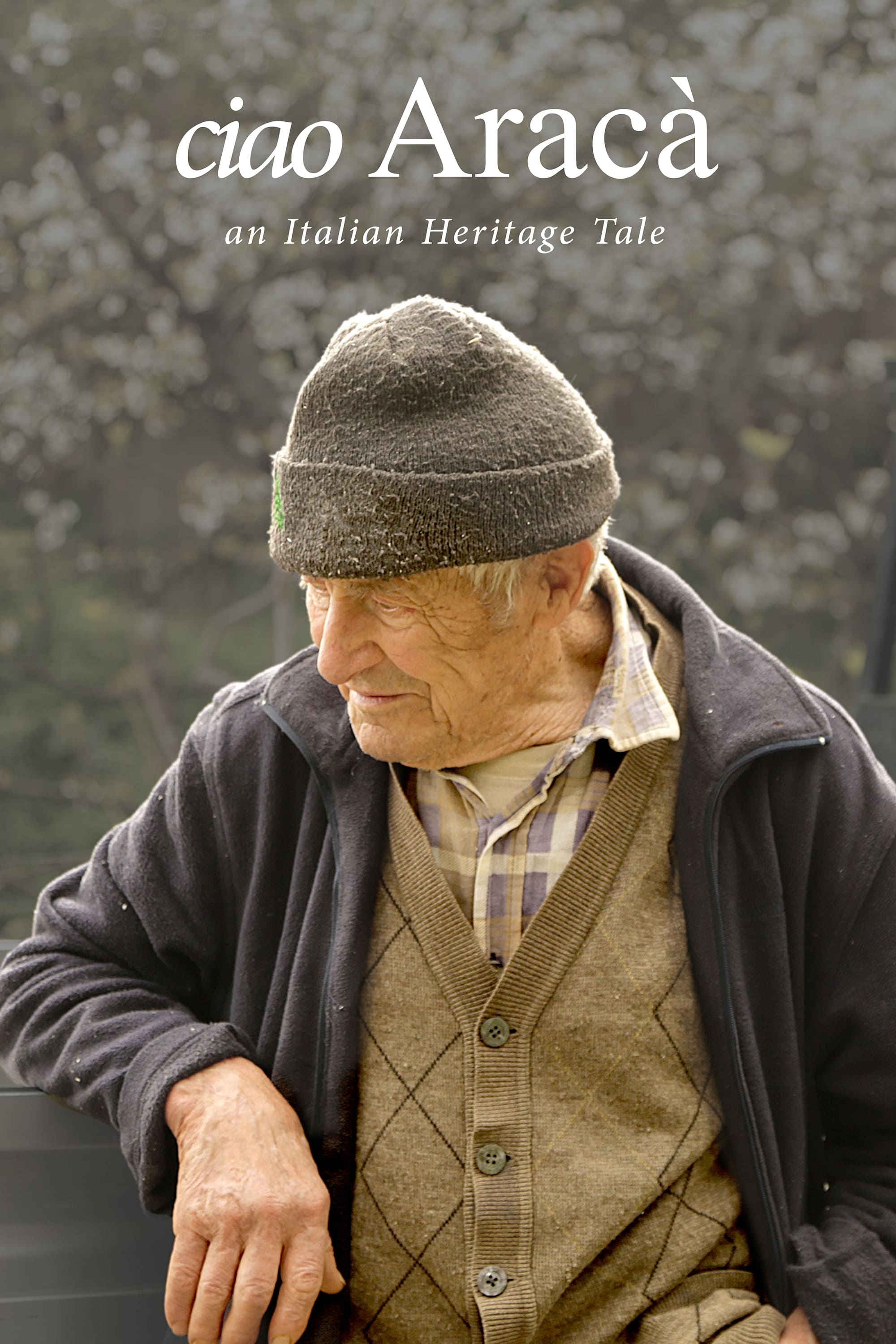
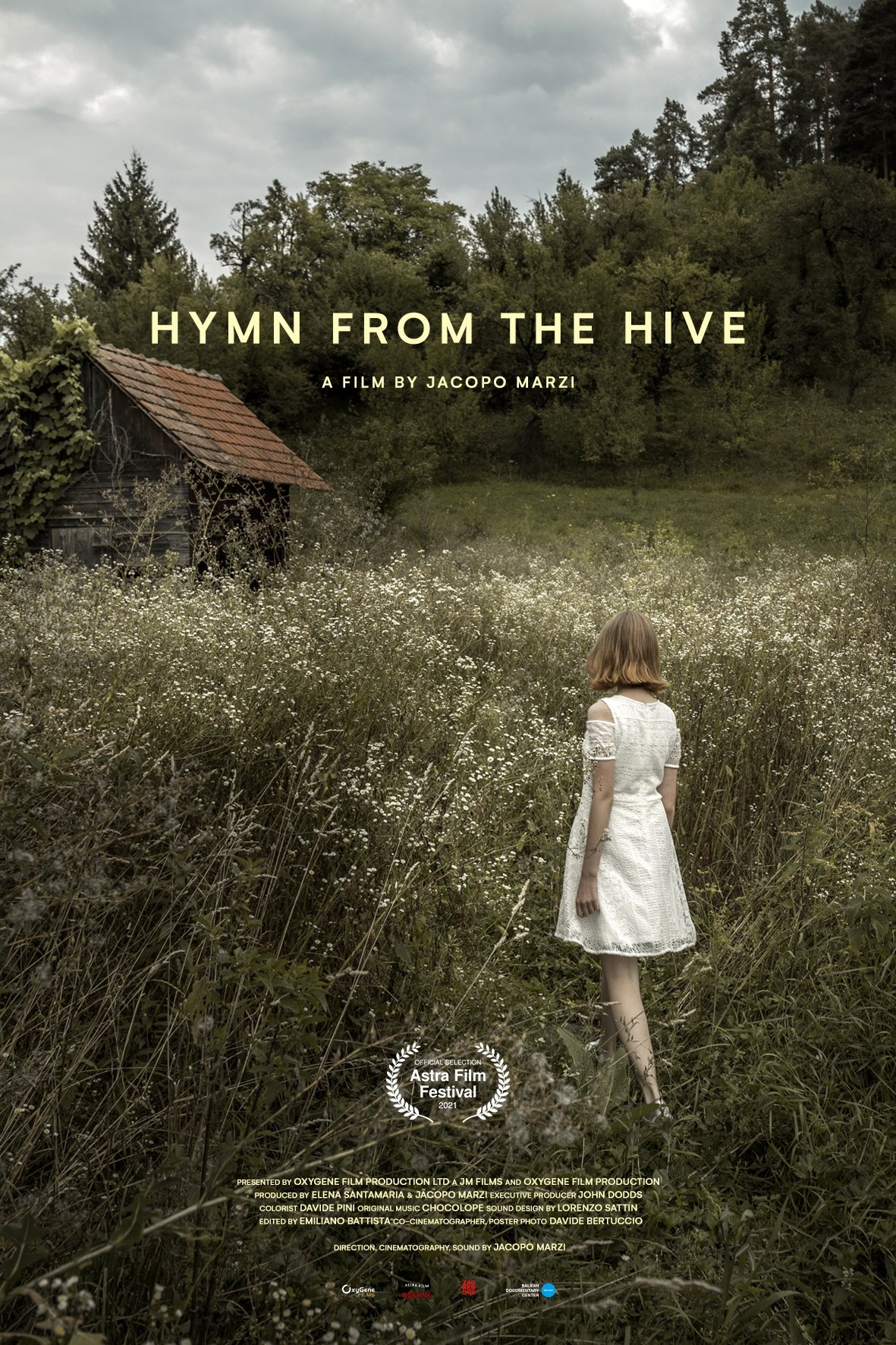
"...a charming depiction of life as I knew it with my grandparents in my own village..." Clara Caleo Green, Cinema Italia UK "The sum of the individual fates and life choices paints a picture, the validity of which extends far beyond this village." Joachim Manzin, Black Box This documentary records the thoughtful and emotional confrontation with time, change, loss and hope related by the members of a small community in the idyllic Ligurian countryside who are dealing with a rapidly changing agricultural industry, transformed by globalisation and technological advances and an increasing number of foreigners buying the empty houses in their village. Forgoing the use of music and voice over, the film lets Aracà's inhabitants tell their own stories and allows the audience to dive into the rich soundscape of the ligurian alpine countryside.
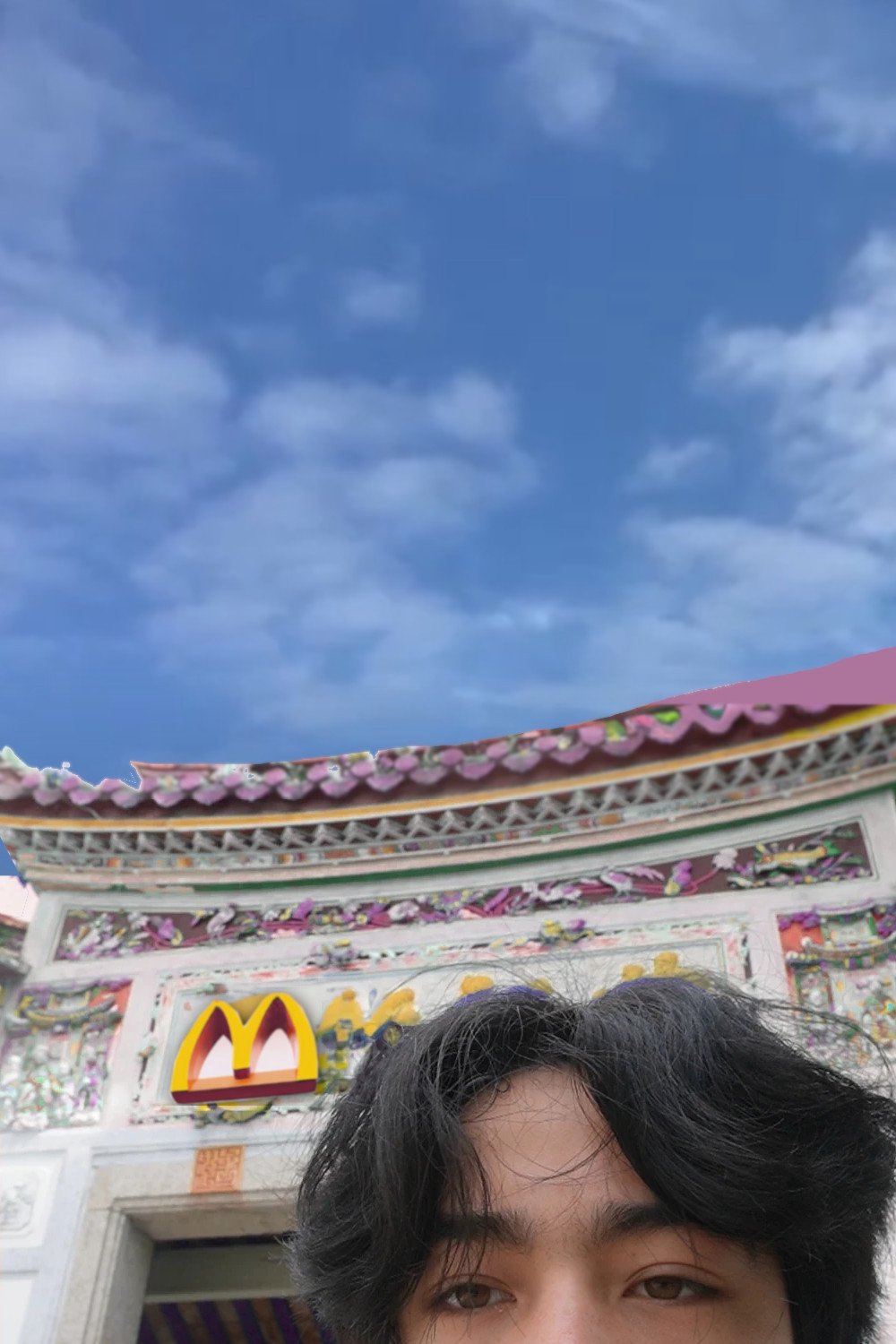
The creator, Seth Ho, takes his audience on a journey to Malaysia to explore and review the unique menu items offered at a local McDonald's. Blending food commentary with a personal travel experience, the documentary highlights the physical effects of globalization, migration and its role in modern culture.
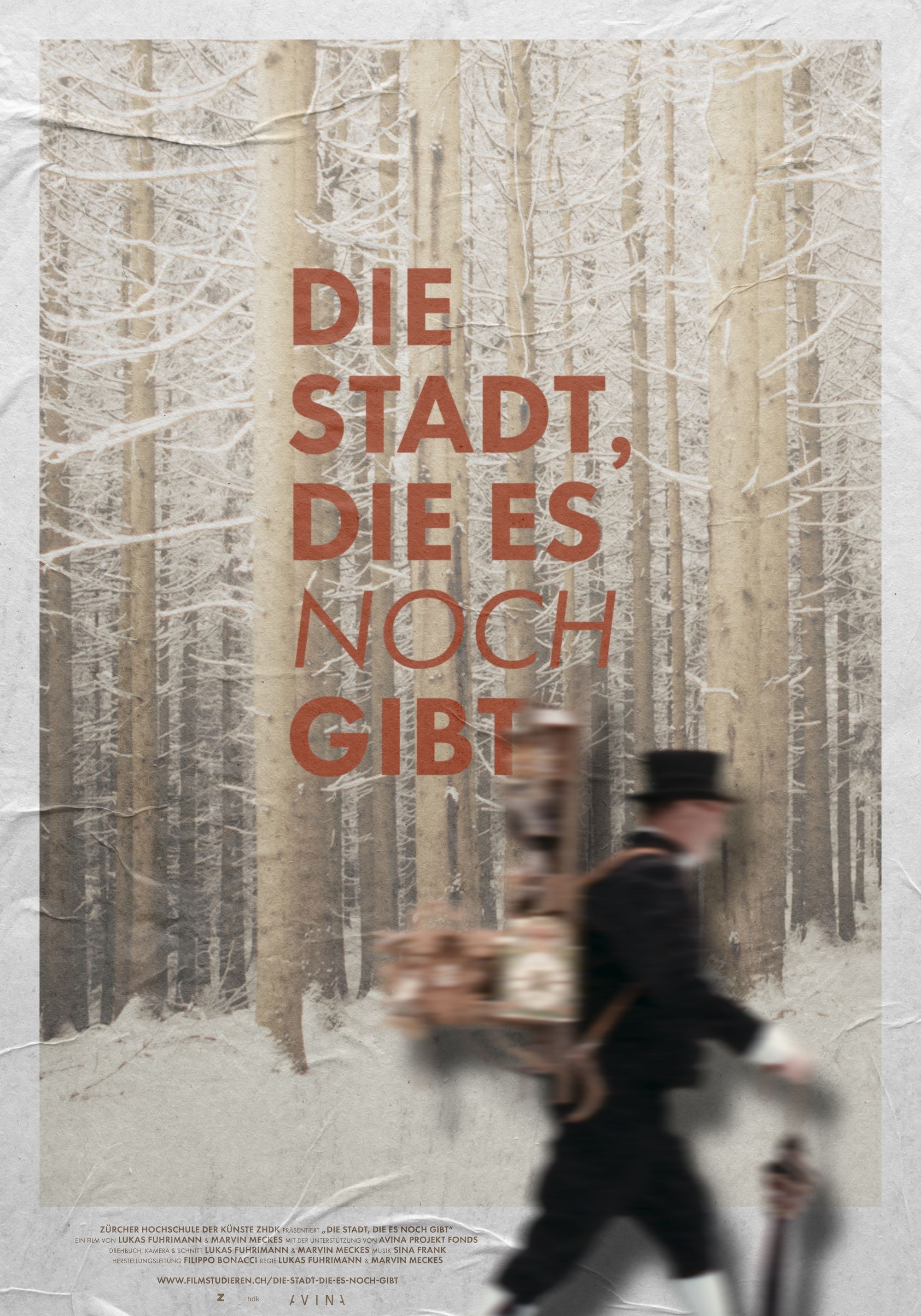
Nestled behind high mountains and dark forests lies Triberg, the birthplace of the cuckoo clock. For centuries, this cult item has been handcrafted right here, attracting tourists from all over the world. Ever since the boom of the 1980s has faded, the cuckoo clock has gradually lost its appeal and magic. And so has the place, which now resembles a ghost town. Its residents however still believe in their clock: Vendors, clockmakers and tourist guides alike fight to preserve their beloved heritage. Between abandoned restaurants and souvenir shops they hope for new tourists, while the clock continues ticking away.
A house. A shelter. A man the last one left in the homeland. A woman returns to her community every year. The daughters and husband who have lost all traditions. A rapper who raps in the old language. In 1990 Susanna marries Udo. Their wedding is the last one celebrated between two Saxons in their village. After that the couple emigrated like half a million of Transylvanian Saxons. After 30 years in Germany the relationship between Susi and Udo has gone stale and they haven't taught their native language to their daughters that feel just German. Georg on the other hand is proud of his identity. He hopes with his rap to spread the young generations about the heritage to make them proud of being a Saxon. This is the choral story of a family who is learning to change in order not to disappear.
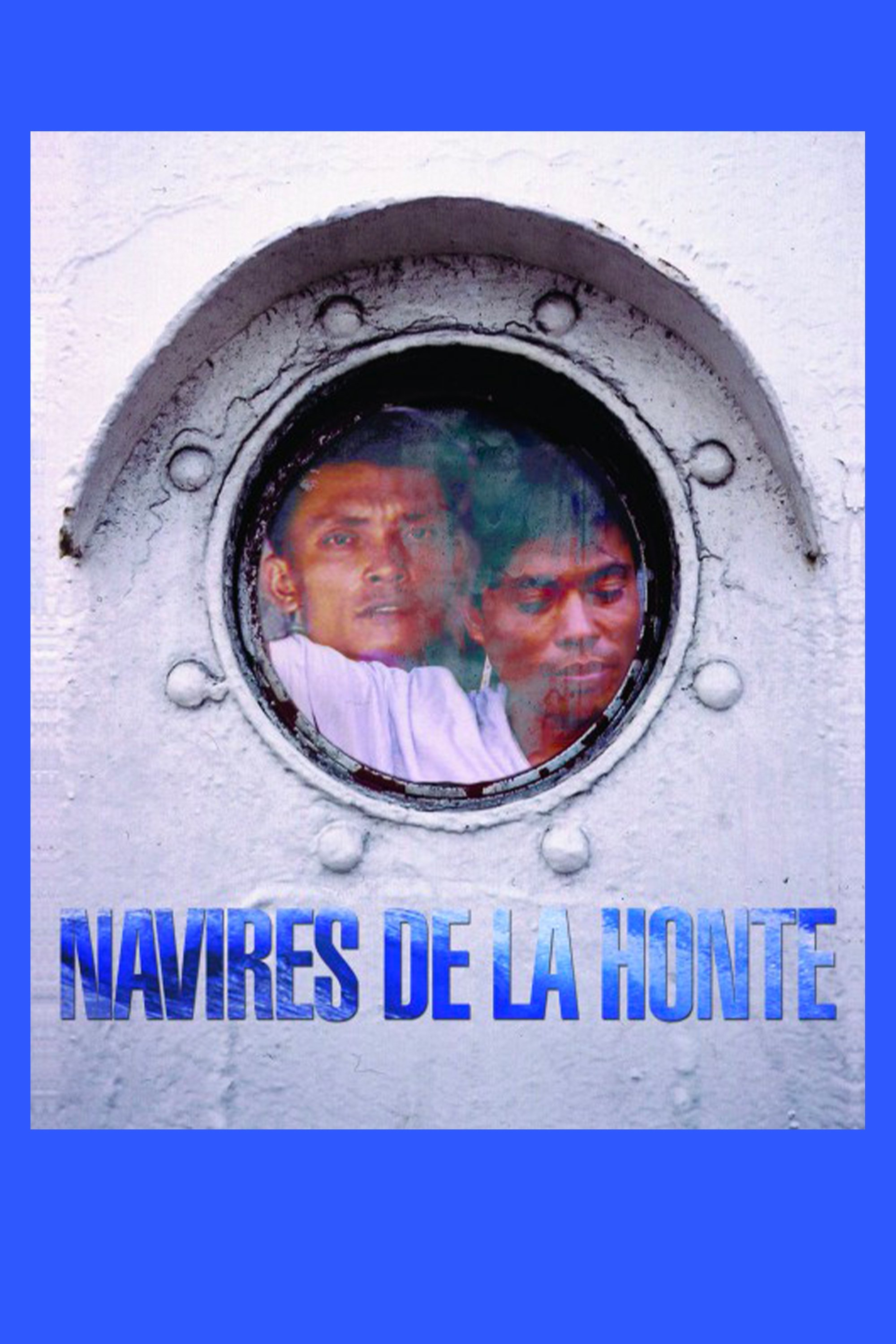
Most of the goods we consume are transported by sea on ships where working conditions recall those of the galley ships of another age. Turbulent Waters tells the story of these seafarers – equivalent to 21st century galley slaves – and of the turbulent seas they inhabit in a world of corporate globalisation.
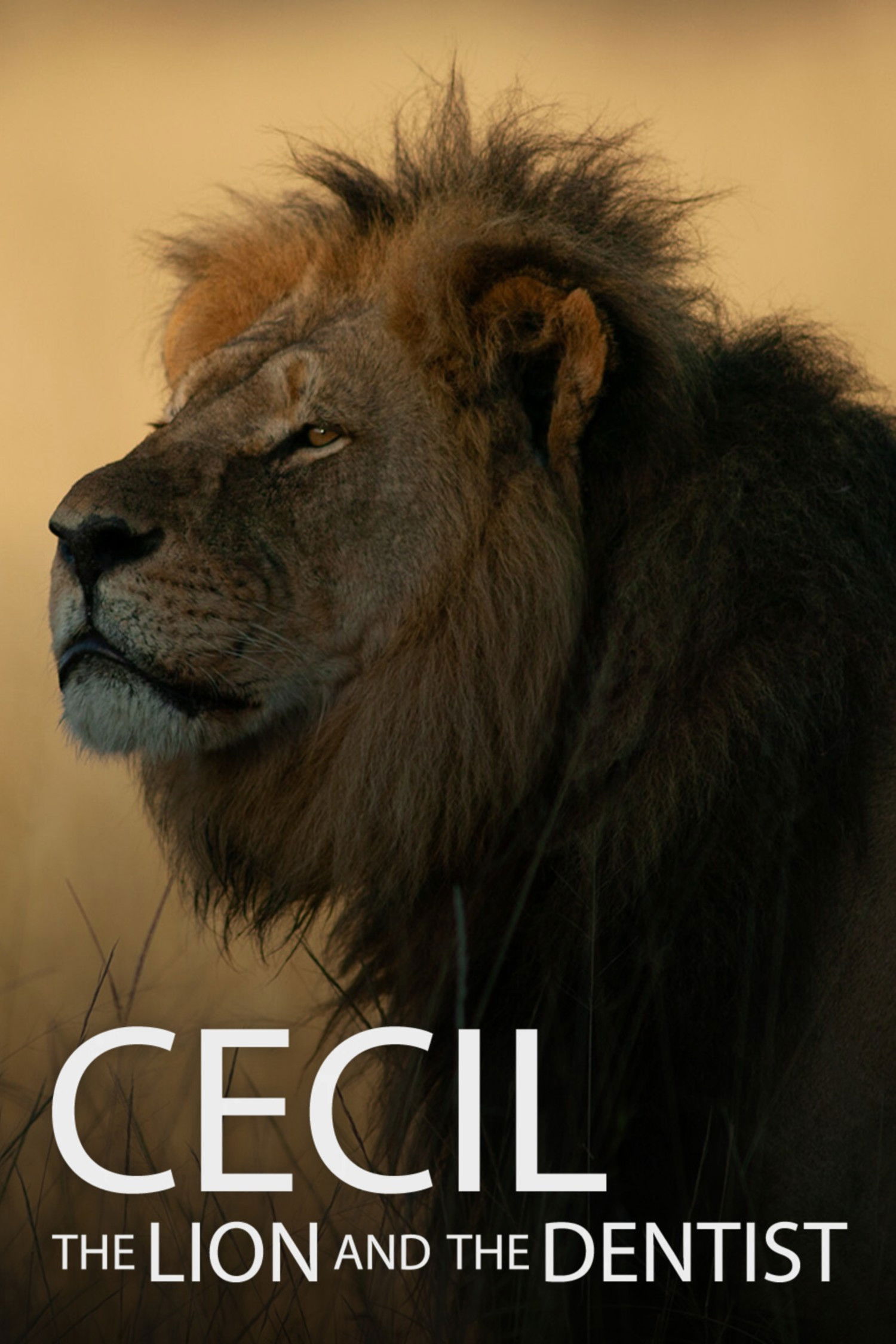
In 2015 a lion in Zimbabwe named Cecil was killed by Walter Palmer, an American dentist, provoking a global outcry. The story of Cecil’s death turns the gaze back on to us and our behaviour. The simplicity of the outrage is a stark contrast to the complexity of the reality.
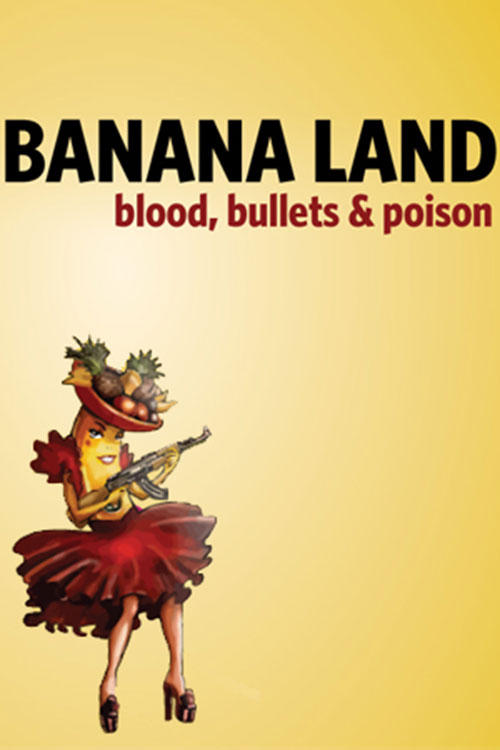
For consumers, bananas are a delicious and nutritious start to the day, a healthy snack and a fixture in our fruit bowls. For millions of residents in the banana lands, the production of bananas means social upheaval, violence and pesticide poisoning. Banana Land explores the origins of these disparate realities, and opens the conversation on how workers, producers and consumers can address this disconnect.
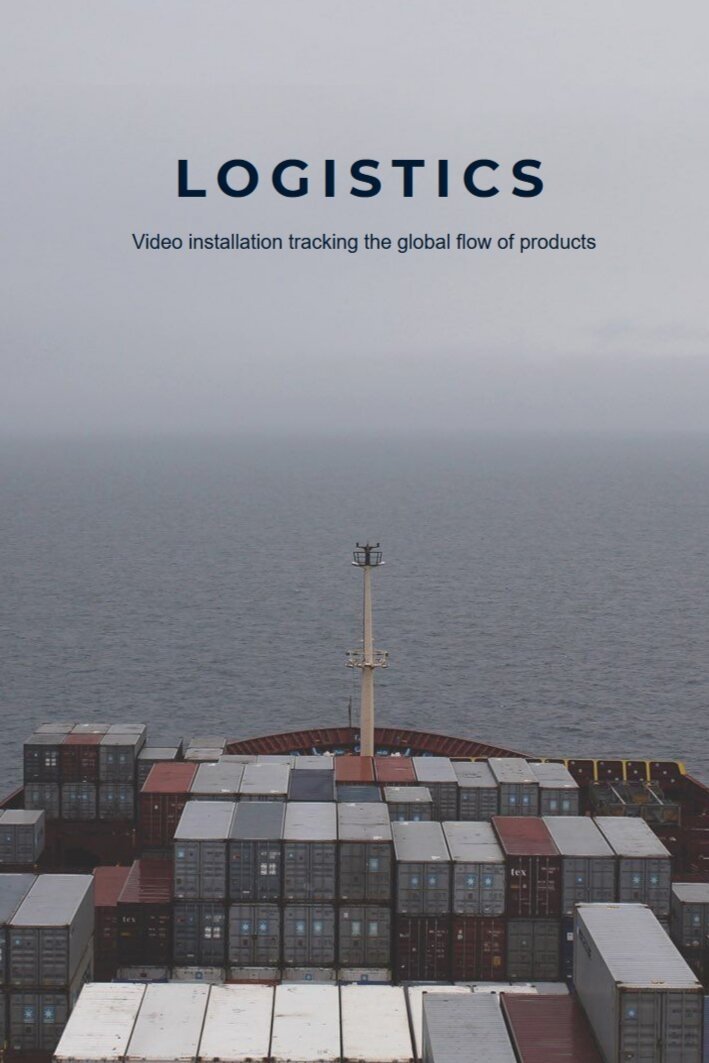
Logistics or Logistics Art Project is an experimental art film. At 51,420 minutes (857 hours or 35 days and 17 hours), it is the longest movie ever made. A 37 day-long road movie in the true sense of the meaning. The work is about Time and Consumption. It brings to the fore what is often forgotten in our digital, ostensibly fast-paced world: the slow, physical freight transportation that underpins our economic reality.
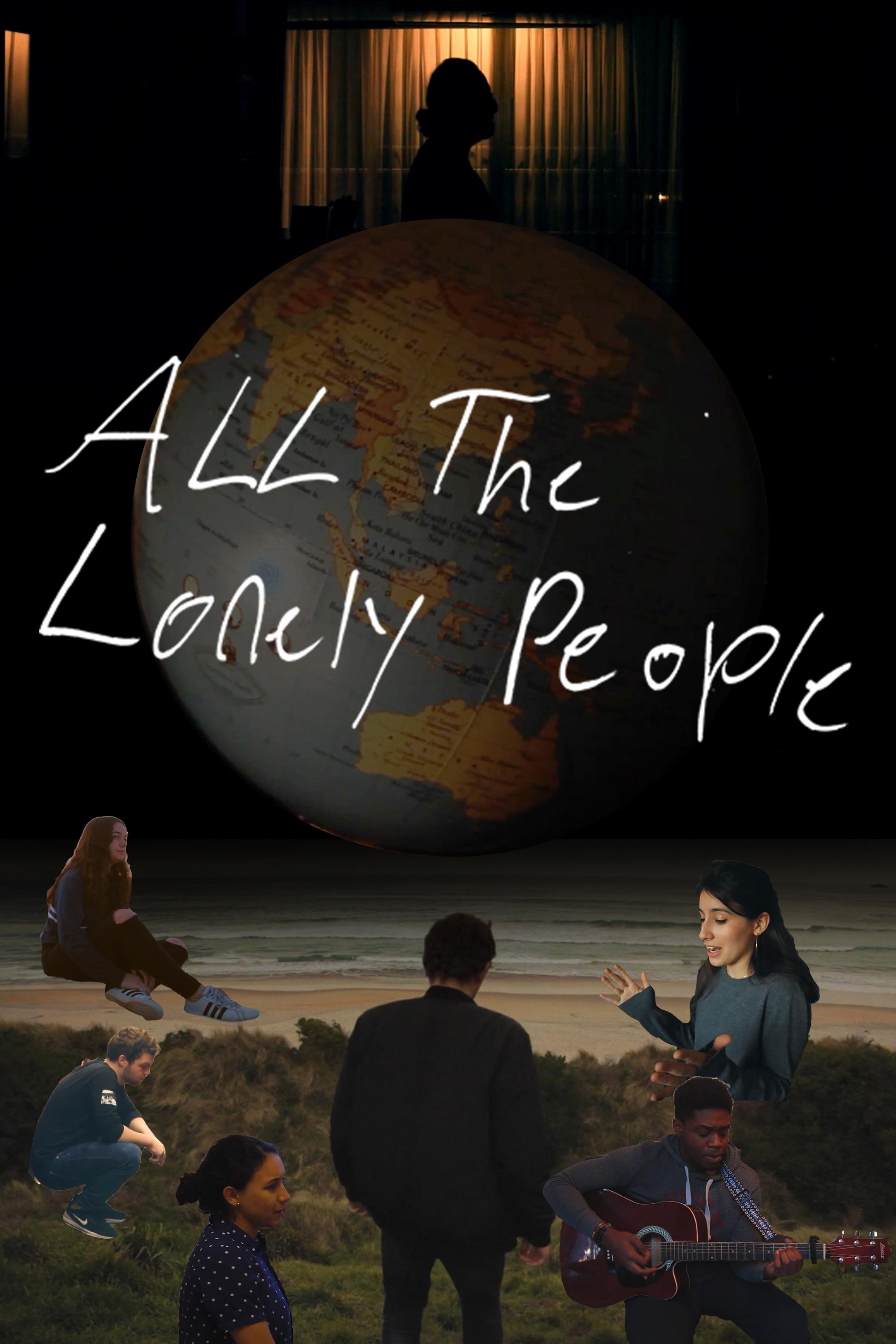
Spanning seven short stories - each taking place in a different city around the globe, “All the Lonely People” showcases a slice of life from various strangers while they try to face their regular, everyday problems. From New Zealand to New York city, the assortment of strangers deal with modern day anxieties that slowly spiral out of control.
"Oil Rocks" - behind the enigmatic name lies the first and largest offshore oil-platform ever built, a vast city in the middle of the Caspian Sea, built by Stalin in 1949. 60 years on, "Oil Rocks" is still operational and the first western film crew ever receives access. Just imagine: 200 kilometers of bridges, thousands of oil workers, hundreds of platforms, up to nine-story buildings, a park and sports field, nothing less then an oil-rig Atlantis, only real. Combining archive footage from the Soviet era and the exclusive new footage, the film tells the story of this timeless place and it's inhabitants.
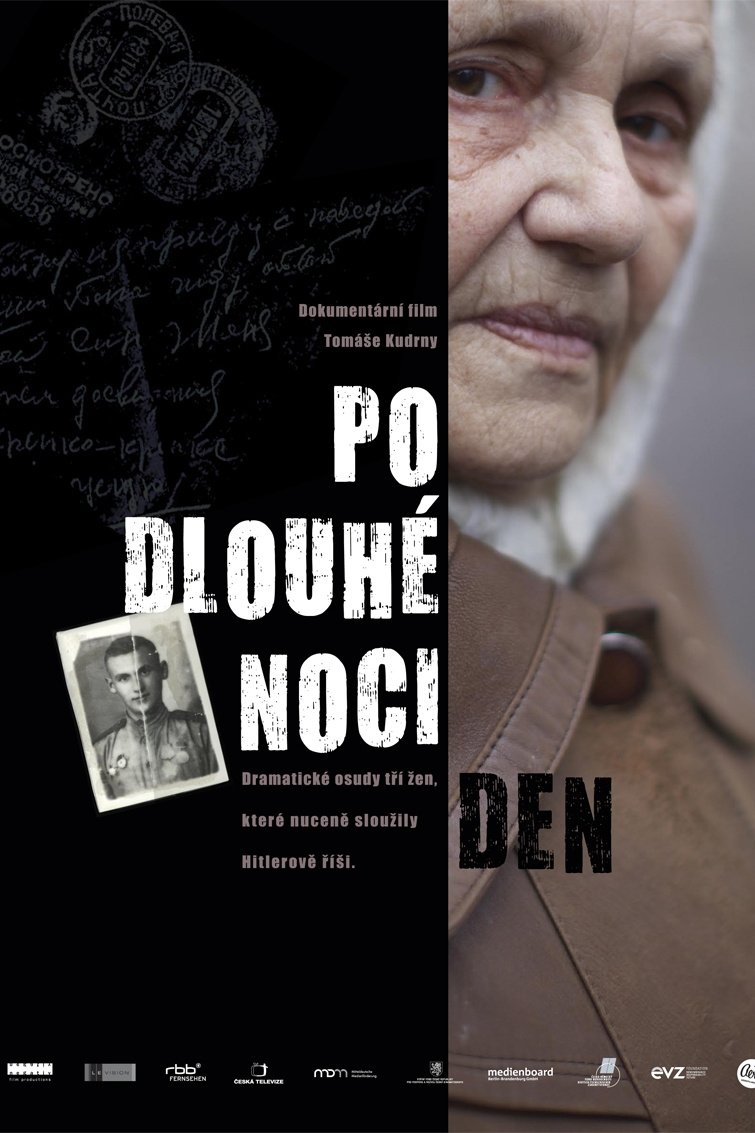
They came from Poland, Russia, Ukraine, the Czech Republic and France - forced laborers who ensured that life in Germany was maintained and that supplies reached the German front during the Second World War. They were often deported to Germany at a young age and had to live in adverse conditions.
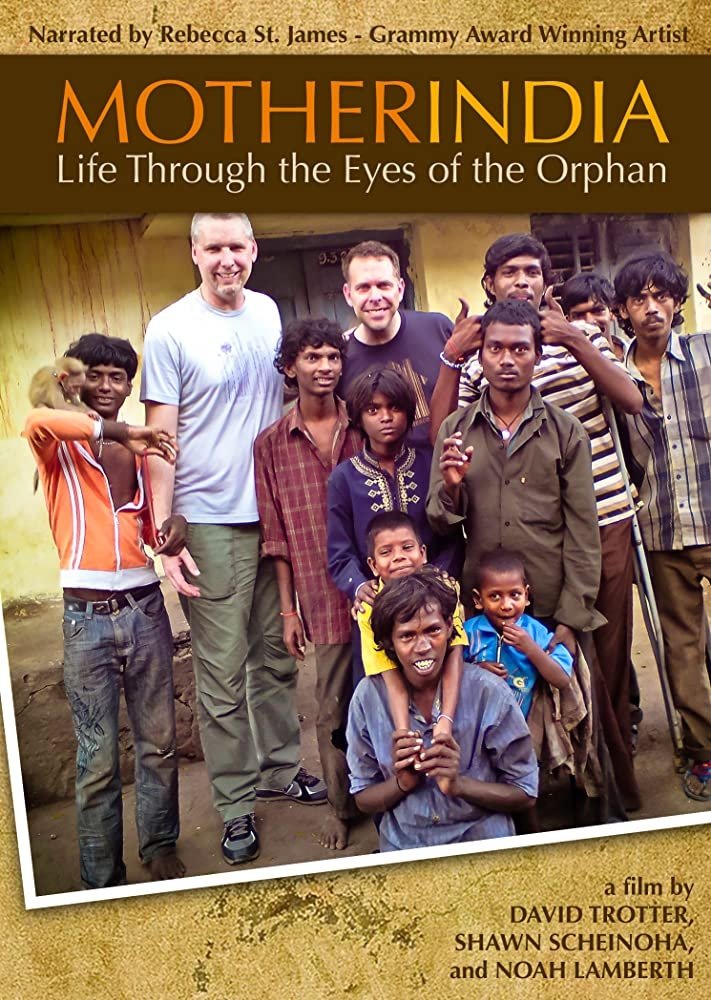
Narrated by Rebecca St. James (Grammy Award Winning Artist), Mother India is a compelling documentary capturing the stories of abandoned and orphaned kids living in India. For one week, David and Shawn stepped into the lives of 25 boys and girls living alongside the railway station in the southern town of Tenali (Andhra Pradesh). With over 31 million orphans in India, the stories that emerge reflect the complexity of the issues and the challenge of rescuing kids from a life of begging and addiction. Find out what happens when these two friends eat, sleep, and play among this 'family' of street kids in an effort to experience life through their eyes. You'll never be the same.
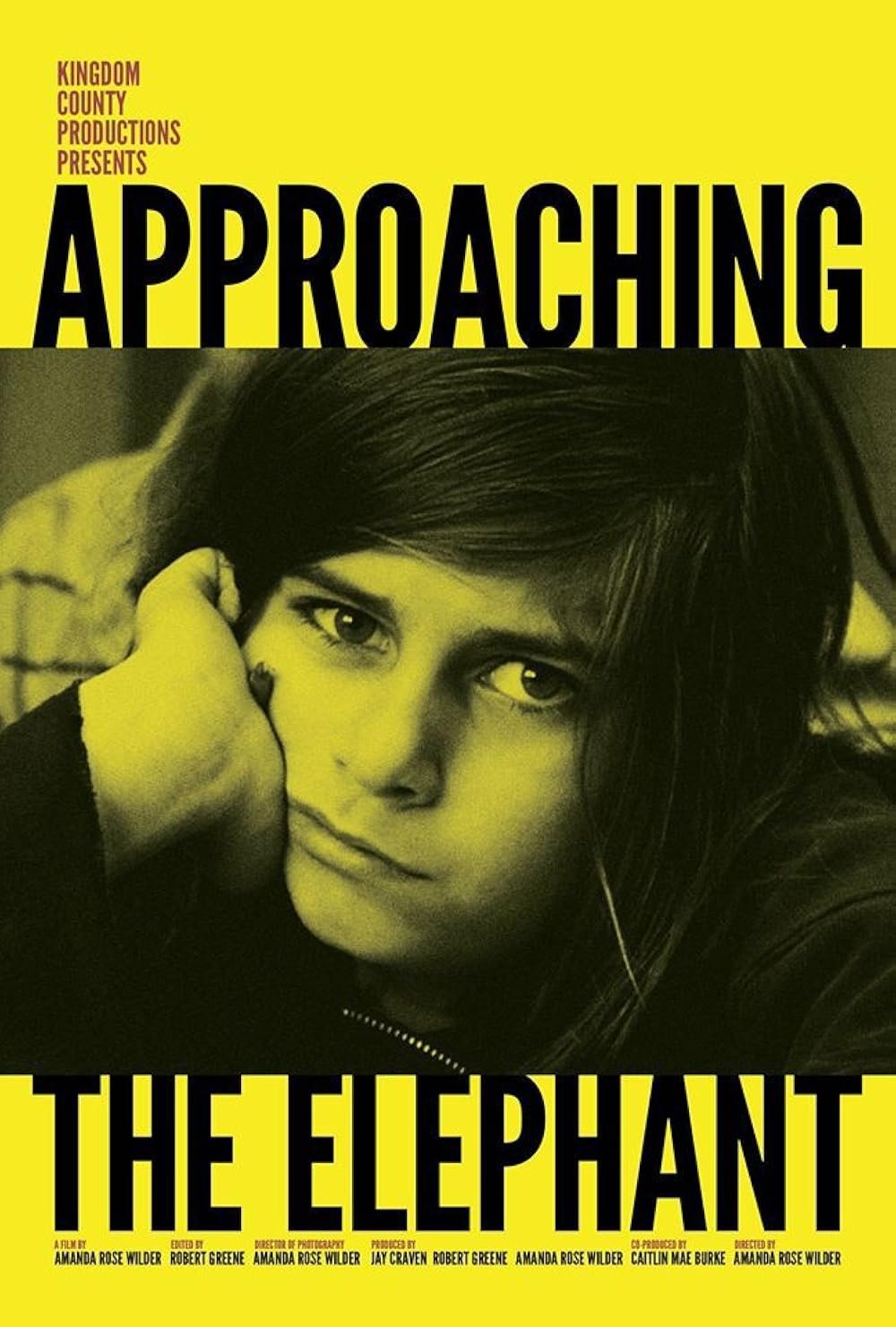
APPROACHING THE ELEPHANT is a feature-length documentary about The Teddy McArdle Free School, where classes are optional and rules are made by democratic vote. Summerhill, founded 90 years ago by A. S. Neill, was the first free school - now there are more than 200 worldwide. Approaching the Elephant chronicles a free school in the making - spanning two years, from Teddy McArdle's first day when there were no rules or classes, through the changing of the school's director and the expulsion of a student by democratic vote, to the last day of the second year, APPROACHING THE ELEPHANT is an intimate portrait of a small group of people from a range of educational backgrounds, come together to forge a place where children are treated as equals, at liberty to spend their days however they please.
Short documentary about the ideology of publicity and mass medias.
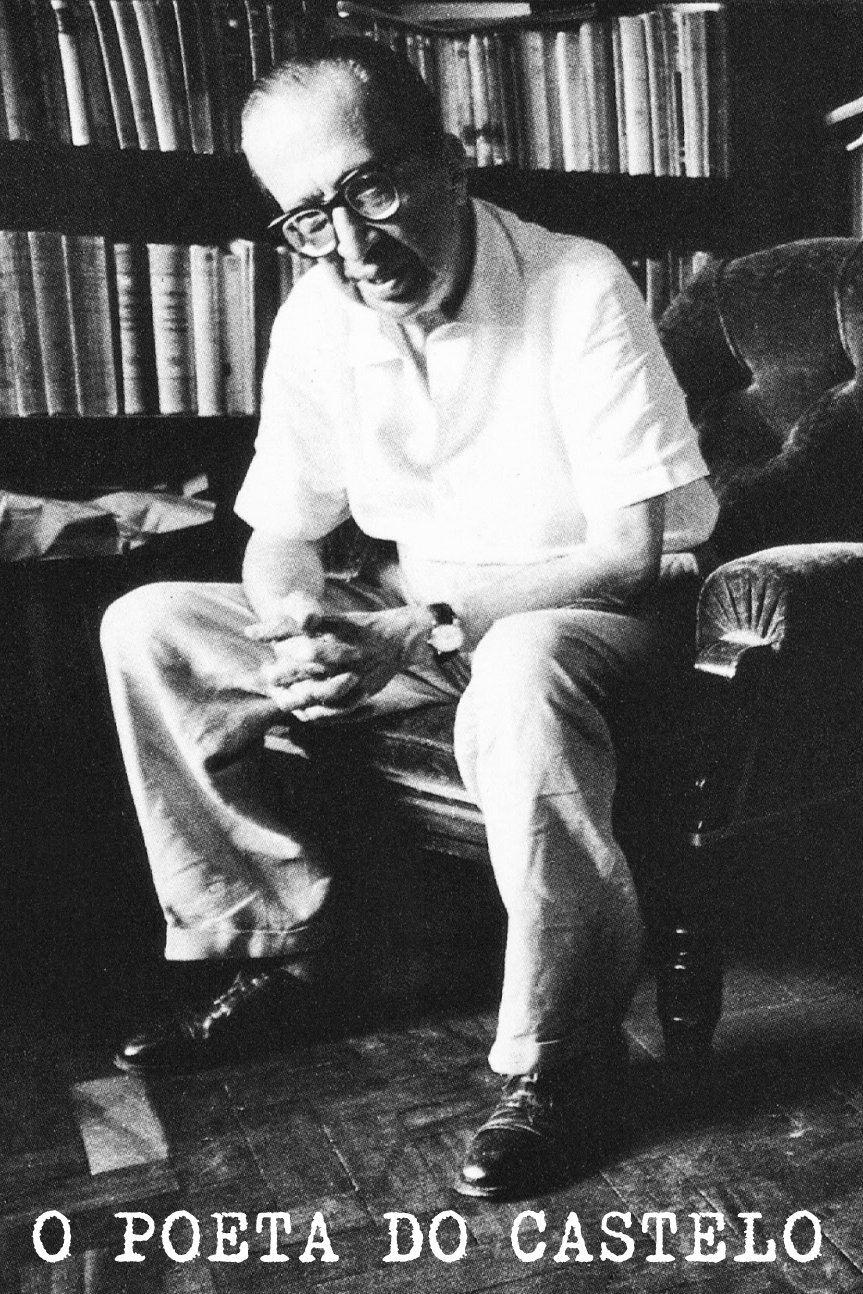
A 10-minute portrait of modernist poet and de Andrade’s godfather, Manuel Bandeira, is clear in its affection for it subject, though like many New-Waveish films of the time, depicts the modern urban landscape as an ominous and alienating force.
Reveals the shared narratives found in individual and collective ideologies of hate, and how we as a species can overcome them. For six years the filmmaker worked with unprecedented access to some of the most venomous ideologies and violent conflicts of our time including the white supremacist movement, Christian Fundamentalism as an anti-gay platform, Muslim extremism, the Palestinian Intifada, Israeli settlers and soldiers, and US Forces in Iraq. By juxtaposing this verite footage with interviews from leading sociological, psychological, and neurological experts, and interspersing stories of redemption told by former "combatants", the film weaves a tapestry that reveals both the emotional and biological mechanisms which make all of us susceptible to acts and ideologies of hate, and demonstrates how these very same traits make us equally capable of overcoming them.
A documentary that explores the downloading revolution; the kids that created it, the bands and the businesses that were affected by it, and its impact on the world at large.
A documentary about how a dominant cultural and demographic institution both sustains their traditional activities and adapts to the digital revolution.
The film is based on interviews with 2,000 women from 50 countries, and covers the status of women all over the world. The topics covered include forced marriages, sexual assault, female genital mutilation, acid attacks, motherhood, sexuality, menstruation, education and the professional success of women.
Film adaptation of French economist Thomas Piketty's ground-breaking global bestseller of the same name: an eye-opening journey through wealth and power.
A purely observational non-fiction film that takes viewers into the ethically murky world of end-of-life decision making in a public hospital.
A depiction of the Wrangelkiez neighbourhood in Berlin. The people portrayed tell their life stories. One woman came to the neighbourhood a decade ago to work in Berlin’s still unfinished Brandenburger Airport, one man reminisces his childhood on a Tobacco farm in Kentucky, another speaks of an exceptional day in an otherwise monotonous workplace. These portraits are interwoven with the story of Elpi, a Greek woman who is waiting for the long overdue visit of an old important friend. The outcome of this mixture is a film which captures the lives and perspectives of some of Wrangelkiez’s most commanding citizens, while at the same time evoking the loss that change and time passing means for places and for people.
A presentation of a case for a needed transition out of the current socioeconomic monetary paradigm which governs the entire world society. This subject matter will transcend the issues of cultural relativism and traditional ideology and move to relate the core, empirical 'life ground' attributes of human and social survival, extrapolating those immutable natural laws into a new sustainable social paradigm called a 'Resource-Based Economy'.
After a look at some strange creatures, the narrator and camera take us to the Chaco forest, on the borders of Paraguay, Argentina, and Brazil, where a vampire bat lives, desmodus rotondus, attacking wildlife and domesticated creatures, killing small ones by draining all their blood and killing large ones by leaving a parasite in their bloodstream. Four inches long, with a 12-inch wingspread, we see it walk, approach a victim, pull out a patch of fur large enough for it to engage its teeth, then lap six or seven ounces of blood. Its saliva may be an anesthetic keeping its victims from waking. A stub nose and harelip contribute to its efficiency and its hideous look.
A visual montage portrait of our contemporary world dominated by globalized technology and violence.
A detailing of the rise to prominence and global sporting superstardom of six supremely talented young Manchester United football players (David Beckham, Nicky Butt, Ryan Giggs, Paul Scholes, Phil and Gary Neville). The film covers the period 1992-1999, culminating in Manchester United's European Cup triumph.
A documentary on a former Miss Wyoming who is charged with abducting and imprisoning a young Mormon Missionary.
Documentary of the making of the sequel to the popular Schwarzenegger film, The Terminator.
Alex Gibney explores the charged issue of pedophilia in the Catholic Church, following a trail from the first known protest against clerical sexual abuse in the United States and all way to the Vatican.
A documentary about the life and films of director John Ford.
Follow the evolution of the 'Halloween' movies over the past twenty-five years. It examines why the films are so popular and revisits many of the original locations used in the films - seeing the effects on the local community. For the first time, cast, crew, critics and fans join together in the ultimate 'Halloween' retrospective.
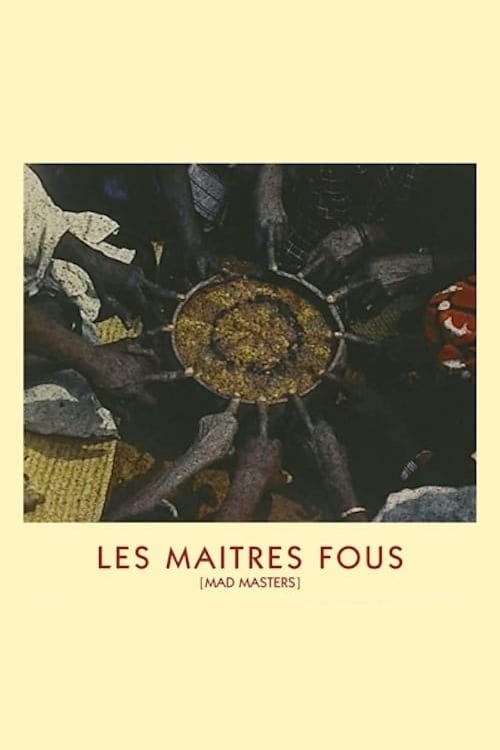
The subject of the film was the Hauka movement. The Hauka movement consisted of mimicry and dancing to become possessed by French Colonial administrators. The participants performed the same elaborate military ceremonies of their colonial occupiers, but in more of a trance than true recreation.
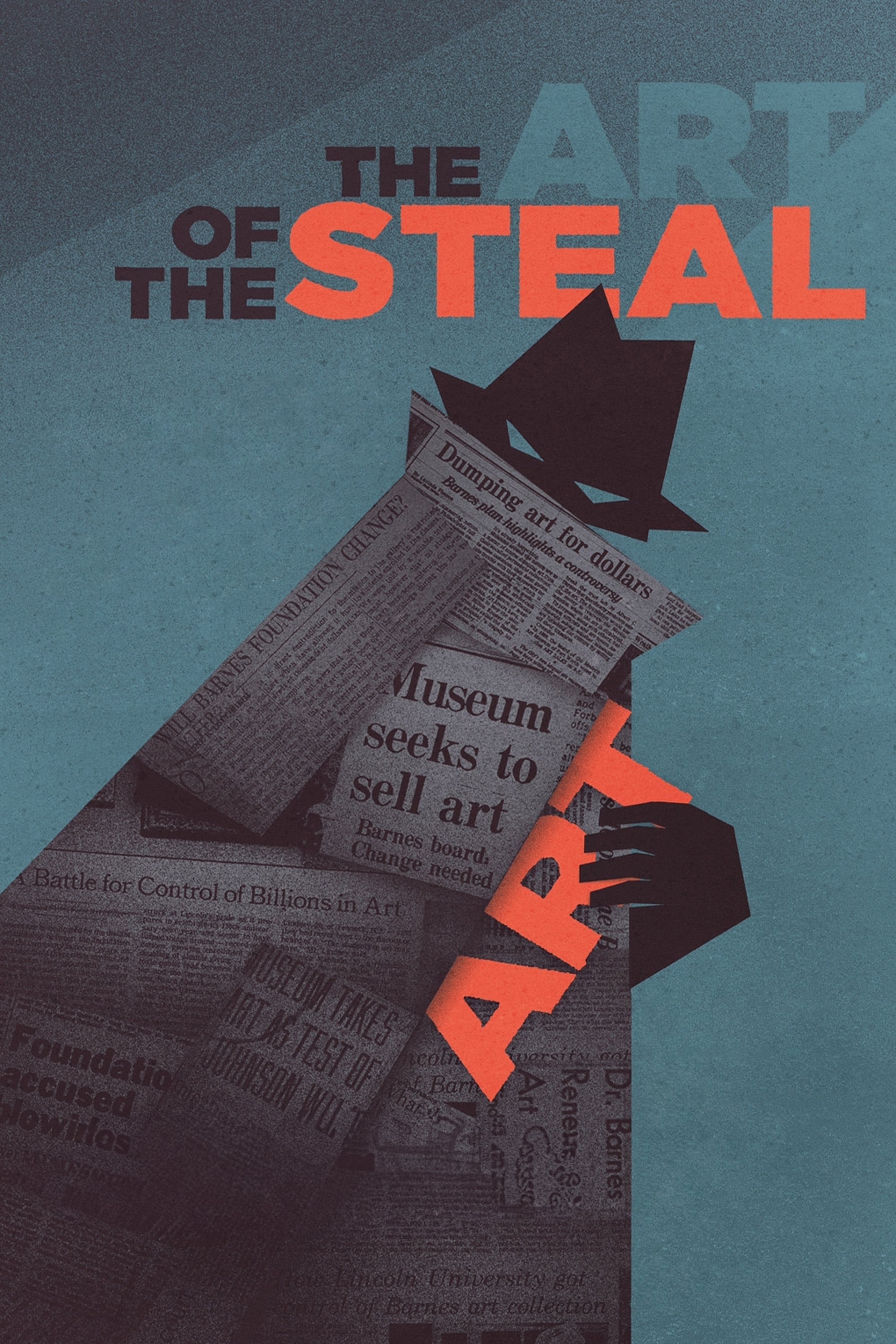
A gripping tale of intrigue and mystery in the art world, this film traces the history of a collection of Post-Impressionist paintings - worth billions - which became the subject of a power struggle after the death of its owner. Dr. Albert Barnes.
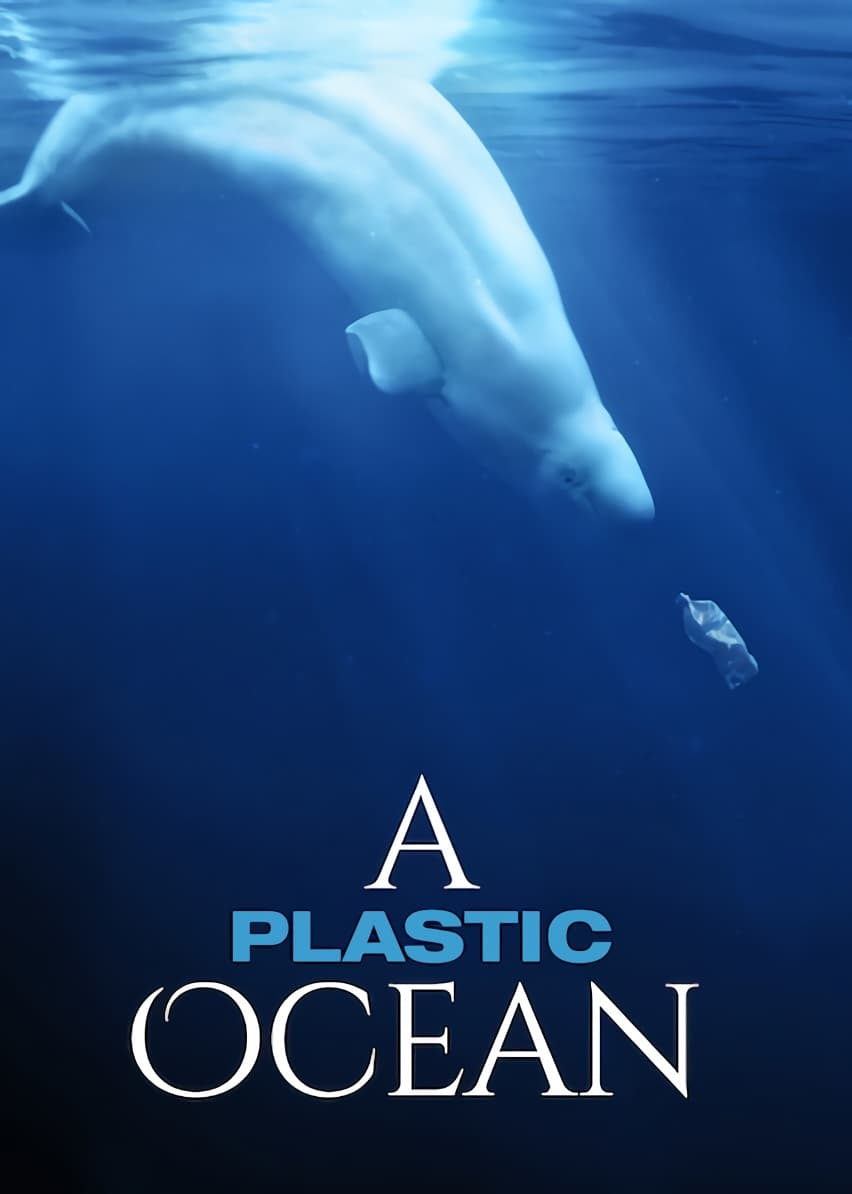
A documentary focused on plastic pollution in the world's oceans.
A close look at the assassin's lifestyle in the film.
Director Michael Apted revisits the same group of British-born adults after a 7 year wait. The subjects are interviewed as to the changes that have occurred in their lives during the last seven years.