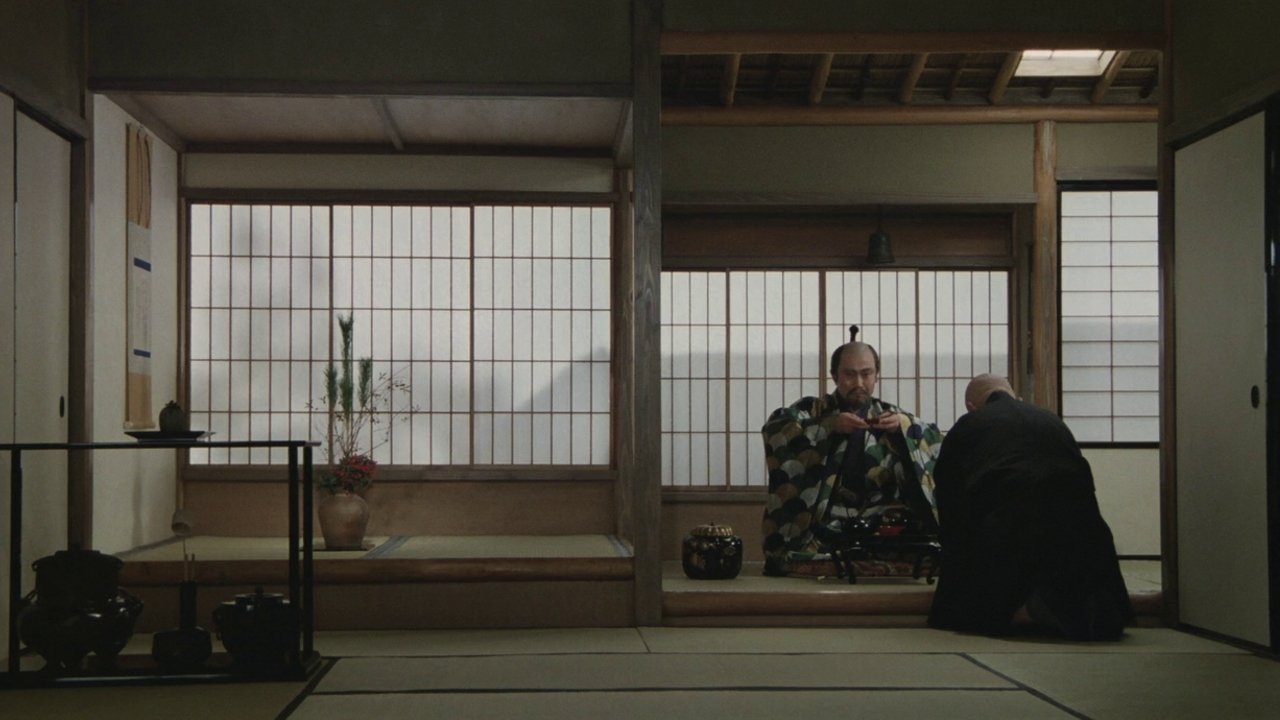
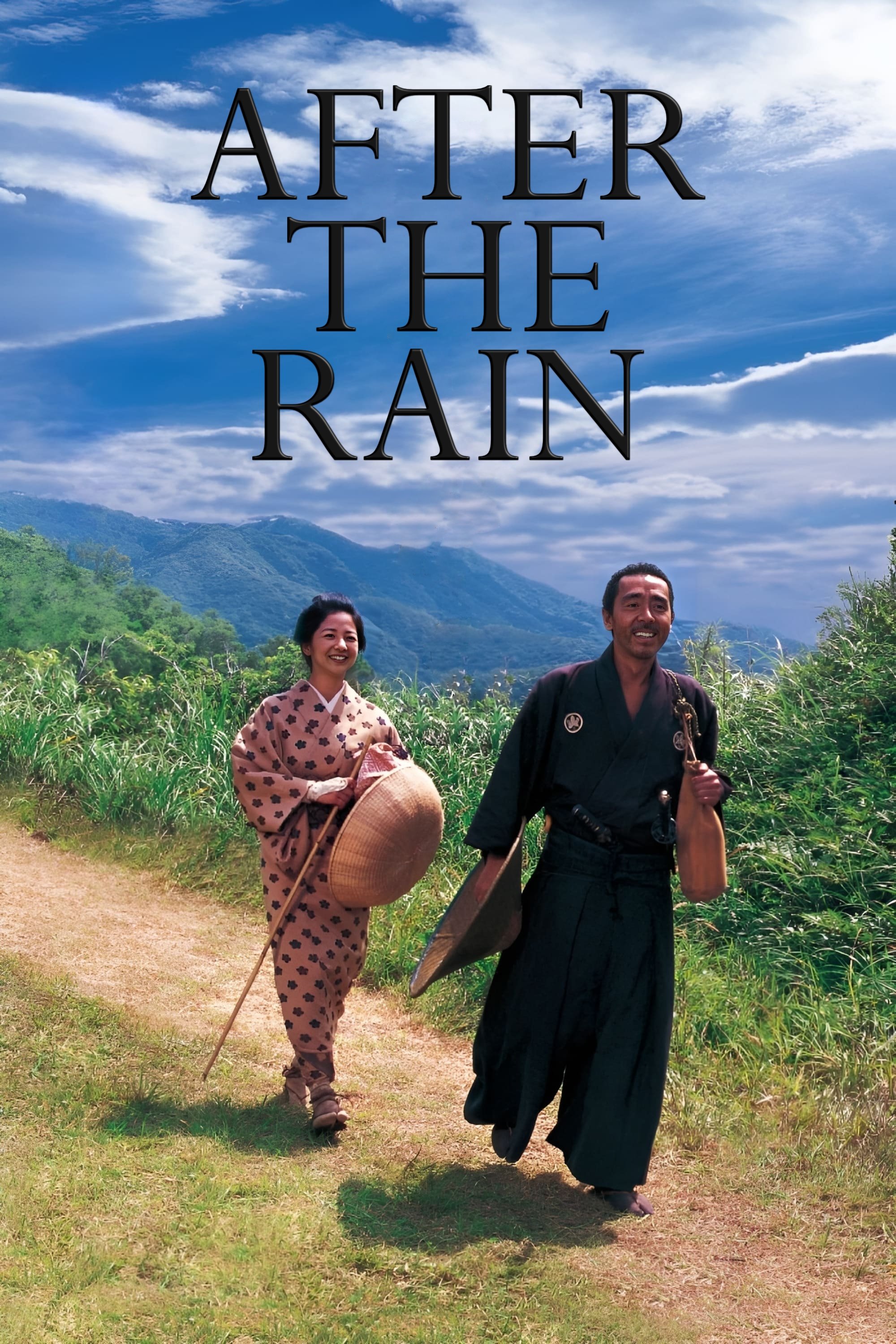
Late in the 1500s, an aging tea master teaches the way of tea to a headstrong Shogun. Through force of will and courageous fighting, Hideyoshi becomes Japan’s most powerful warlord, unifying the country.
Social & External
The people behind it
Rentaro Mikuni
Rikyu
Yoshiko Mita
Riki's Wife
Tsutomu Yamazaki
Hideyoshi Toyotomi
Kyôko Kishida
Wife
Tanie Kitabayashi
Mother
Ryo Tamura
Lord Hidenaga
Matsumoto Hakuō II
Lord Oda
Kichiemon Nakamura II
Lord Ieyasu
Bandō Mitsugorō X
Mitsanari
Akira Kubo
Geni
In a daring tale of identity crisis, witness the rise and fall of a modern day Master, Ian Milano, who works and lives as 17th Century Italian Painter Caravaggio in order to forge his artistic genius and unlock his sociopathic nature.
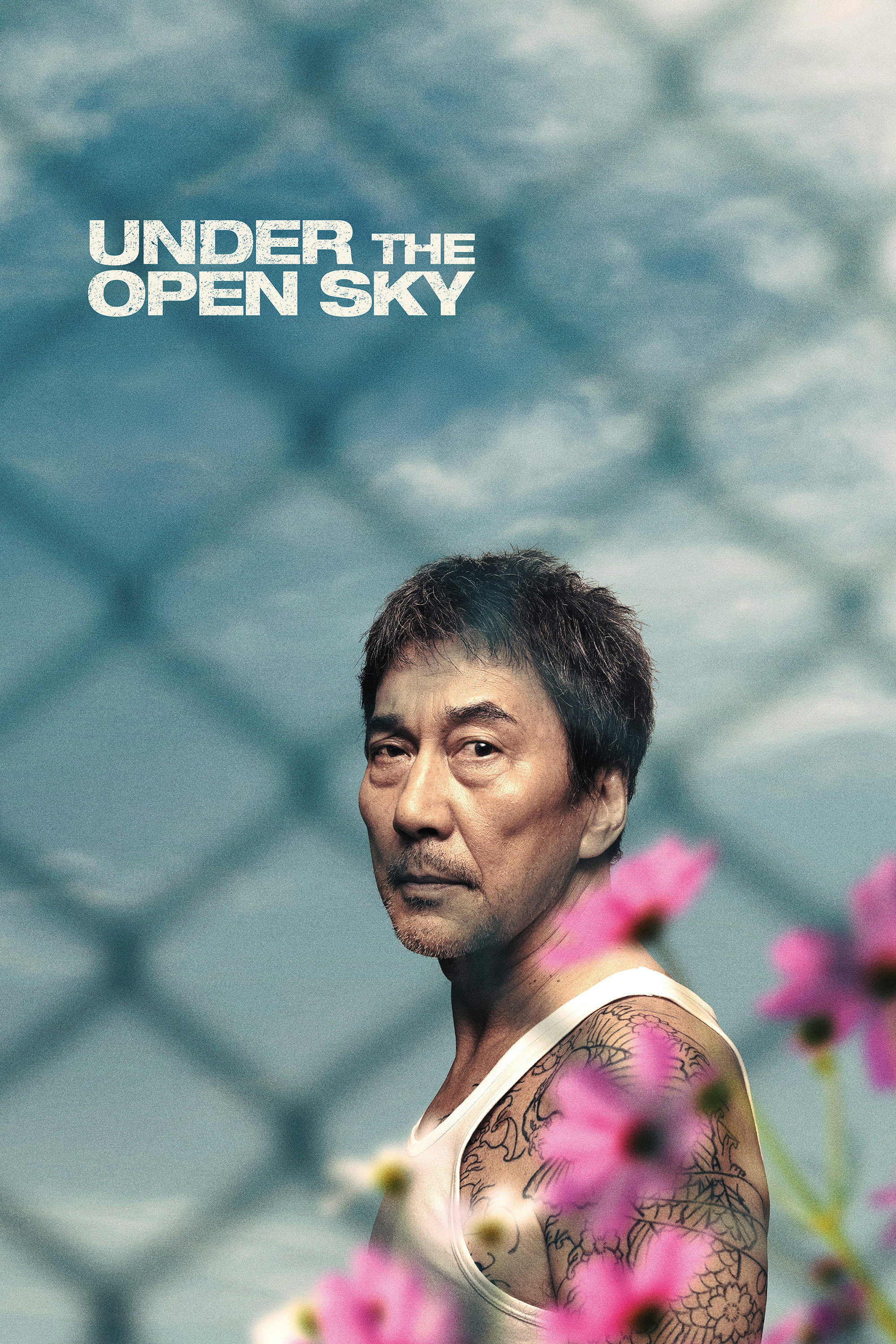
Mikami, an ex-yakuza of middle age with most of his life in prison, gets released after serving 13 years of sentence for murder. Hoping to find his long lost mother, from whom he was separated as a child, he applies for a TV show and meets a young TV director Tsunoda. Meanwhile, he struggles to get a proper job and fit into society. His impulsive, adamant nature and ingrained beliefs cause friction in his relationship with Tsunoda and those who want to help him.
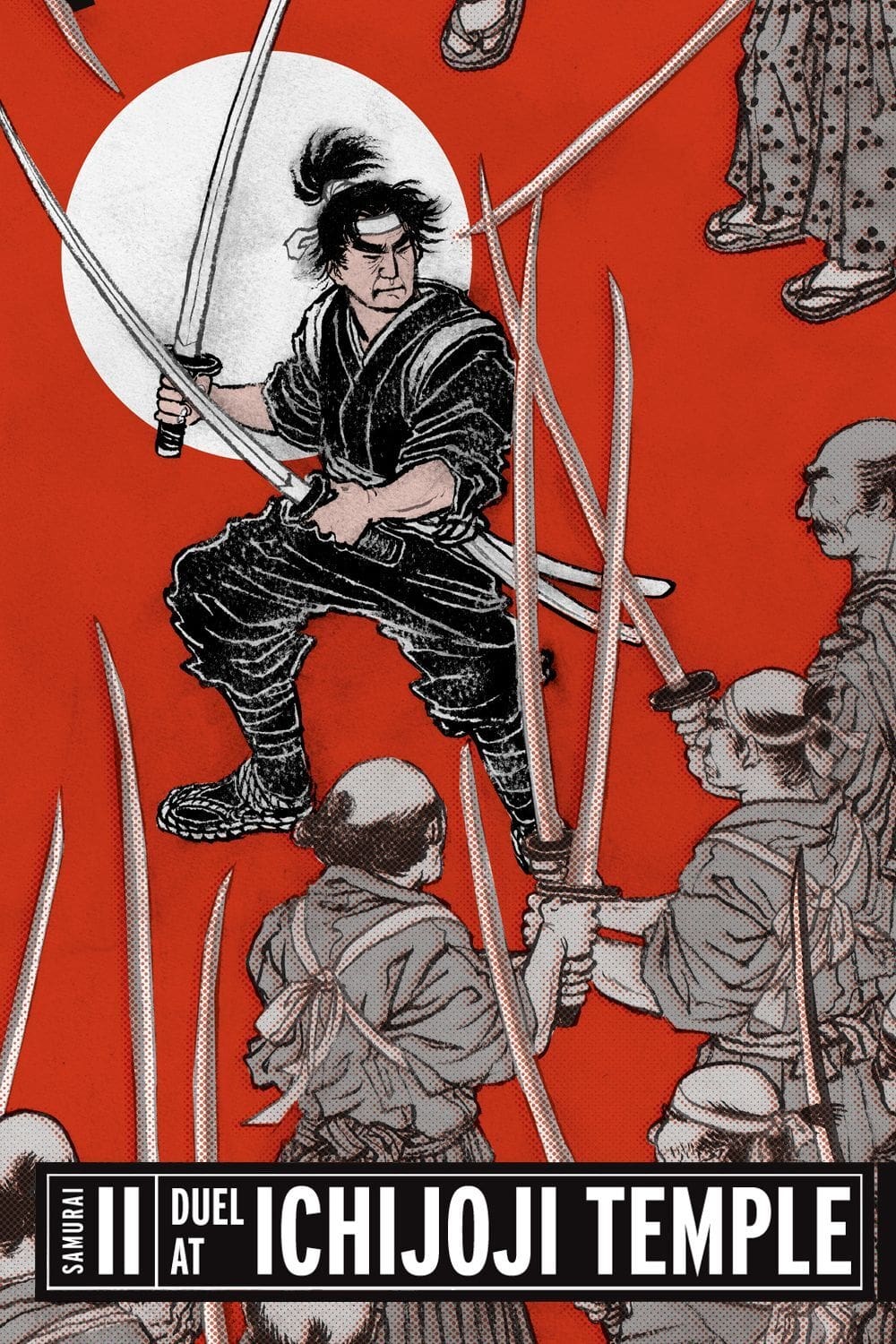
Ronin Sasaki Kojiro pursues his ultimate goal of becoming a master swordsman. Along the way he encounters another great swordsman, Miyamoto Musashi.
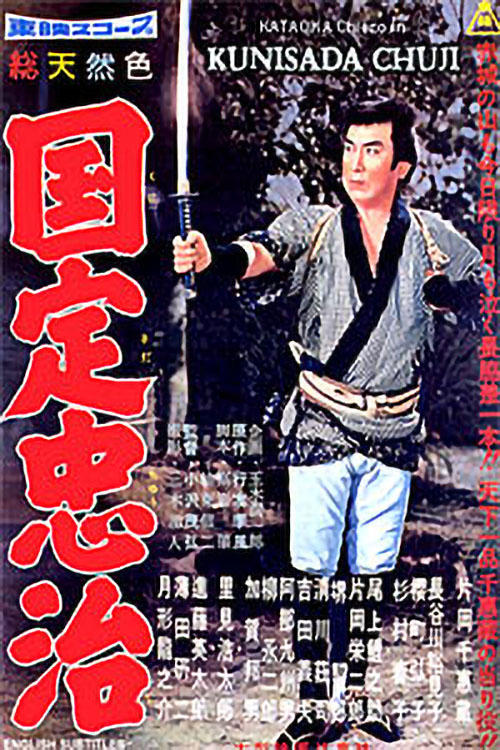
Kunisada Chuji is a common folk hero who looks out for poor people in the country who are at the mercy of corrupt officials. Intent on fulfilling a dying wish from one of his henchmen, Asataro, to find a decent home for his young nephew, Chuji descends from his hide-out in the mountain, and heads to the city in spite of numerous dangers that await him there.
A man in a café is trapped in a time loop. A man in a café is trapped in a time loop. A man in a café is trapped in a time loop. A man in a café is trapped in a time loop. A man in a café is trapped in a time loop.
A young journalist interviews a man who was a torturer during the early days of the communist regime in Romania.
Majaz is a debut biopic feature film by Huma Khalil that depicts the life and poetry of the Urdu poet, Asrar Ul Haq Majaz, also known as a 'romantic revolutionary' in the Urdu world. The film's narrative is portrayed through the perspective of a current-day young research scholar, who, intrigued by the creative genius of this poet, explores the history and events that led to the creation of his poetic masterpieces as well as depression, self-destructive behaviour, and his early death.
Los Angeles in 1935. Fritz Lang receives in his hotel apartment the young film amateur Willy, who wants to prepare an interview with him. At a certain moment Lang starts relating how, as an army officer in the First World War, he spent some time in the house of the lawyer Karol Gatnik in a small town in the northeast of Slovenia. Lang makes friends with Gatnik and gets aquainted with all members of his family. When Lang finds out that Gatnik is a passionate film amateur and that he also possesses his own camera, they make a film together. This is probably Lang’s first contact with cinematography. Late at night Lang looks at the photographs in Los Angeles and revives in his spirit the imaginary meeting with his friend Gatnik.
Based on the incredibly true story of a Spanish man with Multiple Sclerosis who tried to finish an Iron-Man: 3,8km swimming, 180km cycling and 42 running. And he was told that he could not make 100 meters.
This biographical docu-drama alternates between two parallel threads in the life of Arnold Schwarzenegger: his formative early years as the repeat winner of the Mr. Olympia body-building championship; and his modern foray into the world of politics, hitting the campaign trail and competing in the frenzied atmosphere that accompanied California's chaotic recall election.
A biographical story of Tomoatsu Godai, the influential entrepreneur of the Meiji era who laid the foundation of the modern Japanese economy.
The personal stories lived by the Uncle, the Father and the Son, respectively, form a tragic experience that is drawn along a line in time. This line is comparable to a crease in the pages of the family album, but also to a crack in the walls of the paternal house. It resembles the open wound created when drilling into a mountain, but also a scar in the collective imaginary of a society, where the idea of salvation finds its tragic destiny in the political struggle. What is at the end of that line? Will old war songs be enough to circumvent that destiny?
It was one of humankind's most epic quests - a technical problem so complex that it challenged the best minds of its time, a problem so important that the nation that solved it would rule the economy of the world. The problem was navigation by sea—how to know where you were when you sailed beyond the sight of land - establishing your longitude. While the gentry of the 18th Century looked to the stars for the answer, an English clockmaker, John Harrison, toiled for decades to solve the problem. His elegant solution made him an unlikely hero and remains the basis for the most modern forms of navigation in the world today. This film will be both a celebration of Harrison's invention and an adventure story. An expedition on a period sailing vessel as it sails the open sea will demonstrate the life and death importance of finding your longitude at sea.
In the second part of this manga adaptation, Tairaku Arihiko, who is a teacher at a local high school, lives with his student Shirakaba Aya and things are becoming steamier. As she becomes aggressive with her love for him he has to navigate his responsibility and job, his cute student and her thug father.
An "un-biopic" of the young Hilary Rodham set in 1969, during the unverifiable weeks her autobiography has her working at an Alaskan salmon cannery. A parable about America, political narratives, and the absence of free will.
What if nobody wants to believe you? Hanni, a farmer's wife and mother of three, is worried about her daughter Magdalena. The girl is smaller than the others, more sensitive, vomits more often and has increasingly poor eyesight. The doctors, the teacher and the family all say it must be her psyche. Glasses with normal lenses will certainly help. But as a mother, Hanni senses that a new pair of glasses won't change anything and that there is more at stake. Even plagued by an unheard-of memory from her youth, she begins to fight unwaveringly and unstoppably for her daughter's suffering, not only putting her family's happiness and her livelihood at risk, but also not shying away from the Bavarian justice system in the end.
Kenya, Africa, late 1920's. Baroness Karen Blixen, Danish writer known as Isak Dinesen and future author of the autobiographical novel Out of Africa, maintains a peculiar friendship with Farah Aden, her Somali servant; a seemingly impossible relationship that is born and fructifies thanks to respect and mutual understanding.
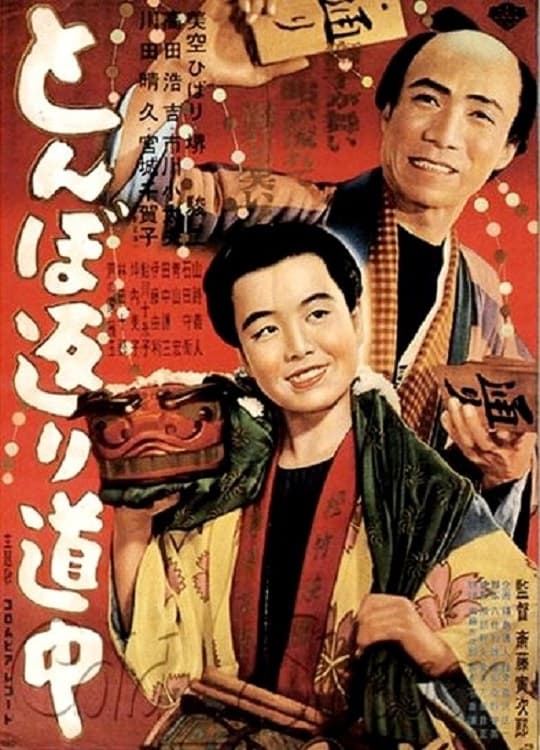
A young boy named Chomatsu (Misora Hibari) lives with an old man Denbei near the grounds of Asakusa temple as bell ringers. In their house is an Echigo lion mask, a memento of Chomatsu's deceased father. After several incidents of Echigo lion masks being destroyed in the area, a local kingpin Saheiji shows up at Denbei's demanded he hand over the mask, a request Denbei rejects out of pity for Chomatsu. However, after it is accidentally revealed that the mask contains an important map, Saheiji plots to steal the mask. Chomatsu gets involved after his mother makes a sudden reappearance that sends the boy on a roundabout journey that will reveal the truth about his family.
Summer 1890. In order to make some money to feed his family, Anton Chekhov, modest physician, wrote short stories for newspapers to sign Antosha Tchékhonté. Important characters, writer and editor, just make him aware of his talent. His situation is improving and Anton Chekhov gets the Pushkin prices and admiration of Tolstoy. But when one of his brothers died of tuberculosis, Anton saw it as a personal failure and wants to escape his fame and his love.
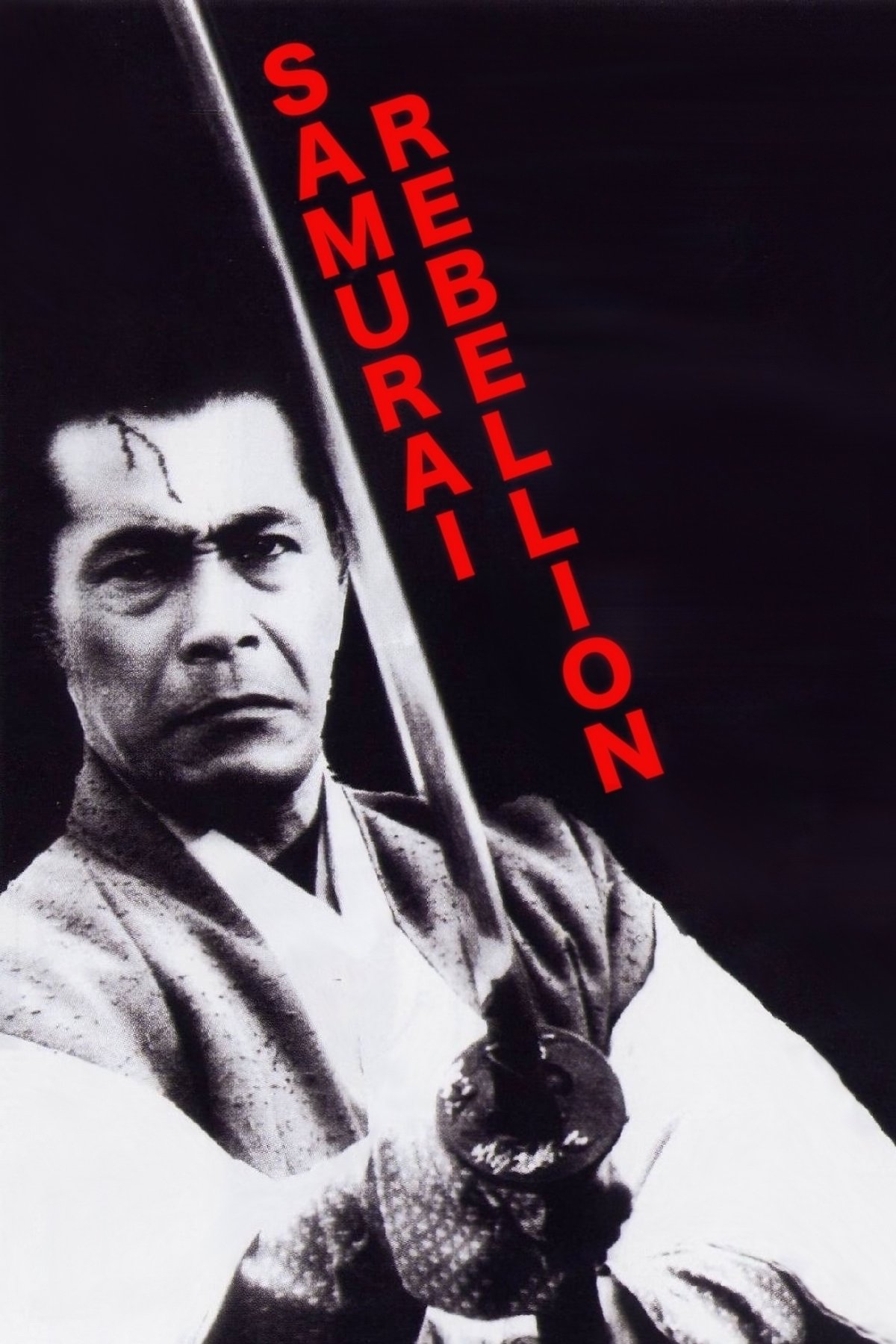
The mother of a feudal lord's only heir is kidnapped by the lord. Her husband and his samurai father must decide whether to accept the unjust decision, or risk death to rescue her.
A university student attends a Japanese tea ceremony near her house with her cousin. There she has the Japanese tea ceremony in her life and it's there for her during moments when she is sad or happy.
The family of an older man who runs a small sake brewery become concerned with his finances and his health after they discover him visiting an old mistress from his youth.
In 16th century Japan, peasants Genjuro and Tobei sell their earthenware pots to a group of soldiers in a nearby village, in defiance of a local sage's warning against seeking to profit from warfare. Genjuro's pursuit of both riches and the mysterious Lady Wakasa, as well as Tobei's desire to become a samurai, run the risk of destroying both themselves and their wives, Miyagi and Ohama.
The background to and depiction of a watershed battle in Japanese history, at Sekigahara in 1600, when Tokugawa Ieyasu's Army of the East defeated the Army of the West of Ishida Mitsunari. The story includes the intrigues and shifting loyalties of the various retainers, family members, and samurai.
Down-on-his-luck veteran Tsugumo Hanshirō enters the courtyard of the prosperous House of Iyi. Unemployed, and with no family, he hopes to find a place to commit seppuku—and a worthy second to deliver the coup de grâce in his suicide ritual. The senior counselor for the Iyi clan questions the ronin’s resolve and integrity, suspecting Hanshirō of seeking charity rather than an honorable end. What follows is a pair of interlocking stories which lay bare the difference between honor and respect, and promises to examine the legendary foundations of the Samurai code.
A group of travelers is stranded in a small country inn when the river floods during heavy rains. As the bad weather continues, tensions rise amongst the trapped travelers.
After years on the road establishing his reputation as Japan's greatest fencer, Takezo returns to Kyoto. Otsu waits for him, yet he has come not for her but to challenge the leader of the region's finest school of fencing. To prove his valor and skill, he walks deliberately into ambushes set up by the school's followers.
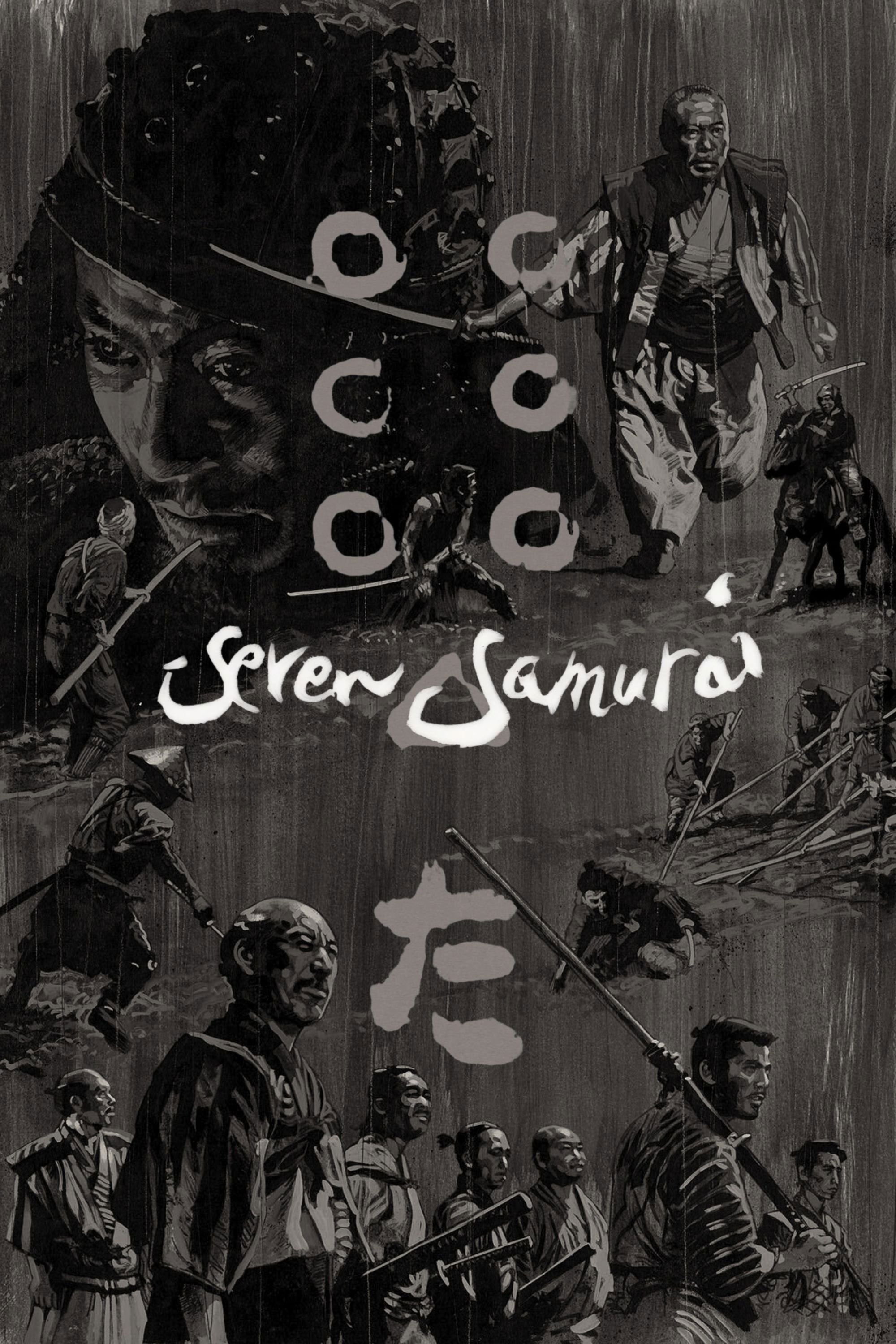
A samurai answers a village's request for protection after he falls on hard times. The town needs protection from bandits, so the samurai gathers six others to help him teach the people how to defend themselves, and the villagers provide the soldiers with food.
A ronin desperately seeks a way out of financial straits; he allies with the Tosa clan under the ruthless leader Takechi, who quickly takes advantage.
Set during Japan's Shogun era, this film looks at life in a samurai compound where young warriors are trained in swordfighting. A number of interpersonal conflicts are brewing in the training room, all centering on a handsome young samurai named Sozaburo Kano. The school's stern master can choose to intervene, or to let Kano decide his own path.
Struggling to elevate himself from his low caste in 17th century Japan, Miyamoto trains to become a mighty samurai warrior.
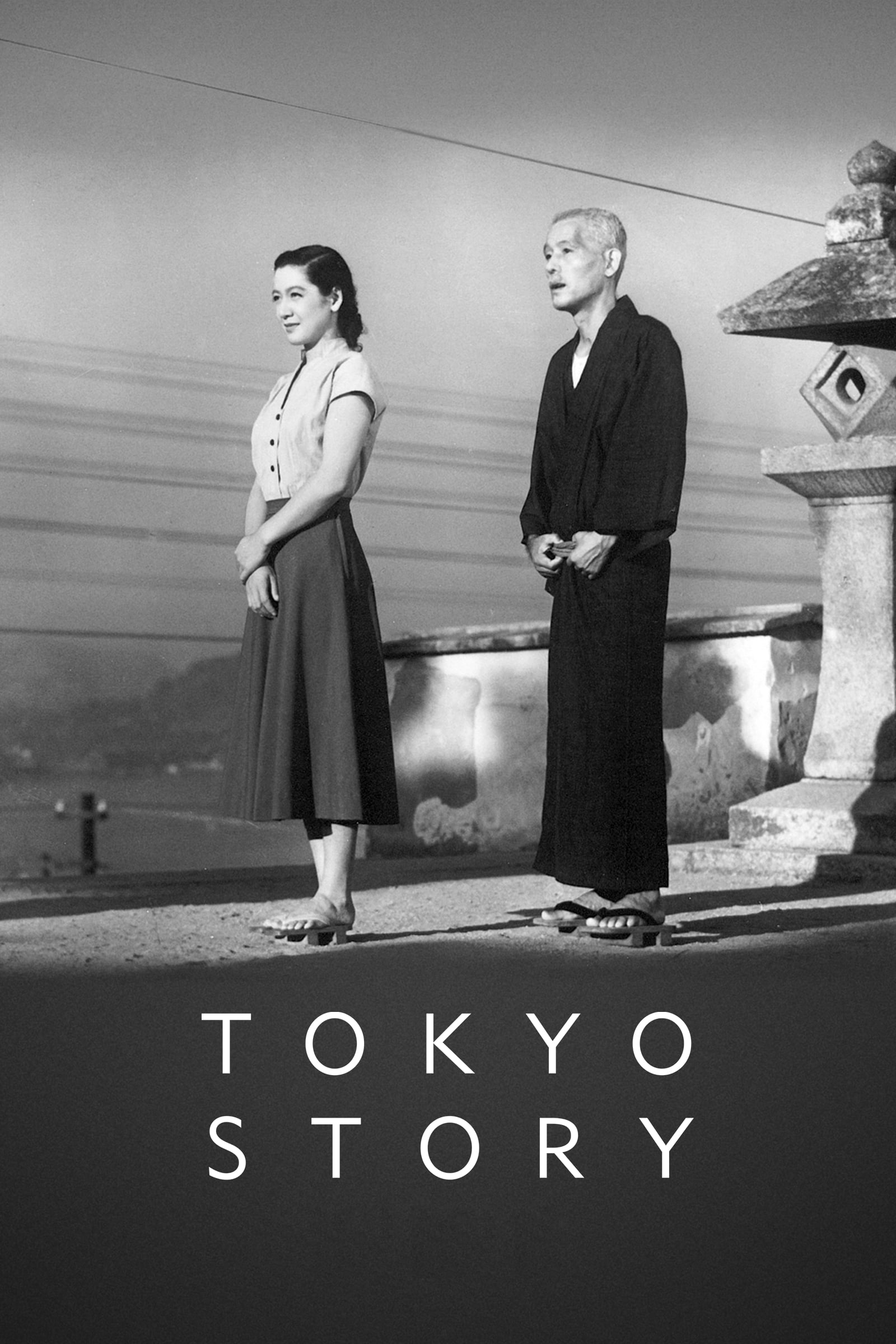
The elderly Shukishi and his wife, Tomi, take the long journey from their small seaside village to visit their adult children in Tokyo. Their elder son, Koichi, a doctor, and their daughter, Shige, a hairdresser, don't have much time to spend with their aged parents, and so it falls to Noriko, the widow of their younger son who was killed in the war, to keep her in-laws company.
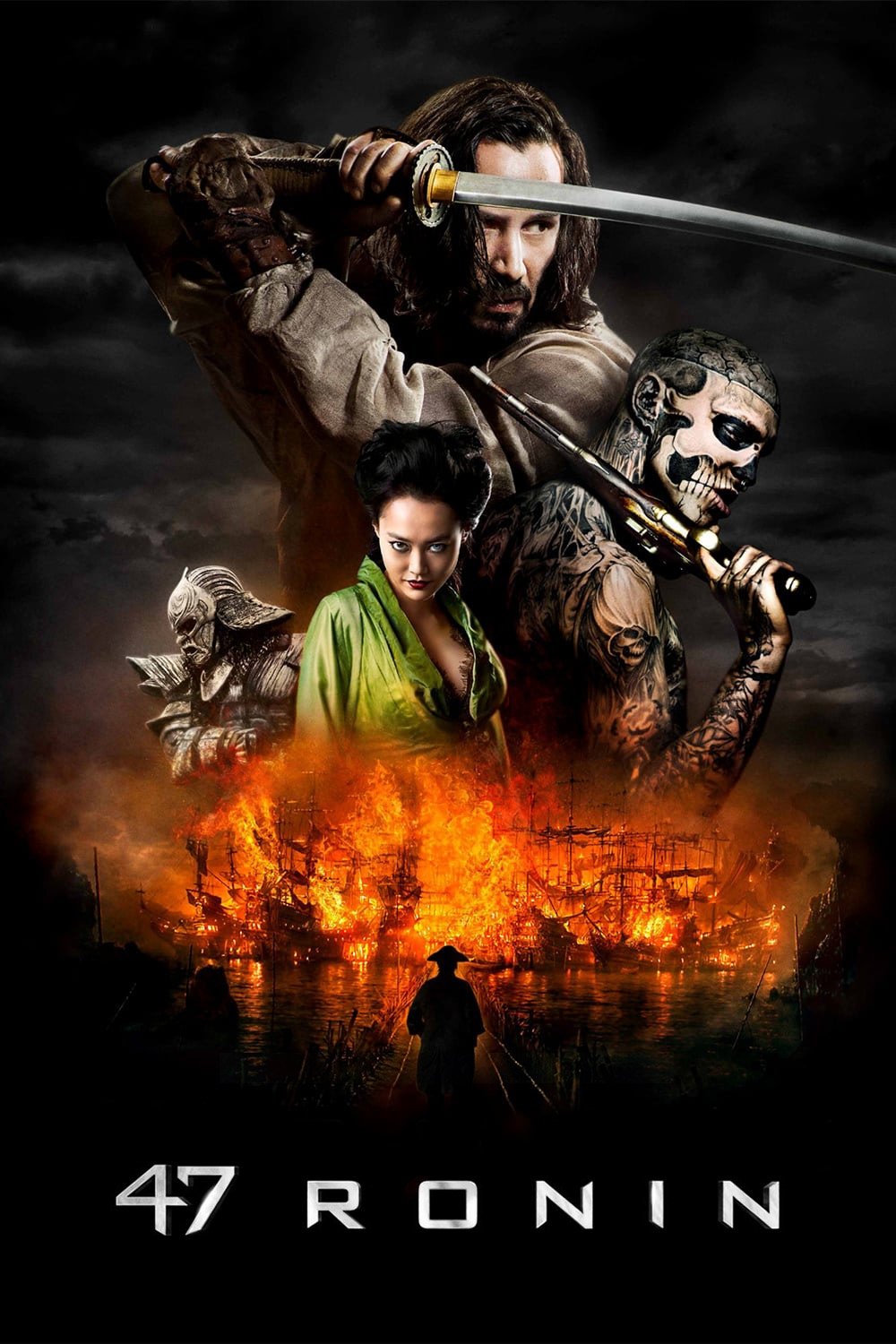
After their lord is tricked into committing ritual suicide, forty-seven samurai warriors await the chance to avenge their master and reclaim their honor.
Kai—an outcast—joins Oishi, the leader of 47 outcast samurai. Together they seek vengeance upon the treacherous overlord who killed their master and banished their kind. To restore honour to their homeland, the warriors embark upon a quest that challenges them with a series of trials that would destroy ordinary warriors.
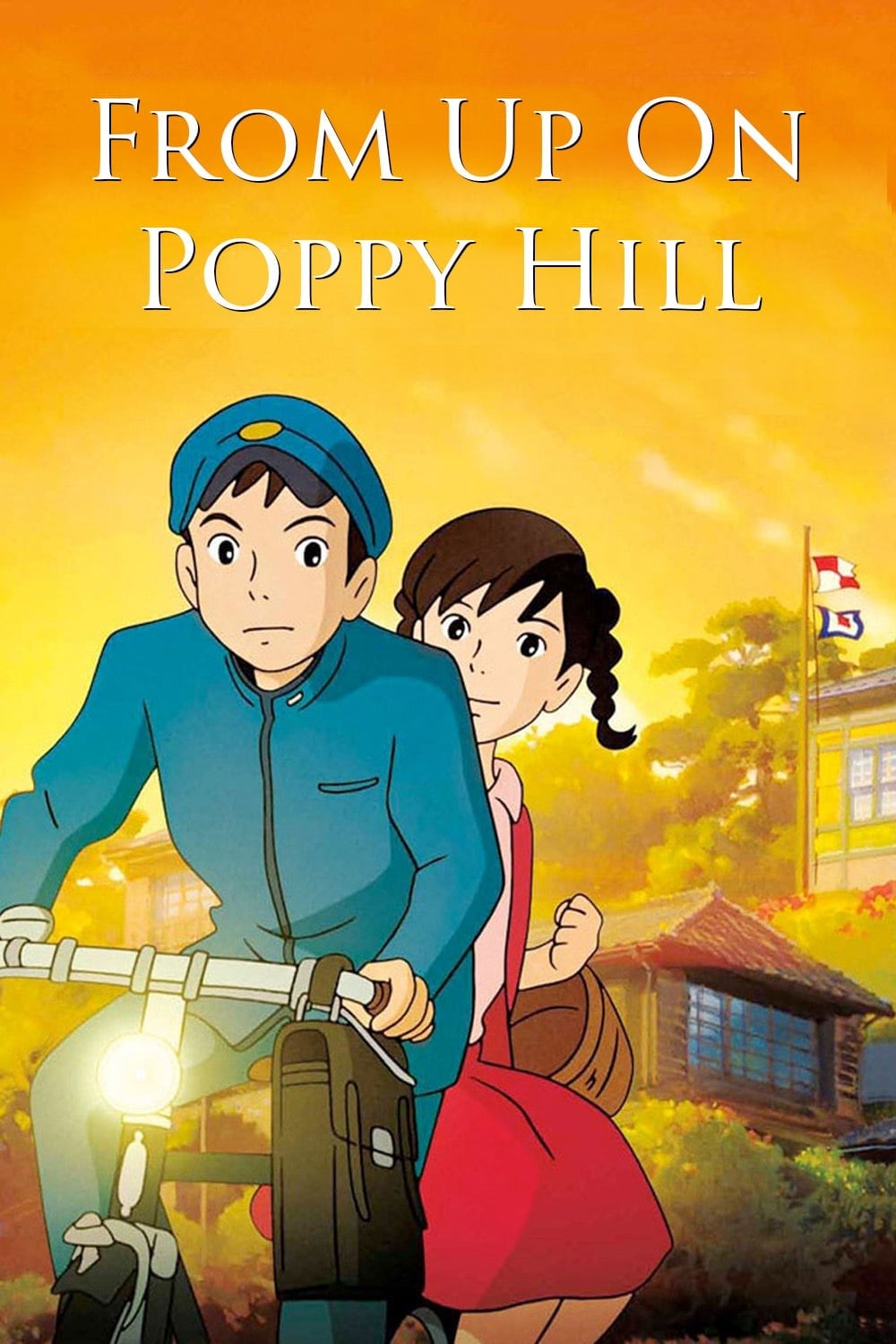
Yokohama, 1963. Japan is picking itself up from the devastation of World War II and preparing to host the 1964 Olympics—and the mood is one of both optimism and conflict as the young generation struggles to throw off the shackles of a troubled past. Against this backdrop of hope and change, a friendship begins to blossom between high school students Umi and Shun—but a buried secret from their past emerges to cast a shadow on the future and pull them apart.
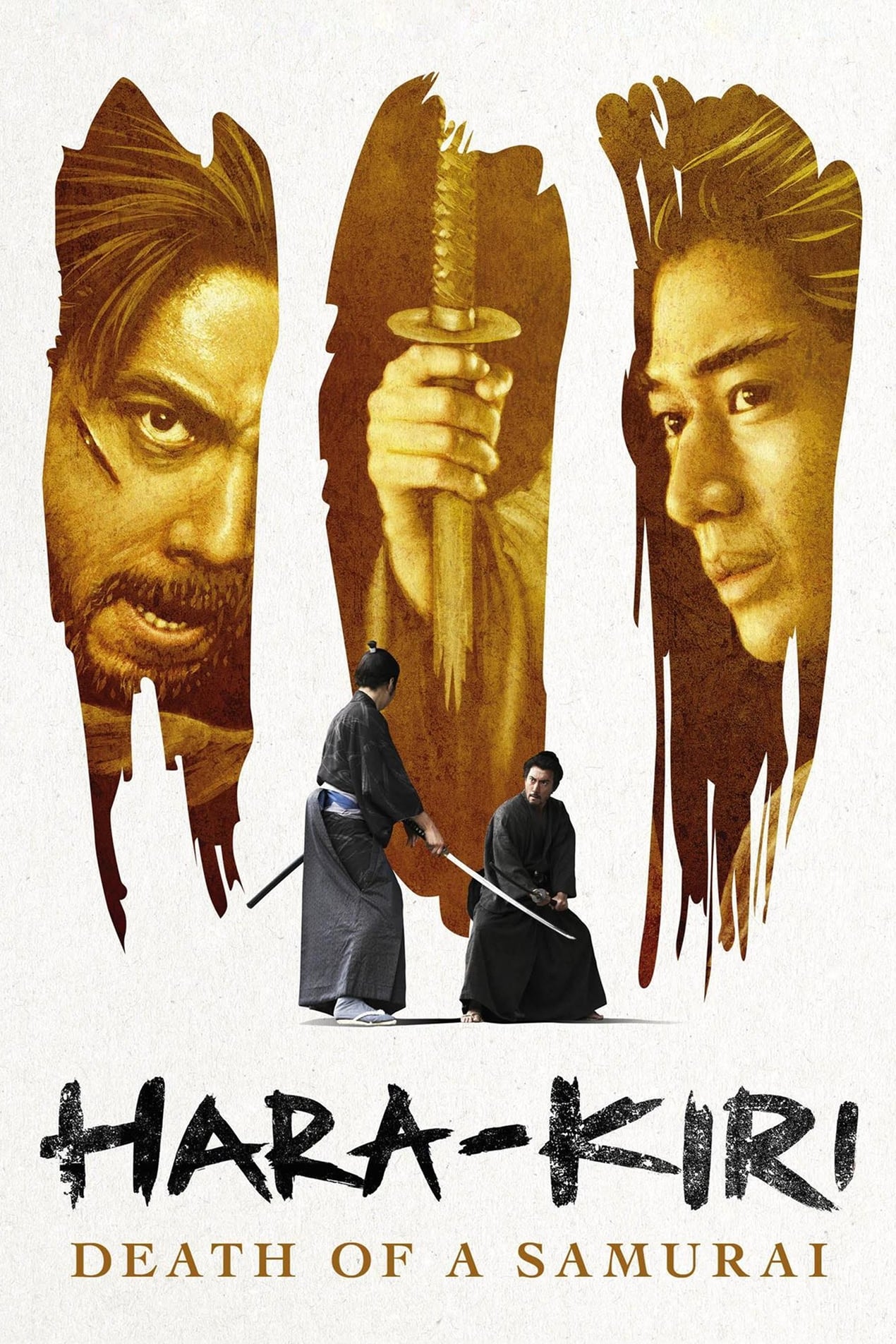
A tale of revenge, honor and disgrace, centering on a poverty-stricken samurai who discovers the fate of his ronin son-in-law, setting in motion a tense showdown of vengeance against the house of a feudal lord.
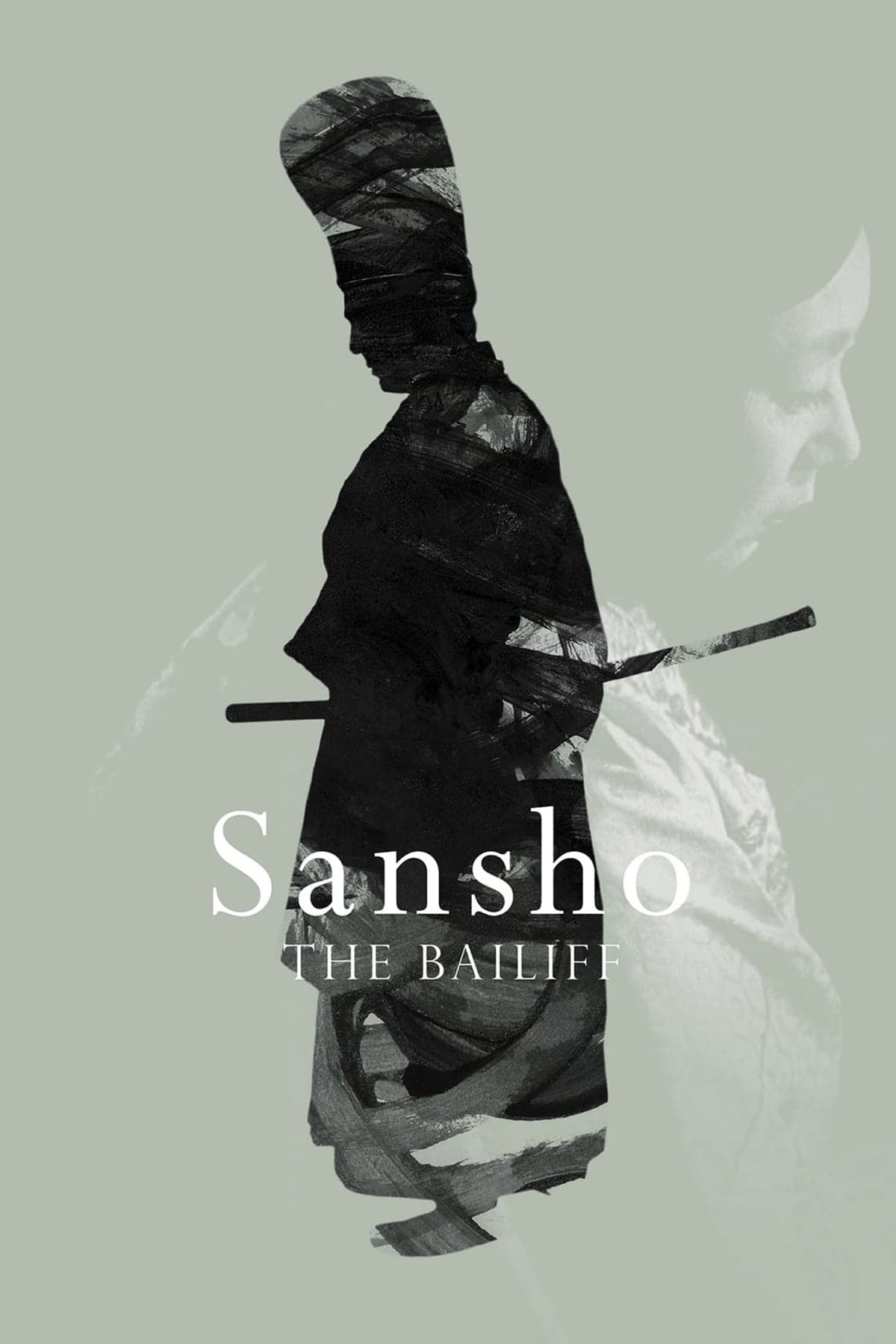
In 11th-century feudal Japan, following the exile of an idealistic governor, his wife and children are separated by slave traders; the children, Zushio and Anju, are sold into brutal servitude under the cruel bailiff Sansho.
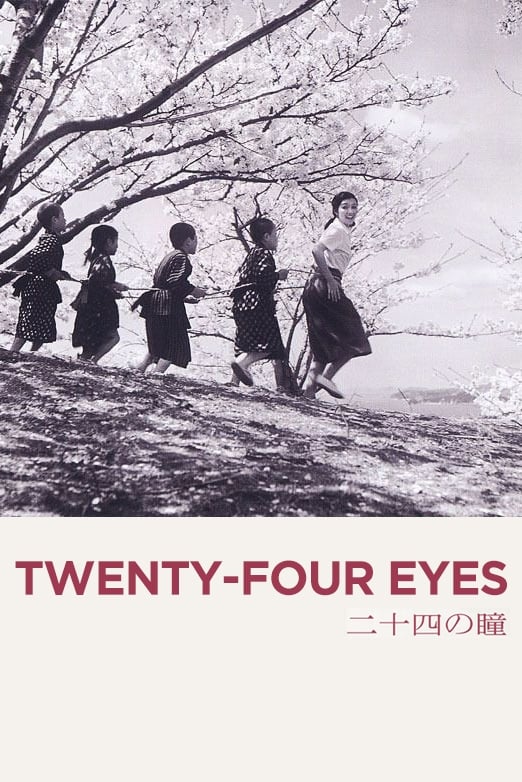
From 1928 to 1946, the lives of 12 young people and their school teacher in a poor Japanese village are profoundly affected by historical events and personal circumstances.
Kiyoha rises from the lowly courtesan ranks to the high class position of Oiran in the steamy red-light district of Yoshiwara. She is determined to stand on her own two feet and live life as she pleased.