In El Salvador, Chelino tells about the indigenous massacre of 1932, of which he survived, while he teaches the melodies of traditional Salvadoran dances.
Social & External
Key Cast
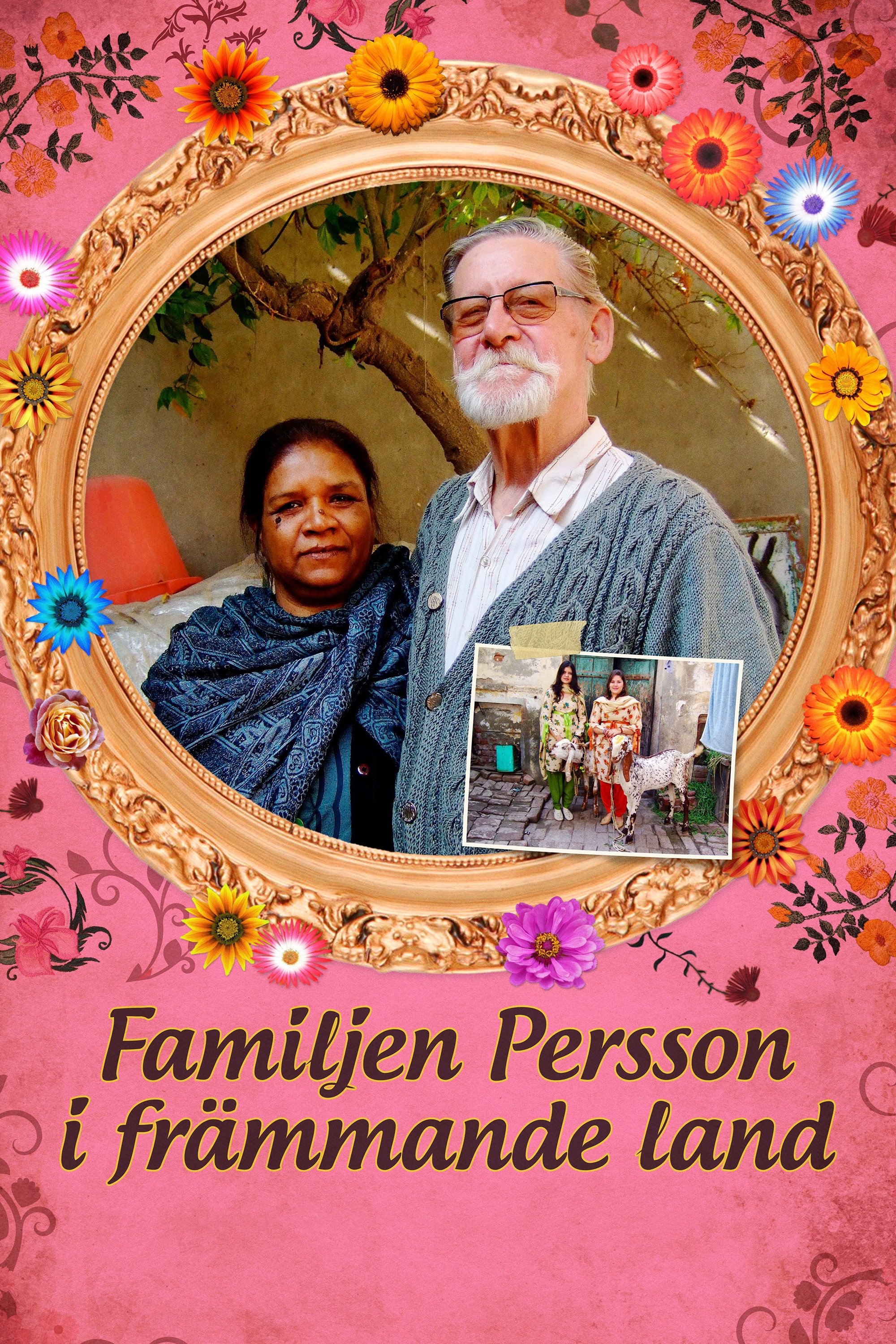
Per Persson left Sweden 40 years ago. In Pakistan he fell in love and became the father of two daughters. Trouble starts when the girls grow up and the family decides to emigrate to Sweden. When they end up living in a caravan outside Hässleholm, all their expectations are dashed.
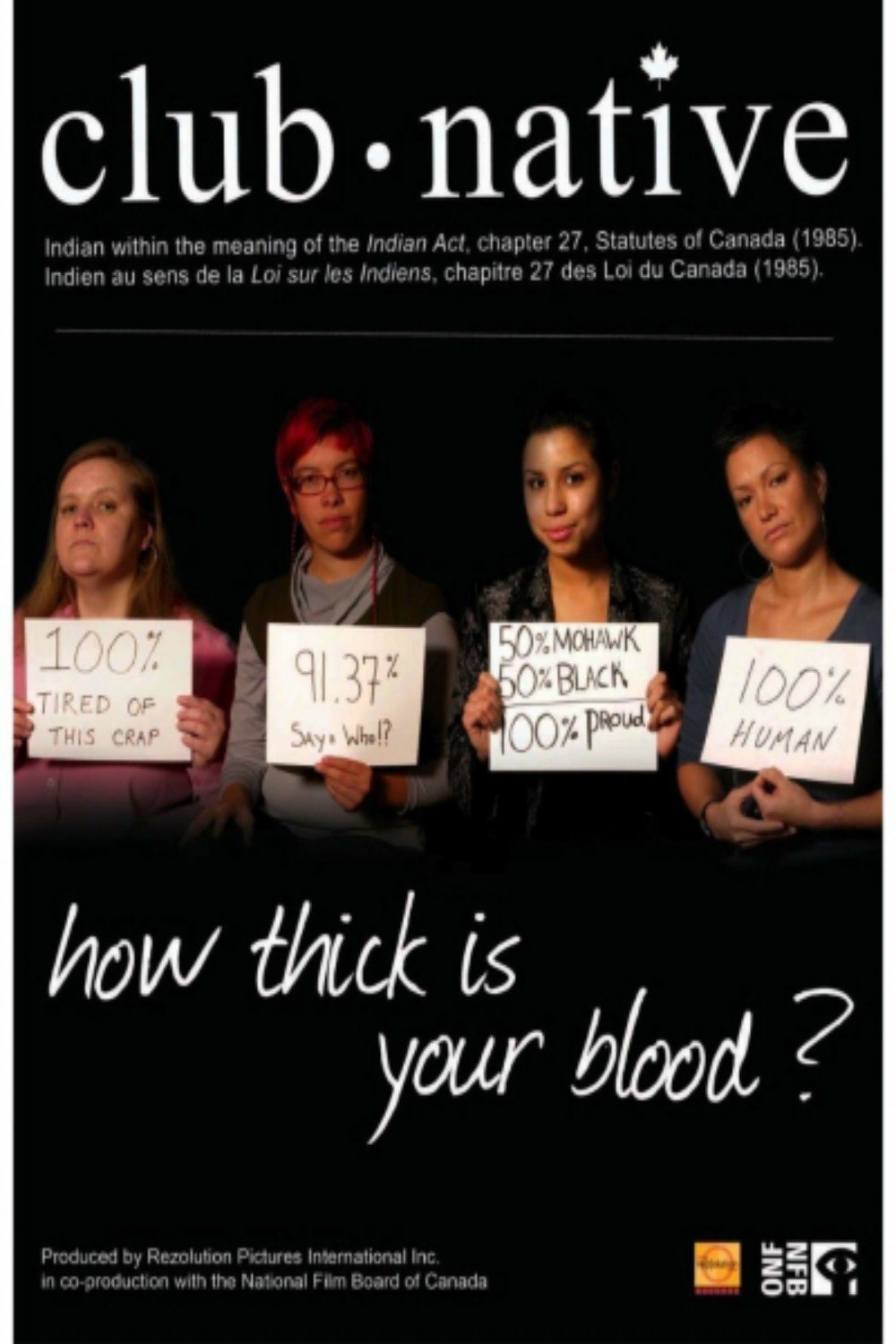
With moving stories from a range of characters from her Kahnawake Reserve, Mohawk filmmaker, Tracey Deer, reveals the divisive legacy of more than a hundred years of discriminatory and sexist government policy to expose the lingering "blood quantum" ideals, snobby attitudes and outright racism that threaten to destroy the fabric of her community.
Dance film made in Arica with the Tobas Internacional Gigantes Alados group.
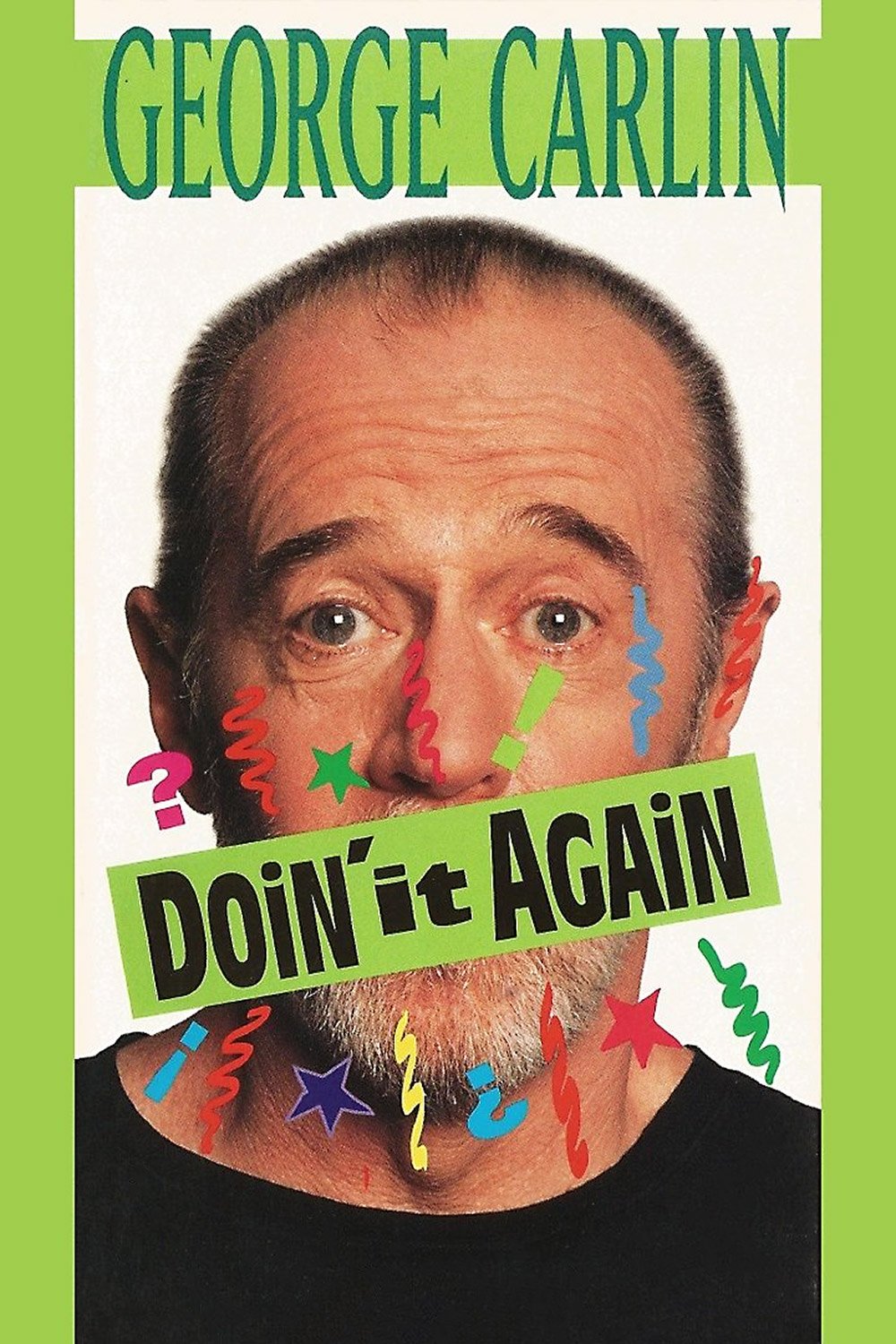
George Carlin brings his comedy back to New Jersey and this time talks about Offensive Language, Euphemisms, They're Only Words, Dogs, Things you never hear, see or wanna hear, Some people are stupid, Cancer, Feminists, Good Ideas, Rape, Life's moments, and organ donors.
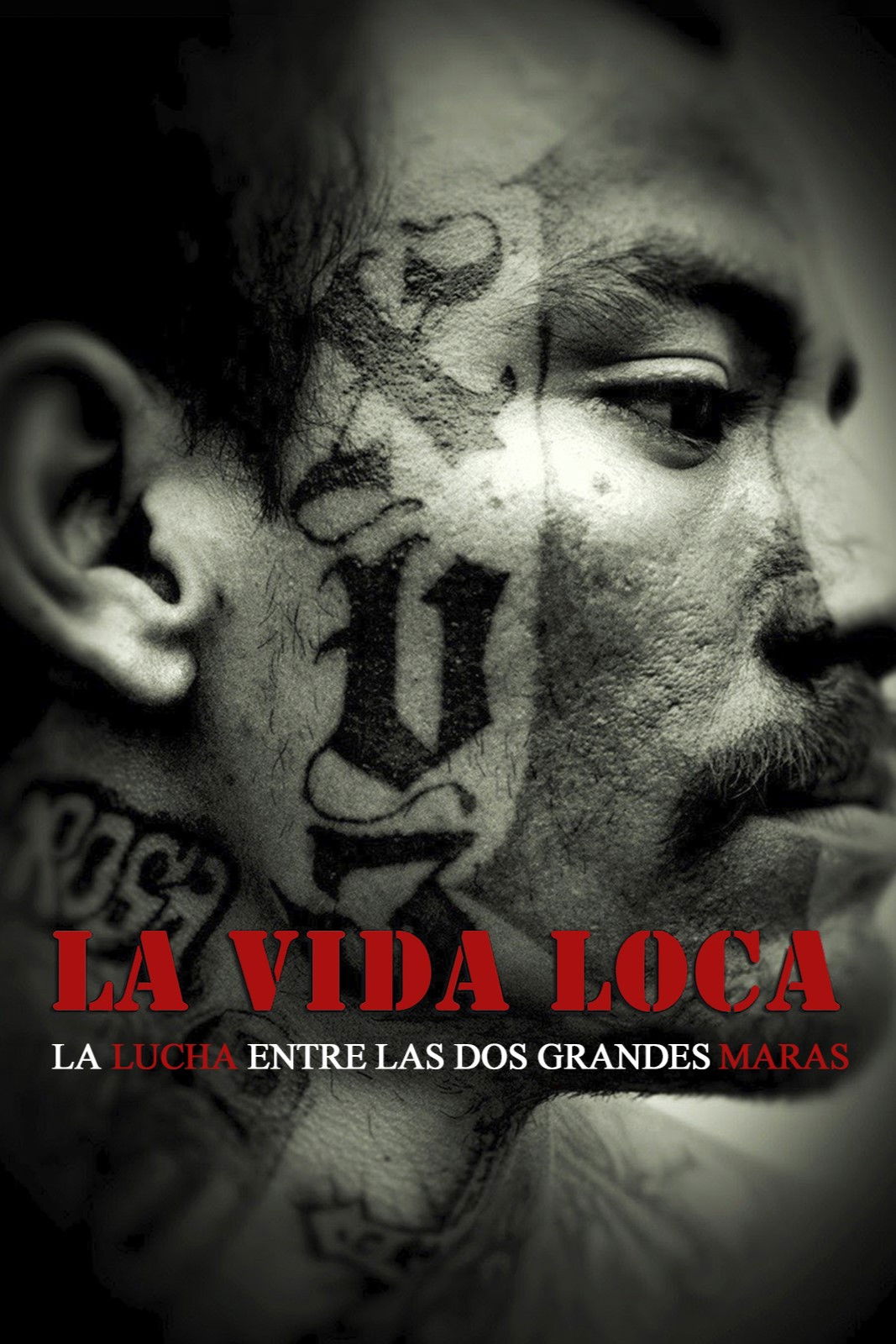
A documentary about the rival gangs Mara 18 and Mara Salvatrucha, originating in Los Angeles but terrorizing El Salvador. It explores their origins as possible founding myths of organized crime in a globalized world.
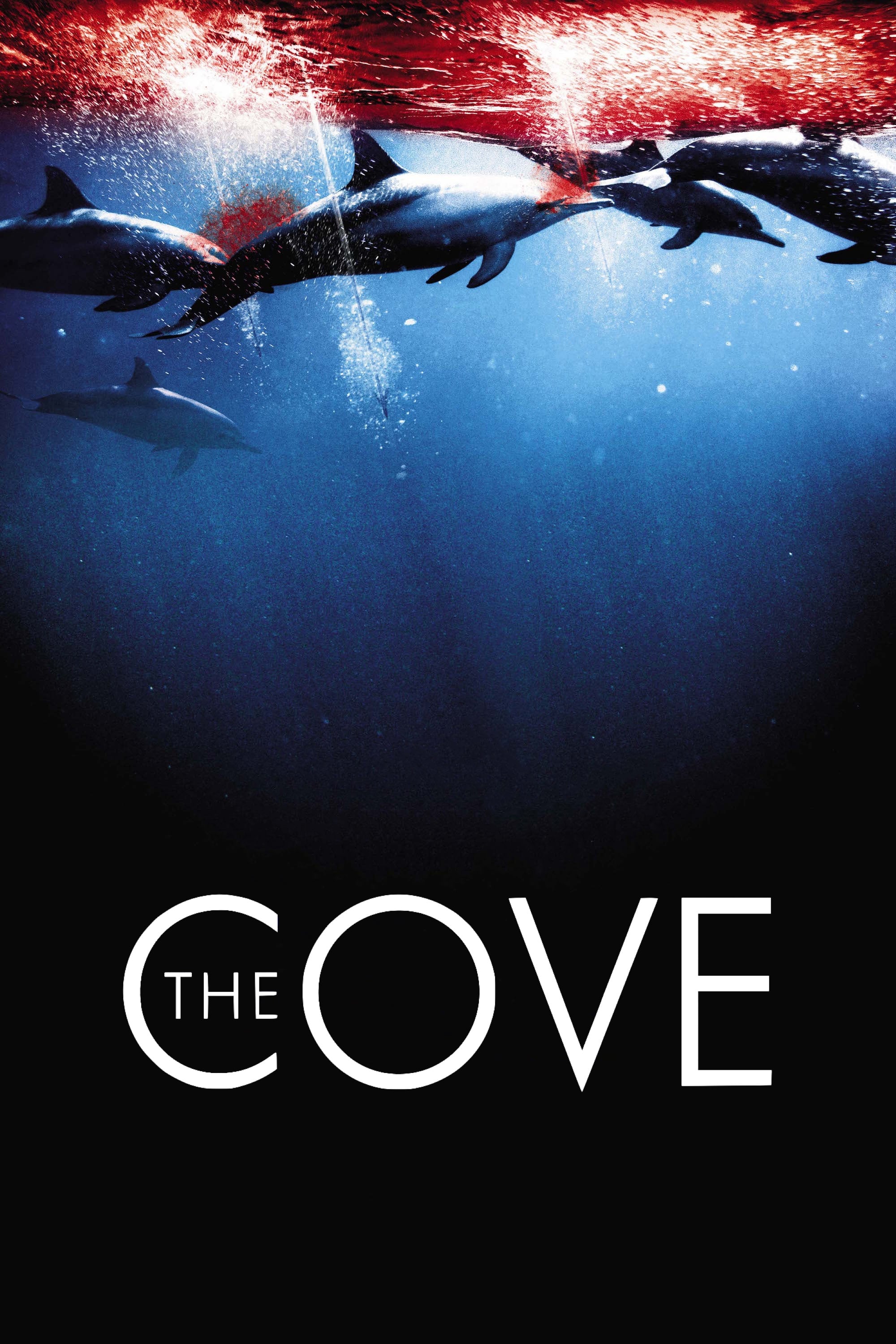
The Cove tells the amazing true story of how an elite team of individuals, films makers and free divers embarked on a covert mission to penetrate the hidden cove in Japan, shining light on a dark and deadly secret. The shocking discoveries were only the tip of the iceberg.
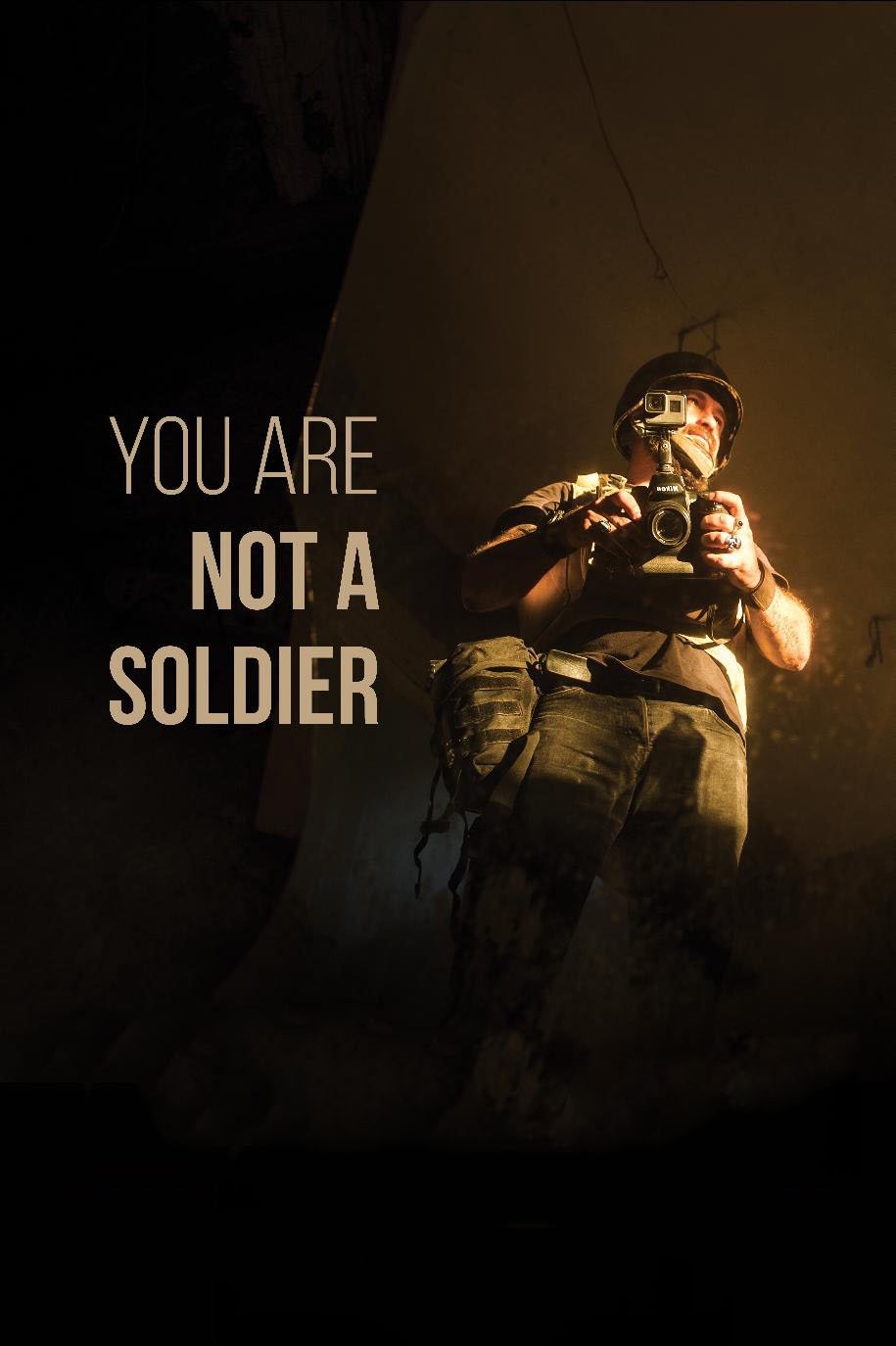
As filmmaker Maria Carolina Telles comes to terms with the death of her father, a man who regretted never making it to the frontlines of World War II, she focuses her lens on the life of another man who had his own unique experience as a civilian in the midst of combat: award-winning war photographer André Liohn.
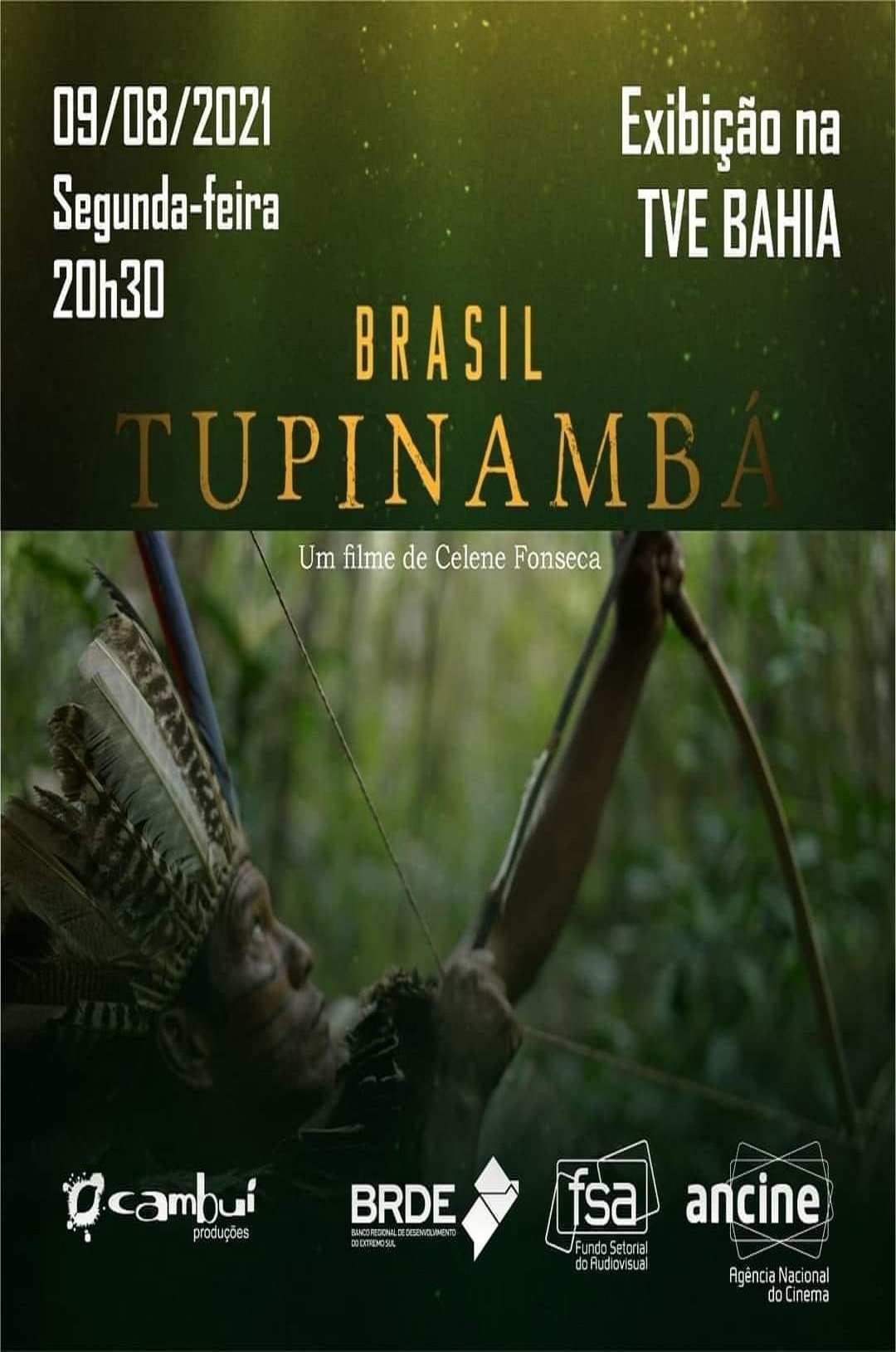
Documentary about the life of three families living in the city of Boa Vista, north of Brazil. Some of them look for a more intense daily life going to parties, work and dealing with family trouble, others want to get back to the tribe. Personal crises and the search for their own identity are aspects that reveal great relevance.
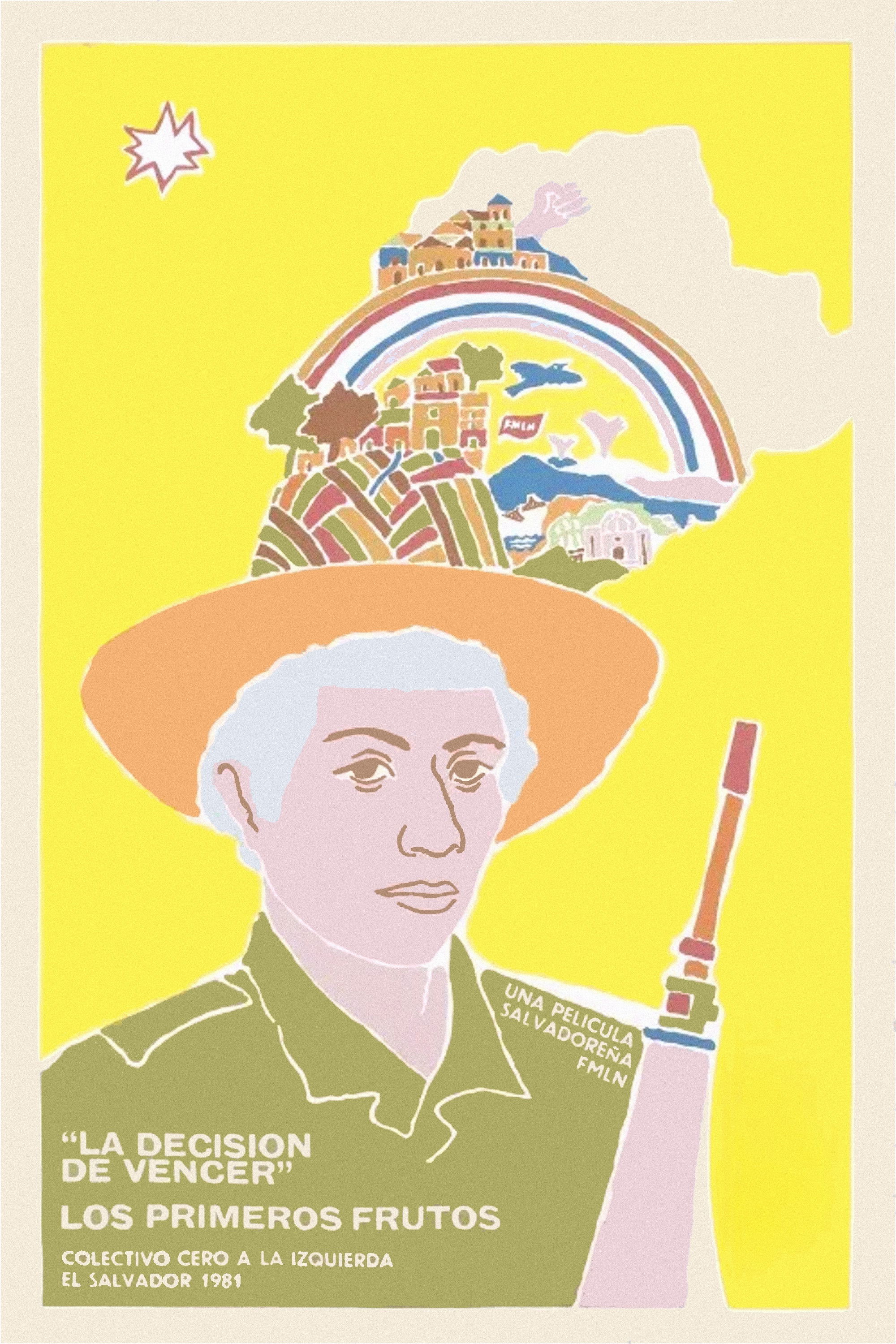
Filmed by Guillermo Escalón in July 1981, it shows daily life in territories under guerrilla control in the Francisco Sánchez Northeastern Front, Department of Morazán,
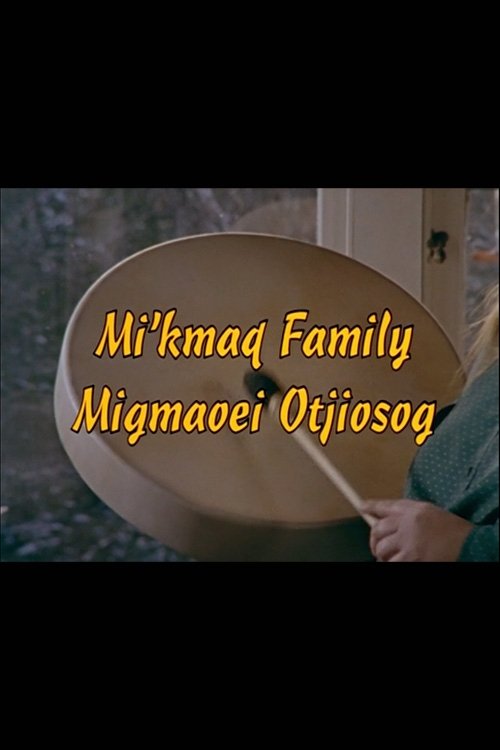
This documentary takes you on a reflective journey into the extended family of Nova Scotia’s Mi'kmaq community. Revisiting her own roots, Mi'kmaq filmmaker and mother Catherine Anne Martin explores how the community is recovering its First Nations values, particularly through the teachings of elders and a collective approach to children-rearing. Mi'kmaq Family is an inspiring resource for both Indigenous and non-Indigenous audiences who are looking for ways to strengthen and explore their own families and traditions. We hear the Mi'kmaq language spoken and a lullaby is sung by a Mi'kmaq grandmother featured in the film.
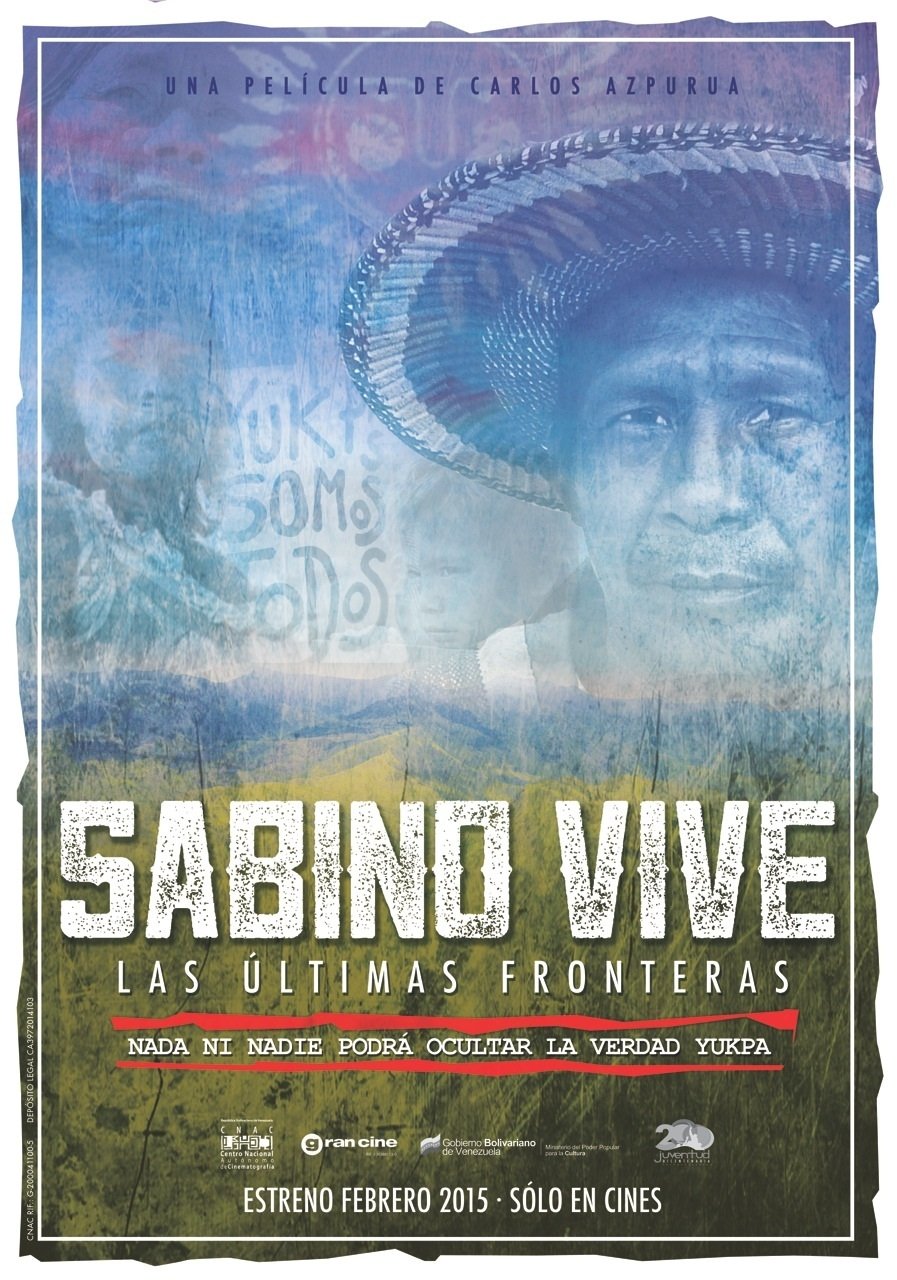
The documentary recreates the facts in the life of the Yukpa Chief, Sabino Romero, an indigenous fighter killed on March 3, 2013, in the Chaktapa community of the Sierra de Perija in Zulia state, Venezuela. The film reflects the infinite struggle of Sabino and his people, accompanied by the social groups, in this story of truly libertarian images made with blood and fire, revealing the skein of interests that forged and carried out Sabino's murder, and the attitude Inhuman and murderous of those who made it another victim of history.
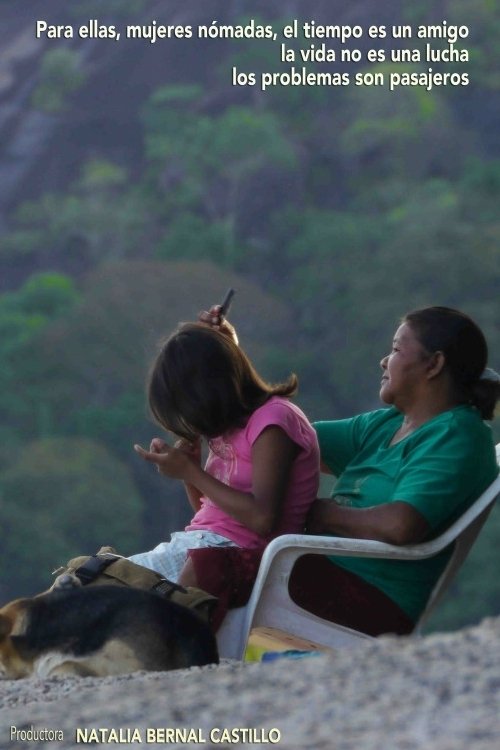
María is an Amorúa girl; an indigenous group that traveled the savannas of Orinoquía as nomads. She lives with her grandmother Matilde, her sister diana and her cousins in Puerto Carreño, in the Colombia-Venezuela border. The amorúa are considered wild and are not literate. Matilde wants her granddaughters to learn to write and read to live better in this town of "rational whites" as they call us. The director follows María's life for 8 years from her childhood to her adolescence and invites her to travel the places her grandma did as a nomad.
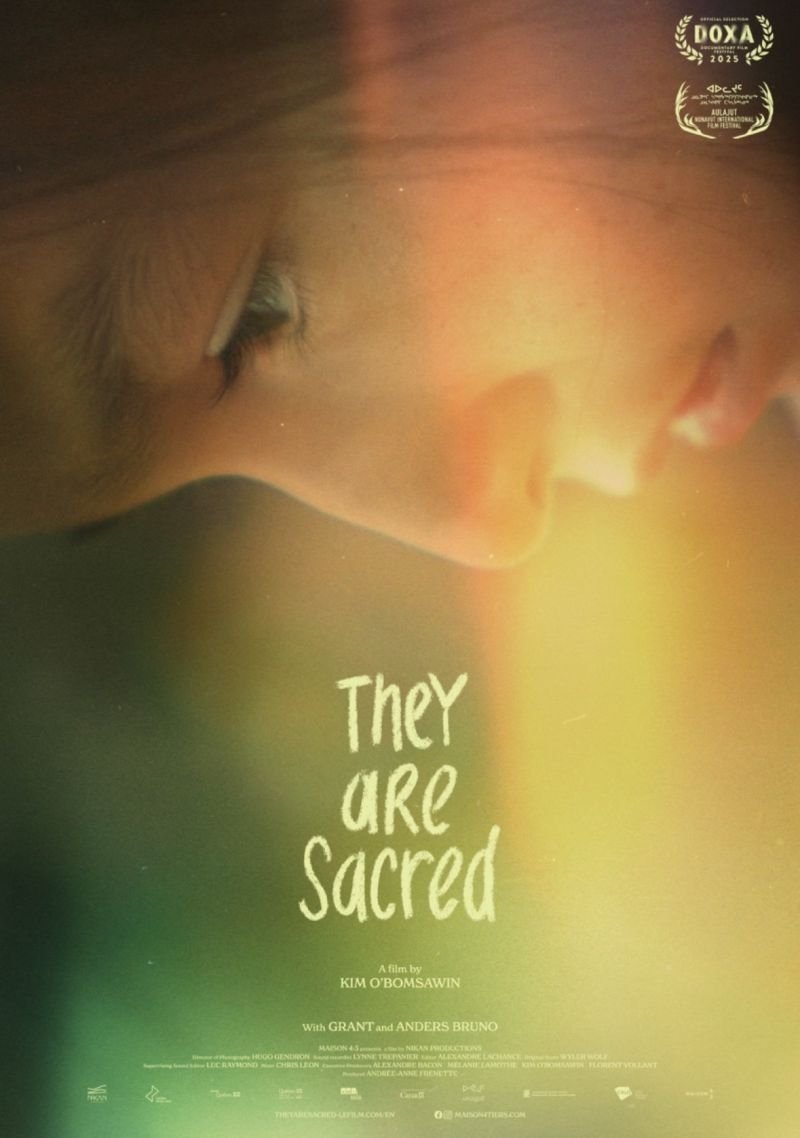
Following young Anders and his father, Dr. Grant Bruno, of the Samson Cree Nation, this documentary gives viewers unique access to the world of an autistic child, and to follow his father’s journey to bring back traditional First Peoples perspectives in our contemporary world.
The “Prophecy of the 7th Fire” says a “black snake” will bring destruction to the earth. For Winona LaDuke, the “black snake” is oil trains and pipelines. When she learns that Canadian-owned Enbridge plans to route a new pipeline through her tribe’s 1855 Treaty land, she and her community spring into action to save the sacred wild rice lakes and preserve their traditional indigenous way of life. Launching an annual spiritual horse ride along the proposed pipeline route, speaking at community meetings and regulatory hearings. Winona testifies that the pipeline route follows one of historical and present-day trauma. The tribe participates in the pipeline permitting process, asserting their treaty rights to protect their natural resources. LaDuke joins with her tribe and others to demand that the pipelines’ impact on tribal people’s resources be considered in the permitting process.
The testimonies of the Mashteuiatsh Puakuteu women's committee punctuate this intimate short film about mourning and healing. Throughout the doll-making workshops, the women share their doubts and hopes and build a space filled with strength and solidarity.
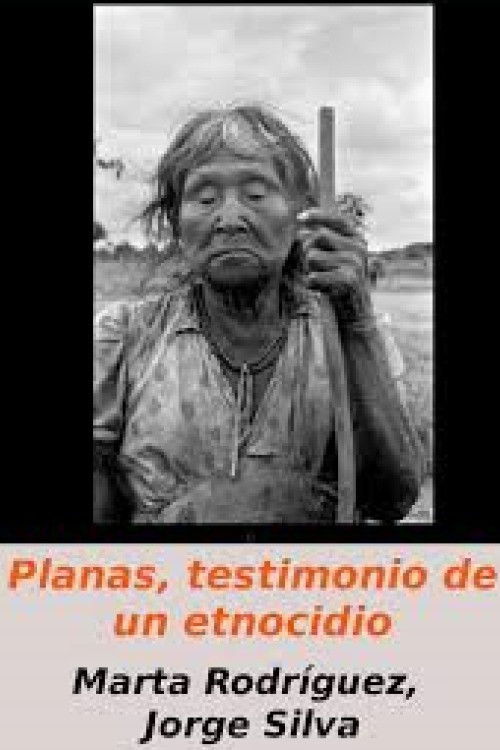
A documentary on the massacre of Planas in the Colombian east plains in 1970. An Indigenous community formed a cooperative to defend their rights from settlers and colonists, but the government organized a military operation to protect the latter and foreign companies.
Follow filmmaker Elle-Máijá Tailfeathers as she creates an intimate portrait of her community and the impacts of the substance use and overdose epidemic. Witness the change brought by community members with substance-use disorder, first responders and medical professionals as they strive for harm reduction in the Kainai First Nation.
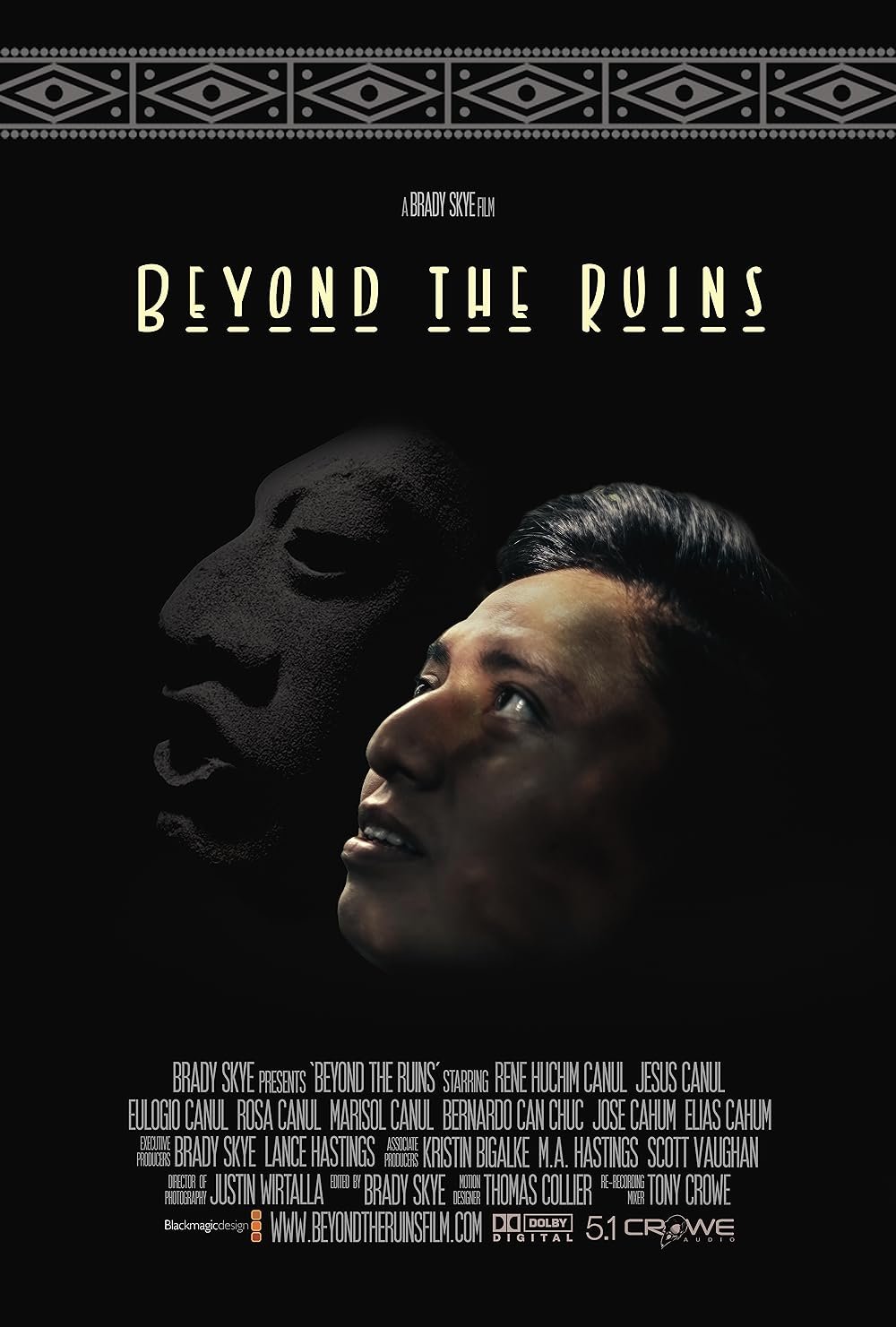
Embark on a captivating journey that delves into the essence of Yucatecan Maya life in the 21st century. This feature-length documentary unfolds against the backdrop of Coba, the second largest Maya ceremonial center in the ancient world. From this archaeological marvel, the film ventures deep into the lush jungles and intimate villages, offering a poignant exploration of two indigenous families committed to preserving their rich heritage. At its core, Beyond the Ruins weaves a tapestry that illuminates the profound interconnectedness of existence, as mirrored in the ancient Maya philosophy of "in lak' ech, a lak' en" - where "I am you; you are me." The film not only resurrects a vibrant but often overlooked culture; it also invites viewers to contemplate the universal lessons embedded in Maya wisdom. Through this evocative lens, audiences discover not only a living legacy but also a source of inspiration to enhance their own quality of life.
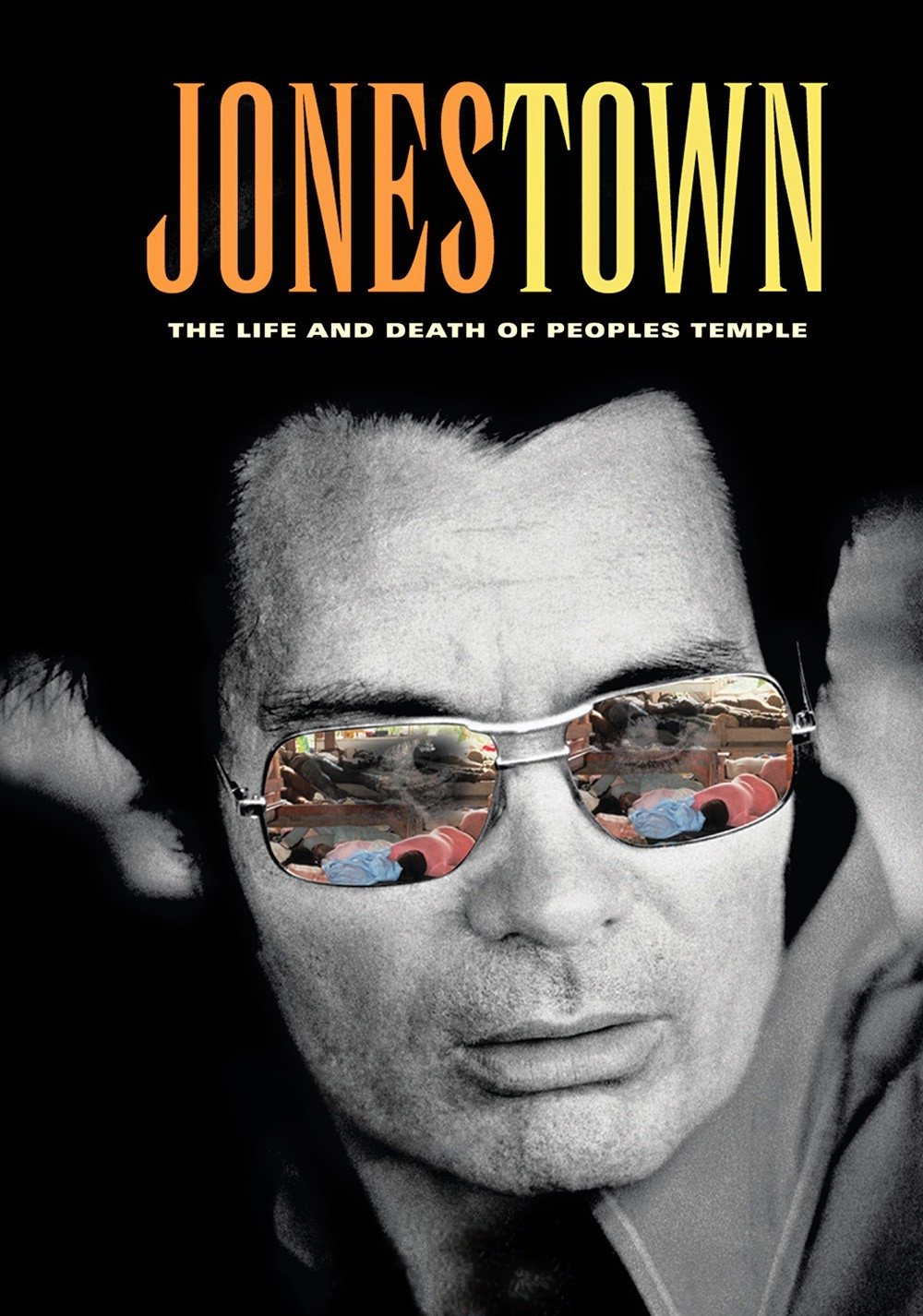
Featuring never-before-seen footage, this documentary delivers a startling new look at the Peoples Temple, headed by preacher Jim Jones who, in 1978, led more than 900 members to Guyana, where he orchestrated a mass suicide via tainted punch.
A visual montage portrait of our contemporary world dominated by globalized technology and violence.
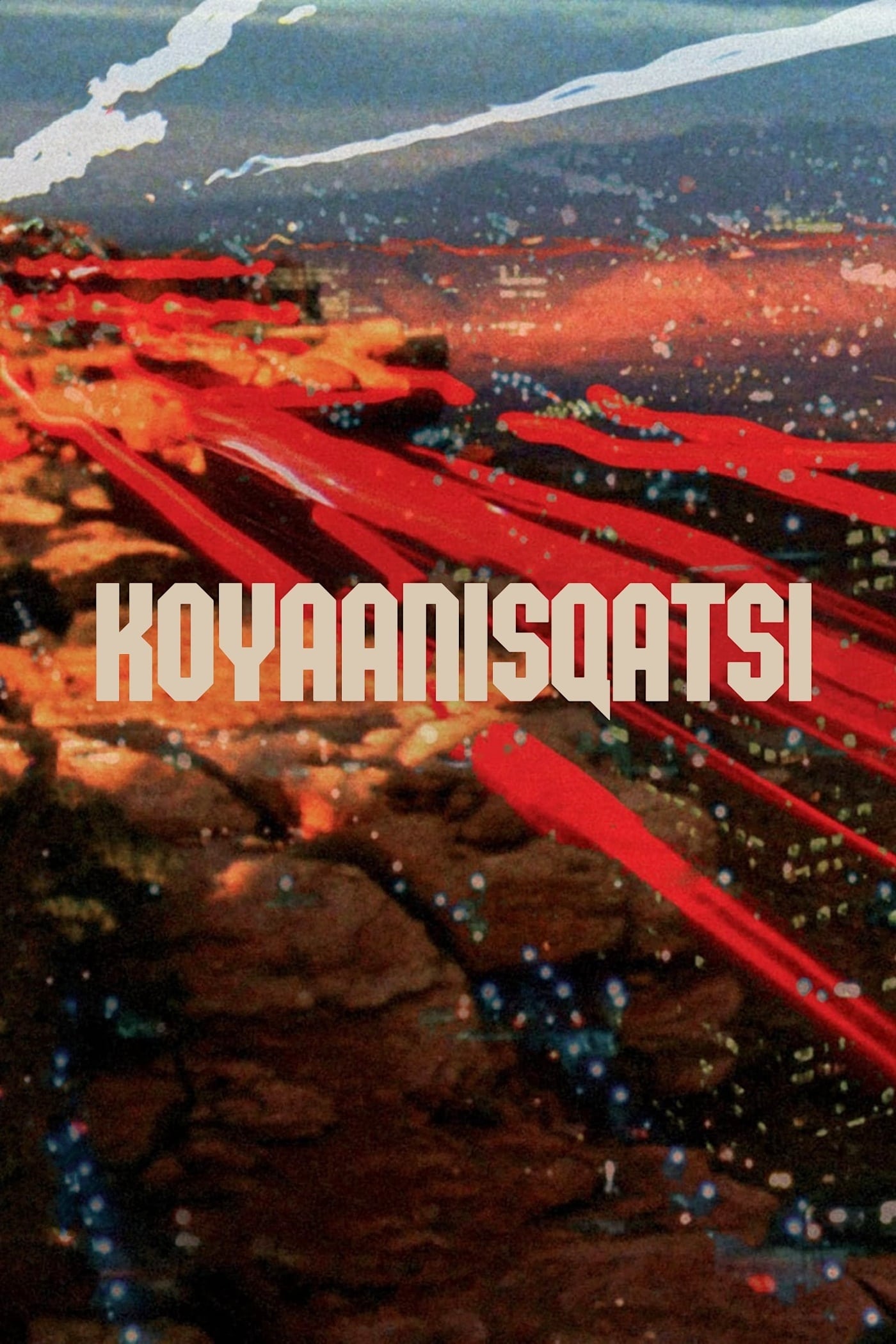
Takes us to locations all around the US and shows us the heavy toll that modern technology is having on humans and the earth. The visual tone poem contains neither dialogue nor a vocalized narration: its tone is set by the juxtaposition of images and the exceptional music by Philip Glass.
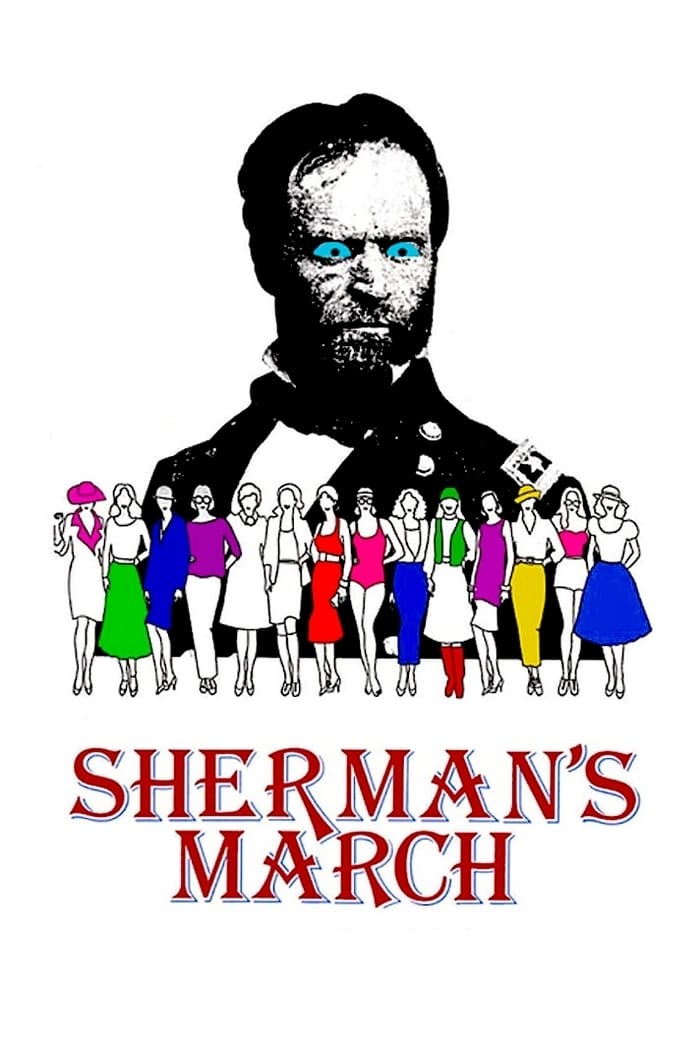
Ross McElwee sets out to make a documentary about the lingering effects of General Sherman's march of destruction through the South during the Civil War, but is continually sidetracked by women who come and go in his life, his recurring dreams of nuclear holocaust, and Burt Reynolds.
A documentary on the expletive's origin, why it offends some people so deeply, and what can be gained from its use.
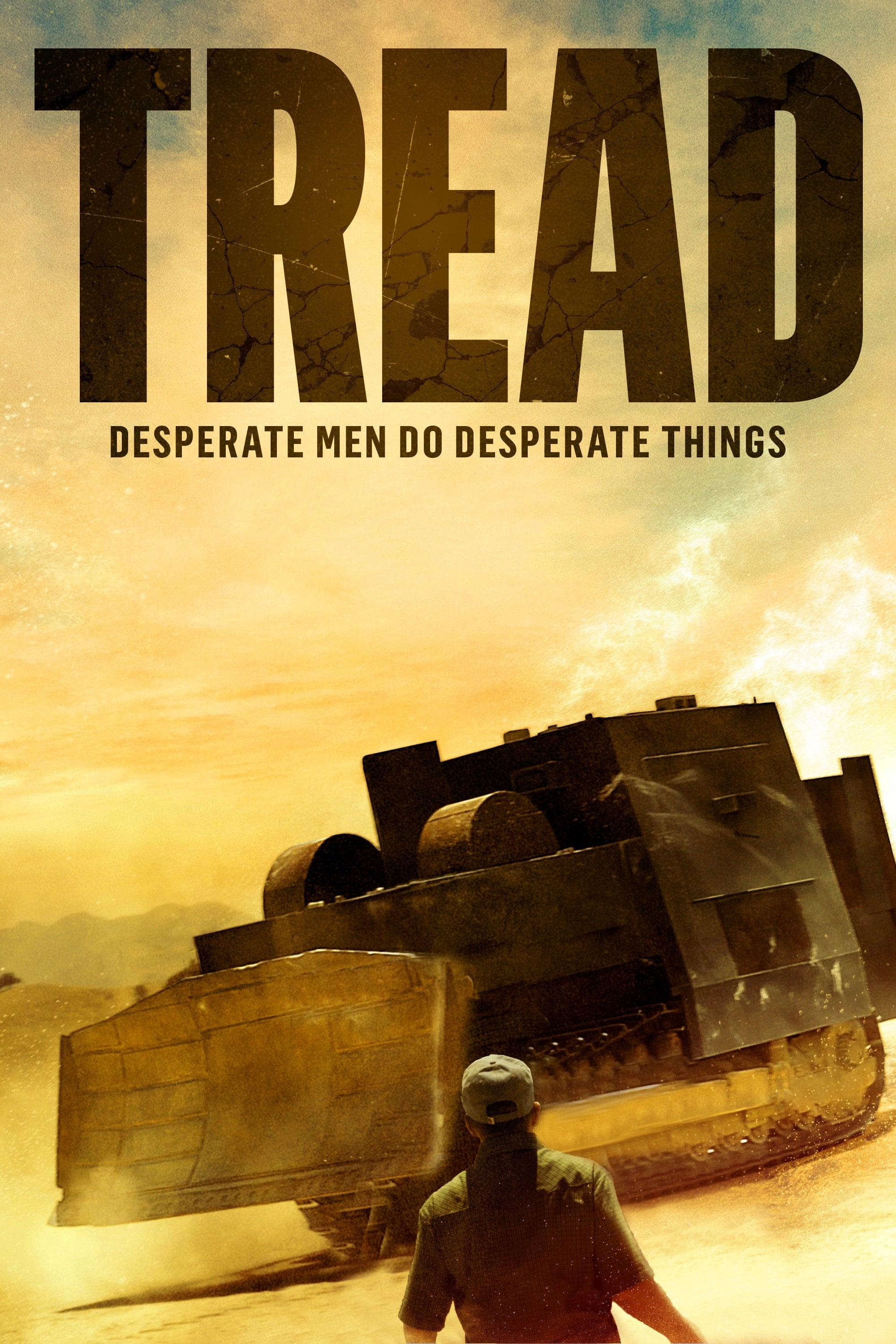
Pushed to his breaking point, a master welder in a small town at the foot of the Rocky Mountains quietly fortifies a bulldozer with 30 tons of concrete and steel and seeks to destroy those he believes have wronged him.
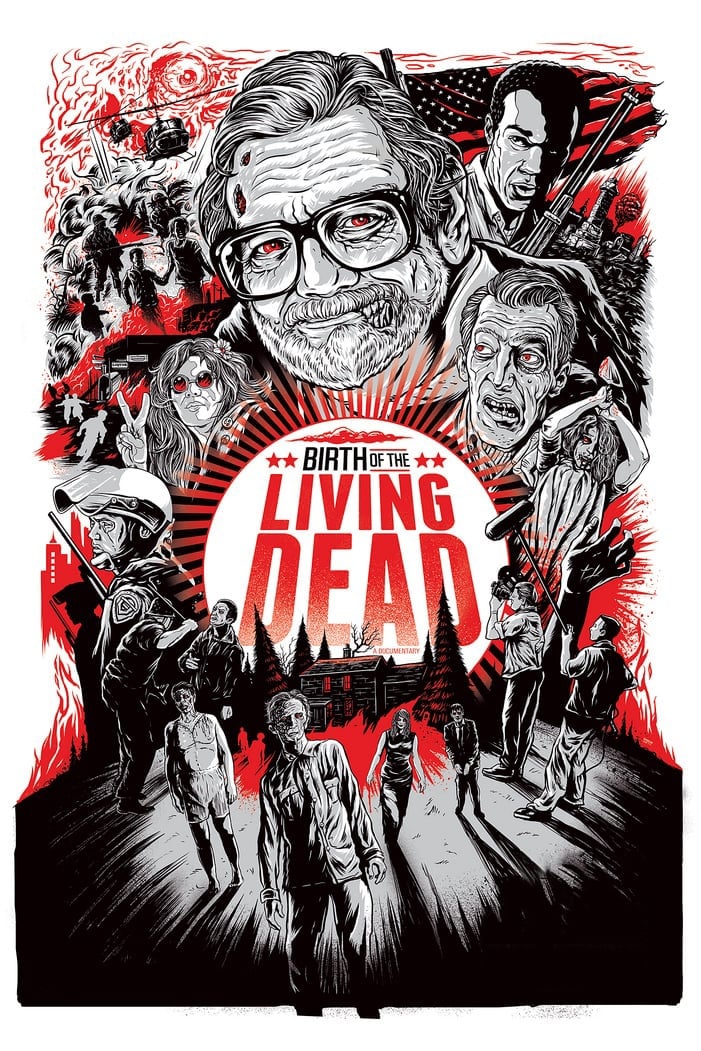
A behind the scenes look into George Romero's groundbreaking horror classic Night of the Living Dead.
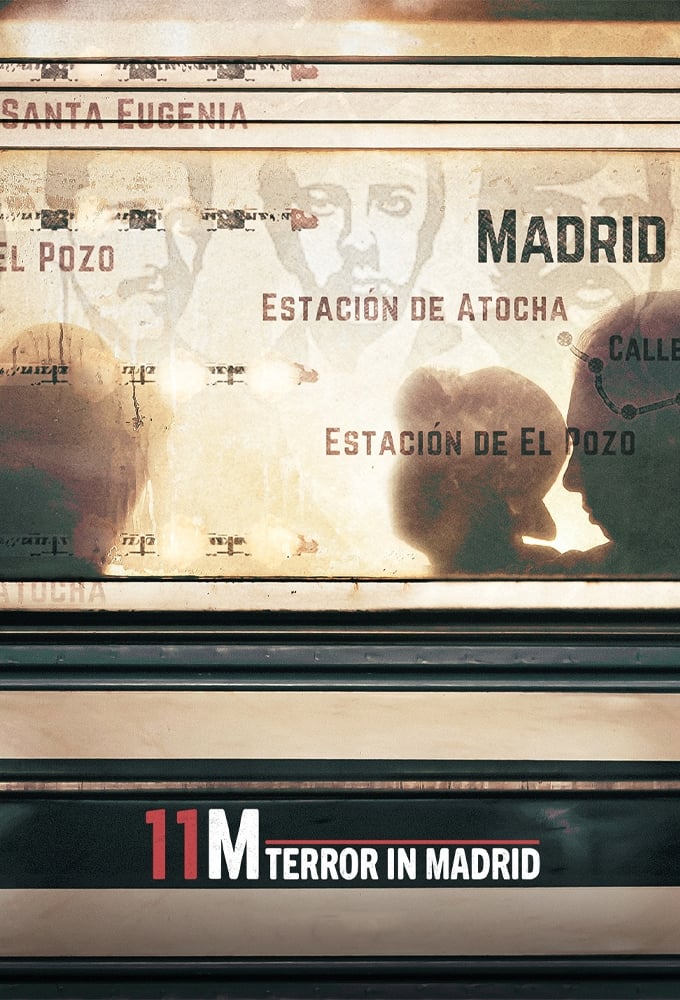
Survivors and insiders recount March 11, 2004's terrorist attack on Madrid, including the political crisis it ignited and the hunt for the perpetrators.
A dreamlike conversation with the past and the present, reimagining Latasha Harlins' story by excavating intimate memories shared by those who loved her.
The ocean contains the history of all humanity. The sea holds all the voices of the earth and those that come from outer space. Water receives impetus from the stars and transmits it to living creatures. Water, the longest border in Chile, also holds the secret of two mysterious buttons which were found on its ocean floor. Chile, with its 2,670 miles of coastline and the largest archipelago in the world, presents a supernatural landscape. In it are volcanoes, mountains and glaciers. In it are the voices of the Patagonian Indigenous people, the first English sailors and also those of its political prisoners. Some say that water has memory. This film shows that it also has a voice.
An exploration of technologically developing nations and the effect the transition to Western-style modernization has had on them.
Martin Scorsese, Robert De Niro, Joe Pesci, and Al Pacino in conversation about The Irishman.
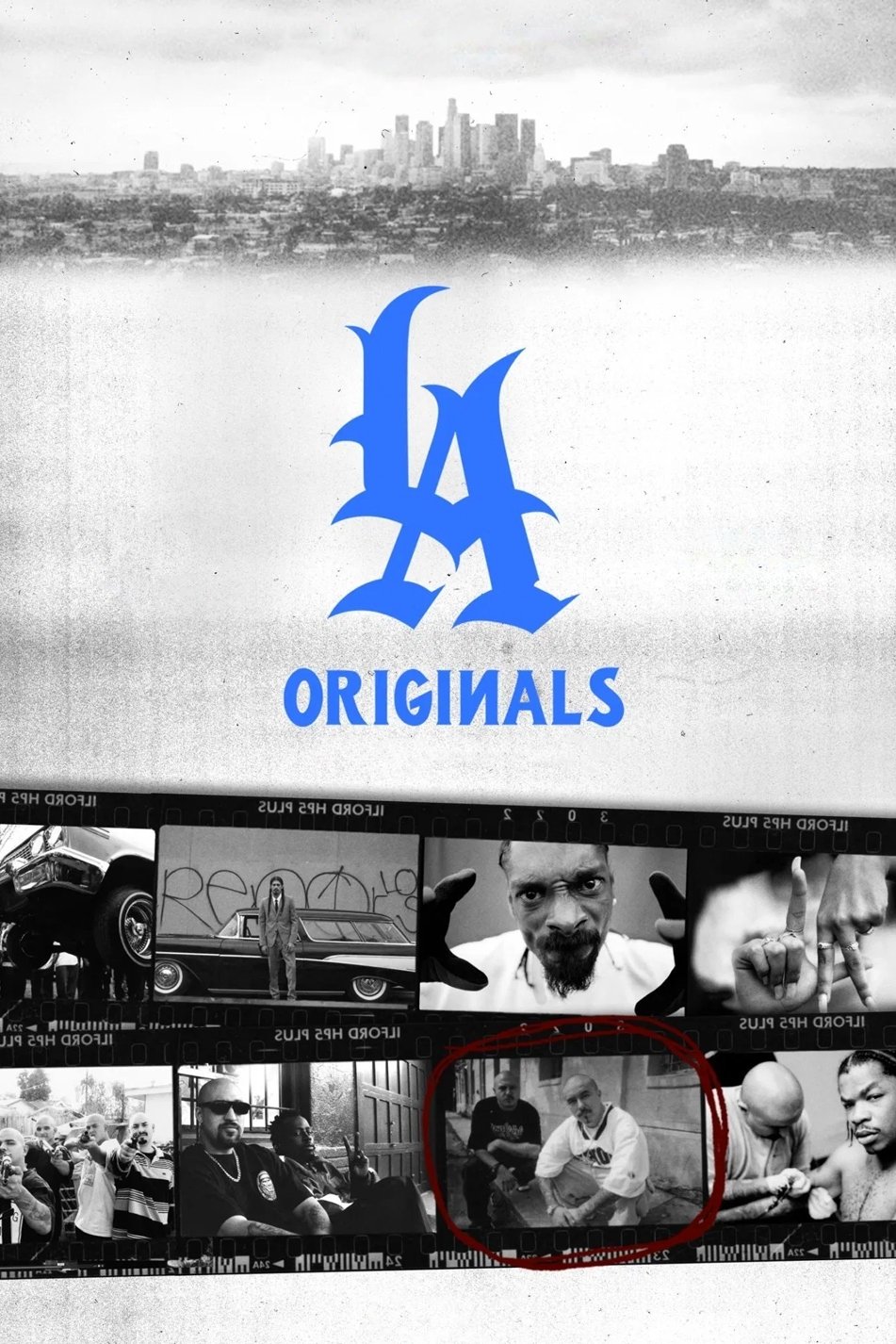
Photographer Estevan Oriol and artist Mister Cartoon turned their Chicano roots into gritty art, impacting street culture, hip hop and beyond.
When Allied forces liberated the Nazi concentration camps in 1944-45, their terrible discoveries were recorded by army and newsreel cameramen, revealing for the first time the full horror of what had happened. Making use of British, Soviet and American footage, the Ministry of Information’s Sidney Bernstein (later founder of Granada Television) aimed to create a documentary that would provide lasting, undeniable evidence of the Nazis’ unspeakable crimes. He commissioned a wealth of British talent, including editor Stewart McAllister, writer and future cabinet minister Richard Crossman – and, as treatment advisor, his friend Alfred Hitchcock. Yet, despite initial support from the British and US Governments, the film was shelved, and only now, 70 years on, has it been restored and completed by Imperial War Museums under its original title "German Concentration Camps Factual Survey".
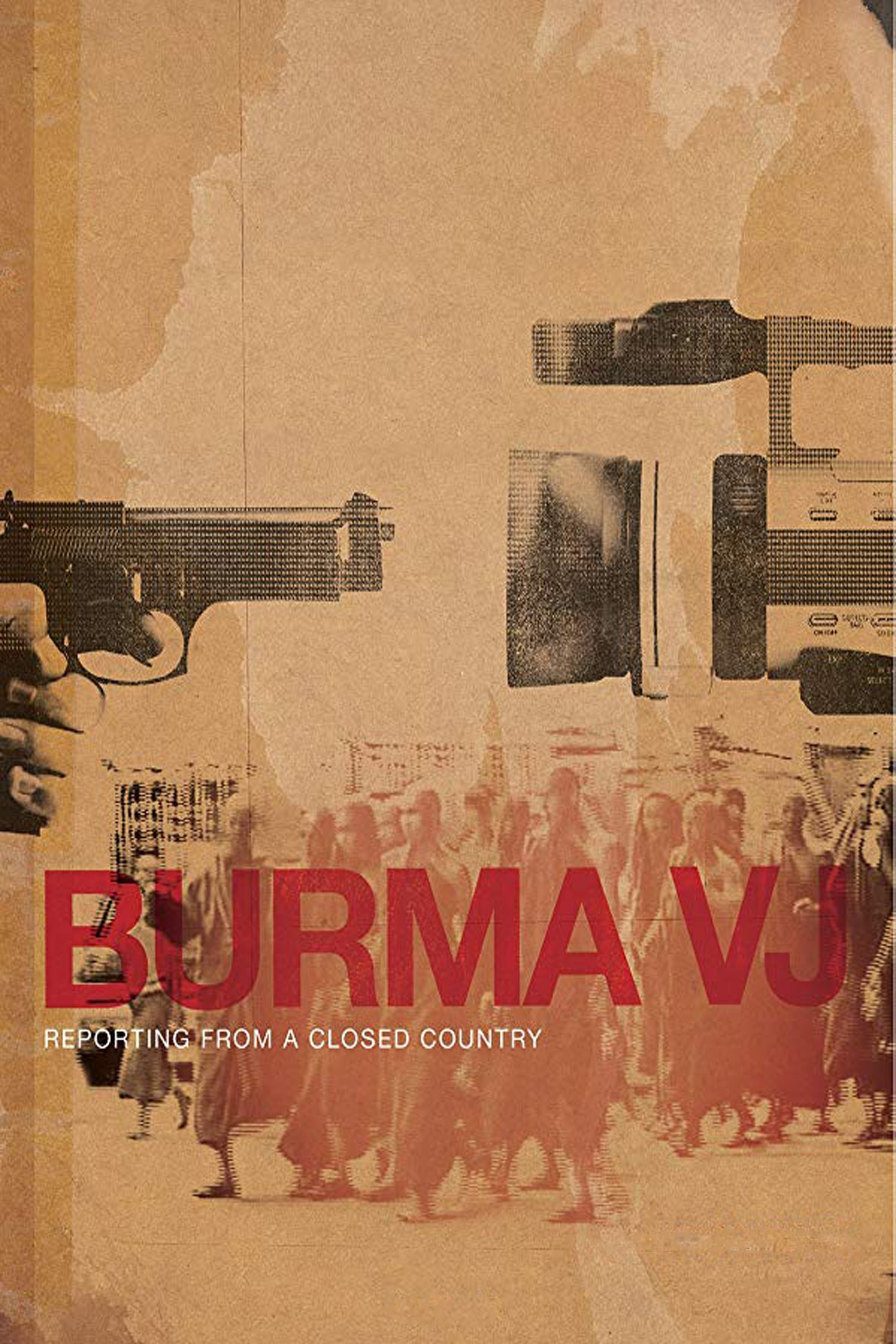
Going beyond the occasional news clip from Burma, the acclaimed filmmaker, Anders Østergaard, brings us close to the video journalists who deliver the footage. Though risking torture and life in jail, courageous young citizens of Burma live the essence of journalism as they insist on keeping up the flow of news from their closed country.
Carefully picked scenes of nature and civilization are viewed at high speed using time-lapse cinematography in an effort to demonstrate the history of various regions.
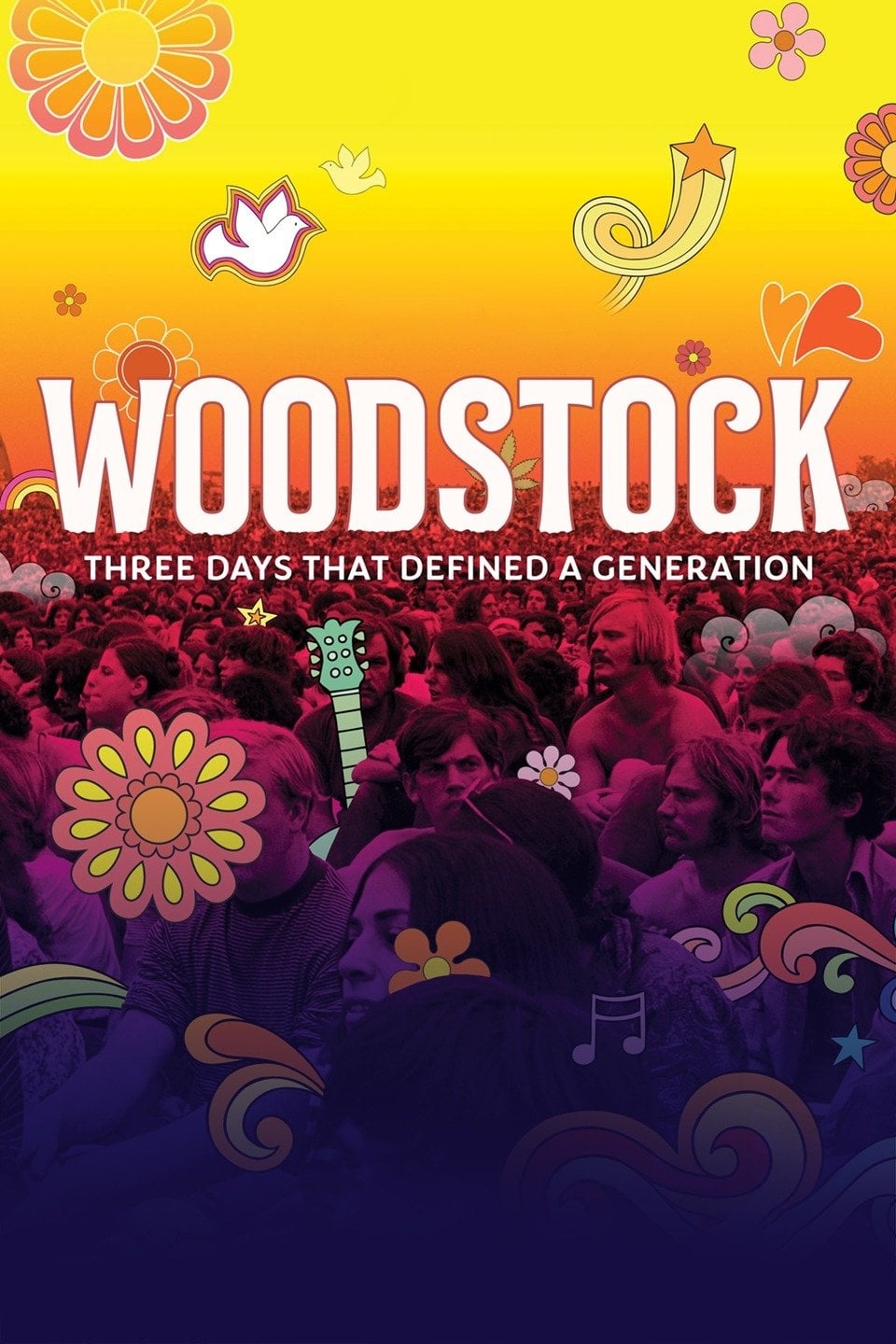
50 years after the legendary fest, Barak Goodman’s electric retelling of Woodstock, from the point of view of those who were on the ground, evokes the freedom, passion, community, and joy the three-day music festival created.
In the Realms of the Unreal is a documentary about the reclusive Chicago-based artist Henry Darger. Henry Darger was so reclusive that when he died his neighbors were surprised to find a 15,145-page manuscript along with hundreds of paintings depicting The Story of the Vivian Girls, in What is Known as the Realms of the Unreal, of the Glodeco-Angelinnian War Storm, Cased by the Child Slave Rebellion.
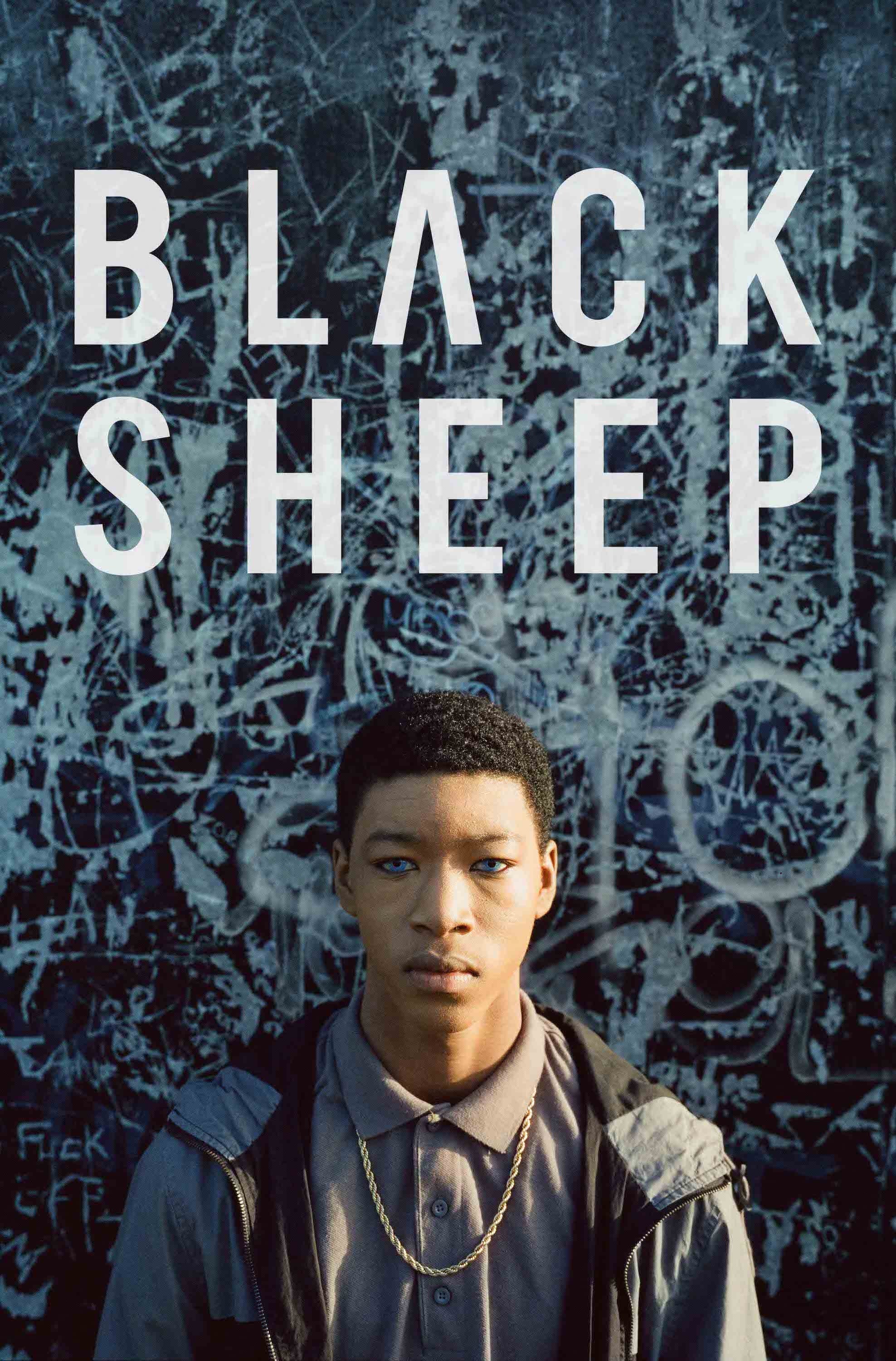
After the high-profile killing of Damilola Taylor, Cornelius' family move out of London. But when they discover their new town is run by racists, Cornelius takes a drastic step to survive.