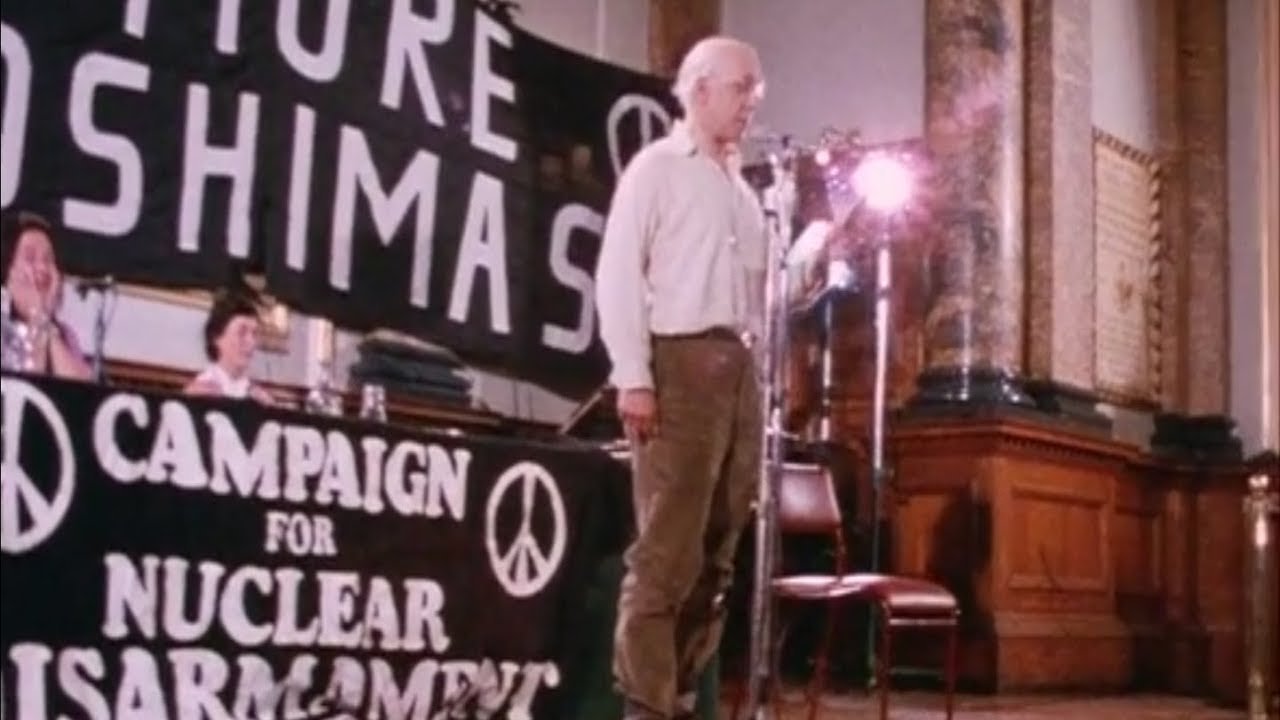
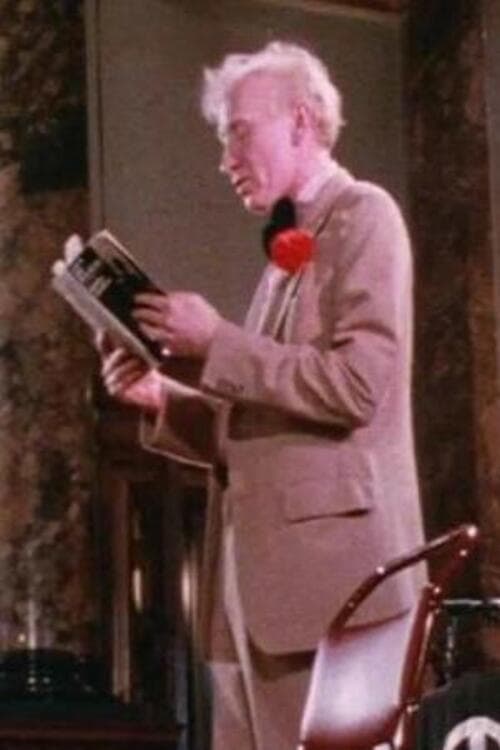
An event organised by CND pits the bomb against poetry. Hear artists who hoped that words and rhymes could put an end to destructive times.
Social & External
Unknown Role

This short-form documentary focuses on the true story of Alfons Heck, who as an impressionable 10-year-old boy became a high-ranking member of the Hitler youth movement during World War II. The story is told in his own words. This film originally aired as part of the "America Undercover" series on HBO.
Fallujah, November 2004. While bombings and massacres with unconventional weapons follow one another in the city, an American soldier and an Iraqi woman meet in a strange room. The story told, based on episodes that really happened, is interspersed with repertoire material and interviews with Simona Torretta.
After World War II a group of young writers, outsiders and friends who were disillusioned by the pursuit of the American dream met in New York City. Associated through mutual friendships, these cultural dissidents looked for new ways and means to express themselves. Soon their writings found an audience and the American media took notice, dubbing them the Beat Generation. Members of this group included writers Jack Kerouac, William Burroughs, Allen Ginsberg. a trinity that would ultimately influence the works of others during that era, including the "hippie" movement of the '60s. In this 55-minute video narrated by Allen Ginsberg, members of the Beat Generation (including the aforementioned Burroughs, Anne Waldman, Peter Orlovsky, Amiri Baraka, Diane Di Prima, and Timothy Leary) are reunited at Naropa University in Boulder, CO during the late 1970's to share their works and influence a new generation of young American bohemians.
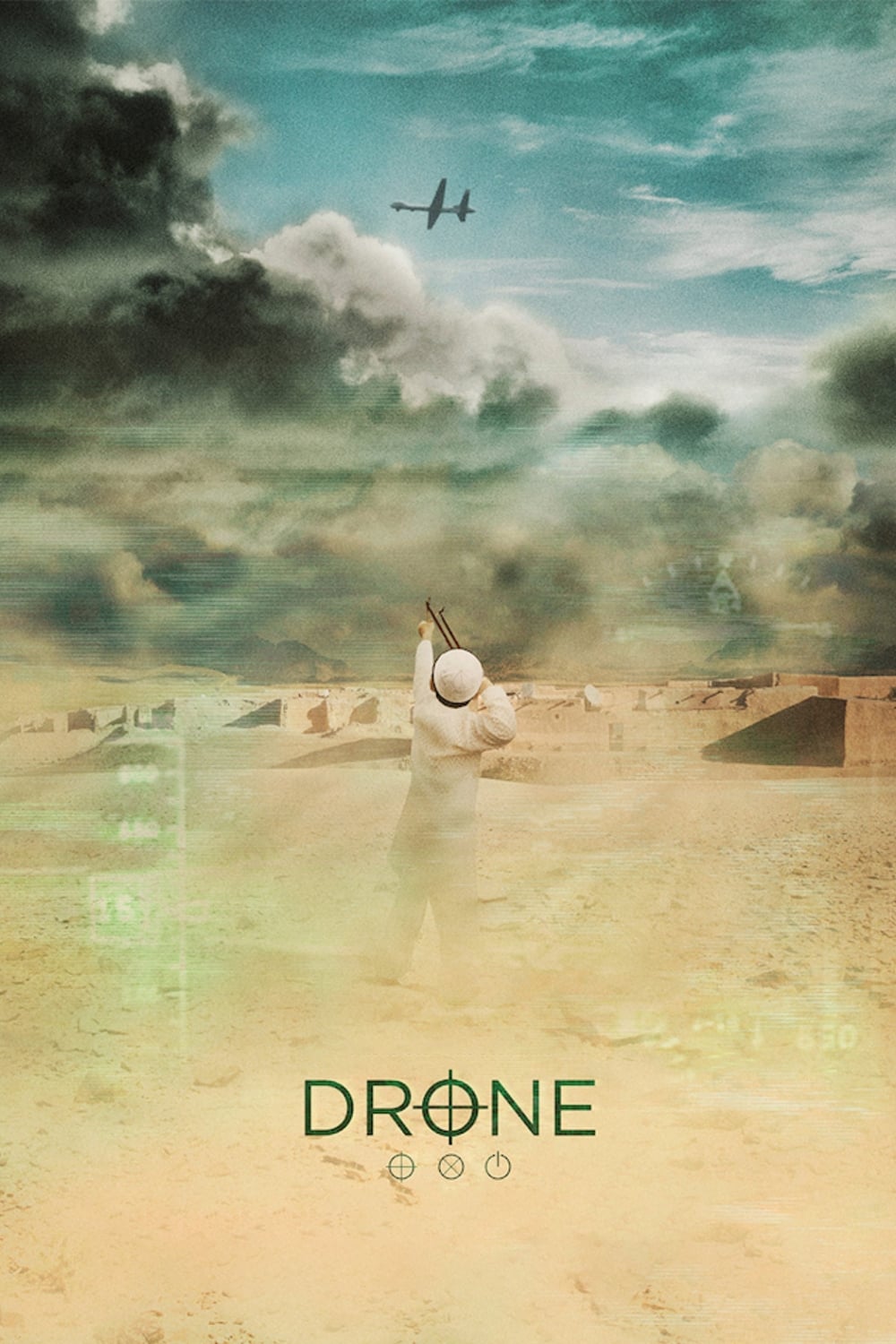
DRONE is a documentary about the covert CIA drone war. Through voices on both sides of this new technology, DRONE reveals crucial information about the drone war in Pakistan and offers unique insights into the nature of drone warfare.
This film deals with the atrocities of war as portrayed by a film student who spends some time working as a medic. One of the duties he performed was to carry amputated limbs to the cremation furnace. This is a film about the collective madness that engulfed Sarajevo. A one-armed boy is troubled because he can't make big, firm snowballs; a man who lost both legs demonstrates walking on his stumps... The film and the director's story help us understand the commotion and tumult that have occurred in the minds of Sarajevans.
Stolen Kosovo is a Czech language documentary by director Václav Dvořák (b. 1948), about the Serbian–Albanian conflict in Kosovo. The documentary describes the situation, first in a short overview of the history of the area, followed by the 1990s conflicts and bombing of Serbia by NATO forces in 1999 and ending with the situation after the Kosovo War. The documentary focuses on the 1990s in the time of Slobodan Milošević's rule as well as on numerous interviews of Serbian civilians and, less, of Albanian insurgents against the Milošević regime.
A look at the feud between graffiti artists King Robbo and Banksy.
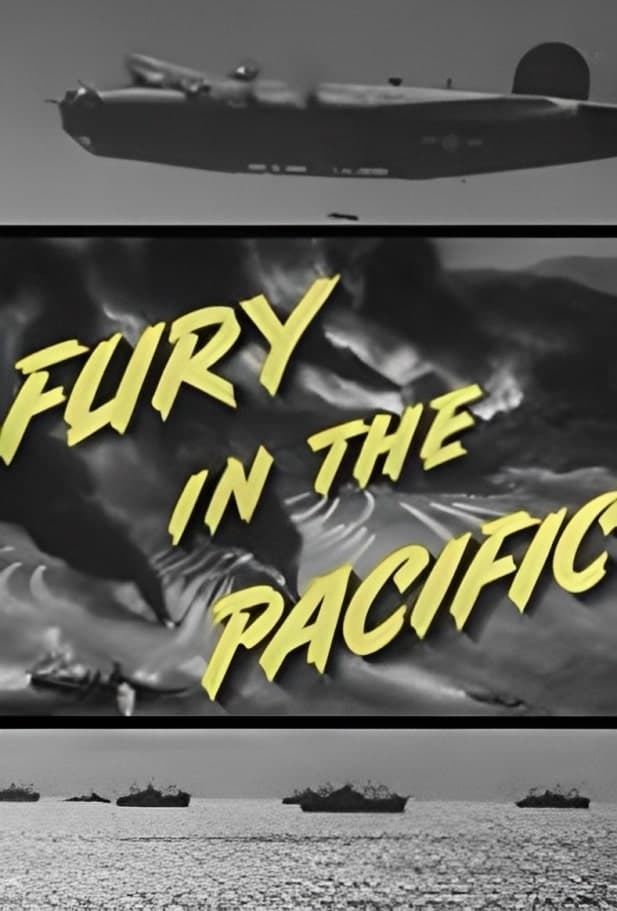
Documentary short film depicting American Army, Navy, Marine, Air Forces, and Coast Guard joint assaults on a Japanese-held island.
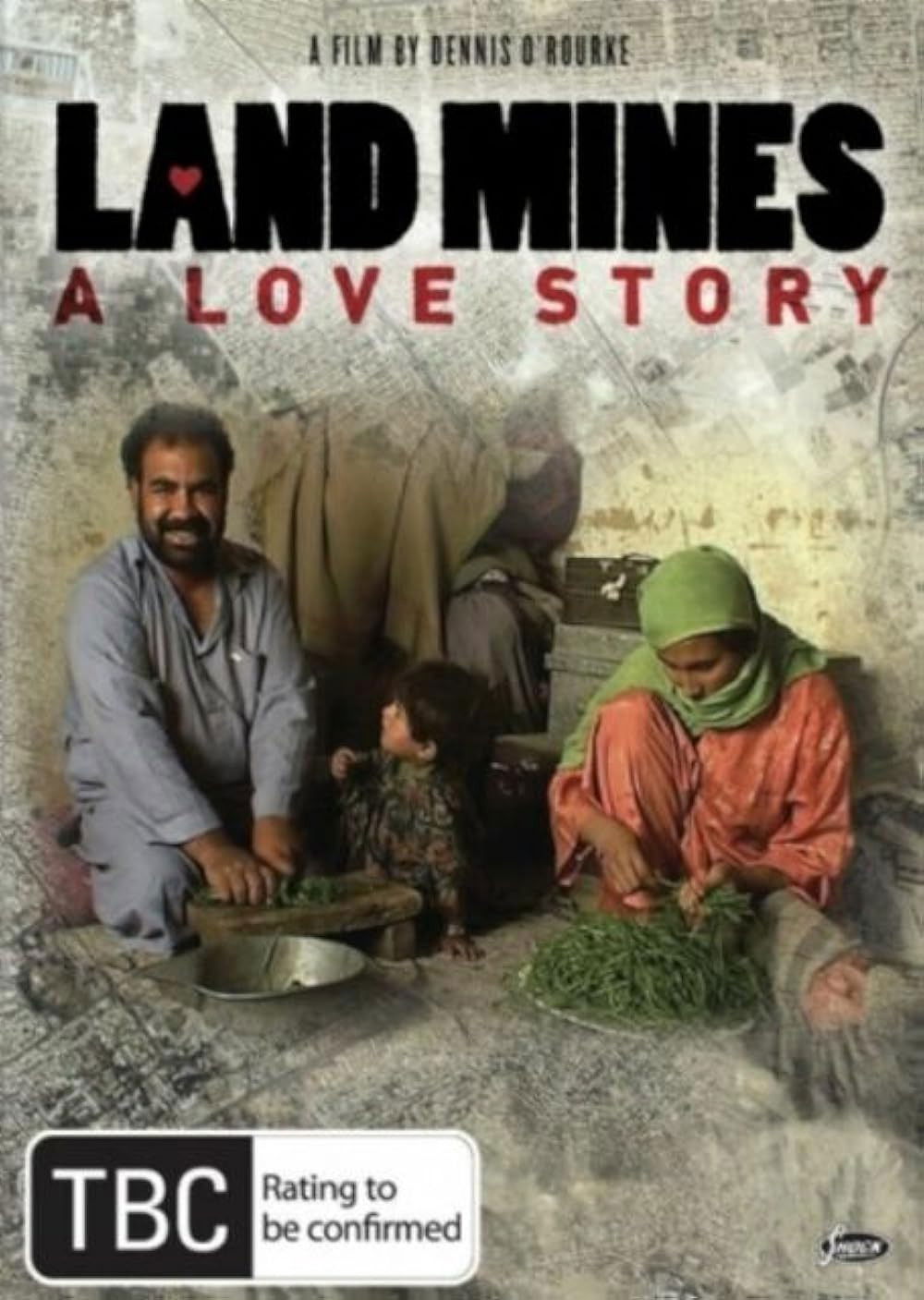
Habiba and Shah who, because of the wars fought in Afghanistan over the past 25 years, have experienced immense suffering, but who have survived to show how it is possible to be brave and moral in this world of sanctioned violence and lies. Shah, a former Mujaheddin soldier and land mine victim, works as a cobbler on the pavements of the ruined city of Kabul. One day, he noticed a pretty Tajik girl who had only one leg, and he began to court her. Amidst the chaos and violence, and despite all the obstacles of tradition and religion, Shah and Habiba were able to marry.
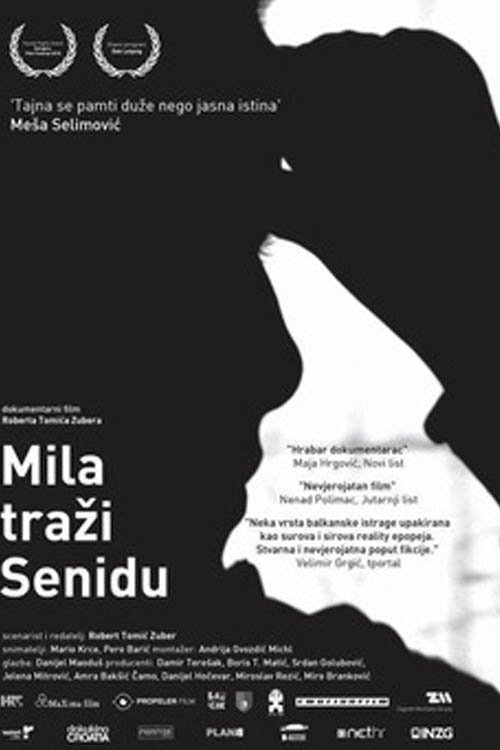
Teenage girl Mila found out a name of Serbian soldier who saved her from burnt house during the war in Bosnia. She starts looking for her mother Senada, sister Sanda and her father. All of their names are written on a monument dedicated to dissapeared people from the town. In turn of the events, she finds her father alive.
Harold Russell, an American soldier who lost his hands in a training accident, tells the story of his medical rehabilitation at Walter Reed Army Medical Center in Washington DC, how he and his fellow amputees at the hospital at first despaired and then found new hope in the prostheses and training available to amputees through the Army's medical corps. Russell learns to wear and to operate the hooks which replace his hands and becomes competent to perform many tasks he had once thought no longer possible. Discharged from the Army, he is welcomed into Boston College by college president William J. Murphy, S.J.
Athens, 1983. The world press reports that 4-year old Bashir is killed in the assassination of his father, Mamoun Mraish, a top PLO lieutenant. Father and son are declared dead but when they arrive at the hospital Bashir turns out to be still alive. But if Bashir is fully alive today, what happened to the dream he and his father were believed to have died for?
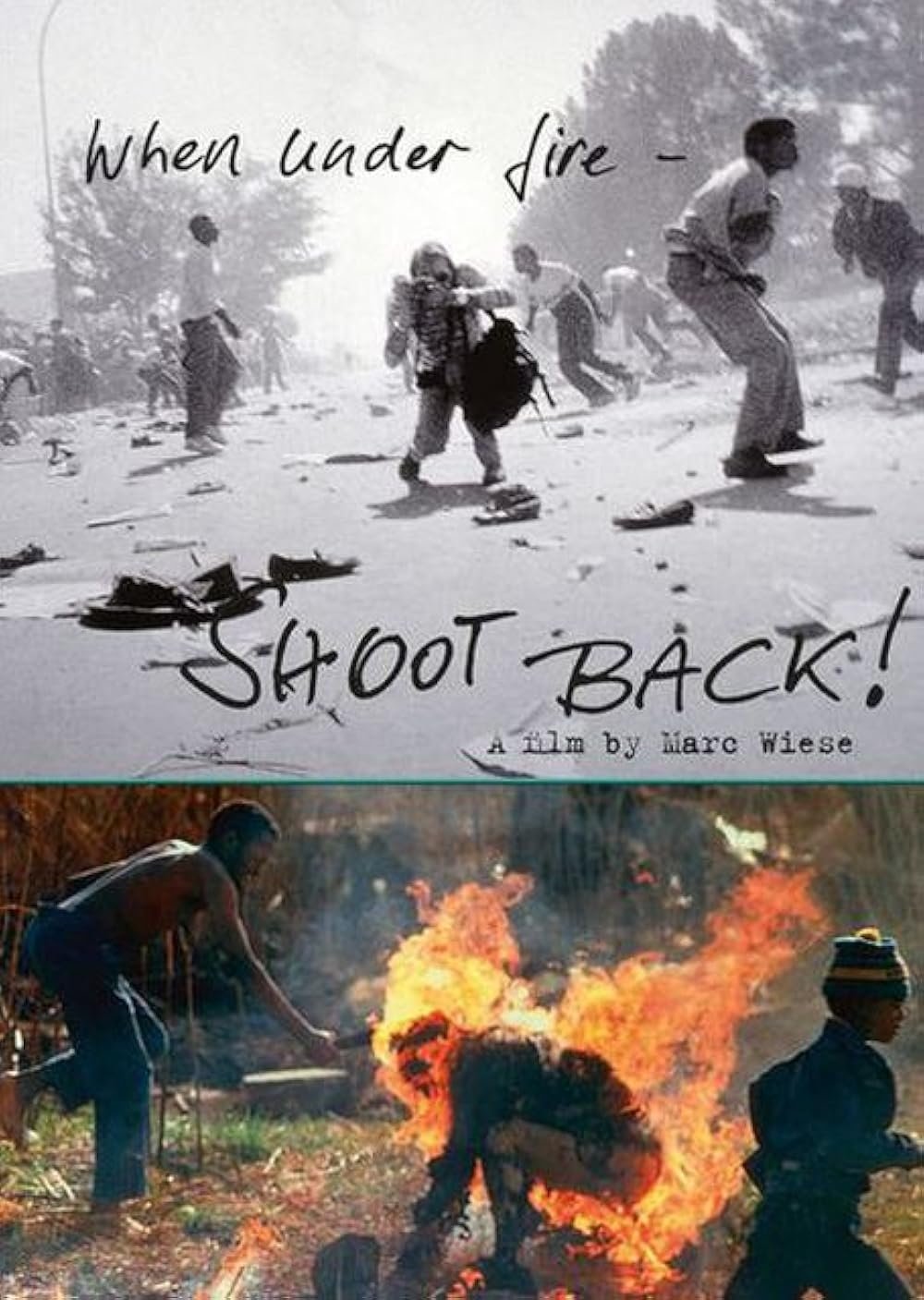
The Bang Bang Club were four fearless young photographers who set out to expose the reality of Apartheid in South Africa - a battle that changed a nation but wound up almost destroying them.
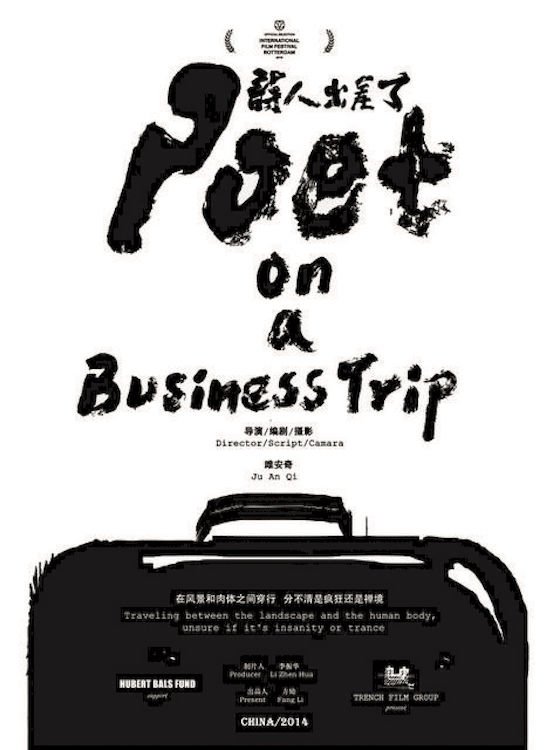
In 2002, Ju Anqi made a film about a tour by the poet Shu through Xinjiang, the most western-lying, autonomous Uyghur province of China. All that we know about Shu is that he plays a poet who sends himself on a business trip - an absurd, satirical starting point that sets the tone for the film. For a variety of reasons, it was not until 2013 that Ju started editing the rough, lyrical material that he had shot in what is now a very restless Xinjiang: it's like an excellent wine that has had time to mature. Structured around 16 poems which he wrote on the road, Shu’s physically exhausting journey takes him along endless rocky roads, passing shabby inns and through impressive landscapes from one prostitute to the next. In its documentary authenticity, Poet on a Business Trip is also an historic document that exudes an atmosphere of loss, providing an unsentimental yet melancholy glimpse of a country in transition and a mirror for the existential irreversibility of time. (c) iffr.com
An experimental documentary that explores Saudi Arabia's relationship with the U.S. and the role this has played in the war in Afghanistan.
In 2010 the Freedom Flotilla attempts to break the Israeli blockade of Gaza. In international waters the flotilla is attacked by the Israeli army and 9 people are killed. 9 anonymous people. But the dead still have a name. In 2014 Gaza is attacked by Israel. 2131 Palestinians are killed, among them 513 children. 513 dead children. But the dead children still have names. The film is about a Jewish person who has made a political journey from the Vietnam war to Gaza. This person is the paediatrician Henry Ascher, who lost his fathers entire family in the Holocaust.
An anti-war film about the personal suffering behind the hard statistics, which show that more than four million Vietnamese died during the Vietnam War, as opposed to 58,000 Americans. We hear South and North Vietnamese, including émigrés to the United States, describing how huge numbers of friends met their deaths, caught as they were between government forces, the Vietcong, and the Americans; how political boundaries divided not only the country, but also families; how mothers deserted their children because their fathers were American soldiers; and how the war cruelly lingers on long after hostilities ceased, in the lives of children born crippled by chemical weapons.
For many, the name Malvinas/Falklands evokes an absurd war between England and Argentina in 1982. For Julieta Vitullo, the protagonist of this film, this tragic history becomes deeply personal 25 years later when she suffers a loss associated with her search to uncover that past, unfolding into a life-affirming struggle for renewal and rebirth. This film tells the story of two trips, one made in 2006 and the other in 2010. In the space between one trip and the next, between past and present, between the public and the private, between what can and cannot be told, the movie reflects on the possibilities of conveying extreme life experiences, presenting landscapes and sounds that suggest subtle contours of that shape, 'The Exact Shape of the Islands.'
A poignant documentary about the history of a family haunted by World War II. On the basis of archive material, documents left behind by her great-aunt Ro Miller and stories told by her father Eli Asser, Hella de Jonge reconstructs what happened to her family during, before and after the war. How they became aware of the danger, how they fled, how they hid, how they survived and how they died. And how, after the war was over, it continued to weigh on their lives. In Hella’s words, “The doctor advised my mother to have children, to help cope with the incredible loss.” A portrait of her grandmother, who died in the war, still hangs in her father’s living room. The filmmaker’s relationship with him has always been difficult. Fragments of memory never before discussed run together during an emotional journey embarked upon together by father and daughter to places of significance in the history of their family.
In the Realms of the Unreal is a documentary about the reclusive Chicago-based artist Henry Darger. Henry Darger was so reclusive that when he died his neighbors were surprised to find a 15,145-page manuscript along with hundreds of paintings depicting The Story of the Vivian Girls, in What is Known as the Realms of the Unreal, of the Glodeco-Angelinnian War Storm, Cased by the Child Slave Rebellion.
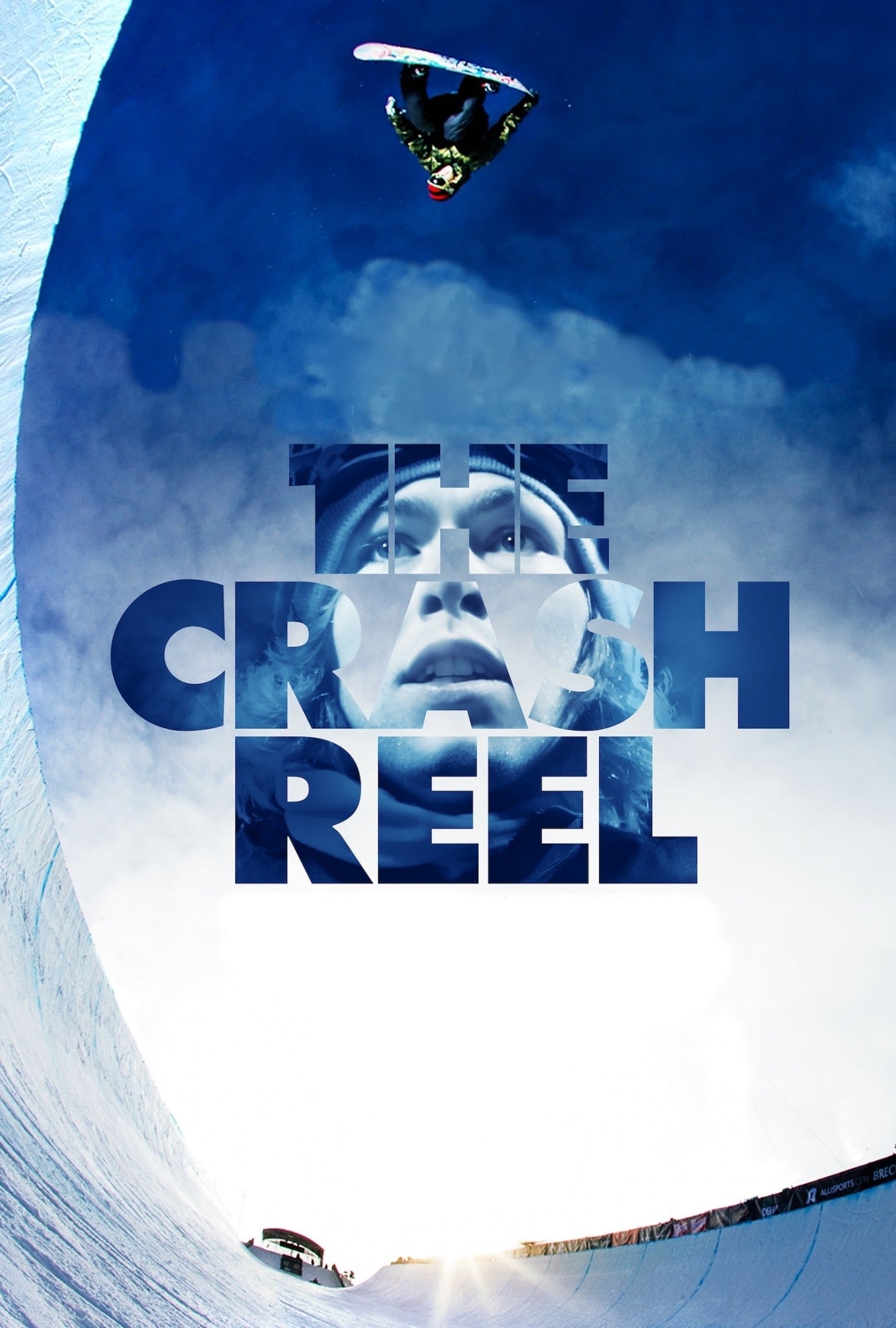
The Crash Reel tells the story of a sport and the risks that athletes face in reaching the pinnacle of their profession. This is Kevin Pearce’s story, a celebrated snowboarder who sustained a brain injury in a trick gone wrong and who now aims, against all the odds, to get back on the snow.
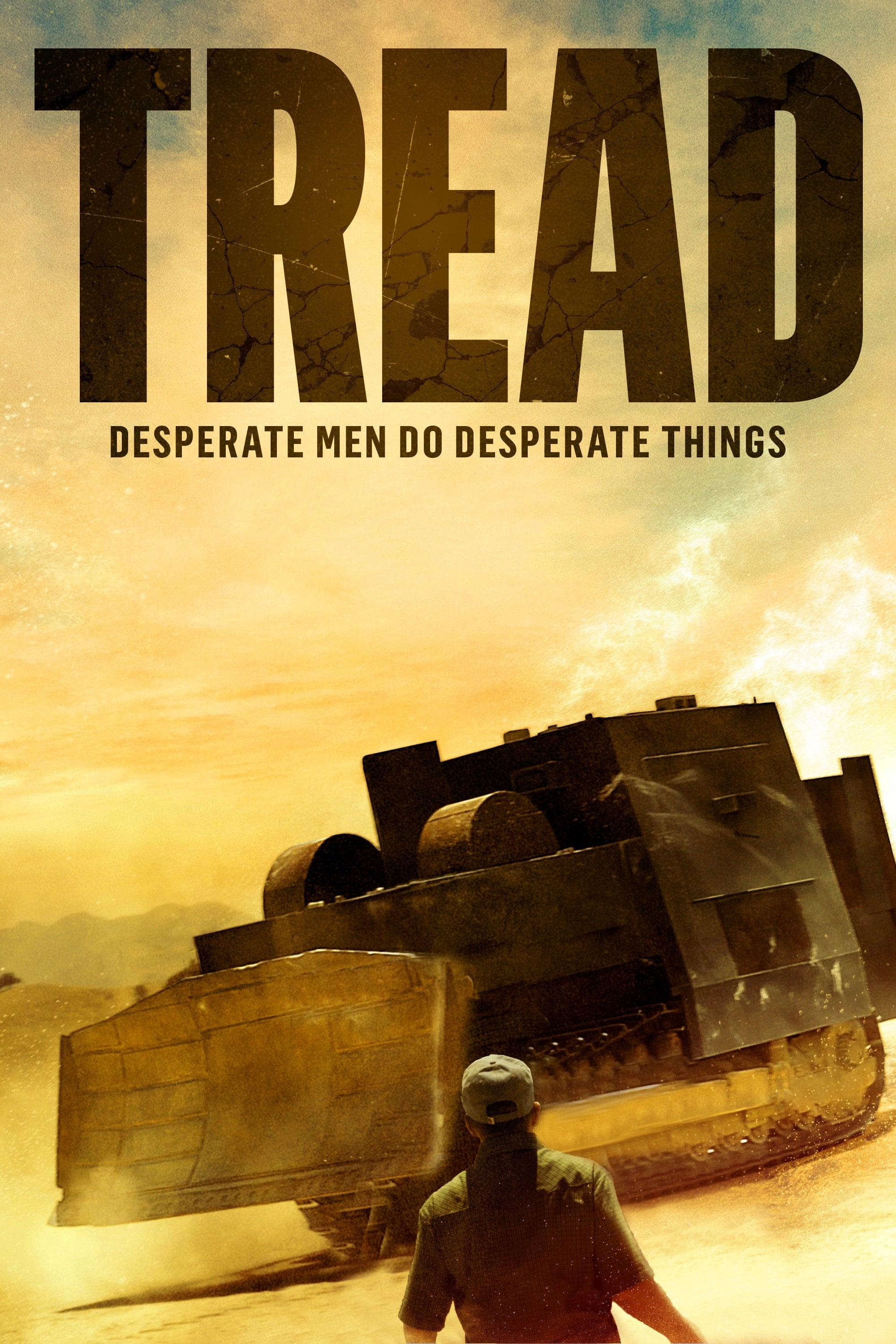
Pushed to his breaking point, a master welder in a small town at the foot of the Rocky Mountains quietly fortifies a bulldozer with 30 tons of concrete and steel and seeks to destroy those he believes have wronged him.
Dubbed “The Cannibal Cop,” former NYPD officer Gilberto Valle was charged with conspiring to kidnap and eat women but argued it was all a fantasy. His story made headlines both for its disturbing details and its potential to kick off a trend of thought-policing across the nation. Featuring intimate interviews with Valle and insights from experts, Thought Crimes explores if someone can be found guilty for their most dangerous thoughts.
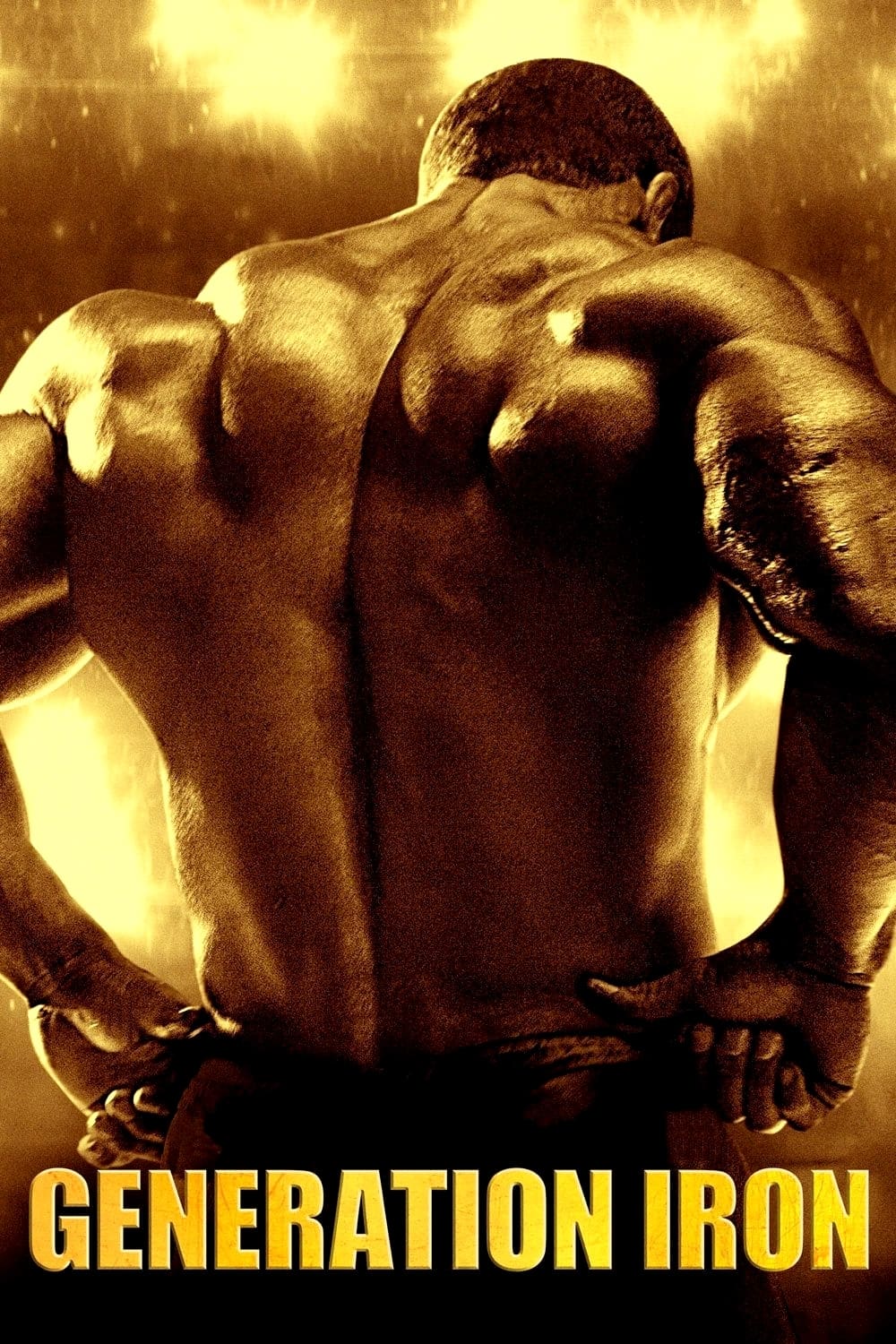
Generation Iron - examines the professional sport of bodybuilding today and gives the audience front row access to the lives of the top 7 bodybuilders in the sport as they train to compete in the world's most premiere bodybuilding stage - Mr. Olympia.
Lyrical and powerfully personal essay film that reflects on the deaths of her husband Lou Reed, her mother, her beloved dog, and such diverse subjects as family memories, surveillance, and Buddhist teachings.
A visual montage portrait of our contemporary world dominated by globalized technology and violence.
A documentary on the expletive's origin, why it offends some people so deeply, and what can be gained from its use.
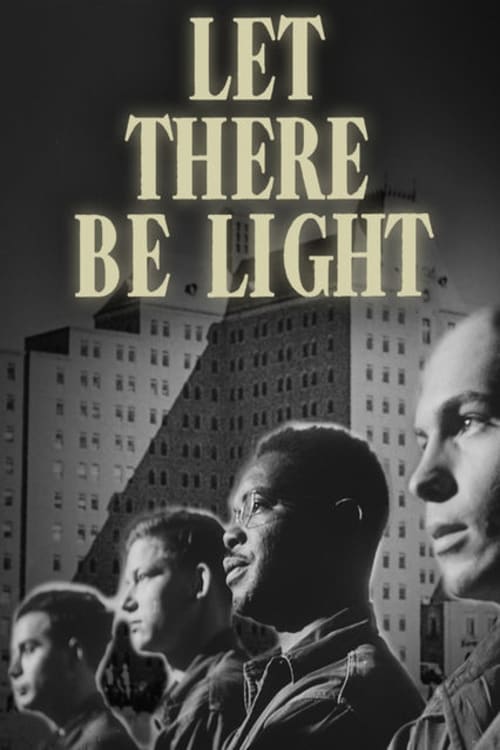
The final entry in a trilogy of films produced for the U.S. government by John Huston. Some returning combat veterans suffer scars that are more psychological than physical. This film follows patients and staff during their treatment. It deals with what would now be called PTSD, but at the time was categorised as psychoneurosis or shell-shock. Government officials deemed this 1946 film counterproductive to postwar efforts; it was not shown publicly until 1981.
Ross McElwee sets out to make a documentary about the lingering effects of General Sherman's march of destruction through the South during the Civil War, but is continually sidetracked by women who come and go in his life, his recurring dreams of nuclear holocaust, and Burt Reynolds.
Using the book 'Fragments', which collects Marilyn Monroe's poems, notes and letters, and with participation from the Arthur Miller and Truman Capote estates who have contributed more material, each of the actresses will embody the legend at various stages in her life.
Filmed at the end of the tour in Vancouver, B.C., with the entire Tortured Poets Department set.
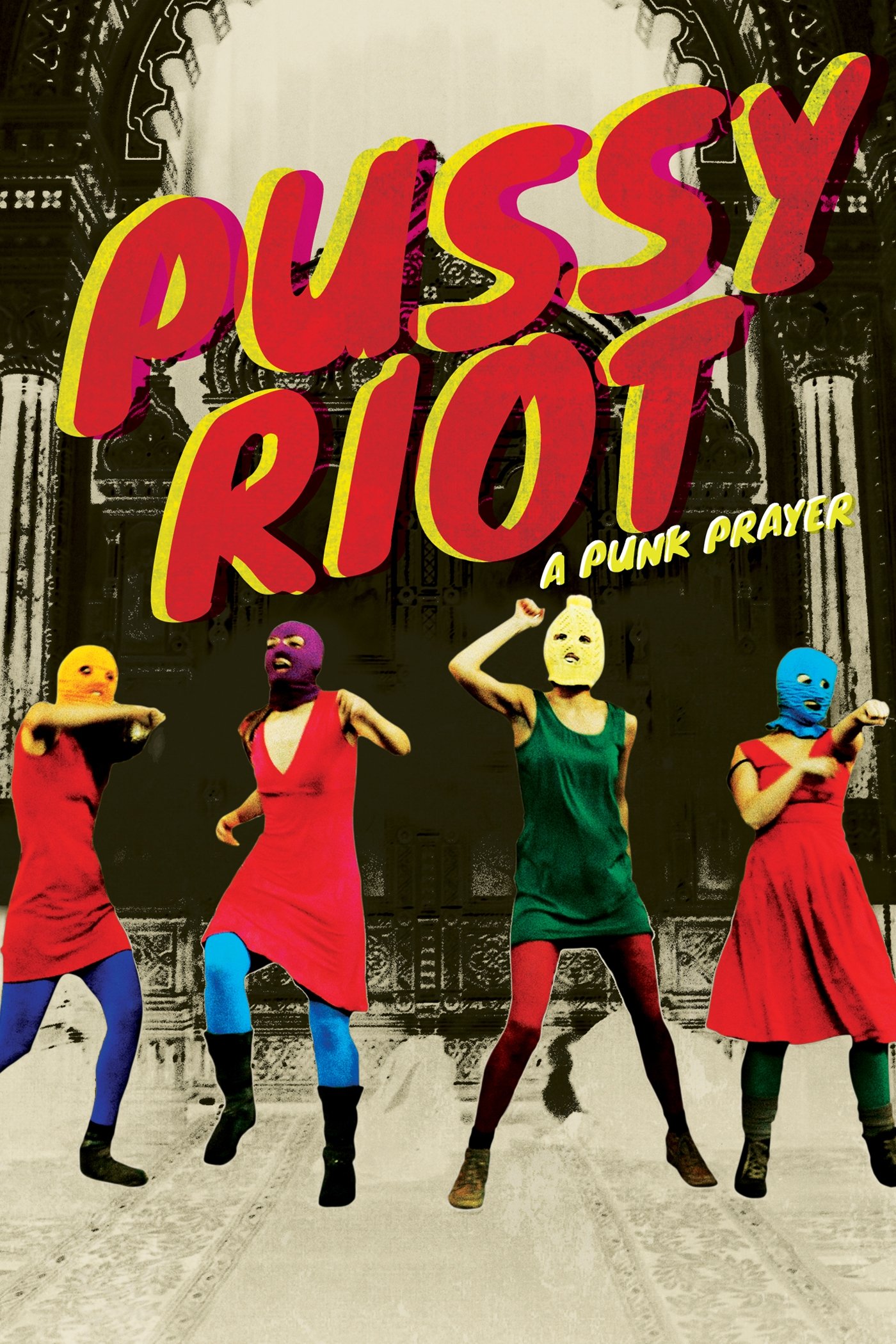
In the winter of 2011, after a controversial election, Vladimir Putin was reinstalled as president of Russia. In response, hundreds of thousands of citizens rose up all over the country to challenge the legitimacy of Putin’s rule. Among them were a group of young, radical-feminist punk rockers, better known as Pussy Riot. Wearing colored balaclavas, tights, and summer dresses, they entered Moscow’s most venerated cathedral and dared to sing “Mother Mary, Banish Putin!” Now they have become victims of a “show” trial.
Al Pacino's deeply-felt rumination on Shakespeare's significance and relevance to the modern world through interviews and an in-depth analysis of "Richard III."
John Shepherd spent 30 years trying to contact extraterrestrials by broadcasting music millions of miles into space. After giving up the search, he makes a different connection here on earth.
A documentary chronicling Vogue editor-in-chief Anna Wintour's preparations for the 2007 fall-fashion issue.
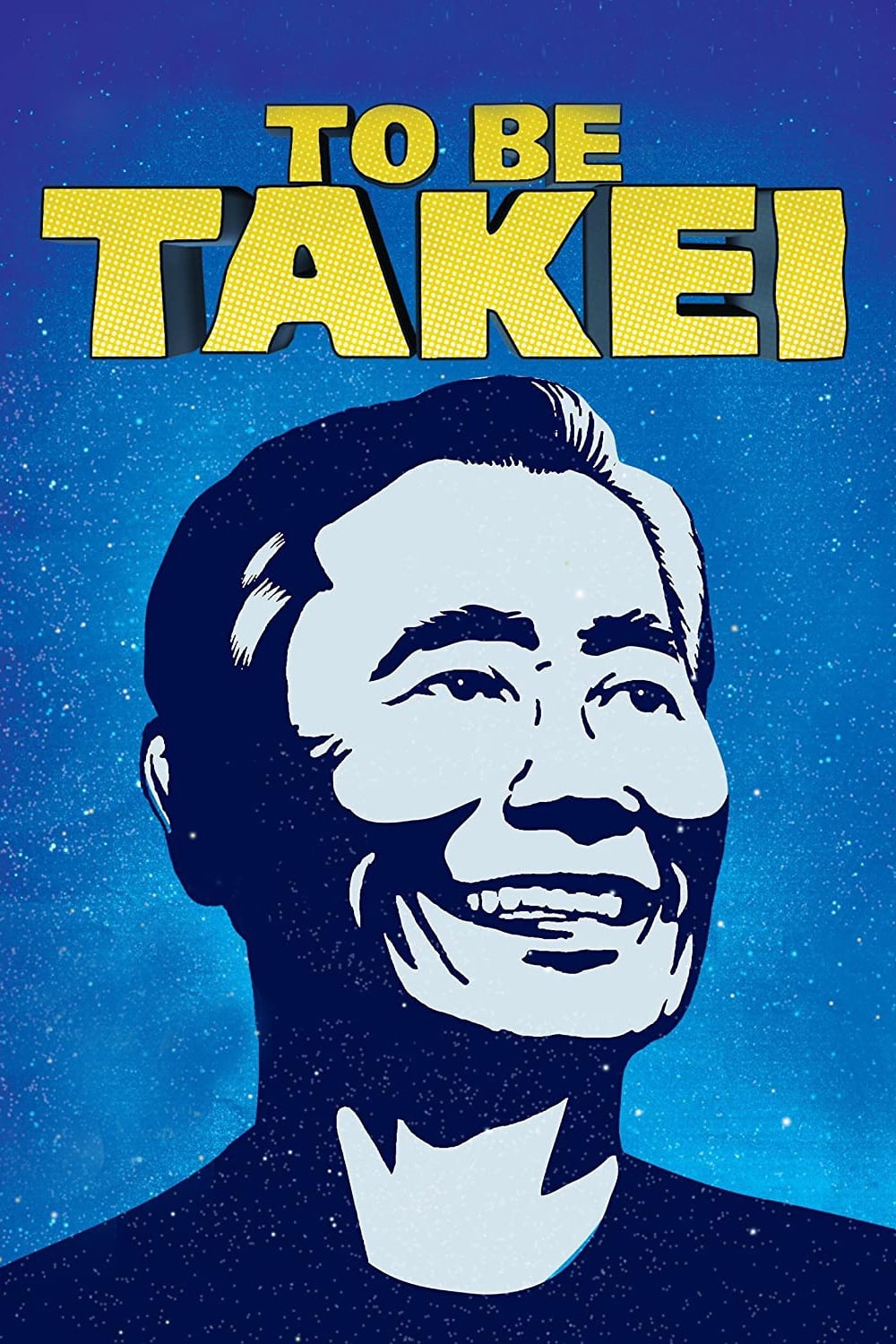
Over seven decades, actor and activist George Takei journeyed from a World War II internment camp to the helm of the Starship Enterprise, and then to the daily news feeds of five million Facebook fans. Join George and his husband, Brad, on a wacky and profound trek for life, liberty, and love.
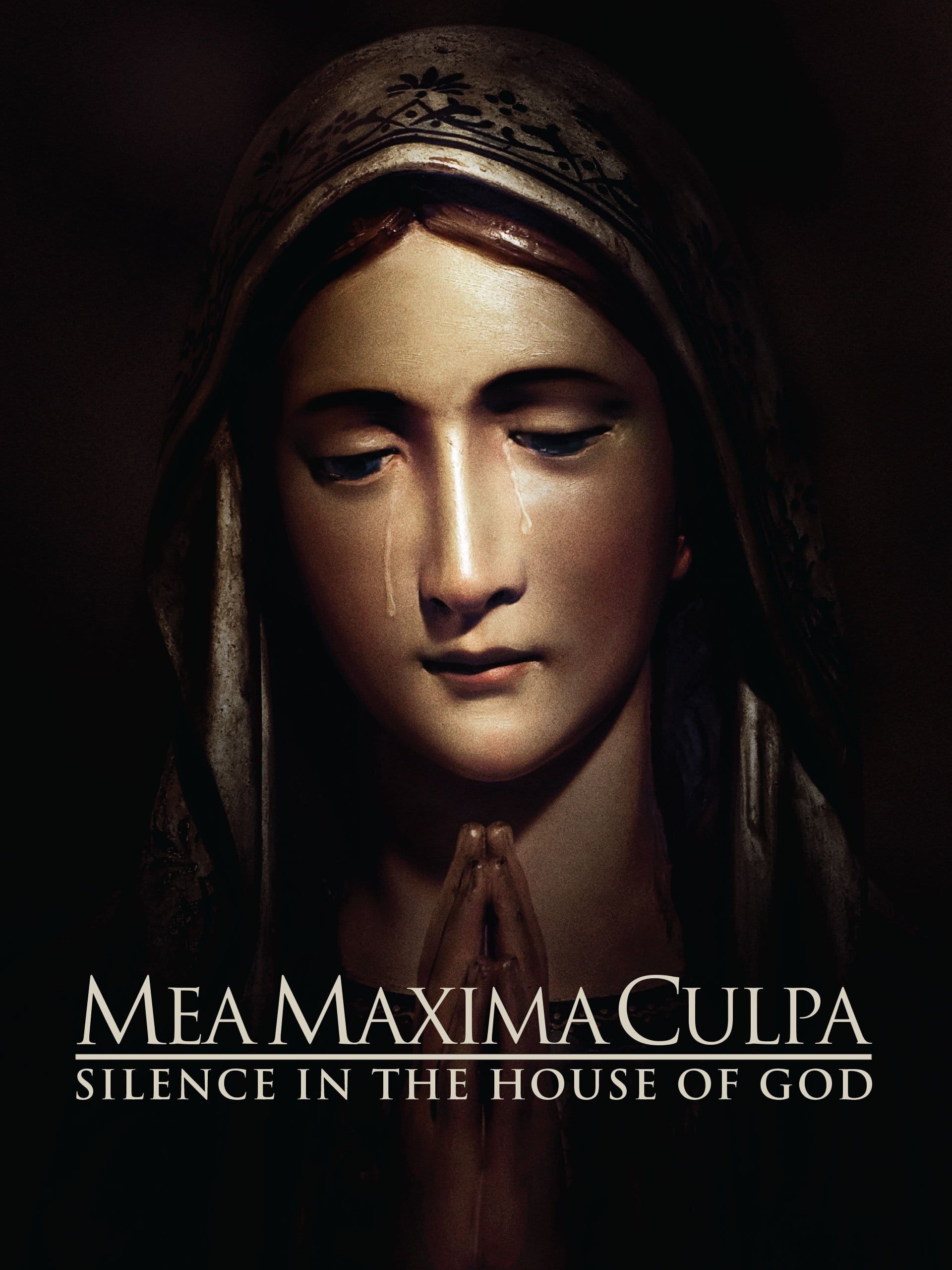
Alex Gibney explores the charged issue of pedophilia in the Catholic Church, following a trail from the first known protest against clerical sexual abuse in the United States and all way to the Vatican.
The final word in the story of what really happened to Robin Williams at the end of his life, focusing on his fight against a deadly neurodegenerative disorder known as Lewy body dementia.
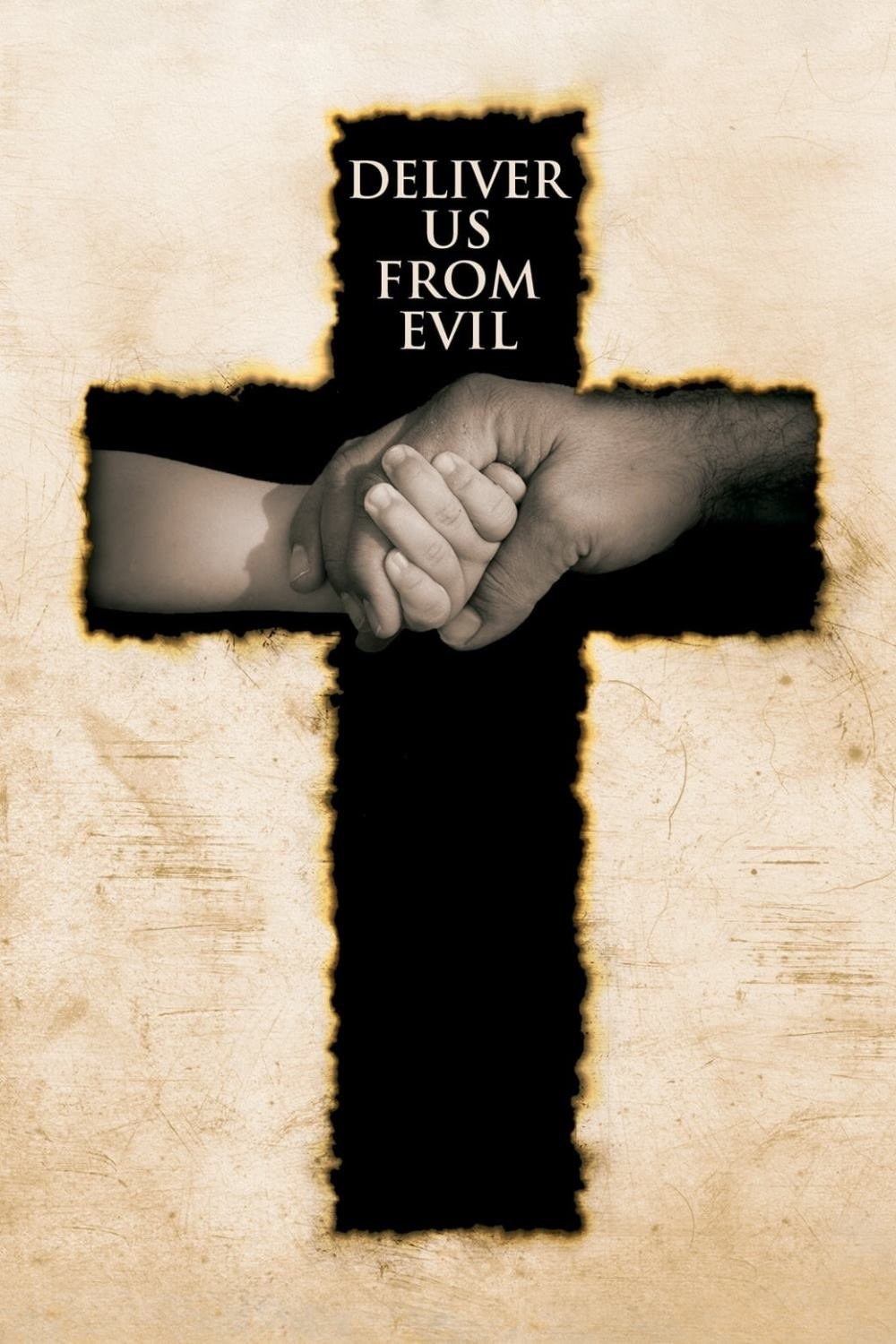
Documentary filmmaker Amy Berg investigates the life of 30-year pedophile Father Oliver O'Grady and exposes the corruption inside the Catholic Church that allowed him to abuse countless children. Victims' stories and a disturbing interview with O'Grady offer a view into the troubled mind of the spiritual leader who moved from parish to parish gaining trust ... all the while betraying so many.