Social & External
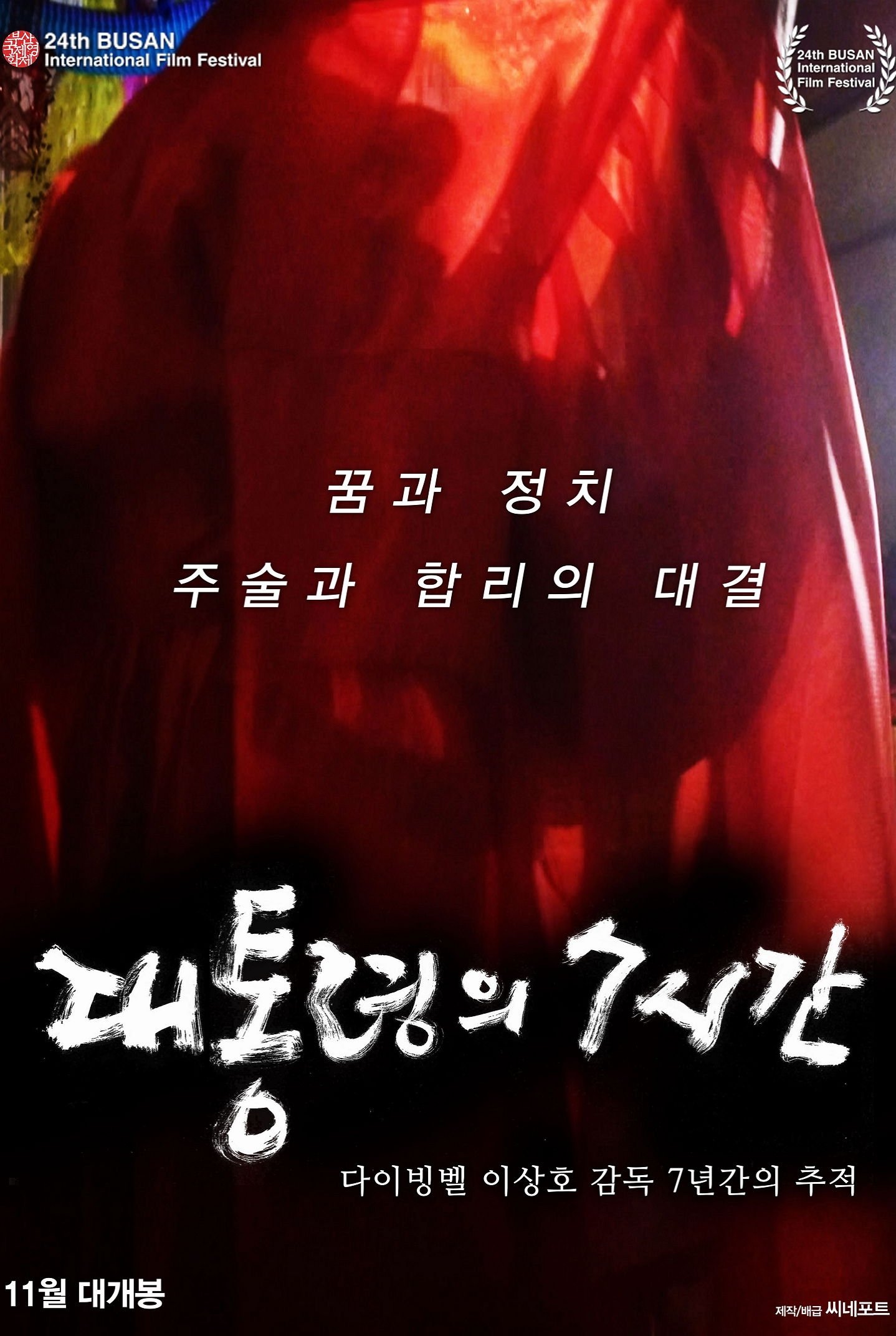
The film traces PARK Geun-hye's life back to the 1970s, when the leader-follower relationship began between PARK, who became the first lady of the Yushin regime, and CHOI Taemin, the leader of a pseudo-religion. It then examines the Sewol ferry incident, CHOI Soonsil Gate, candlelight rallies, and finally the impeachment.
Middle-aged women start acting and launch a drama club. However, nothing big or small goes right. But they never give up the play.
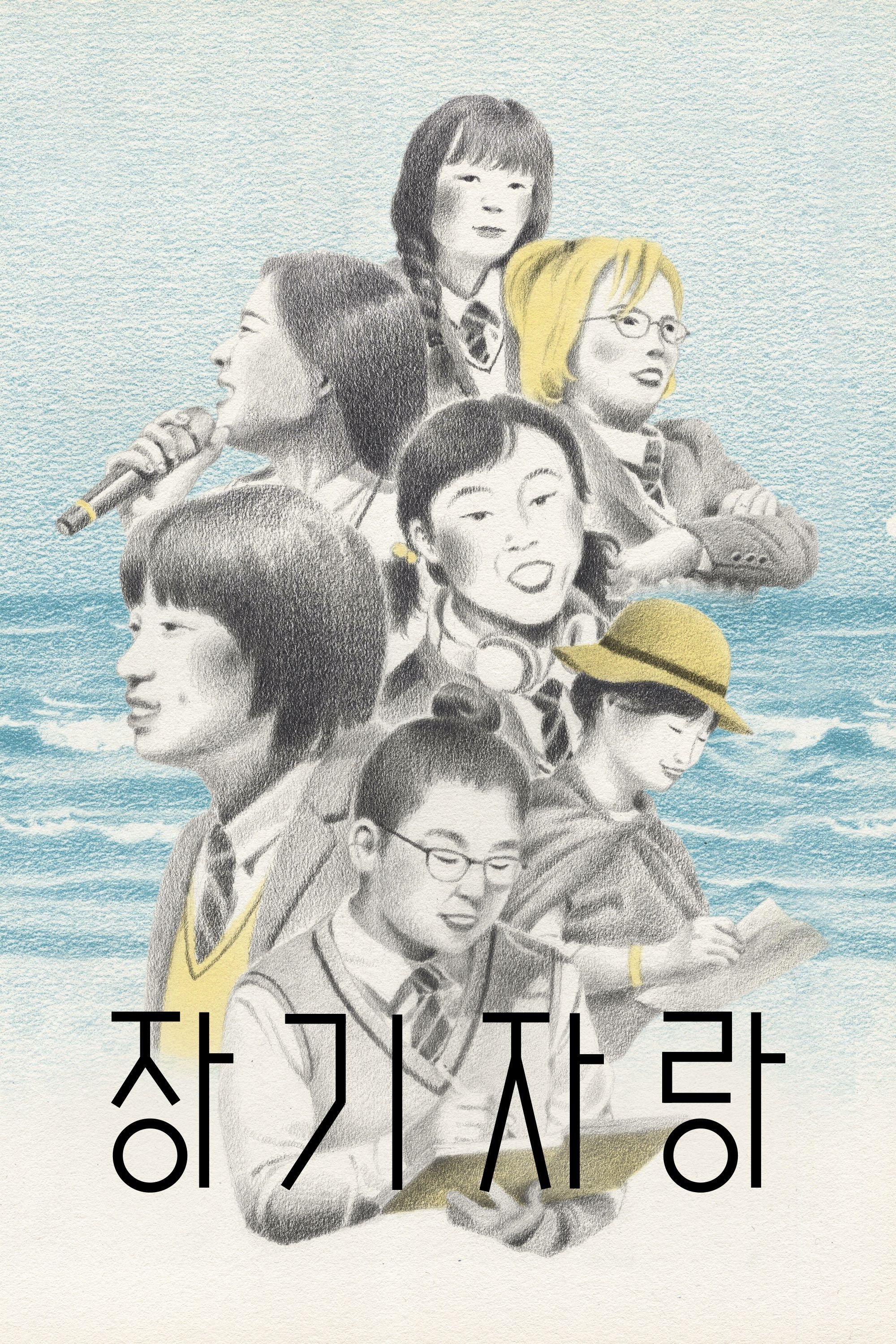
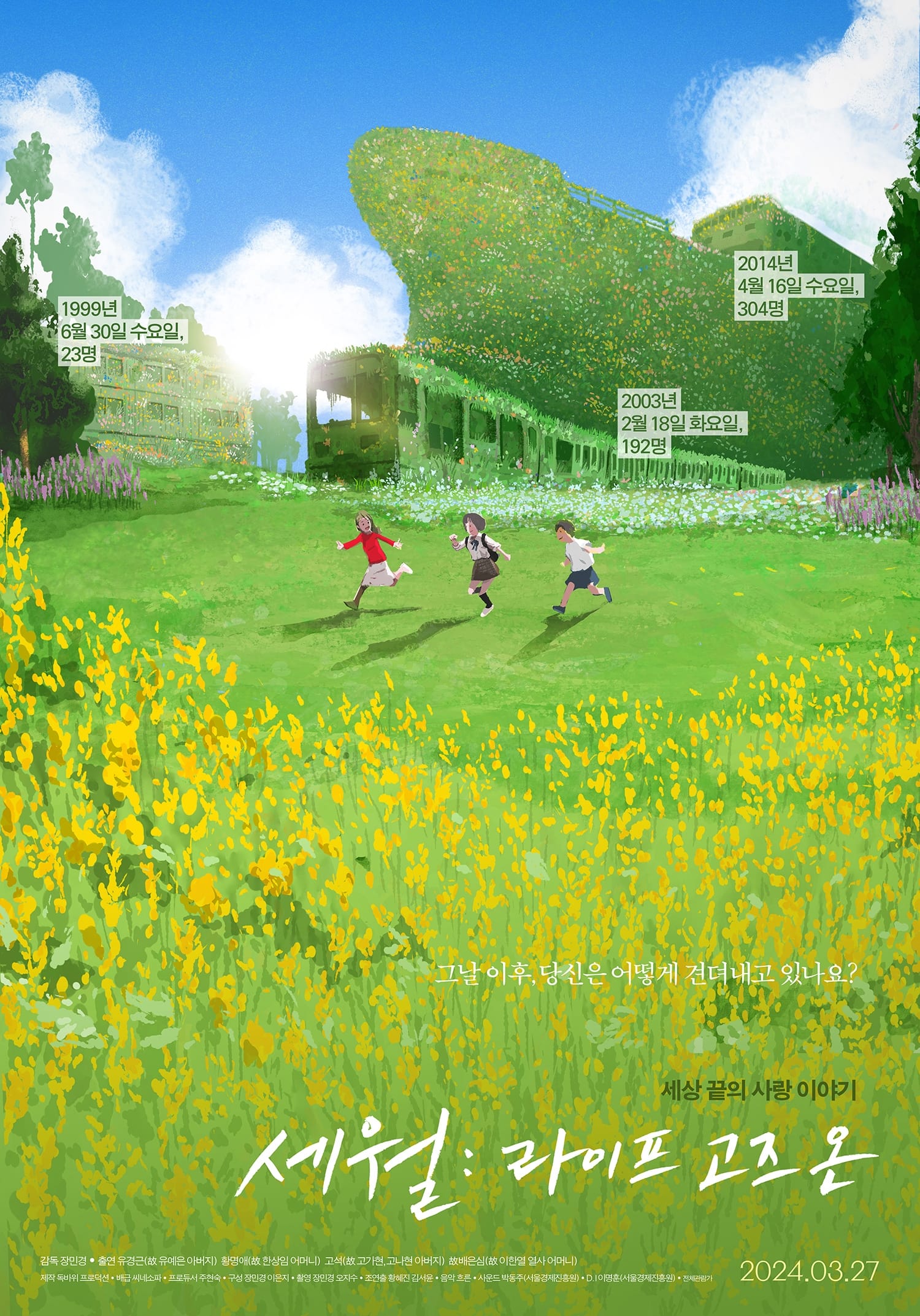
Yoo Kyung-geun, who lost her daughter Ye-eun in the Sewol Ferry Disaster, sits down at the podcast production studio. It is to meet with the bereaved families of numerous social disasters before and after the Sewol Ferry Disaster. They are Hwang Myung-ae, the mother of Han Sang-im who died in the 2003 Daegu Subway Fire, Ko Seok, the father of Gahyun and Nahyun who died in the 1999 Sealand Youth Training Center Fire, and Bae Eunsim, the mother of Lee Hanyeol who died in 1987's June Struggle. The bereaved families talk about "the life after" and their daily lives, and Yoo Kyung-geun learns to live without Ye-eun.
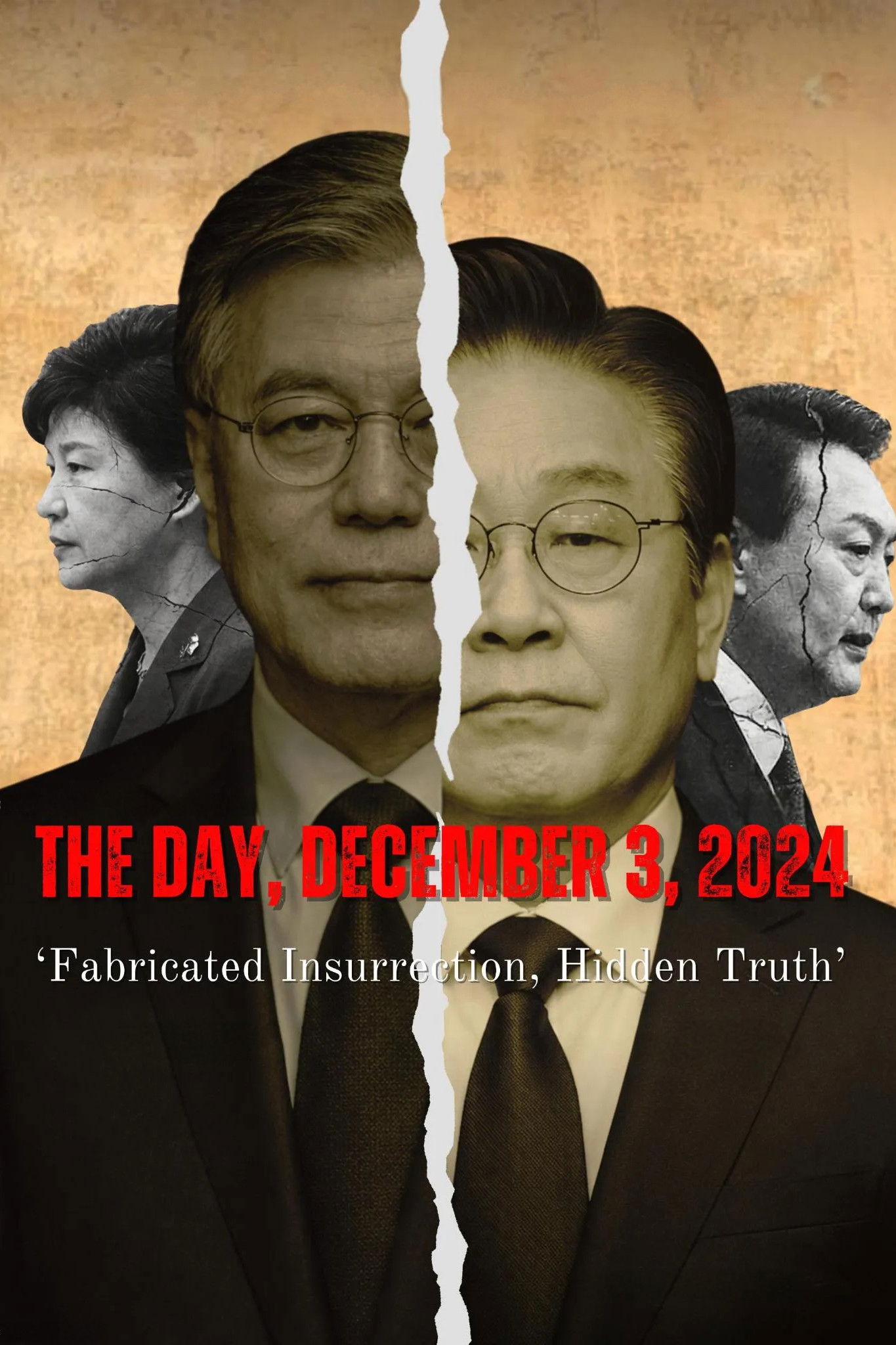
On the night of December 3, 2024, South Korea was thrown into chaos. What the public first heard as "an insurrection" quickly became one of the most polarising political events in modern Korean history. This documentary revisits that night and asks a deeper question: Was it really a coup attempt or the result of a calculated political trap? Through interviews, legal analysis, and evidence, the film investigates the impeachment of President Yoon Suk-yeol and the rapid collapse of his administration. It explores claims that an overwhelming opposition majority, built through alleged election manipulation, enabled a form of "legislative dictatorship" that mirrored the path that led to President Park Geun-hye's impeachment eight years earlier.
A documentary on the South Korean ferry disaster that claimed the lives of more than 300 passengers in April, 2014.
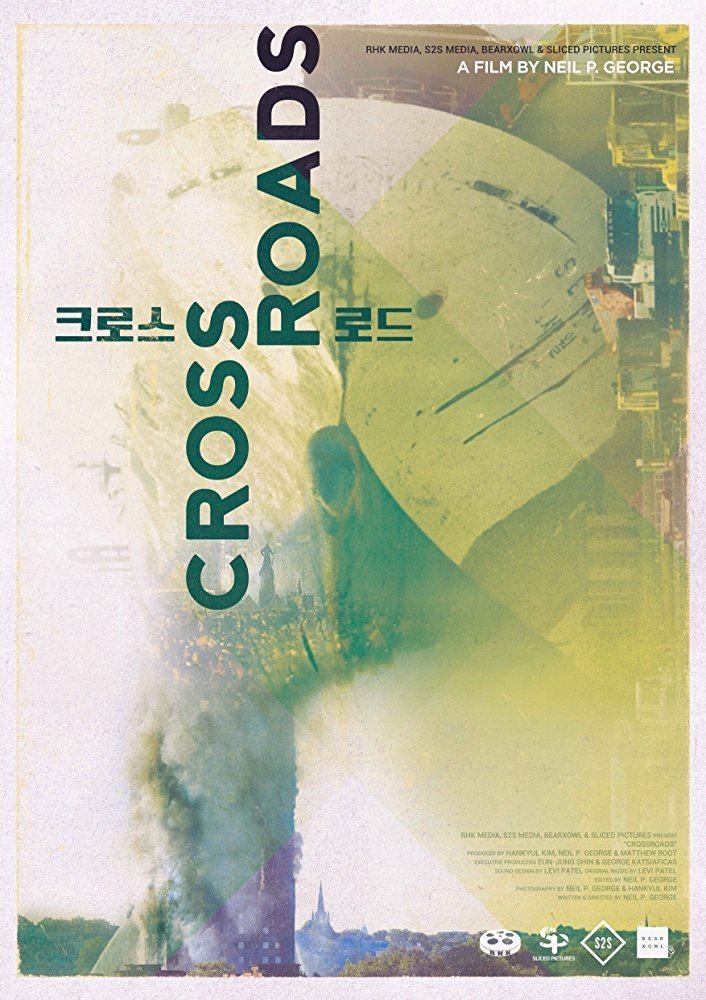
Crossroads explores the ever changing face of South Korea since the Sewol ferry disaster that tragically killed 304 people, mainly schoolchildren, in April 2014. The film takes us on a journey through Korean modern history exploring the changes the country has gone through since April 16th 2014, encompassing emotional re-enactment narrations from survivors, interviews with family members, activists, historians and the general public, as we go in search of how Korea came to yet another crossroad in its history.
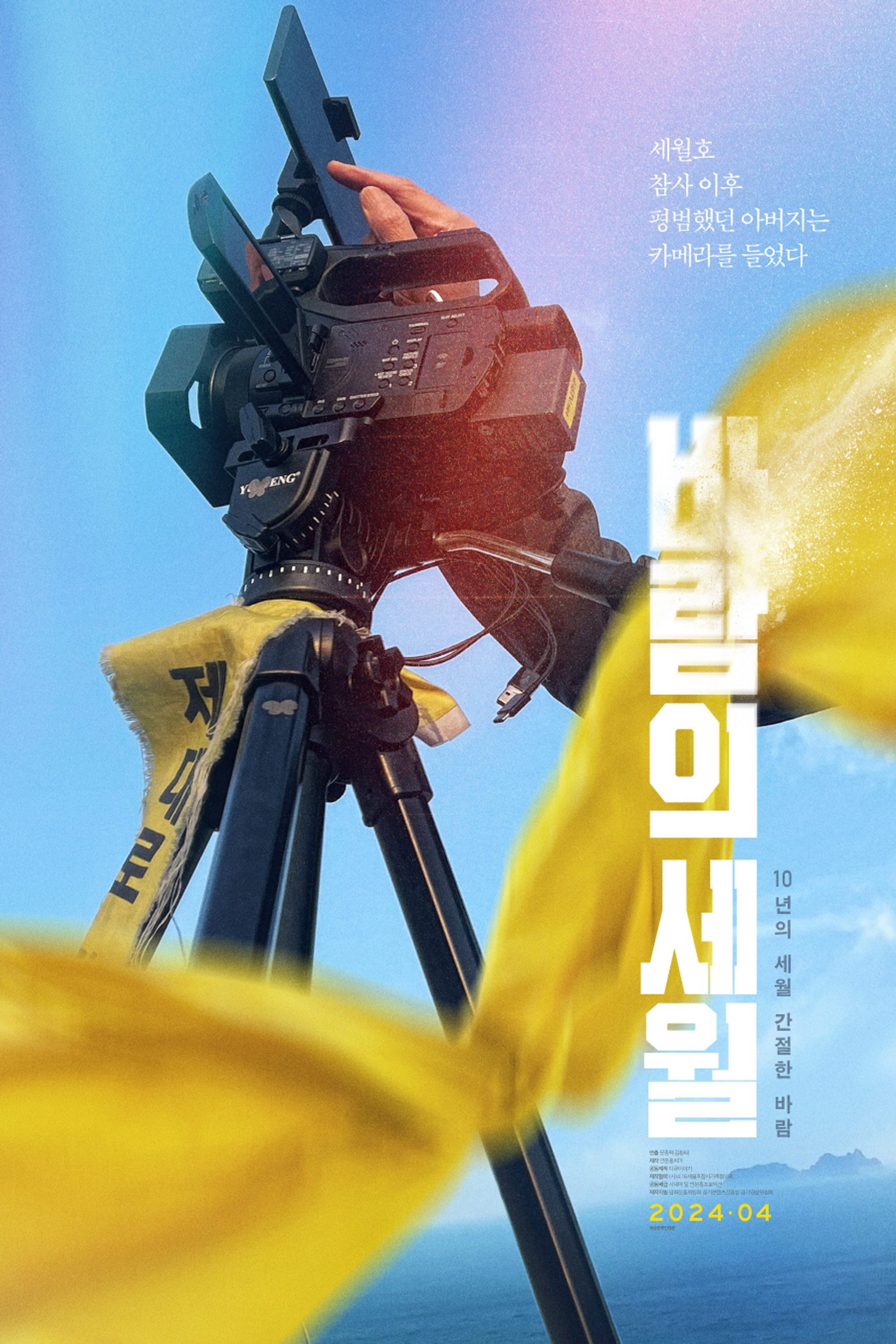
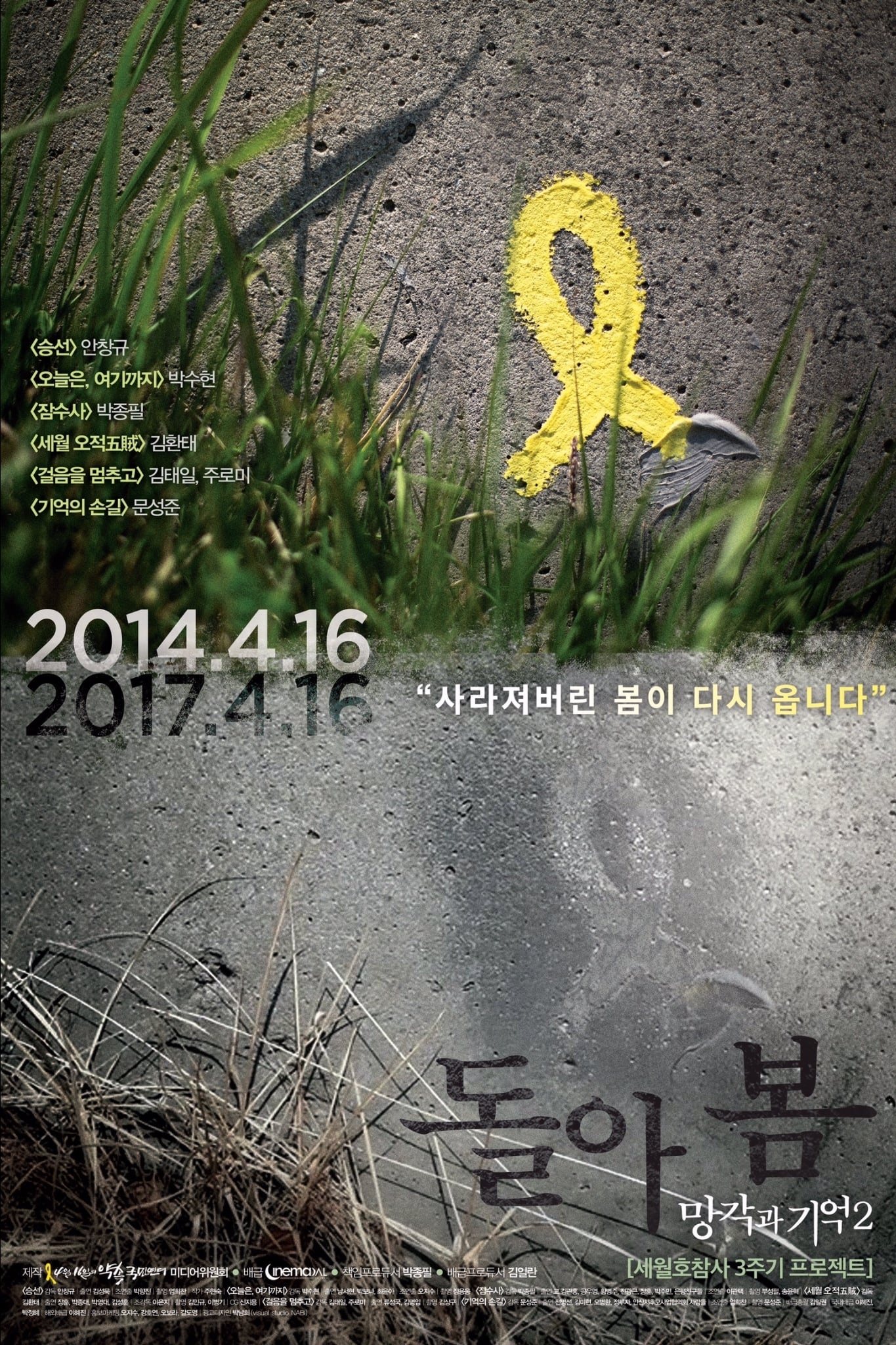
The 10-year struggle of the families who lost their children from the Sewol Ferry Disaster.
A documentary that scientifically analyses and tracks down the route of the Sewol Ferry that sank on the 16th of April in 2014 using its AIS to discover the cause of the unconfirmed sinking.
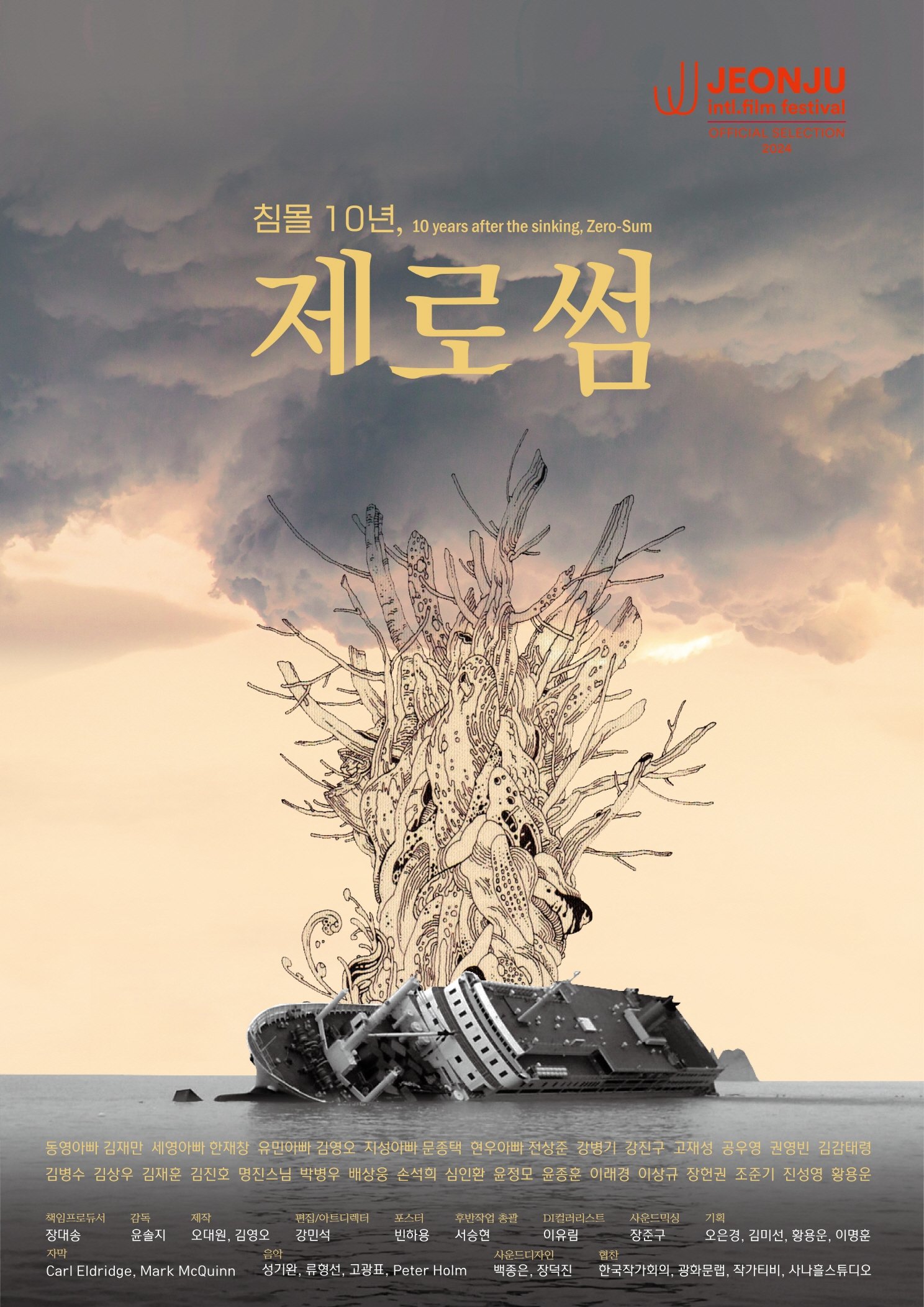
Ten years ago, 304 innocent people aboard the Sewol ferry in Korea lost their lives at sea. The reason for the sinking and the complete failure of the rescue are crucial factors yet to be revealed. But the government continues to withhold key evidence, citing national security reasons. This documentary finds a conclusion of why all the matters have gone wrong.
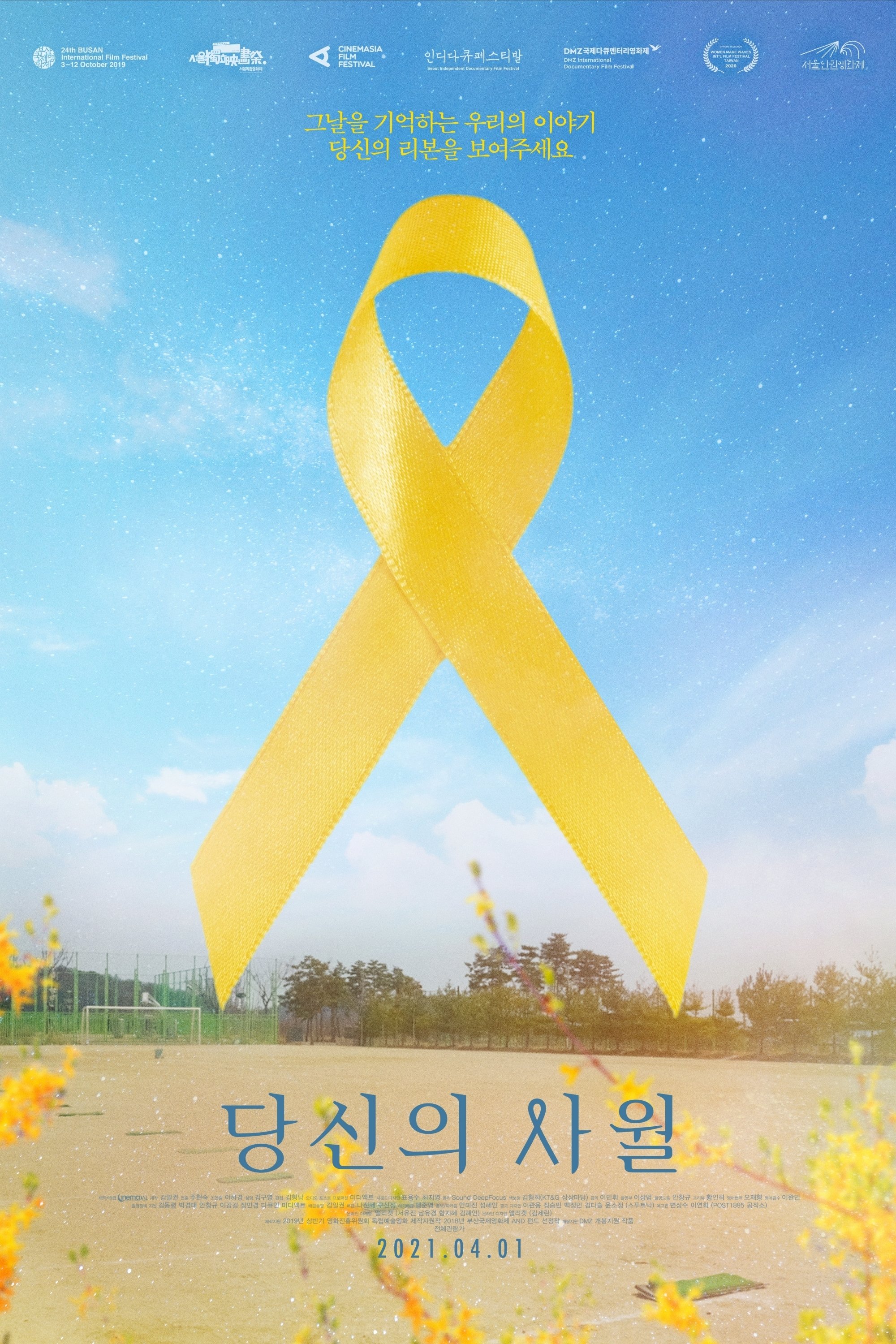
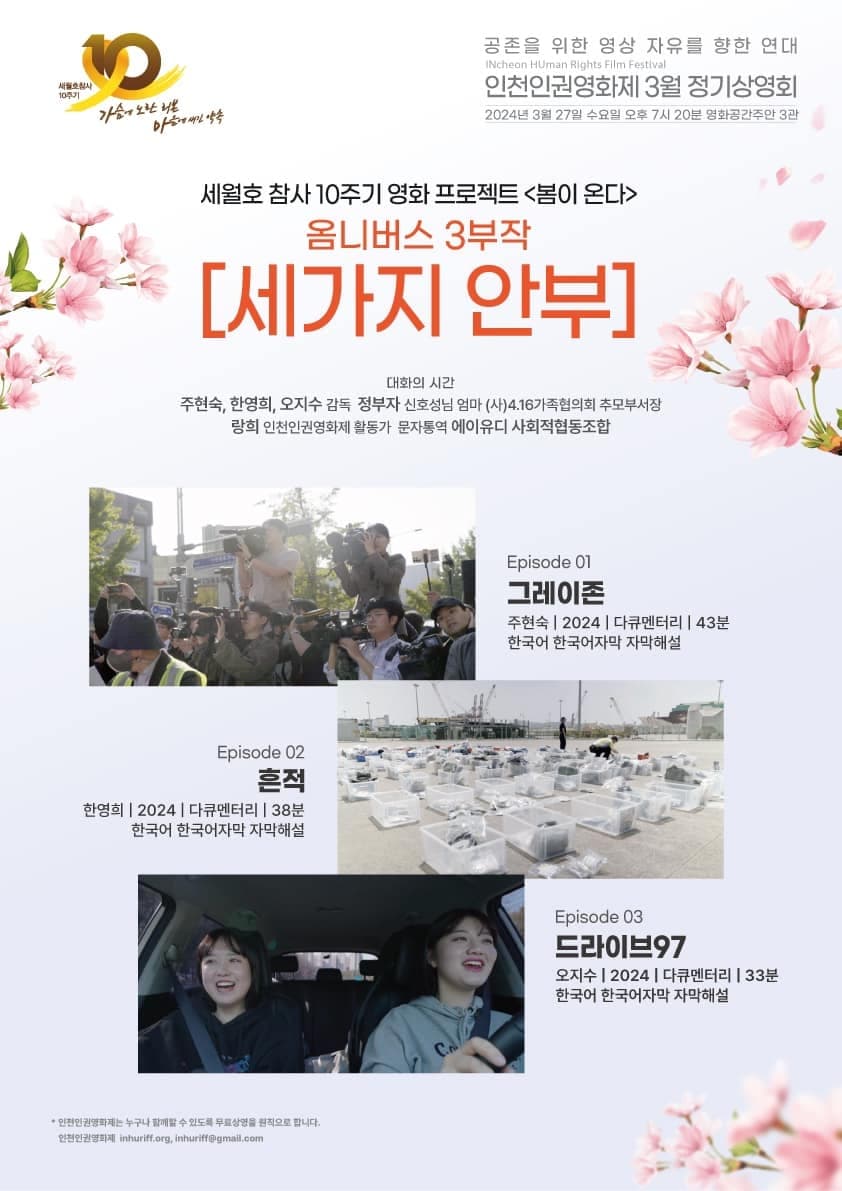
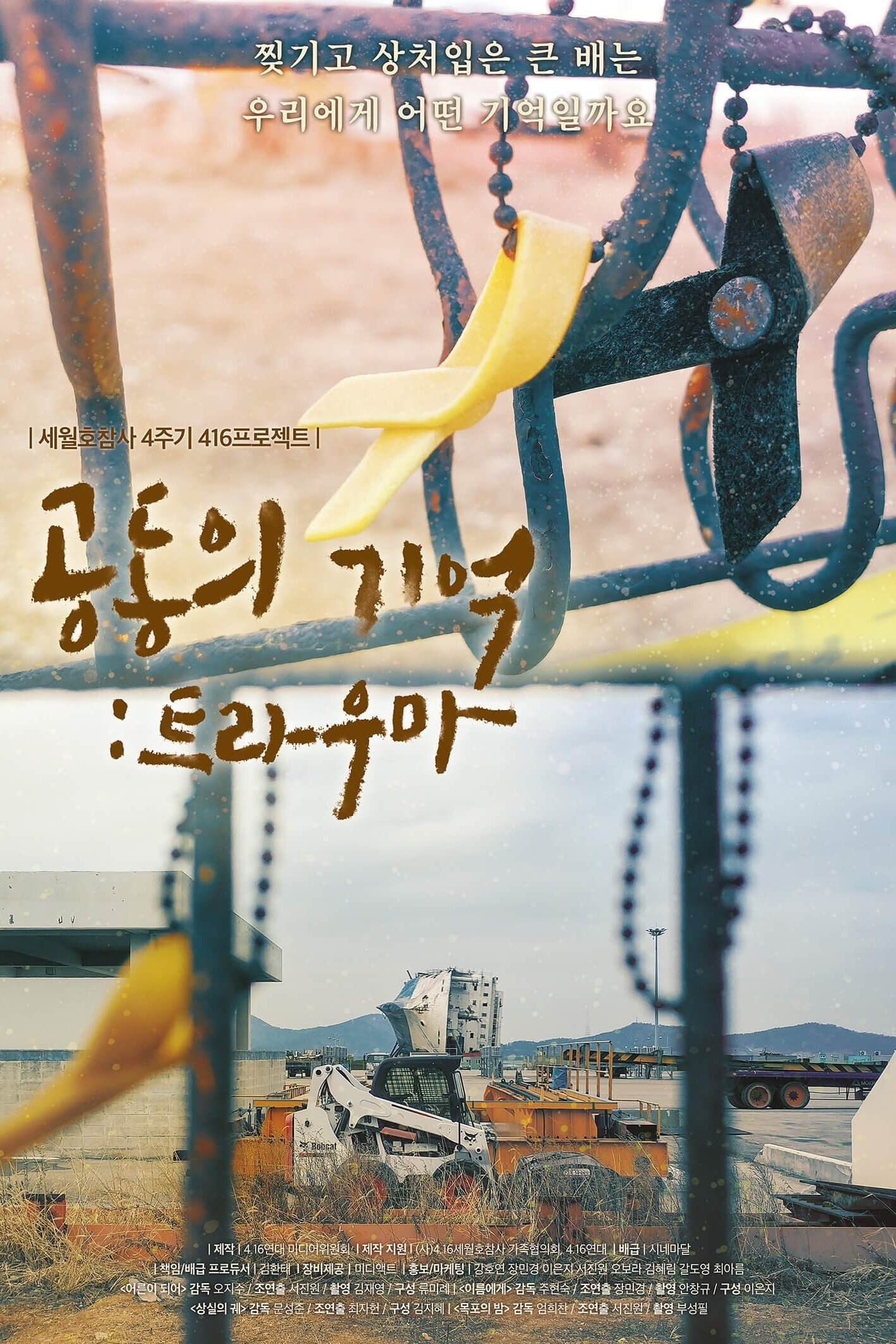
This documentary tells the story of people who were at the scene of the 2014 Sewol Ferry disaster: journalists, bereaved families of the victims, and the survivors. Ten years after the disaster, what did it leave them? These are three omnibus documentaries with different perspectives.
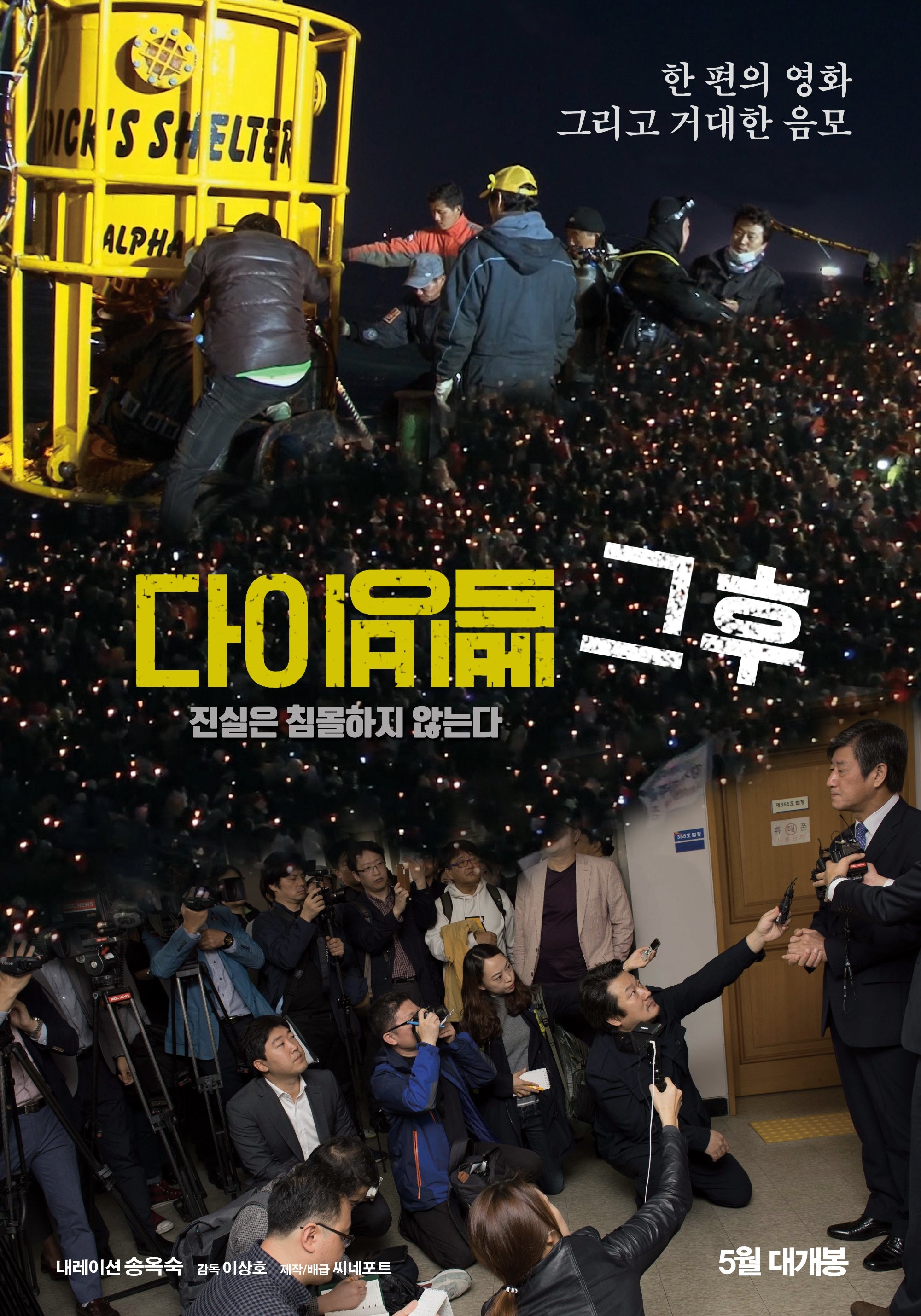
A documentary that reports on the the rescue failure of the Sewol incident. In the days of media control, Park Geun-hye and her government sabotaged the screening of "Diving Bell" at the Busan International Film Festival.
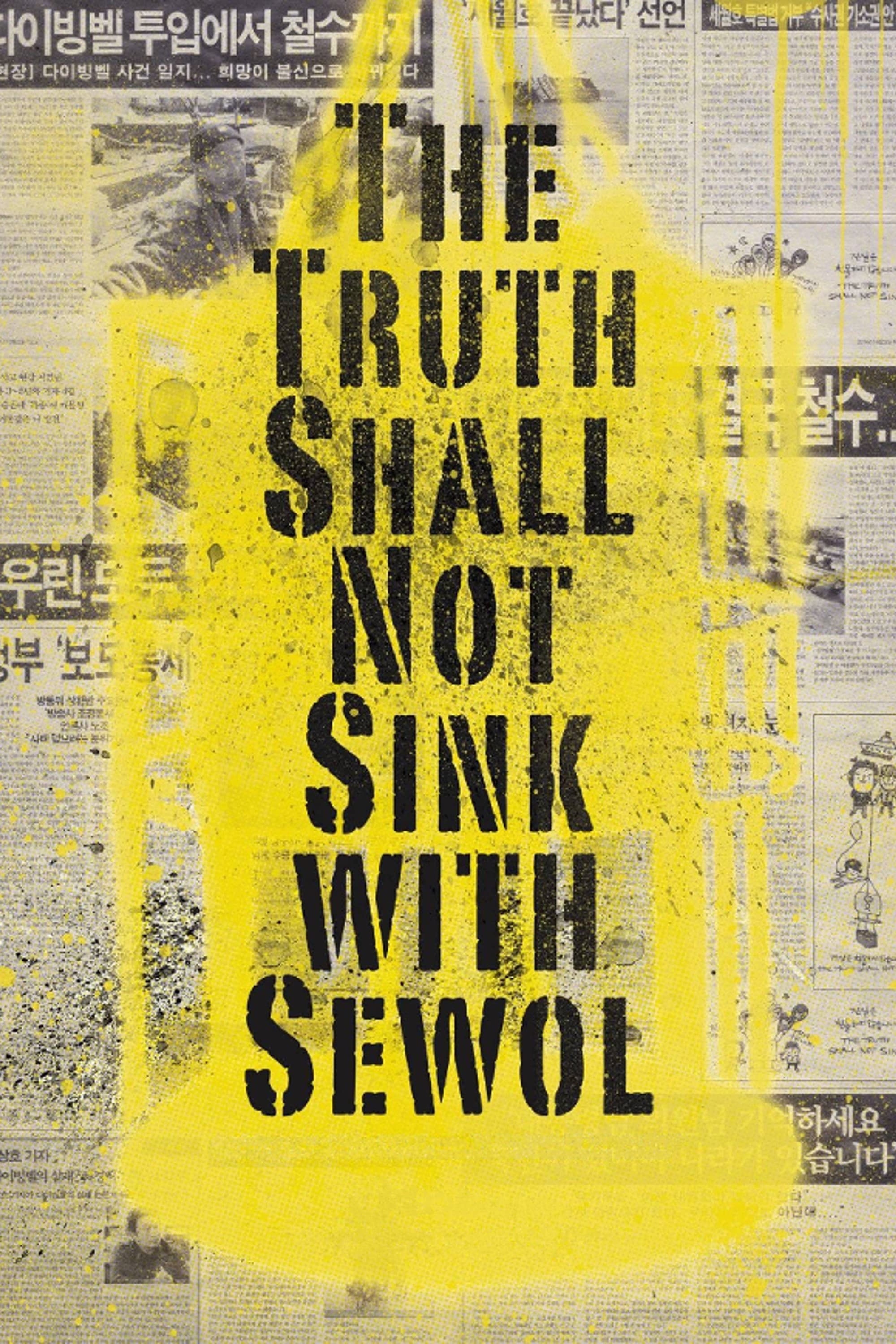
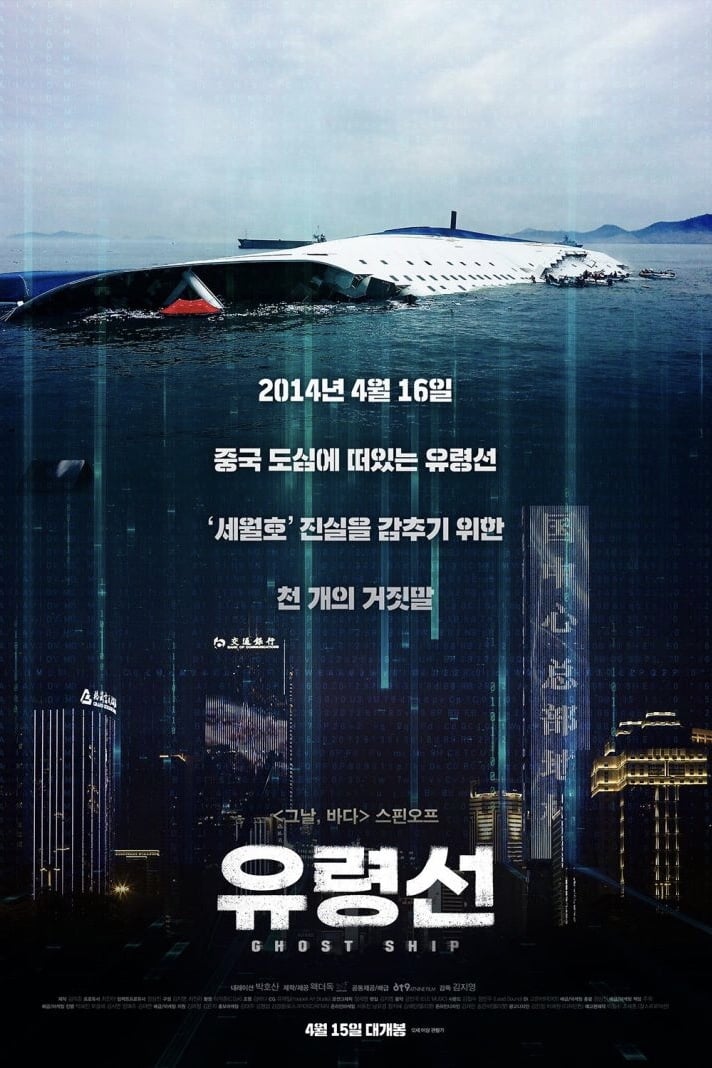
A thousand lies to conceal the truth of the Sewol Ferry. As many as 1,000 ships, 160,000 AIS data, were manipulated to hide the truth behind the sinking of the Sewol Ferry on April 16, 2014. Who are the organizers of this and why did they build a ghost ship! We must ask persistent questions. Since that day, nothing has been revealed yet. Government AIS data of a thousand lies. Now it is time for the Korean prosecution to answer.
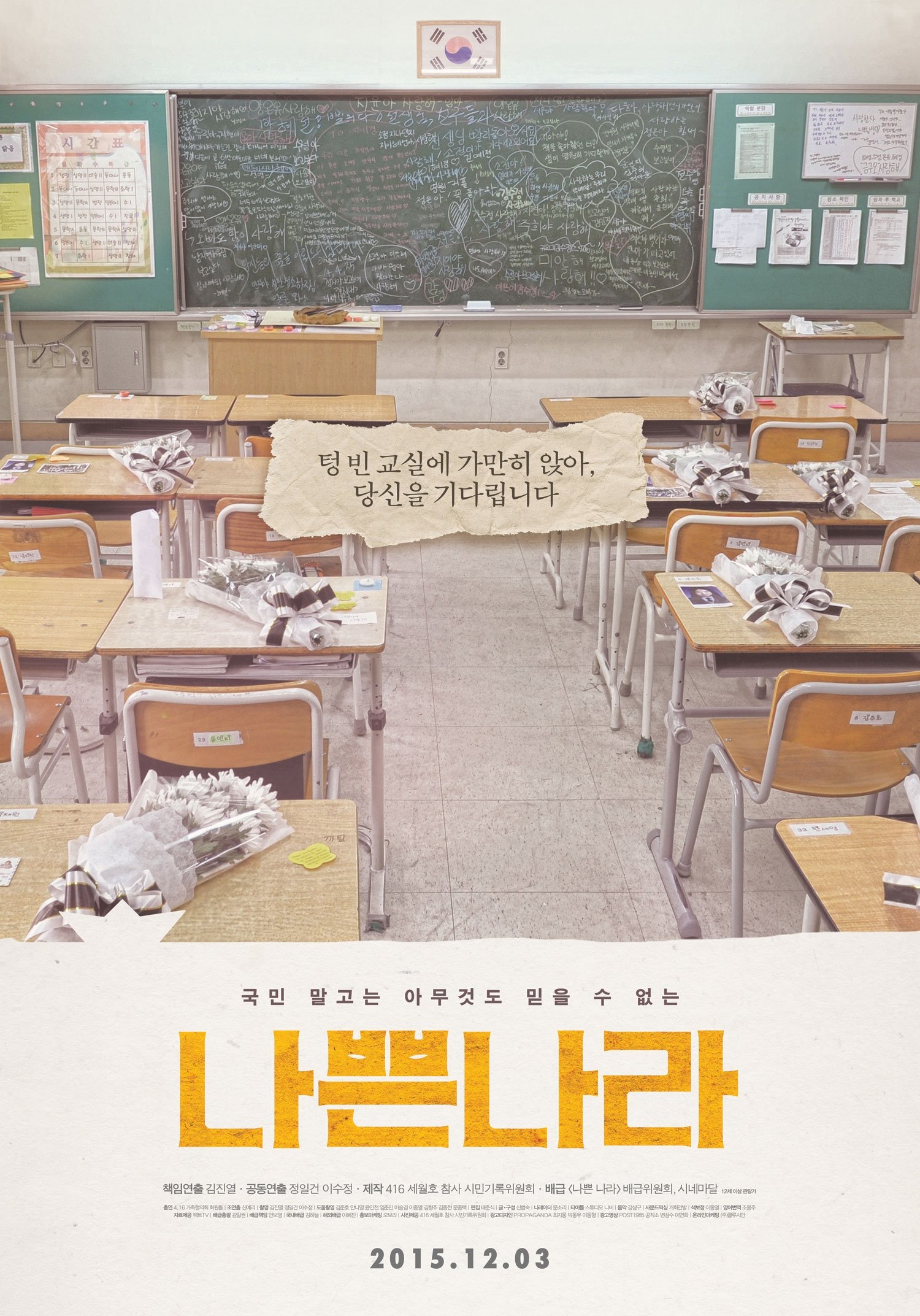
In April 2014, the entire nation of South Korea watched on television live as The Sewol capsized off the coast of Jindo. The tragedy left life-long wounds in the hearts of people whose family and friends had been among the 304 passengers killed. The majority of the victims were high school students on a school trip. Their parents were not even given the luxury of grieving, as they had to camp out in front of the Parliament, City Hall and the Presidential House, asking for only one thing - to know the truth about why their children had been left to die. But after more than a year, that truth has yet to be brought to light. This film is a documentation of the year-long struggle and painful soul-searching of people destined to be labelled as 'bereaved families' for the rest of their lives, as they come face to face with the naked face of their cruel country.
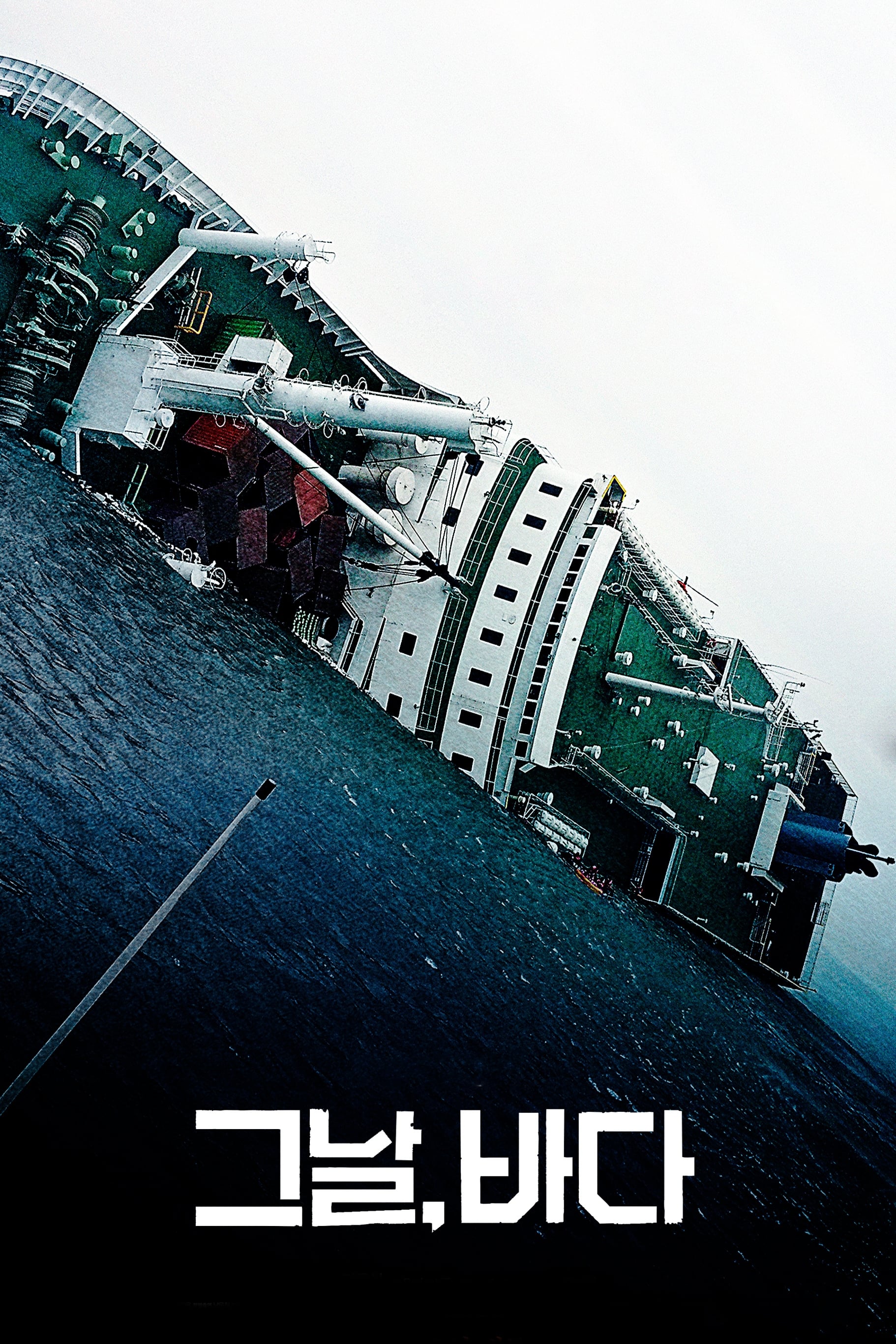
On April 16th, 2014, the Sewol Ferry sank in South Korea, taking with it the lives of 304 of its 476 passengers. South Korea's worst maritime disaster traumatized a nation while simultaneously sinking the country's emotional spirit. The film asks why the rescue of Korea's children and people was neglected on the fateful day the Sewol sank.
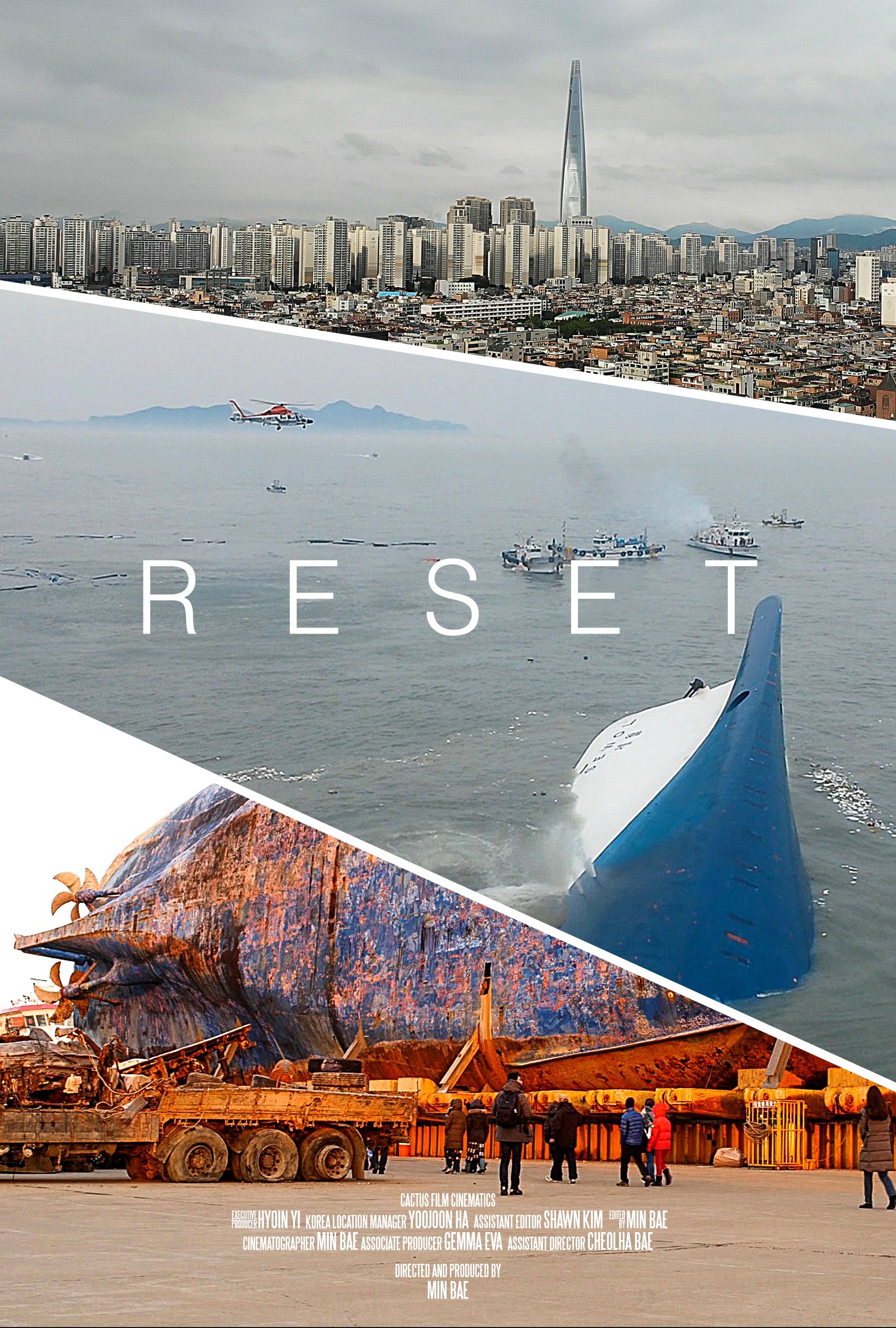
When the MV Sewol ferry sank off the coast of South Korea in 2014, over three hundred people lost their lives, most of them schoolchildren. Years later, the victims’ families and survivors are still demanding justice from national authorities.
In April 2014, the South Korean ferry Sewol sinks. 304 people, most of them schoolchildren, drowned. Greed and official failure contributed to the scale of the disaster. The government reacts restrictively against the rebellious parents of the victims. However, they are demanding a full investigation into the background.
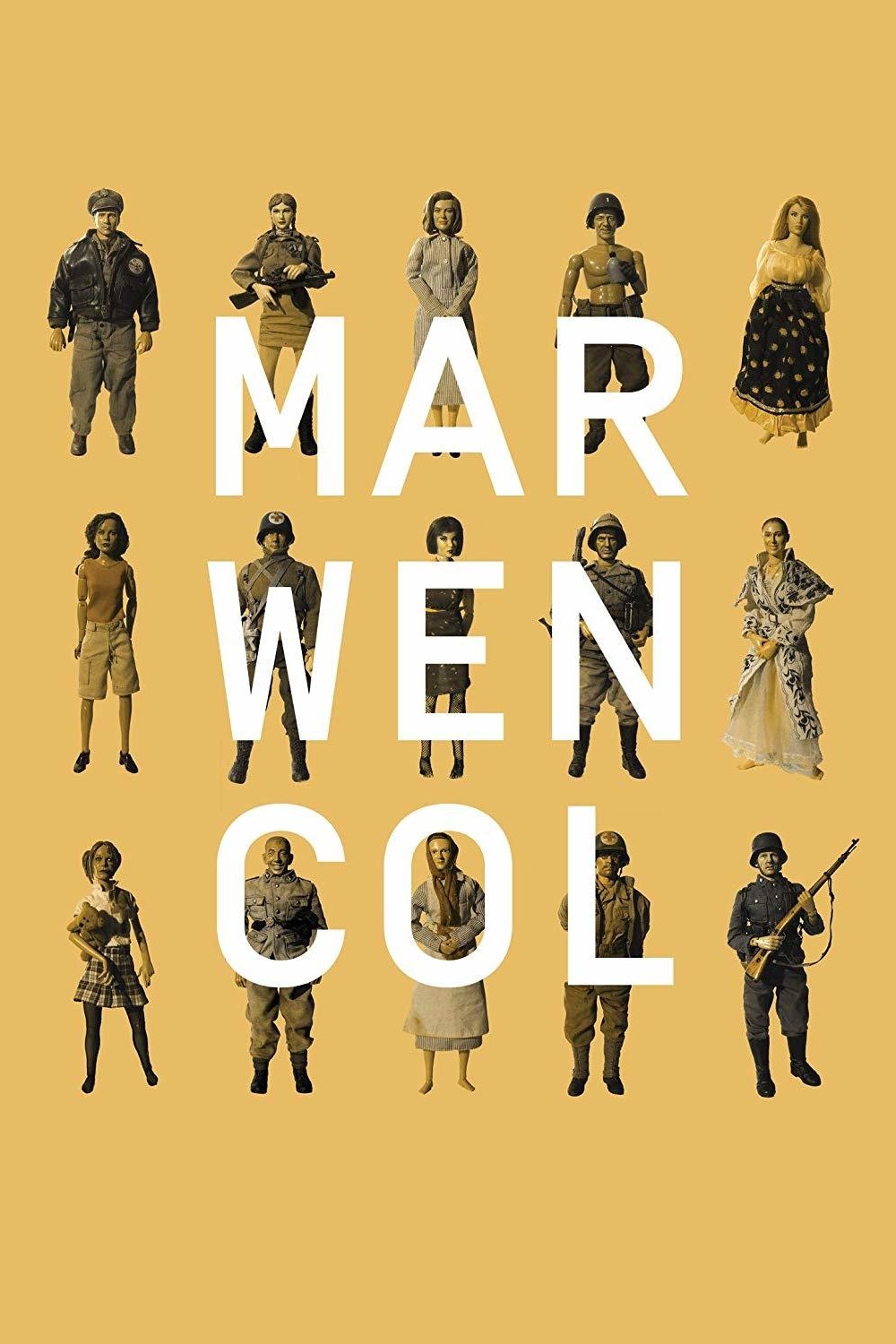
After a vicious attack leaves him brain-damaged and broke, Mark Hogancamp seeks recovery in "Marwencol", a 1/6th scale World War II-era town he creates in his backyard.
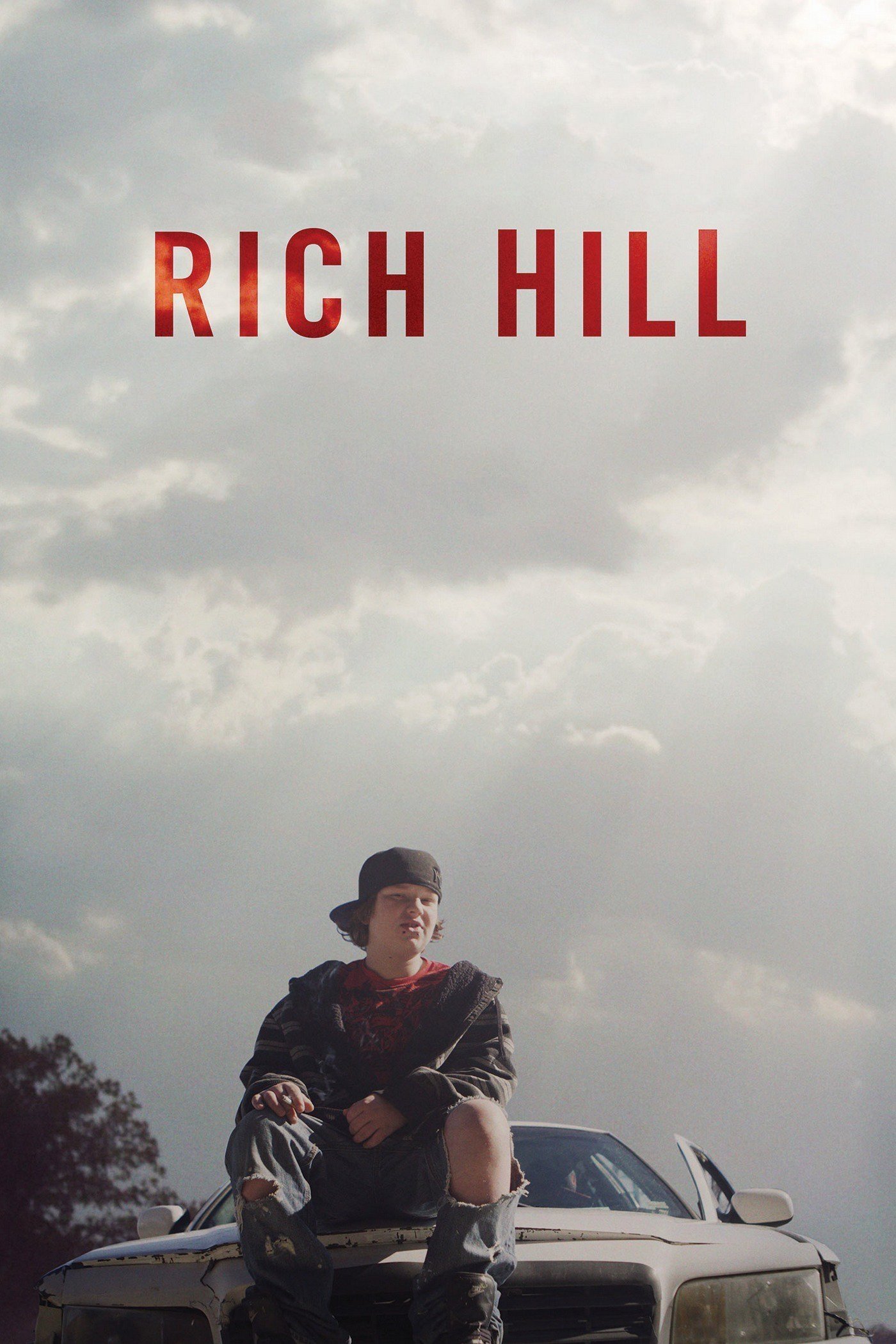
If you ever find yourself traveling down Interstate 49 through Missouri, try not to blink—you may miss Rich Hill, population 1,396. Rich Hill is easy to overlook, but its inhabitants are as woven into the fabric of America as those living in any small town in the country. This movie intimately chronicles the turbulent lives of three boys living in said Midwestern town and the fragile family bonds that sustain them.
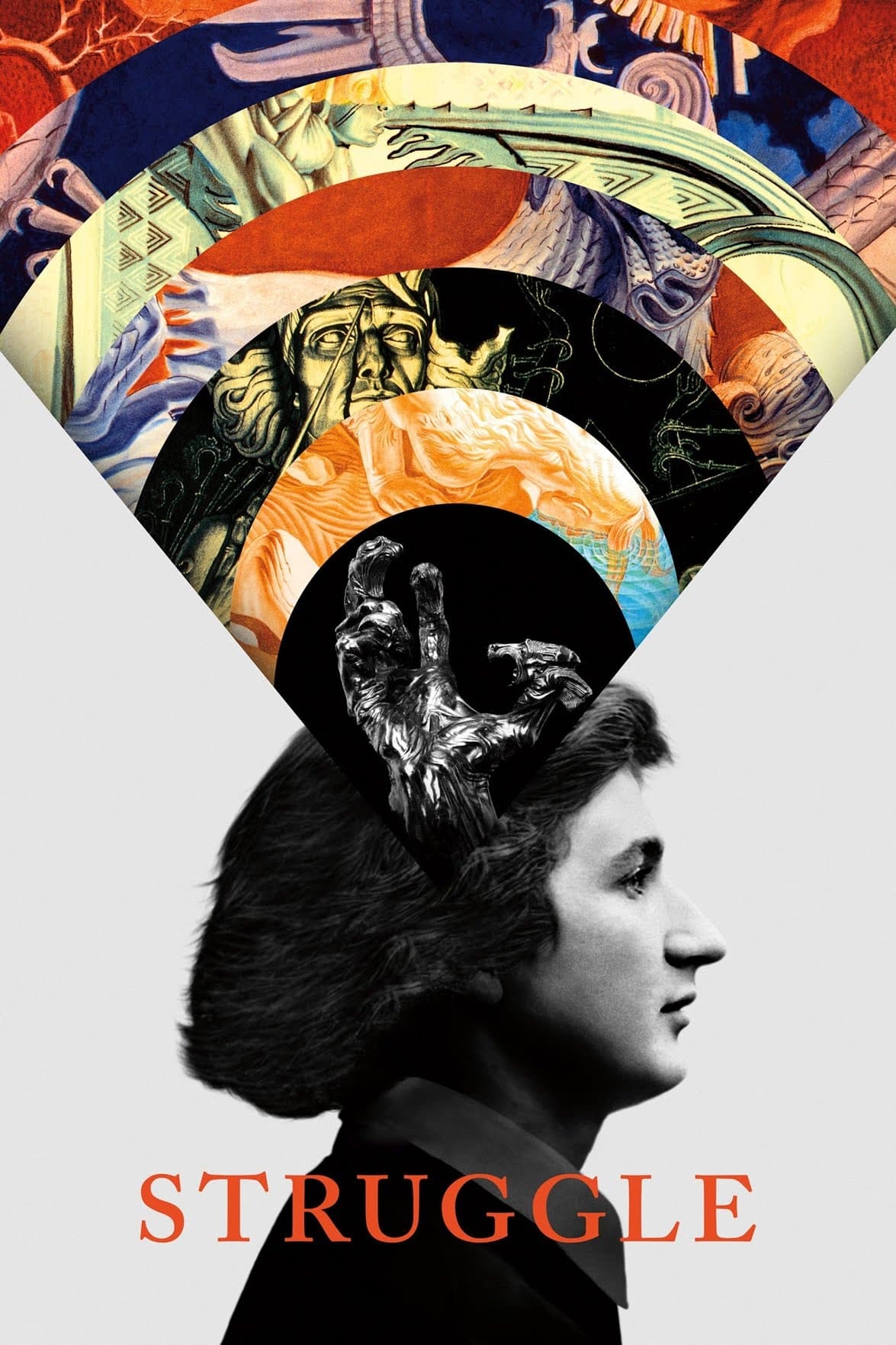
Artists in LA discover the work of forgotten Polish sculptor Stanislav Szukalski, a mad genius whose true story unfolds chapter by astounding chapter.
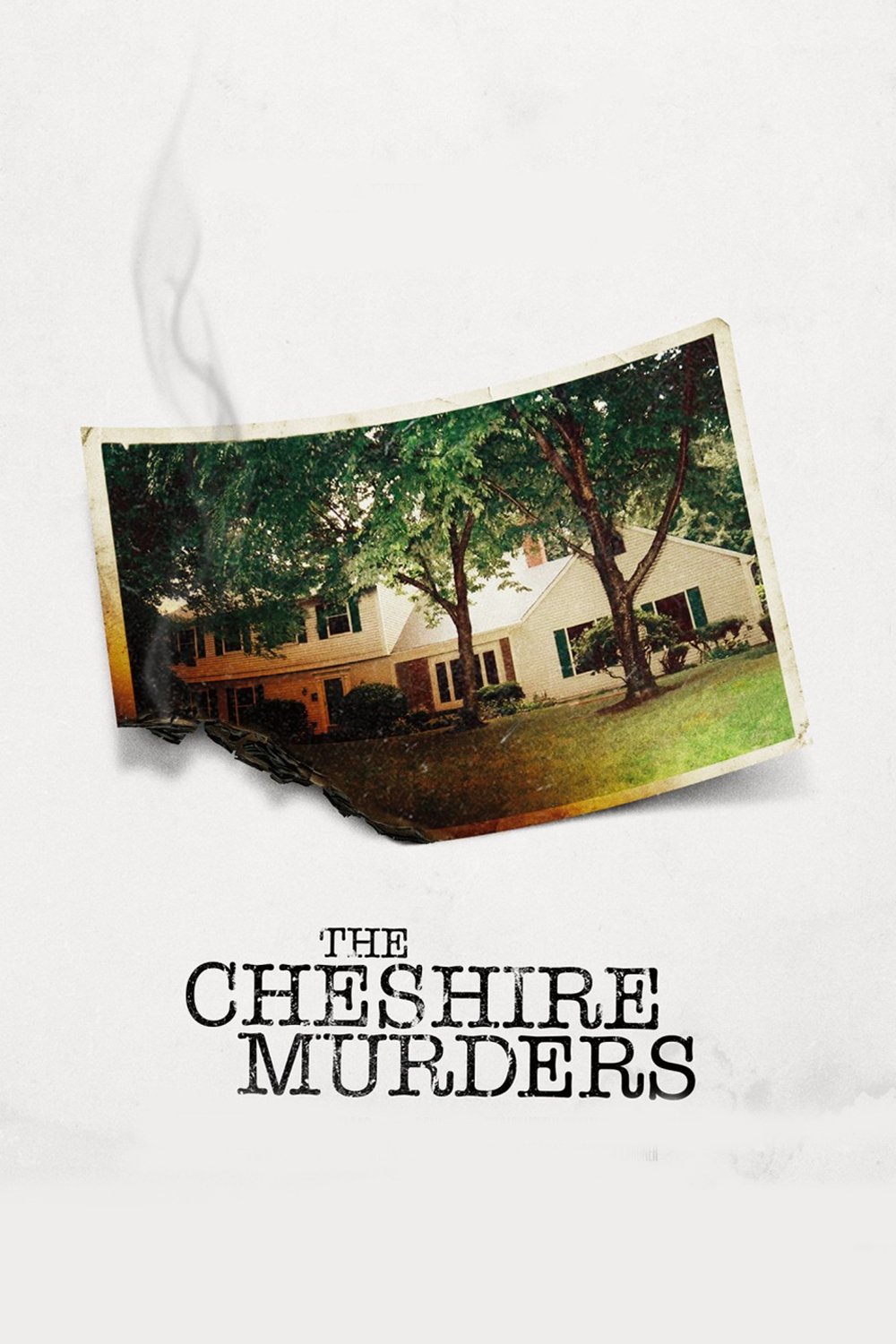
In the early-morning hours of July 23, 2007, in Cheshire, Conn., ex-convicts Steven Hayes and Joshua Komisarjevsky broke into the family home of William Petit, his wife, Jennifer, and their daughters, Michaela, 11, and Hayley, 17. Dr. Petit was beaten and tied to a pole in the basement. The three women were bound in their bedrooms while the men ransacked the house. The brutal ordeal continued throughout the morning, ending with rape, arson and a horrific triple homicide.
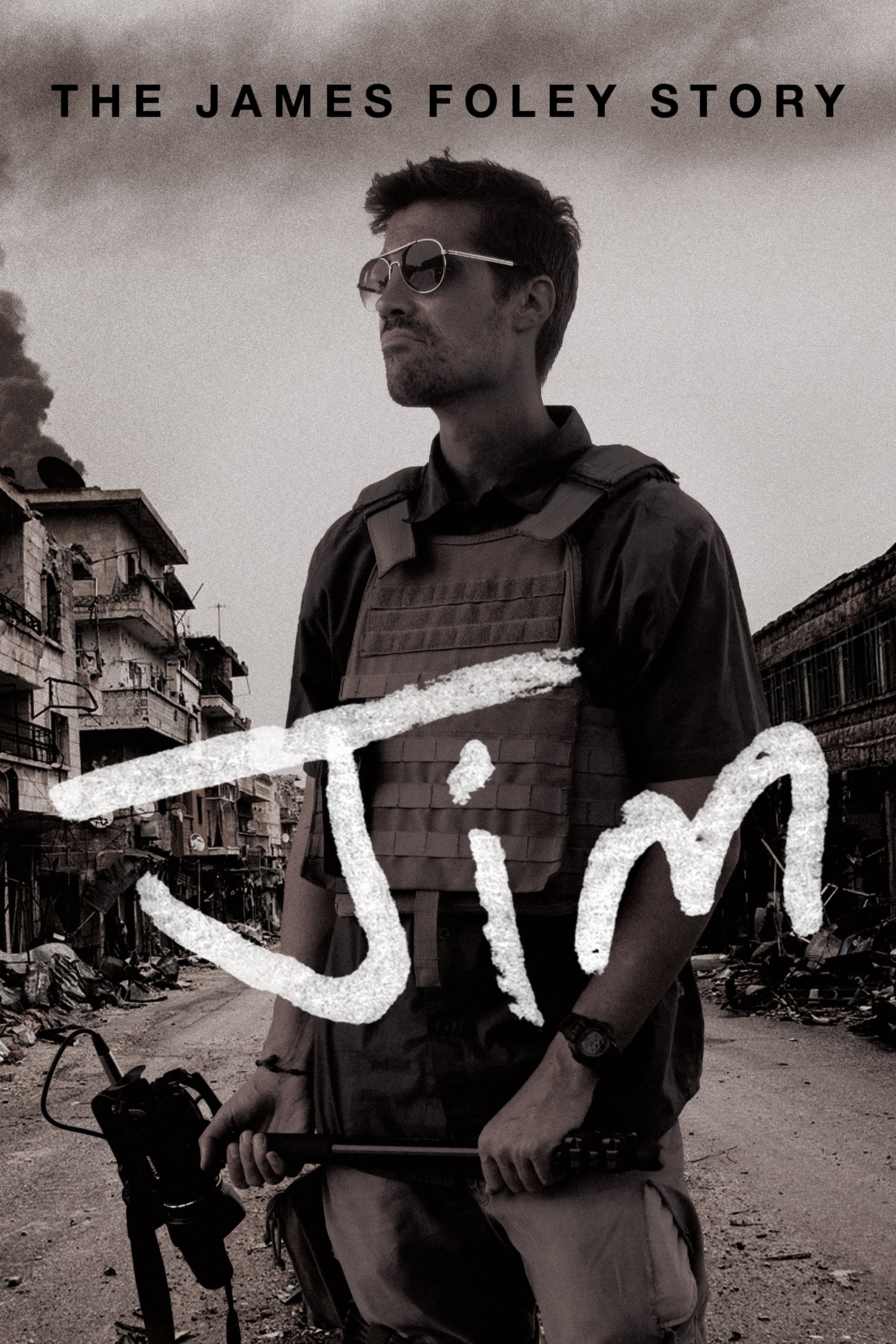
In August, 2014, a video of the public execution of American photojournalist James Foley rippled across the globe. Foley wore an orange jumpsuit as he knelt beside an ISIS militant dressed in black. That image challenged the world to deal with a new face of terror. And it tested one American family. Seen through the lens of filmmaker Brian Oakes, Foley’s close childhood friend, Jim takes us from small-town New England to the adrenaline-fueled front lines of Libya and Syria, where Foley pushed the limits of danger to report on the plight of civilians impacted by war.
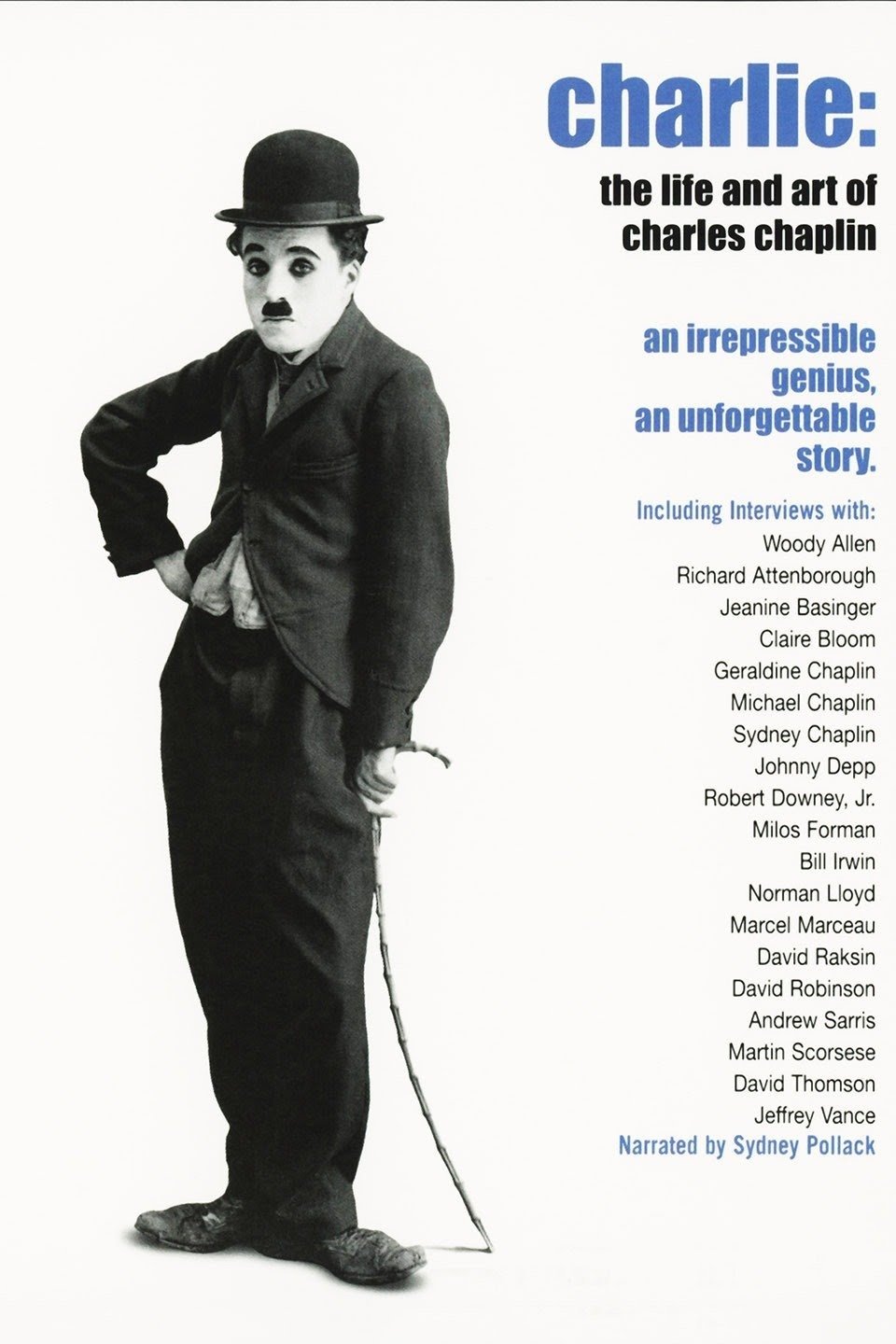
Brilliant, long in-the-works story of the life and art of the world's greatest comedian and the cinema's first genius, Charlie Chaplin. Produced, written and directed by renowned film critic Richard Schickel.
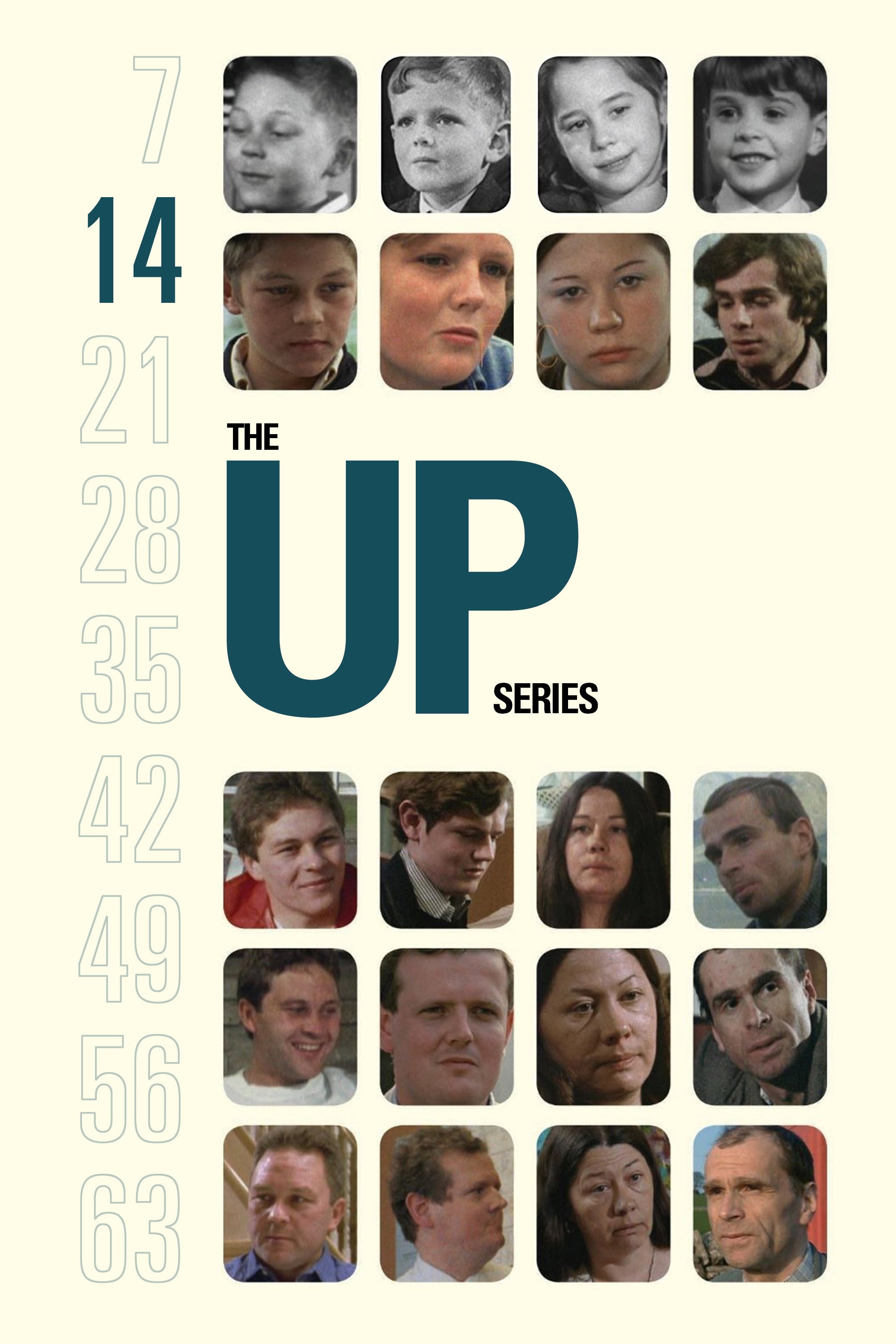
After a 7 year wait, director Michael Apted revisits the same group of British-born children from Seven Up! The subjects are interviewed as to the changes that have occurred in their lives during the last seven years.
A documentary that explores the downloading revolution; the kids that created it, the bands and the businesses that were affected by it, and its impact on the world at large.
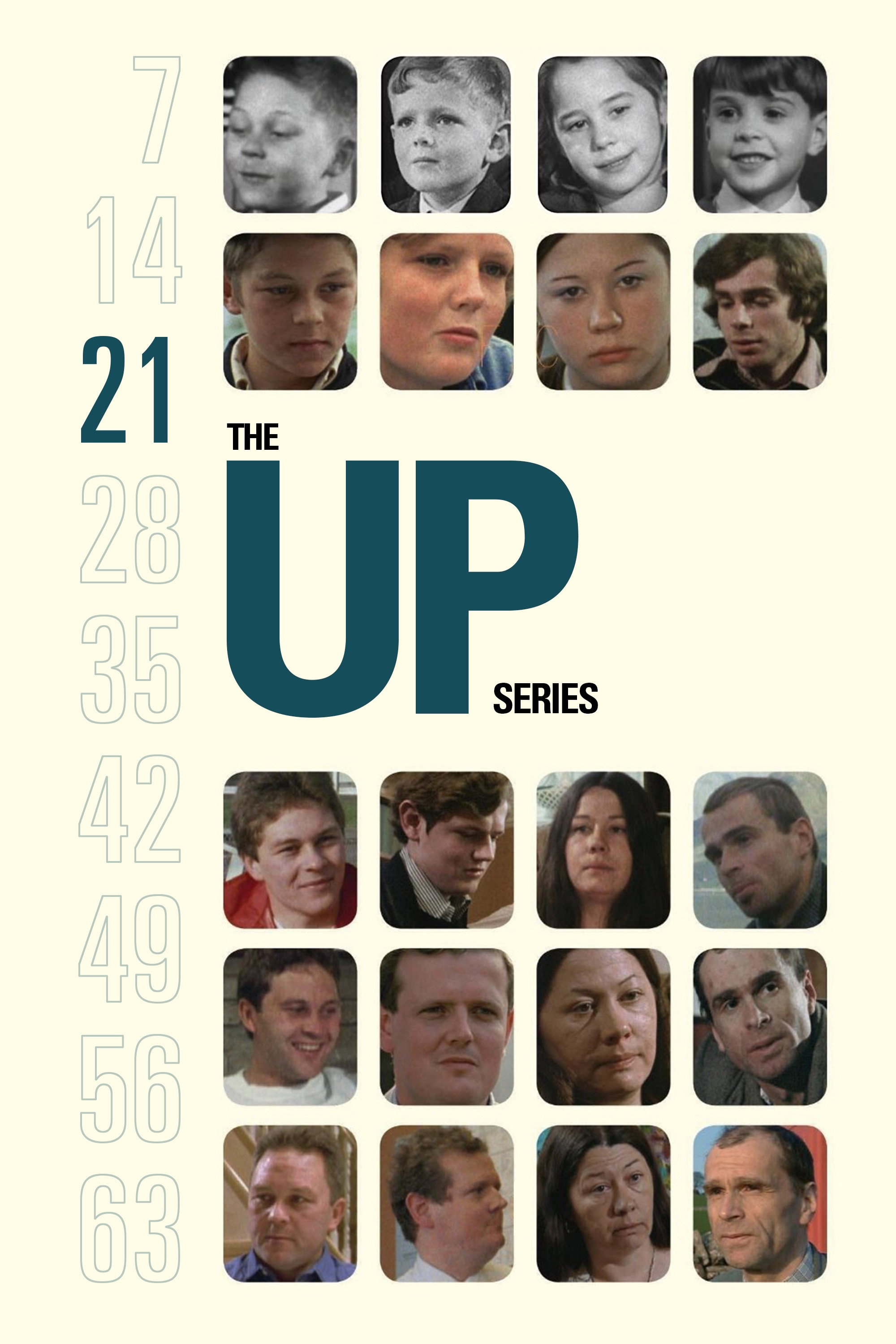
After another 7 year wait, director Michael Apted revisits the same group of British-born children from Seven Up! and 7 Plus Seven. The subjects are interviewed as to the changes that have occurred in their lives during the last seven years.
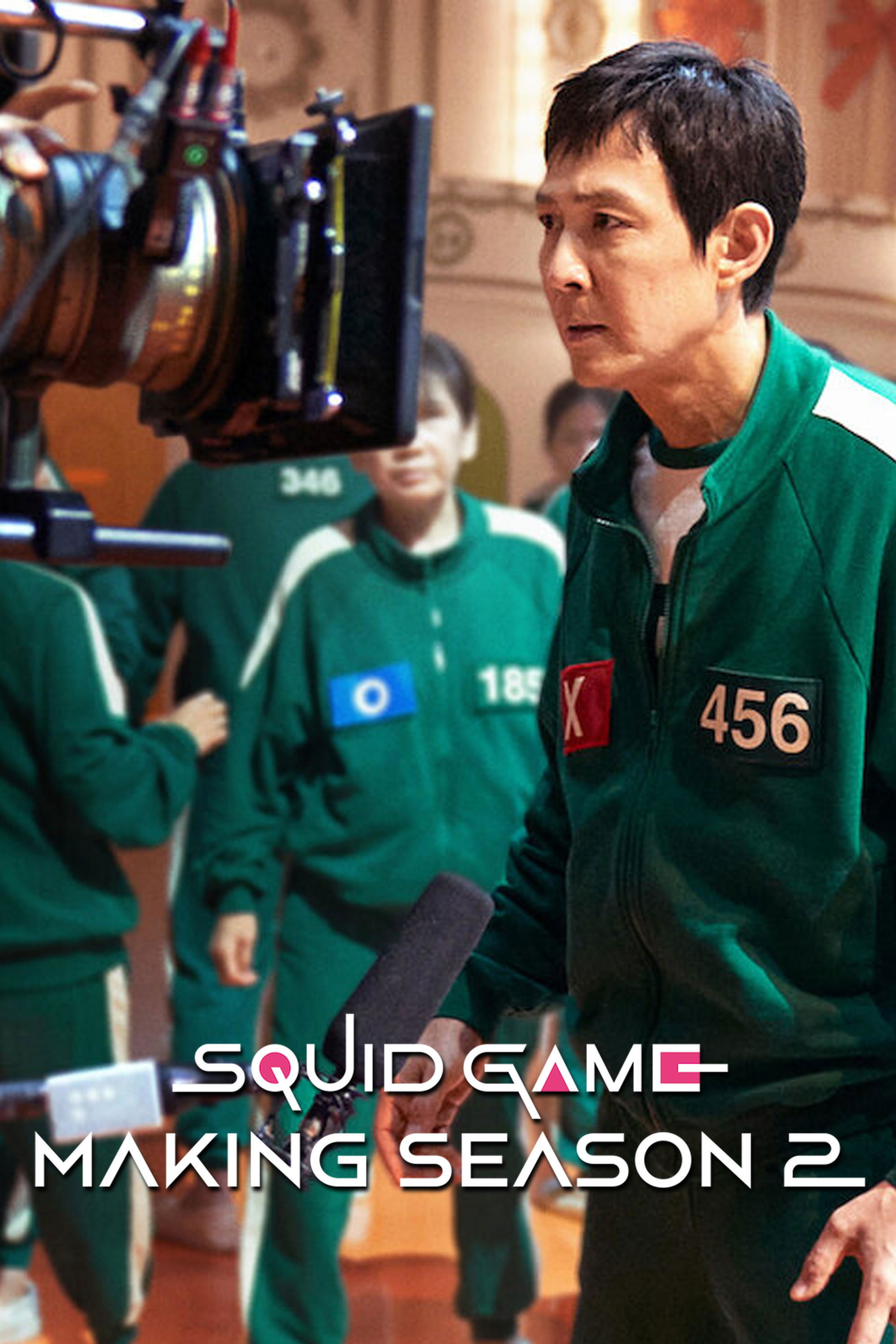
From set designs to character arcs, get exclusive cast and director interviews on how Season 2 of the globally most-watched series was brought to life.
Director Michael Apted revisits the same group of British-born adults after a 7 year wait. The subjects are interviewed as to the changes that have occurred in their lives during the last seven years.
After the high-profile killing of Damilola Taylor, Cornelius' family move out of London. But when they discover their new town is run by racists, Cornelius takes a drastic step to survive.
A visual montage portrait of our contemporary world dominated by globalized technology and violence.
Dubbed “The Cannibal Cop,” former NYPD officer Gilberto Valle was charged with conspiring to kidnap and eat women but argued it was all a fantasy. His story made headlines both for its disturbing details and its potential to kick off a trend of thought-policing across the nation. Featuring intimate interviews with Valle and insights from experts, Thought Crimes explores if someone can be found guilty for their most dangerous thoughts.
A documentary examining the decade of the 1970s as a turning point in American cinema. Some of today's best filmmakers interview the influential directors of that time.
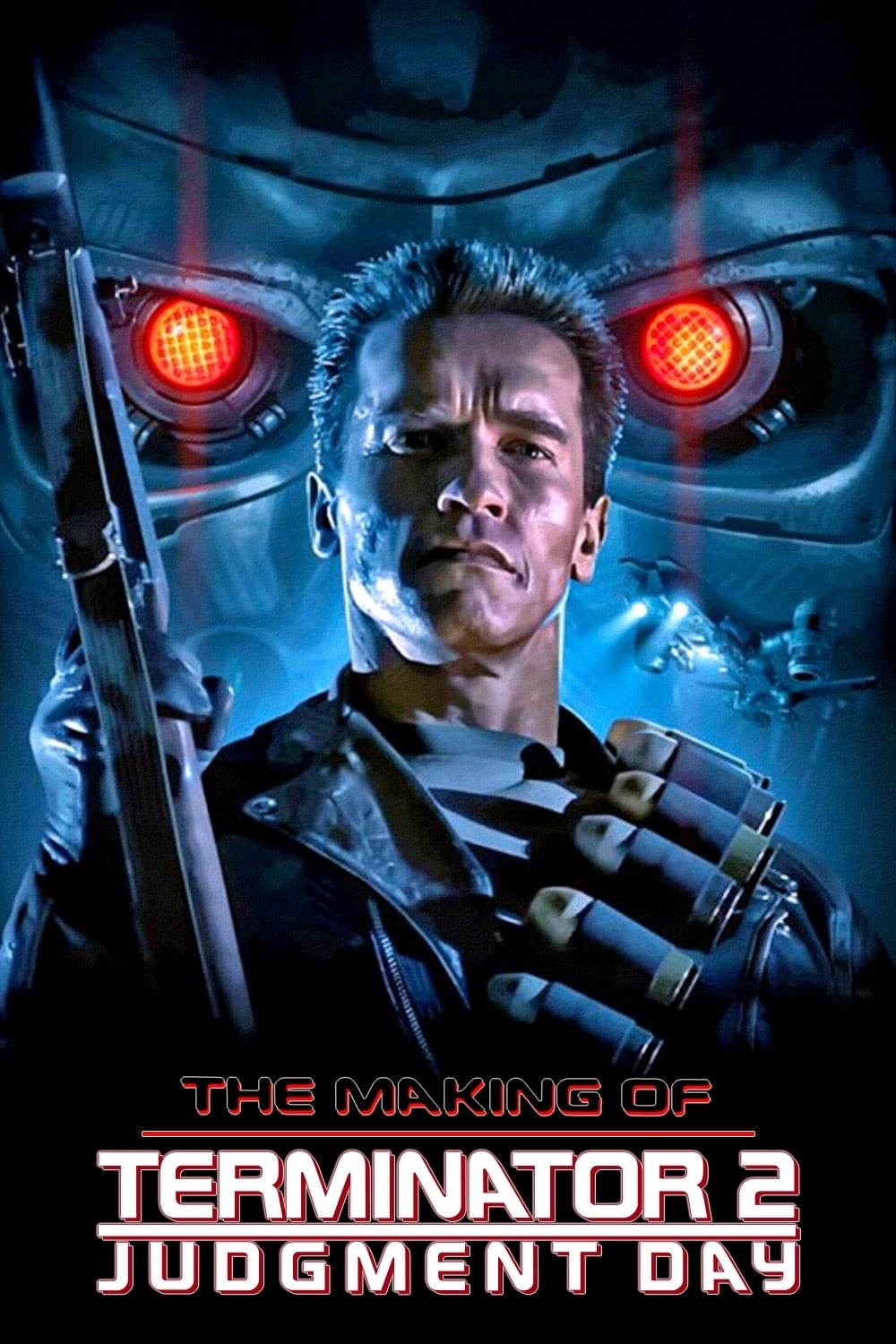
Documentary of the making of the sequel to the popular Schwarzenegger film, The Terminator.
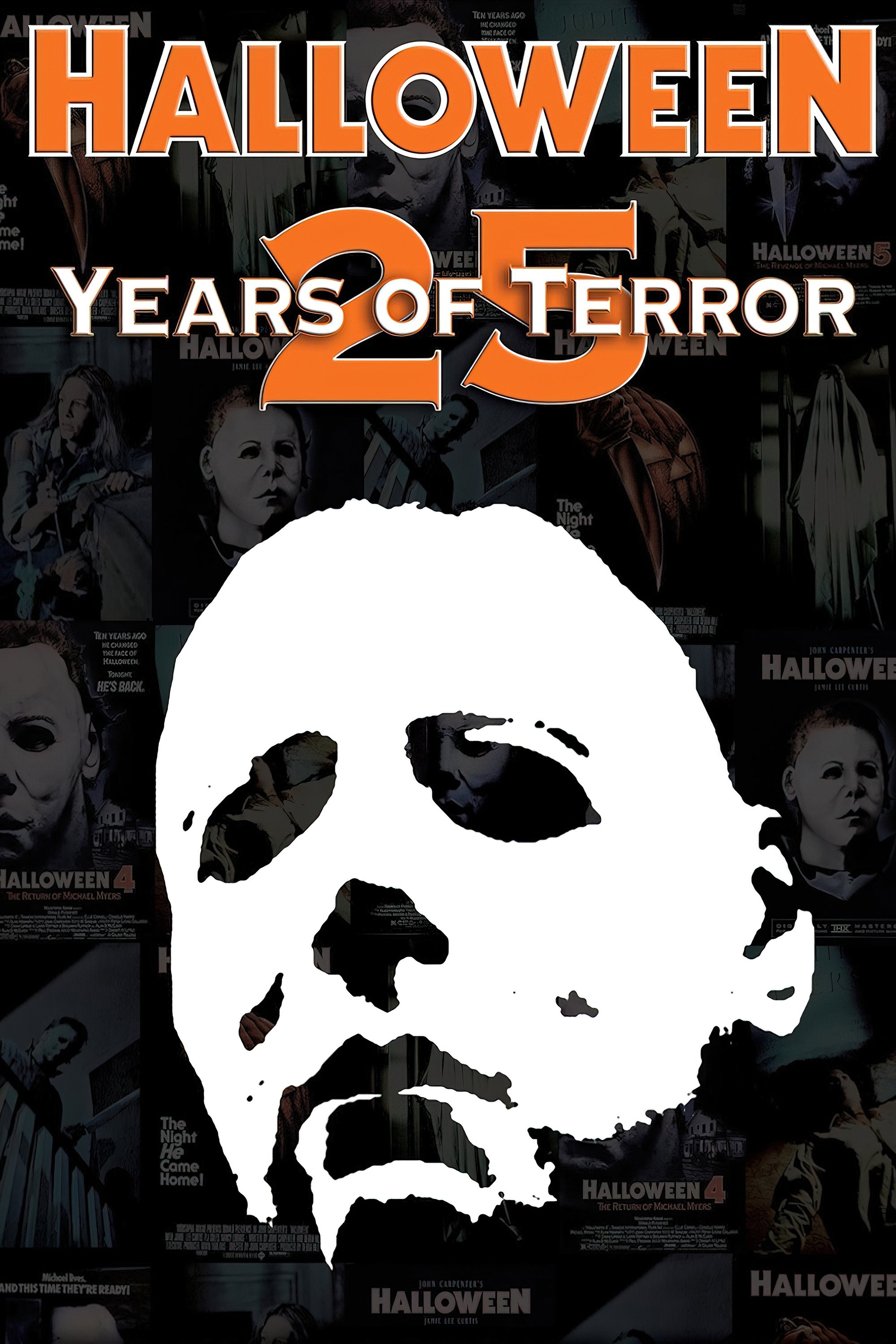
Follow the evolution of the 'Halloween' movies over the past twenty-five years. It examines why the films are so popular and revisits many of the original locations used in the films - seeing the effects on the local community. For the first time, cast, crew, critics and fans join together in the ultimate 'Halloween' retrospective.
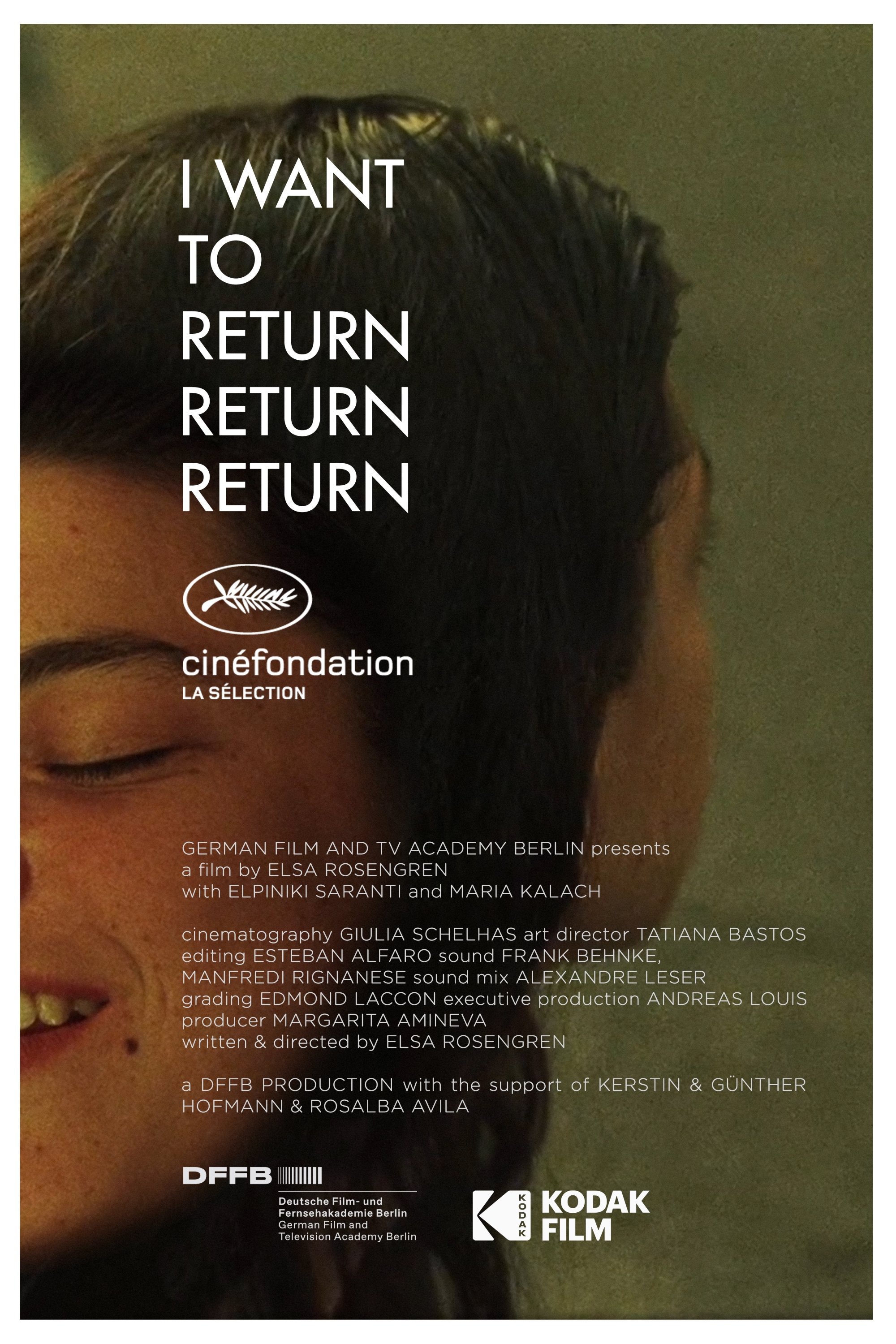
A depiction of the Wrangelkiez neighbourhood in Berlin. The people portrayed tell their life stories. One woman came to the neighbourhood a decade ago to work in Berlin’s still unfinished Brandenburger Airport, one man reminisces his childhood on a Tobacco farm in Kentucky, another speaks of an exceptional day in an otherwise monotonous workplace. These portraits are interwoven with the story of Elpi, a Greek woman who is waiting for the long overdue visit of an old important friend. The outcome of this mixture is a film which captures the lives and perspectives of some of Wrangelkiez’s most commanding citizens, while at the same time evoking the loss that change and time passing means for places and for people.