Social & External
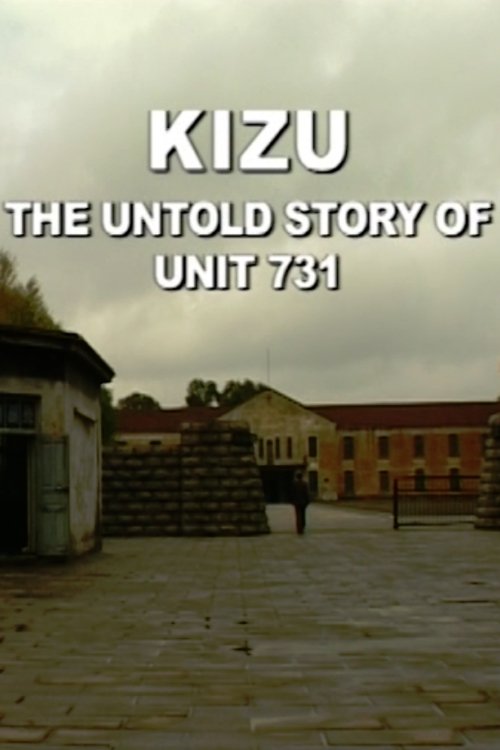
Documentary about Japan's Unit 731 of World War II.
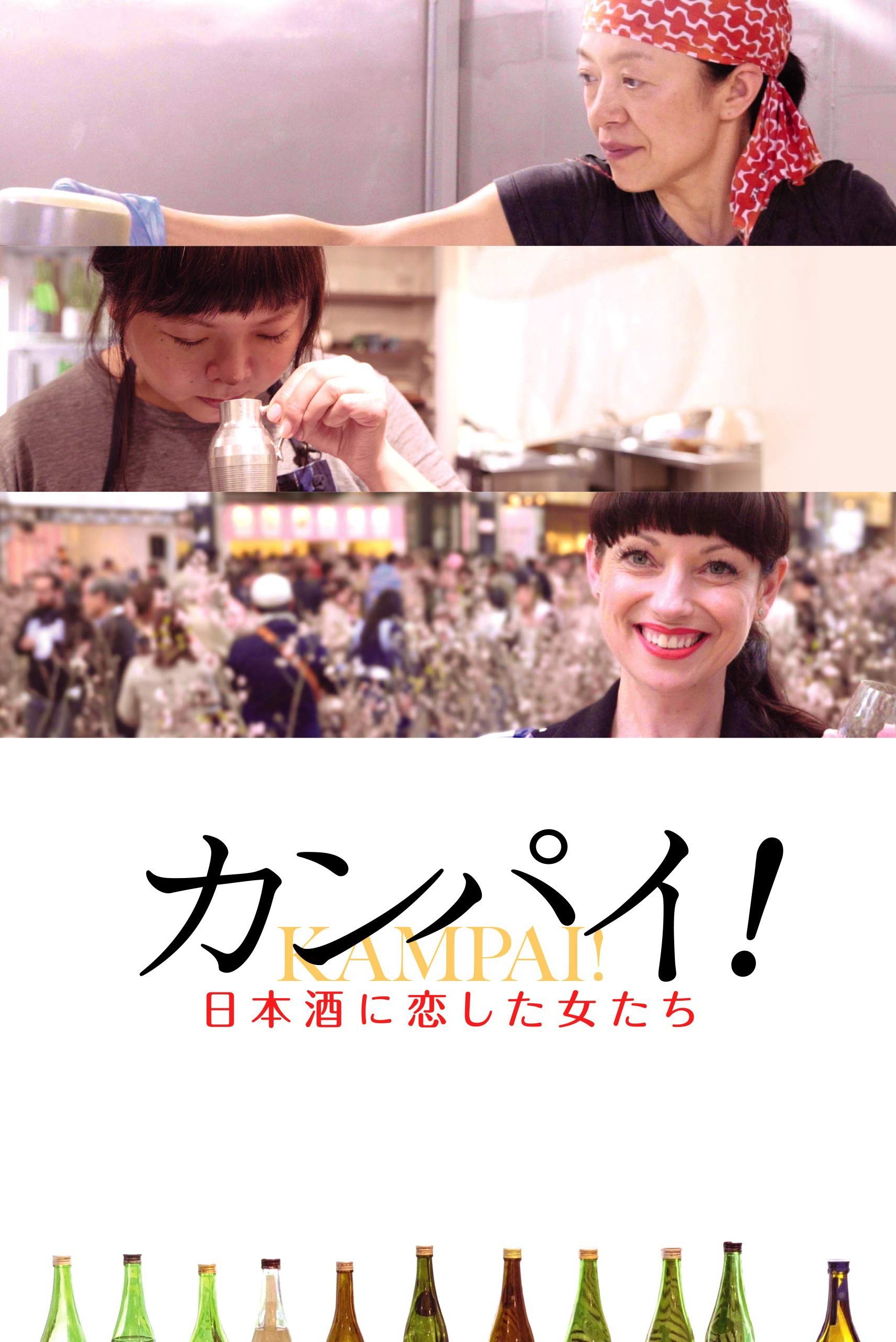
Sake is a traditional alcoholic beverage from Japan and is otherwise known as rice wine. Women were prohibited from entering the many large and small sake breweries dotting Japan for centuries. However, times have changed and women are present on the sake scene today. In several cases, they are integral to the Japanese brewery business. The documentary depicts women who are not only enthusiasts, but also leaving their marks on the evolution of this Japanese mainstay.
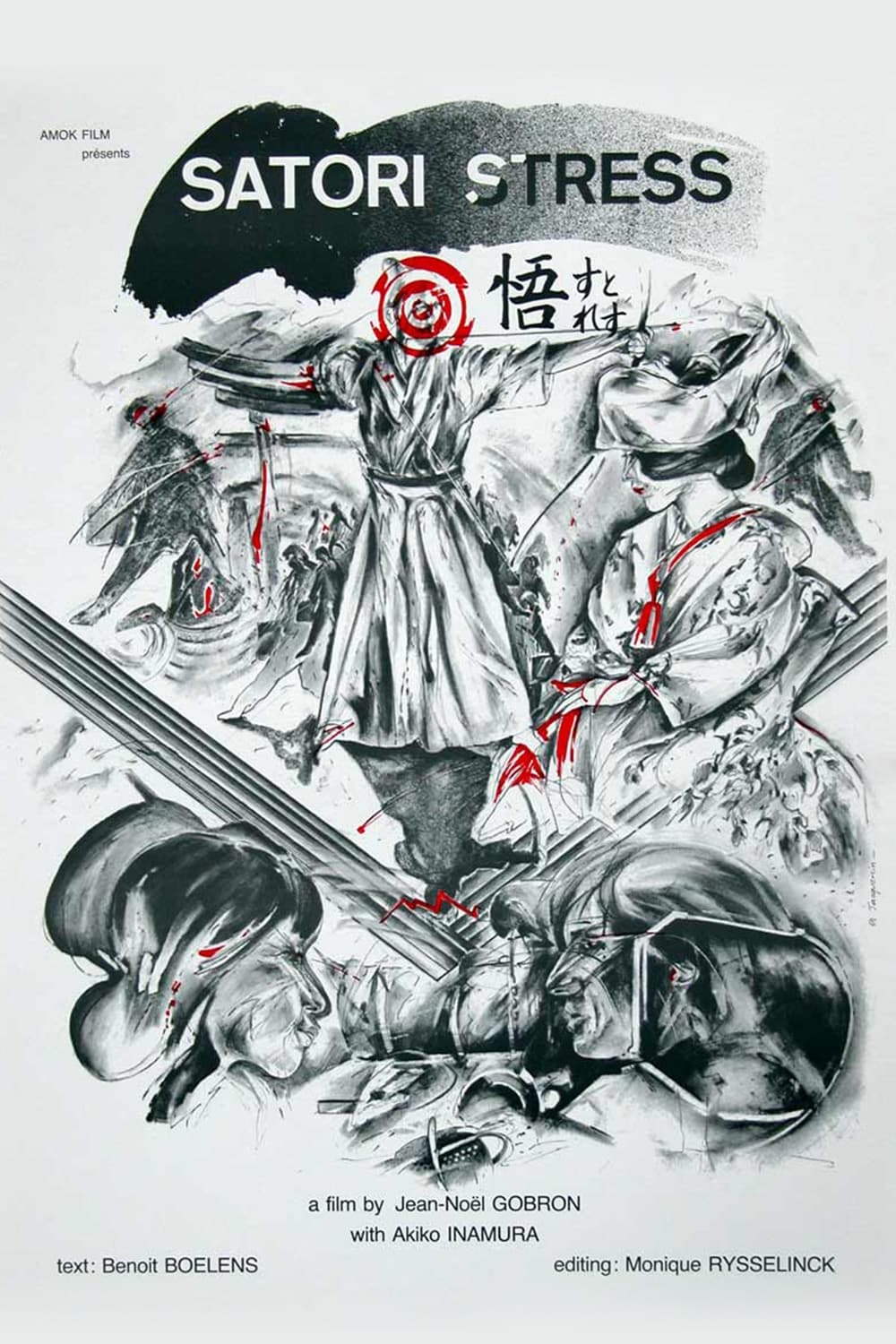
Leaving Europe to look for Akiko, Jean-Noël discovers her city, the exotic Tokyo. A documentary on everyday life in Tokyo, its KABUKI theater, its nostalgic TAKENOKOZOKU dances, its thousands of suit-and-tie executives, its geishas, its Western style marriages, its tranquil green areas, its pulsating nightlife...
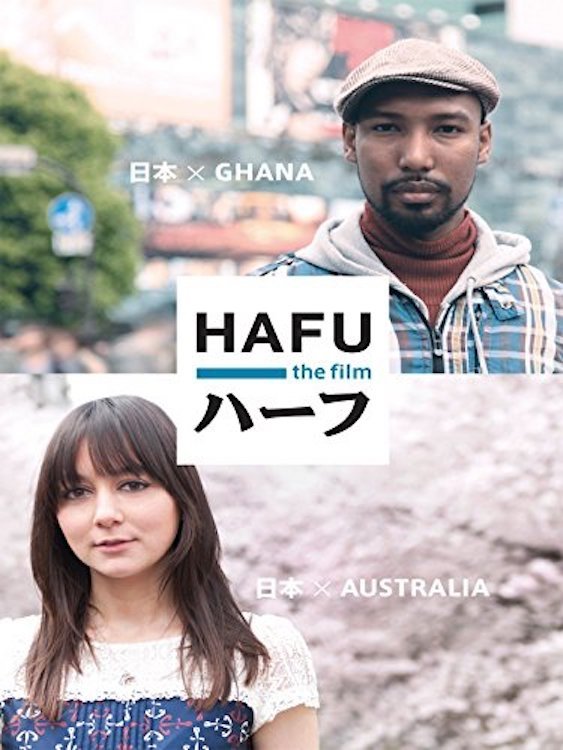
A journey into the intricacies of mixed-race Japanese and their multicultural experiences in modern day Japan. For some hafus, Japan is the only home they know, for some living in Japan is an entirely new experience, and the others are caught somewhere between two different worlds.
"Heart of the Country" is the story of Shinichi Yasutomo, the extraordinary principal of a rural elementary school in Kanayama, central Hokkaido, Northern Japan. Yasutomo is a man driven by his vision for learning and his passion for educating the heart as well as the mind. The film follows Yasutomo, his teachers and staff, students and their families over the course of one entire school year. The film is also the story of the families of Kanayama. Parents and elders of this once impoverished town embrace Yasutomo's vision, but not without wary glances back to the past. This small community, bound together by love for its children, is also defined by its journey through the cultural upheavals of postwar Japan.
In this tape, Ko Nakajima and Video Earth Tokyo interview a homeless man. The subject is initially angry and frustrated, but gradually opens up and shares stories about his life. Under A Bridge was later broadcast on cable television.
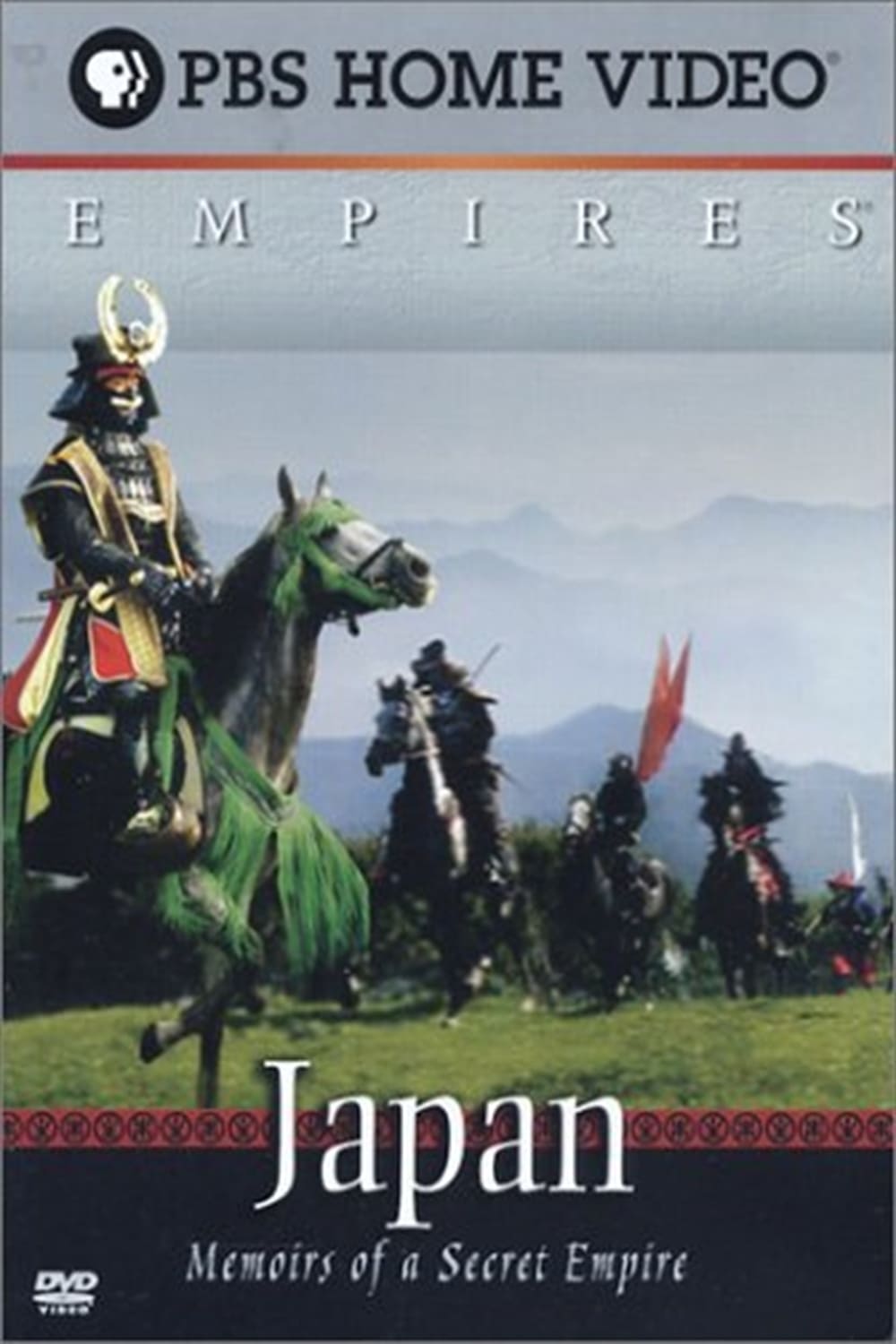
Japan blossomed into its Renaissance at approximately the same time as Europe. Unlike the West, it flourished not through conquest and exploration, but by fierce and defiant isolation. And the man at the heart of this empire was Tokugawa Ieyasu, a warlord who ruled with absolute control. This period is explored through myriad voices-- the Shogun, the Samurai, the Geisha, the poet, the peasant and the Westerner who glimpsed into this secret world.
A documentary film telling the story of true friendship and commitment to Japan’s recovery by the international community following the Great East Japan Earthquake. Many of these people dropped what they were doing and dedicated themselves to Japan’s recovery. Many of these them even took it upon themselves to establish non-profit organizations aimed at connecting with and rebuilding Tohoku and its communities.
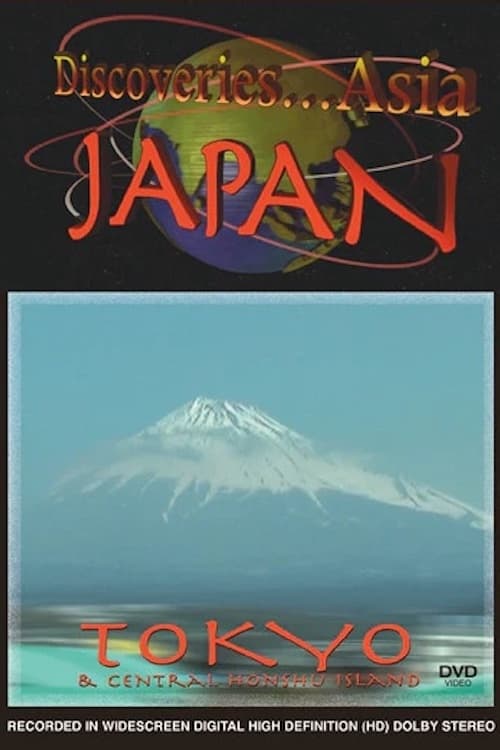
For centuries the Japanese warred among themselves and their neighbors, creating a colorful, rich and sometimes brutal legacy. Intriguing to outsiders for centuries, modern Japan is no less so In the 21st century. Focuses on Tokyo and its environs, with attention to scenery, shopping and shrines.
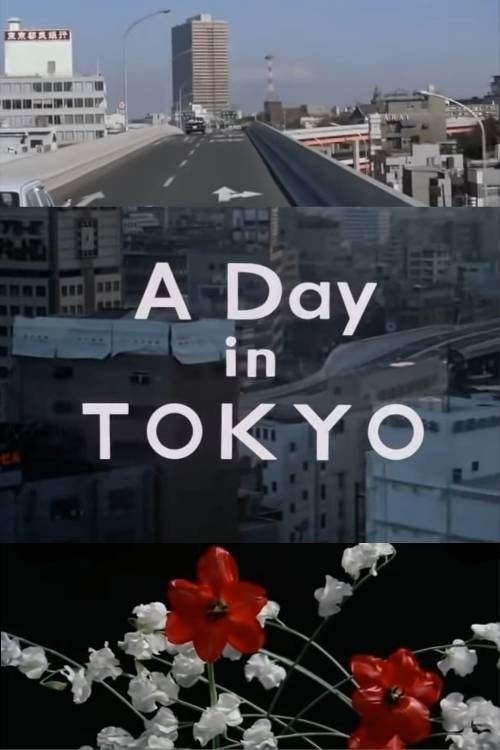
A Day in TOKYO in 1968, Nostalgic bygone era. Planned by Japan National Tourism Organization. Produced by Koga Production. This film was produced to explain Tokyo for foreign tourists.
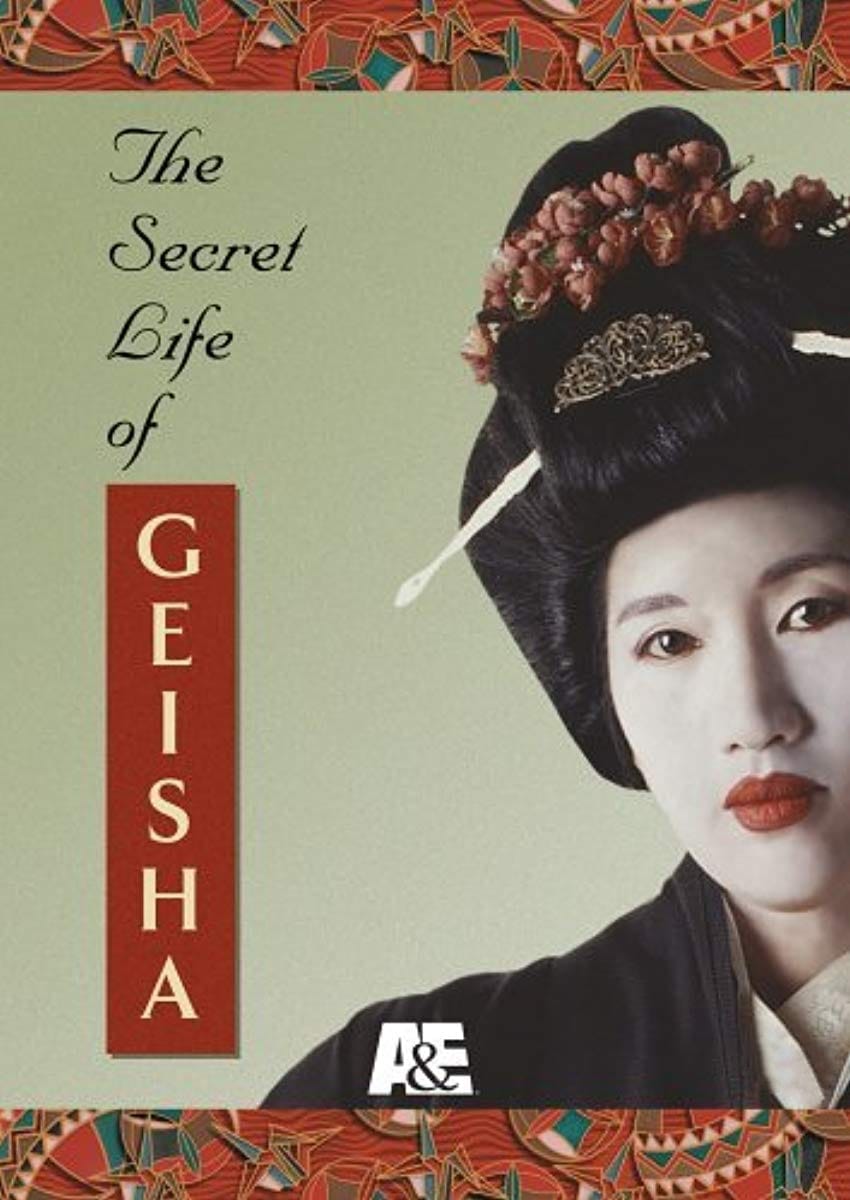
Documentary about the world of the Japanese geisha. Unattainable by all but the wealthy and powerful, geisha are the ultimate massagers of the male ego. Behind the delicate fan and enigmatic smile can also be found a darker side to the geisha story, including treachery and suicide.
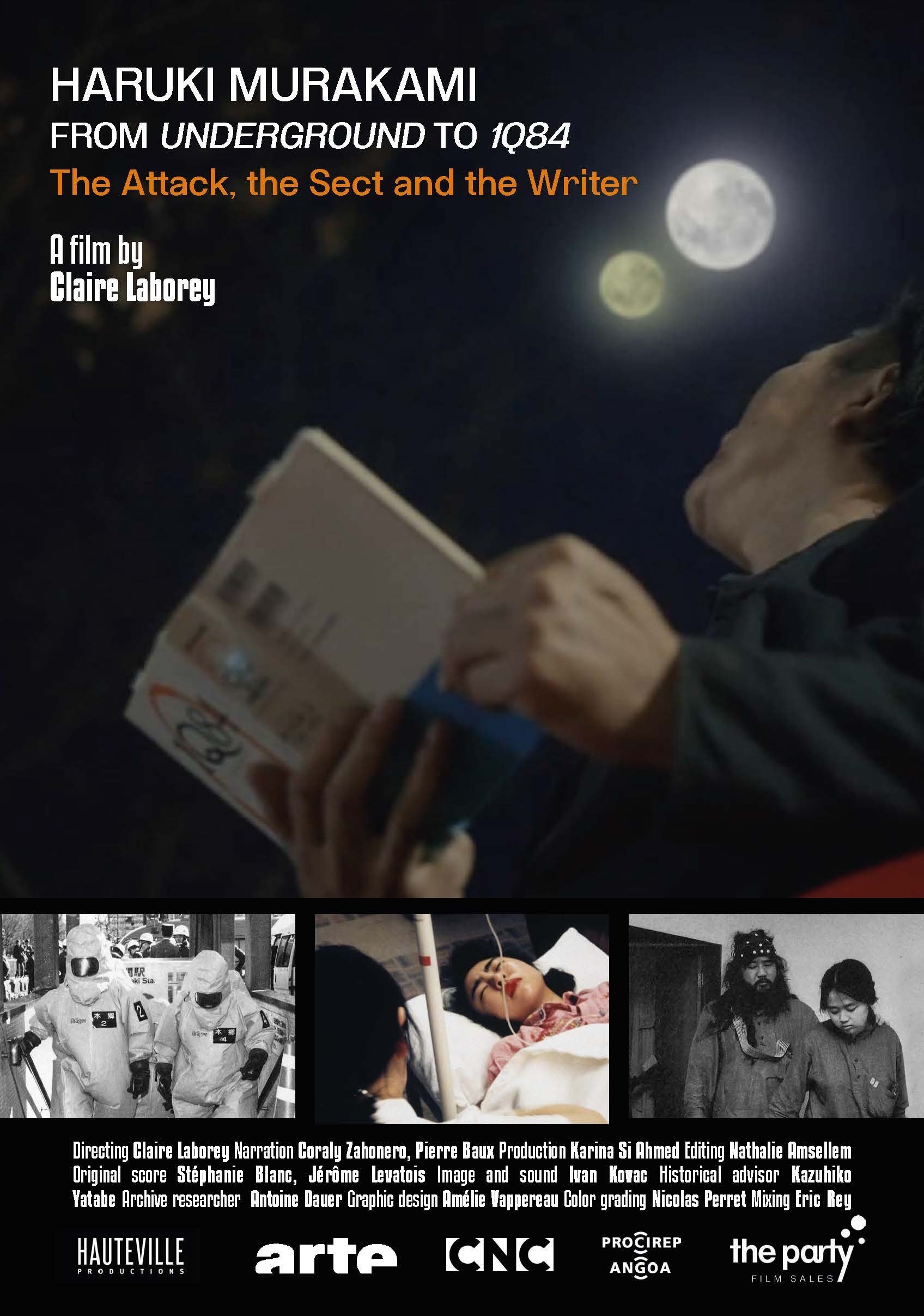
Revealing the flaws of Japanese society, the 1995 sarin gas attack in the Tokyo subway prompted Murakami to return to his homeland, whose conformism he rejected, to examine it closely. This led to the creation of two works: Underground and 1Q84.
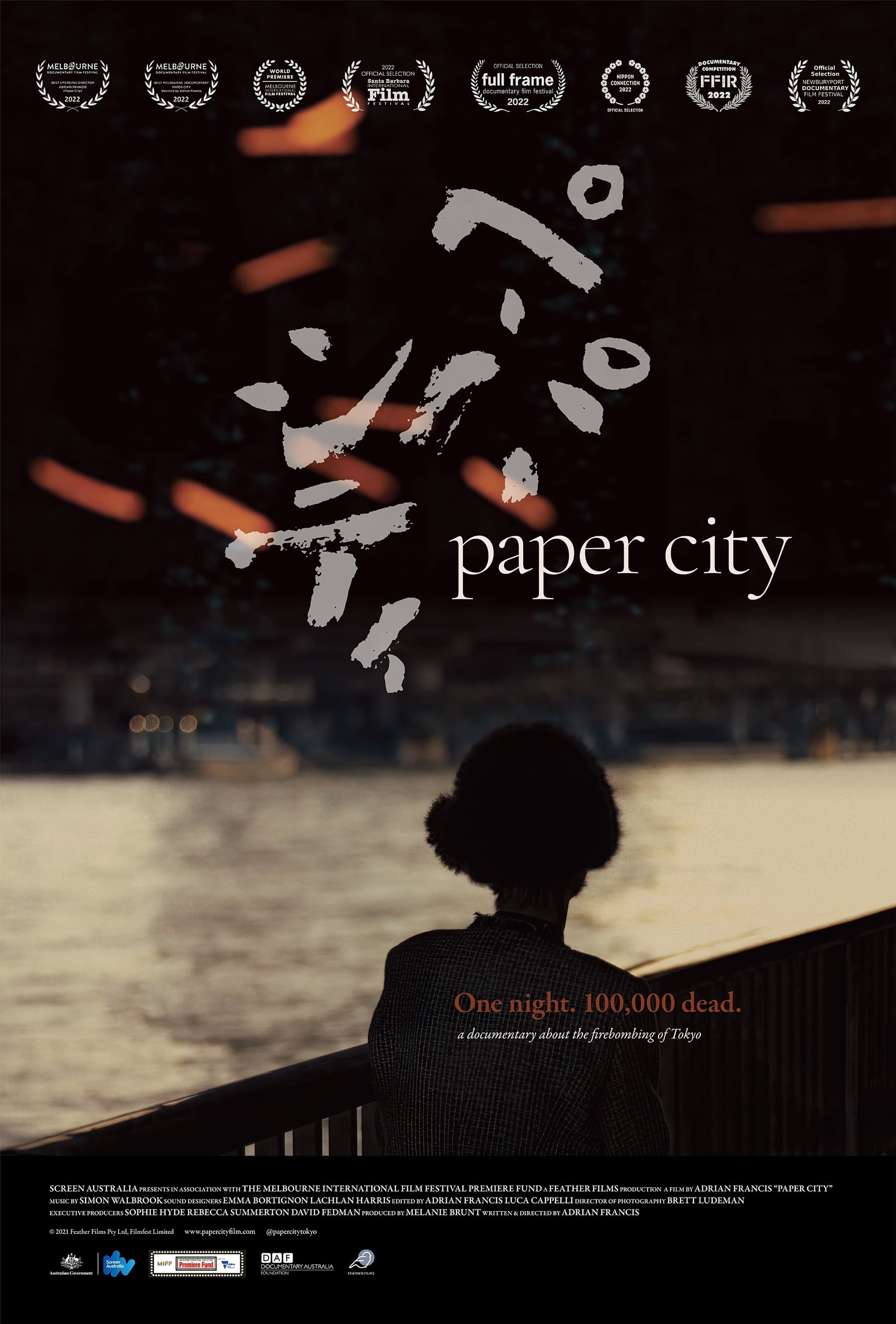
Just after midnight on 10 March 1945, the US launched an air-based attack on eastern Tokyo; continuing until morning, the raid left more than 100,000 people dead and a quarter of the city eradicated. Unlike their loved ones, Hiroshi Hoshino, Michiko Kiyooka and Minoru Tsukiyama managed to emerge from the bombings. Now in their twilight years, they wish for nothing more than recognition and reparations for those who, like them, had been indelibly harmed by the war – but the Japanese government and even their fellow citizens seem disinclined to acknowledge the past.
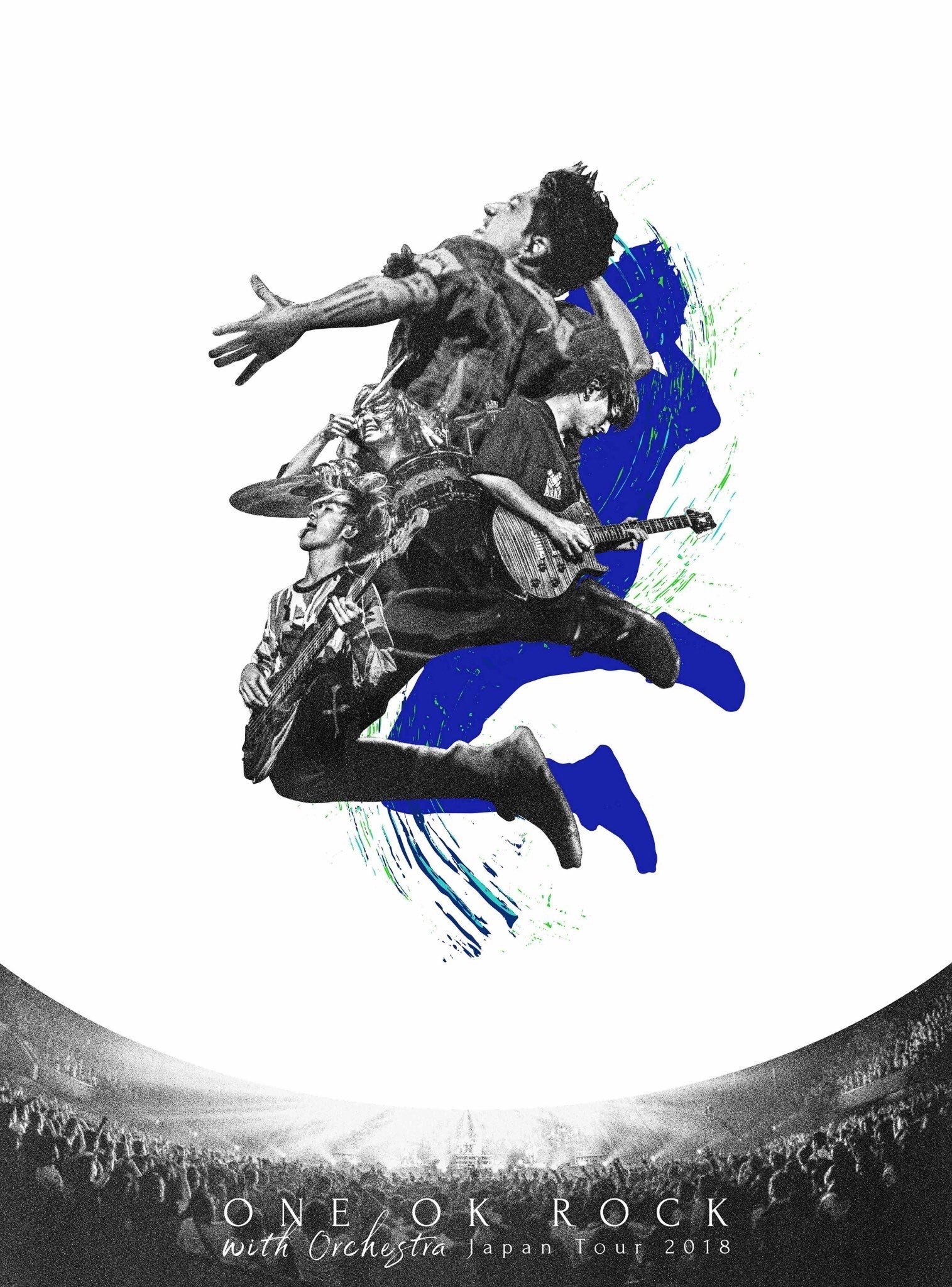
ONE OK ROCK with Orchestra Japan Tour 2018 features the final performance of the special concert held at Osaka-jo Hall in October 2018, where the band performed with a 53-member orchestra, alongside footage from the Saitama Super Arena show. The release also includes a 100-page booklet packed with newly shot member photos, commentary, live reports, and interviews with the production team, offering a deeply engaging read.
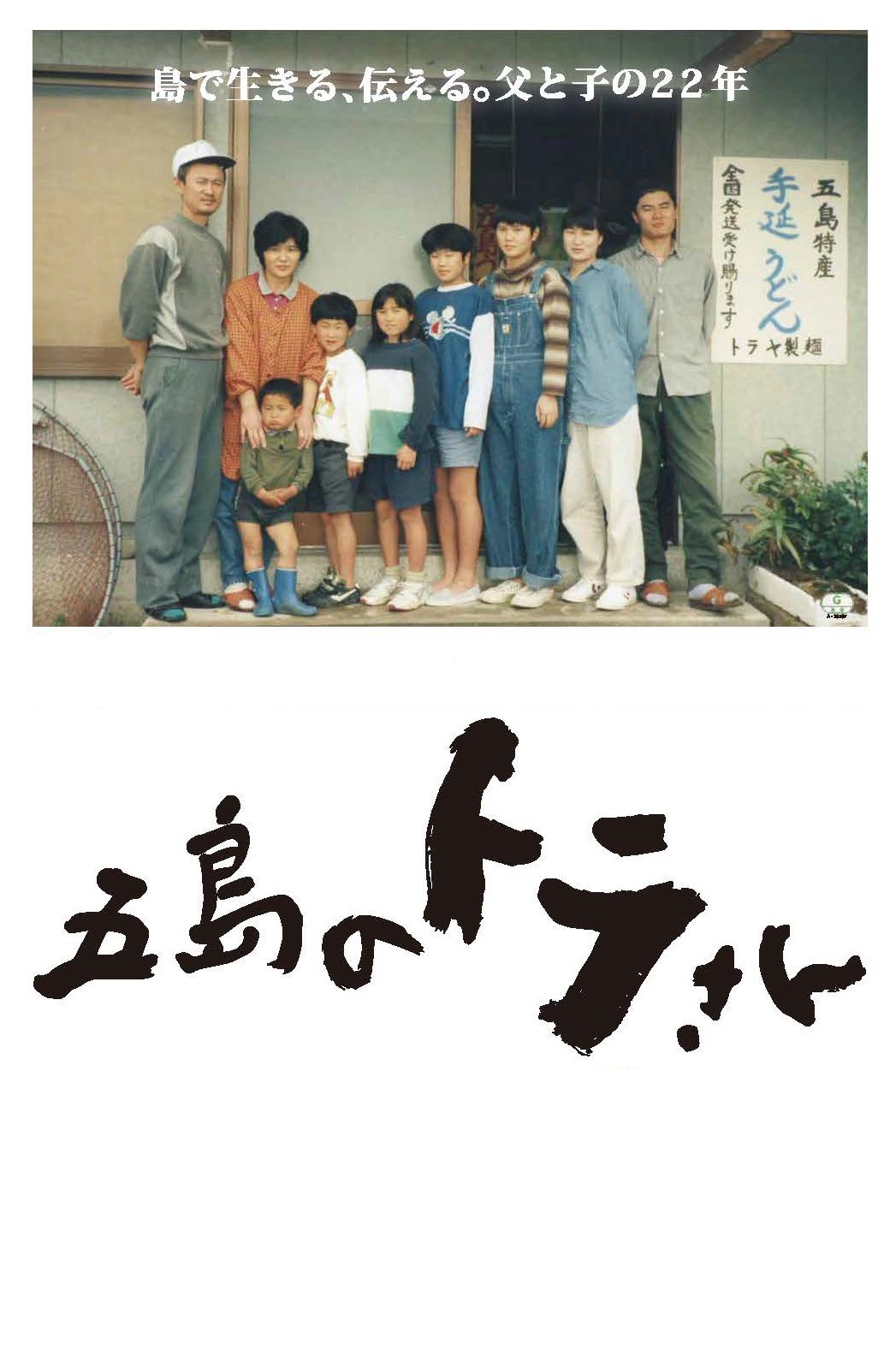
This documentary film follows for 22 years a nine-member family involved in the manufacturing of Udon in the Goto Islands, Nagasaki prefecture. Mr. Toru Inuzuka called by nickname "Tora-san" is making famous 'Goto Udon' and natural salt on the island on which the depopulation is progressing. Seven children get up at 5 o'clock every morning, helping to make udon, and go to school. Children's help is recorded on the time card, and it is pocket money for children. The film talks about children's growth, marriage, childbirth, homecoming, and parting. The 22 years of familiarity of the family is drawn.
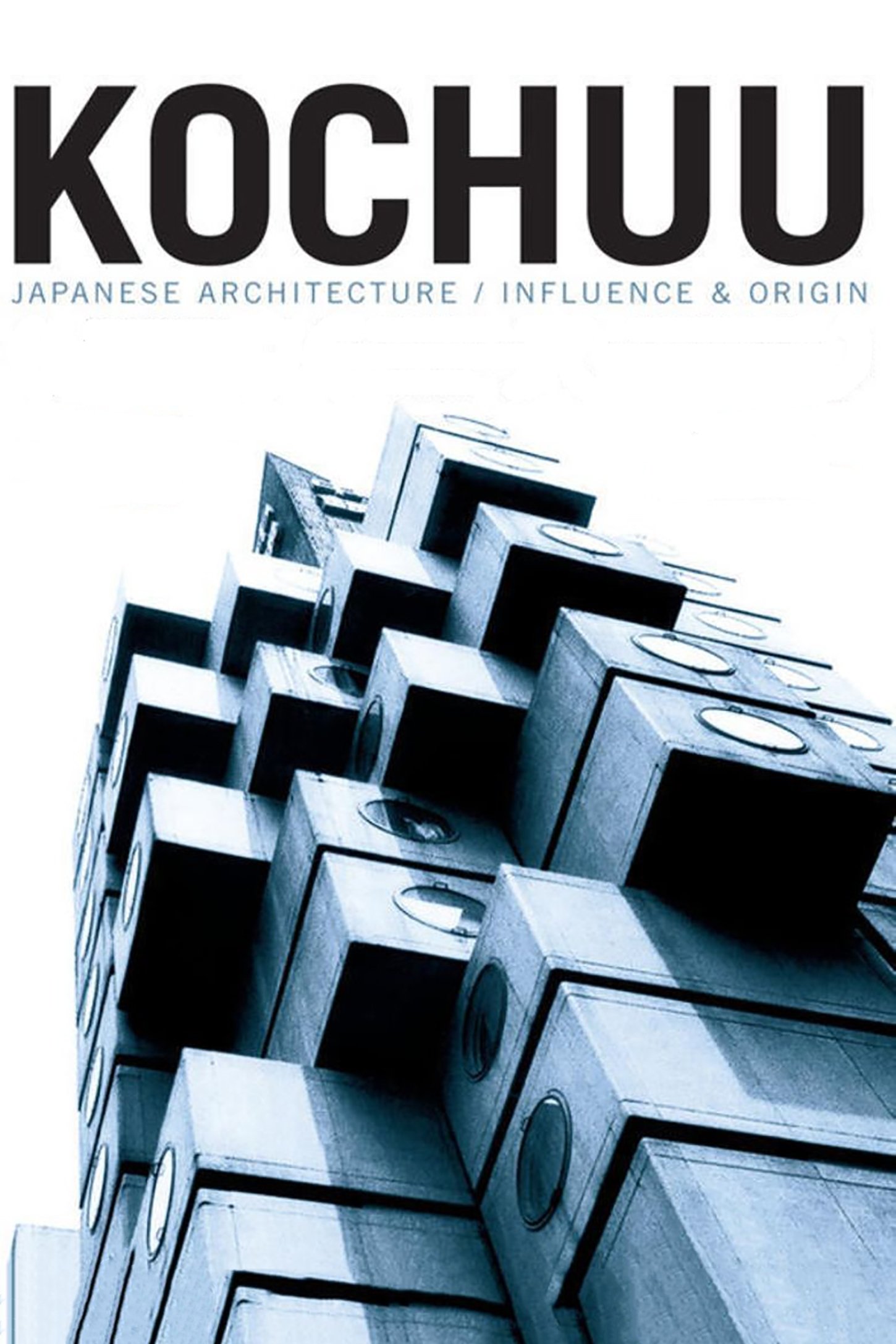
A film about modern Japanese architecture, its roots in the Japanese tradition and its impact on the Nordic building-tradition. Winding its way through visions of the future, traditions, nature, concrete, gardens and high-tech, KOCHUU tells us how contemporary Japanese architects strive to unite the ways of modern man with the old philosophies in astounding constructions. Interviews with, and works by, Japanese architects Tadad Ando, Kisho Kurokawa, Toyo Ito and Kazuo Shinohara and Scandinavian architects Sverre Fehn, Kristian Gullichsen and Juhani Pallasmaa.
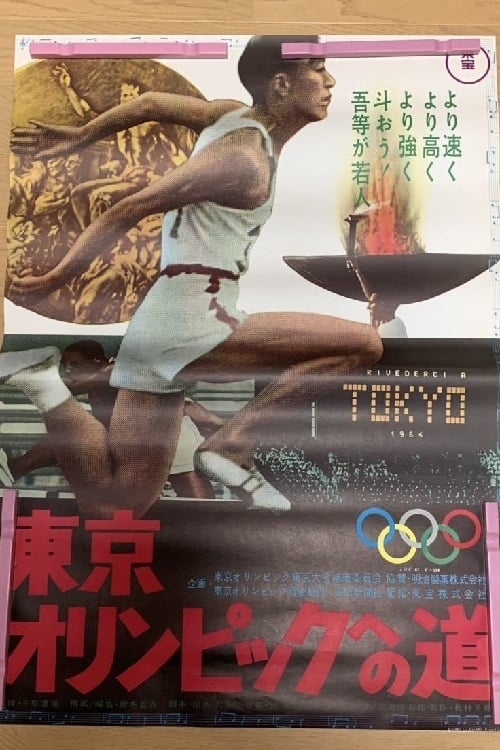
A documentary film that includes footage of past Olympics held in different countries with an particular emphasis on the activities and successes of Japanese athletes and how they are currently (circa 1963) improving themselves.
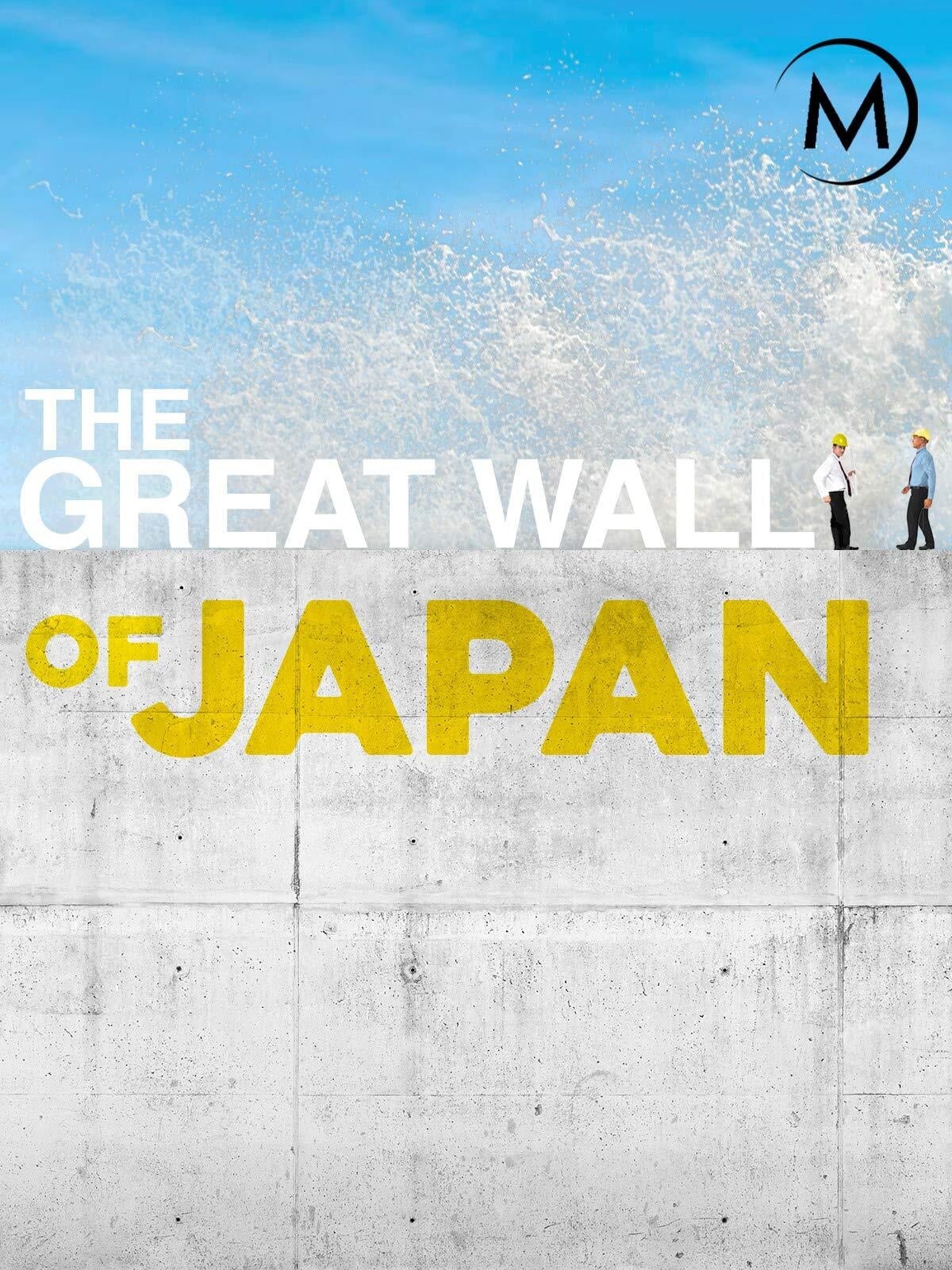
After the disaster of March 2011, the Japanese authorities decided to build a gigantic 15 meter high, 500 kilometer long, anti-tsunami wall, separating the land and the ocean. But what is the environmental and human impact of this wall? The population is divided on their opinion: should they cut the island off from the sea or stay vulnerable to tsunamis? Is there another way?
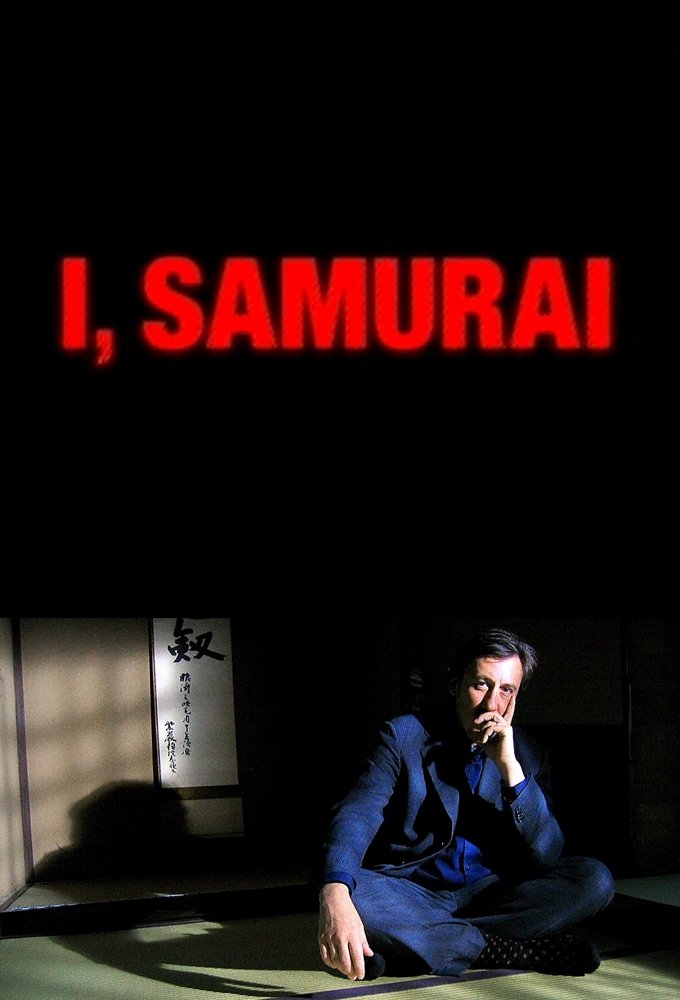
Andrew Graham-Dixon takes a break from his art critic day job to immerse himself in the art, rituals and practices of the Japanese warrior cult. Will he achieve his dream to be like a samurai?
A documentary focused on plastic pollution in the world's oceans.
Alexander McQueen's rags-to-riches story is a modern-day fairy tale, laced with the gothic. Mirroring the savage beauty, boldness and vivacity of his design, this documentary is an intimate revelation of McQueen's own world, both tortured and inspired, which celebrates a radical and mesmerizing genius of profound influence.
A detailing of the rise to prominence and global sporting superstardom of six supremely talented young Manchester United football players (David Beckham, Nicky Butt, Ryan Giggs, Paul Scholes, Phil and Gary Neville). The film covers the period 1992-1999, culminating in Manchester United's European Cup triumph.
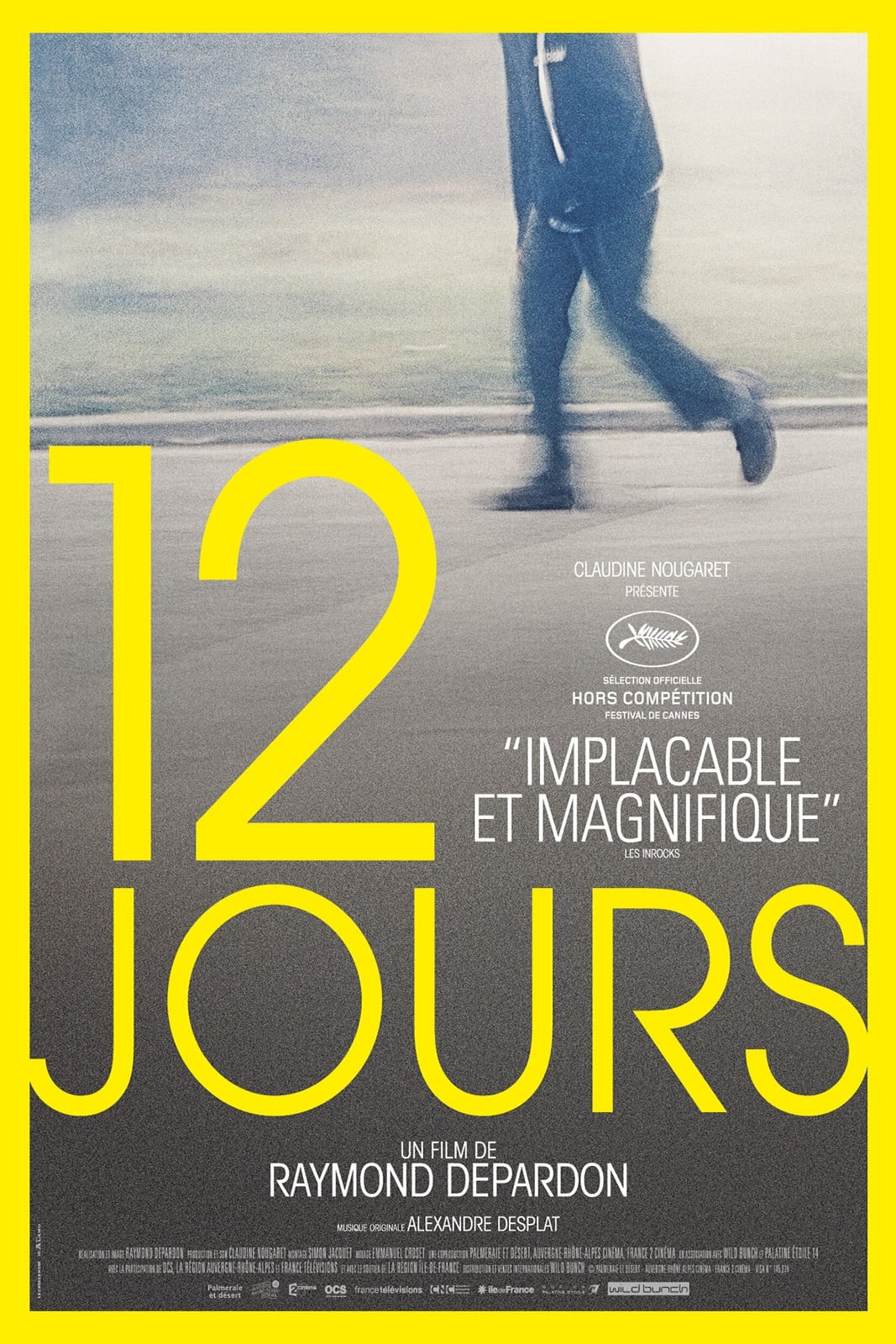
A new documentary by filmmaker-photographer Raymond Depardon – where justice and psychiatry meet.
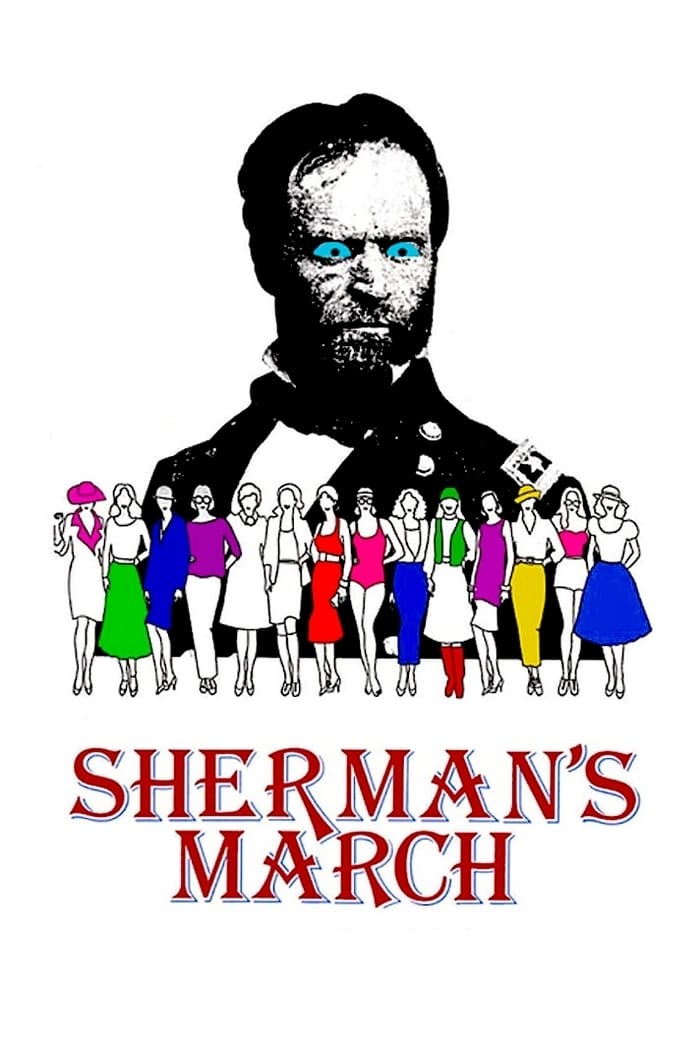
Ross McElwee sets out to make a documentary about the lingering effects of General Sherman's march of destruction through the South during the Civil War, but is continually sidetracked by women who come and go in his life, his recurring dreams of nuclear holocaust, and Burt Reynolds.
Those who knew iconic funnyman John Candy best share his story, in their own words, through never-before-seen archival footage, imagery, and interviews.
Vulgar, taunting texts blow up the phones of a teen and her boyfriend. Who's sending them — and why? This twisty documentary reveals the shocking answer.
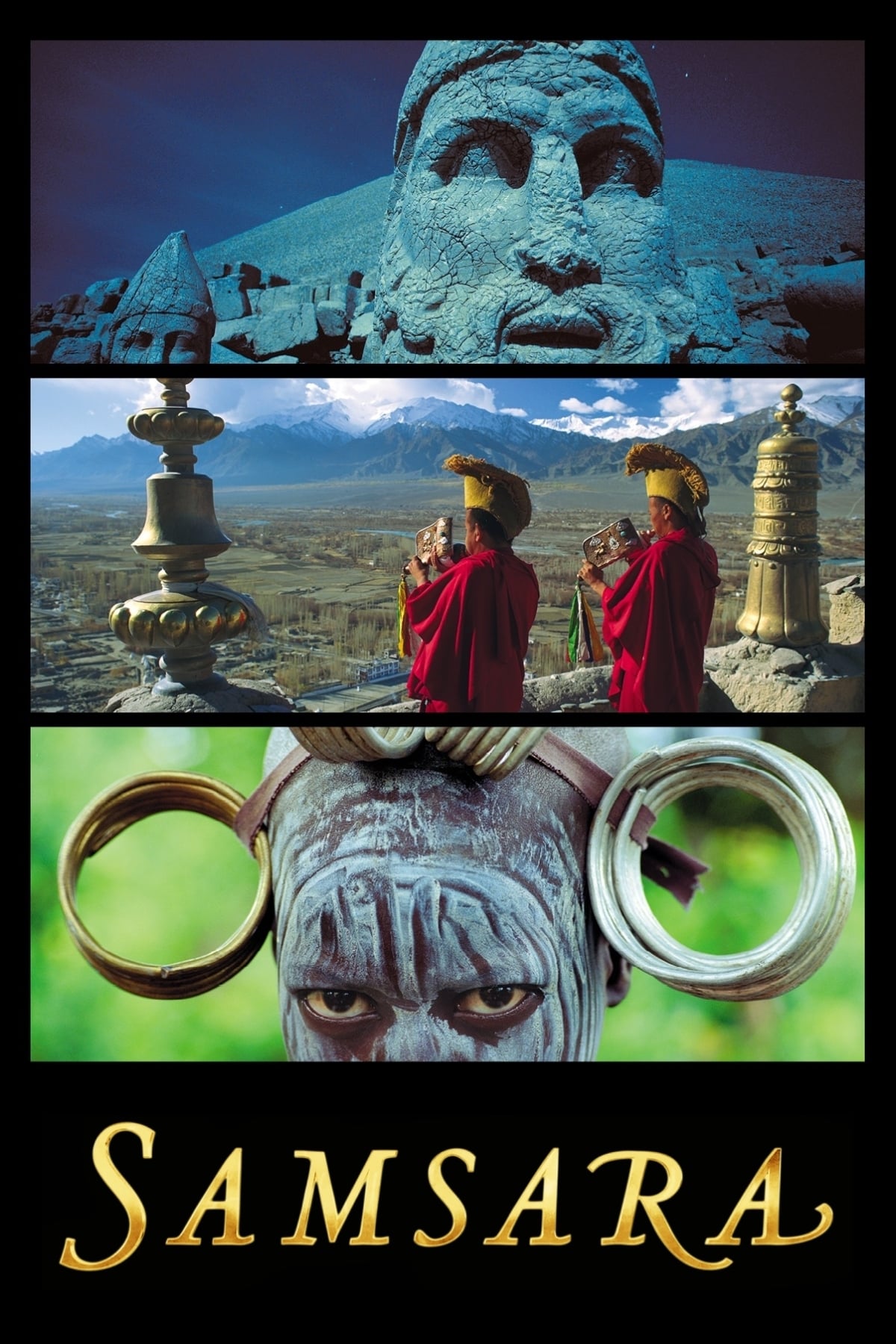
Filmed over nearly five years in twenty-five countries on five continents, and shot on seventy-millimetre film, Samsara transports us to the varied worlds of sacred grounds, disaster zones, industrial complexes, and natural wonders.
SEDUCED AND ABANDONED combines acting legend Alec Baldwin with director James Toback as they lead us on a troublesome and often hilarious journey of raising financing for their next feature film. Moving from director to financier to star actor, the two players provide us with a unique look behind the curtain at the world's biggest and most glamourous film festival, shining a light on the bitter-sweet relationship filmmakers have with Cannes and the film business. Featuring insights from directors Martin Scorsese, 'Bernando Bertolucci' and Roman Polanski; actors Ryan Gosling and Jessica Chastain and a host of film distribution luminaries.
The film is based on interviews with 2,000 women from 50 countries, and covers the status of women all over the world. The topics covered include forced marriages, sexual assault, female genital mutilation, acid attacks, motherhood, sexuality, menstruation, education and the professional success of women.
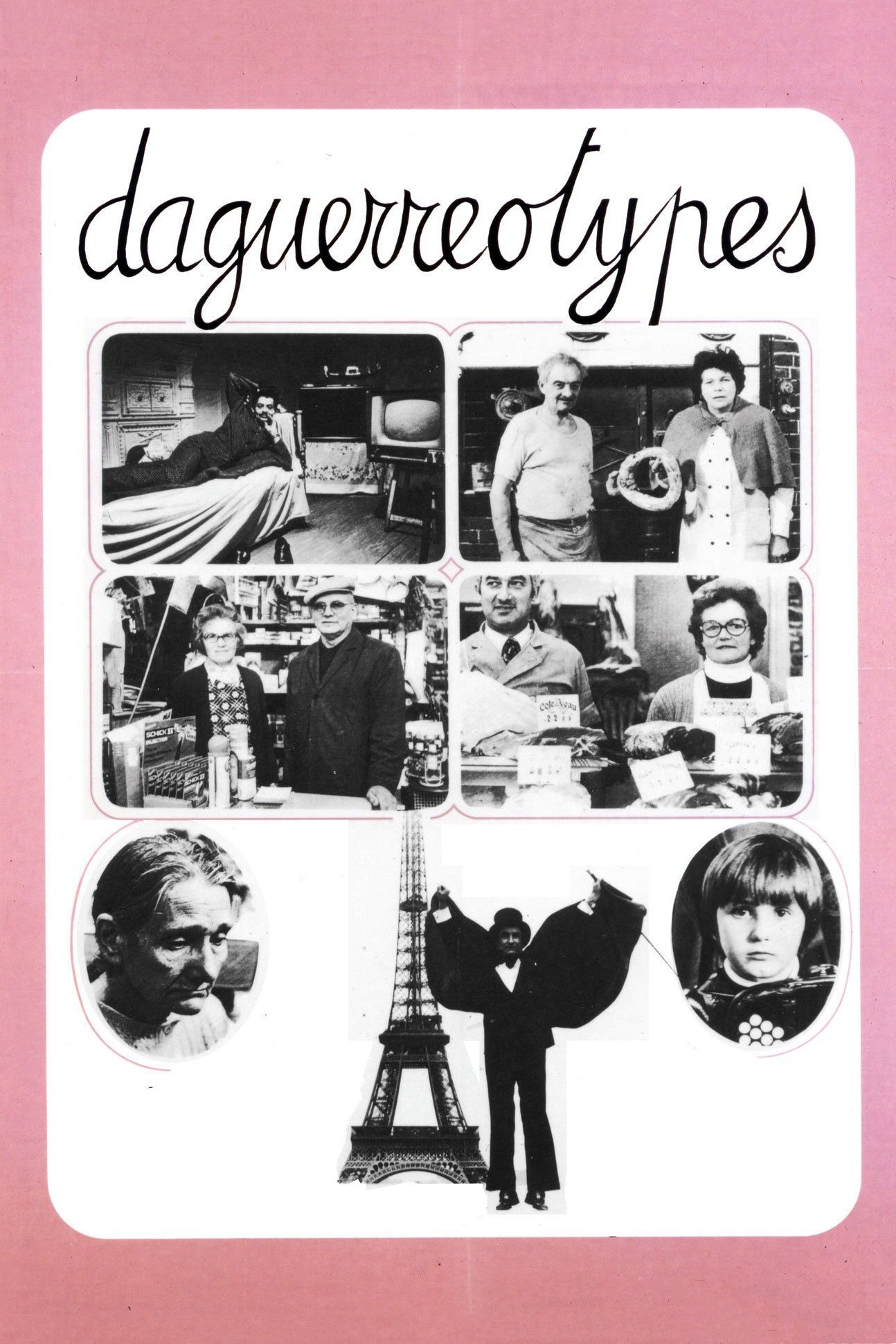
An intimate portrait of the small shops and shopkeepers of the Rue Daguerre in Paris, a picturesque street that has been the filmmaker’s home for more than 50 years.
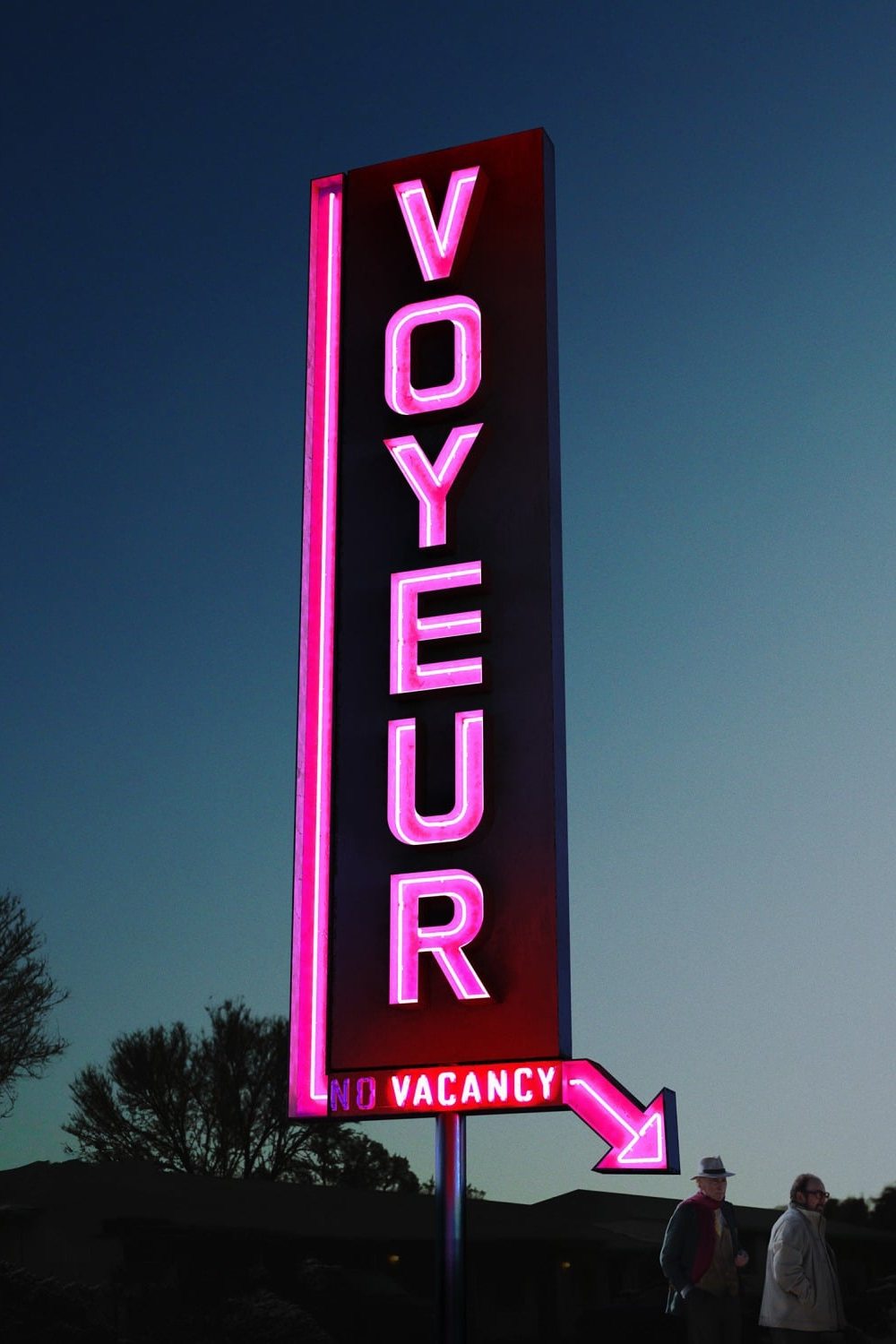
Legendary journalist Gay Talese unmasks a motel owner who spied on his guests for decades. But his bombshell story soon becomes a scandal of its own.
A non-narrated documentary following the lovesome lives of four infants from birth to their first birthday. The babies featured are two from rural areas: Ponijao from Opuwo, Namibia, and Bayar from Bayanchandmani, Mongolia, as well as two from urban areas: Mari from Tokyo, Japan, and Hattie from San Francisco, USA.
A documentary on a former Miss Wyoming who is charged with abducting and imprisoning a young Mormon Missionary.
What does being a woman really mean? How do women live the status society reserves for them? A group of women, beautiful or not, young or not, gifted with motherly instinct or not, answer before Agnès Varda's camera.
This character-driven film considers the evolving sex trafficking landscape as seen by the main players: the exploited, the pimps, the johns that fuel the business, and the cops who fight to stop it.
Director Michael Apted revisits the same group of British-born adults after a 7 year wait. The subjects are interviewed as to the changes that have occurred in their lives during the last seven years.
The film follows adventurer Jeff Johnson as he retraces the epic 1968 journey of his heroes Yvon Chouinard and Doug Tompkins to Patagonia.
In the Realms of the Unreal is a documentary about the reclusive Chicago-based artist Henry Darger. Henry Darger was so reclusive that when he died his neighbors were surprised to find a 15,145-page manuscript along with hundreds of paintings depicting The Story of the Vivian Girls, in What is Known as the Realms of the Unreal, of the Glodeco-Angelinnian War Storm, Cased by the Child Slave Rebellion.
Unravel the case of Utah therapist Jodi Hildebrandt, whose child abuse arrest with parenting YouTuber Ruby Franke exposed a twisted tale of manipulation.