Social & External
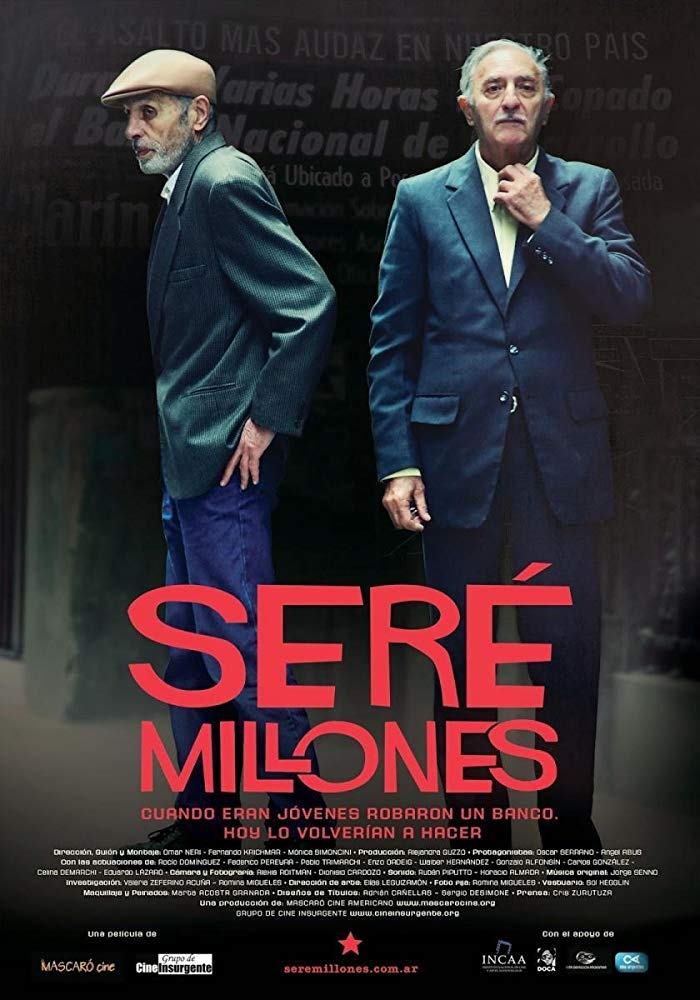
In January 1972, during General Lanusse's dictatorship in Argentina, a group of revolutionary activists occupied the National Development Bank, just meters from the Government House, expropriating 450 million pesos (approximately 10 million dollars today) for their cause. This was made possible by Oscar Serrano and Ángel Abus—activists and bank employees—who spent two years preparing what would become the biggest blow to the dictatorship's finances. Forty years later, Oscar and Ángel, along with a group of actors, recreate those events that changed their lives. In this dialogue between generations, the young people transform their perspective on activism and commitment during those years. Narrated through several cinematic layers, Seré Millones (I Will Be Millions) offers an innovative story that blends humor, rigorous historical research, and the epic spirit of the era.
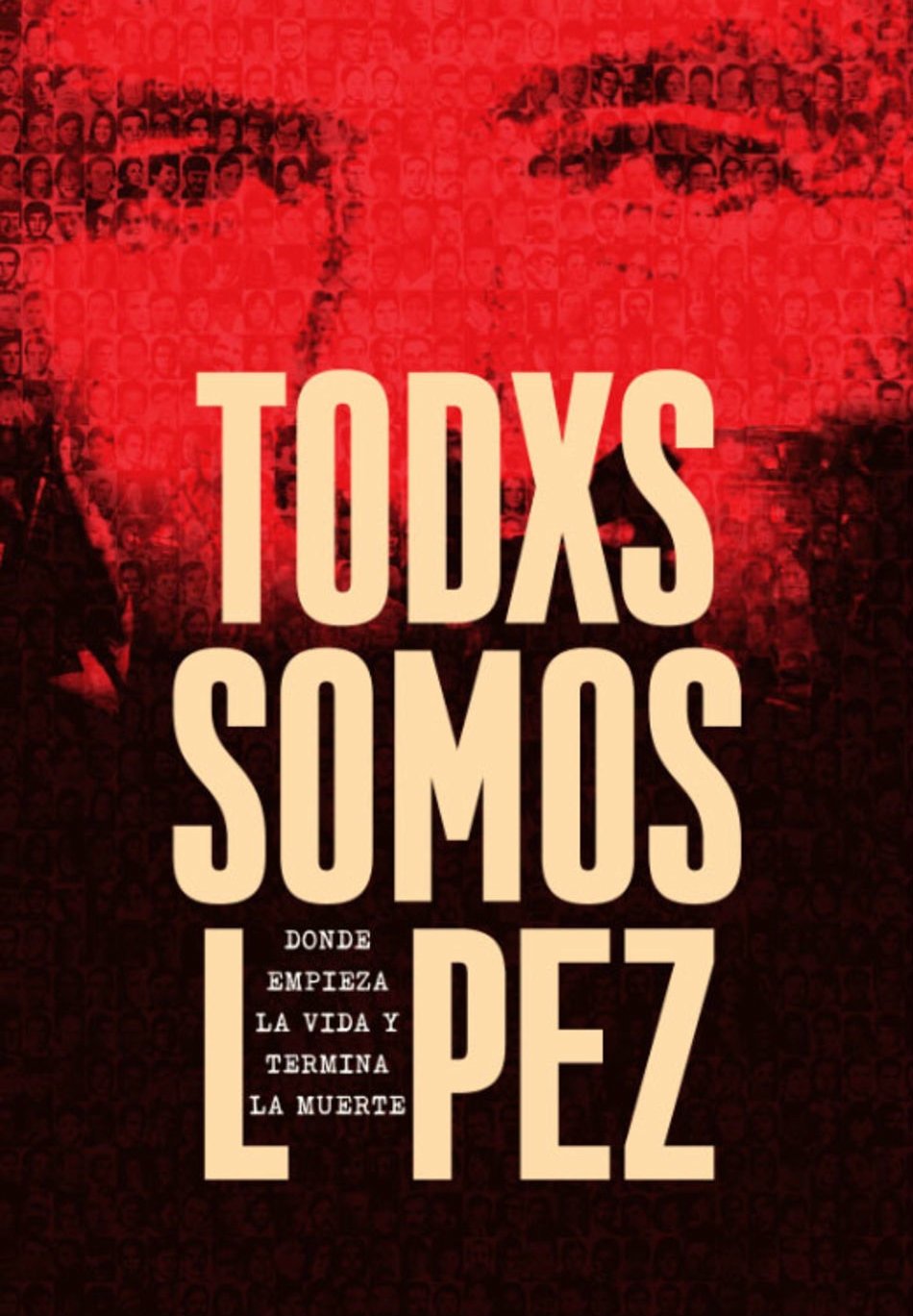
A chronicle on the days without Jorge Julio López, key witness and complainant on the first trial on genocide in Argentina, dated in 2006. López, who had survived through concentration camps on the late seventies argentinian dictatorship, disappeared for the second time the day the court decision meant to condemn his kidnappers was about to be read.
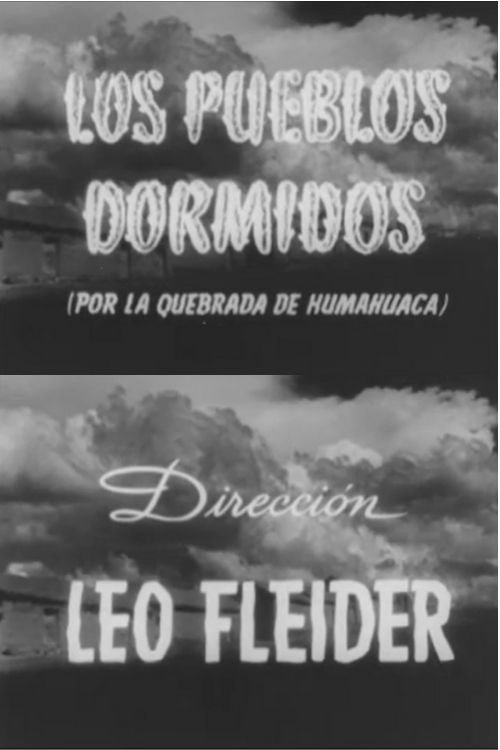
Documentary about the kolla people living in North Western Argentina.
Documentary about Swedish emigration to Argentina via Brazil.
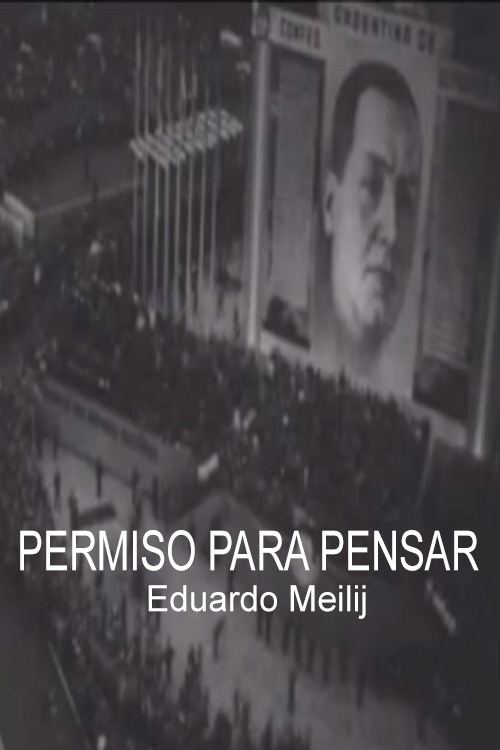
For many years, Buenos Aires, Argentina, was one of the best places in the world for a film buff; but from the mid-sixties onwards, successive authoritarian governments shaped the will of the spectators, dictating what could be seen and what could not, so that the true cinema lovers, in their desire to watch films, had no choice but to embark on the most extraordinary and strange adventures.
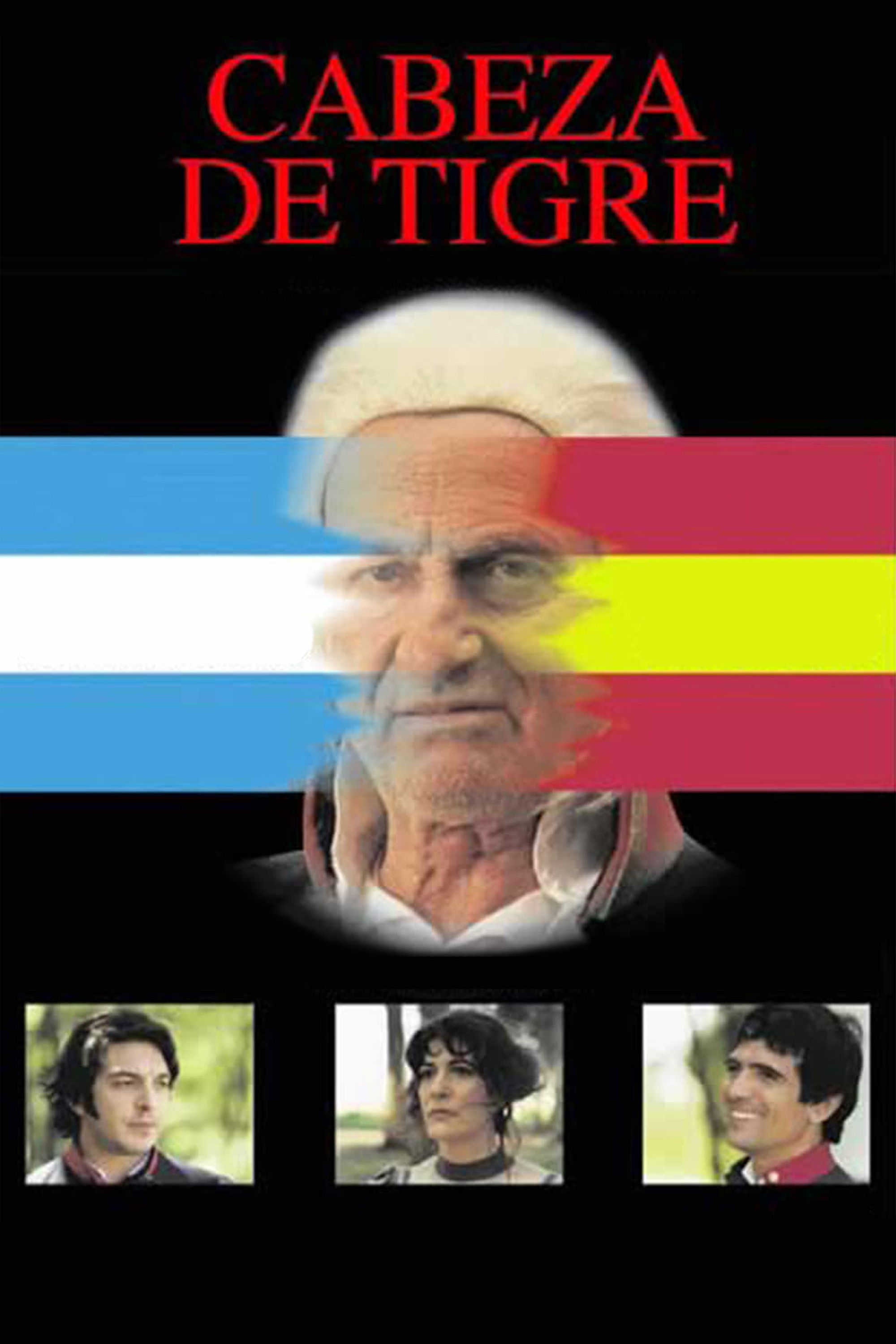
A powerful Argentine political film stands on the figure of an outsider intellectual, Sebreli, but manages to transcend it, he becomes a touchstone to go through Argentina and its dilemmas, through this country that is proud of almost everything it should be ashamed of. From national icons like Gardel, Evita, Che, and Maradona the film dialogs with recent Argentine history and it does so with extraordinary energy, supported by a rarely seen use of all kinds of archive material in an almost Dionysian state of sampleadelia. The film arrives to a surprising reflection on nationalism, demagogic governments and delusions of unanimity; problems that are common to emerging societies that cannot find their ways to a freer and more egalitarian society.
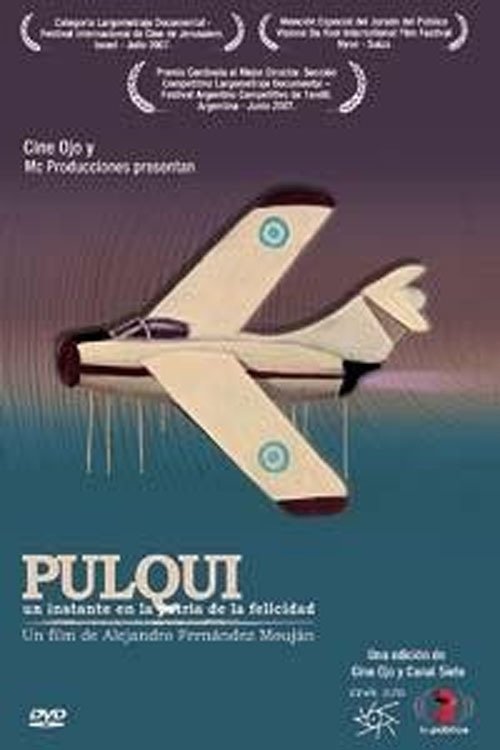
The Pulqui jet was also designed and built in Argentina by 1947. It was the first aircraft of this type to be manufactured in Latin America. The project is the initiative of Juan Domingo Peron, who also wanted an aircraft capable of competing with the Soviets and the Americans. It is thus that the Pulqui has its baptism recognized flight before the MIG -15 and F -86 Sabre, suspiciously similar design to Pulqui. The project was cut short Pulqui the 1955 coup. But in the documentary, the plane Peronist have a second chance from the hand of the artist Daniel Santoro and Michael Biancusso engineer and metallurgist, who reconstructed thus scale to relive an epic Peronist.
At the end of the last civil-military dictatorship, a camouflage operation took place in the Information Service, an office of the former Rosario Police Headquarters that operated as a clandestine detention center in the heart of the city. This architectural intervention, not recorded in the plans, obscures the survivors' accounts and hides the traces of crimes against humanity. Drawing on images, previously unpublished archives, and survivor testimonies, the documentary explores the scars of political repression and highlights the importance of preserving memorial spaces to ensure the transmission of fundamental events in our contemporary history.
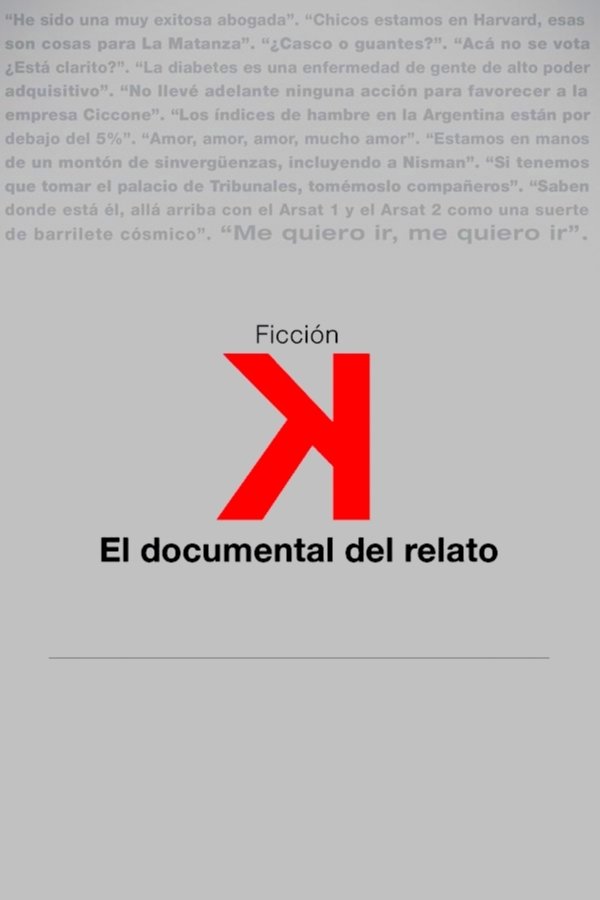
Hard things were said. Incredible things were said. It is time to think about everything that was said. An account of Kirchnerism, a left-wing populist movement that ruled Argentina from 2003 to 2015, led by Néstor Kirchner (1950-2010) and his wife Cristina Fernández de Kirchner.
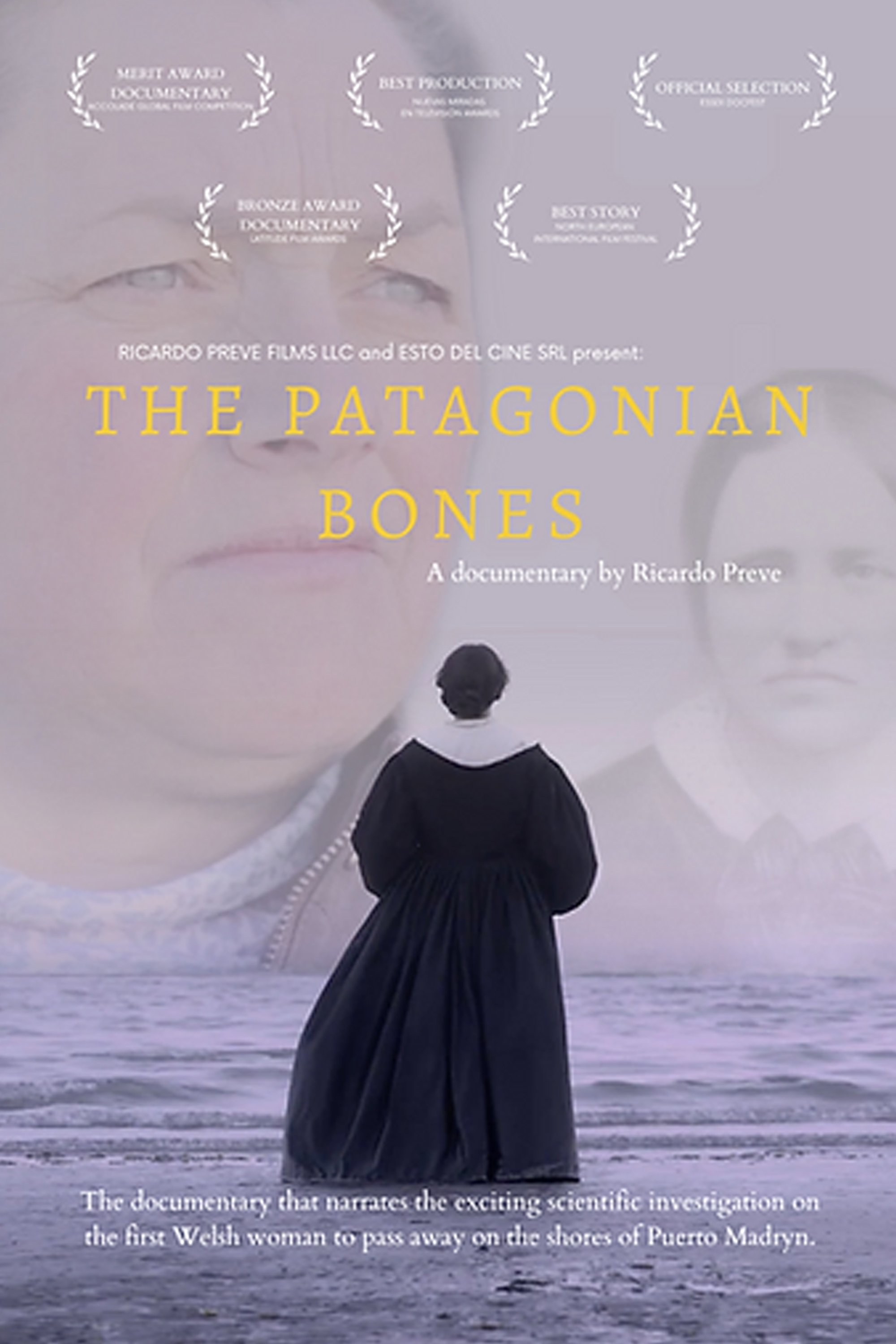
A group of Welsh settlers decided to emigrate to Argentine Patagonia in 1865. Among them, a woman named Catherine Roberts, her husband, and their three children. Aboard the ship Mimosa they arrived at the current Puerto Madryn, Chubut, on July 28, 1865. Catherine died on August 21 and was buried near the coast, but her traces were lost until 1995 when some bones were discovered by chance. Argentine scientists Silvia Dahinten, Julieta Gómez Otero and Fernando Coronato have been working for twenty years to determine if the remains found are those of Catherine. In 2015, the arrival in Puerto Madryn of a Welsh descendant of Catherine, and new scientific advances, allow us to confirm that the bones found in 1995 are those of Catherine.
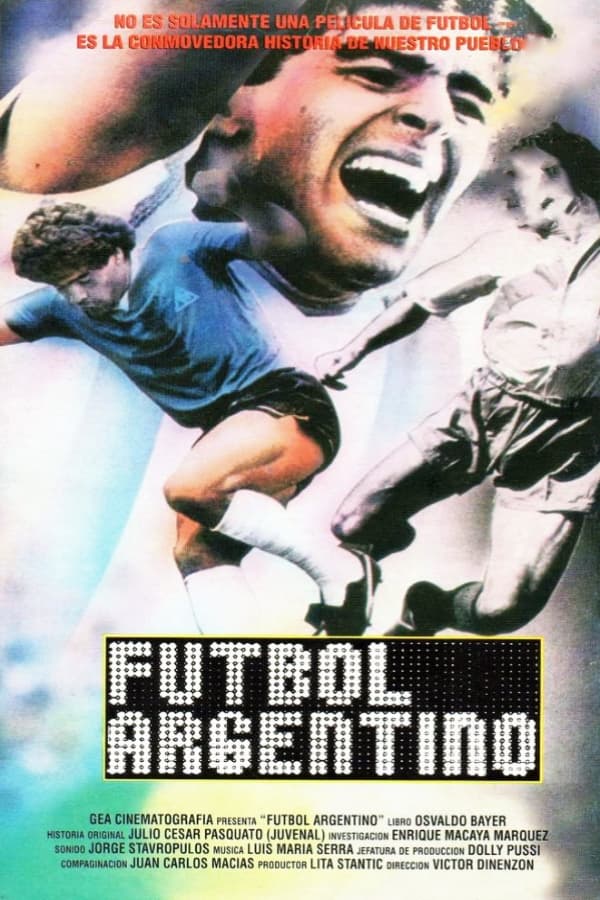
A history of Argentine football, from its origins in the nineteenth century to the victory of the Argentine national team in the 1986 World Cup. The film uses valuable archival footage.
Faced with a lack of prosecution of those accused of crimes against humanity committed during Argentina’s military dictatorship, family members and descendants of the country’s estimated 30,000 disappeared took action. In the mid-1990s, they began gathering outside of accused perpetrators’ homes and workplaces to publicly shame them and raise awareness about the government’s systematic and brutal targeting of its people — and how it had gone unpunished. The human rights group HIJOS (Sons and Daughters for Identity and Justice Against Forgetfulness and Silence) led and labeled this direct-action style of protest “escrache,” or exposure.
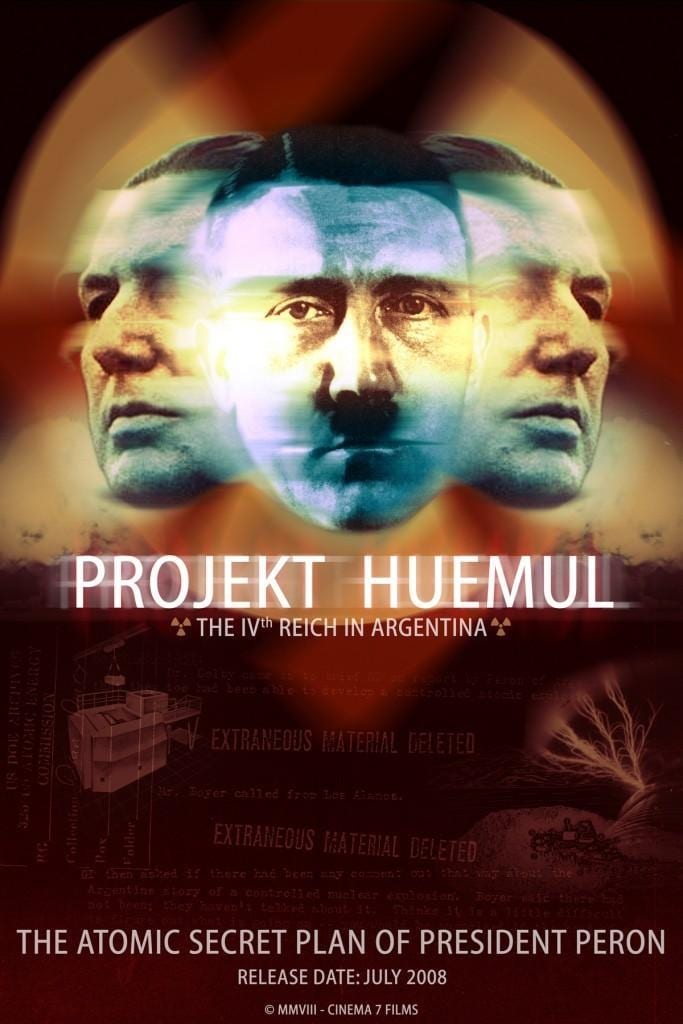
In 1946, President Peron started a secret nuclear project with the help of Nazis refugees which consisted in the use of a new method "Nuclear Fusion". Five years later, he would announce to the world his succeed. Even today, no country around the world has achieved it.
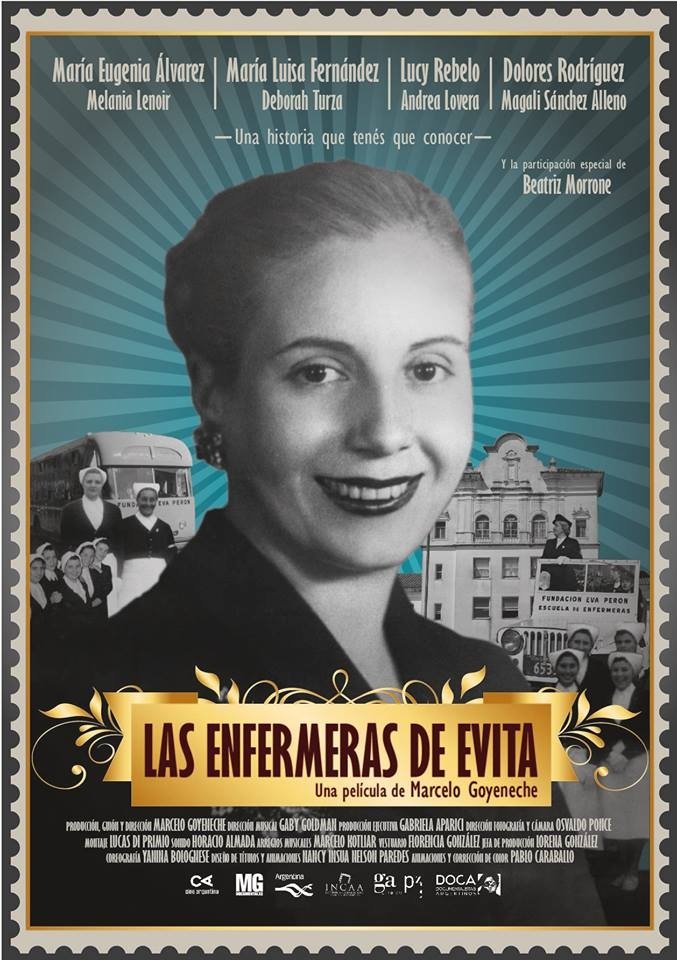
Musical documentary based on the stories of four women who studied to become nurses in the school of the Fundación Eva Perón in 1948, which was one of the institutions that helped pave the way for change for women in Argentina. The testimonies from the protagonists are reenacted in the form of a musical, in a film that combines archival footage and choreography.
Buenos Aires, Argentina, 1983. In the last and turbulent days of the military dictatorship, Alicia, a high school history teacher, begins to ask uncomfortable questions about the dark origins of Gaby, her adopted daughter.
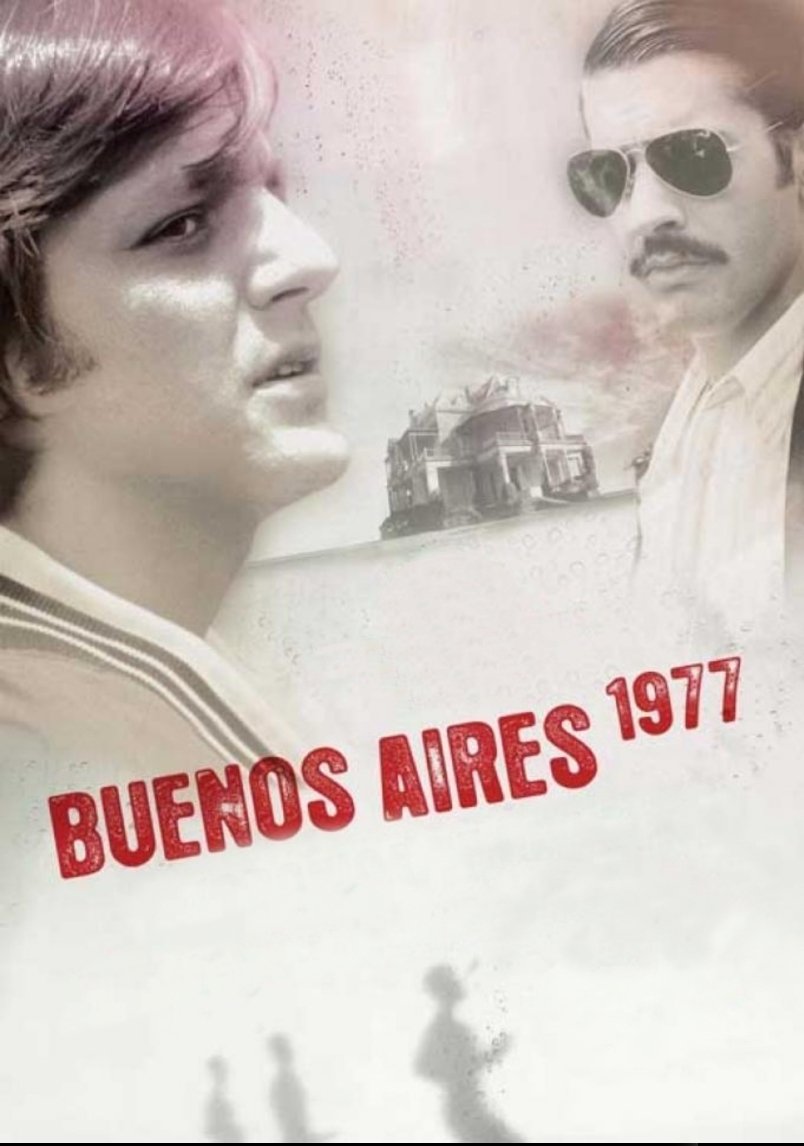
The true story of four men who narrowly escaped death at the hands of Argentina's military death squads in 1977. Claudio Tamburrini is a goalie for a minor-league football team when he is abducted by members of the Argentine military police and taken to an unofficial detention center on the false suspicion that he is a terrorist. As he is tortured by intelligence agents looking for information he doesn't have, Tamburrini fully expects to be killed. After many sessions of brutal torture, Tamburrini and his fellow captives Guillermo and Tano are being readied for execution when, in a final desperate act, Tamburrini dives out a window during a rainstorm.
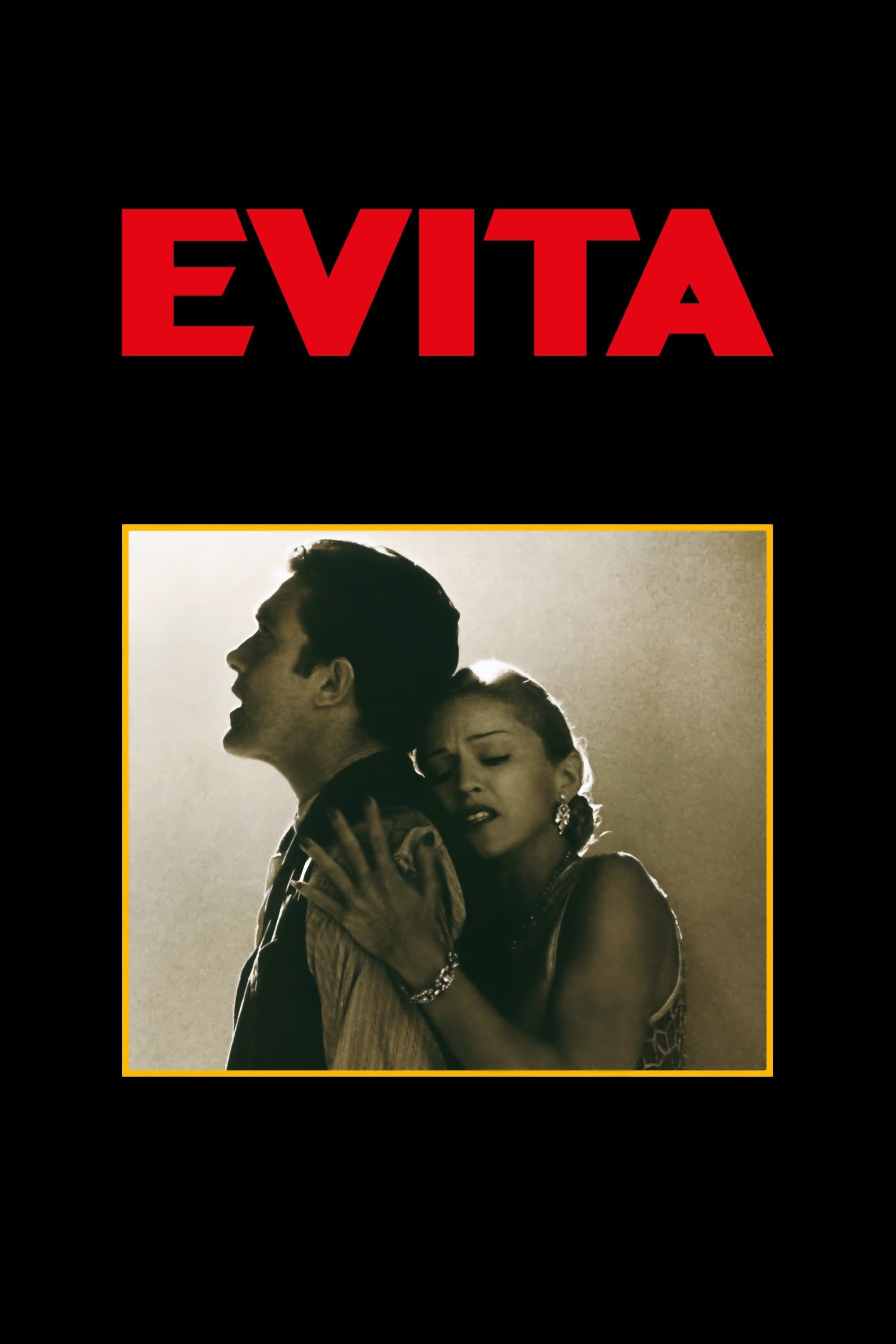
The hit musical based on the life of Evita Duarte, an Argentinian actress who eventually became the wife of Argentinian president Juan Perón, and the most beloved and hated woman in Argentina.
In the aftermath of the May Revolution, which sparked the end of Spanish colonial rule and the establishment of the first independent government in Buenos Aires, revolutionary leader Juan José Castelli is given the order to oversee the execution of former viceroy Santiago de Liniers. This pushes Castelli into a deep moral conflict, forcing him to confront the tension between revolutionary justice and personal conscience, as well as the human cost of political change.
Behind-the-scenes documentary about how Lionel Messi succeeded in lifting the World Cup – the only trophy to have eluded him in an incredible career.
A detailing of the rise to prominence and global sporting superstardom of six supremely talented young Manchester United football players (David Beckham, Nicky Butt, Ryan Giggs, Paul Scholes, Phil and Gary Neville). The film covers the period 1992-1999, culminating in Manchester United's European Cup triumph.
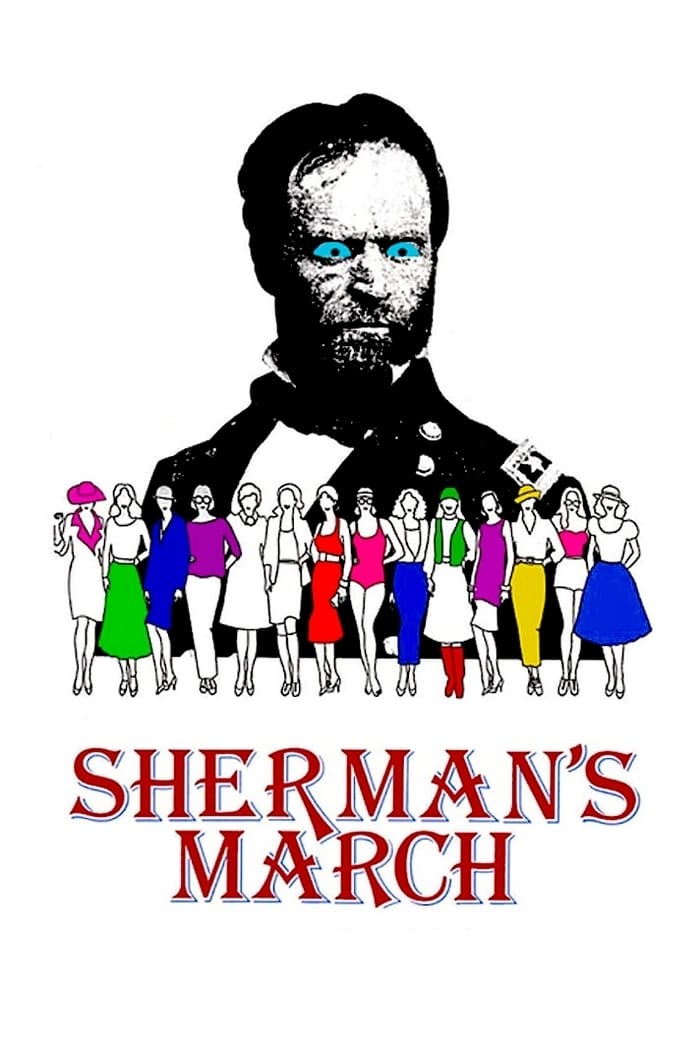
Ross McElwee sets out to make a documentary about the lingering effects of General Sherman's march of destruction through the South during the Civil War, but is continually sidetracked by women who come and go in his life, his recurring dreams of nuclear holocaust, and Burt Reynolds.
Those who knew iconic funnyman John Candy best share his story, in their own words, through never-before-seen archival footage, imagery, and interviews.
Al Pacino's deeply-felt rumination on Shakespeare's significance and relevance to the modern world through interviews and an in-depth analysis of "Richard III."
A documentary about the life and films of director John Ford.
A look at the origins, history and conspiracies behind the "Majestic 12", a clandestine group of military and corporate figureheads charged with reverse-engineering extraterrestrial technology.
The film follows adventurer Jeff Johnson as he retraces the epic 1968 journey of his heroes Yvon Chouinard and Doug Tompkins to Patagonia.
This revealing documentary honors the legendary Sidney Poitier—iconic actor, filmmaker, and civil rights activist. Featuring interviews with Denzel Washington, Spike Lee, Halle Berry, and more.
JB Smoove and Martin Starr host a celebration of 20 years of "Spider-Man" movies, from the Sam Raimi trilogy to Marc Webb's movies and the trio from Jon Watts.
In the Realms of the Unreal is a documentary about the reclusive Chicago-based artist Henry Darger. Henry Darger was so reclusive that when he died his neighbors were surprised to find a 15,145-page manuscript along with hundreds of paintings depicting The Story of the Vivian Girls, in What is Known as the Realms of the Unreal, of the Glodeco-Angelinnian War Storm, Cased by the Child Slave Rebellion.
A subjective documentary that explores various theories about hidden meanings in Stanley Kubrick's classic film The Shining. Five very different points of view are illuminated through voice over, film clips, animation and dramatic reenactments.
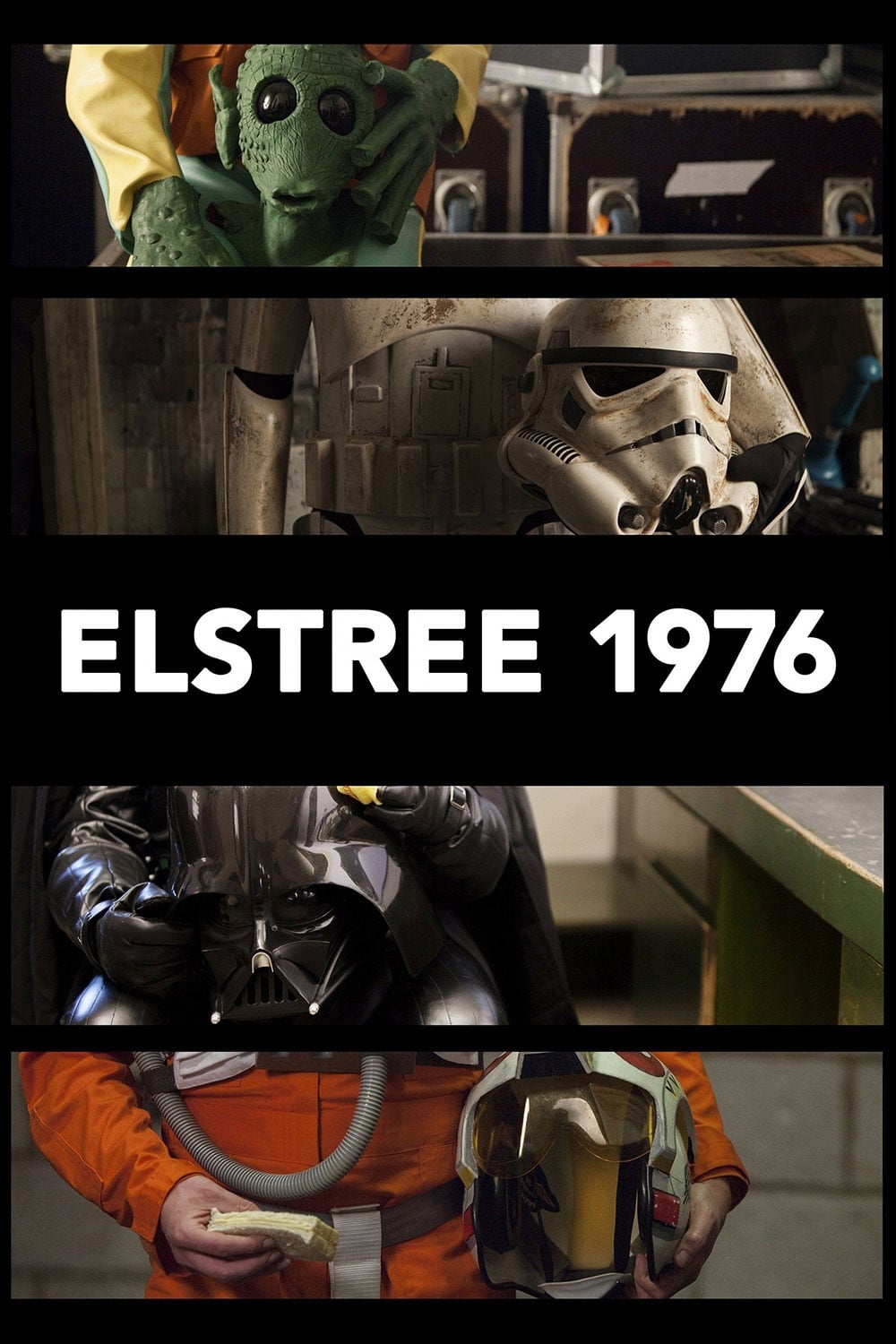
A documentary about ten very different lives connected by having appeared onscreen wearing masks or helmets in Star Wars.
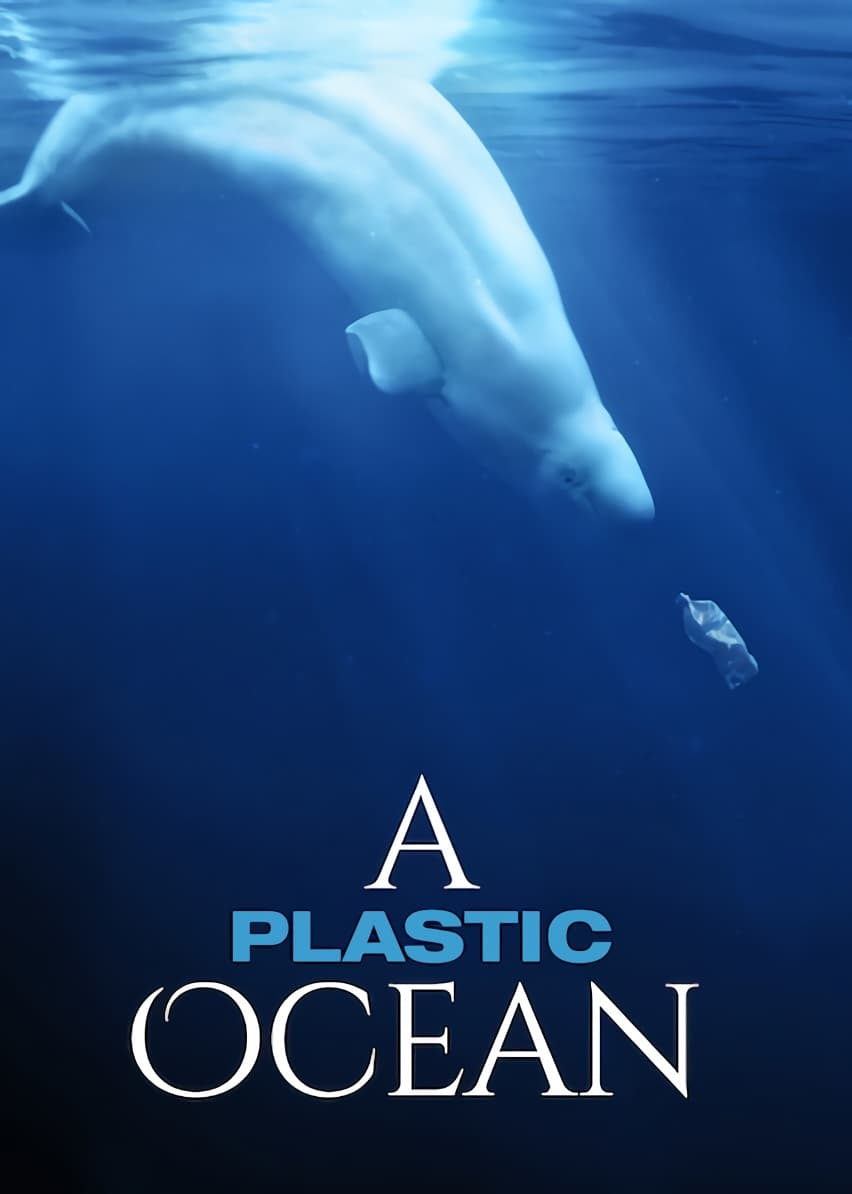
A documentary focused on plastic pollution in the world's oceans.
Filmed over 14 months with unprecedented access into the inner circle of the man and the sport, this is the first official and fully authorised film of one of the most celebrated figures in football. For the first time ever, the world gets vividly candid and un-paralleled, behind-closed-doors access to the footballer, father, family-man and friend in this moving & fascinating documentary. Through in-depth conversations, state of the art football footage and never before seen archival footage, the film gives an astonishing insight into the sporting and personal life of triple Ballon D'Or winner Cristiano Ronaldo at the peak of his career. From the makers of ‘Senna’ and ‘Amy’, Ronaldo takes audiences on an intimate and revealing journey of what it’s like to live as an iconic athlete in the eye of the storm.
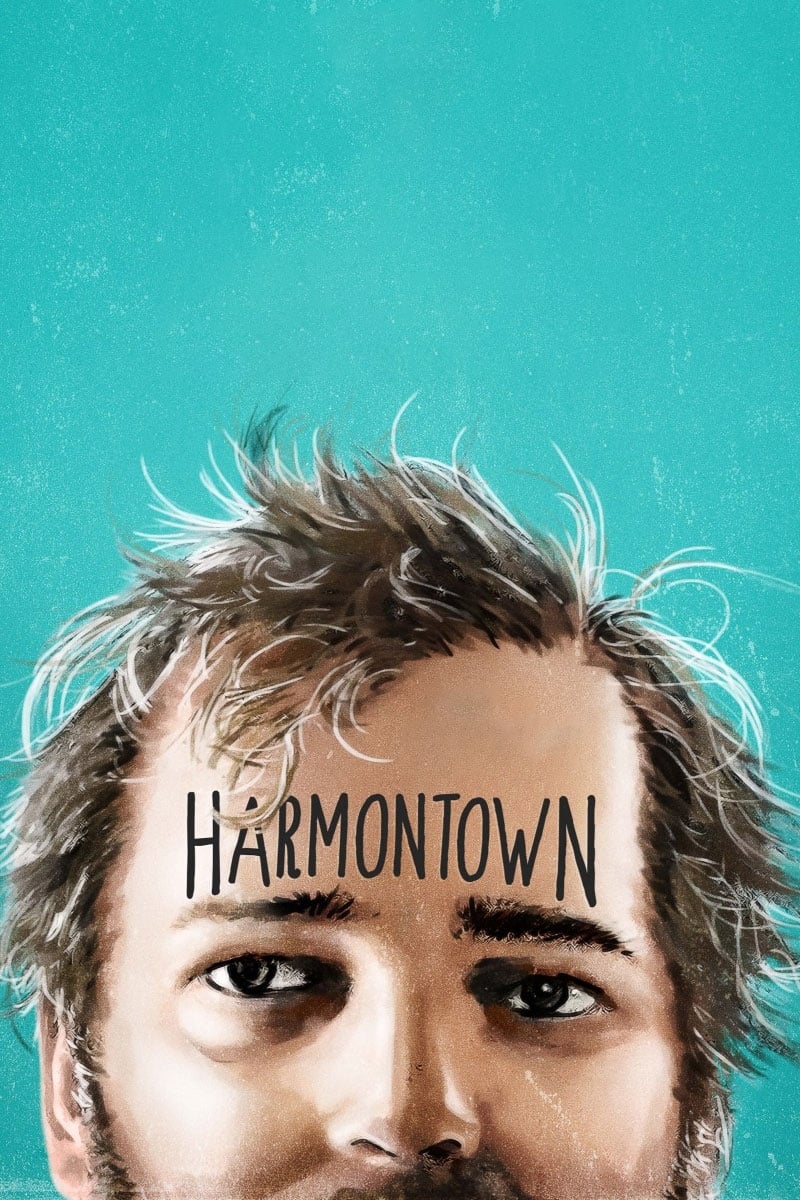
A comedic, brutally honest documentary following self-destructive TV writer Dan Harmon as he takes his live podcast on a national tour.
SEDUCED AND ABANDONED combines acting legend Alec Baldwin with director James Toback as they lead us on a troublesome and often hilarious journey of raising financing for their next feature film. Moving from director to financier to star actor, the two players provide us with a unique look behind the curtain at the world's biggest and most glamourous film festival, shining a light on the bitter-sweet relationship filmmakers have with Cannes and the film business. Featuring insights from directors Martin Scorsese, 'Bernando Bertolucci' and Roman Polanski; actors Ryan Gosling and Jessica Chastain and a host of film distribution luminaries.
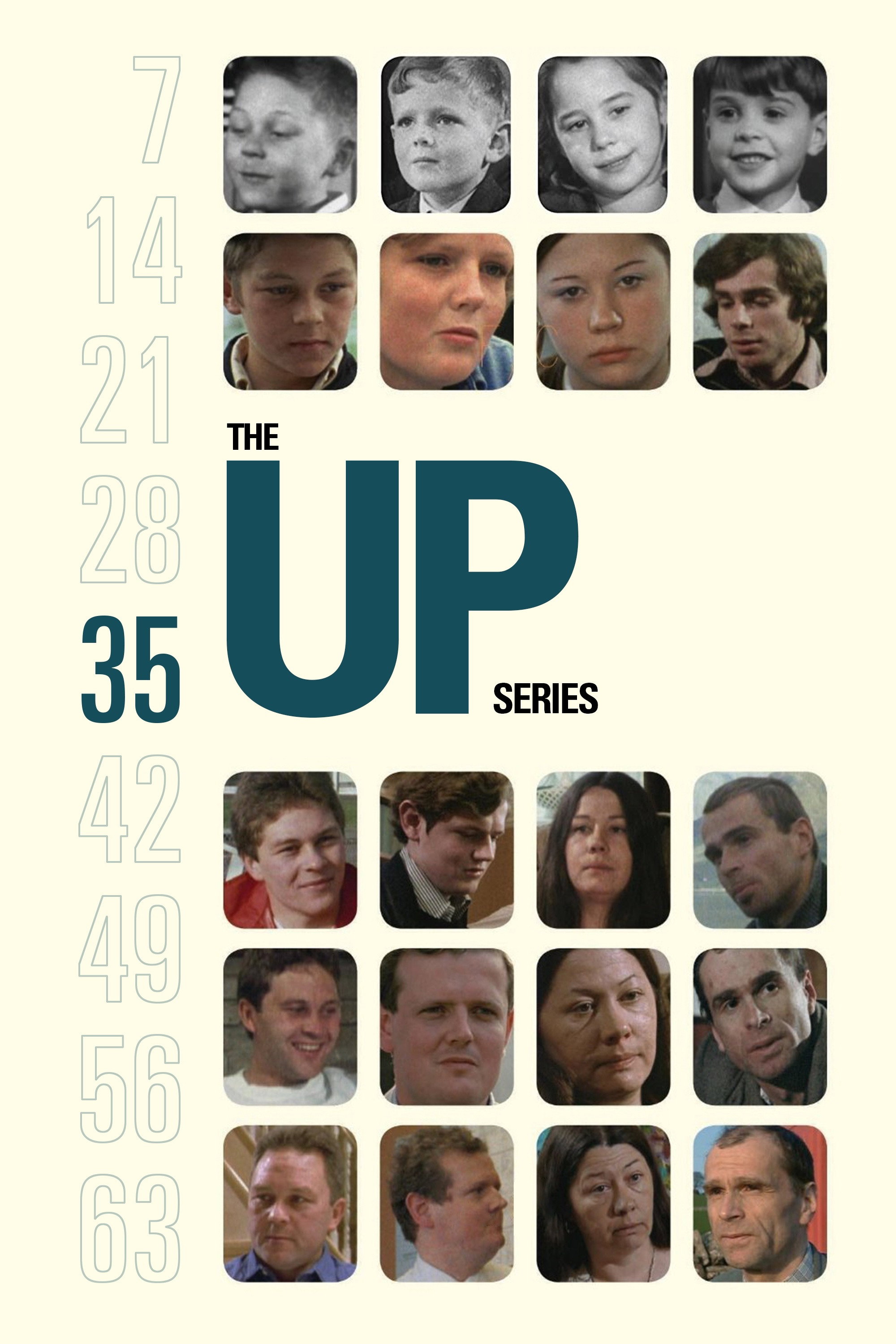
Director Michael Apted revisits the same group of British-born adults after a 7 year wait. The subjects are interviewed as to the changes that have occurred in their lives during the last seven years.
When Allied forces liberated the Nazi concentration camps in 1944-45, their terrible discoveries were recorded by army and newsreel cameramen, revealing for the first time the full horror of what had happened. Making use of British, Soviet and American footage, the Ministry of Information’s Sidney Bernstein (later founder of Granada Television) aimed to create a documentary that would provide lasting, undeniable evidence of the Nazis’ unspeakable crimes. He commissioned a wealth of British talent, including editor Stewart McAllister, writer and future cabinet minister Richard Crossman – and, as treatment advisor, his friend Alfred Hitchcock. Yet, despite initial support from the British and US Governments, the film was shelved, and only now, 70 years on, has it been restored and completed by Imperial War Museums under its original title "German Concentration Camps Factual Survey".
This character-driven film considers the evolving sex trafficking landscape as seen by the main players: the exploited, the pimps, the johns that fuel the business, and the cops who fight to stop it.