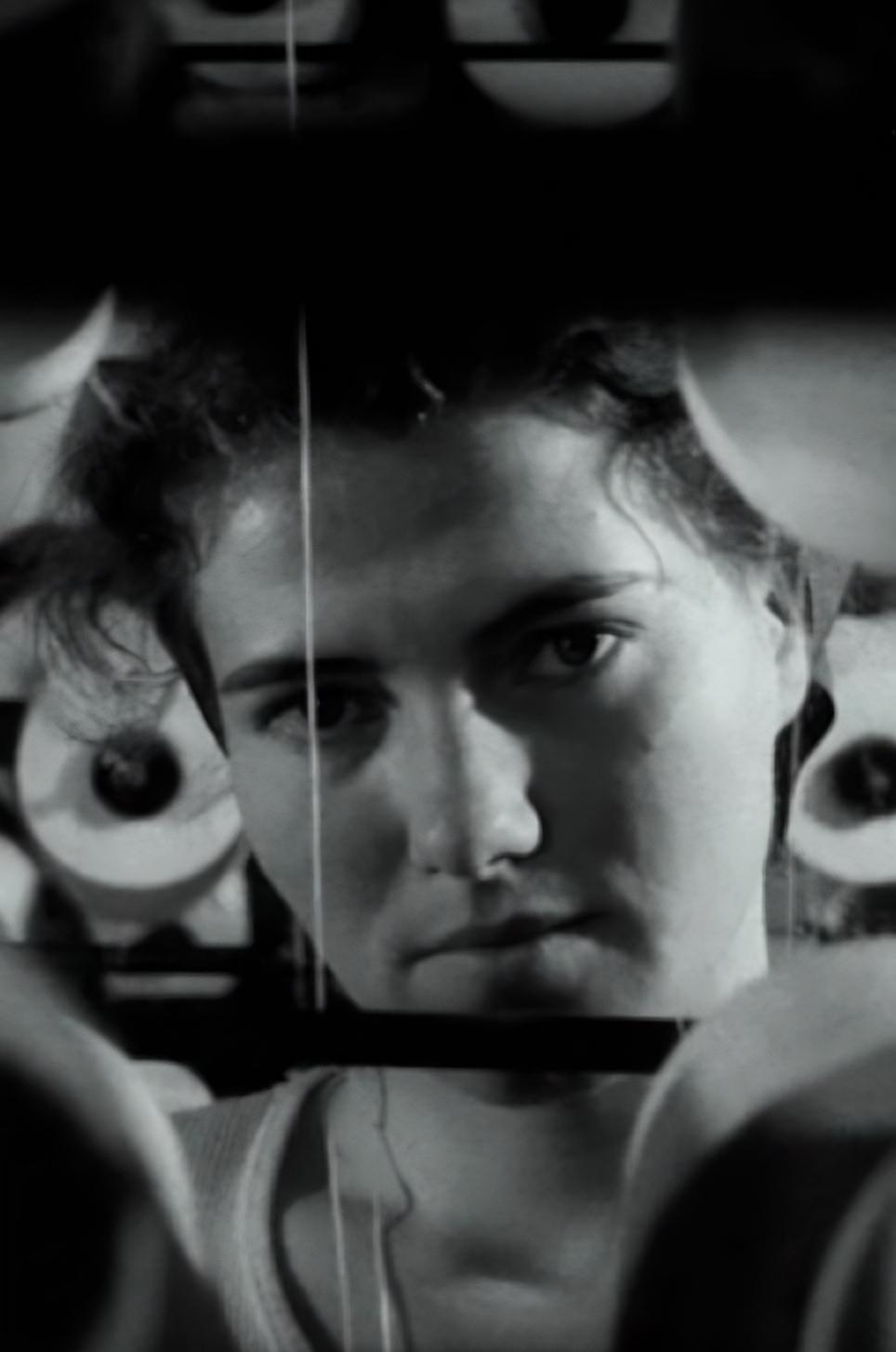
Jesus Was a Commie presents modern society with questions and leads the audience on a dialectical journey. The film challenges the viewer to seek their own answers and personal truths.
Social & External
Himself

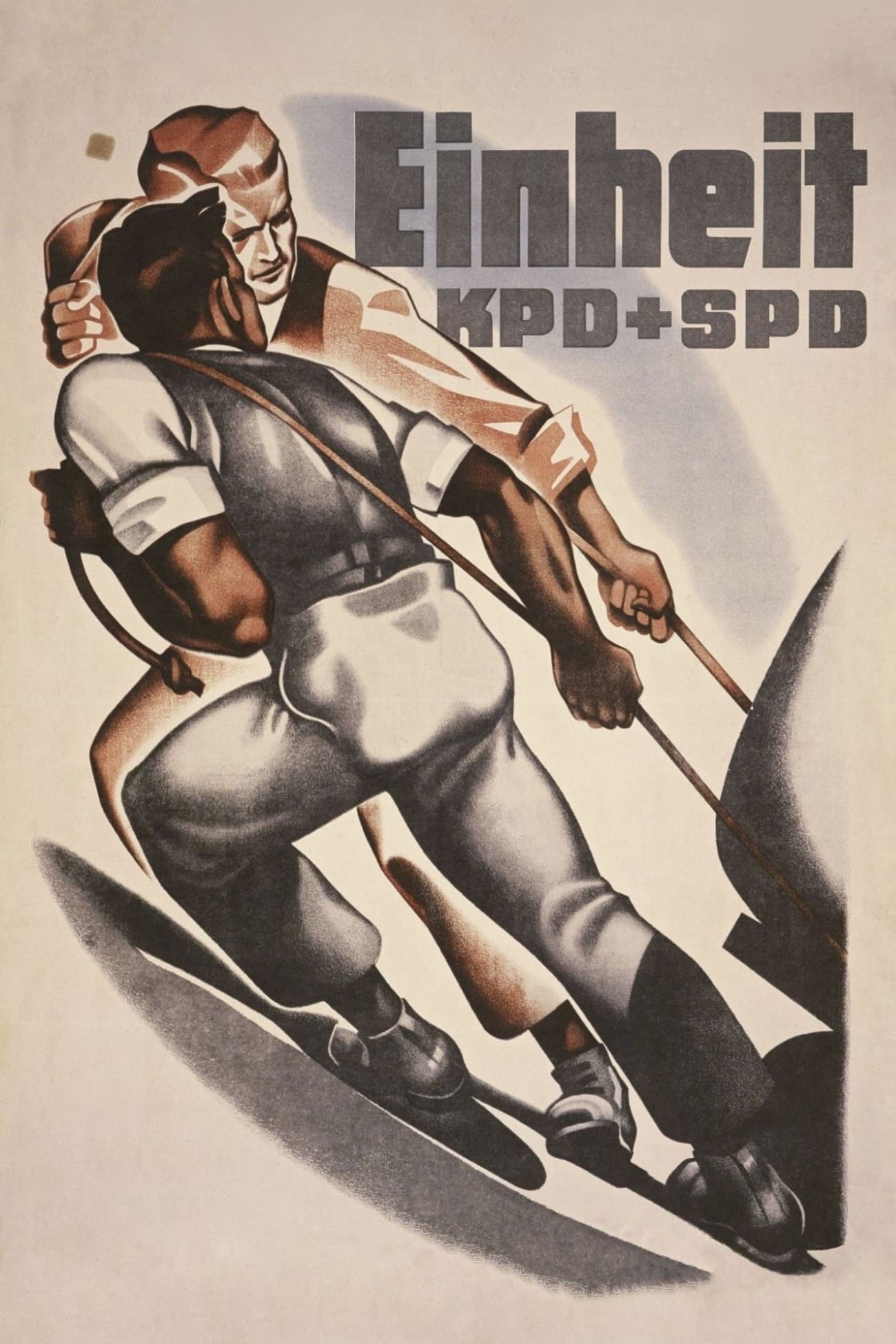
Documentary about the merging of the Communist Party of Germany and the Socialist Unity Party of Germany in the Soviet occupation zone, a merger that would lead to the creation of the Socialist Unity Party that would rule the soon-to-be-created East Germany until 1989.
Napalm is the story of the breathtaking and brief encounter, in 1958, between a French member of the first Western European delegation officially invited to North Korea after the devastating Korean war and a nurse working for the Korean Red Cross hospital, in Pyongyang, capital of the Democratic People’s Republic of Korea.
In 2016, DEFA celebrates its 70th anniversary: the film embarks on a journey into the exciting film history of the GDR. In a comprehensive kaleidoscope, the importance of DEFA productions is illuminated, the relevance of the films as propaganda productions for the GDR, which socio-political themes were in the foreground, but also which heroes DEFA brought to the screen and celebrated as people from the people.
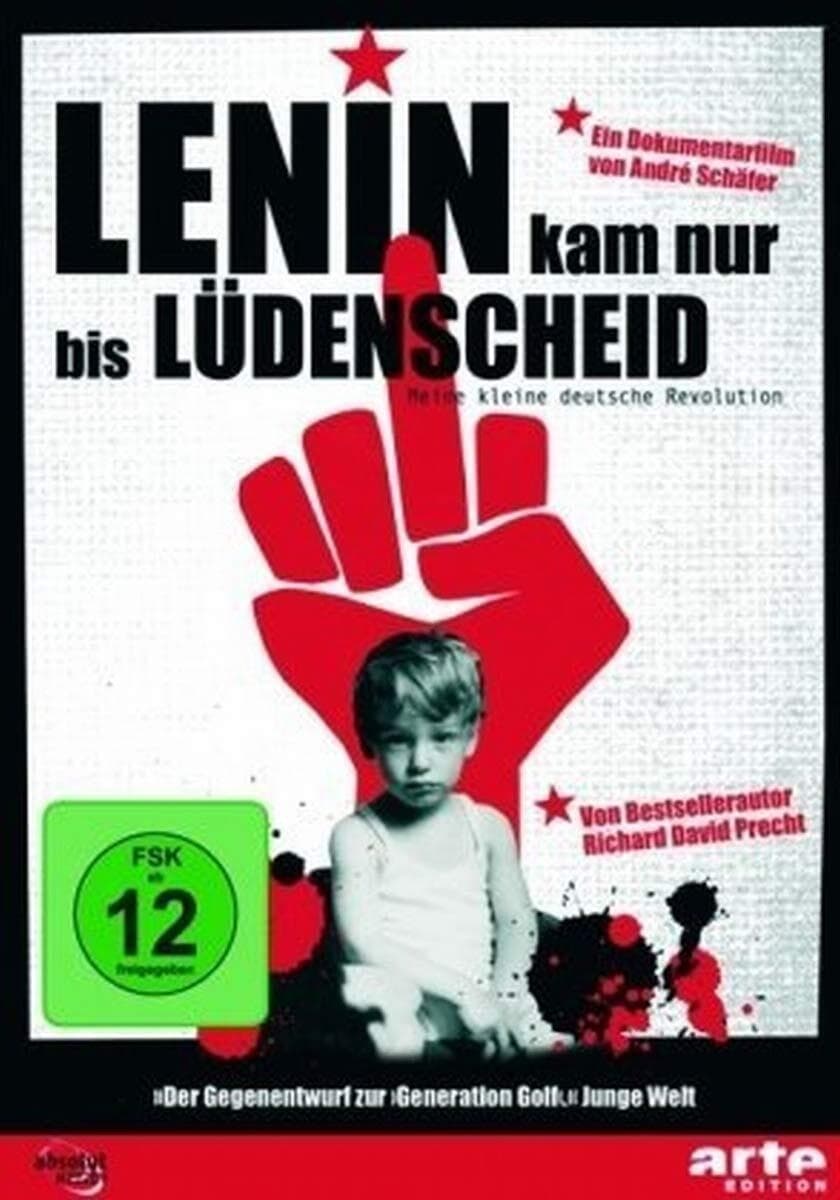
The free, almost naive view from the perspective of a child puts the "68ers" in a new, illuminating light in the anniversary year 2008. The film is a provocative reckoning with the ideological upbringing that seemed so progressive and yet was suffocated by the children's desire to finally grow up. With an ironic eye and a feuilletonistic style, author Richard David Precht and Cologne documentary film director André Schäfer trace a childhood in the West German provinces - and place the major events of those years in completely different, smaller and very private contexts.
Did Jesus exist? This film starts with that question, then goes on to examine Christianity as a whole.
Xu Xin’s film “Dao Lu” (China 2012) offers an exclusive “in camera” encounter with Zheng Yan, an 83 year-old veteran of the Chinese Red Army, who calmly relates how he has navigated his country’s turbulent history over three-quarters of a century.Born to a wealthy family in a foreign concession, Yan joined the Chinese Communist Party (CCP) in 1941 because he sincerely believed in the socialist project, and in its immediate capacity to free China from the Japanese yoke and eradicate deep-rooted corruption.
Based upon the Gold-Medallion award-winning best-seller, The Case for Christ documents Lee Strobel's journey from atheism to faith through his two-year investigation of the Bible and the life of Jesus Christ.
Going to the very heart of the Bible's most challenging Book, this one hour documentary decodes the visions of Revelation 12 and 17 for everyone to understand. Journeying from the birth of Christ through the Christian era, this amazing video pulls aside the veil of hidden history to reveal the rise of Babylon, the persecution of the bride of Christ, and the real-world identity of the beast. Educational and inspiring, Revelation delivers the keys to understanding the epic conflict between Christ and Satan and what it means for your life today.
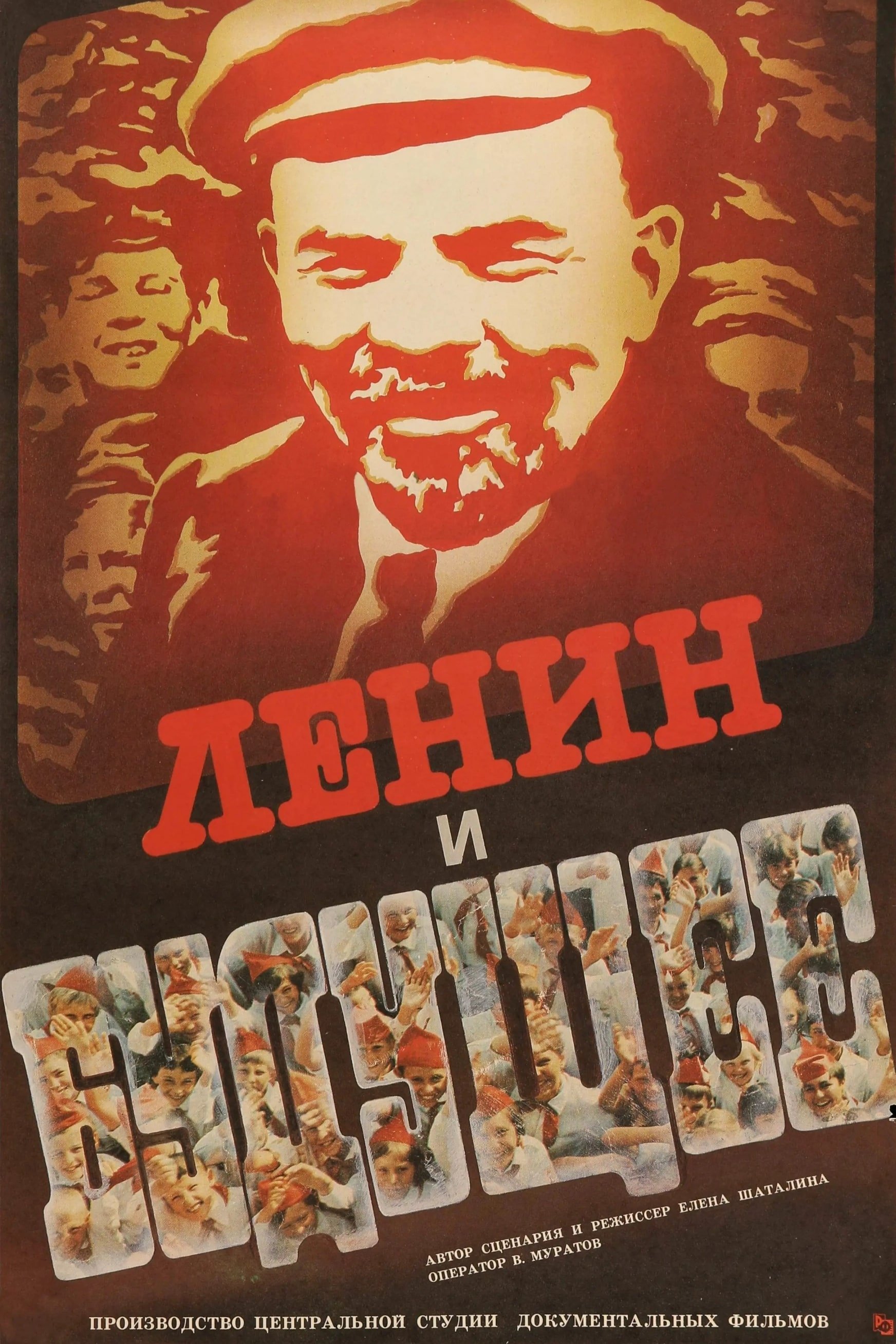
Vladimir Ilyich Ulyanov, better known as Lenin, is remembered as the instigator of the October Revolution of 1917 and, therefore, as one of the men who changed the shape of the world at that time and forever, but perhaps the actual events happened in a way different from that narrated in the history books…
Fabiana, Carlo, Claudio and Vincenzo… I met them in 1982 in Mercatale, their village in Tuscany, near Florence. They were aged between 25 and 45 and were cheerful militants in the Italian Communist Party, that strange party which has made its mark on history and which was both a school and a family for them. I have filmed in Mercatale every two or three years for over 20 years (1982/2004). The fi lm takes the “long view” of their political and personal development against the backdrop of village life. Stories with both human and political interest spanning over a quarter of a century with relevance for present day issues: what has become of the plans to change the world in Berlusconi’s Italy? From a more global perspective: what else can politics do? When the time comes to take stock the paths of their rich and varied personal lives cross once more with all their doubts and allegiances.
A sociopolitical historical documentary-thriller about the international decline of communism and the 1956 Hungarian Revolution.
Brest, 1950. The war ended five years ago and nothing remains of the city. Massive bombings and intense fighting lasting more than a month turned the city, its docks, its arsenal, into ashes. Thousands of workers will build it up again, brick by brick. But with awful work conditions protests quickly arise and a strike begins. Violent confrontations happen during manifestations. Until one man falls. The next day René Vautier lands at Brest clandestinely to make a movie about the movement.
Many times during his presidency, Lyndon B. Johnson said that ultimate victory in the Vietnam War depended upon the U.S. military winning the "hearts and minds" of the Vietnamese people. Filmmaker Peter Davis uses Johnson's phrase in an ironic context in this anti-war documentary, filmed and released while the Vietnam War was still under way, juxtaposing interviews with military figures like U.S. Army Chief of Staff William C. Westmoreland with shocking scenes of violence and brutality.
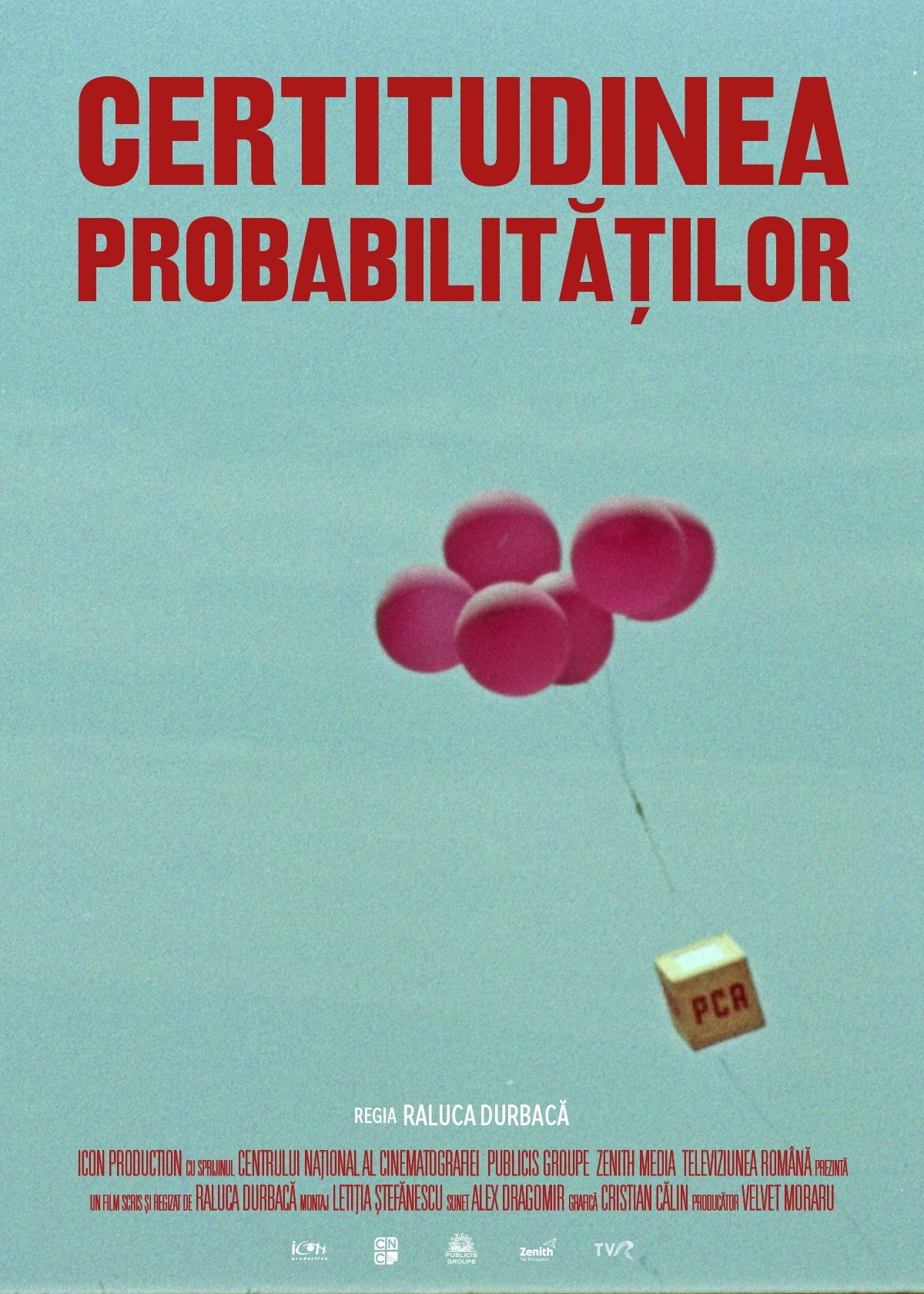
Two journalists born in the mid '80s decide to take a look back at how their country changed in the last 30 years since the fall of communism. The end product is a documentary containing footage of political events and historical milestones significant to Romania accompanied by a narrator's voice walking the viewer through the events, and also interviews with Romanian politicians and other influential public figures sharing their thoughts and their different views on those events.
An account of the life and work of the Polish writer Stanisław Lem (1921-2006), a key figure in science fiction literature involved in mysteries and paradoxes that need to be enlightened.
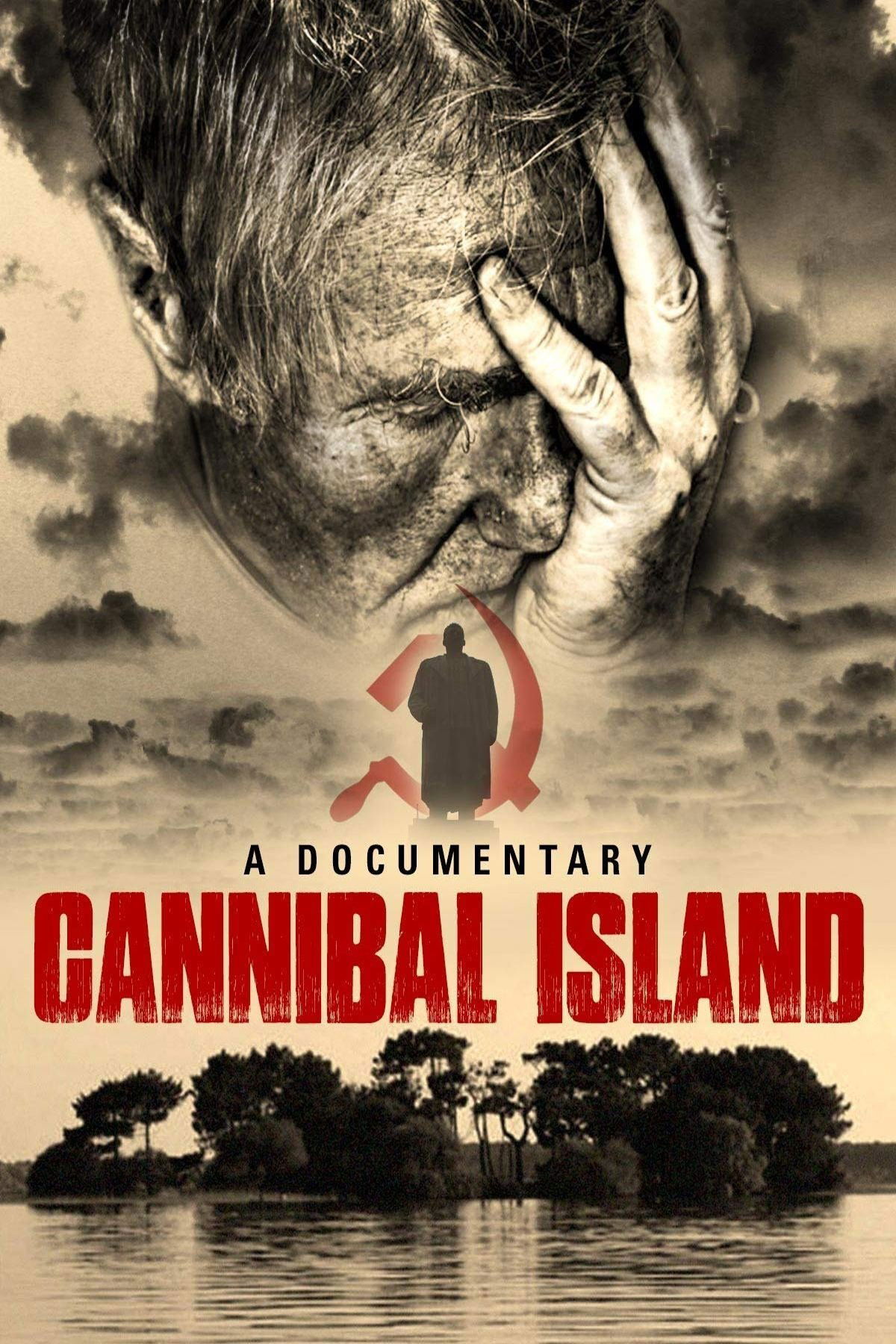
A disturbing chapter in Russian history is explored in this documentary. In 1933, Joseph Stalin sent 6000 "unwanted" citizens of Moscow and Leningrad to a desolate Siberian island - with no food or clothes to speak of. Decades later this documentary returns to the island.
Poland, 1970. When popular protests erupt in the streets due to rising prices, the communist government organizes a crisis team. Soon after, the police use their truncheons and then their firearms. The story of a rebellion from the point of view of the oppressors.
In late eighties, in Ceausescu's Romania, a black market VHS bootlegger and a courageous female translator brought the magic of Western films to the Romanian people and sowed the seeds of a revolution.
Terrence McNally’s Corpus Christi is a play retelling the Jesus story, with Jesus as a gay man living in the 1950s in Corpus Christi, Texas. This documentary follows the troupe, playwright, and audience around the world on a five-year journey of Terrence McNally’s passion play, where voices of protest and support collide on one of the central issues facing the LGBT community: religion.
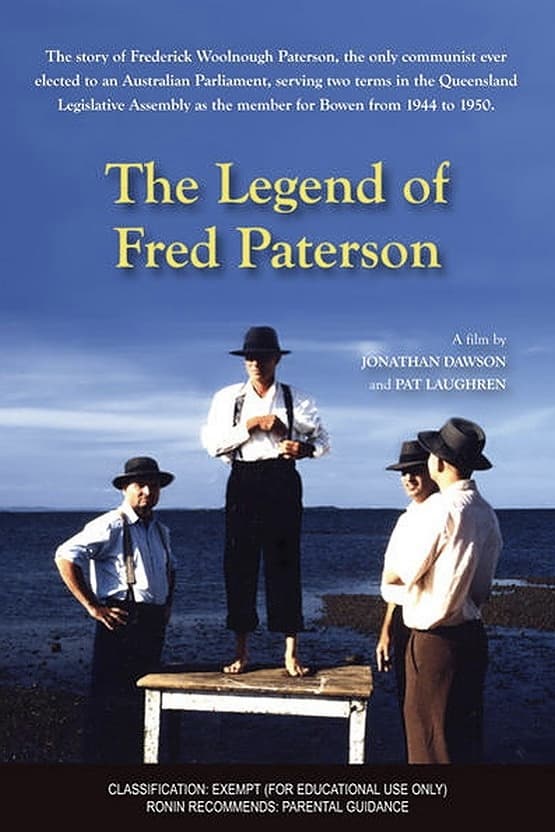
The story of Fred Paterson, member for Bowen in the Queensland parliament in the 1940s and the only Communist Party member ever elected to any Australian parliament.
A presentation of a case for a needed transition out of the current socioeconomic monetary paradigm which governs the entire world society. This subject matter will transcend the issues of cultural relativism and traditional ideology and move to relate the core, empirical 'life ground' attributes of human and social survival, extrapolating those immutable natural laws into a new sustainable social paradigm called a 'Resource-Based Economy'.
Al Pacino's deeply-felt rumination on Shakespeare's significance and relevance to the modern world through interviews and an in-depth analysis of "Richard III."
A subjective documentary that explores various theories about hidden meanings in Stanley Kubrick's classic film The Shining. Five very different points of view are illuminated through voice over, film clips, animation and dramatic reenactments.
A compilation of over 30 years of private home movie footage shot by Lithuanian-American avant-garde director Jonas Mekas, assembled by Mekas "purely by chance", without concern for chronological order.
Brilliant, long in-the-works story of the life and art of the world's greatest comedian and the cinema's first genius, Charlie Chaplin. Produced, written and directed by renowned film critic Richard Schickel.
After learning that the death of his wife was not an accident, a former CIA Station Chief is forced back into the espionage underworld, teaming up with an adversary to unravel a conspiracy that challenges everything he thought he knew.
Those who knew iconic funnyman John Candy best share his story, in their own words, through never-before-seen archival footage, imagery, and interviews.
A documentary that explores the downloading revolution; the kids that created it, the bands and the businesses that were affected by it, and its impact on the world at large.
The life and career of an actor, artist, and icon. His own journey through his own camera.
A true-crime comedy exploring a failed music festival turned internet meme at the nexus of social media influence, late-stage capitalism, and morality in the post-truth era.
When Allied forces liberated the Nazi concentration camps in 1944-45, their terrible discoveries were recorded by army and newsreel cameramen, revealing for the first time the full horror of what had happened. Making use of British, Soviet and American footage, the Ministry of Information’s Sidney Bernstein (later founder of Granada Television) aimed to create a documentary that would provide lasting, undeniable evidence of the Nazis’ unspeakable crimes. He commissioned a wealth of British talent, including editor Stewart McAllister, writer and future cabinet minister Richard Crossman – and, as treatment advisor, his friend Alfred Hitchcock. Yet, despite initial support from the British and US Governments, the film was shelved, and only now, 70 years on, has it been restored and completed by Imperial War Museums under its original title "German Concentration Camps Factual Survey".
Martin Scorsese’s portrait of writer and social commentator Fran Lebowitz, celebrated for her sharp wit and observations on modern life. Filmed at New York’s Waverly Inn and intercut with archival footage and interviews, the documentary captures Lebowitz’s distinctive worldview through her spontaneous monologues and public appearances.
A documentary chronicling Vogue editor-in-chief Anna Wintour's preparations for the 2007 fall-fashion issue.
The life and career of one of comedy's most inimitable modern voices, Mr. Gilbert Gottfried.
Through deeply personal interviews with her siblings and an examination of the photographs, letters, and belongings left behind, Mariska assembles a new portrait of her mother Jayne Mansfield, an extraordinary and complex woman.
A comedic, brutally honest documentary following self-destructive TV writer Dan Harmon as he takes his live podcast on a national tour.
A documentary on the expletive's origin, why it offends some people so deeply, and what can be gained from its use.
Artists in LA discover the work of forgotten Polish sculptor Stanislav Szukalski, a mad genius whose true story unfolds chapter by astounding chapter.
A documentary on legendary movie-poster artist Drew Struzan.
An aging ex-boxer gangster working as muscle for a Boston crime boss receives an upsetting diagnosis. Despite a faltering memory, he attempts to rectify the sins of his past and reconnect with his estranged children. He is determined to leave a positive legacy for his grandson, but the criminal underworld isn’t done with him and won’t loosen their grip willingly.