Archeologists discover a pit filled with terracotta warriors buried to protect the grave of the First Emperor of China.
Social & External
Self - Presenter
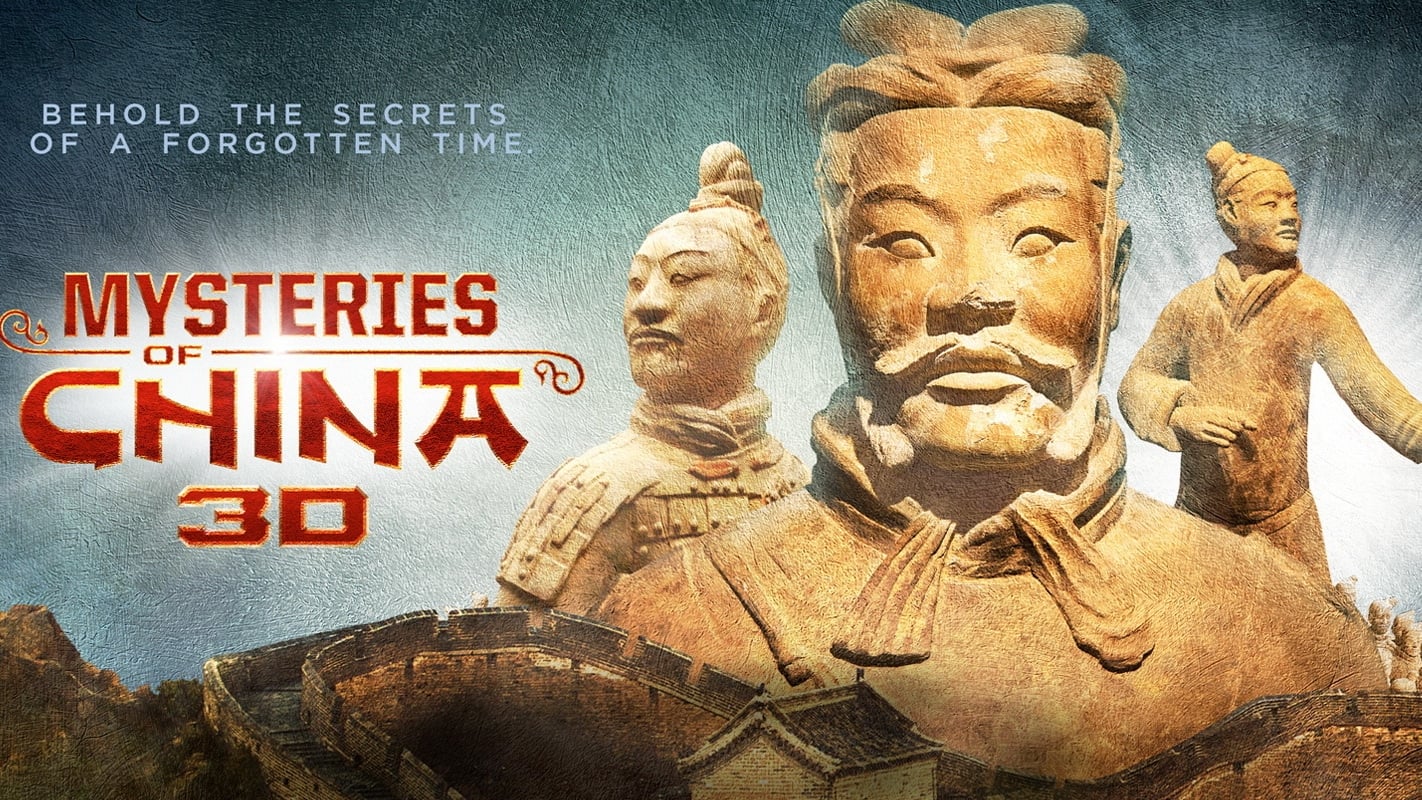
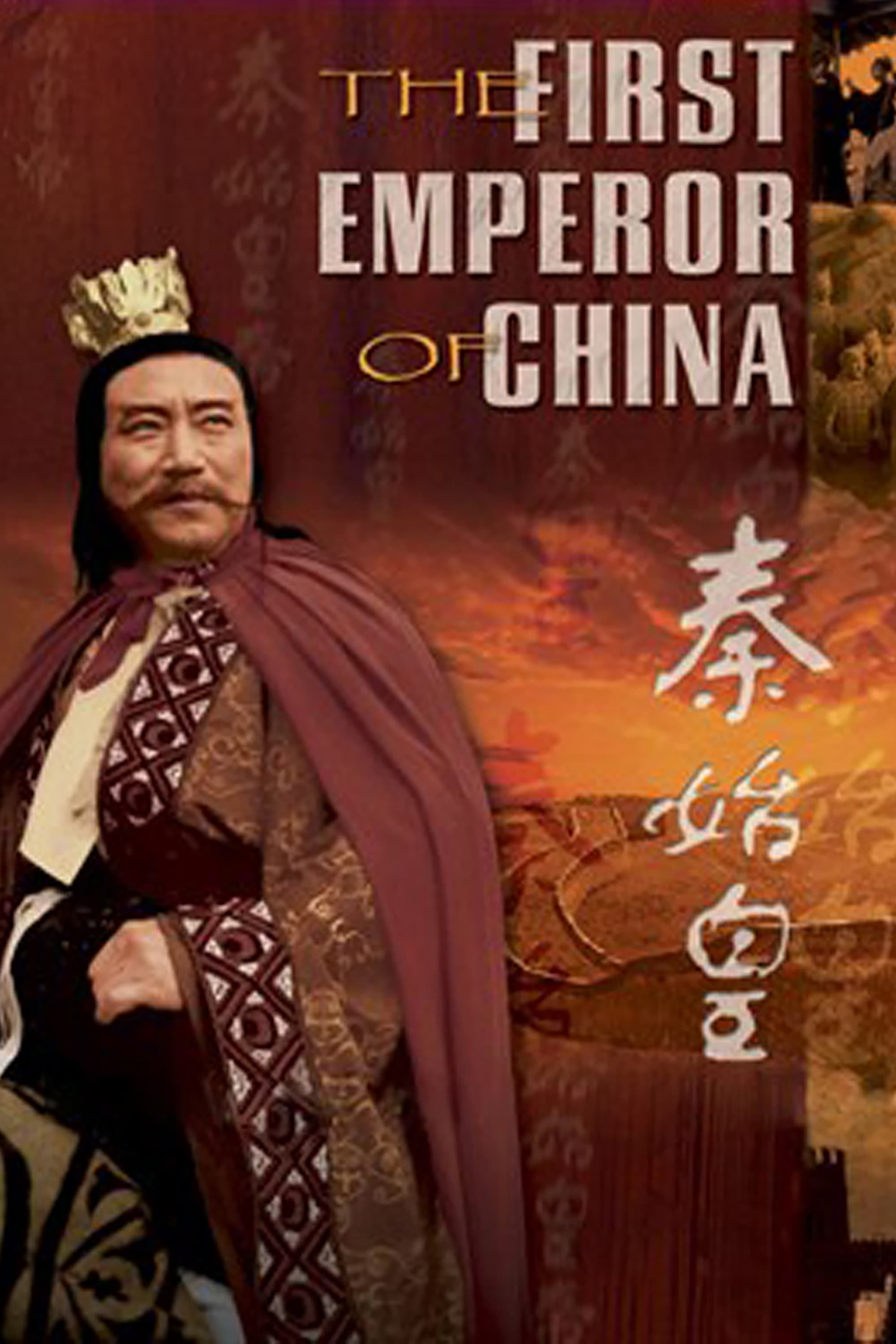
This historical drama tells the story of Qin Shihuang, who unified China's vast territory and declared himself emperor in 221 B.C. During his reign, he introduced sweeping reforms, built a vast network of roads and connected the Great Wall of China. From the grandiose inner sanctum of Emperor Qin's royal palace, to fierce battles with feudal kings, this film re-creates the glory and the terror of the Qin Dynasty, including footage of Qin's life-sized terra cotta army, constructed 2,200 years ago for his tomb.
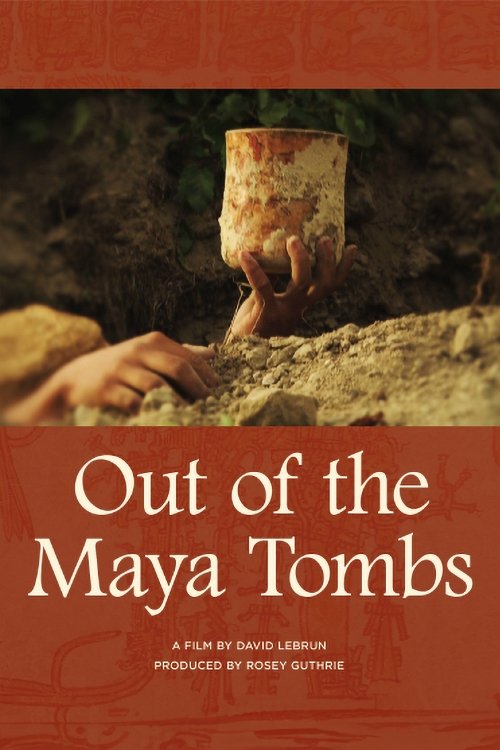
Over the past 50 years, thousands of exquisitely painted Maya vases, almost all looted from tombs, have flooded into public and private collections. These amazing works of art, filled with humor and mystery, have opened an extraordinary window on the Maya past. But the race to unearth these treasures has destroyed temples and palaces, culminating in the takeover of entire ancient cities by looter armies. OUT OF THE MAYA TOMBS (formerly titled DANCE OF THE MAIZE GOD) enters the world of the vases to explore the royal life and rich mythology of the Maya, as well as the tangled issues involved in the collection and study of Maya art. The story is told by villagers, looters, archaeologists, scholars, dealers and curators. For each, these vases have a radically different value and meaning.
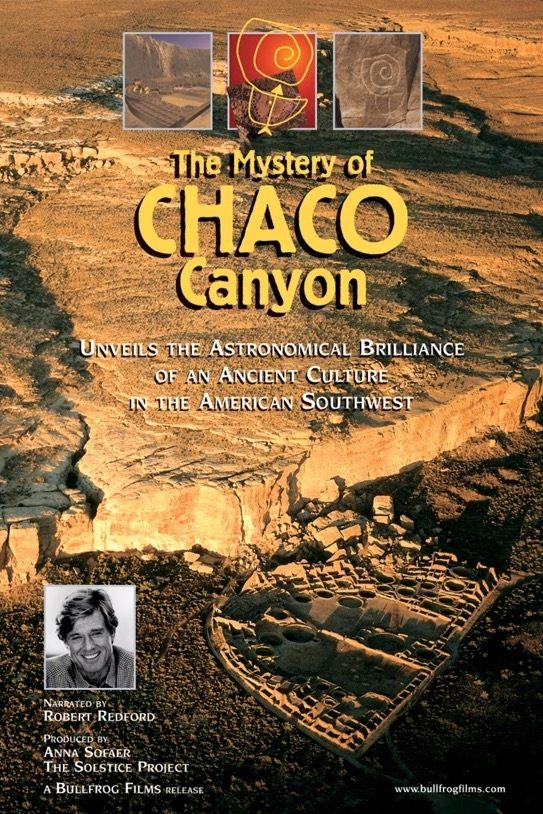
Chaco Canyon, located in northwest New Mexico, is perhaps the only site in the world constructed in an elaborate pattern that mirrors the yearly cycle of the sun and the 19-year cycle of the moon. How did an ancient civilization, with no known written language, arrange its buildings into a virtual celestial calendar, spanning an area roughly the size of Ireland?
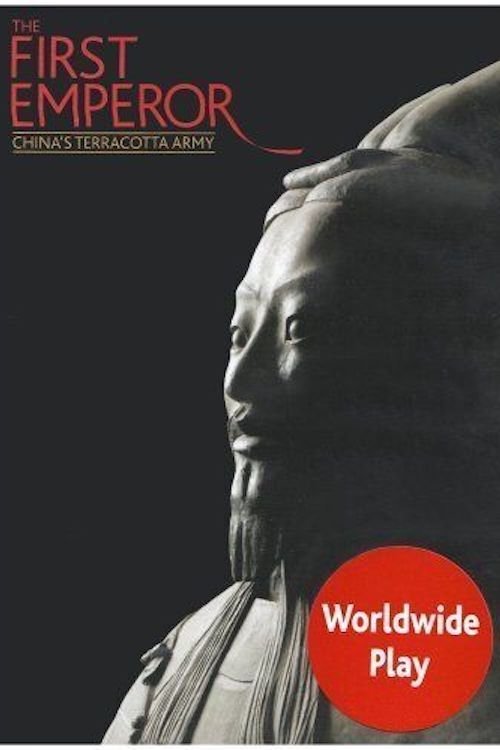
Presented by the British Museum this is the story of the most famous army in the world. A triumph of early mass production and craftmanship, they were dreamt up by a man whose face we will never know; a figure who remains a more shadowy presence than that of his constructed warriors. And yet, Qin Shihuangdi was one of the greatest military leaders in history. Based on the latest research and including location photography at key sites in China, this film sheds new light on the achievements, ambitions and legacy of this enigmatic and intriguing ruler - an emperor who wished to reign for all eternity.
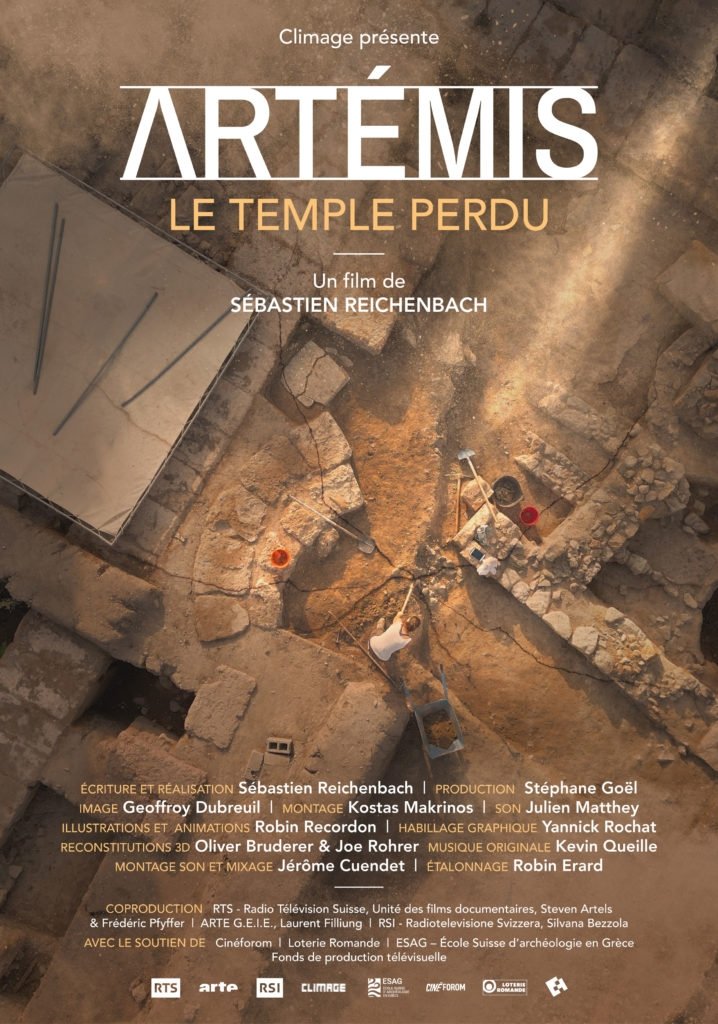
The location of the sanctuary of Artemis at Amarynthos has long remained one of the last great archaeological enigmas of Ancient Greece. This vast Artemision is mentioned in several ancient texts, which even go so far as to specify the distance that separates the sanctuary from the ancient city of Eretria. But despite the efforts of numerous scientific expeditions since the end of the 19th century, no trace of the sanctuary or its temple has ever been found. In the 1960s, a young archaeologist - Denis Knoepfler - set out in search of the lost temple of Artemis. His investigations soon led him into the hinterland of the island of Euboea, well beyond the limits of previous expeditions. It would take five decades of searching, unshakeable faith and moving tons of earth to finally unravel the mystery. In 2017, a tenacious Swiss-Greek team of archaeologists formally identified the sanctuary of Artemis, where Denis Knoepfler had predicted it lay buried.
Over the last 40 years, China has been transformed out of all recognition. The scale of its growth and the sheer speed of change has been astonishing. The country has seen the largest lifting of people out of poverty that has ever taken place in human history. How did an impoverished and backward communist country become an engine of global capitalism? What lies ahead for this economic behemoth?
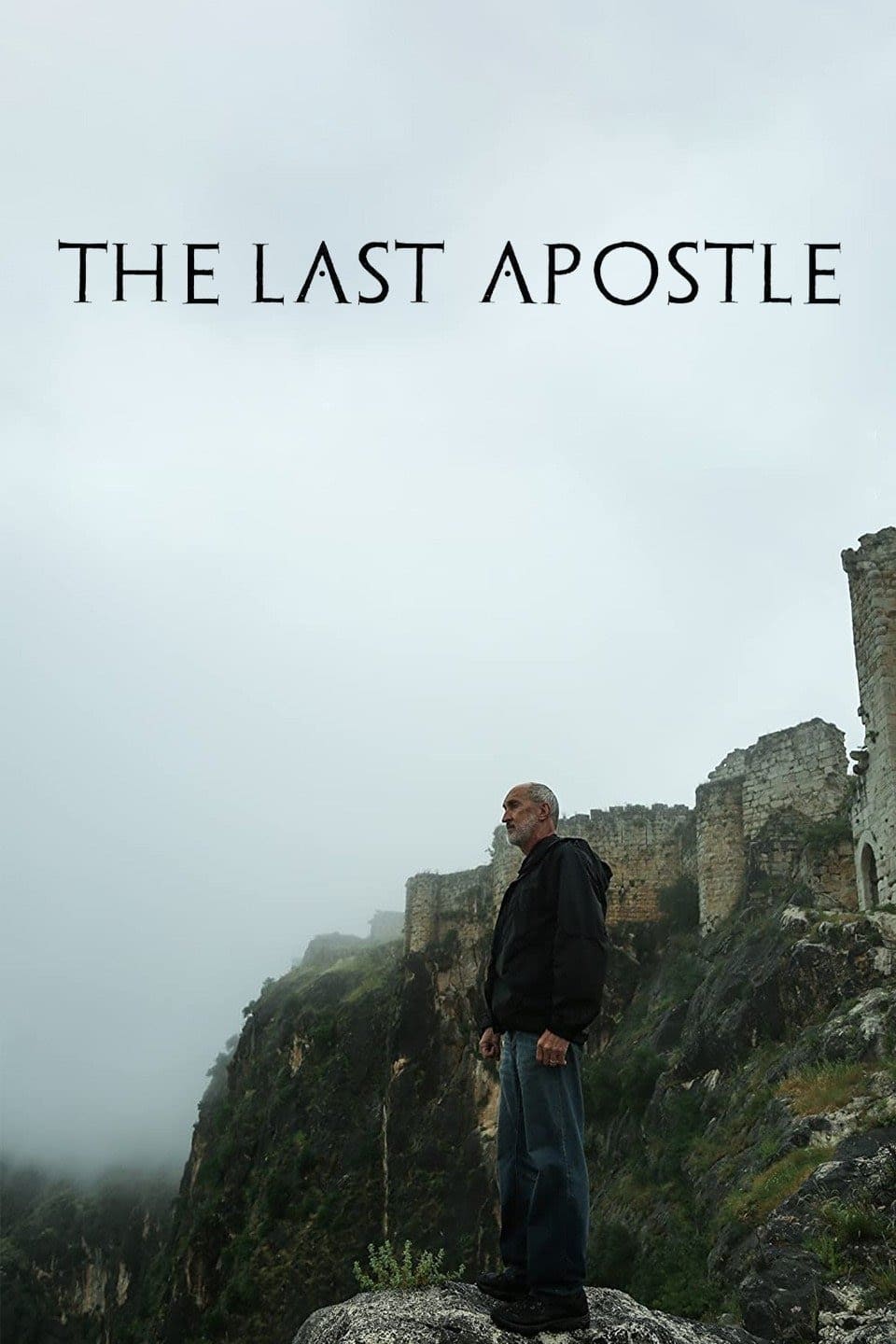
Dr. Mark Fairchild, world-renowned archaeologist, traces the hidden years of Saint Paul's life in the mountainous Turkish countryside of Rough Cilicia.
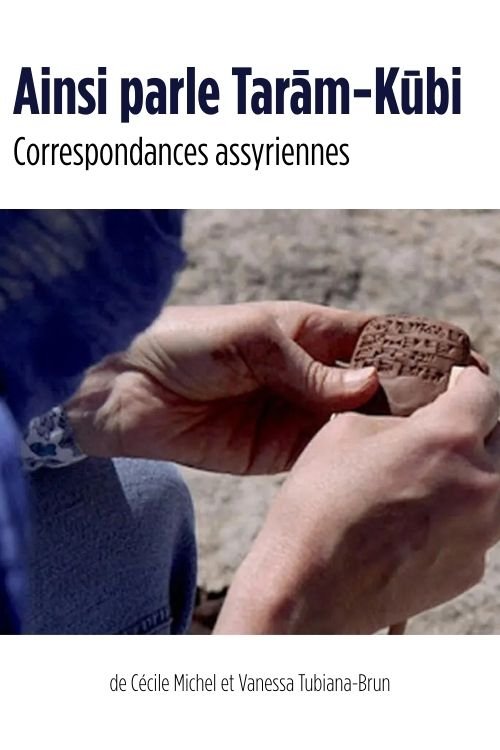
About 4 000 years ago, Assyrian merchants established a commercial settlement in the ancient city of Kaneš, within Central Anatolia. They came from Aššur, north of Mesopotamia. We have come to understand their history through their writings on clay tablets that have stood the test of time: more than 22 500 cuneiform tablets have been unearthed from the archaeological site of Kültepe. How did these Mesopotamian clay tablets arrived in Anatolia and what do they tell us? The voice of Tarām-Kūbi, an Assyrian woman who corresponded with her brother and her husband in Kaneš, takes us back in time.
Professional, native and antiquarian researchers combine to investigate the archaeological history and modern legacy of Eastern Native civilization near Turners Falls, Massachusetts. They uncover possible evidence of a vast astronomical construct that covered a large area of what is now the northeastern United States.
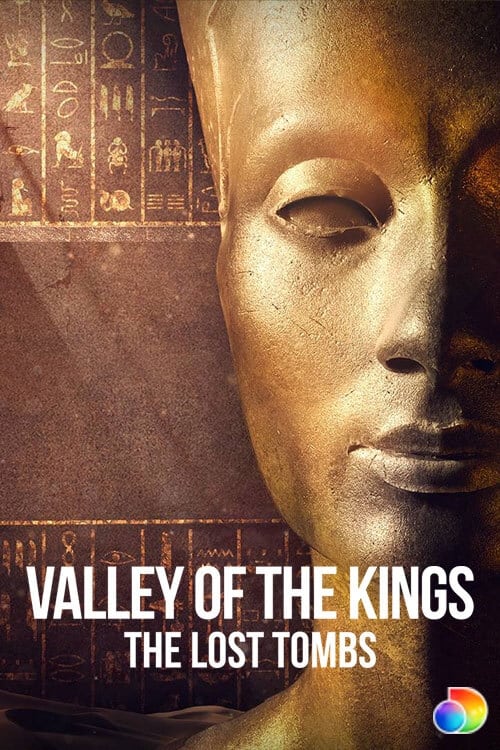
With over 60 tombs, the Valley of the Kings is the most-famous burial ground on Earth. In the biggest Egyptian excavation ever, a team of archaeologists led by Zahi Hawass heads into the Western Valley to hunt for evidence of an undiscovered tomb.
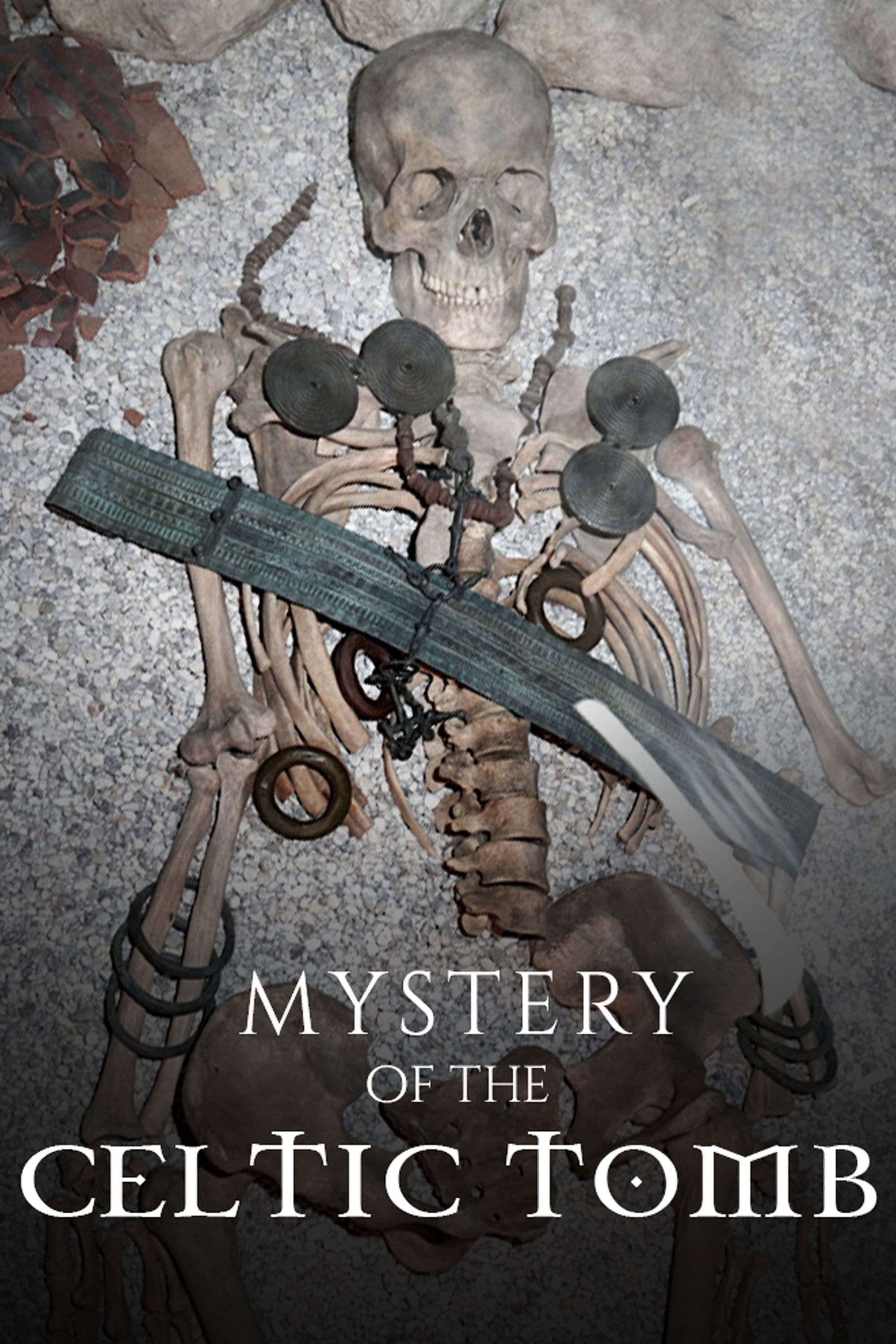
Explore the origins of the Celts, uncovering their culture through preserved salt mines, ancient artifacts, and the mystery of a 2,400-year-old tomb.
Nana Xu travels to the place built by her father as a prisoner during the Cultural Revolution: first a work camp, later a prison, fruit farm and treatment centre. Conversations with last remaining witnesses, where home is still shaped by a repressed past.
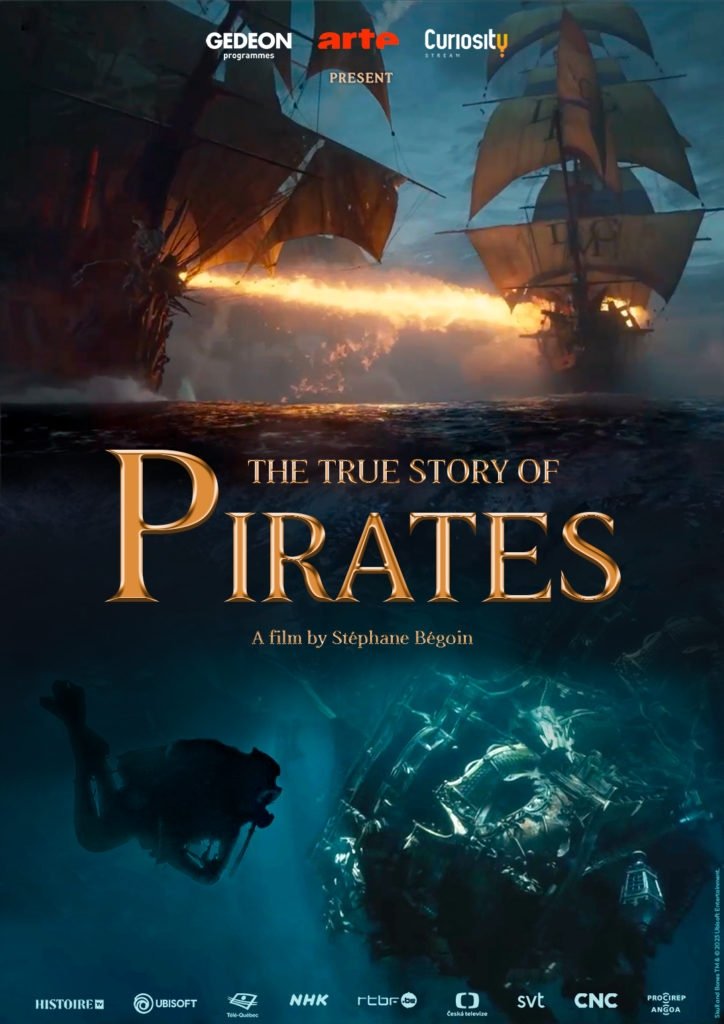
Thanks to new excavations in Mauritius and Madagascar, as well as archival and museum research in France, Spain, England and Canada, a group of international scholars paint a new portrait of the world of piracy in the Indian Ocean.
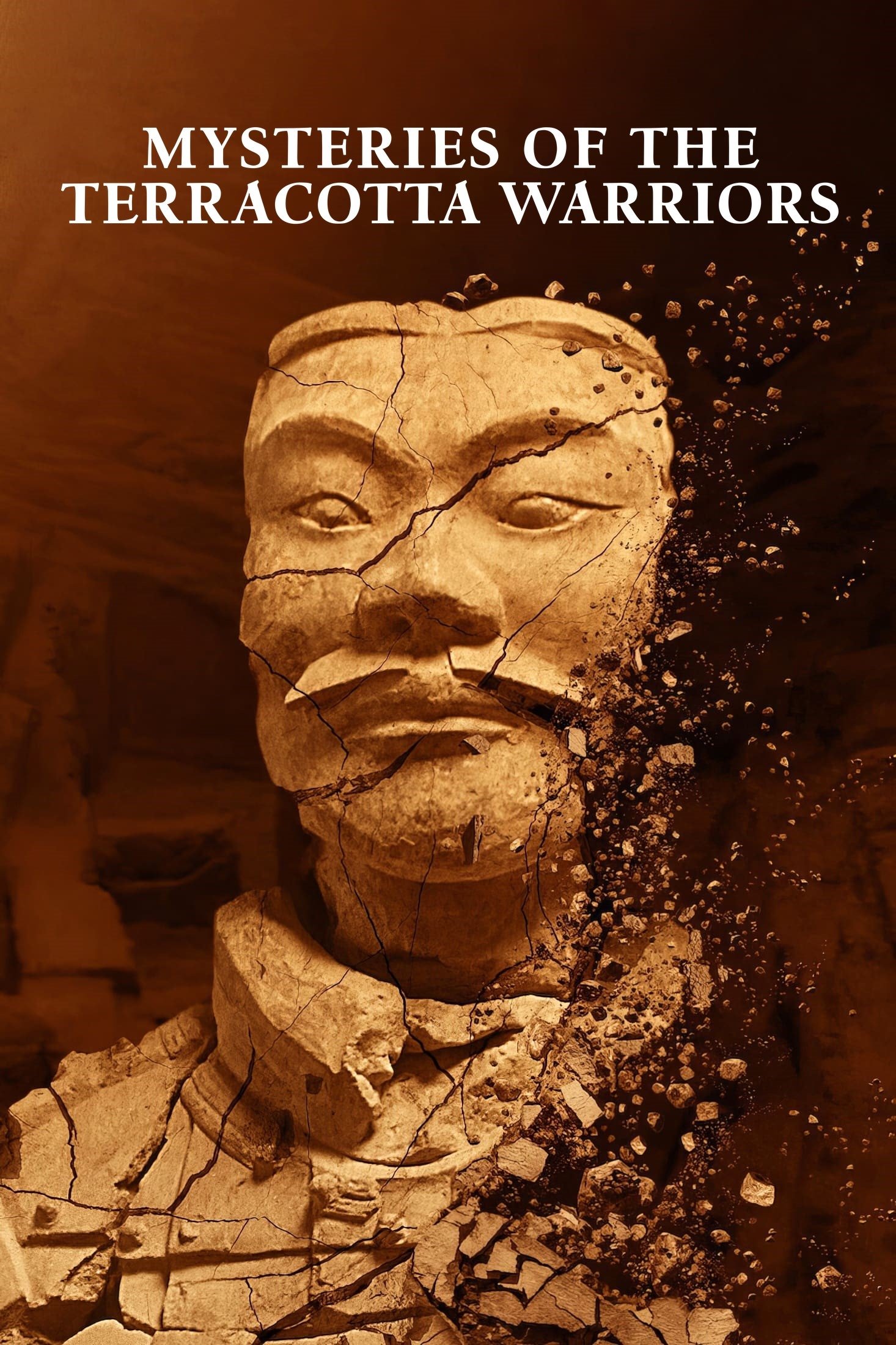
Thousands of terracotta warriors guarded the first Chinese emperor's tomb. This is their story, told through archeological evidence and reenactments.
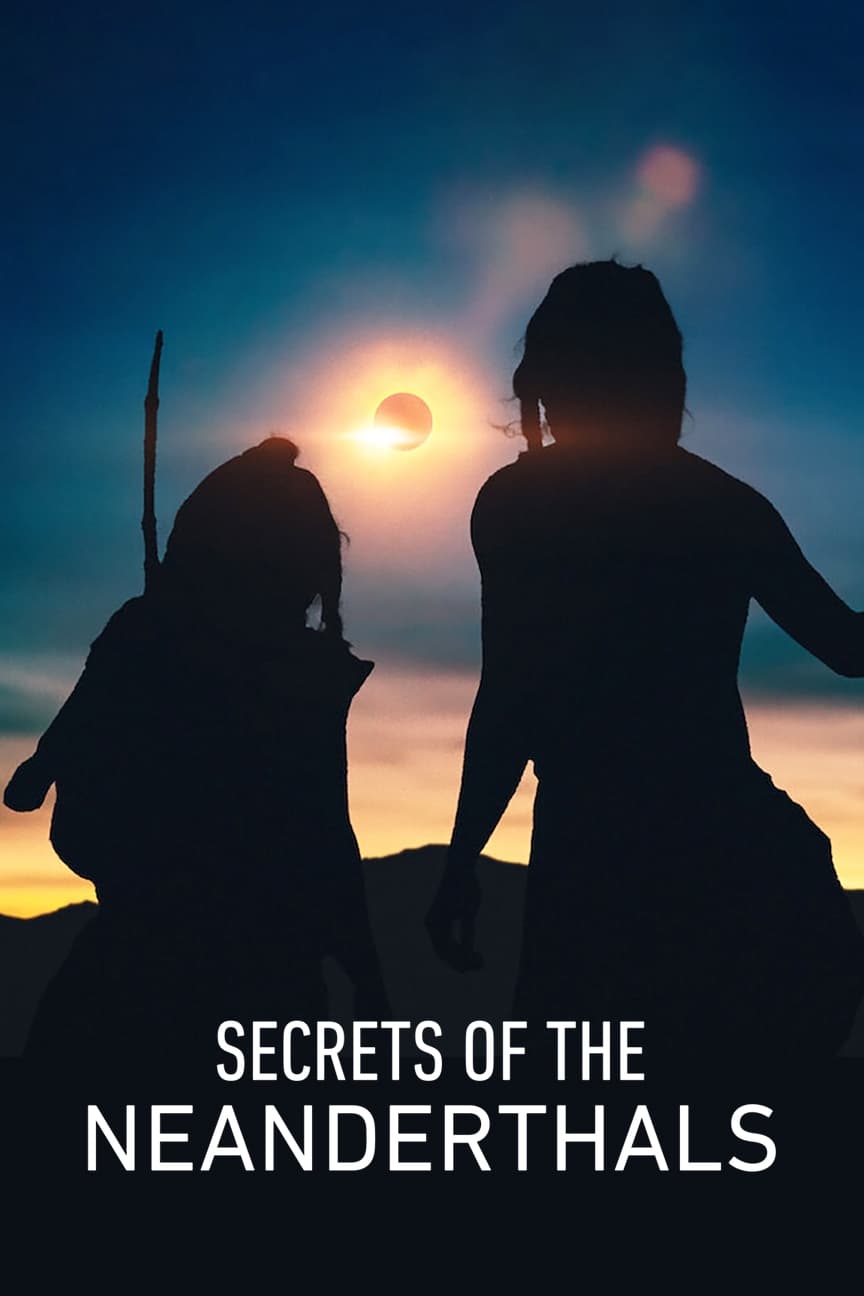
This documentary delves into the mysteries surrounding the Neanderthals and what their fossil record tells us about their lives and disappearance.
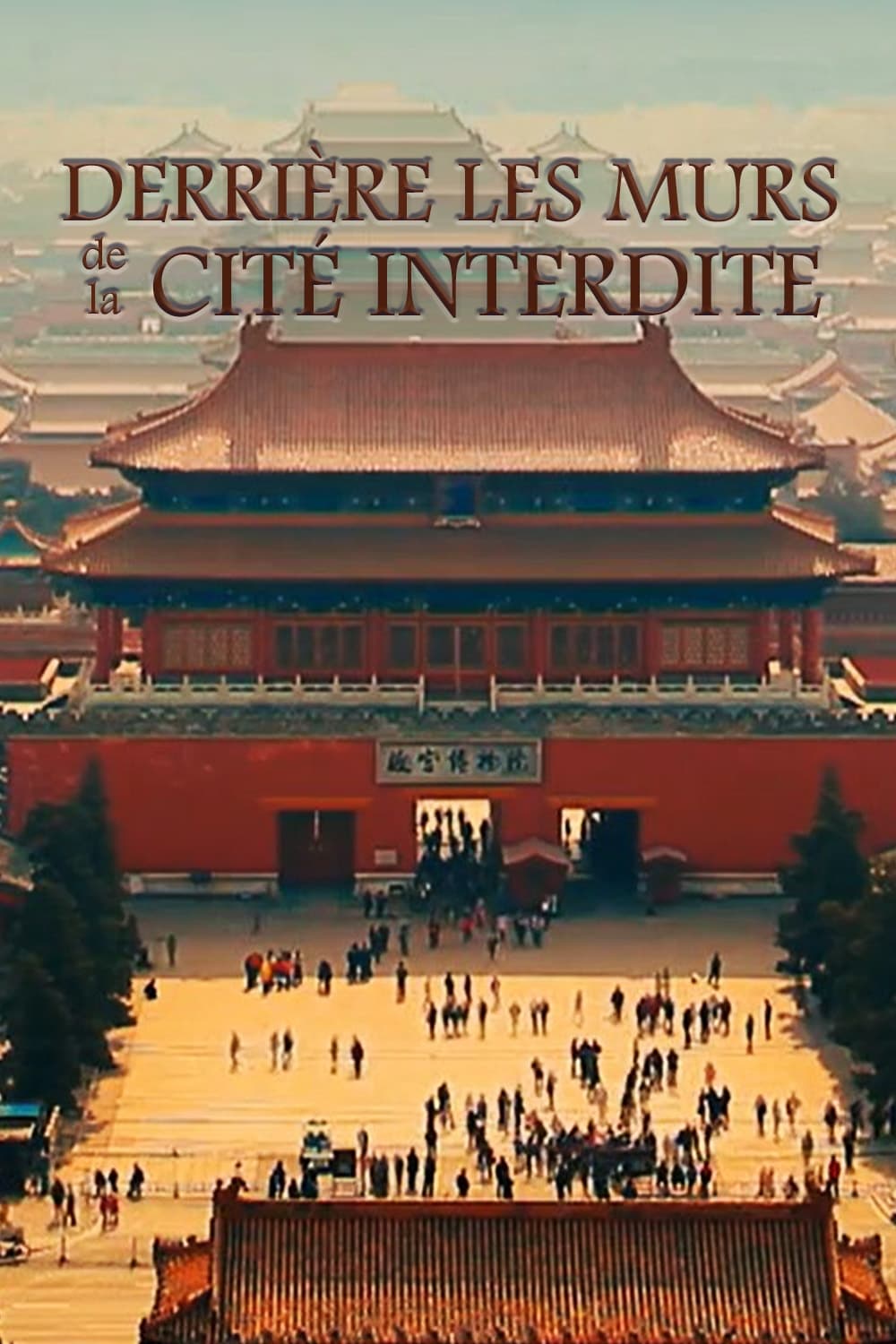
Secluded from view by nine-meter-high walls and composed of 980 buildings, the Forbidden City in Beijing is the largest imperial palace ever built in the world. Three majestic structures form its center and host the city's ceremonies, each of which is considered an architectural masterpiece. In 1406, construction of the Forbidden City was launched at the initiative of one of China's most powerful sovereigns and founder of the Ming dynasty: Yongle. Endowed with divine power, the construction has already resisted more than 200 earthquakes.
A new reading of the historical period that began with the reign of the Catholic Monarchs (1479-1516) and the discovery of America (1492), as well as an analysis of its undeniable influence on the subsequent evolution of the history of Spain and the world.
Hsi Shih: The Beauty of Beauties was one of the most ambitious films made in the Taiwan film industry in the 1960s. After leaving The Shaw Brothers studio in Hong Kong and moving to Taiwan, filmmaker Li Han-hsiang mounted this historical epic. Told through the story of Xishi (Hsi Shih), one of the 'Four Great Beauties' of Chinese history, the film portrays the war between two Chinese Kingdoms during the Warring States Period (475-221 B.C). After the kingdom of Yue is defeated by the kingdom of Wu, King Goujian of Yue takes pains to prepare for his revenge and rebuild his country. Knowing that King Fucha of Wu is lewd and lustful, he offers Xisi to the court of Wu to serve as Fucha’s concubine, with Fucha unaware that she is also a spy. She uses her charm to draw Fucha away from his office and governance, while King Goujian rallies his forces together to attempt to reclaim his lands.
“The Soviet Story” is a story of an Allied power, which helped the Nazis to fight Jews and which slaughtered its own people on an industrial scale. Assisted by the West, this power triumphed on May 9th, 1945. Its crimes were made taboo, and the complete story of Europe’s most murderous regime has never been told. Until now...
A documentary about World War I with never-before-seen footage to commemorate the centennial of Armistice Day, and the end of the war.
A documentary about ten very different lives connected by having appeared onscreen wearing masks or helmets in Star Wars.
The history of cinematic sound, told by legendary sound designers and visionary filmmakers.
The Captains is a feature-length documentary film written and directed by William Shatner. The film follows Shatner as he interviews the other actors who have portrayed starship captains in the Star Trek franchise.
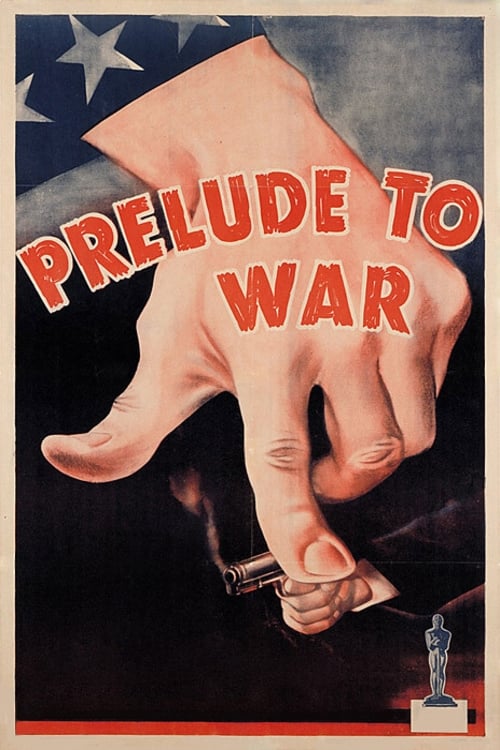
Prelude to War was the first film of Frank Capra's Why We Fight propaganda film series, commissioned by the Pentagon and George C. Marshall. It was made to convince American troops of the necessity of combating the Axis Powers during World War II. This film examines the differences between democratic and fascist states.
Al Pacino's deeply-felt rumination on Shakespeare's significance and relevance to the modern world through interviews and an in-depth analysis of "Richard III."
A documentary about the life and films of director John Ford.
A look at the origins, history and conspiracies behind the "Majestic 12", a clandestine group of military and corporate figureheads charged with reverse-engineering extraterrestrial technology.
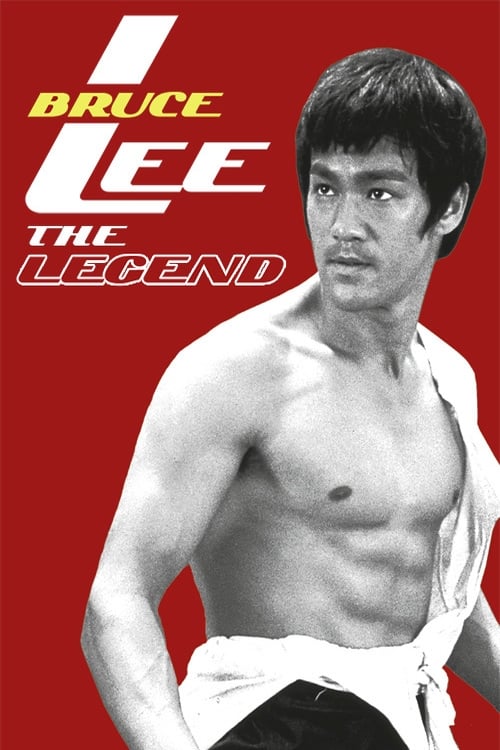
The Official Golden Harvest tribute to the Master of the Martial Arts Film, Bruce Lee.
Korengal picks up where Restrepo left off; the same men, the same valley, the same commanders, but a very different look at the experience of war.
When Allied forces liberated the Nazi concentration camps in 1944-45, their terrible discoveries were recorded by army and newsreel cameramen, revealing for the first time the full horror of what had happened. Making use of British, Soviet and American footage, the Ministry of Information’s Sidney Bernstein (later founder of Granada Television) aimed to create a documentary that would provide lasting, undeniable evidence of the Nazis’ unspeakable crimes. He commissioned a wealth of British talent, including editor Stewart McAllister, writer and future cabinet minister Richard Crossman – and, as treatment advisor, his friend Alfred Hitchcock. Yet, despite initial support from the British and US Governments, the film was shelved, and only now, 70 years on, has it been restored and completed by Imperial War Museums under its original title "German Concentration Camps Factual Survey".
Pete Postlethwaite stars as a man living alone in the devastated future world of 2055, looking at old footage from 2008 and asking: why didn’t we stop climate change when we had the chance?
With unprecedented access to the official archives and intimate recollections from the band, both current and past, Iron Maiden: Burning Ambition invites fans to experience one of the most iconic journeys in music history. Spanning five decades, this electrifying documentary charts the band’s rise from the pubs of East London to the world’s biggest stadiums. Featuring exclusive interviews with band members and contributors such as Javier Bardem, Lars Ulrich and Chuck D, as well as all-new animated sequences of the band's legendary mascot, Eddie, the film offers a rare and intimate look at Iron Maiden’s uncompromising vision and unwavering connection with their truly global army of fans.
In the Realms of the Unreal is a documentary about the reclusive Chicago-based artist Henry Darger. Henry Darger was so reclusive that when he died his neighbors were surprised to find a 15,145-page manuscript along with hundreds of paintings depicting The Story of the Vivian Girls, in What is Known as the Realms of the Unreal, of the Glodeco-Angelinnian War Storm, Cased by the Child Slave Rebellion.
Experience the iconic rock band's legacy in the first major documentary to tell their story. Directed with the era’s avant-garde spirit by Todd Haynes, this kaleidoscopic oral history combines exclusive interviews with dazzling archival footage.
Witness the never-before-seen footage and true story behind the John Wick phenomenon – from independent film to billion-dollar franchise.
Former United States Secretary of Defense, Donald Rumsfeld, discusses his career in Washington D.C. from his days as a congressman in the early 1960s to planning the invasion of Iraq in 2003.
The film follows adventurer Jeff Johnson as he retraces the epic 1968 journey of his heroes Yvon Chouinard and Doug Tompkins to Patagonia.