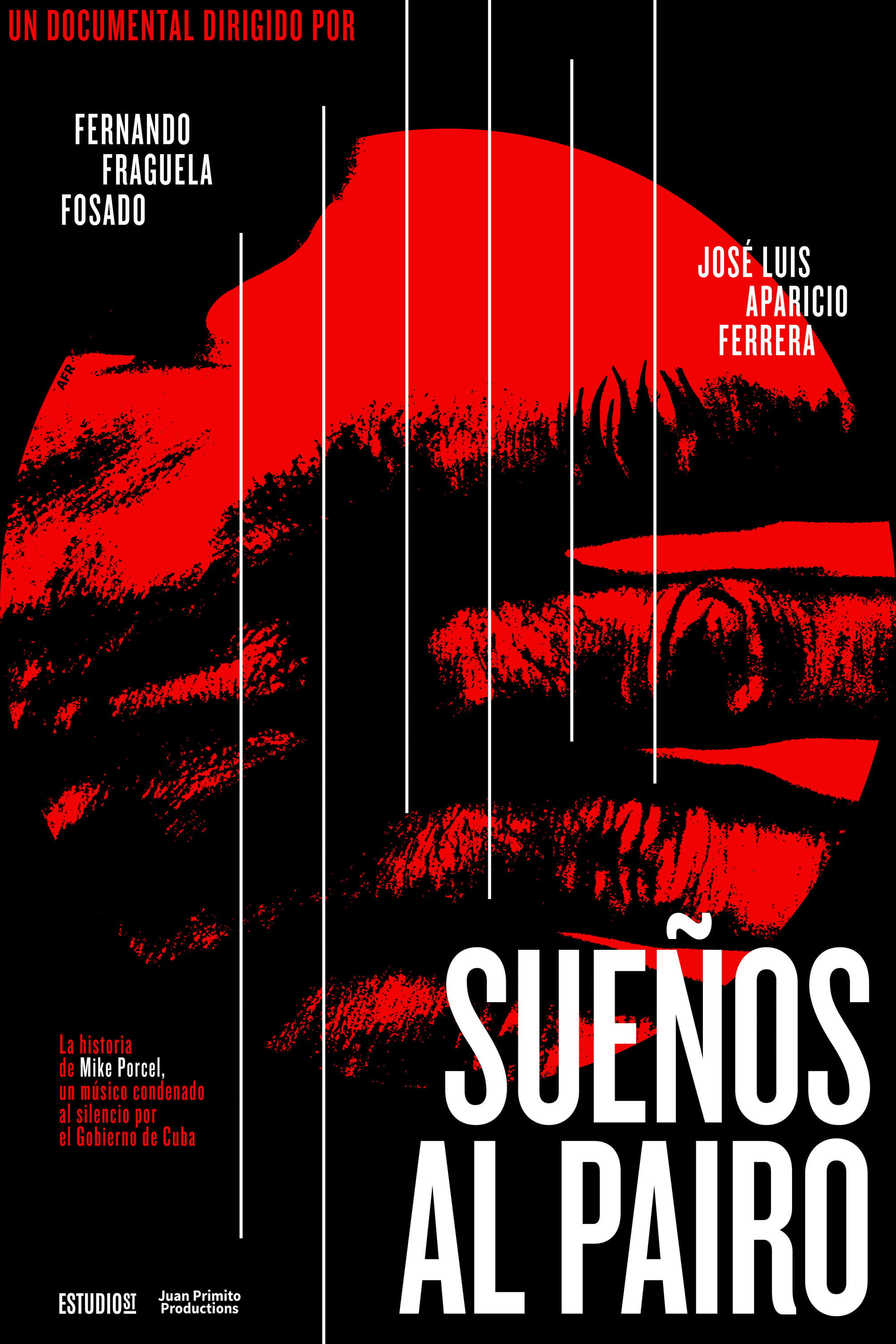
Extremely rare Cuban documentary reveals rockers that find liberty by injecting themselves with the HIV virus, at a time when this was almost synonymous with a death sentence.
Social & External
April 1865. A handful of Republicans, ardent admirers of American democracy, gather in Glatigny to celebrate the abolition of slavery in the United States and pay tribute to President Lincoln, who was assassinated six days earlier. During dinner, Édouard de Laboulaye, the politician behind this discreet gathering, spoke passionately about the idea of a colossal statue, a symbol of freedom, as a gift from France to America. His impassioned speech captivated a young sculptor among the guests: Auguste Bartholdi. The project for the future Statue of Liberty was born. It was a seemingly impossible undertaking, to which the Colmar-born sculptor would devote twenty years of his life, moving heaven and earth on both sides of the Atlantic to ensure that his Liberty Enlightening the World would tower over New York Harbor on October 28, 1886.
For seven years, award-winning Chinese-American filmmaker Nanfu Wang follows Rosa María Payá, daughter of the five time Nobel Peace Prize nominated activist, Oswaldo Payá, in Rosa's fight for democratic change in Cuba. Rosa's narrative is interwoven with Wang's poignant reflections on her Chinese upbringing and her observations of eroding democratic norms in the U.S., revealing unsettling similarities to the authoritarian system she left behind.
Voices of Positive Women is a ground-breaking documentary examination of the impact of HIV and AIDS on the lives of women working from material published in the book "Positive Women", a collection of personal accounts of women from all over the world living with AIDS and HIV. Bravely sharing their experiences publicly in what until now has been a void of information and support, and in some cases medical and bureaucratic denial that women are even at risk, the nine women presented in Voices of Positive Women speak compellingly on their own terms of their personal struggles for survival and voice.
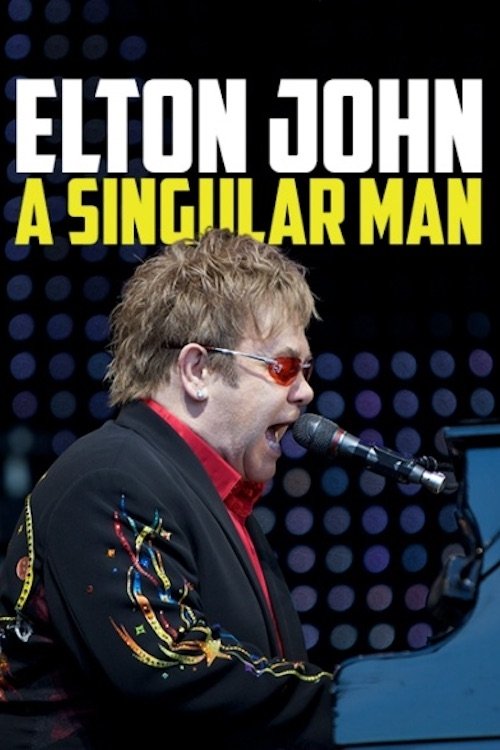
An in-depth portrait of British composer, pianist and singer Elton John, pop star and myth of modern culture.
Spanish musician Santiago Auserón soaked up the rhythmic wisdom of son during his first visit to Cuba in 1984, an influence he soon transferred to his own work.
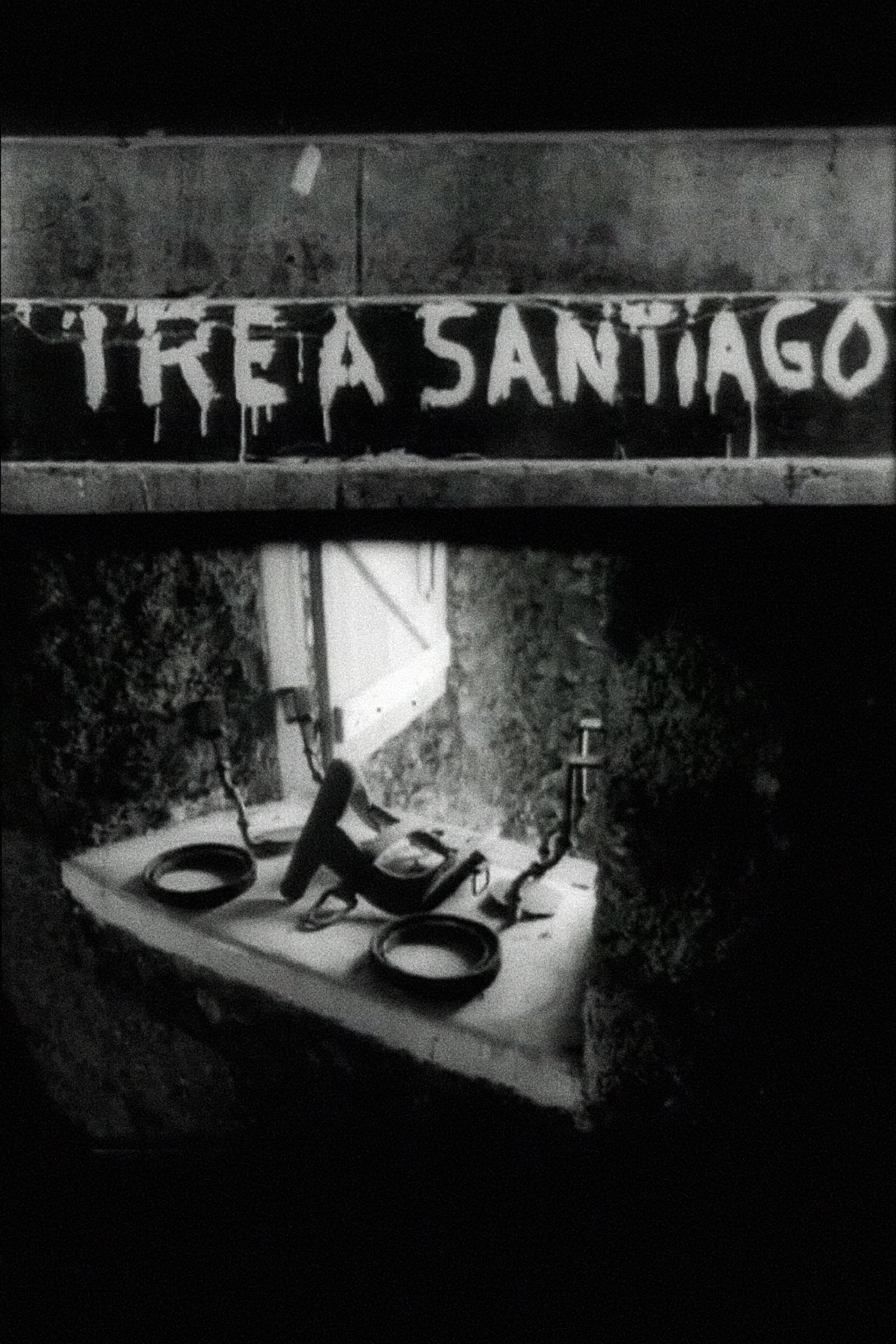
This black-and-white film is a loving portrait of Santiago de Cuba and its people. It provides a view of Cuba as a picturesque country, the product of an earthy mix of black and criollo cultures. The film uses historical images which portray the end of the eighteenth century when Haitian slave owners fled with their slaves to Cuba after the Haitian Revolution.
After a quarter-century of political denial and social stigma, of stunning scientific breakthroughs, bitter policy battles and inadequate prevention campaigns, HIV/AIDS continues to spread rapidly throughout much of the world. Through interviews with AIDS researchers, world leaders, activists, and patients, FRONTLINE investigates the science, politics, and human cost of this fateful disease and asks: What are the lessons of the past, and what can be done to stop AIDS?
The first (native) First Nations girl to come forward as HIV-positive in the early 90's. The film chronicles her travels across Canada delivering heart-felt messages and warnings to young people in aboriginal communities.
In the spring of 2016, global music sensation Major Lazer performed a free concert in Havana, Cuba—an unprecedented show that drew an audience of almost half a million. This concert documentary evolves into an exploration of youth culture in a country on the precipice of change.
Afro-Cubans played a leading role in the fight to free Cuba from Spanish domination; as part of that struggle, slavery was abolished. Nevertheless, as African descendants began to achieve a semblance of social and economic parity, the plantocracy, backed up by the US army, sought to undo their gains. Determined to resist, veterans of the Mambi army formed the Party of Independents of Color, gaining wide popular support and ultimately threatening the domination of the white Cuban rulers. Their response was savage, and 6,000 Afro-Cubans were massacred; until this film, these events have been shrouded in silence.
Gabriel Drolet-Maguire, a designer living in Montreal, takes us into their artistic world to discuss their HIV diagnosis. This is a timely and hopeful look at past and present day HIV/AIDS activism in Quebec.
In Uganda, AIDS-infected mothers have begun writing what they call Memory Books for their children. Aware of the illness, it is a way for the family to come to terms with the inevitable death that it faces. Hopelessness and desperation are confronted through the collaborative effort of remembering and recording, a process that inspires unexpected strength and even solace in the face of death.
Light Upon Light: A Documentary on Hijab is an intimate and deeply personal exploration of the diverse, raw, and untold stories of hijabi women. Through open and vulnerable conversations with 7 women, the film dismantles stereotypes, highlights the challenges imposed by society, and celebrates the profound beauty of the hijab beyond a mere clothing choice. It captures the individuality of each woman’s story—how they came to wear the hijab, the struggles they’ve faced, and the strength they’ve found in it. More than just fabric, the hijab is a journey, often misunderstood, and influenced by the way the world perceives it. By amplifying voices that are often unheard, the documentary creates a space for empathy, challenges misconceptions, and invites a deeper understanding of what it truly means to wear the hijab; inspiring everyone to see hijab in a new light.
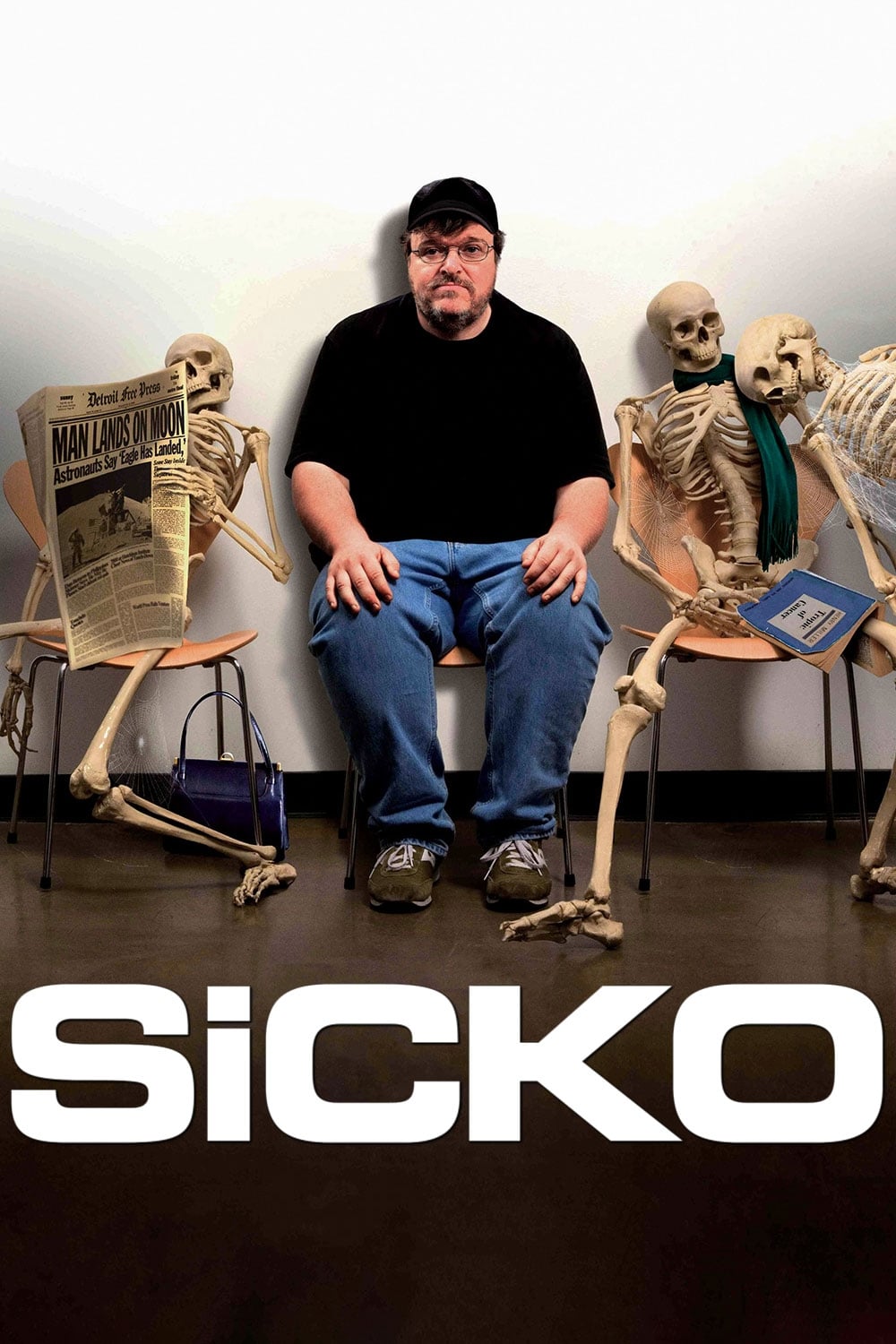
A documentary about the corrupt health care system in The United States whose main goal is to make profit even if it means losing people’s lives. "The more people you deny health insurance, the more money we make" is the business model for health care providers in America.
"Fightland went to Havana to check out the only mixed martial arts gym in Cuba. The Cuban government hasn't legalized MMA for fear of losing its best boxers, so the fighters on coach Evelio Padron Ferrier's team wrestle on concrete floors, use the ocean for endurance training, and practice techniques pulled from memory and bootlegged DVDs."
A documentary that explores the myth behind the truth. Different people around the globe reinterpret the legend of Che Guevara at will: from the rebel living in Hong Kong fighting Chinese domination, to the German neonazi preaching revolution and the Castro-hating Cuban. Their testimonies prove that the Argentinian revolutionary's historical impact reverberates still. But like with all legends, each sees what he will, in often contradictory perspectives.
Born to Korean immigrant parents freed from indentured servitude in early twentieth century Mexico, Jerónimo Lim Kim joins the Cuban Revolution with his law school classmate Fidel Castro and becomes an accomplished government official in the Castro regime, until he rediscovers his ethnic roots and dedicates his later life to reconstructing his Korean Cuban identity. After Jerónimo's death, younger Korean Cubans recognize his legacy, but it is not until they are presented with the opportunity to visit South Korea that questions about their mixed identity resurface.
Starting as a documentary on the sexually liberated culture of late-Sixties Denmark, Sexual Freedom in Denmark winds up incorporating major elements of the marriage manual form and even manages to squeeze in a montage of beaver loops and erotic art. All narrated with earnest pronouncements concerning the social and psychological benefits of sexual liberation, the movie, is a kind of mondo film dotted with occasional glimpses of actual sex.
Half blind and half deaf, ostraziced Cuban writer Rafael Alcides tries to finish his unpublished novels to discover that after several decades, the home made ink from the typewriter he used to write them has faded. The Cuban revolution as a love story and eventual deception is seen through the eyes of a man who is living an inner exile.
In this fascinating Oscar-nominated documentary, American guitarist Ry Cooder brings together a group of legendary Cuban folk musicians (some in their 90s) to record a Grammy-winning CD in their native city of Havana. The result is a spectacular compilation of concert footage from the group's gigs in Amsterdam and New York City's famed Carnegie Hall, with director Wim Wenders capturing not only the music -- but also the musicians' life stories.
The life of internationally renowned artist and activist Nan Goldin is told through her slideshows, intimate interviews, ground-breaking photography, and rare footage of her personal fight to hold the Sackler family accountable for the overdose crisis.
A documentary about the making of David Fincher's 2008 film THE CURIOUS CASE OF BENJAMIN BUTTON. Virtually every element in the evolution of the Fincher's film is documented here, from the project's attachment to numerous other directors during the 1990s, to its shoot in 2006 and 2007 in New Orleans, to its complex, CGI-intensive postproduction process.
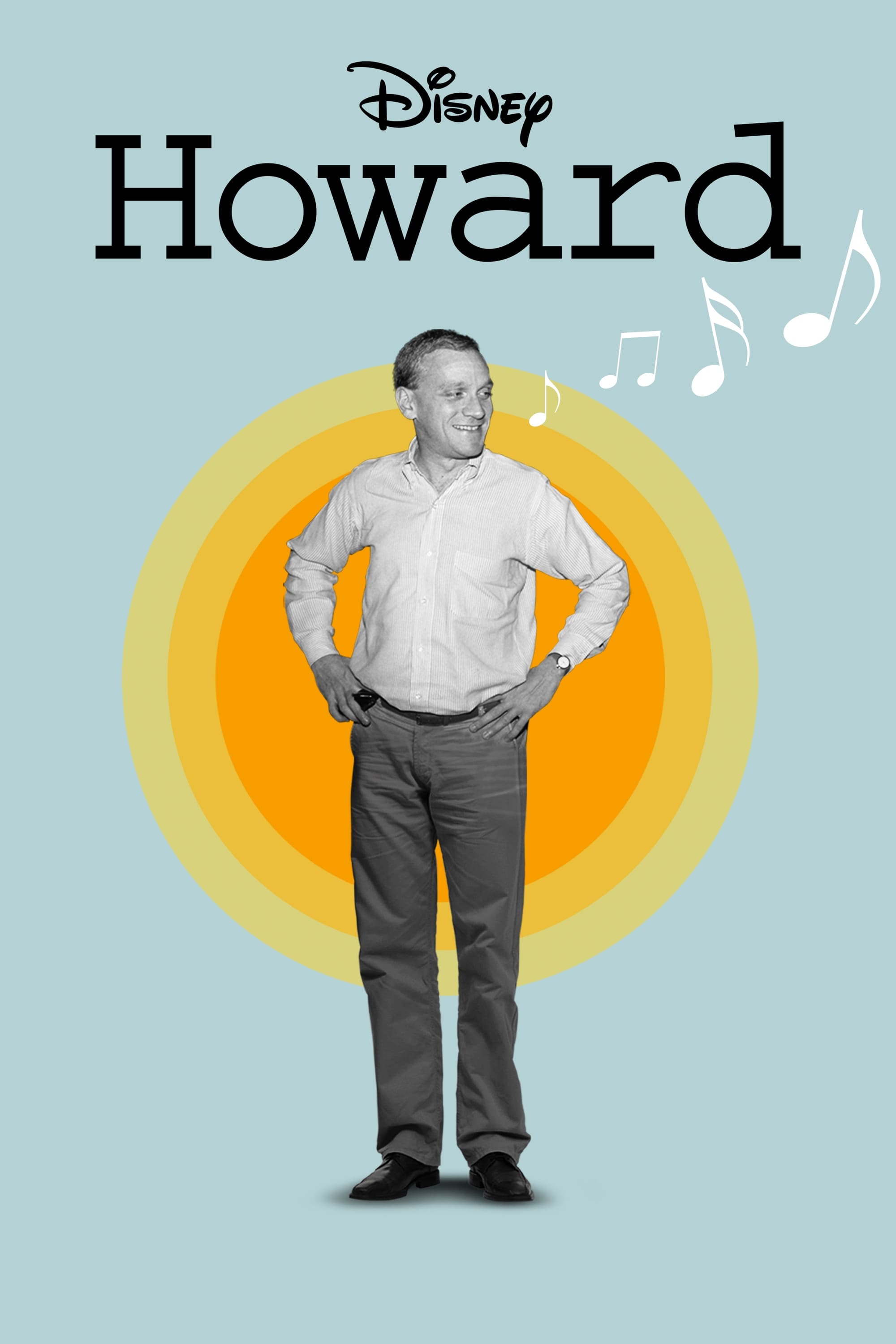
Though legendary lyricist Howard Ashman died far too young, his impact on Broadway, movies, and the culture at large were incalculable. Told entirely through rare archival footage and interviews with Ashman’s family, friends, associates, and longtime partner Bill Lauch, Howard is an intimate tribute to a once-in-a-generation talent and a rousing celebration of musical storytelling itself.
Those who knew iconic funnyman John Candy best share his story, in their own words, through never-before-seen archival footage, imagery, and interviews.
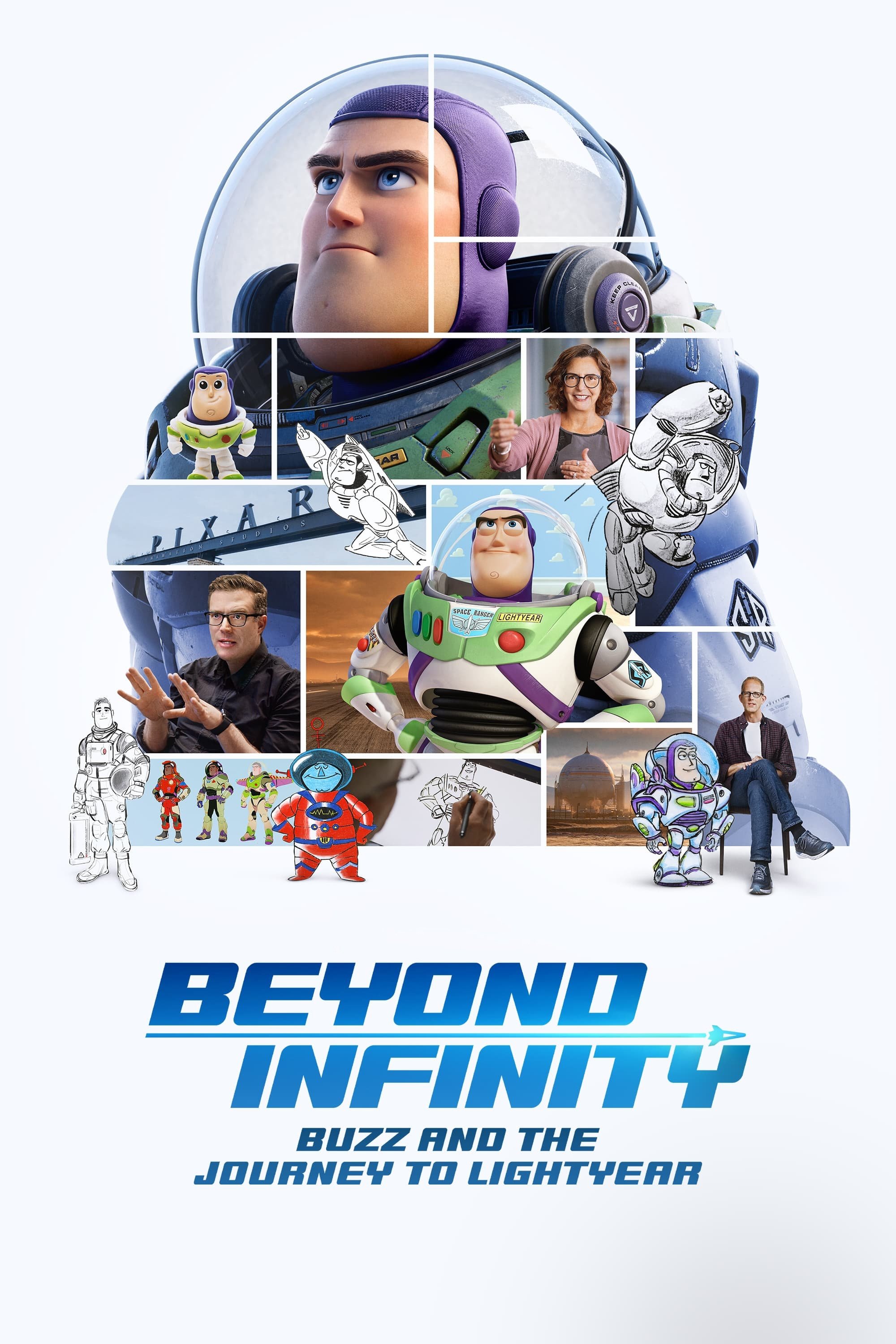
Explore the evolution of Buzz Lightyear from toy to human in the making of Pixar’s Lightyear. Dive into the origin and cultural impact of everyone’s favorite Space Ranger, the art of designing a new “human Buzz,” and the challenges faced by the Lightyear crew along the way.
Oliver Stone spends three days filming with Fidel Castro in Cuba, discussing an array of subjects with the president such as his rise to power, fellow revolutionary Che Guevara, the Cuban Missile crisis, and the present state of the country.
A compilation of over 30 years of private home movie footage shot by Lithuanian-American avant-garde director Jonas Mekas, assembled by Mekas "purely by chance", without concern for chronological order.
A reflective look at the arrival and impact of AIDS in San Francisco and how individuals rose to the occasion during the first years of the crisis.
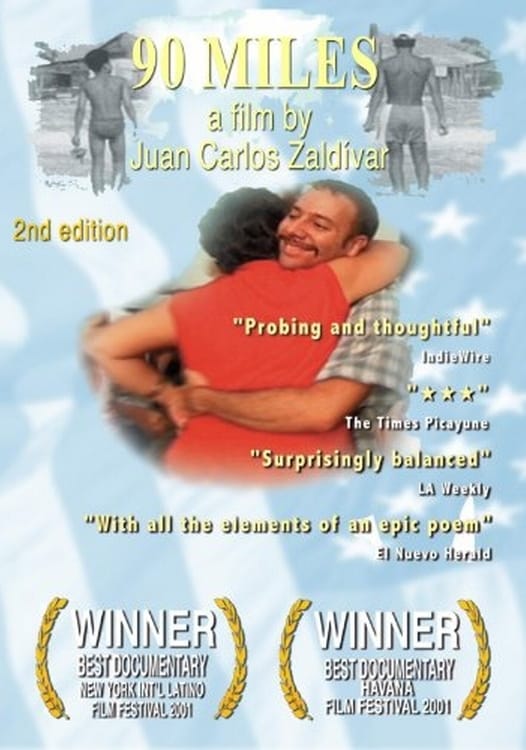
This revealing portrait of Cuba follows the lives of Fidel Castro and three Cuban families affected by his policies over the last four decades.
A detailing of the rise to prominence and global sporting superstardom of six supremely talented young Manchester United football players (David Beckham, Nicky Butt, Ryan Giggs, Paul Scholes, Phil and Gary Neville). The film covers the period 1992-1999, culminating in Manchester United's European Cup triumph.
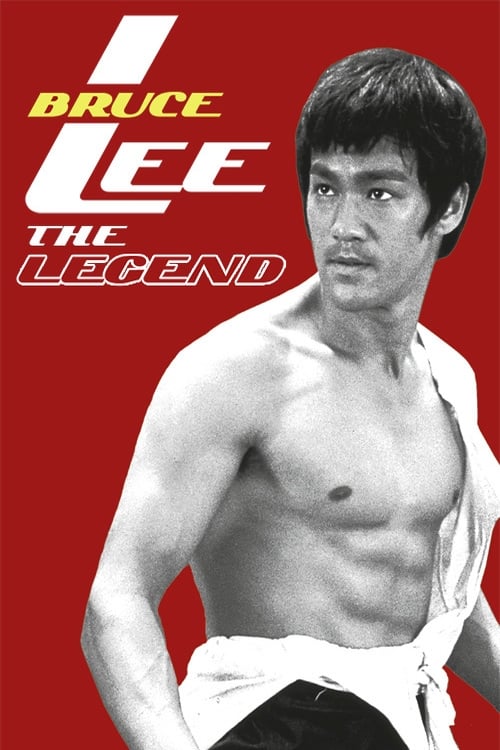
The Official Golden Harvest tribute to the Master of the Martial Arts Film, Bruce Lee.
This essential new documentary pays tribute to the legacy of the late, legendary casting director Marion Dougherty and shines a light on one of the most overlooked and least understood crafts in filmmaking.
A documentary about the life and films of director John Ford.
A documentary on the expletive's origin, why it offends some people so deeply, and what can be gained from its use.
A documentary on the life of John Lennon, with a focus on the time in his life when he transformed from a musician into an antiwar activist.
The story of Leon Vitali, who surrendered his promising acting career to become Stanley Kubrick's devoted right-hand man.
A story of two coalitions – ACT UP and TAG (Treatment Action Group) – whose activism and innovation turned AIDS from a death sentence into a manageable condition. Despite having no scientific training, these self-made activists infiltrated the pharmaceutical industry and helped identify promising new drugs, moving them from experimental trials to patients in record time.
This searing investigative work shadows a group of activists risking unimaginable peril to confront the ongoing anti-LGBTQ program raging in the repressive and closed Russian republic. Unfettered access and a remarkable approach to protecting anonymity exposes this under-reported atrocity–and an extraordinary group of people confronting evil.
Taking inspiration from Peter M. Bracke's definitive book of the same name, this seven-hour documentary dives into the making of all twelve Friday the 13th films, with all-new interviews from the cast and the crew.