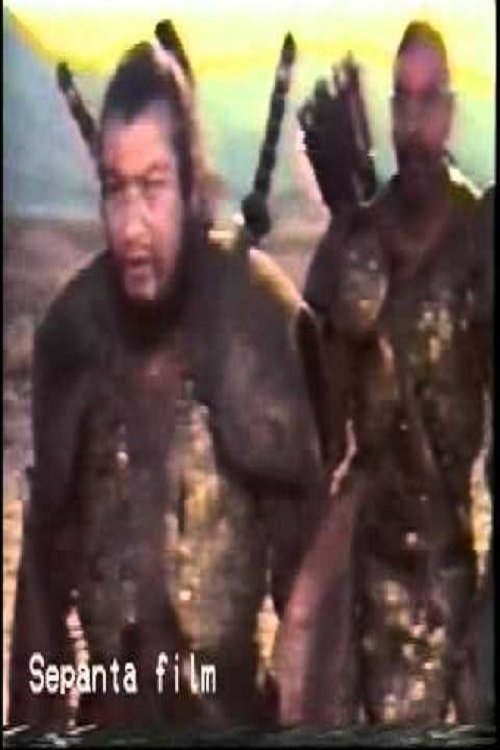
The Mongol invasion of Iran leaves the country devastated but the people fight for their right in their own way.
Social & External
The people behind it
Parviz Pourhosseini
Dariush Farhang
Mohamad Motie
A young Beothuk woman tells the story of her experiences witnessing recent interactions between her people and Europeans.
‘Who Named the Lily?’ celebrates and laments the complicated history of the Crystal Palace. Monster Chetwynd plays the ‘Fact Hungry Witch’, who explores the story of the Amazonian waterlily, and reveals its links to engineering. The artwork brings to light the politics of Paxton’s developments in industry and architecture, however, the protagonist of this story is the waterlily – a catalyst for ground-breaking technological advancement.
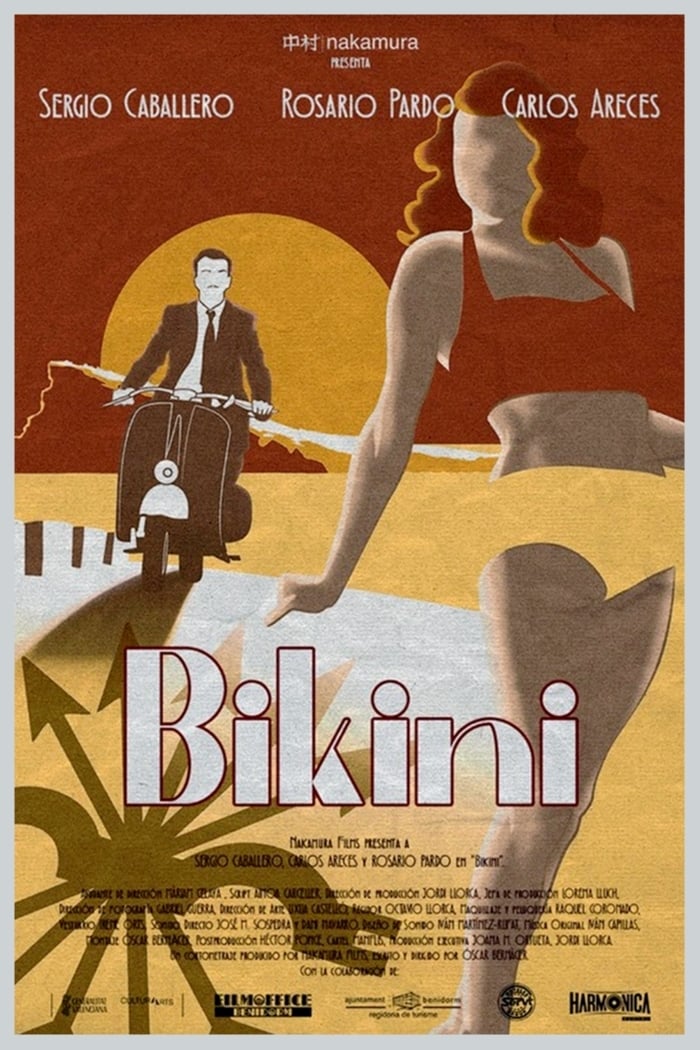
Spain, 1953. Pedro Zaragoza, mayor of the city of Benidorm, in the province of Alicante, by the Mediterranean Sea, visits the Palacio del Pardo, General Franco's residence in Madrid, to ask him for help, in the hope of solving a very delicate problem.
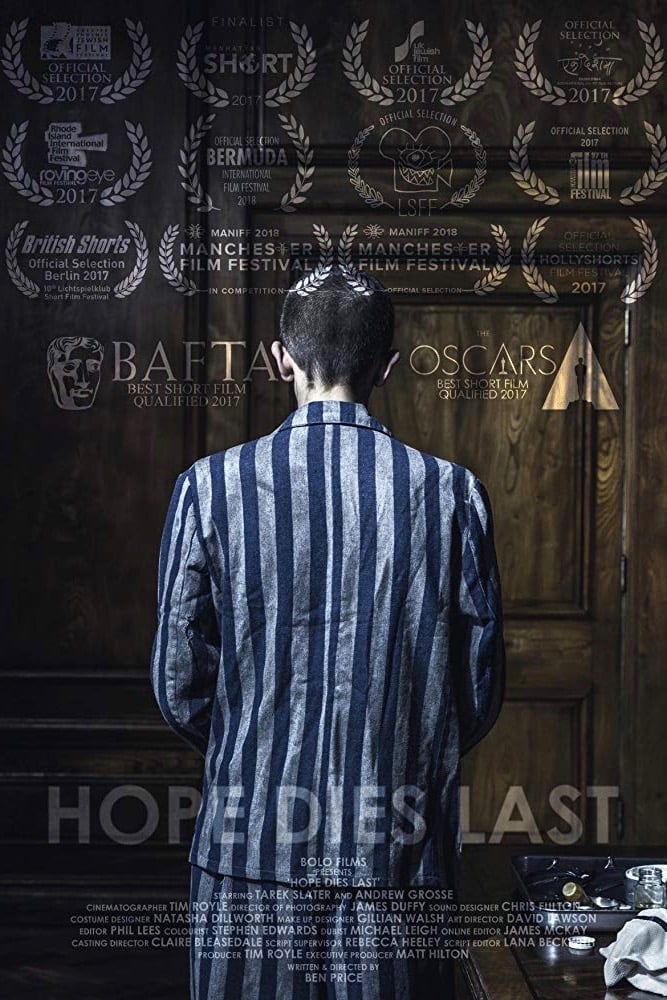
A sickly scrawny man in a striped uniform takes a shaving brush and foam, and with a sharp blade, he shaves the back of the head of Rudolf Höss, the commandant of the Auschwitz camp himself. They will never speak with one another, and Joseph (we only learn his name during the credits) will never harm Höss, will not stop the flood of horrible murders with yet another murder. This short sketch about life of a death camp makes us feel pain and grief of millions of people who had passed beyond the walls of the shaving room during the imprisonment of Joseph, the man who outlived his torturer.
In 1968 Dennis Wilson of The Beach Boys met a dynamic and passionate singer/songwriter and introduced him to Hollywood. The two set out to record that artist's first professional album. The album became known as LIE. In 1969 this artist achieved incredible fame, but not for his music. The artist's name was Charles Manson.
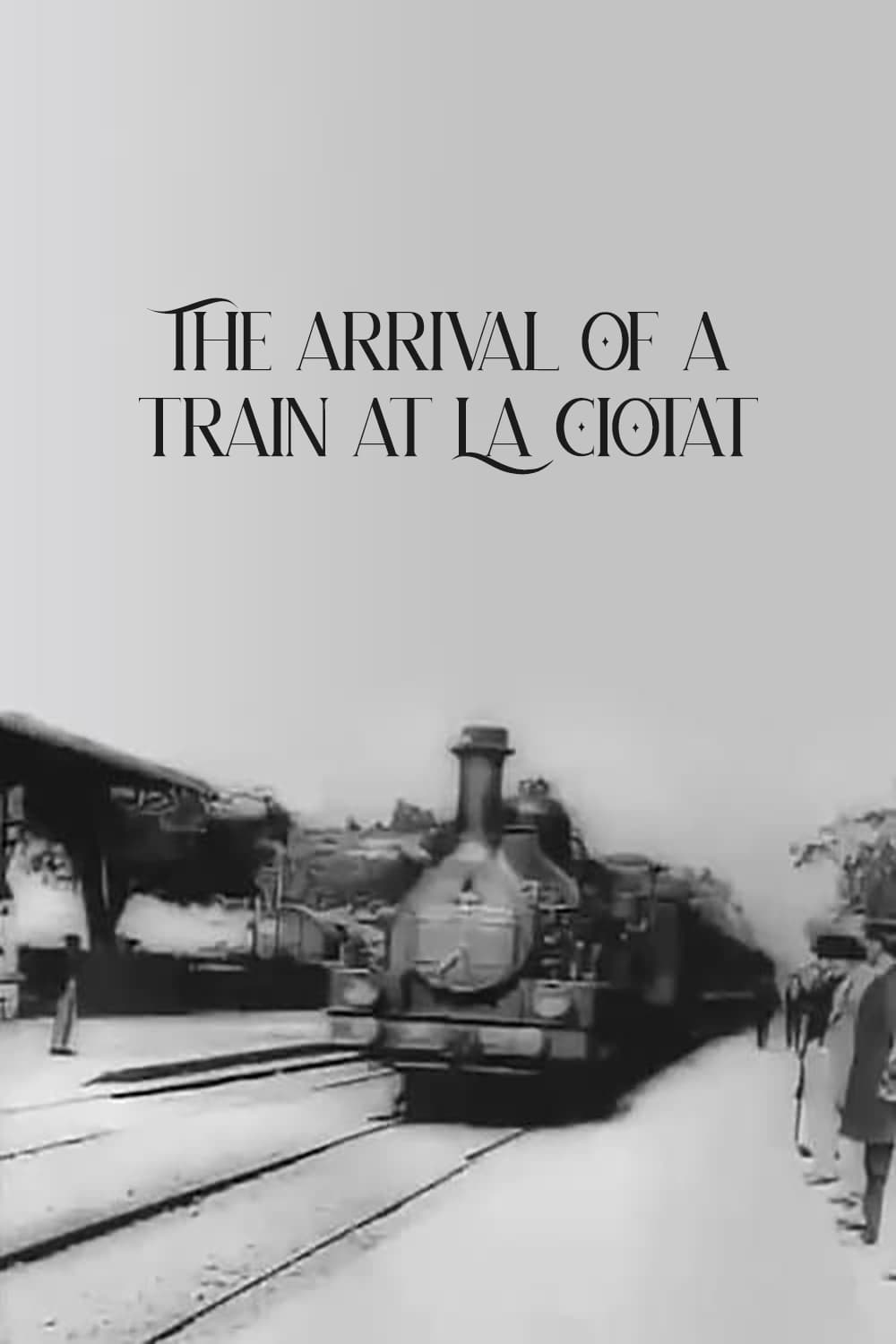
A group of people are standing along the platform of a railway station in La Ciotat, waiting for a train. One is seen coming, at some distance, and eventually stops at the platform. Doors of the railway-cars open and attendants help passengers off and on. Popular legend has it that, when this film was shown, the first-night audience fled the café in terror, fearing being run over by the "approaching" train. This legend has since been identified as promotional embellishment, though there is evidence to suggest that people were astounded at the capabilities of the Lumières' cinématographe.
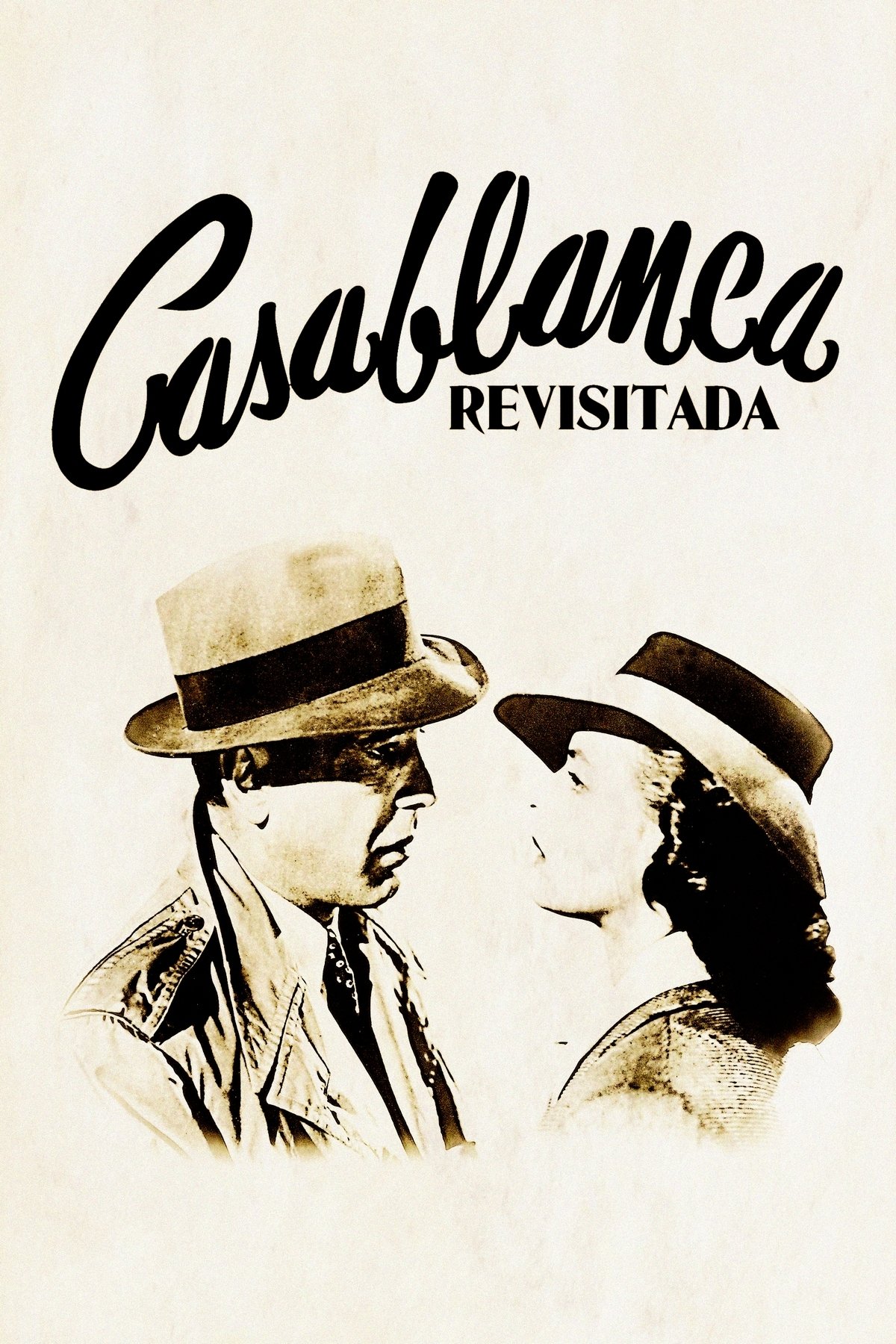
A lyrical and nostalgic analysis of how Casablanca, the mythical film directed by Michael Curtiz in 1942, has influenced both film history and pop culture.
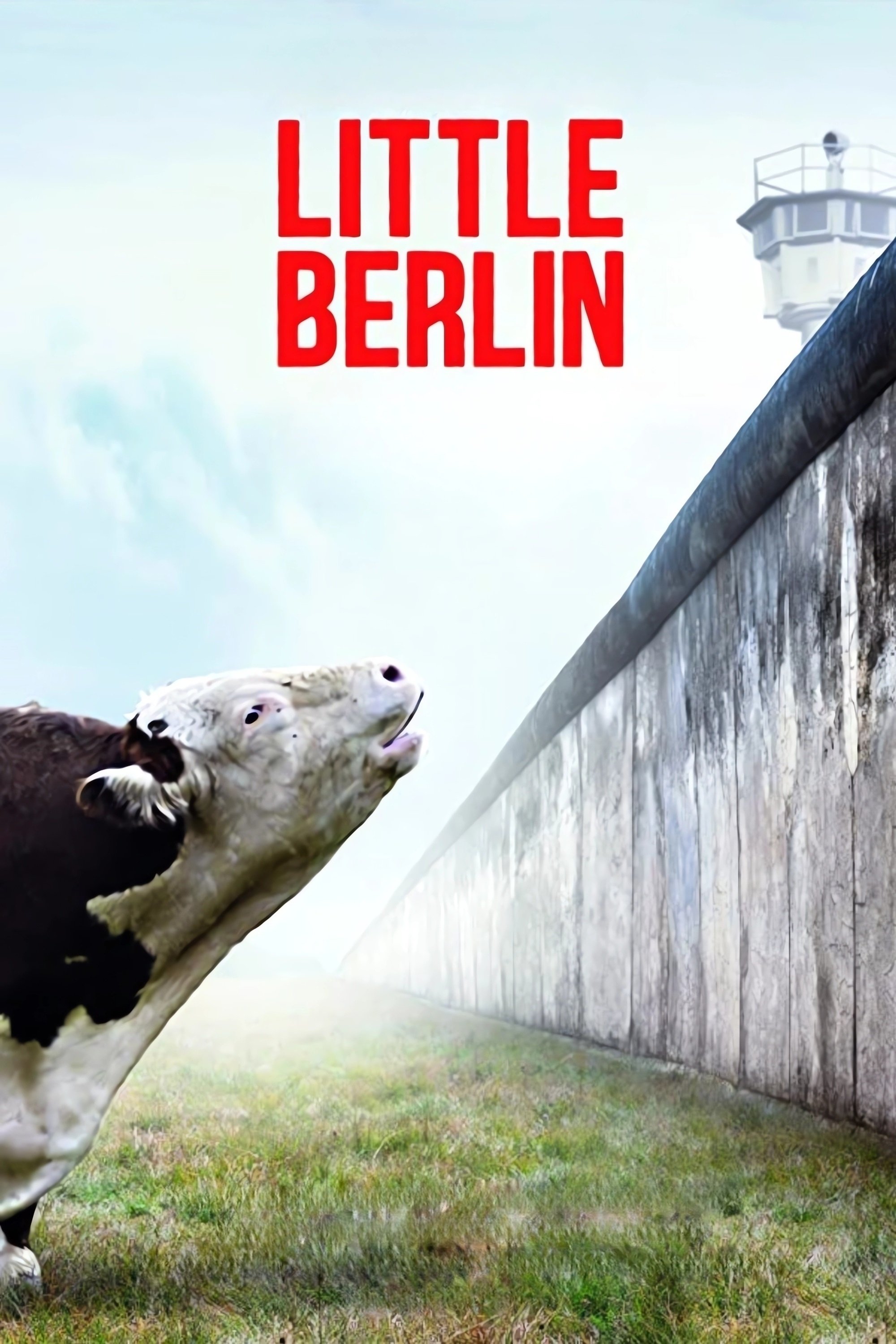
When the Iron Curtain cuts his tiny German village in half, Peter the bull gets separated from his 36 cows. Based on a true story narrated by Christoph Waltz.
Legacy takes the audience on a rapid-fire journey through the evolution of the world, starting with a cosmic bang, evolving through billions of years of plants, animals and the creation of natural resources, ending with man and his bounty – “sitting on his world contemplating his coconut”. Preserved by the Academy Film Archive in 2012.
The Spanish journalist Manuel Chaves Nogales (1897-1944) was always there where the news broke out: in the fratricidal Spain of 1936, in Bolshevik Russia, in Fascist Italy, in Nazi Germany, in occupied Paris or in the bombed London of World War II; because his job was to walk, see and tell stories, and thus fight against tyrants, at a time when it was necessary to take sides in order not to be left alone; but he, a man of integrity to the bitter end, never did so.
16th July 1969: America prepares to launch Apollo 11. Thousands of kilometers away, a ragtag group of Zambian exiles is trying to beat America to the Moon.
In 1970, during the annual Dutch national commemoration of those fallen in World War II, two men try to make a statement against gay discrimination. In the moments before and after the incident, their doubt, fear and firm belief becomes clear.
Filmmaker Alain Resnais documents the atrocities behind the walls of Hitler's concentration camps.
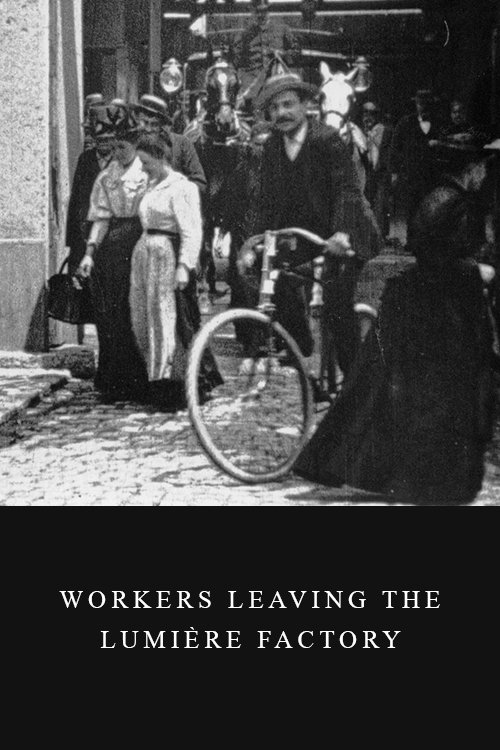
Working men and women leave through the main gate of the Lumière factory in Lyon, France. Filmed on 22 March 1895, it is often referred to as the first real motion picture ever made, although Louis Le Prince's 1888 Roundhay Garden Scene pre-dated it by seven years. Three separate versions of this film exist, which differ from one another in numerous ways. The first version features a carriage drawn by one horse, while in the second version the carriage is drawn by two horses, and there is no carriage at all in the third version. The clothing style is also different between the three versions, demonstrating the different seasons in which each was filmed. This film was made in the 35 mm format with an aspect ratio of 1.33:1, and at a speed of 16 frames per second. At that rate, the 17 meters of film length provided a duration of 46 seconds, holding a total of 800 frames.
During WW2 a boy tries to save himself and his baby sister from a German soldier.
Documentary on industrial lubrification.
The Devil of Comparisons (original title: El Demonio de las Comparaciones), was a 30-hour black & white silent film from 1929 by Narding Salome Exelsio (1883-1949). It explores the cyclical lives, deaths, and rebirths of Jose Rizal and his characters (played by hitherto unidentified actors) in a wasteland ruled by demons.
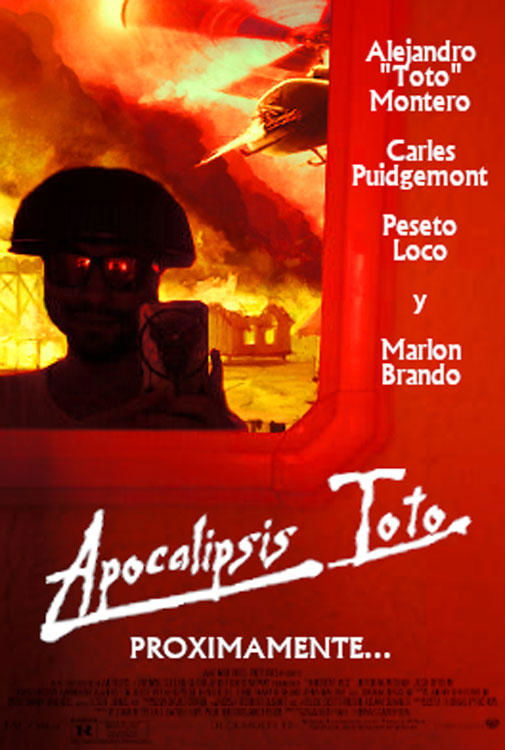
Toto, a worker in Catalonia, analyzes the violence spiral experienced in Barcelona in October 2019.
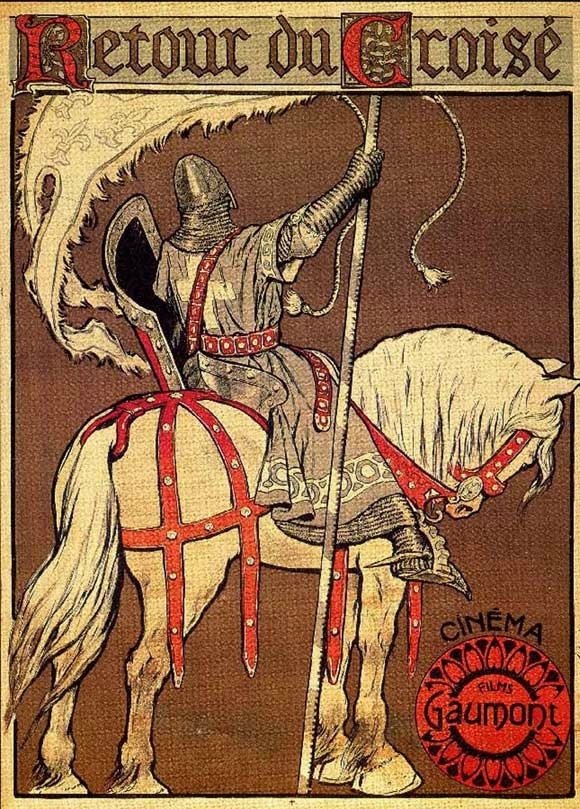
A French silent film directed by Louis Feuillade.
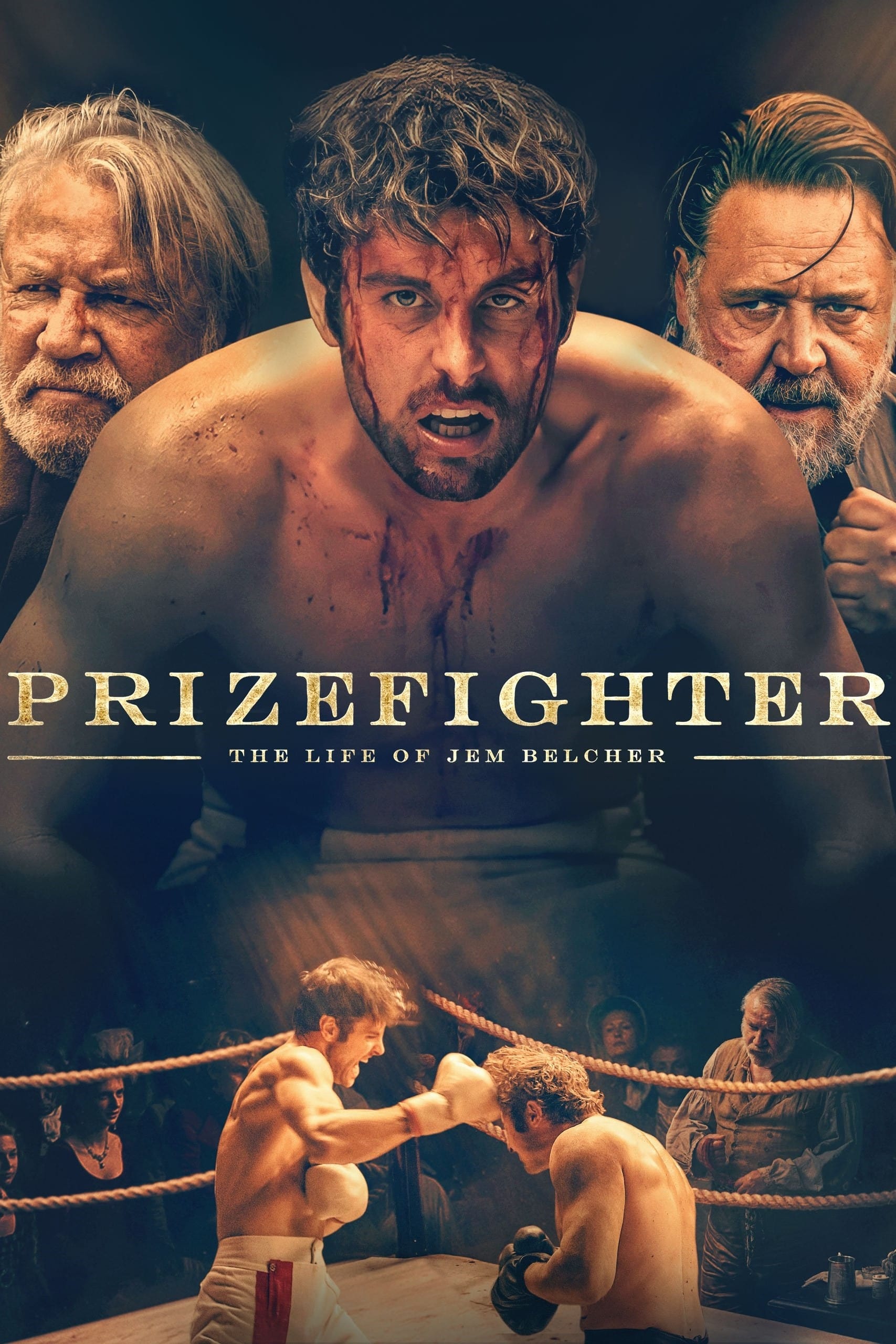
At the turn of the 19th century, Pugilism was the sport of kings and a gifted young boxer fought his way to becoming champion of England.
In 1973, a young gallery assistant goes on a wild adventure behind the scenes as he helps aging genius Salvador Dali prepare for a big show in New York.
Eccentric British painter J.M.W. Turner lives his last 25 years with gusto and secretly becomes involved with a seaside landlady, while his faithful housekeeper bears an unrequited love for him.
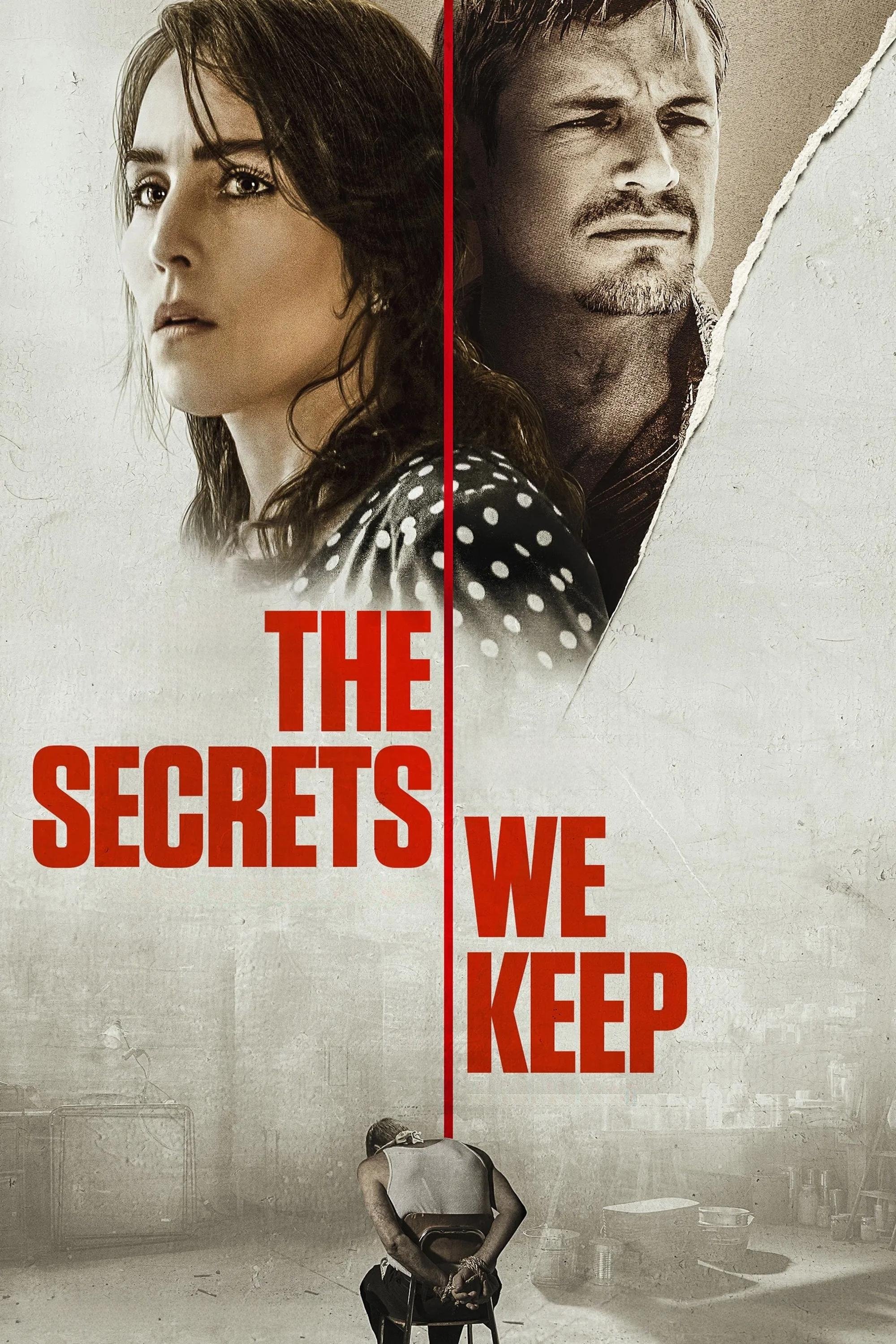
In post-World War II America, a woman, rebuilding her life in the suburbs with her husband, kidnaps her neighbor and seeks vengeance for the heinous war crimes she believes he committed against her.
Judge Clarence Thomas' nomination to the United States' Supreme Court is called into question when former colleague, Anita Hill, testifies that he had sexually harassed her.
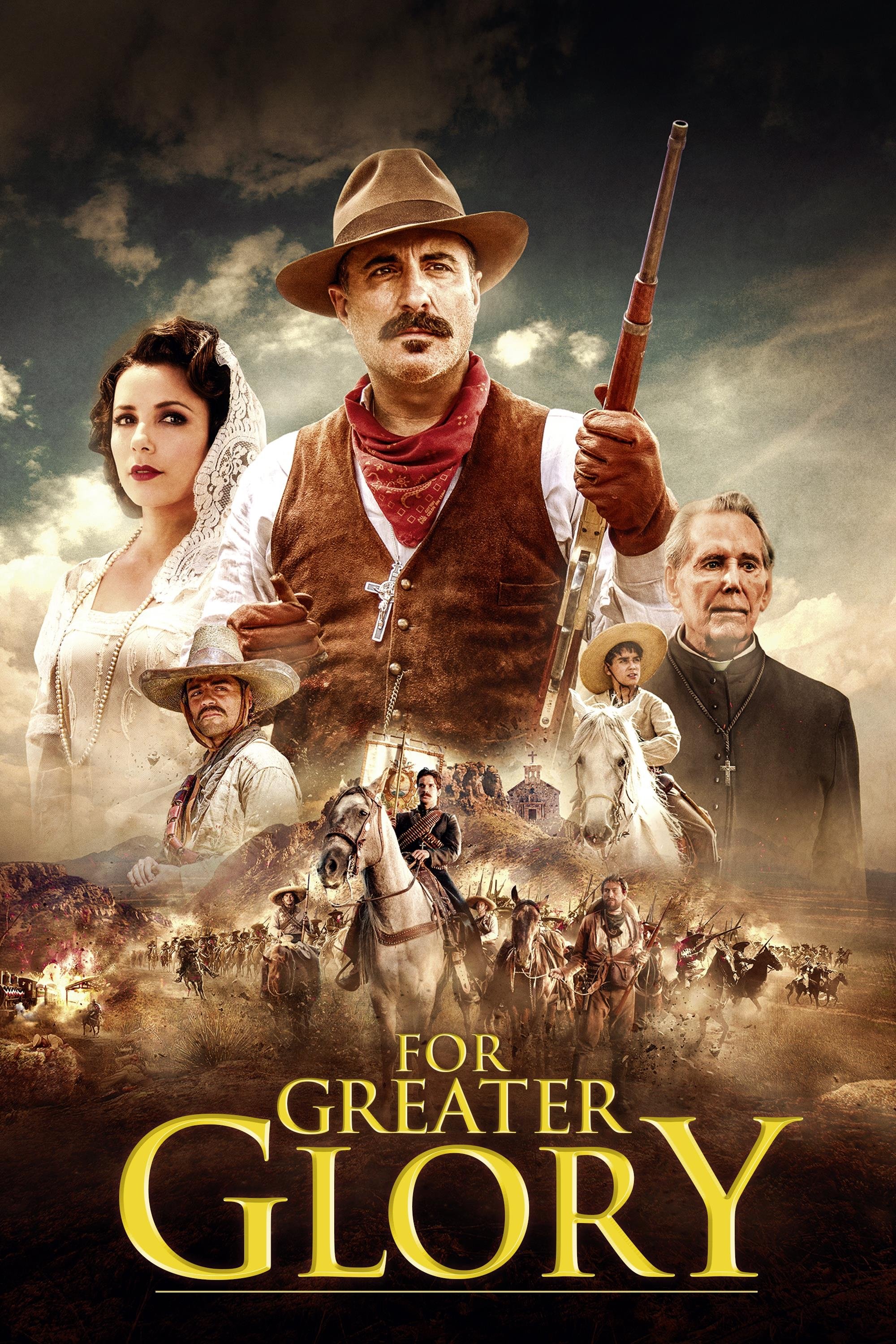
A chronicle of the Cristeros War (1926-1929), which was touched off by a rebellion against the Mexican government's attempt to secularize the country.
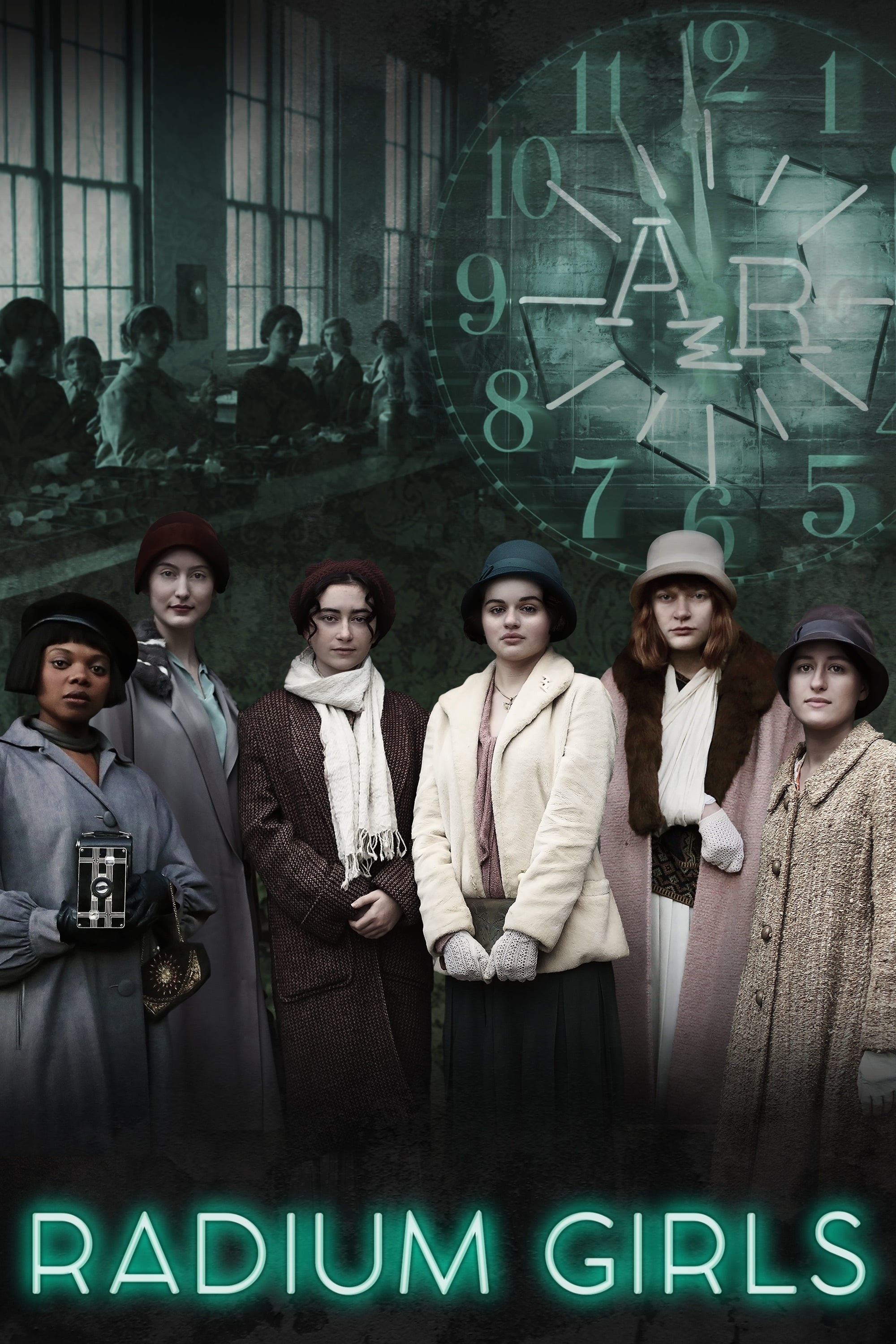
Young women toiling in a factory are exposed to hazardous material which takes a disastrous toll on their health.
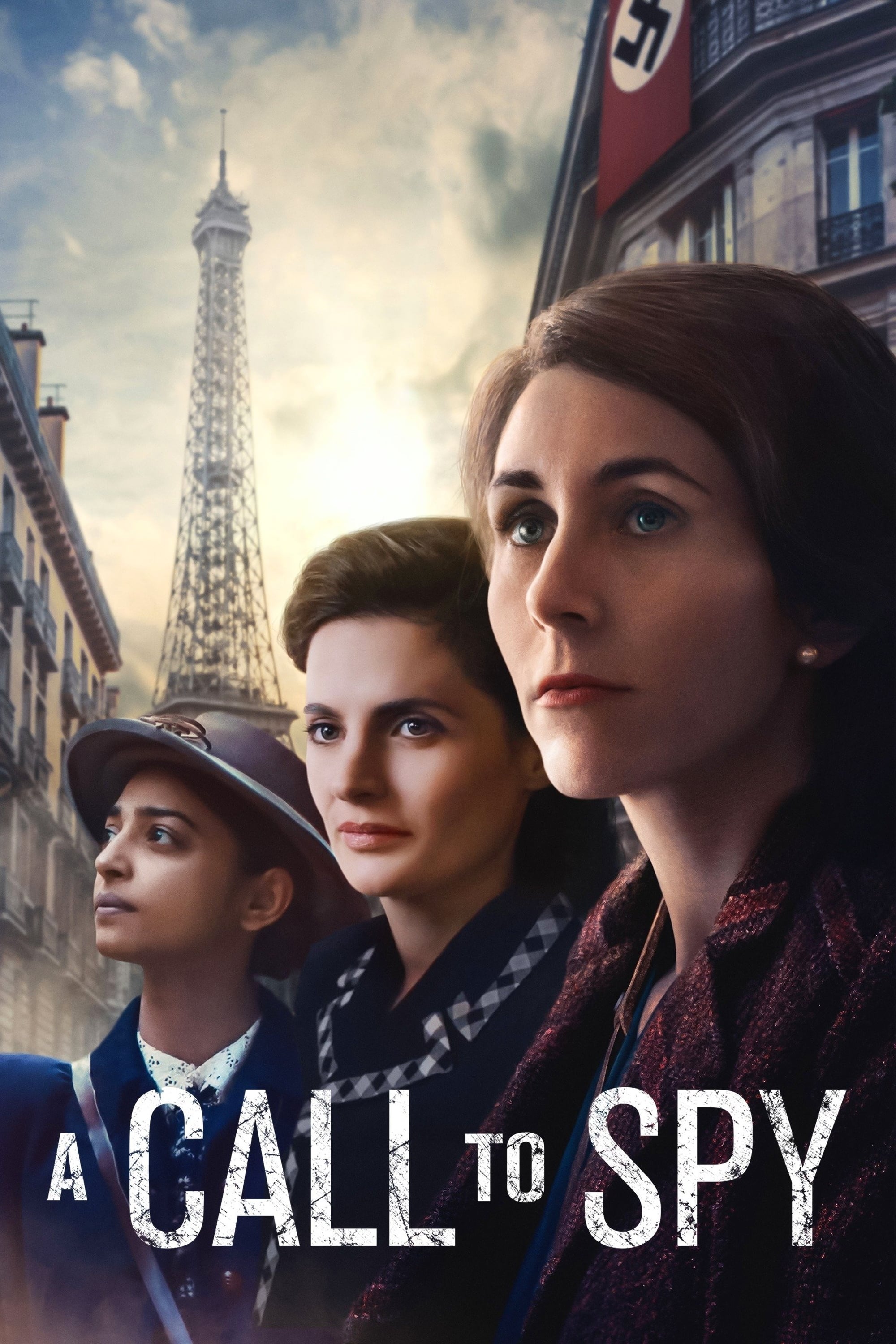
The story of Vera Atkins, a crafty spy recruiter, and two of the first women she selects for Churchill's "secret army": Virginia Hall, a daring American undaunted by a disability and Noor Inayat Khan, a pacifist. These civilian women form an unlikely sisterhood while entangled in dangerous missions to turn the tide of the war.
A WWII veteran escapes his care home in Northern Ireland and embarks on an arduous but inspirational journey to France to attend the 75th anniversary of the D-Day landings, finding the courage to face the ghosts of his past.
A young man is plunged into a life of subterfuge, deceit and mistaken identity in pursuit of a femme fatale whose heart is never quite within his grasp.
The story of Nobel Prize winner Maria Skłodowska-Curie and her extraordinary scientific discoveries—through the prism of her marriage to husband Pierre—and the seismic and transformative effects their discovery of radium had on the 20th century.
The history of cinematic sound, told by legendary sound designers and visionary filmmakers.
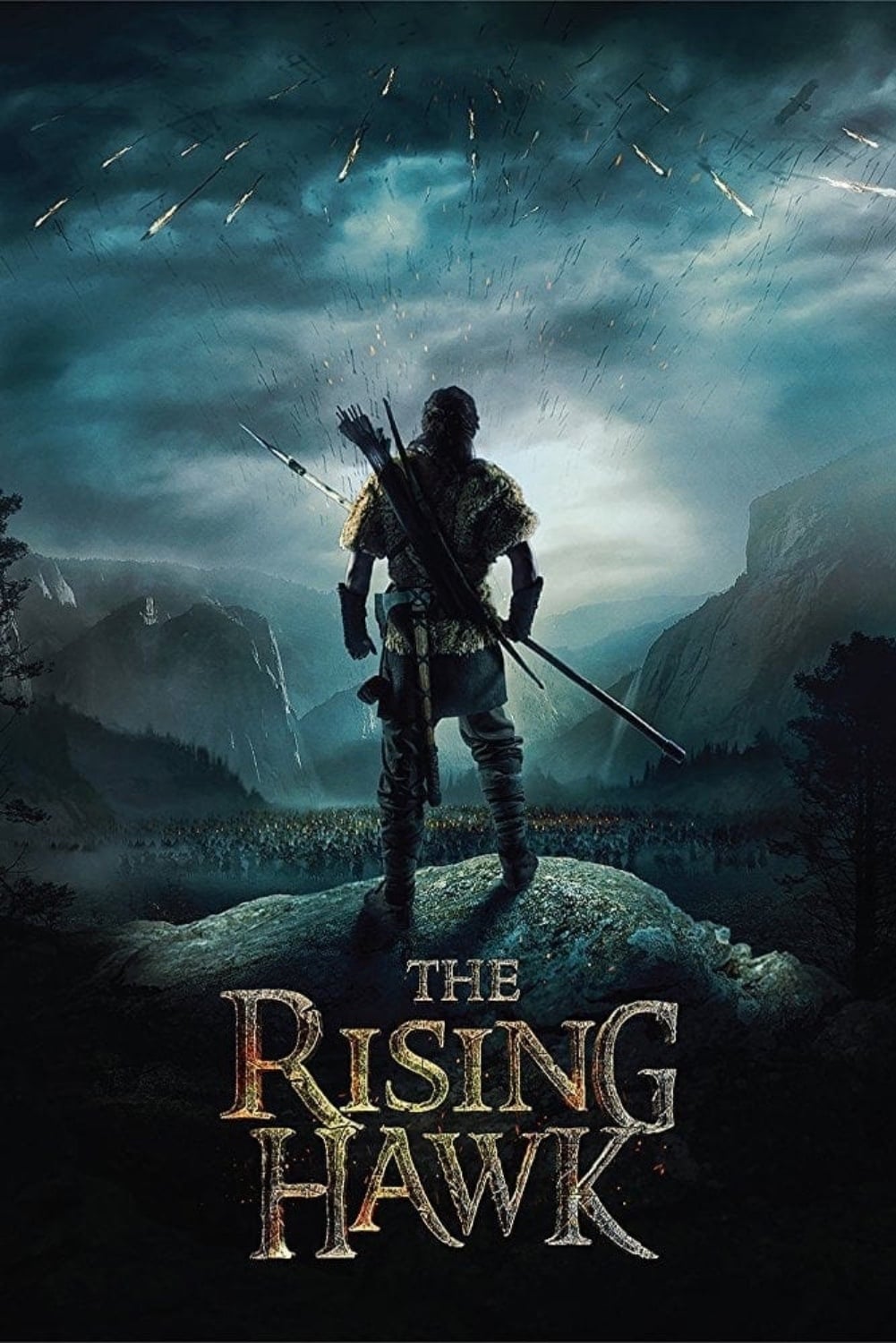
During the 13th century, a small village fights for freedom in the frontier landscape of the Carpathian Mountains against Mongolian invaders.
From its distinctive neighborhoods to its architectural homes, Los Angeles has been the backdrop to countless movies. In this dazzling work, Andersen takes viewers on a whirlwind tour through the metropolis' real and cinematic history, investigating the myriad stories and legends that have come to define it, and meticulously, judiciously revealing the real city that lives beneath.
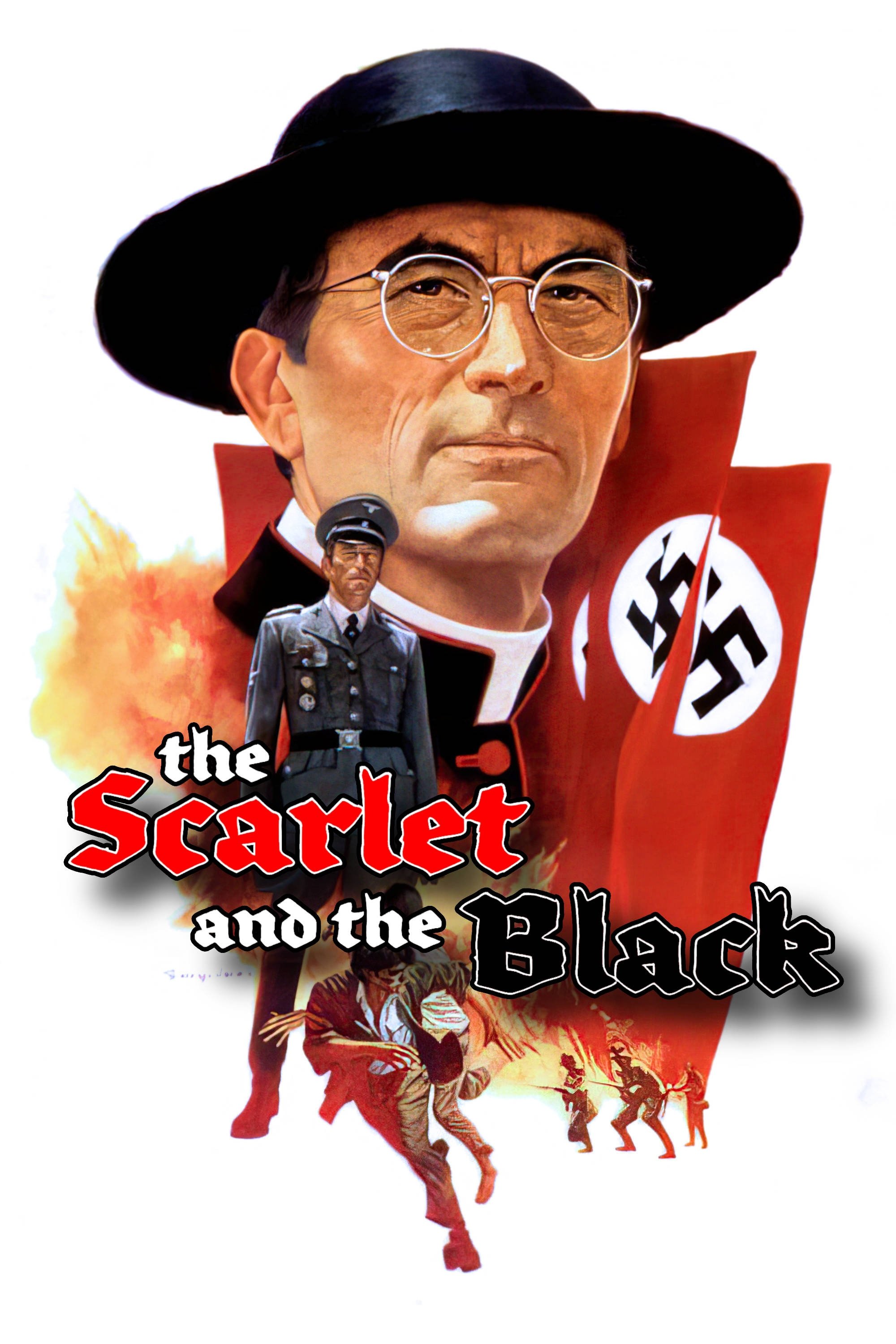
Fr. Hugh O'Flaherty is a Vatican official in 1943-45 who has been hiding downed pilots, escaped prisoners of war, and Italian resistance families. His activities become so large that the Nazis decide to assassinate him the next time he leaves the Vatican.
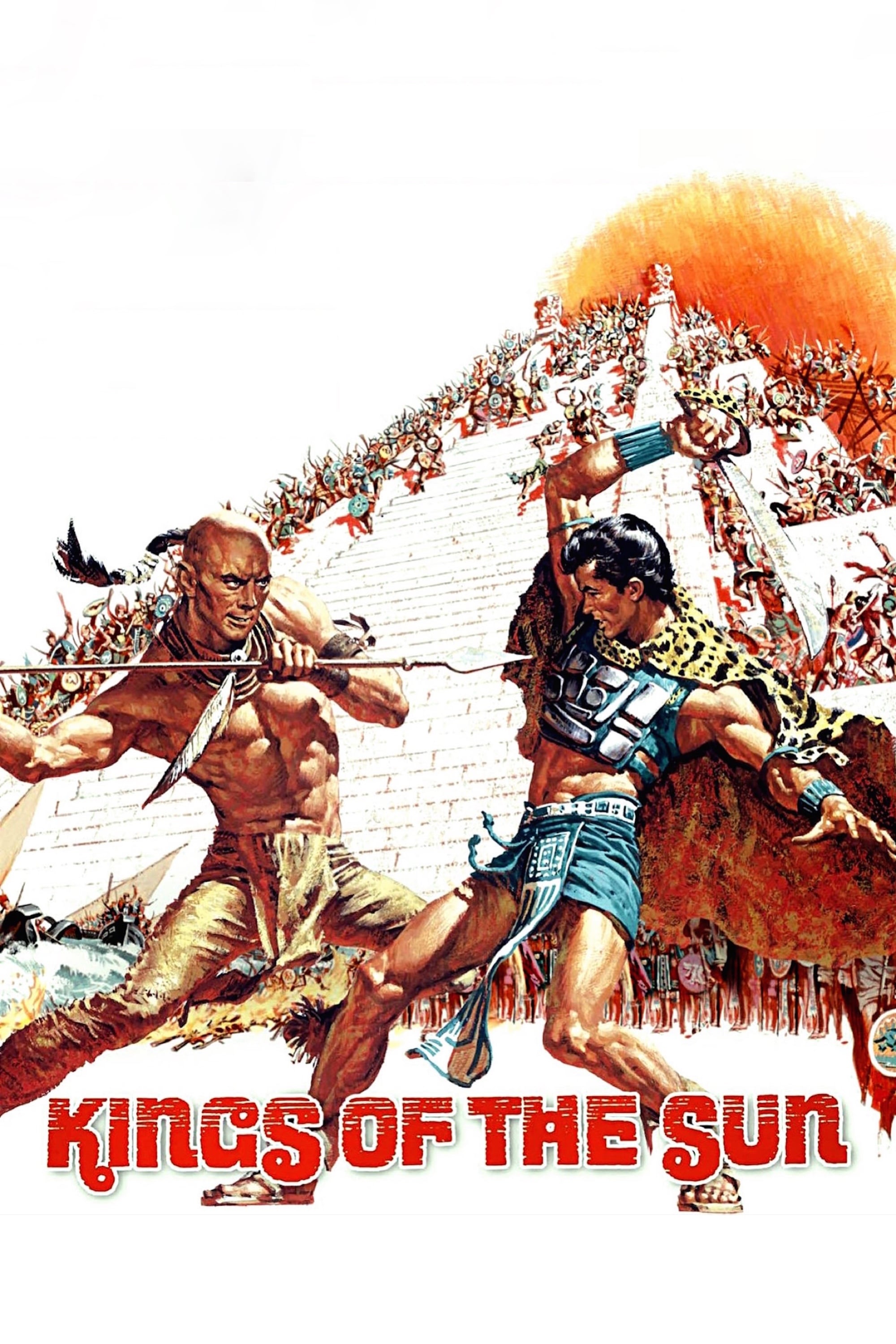
In order to flee from powerful enemies, young Mayan king Balam leads his people north across the Gulf of Mexico to the coast of what will become the United States. They build a home in the new land but come into conflict with a tribe of Native Americans led by their chief, Black Eagle, while both Balam and Black Eagle fall in love the beautiful Mayan princess Ixchel.
All Eyez on Me chronicles the life and legacy of Tupac Shakur, including his rise to superstardom as a hip-hop artist, actor, poet and activist, as well as his imprisonment and prolific, controversial time at Death Row Records. Against insurmountable odds, Tupac rose to become a cultural icon whose career and persona both continue to grow long after his passing.
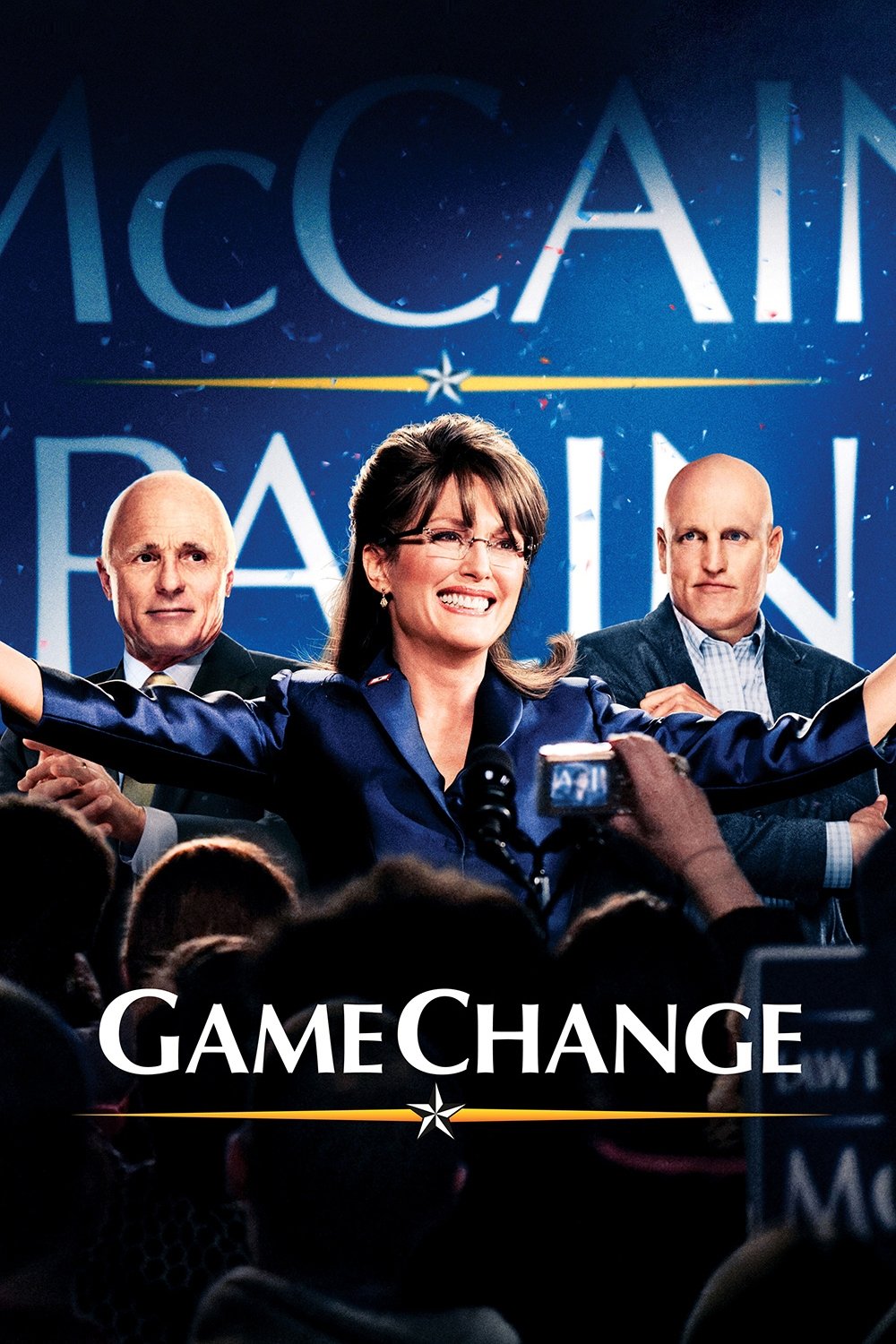
During the Republican run of the 2008 Presidential election, candidate John McCain picks a relative unknown, Alaskan governor Sarah Palin, to be his running mate. As the campaign kicks into high gear, her lack of experience, in both political and media savvy, becomes a drain upon McCain and his strategists.
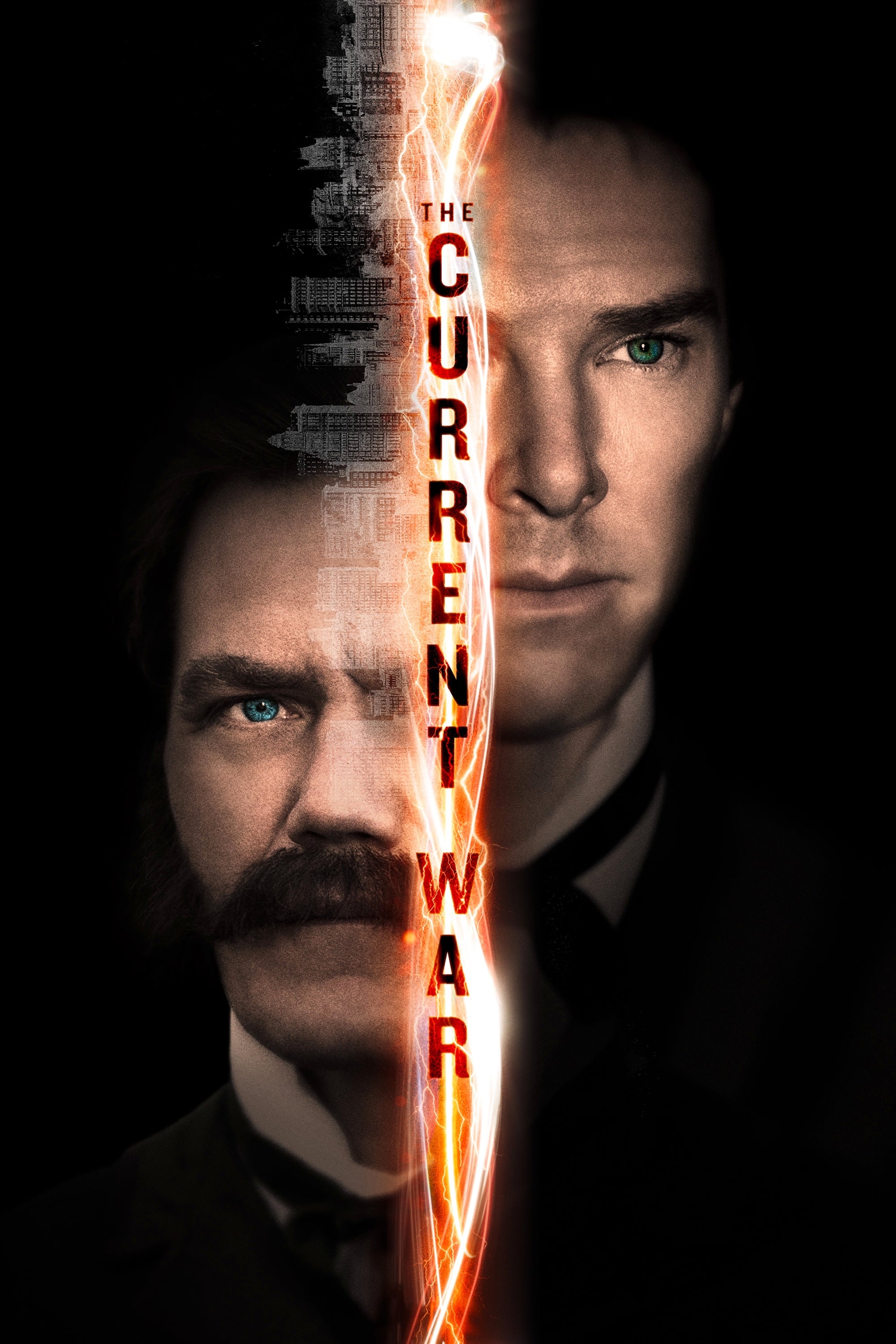
Electricity titans Thomas Edison and George Westinghouse compete to create a sustainable system and market it to the American people.
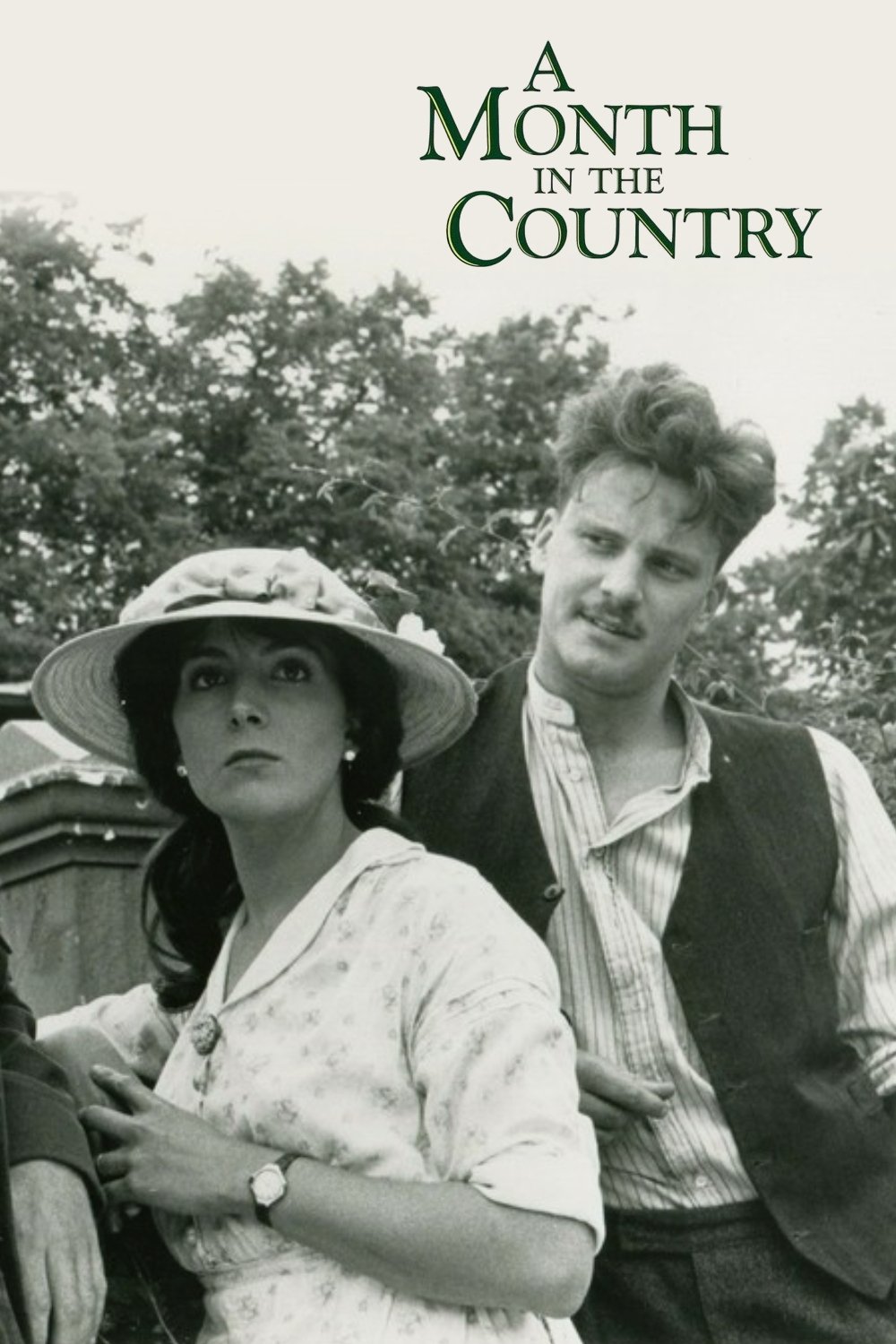
A destitute WWI veteran is hired to help carry out restoration work on a medieval mural in a rural Yorkshire church. While living in the quiet village, he forms a close friendship with an archaeologist and begins to come to terms with his trauma.