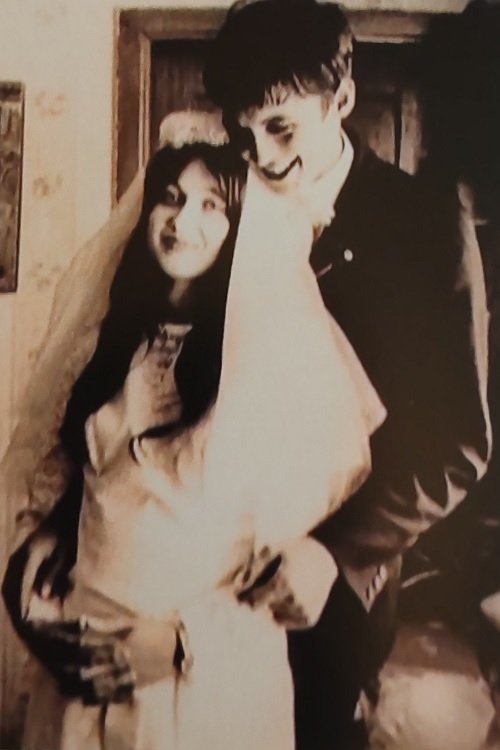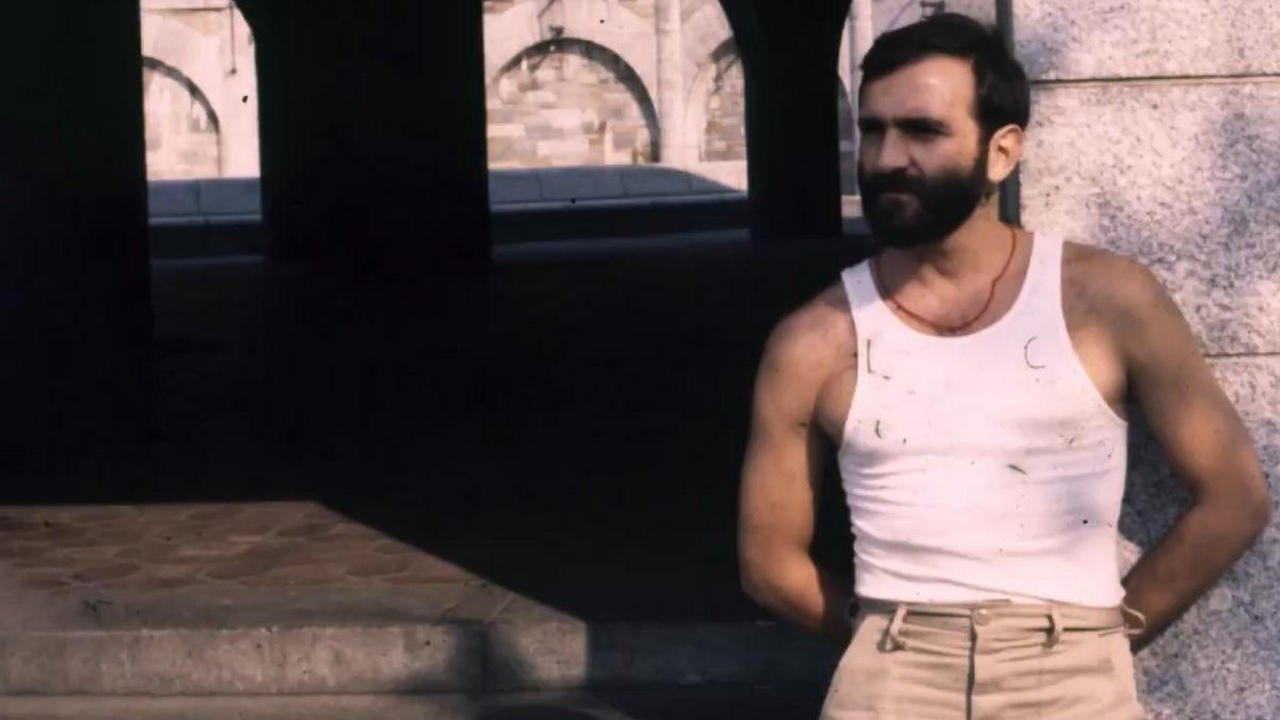
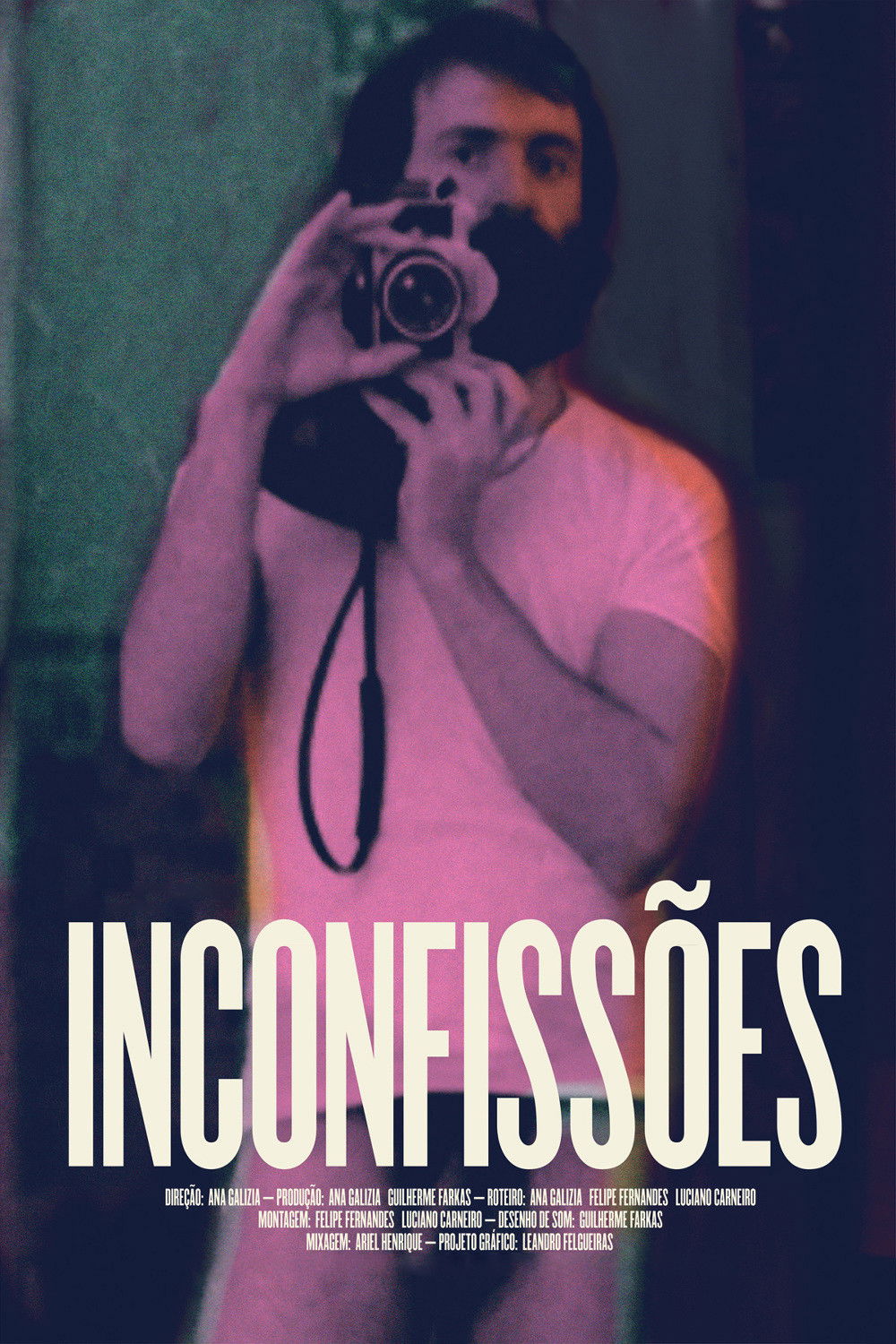
Luiz Roberto Galizia died very young, but he left behind a wealth of personal archives. 30 years later, his niece Ana Galizia plunges into these archives to follow the traces of this uncle she never met.

Stream
Buy
Rent
Social & External
The people behind it
Gunnar Borges
(voice)
Charles Fricks
Ana Galizia
Luis Roberto Galizia
Self
Lucas Nascimento
Leandro Rabello
Geovaldo Souza
This documentary serves as a beginner’s guide to world of Soviet animation, which covers the entire history of the USSR.
A program that explores the strange but true medical mysteries housed in this one-of-a-kind museum in Philadelphia, Pennsylvania.
In 1978, just after Le fond de l'Air Est Rouge, which mercilessly analyzed the previous ten years of the revolutionary left's momentum until its collapse, Chris Marker made this complementary piece entitled Quand le Siècle a Pris Forme (Guerre et Révolution).
A video puzzle using mathematical principles and prime numbers, daring the audience to decode it's journey.
The vertiginous progress of modernity has caused the spaces that humanity previously inhabited, now remain forgotten.
Part of Chris Marker’s Three Video Haikus series, Tchaïka is a brief visual meditation showing an overexposed view of a bridge and the river flowing beneath it.
Part of Chris Marker’s Three Video Haikus series, Petite Ceinture is a brief visual meditation on Paris’s abandoned circular railway, filmed as an homage to the Lumière brothers.
Since Rosa was little, people used to say around town that her grandfather was a black dog. The legend, belonging to the Valley of Oaxaca, spoke of a man who had the ability to turn into a black dog and roam the streets at night. Through images of the town, interviews with the brothers and animated interventions, the documentary tells the story of the myth and its importance in the collective memory.
Animated training film depicting the fundamentals of electricity and how electrical signals can be used to keep an airplane on correct course and altitude through an autopilot.
In the early ‘70s, in Argentina, a group of homosexuals decided to confront the status quo. With testimonies from its survivors as its denouncement source, Sex and Revolution brings back the voices of those who thought in order to be recognized as political actors in a society that wasn’t prepared for them.
A short portrait film of the collaboration between experimental musicians Art-Errorist (Jean-Herve Peron) and Zsolt Sőrés together with Jesus & Mary Chain's Douglas Hart.
After the capture of Shanghai, Japanese soldiers make a trip to Suzhou.
“Sardar Gurcharan Singh was the father of studio pottery in India. "Daddyji" as most called him lovingly was very close to my father. I often tagged along to visit his home studio where pottery wheels were lined up under the big neem trees in his old brick house. My father wanted me to make a film on Daddyji, who was then 95. He was afraid that Daddyji's wonderful story would be left untold. He not only introduced studio pottery in India but due to his longevity, mentored many potters. So despite not knowing anything about films, I made the documentary, Imprint in Clay with a classmate of mine, which was mostly funded by my father.”
MARKS/MARKS examines the relationship between the mark making of optical lens technologies (writing with light) and the mark making of painting within the context of digital technology and mass data. The film maps the movement of painter Dr Harrison Waed See in the studio painting to generate the tempo and trigger audio and visual effects. Similarly digital image sonification and digital data sonifcation of still and moving images of Dr See were used to generate further noise and visual effects. Alongside this, the soundtrack also includes amplifcations of the sound of his movements and paint brush.
World War II veteran Ray LeClair relives his marches through a haze of alcoholism on Winnipeg's Historic Main Street. The film draws from Ray's two battlefields, war and the street.
Nikolina Kulidžan was twelve years old when she fell in love for the first time. Not long after, the Bosnian War changed her life forever.
A documentary about actress Edith Massey in which she talks about her life and her career in film.
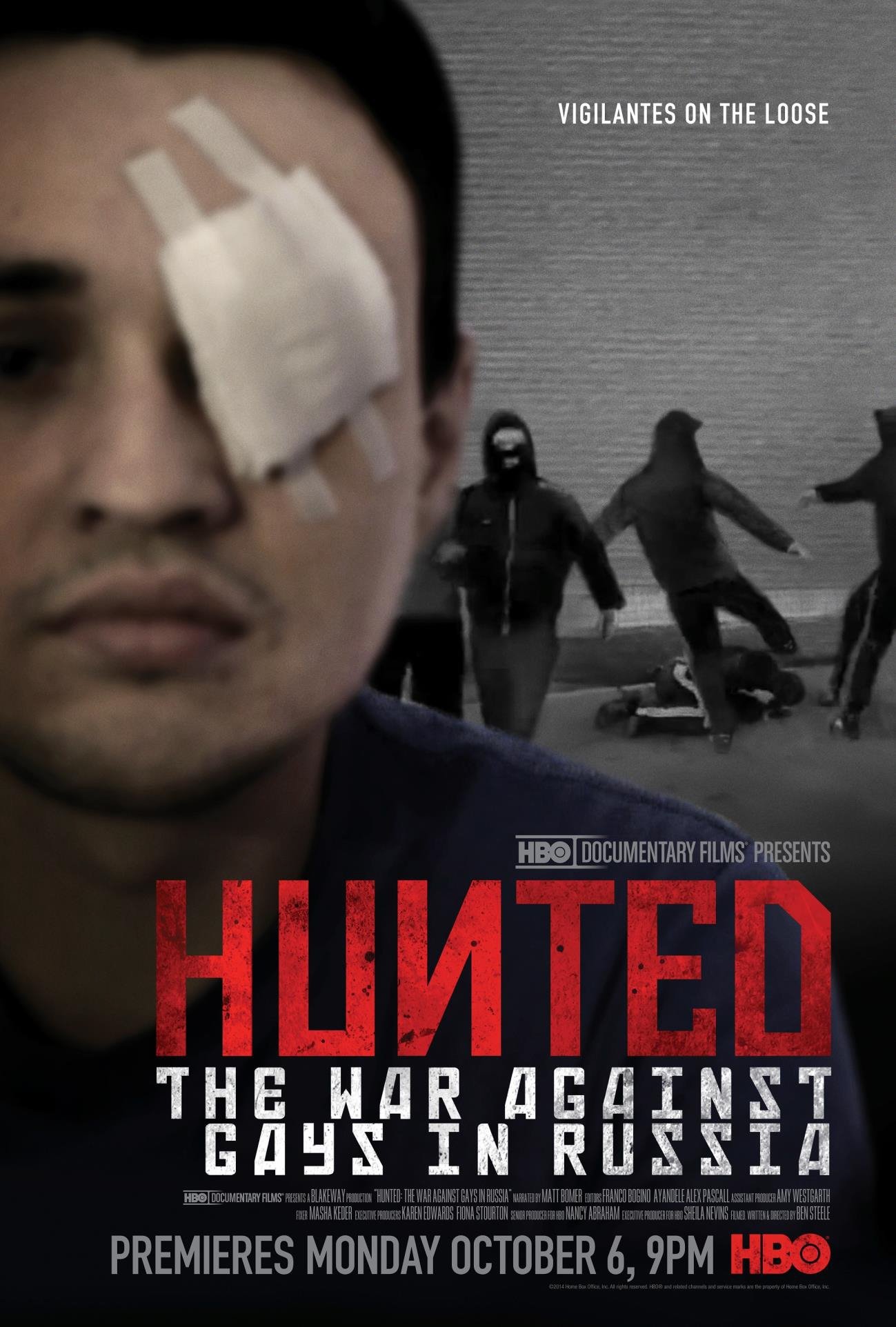
This searing investigative work shadows a group of activists risking unimaginable peril to confront the ongoing anti-LGBTQ program raging in the repressive and closed Russian republic. Unfettered access and a remarkable approach to protecting anonymity exposes this under-reported atrocity–and an extraordinary group of people confronting evil.
In 1972, a seemingly typical shoestring budget pornographic film was made in a Florida hotel: "Deep Throat," starring Linda Lovelace. This film would surpass the wildest expectation of everyone involved to become one of the most successful independent films of all time. It caught the public imagination which met the spirit of the times, even as the self-appointed guardians of public morality struggled to suppress it, and created, for a brief moment, a possible future where sexuality in film had a bold artistic potential. This film covers the story of the making of this controversial film, its stunning success, its hysterical opposition along with its dark side of mob influence and allegations of the on set mistreatment of the film's star.
Fueled by a raging libido, Wild Turkey, and superhuman doses of drugs, Thompson was a true "free lance, " goring sacred cows with impunity, hilarity, and a steel-eyed conviction for writing wrongs. Focusing on the good doctor's heyday, 1965 to 1975, the film includes clips of never-before-seen (nor heard) home movies, audiotapes, and passages from unpublished manuscripts.
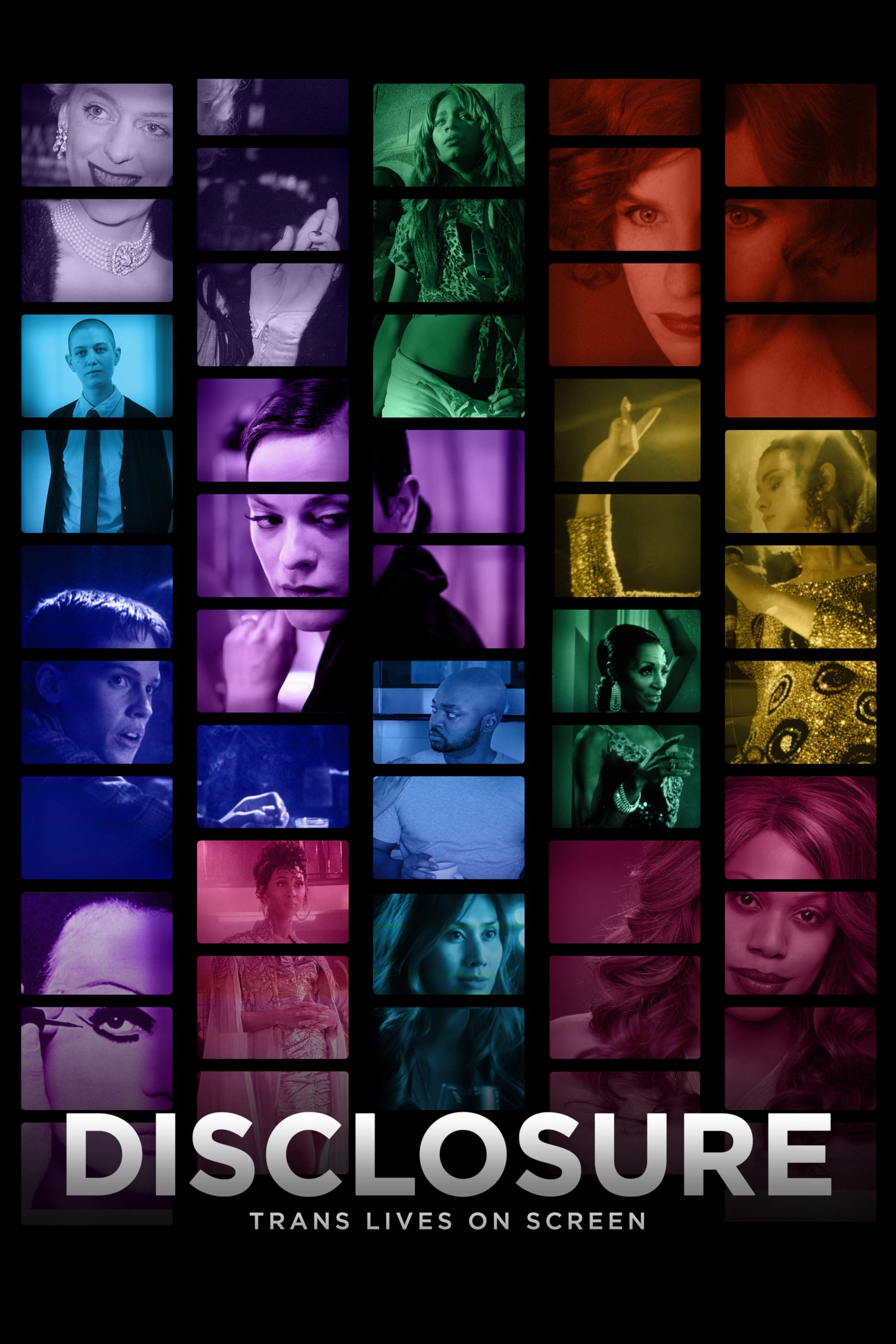
An investigation of how Hollywood's fabled stories have deeply influenced how Americans feel about transgender people, and how transgender people have been taught to feel about themselves.
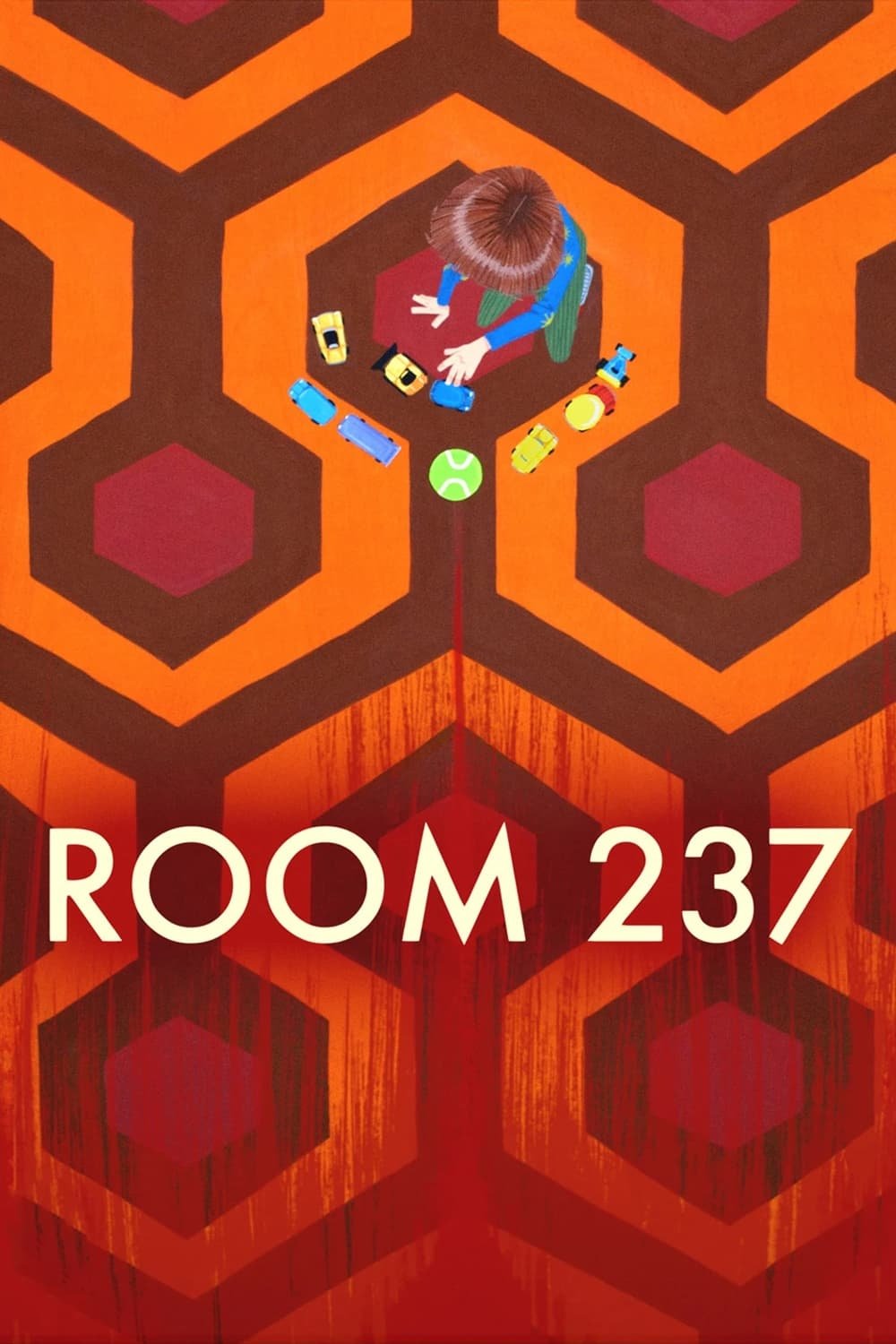
A subjective documentary that explores various theories about hidden meanings in Stanley Kubrick's classic film The Shining. Five very different points of view are illuminated through voice over, film clips, animation and dramatic reenactments.
A love letter from a young mother to her daughter, the film tells the story of Waad al-Kateab’s life through five years of the uprising in Aleppo, Syria as she falls in love, gets married and gives birth to Sama, all while cataclysmic conflict rises around her. Her camera captures incredible stories of loss, laughter and survival as Waad wrestles with an impossible choice– whether or not to flee the city to protect her daughter’s life, when leaving means abandoning the struggle for freedom for which she has already sacrificed so much.
A detailed account of the life and artistic career of legendary filmmaker Quentin Tarantino, from his early days as a video club manager to the scandalous fall in disgrace of producer Harvey Weinstein. A story about how to shoot eight great movies and become an icon of modern pop culture.
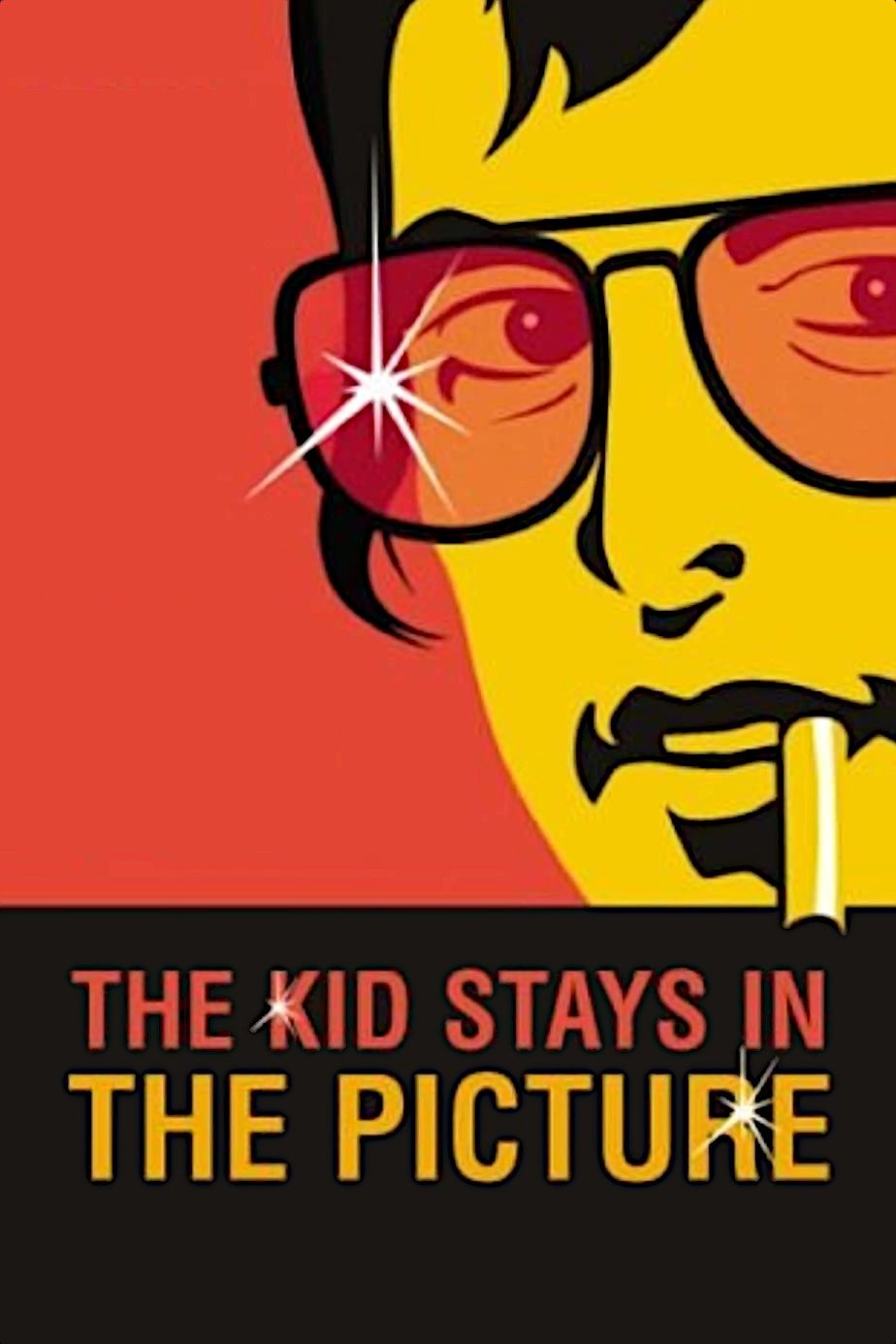
Documentary about legendary Paramount producer Robert Evans, based on his famous 1994 autobiography.
Alex Gibney explores the phenomenon of Stuxnet, a self-replicating computer virus discovered in 2010 by international IT experts. Evidently commissioned by the US and Israeli governments, this malware was designed to specifically sabotage Iran’s nuclear programme. However, the complex computer worm ended up not only infecting its intended target but also spreading uncontrollably.
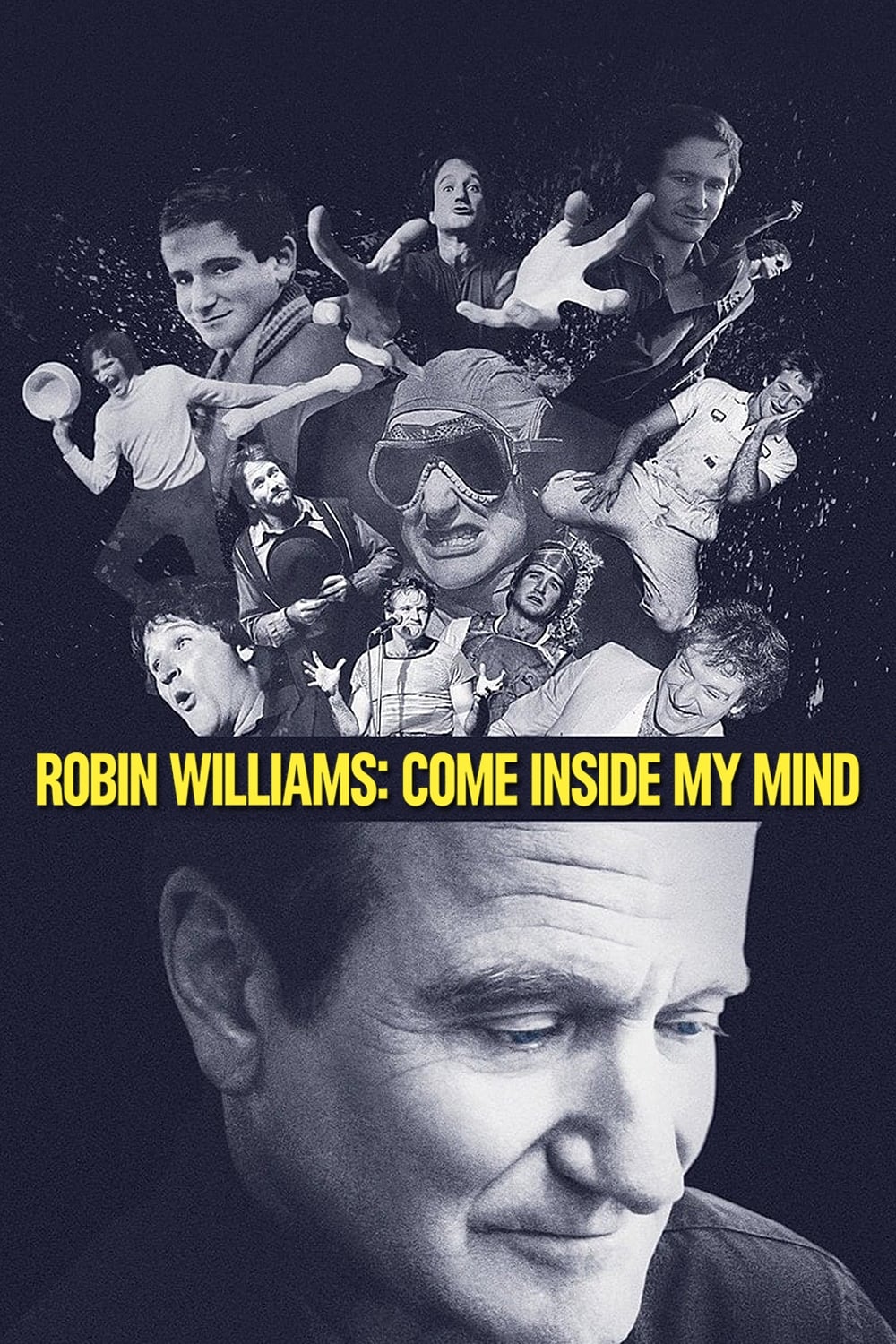
A funny, intimate and heartbreaking portrait of one of the world’s most beloved and inventive comedians, Robin Williams, told largely through his own words. Celebrates what he brought to comedy and to the culture at large, from the wild days of late-1970s L.A. to his death in 2014.
Andrew Dominik's One More Time With Feeling is a remarkable black and white documentary which chronicles the creation of Nick Cave & The Bad Seeds' album Skeleton Tree. Originally a performance based concept, the film evolved into something much more significant as Dominik delved into the tragic backdrop of the writing and recording of the album. The result is stark, fragile and raw, and a true testament to an artist trying to find his way through the darkness. It documents the writing, recording and performing of Nick Cave & the Bad Seeds’ sixteenth studio album, Skeleton Tree.
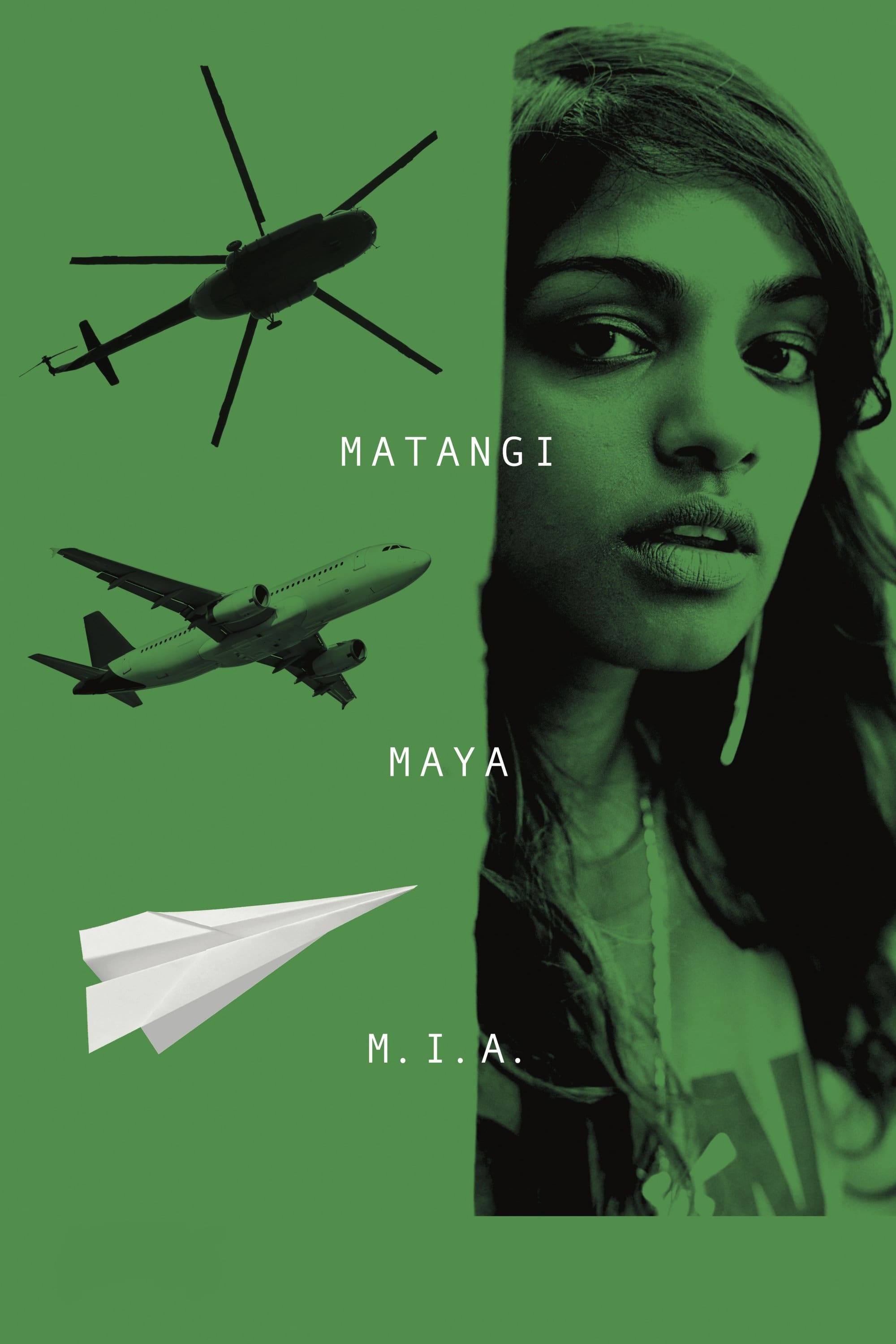
Drawn from a never before seen cache of personal footage spanning decades, this is an intimate portrait of the Sri Lankan artist and musician who continues to shatter conventions.
Using archival footage, cabinet conversation recordings, and an interview of the 85-year-old Robert McNamara, The Fog of War depicts his life, from working as a WWII whiz-kid military officer, to being the Ford Motor Company's president, to managing the Vietnam War as defense secretary for presidents Kennedy and Johnson.
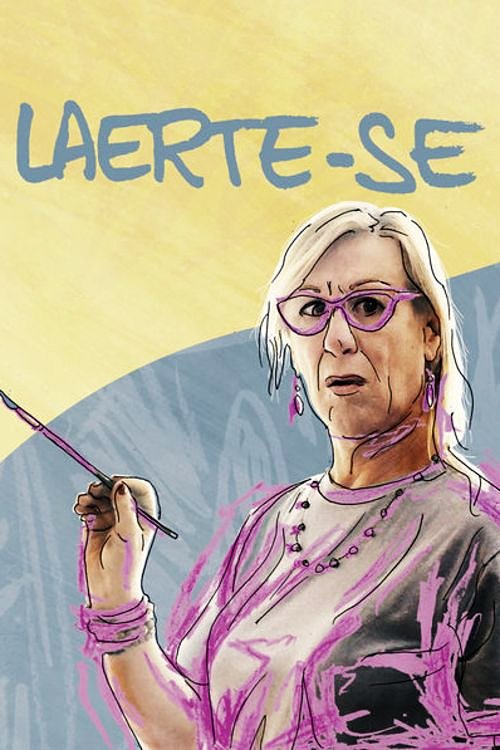
In this film, Laerte conjugates the body in the feminine, and scrutinizes concepts and prejudices. Not in search of an identity, but in search of un-identities. Laerte creates and sends creatures to face reality in the fictional world of comic strips as a vanguard of the self. And, on the streets, the one who becomes the fiction of a real character. Laerte, of all the bodies, and of none, complicates all binaries. In following Laerte, this documentary chooses to clothe the nudity beyond the skin we inhabit.
50 years after the legendary fest, Barak Goodman’s electric retelling of Woodstock, from the point of view of those who were on the ground, evokes the freedom, passion, community, and joy the three-day music festival created.
Ten of Muhammad Ali's former rivals pay tribute to the three-time world heavyweight champion.
The most famous murder scene in movie history comprises 78 camera settings and 52 cuts: the shower scene in Alfred Hitchcock's Psycho. 78/52 tells the story of the man behind the curtain and his greatest obsession.
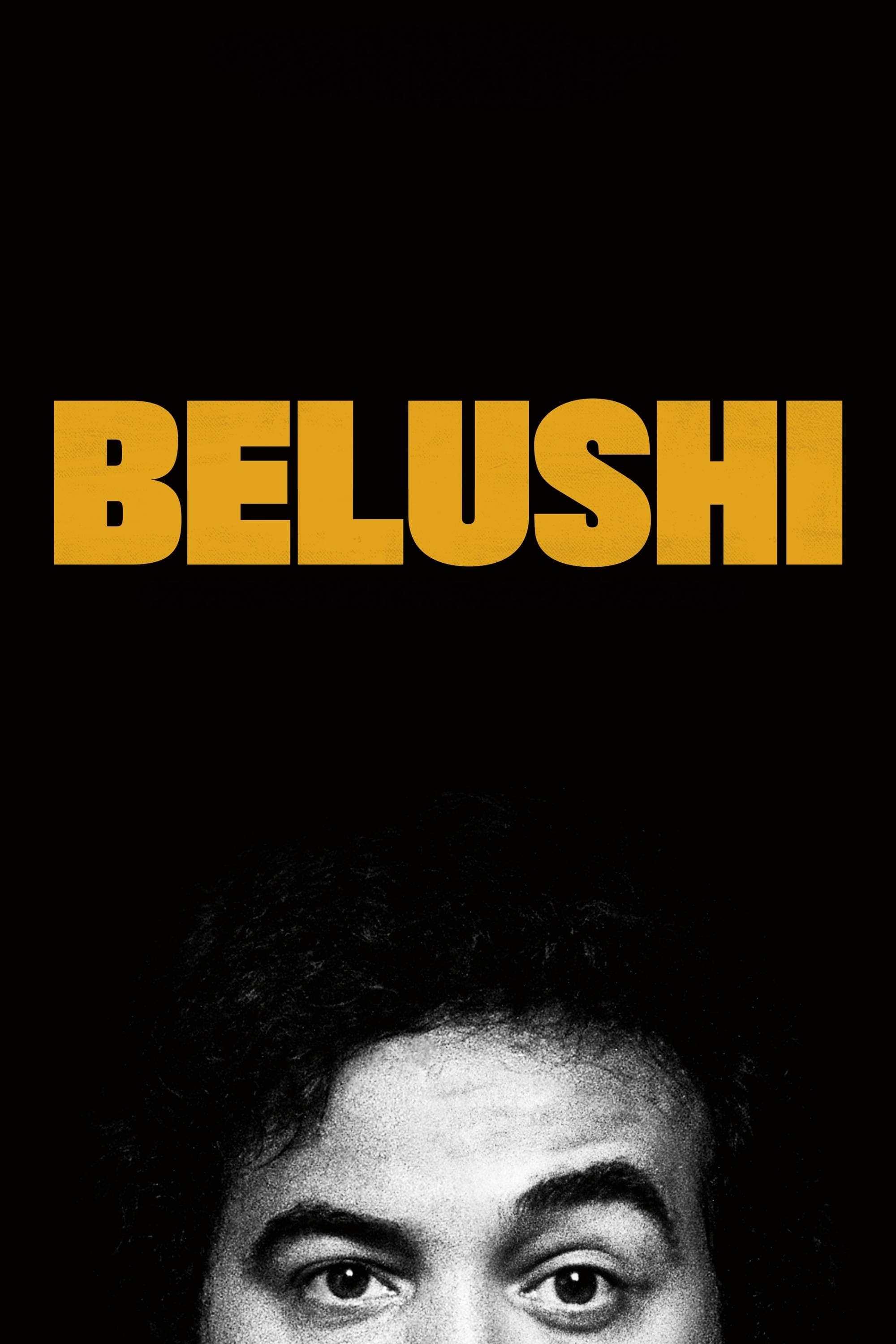
Using previously unheard audiotapes recorded shortly after John Belushi’s death, director R.J. Cutler’s documentary feature examines the too-short life of the once-in-a-generation talent who captured the hearts and funny bones of devoted audiences.
An investigation of "disaster capitalism", based on Naomi Klein's proposition that neo-liberal capitalism feeds on natural disasters, war and terror to establish its dominance.
Over the past 25 years, Lauren Greenfield's documentary photography and film projects have explored youth culture, gender, body image, and affluence. Underscoring the ever-increasing gap between the haves and the have-nots, portraits reveal a focus on cultivating image over substance, where subjects unable to attain actual wealth instead settle for its trappings, no matter their ability to pay for it.