Mass suicide prevention from resource depletion, overpopulation and climate change.
Social & External
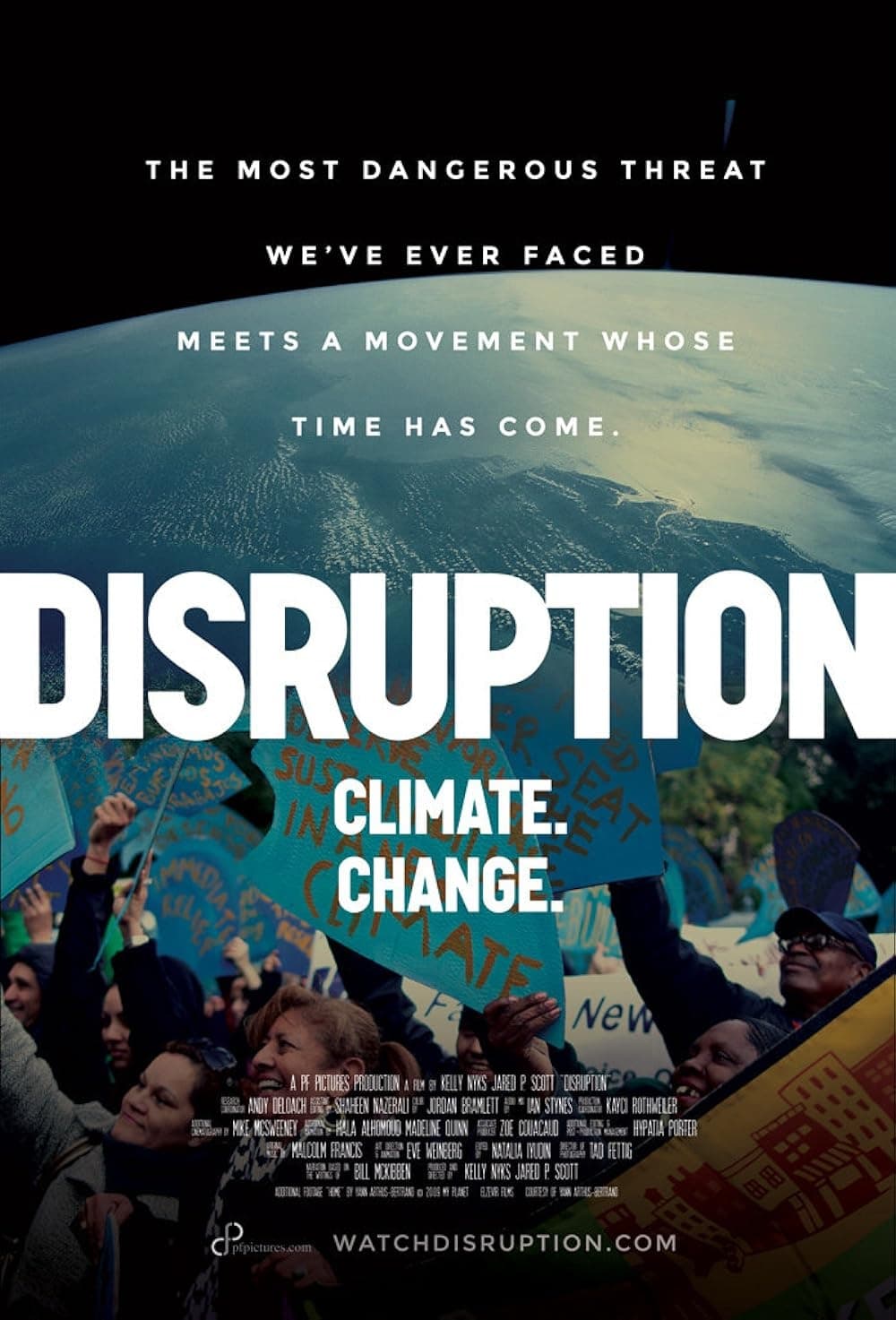
‘When it comes to climate change, why do we do so little when we know so much?’ Through a relentless investigation to find the answer, Disruption takes an unflinching look at the devastating consequences of our inaction. The exploration lays bare the terrifying science, the shattered political process, the unrelenting industry special interests and the civic stasis that have brought us to this social, moral and ecological crossroads.The film also takes us behind-the-scenes of the efforts to organize the largest climate rally in the history of the planet during the UN world climate summit.
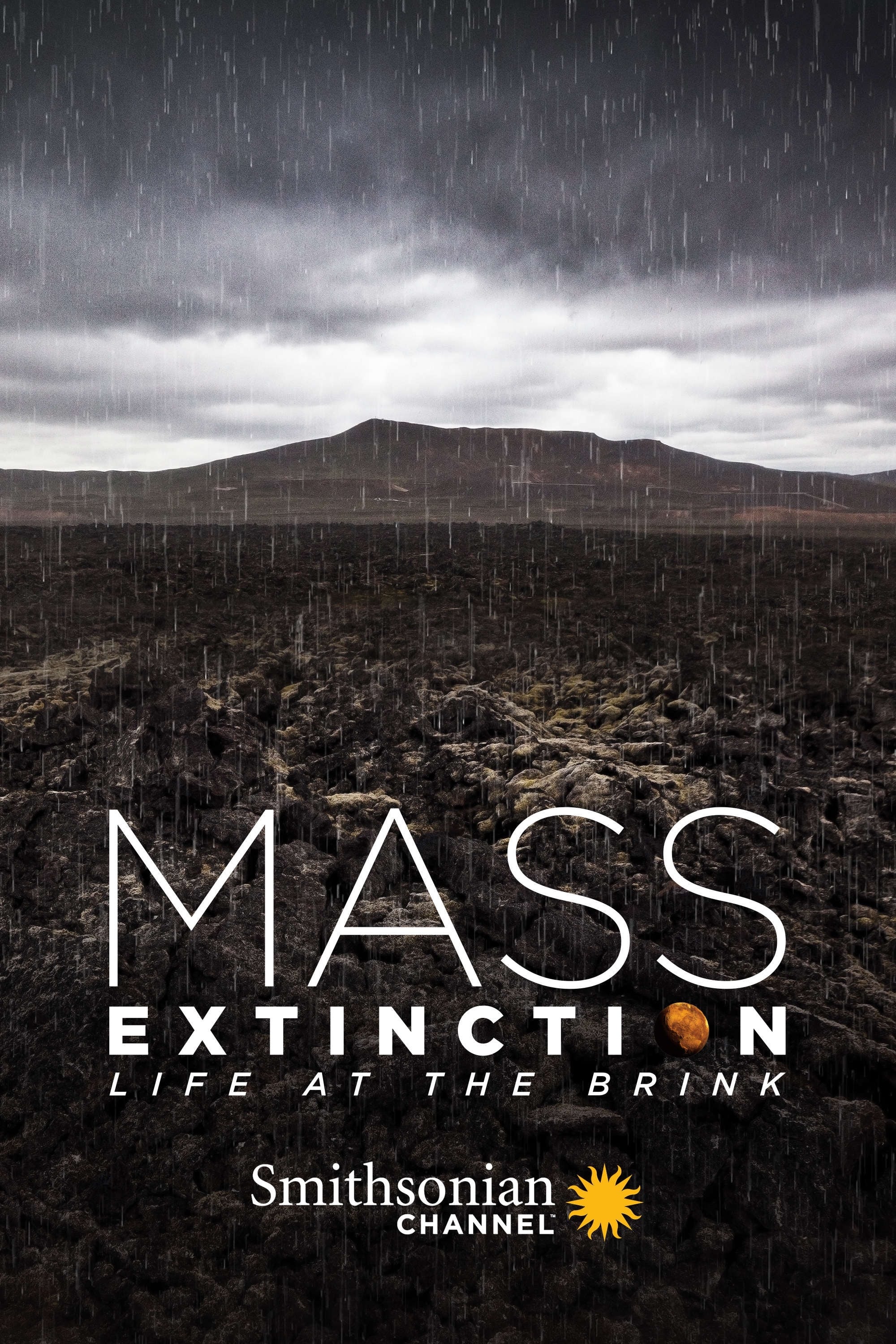
It's death on an unimaginable scale, when a majority of Earth's species quickly die out. It's called "mass extinction," and it's happened at least five times before. Cataclysms, such as supervolcanoes or asteroids, are thought to cause these events, but some experts believe a manmade mass extinction could be next. Is our planet in trouble? And if so, is there anything we can do to stop the next catastrophic annihilation? Experts are traveling the world, performing groundbreaking scientific detective work to answer these very questions.
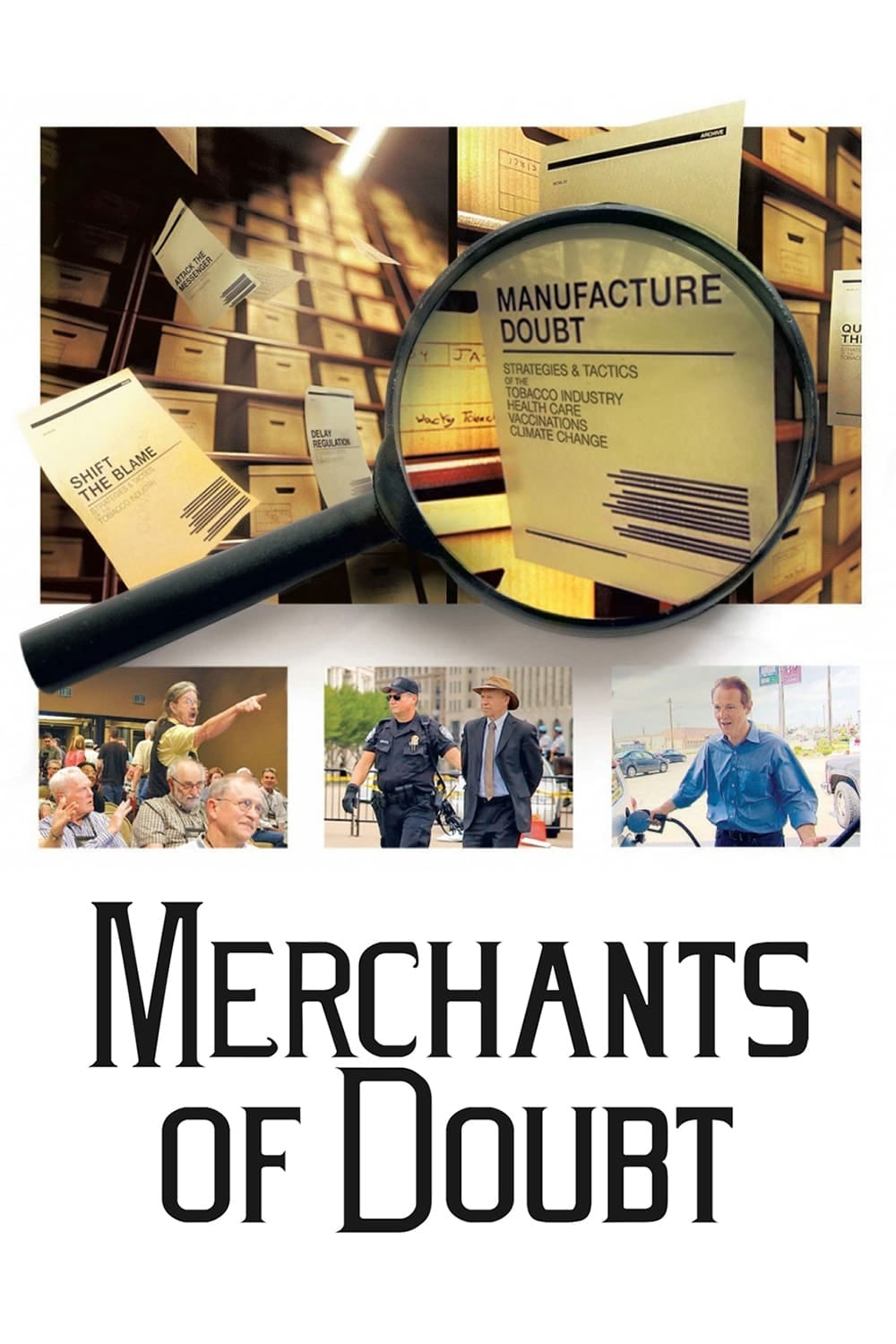
Spin doctors spread misinformation and confusion among American citizens to delay progress on such important issues as global climate change.
Follow the shocking, yet humorous, journey of an aspiring environmentalist, as he daringly seeks to find the real solution to the most pressing environmental issues and true path to sustainability.
In the far North, in the late fall, at a time of year when it should be covered with ice, the sea remains frozen along the coast of Greenland. Glaciers are melting and shedding chunks of ice that are scattered across the ocean surface. The animals inhabiting the land and water are threatened by warming temperatures and loss of sea ice. Climate change is fundamentally altering the natural environment of Greenland and affecting the lives of its wildlife and indigenous people. Greenlanders, who have survived for generations by hunting, are now losing their prey and their traditional way of life. They are facing the stark reality of a warming climate and are trying to adapt. Until now, the Inuit people who were born in Greenland and know only their traditional life of hunting, have never thought of a different place, a different life, a different future. But now they must face the possibility of losing their ancient traditions and their prey along with the disappearing ice.
Documentary about the work of Claude Lorius, who began studying Antarctic ice in 1957, and, in 1965, was the first scientist to be concerned about global warming.
Shishmaref is a community of about 600 people, located on an island just off the west coast of Alaska. The effects of global warming threaten the very existence of these people- so much that the entire population needs to be relocated off the island within 10 years. They have become the first tangible victims of the worldwide climate changes. The project exists of several components; exhibition, book, film, website, and educational program. In the documentary Jan Louter depicts the impending end of the traditional lifestyle on the island of Shishmaref trough the lives of three Inupiat families. Despite the alarming situation, the film has not become a political manifesto. The Last Days of Shishmaref is a moving film about identity, transience, mortality, and the clash between different eras and cultures.
This may be the one of the most important Horizon films of recent years. Climate scientists have just discovered a phenomenon that threatens to disrupt our world. It may already have contributed to the deaths of hundreds of thousands through drought and famine. Unchecked, it will strike again. The good news is that there is a cure. The bad news is that the cure may be worse than the disease. If they are right, then in tackling the one problem, we may unleash a climate catastrophe on our planet. This is a film about stark choices and about the dawning realisation that all our predictions about the world's climate may be completely wrong. At its heart is something that scientists are calling "global dimming".
A detailed overview of contemporary life in the tiny South Pacific country of Tuvalu, this film documents the earth's first sovereign nation faced with total destruction due to the effects of global warming. With a population of about 11,000 living on a total landmass of only 20 square miles – less than Manhattan – spread over nine low-lying atolls 600 miles to the north of Fiji, Tuvalu has been inhabited for over four millenia. The warm-spirited and highly community-oriented people of this ex-British colony struggle to survive economically while confronting the likelihood of having to evacuate their homeland en masse within the next 50 years.
Taking place between two major climate conferences – COP26 Glasgow and COP27 Sharm el-Sheikh, Temperature Rising uncovers the barriers to climate action and calls loudly for movement building from below, at a time where the very survival of large numbers of people depends on what activists can get political leaders to do.
A look at three key numbers that clarify the important questions on climate change, giving a unique perspective on what we know about the past, present and future of our climate.
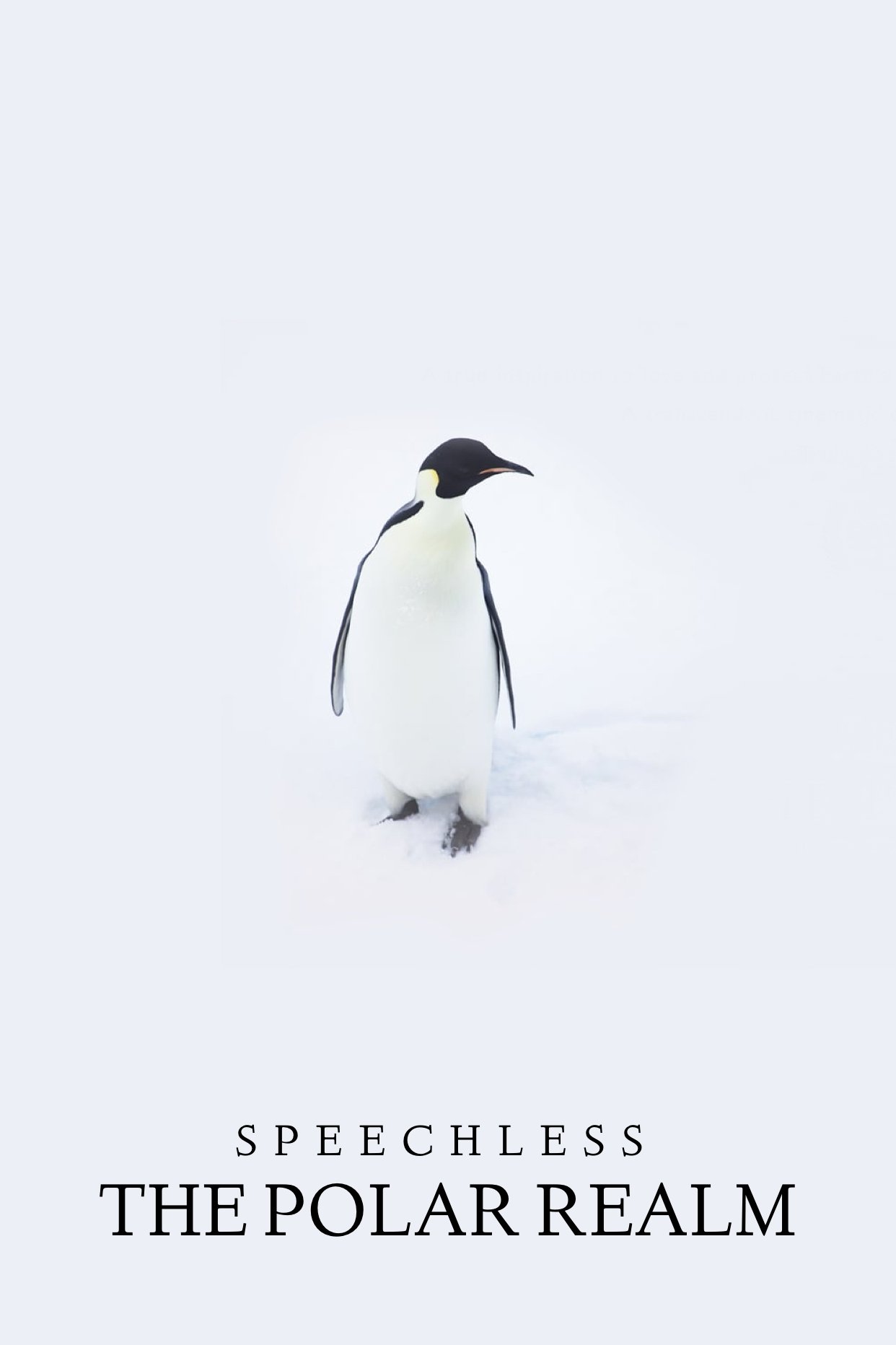
Beautifully filmed by New Zealand nature photographer Richard Sidey over the past decade around the polar regions, Speechless: The Polar Realm is a visual meditation of light, life, loss and wonder at the ends of the globe. This is the second film in Sidey’s non-verbal trilogy which is comprised of: - Landscapes at the World’s Ends (2010) - Speechless: The Polar Realm (2015) - Elementa (2020)
This lyrical film is an impassioned plea to protect our country's rivers, using beautiful animation, historical materials, and a poetic script to detail the far-reaching and catastrophic effects that humanity and civilisation have had on the River Severn, but also highlighting hopeful plans to restore the river and return it to its natural state.
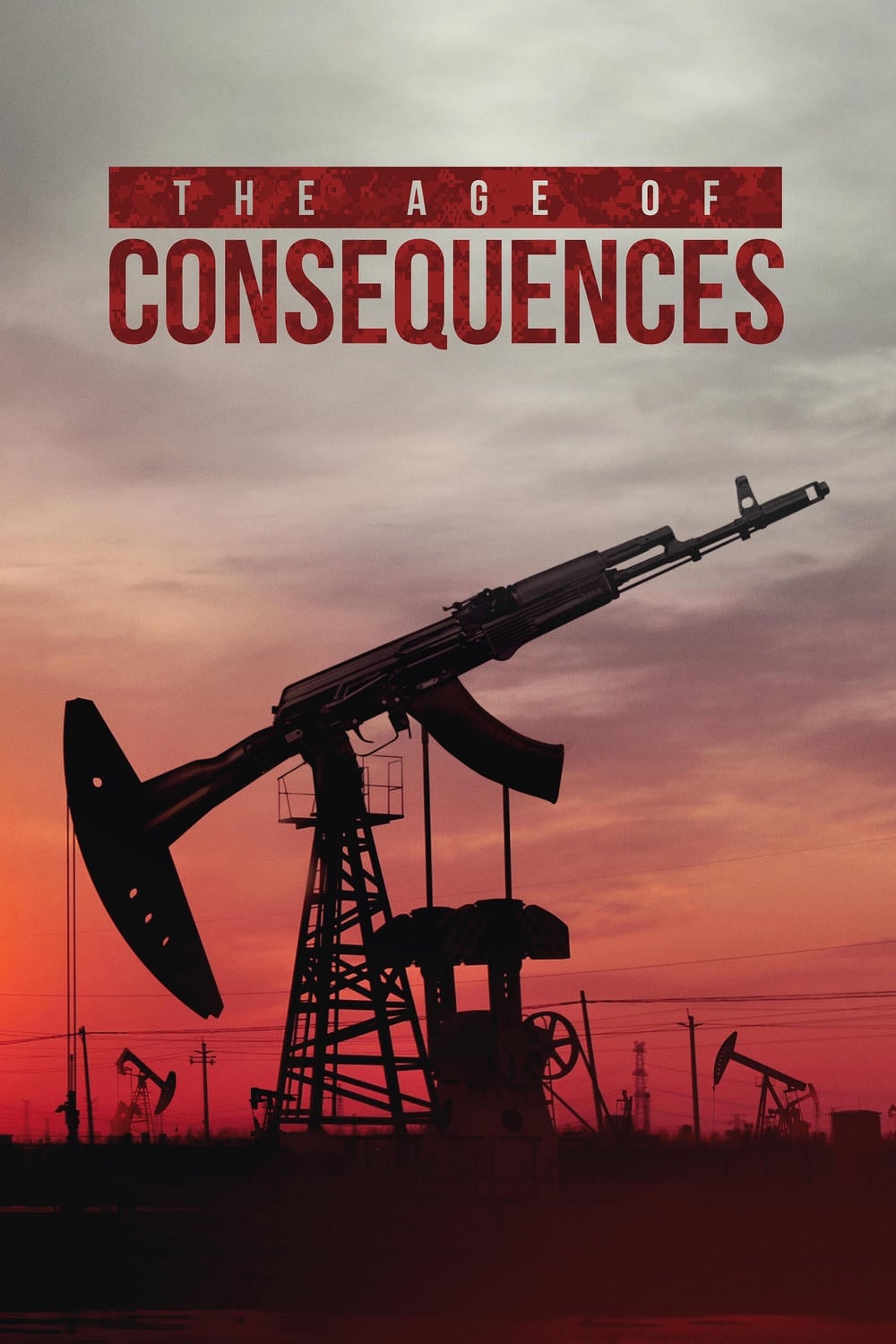
'The Hurt Locker' meets 'An Inconvenient Truth', THE AGE OF CONSEQUENCES investigates the impacts of irreversible climate change, resource scarcity, mass migration, and pandemic conflict through the lens of US national security and global instability.
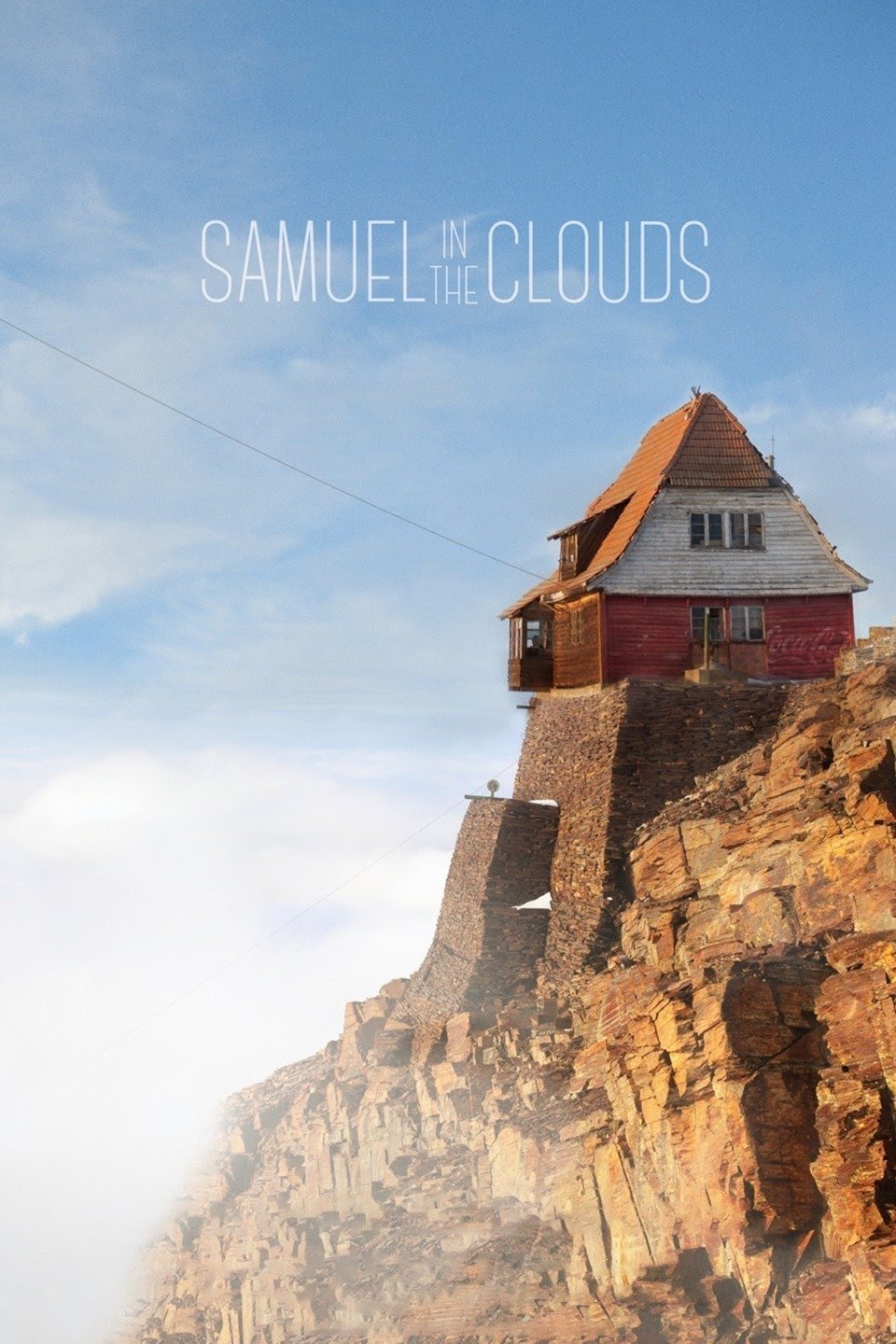
In Bolivia, the glaciers are melting. Samuel, an old ski lift operator, is looking out of a window on the rooftop of the world. Through generations his family lived and worked in the snowy mountains, but now snow fails. While scientists are discussing and measuring ominous changes Samuel honors the ancient mountain spirits. Clouds continue to drift by.
Academy Award® winning director Charles Ferguson's new film investigates global climate change villains and heroes, and reveals practical solutions to act on.
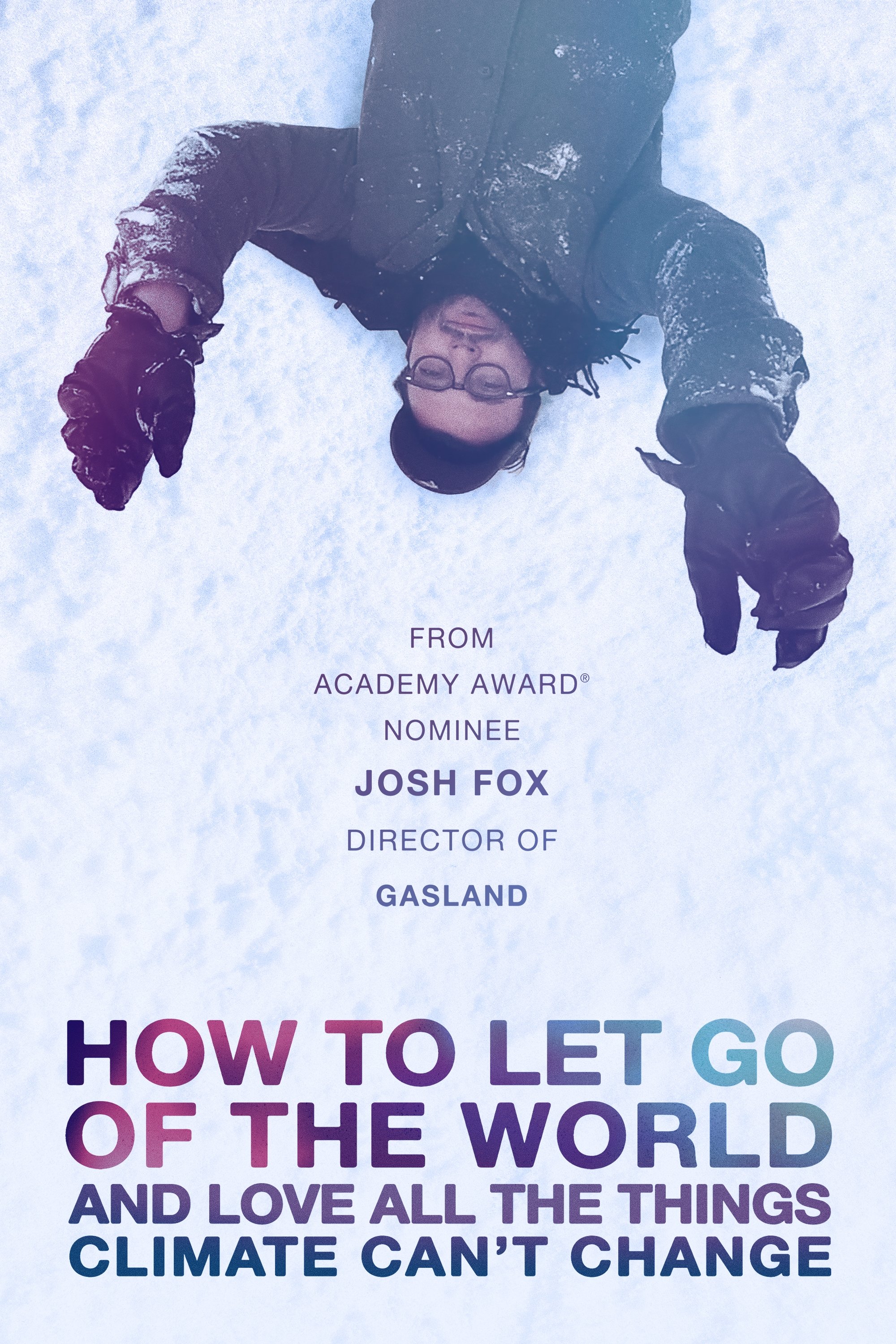
When documentarian Josh Fox realizes, after much soul searching, that the answers for how to respond to the degradation of our environment cannot be found in his own back yard, he travels the world to connect with communities that are already facing grave effects of climate change. What he finds is a complicated mix of tragedy and inspiration in the various ways climate change is affecting our value systems. How to Let Go of the World delivers a sobering portrait of the state of climate change, and takes stock of what makes humans survivors, and our societies so creative and resilient.
A look at how climate change affects our environment and what society can do to prevent the demise of endangered species, ecosystems, and native communities across the planet.
An eye-opening documentary that asks the question: Are we going to let climate change destroy civilization, or will we act on technologies that can reverse it? Featuring never-before-seen solutions on the many ways we can reduce carbon in the atmosphere thus paving the way for temperatures to go down, saving civilization.
More than 65 million people around the world have been forced from their homes to escape famine, climate change and war, the greatest displacement since World War II. Filmmaker Ai Weiwei examines the staggering scale of the refugee crisis and its profoundly personal human impact. Over the course of one year in 23 countries, Weiwei follows a chain of urgent human stories that stretch across the globe, including Afghanistan, France, Greece, Germany and Iraq.
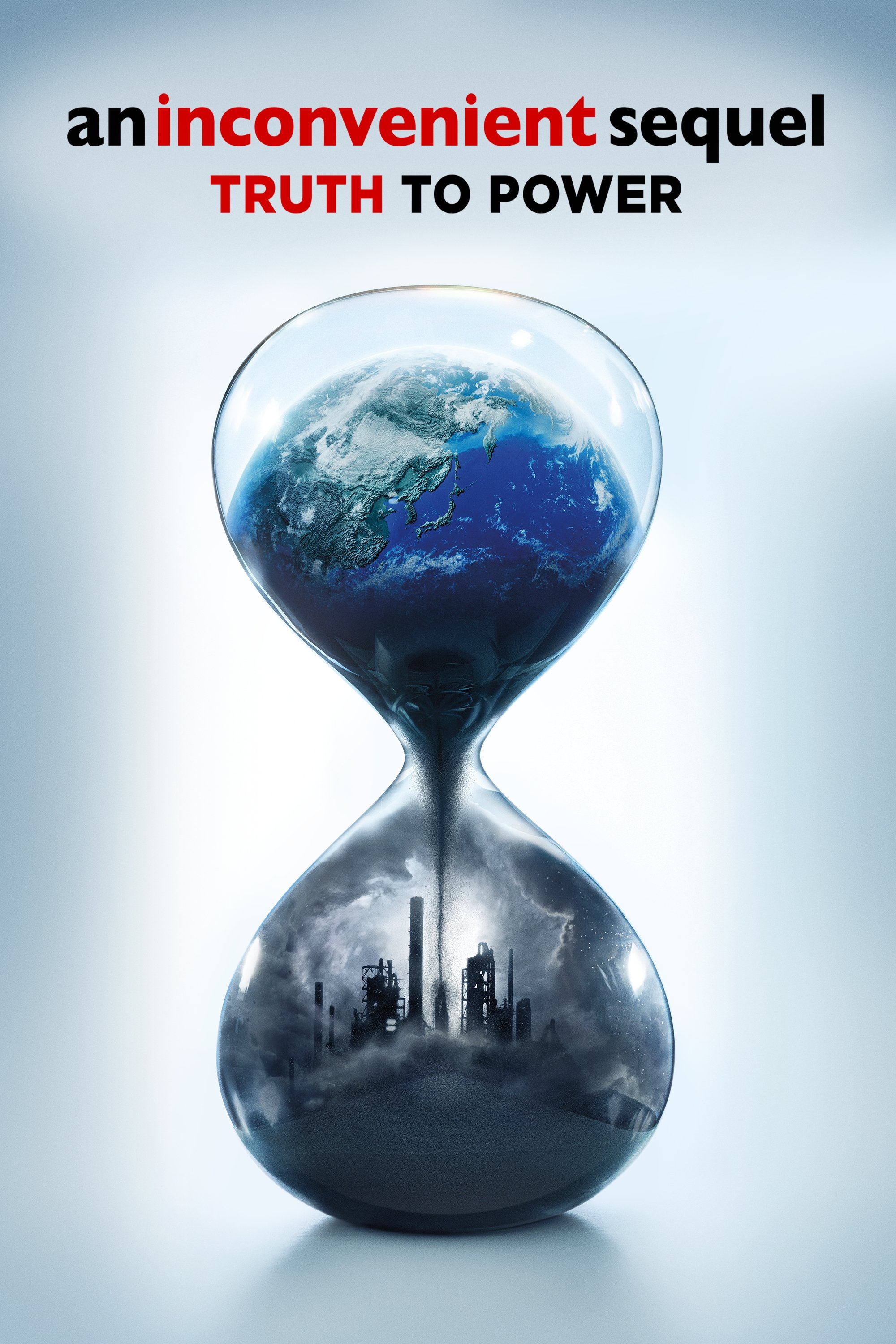
A decade after An Inconvenient Truth brought climate change into the heart of popular culture comes the riveting and rousing follow-up that shows just how close we are to a real energy revolution. Vice President Al Gore continues his tireless fight, traveling around the world training an army of climate champions and influencing international climate policy. Cameras follow him behind the scenes—in moments private and public, funny and poignant—as he pursues the empowering notion that while the stakes have never been higher, the perils of climate change can be overcome with human ingenuity and passion.
Documentary of the making of the sequel to the popular Schwarzenegger film, The Terminator.
A documentary about how a dominant cultural and demographic institution both sustains their traditional activities and adapts to the digital revolution.
An investigation into the ongoing threat caused by the phenomenon of “fake news” in the U.S., focusing on the real-life consequences that disinformation, conspiracy theories and false news stories have on the average citizen.
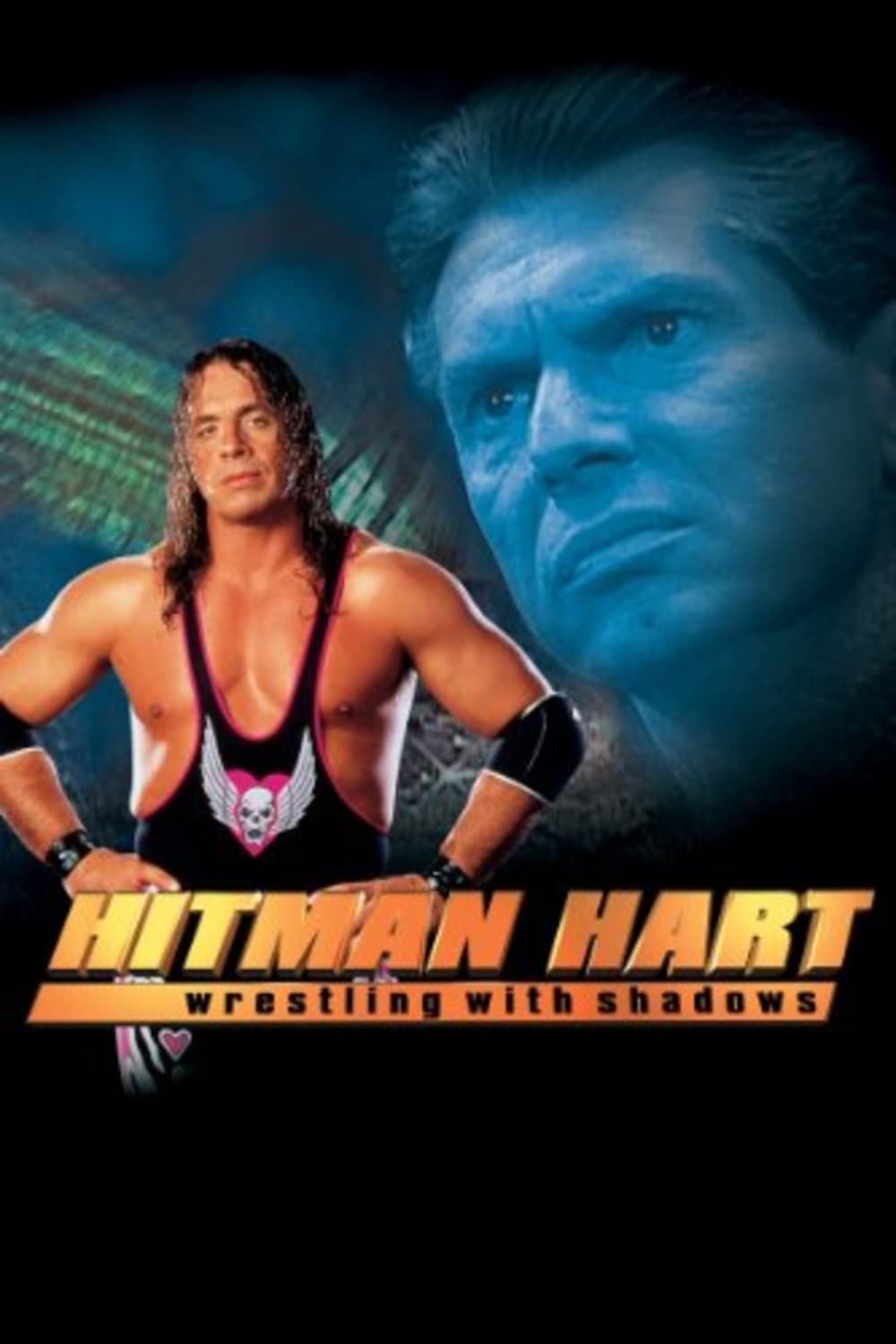
This documentary follows superstar Bret Hart during his last year in the WWF. The film documents the tensions that resulted in The Montreal Screwjob, one of the most controversial events in the history of professional wrestling, in which Vince McMahon, Shawn Micheals, and others, legitimately conspired behind the scenes to go against the script and remove Bret Hart as champion.
A portrait of the day-to-day operations of the National Gallery of London, that reveals the role of the employees and the experiences of the Gallery's visitors. The film portrays the role of the curators and conservators; the education, scientific, and conservation departments; and the audience of all kinds of people who come to experience it.
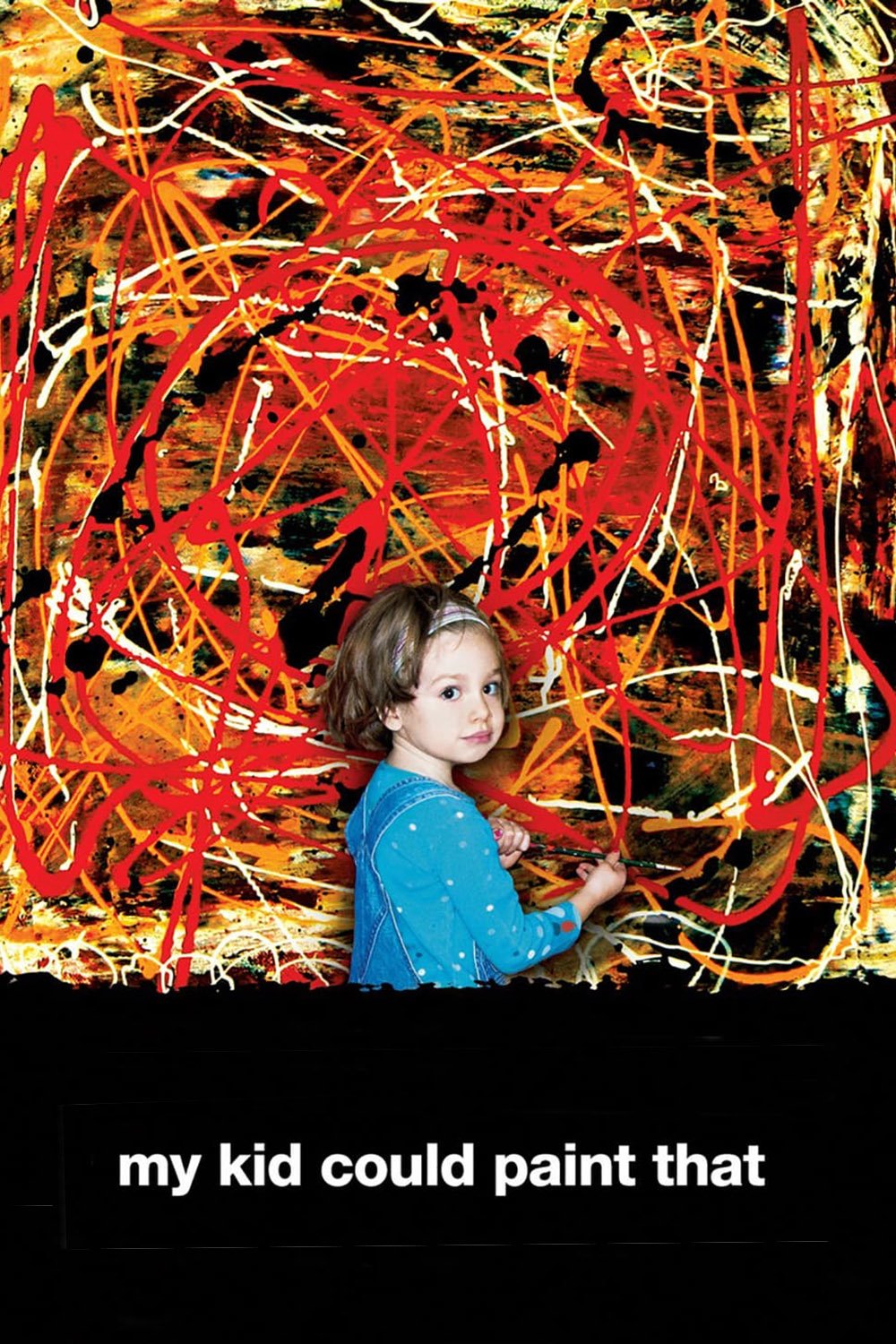
A look at the work and surprising success of a four-year-old girl whose paintings have been compared to the likes of Picasso and has raked in hundreds of thousands of dollars.
A gripping tale of intrigue and mystery in the art world, this film traces the history of a collection of Post-Impressionist paintings - worth billions - which became the subject of a power struggle after the death of its owner. Dr. Albert Barnes.
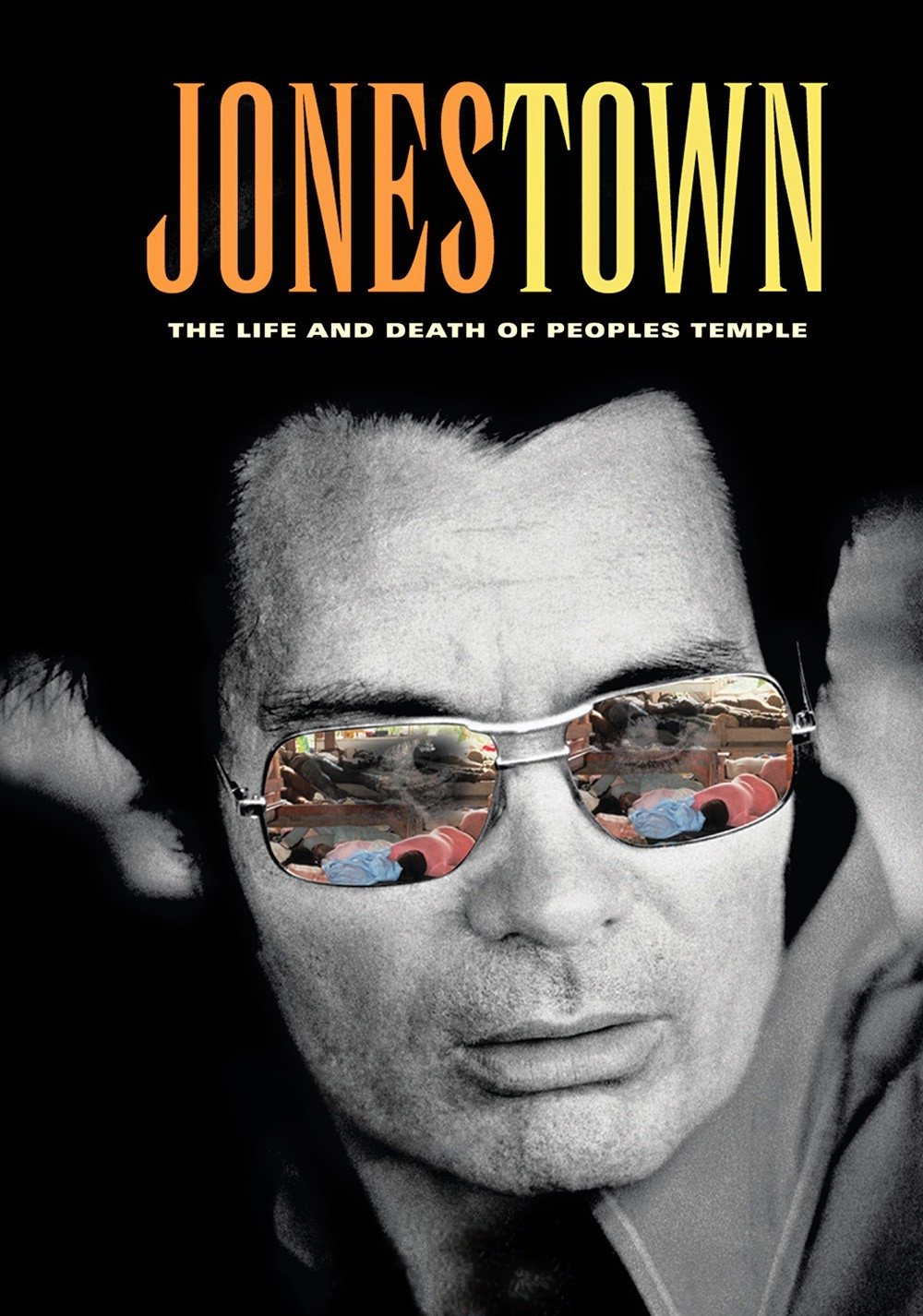
Featuring never-before-seen footage, this documentary delivers a startling new look at the Peoples Temple, headed by preacher Jim Jones who, in 1978, led more than 900 members to Guyana, where he orchestrated a mass suicide via tainted punch.
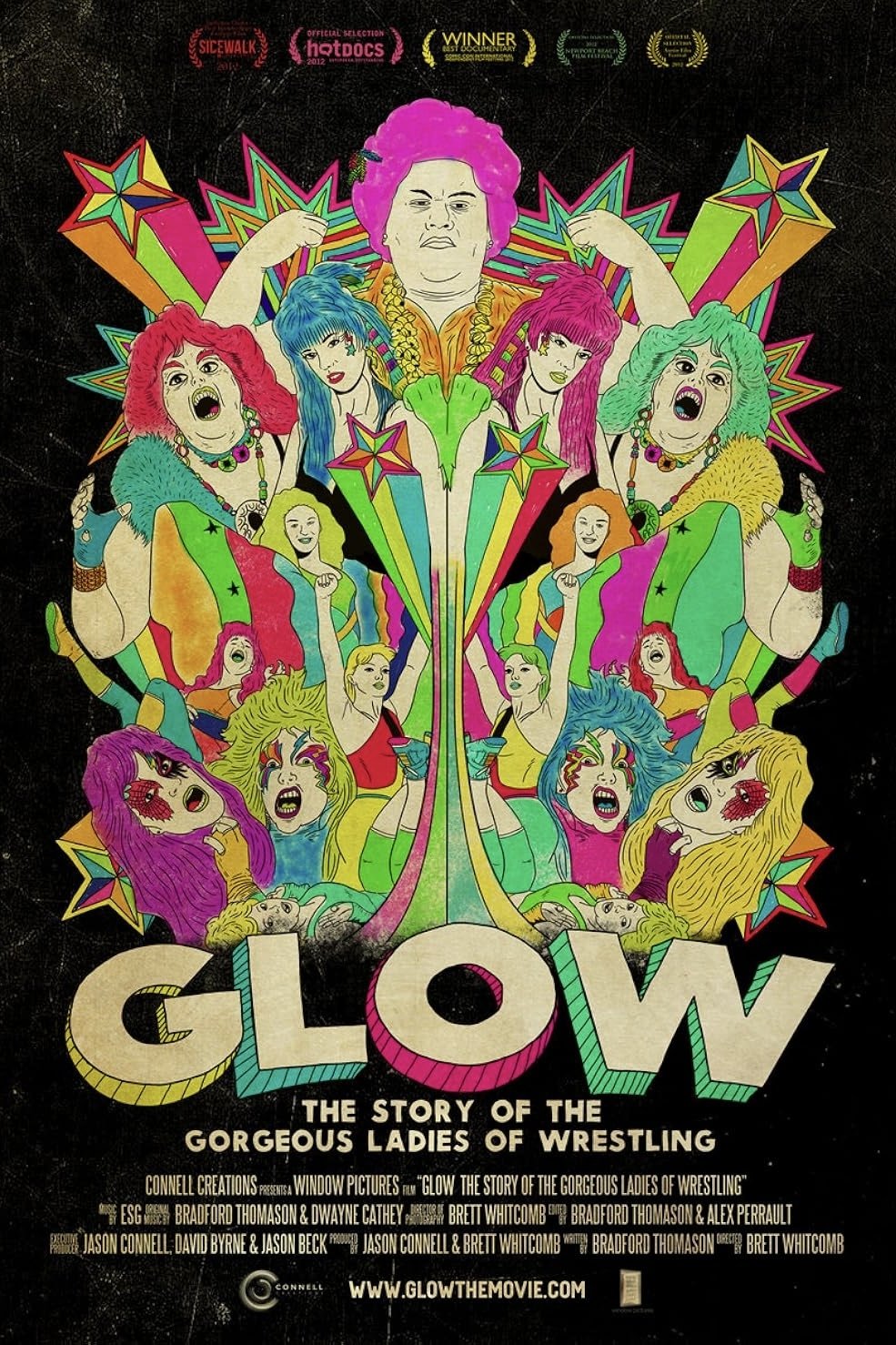
The year is 1986. Gorgeous Ladies of Wrestling (GLOW) is about to burst onto the scene as the first ever all-female wrestling show on television. By 1989, the GLOW girls were an international phenomenon, attracting over seven million viewers worldwide, touring the nation and making big bank for the show's producers. One year later, GLOW was gone. GLOW: THE STORY OF THE GORGEOUS LADIES OF WRESTLING chronicles the rise and fall of this hit television show through the stories of those who lived it. For some, the show was a brief foray into acting and a short-lived adventure. For others, their time in GLOW would impact and influence their lives for years to follow. For all of the women, working on GLOW was a unique and exciting experience that will bond them forever.
A road trip across five countries to explore the social and political movements as well as the mainstream media's misperception of South America while interviewing seven of its elected presidents.
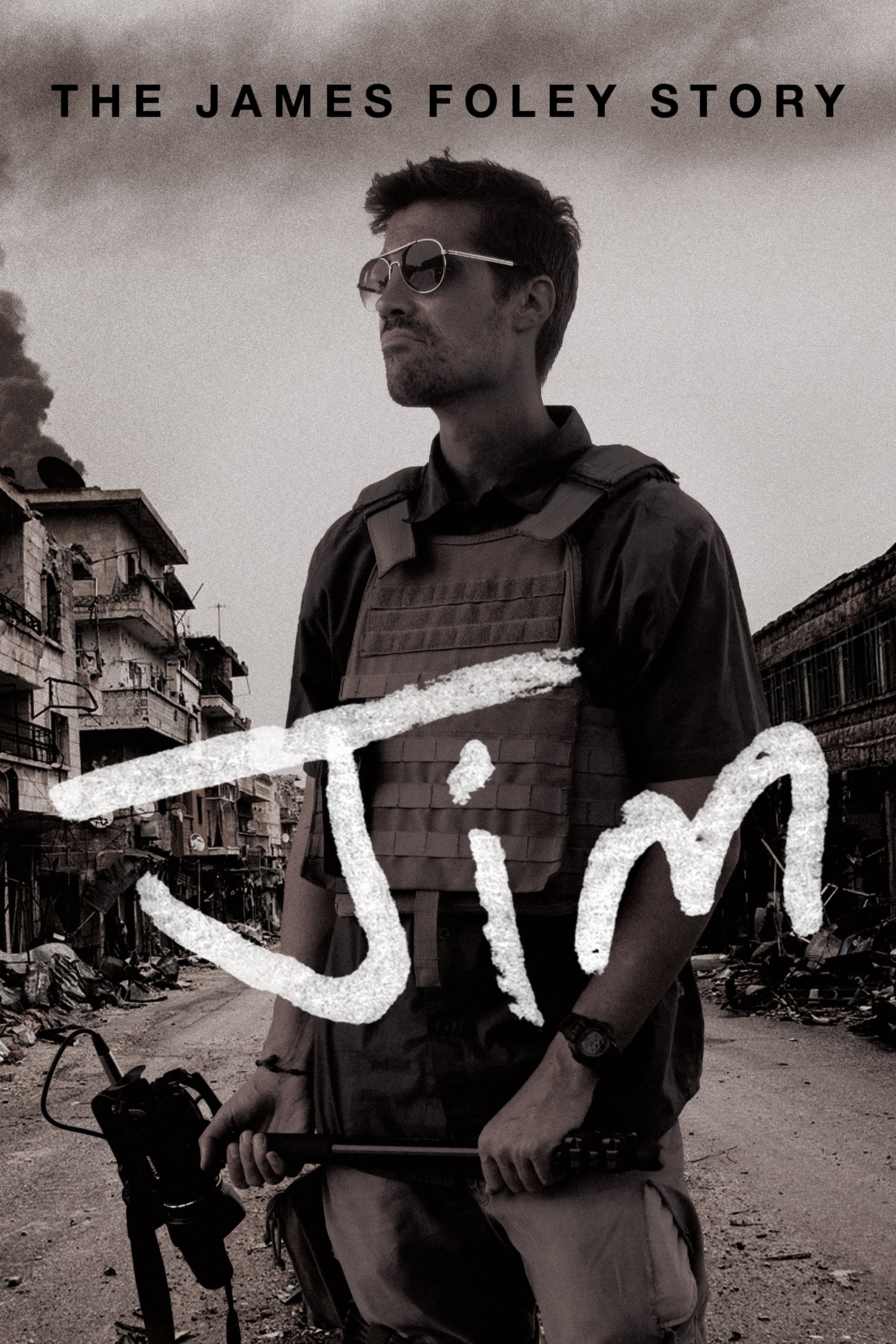
In August, 2014, a video of the public execution of American photojournalist James Foley rippled across the globe. Foley wore an orange jumpsuit as he knelt beside an ISIS militant dressed in black. That image challenged the world to deal with a new face of terror. And it tested one American family. Seen through the lens of filmmaker Brian Oakes, Foley’s close childhood friend, Jim takes us from small-town New England to the adrenaline-fueled front lines of Libya and Syria, where Foley pushed the limits of danger to report on the plight of civilians impacted by war.
Derren Brown investigates the power of social compliance by persuading an unwitting member of the public into believing that they have pushed someone to their death.
A detailing of the rise to prominence and global sporting superstardom of six supremely talented young Manchester United football players (David Beckham, Nicky Butt, Ryan Giggs, Paul Scholes, Phil and Gary Neville). The film covers the period 1992-1999, culminating in Manchester United's European Cup triumph.
A documentary on a former Miss Wyoming who is charged with abducting and imprisoning a young Mormon Missionary.
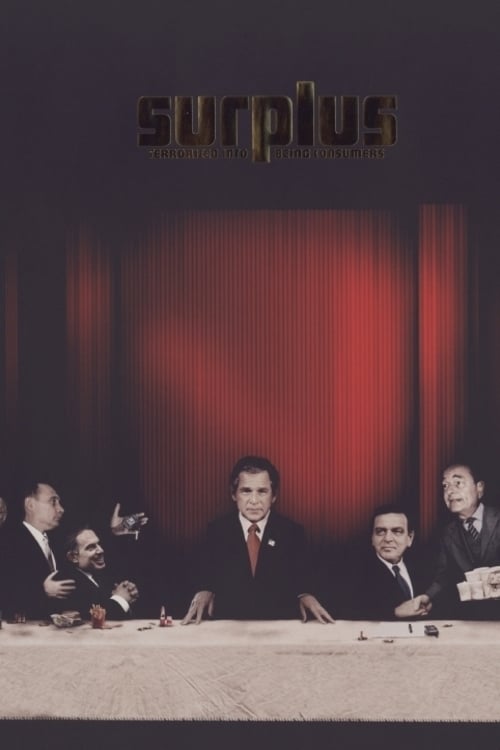
Swedish documentary film on consumerism and globalization, created by director Erik Gandini and editor Johan Söderberg. It looks at the arguments for capitalism and technology, such as greater efficiency, more time and less work, and argues that these are not being fulfilled, and they never will be. The film leans towards anarcho-primitivist ideology and argues for "a simple and fulfilling life".