Short documentary about the marginalized youth in Canyelles, Barcelona.
Social & External

A look at the rampant HIV epidemic rate in Swaziland.
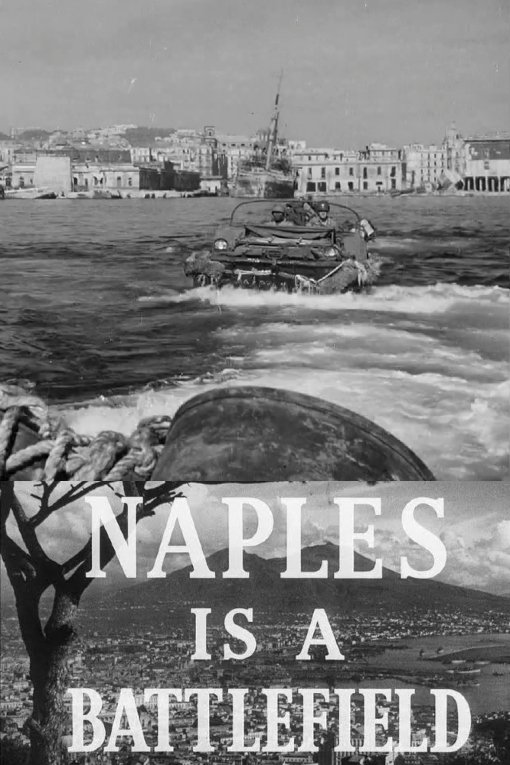
The capture of Naples, the first great European city to be liberated, revealed the magnitude of the tasks involved in re-creating the means of livelihood and the machinery of government in a devastated, starving and disease-ridden city.
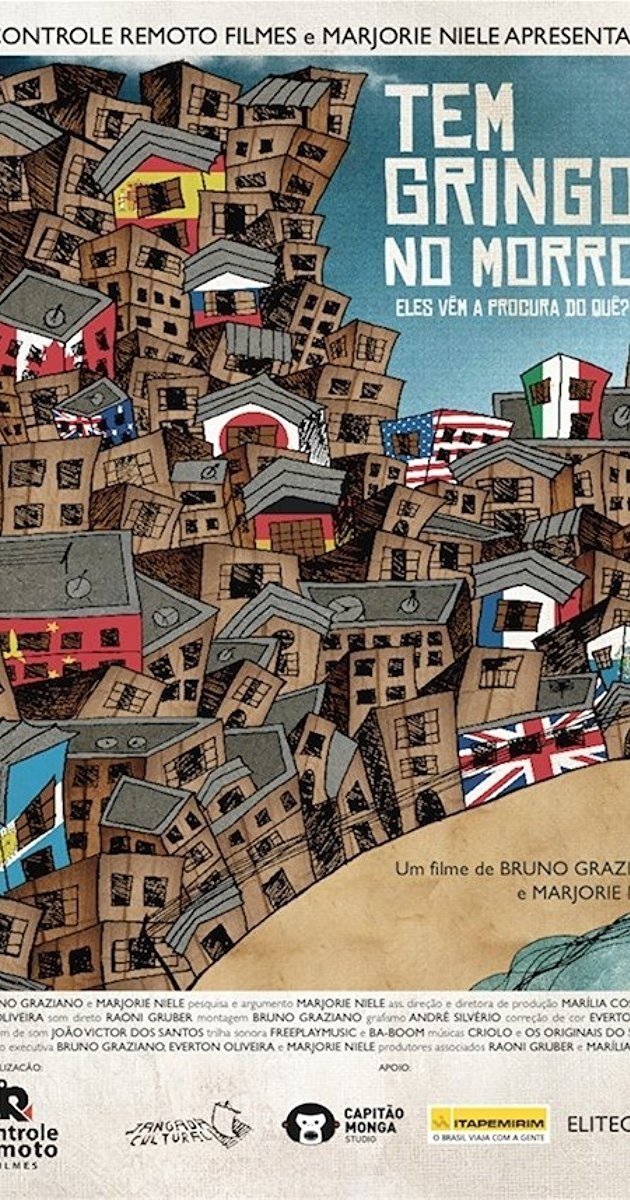
Documentary about the foreign tourism in Rocinha, the biggest Latin America's favela, which receives about 3.000 foreign tourists per month. They come to Rocinha looking for the most varied aspects, from the poorness to the violence, from the geography to the architecture, from the viewing to the atmosphere, from the curiosity to the welfarism.
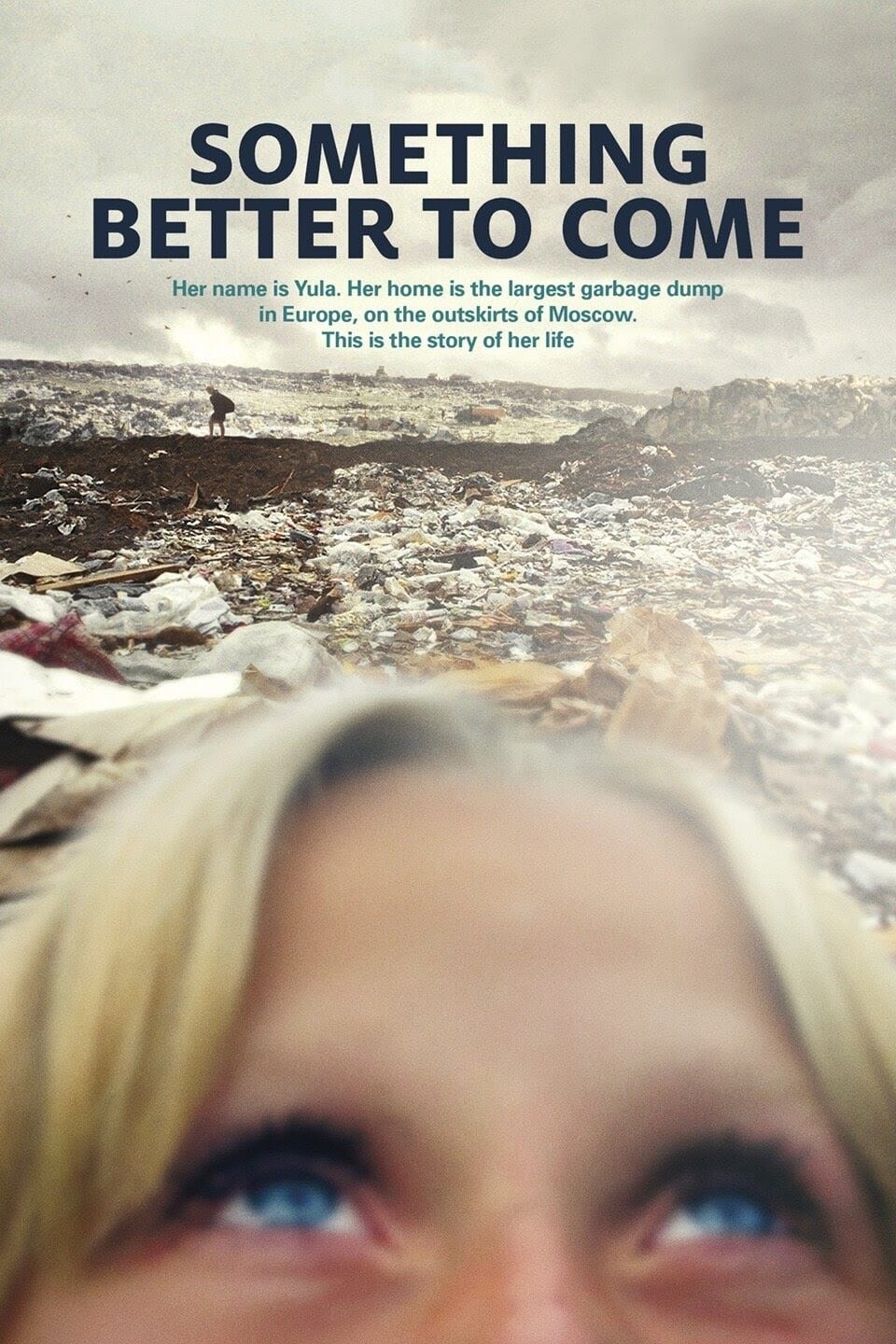
Right outside of Moscow – home to the highest number of billionaires pr. capita – you’ll find the largest junkyard in the world: The Svalka. It’s a hard place run by the Russian mafia. And it's where Yula lives with her mother, her friends and many other people. Life is tough in the Svalka, but it’s also a place where beauty and humanity can arise from the most unlikely conditions. It is from this place that Yula dreams of escaping and changing her life, even if it seems impossible. Oscar-nominated director Hanna Polak followed Yula for 14 years, bringing us along on Yula's journey to achieve this dream.
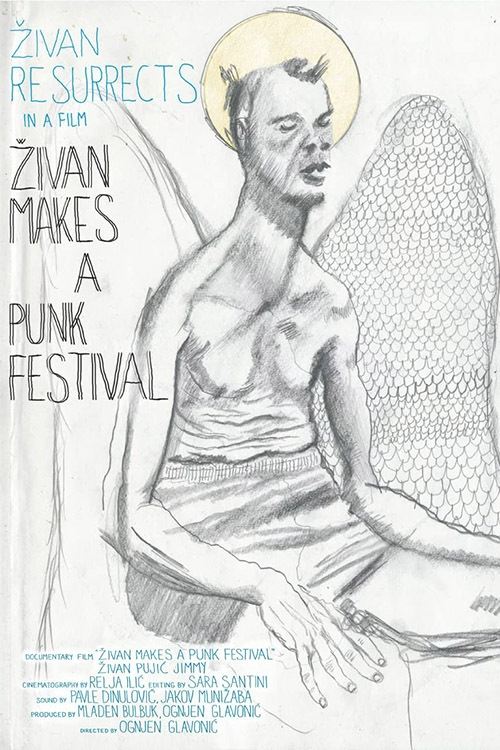
Like Don Quixote, Zivan Pujic Jimmy fights for his annual punk festival. A film about failure, ambition, friendship and clinging to your dreams. Glavonic received much praise for this exceptional film that doesn't reveal what's fact and what's fiction.
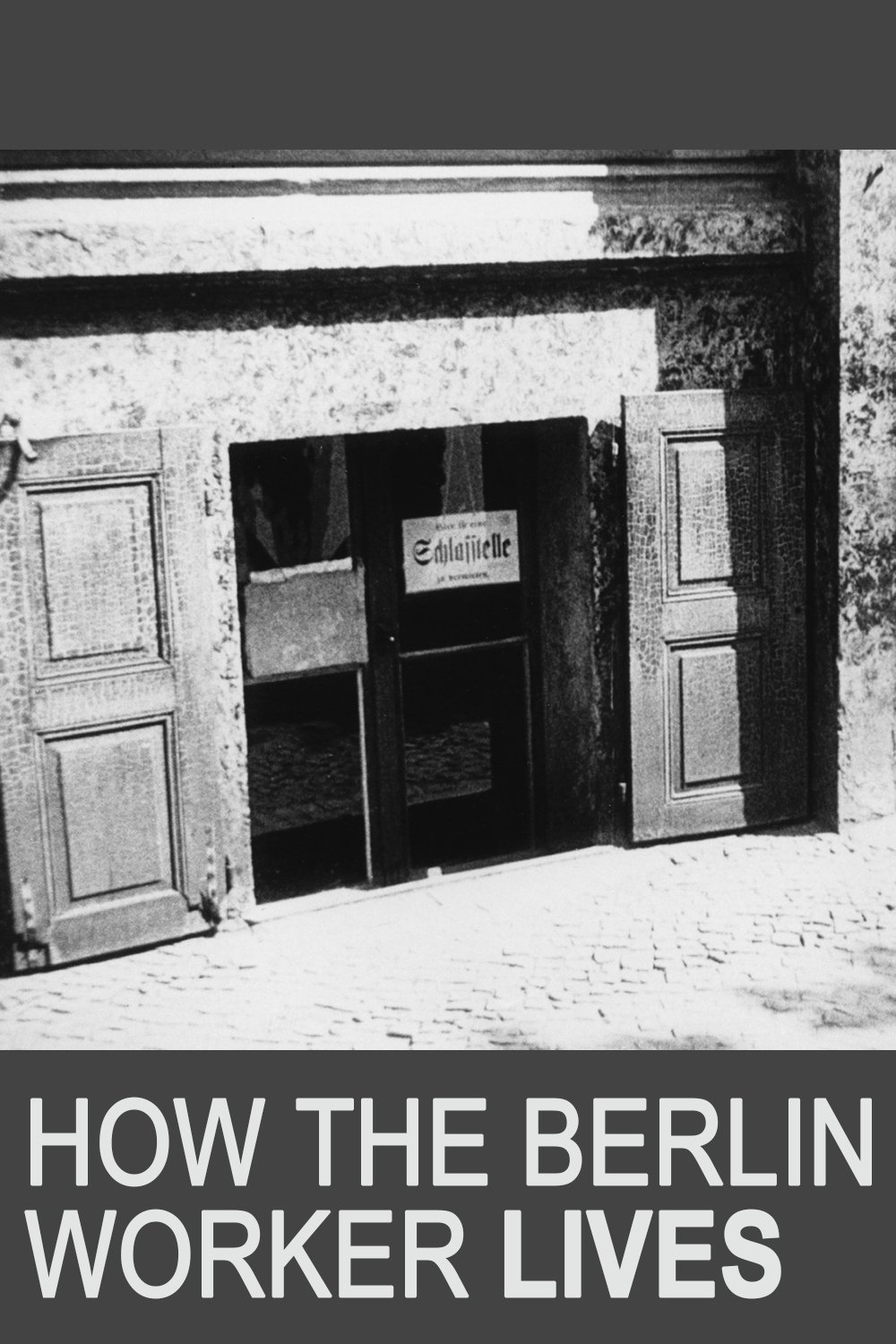
This documentary shows how the Berliner workers lived in 1930. The director Slatan Dudow shows through images: a) the workers leaving the factory; b) the raise of the rents; c) the "unpleasant" guest, meaning the justice officer that brings the eviction notice; d) the fight of classes of the houses of capitalists and working classes; e) the parks of the working class; f) the houses of the working class, origin of the tuberculosis and the victims; g) the playground of the working class; h) the swimming pool for the working class, ironically called the "Baltic Sea" of the working class; i) the effects of humidity of basement where a family lives, with one member deaf; j) one working class family having dinner while the capitalist baths his dog; k) the eviction notice received from an unemployed family and their eviction.
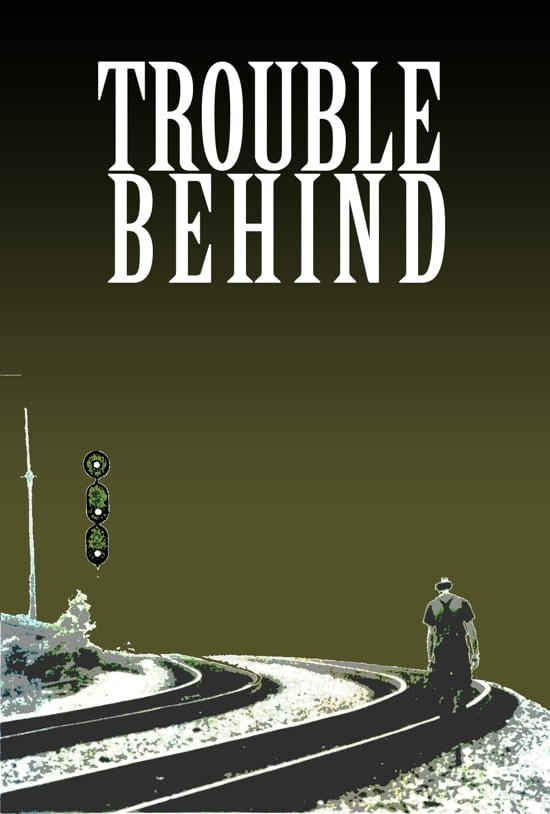
During World War I, African-Americans worked on the railroad near Corbin, Kentucky. When whites returned from the war, there was conflict. Whites sought their former jobs and positions in the community. In 1919, a race riot occurred. Whites put the African-Americans on railroad cars and ran them out of town. In Trouble Behind, members of the Corbin community speak out on the issue. The filmmakers also interview former members of the Corbin, which at the time of filming had only one black family. Some Corbin residents express confusion as to why African-Americans don't move back. Others openly use racial epithets. Some young adults seem troubled by the racism, past and present. Others don't.
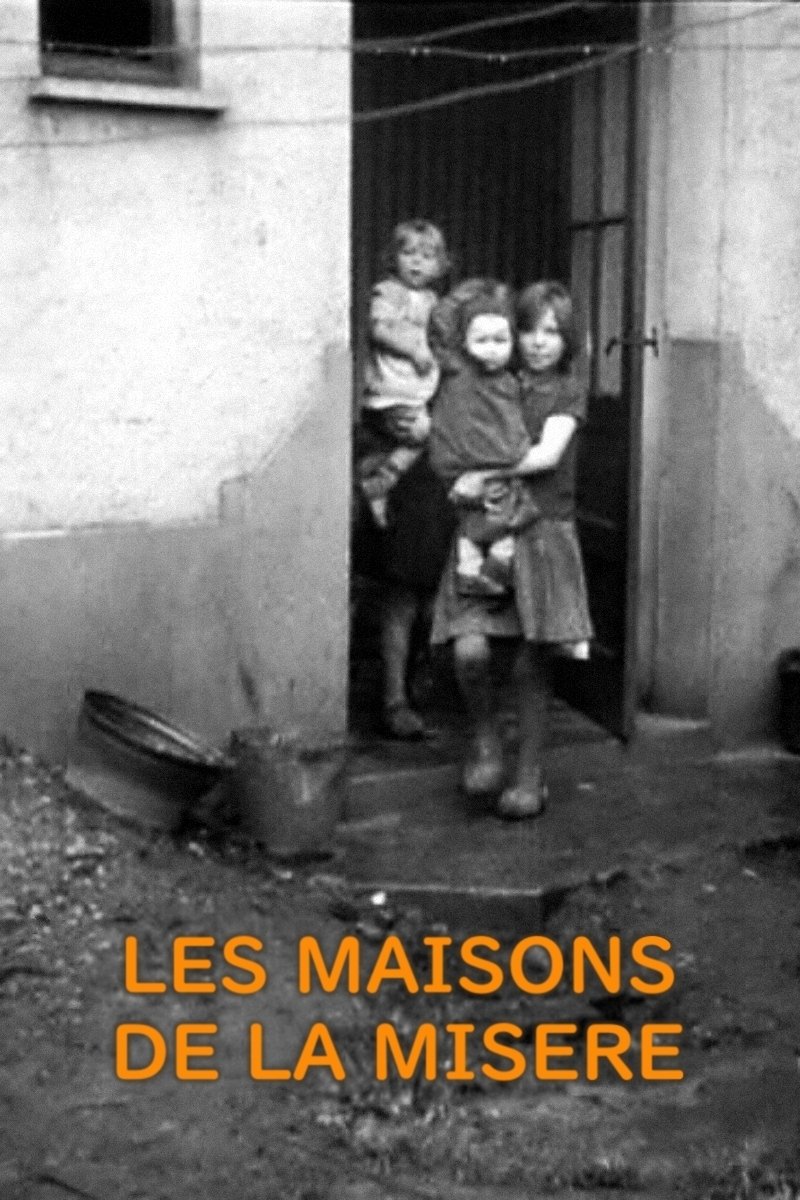
Henri Storck’s militant short on Depression-era Belgium, set in Walloon slums on the outskirts of a prosperous city. Staged vignettes expose substandard housing, overcrowding, and numbed survival through claustrophobic, frame-filling images; a coda on slum clearance and “garden city” rehousing offers guarded hope.
Shot almost in its entirety in the corridors of the Villa 21, one of Buenas Aires' most well-known shanty-towns, Estrellas (Stars) revolves around the work of Julio Arrieta, who is both a theatre director and is responsible for providing shooting locations for those directores wishing to film in an Argentine ghetto.
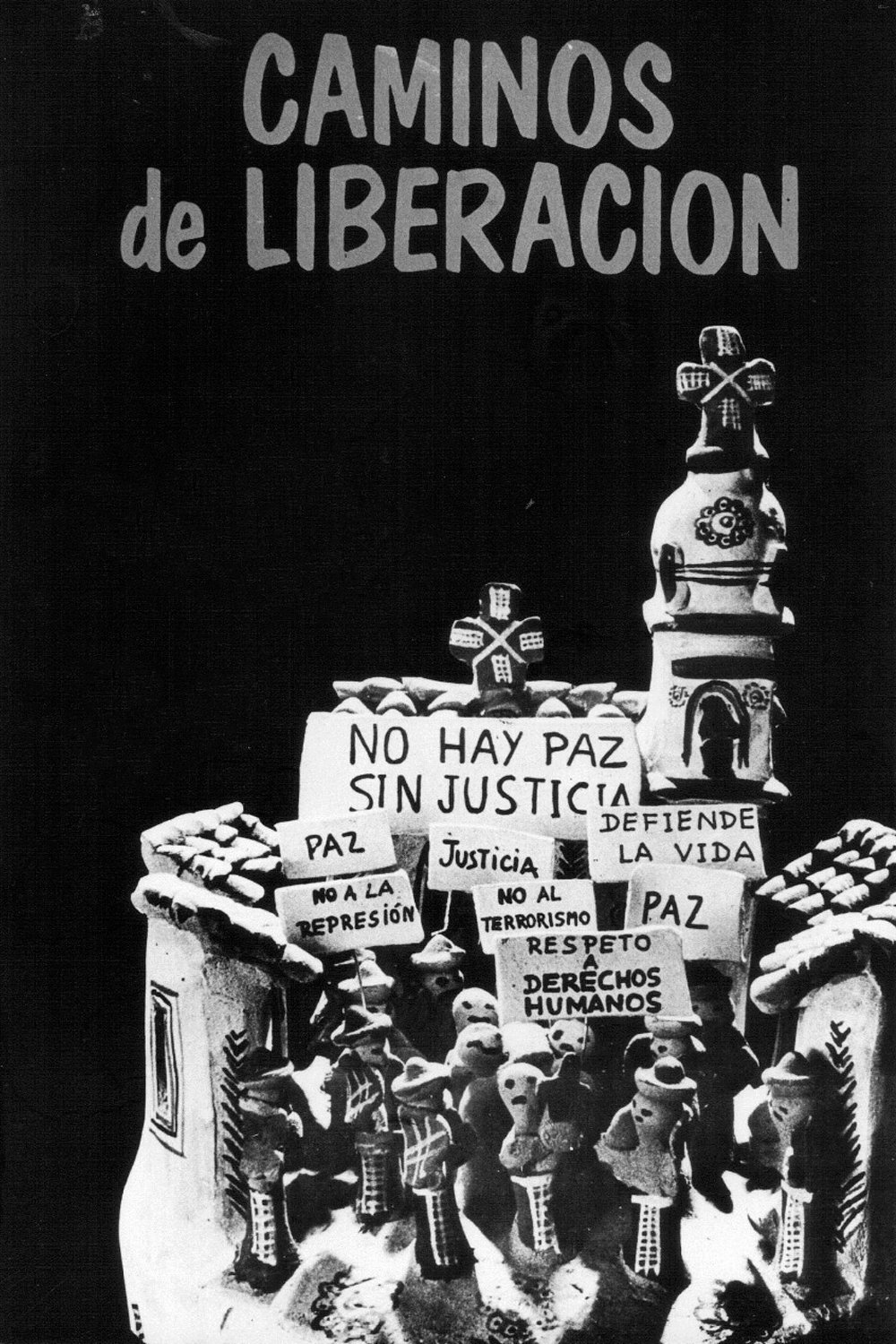
Documentary presenting the theory and application of the Theology of Liberation via interviews to priests from humble parishes in the slums of Lima. A fruitful labor of a Catholic Church sector committed to address social issues.
A character-driven heartfelt story of resilience and the impact of education. The film follows Angel, Moses and Nina from the slums of Kampala, Uganda through a world tour with the Grammy-nominated African Children's Choir; stunningly shot and told through Angel, Moses and Nina's perspectives on their one shot journey from poverty to education.
Why is the gap between the rich and the poor growing faster in New Zealand than in most other OECD countries? And why is inequality bad for all of us? Award winning documentary maker Bryan Bruce files his special report on what’s gone wrong with our economy and what we can do about it.
A rampant, street level story of mentorship and everyday heroism in tough circumstances. An inner city coach's son, estranged in his youth from his father, spends five years on ball fields in inner city Oakland and Havana, following the lives of two extraordinary youth baseball coaches, Roscoe in Oakland and Nicolas in Havana. The coaches meet on videotape and two years of red tape later, Coach Roscoe and nine Oakland players travel to Havana to play Coach Nicolas' team. For one week, the players and coaches eat, dance, swim, argue and play baseball together. But when the parent of an Oakland player is murdered back home, it brings back the inescapable reality and challenges of life in an American inner city.
Director Ken Loach explores the politics of race, class and charity in a capitalist society in this documentary funded by the Save the Children foundation.
A travelogue through the remains of São Paulo failing 80s economy, including its in ruins film industry.
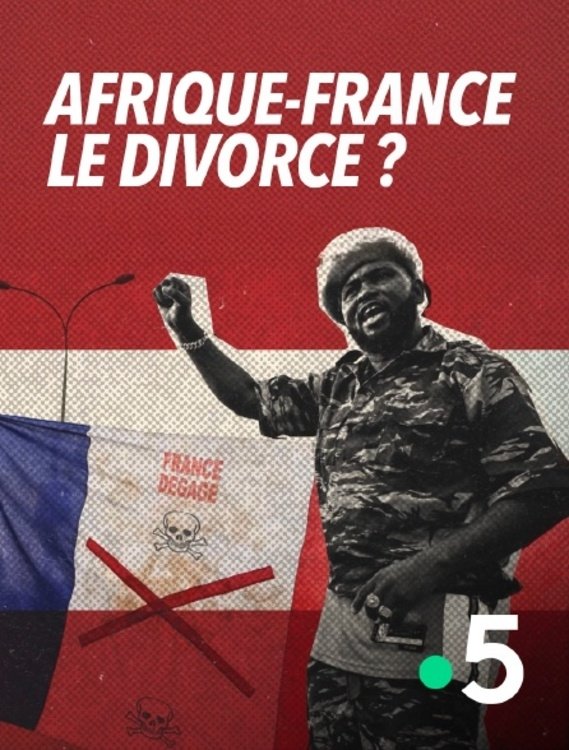
At a time when French flags are being burned and French embassies targeted, this documentary delves into the growing disaffection between French-speaking Africa and the former colonial power. Through the voices of African leaders, pan-African activists, and committed young people, the film questions the persistence of a relationship marked by the aftermath of colonization, the opaque agreements of "Françafrique," and a military presence deemed paternalistic.
"This feature documentary is considered to be the forerunner of the NFB's Challenge for Change Program. The film offers in inside look at 3 weeks in the life of the Bailey family. Trouble with the police, begging for stale bread, and the birth of another child are just some of the issues they face. Through it all, the father tries to explain his family's predicament. Although filmed in Montreal, the film offers an anatomy of poverty as it occurs throughout North America." - NFB
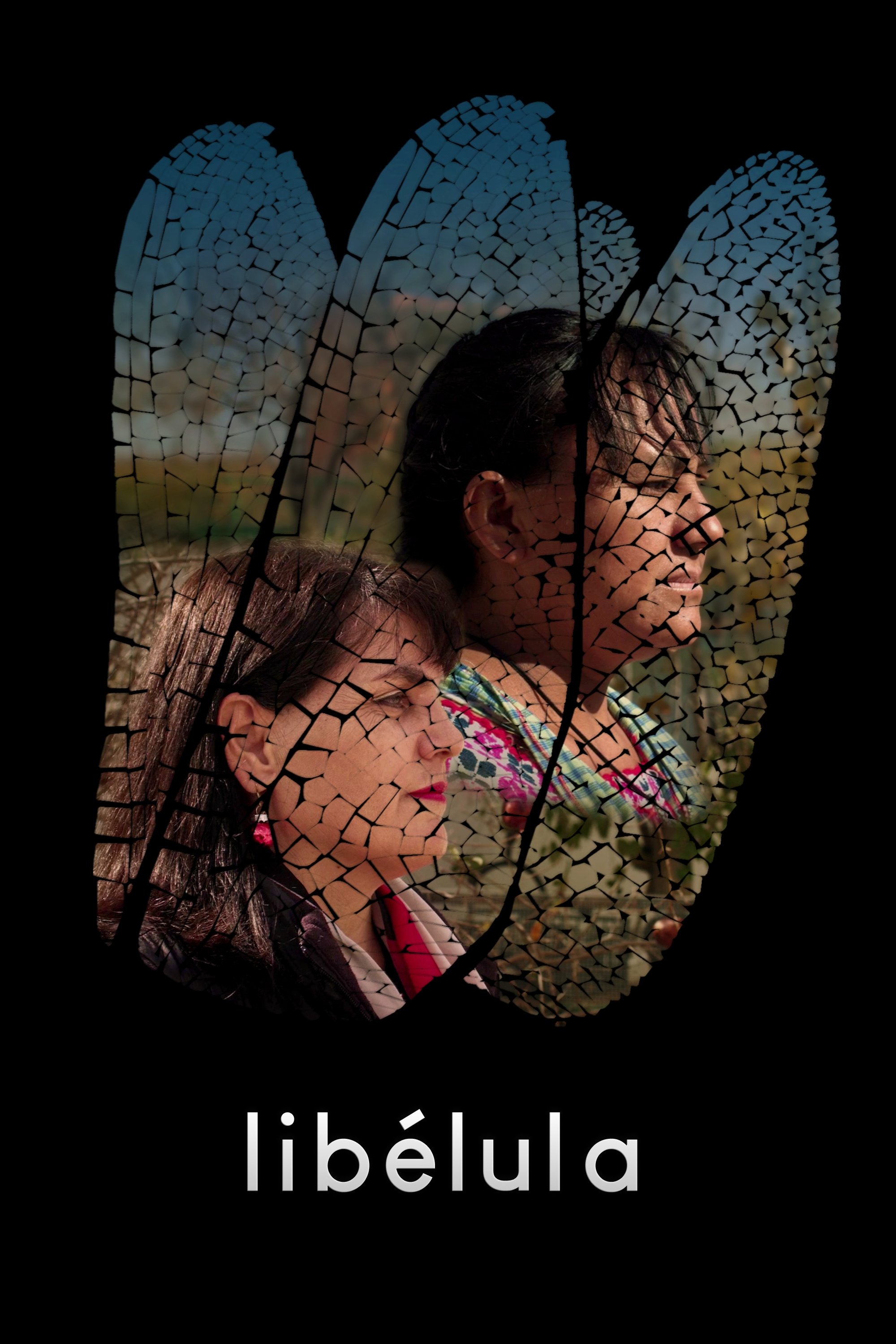
Nohemí and Mary are two women resisting structural violence in Ciudad Juárez. United by pain and hope, both mothers find inspiration to move their families forward. The dragonfly, a symbol they share, embodies their resilience and capacity for change.
A former federal agent takes you from Milwaukee's streets into its justice system, following Harold Sloan and six other homeless men over five years as they struggle to survive.
Alexander McQueen's rags-to-riches story is a modern-day fairy tale, laced with the gothic. Mirroring the savage beauty, boldness and vivacity of his design, this documentary is an intimate revelation of McQueen's own world, both tortured and inspired, which celebrates a radical and mesmerizing genius of profound influence.
Lyrical and powerfully personal essay film that reflects on the deaths of her husband Lou Reed, her mother, her beloved dog, and such diverse subjects as family memories, surveillance, and Buddhist teachings.
A documentary on the expletive's origin, why it offends some people so deeply, and what can be gained from its use.
This character-driven film considers the evolving sex trafficking landscape as seen by the main players: the exploited, the pimps, the johns that fuel the business, and the cops who fight to stop it.
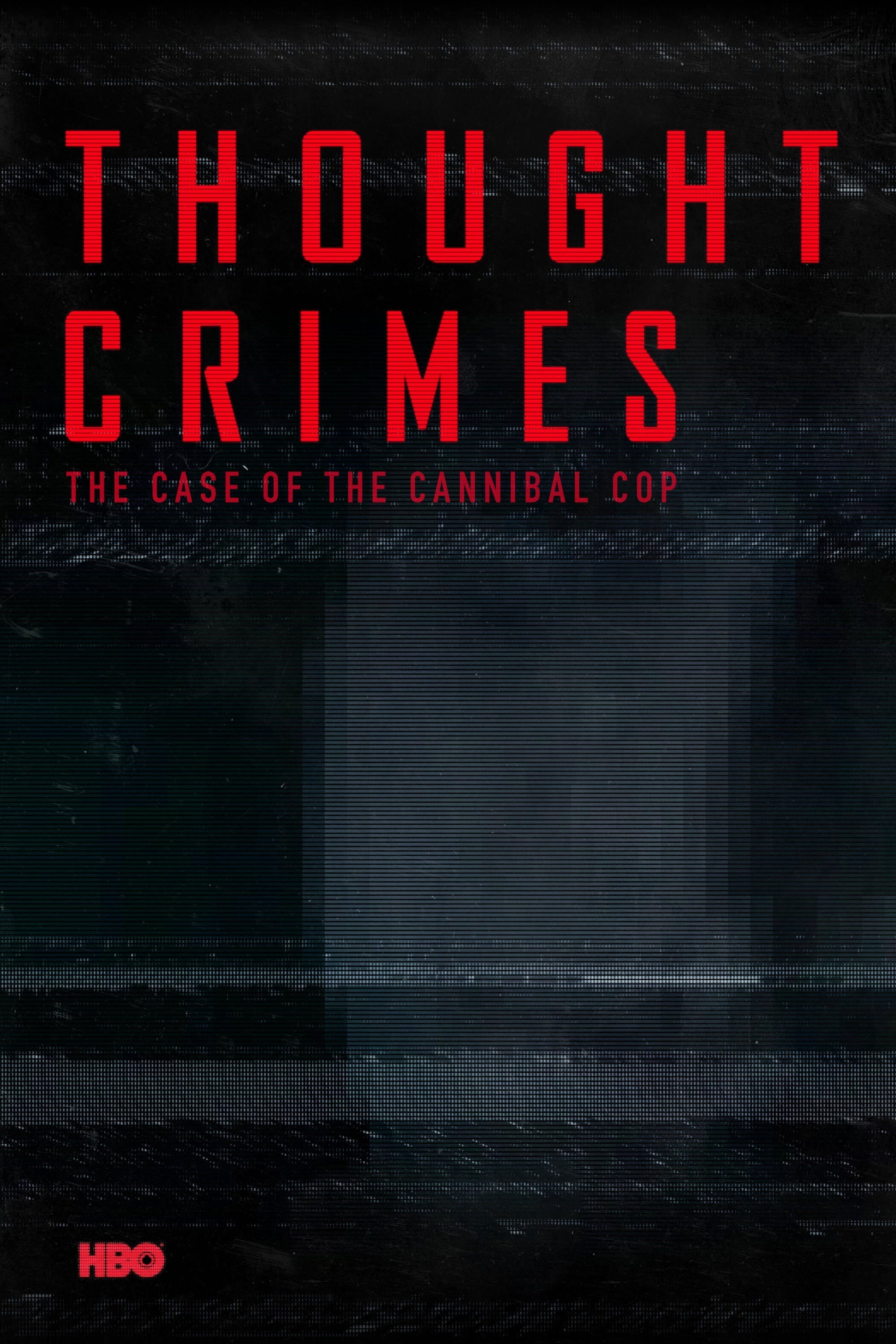
Dubbed “The Cannibal Cop,” former NYPD officer Gilberto Valle was charged with conspiring to kidnap and eat women but argued it was all a fantasy. His story made headlines both for its disturbing details and its potential to kick off a trend of thought-policing across the nation. Featuring intimate interviews with Valle and insights from experts, Thought Crimes explores if someone can be found guilty for their most dangerous thoughts.
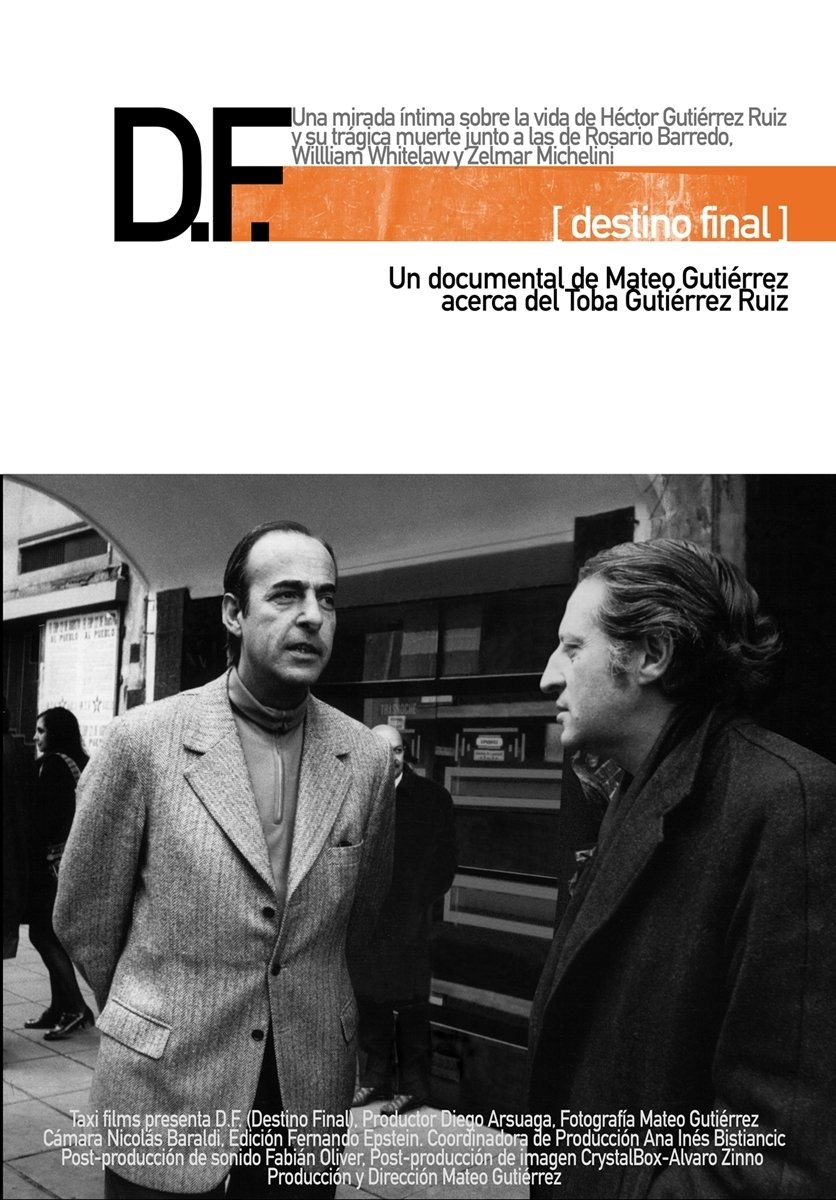
Documentary by Mateo Gutiérrez about the life of his father, Héctor "Toba" Gutiérrez Ruiz (1934-1976), which includes interviews with people who witnessed moments in the life of the former president of the House of Representatives, assassinated by the Uruguayan dictatorship
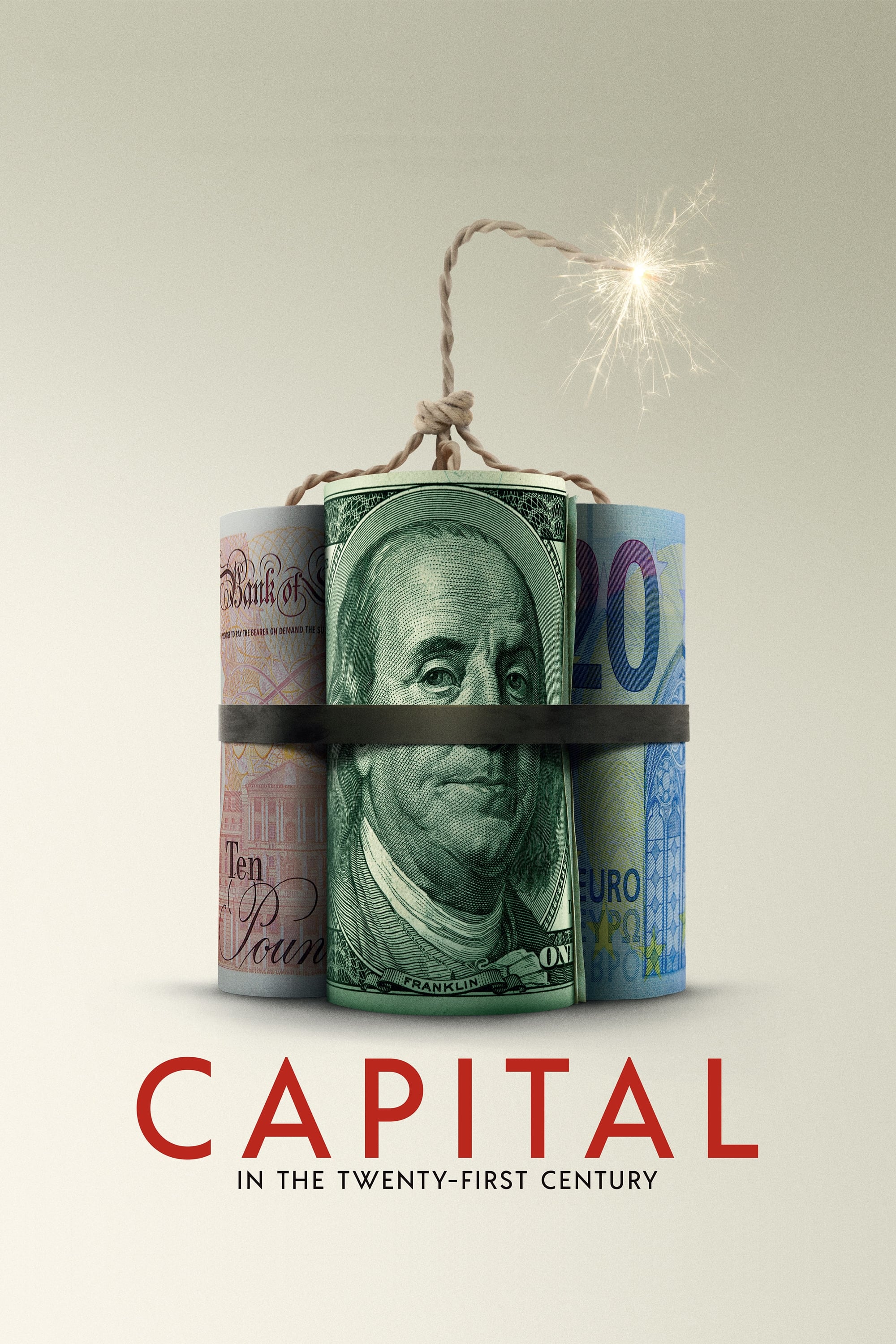
Film adaptation of French economist Thomas Piketty's ground-breaking global bestseller of the same name: an eye-opening journey through wealth and power.
A documentary on the modeling industry's 'supply chain' between Siberia, Japan, and the U.S., told through the experiences of the scouts, agencies, and a 13-year-old model.
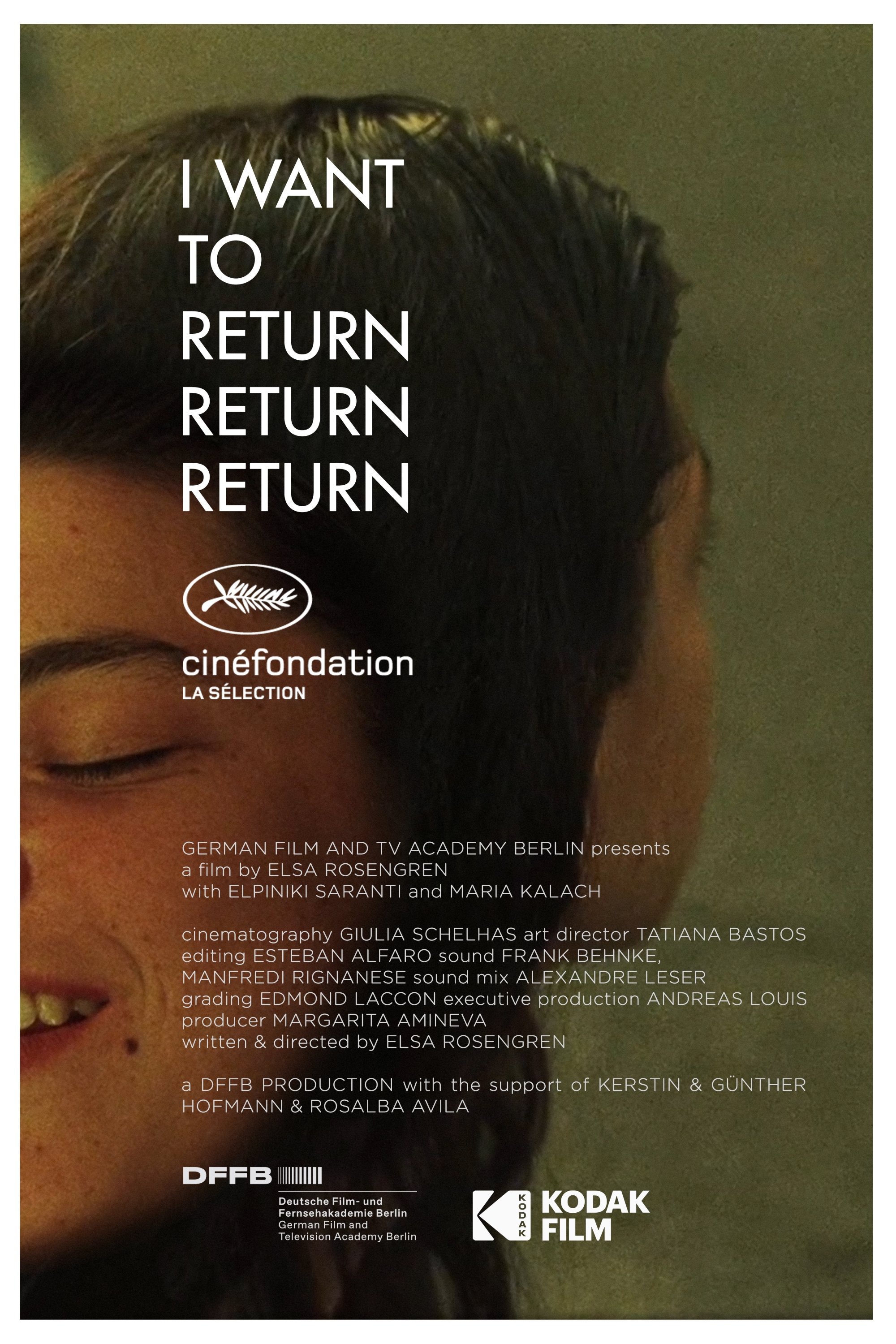
A depiction of the Wrangelkiez neighbourhood in Berlin. The people portrayed tell their life stories. One woman came to the neighbourhood a decade ago to work in Berlin’s still unfinished Brandenburger Airport, one man reminisces his childhood on a Tobacco farm in Kentucky, another speaks of an exceptional day in an otherwise monotonous workplace. These portraits are interwoven with the story of Elpi, a Greek woman who is waiting for the long overdue visit of an old important friend. The outcome of this mixture is a film which captures the lives and perspectives of some of Wrangelkiez’s most commanding citizens, while at the same time evoking the loss that change and time passing means for places and for people.
In the Realms of the Unreal is a documentary about the reclusive Chicago-based artist Henry Darger. Henry Darger was so reclusive that when he died his neighbors were surprised to find a 15,145-page manuscript along with hundreds of paintings depicting The Story of the Vivian Girls, in What is Known as the Realms of the Unreal, of the Glodeco-Angelinnian War Storm, Cased by the Child Slave Rebellion.
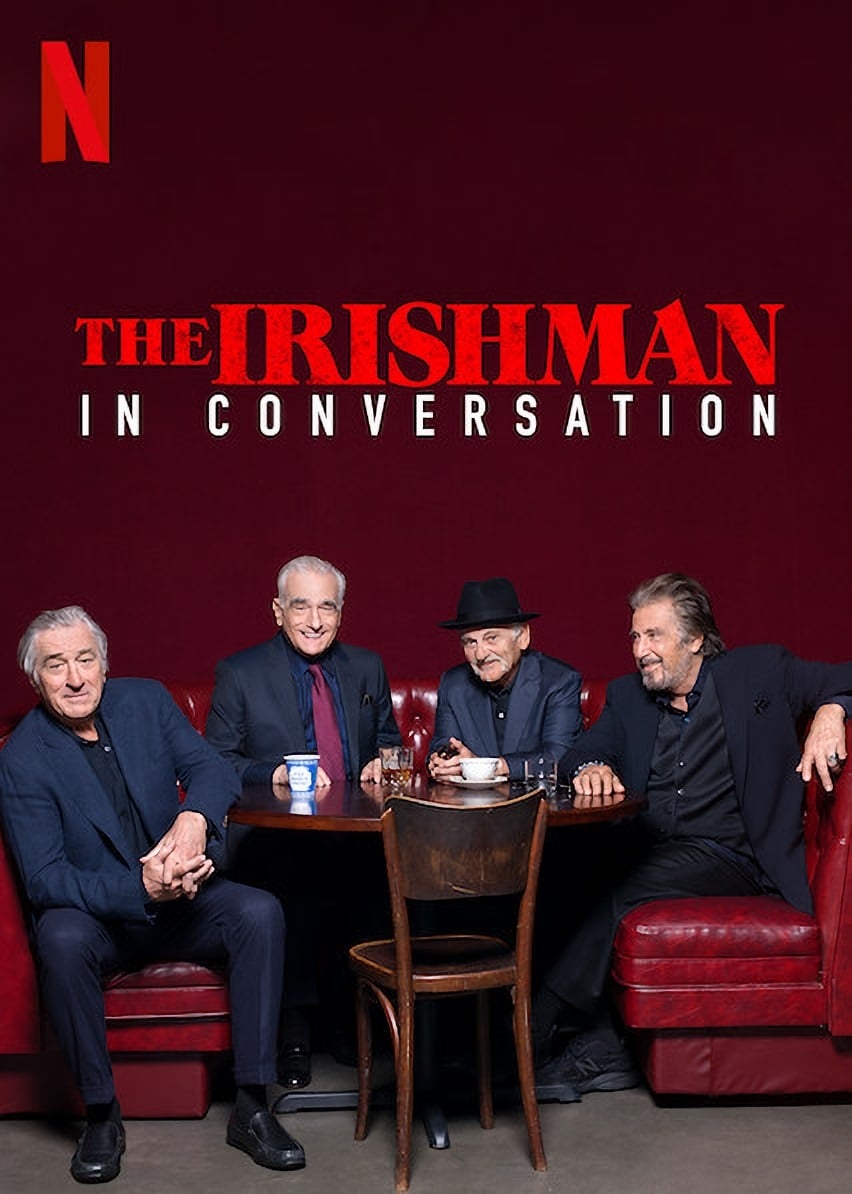
Martin Scorsese, Robert De Niro, Joe Pesci, and Al Pacino in conversation about The Irishman.
A documentary about how a dominant cultural and demographic institution both sustains their traditional activities and adapts to the digital revolution.
A celebration of the universe, displaying the whole of time, from its start to its final collapse. This film examines all that occurred to prepare the world that stands before us now: science and spirit, birth and death, the grand cosmos and the minute life systems of our planet.
A purely observational non-fiction film that takes viewers into the ethically murky world of end-of-life decision making in a public hospital.
This real-life look at FBI counterterrorism operations features access to both sides of a sting: the government informant and the radicalized target.
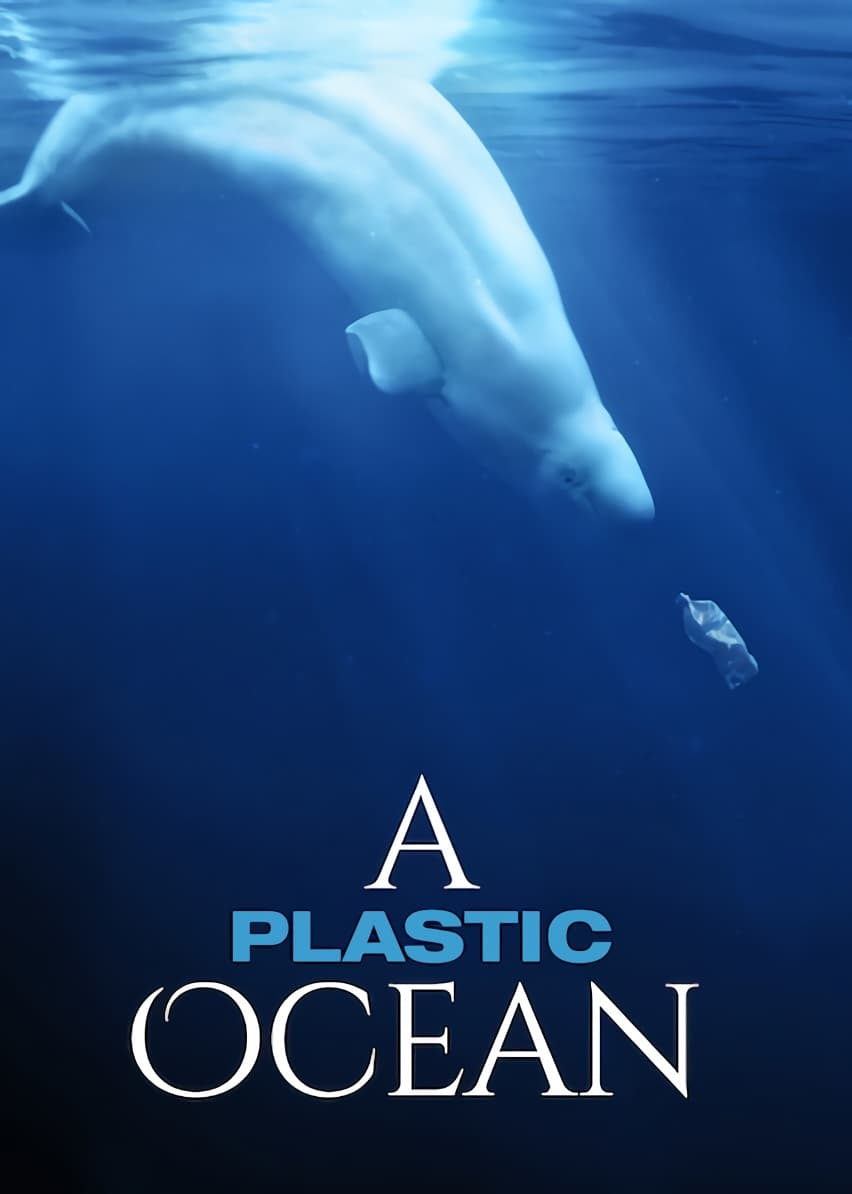
A documentary focused on plastic pollution in the world's oceans.
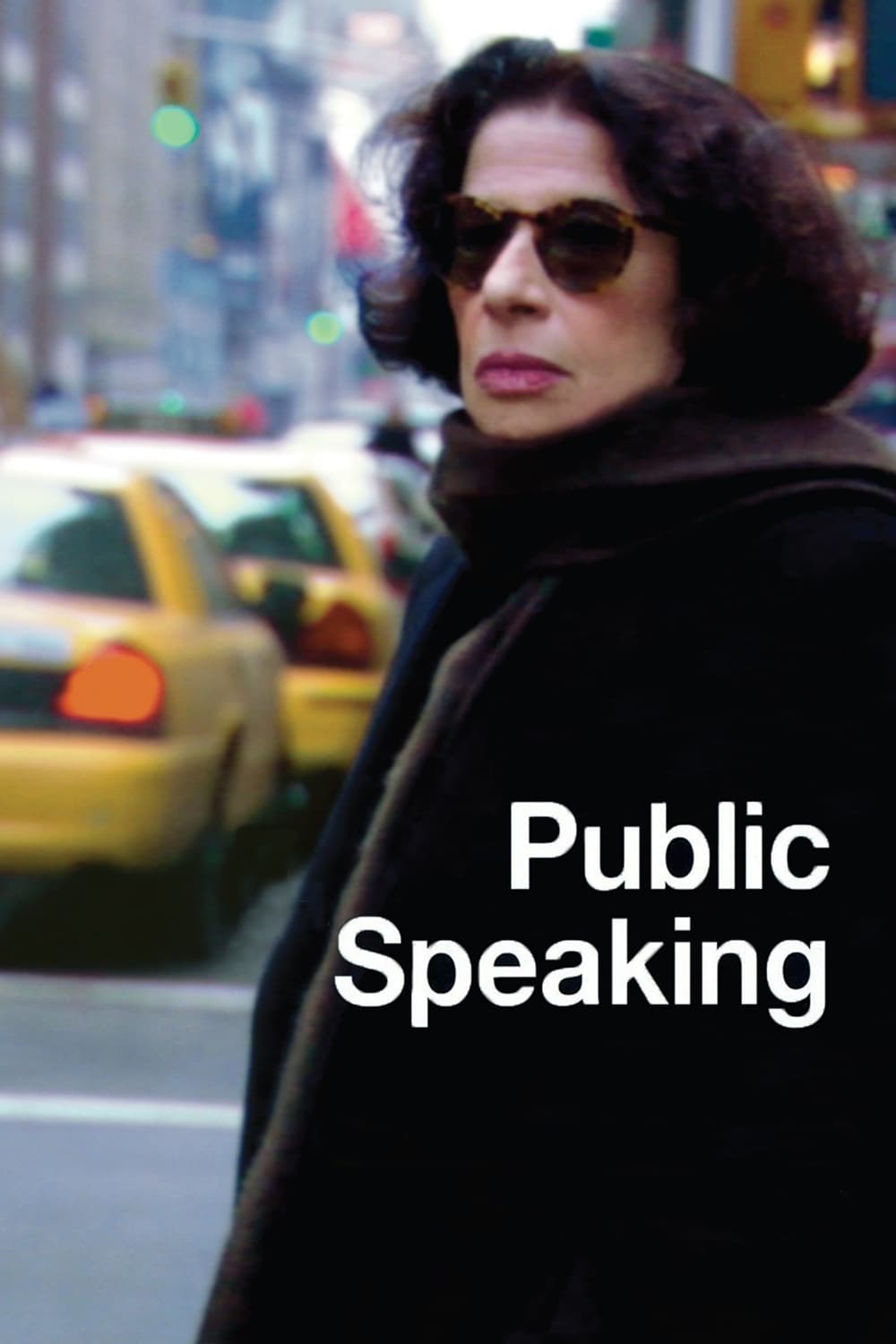
Martin Scorsese’s portrait of writer and social commentator Fran Lebowitz, celebrated for her sharp wit and observations on modern life. Filmed at New York’s Waverly Inn and intercut with archival footage and interviews, the documentary captures Lebowitz’s distinctive worldview through her spontaneous monologues and public appearances.
A visual montage portrait of our contemporary world dominated by globalized technology and violence.
The porn industry has grown from a product purchased on the sly, to be sold on newsstands in the daily press. "La piel vendida" aims to open a window to this film. His actors, actresses, directors, producers ... tell us their profession from the lights and shadows of a cinema by dint of being explicit in its imagery and themes, is hidden in their motivations: the viewer and their protagonists.
Documentary filmmaker Amy Berg investigates the life of 30-year pedophile Father Oliver O'Grady and exposes the corruption inside the Catholic Church that allowed him to abuse countless children. Victims' stories and a disturbing interview with O'Grady offer a view into the troubled mind of the spiritual leader who moved from parish to parish gaining trust ... all the while betraying so many.