Social & External
Dissident artist Hu Jie has managed to make more than 30 documentaries. Films like Though I Am Gone and Searching for Lin Zhao's Soul are vital to understanding Chinese history and society. Widely recognized as the first artist to dare talk about the Great Famine, the labor camps, and the Cultural Revolution, Hu Jie is considered China's first historical documentary filmmakers.
Maryla Michalowski-Dyamant, born in Poland, survived Ravensbruck, Malchow, and Auschwitz, where she was the forced translator of the “Angel of Death”, Dr. Mengele. She dedicated her post-war life to publicly speaking of her survival to the young generations, so that it would never be forgotten or repeated. Alice and Serena, her daughter and granddaughter, explore how Maryla’s fight against intolerance can continue today, in a world where survivors are disappearing, and intolerance, racism and antisemitism are on the rise.
When an American filmmaker is commissioned to make a film for a Middle East Biennial on the theme of 'art as a subversive act,' his film is banned for blasphemy, he is asked to destroy every copy, and threatened with arrest.
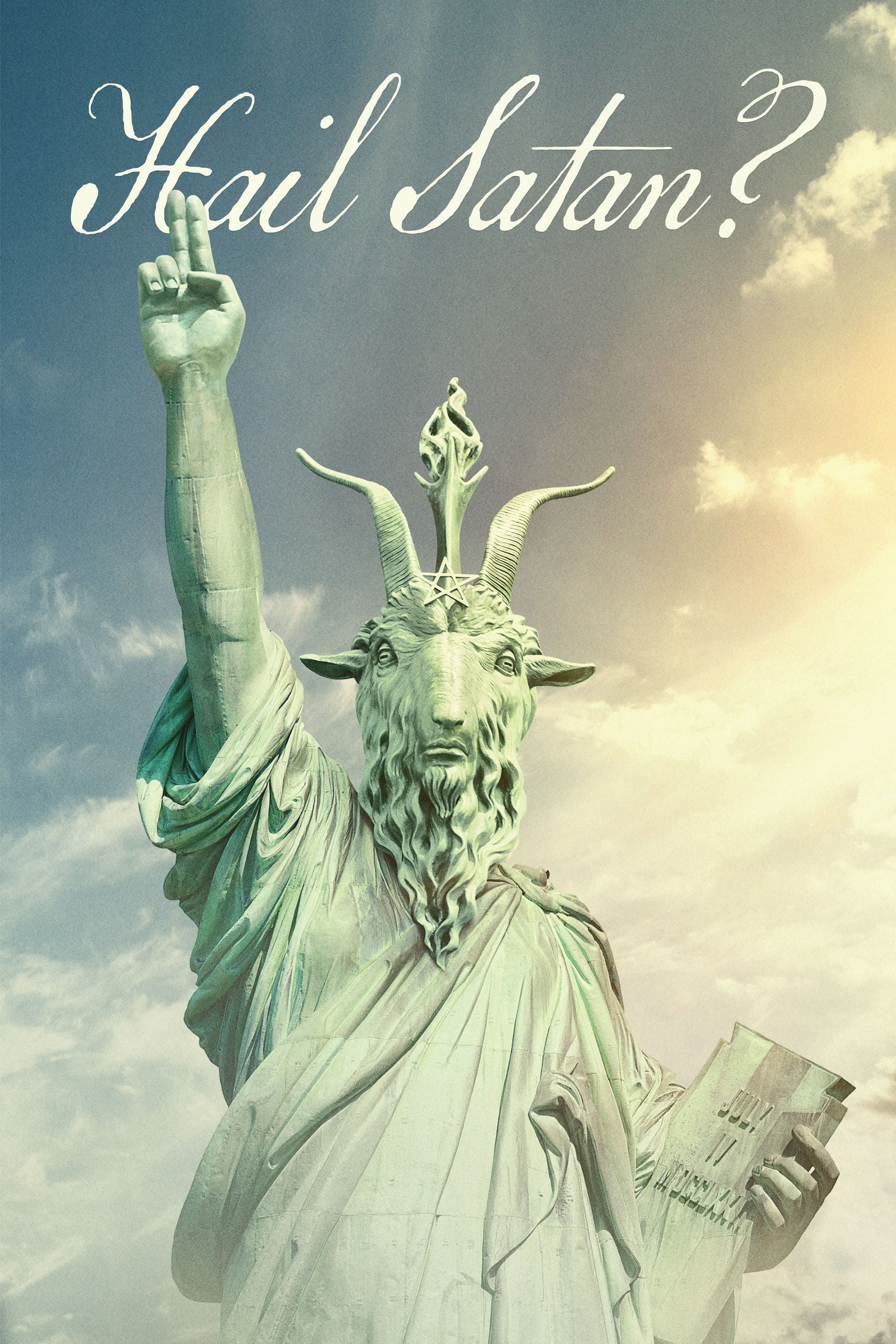
The story of The Satanic Temple, a controversial movement that combines religion and activism with the apparent purpose of questioning the basic foundations of US society.
A relentless chronicle of the tragedy of the Uighurs, an ethnic minority of some eleven million people who live in the Xinjiang region of northwest China, speak a Turkic language and practice the Muslim religion. The Uighurs suffer brutal cultural and political oppression by Xin Jinping's tyrannical government: torture, disappearances, forced labor, re-education of children and adults, mass sterilizations, extensive surveillance and destruction of historical heritage.
In Uganda, a new bill threatens to make homosexuality punishable by death. David Kato - Uganda's first openly gay man - and his fellow activists work against the clock to defeat the legislation while combating vicious persecution in their daily lives. But no one, not even the filmmakers, is prepared for the brutal murder that shakes the movement to its core and sends shock waves around the world.
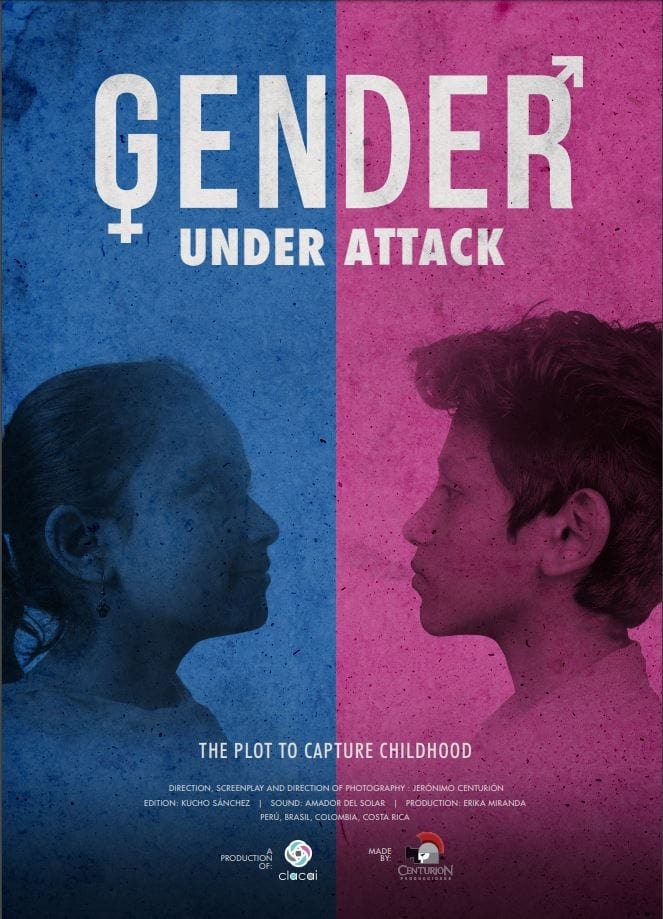
This documentary portrays the way in which attacks against a twisted concept of “gender ideology” in four countries are being used to gain political power by right-wing conservative politicians supported by conservatives in the Catholic and evangelical churches.
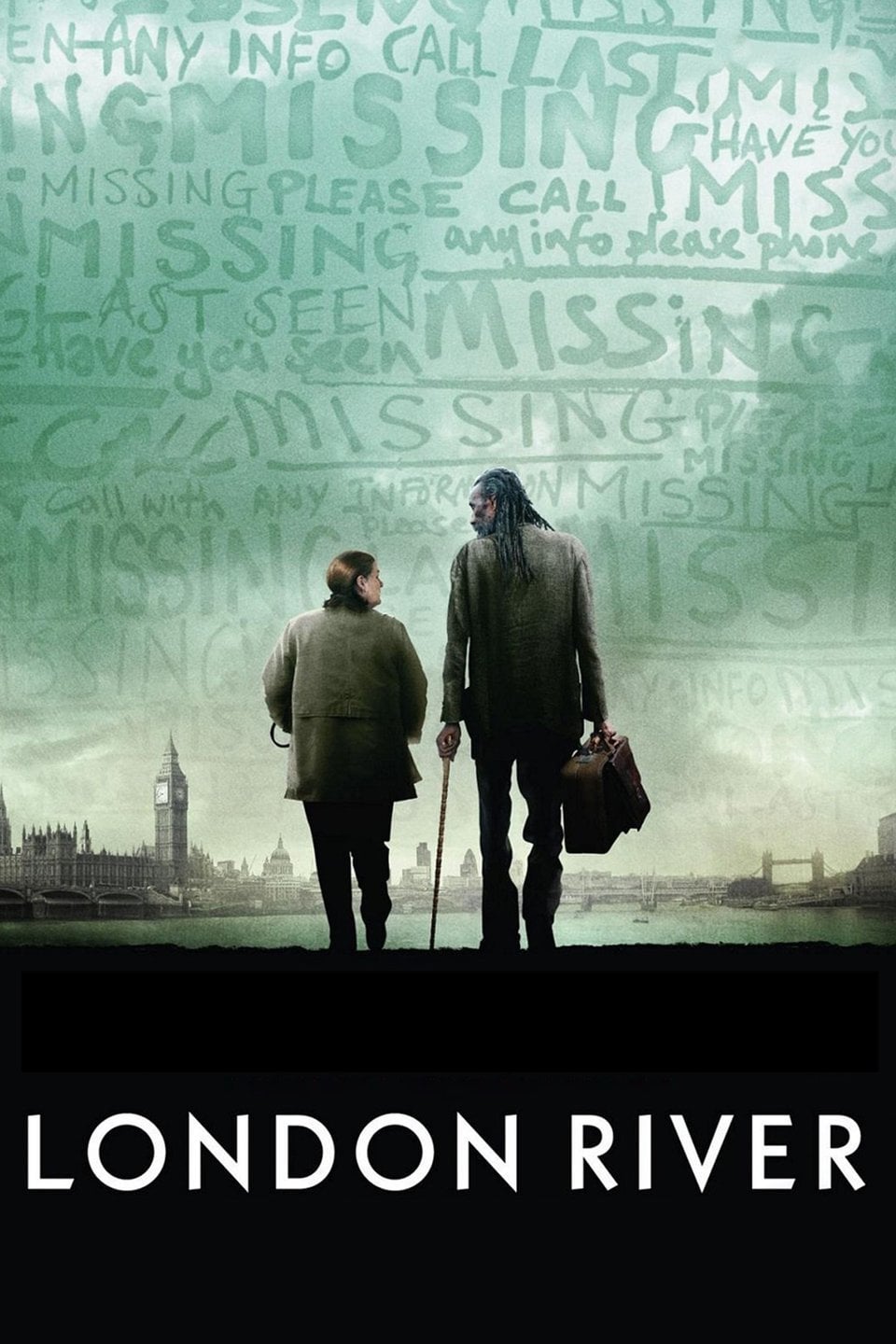
After traveling to London to check on their missing children in the wake of the 2005 terror attacks on the city, two strangers come to discover their respective children had been living together at the time of the attacks
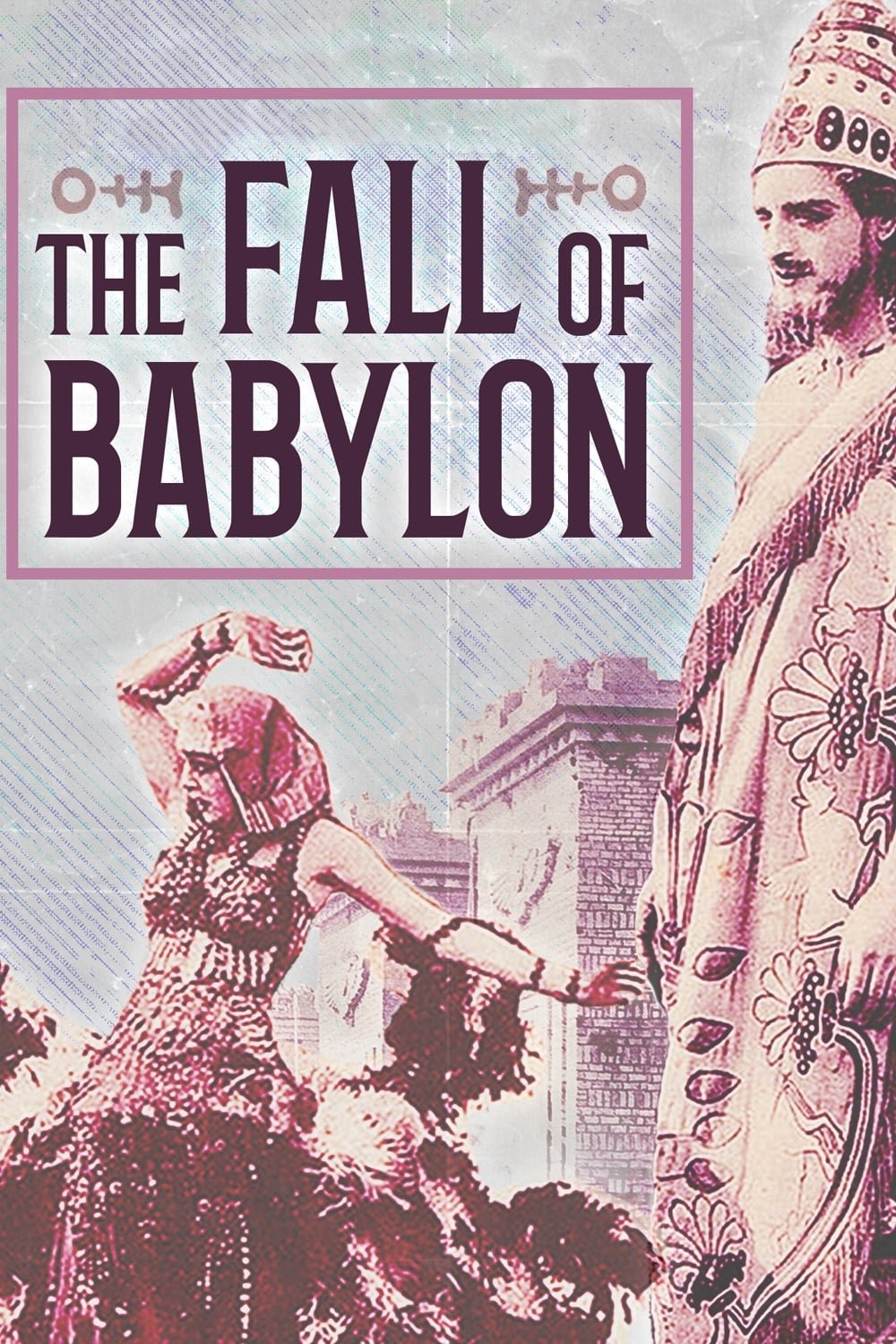
After the relatively low box office takings of 'Intolerance', D. W. Griffith would revisit his epic film three years later by releasing two of the film's interlocking stories as standalone features, with some new additional footage. The first of the two was 'The Fall of Babylon', which depicts the conflict between Prince Belshazzar of Babylon and Cyrus the Great of Persia.
To recoup losses from the extravagant roadshow presentations of Intolerance (1916), Griffith would revisit his epic film three years later by releasing two of the film's previously interlocked stories as standalone features, with additional footage and new title cards. The second of these was 'The Mother and the Law', which demonstrates how crime, moral puritanism, and conflicts between ruthless capitalists and striking workers cause ruin to the lives of marginal Americans.
While being questioned in the principal’s office, enemies David and Randall learn they’re more alike than they thought.
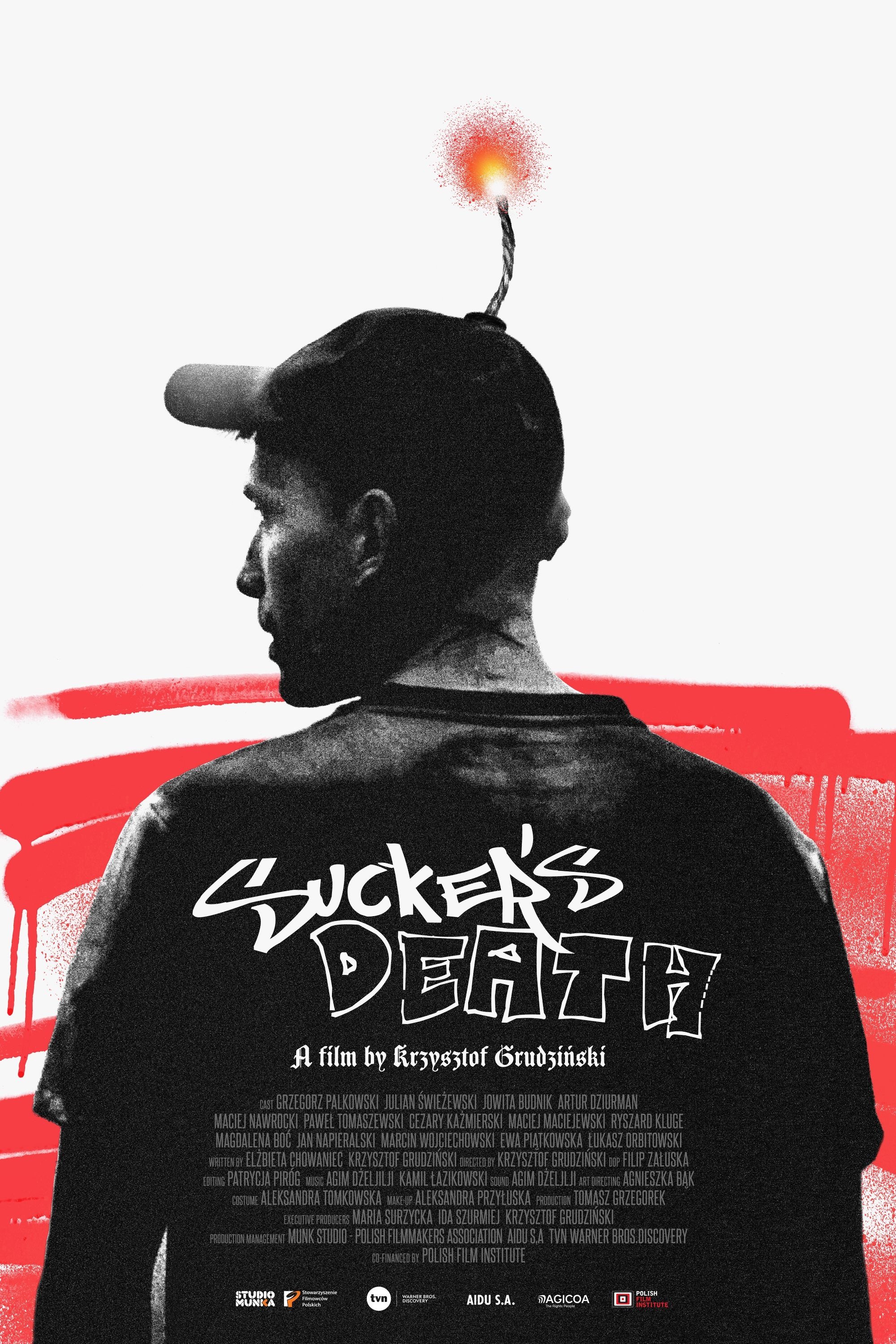
A small town somewhere in Poland. "Małolat", a member of a nationalist militia, is blackmailed into planting a bomb at an LGBT rally in Warsaw. However, he does not know that his gay brother will be at the demonstration. The mother of both characters will get involved in the whole situation. The young man faces a dramatic choice.
Robbie Levinson and Trey McCoy suddenly encounter intolerance and hostility at the hands of their new neighbor, Chris Boyd, the son of a fundamentalist preacher.
Two short stories set in Edo during the Shogun era. The first, during a time when Christians are persecuted vehemently, Iori falls in love with a young Christian girl. When she and her family are captured during a raid, his sadistic master takes her as his personal slave to torment Iori. The second follows Sutezo who, forced to serve the barbarous master of a brothel in order to repay his debts, befriends a young girl. Together, they both escape and struggle to get by on scams and petty theft.
A young German/Bolivian Mennonite risks his life to escape his strict religious community to find love and freedom in the city.
As Raman prepares to migrate out of Iran, his friends plot the perfect way to celebrate his impending departure. However, their path is plagued with conflict; an unresolved argument over the accidental death of a friend and a conservative elder brother who looks upon their lives with disdain, further resolves to stop the celebration.
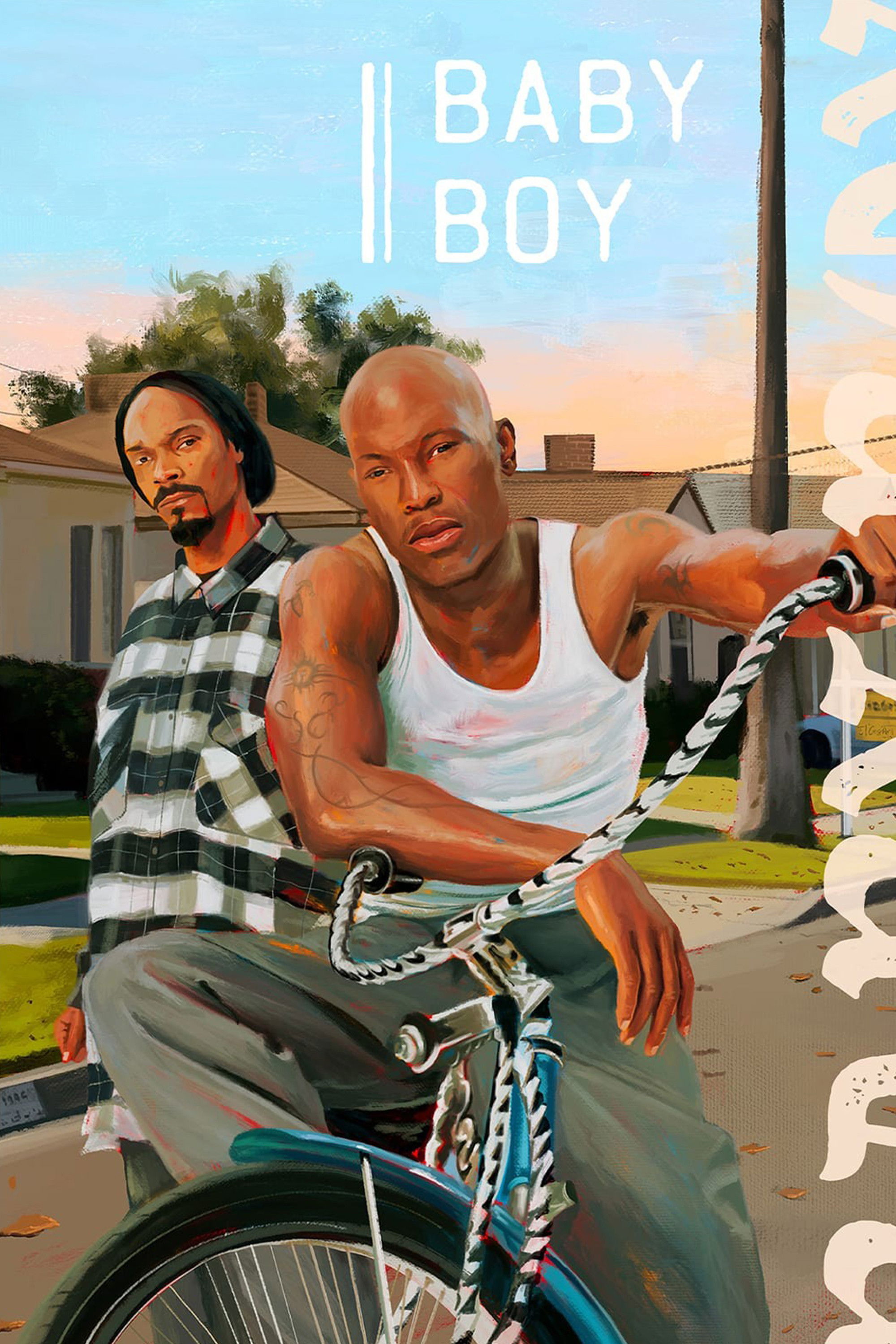
The story of Jody, a misguided, 20-year-old African-American who is really just a baby boy finally forced-kicking and screaming to face the commitments of real life. Streetwise and jobless, he has not only fathered two children by two different women-Yvette and Peanut but still lives with his own mother. He can't seem to strike a balance or find direction in his chaotic life.
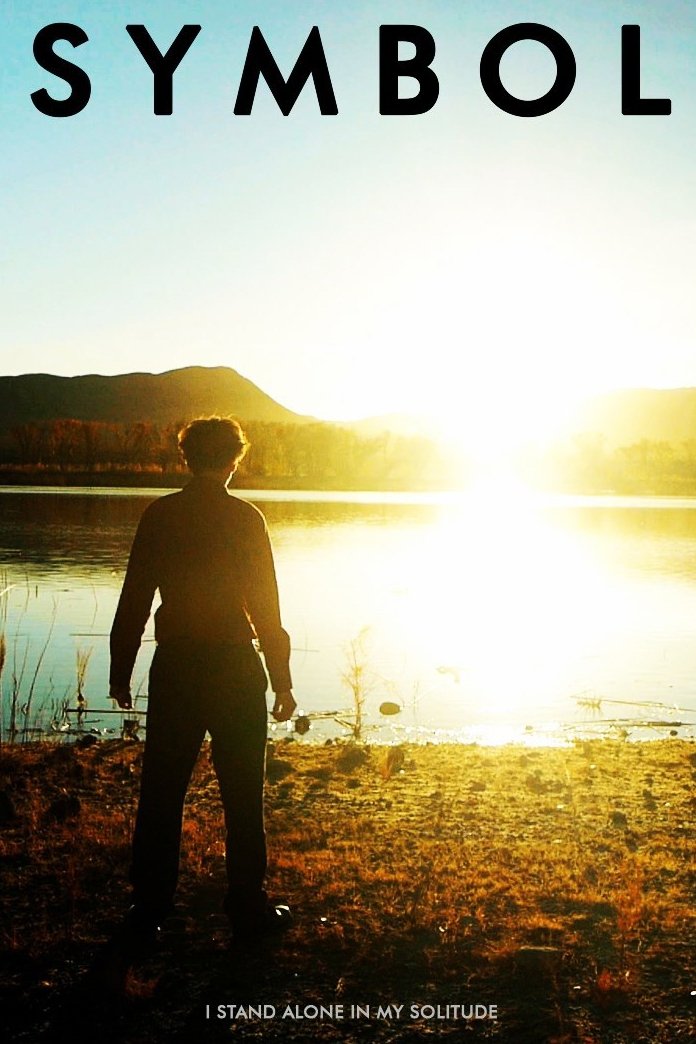
A man who is fascinated with patterns and symbols discovers his one true path to enlightenment.
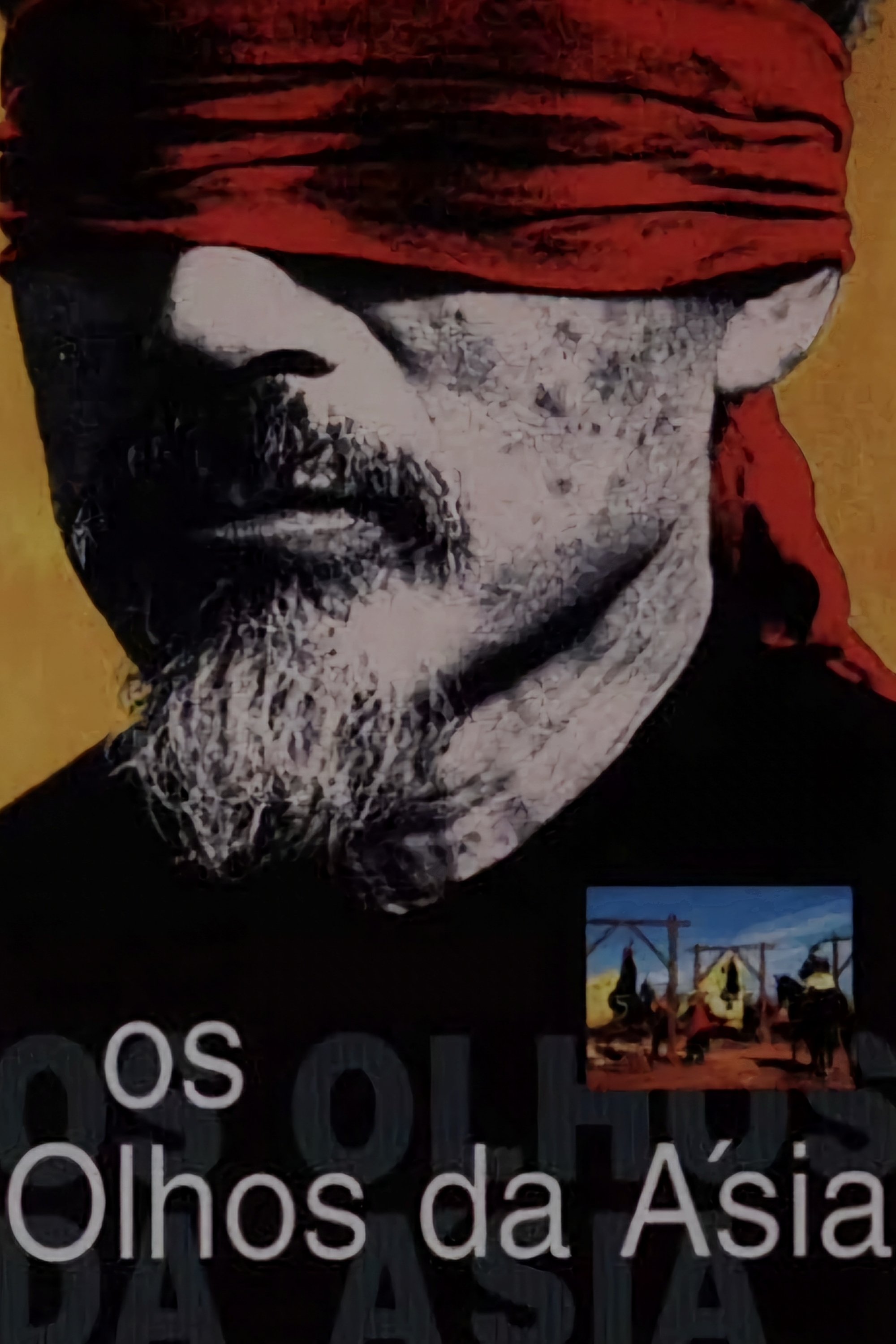
Julian Nakaura, a priest of the Society of Jesus, was one of four young ambassadors sent to Rome by the Jesuits in 1582, as proof that Japan had converted to Christianity. Fifty years after the mission, which so fascinated European royalty, Julian was forced again to prove his faith, only this time before a Shogun, who wanted to force him to abandon his religion. Julian resists, as does Miguel Chijiwa, a fellow at the embassy to Rome, who become a martyr. Betrayed by Cristóvão Ferreira, who cannot bear the torture, Julian suffers an inglorious death ... or maybe not. All the while, a woman wants to discover her past...
Those who knew iconic funnyman John Candy best share his story, in their own words, through never-before-seen archival footage, imagery, and interviews.
A detailing of the rise to prominence and global sporting superstardom of six supremely talented young Manchester United football players (David Beckham, Nicky Butt, Ryan Giggs, Paul Scholes, Phil and Gary Neville). The film covers the period 1992-1999, culminating in Manchester United's European Cup triumph.
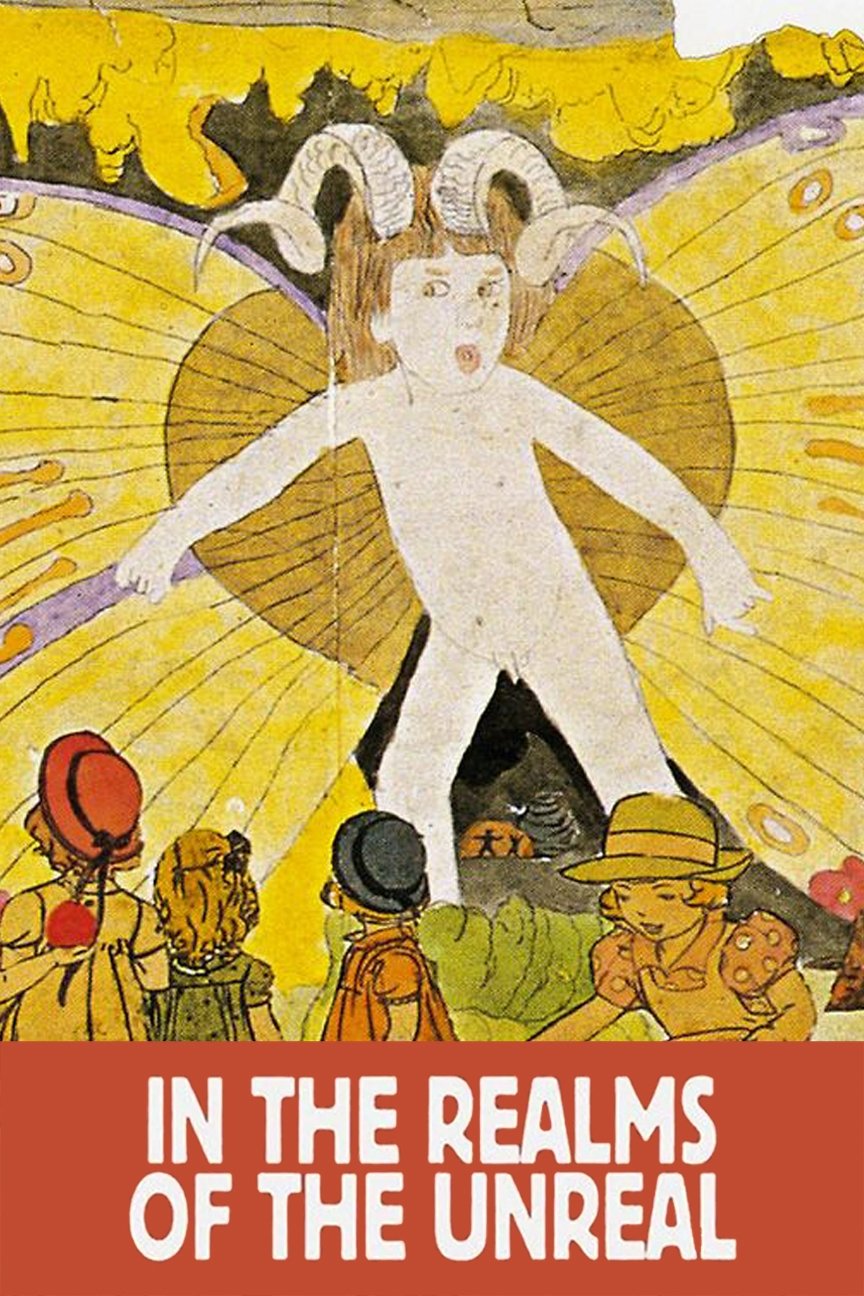
In the Realms of the Unreal is a documentary about the reclusive Chicago-based artist Henry Darger. Henry Darger was so reclusive that when he died his neighbors were surprised to find a 15,145-page manuscript along with hundreds of paintings depicting The Story of the Vivian Girls, in What is Known as the Realms of the Unreal, of the Glodeco-Angelinnian War Storm, Cased by the Child Slave Rebellion.
Al Pacino's deeply-felt rumination on Shakespeare's significance and relevance to the modern world through interviews and an in-depth analysis of "Richard III."
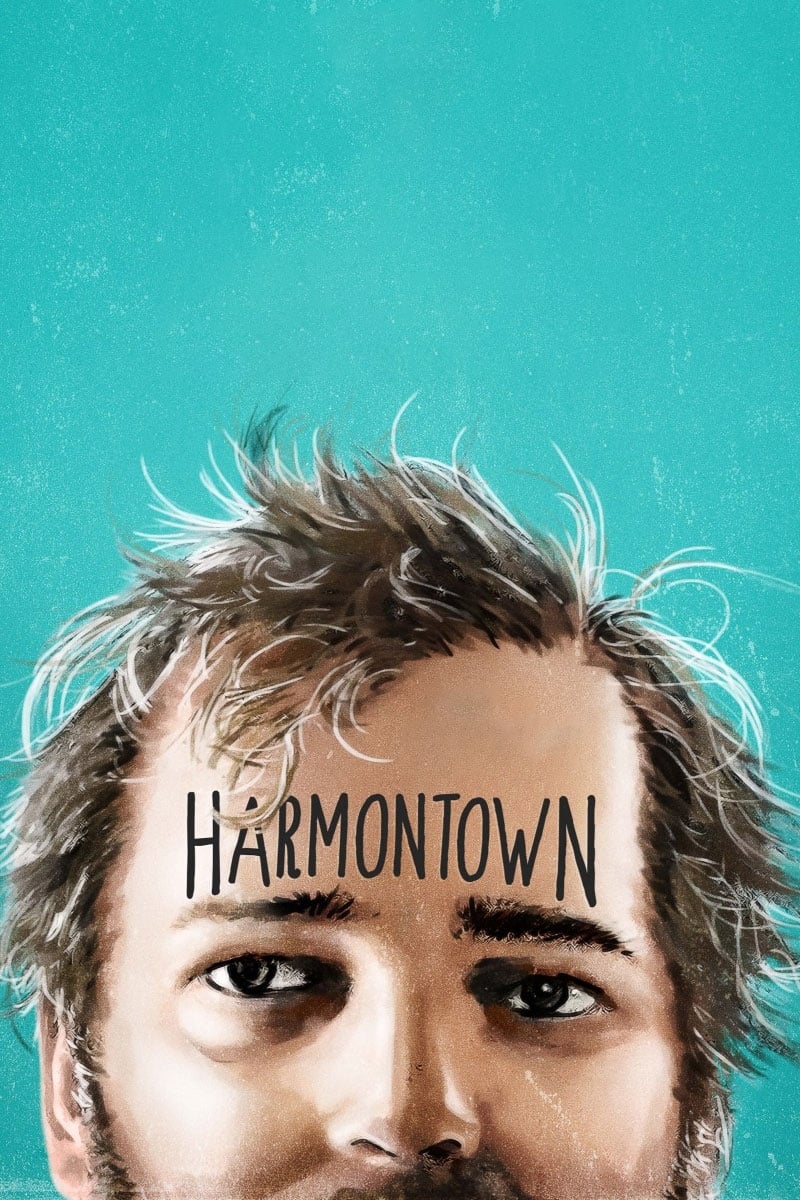
A comedic, brutally honest documentary following self-destructive TV writer Dan Harmon as he takes his live podcast on a national tour.
Through deeply personal interviews with her siblings and an examination of the photographs, letters, and belongings left behind, Mariska assembles a new portrait of her mother Jayne Mansfield, an extraordinary and complex woman.
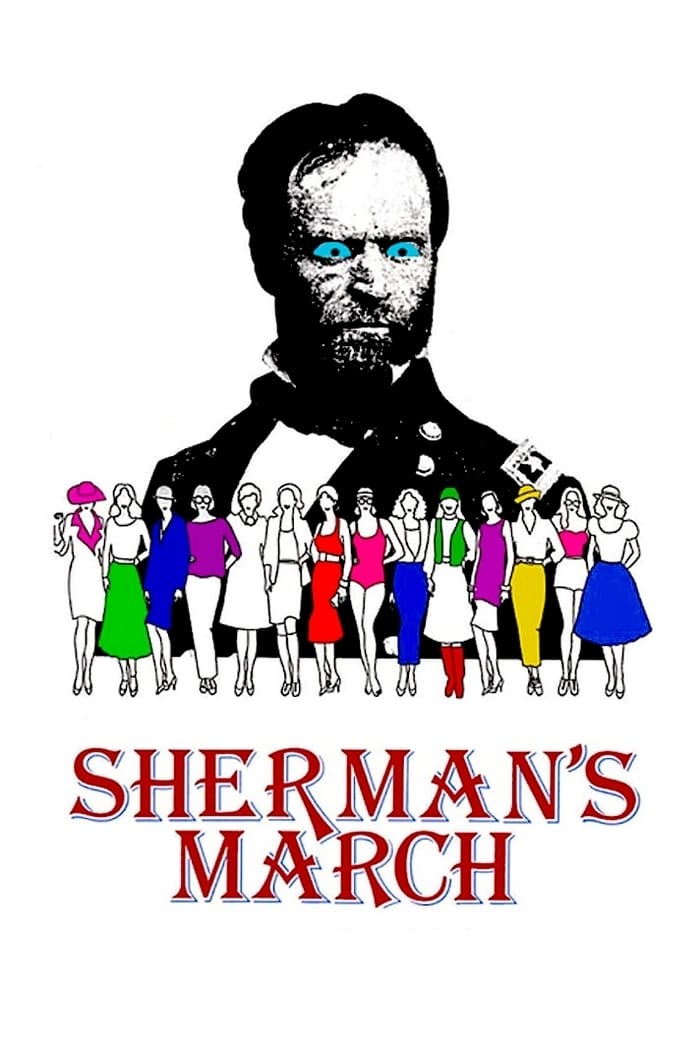
Ross McElwee sets out to make a documentary about the lingering effects of General Sherman's march of destruction through the South during the Civil War, but is continually sidetracked by women who come and go in his life, his recurring dreams of nuclear holocaust, and Burt Reynolds.
Behind-the-scenes documentary about how Lionel Messi succeeded in lifting the World Cup – the only trophy to have eluded him in an incredible career.
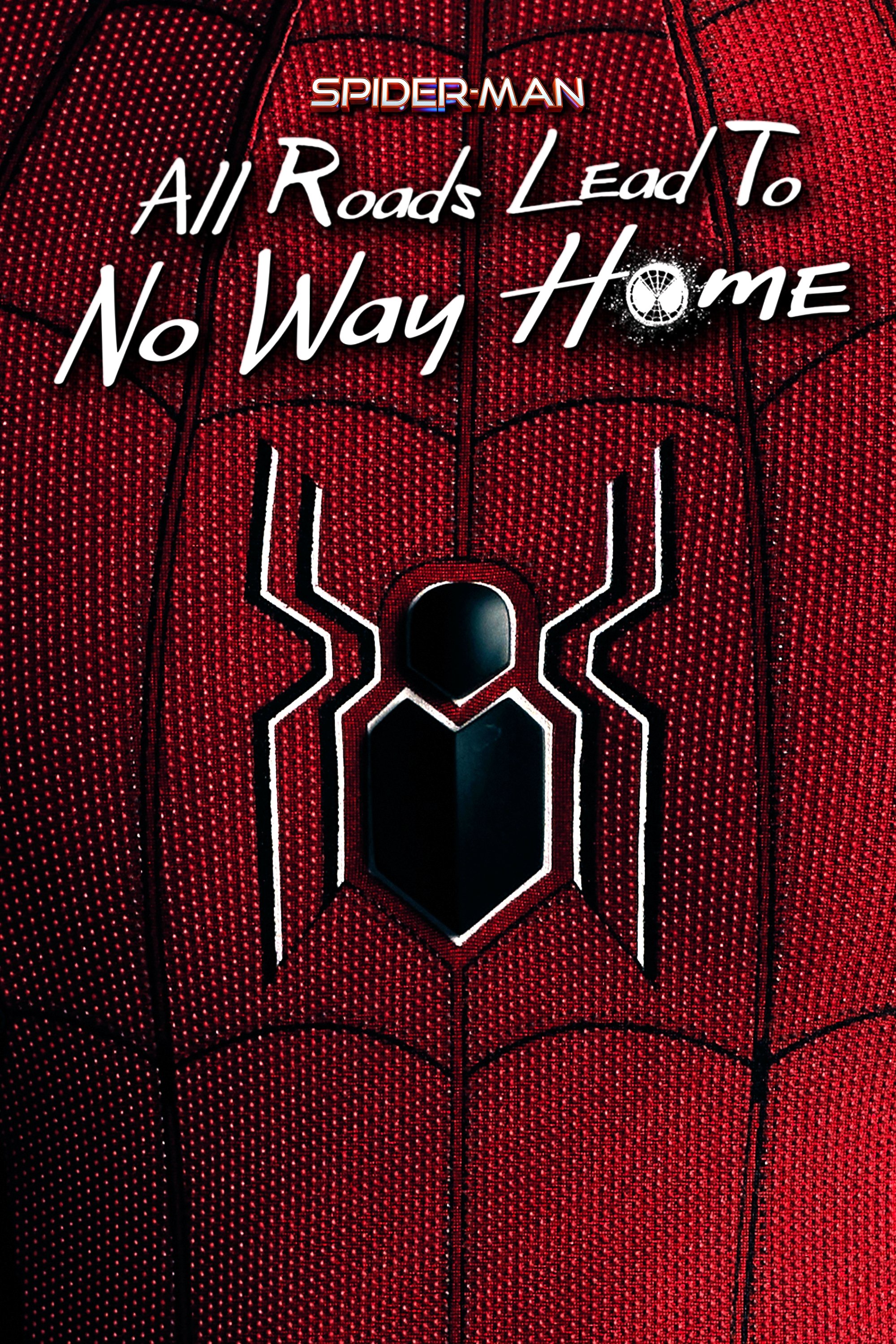
JB Smoove and Martin Starr host a celebration of 20 years of "Spider-Man" movies, from the Sam Raimi trilogy to Marc Webb's movies and the trio from Jon Watts.
The Captains is a feature-length documentary film written and directed by William Shatner. The film follows Shatner as he interviews the other actors who have portrayed starship captains in the Star Trek franchise.
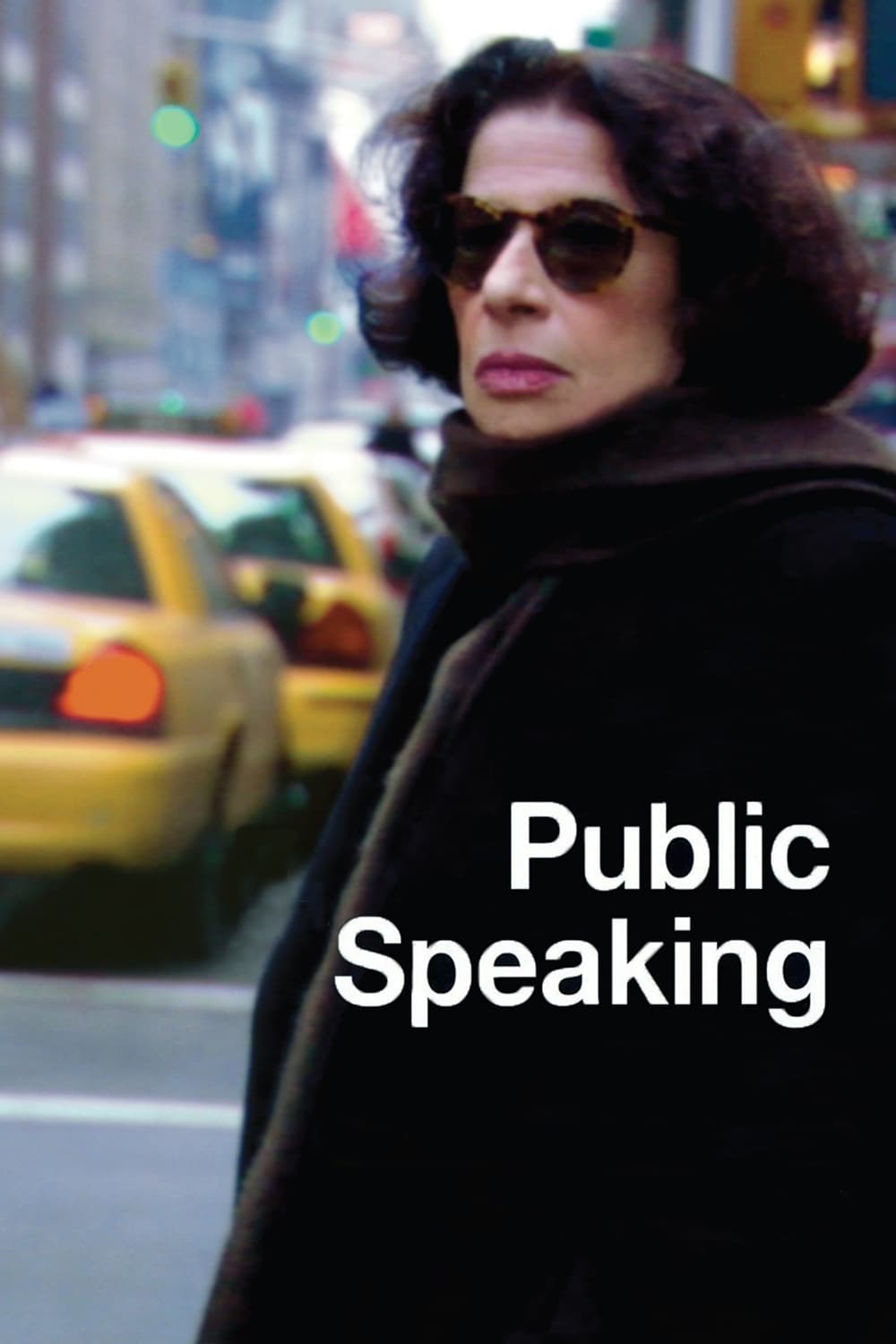
Martin Scorsese’s portrait of writer and social commentator Fran Lebowitz, celebrated for her sharp wit and observations on modern life. Filmed at New York’s Waverly Inn and intercut with archival footage and interviews, the documentary captures Lebowitz’s distinctive worldview through her spontaneous monologues and public appearances.
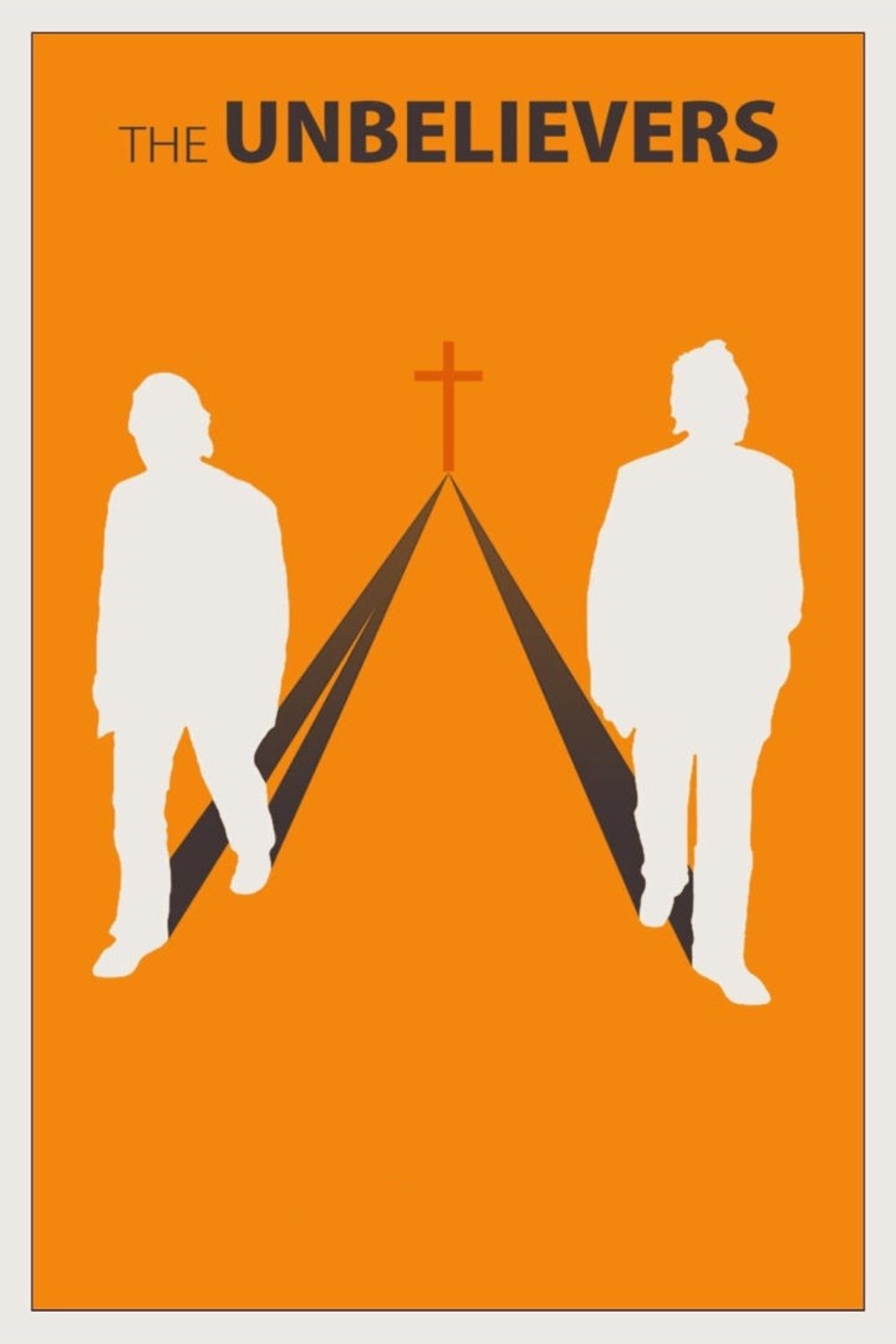
Scientists Richard Dawkins and Lawrence Krauss travel the globe promoting a scientific worldview and the rational questioning of religious belief.
A documentary about the life and films of director John Ford.
SEDUCED AND ABANDONED combines acting legend Alec Baldwin with director James Toback as they lead us on a troublesome and often hilarious journey of raising financing for their next feature film. Moving from director to financier to star actor, the two players provide us with a unique look behind the curtain at the world's biggest and most glamourous film festival, shining a light on the bitter-sweet relationship filmmakers have with Cannes and the film business. Featuring insights from directors Martin Scorsese, 'Bernando Bertolucci' and Roman Polanski; actors Ryan Gosling and Jessica Chastain and a host of film distribution luminaries.
A documentary focused on plastic pollution in the world's oceans.
The life and career of an actor, artist, and icon. His own journey through his own camera.
Alexander McQueen's rags-to-riches story is a modern-day fairy tale, laced with the gothic. Mirroring the savage beauty, boldness and vivacity of his design, this documentary is an intimate revelation of McQueen's own world, both tortured and inspired, which celebrates a radical and mesmerizing genius of profound influence.
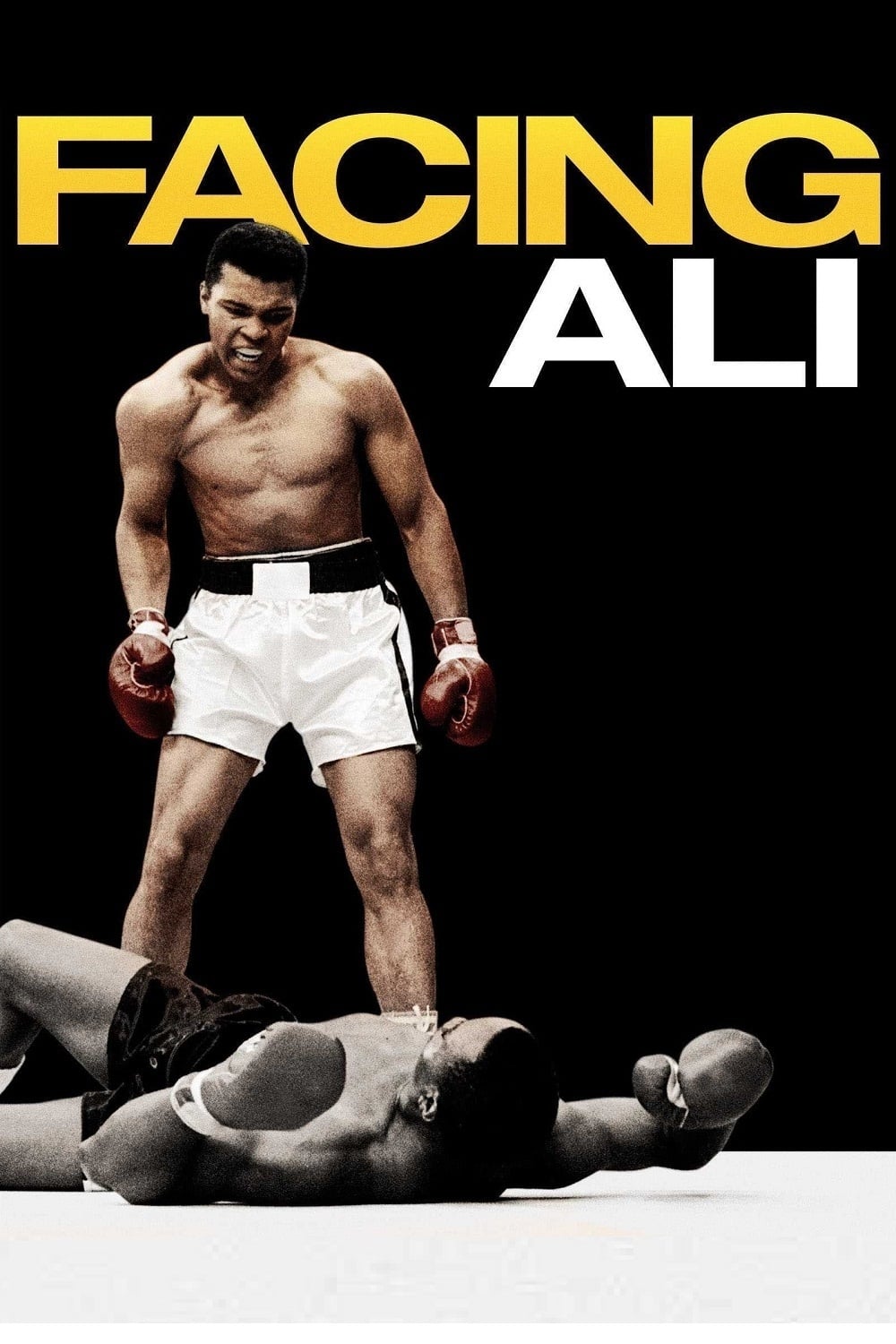
Ten of Muhammad Ali's former rivals pay tribute to the three-time world heavyweight champion.
When Allied forces liberated the Nazi concentration camps in 1944-45, their terrible discoveries were recorded by army and newsreel cameramen, revealing for the first time the full horror of what had happened. Making use of British, Soviet and American footage, the Ministry of Information’s Sidney Bernstein (later founder of Granada Television) aimed to create a documentary that would provide lasting, undeniable evidence of the Nazis’ unspeakable crimes. He commissioned a wealth of British talent, including editor Stewart McAllister, writer and future cabinet minister Richard Crossman – and, as treatment advisor, his friend Alfred Hitchcock. Yet, despite initial support from the British and US Governments, the film was shelved, and only now, 70 years on, has it been restored and completed by Imperial War Museums under its original title "German Concentration Camps Factual Survey".