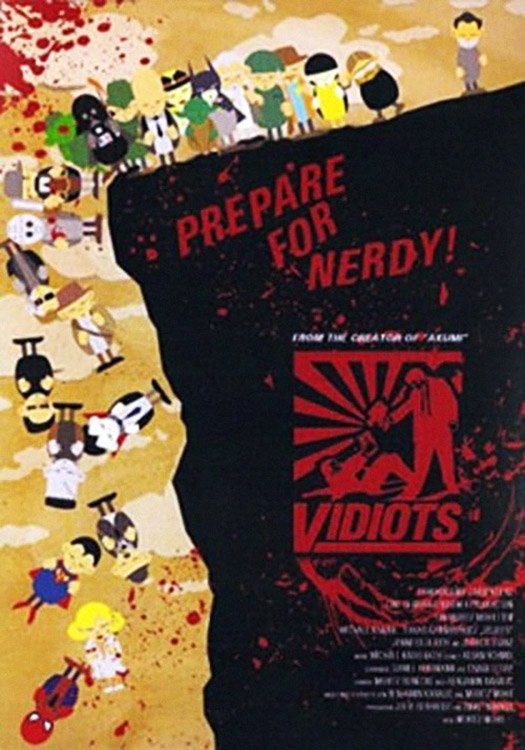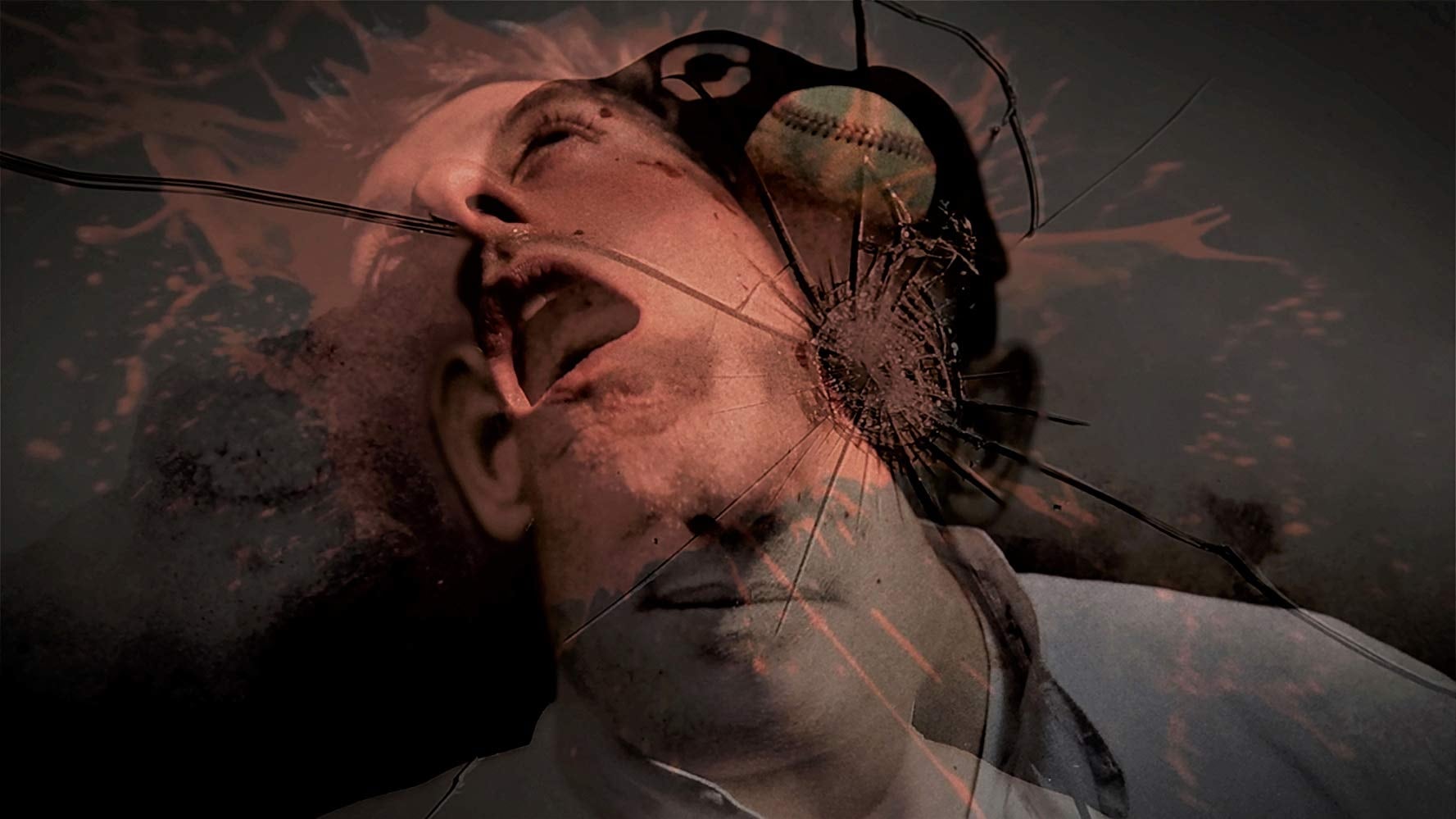

An experimental documentary exploring a sinister theory surrounding the death of Cleveland baseball player Ray Chapman in 1920 and the subsequent rise of the Yankee dynasty.
Social & External
Tillinghast Hudson
Carl Mays
Jacob Ruppert
Ray Chapman
A 10-minute portrait of modernist poet and de Andrade’s godfather, Manuel Bandeira, is clear in its affection for it subject, though like many New-Waveish films of the time, depicts the modern urban landscape as an ominous and alienating force.
Documentary about influential Brazilian sociologist Gilberto Freyre, made in his country house in Apipucos, Pernambuco (Northeast Brazil).
A trip on the Swedish lake Mälaren by a 115-year-old steamboat. The journey between Stockholm and Mariefred takes 3,5 hours. The steamboat Mariefred was manufactured over a hundred years ago and is one of the last steam-powered vessels on the lake. The steam whistle sounds when Maja, as she is called in Mariefred, steers into the bay towards the small town. A fanfare for the summer!
A lonely man receives an unexpected visitor that is more than what she seems.
A day and night in the life of three alcoholic derelicts: "and the meek shall inherit the earth - six feet of it".
Peter Hutton’s essay on the naturalization of the urban landscape. Voluptuously gray, worn and lived in, the city is like a stage set for an invisible drama.
Ferdinand is trying to cope with the breakup with his girlfriend.
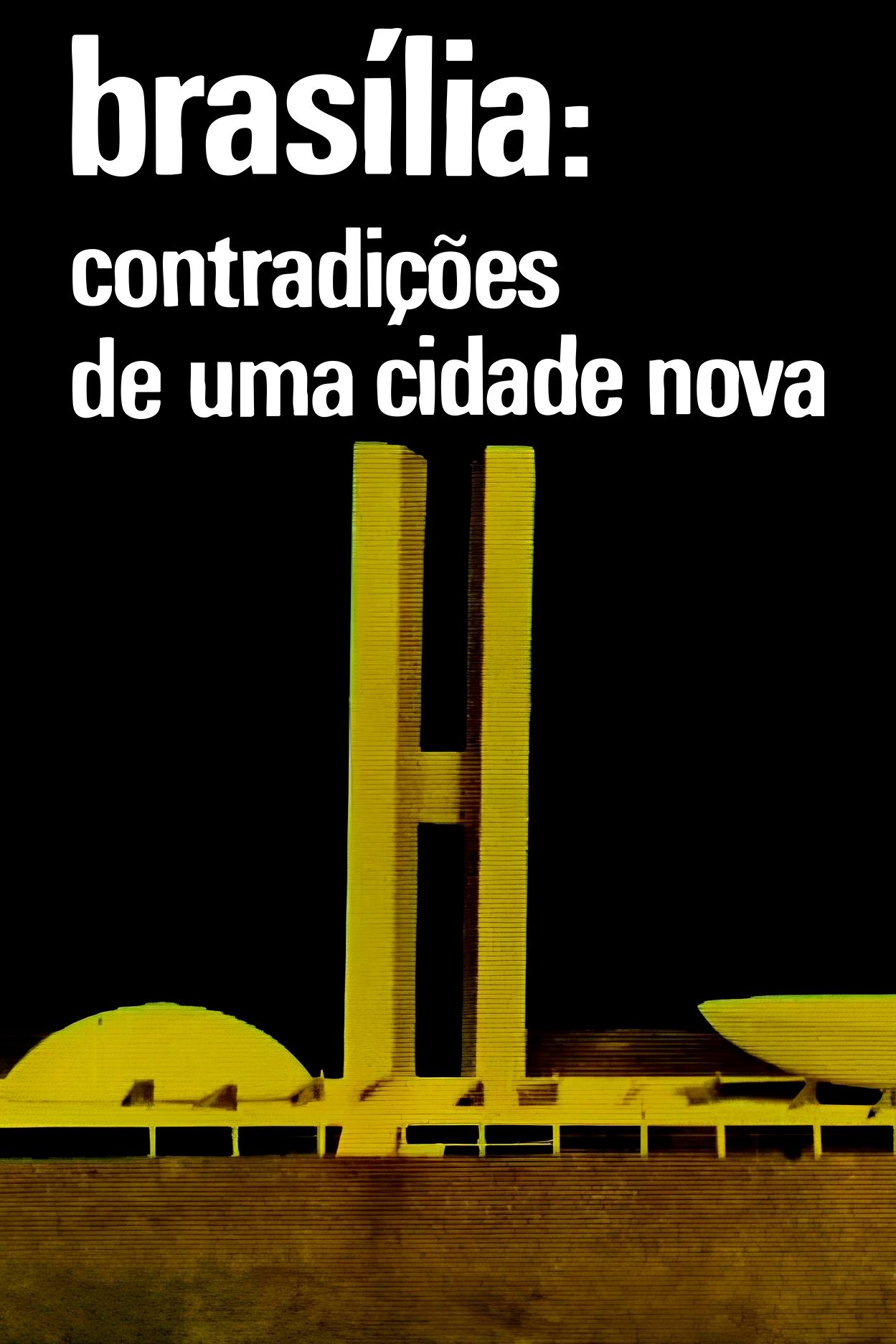
In 1967, de Andrade was invited by the Italian company Olivetti to produce a documentary on the new Brazilian capital city of Brasília. Constructed during the latter half of the 1950s and founded in 1960, the city was part of an effort to populate Brazil’s vast interior region and was to be the embodiment of democratic urban planning, free from the class divisions and inequalities that characterize so many metropolises. Unsurprisingly, Brasília, Contradições de uma Cidade Nova (Brasília, Contradictions of a New City, 1968) revealed Brasília to be utopic only for the wealthy, replicating the same social problems present in every Brazilian city. (Senses of Cinema)
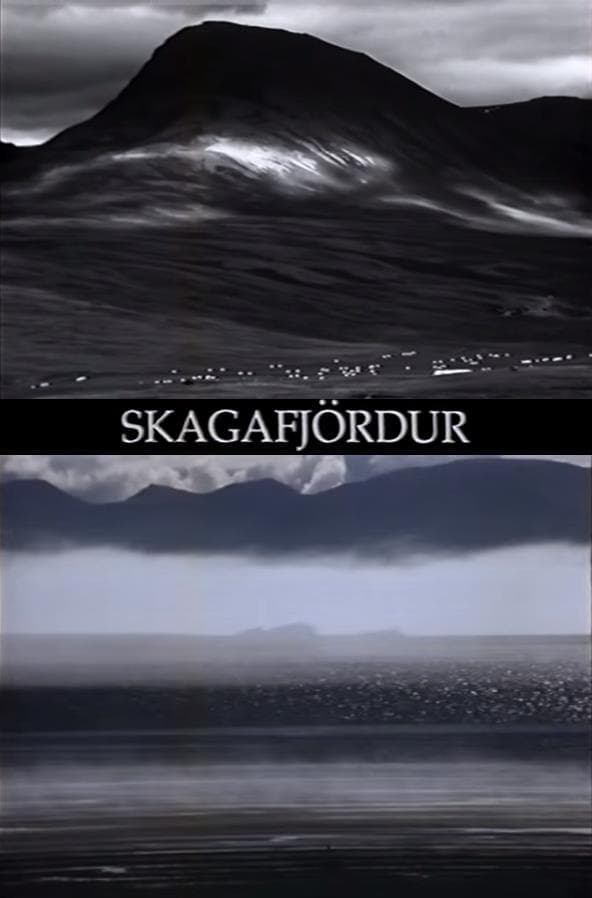
A film documenting the landscapes of northern Iceland.
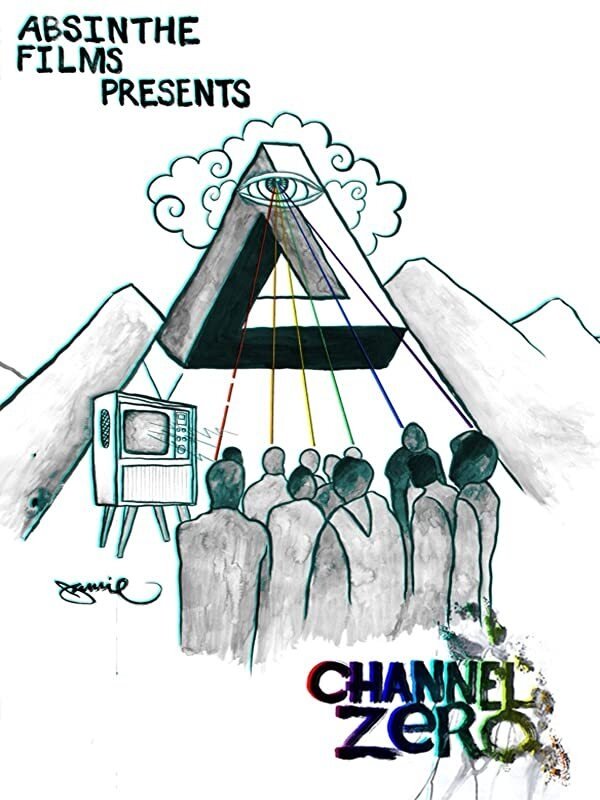
It’s the channel that’s not on your television, you need to go out into nature to tune into this frequency.
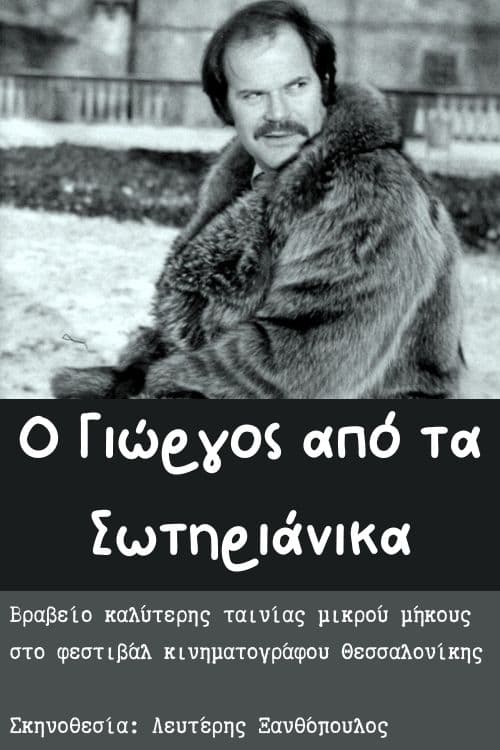
The story of a successful Greek immigrant, the restaurant owner Giorgos Kozompolis, who emigrated in the mid 1960’s from the poor village of Sotirianika, in Mani to the developed city of Heidelberg in the Federal Republic of Germany.
The Greek guest workers -gästarbeiter- in the industrially developed central and northern Europe in the mid 70s.
Greek internal migrants in Athens, after the Greek Civil War colonize the tops of the Tourkovounia hills.
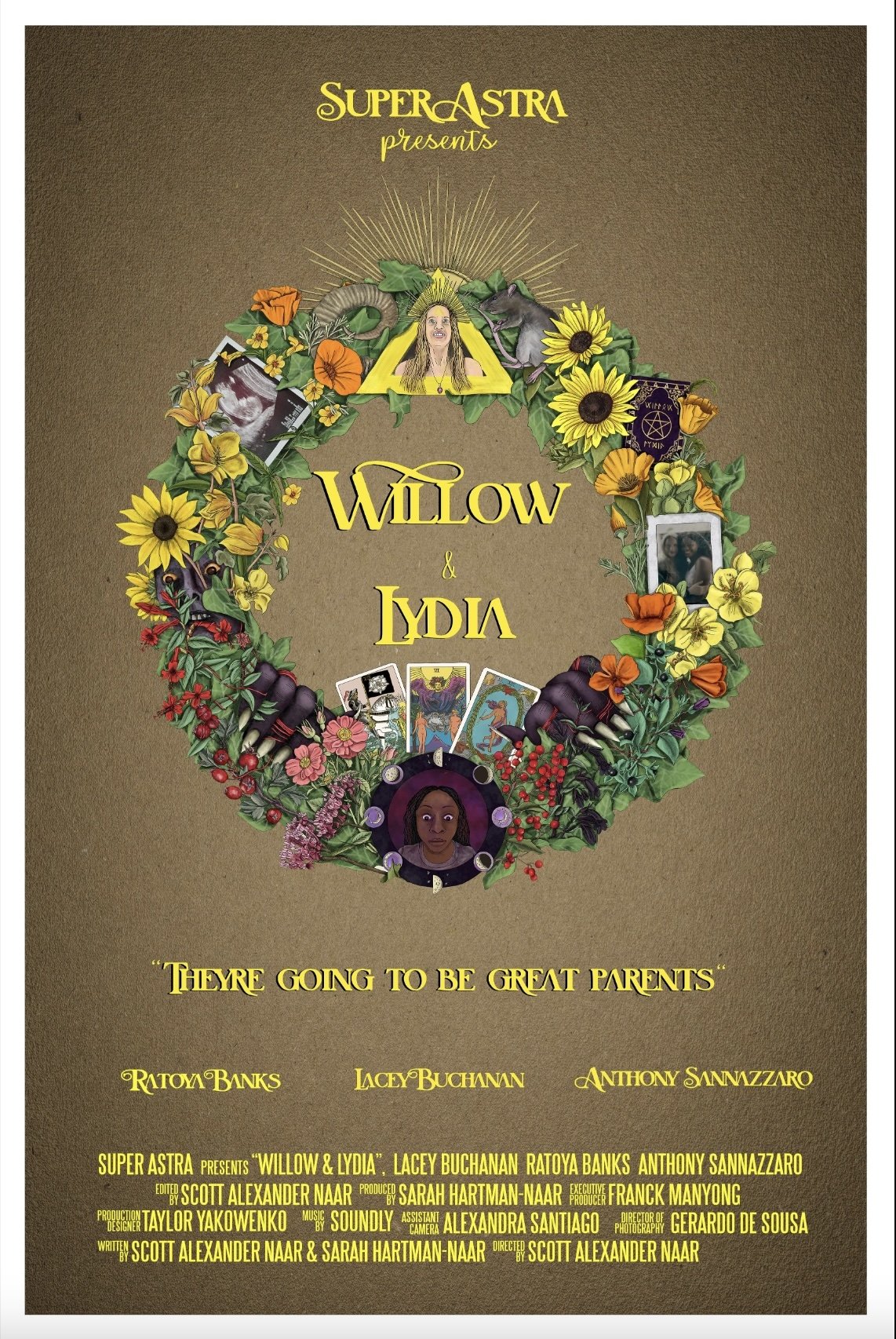
After suffering their fourth miscarriage using IVF, lesbian couple Willow and Lydia are desperate for a baby and running out of options, which leads Willow to try an ancient fertility ritual.
A charismatically verbose writer who befriends the resident bartender on a train ferrying dark secrets. The writer’s sanity begins to unravel as he faces a haunting truth he can’t escape.
The film sheds light on the topic of the high divorce rate among young people in the form of journalistic statements and scenes as well as analytically reflected statements and statements of experience by sociologist Dr. Ursula Hempel, divorced and single mother of two adolescent children, and her cousin, a puppeteer who is also divorced.
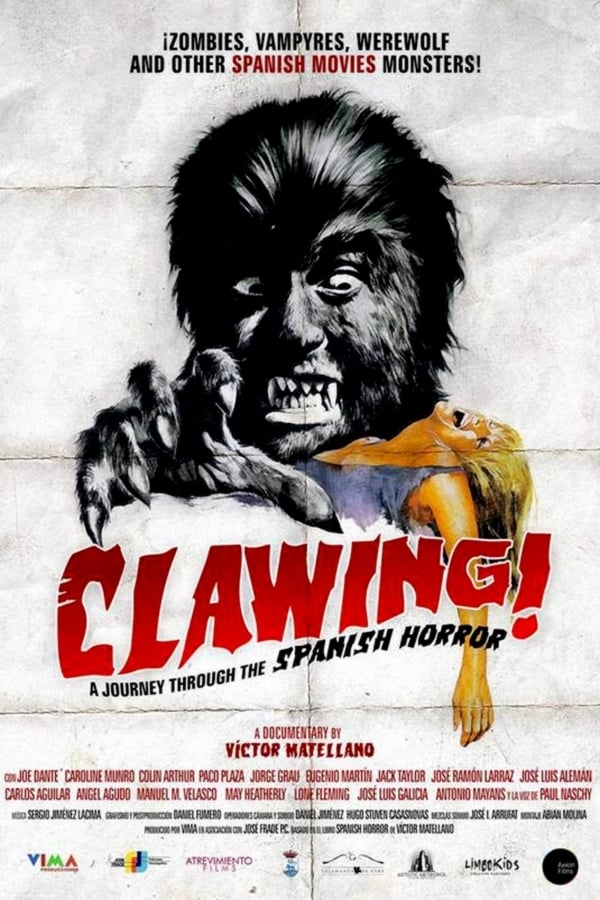
In the late sixties, Spanish cinema began to produce a huge amount of horror genre films: international markets were opened, the production was continuous, a small star-system was created, as well as a solid group of specialized directors. Although foreign trends were imitated, Spanish horror offered a particular approach to sex, blood and violence. It was an extremely unusual artistic movement in Franco's Spain.
A hardware store employee's first night on the job is disrupted by the discovery of a dead body and a duffel bag full of cash. He and his co-workers soon descend into madness as they try to figure out a solution to their predicament in this unsettling horror comedy.
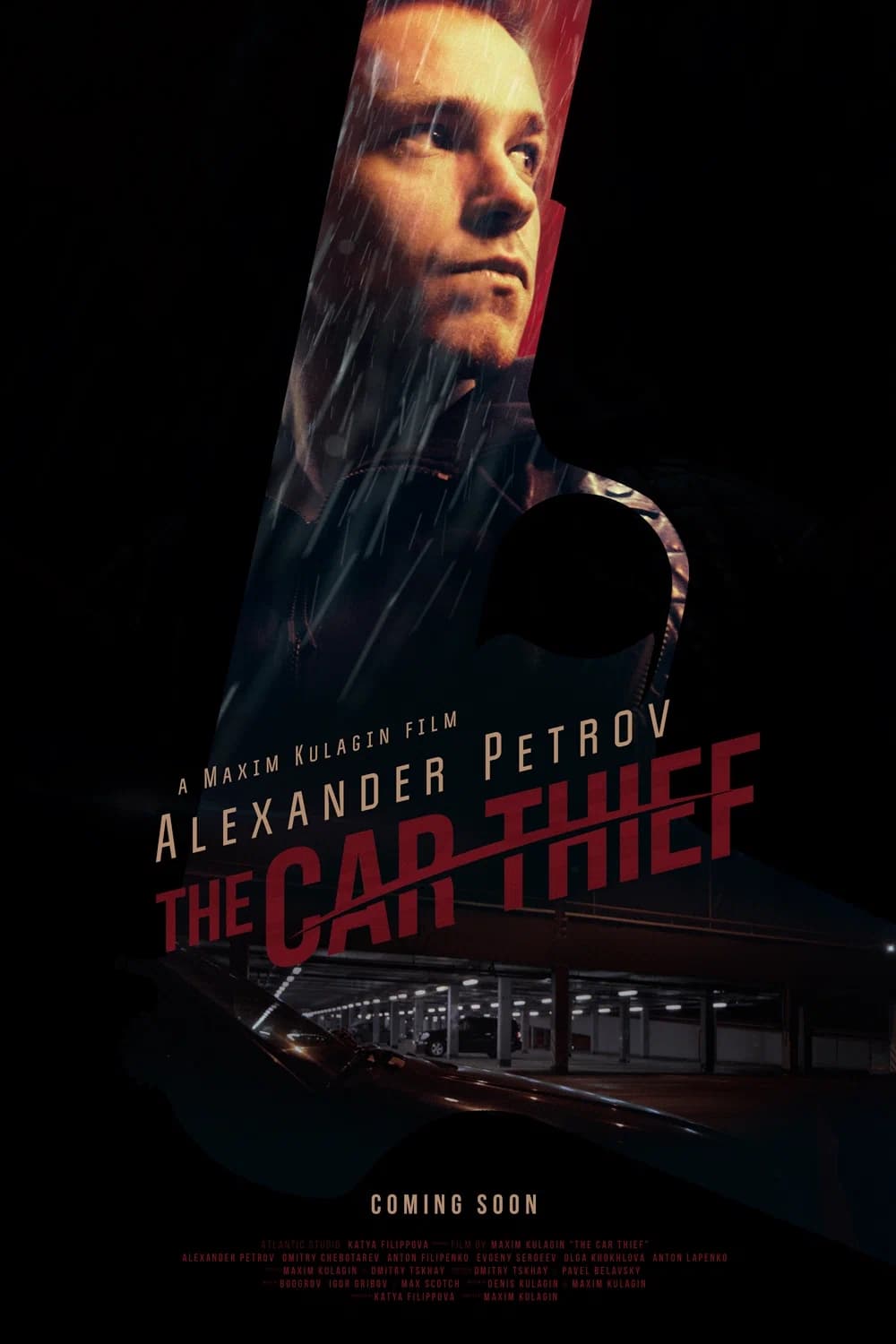
Two friends are engaged in theft of cars in order to extort money from their owners. The next stealing runs smoothly. The owner of the car agrees to pay, but puts forward an unexpected condition ...
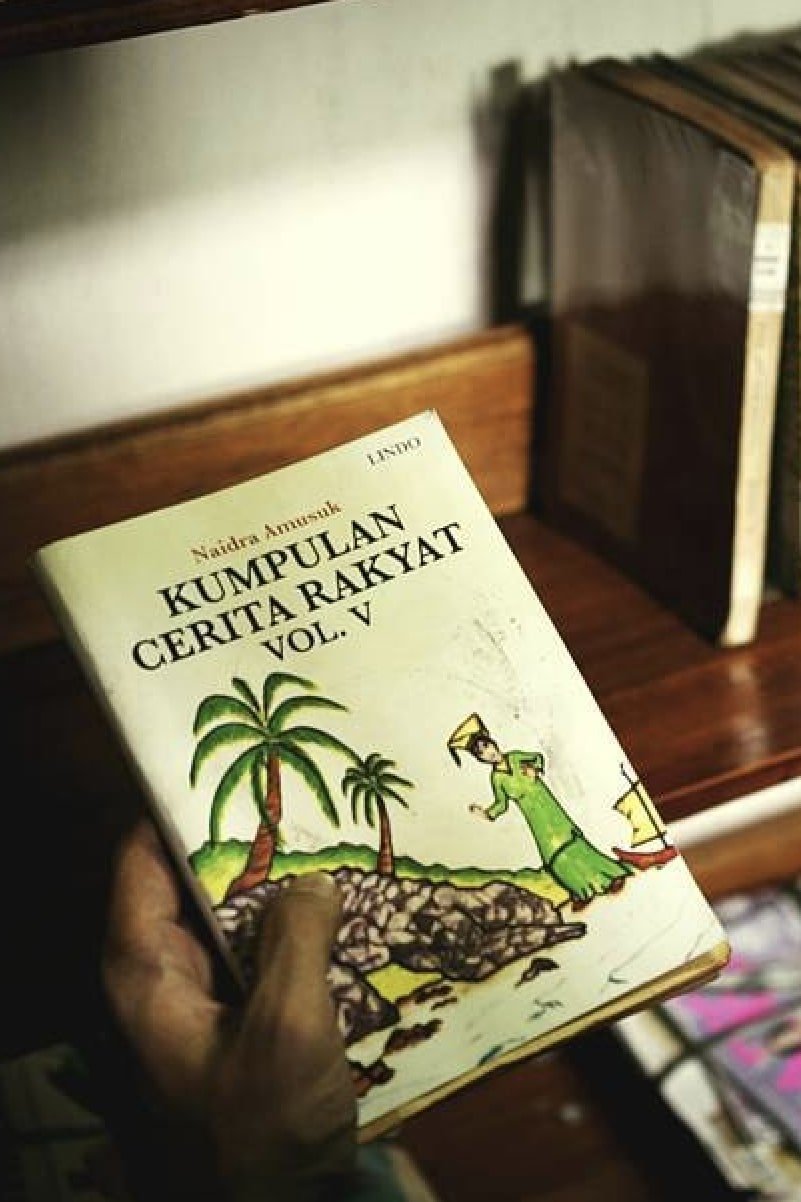
A young man tries to get out of an old library, as rock creatures from his childhood book threatens his life.
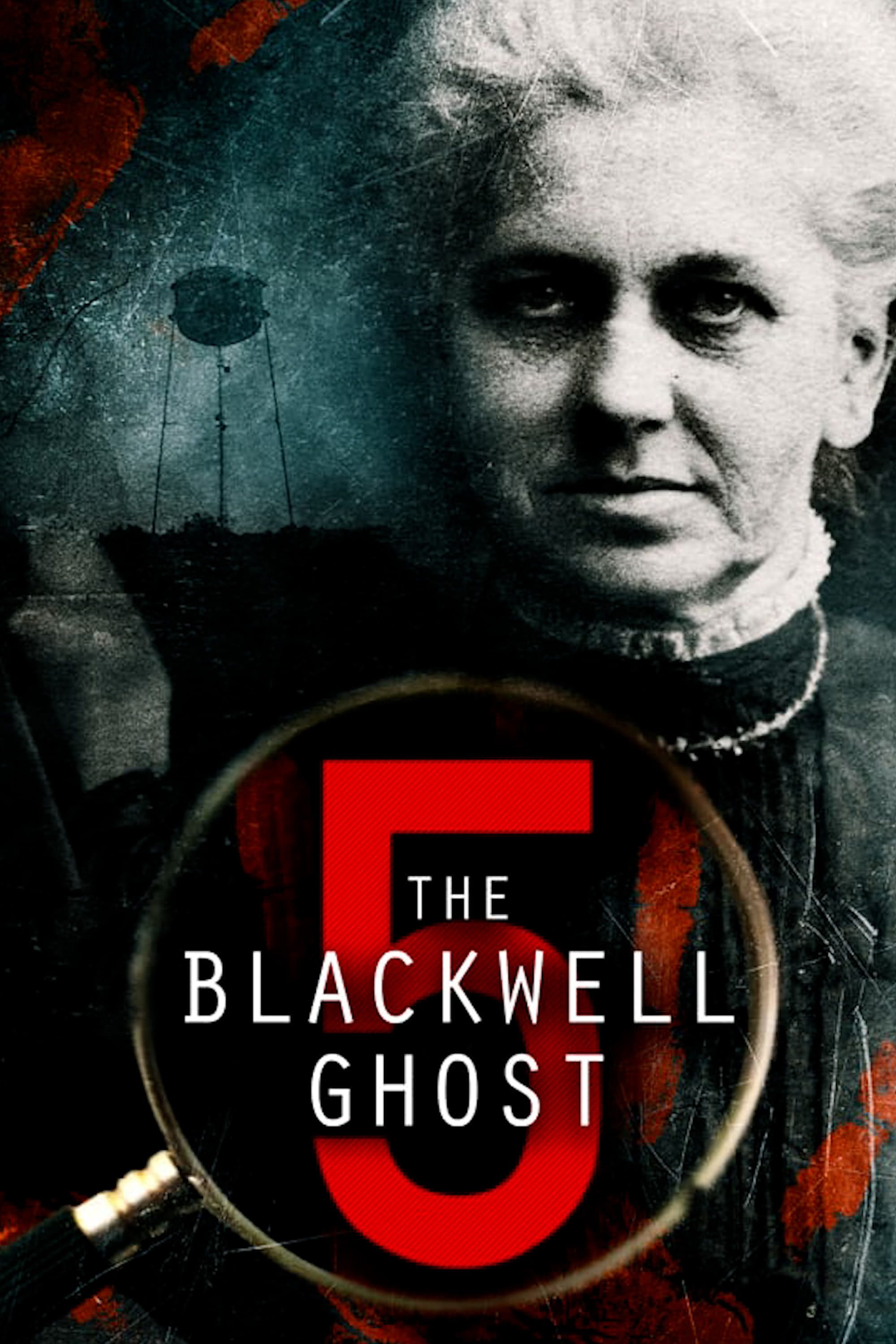
In this 5th installment of "The Blackwell Ghost" series, the ghost hunting filmmaker returns to the "Lightfoot House" where he hopes to solve a newly discovered puzzle which may lead to the location of more undiscovered victims.
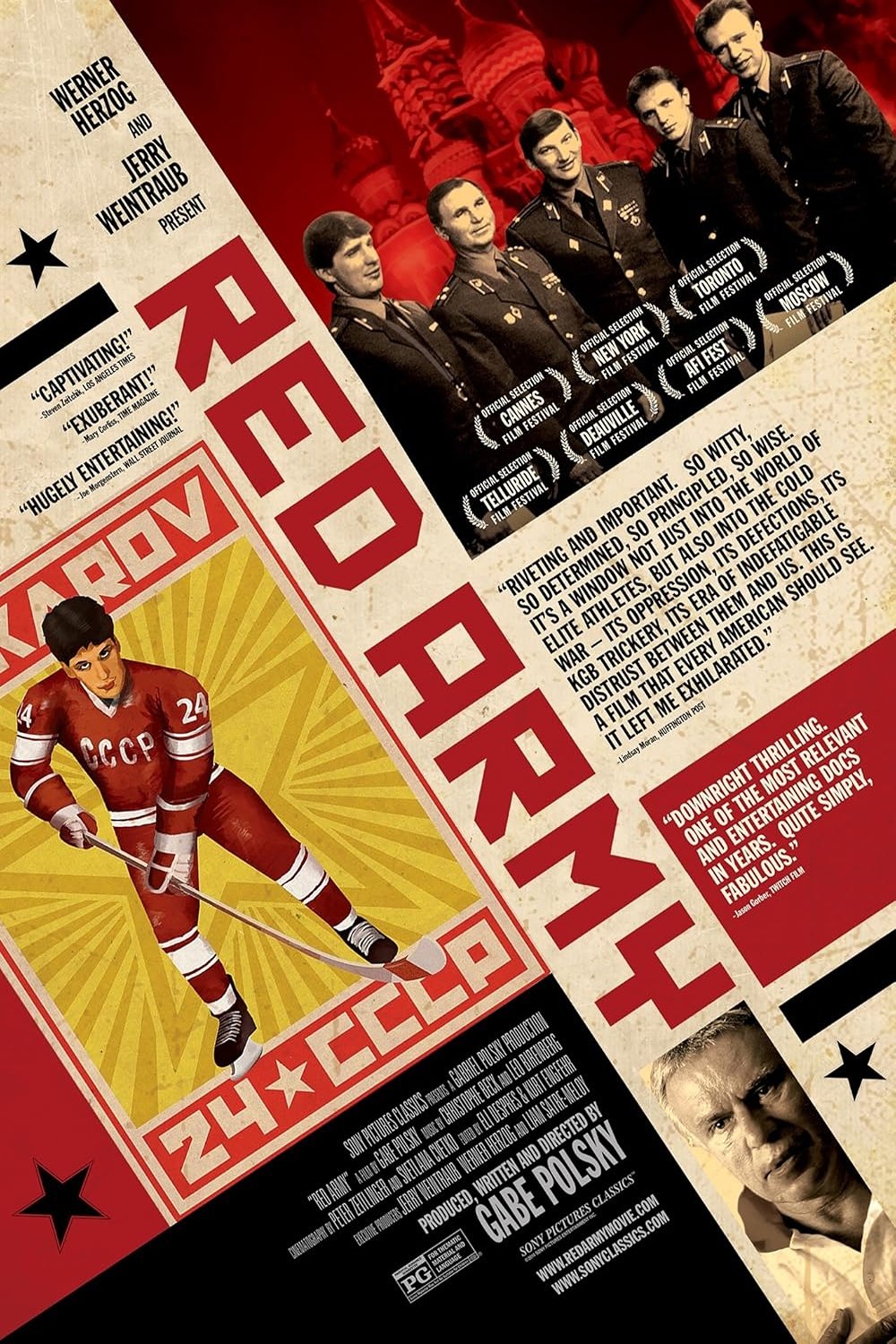
A documentary highlighting the Soviet Union's legendary and enigmatic hockey training culture and world-dominating team through the eyes of the team's Captain Slava Fetisov, following his shift from hockey star and celebrated national hero to political enemy.
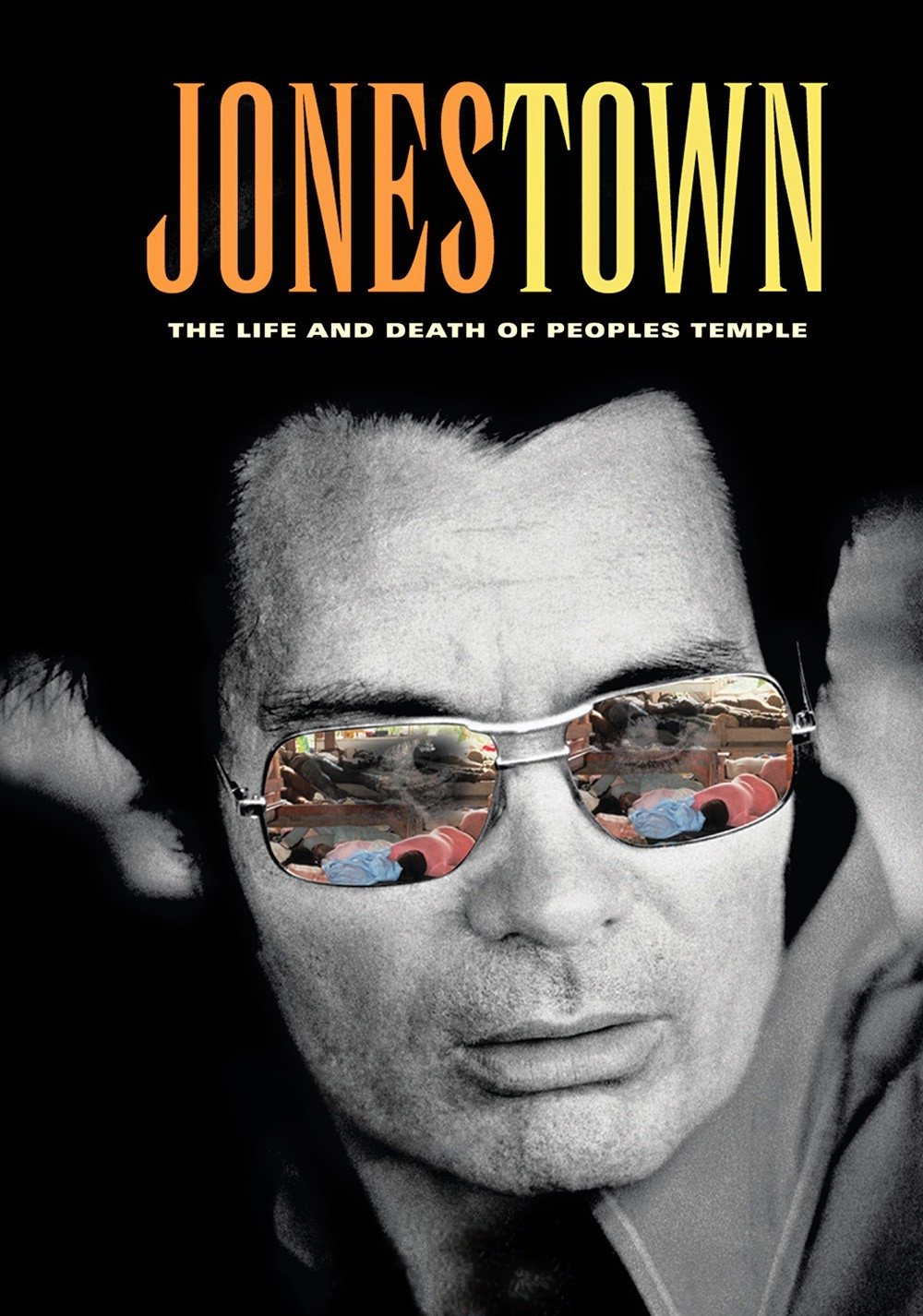
Featuring never-before-seen footage, this documentary delivers a startling new look at the Peoples Temple, headed by preacher Jim Jones who, in 1978, led more than 900 members to Guyana, where he orchestrated a mass suicide via tainted punch.
Realizing the urban legend of their youth has actually come true, two filmmakers delve into the mystery surrounding five missing children and the real-life boogeyman linked to their disappearances.
Filmed over 14 months with unprecedented access into the inner circle of the man and the sport, this is the first official and fully authorised film of one of the most celebrated figures in football. For the first time ever, the world gets vividly candid and un-paralleled, behind-closed-doors access to the footballer, father, family-man and friend in this moving & fascinating documentary. Through in-depth conversations, state of the art football footage and never before seen archival footage, the film gives an astonishing insight into the sporting and personal life of triple Ballon D'Or winner Cristiano Ronaldo at the peak of his career. From the makers of ‘Senna’ and ‘Amy’, Ronaldo takes audiences on an intimate and revealing journey of what it’s like to live as an iconic athlete in the eye of the storm.
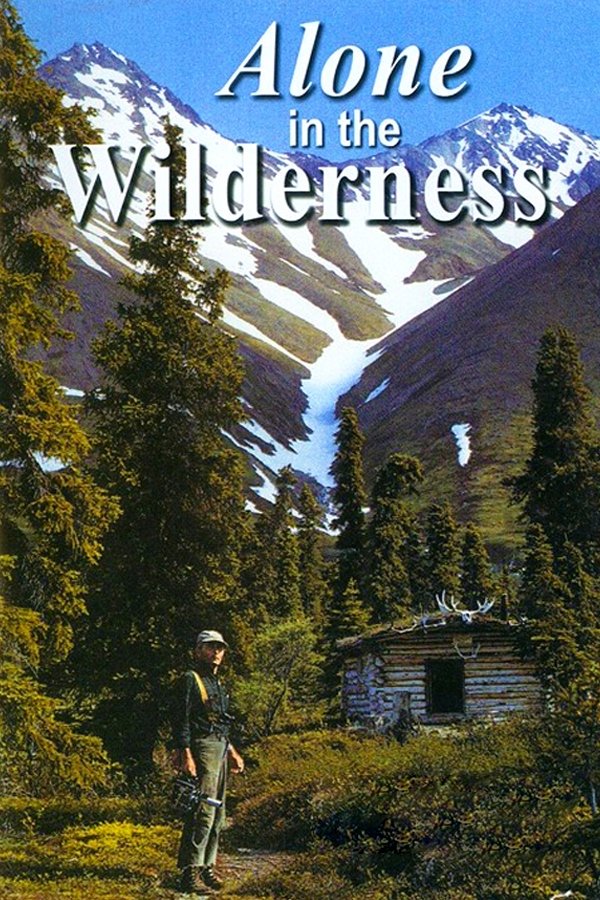
Dick Proenneke retired at age 50 in 1967 and decided to build his own cabin in the wilderness at the base of the Aleutian Peninsula, in what is now Lake Clark National Park. Using color footage he shot himself, Proenneke traces how he came to this remote area, selected a homestead site and built his log cabin completely by himself. The documentary covers his first year in-country, showing his day-to-day activities and the passing of the seasons as he sought to scratch out a living alone in the wilderness.
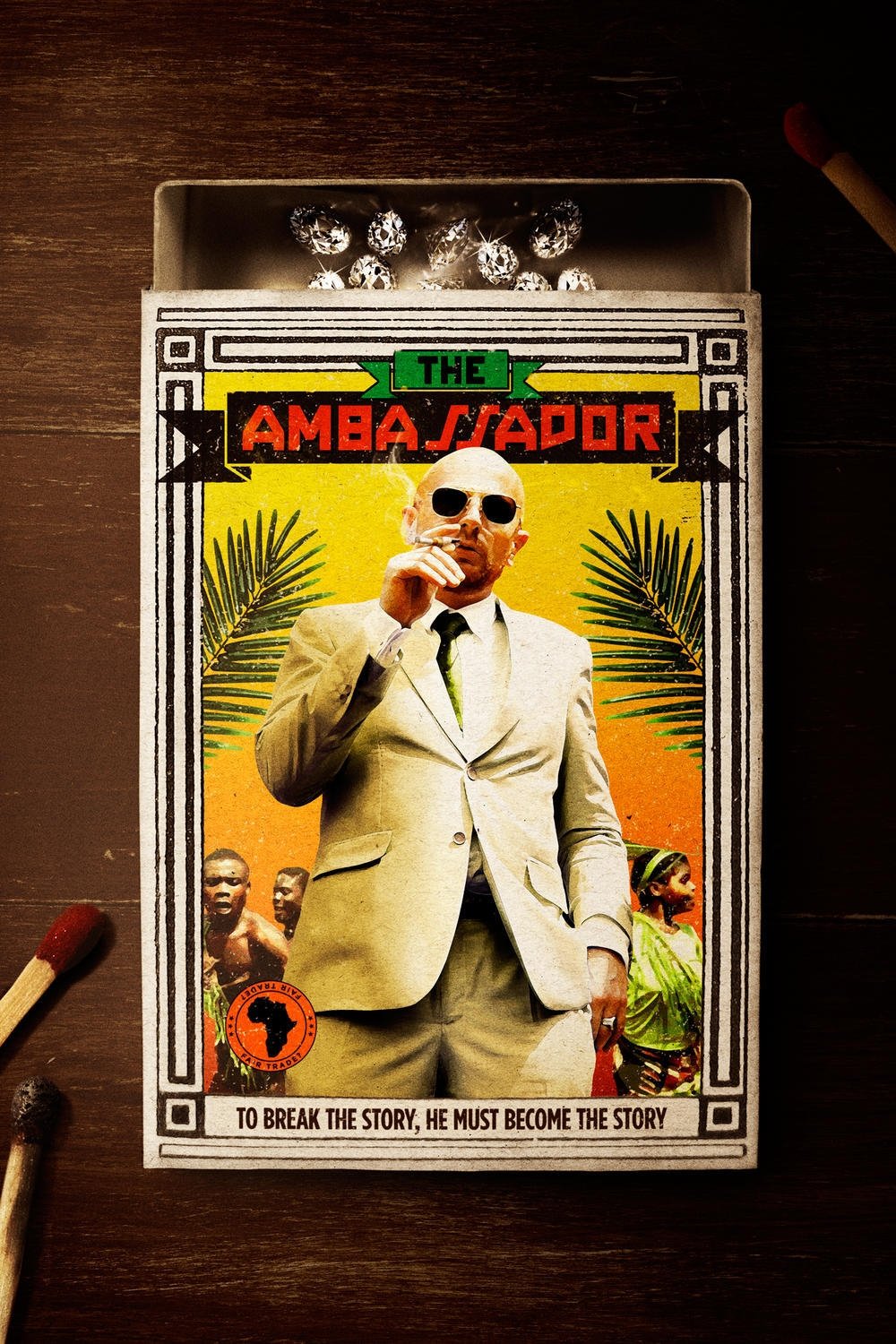
Danish journalist Mads Brügger goes undercover as a Liberian Ambassador to embark on a dangerous yet hysterical journey to uncover the blood diamond trade in Africa.
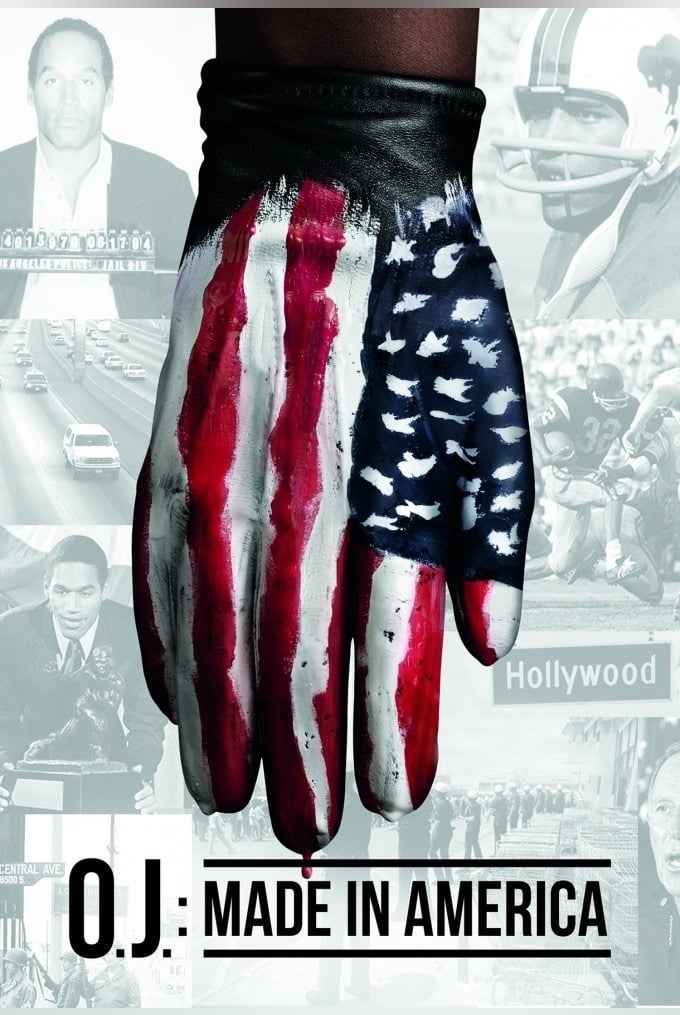
A chronicle of the rise and fall of O.J. Simpson, whose high-profile murder trial exposed the extent of American racial tensions, revealing a fractured and divided nation.
The history of cinematic sound, told by legendary sound designers and visionary filmmakers.
Examines the evolution of the Black Power Movement in US society from 1967 to 1975. It features footage of the movement shot by Swedish journalists in the United States during that period and includes the appearances of Angela Davis, Bobby Seale, Huey P. Newton, Eldridge Cleaver, and other activists, artists, and leaders central to the movement.
"Trinity and Beyond" is an unsettling yet visually fascinating documentary presenting the history of nuclear weapons development and testing between 1945-1963. Narrated by William Shatner and featuring an original score performed by the Moscow Symphony Orchestra, this award-winning documentary reveals previously unreleased and classified government footage from several countries.
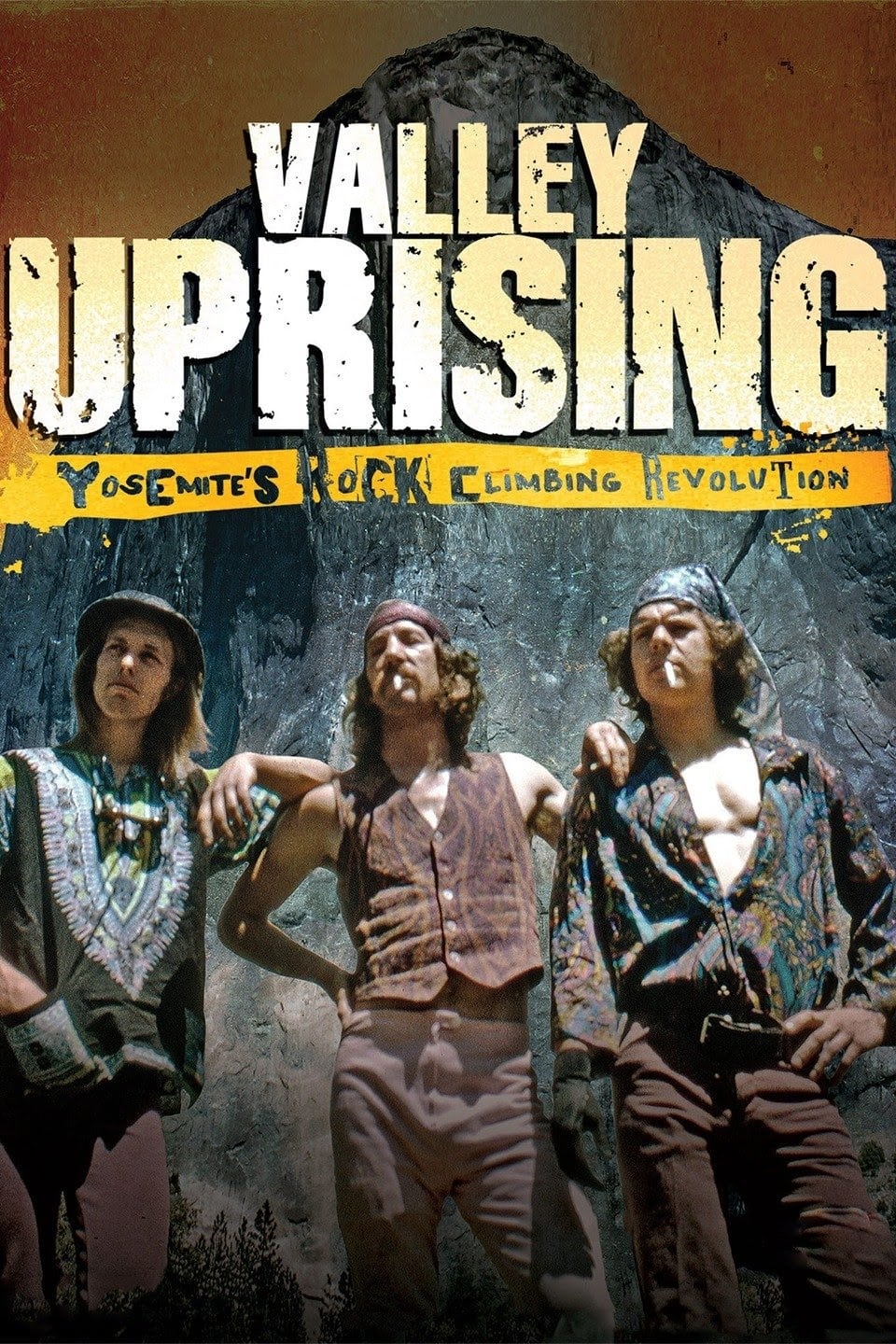
In the shady campgrounds of Yosemite valley, climbers carved out a counterculture lifestyle of dumpster-diving and wild parties that clashed with the conservative values of the National Park Service. And up on the walls, generation after generation has pushed the limits of climbing, vying amongst each other for supremacy on Yosemite's cliffs. "Valley Uprising" is the riveting, unforgettable tale of this bold rock climbing tradition in Yosemite National Park: half a century of struggle against the laws of gravity -- and the laws of the land.
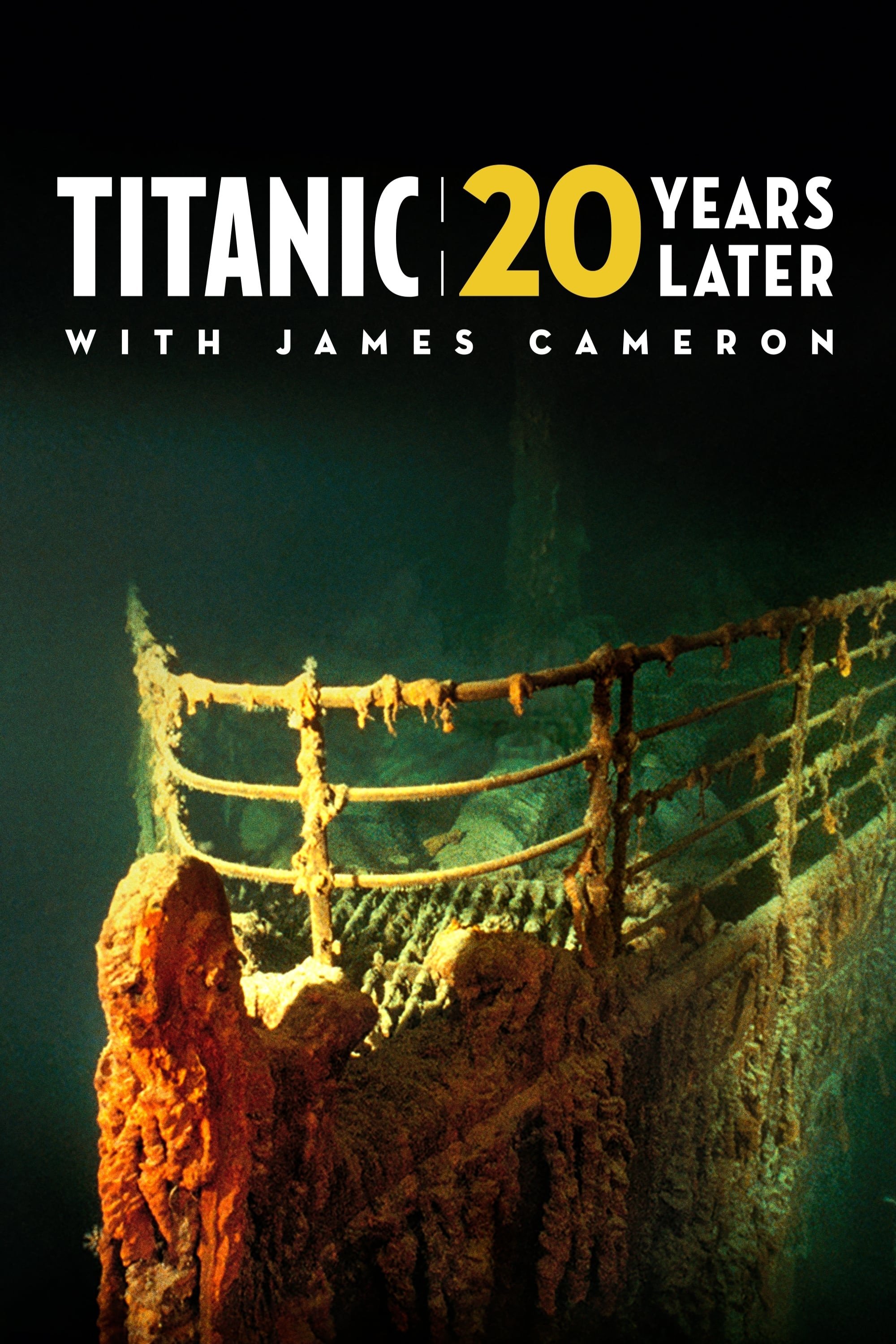
For the 20th anniversary of "Titanic," James Cameron reopens the file on the disaster.
In a tiny Alabama town with the curious name of Muscle Shoals, something miraculous sprang from the mud of the Tennessee River. A group of unassuming, yet incredibly talented, locals came together and spawned some of the greatest music of all time: “Mustang Sally,” “I Never Loved a Man,” “Wild Horses,” and many more. During the most incendiary periods of racial hostility, white folks and black folks came together to create music that would last for generations and gave birth to the incomparable “Muscle Shoals sound.”
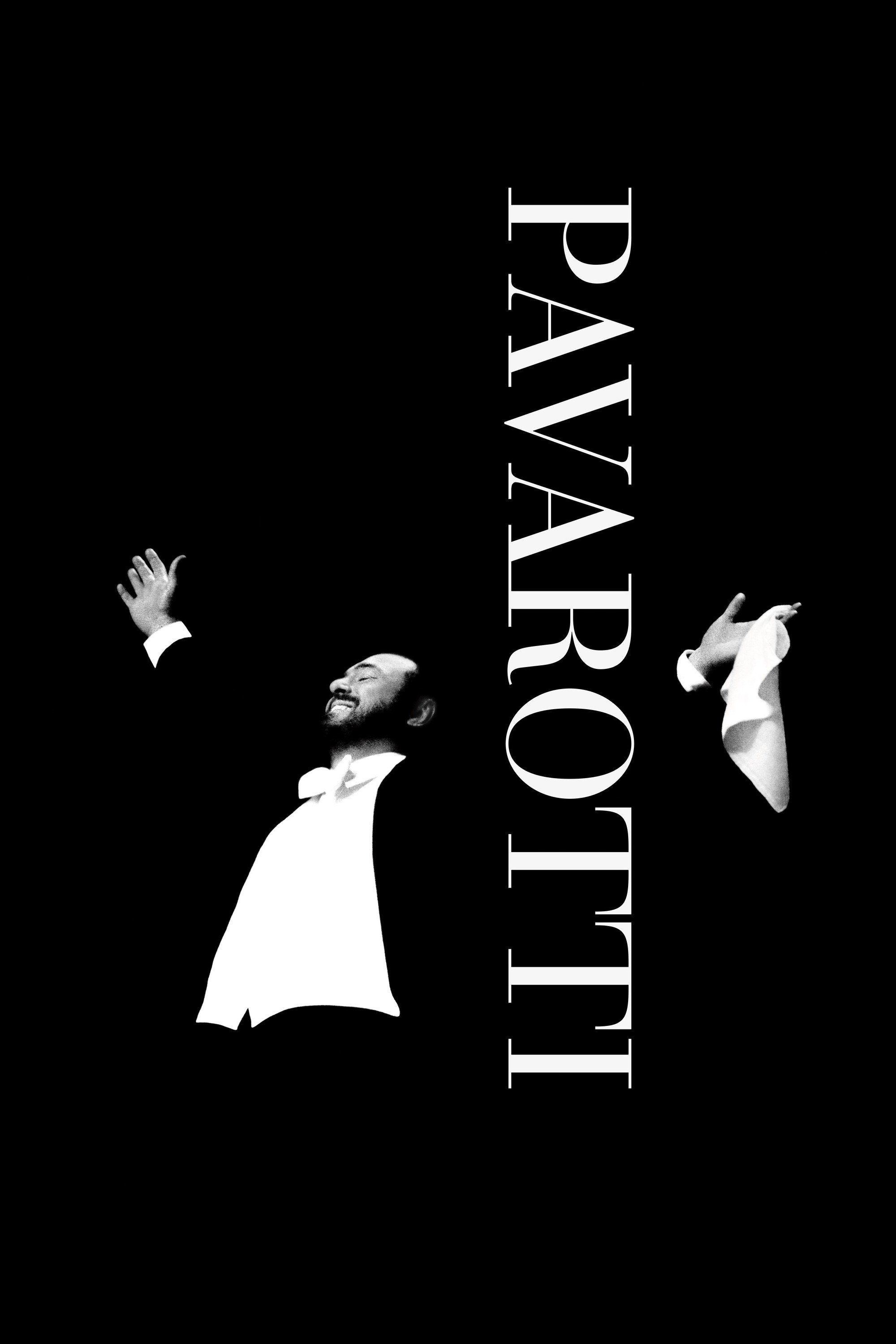
Featuring never-before-seen footage, concert performances and intimate interviews, filmmaker Ron Howard examines the life and career of famed opera tenor Luciano Pavarotti.
Oliver Stone charts the history of the United States from the Second World War to the present.
WWII from Space delivers World War II in a way you've never experienced it before. This HISTORY special uses an all-seeing CGI eye that offers a satellite view of the conflict, allowing you to experience it in a way that puts key events and tipping points in a global perspective. By re-creating groundbreaking moments that could never have been captured on camera, and by illustrating the importance of simultaneity and the hidden effects of crucial incidents, HISTORY presents the war's monumental moments in a never-before-seen context. And with new information brought to the forefront, you'll better understand how a nation ranked 19th in the world's militaries in 1939 emerged six years later as the planet's only atomic superpower.
Michael Moore comes home to the issue he's been examining throughout his career: the disastrous impact of corporate dominance on the everyday lives of Americans (and by default, the rest of the world).
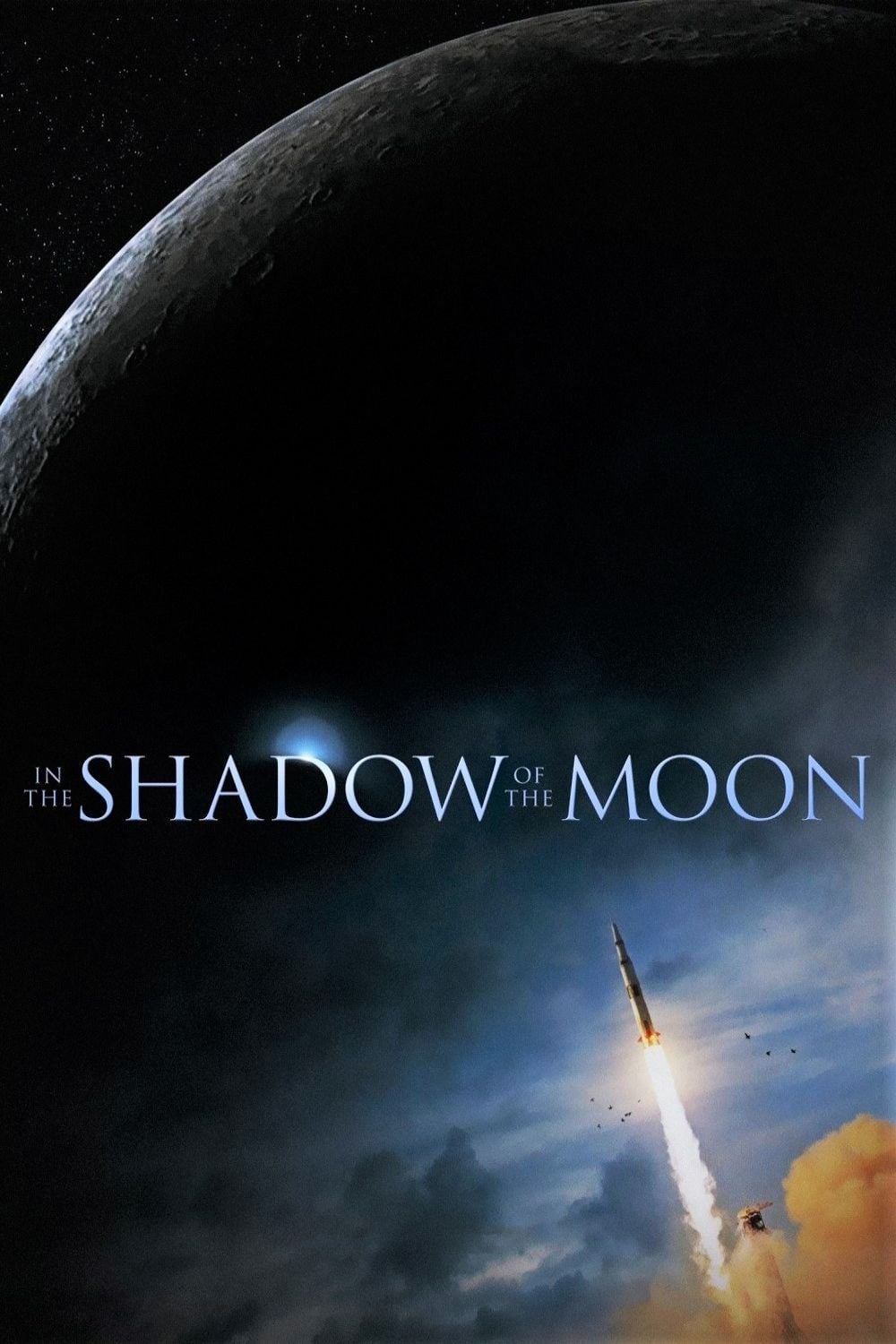
Archival material from the original NASA film footage – much of it seen for the first time – plus interviews with the surviving astronauts, including Jim Lovell, Dave Scott, John Young, Gene Cernan, Mike Collins, Buzz Aldrin, Alan Bean, Edgar Mitchell, Charlie Duke and Harrison Schmitt.
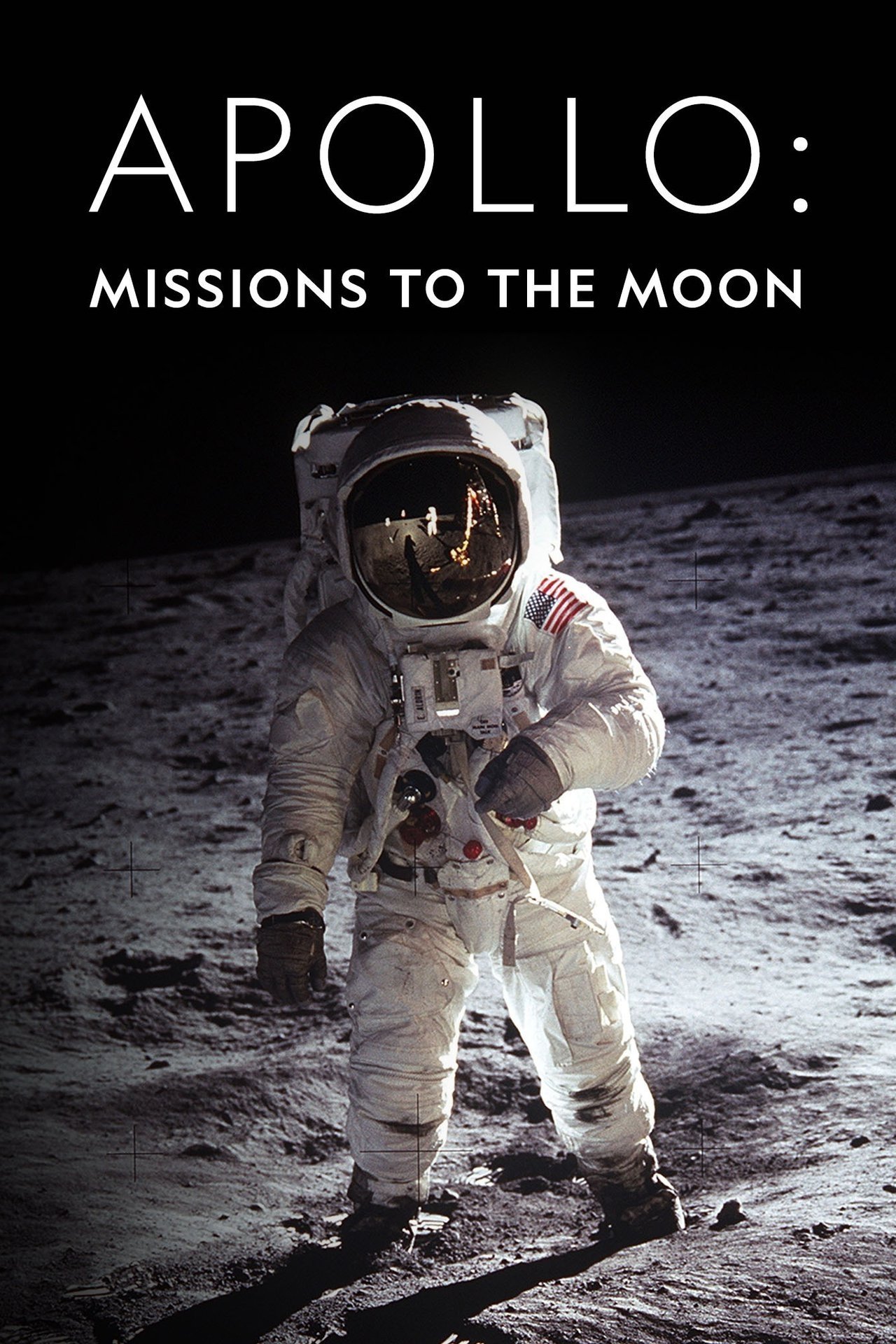
National Geographic's riveting effort recounts all 12 crewed missions using only archival footage, photos and audio.