Social & External
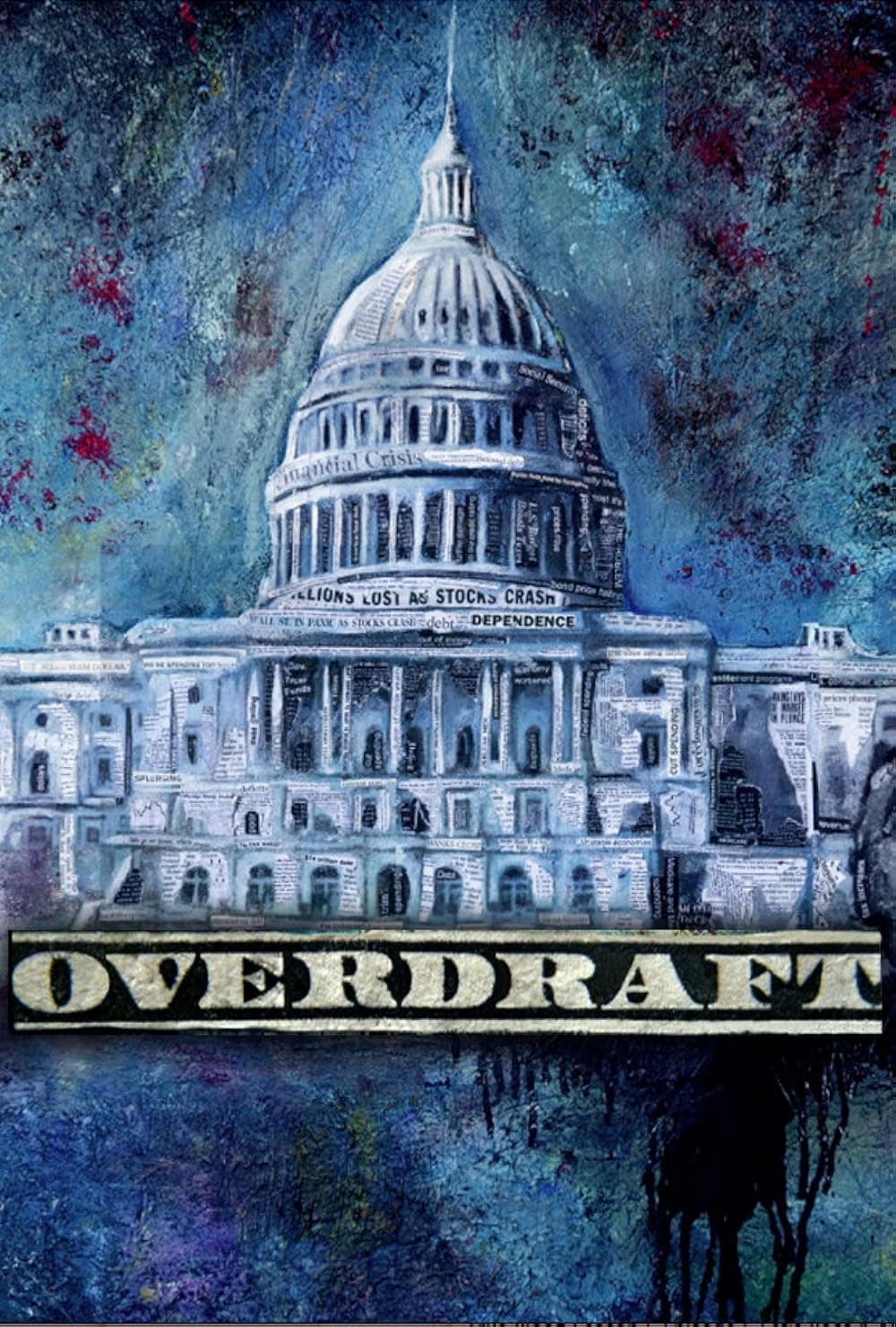
Overdraft is an award-winning film featuring leading thinkers and policymakers from across the aisle exploring major topics such as entitlement programs, defense spending, tax reform and the choices that America’s debt forces on individuals and businesses. Independently produced, Overdraft was launched in August 2012, and made available for broadcast on public television for two years through the National Educational Telecommunications Association (NETA).
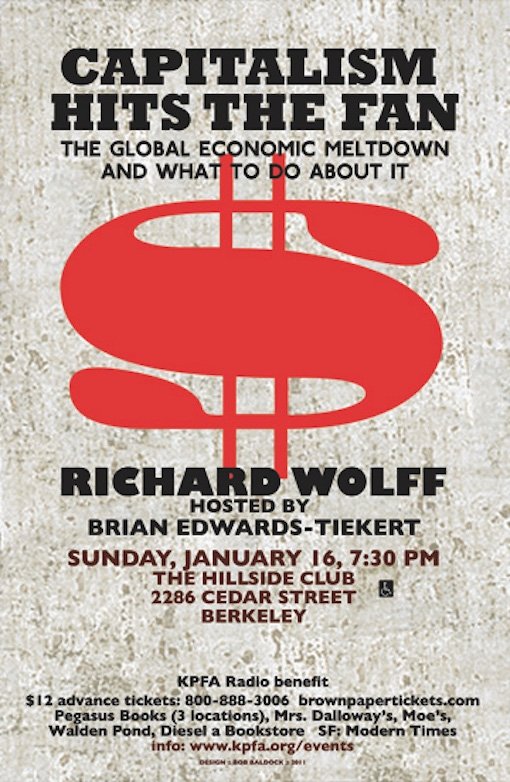
With breathtaking clarity, renowned University of Massachusetts Economics Professor Richard Wolff breaks down the root causes of today's economic crisis, showing how it was decades in the making and in fact reflects seismic failures within the structures of American-style capitalism itself. Wolff traces the source of the economic crisis to the 1970s, when wages began to stagnate and American workers were forced into a dysfunctional spiral of borrowing and debt that ultimately exploded in the mortgage meltdown. By placing the crisis within this larger historical and systemic frame, Wolff argues convincingly that the proposed government "bailouts," stimulus packages, and calls for increased market regulation will not be enough to address the real causes of the crisis, in the end suggesting that far more fundamental change will be necessary to avoid future catastrophes.
How did the economy get started? Meet Ugg, Glugg and Tugg, three enterprising cave men who accidentally invented trade, marketing and the base elements of the modern market economy. The first film in the WE THE ECONOMY series.
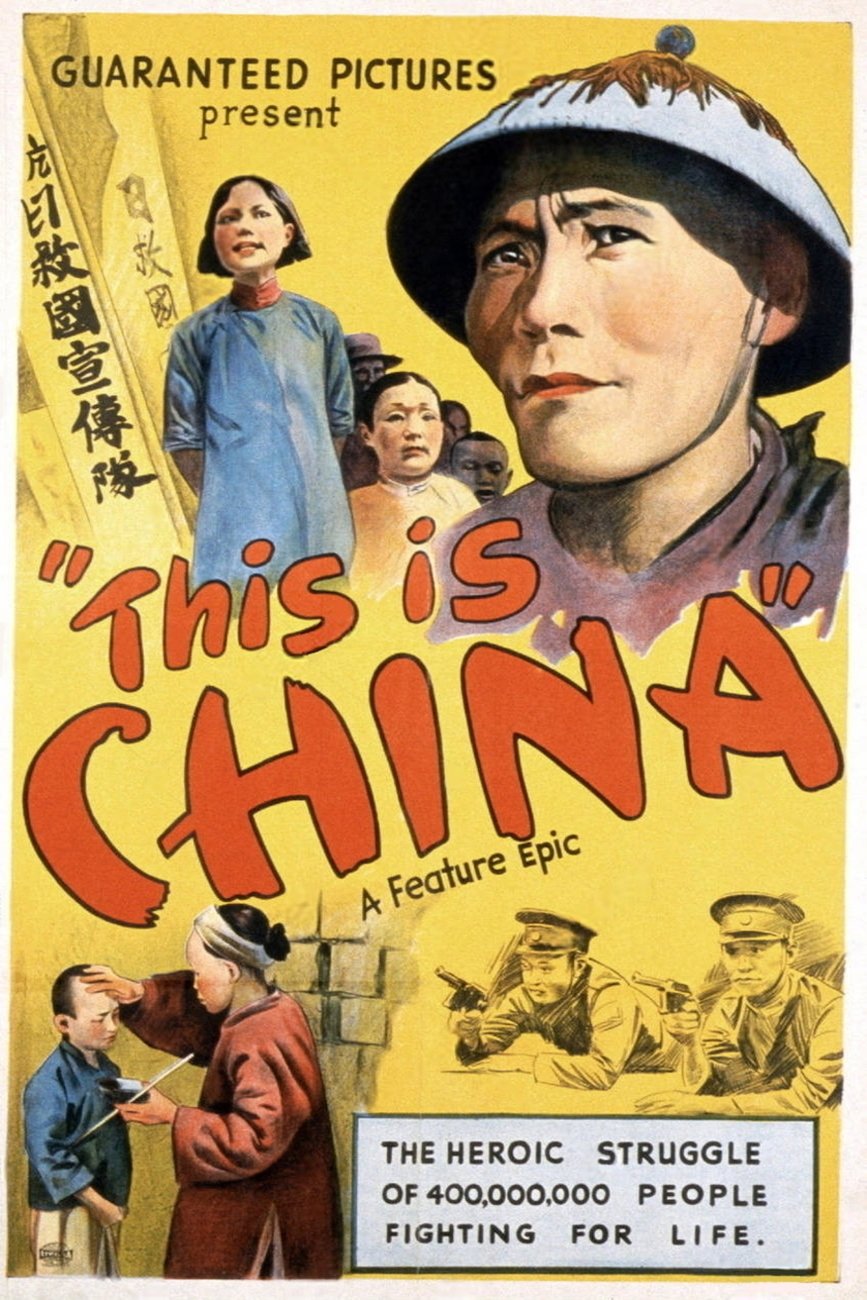
A fascinating compilation of scenes showing diversity and disparity in 1940s China. The ancient Forbidden City and Great Wall are followed by Shanghai’s metropolitan skyline; primitive farming methods are juxtaposed with mechanised factories; children in rags are contrasted with models wearing the latest fashions; Nationalist commanders and Communist leaders vie for support.
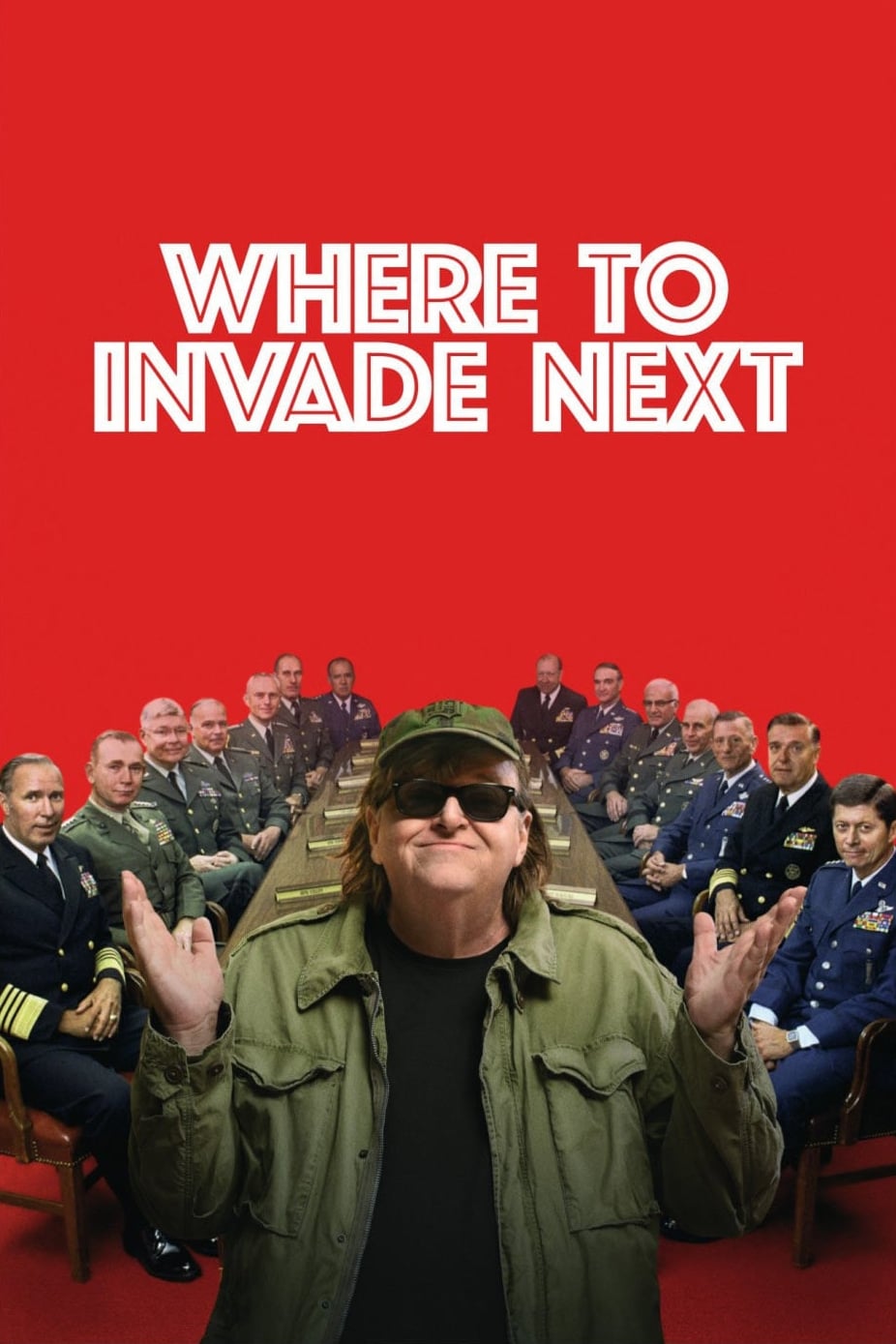
To understand firsthand what the United States of America can learn from other nations, Michael Moore playfully “invades” some to see what they have to offer.
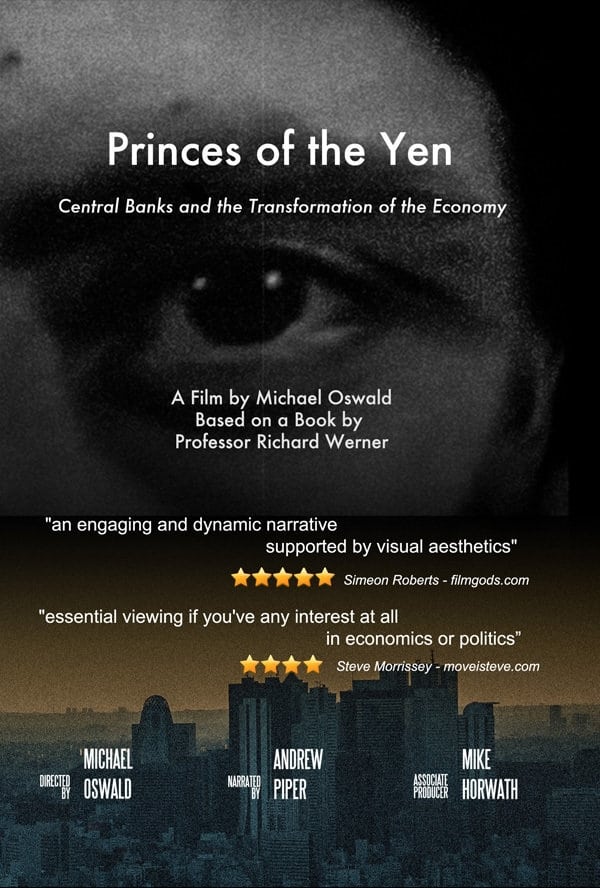
Set in 20th Century Japan the documentary explores the role and power of Central Banks and how they can be used to change a country's economic political and social structures A documentary adaption off the book by Professor Richard Werner.
A narrative constructed in the wishful-filmmaking, or “fanumentary”, genre. Rural women artists unite via CR to support one another’s work and to showcase more women’s art publicly available in their community. A refreshing weave that combines animation, nature shots and live action into a story of actualization.
Will Hutton presents an impassioned argument on the British economy, claiming that business leaders and politicians are selling off some of the nation's best companies for quick and easy profits, and that this is creating a dumbed-down, low-wage Britain. He reveals that in the past 10 years, 440billion of British firms have been sold to new overseas owners, illustrating a radical view of the economy that MPs rarely talk about, ranging from the takeover of Cadbury to the foreign-owned Thames Water.
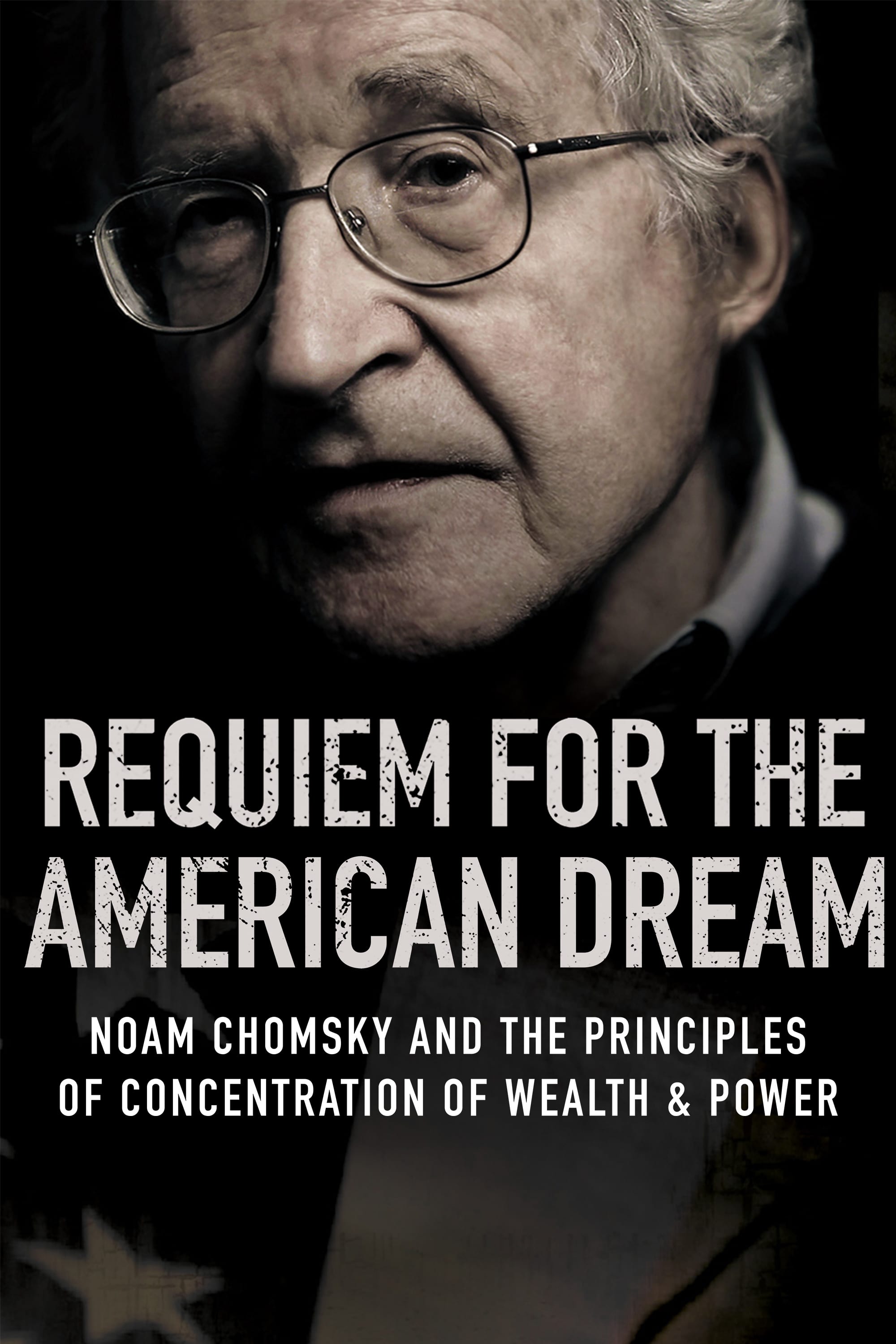
Through interviews filmed over four years, Noam Chomsky unpacks the principles that have brought us to the crossroads of historically unprecedented inequality – tracing a half-century of policies designed to favor the most wealthy at the expense of the majority – while also looking back on his own life of activism and political participation. He provides penetrating insight into what may well be the lasting legacy of our time – the death of the middle class, and swan song of functioning democracy.
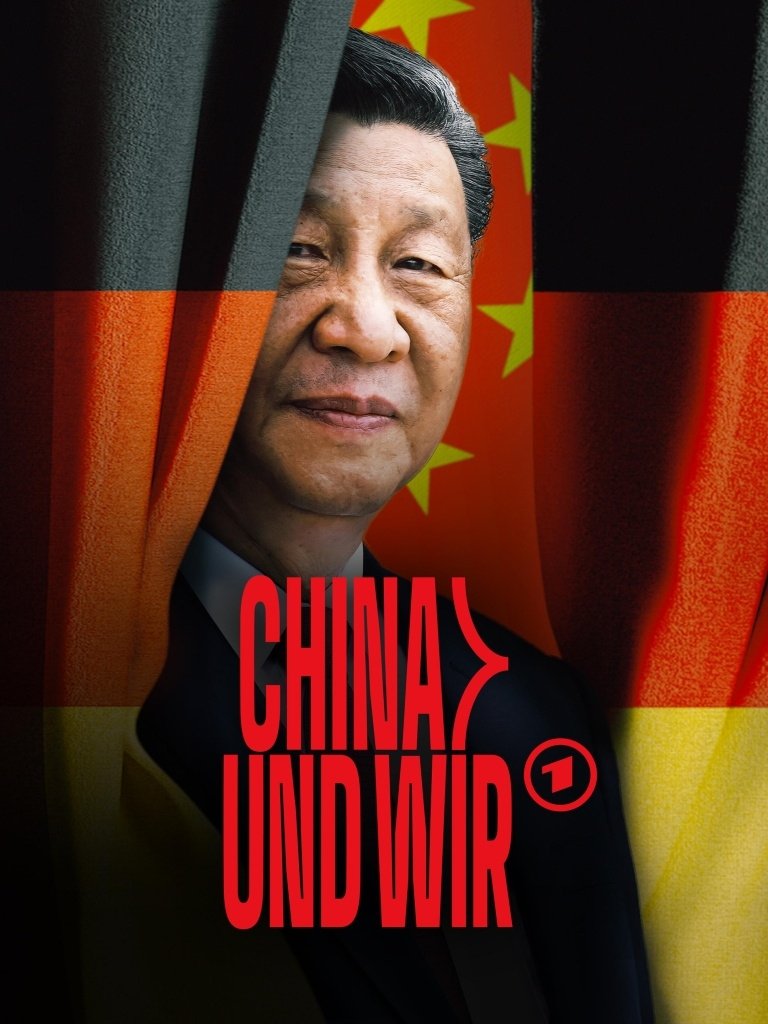
China is pushing hard into German and European markets. Furthermore, Beijing is developing into an increasingly powerful military power. An investigative reporter team from BR, rbb, and SWR is investigating the impact this has on Germany's internal and external security.
Why is the gap between the rich and the poor growing faster in New Zealand than in most other OECD countries? And why is inequality bad for all of us? Award winning documentary maker Bryan Bruce files his special report on what’s gone wrong with our economy and what we can do about it.
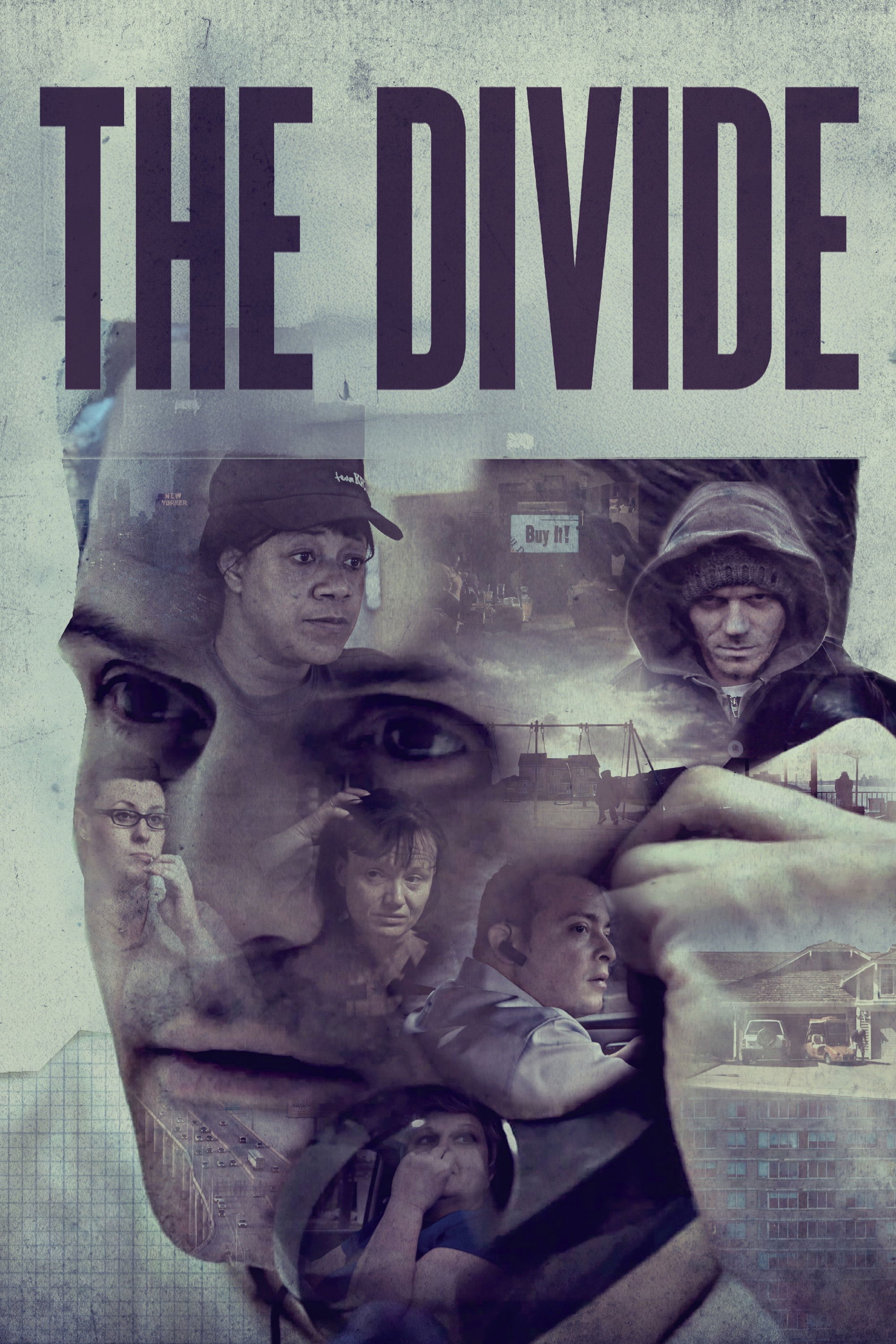
The Divide tells the story of 7 individuals striving for a better life in modern day US and UK - where the top 0.1% owns as much wealth as the bottom 90%. By plotting these tales together, we uncover how virtually every aspect of our lives is controlled by one factor: the size of the gap between rich and poor.The film is inspired by "The Spirit Level" by Richard Wilkinson and Kate Pickett.
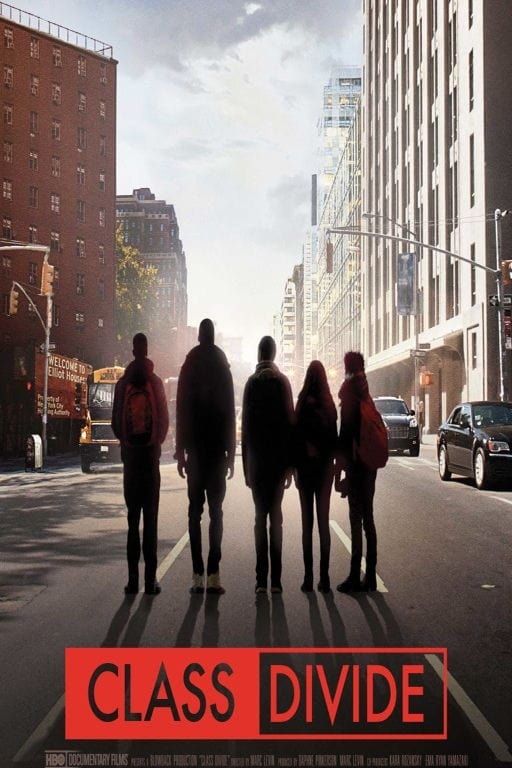
A look at NYC’s gentrification and growing inequality in a microcosm, Class Divide explores two distinct worlds that share the same Chelsea intersection – 10th Avenue and 26th Street. On one side of the avenue, the Chelsea-Elliot Houses have provided low-income public housing to residents for decades. Their neighbor across the avenue since 2012 is Avenues: The World School, a costly private school. What happens when kids from both of these worlds attempt to cross the divide?
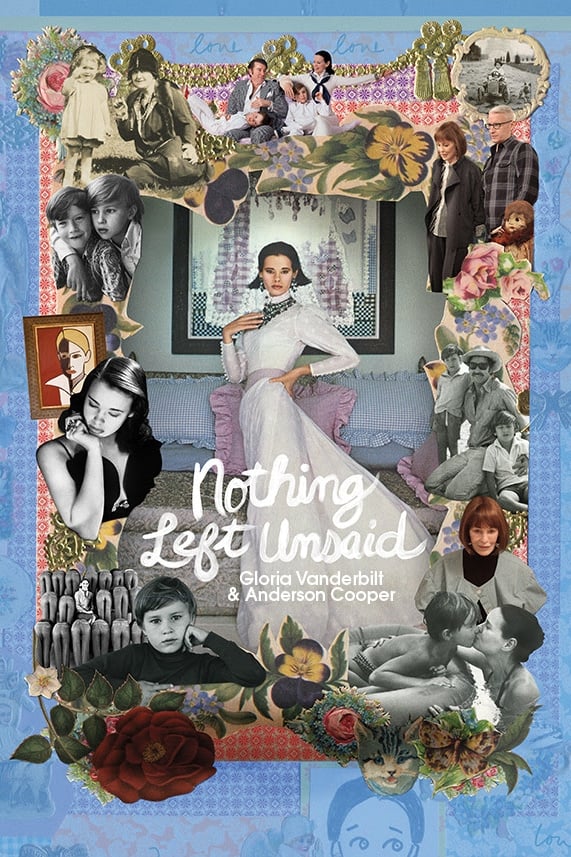
Born into one of the wealthiest and best-known families in American history, Gloria Vanderbilt has lived in the public eye for more than 90 years, unapologetically pursuing love, family and career, while experiencing extreme tragedy and tremendous success side by side. This documentary features a series of candid conversations as Vanderbilt and her youngest son, Anderson Cooper, look back at her remarkable life.
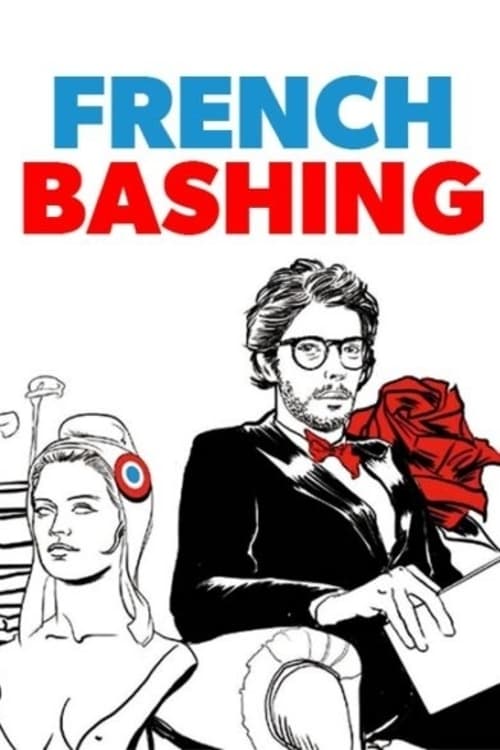
Lazy, idle, effeminate, strikers from father to son : French stereotypes are doing well. Anglo-Saxons, very especially fond of these preconceived ideas, take delight in disseminate them accross the world. Political and cultural realms particularly adore it. Concerned about reflecting a positive image abroad, politicians do their best today for their country to regain prestige. Decoding "French Bashing" diplomatic role and consequences.
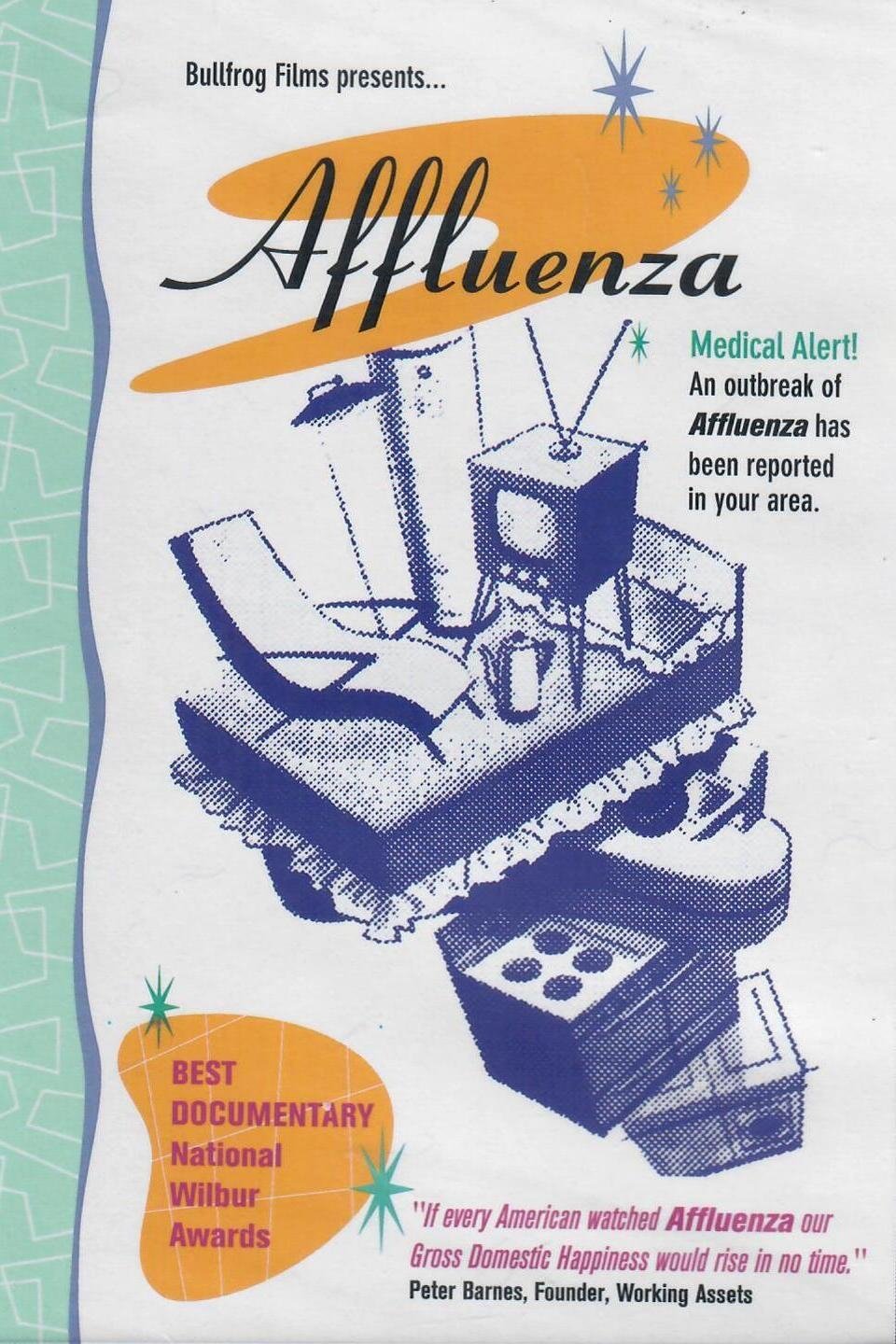
A look at the modern-day problem of "affluenza," an epidemic of stress, overwork, shopping and debt caused by the pursuit of the American Dream. The history of the condition is explored, as well as the advertising and marketing ploys used to sustain it. Men and women from around the country share their stories of personal debt and suggestions for financial recovery.
Since nurseries were opened up to the private sector in the early 2000s, early childhood has become a lucrative business for its voracious players. As scandals involving abuse and embezzlement of public funds multiply, we investigate the excesses of deregulation, which has turned babies into cash machines.
Based on Reich's 2010 book Aftershock: The Next Economy and America's Future, the film examines widening income inequality in the United States. U.S. Labor Secretary Robert Reich tries to raise awareness of the country's widening economic gap. He publicly argued about the issue for decades, and producing a film of his viewpoints was a "final frontier" for him. In addition to being a social issue documentary, Inequality for All is also partially a biopic regarding Reich's early life and his time as Secretary of Labor under Bill Clinton's presidency. Warren Buffett and Nick Hanauer, two entrepreneurs and investors in the top 1%, are interviewed in the film, supporting Reich's belief in an economy that benefits all citizens, including those of the middle and lower classes.
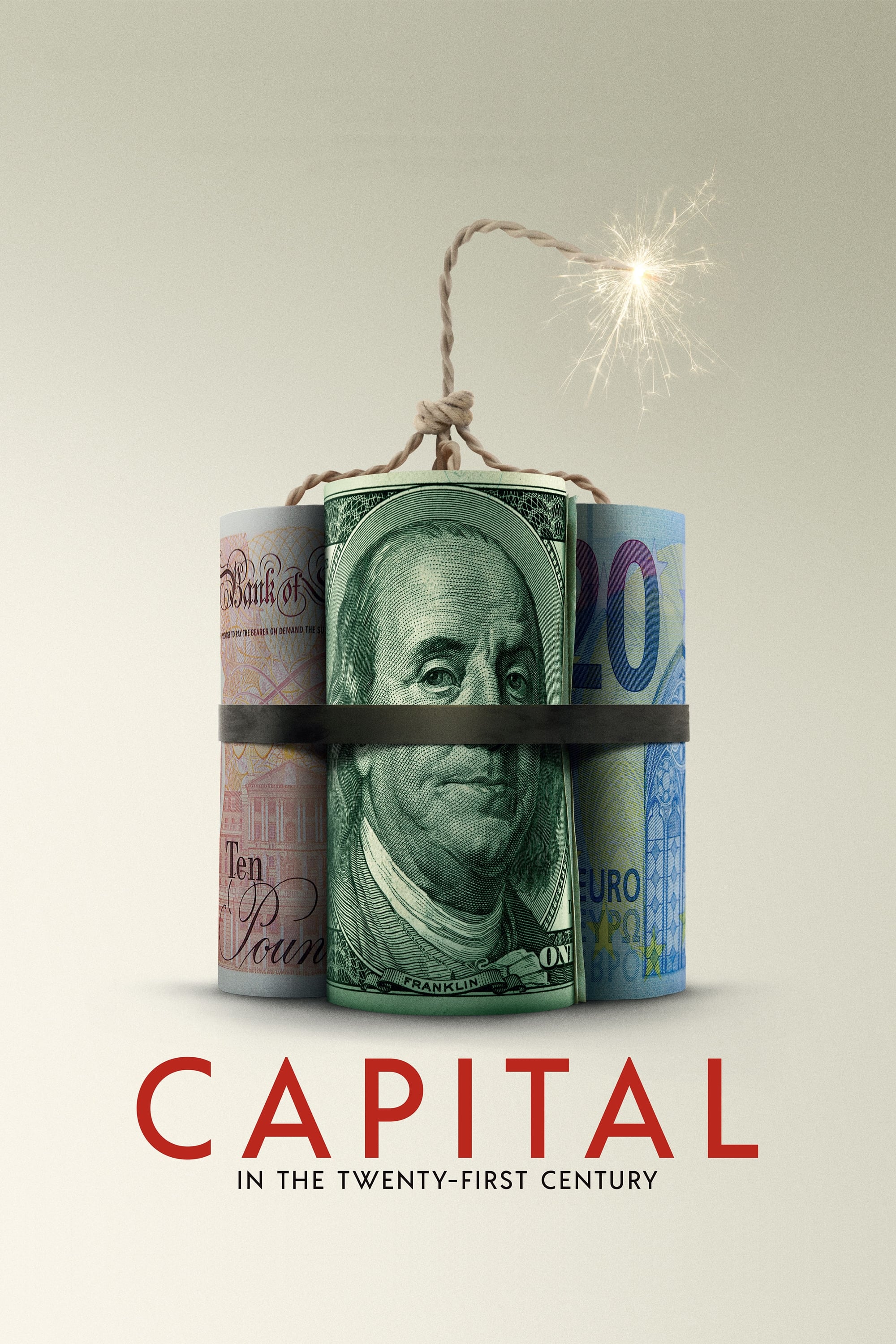
Film adaptation of French economist Thomas Piketty's ground-breaking global bestseller of the same name: an eye-opening journey through wealth and power.
Nine filmmakers each profile a young girl from a different part of the world to weave a global tapestry of youth in the 21st century.
Alexander McQueen's rags-to-riches story is a modern-day fairy tale, laced with the gothic. Mirroring the savage beauty, boldness and vivacity of his design, this documentary is an intimate revelation of McQueen's own world, both tortured and inspired, which celebrates a radical and mesmerizing genius of profound influence.
Former Secretary of Labor Robert Reich meets with Americans from all walks of life as he chronicles a seismic shift in the nation's economy.
A look at the fight choreography being developed for the film.
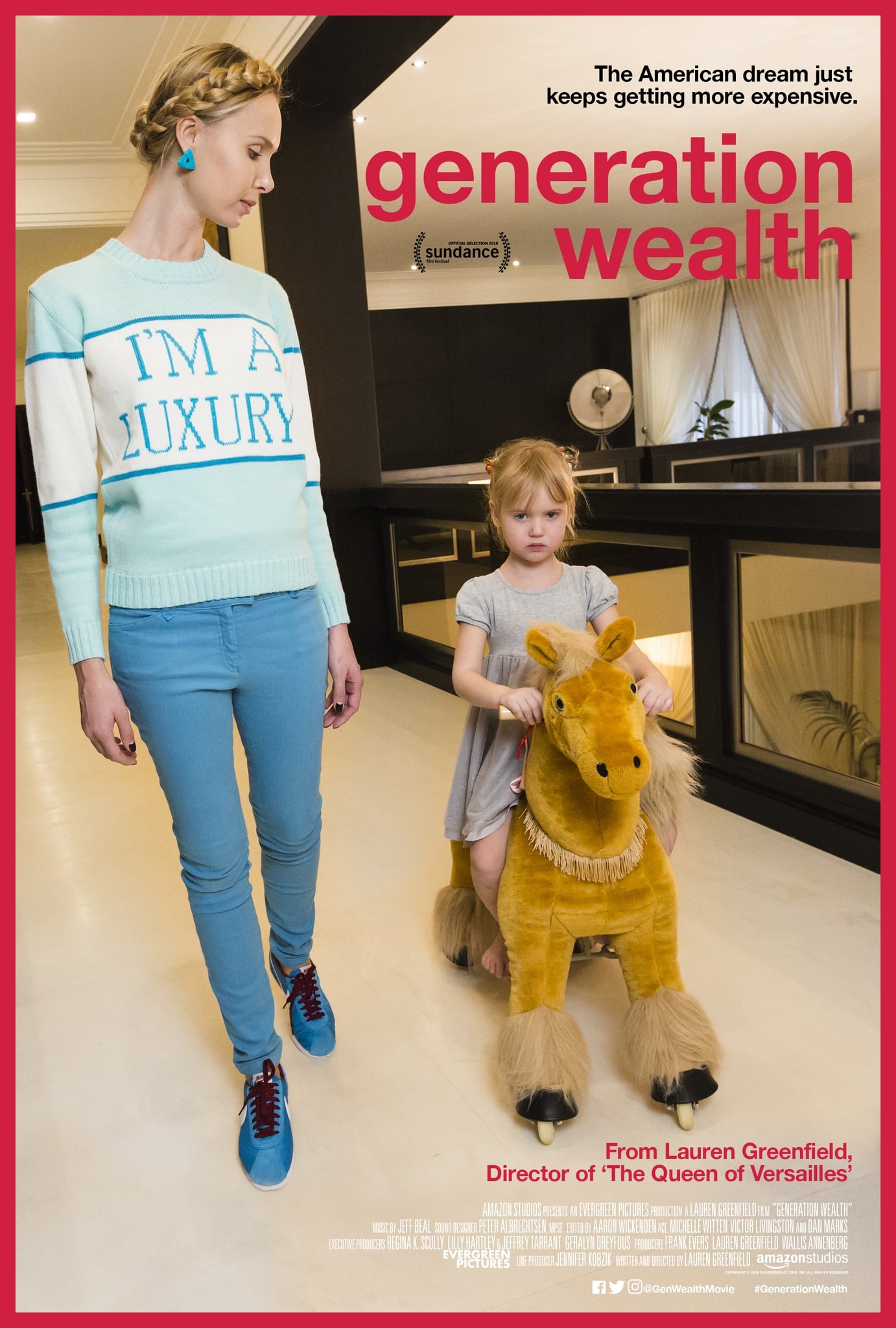
Over the past 25 years, Lauren Greenfield's documentary photography and film projects have explored youth culture, gender, body image, and affluence. Underscoring the ever-increasing gap between the haves and the have-nots, portraits reveal a focus on cultivating image over substance, where subjects unable to attain actual wealth instead settle for its trappings, no matter their ability to pay for it.
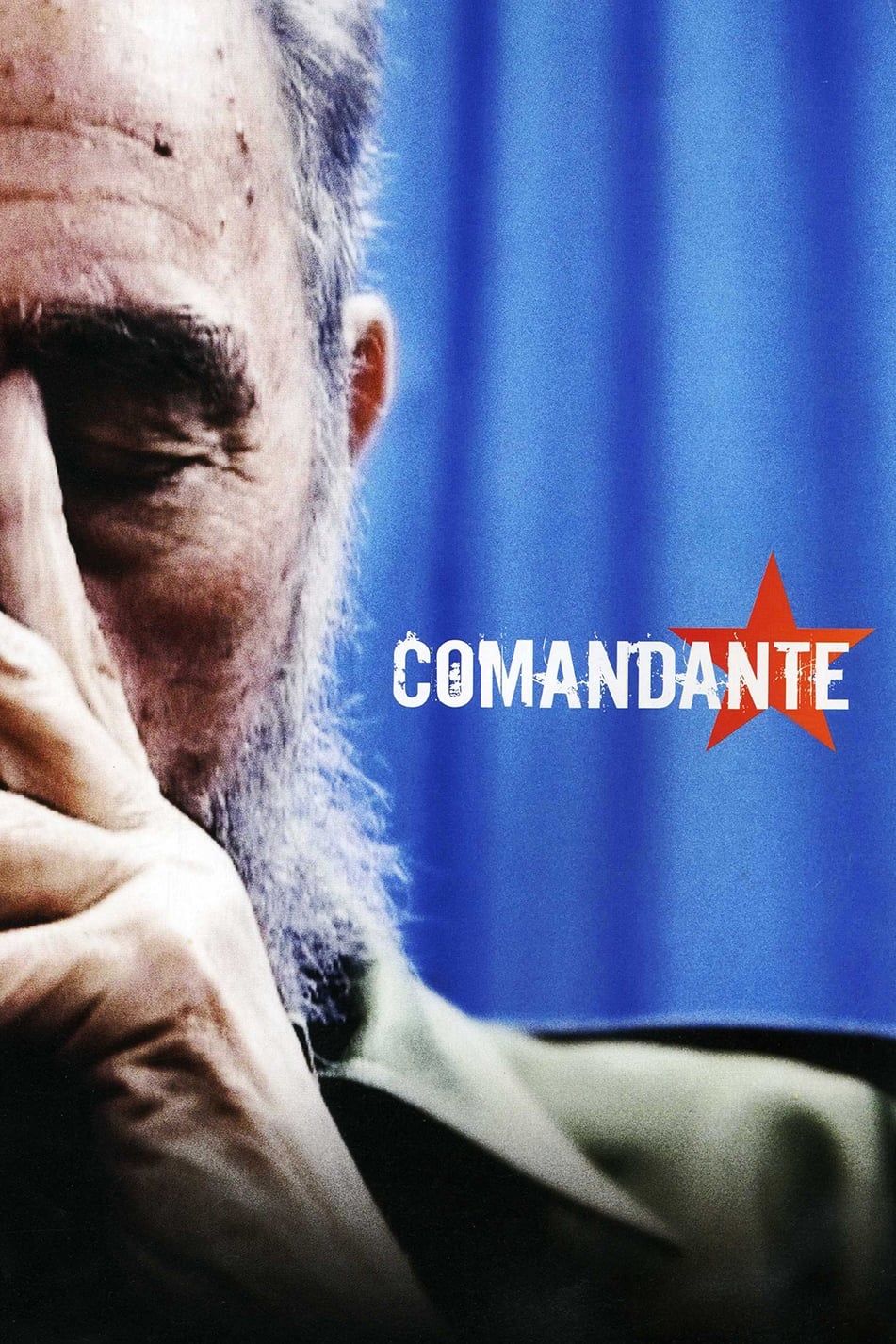
Oliver Stone spends three days filming with Fidel Castro in Cuba, discussing an array of subjects with the president such as his rise to power, fellow revolutionary Che Guevara, the Cuban Missile crisis, and the present state of the country.
A chronicle of the life, work and mind that created the Cthulhu mythos.
A woman walks into a New York gallery with a cache of unknown masterworks. Thus begins a story of art world greed, willfulness and a high-stakes con.
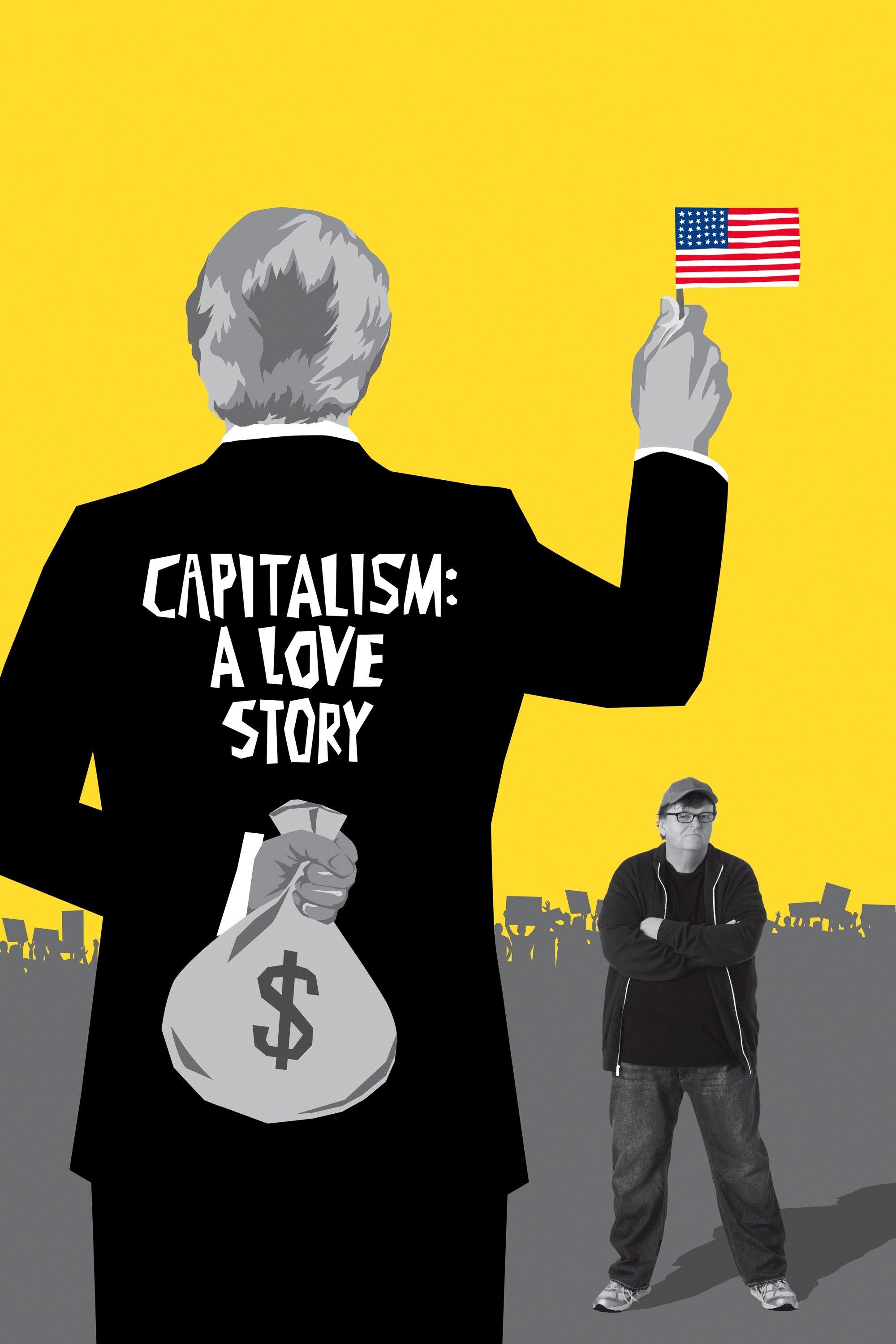
Michael Moore comes home to the issue he's been examining throughout his career: the disastrous impact of corporate dominance on the everyday lives of Americans (and by default, the rest of the world).
An inside look at one of the most anticipated movie sequels ever with James Cameron and cast.
Penetrating the insular world of New York's Hasidic community, focusing on three individuals driven to break away despite threats of retaliation.
Behind the scenes look at fight choreography and action training.
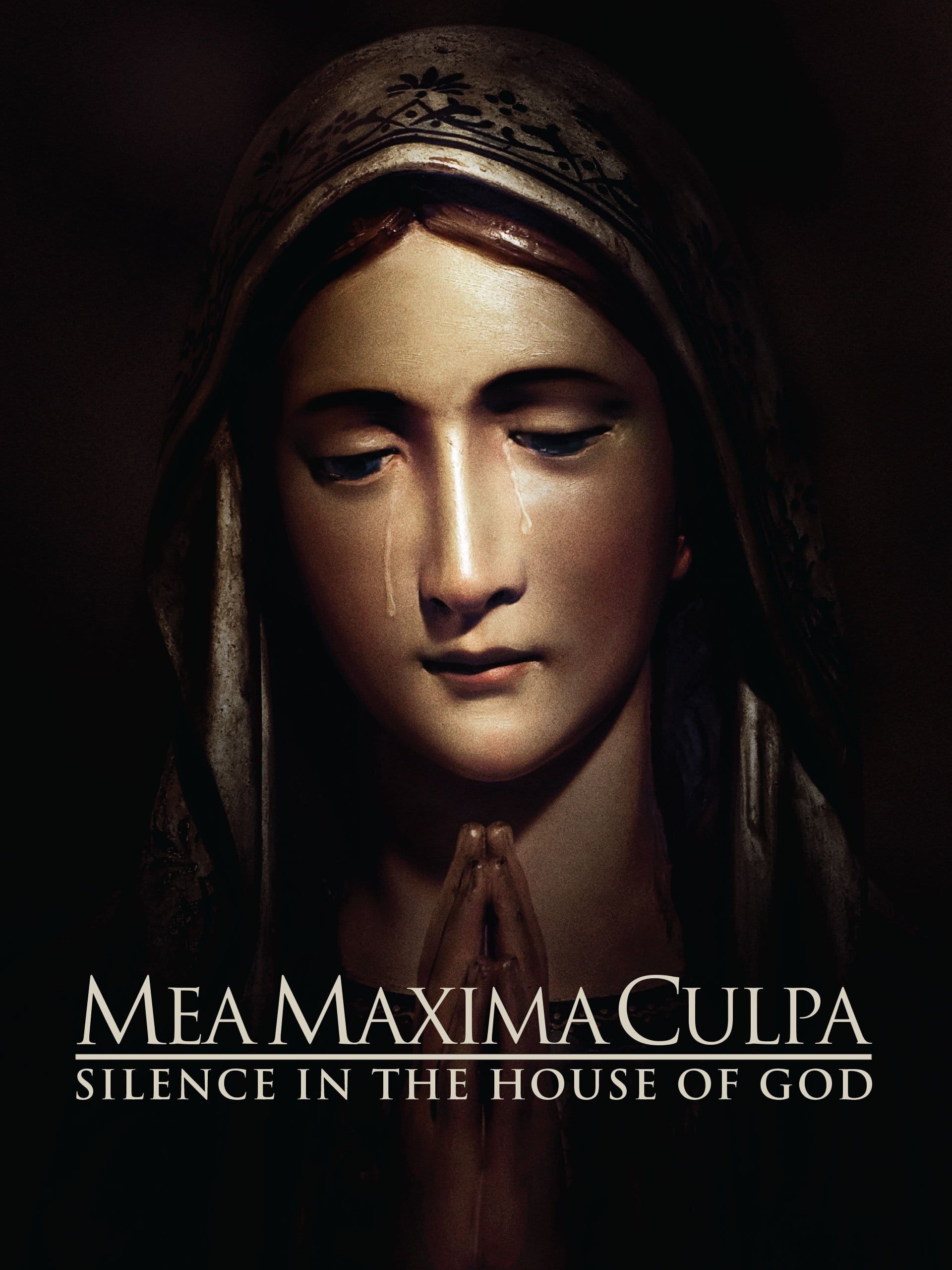
Alex Gibney explores the charged issue of pedophilia in the Catholic Church, following a trail from the first known protest against clerical sexual abuse in the United States and all way to the Vatican.
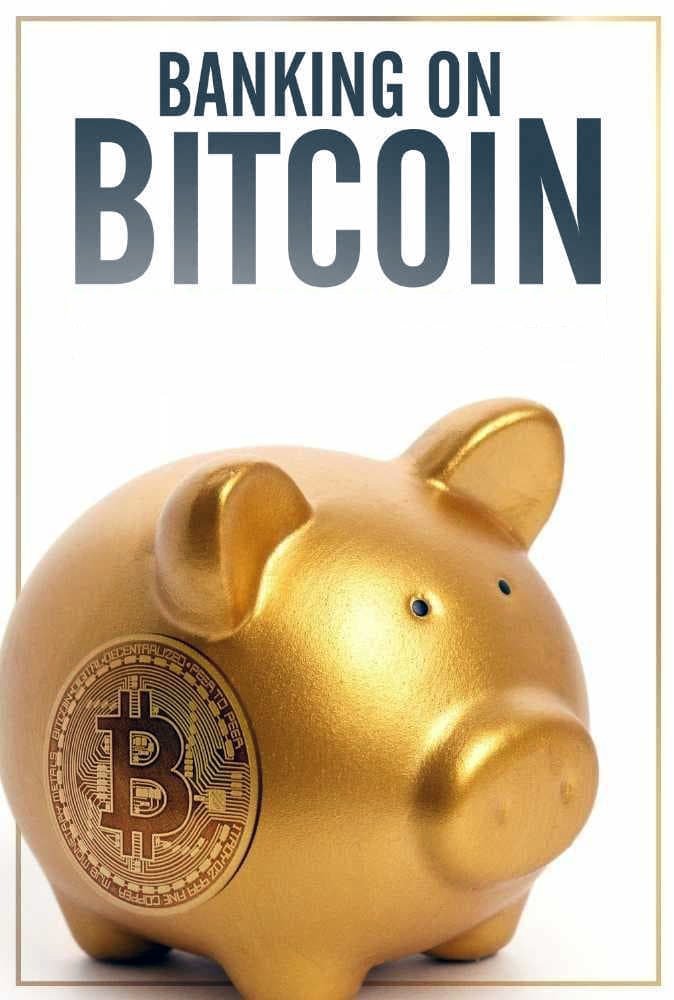
Not since the invention of the Internet has there been such a disruptive technology as Bitcoin. Bitcoin's early pioneers sought to blur the lines of sovereignty and the financial status quo. After years of underground development Bitcoin grabbed the attention of a curious public, and the ire of the regulators the technology had subverted. After landmark arrests of prominent cyber criminals Bitcoin faces its most severe adversary yet, the very banks it was built to destroy.
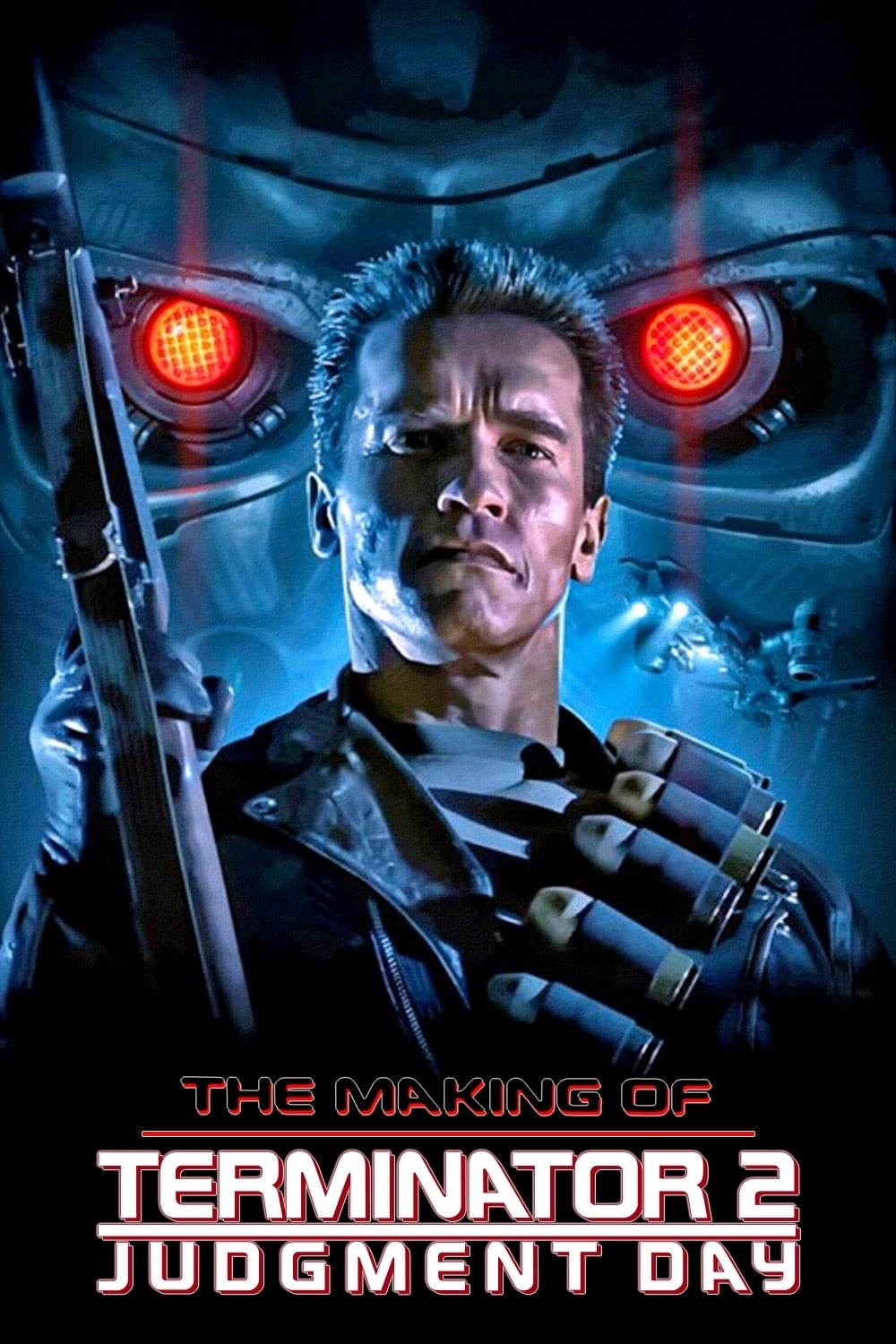
Documentary of the making of the sequel to the popular Schwarzenegger film, The Terminator.
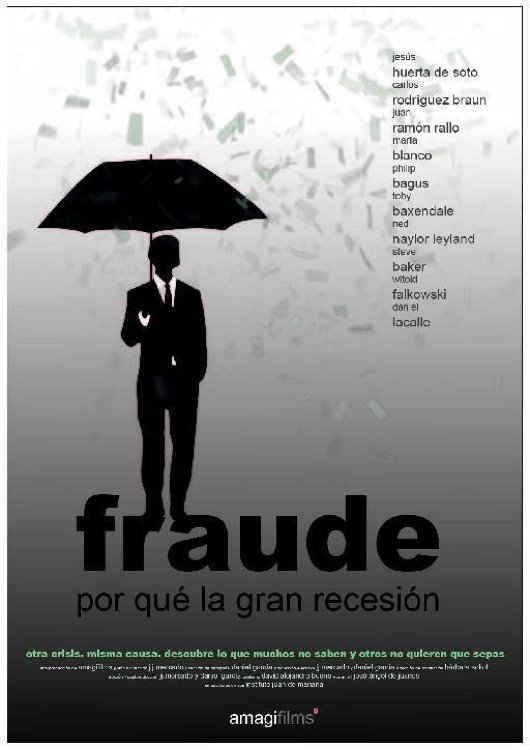
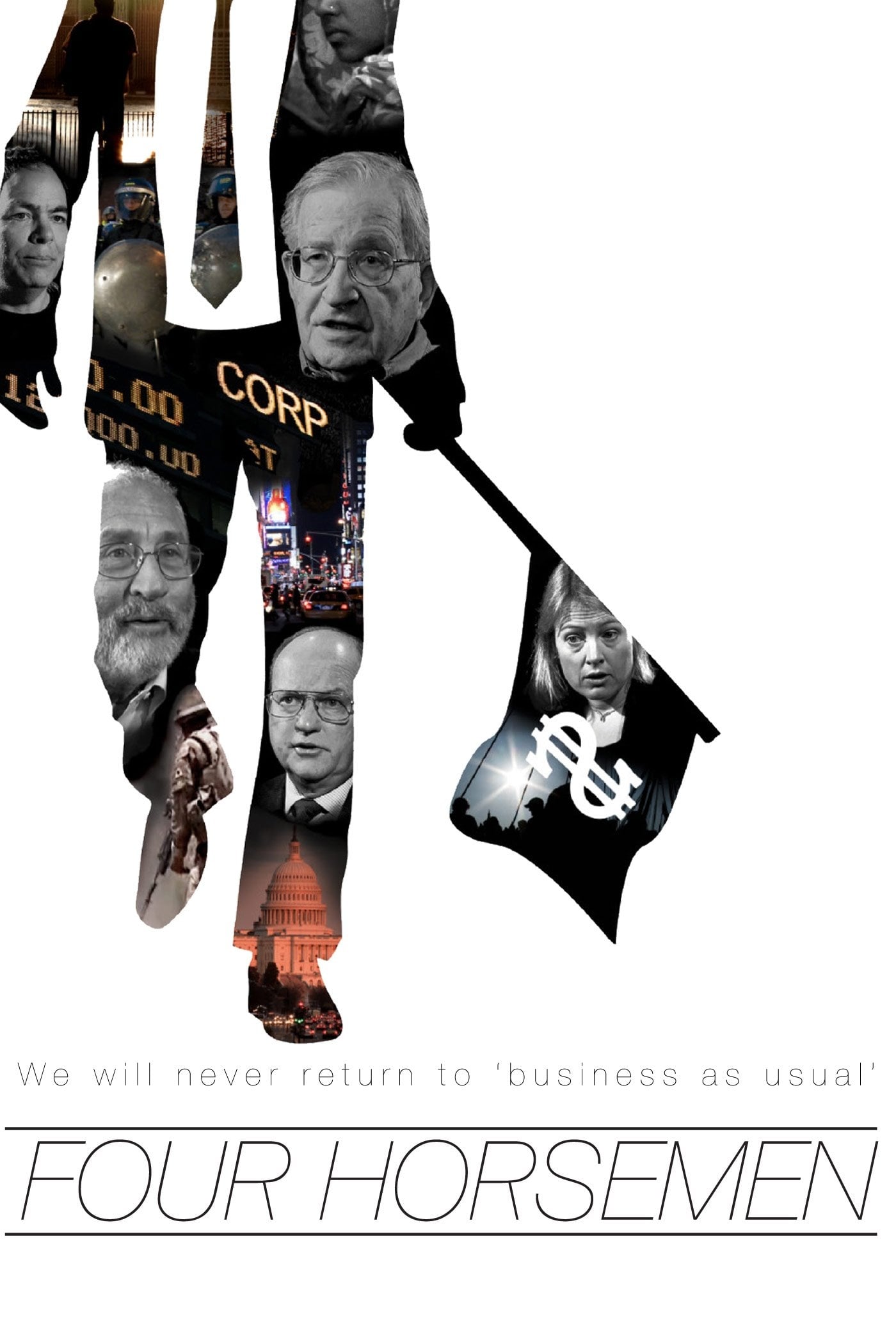
Documentary about the modern apocalypse caused by a rapacious banking system. 23 leading thinkers – frustrated at the failure of their respective disciplines – break their silence to explain how the world really works.
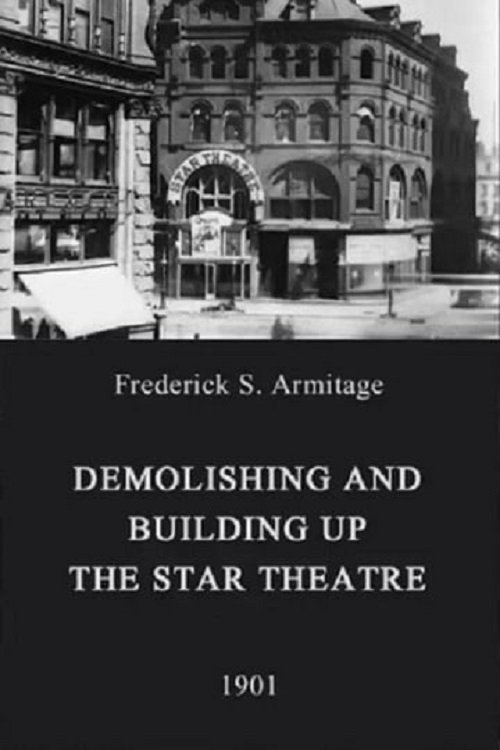
Time-lapse photography showing the one month-long demolition of the Star Theatre in New York.