Documentary film, made for TV, about the Roman emperor Hadrian.
Social & External
presenter
In the first century, after the death of Herod the Great, Judea goes through a long period of turbulence due to the actions of the corrupt Roman governors and the internal struggles, both religious and political, between Jewish factions, events that soon lead to the uprising of the population and a cruel war that lasts several years and causes thousands of deaths, a catastrophe described in detail by the Romanized Jewish historian Titus Flavius Josephus.
Going to the very heart of the Bible's most challenging Book, this one hour documentary decodes the visions of Revelation 12 and 17 for everyone to understand. Journeying from the birth of Christ through the Christian era, this amazing video pulls aside the veil of hidden history to reveal the rise of Babylon, the persecution of the bride of Christ, and the real-world identity of the beast. Educational and inspiring, Revelation delivers the keys to understanding the epic conflict between Christ and Satan and what it means for your life today.
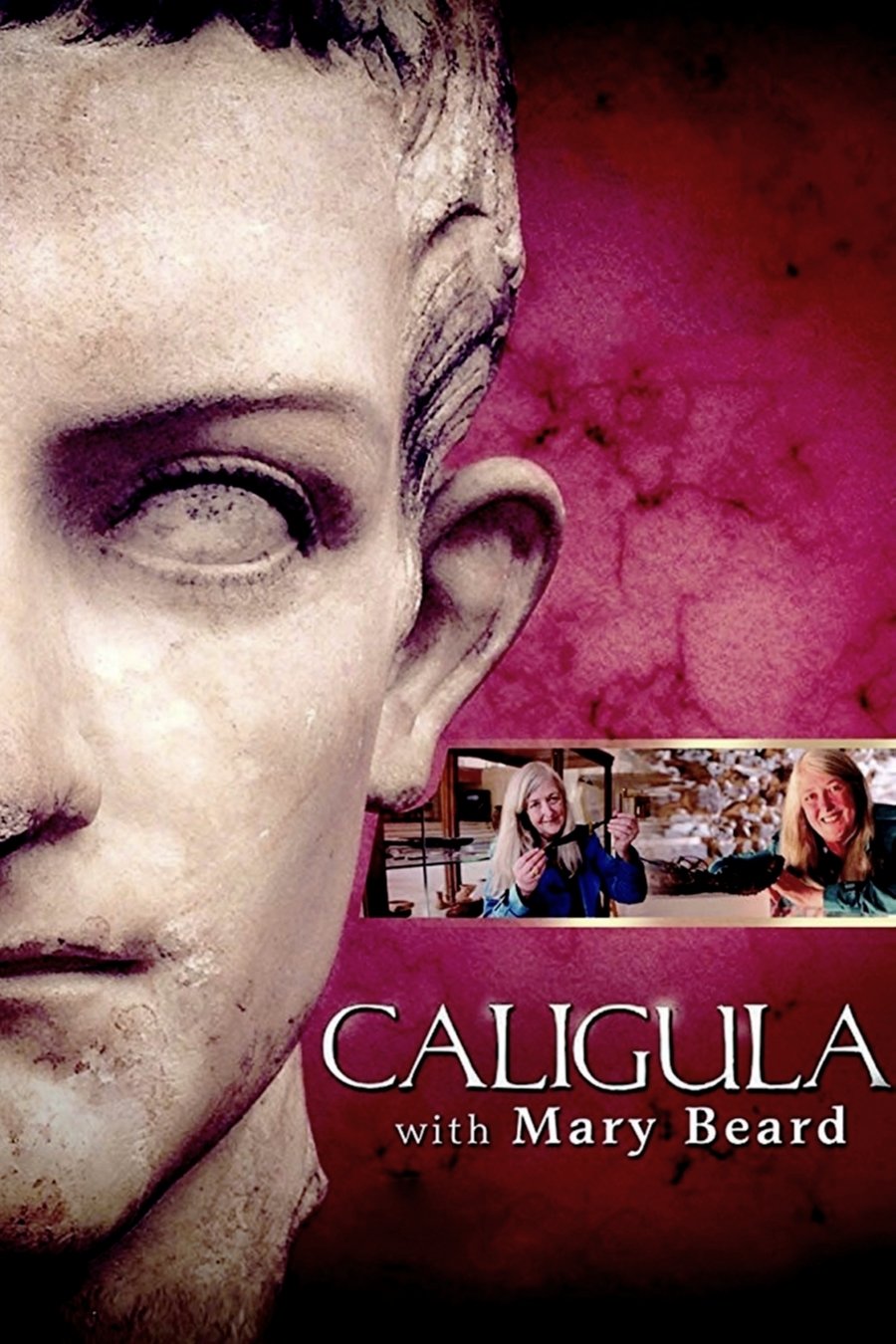
What is true and what is false in the hideous stories spread about the controversial figure of the Roman emperor Gaius Julius Caesar Augustus Germanicus (12-41), nicknamed Caligula? Professor Mary Beard explains what is accurate and what is mythical in the historical accounts that portray him as an unbalanced despot. Was he a sadistic tyrant, as Roman historians have told, or perhaps the truth about him was manipulated because of political interests?
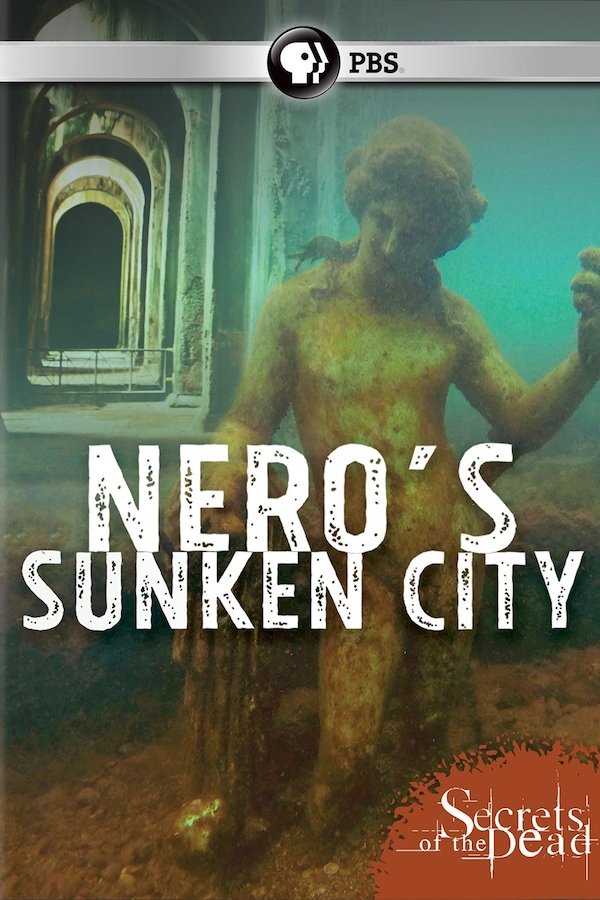
Beneath the turquoise waves of the Bay of Naples lies an extraordinary underwater archeology site, the ancient Roman city of Baiae. From the first century to the third century AD, Baiae was the exclusive playground for the rich and powerful among Rome’s elite. What made Baiae such a special place? What really went on there? And why did it disappear?
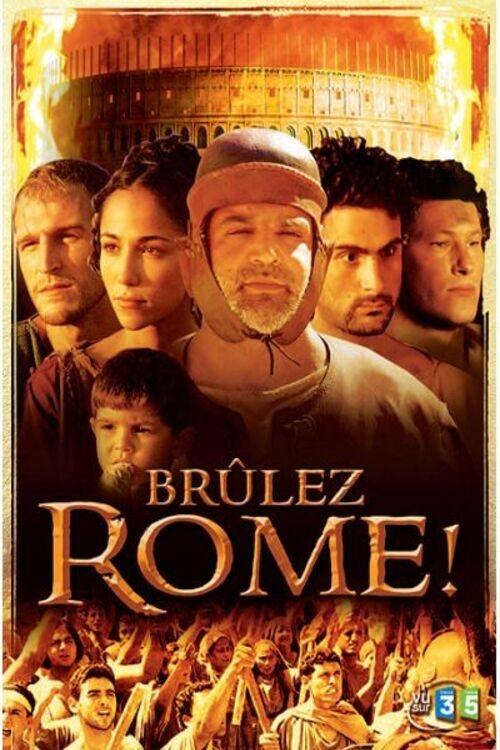
At the time of Nero, the Empire is at the height of its power, but Rome, where a million inhabitants live, is afraid of its enemies, of foreigners, of barbarians. Rome is afraid of the Tyrant and of its own power. And all these fears seem to crystallize in that of fire, more than anything else feared in this megalopolis that so often catches fire. In 64 A.D. the most terrible fire that the city has ever known broke out. It is said that it was set on the orders of Nero, in order to overwhelm the Christians who were accused of it. The watchmen, Celer and Theseus, intervene at the risk of their lives. This fictional documentary tells the story of the adventures of these two "firemen" in Rome during the Empire. An astonishing journey through time, the story of the life of men: customs, family, lifestyle, politics, education, leisure.
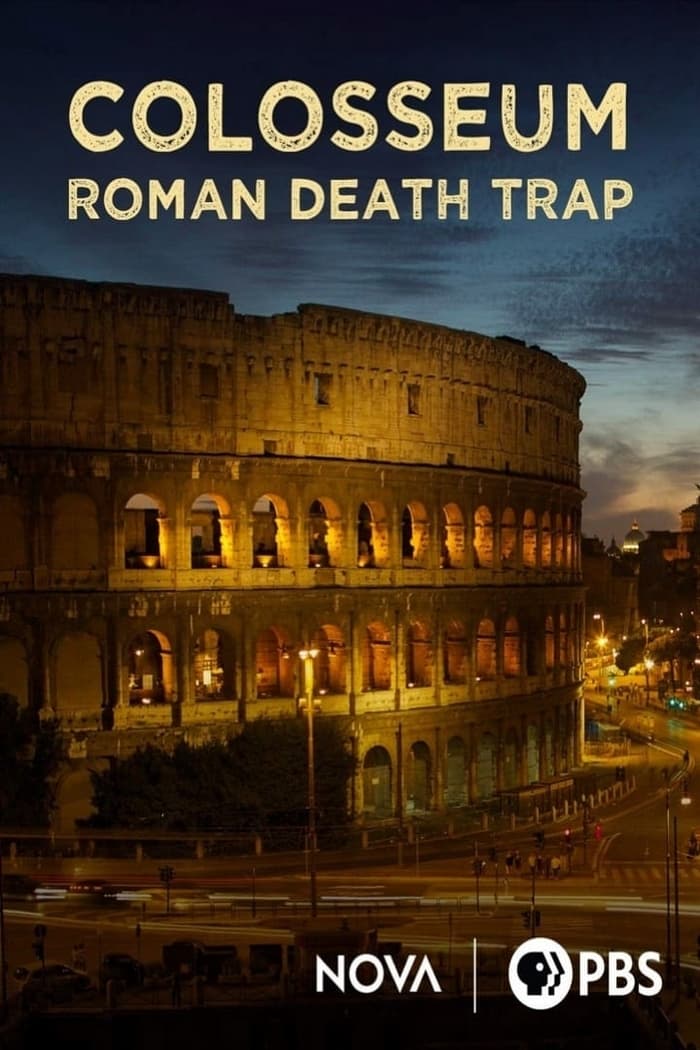
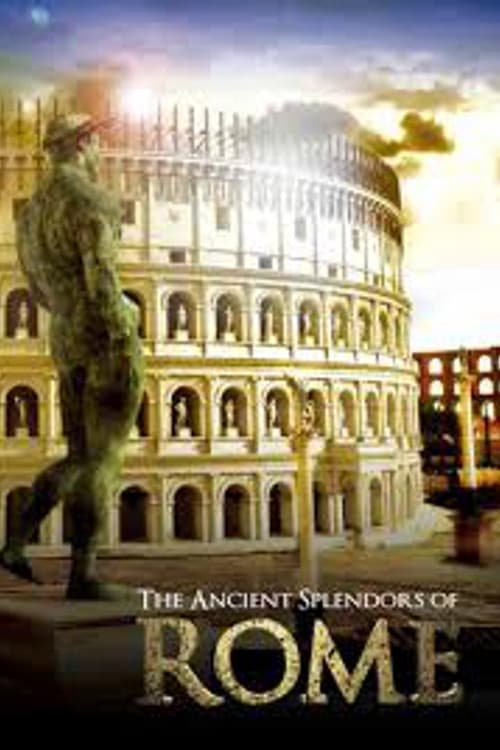
Sea battles in the morning and gladiator fights in the afternoon with wild beasts magically appearing in the arena? A subterranean archaeologist investigates tunnels to see how the Colosseum could be flooded; and architects, engineers, and builders construct a lift and trap door system to attempt the release of a wolf into the most famous amphitheater in the world for the first time in 1500 years.
Documentary tracing the history of the Jewish people from the destruction of the temple in AD 70 to the modern-day nation of Israel. Through scriptural and historical evidence, DNA, mathematics, and testimony from rabbis and pastors, it attempts to answer the question, "Who are God's chosen people?".
The volcanic eruption that ravaged Pompeii in year 79 is one of the most famous in history. It is known how its victims died, but how did they live? A new insight into the lives of the people who lived in the shadow of Mount Vesuvius before its cataclysmic eruption.
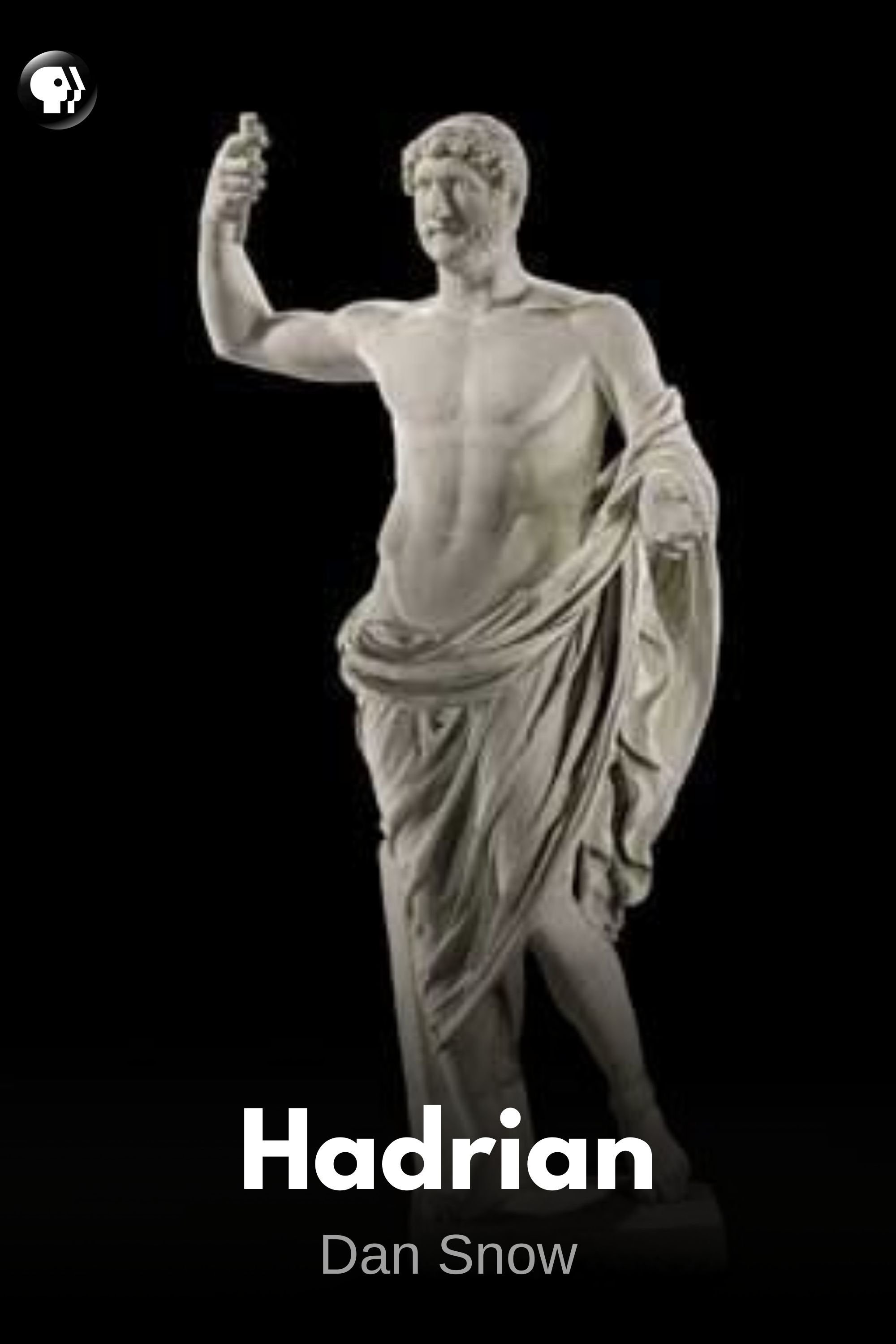
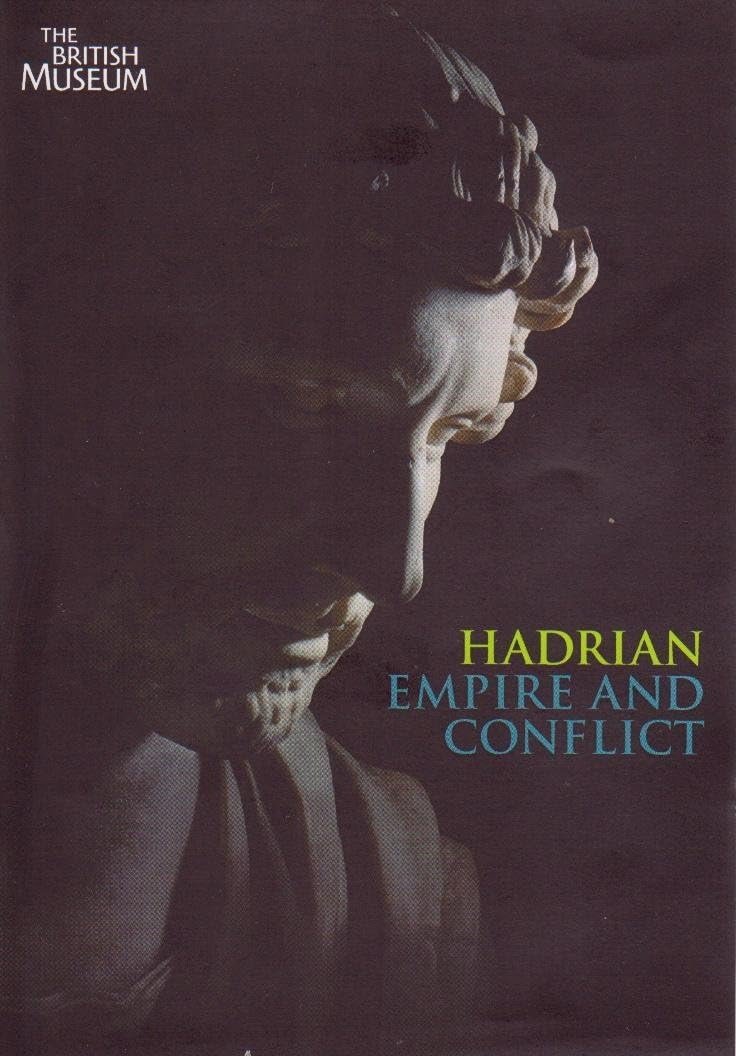
Documentary released to coincide with the British Museum's exhibition dedicated to the man who ruled the Roman Empire from 117 to 138 AD. The programme explores the life, achievements, passions and legacy of the emperor who was both soldier and poet and responsible for that most famous construction - Hadrian's Wall. The documentary was produced in conjunction with the exhibition Hadrian: Empire and Conflict at the British Museum 24 July - 26 October 2008.
An account of the reign of Herod the Great, king of Judea under the rule of the Roman Empire, remembered for having ordered, according to the Gospel of Matthew, the murder of all male infants born in Bethlehem at the time of the birth of Jesus, an unproven event that is not mentioned by Titus Flavius Josephus, the main historian of that period.
A journey into the very depths of the belly of the most influential and insidious organization in existence. See, as never before, how the Papacy plays a vital role in current events, and the final fulfillment of Bible prophecy.
Why did the Roman Empire, which dominated Europe and the Mediterranean for five centuries, inexorably weaken until it disappeared? Archaeologists, specialists in ancient pathologies and climate historians are now accumulating clues converging on the same factors: a powerful cooling and pandemics. A disease, whose symptoms described by the Greek physician Galen are reminiscent of those of smallpox, struck Rome in 167, soon devastating its army. At the same time, a sudden climatic disorder that was underway as far as Eurasia caused agricultural yields to plummet and led to the westward migration of the Huns. Plagued by economic and military difficulties, attacked from all sides by barbarian tribes, the Roman edifice gradually cracked.
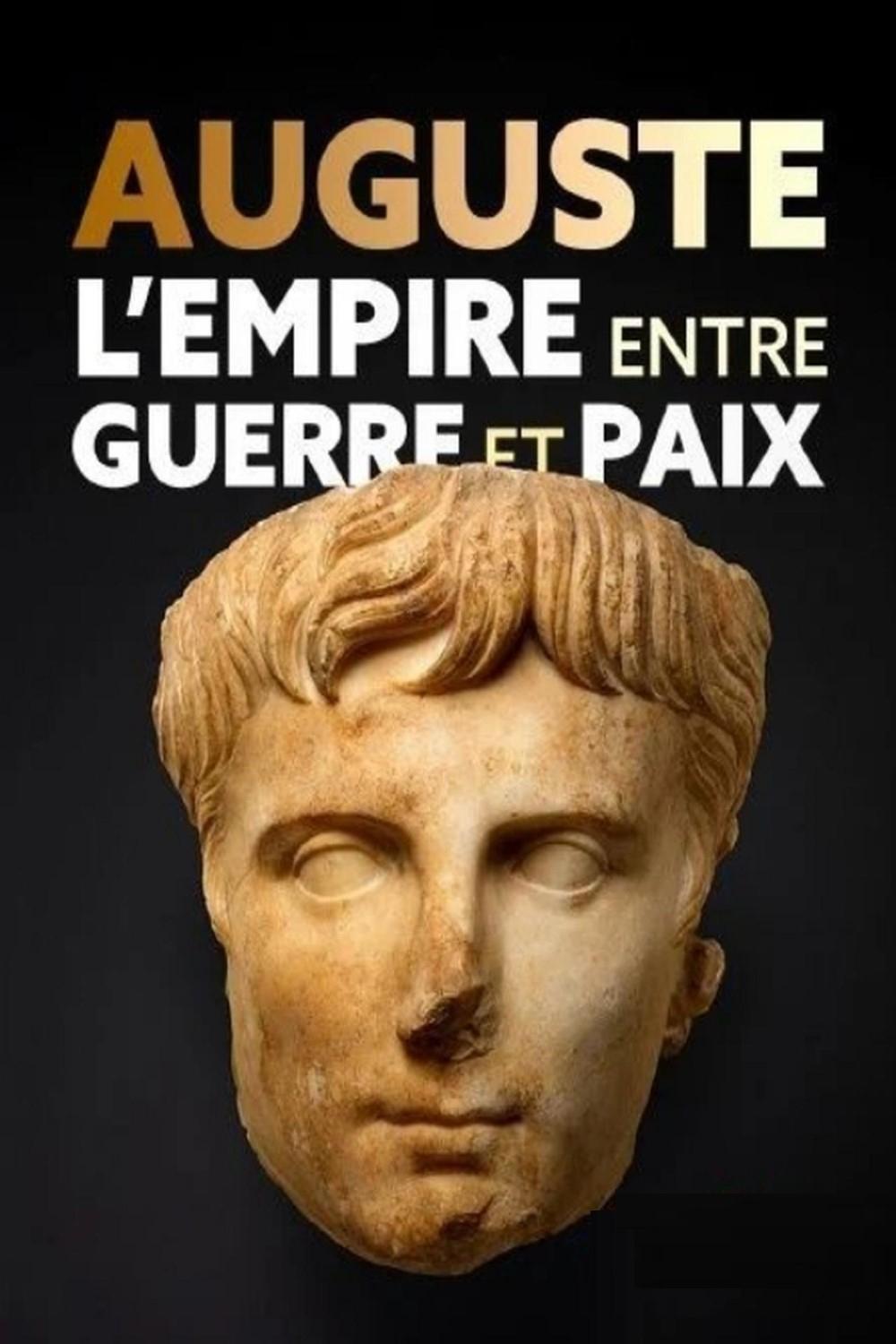
Augustus is reputed to have been a violent, adventurous, power-hungry and unscrupulous warlord. Yet as founder of the Roman Empire, he ushered in a period of peace and prosperity. Drawing on the analysis of several historians, this documentary traces an extraordinary destiny: posthumously adopted by his great-uncle Julius Caesar, Octavian, the future Augustus, accepted an inheritance fraught with consequences. Having made his own empire prosper, he wrote his political will at the age of 76, without naming an heir. How was the succession of this childless strategist organized?
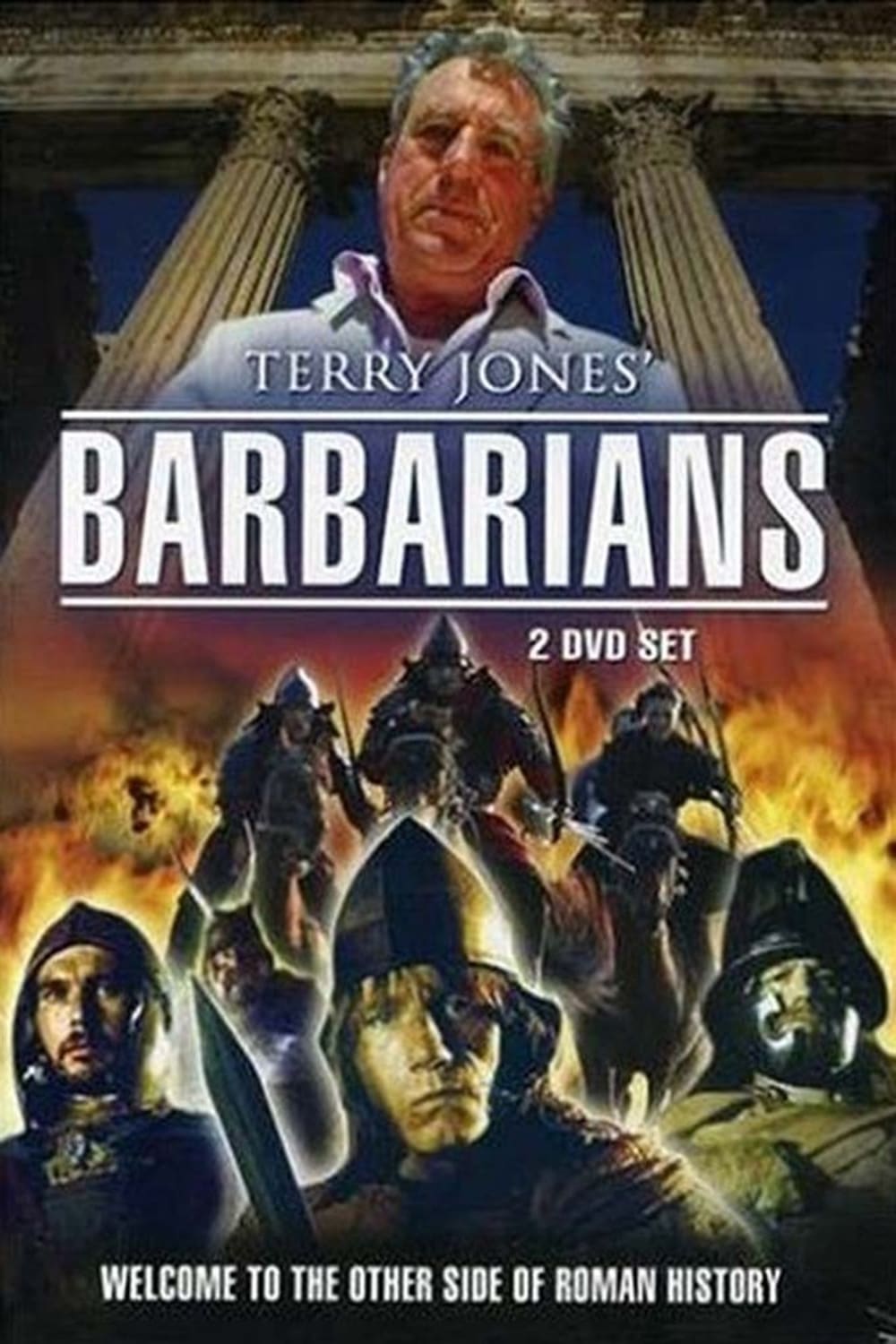
Terry Jones' Barbarians is a 4-part TV documentary series first broadcast on BBC 2 in 2006. It was written and presented by Terry Jones, and it challenges the received Roman and Roman Catholic notion of the barbarian. Professor Barry Cunliffe of the University of Oxford acted as consultant for the series.
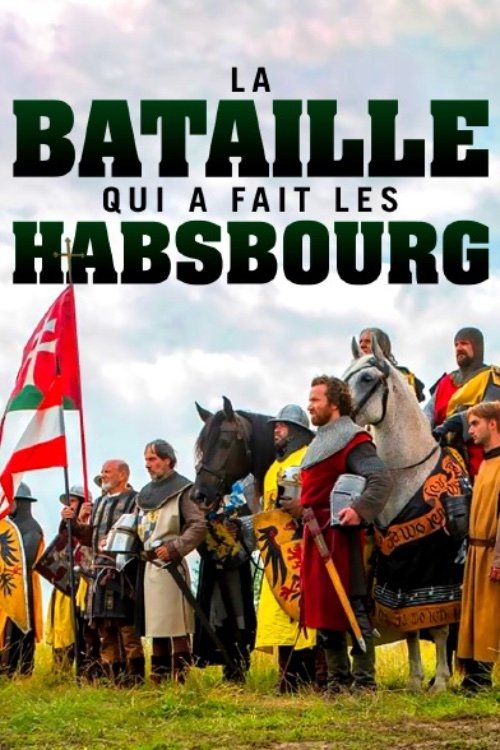
It was the battle that decided the future of Europe: on August 26, 1278, two dynasties faced each other at Marchfeld. On one side was the Roman-German King Rudolf I from the House of Habsburg, on the other Ottokar II from the Bohemian Přemyslid dynasty. Rudolf's victory over Ottokar laid the foundations for the unprecedented rise of the Habsburg Empire, which was to play a decisive role in Europe for more than six centuries.
The Colosseum is often depicted as a bloody stadium of gladiators with violence and murder! Is it all in the Colosseum? In fact, the 'Colosseum' in Roman times was a thorough political stage in which the emperor was able to show off the power of the emperor and to meet and communicate directly with the citizens. The emperor was a political space that was not an original one that gained the support of the Roman people and the people were actively exchanging their demands. The fact that even the Roman emperor, who was a symbol of absolute power, did politics through communication with the Roman people would be a valuable lesson for us to live in modern society beyond 2000 years.
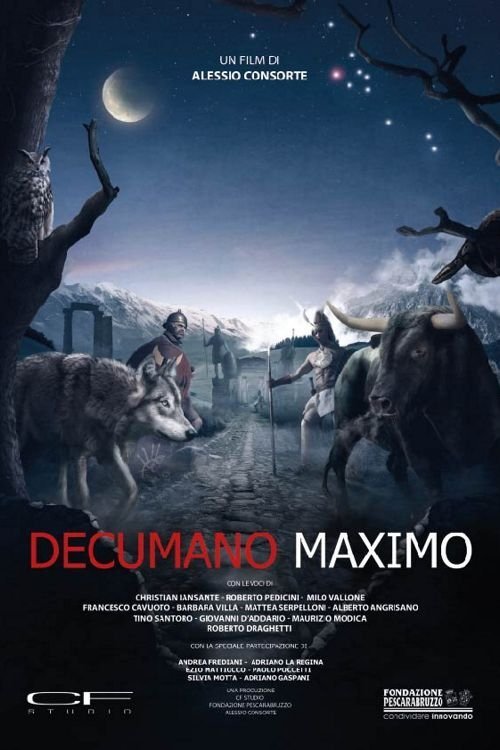
The film is a journey through time and space on the trail of the unrecognized Social War, the epochal conflict that saw the Italic cities of the Marsi, Samnites and other "peripheral" peoples oppose the overwhelming power of Rome from 91 to 88 BC. . Against its indiscriminate domination, its yoke, its seldom enlightened centralism.
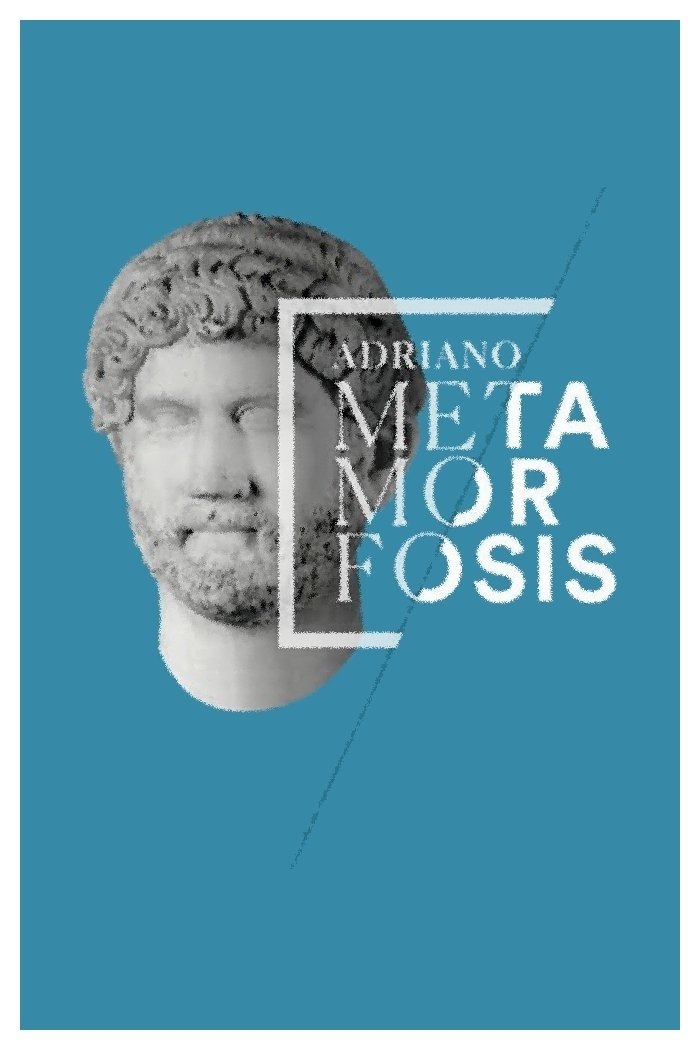
The story of the most powerful man in the world of his time, Hadrian (76-138), who was proclaimed emperor of Rome in 117 as successor to his late great-uncle Trajan: a poet, a politician, a warrior, a builder of worlds; a man with an identifiable face but an elusive spirit; a man who traveled all his life; a man who built, legislated, loved and suffered; a believer who prepared for eternity.
The life and career of an actor, artist, and icon. His own journey through his own camera.
"One Direction: This Is Us" is a captivating and intimate all-access look at life on the road for the global music phenomenon. Weaved with stunning live concert footage, this inspiring feature film tells the remarkable story of Niall, Zayn, Liam, Harry and Louis' meteoric rise to fame, from their humble hometown beginnings and competing on the X-Factor, to conquering the world and performing at London’s famed O2 Arena. Hear it from the boys themselves and see through their own eyes what it's really like to be One Direction.
An inside look at one of the most anticipated movie sequels ever with James Cameron and cast.
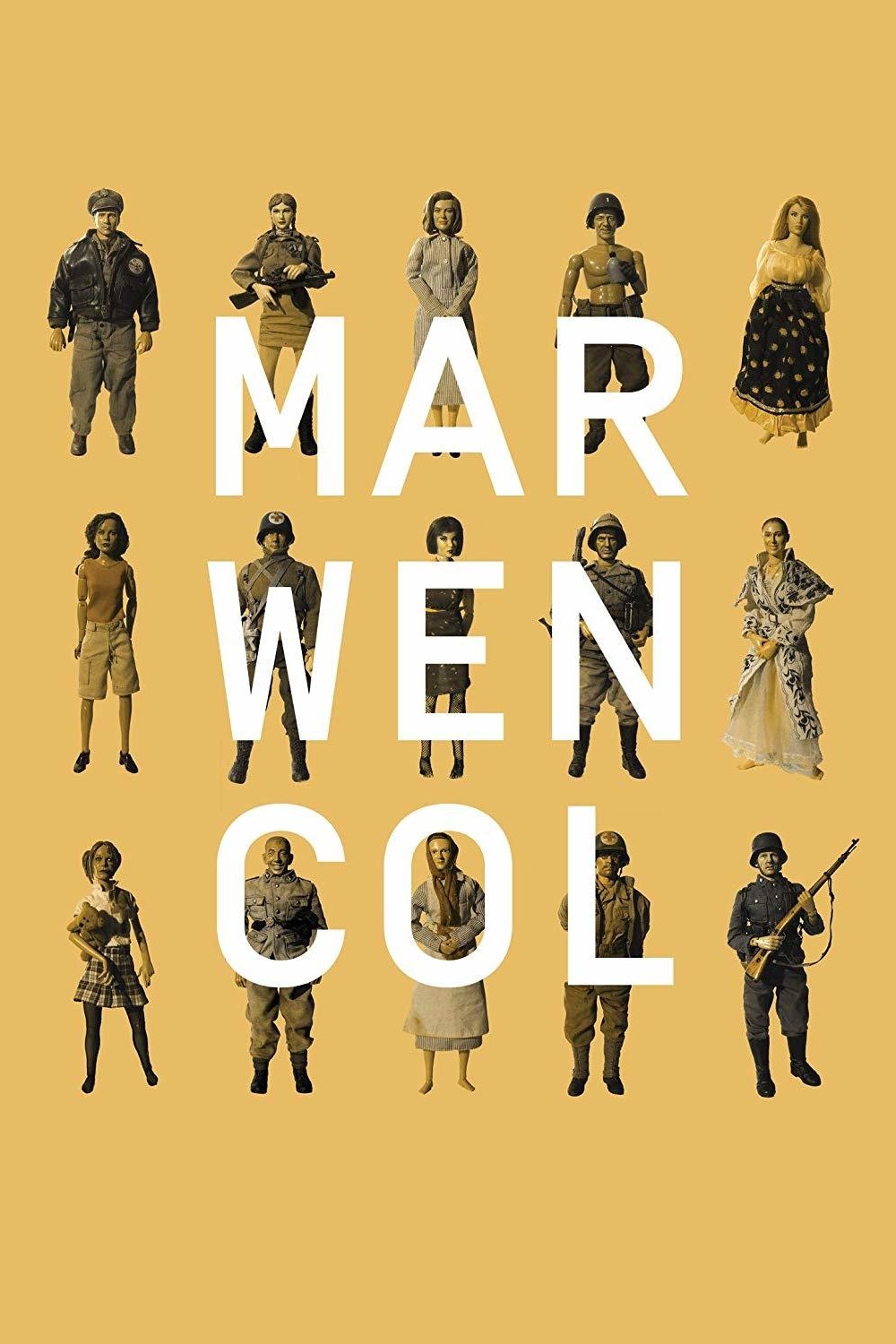
After a vicious attack leaves him brain-damaged and broke, Mark Hogancamp seeks recovery in "Marwencol", a 1/6th scale World War II-era town he creates in his backyard.
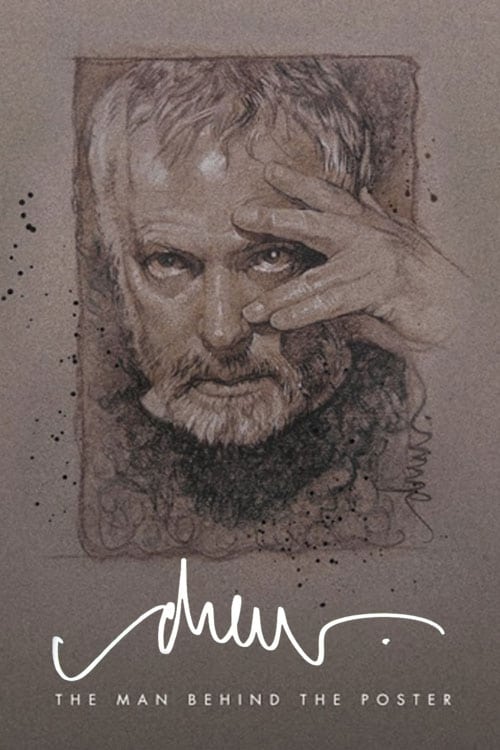
A documentary on legendary movie-poster artist Drew Struzan.
Drawn from a never before seen cache of personal footage spanning decades, this is an intimate portrait of the Sri Lankan artist and musician who continues to shatter conventions.
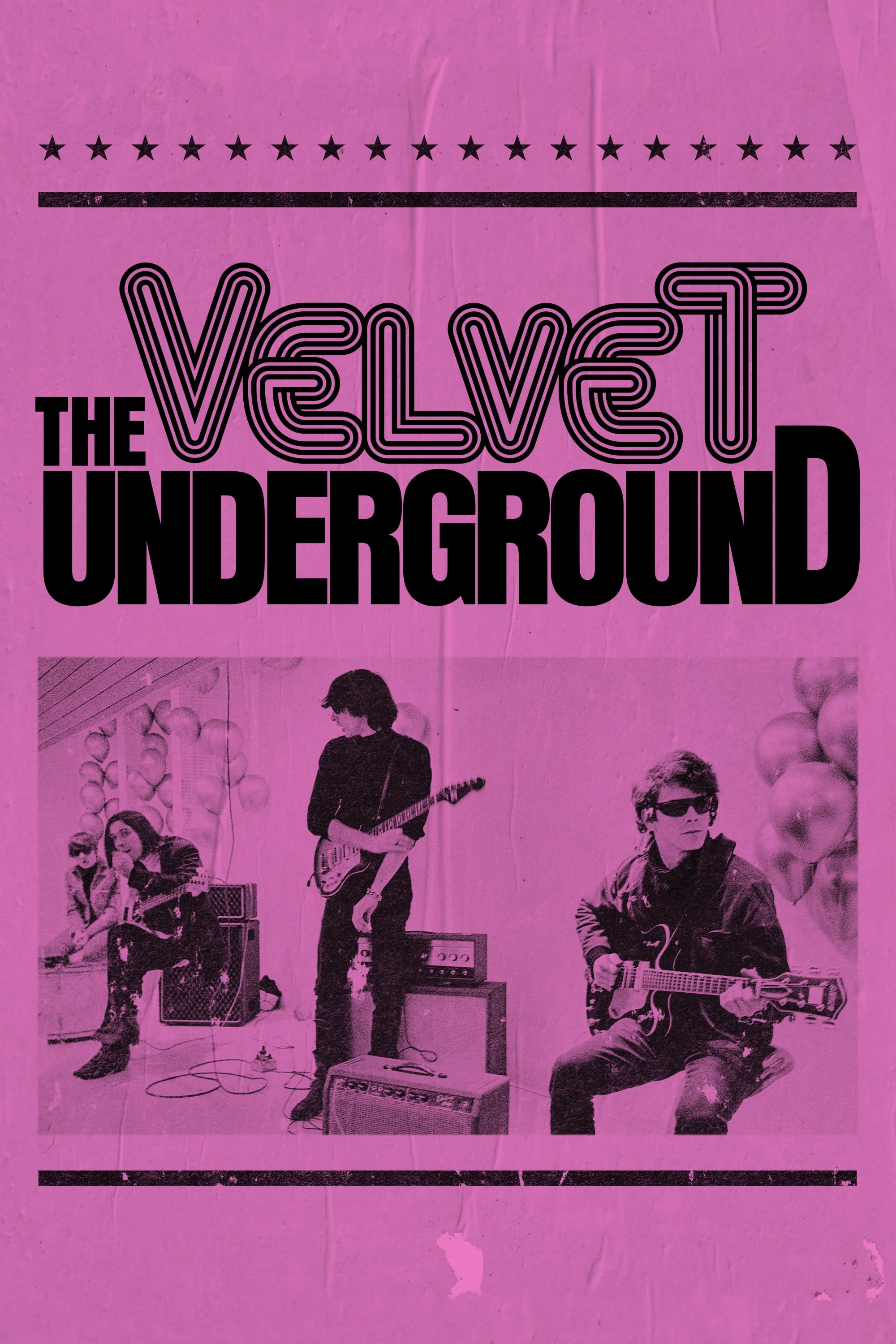
Experience the iconic rock band's legacy in the first major documentary to tell their story. Directed with the era’s avant-garde spirit by Todd Haynes, this kaleidoscopic oral history combines exclusive interviews with dazzling archival footage.
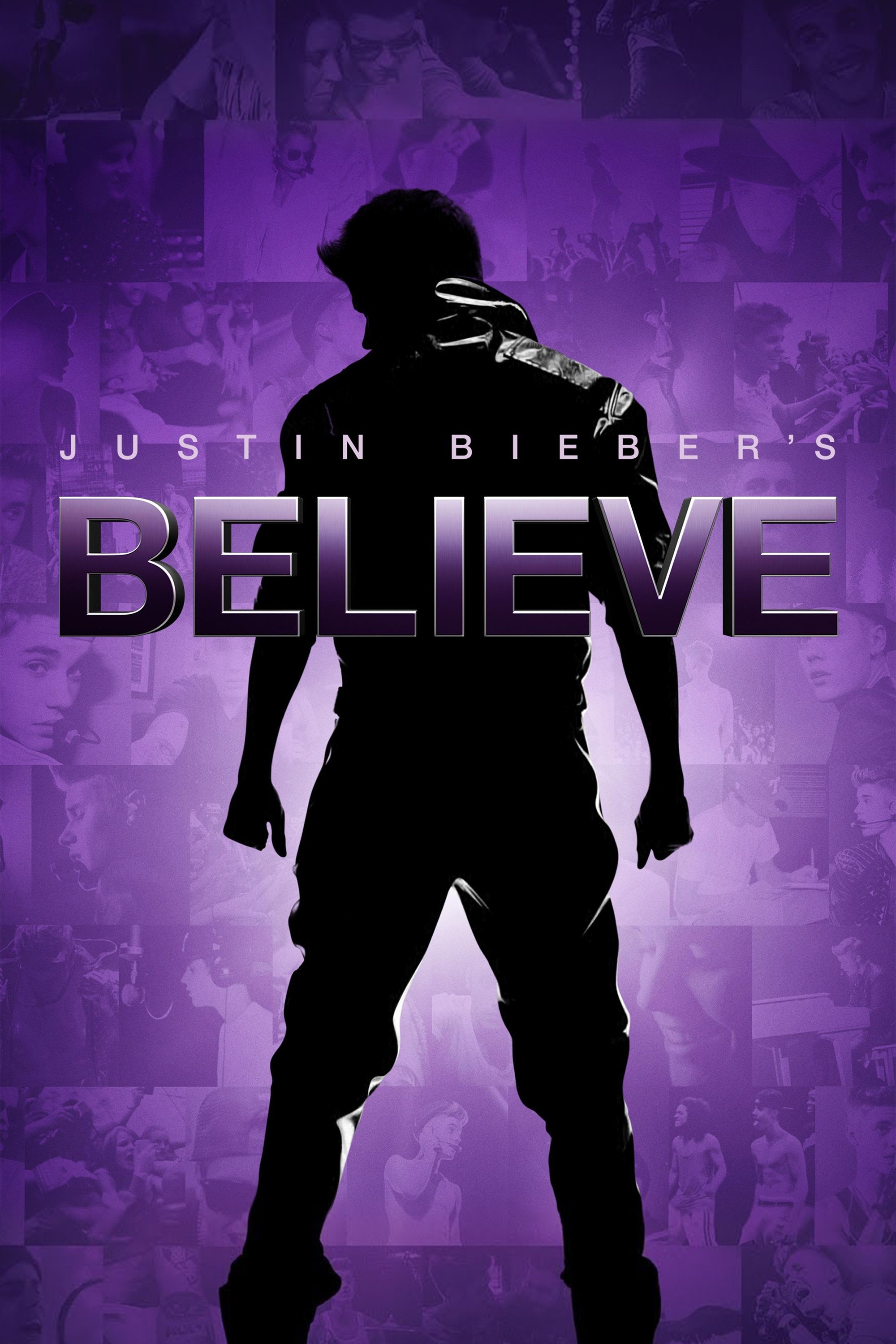
A backstage and on-stage look at Justin Bieber during his rise to super stardom.
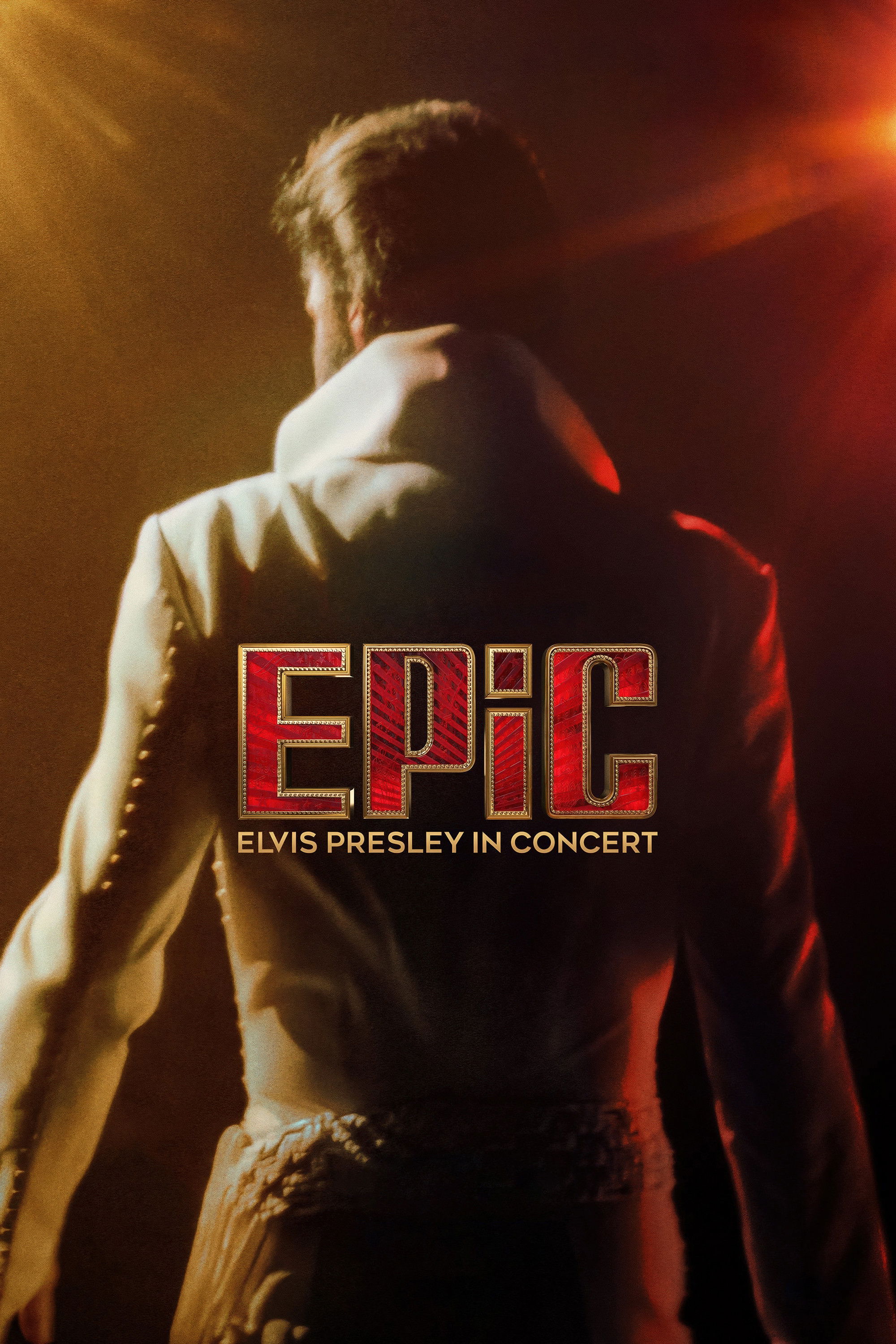
Long-lost footage from Elvis Presley's legendary Las Vegas residency in the 1970s woven together with rare 16mm footage from Elvis on Tour, and 8mm from the Graceland archive, plus recordings of Elvis telling "his side of the story" rediscovered during Baz Luhrmann's research for his 2022 film, Elvis.
The Making-of James Cameron's Avatar. It shows interesting parts of the work on the set.
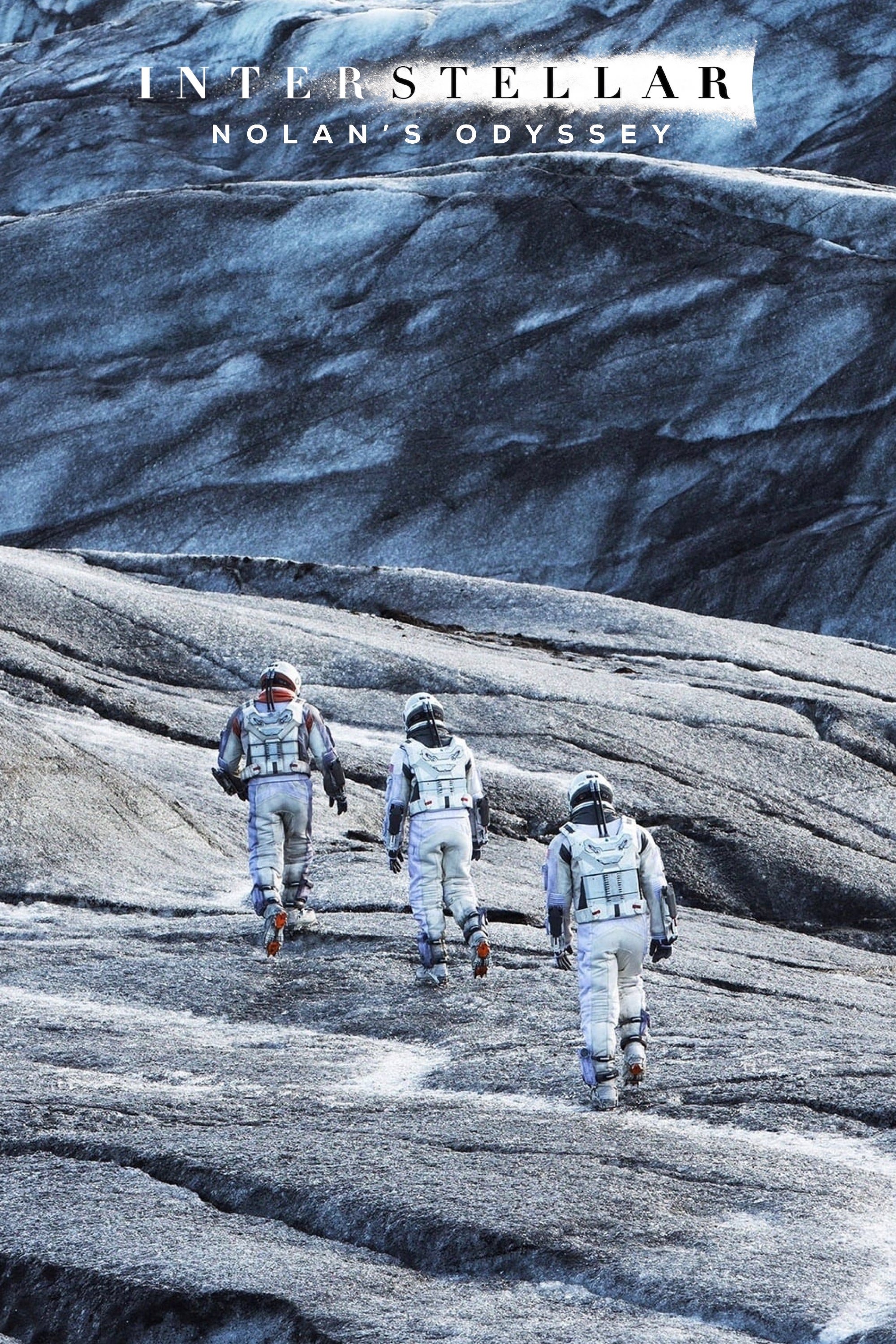
A look behind the lens of Christopher Nolan's space epic.
A compilation of over 30 years of private home movie footage shot by Lithuanian-American avant-garde director Jonas Mekas, assembled by Mekas "purely by chance", without concern for chronological order.
Giving fans unprecedented access to the real life of the music sensation, Katy Perry: Part of Me exposes the hard work, dedication and phenomenal talent of a girl who remained true to herself and her vision in order to achieve her dreams. Featuring rare behind-the-scenes interviews, personal moments between Katy and her friends, and all-access footage of rehearsals, choreography, Katy’s signature style and more, Katy Perry: Part of Me reveals the singer’s unwavering belief that if you can be yourself, then you can be anything.
Ten of Muhammad Ali's former rivals pay tribute to the three-time world heavyweight champion.
The special focuses on how Star Wars is relevant today and the history that inspired it, and also makes various connections to Greek mythology. It consists of several interviews with well-known politicians, journalists, and critics, along with historical content and clips from all six of the Star Wars movies.
Documentary about legendary Paramount producer Robert Evans, based on his famous 1994 autobiography.
A powerful ruler from House Targaryen begins a campaign to unite a fractured continent ruled by seven competing families. With the aid of formidable dragons, the conquest reshapes the balance of power and leads to the creation of a single throne.
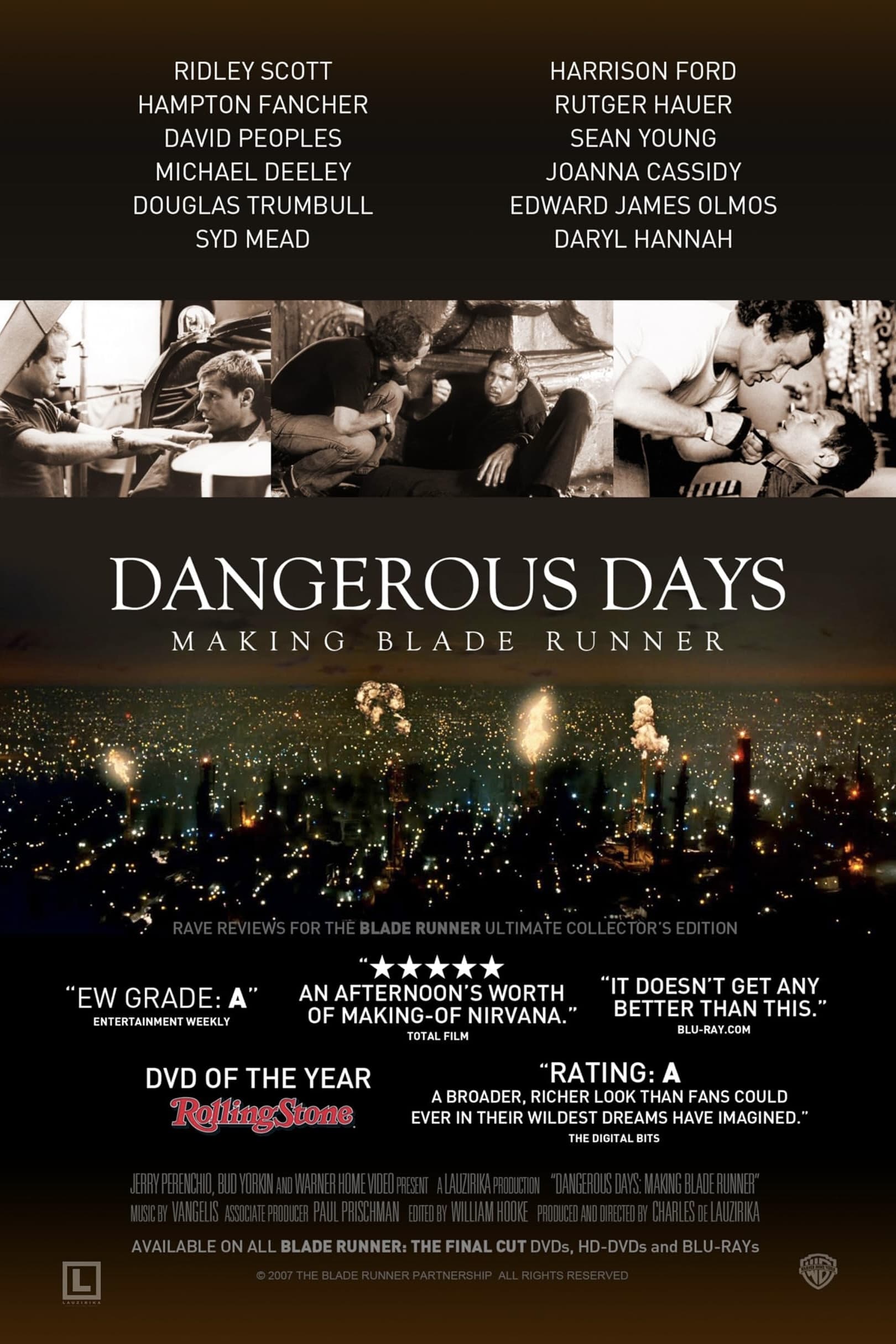
The definitive 3½-hour documentary about the troubled creation and enduring legacy of the science fiction classic 'Blade Runner', culled from 80 interviews and hours of never-before-seen outtakes and lost footage.
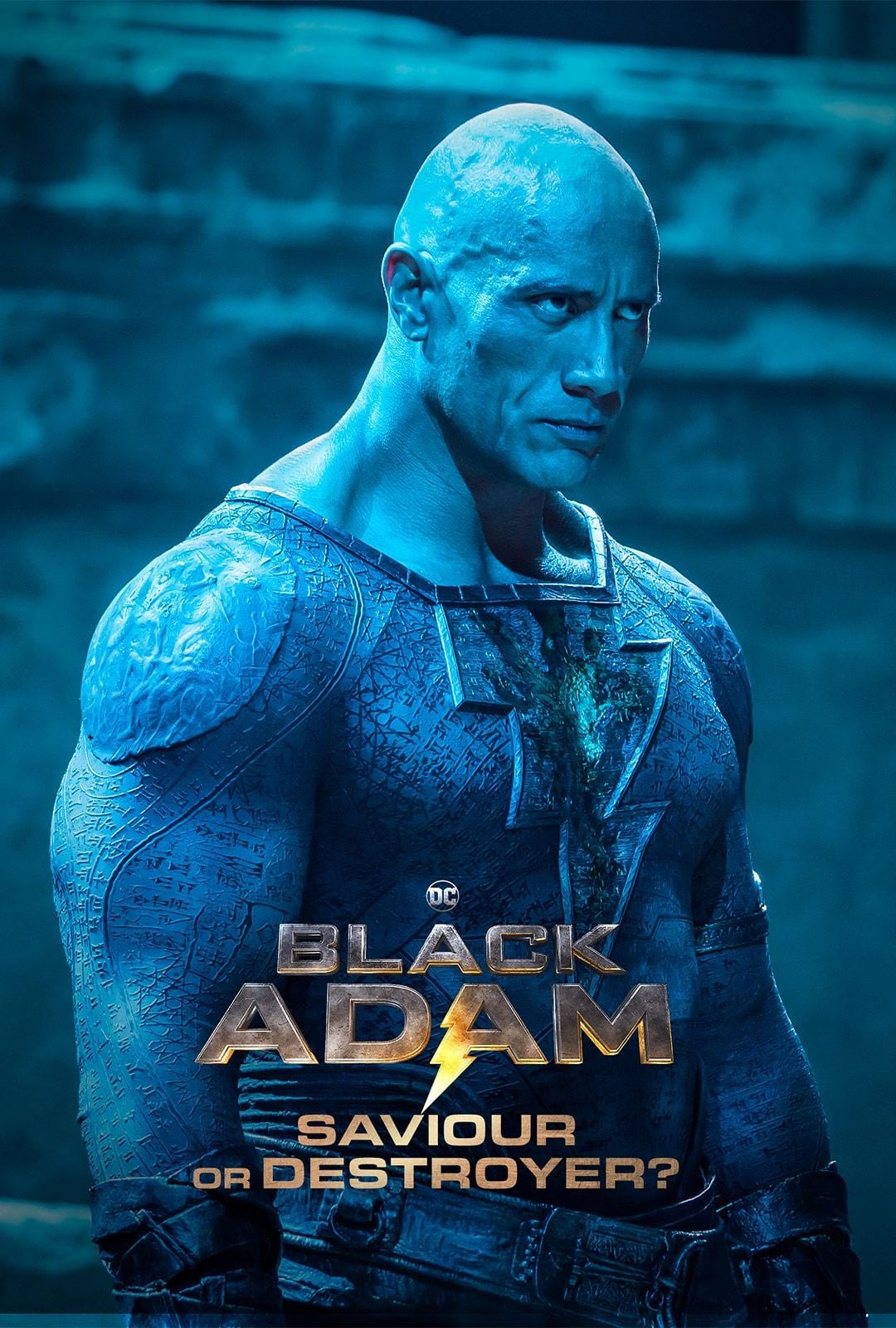
Ahead of the release of upcoming fantasy film ‘Black Adam’, sit down with Dwayne Johnson as he discusses his starring role as the eponymous superhero.
JB Smoove and Martin Starr host a celebration of 20 years of "Spider-Man" movies, from the Sam Raimi trilogy to Marc Webb's movies and the trio from Jon Watts.