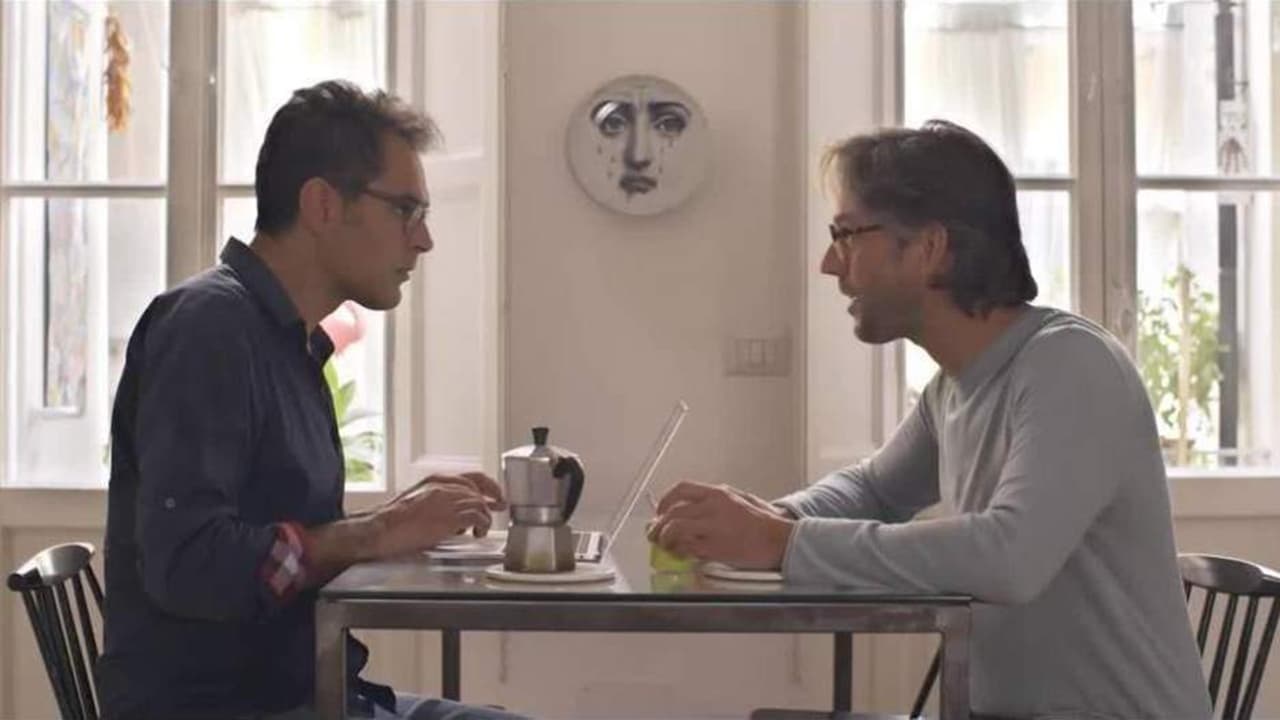
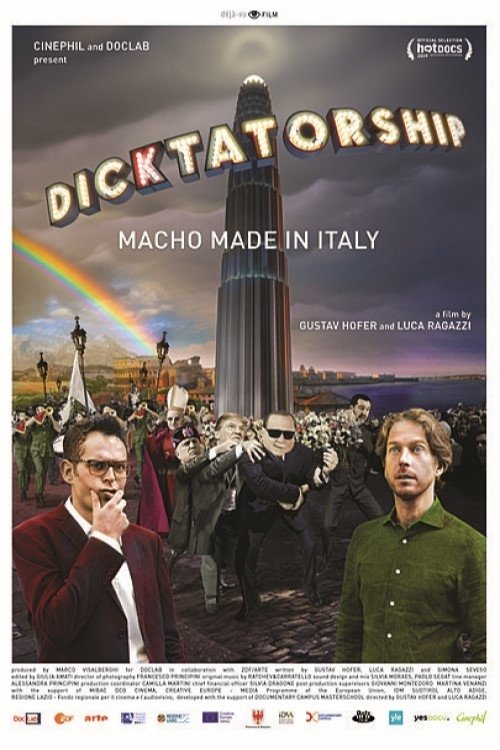
A documentary in which Luca Ragazzi and Gustav Hofer research the origins of sexism in the west and in Italy, the land of Berlusconi, Mussolini and Casanova, a nation with 887 words to say "penis".
Social & External
The people behind it
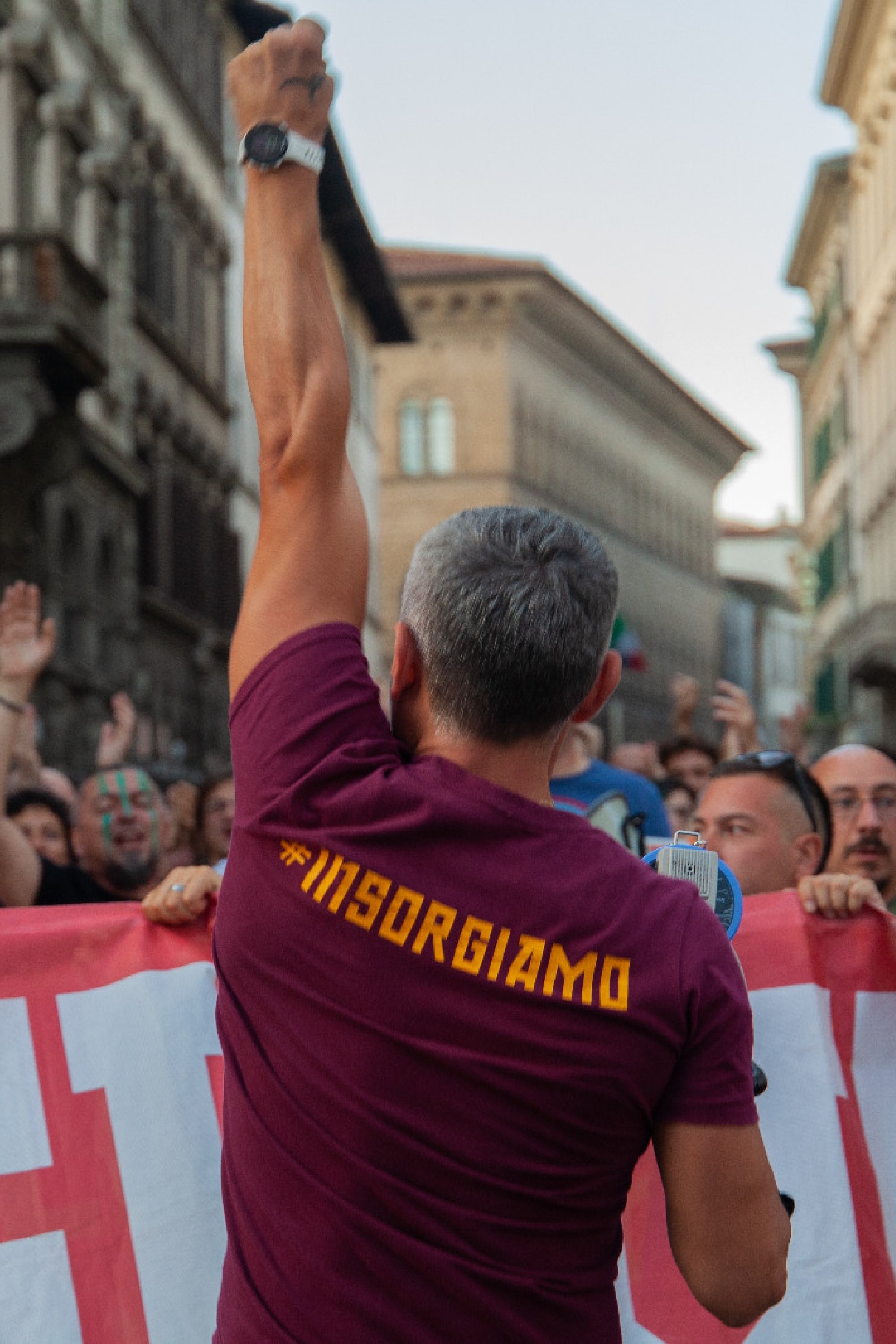
On 9 July 2021, the 422 workers at the GKN factory in Campi Bisenzio near Florence received their dismissal, by email. They immediately met in front of the factory, scared away the management's bodyguards and have been holding an open-ended meeting at the factory ever since. In June of 2022, they talk about how they are rooted in the territory, why 30,000 people demonstrated with them. They explain why they put their struggle under the slogan "Insorgiamo!" ("Let's rise up!"), the slogan of the italian partisans who liberated Florence in 1944. But they also talk about their collaboration with climate activists and what they would like to produce. But as things stand today, it is not the workers who are responsible for the ecological damage caused by production: "Nobody asked me what I would like to produce when they hired me. They hired me and that was it."
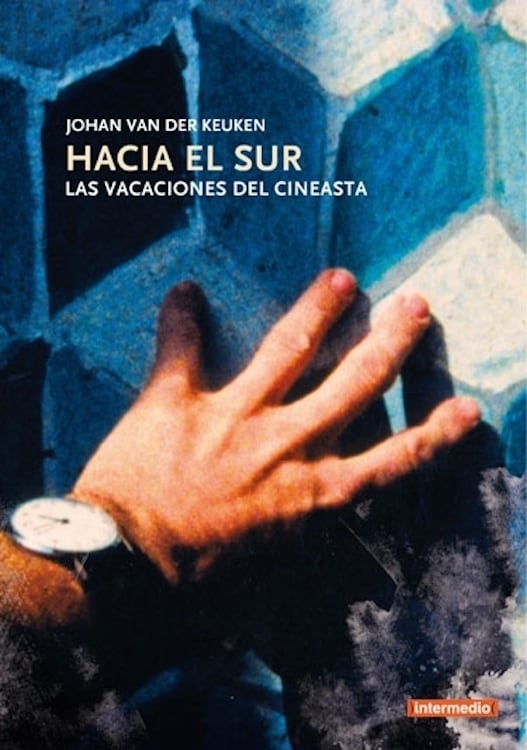
Johan van der Keuken went against the grain in 1980: from Amsterdam (on April 30 with the coronation riots and squatting actions) via Paris, southern France and Italy to Egypt. He made his personal travelogue in three parts for VPRO television. Later, he fused the three parts into one long movie.
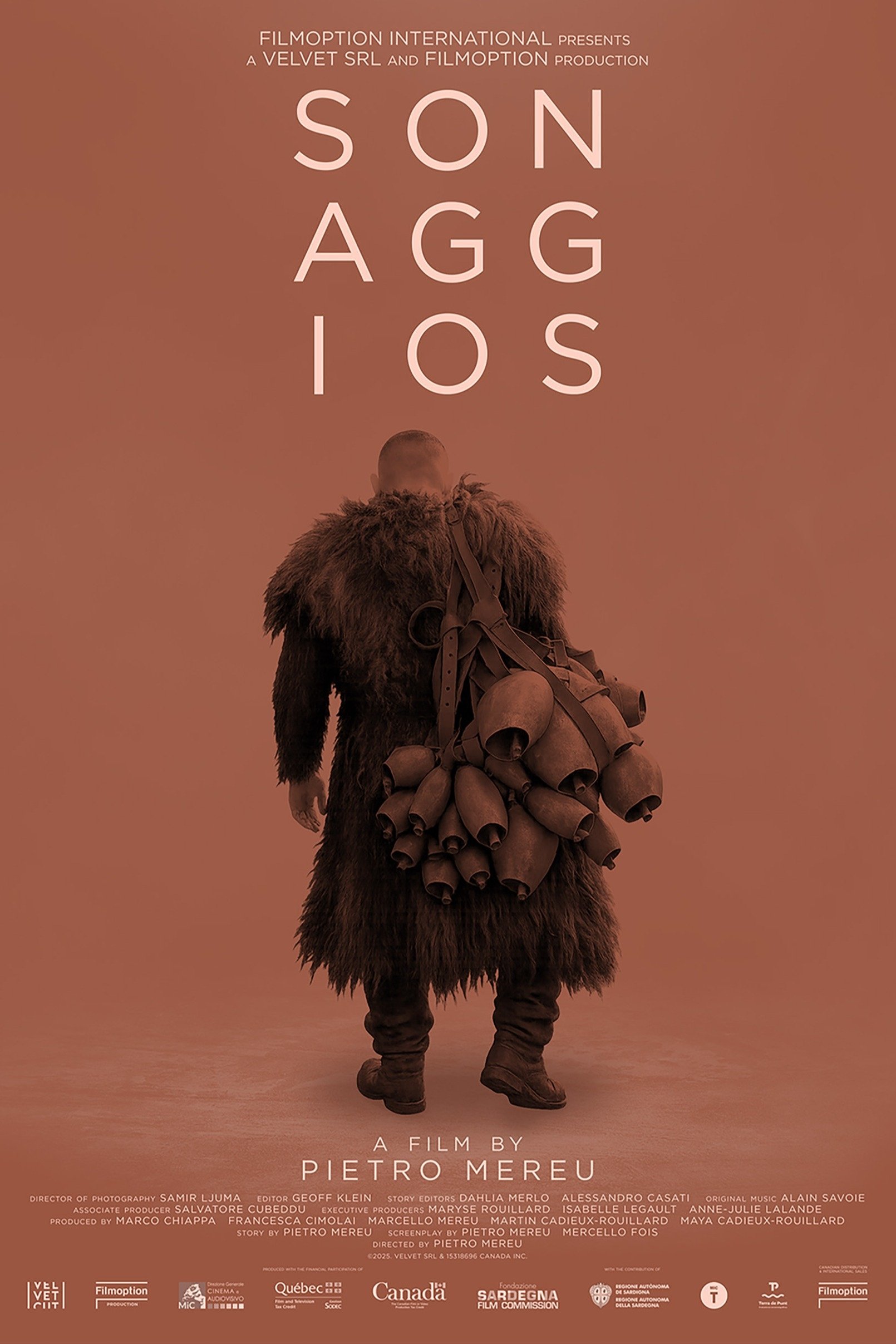
In the Sardinian town of Tonara, where the ancient art of crafting cowbells teeters on the edge of extinction, a family battles to preserve their heritage, passing down skills to a new generation while grappling with personal struggles and the pull of modernity. English subtitles.
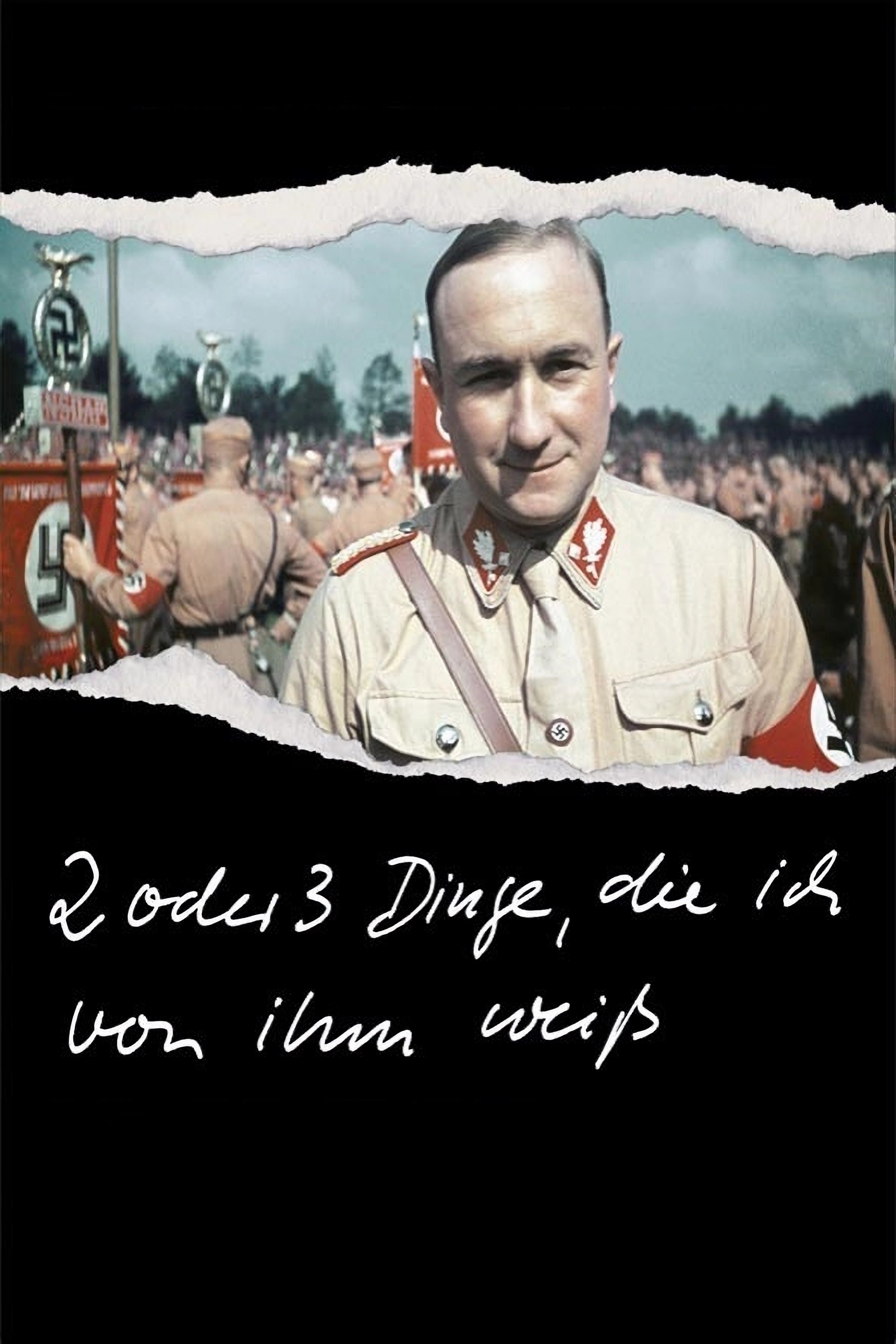
What would your family reminiscences about dad sound like if he had been an early supporter of Hitler’s, a leader of the notorious SA and the Third Reich’s minister in charge of Slovakia, including its Final Solution? Executed as a war criminal in 1947, Hanns Ludin left behind a grieving widow and six young children, the youngest of whom became a filmmaker. It's a fascinating, maddening, sometimes even humorous look at what the director calls "a typical German story." (Film Forum)
In this filmic comment on Fascist ideology - which uses footage from the recently discovered archives of Luca Comerio - invisible hands push captive animals to fight among themselves.
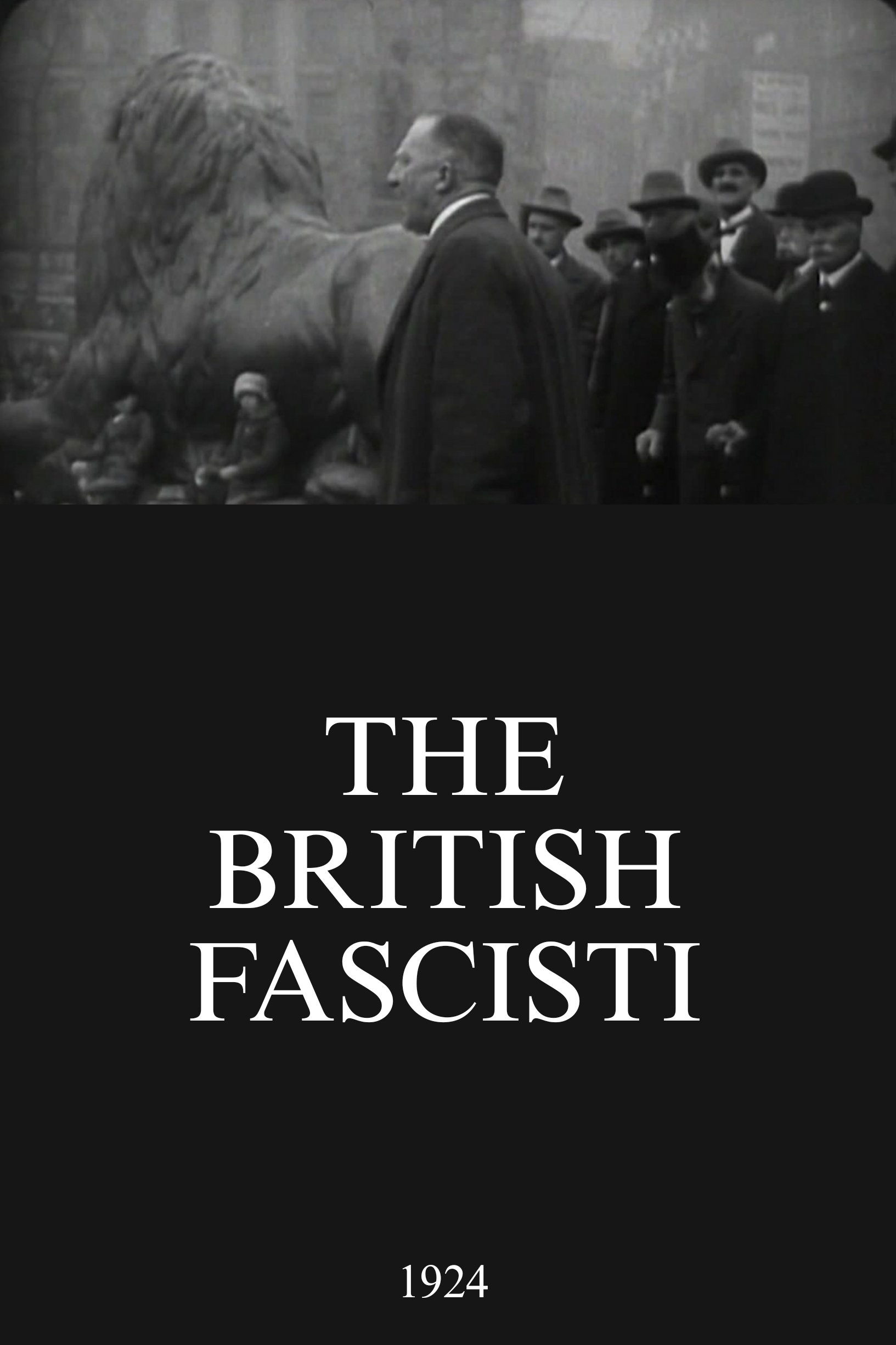
The British Fascist movement holds a 10,000-strong rally in Trafalgar Square the day before Remembrance Sunday.
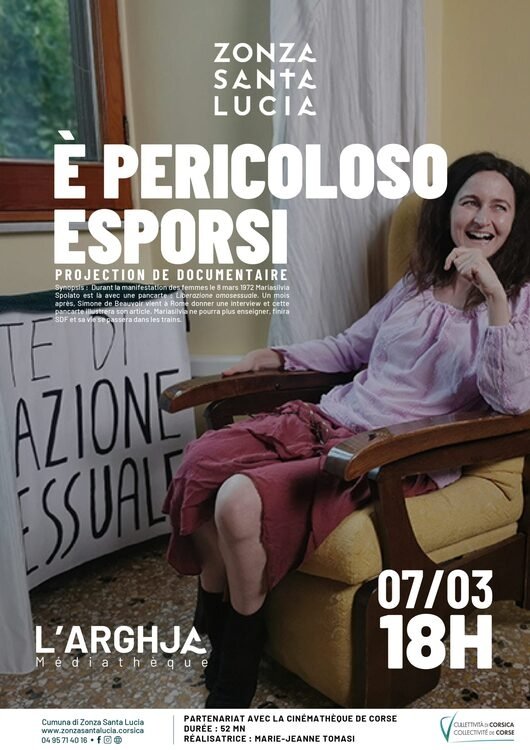
During the women's demonstration on March 8, 1972, Mariasilvia SPOLATO was there with a placard: Liberazione omosessuale. A month later, Simone de Beauvoir came to Rome to give an interview, and this placard illustrated her article. Mariasilvia could no longer teach, ended up homeless and spent her life on the trains.
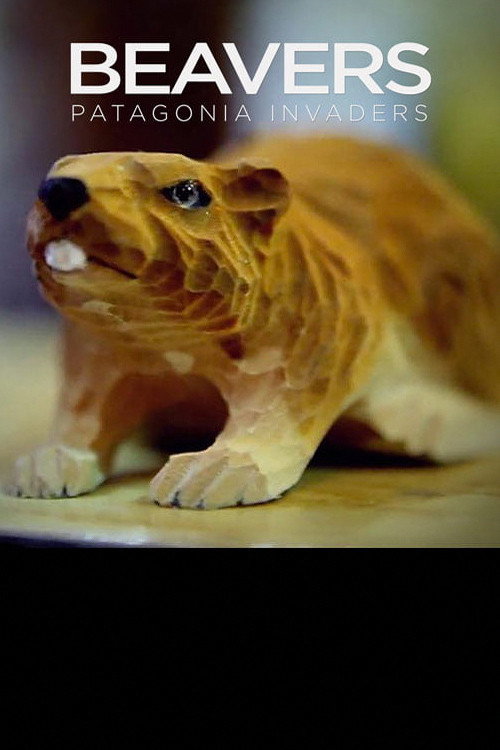
In 1940 twenty Canadian Beavers were brought to 'Tierra del Fuego' island in southern Patagonia for commercial fur production. However, beavers having no natural predators, quickly spread throughout the island, causing massive destruction of trees threatening the entire Patagonian forests rivers and species. Why wildlife conservationist are convinced that 150.000 beavers must be killed? Why some of the most recognized specialist are convinced that an eradication is not possible? Meanwhile truism is capitalizing on the situation: a man dressed as a beaver passes out flyers promoting a famous sky resort: 'Cerro Castor' - Beaver Hill. Hunters claim for subsidies, scientists are researching, rangers do what they can and restaurants tray to offer beaver meat to tourist.
Unknown short stories from the past, the present and the future of fascism and its relation to the economic interests of each era. We will travel from Mussolini’s Italy to Greece under the Nazi occupation, the civil war and the dictatorship; and from Hitler’s Germany to the modern European and Greek fascism.
Belonging Syndrome is a short documentary that follows Duang, a second-generation Italian-Thai girl. Duang, during a period of stay in a monastery. Through her inner diary, the film explores a suspended phase of life: the one in which identity it is not yet defined and belonging becomes an open question. The monastery becomes the physical and symbolic place where Duang observes herself. Immersed in a daily life marked by rituals, silences and repeated gestures, the protagonist goes through an experience of deep listening, in which time slows down and perception is refined. Belonging Syndrome talks about hybrid identities, cultural legacies that coexist without completely merging, the difficulty and possibility of inhabiting multiple worlds without having to choose just one. It is an intimate and contemplative story about the search for balance in a fragile and open phase of existence.
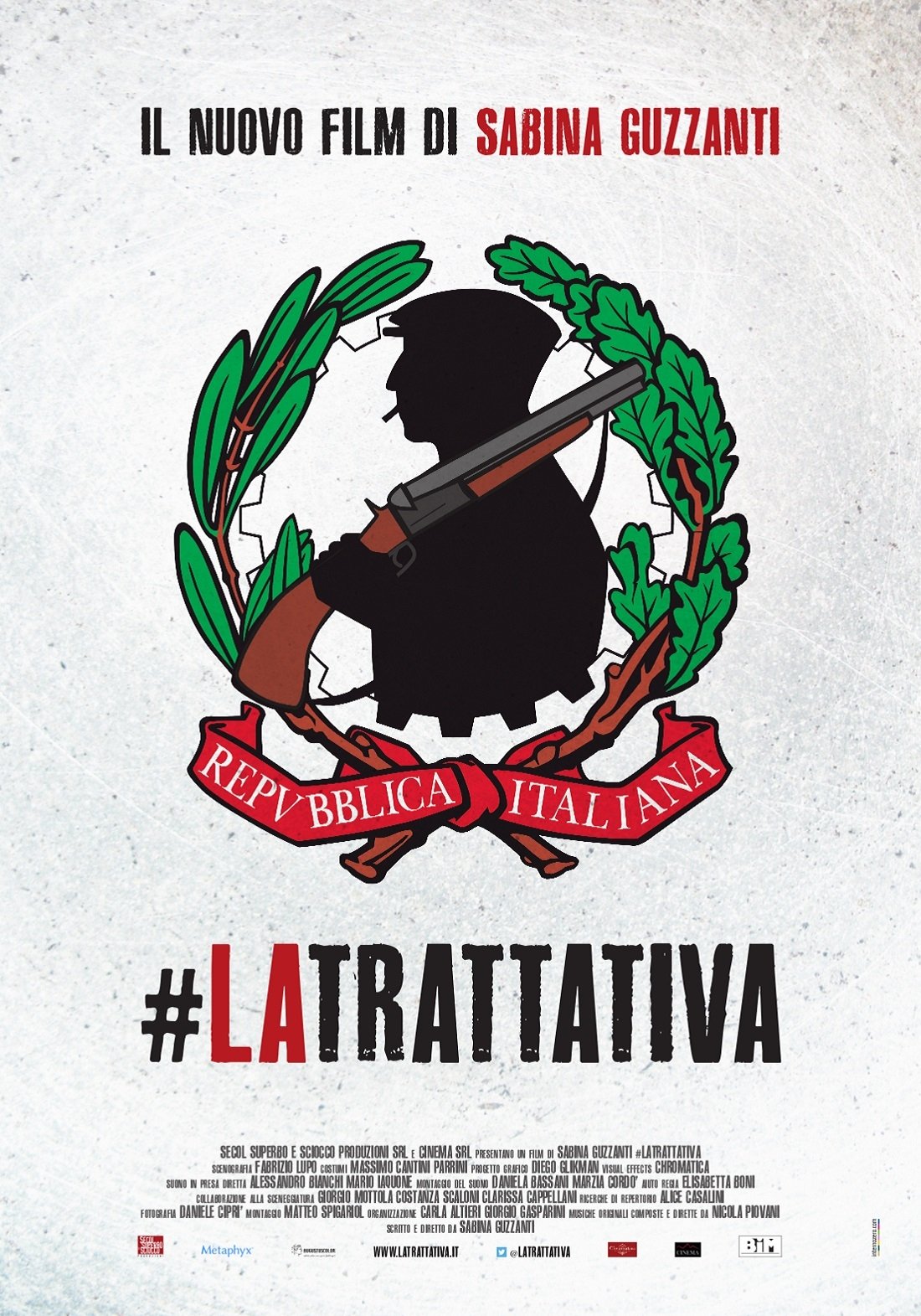
What are we talking about when we talk about negotiations? About the state's concessions to the Mafia in exchange for ending the massacres? About who assassinated Falcone and Borsellino? Of the eternal coexistence between the Mafia and politics? Between the mafia and the church? Between the Mafia and law enforcement? Or is there more? A group of actors enacts the most relevant episodes of the affair known as the Mafia-state negotiation, impersonating mobsters, secret service agents, high officials, magistrates, victims and murderers, Freemasons, honest and courageous people, and courageous people up to a point. Thus one of the most intricate events in our history becomes an exciting tale.
This richly illustrated historical documentary investigates the mechanism of nationalist feelings that radicalise. It shows how fascism was on the rise even a decade before the founding of the NSB, due to a number of anti-democratic initiatives led by a millionaire with a predilection for one-legged women, a market vendor, a cleric, and an artist. Historians, writers and collectors of fascist curios reveal how an initially marginal and fragmented movement grew into a radical populist party.
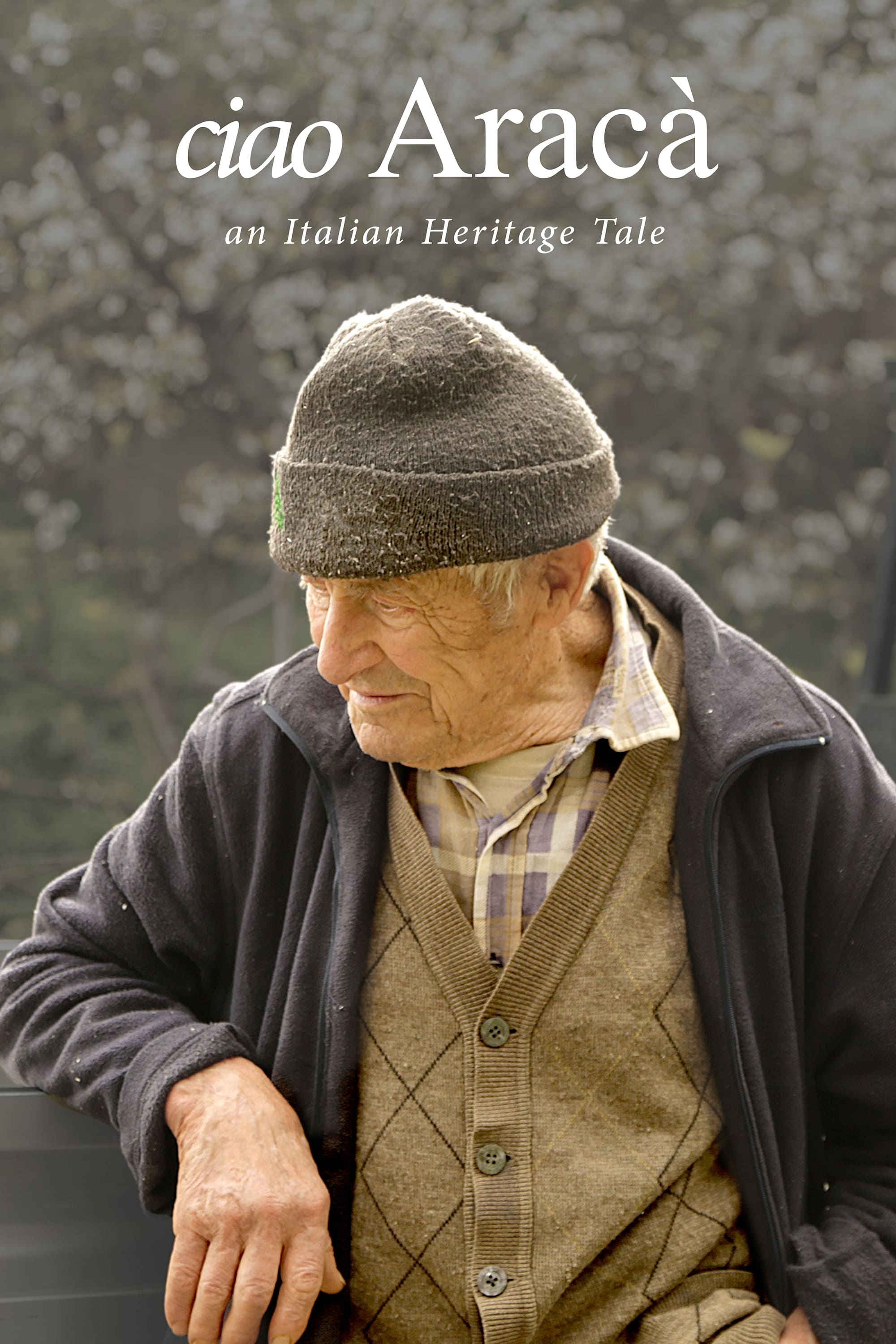
"...a charming depiction of life as I knew it with my grandparents in my own village..." Clara Caleo Green, Cinema Italia UK "The sum of the individual fates and life choices paints a picture, the validity of which extends far beyond this village." Joachim Manzin, Black Box This documentary records the thoughtful and emotional confrontation with time, change, loss and hope related by the members of a small community in the idyllic Ligurian countryside who are dealing with a rapidly changing agricultural industry, transformed by globalisation and technological advances and an increasing number of foreigners buying the empty houses in their village. Forgoing the use of music and voice over, the film lets Aracà's inhabitants tell their own stories and allows the audience to dive into the rich soundscape of the ligurian alpine countryside.
The film follows Vincent Schiavelli as he returns to Polizzi Generosa, the very town in Sicily his grandparents emigrated from in 1901.
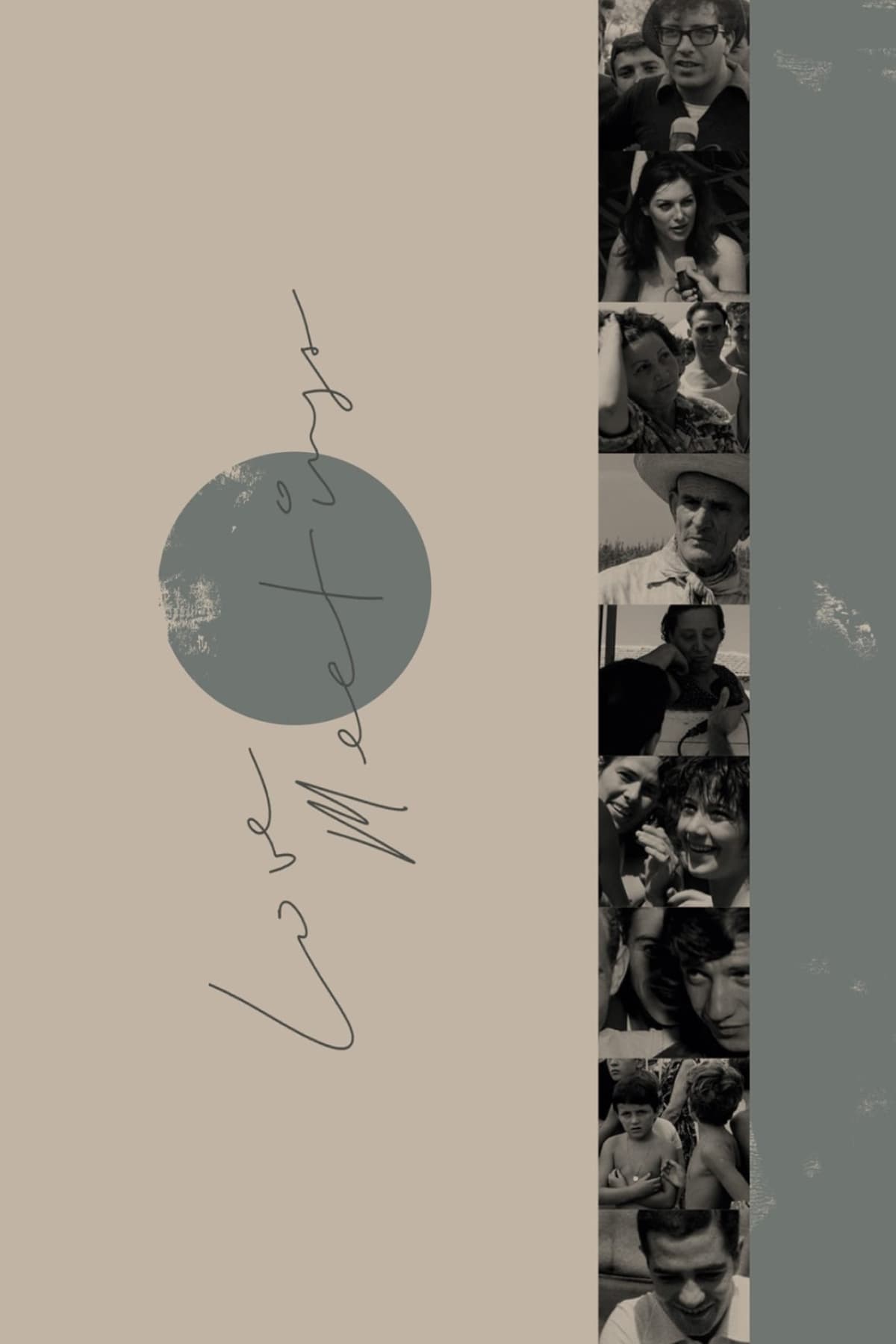
Pier Paolo Pasolini sets out to interview Italians about sex, apparently their least favorite thing to talk about in public: he asks children if they know where babies come from; asks old and young women if they support gender equality; asks both sexes if a woman's virginity still matters, what do they think of homosexuality, if divorce should be legal, or if they support the recent abolition of brothels. He interviews blue-collar workers, intellectuals, college students, rural farmers, the bourgeoisie, and every other kind of people, painting a vivid portrait of a rapidly-industrializing Italy, hanging between modernity and tradition — toward both of which Pasolini shows equal distrust.
Al Pacino's deeply-felt rumination on Shakespeare's significance and relevance to the modern world through interviews and an in-depth analysis of "Richard III."
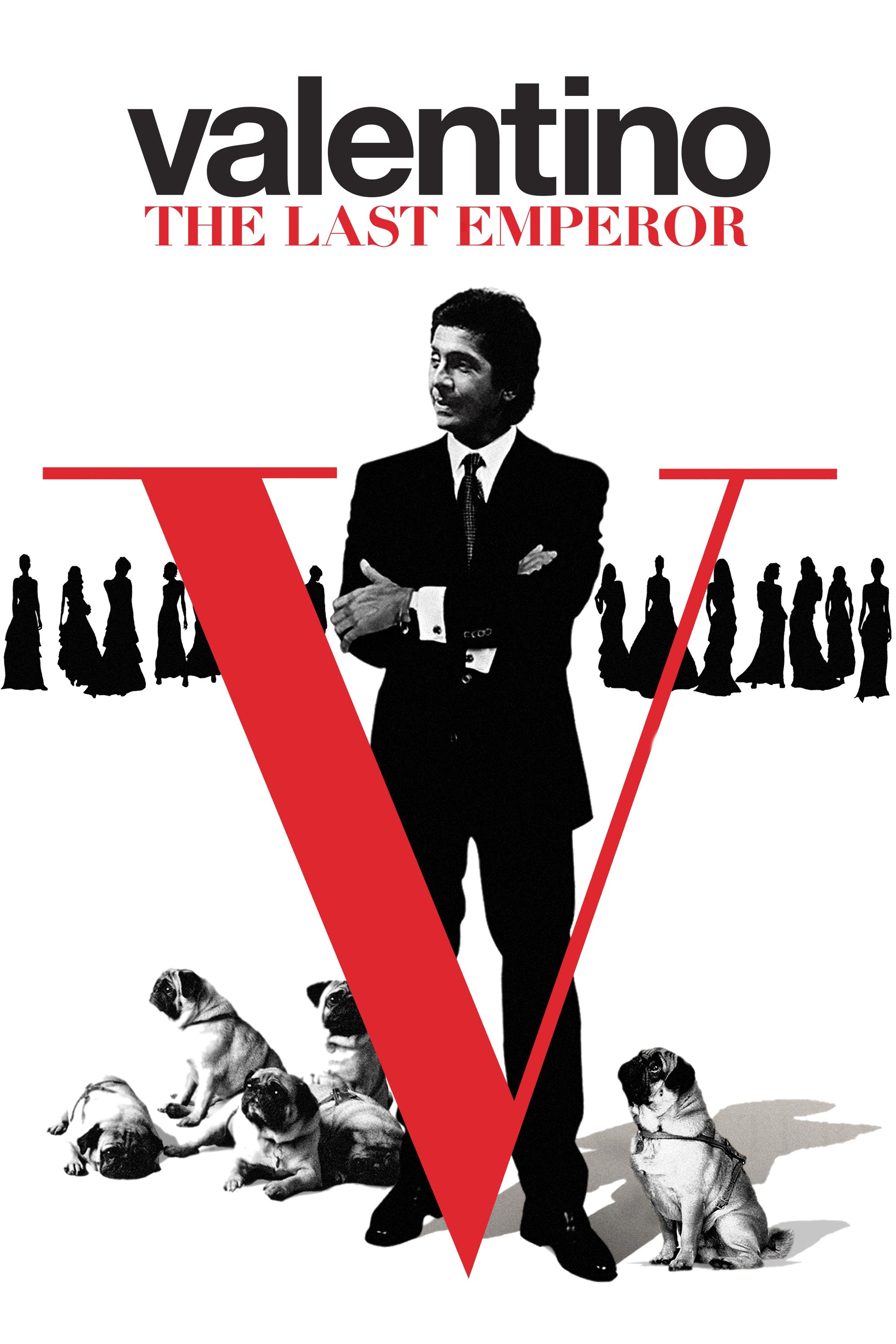
Film which travels inside the singular world of one of Italy's most famous fashion designers, Valentino Garavani, documenting the colourful and dramatic closing act of his celebrated career and capturing the end of an era in global fashion. However, at the heart of the film is a love story - the unique relationship between Valentino and his business partner and companion of 50 years, Giancarlo Giammetti. Capturing intimate moments in the lives of two of Italy's richest and most famous men, the film lifts the curtain on the final act of a nearly 50-year reign at the top of the glamorous and fiercely competitive world of fashion. (Storyville)
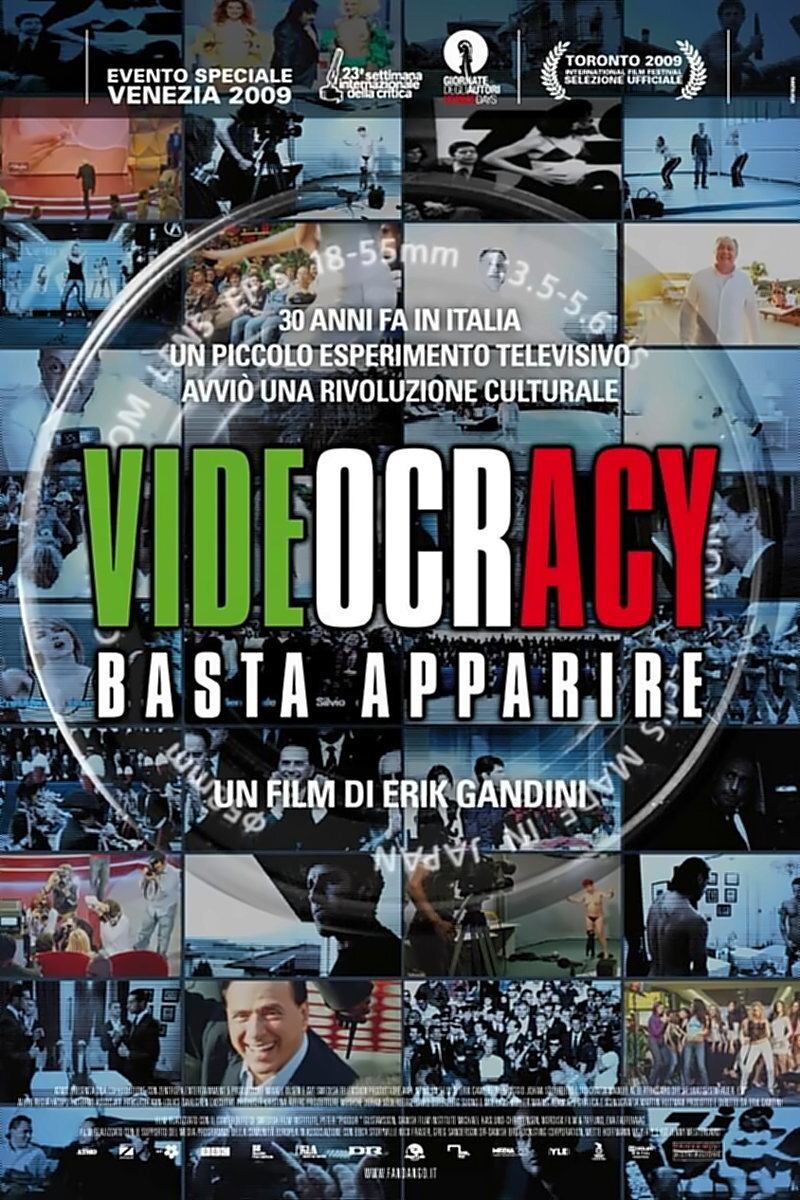
In a country where bella figura is a national pastime, Prime Minister Silvio Berlusconi is the maestro of media manipulation. Having risen to political primacy with the aid of his Mediaset empire, he now controls 90% of the bel paese’s television channels including the state-run RAI network. Quantity, it seems, does not equal quality. Fed on a diet of semi-naked dancing girls, inane competitions and rickety reality shows built around the most ridiculous of premises, is it any wonder that Italians are becoming a nation of fame-hungry wannabes?
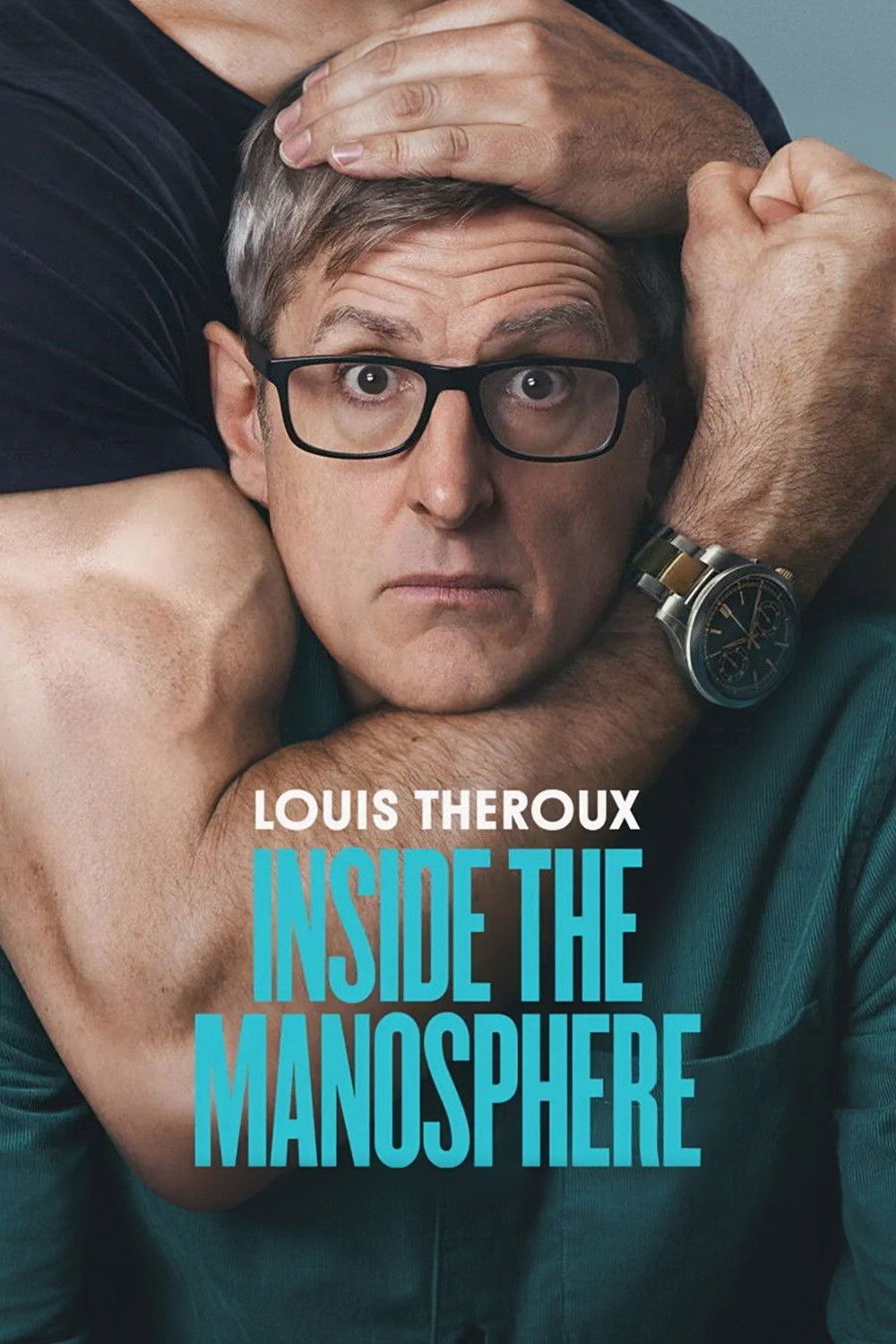
With rare access and no holds barred, the acclaimed documentarian investigates a growing ultra-masculine network and its controversial influencers.
When Allied forces liberated the Nazi concentration camps in 1944-45, their terrible discoveries were recorded by army and newsreel cameramen, revealing for the first time the full horror of what had happened. Making use of British, Soviet and American footage, the Ministry of Information’s Sidney Bernstein (later founder of Granada Television) aimed to create a documentary that would provide lasting, undeniable evidence of the Nazis’ unspeakable crimes. He commissioned a wealth of British talent, including editor Stewart McAllister, writer and future cabinet minister Richard Crossman – and, as treatment advisor, his friend Alfred Hitchcock. Yet, despite initial support from the British and US Governments, the film was shelved, and only now, 70 years on, has it been restored and completed by Imperial War Museums under its original title "German Concentration Camps Factual Survey".
A string of threatening emails escalates into a revenge plot involving a newly married US marshal and his ex-girlfriend.
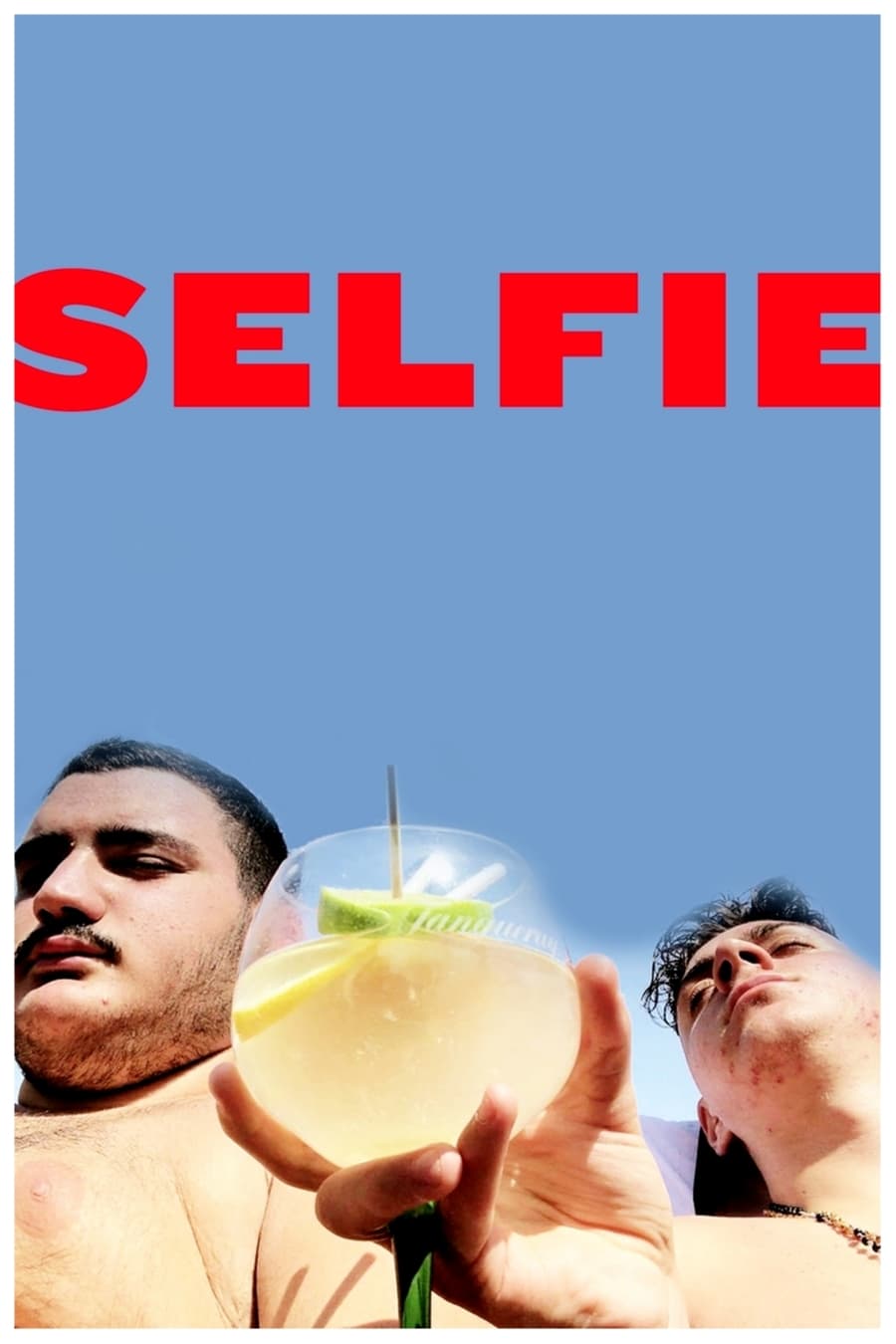
Naples, Trajan's district. Initially it was intended for the inhabitants of the shantytowns on the seafront of Naples, who were homeless after the war. But it soon became a kind of ghetto. Alessandro and Pietro are two teenagers who film with an iPhone to tell their difficult neighborhood, their daily life, the friendship that binds them.
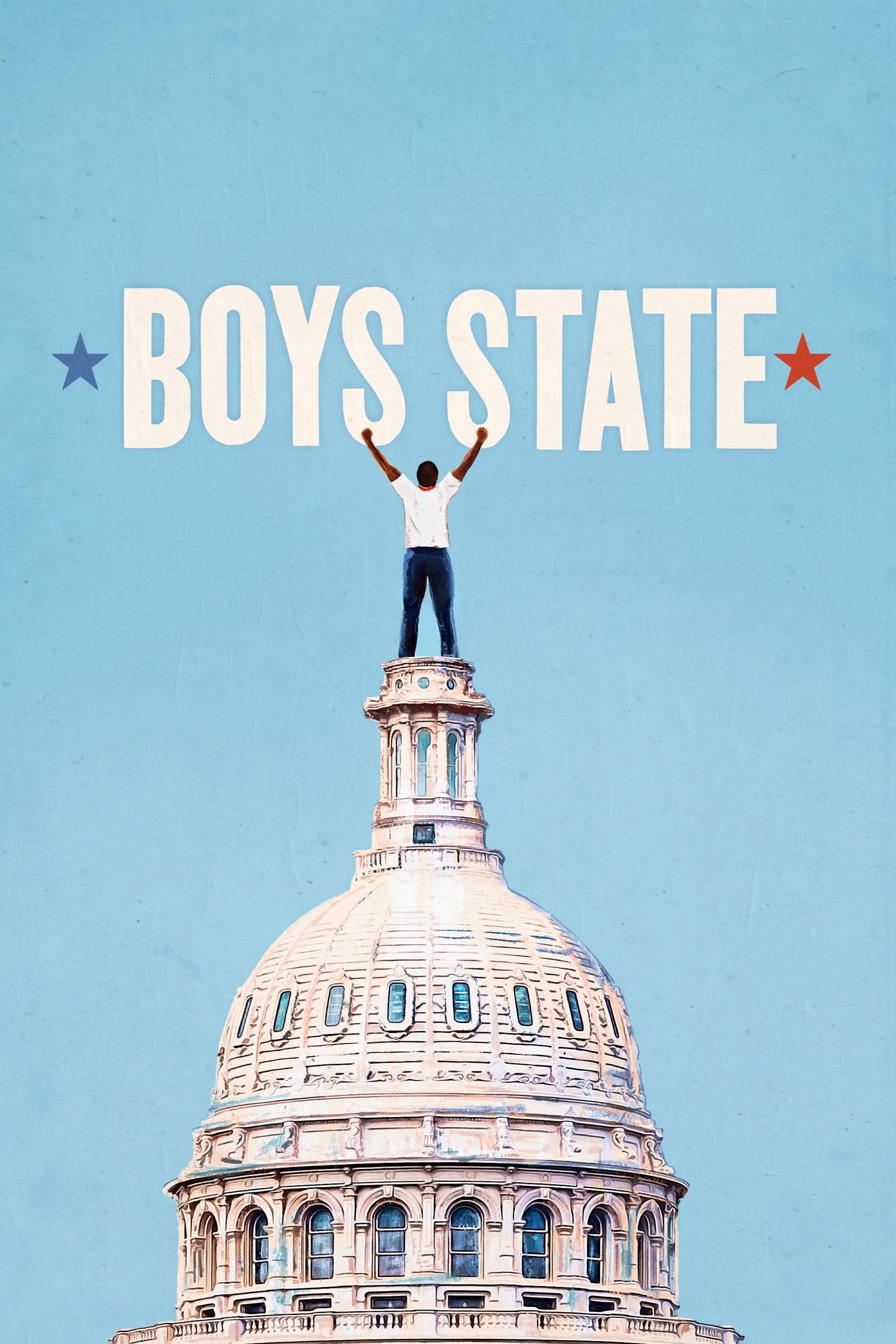
This raucous journey into the heart of democracy captures an unusual rite of passage: 1,100 teenage boys from across Texas coming together to build a representative government from the ground up.
Through deeply personal interviews with her siblings and an examination of the photographs, letters, and belongings left behind, Mariska assembles a new portrait of her mother Jayne Mansfield, an extraordinary and complex woman.
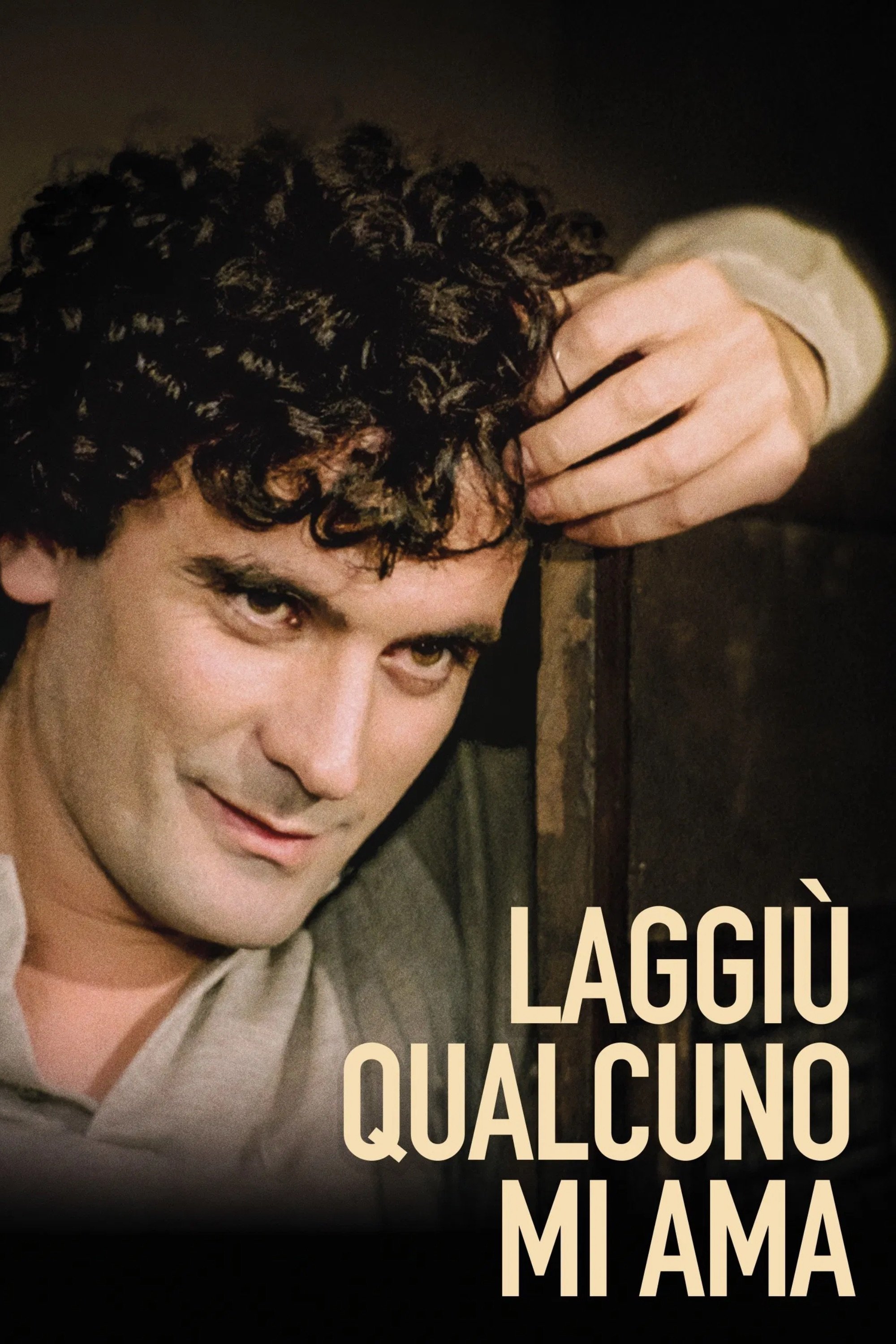
The life of a dying young man at the short age of only forty-one after playing the lead in Il postino. He was a brilliant stage actor before becoming an astonishing film director.
An inside look at one of the most anticipated movie sequels ever with James Cameron and cast.
Alexander McQueen's rags-to-riches story is a modern-day fairy tale, laced with the gothic. Mirroring the savage beauty, boldness and vivacity of his design, this documentary is an intimate revelation of McQueen's own world, both tortured and inspired, which celebrates a radical and mesmerizing genius of profound influence.
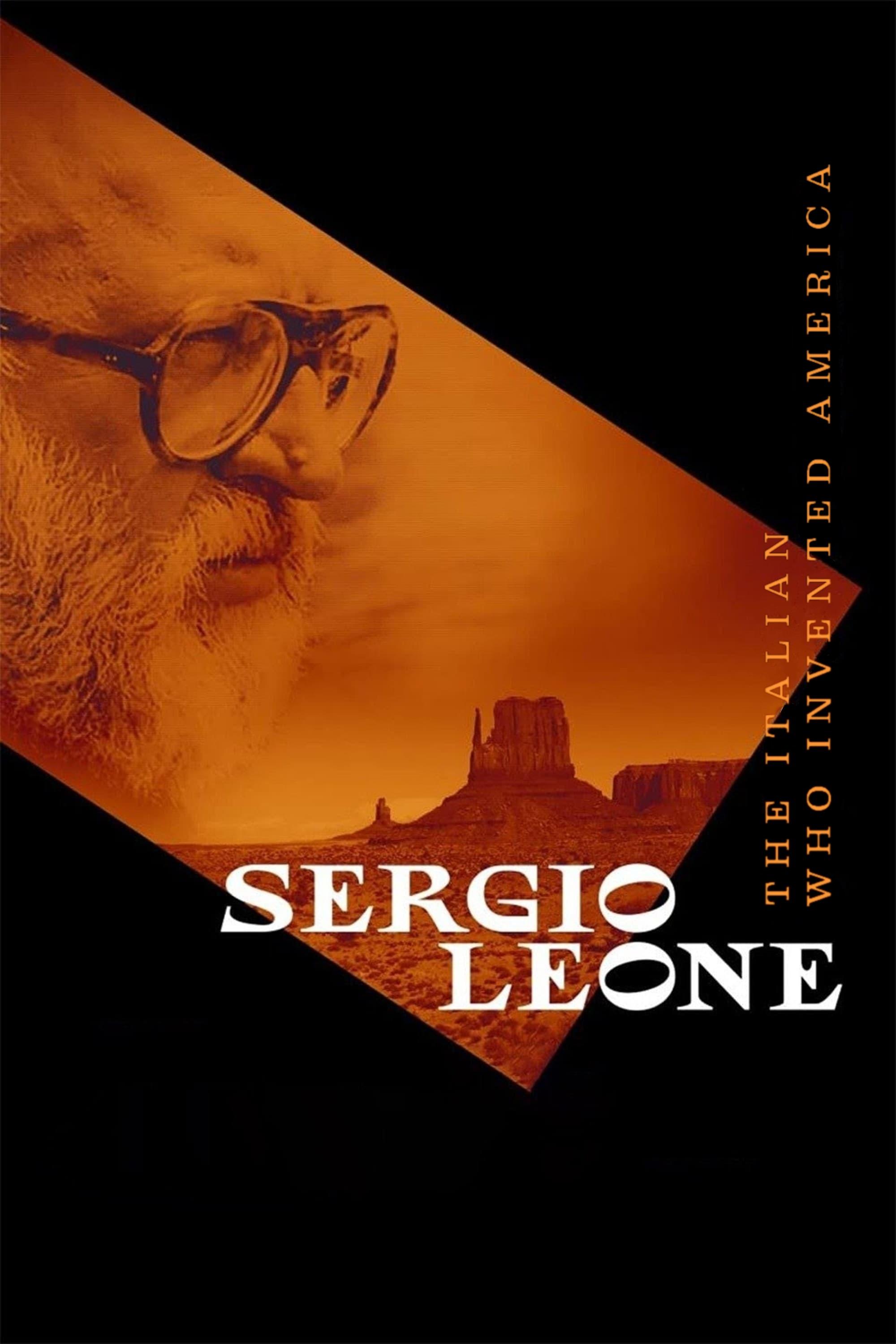
To mark the recent thirtieth anniversary of Sergio Leone’s death, this documentary sets out to pay tribute to one of the great legends of world cinema. The singular artistic vision of Sergio Leone has transcended national borders, creating the Spaghetti Western genre and transforming the international cinematic panorama forever with his innovative stylistic and narrative solutions, which have now become part of the language of the movies. The film, which is enriched with precious archive footage from the Cineteca di Bologna, including rare audio recordings and film clips shot behind the scenes, sees for the first time the direct participation of the Leone family and has interviews both with Leone’s longtime collaborators and with icons of Hollywood who have been profoundly influenced by his work.
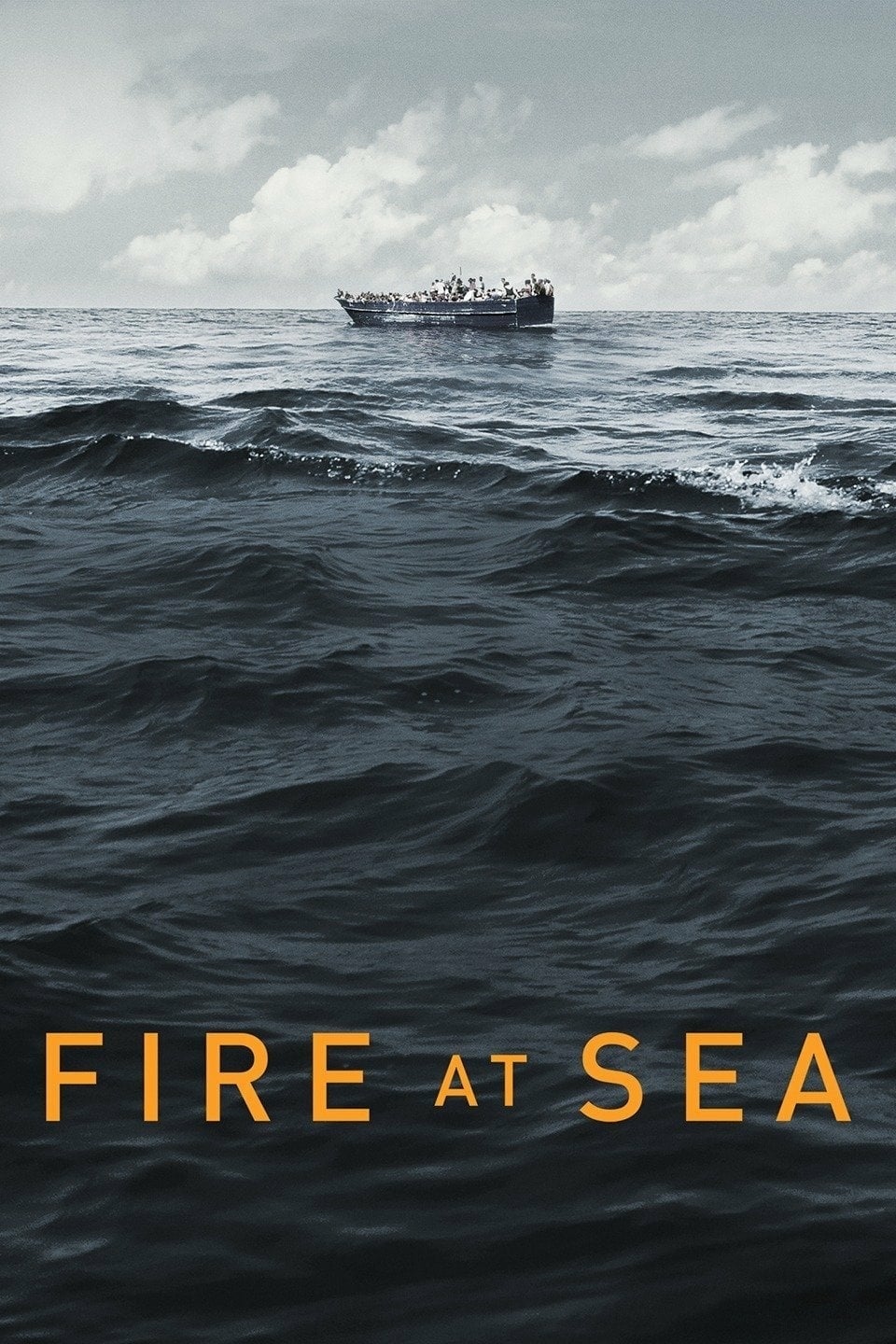
Capturing life on the Italian island of Lampedusa, a frontline in the European migrant crisis.
The life and career of one of comedy's most inimitable modern voices, Mr. Gilbert Gottfried.
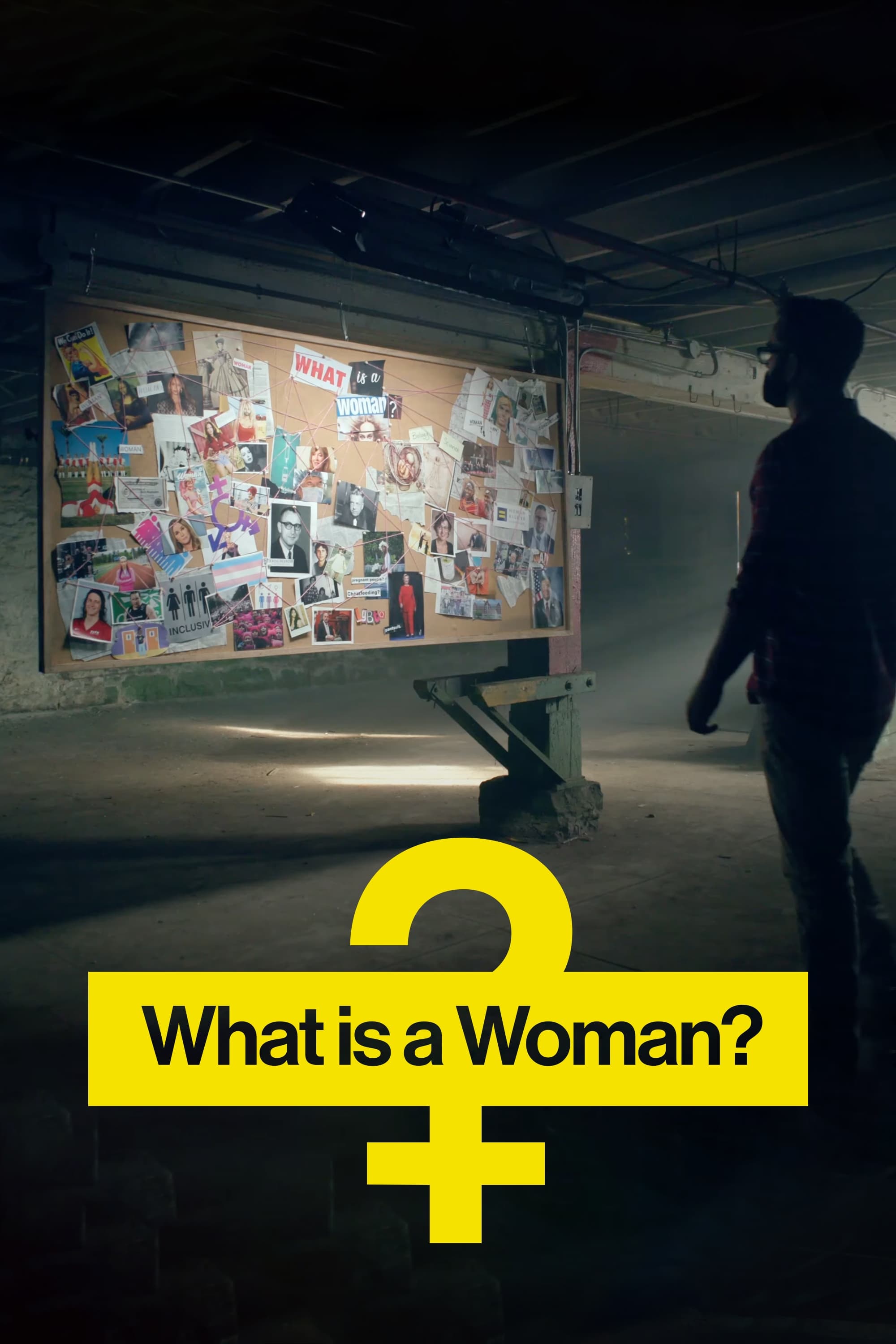
Matt Walsh's controversial doc challenges radical gender ideology through provocative interviews and humor.
A documentary about the life and films of director John Ford.
In an intimate and joyful story of love in the face of loss, celebrated poets Andrea Gibson and Megan Falley find strength—and unexpected hilarity—in what might be their final year together.
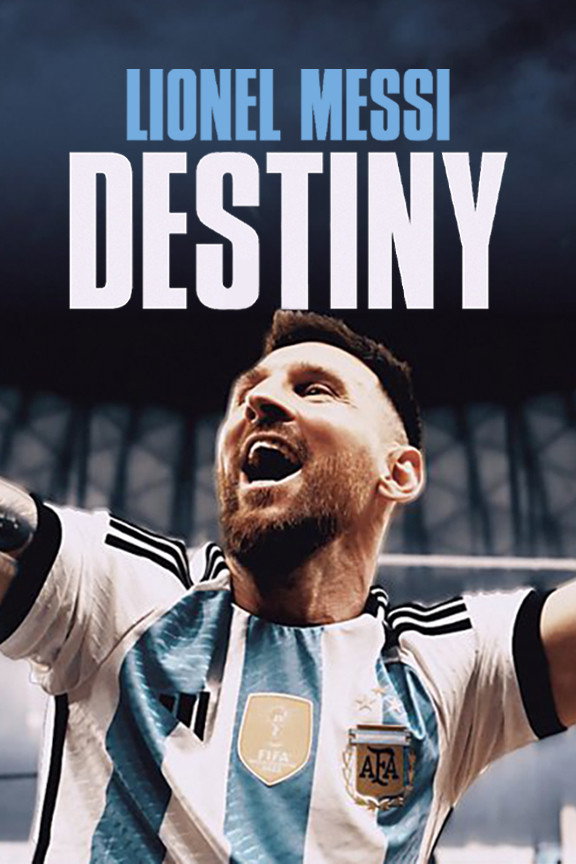
Behind-the-scenes documentary about how Lionel Messi succeeded in lifting the World Cup – the only trophy to have eluded him in an incredible career.