An experimental film about a day at the barber shop.
Social & External
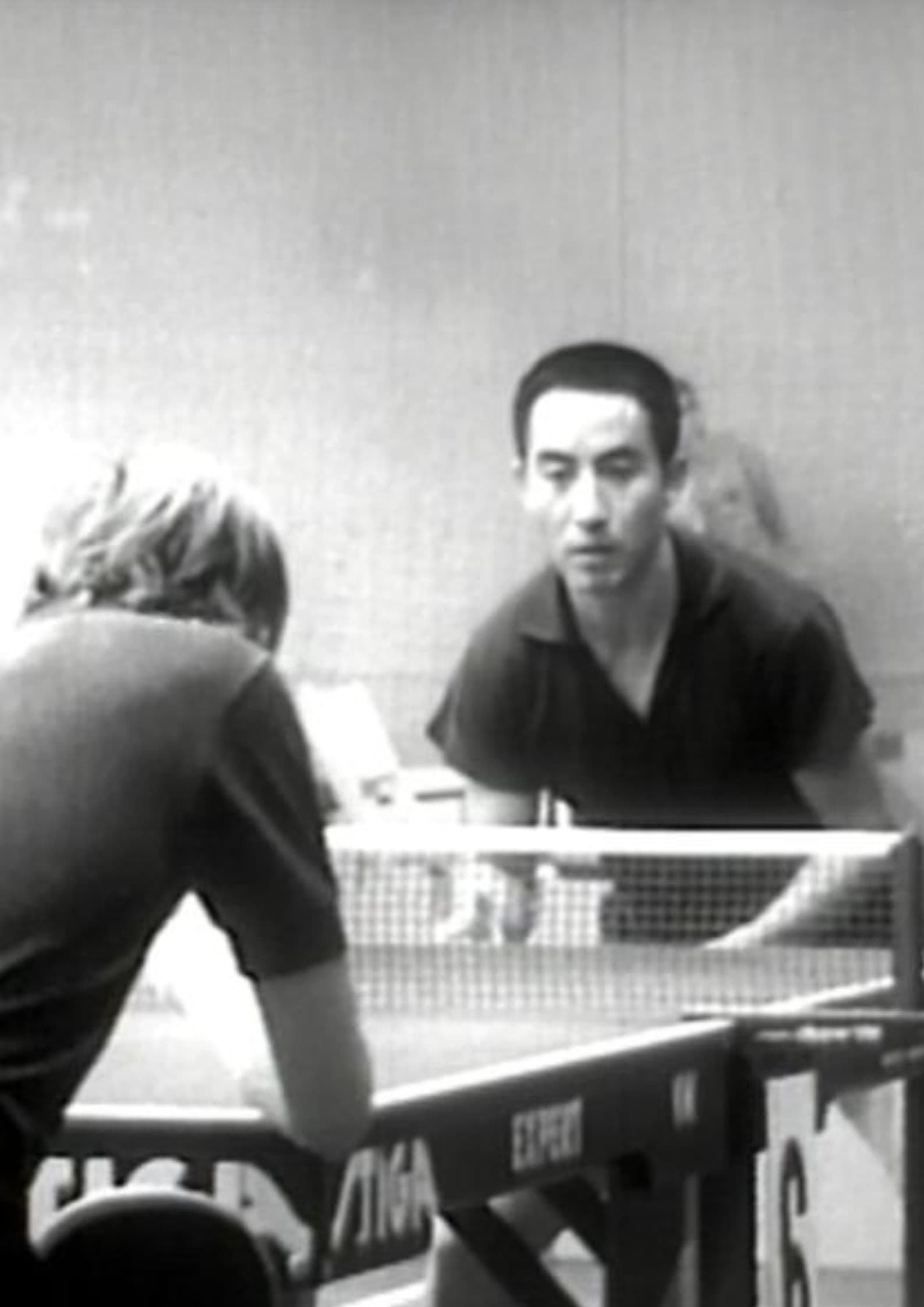
An experimental sports film made partly during the Scandinavian Open Championships in Halmstad in 1970, partly during the Chinese players' exhibition tour in Denmark immediately after the SOC. First of all, it is a film about their style, about the artistic culmination that is ping-pong at its best, it records China's comeback into the international sports world.
In making this piece, Bourque literally distorted the personal home movie images appearing on the film plane through various manipulations in the process of doing her own low-tech contact printing. The point of contact in printing is continuously shifted so that the film plane appears warped and the images fluctuate, creating a distorted space of fleeting apparitions, like resurfacing memories.
First part of the collaborative project "Brise-Glace" showing the diverse travels on the icebreaker "Frej". Directed by Jean Rouch.
Culled from four rolls of Super-8 film shot while the maker was a development worker in a small South American village, Daumë is at its center a film about ritual, power, and play. Daumë is both ethnography and critique; it is an interrogation into how to represent a place that can't be represented.
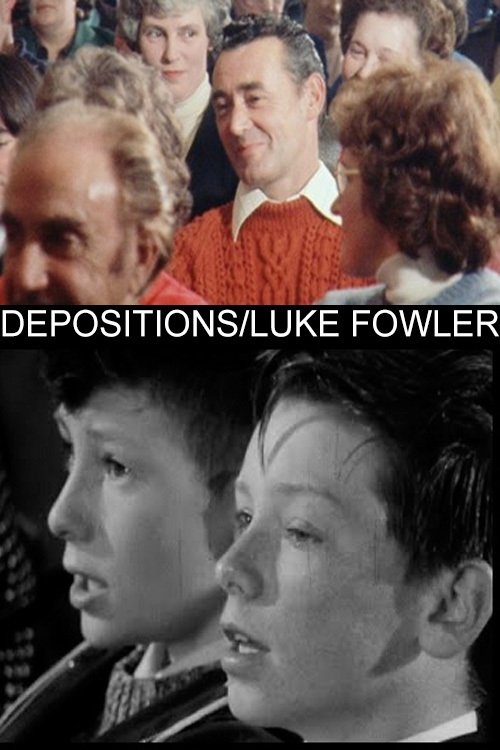
The quietly insistent and critical DEPOSITIONS attempts to restore some dignity to images of the communities of the Scottish highlands taken from patronizing BBC documentaries and news features from the 70’s and 80’s. DEPOSITIONS repurposes footage from the archives of the BBC and sound from the School of Scottish Studies, it is a film about differences and dichotomies: science and superstition, near and far, community and the individual.
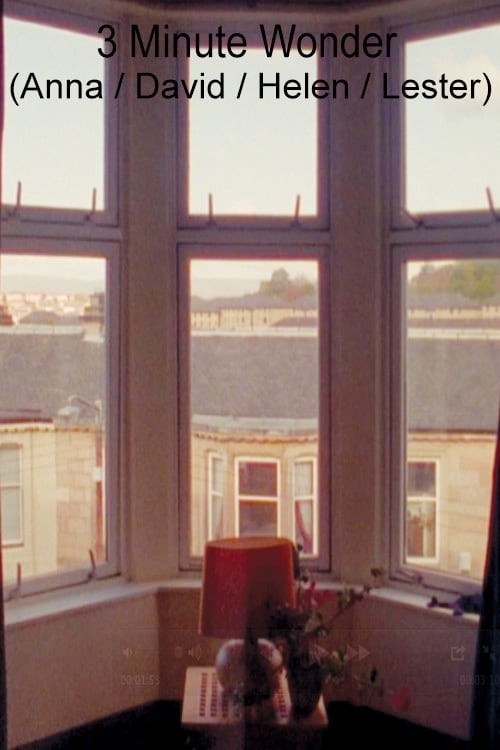
A series of portraits, made for Television, of four diverse individuals brought together through shared residence. These short films were filmed in the tenement where I lived for eight years. The first is shot in our bedroom, which doubled up as my former partner's office, the three others were shot in architecturally identitical spaces owned by my then neighbours. Shot and edited on a single 16mm bolex camera using available light throughout, the films invoke reflections on the four individuals, how they occupy these particular spaces together.
This cine-portrait of New York City uses digital effects to turn the countless riders of the subway system into living, breathing paintings.
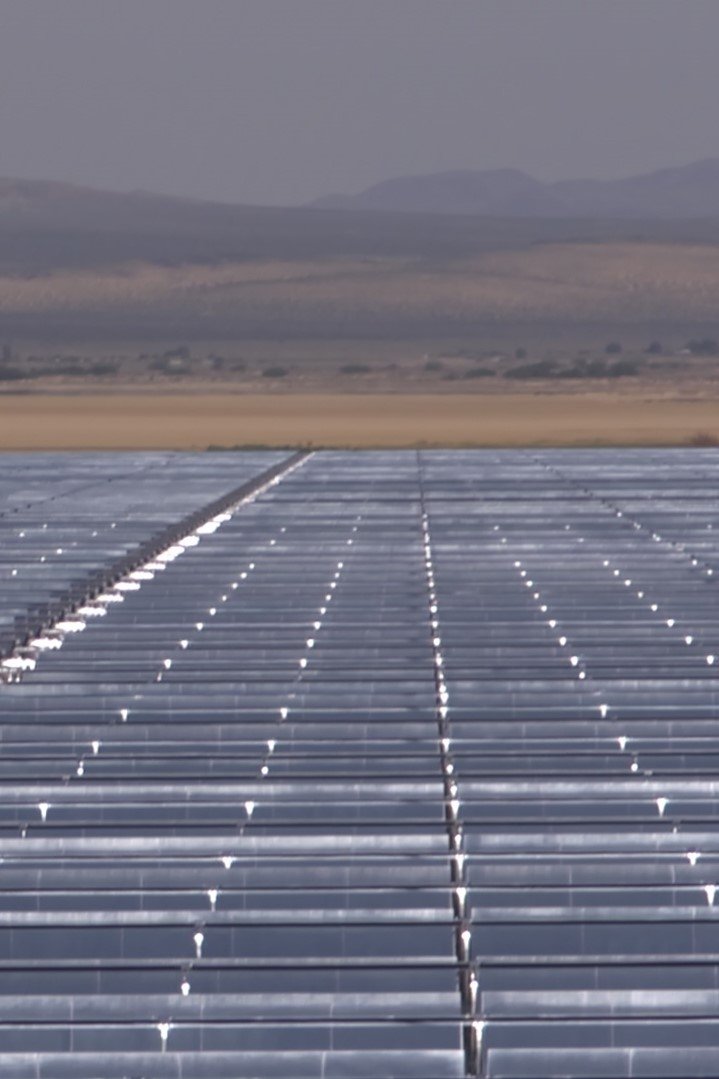
In the Mojave Desert, fields of solar panels follow the sun’s daily journey in perfect synchronicity.
One of Han Ok-hee’s renowned pieces called The Hole uses the flicker, oblique angles, the cross-cutting of reality and fantasy to express inner entrapment and the desire for liberation. Han Ok-hee’s The Hole, The Rope and Untitled not only experimented with cinematic forms of expression, but also played an important role in the protest against forms of expression in experimental films and the artistic protest against the social suppression and censorship in 1970s Korea. (Art Cinema OFFoff)
Jean-Claude Rousseau's Jeune femme à sa fenêtre lisant une lettre is not only his first medium-length film, but a chance to discover this filmmaker whom Jean-Marie Straub has called, along with Frans Van de Staak and Peter Nestler, the greatest working in Europe. With this newly restored print there is also a possibility to discover the relationship between Rousseau's art of filming and Jan Vermeer's famous painting. As Prosper Hillairet wrote in 1988, four years after Rousseau had finished Jeune femme ... (for the first time as we know today): «Without adopting the usual systematic spirit and form of cinéma structurel, Rousseau presents us with simple images and leaves it at that. Keeps the image in hand. A minimalist and ascetic expression of cinema: a shot that lasts.»
The Displaced View traces a personal search for identity and pride, within the unique and suppressed history of the Japanese in Canada. Through an examination of the emotional and cultural links between the women of one family, the processes of the construction of memory and the re-construction of history, are revealed. Utilizing an innovative combination of experimental, dramatic and documentary forms, the film emerges as a deeply moving and compassionate love letter. Just as the official history of the Japanese Canadians has been thrown into question, so does the film’s fictionalized narrative, question documentary as truth.
Rainer Kohlberger applied various algorithms to extract the noise from a vast number of action films and used this to reduce the dramaturgy of the narrative to its essence. keep that dream burning oscillates between maximum abstraction and pure blur. Within the blurriness, objects form and disappear. The surface allows the space to be conceived.
An experimental film from Jirí Lehovec, mixing the sound process with animated rhythms.
This documentary aims to register this unknown side of James Joyce: His Greek Notebooks. Trieste. Bloomsday, 2013. Dance in slow motion, accompanied by text. By deconstructing the body, we turn it into a memory: of the body, of life, of texts. The biographical references to Joyce and Mando Aravantinou, combined with the diagonal slicing of the image, cancel the realism of the landscape, including that of the Narrator’s space/study. As a culmination, Joyce’s letter “A request for a loan in Greek” functions as a timely denunciation. Various routes through cities, such as Trieste, London, New York, and Athens; languages such as Greek and English. In addition to the primal myth of Ulysses, there is another issue: Greek is “the language of the subject of Ulysses”
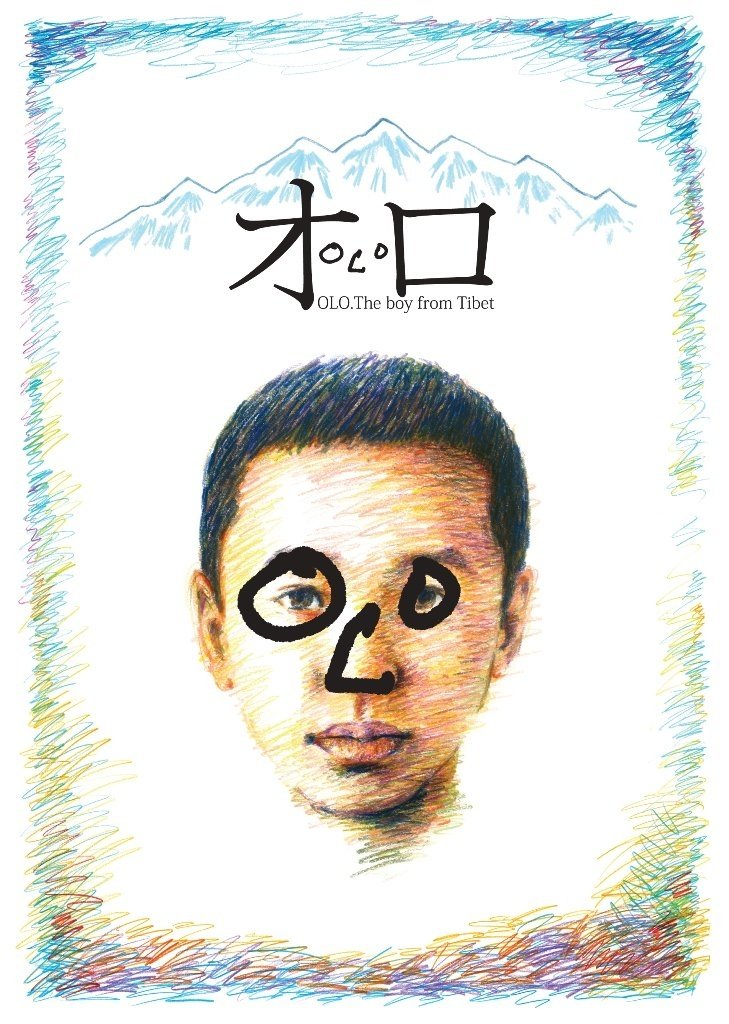
A 6-year-old Tibetan boy leaves his family and flees to a refugee camp in northern India.
Experimental short film on the excitement and rush of a day trip
One of the major works by South Korean feminist film collective Kaidu Club, this short is a dynamic, idiosyncratic, and mosaic-like portrait of Korean life, culture, and people who dream of a unified North and South.
During the Feria of Nîmes, a bullfight is filmed from the perspective of the animal, relegating the matador and public to off-screen spectators. A ritual at the frontiers of mysticism, carried by the sacrificial figure of the bull, revealer of our humanity.
Filmmakers use archival footage and animation to explore the culture surrounding nuclear weapons, the fascination they inspire and the perverse appeal they still exert.
Daniel Craig candidly reflects on his 15 year adventure as James Bond. Including never-before-seen archival footage from Casino Royale to the upcoming 25th film No Time To Die, Craig shares his personal memories in conversation with 007 producers, Michael G Wilson and Barbara Broccoli.
JB Smoove and Martin Starr host a celebration of 20 years of "Spider-Man" movies, from the Sam Raimi trilogy to Marc Webb's movies and the trio from Jon Watts.
The life and career of an actor, artist, and icon. His own journey through his own camera.
The life of Mr. Spock, as well as that of Leonard Nimoy, the actor who played him for almost fifty years, written and directed by his son: Adam.
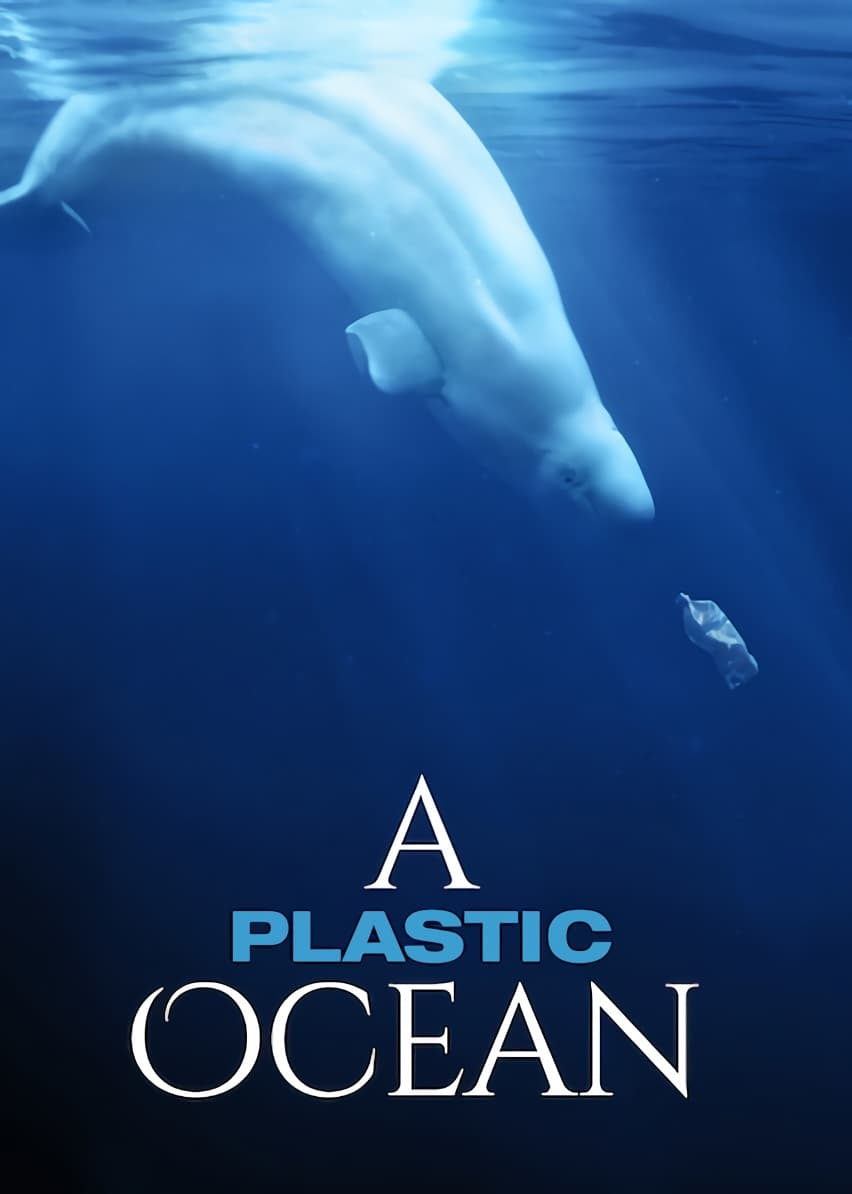
A documentary focused on plastic pollution in the world's oceans.
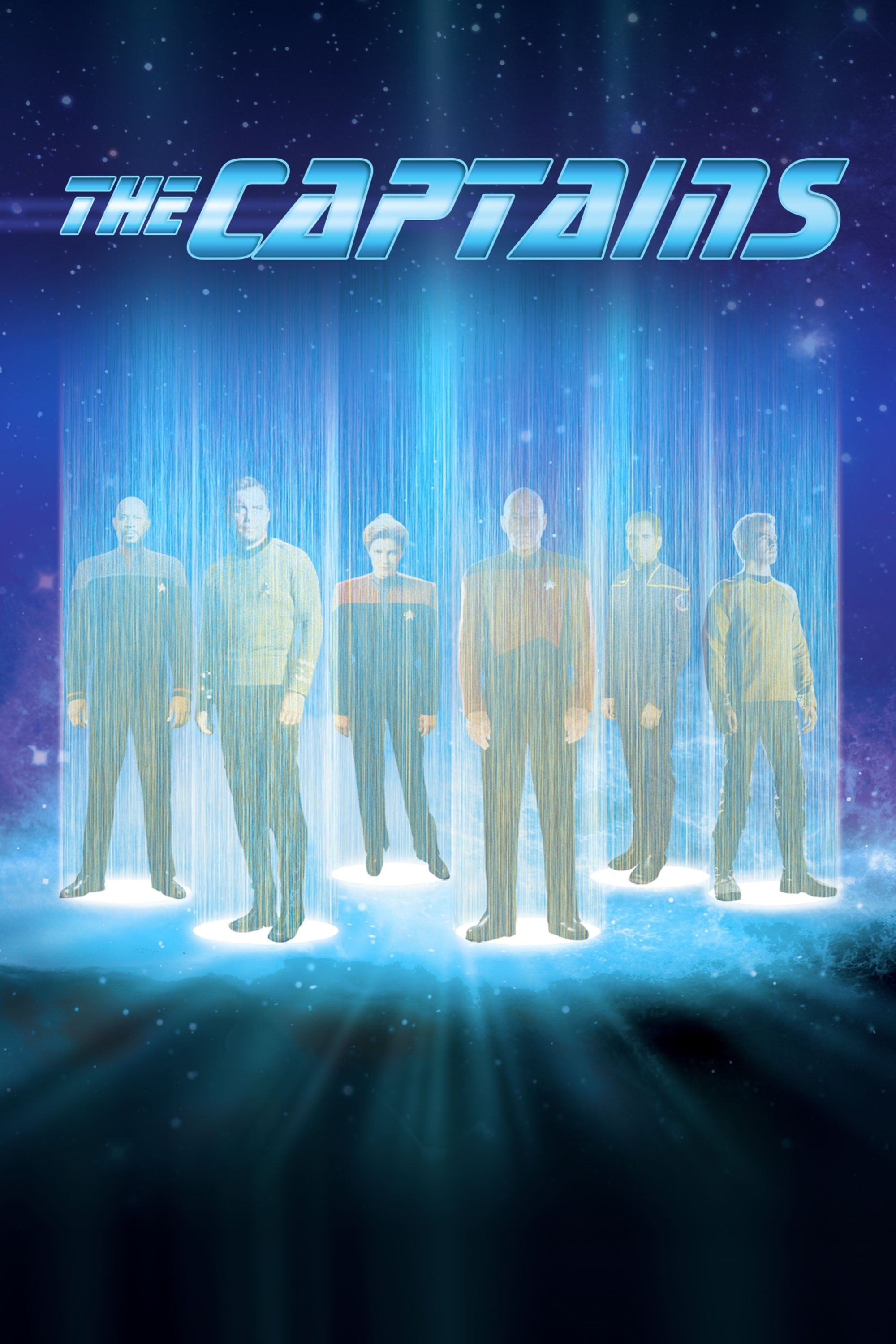
The Captains is a feature-length documentary film written and directed by William Shatner. The film follows Shatner as he interviews the other actors who have portrayed starship captains in the Star Trek franchise.
Through deeply personal interviews with her siblings and an examination of the photographs, letters, and belongings left behind, Mariska assembles a new portrait of her mother Jayne Mansfield, an extraordinary and complex woman.
Al Pacino's deeply-felt rumination on Shakespeare's significance and relevance to the modern world through interviews and an in-depth analysis of "Richard III."
An atmospheric essay, which is an alternative version of Count Dracula, a film directed by Jess Franco in 1970; a ghostly narration between fiction and reality.
A documentary that explores the downloading revolution; the kids that created it, the bands and the businesses that were affected by it, and its impact on the world at large.
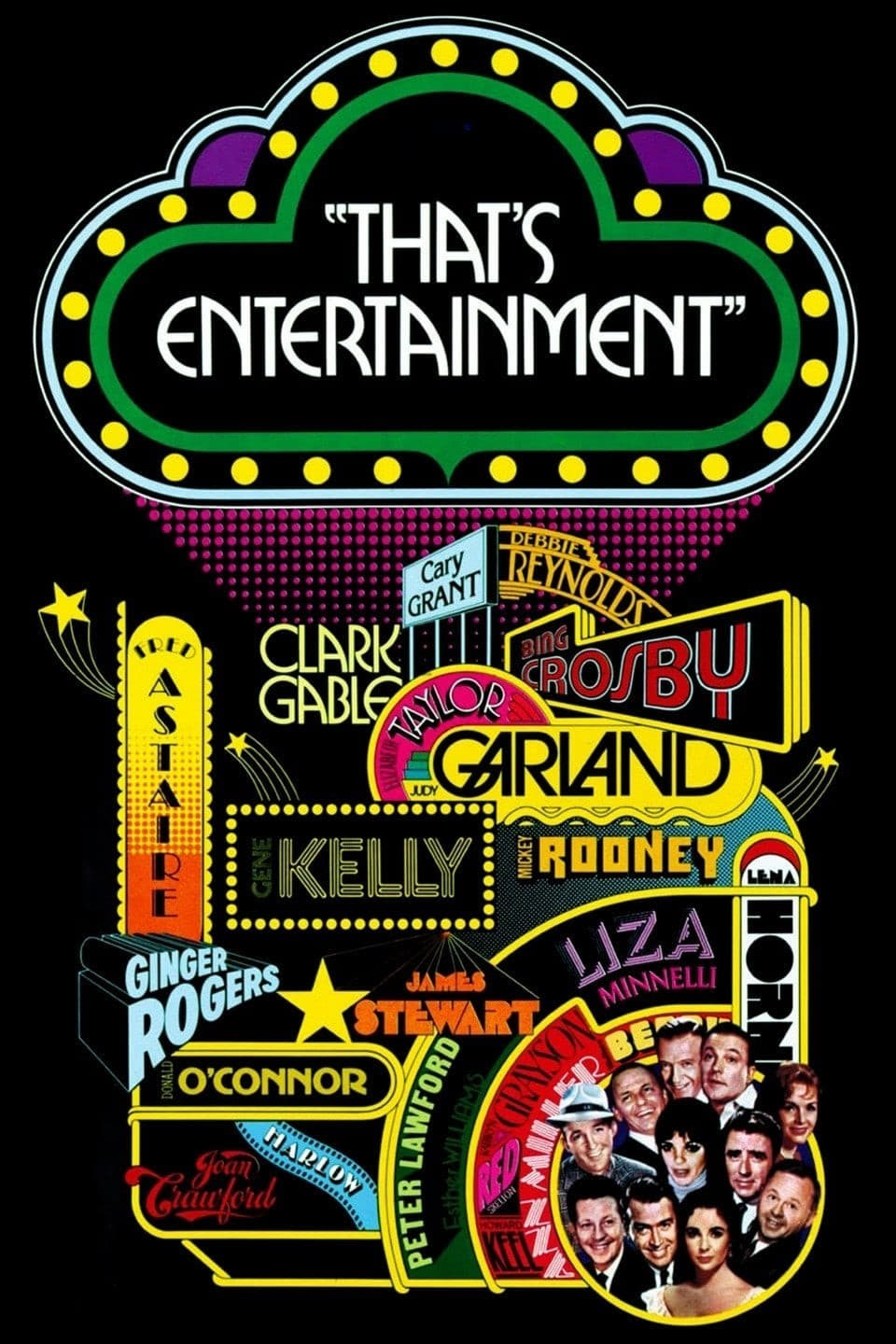
Various MGM stars from yesterday present their favorite musical moments from the studio's 50 year history.
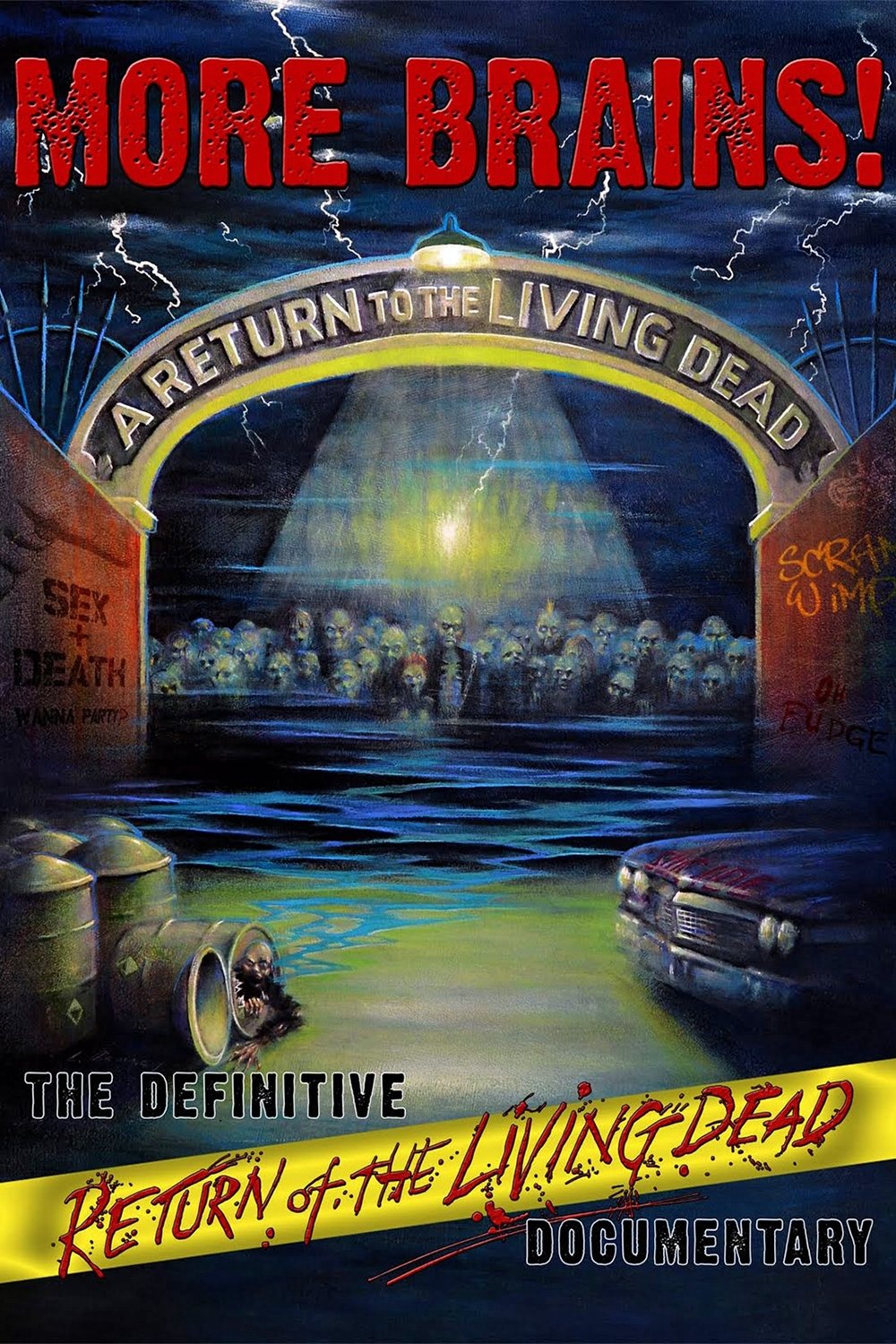
Retrospective documentary about the making of the horror cult classic "The Return of the Living Dead."
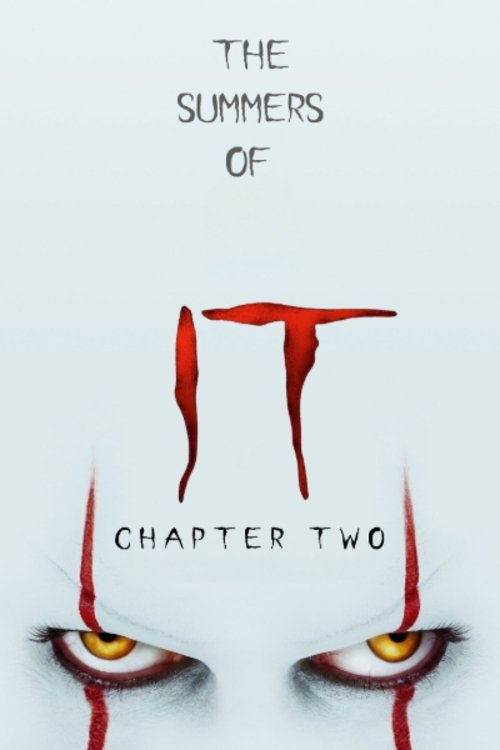
This documentary focuses on the actors and their journey over two summers to create the remake to the original IT, by Stephen King. The documentary originally released as bonus material, bundled with IT: Chapter Two.
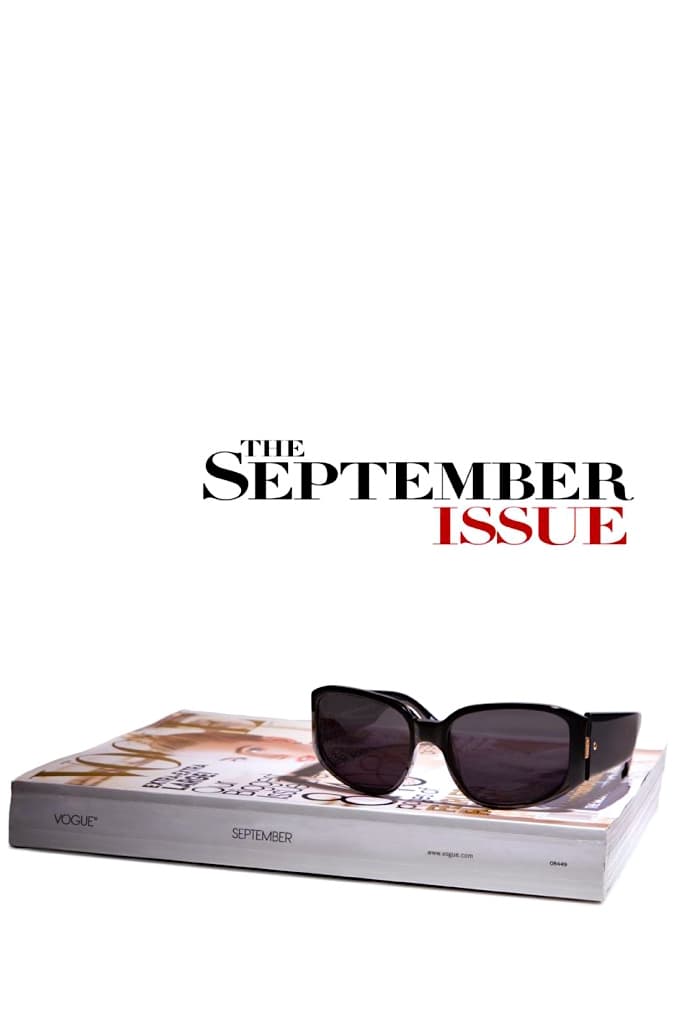
A documentary chronicling Vogue editor-in-chief Anna Wintour's preparations for the 2007 fall-fashion issue.
A look at the origins, history and conspiracies behind the "Majestic 12", a clandestine group of military and corporate figureheads charged with reverse-engineering extraterrestrial technology.
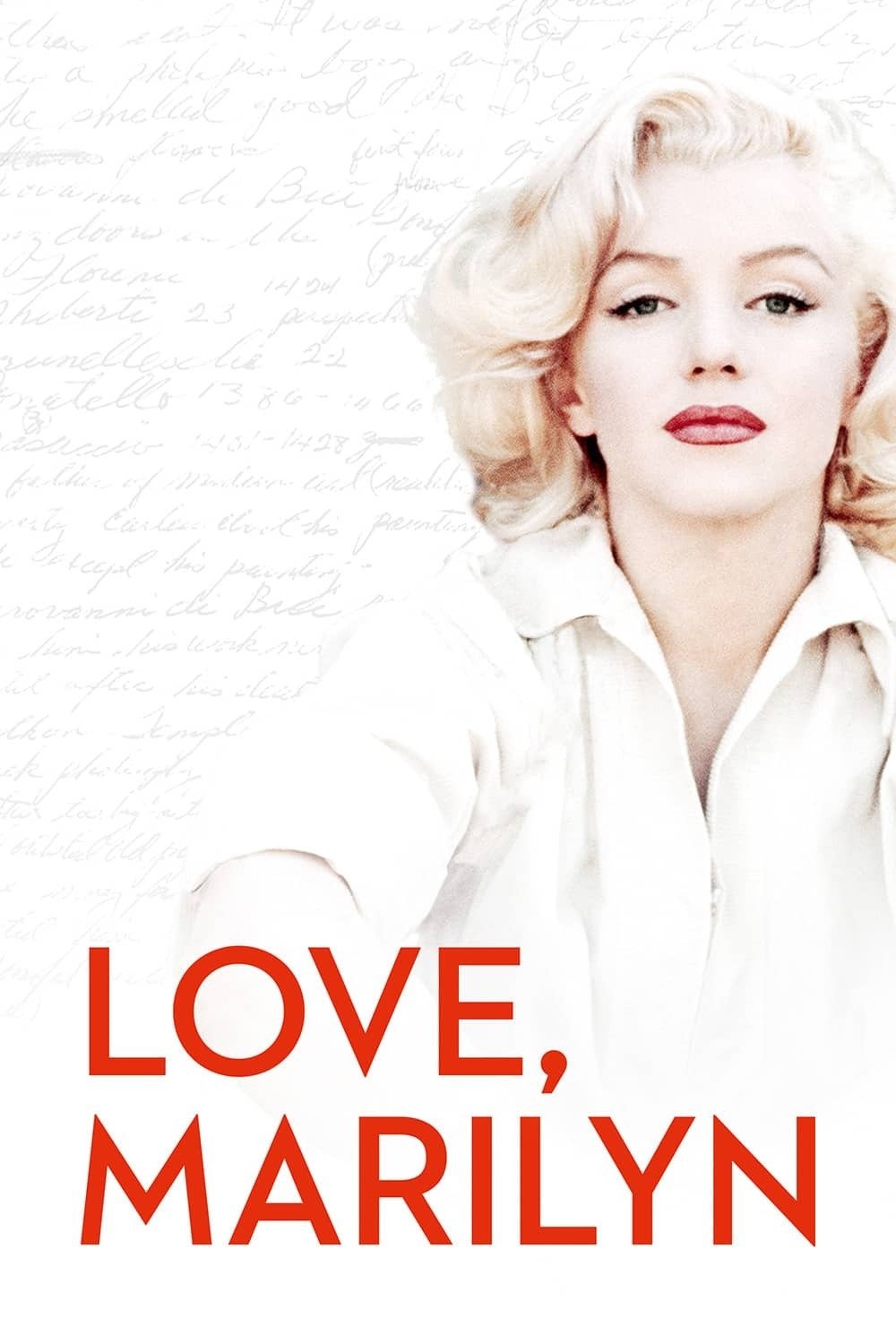
Using the book 'Fragments', which collects Marilyn Monroe's poems, notes and letters, and with participation from the Arthur Miller and Truman Capote estates who have contributed more material, each of the actresses will embody the legend at various stages in her life.
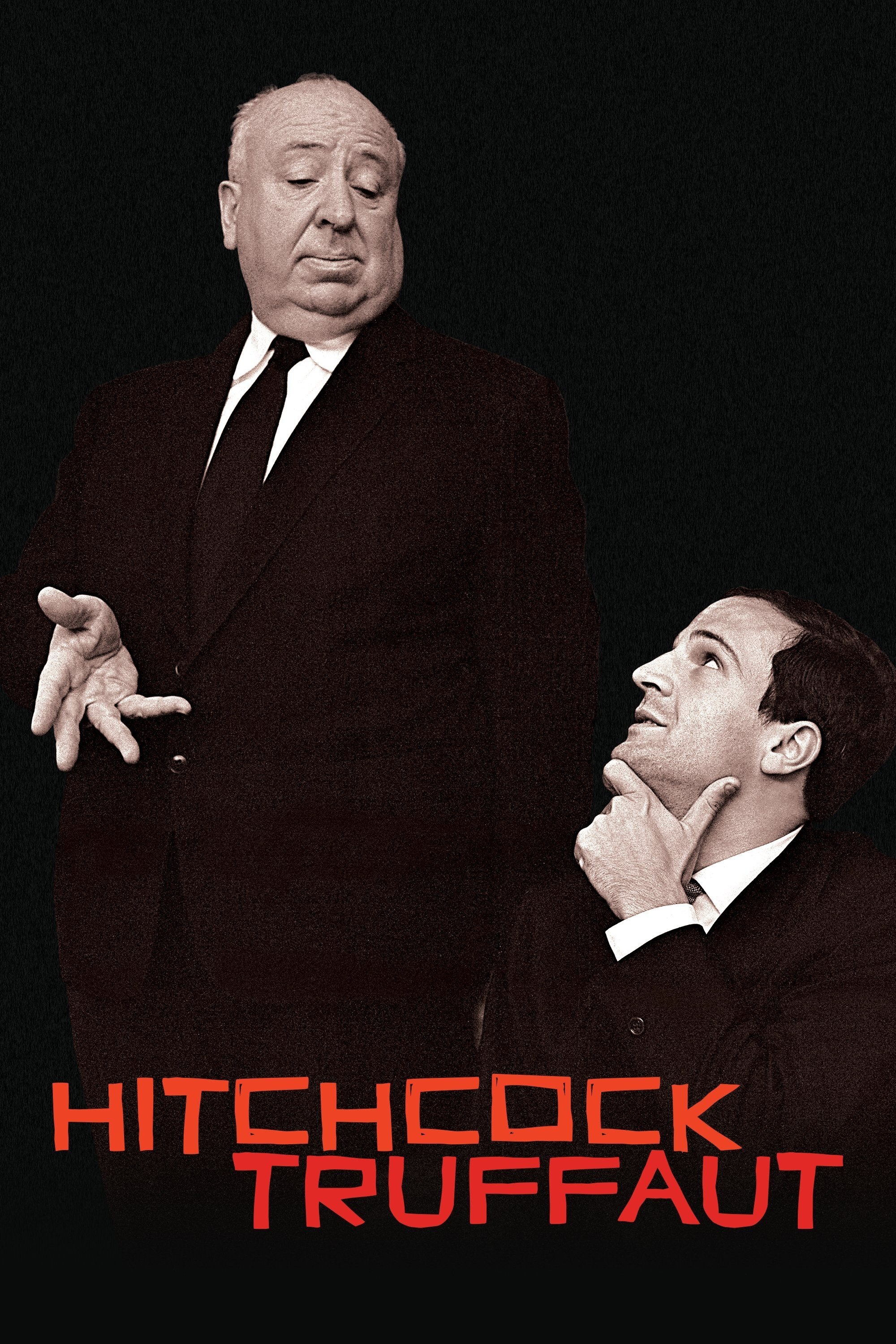
Filmmakers discuss the legacy of Alfred Hitchcock and the book “Hitchcock/Truffaut” (“Le cinéma selon Hitchcock”), written by François Truffaut and published in 1966.
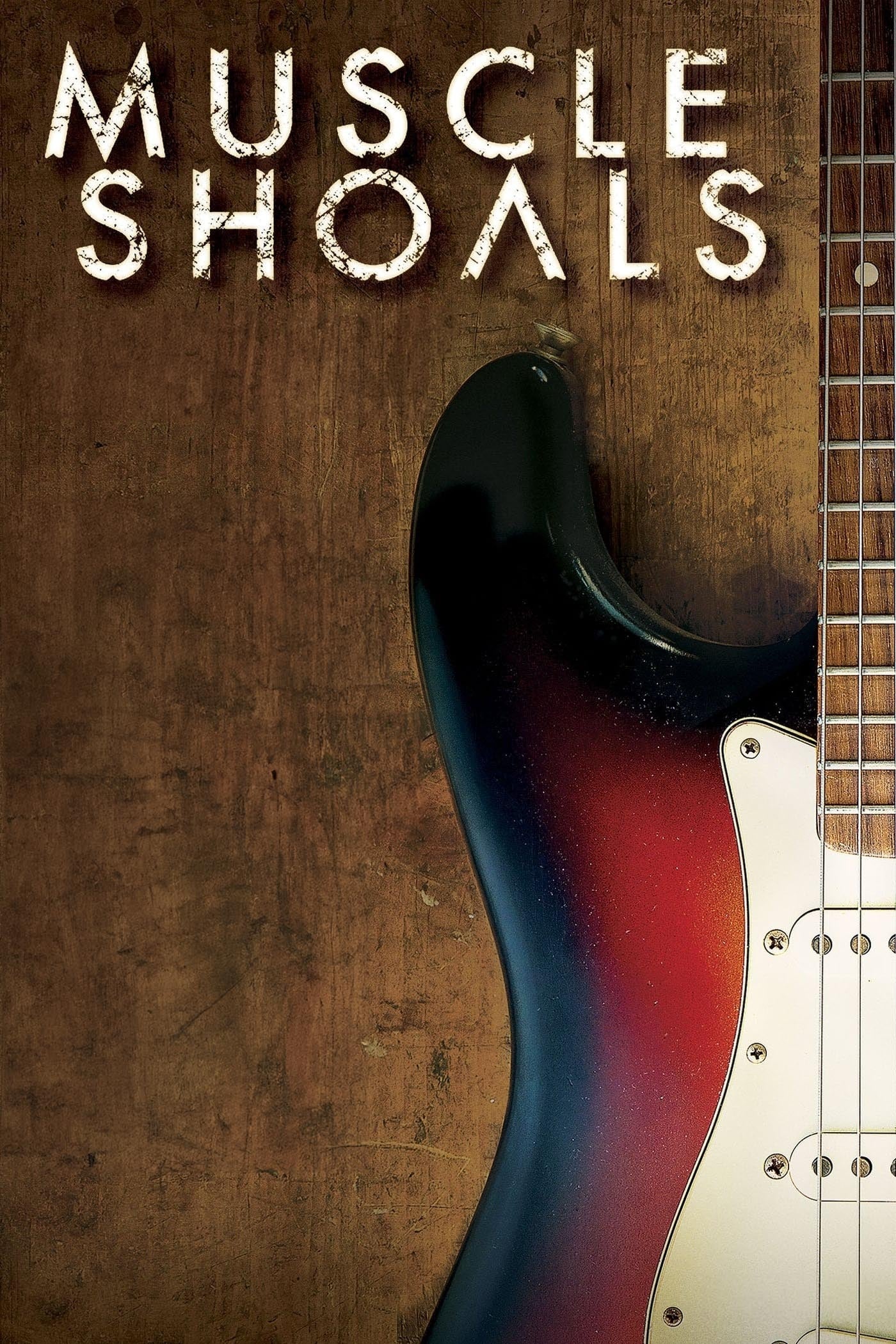
In a tiny Alabama town with the curious name of Muscle Shoals, something miraculous sprang from the mud of the Tennessee River. A group of unassuming, yet incredibly talented, locals came together and spawned some of the greatest music of all time: “Mustang Sally,” “I Never Loved a Man,” “Wild Horses,” and many more. During the most incendiary periods of racial hostility, white folks and black folks came together to create music that would last for generations and gave birth to the incomparable “Muscle Shoals sound.”
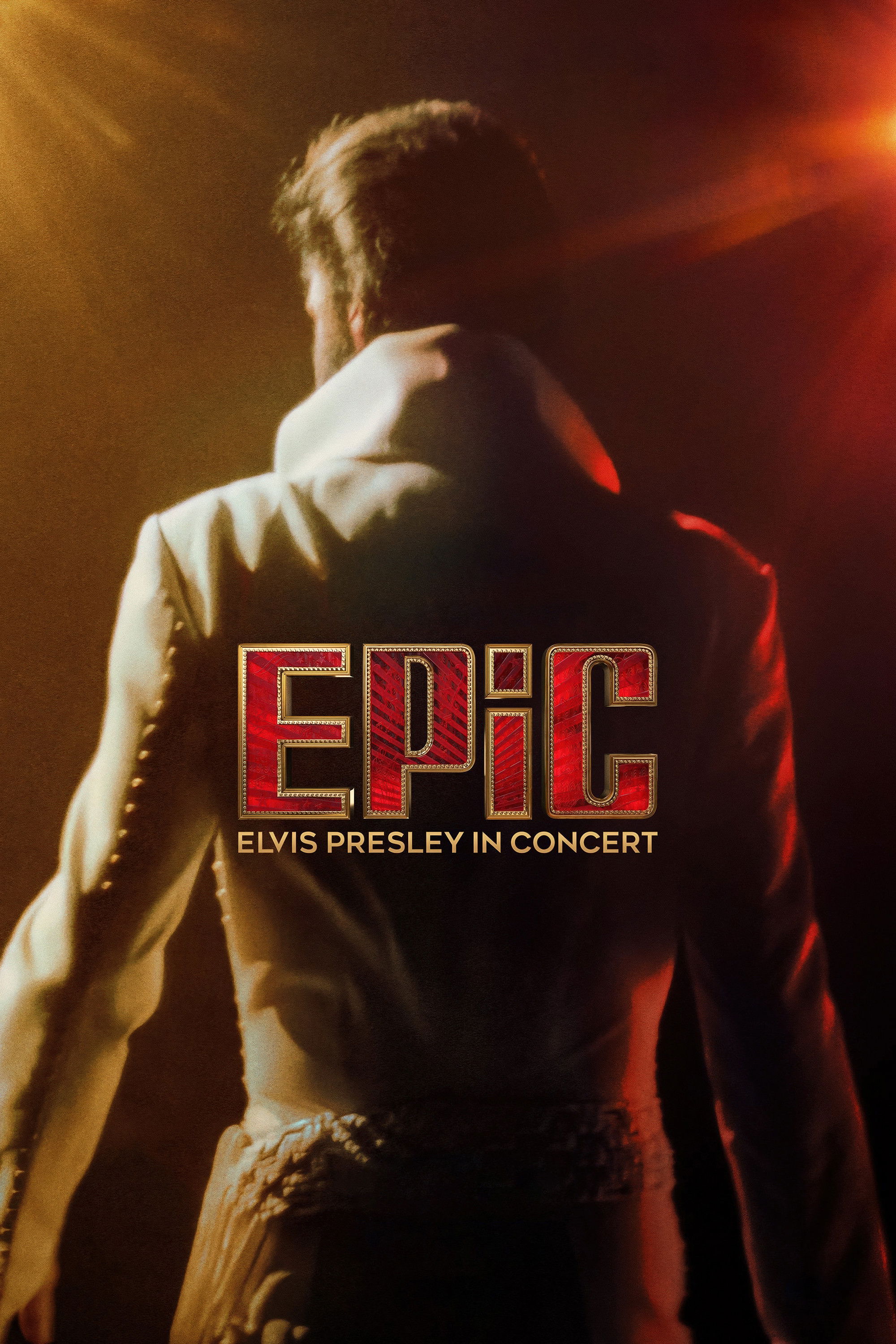
Long-lost footage from Elvis Presley's legendary Las Vegas residency in the 1970s woven together with rare 16mm footage from Elvis on Tour, and 8mm from the Graceland archive, plus recordings of Elvis telling "his side of the story" rediscovered during Baz Luhrmann's research for his 2022 film, Elvis.
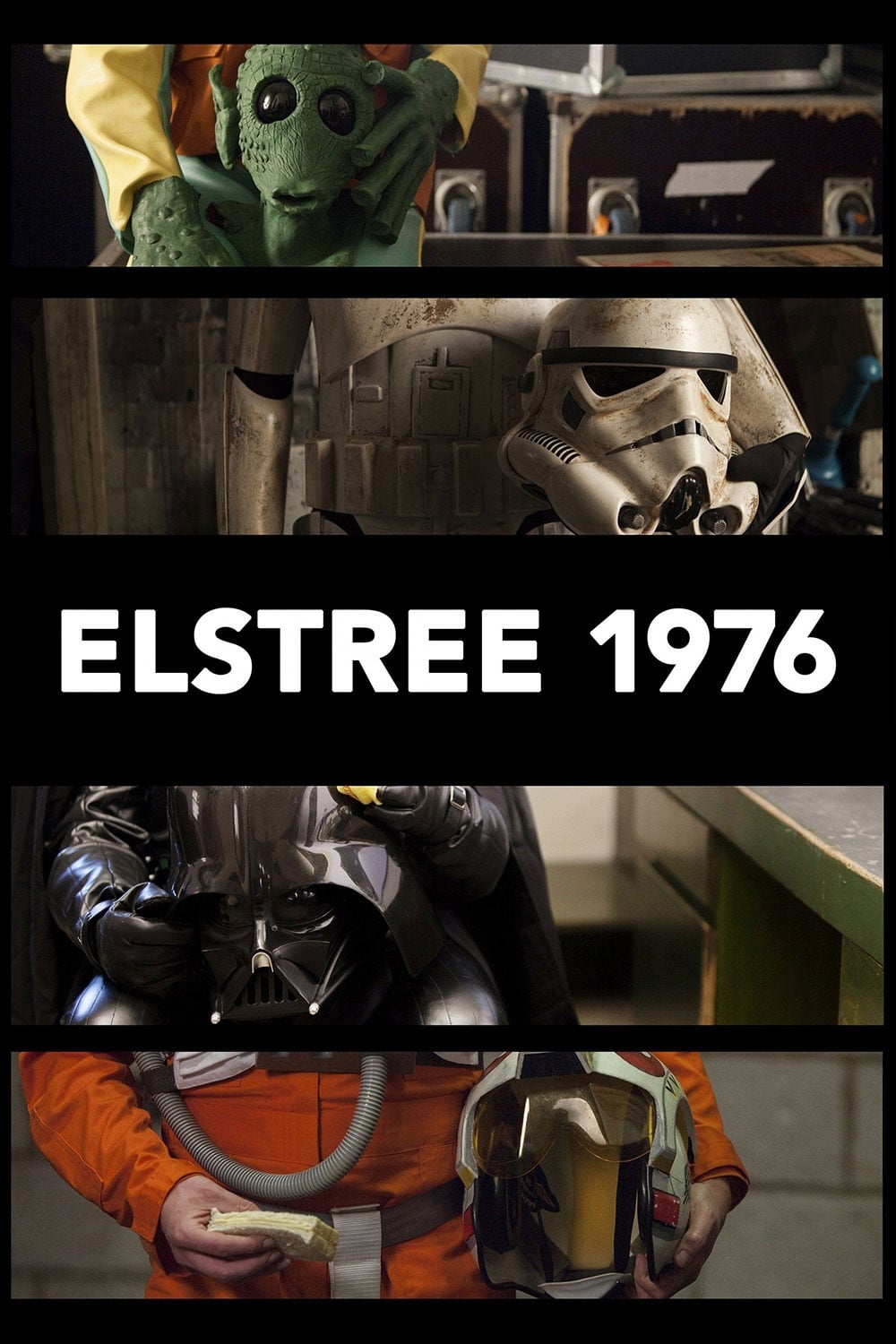
A documentary about ten very different lives connected by having appeared onscreen wearing masks or helmets in Star Wars.