Social & External
Tito del Amo, a passionate 72-year-old researcher, takes the final step to unravel the enigma about the alleged Spanish origin of the American cartoonist Walt Disney, making the same journey that his supposed mother made to give him up for adoption in Chicago. A journey that begins in Mojácar, Almería, Spain, and ends in New York. An exciting adventure, like Alicia's through the looking glass, to discover what is truth and what is not, with an unexpected result.
Focusing on key Arab films produced in the last 20 years. Férid Boughedir traces the development of the film-makers' concern to produce more socially aware cinema. Themes include the issue of Palestinian homeland rights and the nature of Arab identity. The film-makers also share a desire to develop a strong poetic tradition.
Jean-Luc Godard's acceptance video for the 2015 'Prix d’honneur'.
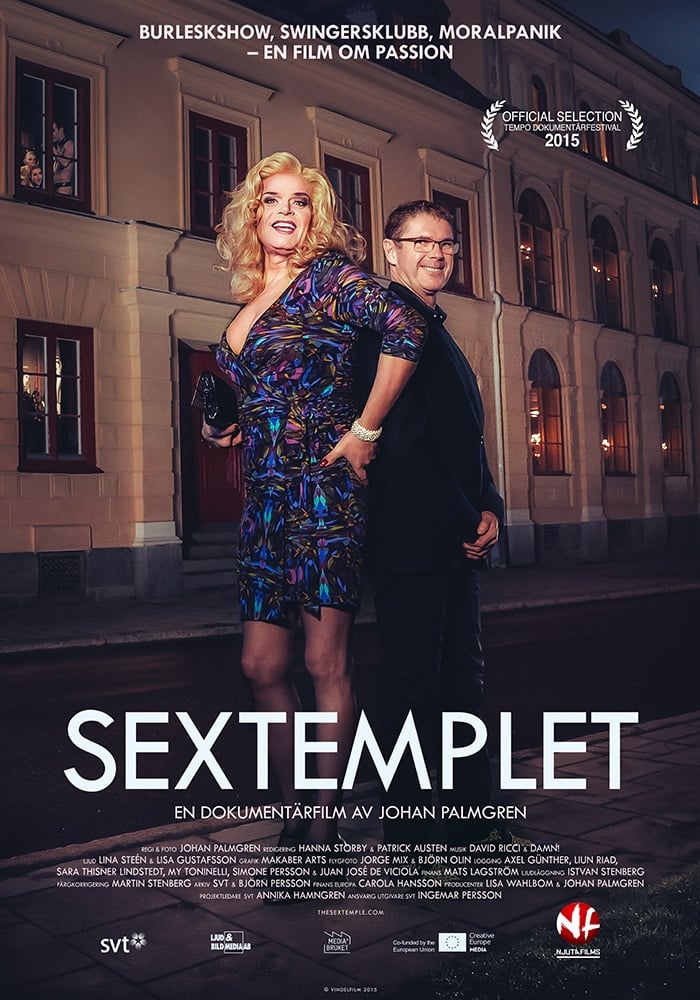
Robin ownes a beautiful old theatre in Norrköping, Sweden. There he lives with his husband. To solve a critical financial situation for the theatre, Robin puts up an equivoque burlesque show. In the middle of rehearsals he gets a phone call from Christian, the owner of a swingers club, who is in desperate need of new facilities because of a terrible fire that ruined his club. Renting out the cellar is a very interesting option for Robin and soon the two new friends start to cooperate while the town of Norrköping is in rage. The dream of Cristian is to make a big swingers party in the whole theatre and sometimes dreams come true.
Starting with her own memories of working as an actress on Abbas Kiarostami's Ten, filmmaker Roya Akbari proceeds to elicit other testimonies on the masters of Iranian cinema from three people who are themselves among the foremost Iranian directors: Rafi Pitts on Parviz Kimiavi; Amir Naderi on Sohrab Shahid Saless; and Bahram Bayzai on Arby Ovanessian. Bayzai also analyses Haji Agha, the Cinema Actor (1933) by Ovanes Ohanian, considered the first feature film made in Iran.
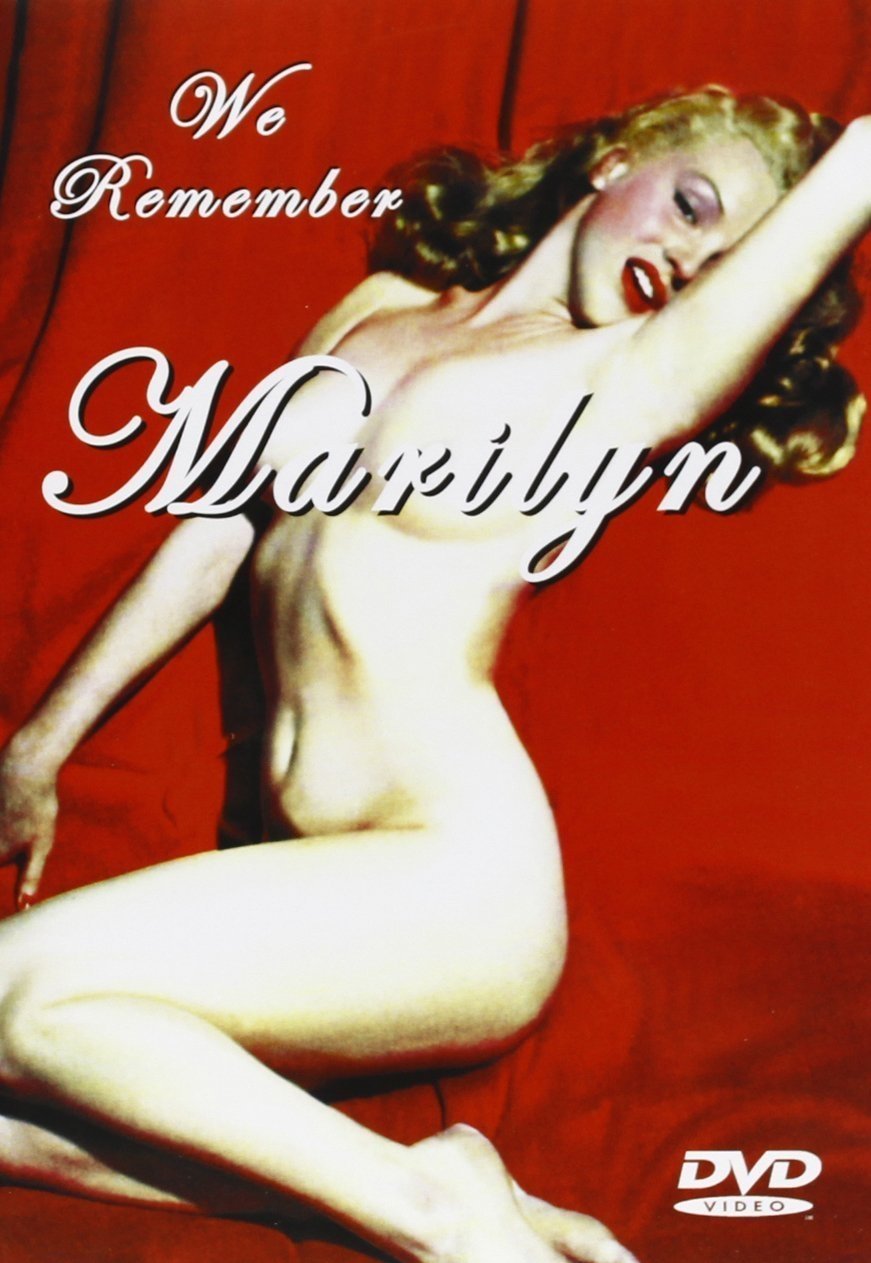
We Remember Marilyn. Marilyn Monroe transforms from Norma Jean, a cuddly teenager, into the most recognizable face and body in the world in these home movies, photos and film clips which span her early bit parts to her most known roles.
The filmmaker Juan Pinzás goes on a physical and also inner journey, in search of some lost images that he filmed in the 80s. The journey takes him from Madrid to Galicia and on the search for these images he meets with various characters who will help him in his undertaking, such as the actors Paul Naschy and Javier Gurruchaga whose personal worlds will be examined in the film. Finally in Vigo, his home city, of which he presents a remarkable portrait, he finds an old film in Super-8mm with the missing images. The catharsis is produced with the viewing of the old film which turns out to be a tribute to cinema and this means the end of the filmmaker's introspective journey.
A magical and moving archive trip through the universal theme of love, from the very first kisses ever caught on film, through the disruption of war to the birth of youth culture, gay liberation and free love, we follow courting couples flirting at tea dances, kissing in the back of the movies, shacking up and fighting for the right to love.
Paulo Rocha catches up with his “beloved subject” in Porto, where he made Douro, Faina Fluvial in 1929, and where today Oliveira reminisces about the figure of his father, his first experience of cinema as an actor, his past as a racing driver, his first technical experiences…
Upon the outbreak of the Spanish Civil War in July 1936, the anarchist union CNT socialized the film industry in Spain, so in Madrid and Barcelona film workers took over the production assets and, between 1936 and 1938, numerous films on a wide variety of topics were released, composing a varied mosaic that gives rise to one of the most unusual and original moments of Spanish cinematography.
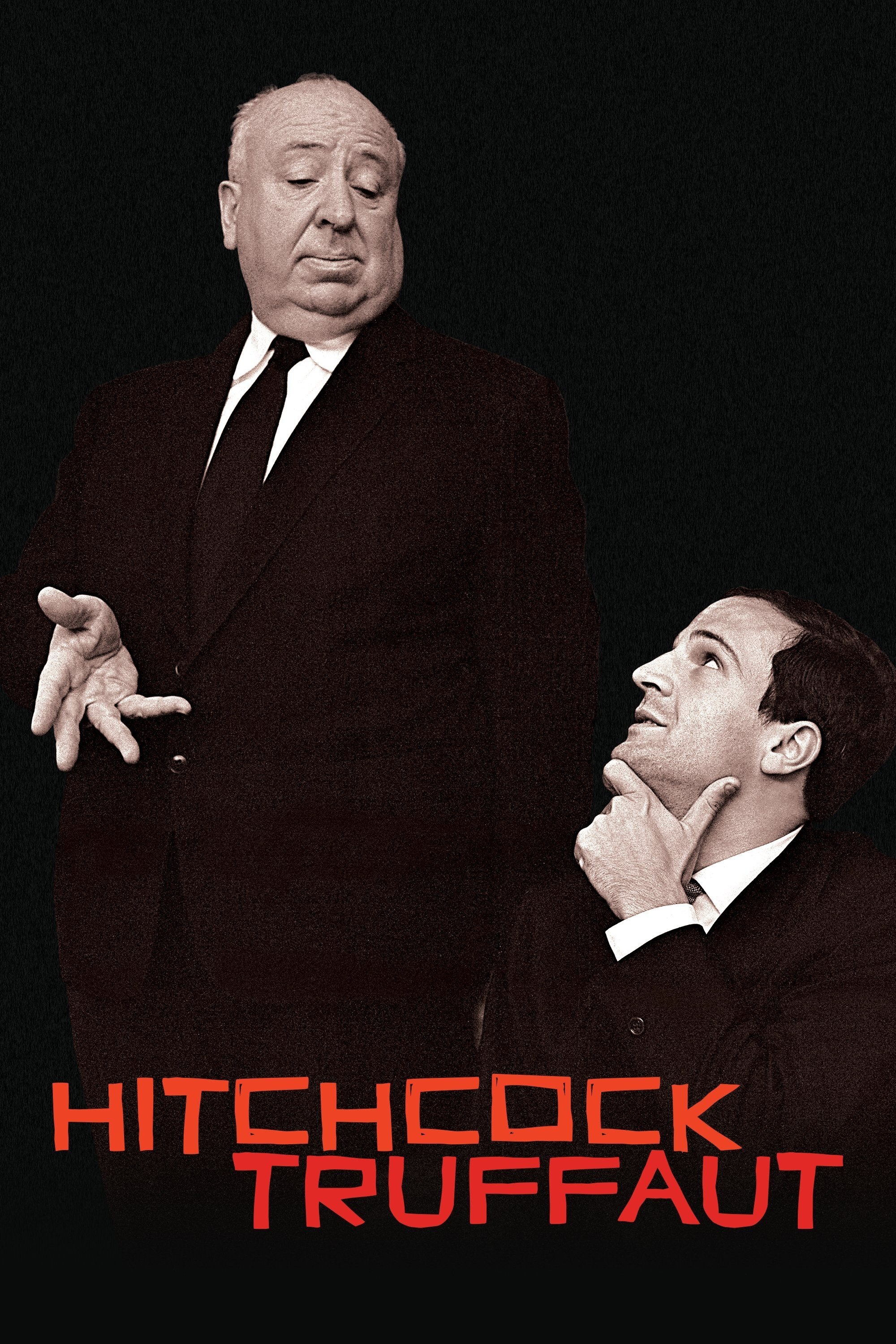
Filmmakers discuss the legacy of Alfred Hitchcock and the book “Hitchcock/Truffaut” (“Le cinéma selon Hitchcock”), written by François Truffaut and published in 1966.
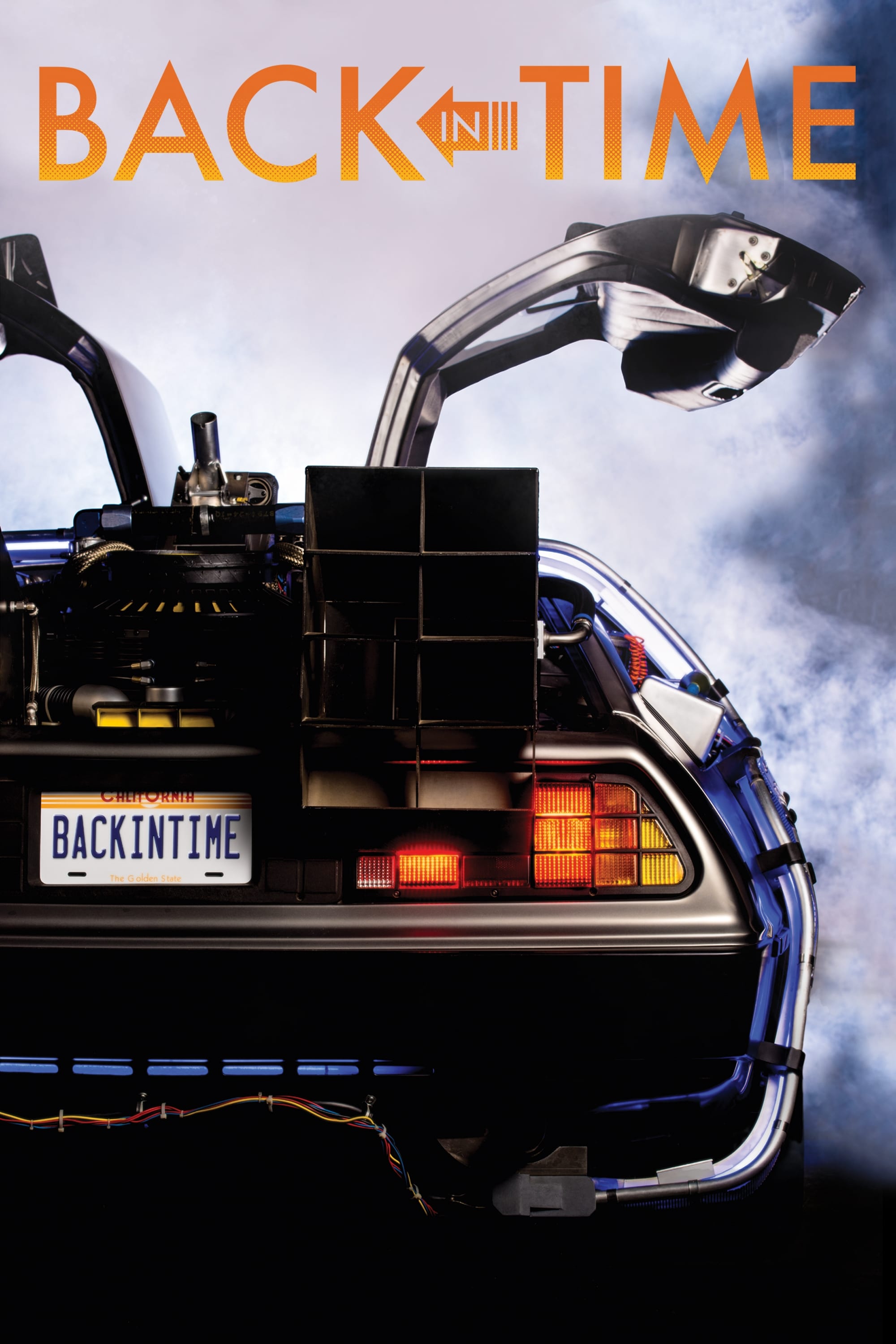
Cast, crew and fans explore the "Back to the Future" time-travel trilogy's resonance throughout our culture, thirty years after Marty McFly went back in time.
Even though women make up 51 percent of the U.S. population, only about 4 percent of movies are directed by women. Of the 220 TV shows, representing about 3500 total episodes, only 14 percent were directed by women. Bloomberg interviewed several female directors in Hollywood, from Oscar winners to the director of "Twilight" to explore the various forms of sexism and discrimination they have faced in Hollywood, and what they are trying to do to change things
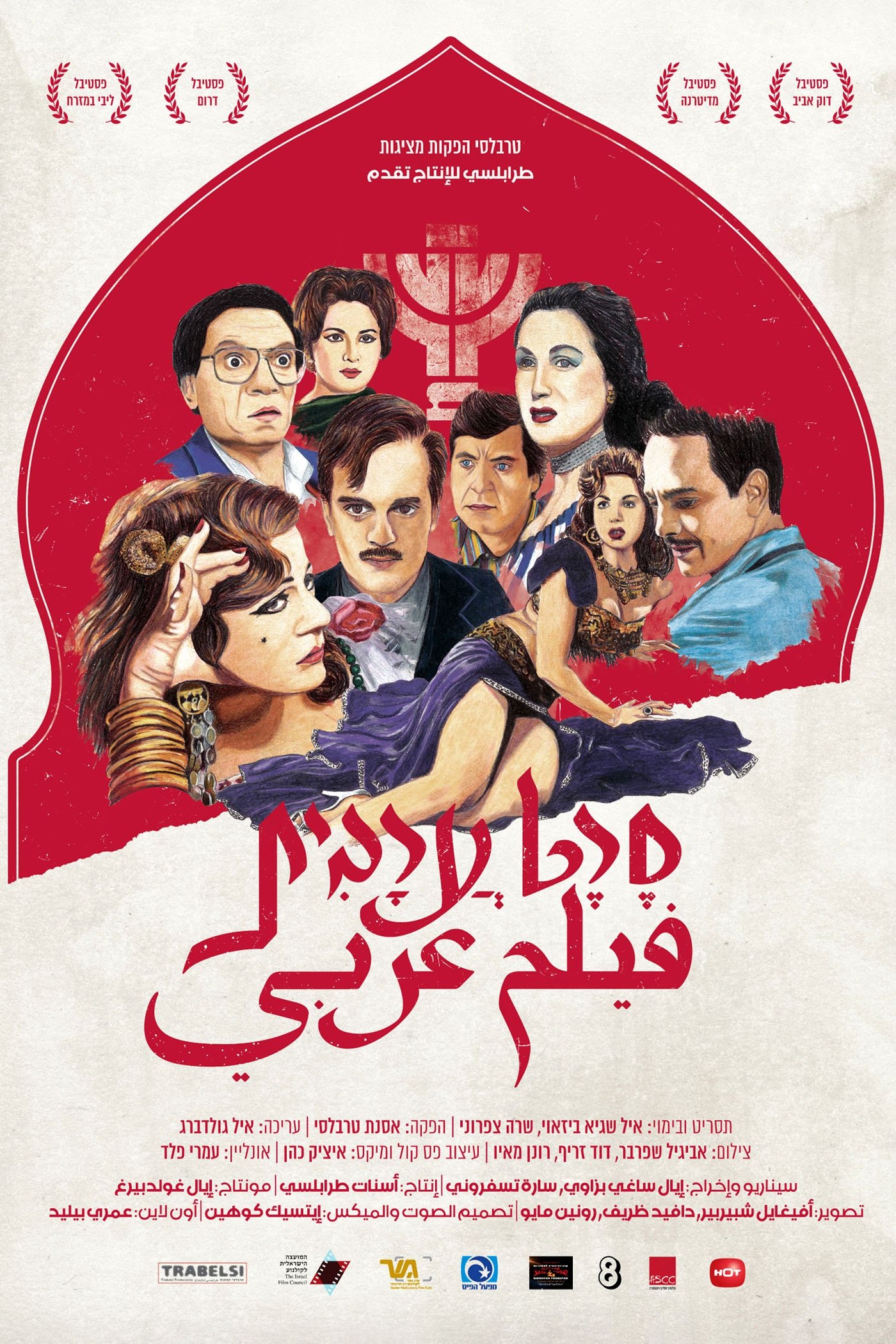
So many Israelis still wax nostalgic about that old Friday afternoon ritual, back in the times when television had just one channel. Everyone would watch the Arab movie of the week, but did anybody ever wonder how Israel’s official TV station was able to transcend hostile boundaries to obtain these films, and why it insisted on showing movies made by “the enemy”? The Arabic-language movie from Egypt let some of us escape back to our original homeland, and let others peek out from our “villa in the jungle” and catch a glimpse of our neighbors across the border. But most of us didn’t really want to see the people whose culture, anguish, and aspirations were reflected on our screens. “Arab Movie” brings us the stars and the songs, the convoluted plots, and that fleeting moment when we shared the same cultural heroes as everyone else in the Middle East. But this film about the richness and intensity of Egyptian cinema also raises some disturbing questions.
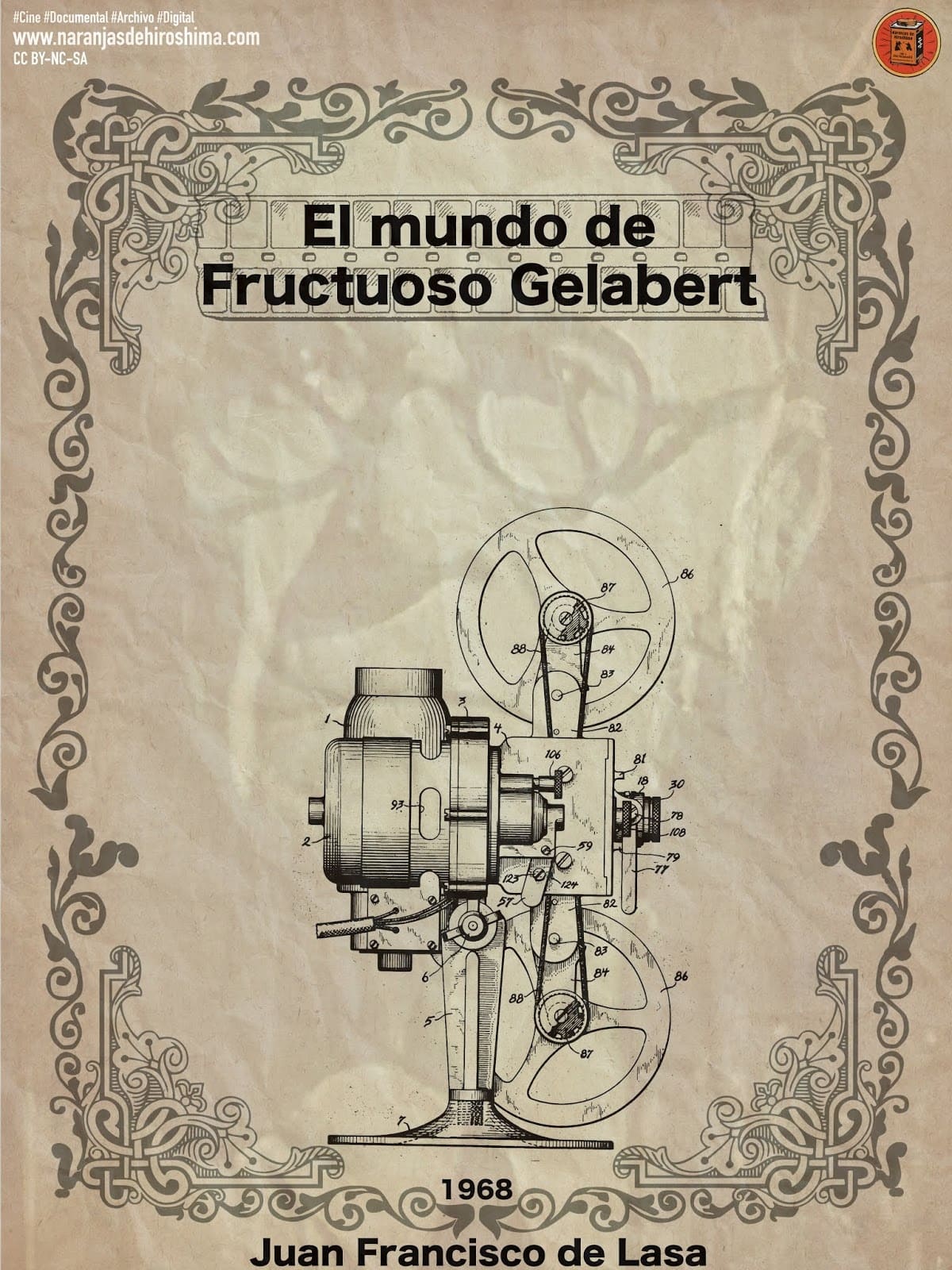
Documentary by Juan Francisco de Lasa about a pioneer of Spanish cinema. Gelabert attended one of the first sessions of the Lumière's cinématographe in Barcelona. Briefly after, he built a contraption based on this invention. He produced his first picture, "Dorotea", in 1897. His film "Riña en un café" is considered the first Spanish film to feature a plot.
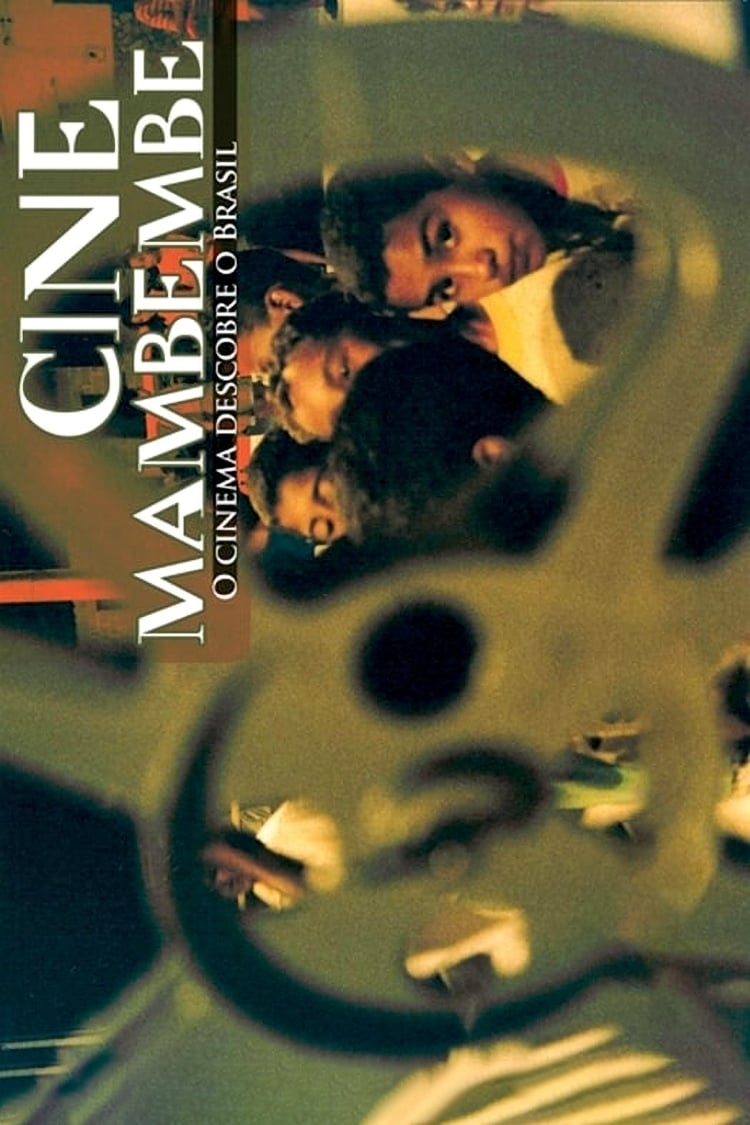
Laís Bodanzky and Luiz Bolognesi travel around the small cities of Brazil, exhibiting short films in public squares. From the south of Bahia to the farthest parts of Amazon, this documentary discovers a country that watches a movie and sees itself on the screen for the very first time, in the turning of the 21st century. What’s seen and heard is truly surprising.
What we tend to identify with the acting profession has little to do with what is really this profession. Thirty-six Spanish actors reflect on their work and contrasted their experiences. As thread, the contrast between the voices of veterans and images of young theater students , for whom everything is still possible. Among the many actors are interviewed Javier Bardem, Antonio Banderas, Victoria Abril, Carmen Maura, Fernando Fernán Gómez, José Luis López Vázquez, José Coronado, Emma Suarez, Alberto San Juan, Ariadna Gil, Ana Belén, Pilar Lopez de Ayala and many other.
Documentary about two young Spanish filmmakers who challenge Jean Luc Godard to a tennis match, and in the way to the game, they will visit his colleagues, and friends in order to know him, and offer a new approach to his work and his personality.
The 1950s were a time marked by an idealistic feeling. The atomic age, with its promise to save humanity, revolutionized the world, technologically, socially and politically. All these factors gave birth to one of the most prolific film genres in the history of cinema: science fiction, which delighted the audience. Only a few years later, these same spectators saw on their television screens how the Russians launched the Sputnik into space.
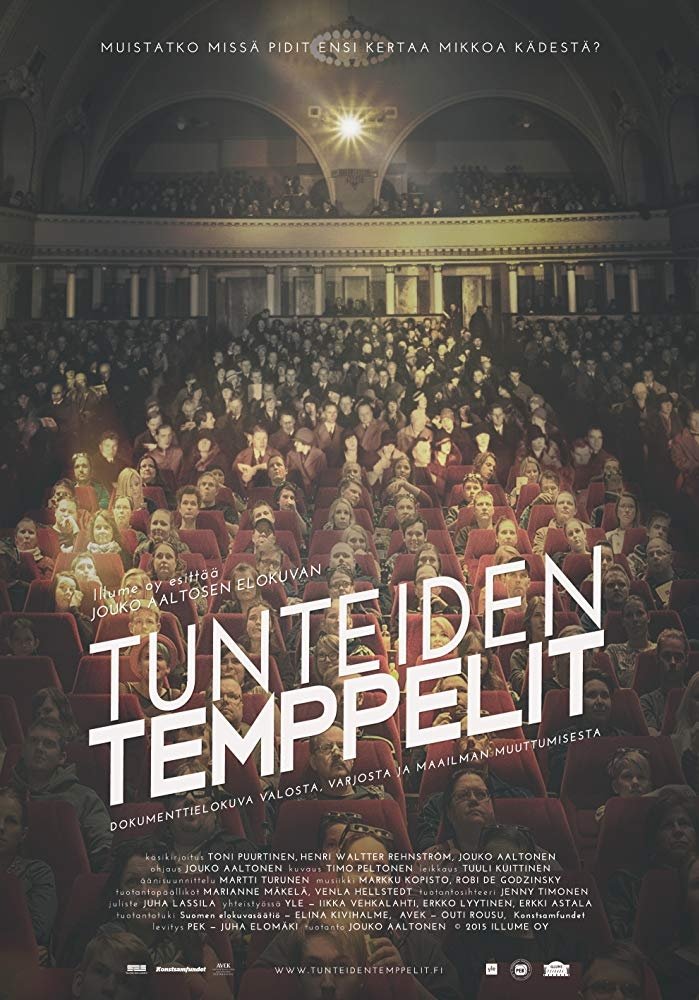
Documentary about Finnish film theaters - about their past, disappearance and future. And at the same time universal story how cinema is undeniably connected with life.
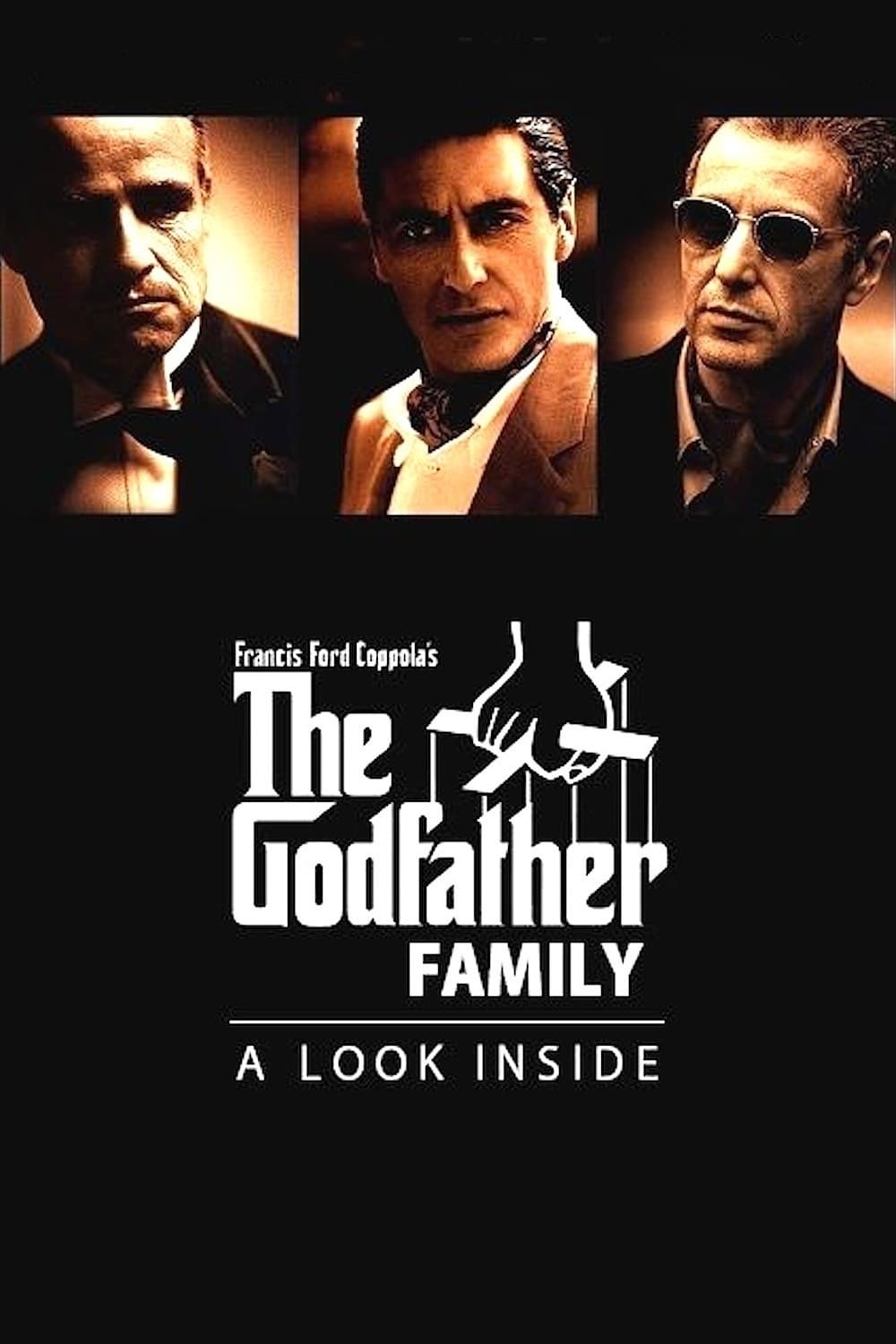
A documentary on the making of the three Godfather films, with interviews and recollections from the film makers and cast. This feature also includes the original screen tests of some of the actors for "The Godfather" film, and some candid moments on the set of "The Godfather: Part III."
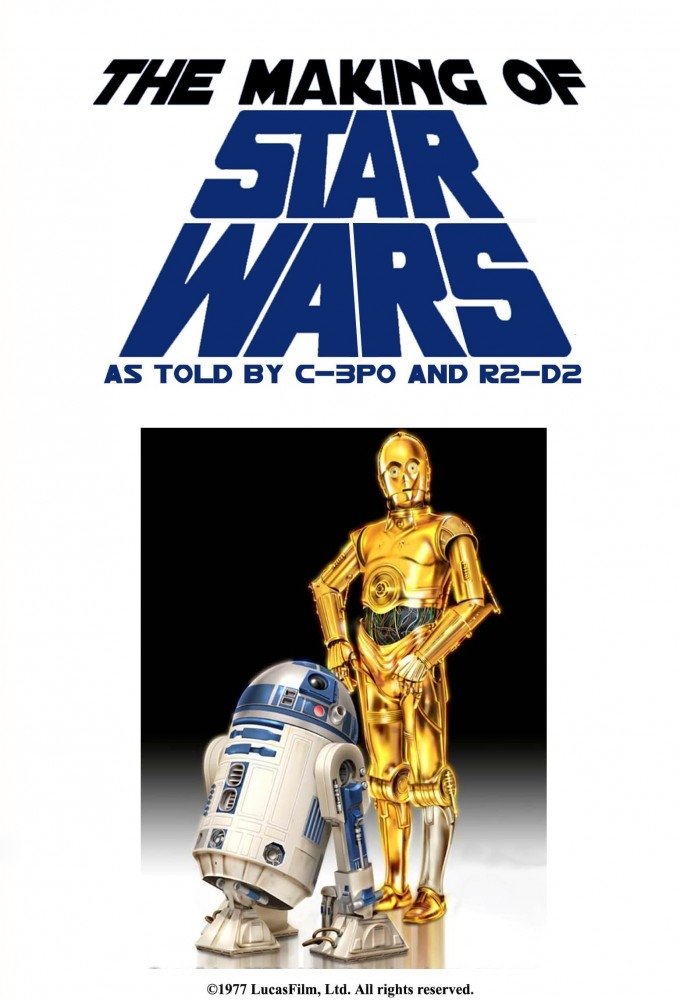
Learn the incredible behind-the-scenes story of how the original Star Wars movie was brought to the big screen in this fascinating documentary hosted by C-3PO and R2-D2 which includes interviews with George Lucas and appearances by Mark Hamill, Harrison Ford and Carrie Fisher.
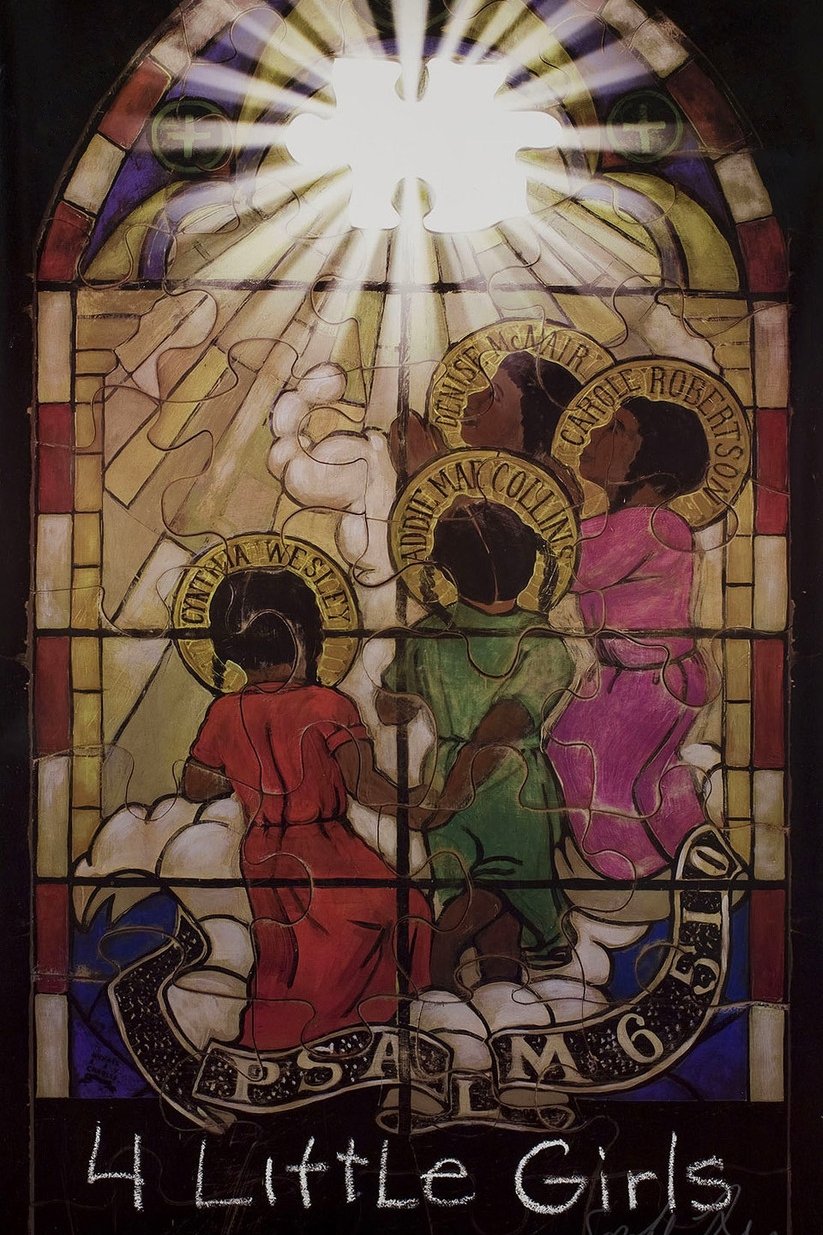
On September 15, 1963, a bomb destroyed a black church in Birmingham, Alabama, killing four young girls who were there for Sunday school. It was a crime that shocked the nation--and a defining moment in the history of the civil-rights movement. Spike Lee re-examines the full story of the bombing, including a revealing interview with former Alabama Governor George Wallace.
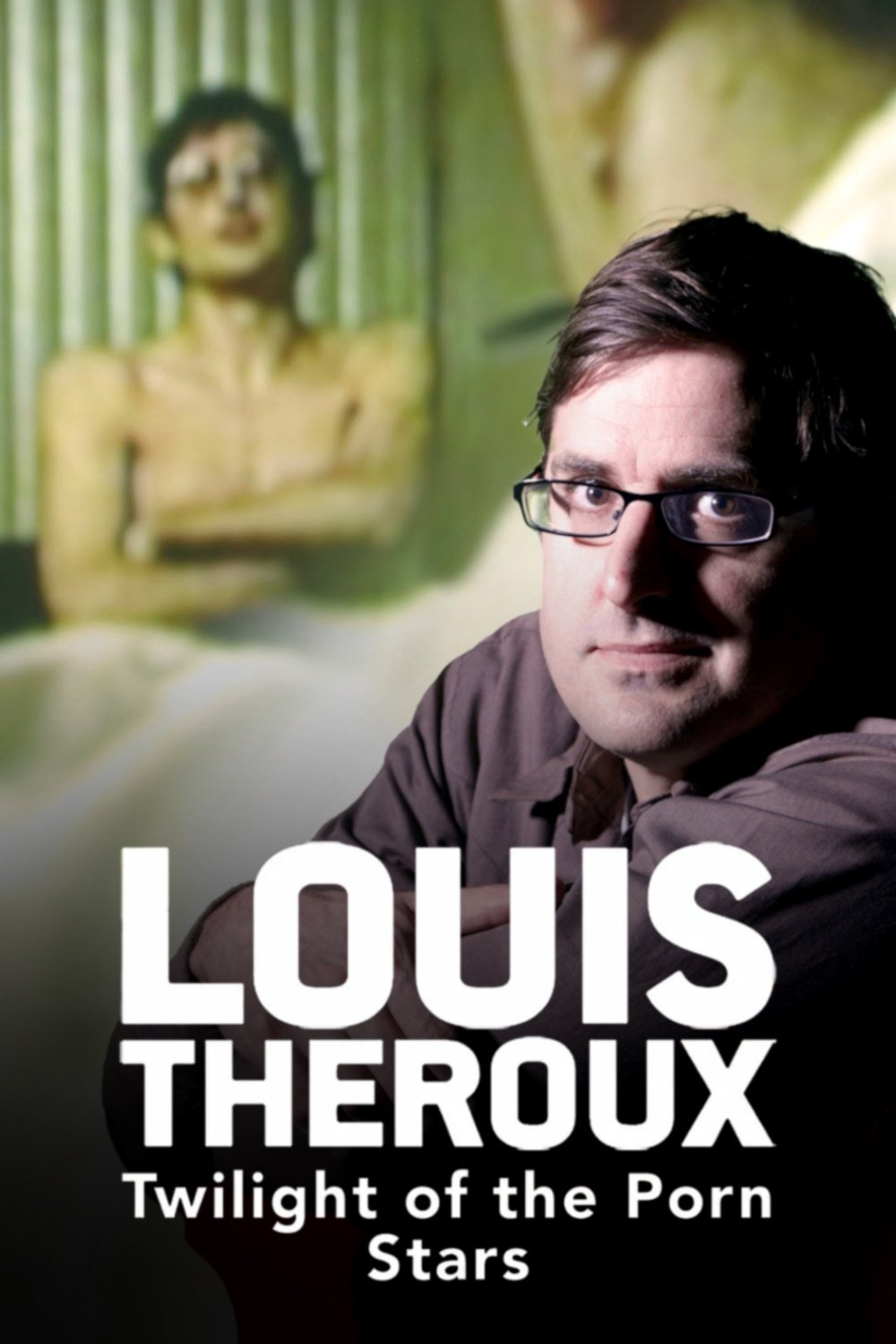
In 1997, Louis Theroux made a documentary about the world of male porn performers in Los Angeles. 15 years later, he returns to find a business struggling with the deluge of free porn on the internet. Louis revisits some of the original programme's contributors as well as meeting the latest crop of porn performers dreaming of porn stardom.
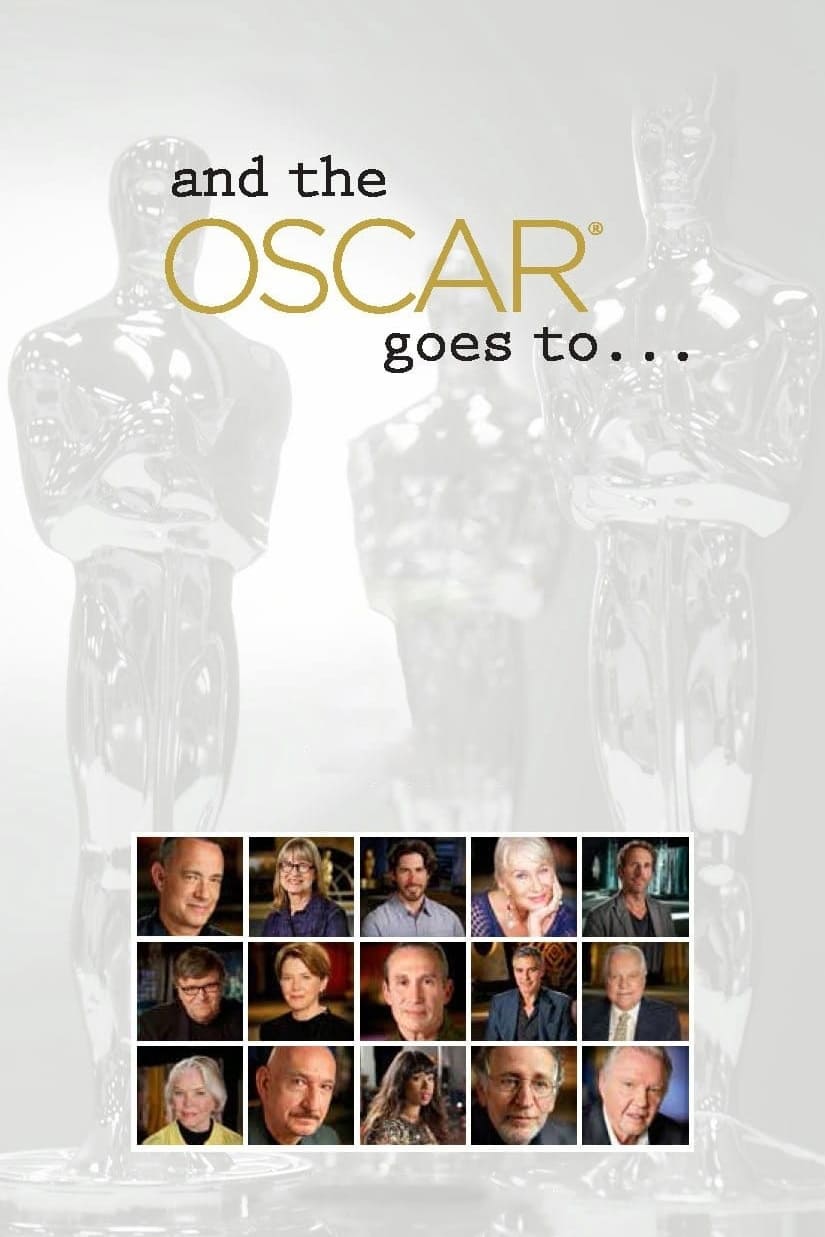
The story of the gold-plated statuette that became the film industry's most coveted prize, AND THE OSCAR GOES TO... traces the history of the Academy itself, which began in 1927 when Louis B. Mayer, then head of MGM, led other prominent members of the industry in forming this professional honorary organization. Two years later the Academy began bestowing awards, which were nicknamed "Oscar," and quickly came to represent the pinnacle of cinematic achievement.
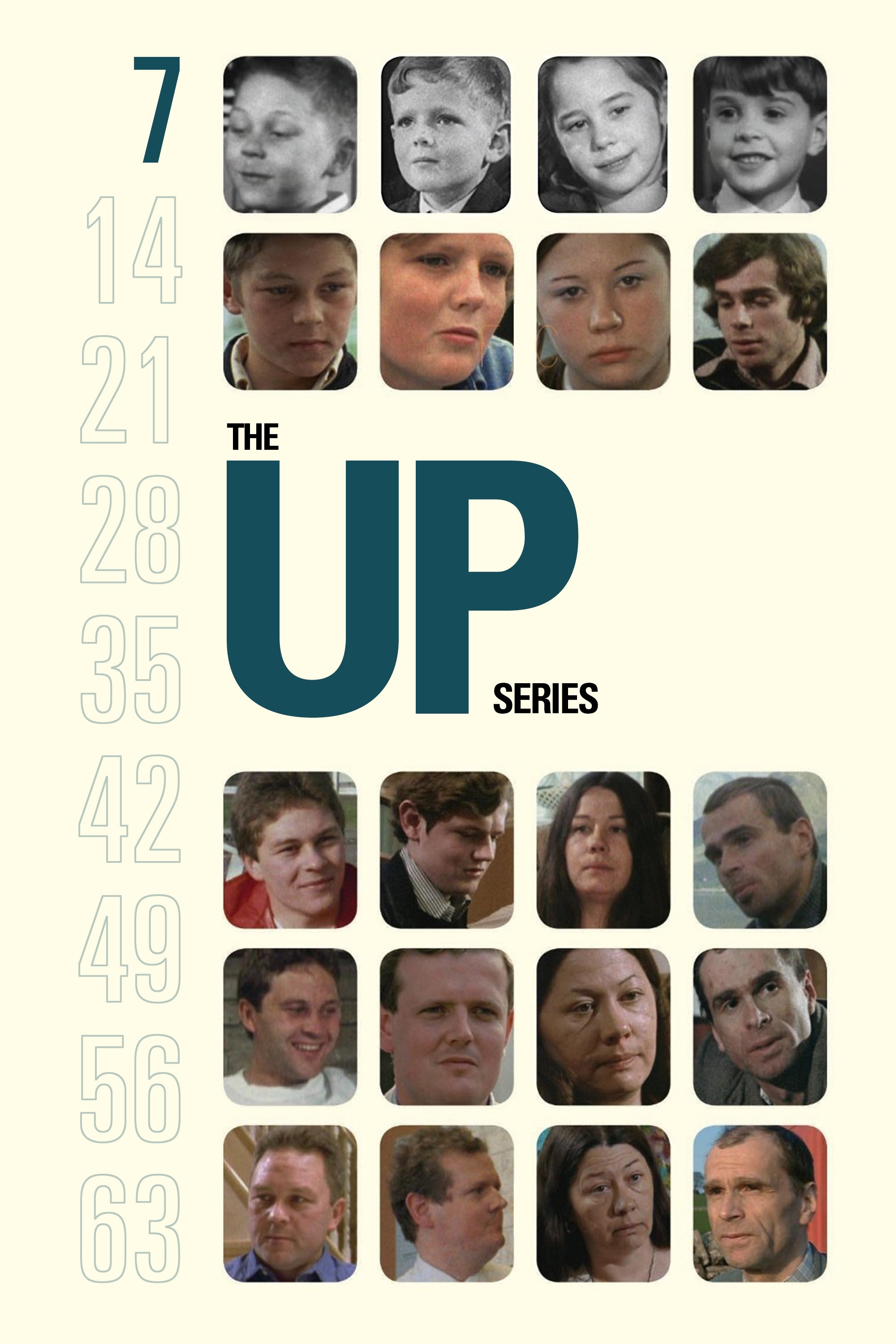
A group of British children aged 7 from widely ranging backgrounds are interviewed about a range of subjects. The filmmakers plan to re-interview them at 7 year intervals to track how their lives and attitudes change as they age.
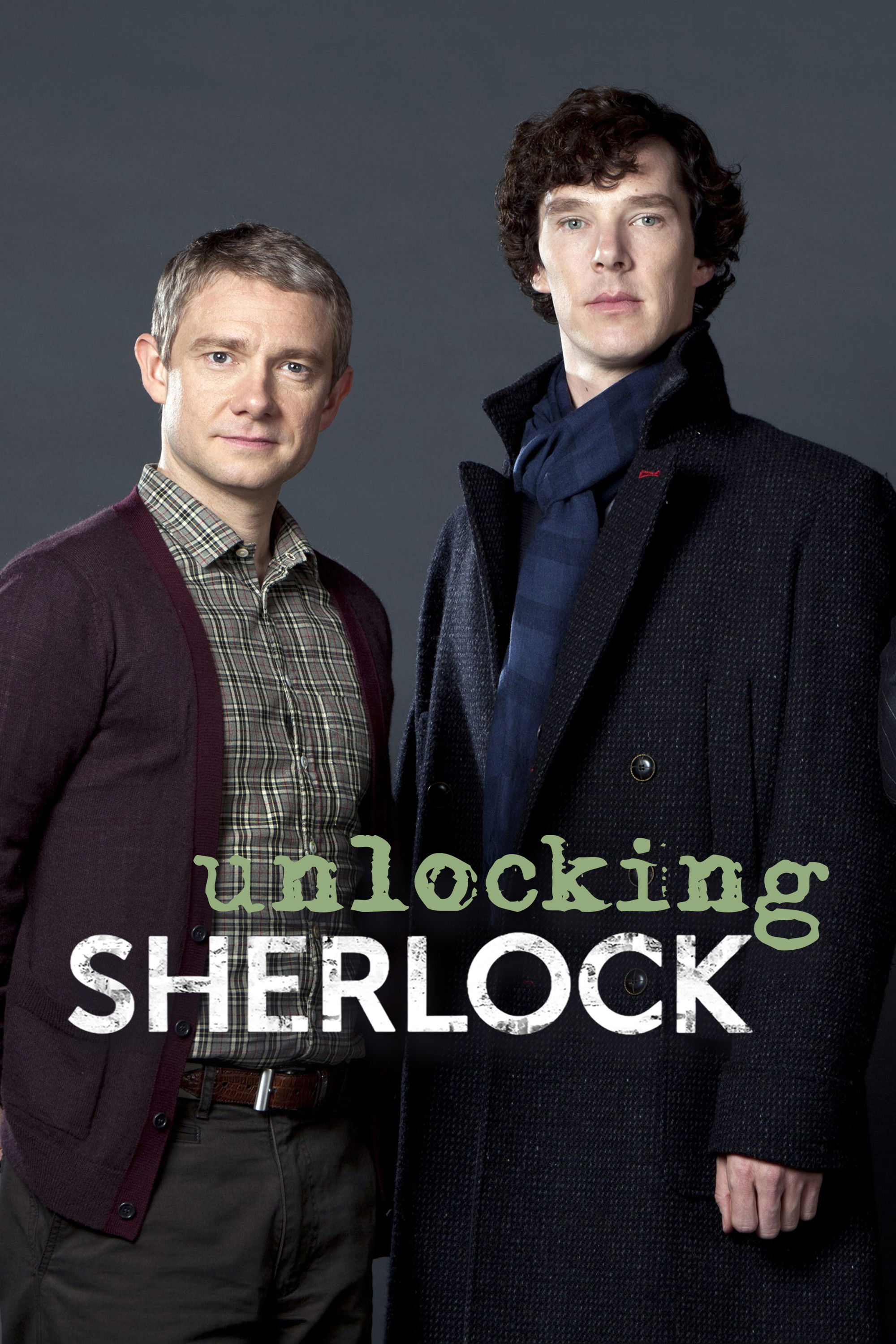
Explore how writers Steven Moffat and Mark Gatiss created the hit television sensation. Take a personal voyage through the versions of Holmes that have served as inspirations for the new series - the original stories, their factual origins, hundreds of film adaptations - to arrive at their thoroughly modern Sherlock. Moffat and Gatiss explain the challenges they encountered adapting the original adventures of the iconic super-sleuth. Go behind the scenes on the set of the hit television series, including interviews with actors Benedict Cumberbatch, Martin Freeman and Lara Pulver, who talk about the reinvention of their fictional characters.
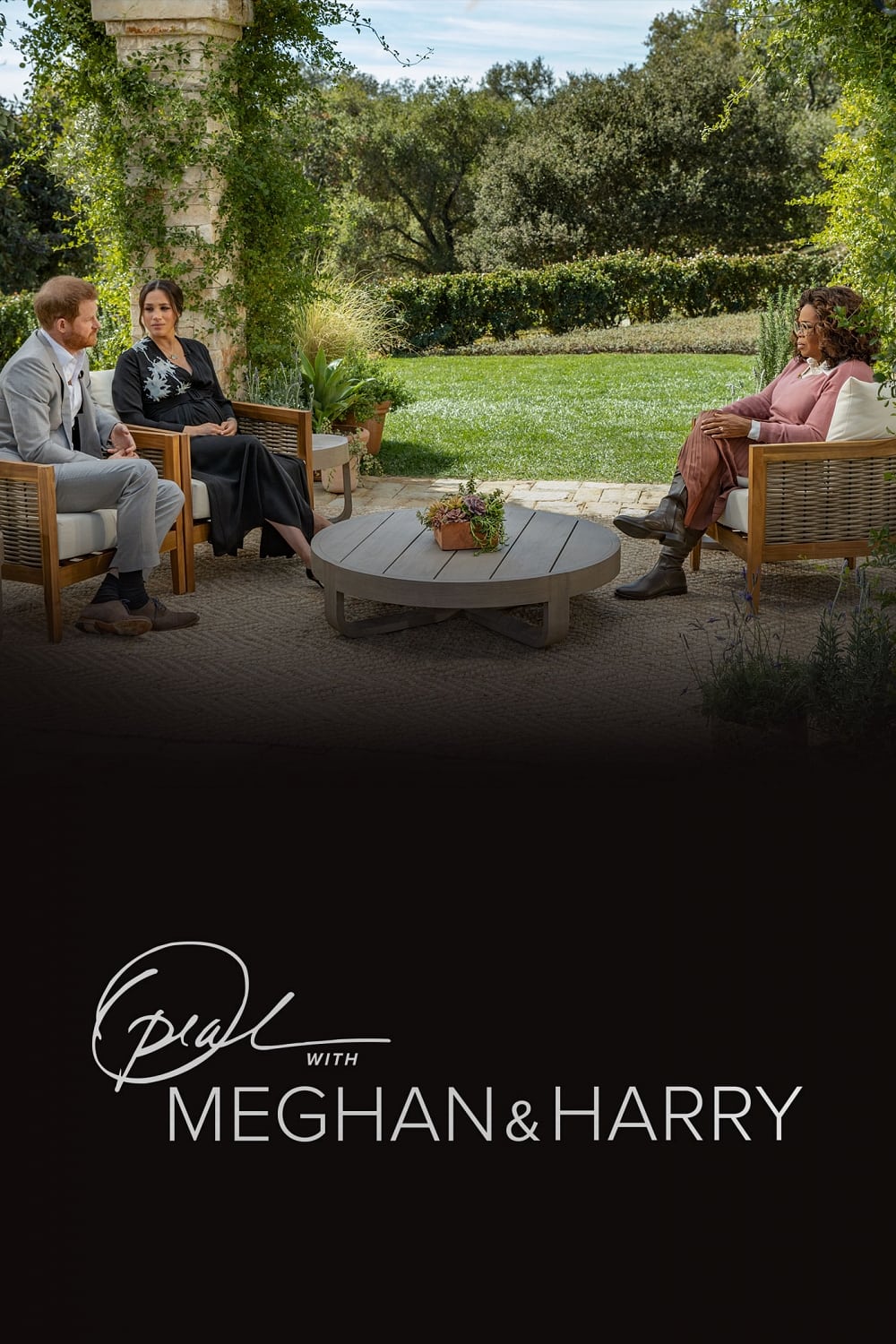
Winfrey speaks with Markle about everything from stepping into life as a Royal, marriage, motherhood, her philanthropic work and how she is handling life under intense public pressure. Later, the two are joined by Prince Harry as they speak about their move to the United States and their future hopes and dreams for their expanding family.
Journey into the extraordinary world of "The Witcher" — from casting the roles to Jaskier's catchy song — in this behind-the-scenes look at the series.
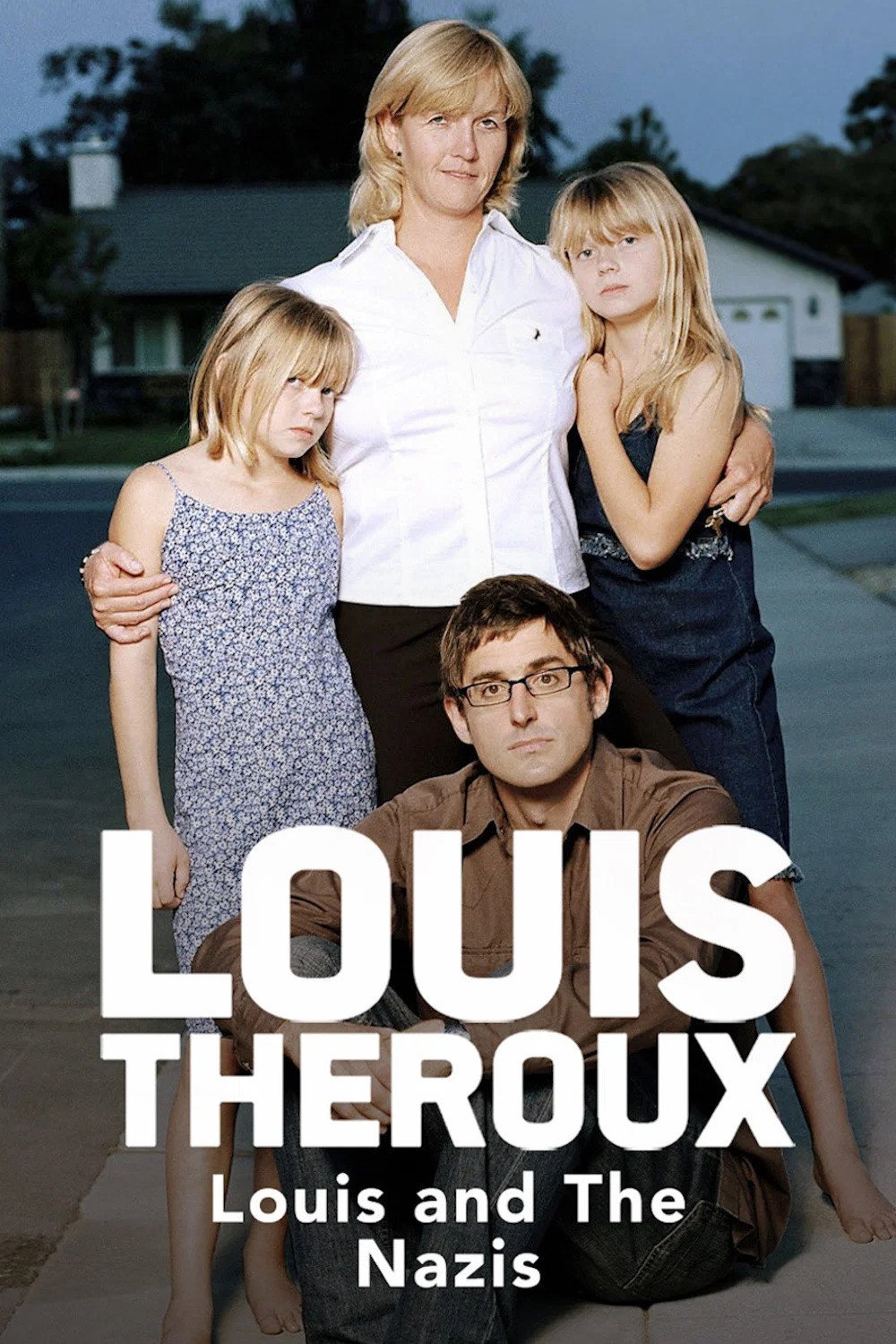
Louis Theroux travels to California to meet the man dubbed "the most dangerous racist in America"; Tom Metzger. Louis meets him, his family and his publicity manager as well as following him to skinhead rallies and on a visit to Mexico.
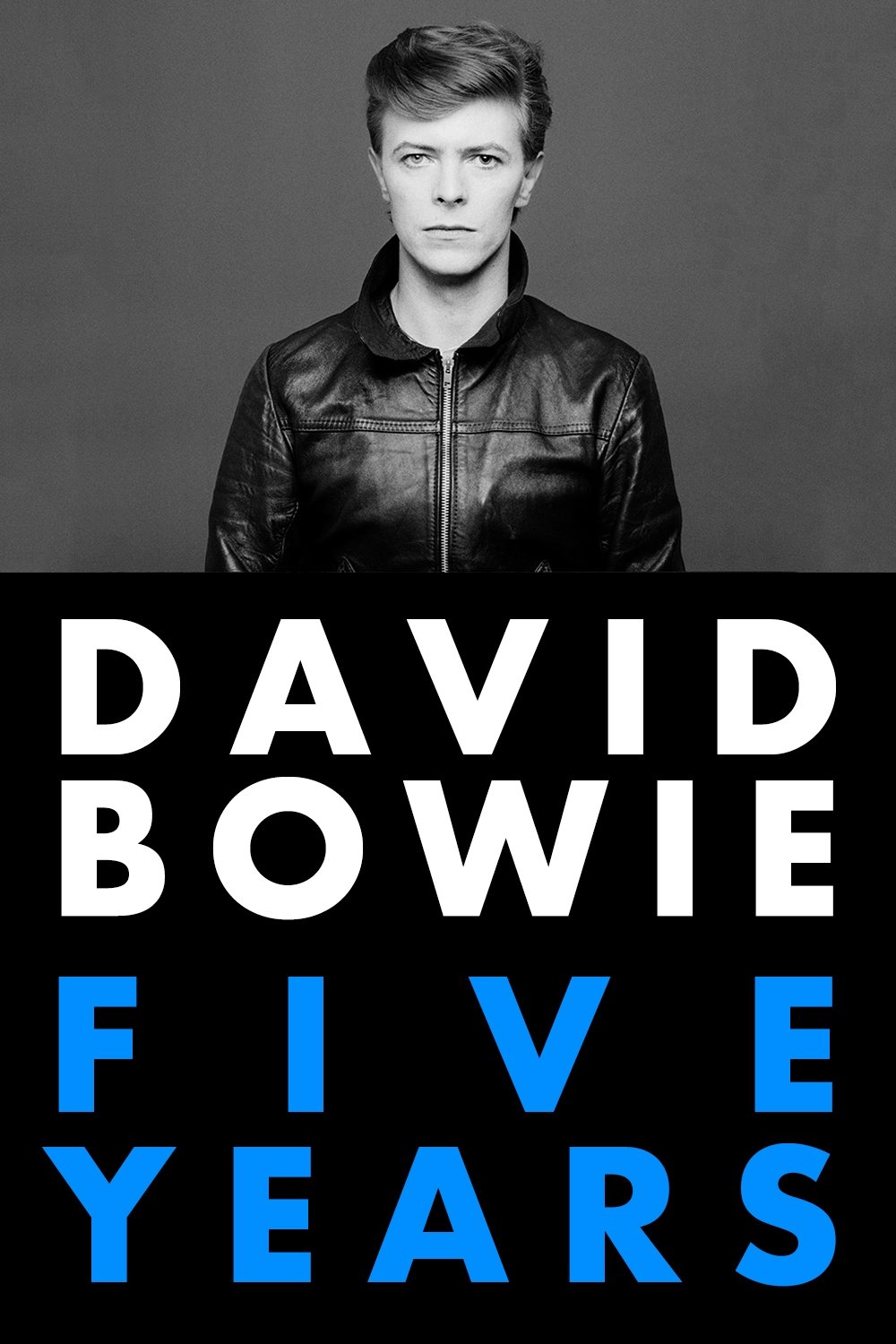
Featuring a wealth of previously unseen archive, this film looks at how Bowie continually evolved: from Ziggy Stardust to the Soul Star of Young Americans, to the ‘Thin White Duke’. It explores his regeneration in Berlin with the critically acclaimed album Heroes, his triumph with Scary Monsters and his global success with Let’s Dance. With interviews with all his closest collaborators, David Bowie - Five Years presents a unique account of why Bowie has become an ‘icon of our times’.
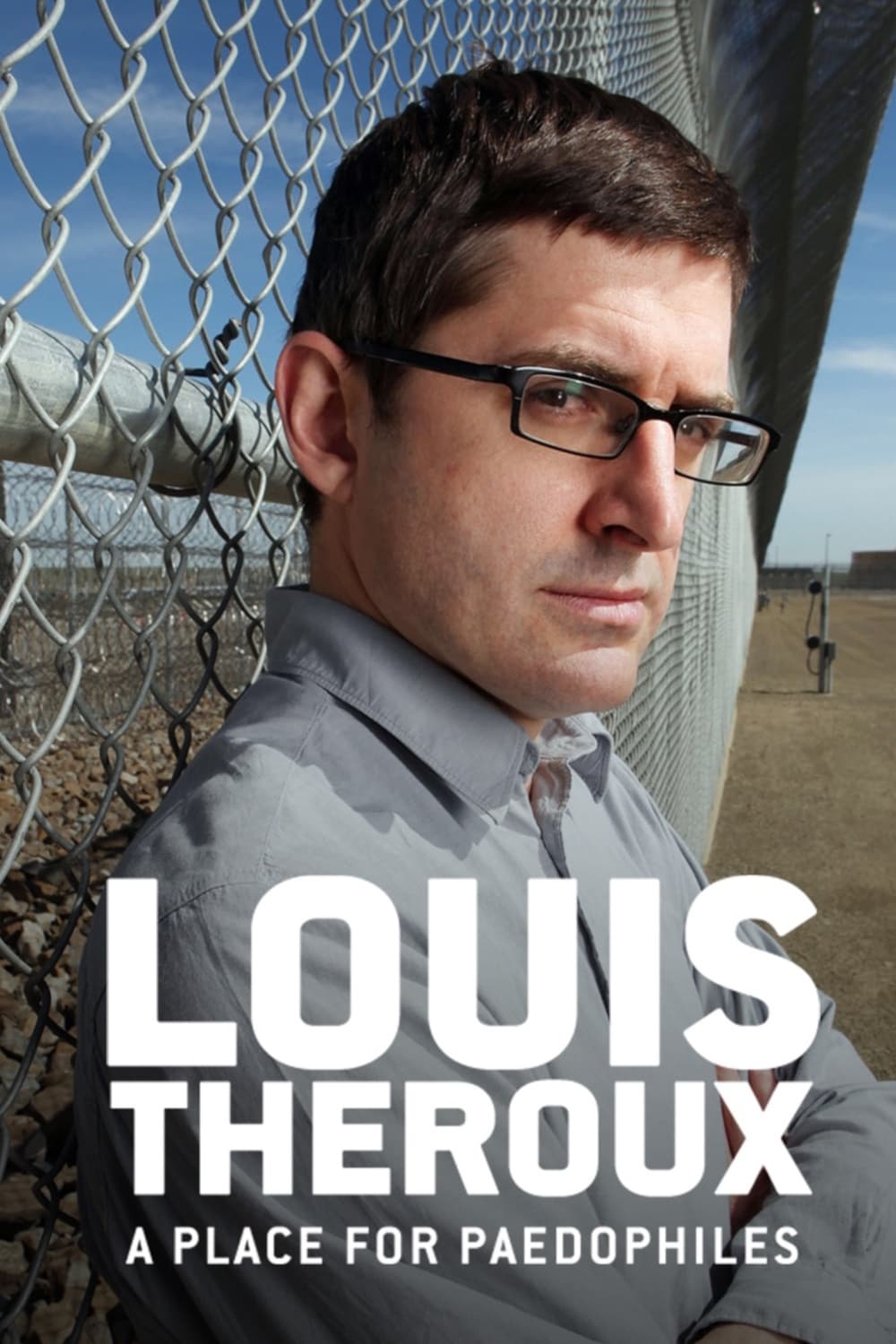
Louis has gained access to Coalinga Mental Hospital in California, which houses more than 500 of the most disturbed criminals in America, convicted paedophiles. Most have already served lengthy prison sentences, but have been deemed unsafe for release. Instead, they have been sent here for an indefinite time. Spending time with those undergoing treatment, Louis wrestles with whether he can ever allow himself to believe men whose whole history is defined by deception and deceit.
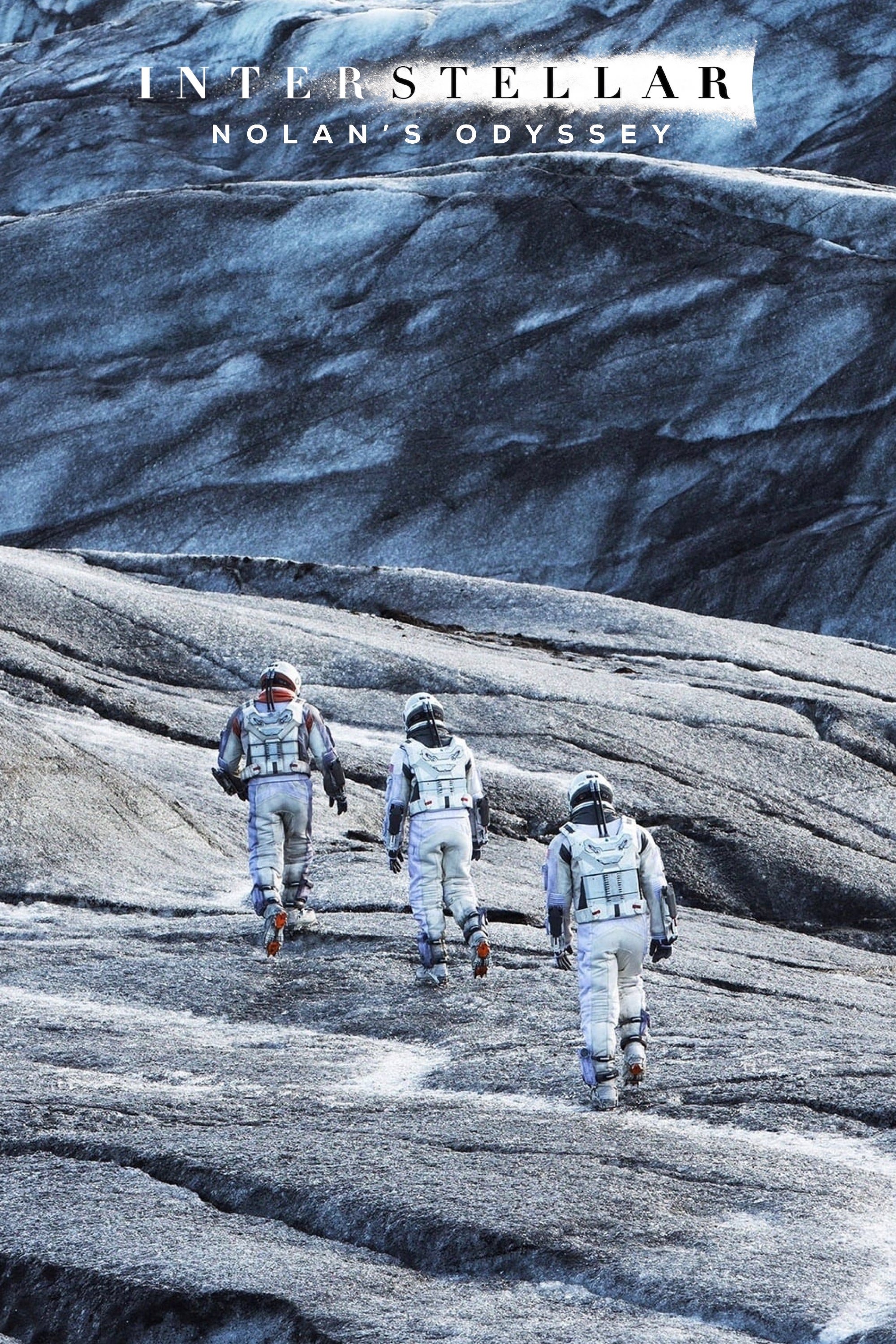
A look behind the lens of Christopher Nolan's space epic.
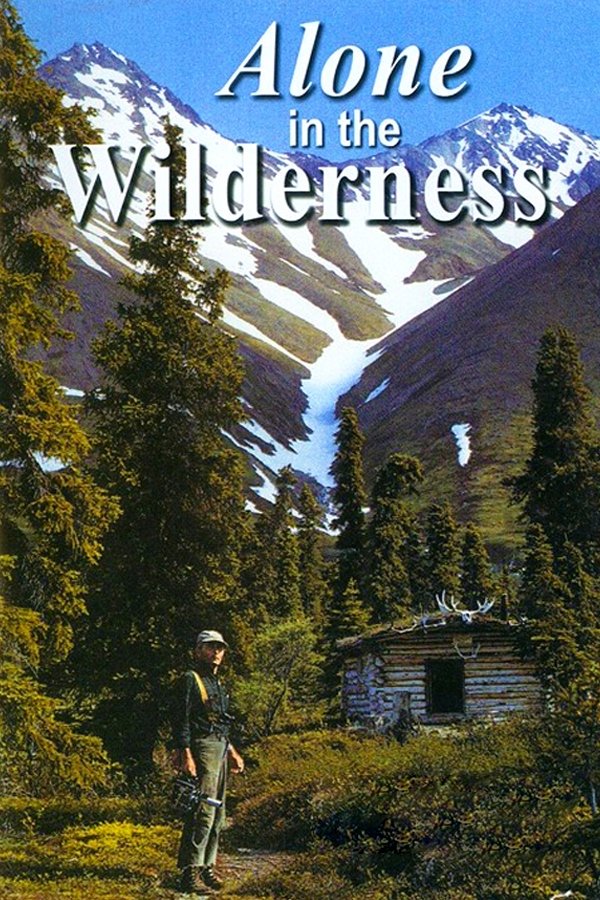
Dick Proenneke retired at age 50 in 1967 and decided to build his own cabin in the wilderness at the base of the Aleutian Peninsula, in what is now Lake Clark National Park. Using color footage he shot himself, Proenneke traces how he came to this remote area, selected a homestead site and built his log cabin completely by himself. The documentary covers his first year in-country, showing his day-to-day activities and the passing of the seasons as he sought to scratch out a living alone in the wilderness.
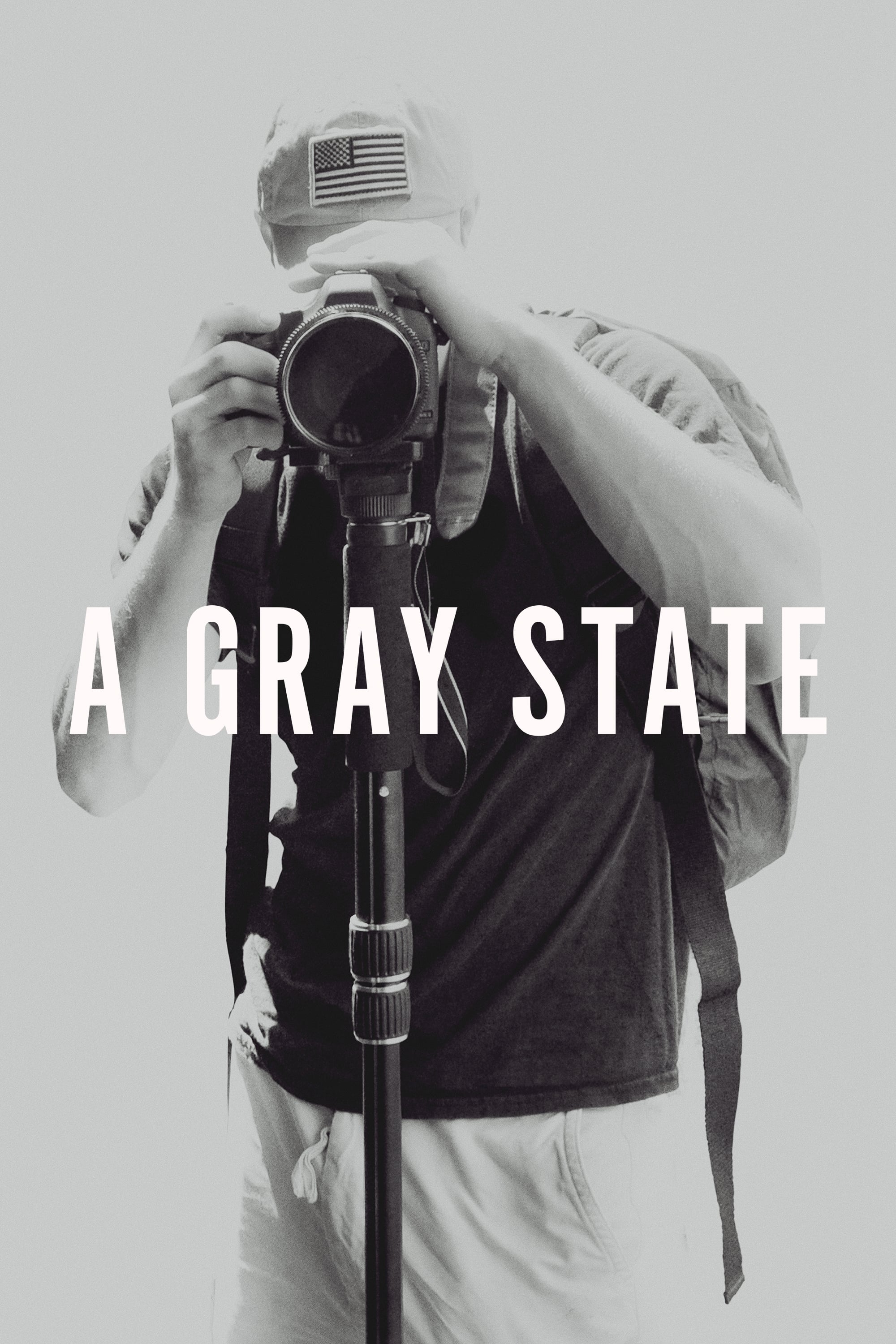
In 2010 David Crowley, an Iraq veteran, aspiring filmmaker and charismatic up-and-coming voice in fringe politics, began production on his film Gray State. Set in a dystopian near-future where civil liberties are trampled by an unrestrained federal government, the film’s crowd funded trailer was enthusiastically received by the burgeoning online community of libertarians, Tea Party activists and members of the nascent alt-right. In January of 2015, Crowley was found dead with his family in their suburban Minnesota home. Their shocking deaths quickly become a cause célèbre for conspiracy theorists who speculate that Crowley was assassinated by a shadowy government concerned about a film and filmmaker that was getting too close to the truth about their aims.
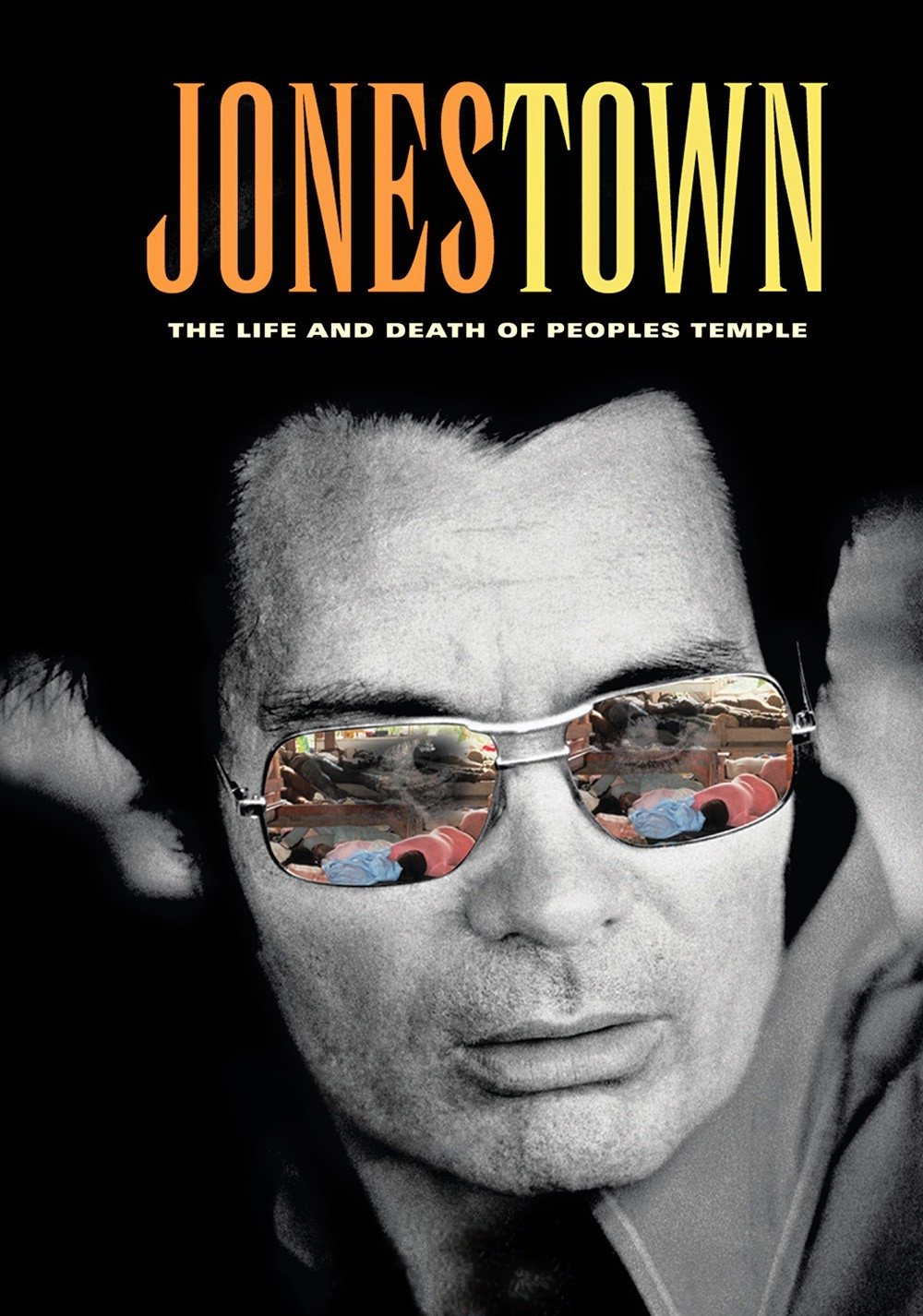
Featuring never-before-seen footage, this documentary delivers a startling new look at the Peoples Temple, headed by preacher Jim Jones who, in 1978, led more than 900 members to Guyana, where he orchestrated a mass suicide via tainted punch.
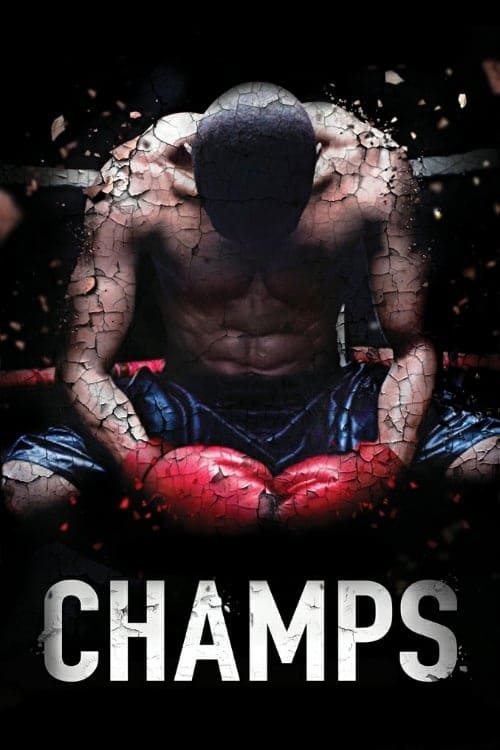
A documentary about the sport of boxing, as seen through the eyes of champions Mike Tyson, Evander Holyfield and Bernard Hopkins.
A documentary about the life and films of director John Ford.
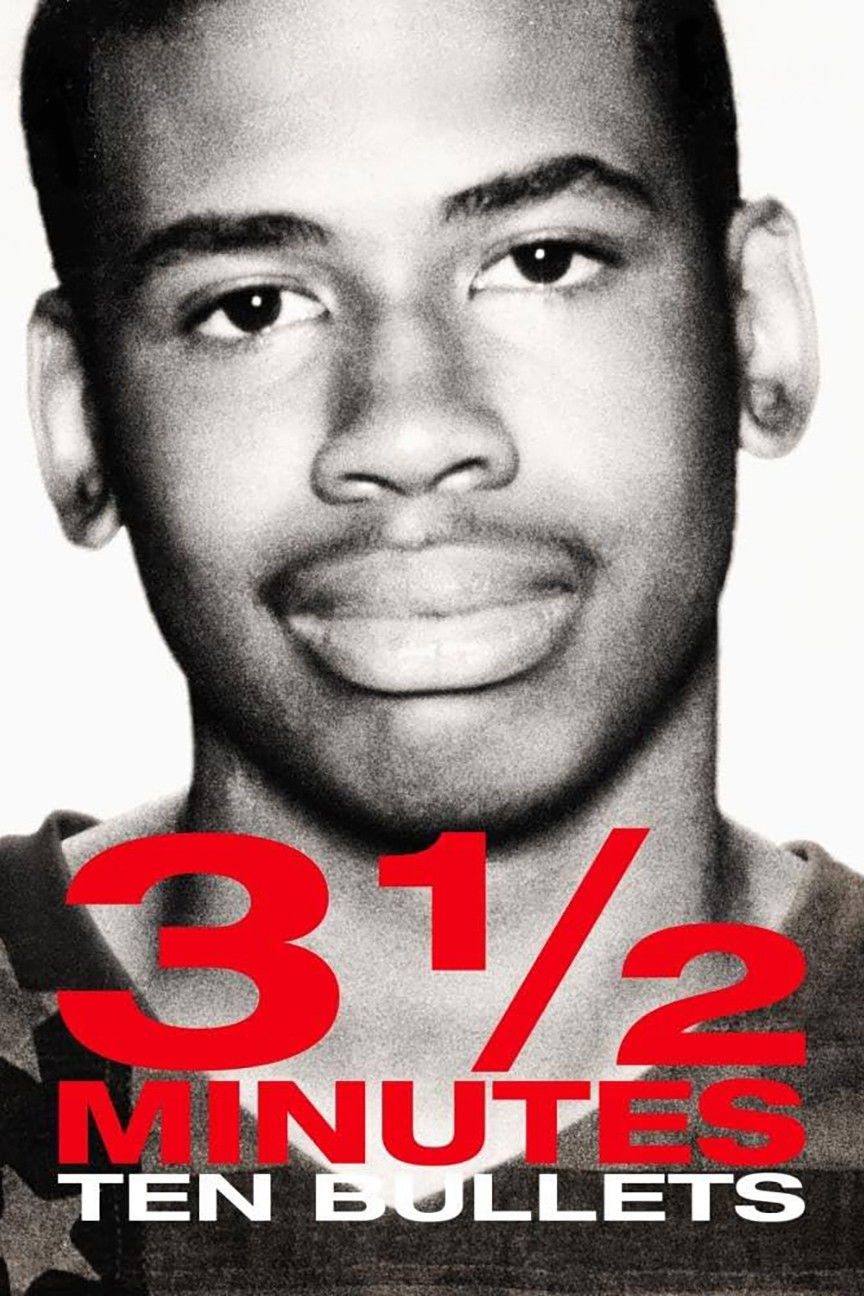
Black Friday, the day after Thanksgiving November 2012, four boys in a red SUV pull into a gas station after spending time at the mall buying sneakers and talking to girls. With music blaring, one boy exits the car and enters the store, a quick stop for a soda and a pack of gum. A man and a woman pull up next to the boys in the station, making a stop for a bottle of wine. The woman enters the store and an argument breaks out when the driver of the second car asks the boys to turn the music down. 3½ minutes and ten bullets later, one of the boys is dead. 3½ MINUTES dissects the aftermath of this fatal encounter.
A documentary about how a dominant cultural and demographic institution both sustains their traditional activities and adapts to the digital revolution.